






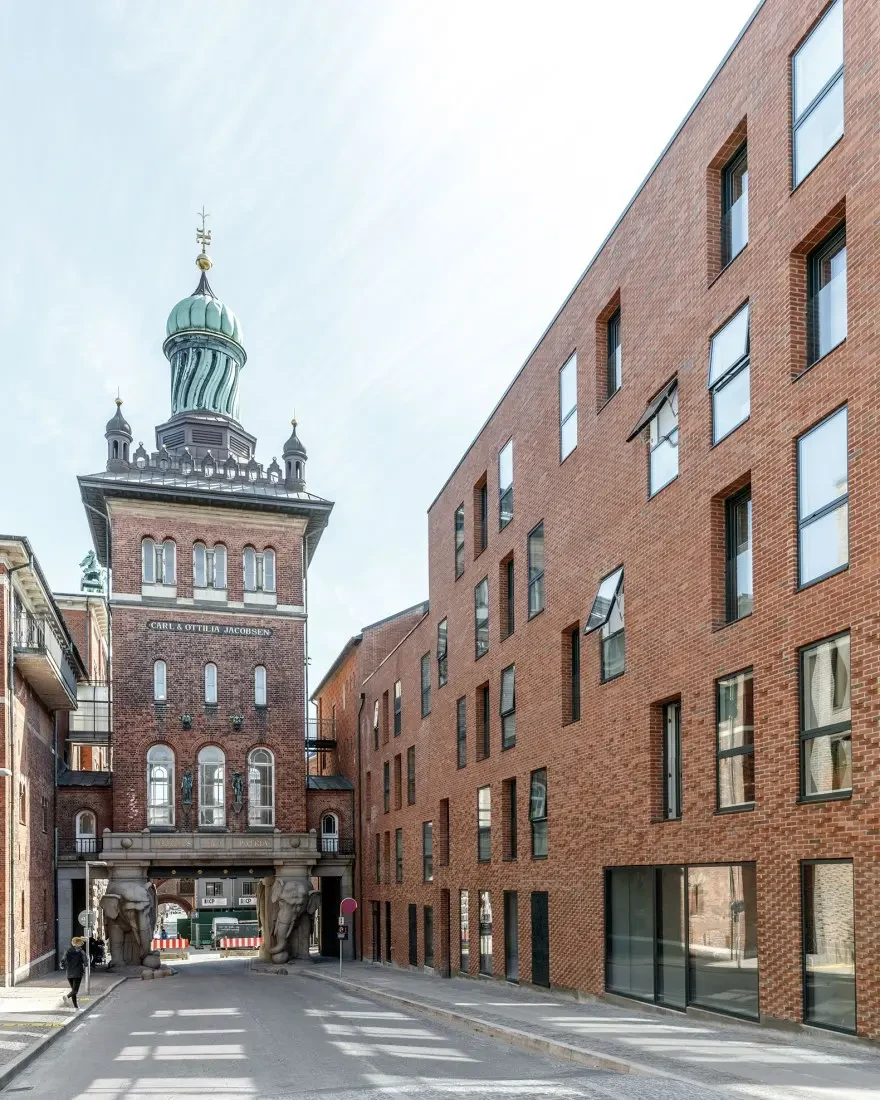
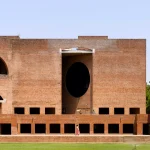
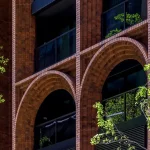
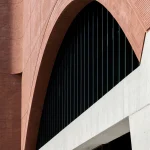
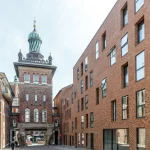
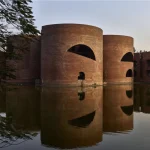
In contemporary architecture, brick is re-emerging as a refined design language that bridges digital precision with human needs for tactility, memory, and permanence. Its renewed relevance reflects growing concerns around sustainable architecture, material durability, and the need for grounding in a fast-changing, technology-driven world.
For a period, architecture seemed to fade into the background. Glass made walls almost disappear, and steel reduced structures to very thin, barely visible frames. Buildings became focused on lightness, speed, and efficiency, until they started to feel disconnected from the ground they stood on.
The Historical Dialectic
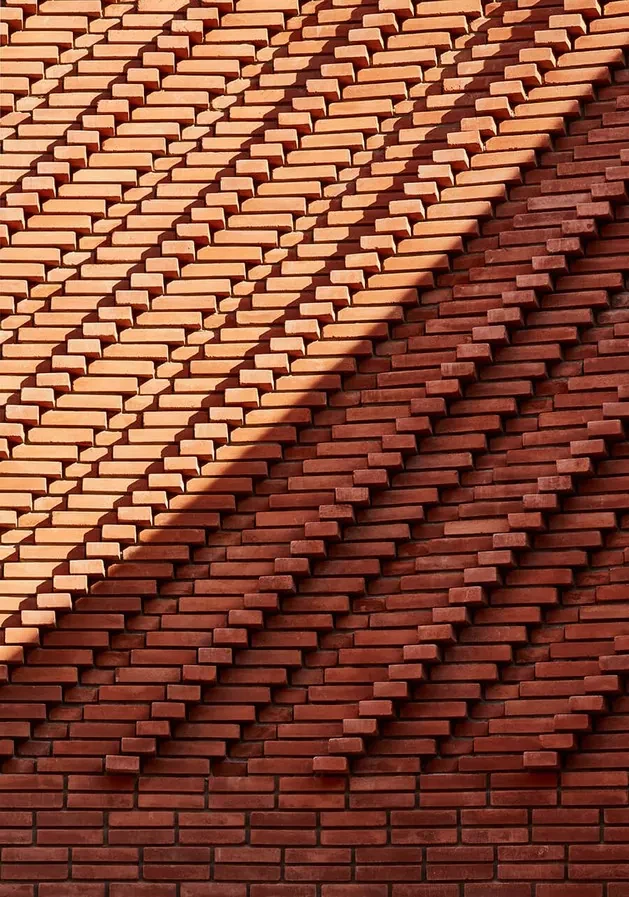
To understand today’s revival, it is important to look at how brick was once pushed aside and later brought back into use. For centuries, masonry shaped the built world and acted as the main structural and protective material of civilization, from ancient sites like Teotihuacán to 19th-century industrial warehouses.
Modernism introduced a separation where structure became frame, and the building envelope became surface. Reinforced concrete and steel liberated the plan, while glass dissolved the enclosure. In this new order, brick was displaced, relegated to cladding, or concealed beneath neutral finishes.
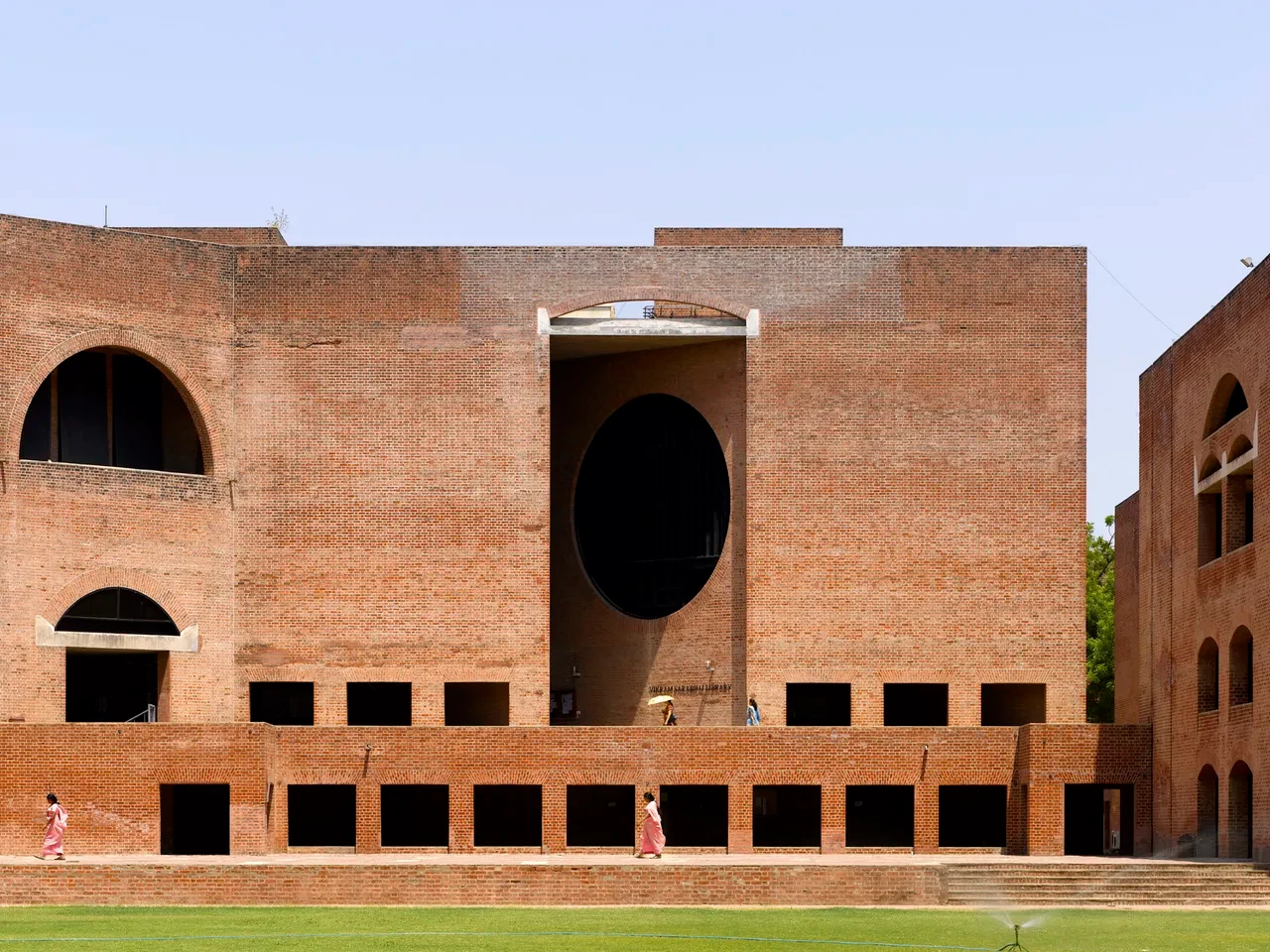
Yet the question of material truth never disappeared. Louis Kahn’s provocation, “What do you want, brick?” was less about nostalgia and more about recovering material intelligence. Today, that question has evolved into a contemporary inquiry: how can brick operate within a digitally driven, performance-oriented architecture? The answer lies in transformation.
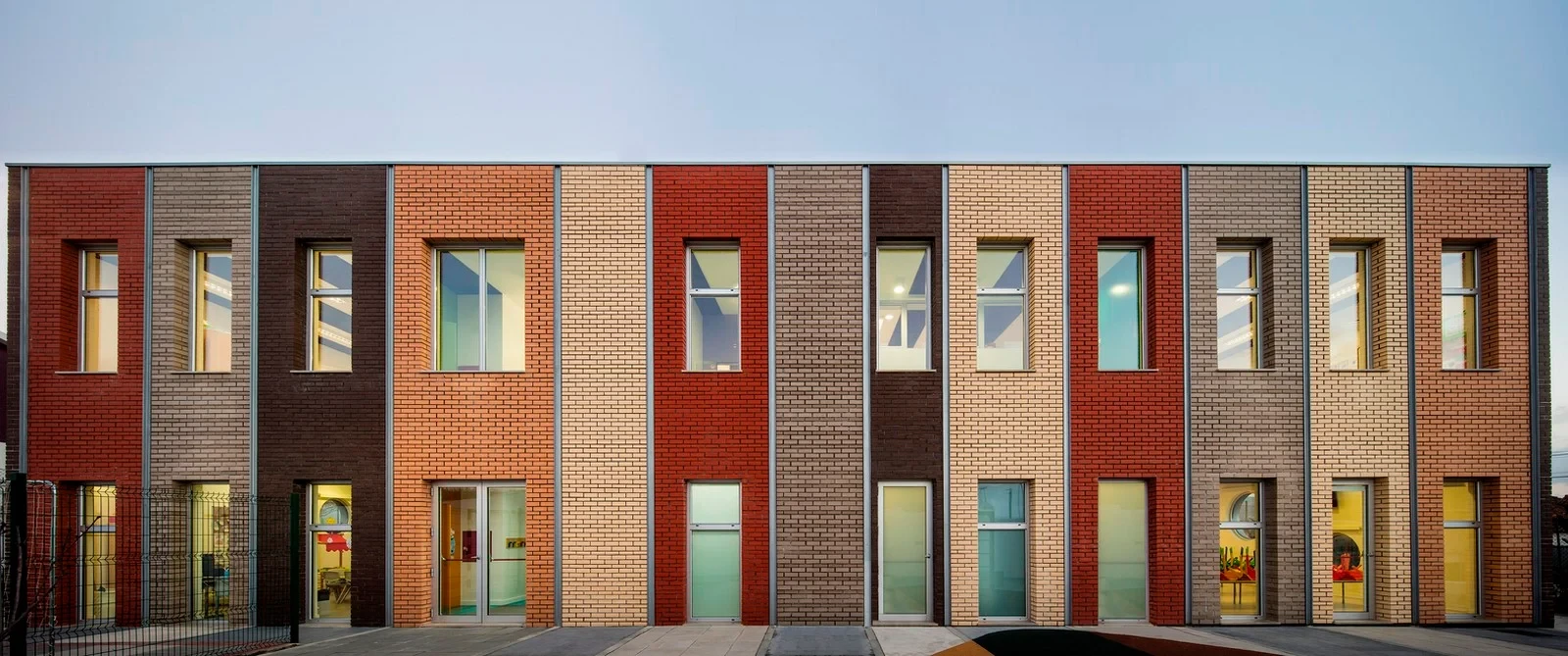
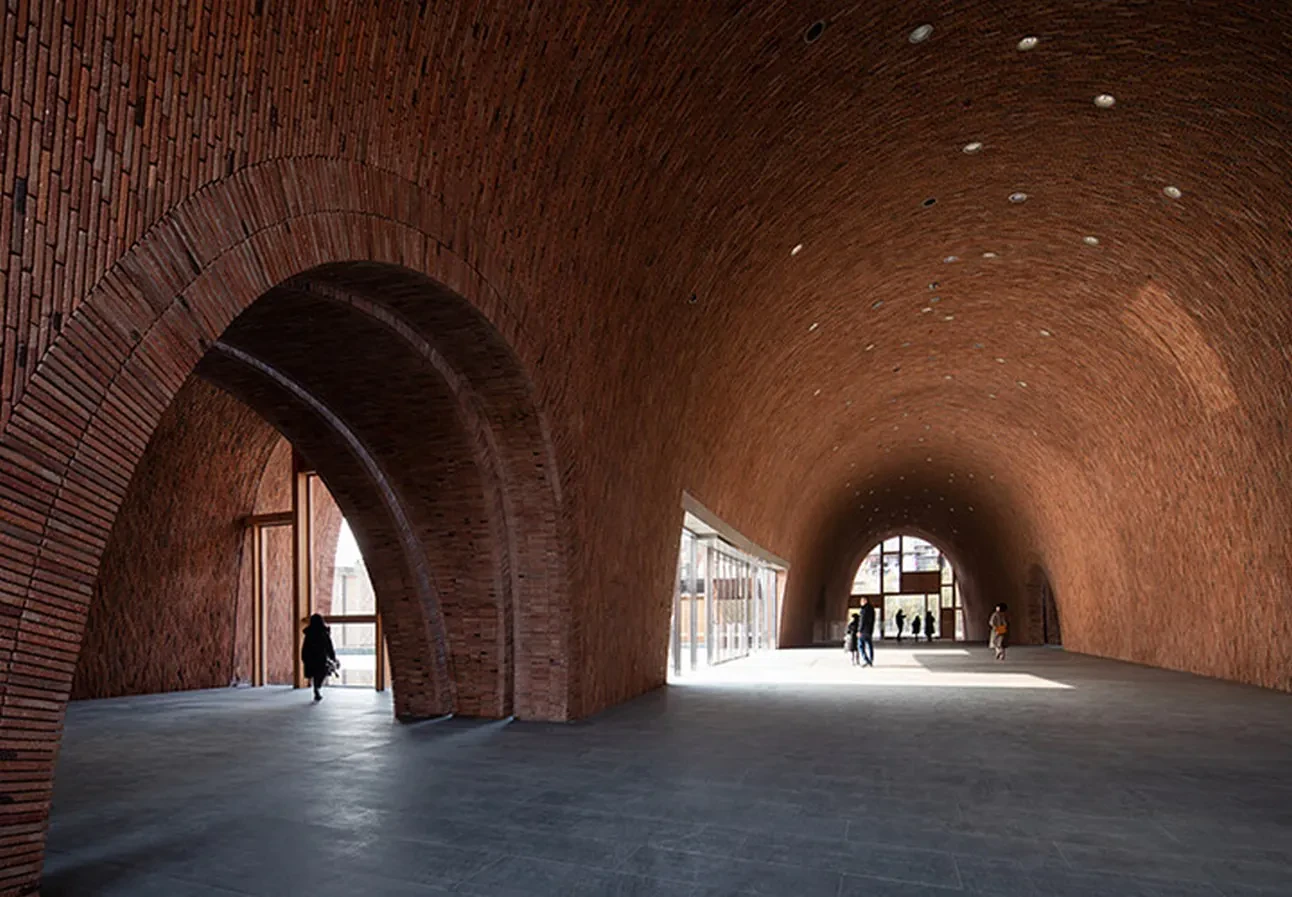
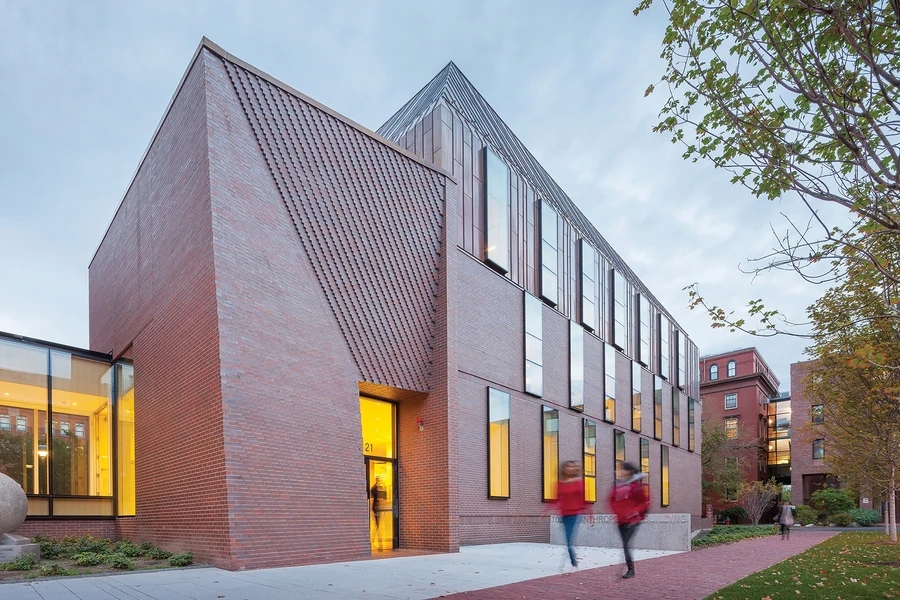
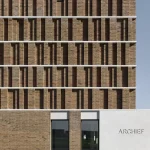
Brick is no longer confined to the binary of load-bearing structure or decorative skin. Instead, it functions as a system of material expression, a modular unit capable of responding to climate, data, and geometry. In contemporary brick facade design, each unit can be placed with intention, turning masonry into a responsive, high-performance surface.
The Evolution of the Brick Unit: Eco-Friendly Manufacturing
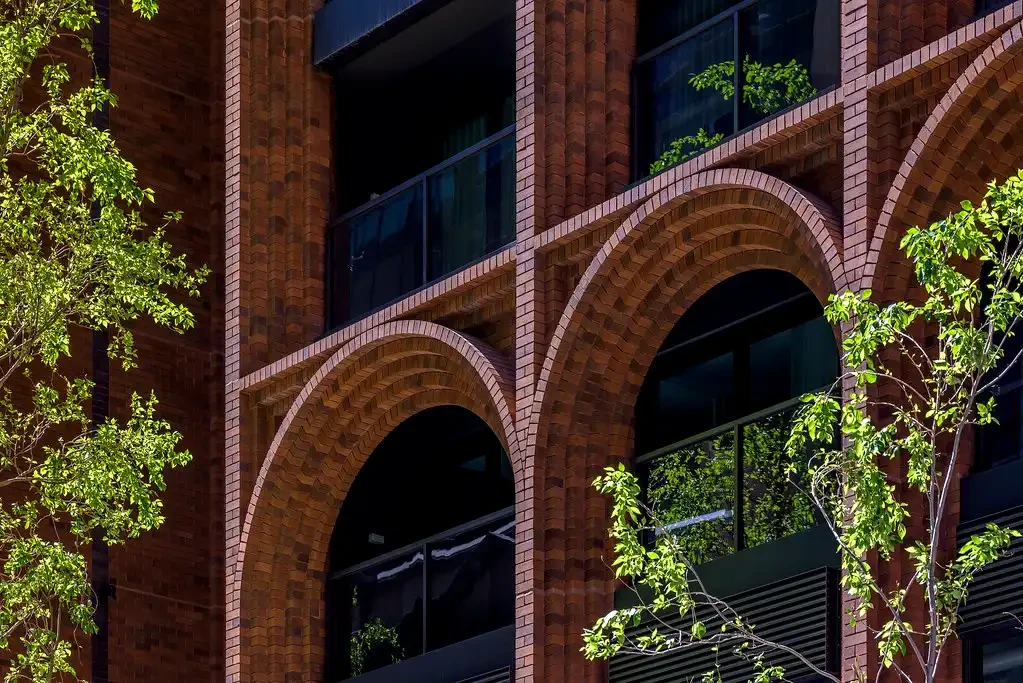
Modern brick manufacturing has captured significant efficiencies, drastically reducing the energy required for production. The industry has reported a nearly 10% decrease in energy consumption and a 25% reduction in Global Warming Potential (GWP) between 2020 and 2025. Beyond traditional fired-clay processes, researchers are investigating unfired earth bricks as a low-carbon alternative. These units are made by soaking and kneading clay soil with additives like straw, manure, or chips, then solar-drying the mass.
A critical area of innovation involves the incorporation of agricultural and industrial waste into brick production. By integrating waste materials, manufacturers can enhance the thermal and mechanical properties of the bricks while managing environmental problems associated with waste disposal.
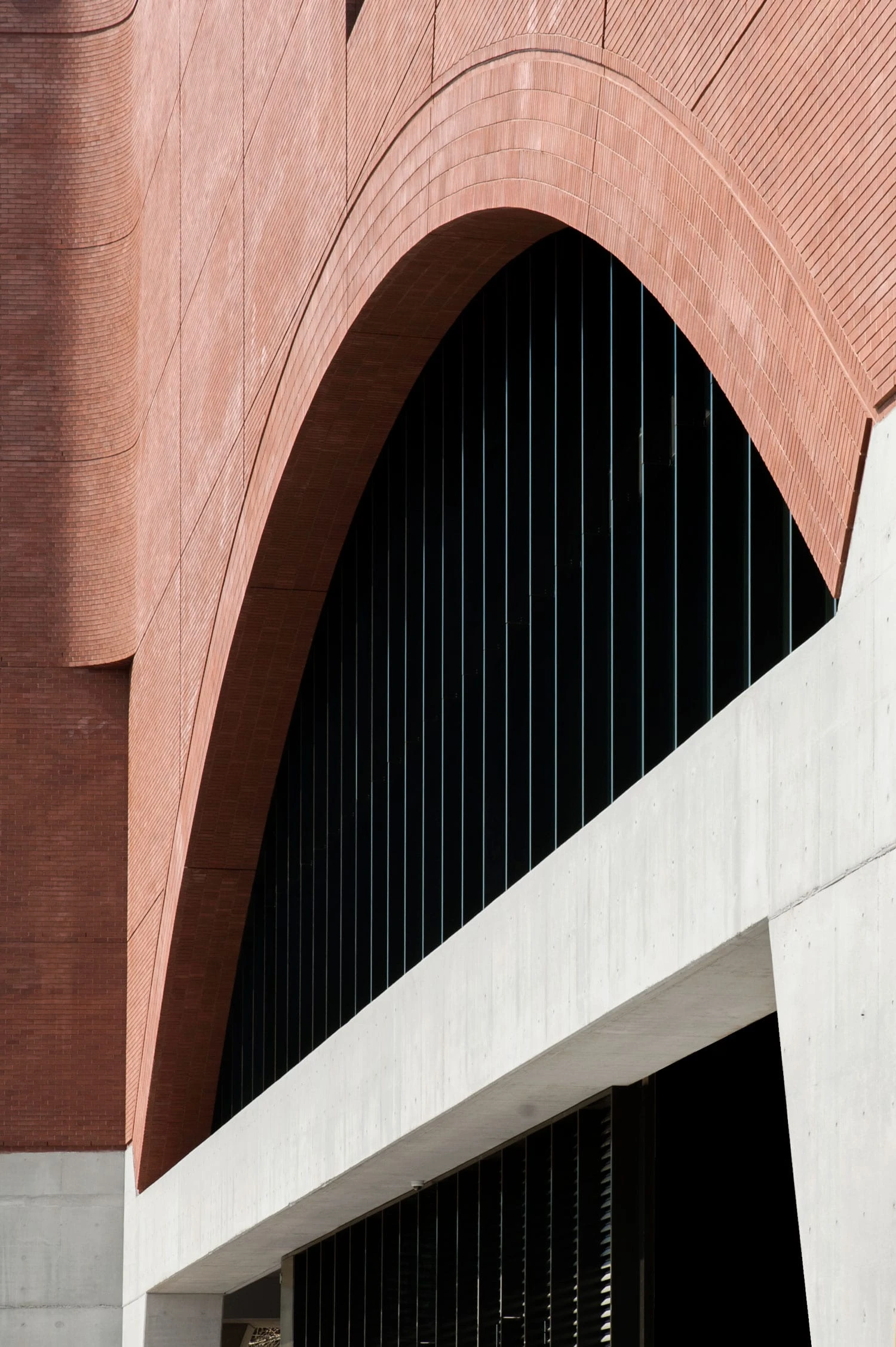
Unlike lightweight timber or steel frames, brick masonry possesses a high thermal lag, the ability to absorb, store, and slowly release heat. This characteristic is essential for passive solar design, where the building envelope acts as a thermal battery to moderate internal temperatures.
Sustainability is increasingly viewed through the lens of longevity. A building that lasts for centuries is inherently more sustainable than one that requires replacement every few decades. Modern standards recognize a service life for clay masonry of at least 150 years. This durability is bolstered by the brick’s inherent resistance to fire, pests, and moisture.
The Digital Renaissance: Robotics and Parametric Masonry
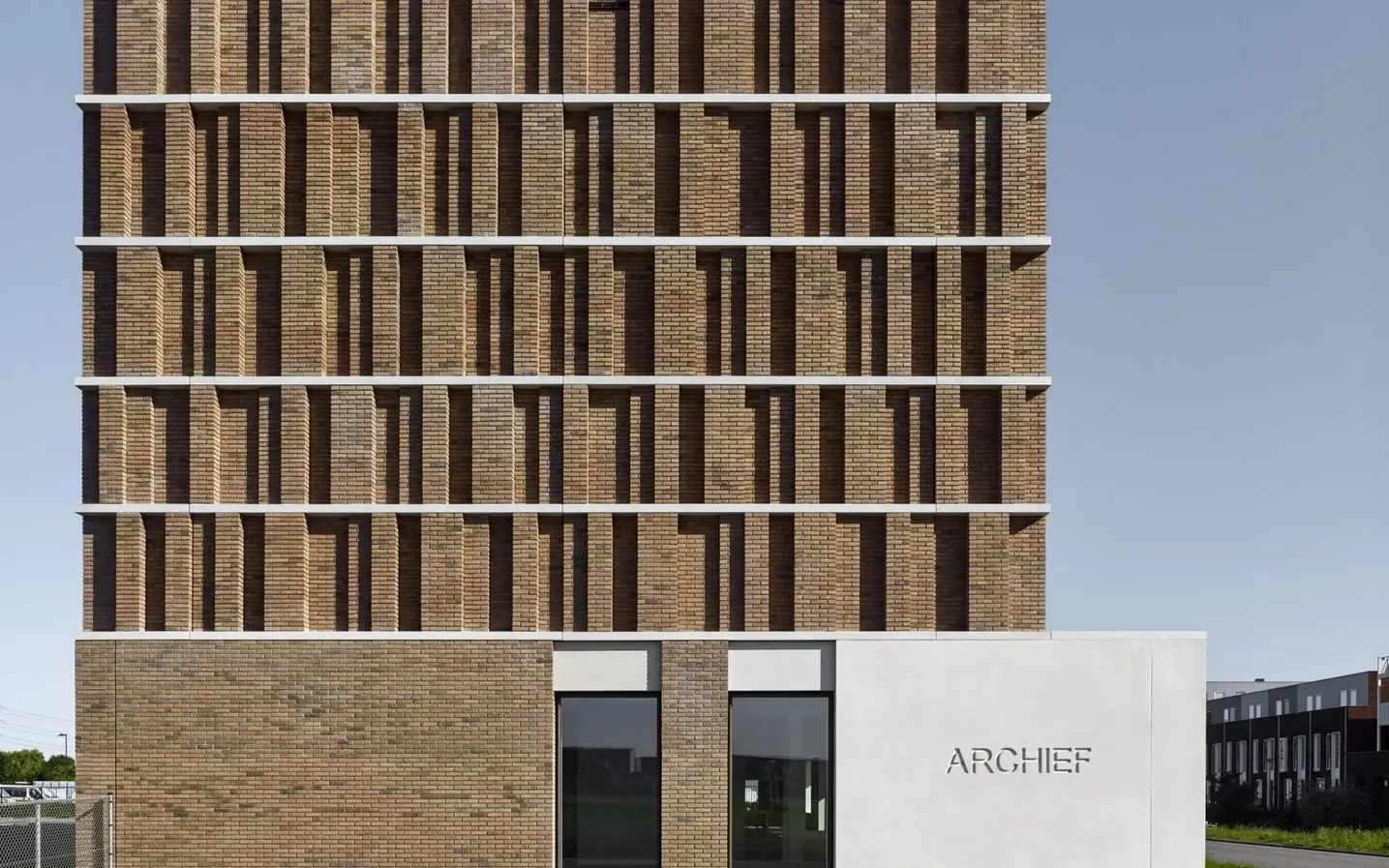
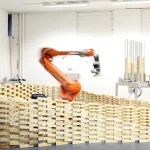
Advances in parametric design and robotic fabrication have transformed how brick is conceived and constructed. No longer limited by repetition, architects can now design parametric masonry systems where each brick is uniquely positioned, rotated, shifted, or perforated in response to environmental data.
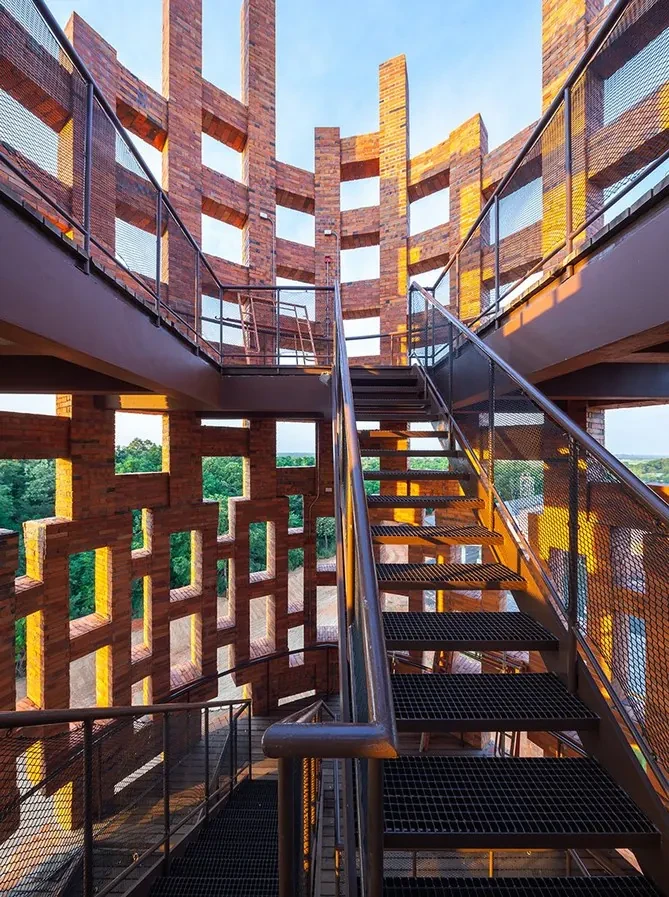
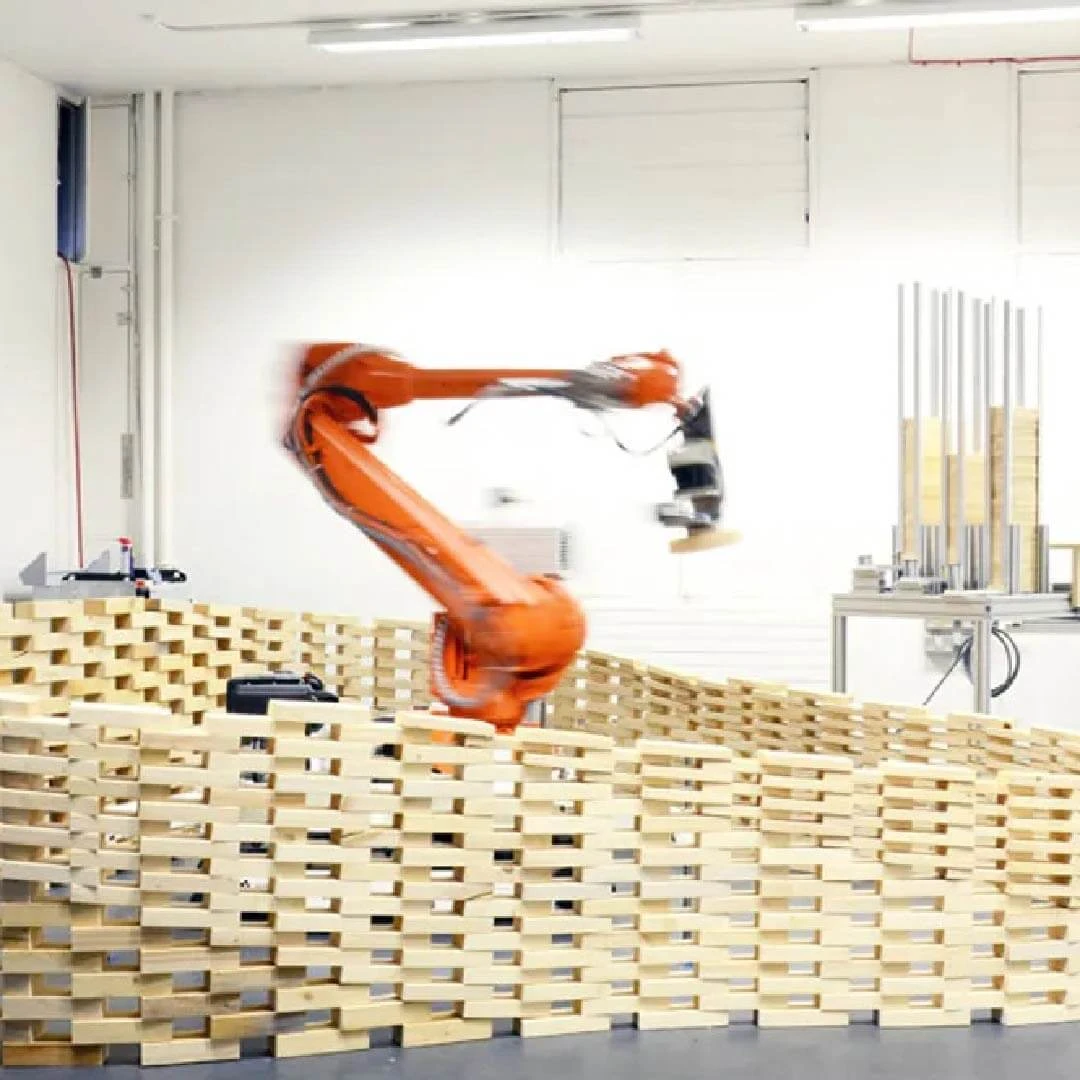
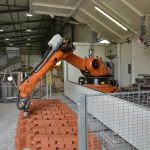
Robotic systems extend this logic into construction, enabling precision at a scale previously unattainable. Complex geometries, once constrained by labor intensity, can now be executed with consistency and speed. Yet this is not the disappearance of craft but its evolution.
The most compelling contemporary brick architecture exists in the tension between machine precision and human intuition.
Robotic Fabrication Systems
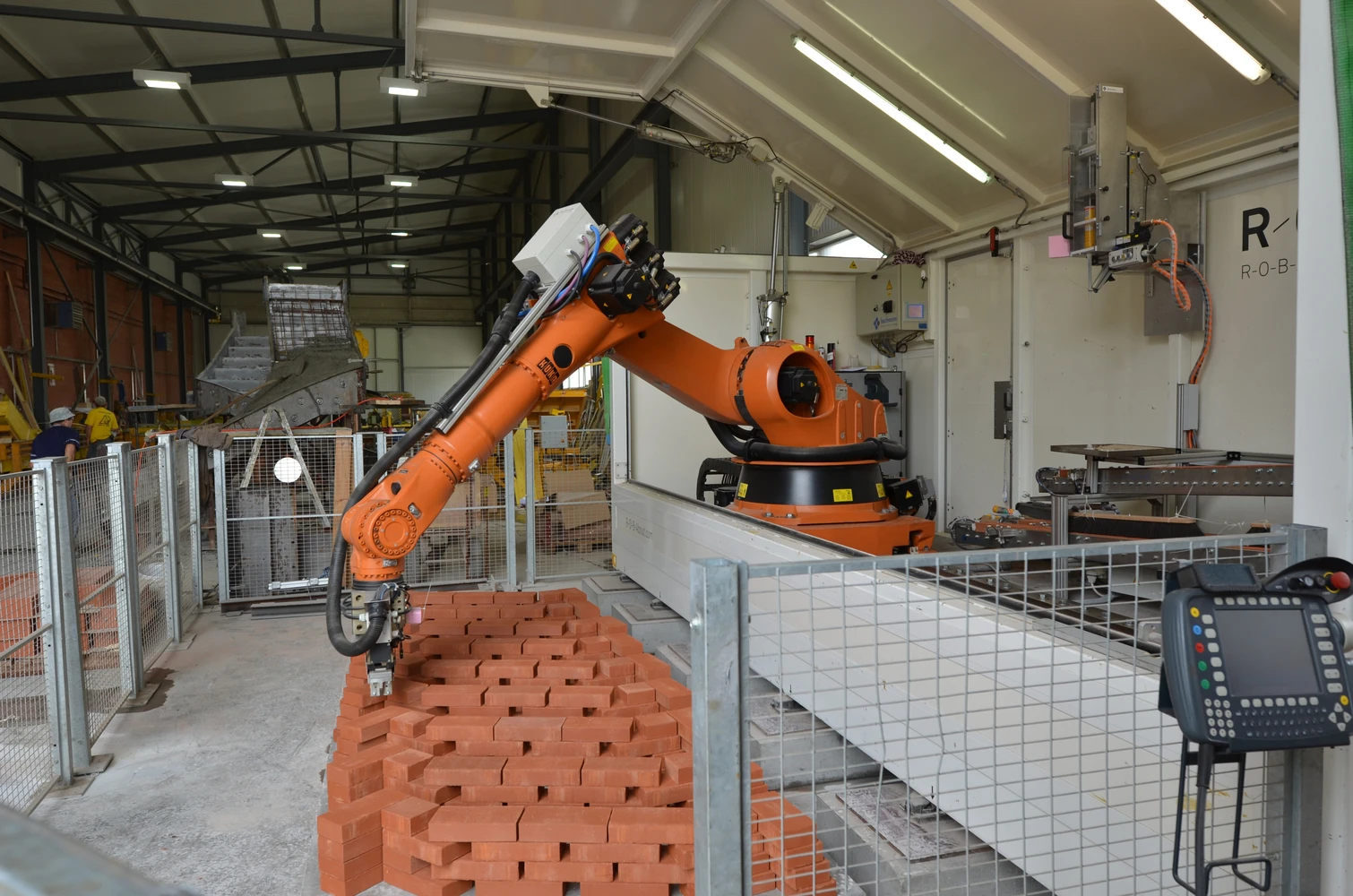
The commercialization of robotic bricklaying is disrupting traditional construction timelines and labor models. Systems fall into two primary categories: fully autonomous robots and semi-automated collaborators.
- Hadrian X (FBR): A fully autonomous robot capable of laying up to 1,000 bricks per hour. It uses a 30-meter telescopic boom and a proprietary mortar that dries in just 45 minutes, allowing for rapid vertical construction without the wait times of traditional mortar.
- SAM100 (Construction Robotics): A semi-automated mason that works alongside human tradespeople. SAM handles the heavy lifting of picking and placing bricks, while the human mason manages the complex detailing and mortar smoothing. This hybrid approach can increase construction speed by up to six times.
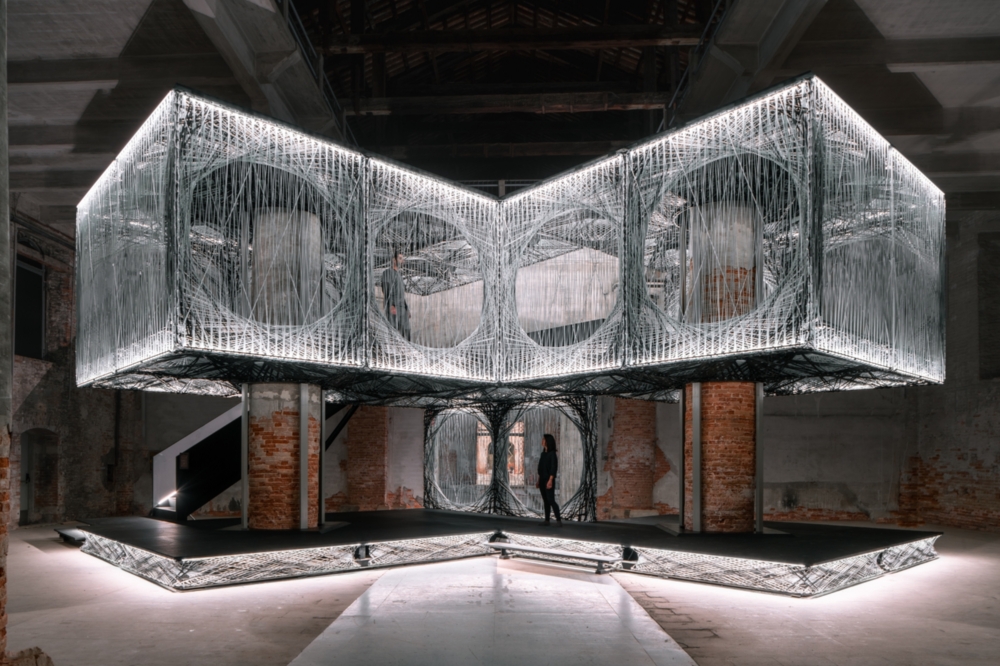
- ROBmobile (Gramazio Kohler): A mobile fabrication unit housed in a shipping container that can be deployed to building sites worldwide. It has been used to create iconic projects like the 100-meter-long continuous ribbon wall at the Venice Architectural Biennale.
Architectural Exemplars
The return of brick as a serious contemporary language is most clearly demonstrated through the work of a generation of architects who treat masonry with monastic seriousness and technical innovation.
Herzog & de Meuron: The Perforated Skin
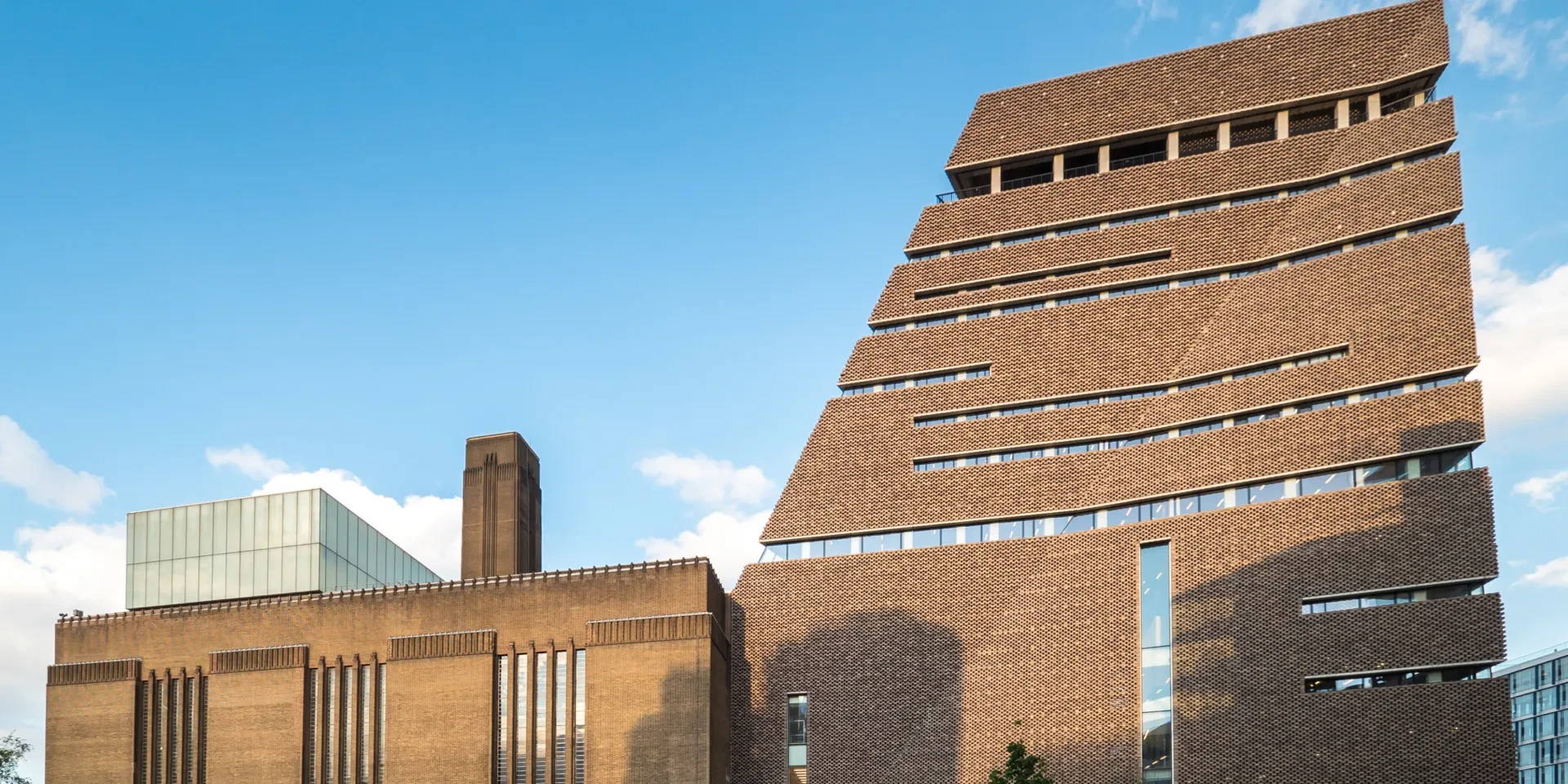
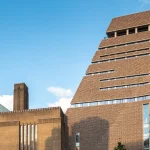
Project: Blavatnik Building (Tate Modern Extension)
Location: London, United Kingdom
Architect: Herzog & de Meuron
At the Tate Modern’s Blavatnik Building, Herzog & de Meuron reimagine brick as a porous skin, challenging its inherent solidity. The brick facade system operates as a lattice, filtering light and air while maintaining a sense of mass. By day, the building reads as dense and mineral; by night, it transforms into a luminous volume, dissolving into the city. Brick here becomes both envelope and atmosphere, simultaneously heavy and light.
O’Donnell + Tuomey: The Origami of the Street
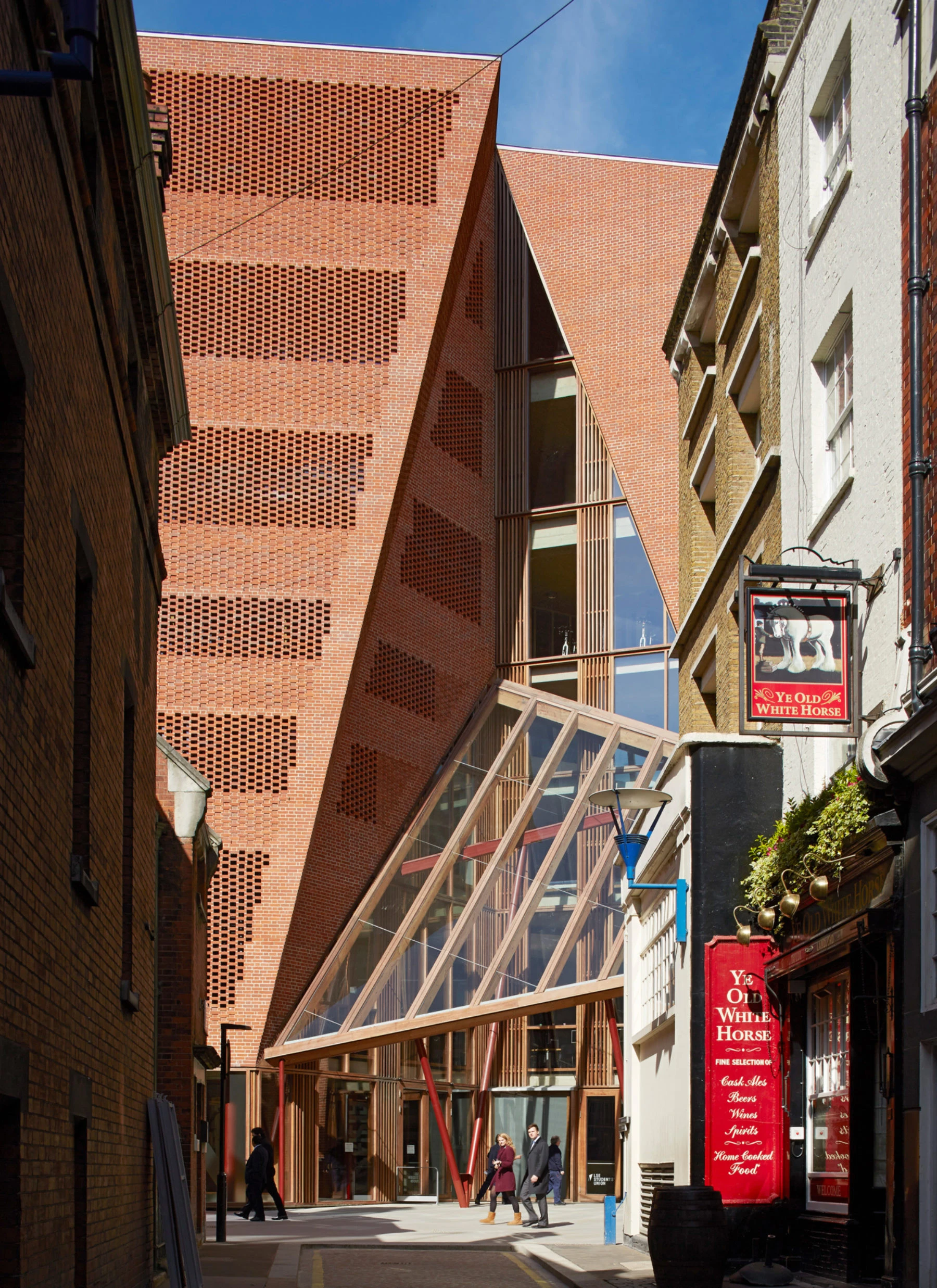
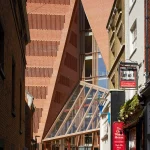
Project: Saw Swee Hock Student Centre, London School of Economics (LSE)
Location: London, United Kingdom
Architect: O’Donnell + Tuomey
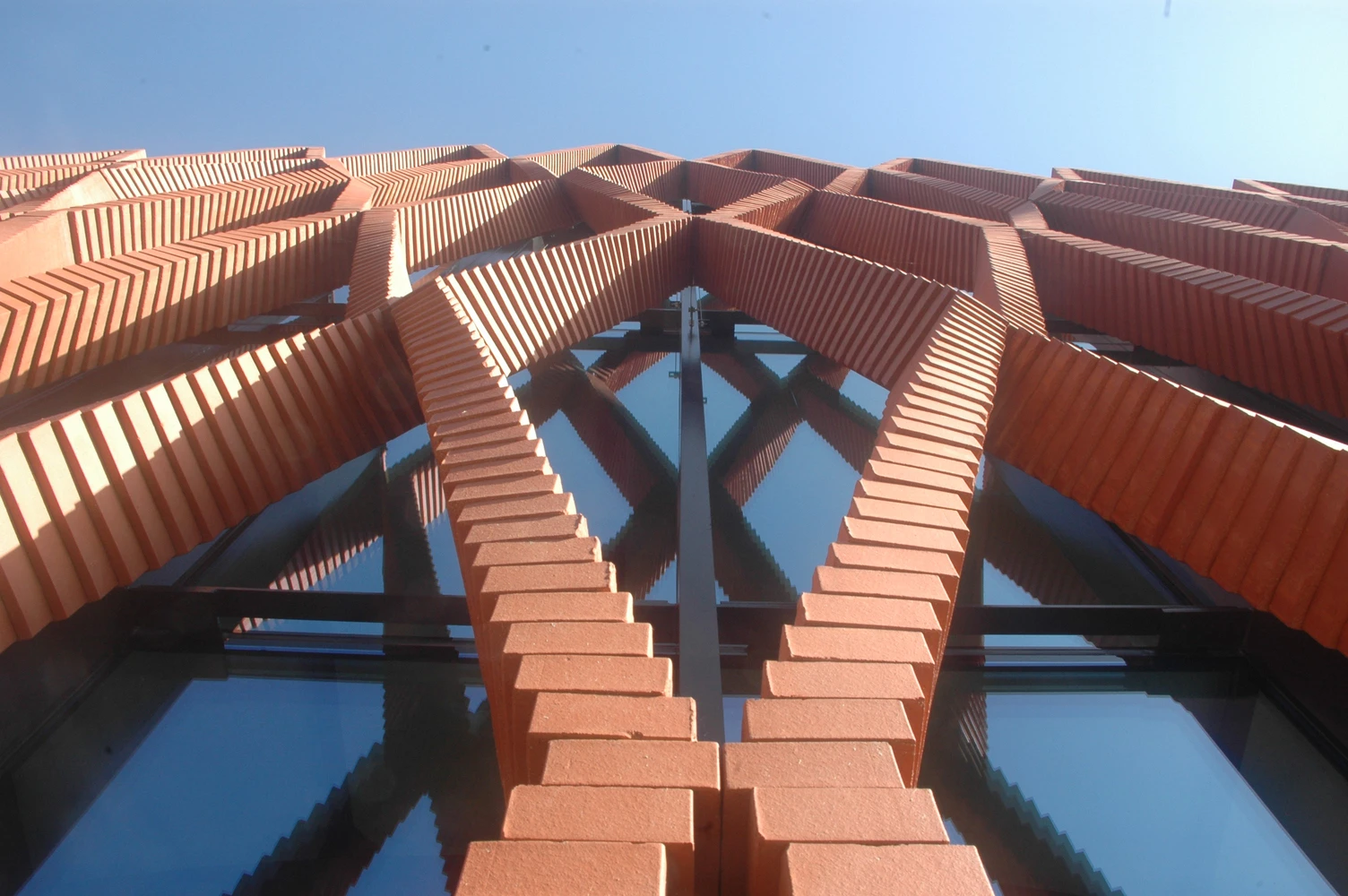
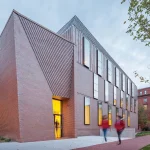
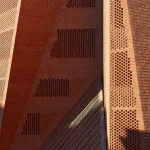
O’Donnell + Tuomey’s Saw Swee Hock Student Centre indicates how contemporary brick design can respond to urban constraints. Shaped by a tight site and regulatory boundaries, the building folds into a faceted geometry where brick negotiates light, movement, and access. Open bonding patterns introduce permeability, allowing glimpses into interior spaces. The result is not a static facade, but a responsive surface that engages the city while maintaining intimacy.
The architects used 175,000 handmade bricks, including 43,000 special shapes, to resolve the complex chamfered edges. The facade utilizes an open Flemish bond pattern, where gaps between bricks allow light to filter into the interior.
Caruso St John: The Poetry of the Humble
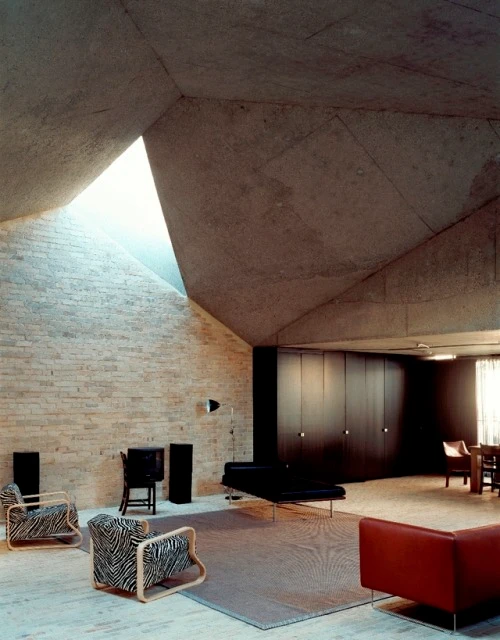
Project: Brick House
Location: London, United Kingdom
Architect: Caruso St John Architects
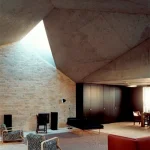
Caruso St John’s Brick House operates in a quieter register. Rejecting spectacle, the project returns to the elemental qualities of brick, mass, proportion, and texture. The interiors feel carved with thick walls and carefully placed openings shaping light and movement.
This is brick as a spatial experience, where the material is not applied but inhabited. The architecture does not announce itself; it reveals itself slowly, through use. The project is a deliberate homage to Sigurd Lewerentz’s Church of St. Peter in Klippan, emphasizing tectonic eloquence.
Peter Zumthor: The Essence of Material
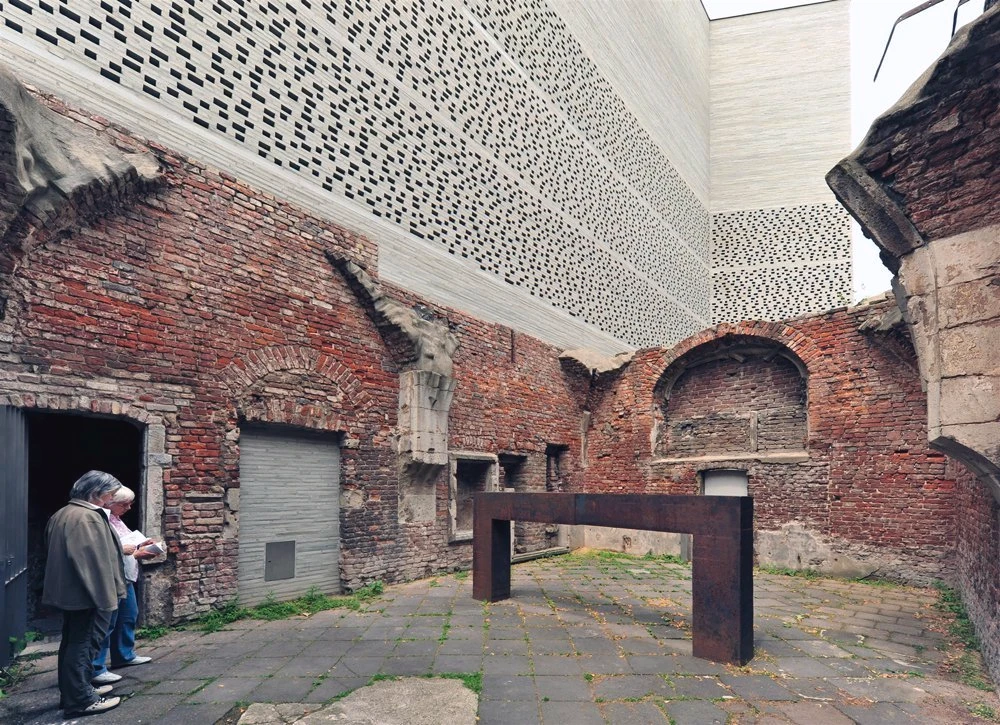
Project: Kolumba Museum
Location: Cologne, Germany
Architect: Peter Zumthor
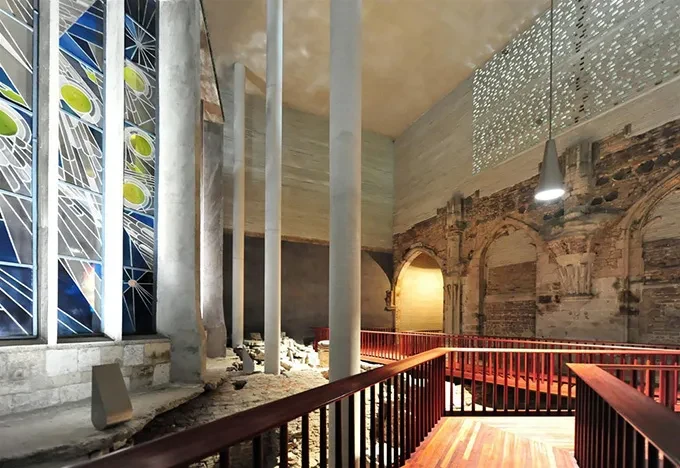
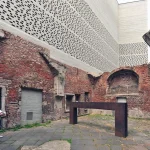
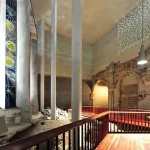
Peter Zumthor’s Kolumba Museum approaches brick as atmosphere. Developed specifically for the project, the elongated bricks create a permeable surface that mediates between past and present. Built over the ruins of a Gothic church, the museum integrates memory into its material fabric.
Light filters through the perforated brick walls, creating a shifting interior condition that evolves throughout the day. The building resists immediacy; it asks for time, attention, and presence.
Brick Remains a Contemporary Language
The return of brick is serious because it addresses the most critical crises of our age, which are the climate emergency, the loss of human scale in our cities, and the psychological alienation of the digital era. Brick is no longer just a building material but a cultural artifact and an ecological actor. Its resurgence proves that architectural progress does not always mean abandoning the past. Instead, it involves re-integrating traditional materials into modern contexts through adaptive techniques, breathable mortars, advanced insulation layers, and robotic precision.
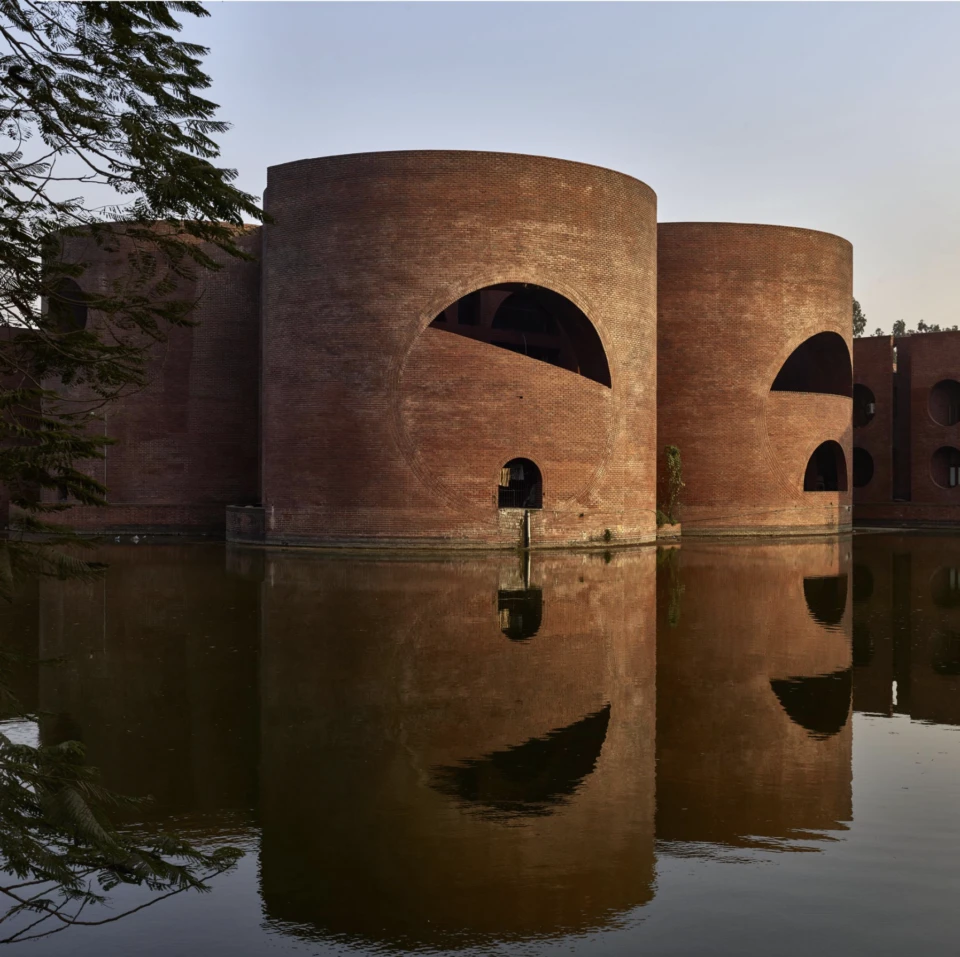
The contemporary language of brick is one of synthesis, a construction language that brings together hand and robot, kiln and computer. Through its ability to manage light, store heat, and evoke memory, brick continues to satisfy the fundamental human desire for a built environment that is as resilient as it is beautiful.