



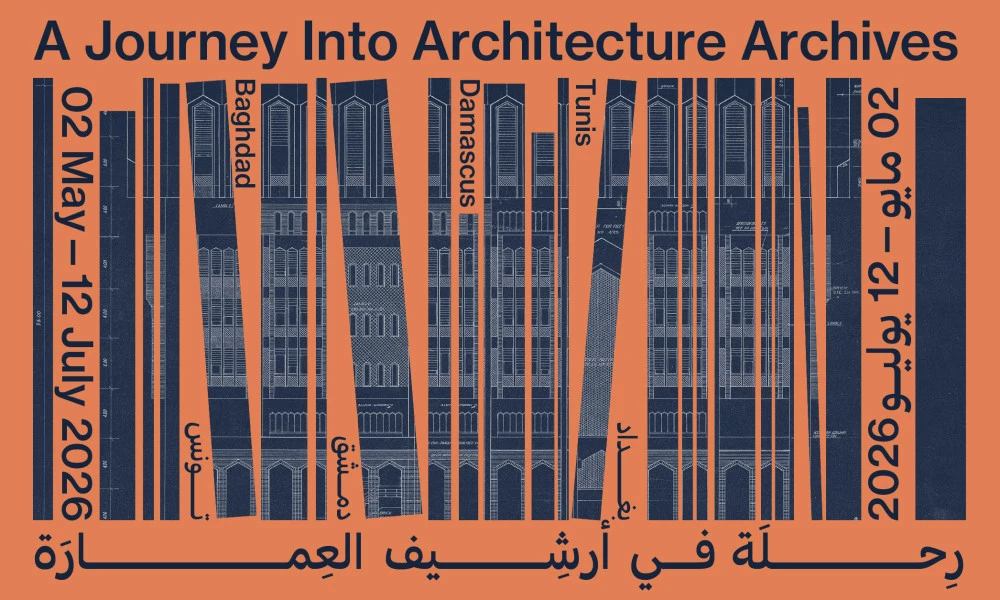
The Sharjah Architecture Triennial (SAT) is expanding its research-driven approach with a new exhibition titled “A Journey into Architecture Archives: Baghdad, Damascus, Tunis.” Opening from May 2 to July 12, 2026, at Al Qasimiyah School in Sharjah, the exhibition brings together rare archival material to revisit modern architectural histories across three key Arab cities.
Curated by Lebanese architect and researcher George Arbid, the project goes beyond a typical showcase. It aims to examine how architecture is documented, remembered, and sometimes lost, especially in regions shaped by political and social transformation.
Exploring Architecture Through Research at SAT
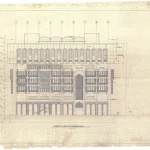
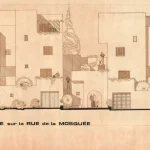
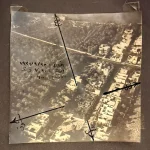
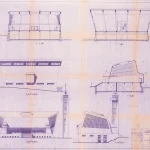
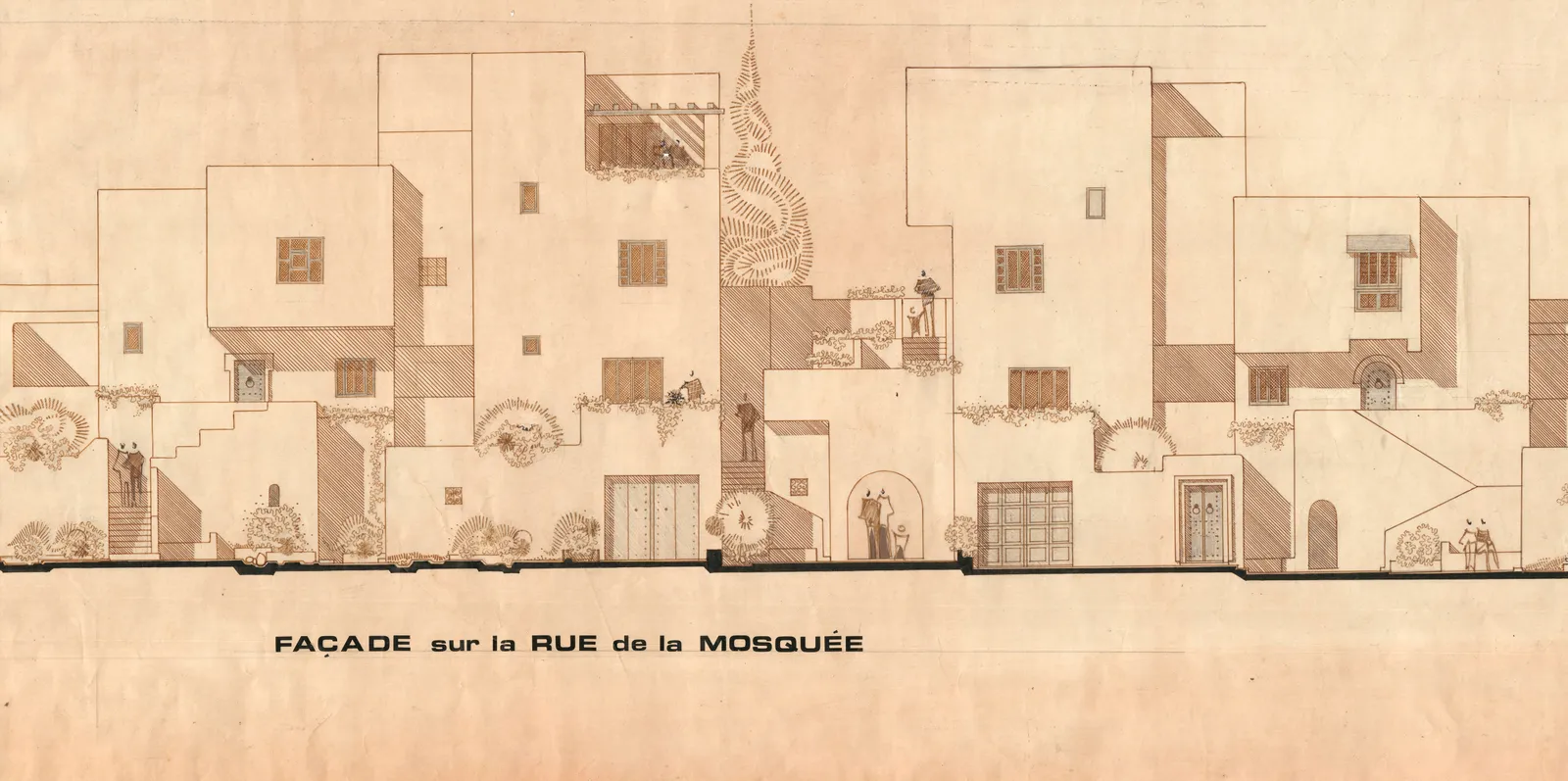
The Sharjah Architecture Triennial’s long-term research initiative, dedicated to documenting and preserving architectural archives across the Arab world, forms part of this exhibition. At its core, the program seeks to safeguard fragile records of design history while making them accessible for new generations of researchers, architects, and the public. The exhibition takes a broader and more layered approach. It brings together archival drawings, original documents, physical models, historical photographs, and newly commissioned films. This mix of materials offers a more profound look into the processes behind architecture, revealing ideas, revisions, and unrealized projects that are often left out of conventional narratives.
These elements collectively demonstrate the evolution of architectural narratives over time. They also highlight how revisiting archival material through a contemporary lens can shift our understanding of the past, opening up new interpretations and connections that remain relevant today.
Focus Cities: Baghdad, Damascus, and Tunis
The exhibition centers on three cities—Baghdad, Damascus, and Tunis—each with a rich yet complex architectural legacy.
Baghdad
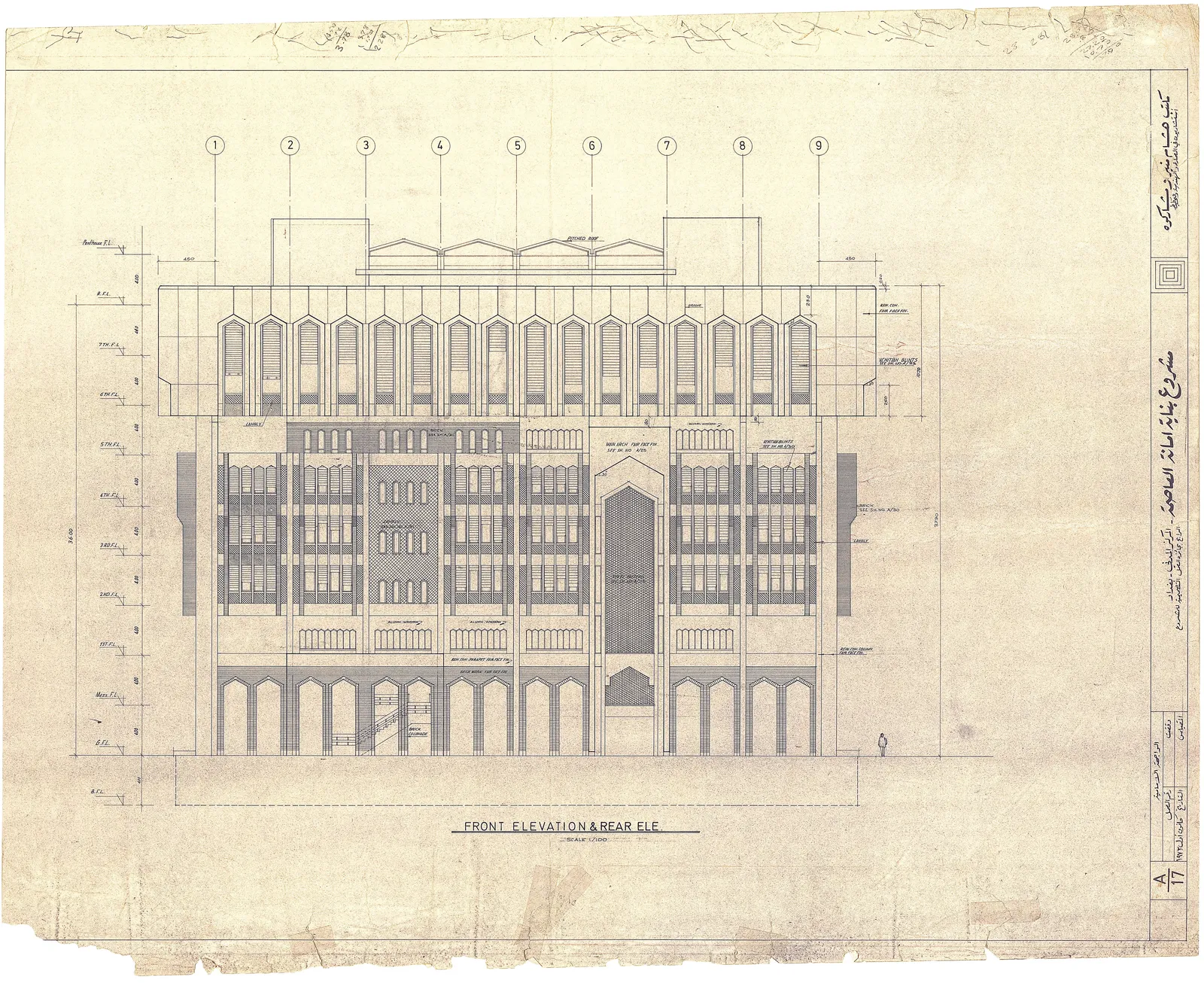
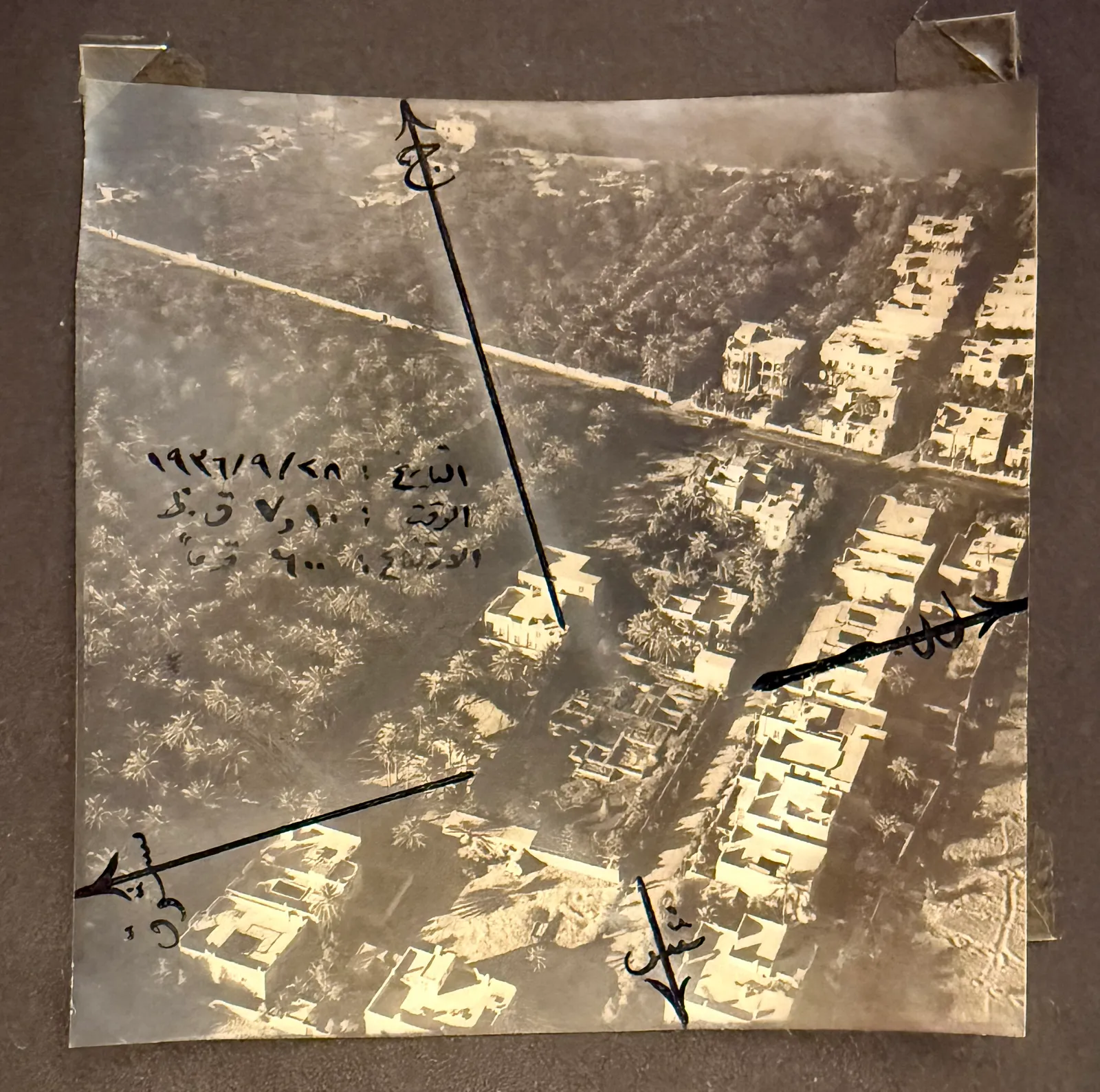
Baghdad’s modernist architecture reflects ambitious state-led projects from the mid-20th century, many of which were interrupted or altered by decades of conflict. Archival material sheds light on both realized and unrealized visions of the city’s urban future.
Damascus
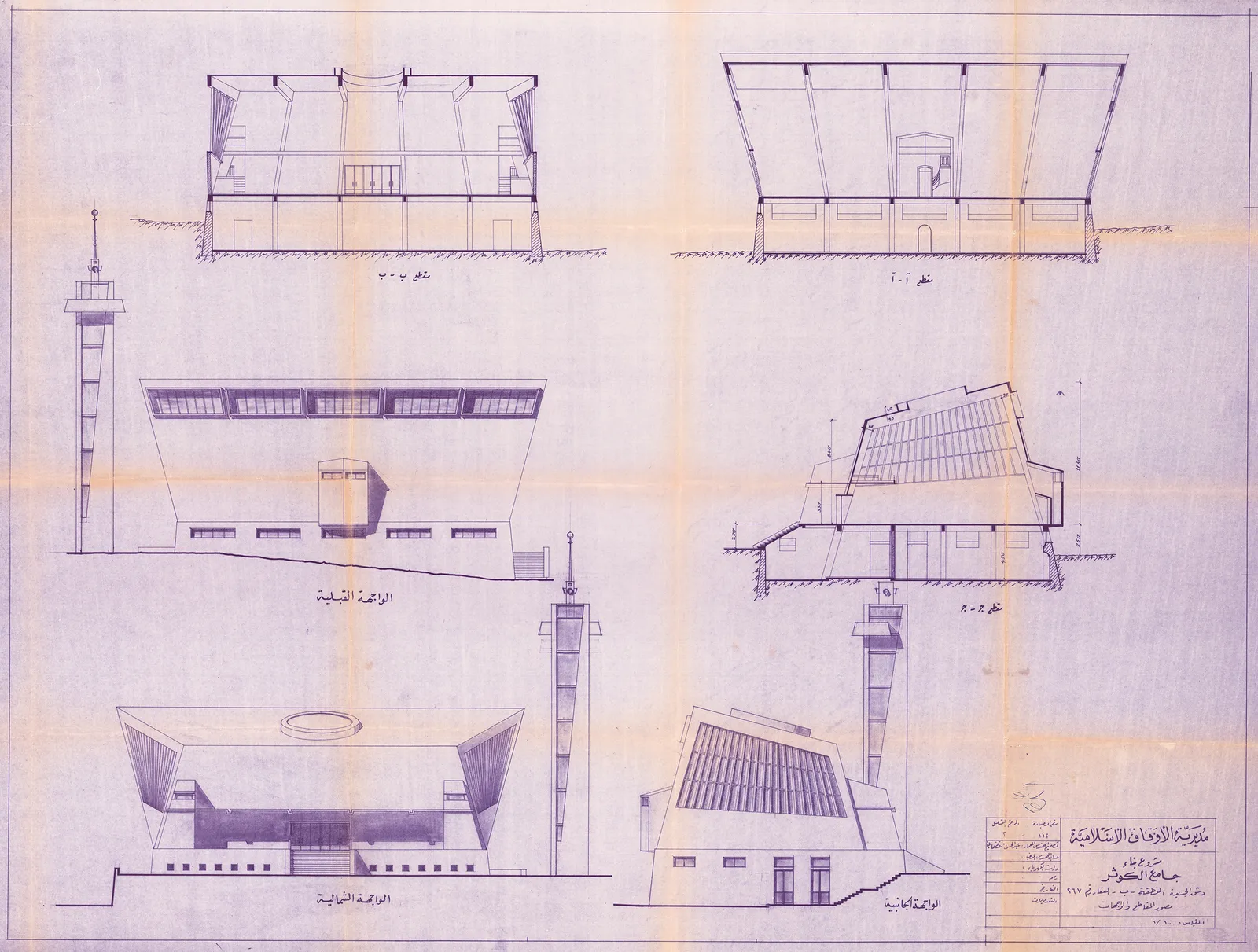
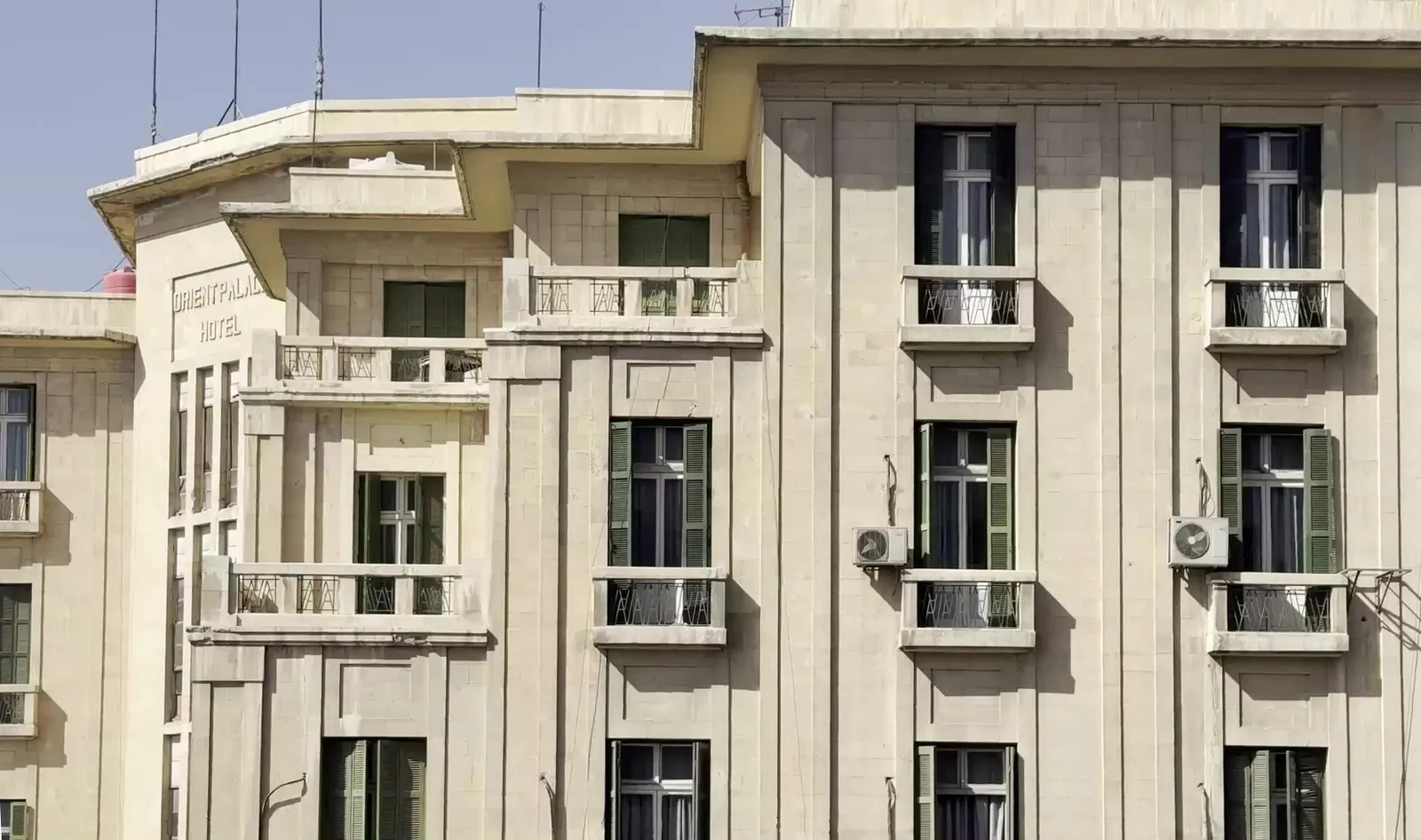
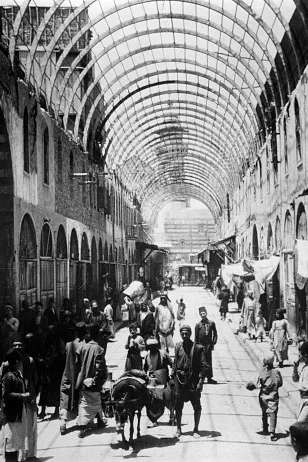
Damascus offers a layered architectural history where modern interventions intersect with one of the world’s oldest continuously inhabited cities. The archives reveal how architects negotiated heritage and modernization.
Tunis
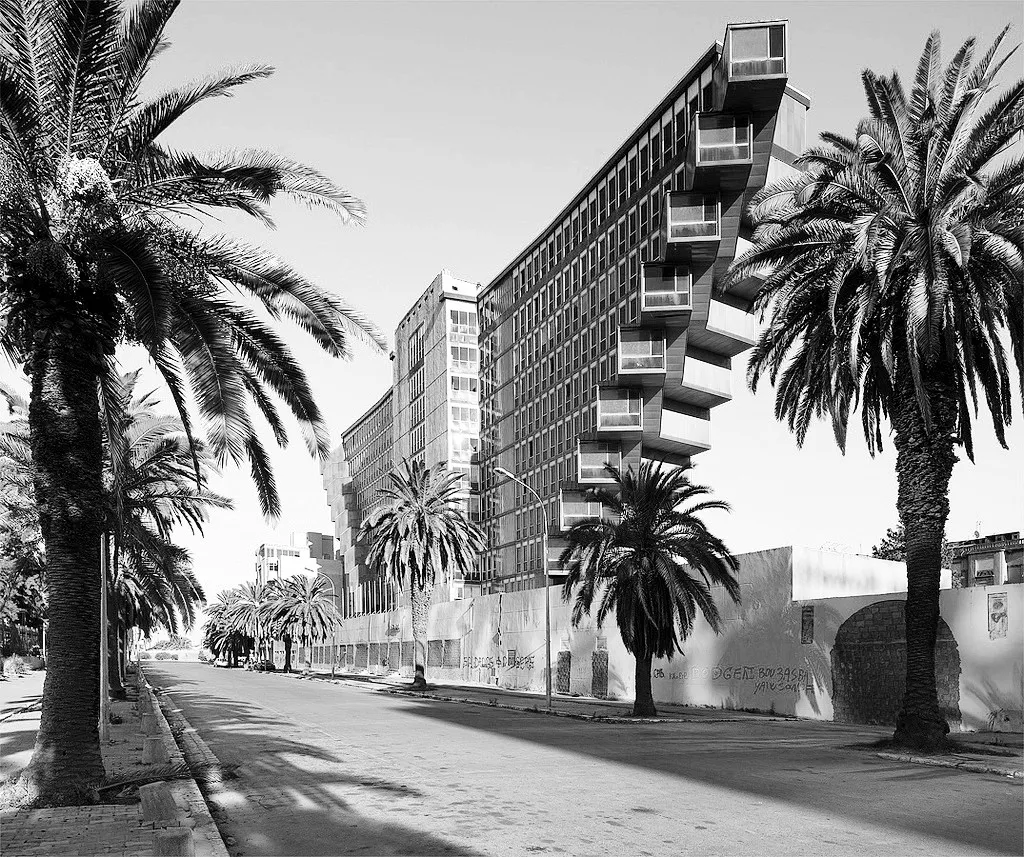
Tunis represents North African modernism, with projects that blend international design influences and local identity. The exhibition includes notable works such as the Hôtel du Lac (1973), highlighting experimental forms from the era.
Mapping Architecture from 1930 to 1980
The materials in the exhibition largely span the period from 1930 to 1980, a time of major political transitions, nation-building, and rapid urban development across the Arab world.
This timeframe is significant because it captures the following:
- The rise of modernist architecture in post-colonial contexts
- State-driven urban planning initiatives
- Experimental designs that were sometimes never realized
By revisiting these decades, the exhibition reveals how architectural ambition responded to changing social and political realities.
Unearthing Hidden and Unreleased Archives
One of the most compelling aspects of the exhibition is its use of previously unreleased material. Rather than relying on well-known projects, it brings forward rare films documenting architectural works, photographs that have remained largely unpublished, and 3D models of unbuilt or conceptual designs. This layered approach offers a glimpse into ideas that never fully materialized, as well as projects that have faded from public memory.
Taken together, these elements reveal what could be described as “unrealized dreams” of architects and planners across the region. They fill gaps in the historical record and provide a more complete picture of architectural evolution, showing what was imagined and proposed.
Architecture, Conflict, and Preservation
The exhibition also addresses the ongoing challenge of preserving architectural heritage in conflict-affected regions. In many parts of the Middle East, years of instability have put both physical structures and archival records at risk, leading to irreversible losses.
In this context, documentation and preservation efforts have become critical. International organizations such as UNESCO continue to stress the importance of protecting cultural heritage, while local initiatives, including archival collections and reconstruction projects, play a key role in safeguarding what remains. Together, these efforts underline the urgency of preserving architectural memory before it disappears.
The Role of Sharjah Architecture Triennial
Since its founding, the Sharjah Architecture Triennial has established itself as a platform for critical discussion around architecture in the Global South. Its focus goes beyond showcasing design; it prioritizes research, cultural context, and dialogue across disciplines.
This exhibition reflects that approach by encouraging closer engagement with historical archives, expanding conversations around regional architectural histories, and linking past practices with current challenges. It positions architecture as an ongoing cultural and intellectual process.
“A Journey into Architecture Archives” shows how architecture can act as a record of cultural identity, political change, and social ambition. Revisiting archival material, the exhibition highlights the more profound meanings embedded in design and urban development.
By focusing on Baghdad, Damascus, and Tunis, it shifts attention toward cities that are often framed through the lens of conflict. The Sharjah Architecture Triennial’s latest exhibition offers a detailed and thoughtful exploration of Arab modernism through archival research. Combining historical materials with contemporary interpretation, it creates a space where architecture is comprehensible in context.