













Architecture is often the first language a university speaks. Before a lecture begins or a campus is explored, the built form sets the tone, quietly shaping perception, expectation, and identity. You experience legacy in carved façades and cloistered courtyards, ambition in exposed concrete masses, and innovation in transparent, tech-driven structures. These environments are not passive backdrops, as they actively frame how knowledge is encountered, shared, and remembered.
In this way, university architecture operates much like civic landmarks or cultural institutions, projecting values, anchoring identity, and shaping the intellectual atmosphere. Each building becomes a statement, not just of design, but of what the institution stands for.
The New School
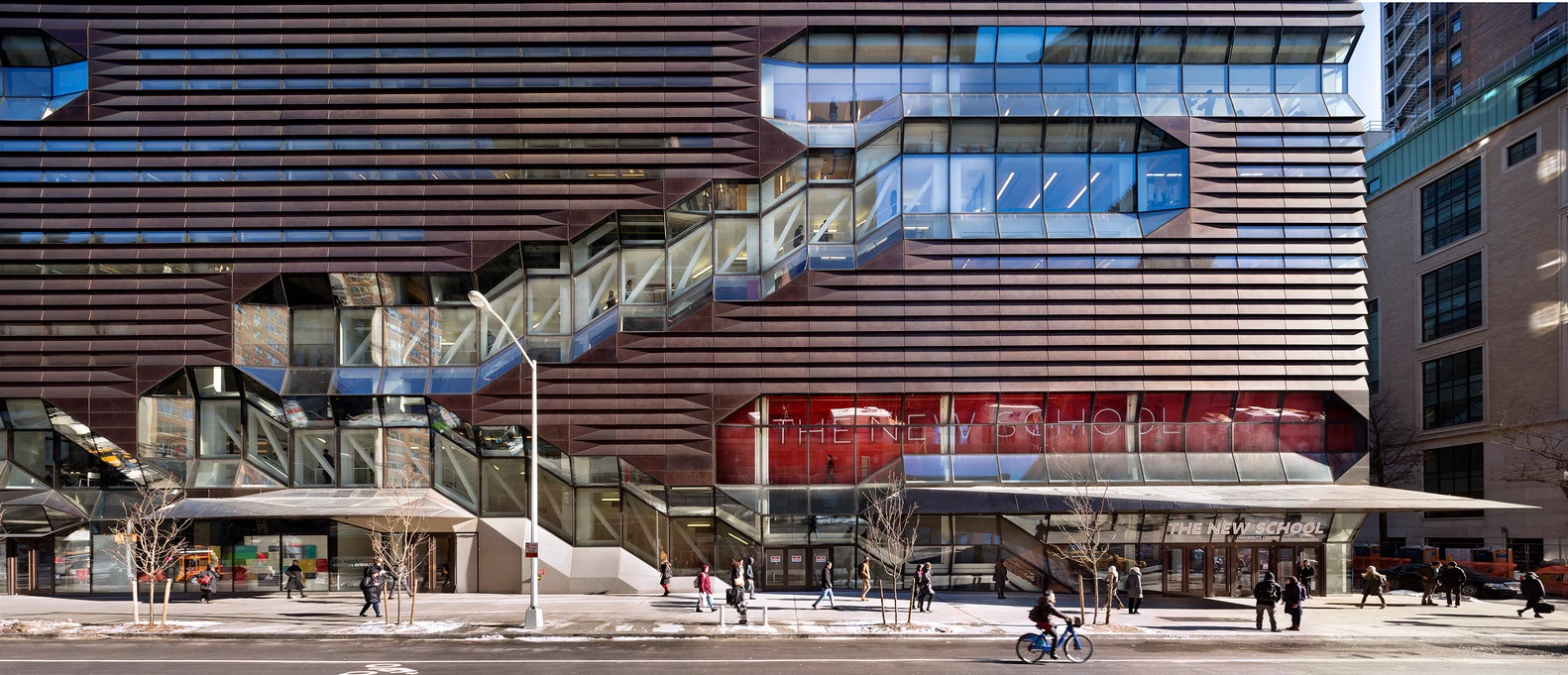
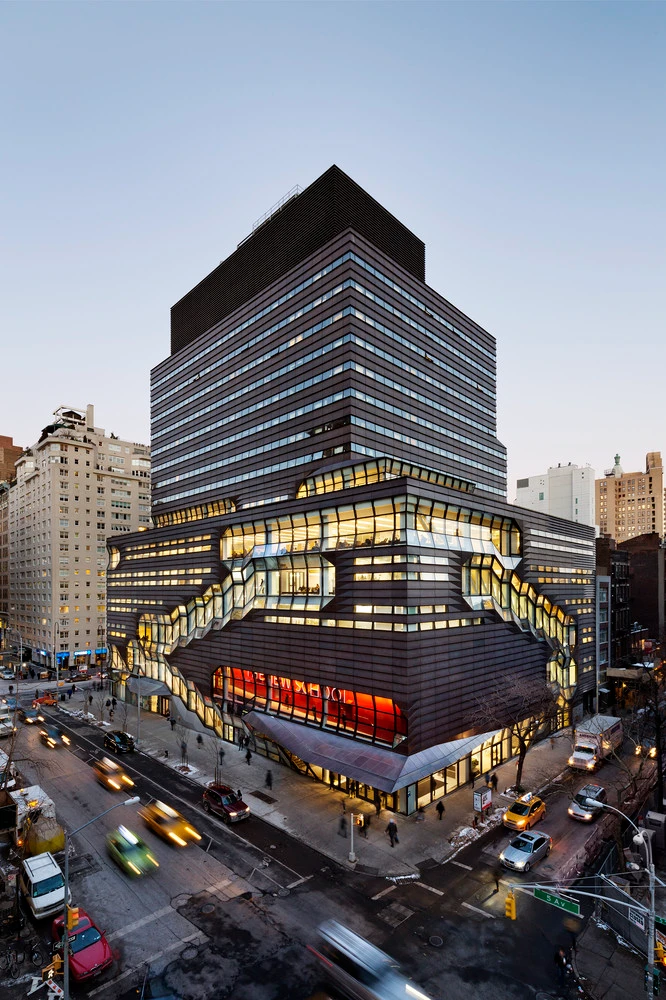
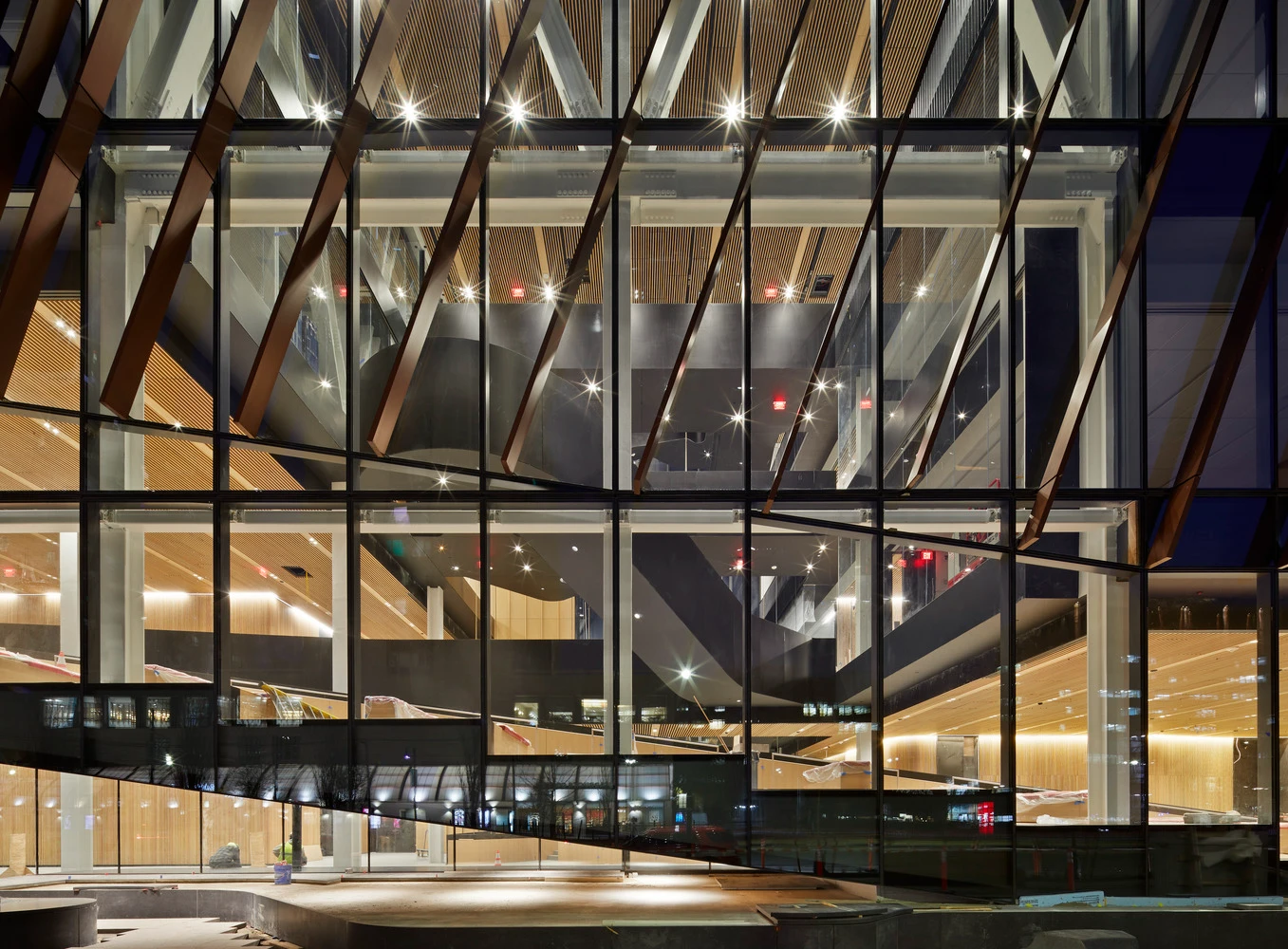
The University Center at The New School, designed by SOM, reimagines the campus as a vertical academic ecosystem. Its 16-story building has studios, labs, multidisciplinary classrooms, the main library, an auditorium, cafes, and student housing. Its geometric glass facade and hand-finished brass shingle cladding give it a strong urban identity. The exterior also connects architecturally with the surrounding city streetscape between the cast-iron facades of the Ladies’ Mile Historic District to the north and the brownstones of Greenwich Village to the south and west.
Inside, the stacked communication stairs, a skip-stop elevator system, and shared spaces connect learning, residential, and social life. Sustainability further strengthens the design with LEED Gold systems, green roofs, cogeneration, and daylight-optimized interiors.
University of Chicago
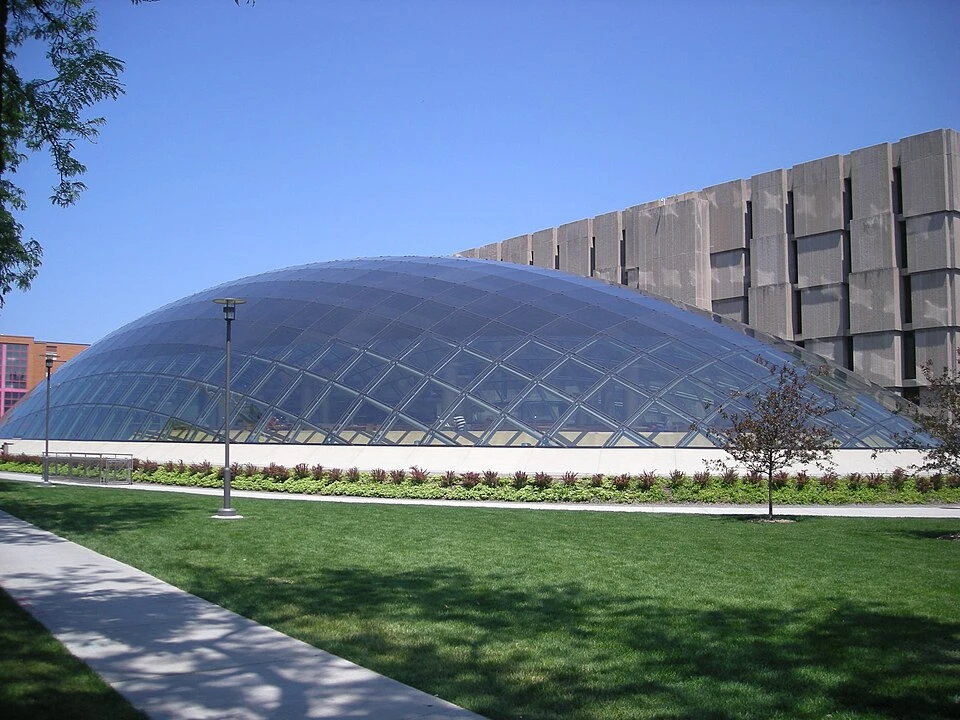
The University of Chicago expresses architectural excellence through a progression from collegiate Gothic to modern and high-tech design. Its original quadrangles created an Oxford-inspired character by allowing Gothic stonework, brutalism, and glass modernity to coexist in a unified academic space. This progression culminates in Helmut Jahn’s Joe and Rika Mansueto Library by designing a glass dome that creates a light-filled reading room above ground.
It houses millions of books underneath in an automated facility, making the room above feel wide and airy rather than heavy like a traditional library. This design connects directly to the Regenstein Library, the university’s older main library, which is a large and solid concrete structure with visible book stacks.
Boston University
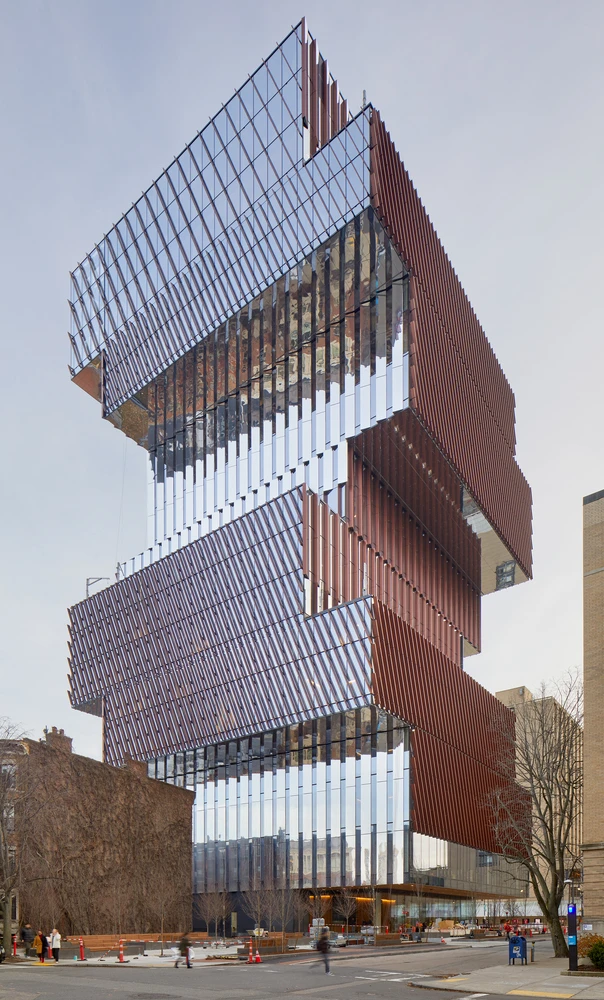
At Boston University, the Center for Computing & Data Sciences reflects architectural excellence through stacked cantilevered glass volumes that rise as a 19-storey vertical campus along the Charles River. Designed by KPMB, the tower uses mirrored sawtooth façades, diagonal louvers, and triple-glazed curtain walls to shape its layered silhouette while reducing solar gain. Its fossil-fuel-free systems, geothermal loops, green roofs, and terraces further strengthen the building’s sustainable identity.
A projecting podium extends over Commonwealth Avenue to complete the streetscape and create a transparent urban porch for arrival and gathering. Inside, a five-storey atrium and interconnected staircases organize collaborative spaces, reinforcing the building’s role as an urban landmark and future-facing campus model.
If you’re interested in exploring how high-performance facades and sustainable systems shape vertical campuses, PAACADEMY offers hands-on courses where you can learn parametric modeling, environmental analysis, and advanced visualization techniques.
Princeton University
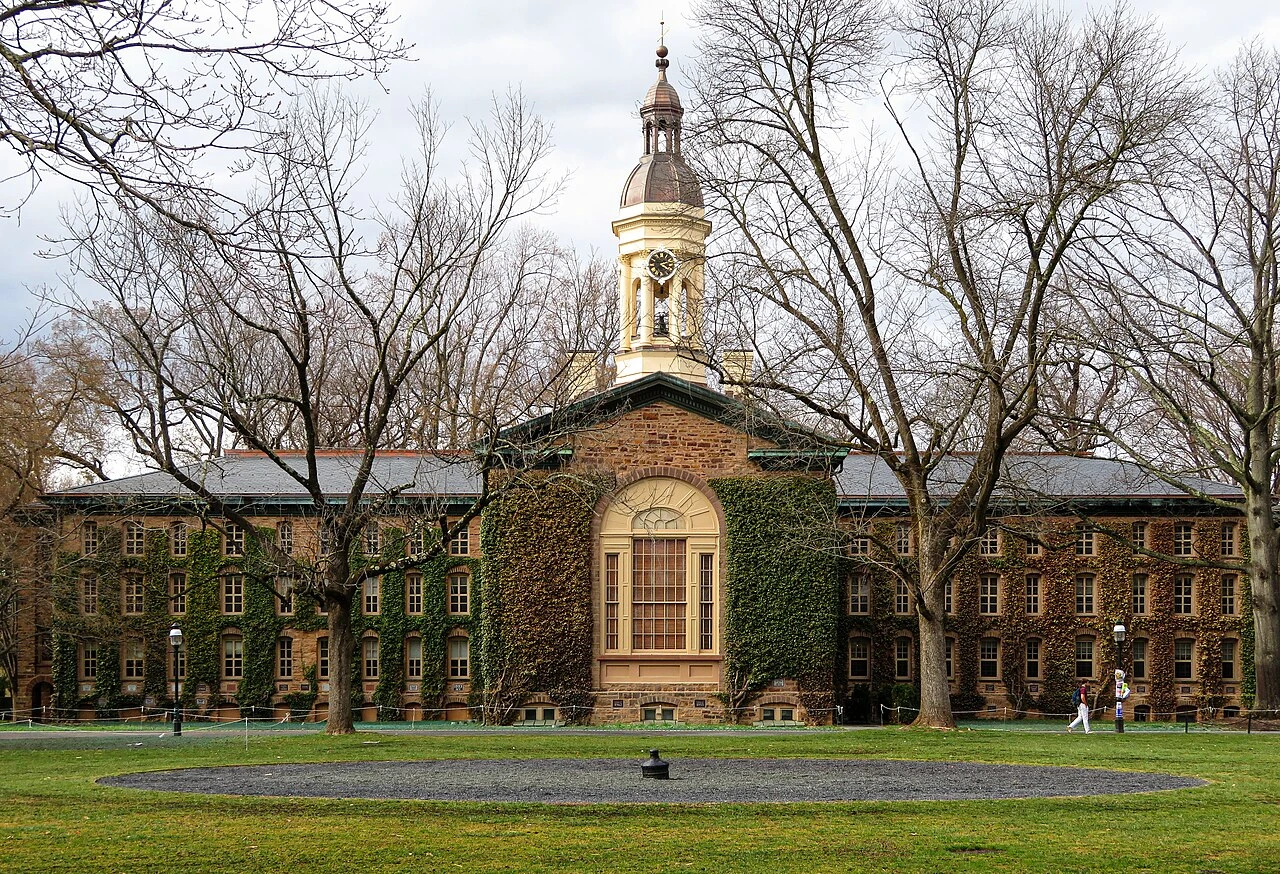
As one of America’s colonial colleges, Princeton University combines architecture and geographical features to create one of the most cinematic academic settings. This university’s Gothic, neo-Gothic, and modern buildings all convey a strong sense of historical continuity. Its ivy-covered facades, vast expanses of green lawns, and tree-lined walks provide an Old English feel reminiscent of Oxford and Cambridge.
The campus’s oldest building, Nassau Hall, anchors this identity, having survived severe fires in the 1800s while keeping its colonial character. The chapel maintains the Gothic language with soaring archways and stained glass, whereas the Class of 1936 Garden and Wyman Garden soften the landscape with stone fountains and formal planting.
University of Virginia
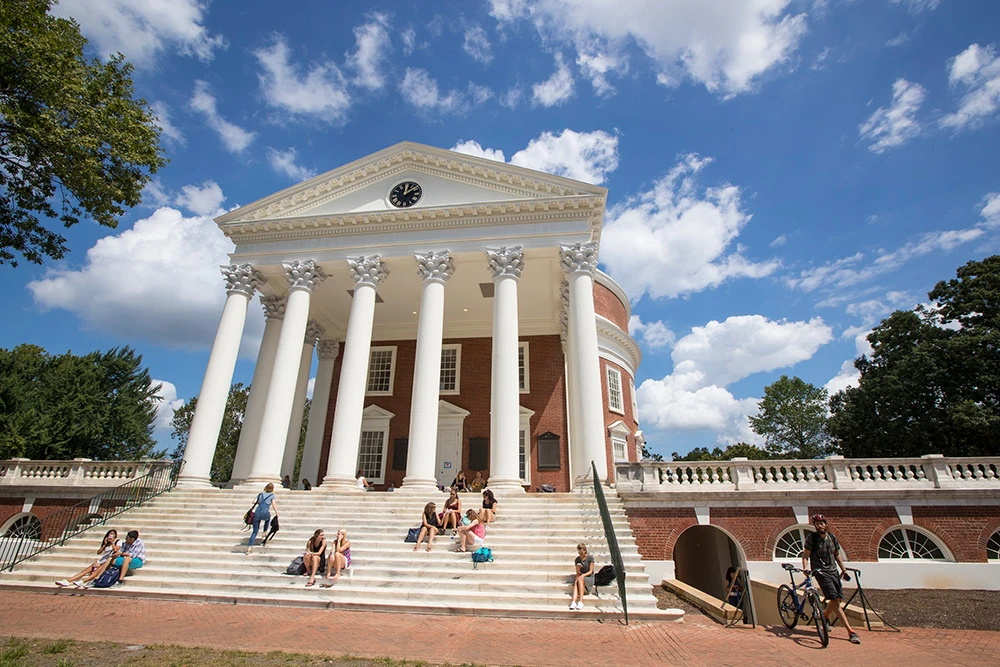
Thomas Jefferson’s architectural vision still heavily influences the identity of the University of Virginia. His Academical Village is a work of neoclassical architecture in which the layout and function of buildings are as important as their appearance. The Lawn, which is a large open space, connects faculty pavilions, student apartments, and classrooms around the center area to foster intellectual interaction.
This design language further extends in the Rotunda, modeled after the Pantheon in Rome, which was once the university library but is now a World Heritage site. It includes red brick buildings and white columns inspired by Greco-Roman architecture. On the other hand, Pavilion Gardens features curving brick walls and landscape styles ranging from Renaissance elements to naturalistic English park design.
Bard College
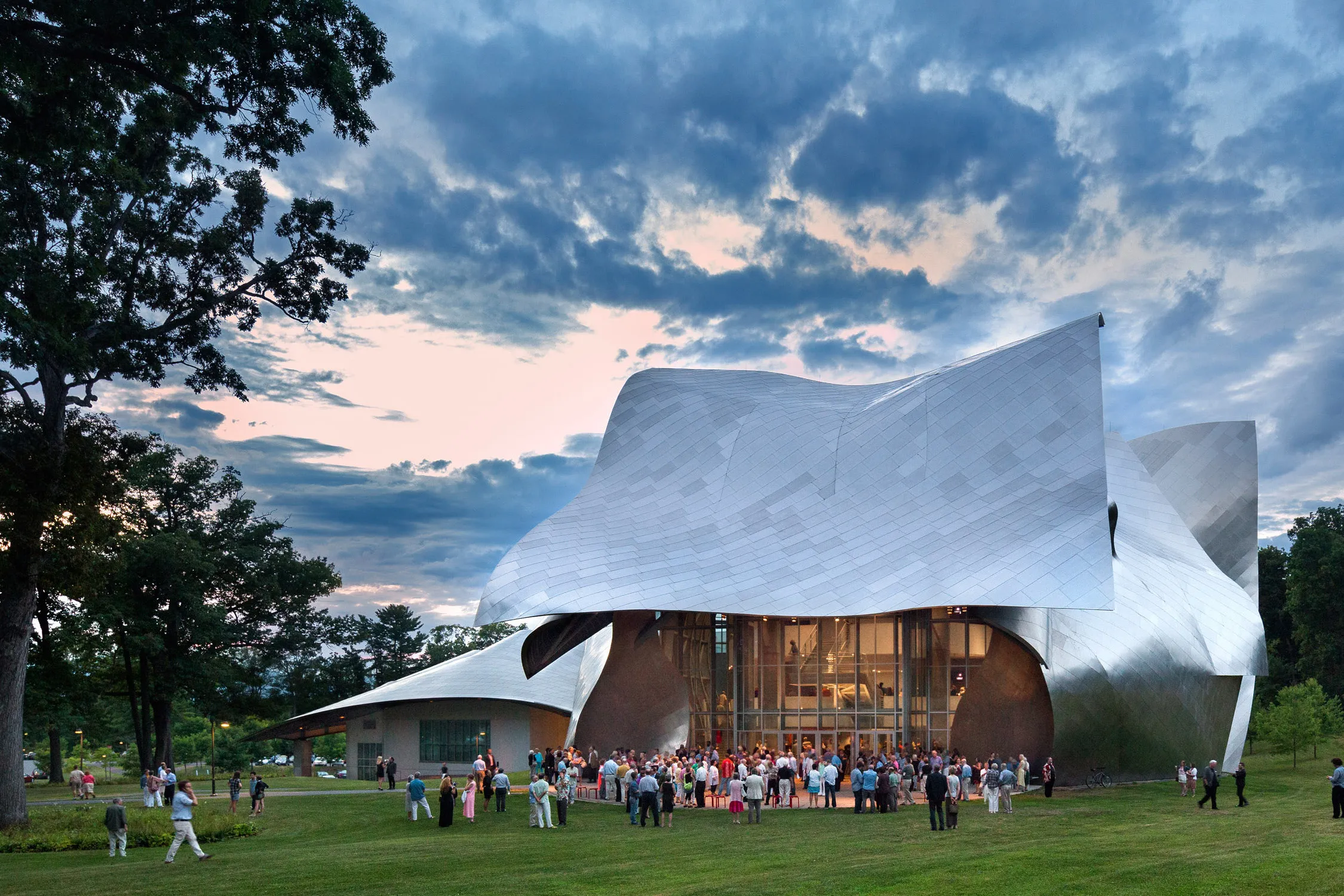
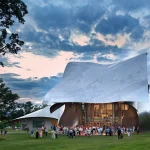
Since its opening in 2003, the Richard B. Fisher Center for Performing Arts, designed by Frank Gehry, has defined the campus at Bard College. This campus set against the Hudson Valley has a minimalist 900-seat theatre with a stainless-steel roof that reflects the surrounding natural landscape. This relationship extends to the interior, where Gehry’s collaboration with acoustician Yasuhisa Toyota and use of the latest technology ensure exceptional acoustics.
This richness extends across the 1,100-acre campus, which features more than 200 buildings, including 45 residence halls ranging from ivy-covered stone estates of the early 1800s to modern glass constructions. Streams, meadows, formal gardens, old-growth woodland, and orchards surround these structures, making the campus feel architecturally stunning yet naturally breathtaking.
Florida Southern College
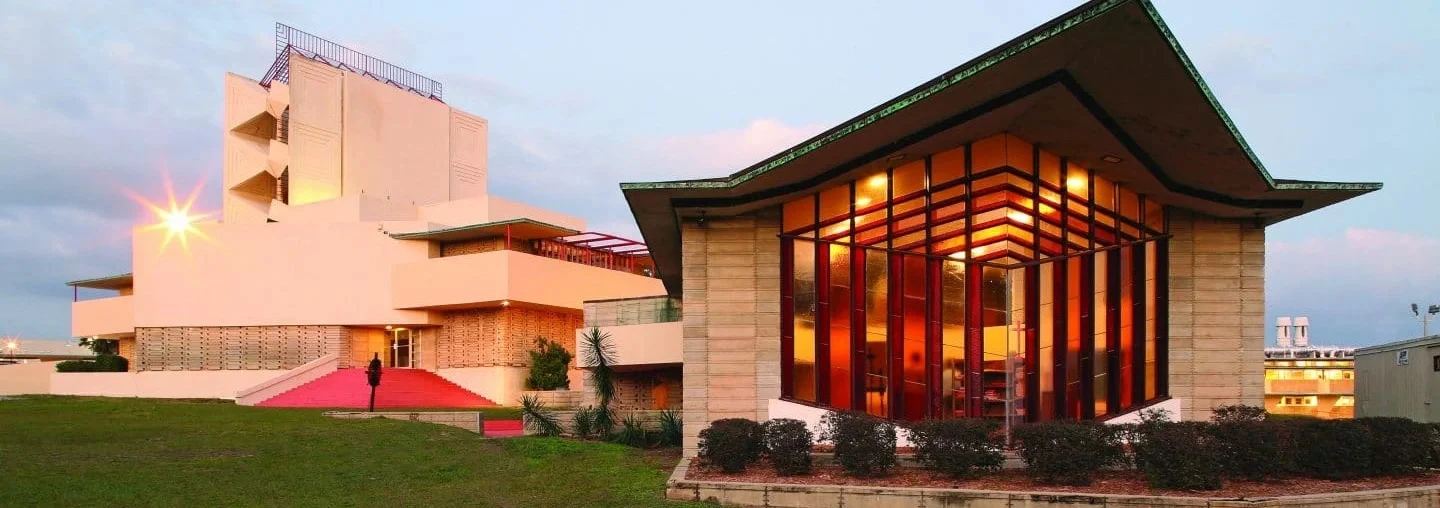
Frank Lloyd Wright’s concept for an American campus was best expressed at Florida Southern College. He designed twelve structures between 1938 and 1958, giving the campus a remarkable unity. The Danforth Chapel is notable for its intimate and spiritual atmosphere, with Wright’s excellent use of light defining the entire spatial experience.
This clarity continues in the Annie Pfeiffer Chapel, which features skylights, stained glass, and cantilevered flooring for added visual interest. Wright also applied this logic to the Esplanades, a network of modern concrete walkways that unite the university into a single, continuous architectural composition.
University of Oxford
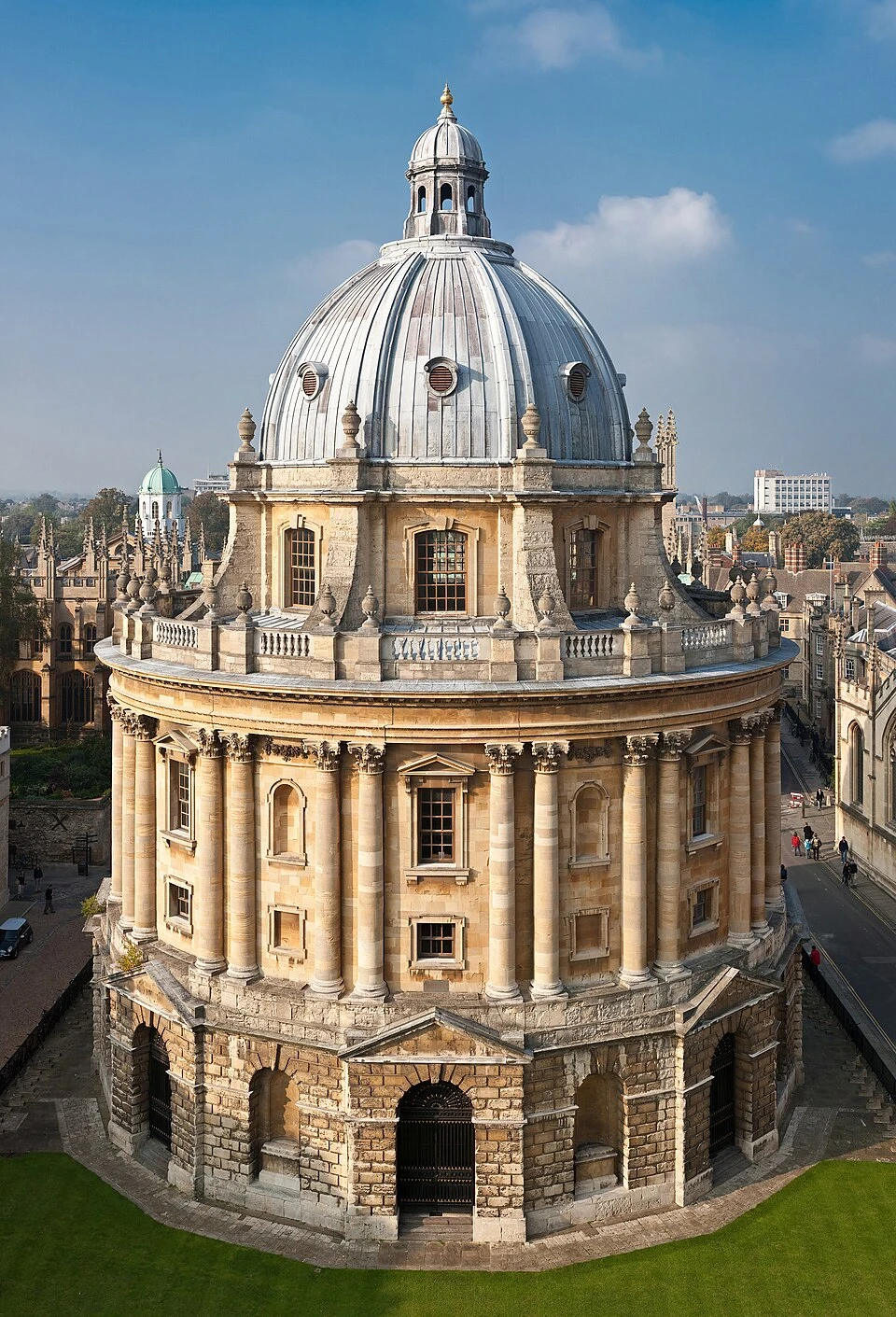
The University of Oxford’s architecture layers have stood the test of time, inspiring many universities to replicate its massive Gothic style. Across the campus, chapels, shrines, cloisters, quadrangles, and lawns combine to form one of the world’s most influential academic environments.
The Radcliffe Camera, built in the mid-1700s as a library, is one of its most recognizable buildings with a Palladian design influenced by Venice and ancient Greece. Other structures, such as the Sheldonian Theatre, showcase Renaissance grandeur. This architectural language extends across Christ Church Cathedral, Tom Tower, and the university’s gardens and arboretums.
Stanford University
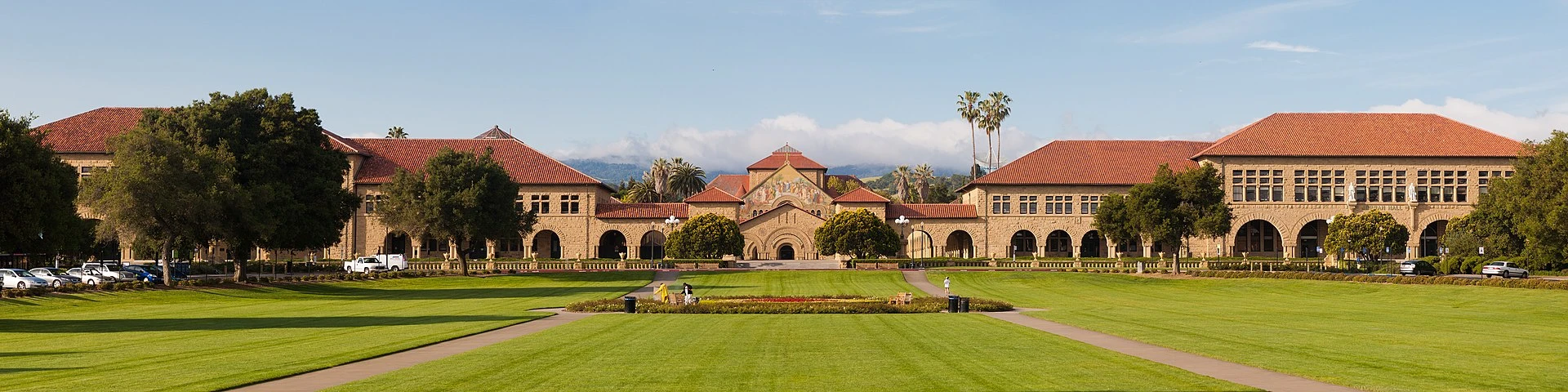
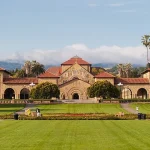
Stanford University’s huge campus reflects architectural cohesiveness across 13 square miles, combining Romanesque and Mission Revival characteristics commonly associated with Richardsonian Romanesque. The university includes grassy fields, eucalyptus groves, rolling hills, cactus gardens, and native California plants. The original master design created in 1886 by landscape architect Frederick Law Olmsted continues to shape the campus.
Because newer structures must adhere to this language, architects use color, materials, and scale to blend modern construction with old character. Red-tiled roofs and repeating shapes help to retain that unity. Landmarks such as Memorial Church and Hoover Tower reinforce this setting while the palm-filled Main Quad remains its defining core.
Yale University
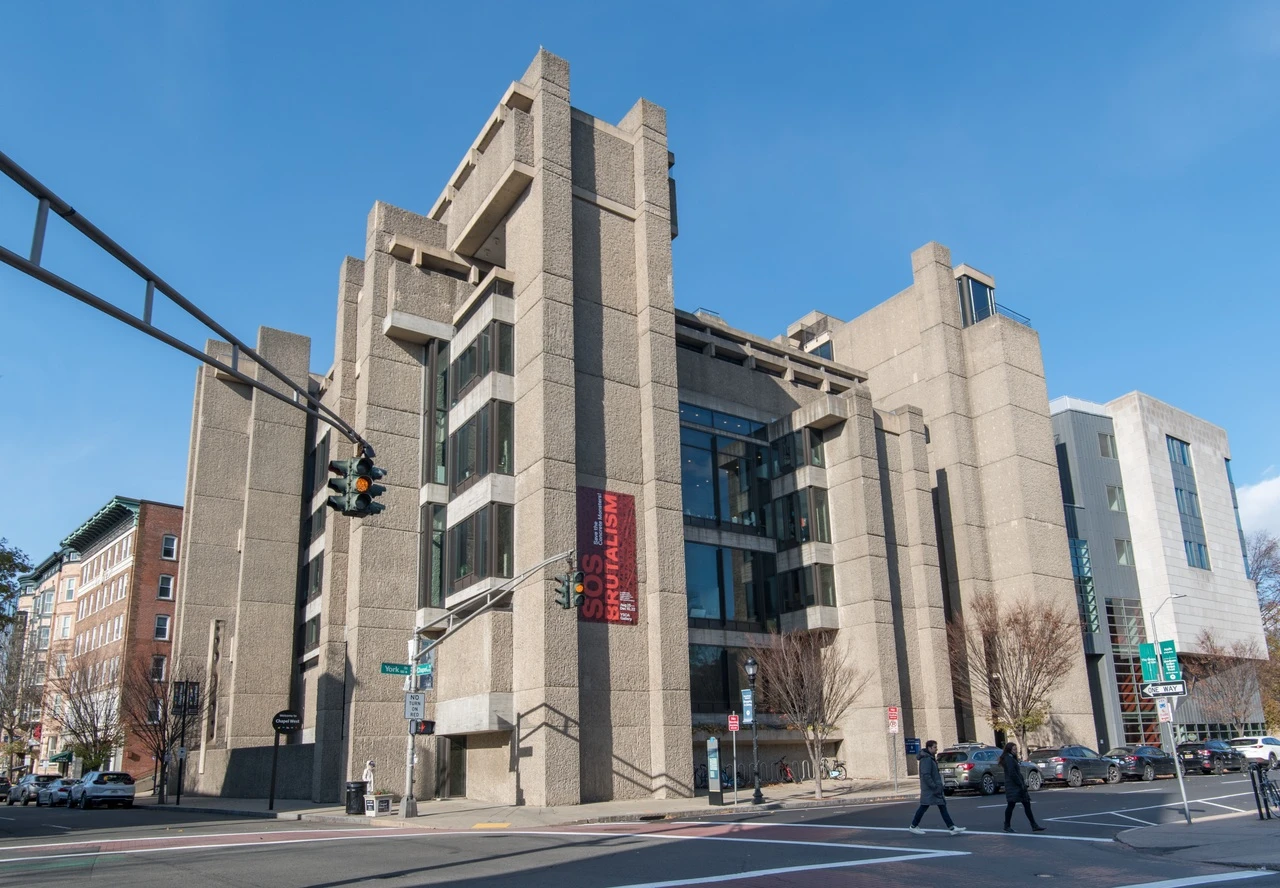
Yale University showcases architectural diversity by using Gothic and Colonial Revival buildings to establish an Ivy League atmosphere while adding modern landmarks to sharpen its architectural range. The sequence extends from Connecticut Hall’s austere Colonial brickwork to the Ruskinian Gothic Farnam and Durfee Halls and Harkness Memorial Quadrangle.
Rudolph Hall, formerly the Yale Art and Architecture Building, features ribbed and bush-hammered concrete and remains one of America’s prominent Brutalist statements. This weight is offset by the wave-like envelope designs for the Ingalls Rink, the modernist art gallery, and the minimalist Beinecke Rare Book Library.