

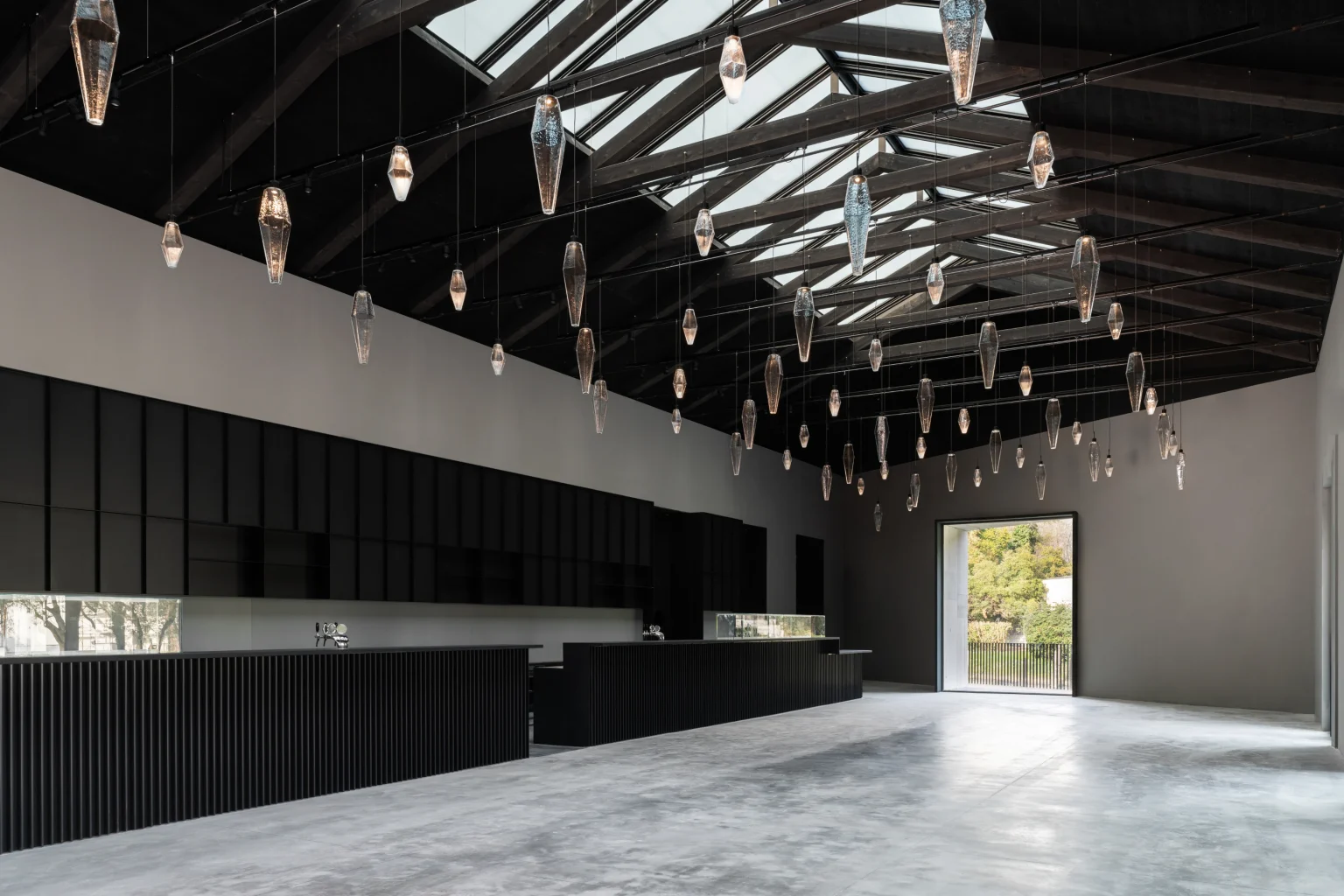
In Venice, a city where architecture is never frozen in time but constantly shaped by memory, use, and reinvention, the reopening of the Central Pavilion at the Giardini della Biennale feels more significant than the completion of a restoration. It marks the return of one of the most symbolic spaces of La Biennale di Venezia, now rethought for the way culture is experienced today. After 16 months of work, the building was restructured as a contemporary approach designed to support new forms of exhibition, dialogue, and public engagement.
Backed by Italy’s Ministry of Culture through the PNC–PNRR framework and connected to the “Great Cultural Heritage Attractors” program, the €31 million intervention forms part of a wider plan to strengthen Venice’s cultural infrastructure. But even within that broader vision, the Central Pavilion has long stood as one of the defining anchors of the Biennale’s curatorial identity, carrying architectural presence and symbolic importance within Venice’s cultural landscape.
Central Pavilion Renovation Restructures Space
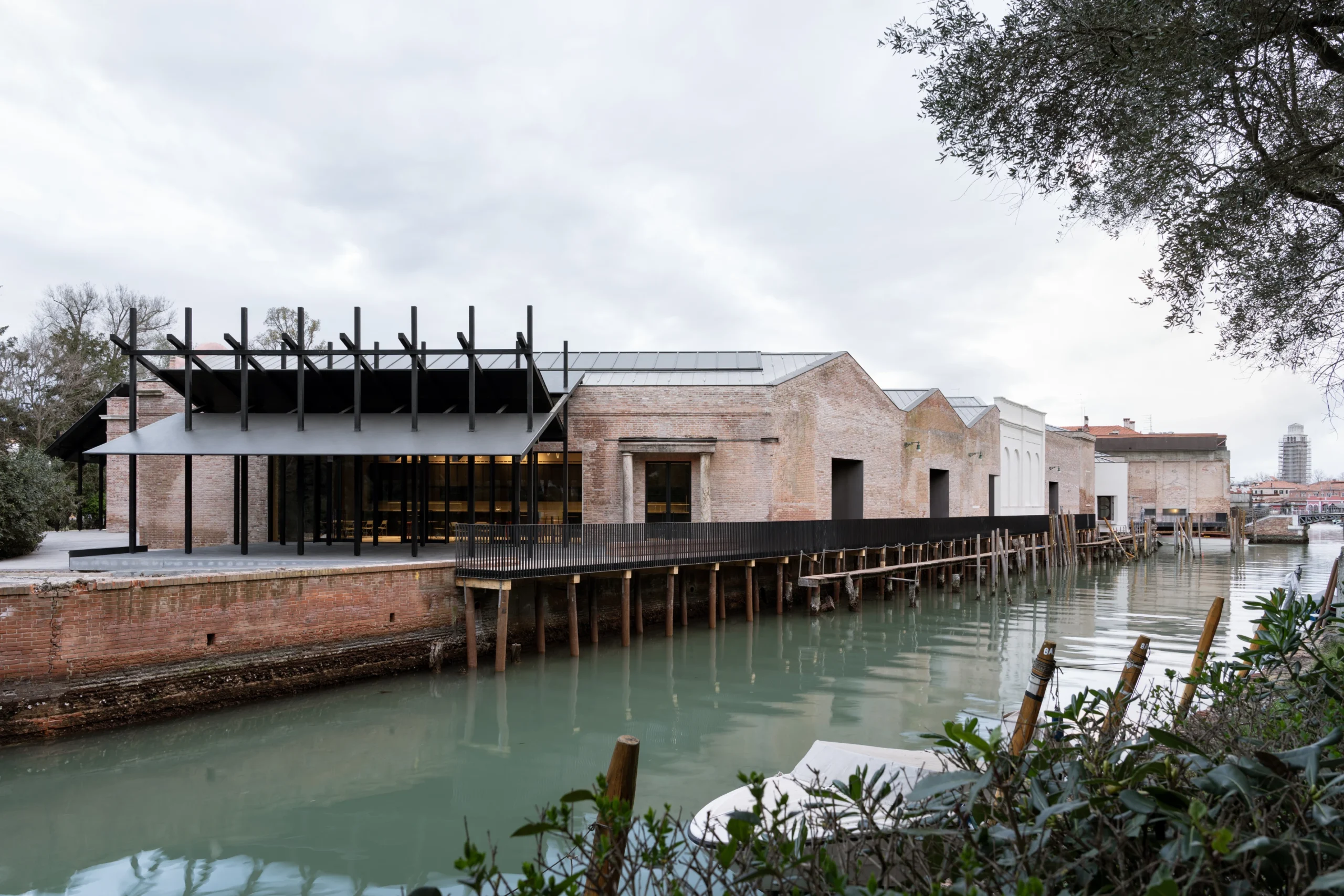
The Central Pavilion at the Giardini della Biennale is approached as a building shaped over time. Since the late 19th century, a series of additions, modifications, and partial redesigns have altered it, each reflecting a different architectural moment. Rather than erase that layered history, the renovation works with it.
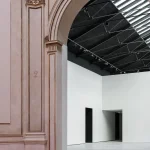
The project seeks to bring greater clarity to the building’s accumulated form. It preserves visible traces of its evolution while removing elements that feel inconsistent or out of place, allowing a more coherent architectural order to emerge.
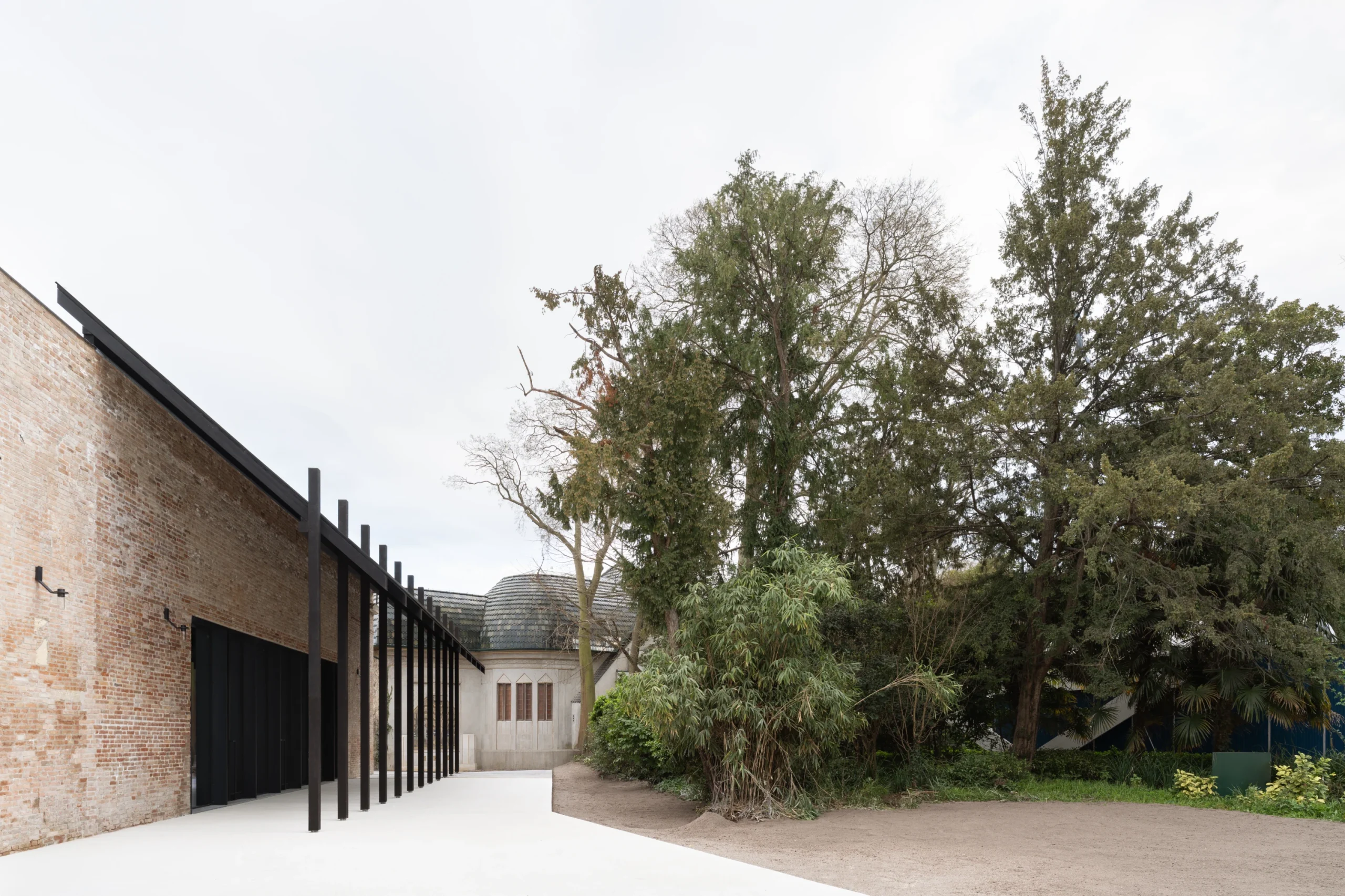
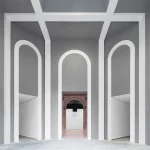
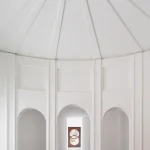
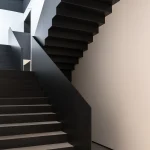
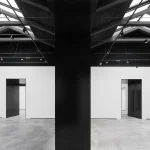
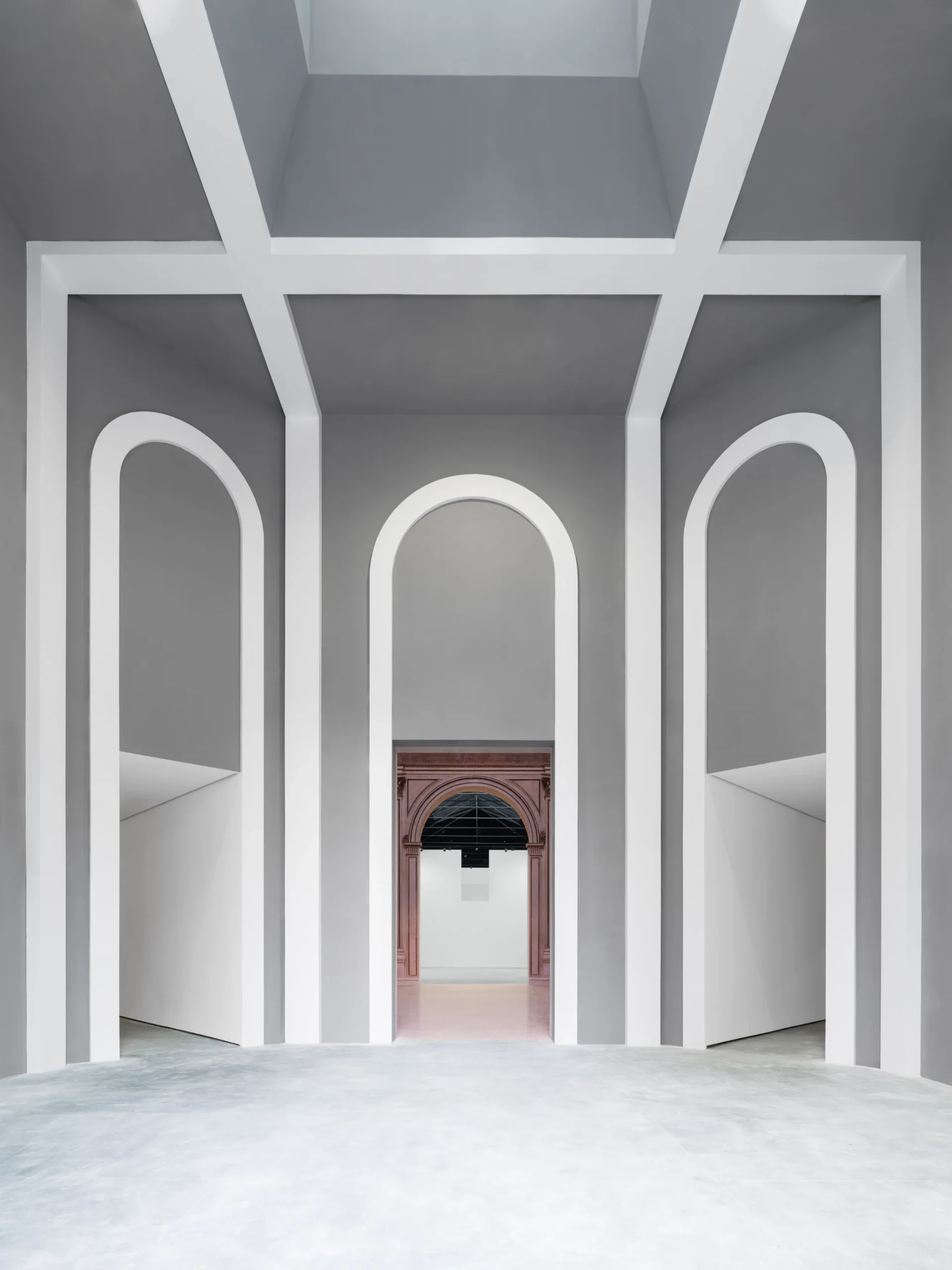
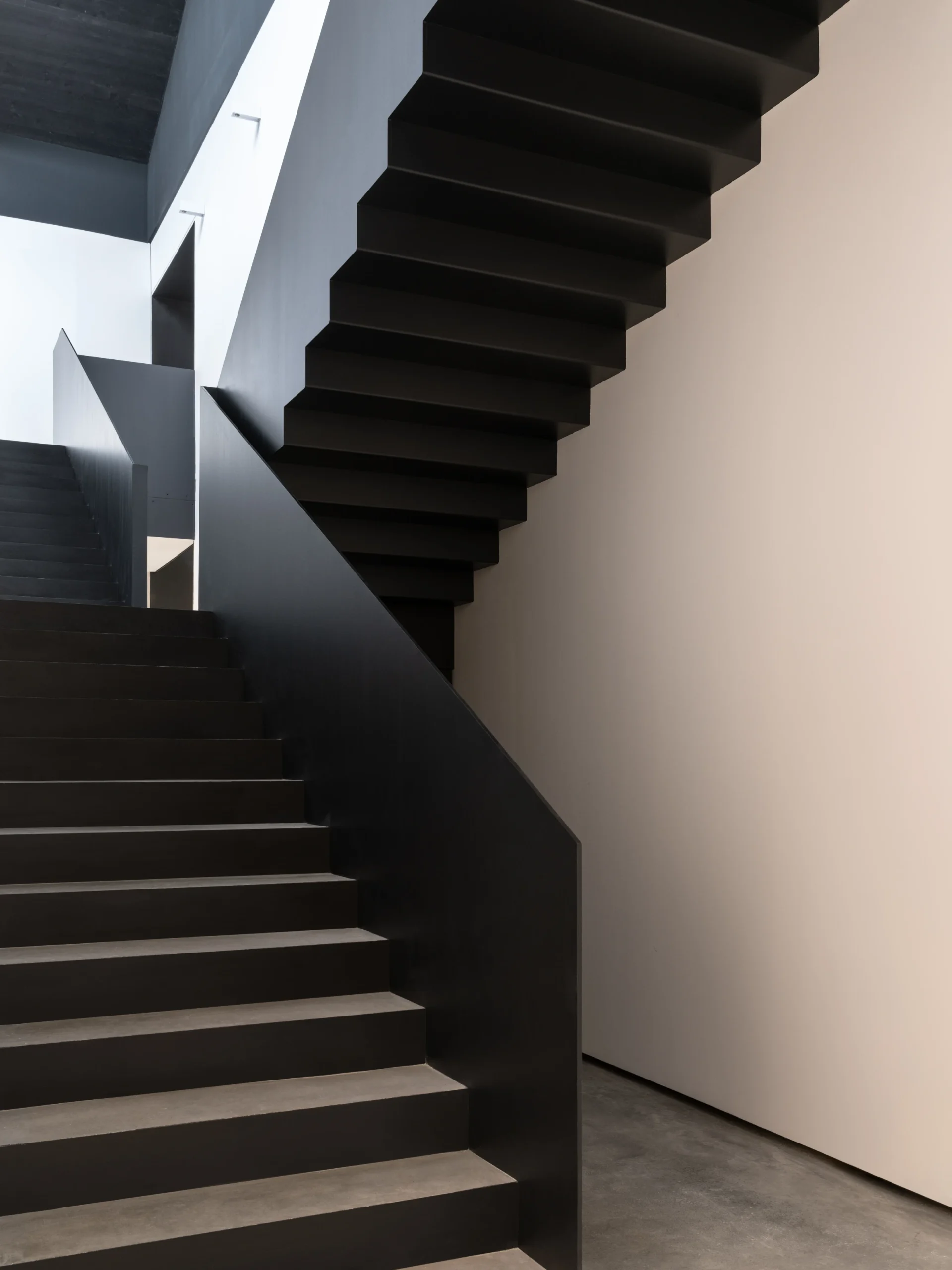
The renovation removes inconsistencies while preserving traces of the building’s evolution. In doing so, it creates a clearer sense of space and movement. Circulation is no longer fragmented, and the plan now revolves around Sala Chini, which functions as the building’s central node. From here, visitors can move more intuitively through the exhibition sequence.
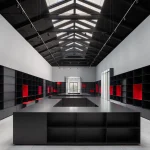
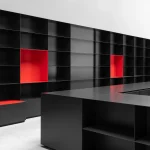
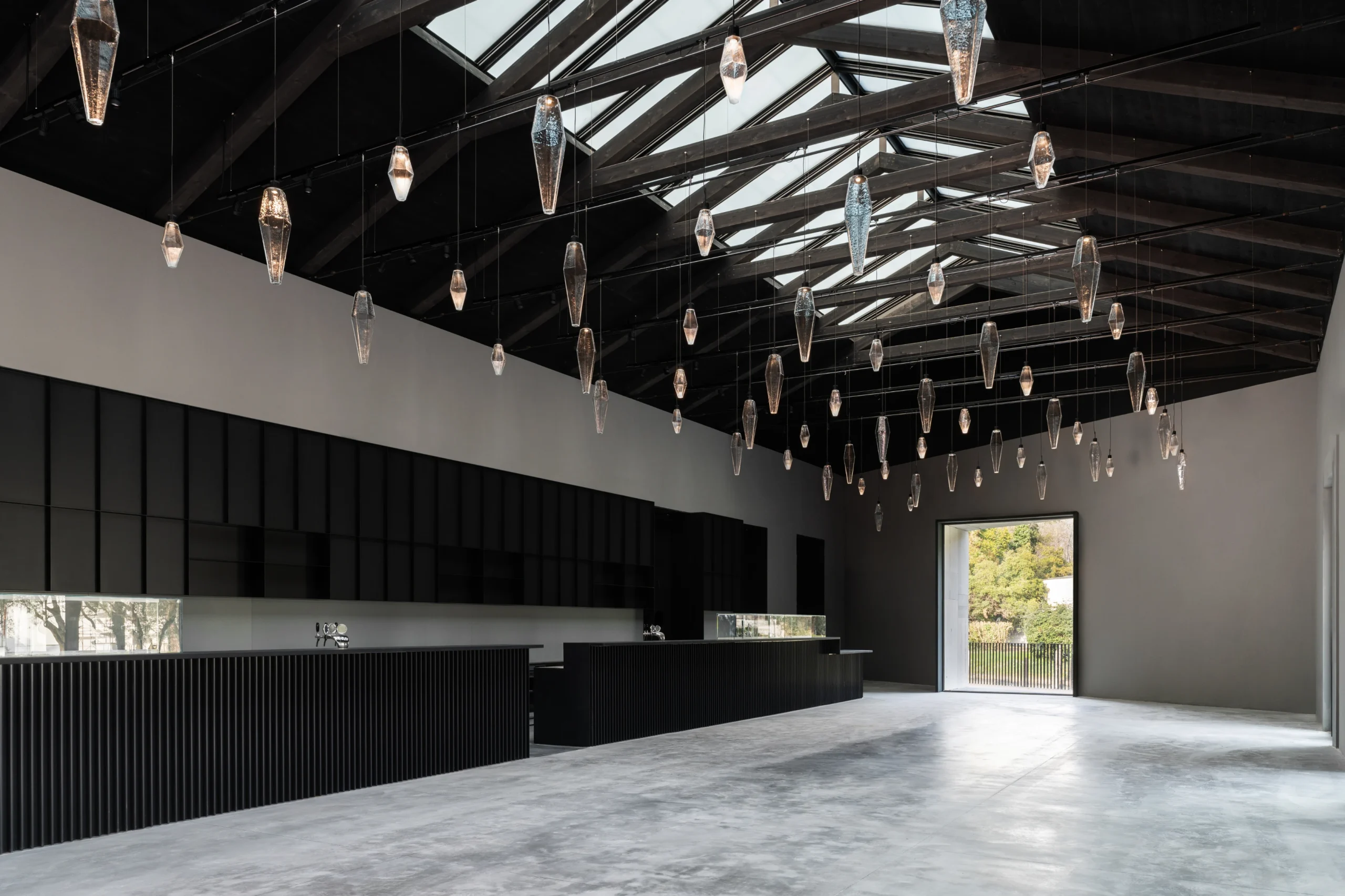
Around this center, a ring of support spaces has been introduced. The bookshop, café, education rooms, and technical areas are separated from the exhibition zones. It allows the galleries to remain uninterrupted, adaptable, and focused purely on art.
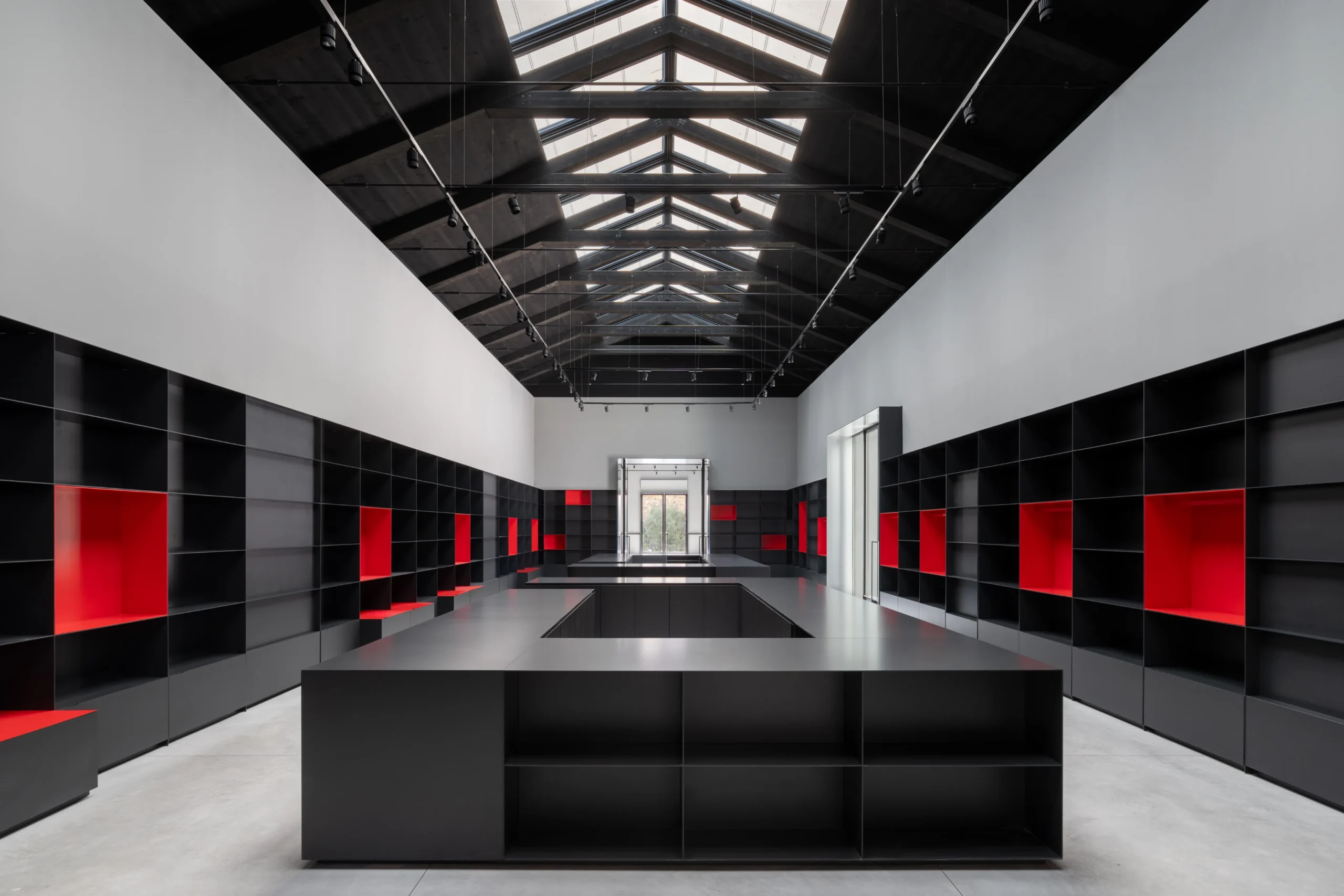
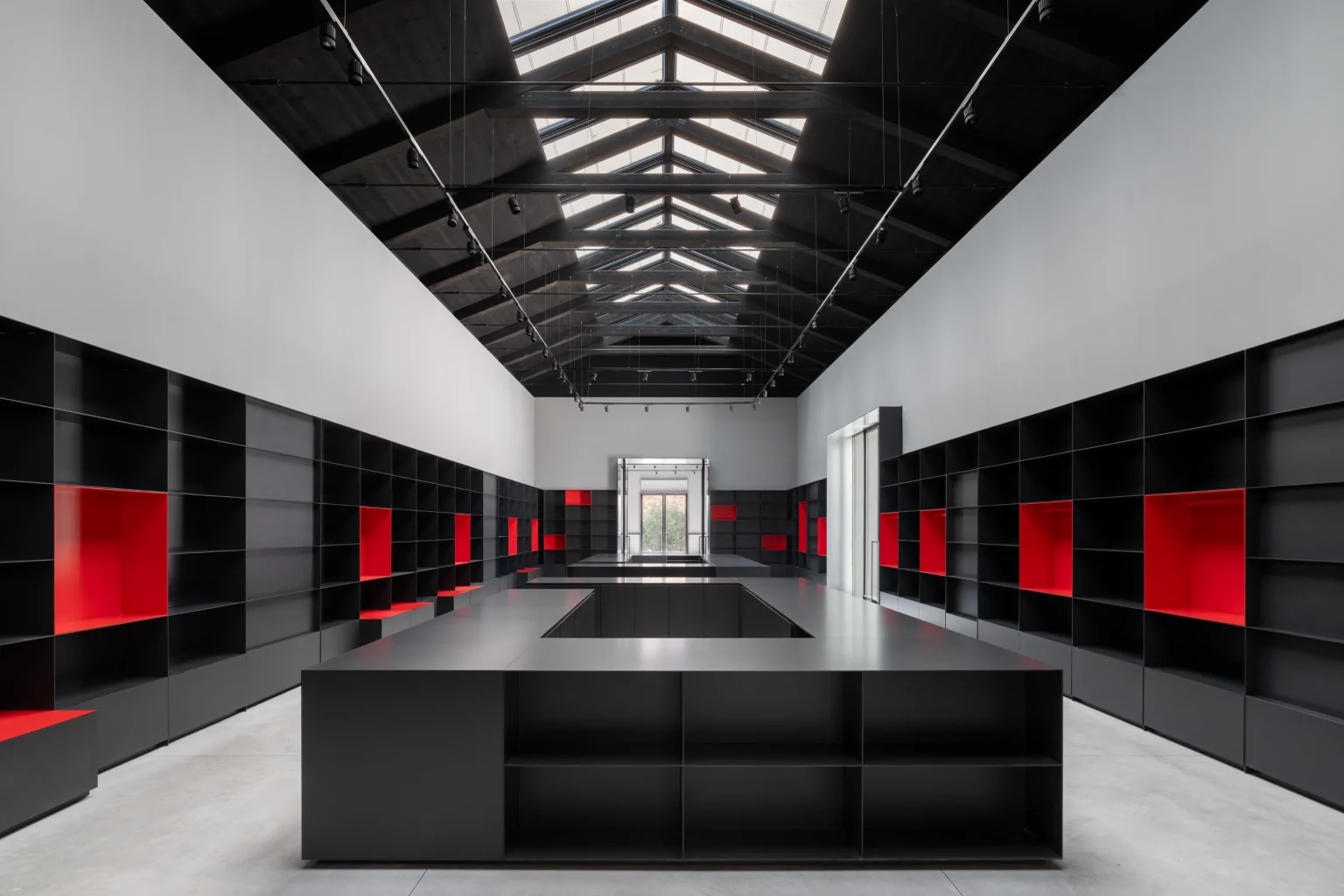
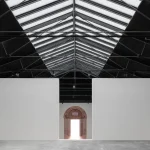
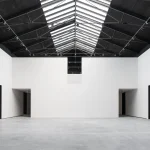
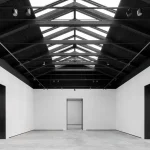
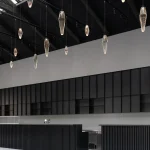
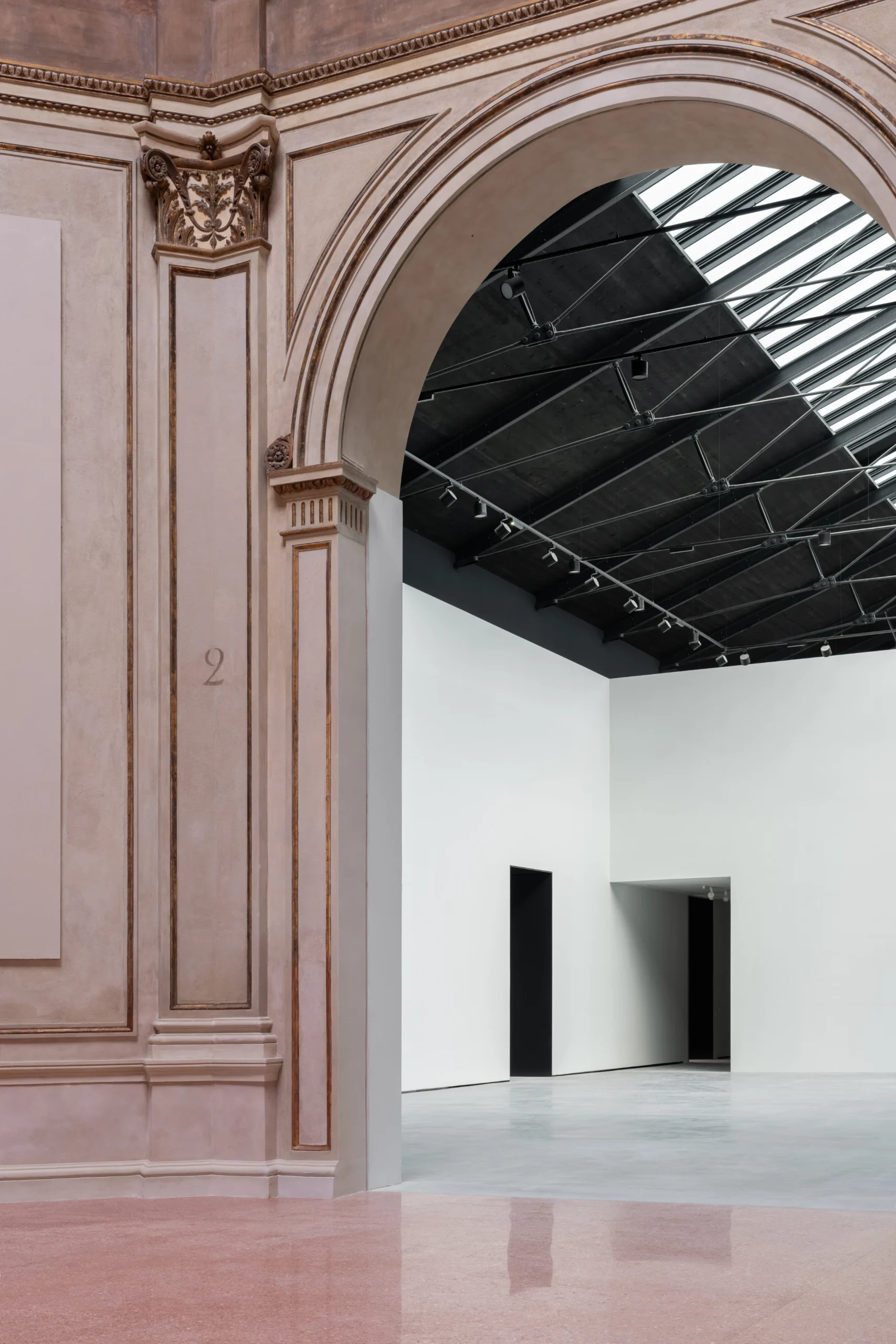
The exhibition rooms themselves are created as neutral volumes. Clean, flexible, and free of visible systems, they serve as a foundation and provide full control.
Construction began in December 2024 and was completed in March 2026, aligned strictly with national recovery plan milestones. Significant coordination was required between public institutions, technical teams, and heritage authorities.
Arianna Laurenzi, an architect, and Cristiano Frizzele, an engineer, led the project internally through the Special Projects department of La Biennale. The design team approached the Pavilion as an architectural and infrastructural challenge where the team integrated engineering systems, fire safety, and geology.
Dialogues With the Past
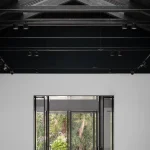
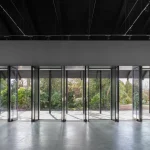
Despite removing many elements, the team meticulously preserved key historical features. The window frames designed by Carlo Scarpa have been restored and reinstalled, maintaining a tangible link to one of the Pavilion’s most refined interventions.
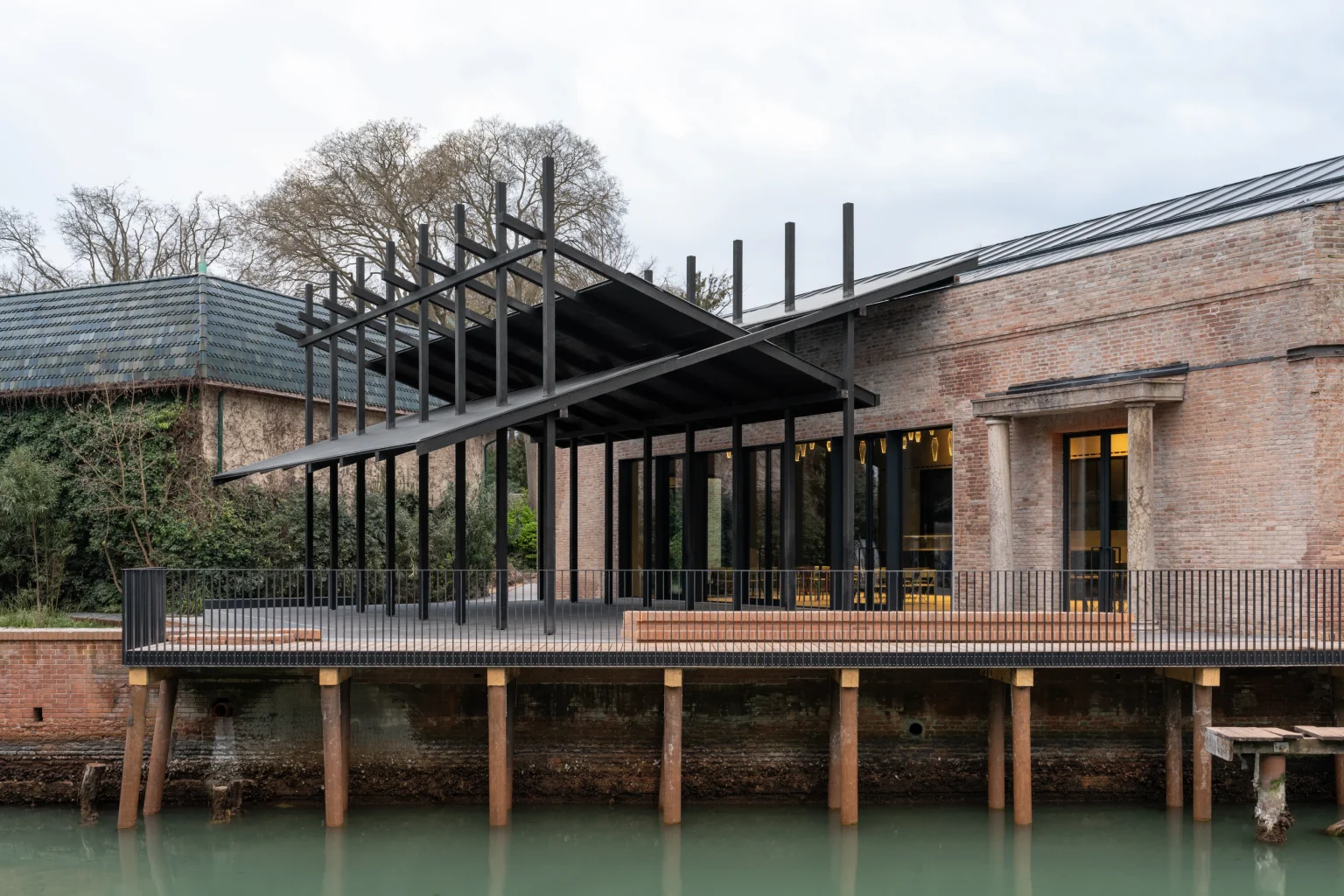
Sala Brenno del Giudice has been reinterpreted by returning to its 1928 spatial character, especially its original relationship with the café. Openings toward the canal terrace have also been restored, helping reconnect the building to its surroundings.
These moves do not seek to fully reconstruct the past but recover specific spatial moments considered worth carrying forward into the present.
The Altane: Light Structures, Strong Presence
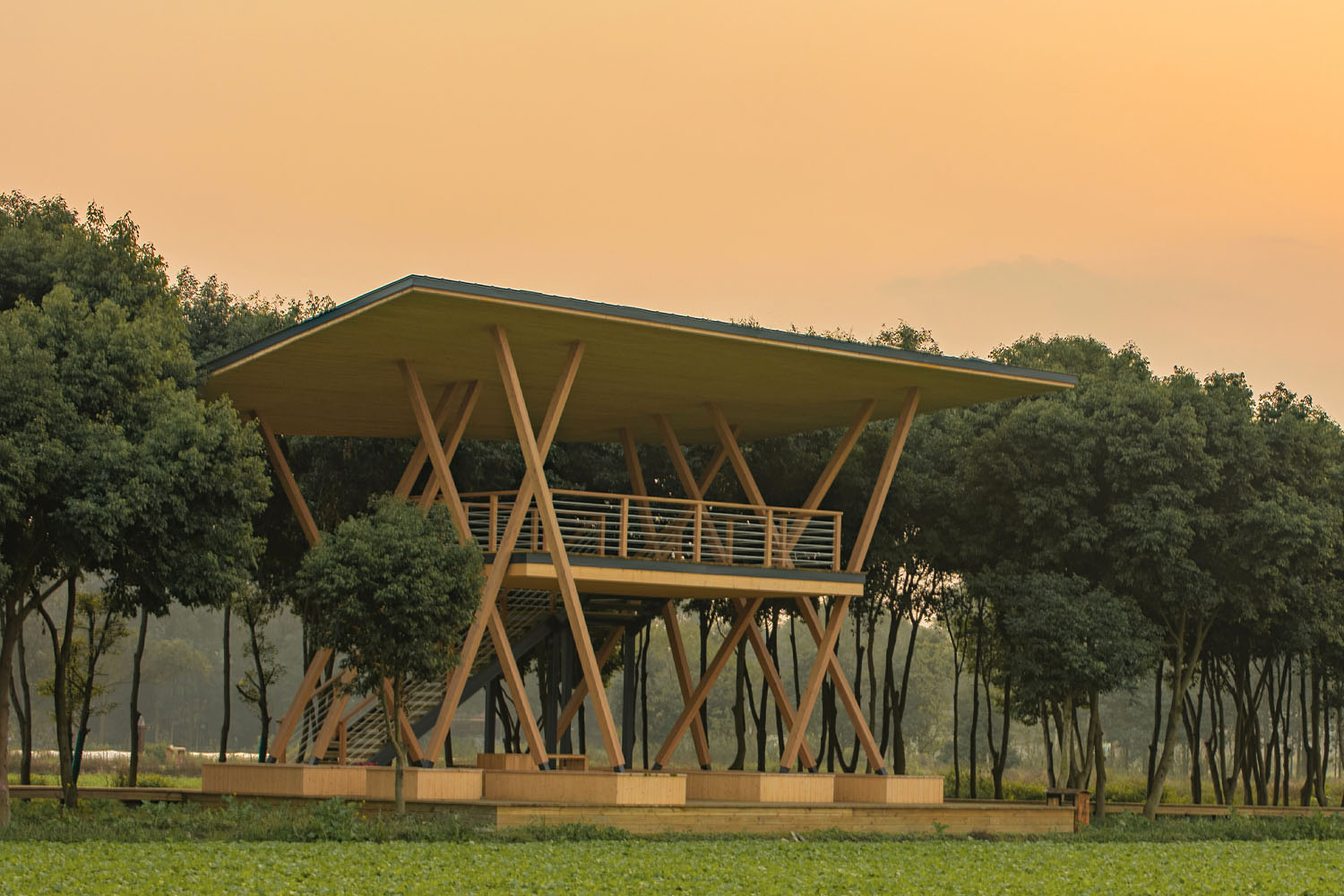
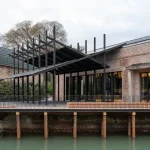
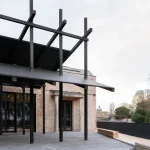
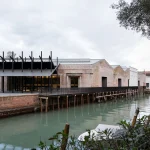
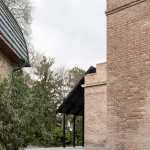
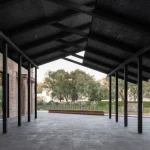
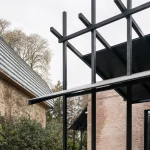
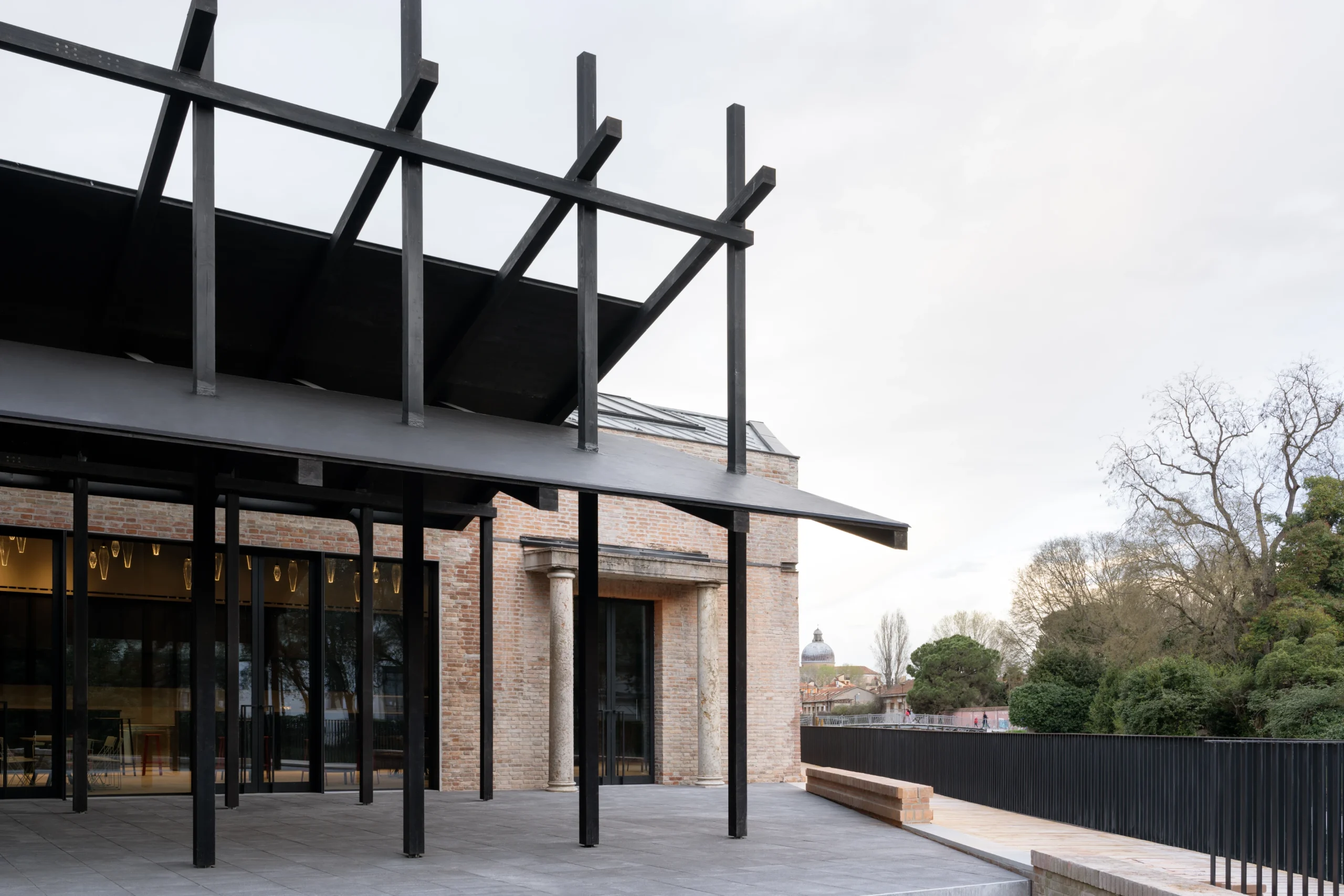
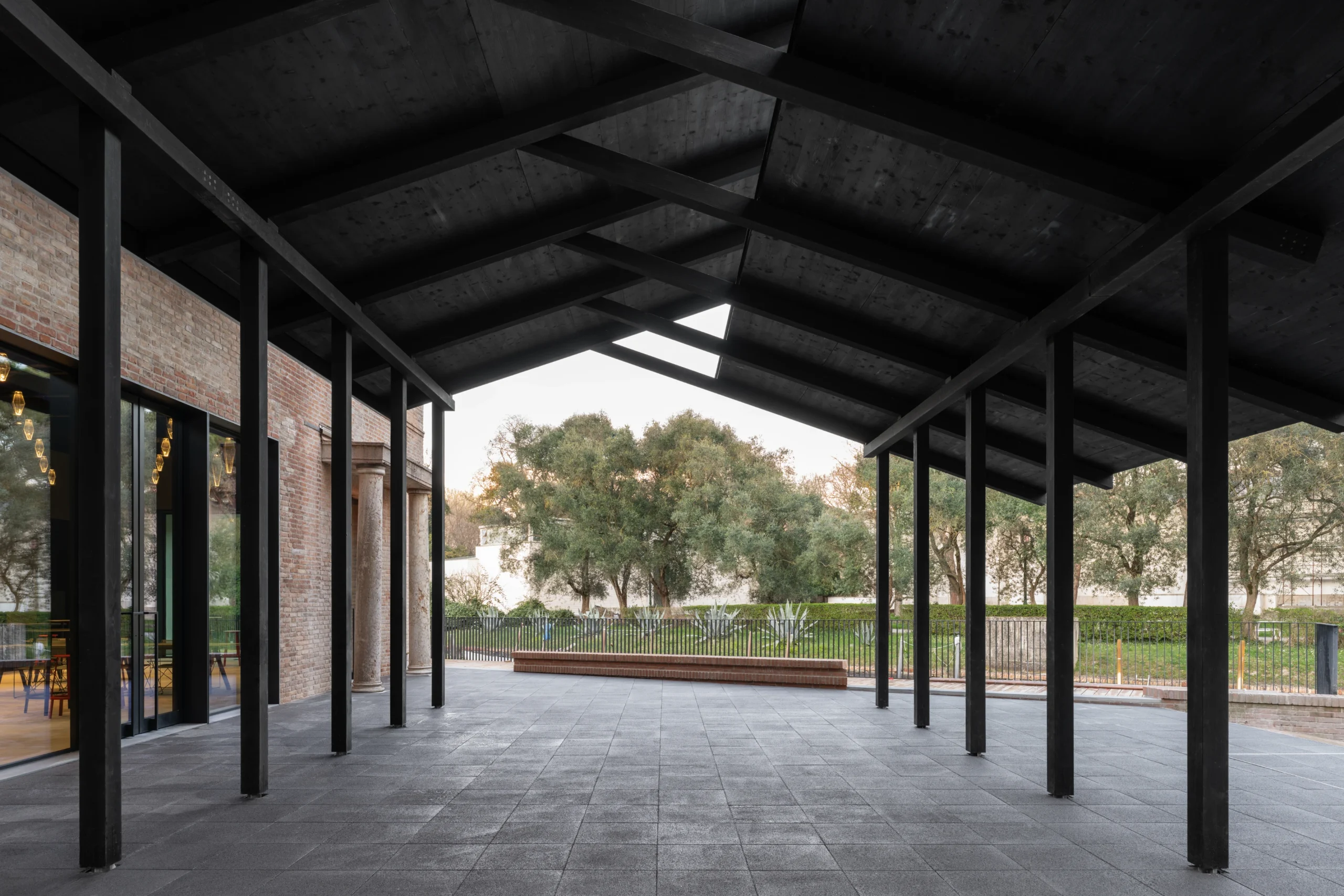
Among the few visible additions to the renovated Pavilion are the altane, two elevated outdoor structures inspired by traditional Venetian roof terraces. Positioned in relation to the café and multipurpose spaces, they extend the building vertically and outward without disturbing its main mass.
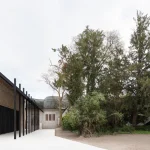
Built in charred laminated wood and X-LAM panels, the Altane introduces a lighter architectural design that contrasts with the solidity of the Pavilion. Instead of competing with the existing masonry, the design creates moments of openness that frame views and strengthen the visual connection to the Giardini landscape.
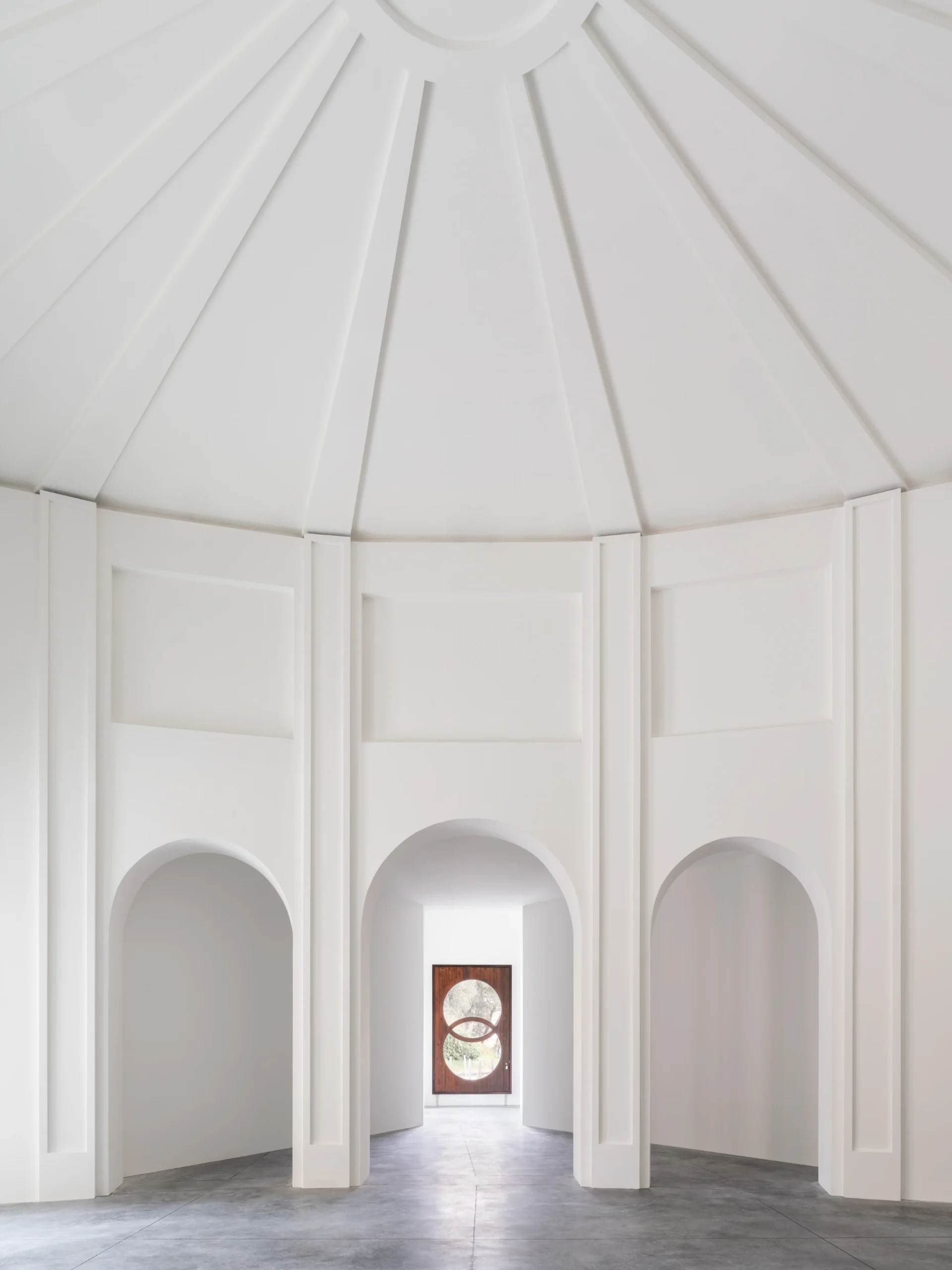
There is also a quiet architectural dialogue with the design sensibility of Carlo Scarpa, expressed not through imitation but through a shared attention to material, proportion, and detail, reinterpreted in a contemporary form.
Integrated Systems and Sustainable Performance
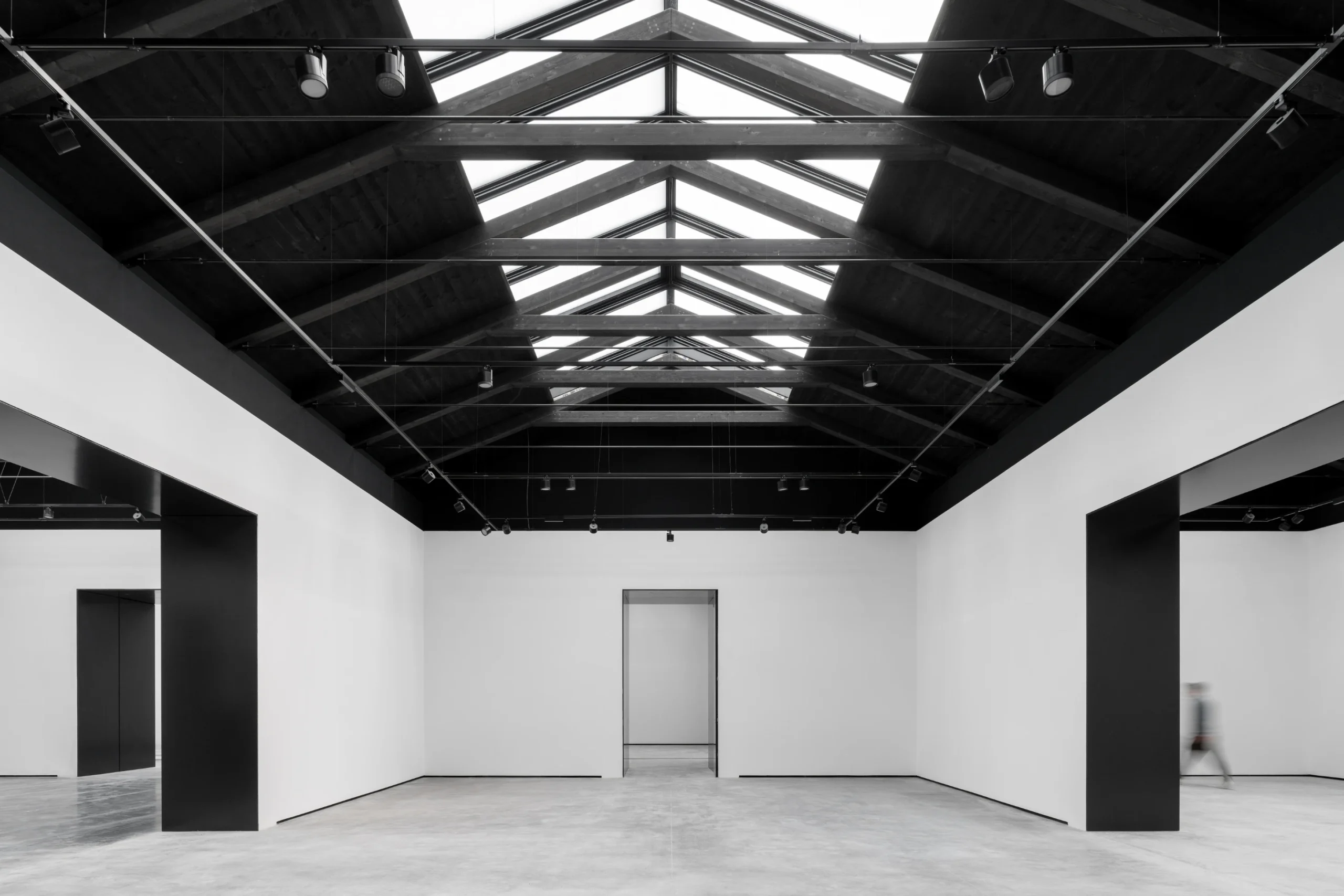
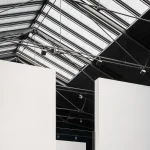
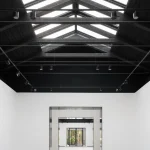
The renovated Pavilion operates as a unified architectural system where structure, daylight, energy production, ventilation, and shading work together as one integrated whole. All technical infrastructure is concealed within walls and roof assemblies, allowing the interior spaces to remain clear and uninterrupted.
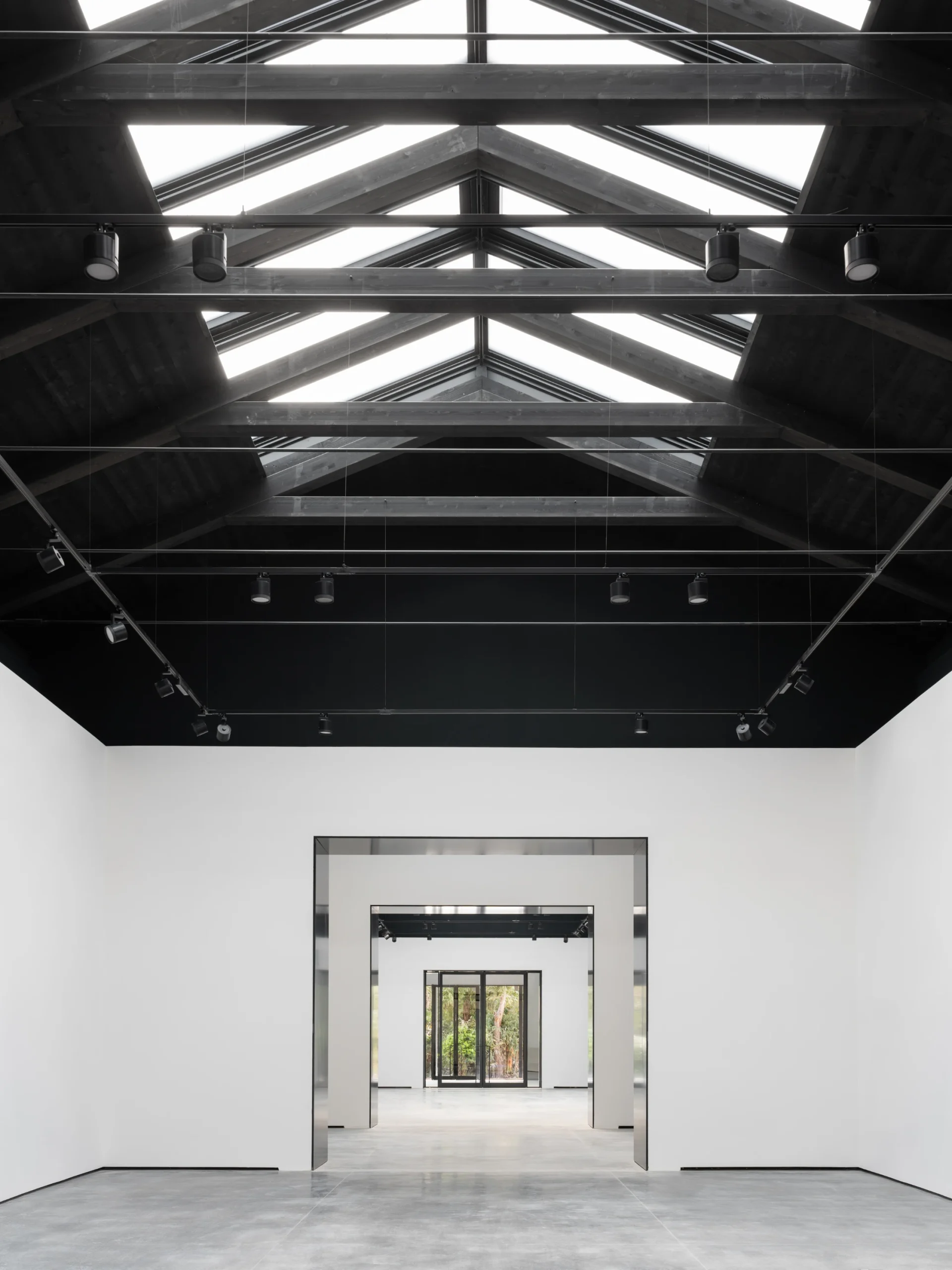
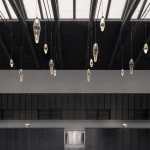
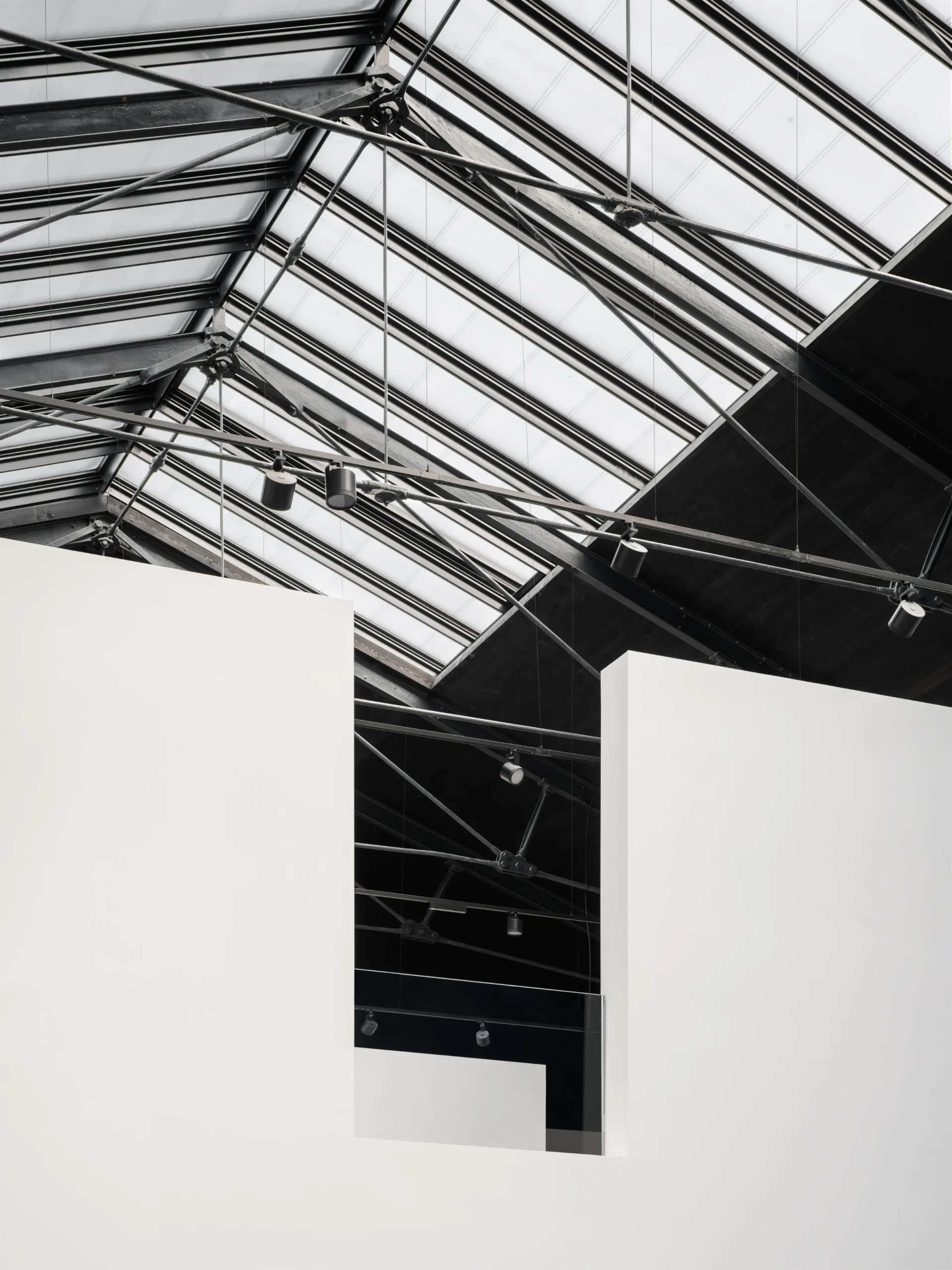
New skylights, combining photovoltaic and diffusing glass, ensure even natural illumination while also contributing to on-site energy generation. Ventilation is supported through operable modules, and motorized shading systems enable complete control over light conditions, including full blackout when required. The design achieves a controlled yet open environment, simultaneously ensuring spatial clarity and environmental performance.
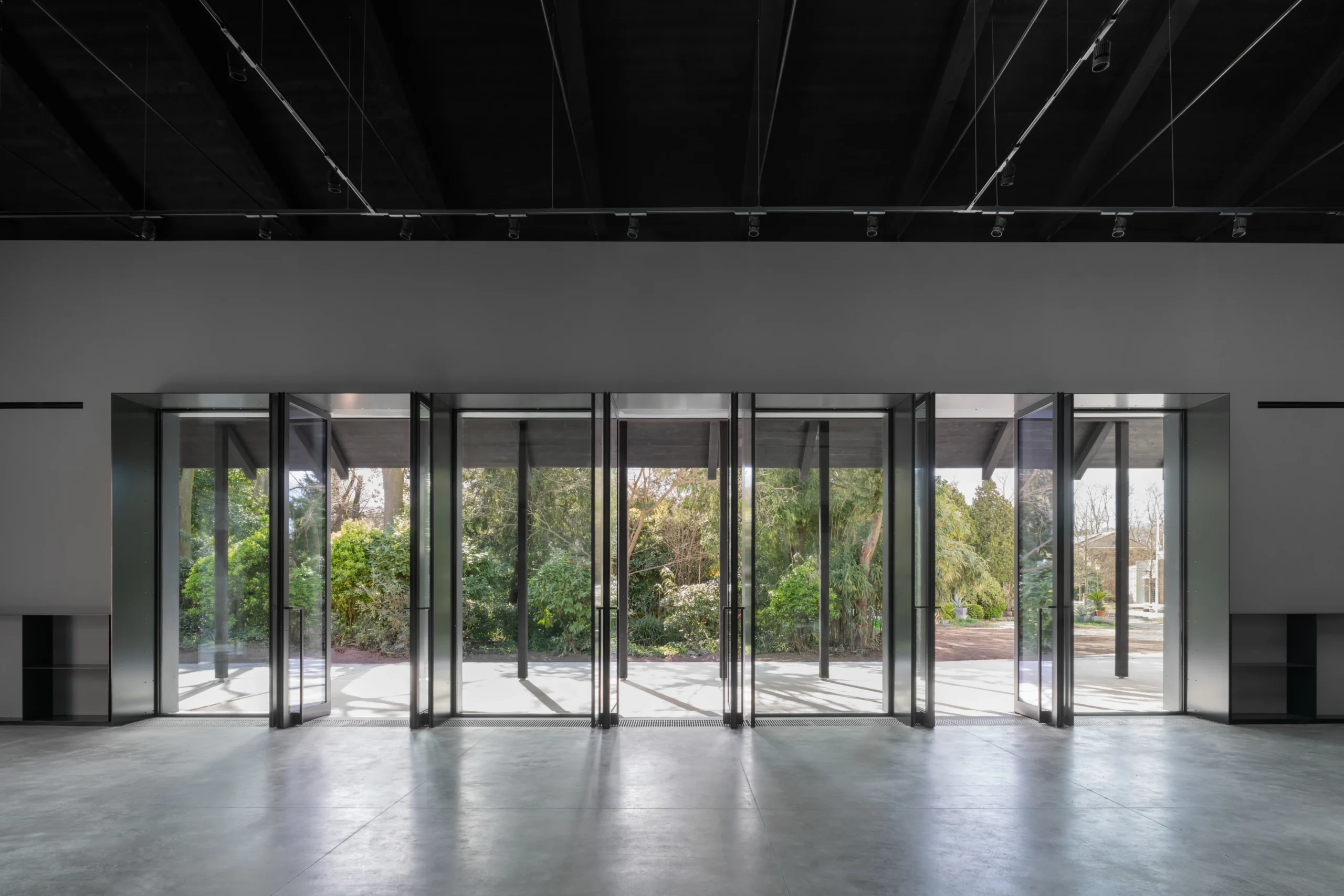
Sustainability is embedded as a core design principle. The project targets LEED Gold certification, following internationally recognized standards for energy and water efficiency, reduction of carbon emissions, responsible material use, and improved indoor environmental quality. The building strategy fully integrates these measures, ensuring the seamless operation of performance, efficiency, and architectural quality.
A Site With Deep Roots
To fully understand the Pavilion, it must be seen within the wider history of the Giardini. Created in the early 19th century under Napoleonic urban planning and designed by Gian Antonio Selva, the site has hosted the International Art Exhibition since 1895.
The Central Pavilion itself began as Palazzo Pro Arte, built for that first exhibition. Over time, it shifted roles, becoming the Italian Pavilion and later evolving into the central exhibition space.
A major shift came in 1999 with curator Harald Szeemann, who introduced a unified model for the International Exhibition led by a single curatorial vision rather than a sum of national contributions. From this point, the distinction between the central exhibition and national pavilions became more defined, and the building evolved into a dedicated curatorial space for independent exhibition narratives.
Between 2009 and 2011, the renaming of the building as the Central Pavilion formalized this transition, confirming its role as the core of the international exhibition at the Giardini.
Venice Art Biennale 2026: Preparing for the Next Exhibition
Installation work has already begun for Venice Biennale Arte 2026, curated by Koyo Kouoh. The exhibition, titled In Minor Keys, will open on 9 May 2026 and continue until 22 November 2026.
The renovated Central Pavilion’s open design, adaptability, and strong structure will influence how visitors experience the artworks, providing a supportive setting for the exhibition’s theme without being overpowering.
Restraint defines the transformation of the Pavilion. The project reorganizes what already existed, reducing complexity and strengthening spatial relationships to align the building with contemporary requirements.
As a result, the Central Pavilion transforms into a venue, ready to host new exhibitions and evolving curatorial approaches that define the ongoing life of the Venice Art Biennale.
Central Pavilion Project Details
Project: Renovation of the Central Pavilion
Location: Giardini della Biennale
City: Venice
Construction start: December 2024
Reopening: March 2026
Funding authority: Italian Ministry of Culture
Client/lead institution: La Biennale di Venezia
Director: Architect Arianna Laurenzi
Total area of Giardini: approx. 51,000 sqm
Central Pavilion area: approx. 5,450 sqm
Typology: Exhibition pavilion / cultural infrastructure
Historical Context
Original construction: 1894–1895
Evolved from: Palazzo Pro Arte → Italian Pavilion → Central Pavilion
1999 curatorial shift under Harald Szeemann
2009–2011: formal naming as Central Pavilion
Project Credit: La Biennale di Venezia
Photos: Marco Cappelletti/Marco Cappelletti Studio, courtesy of La Biennale di Venezia/MiC.