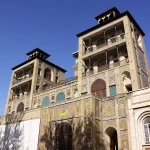
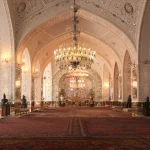
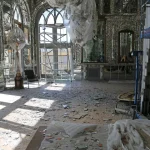


Golestan Palace, a historic royal complex in Tehran and a UNESCO World Heritage Site, has been damaged during airstrikes carried out as part of the ongoing war launched by the United States and Israel against Iran. The incident occurred on 2 March 2026, when explosions struck areas near the palace complex in the Iranian capital. According to reports and statements from UNESCO, the historic site was affected by debris and powerful shockwaves from a nearby strike in Arg Square, located within the buffer zone of the palace.
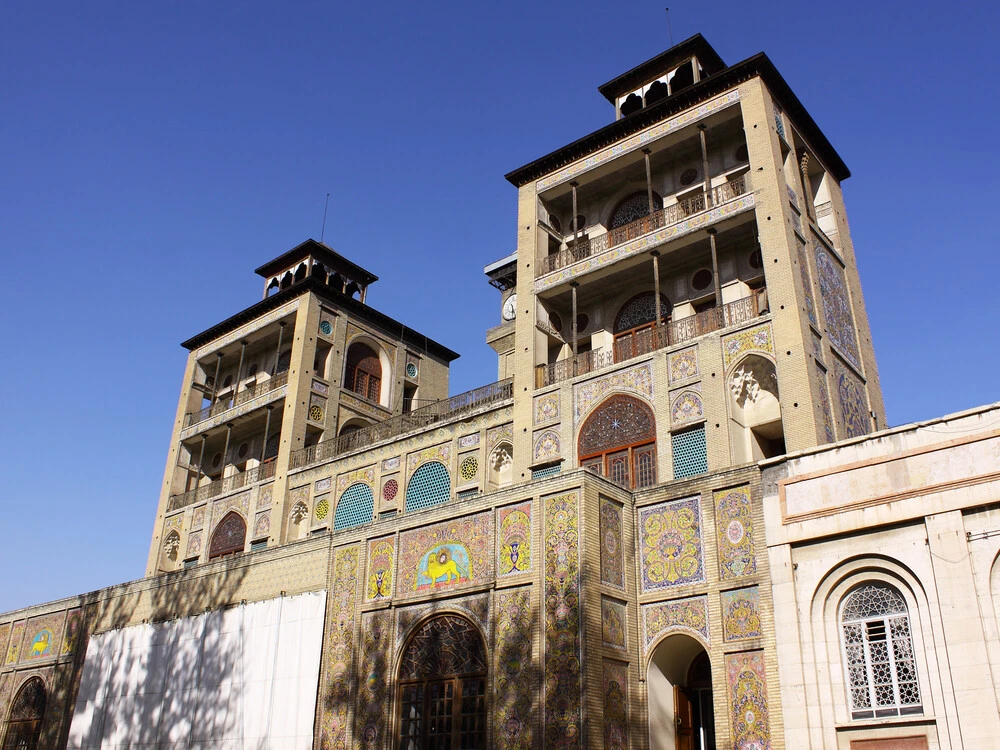
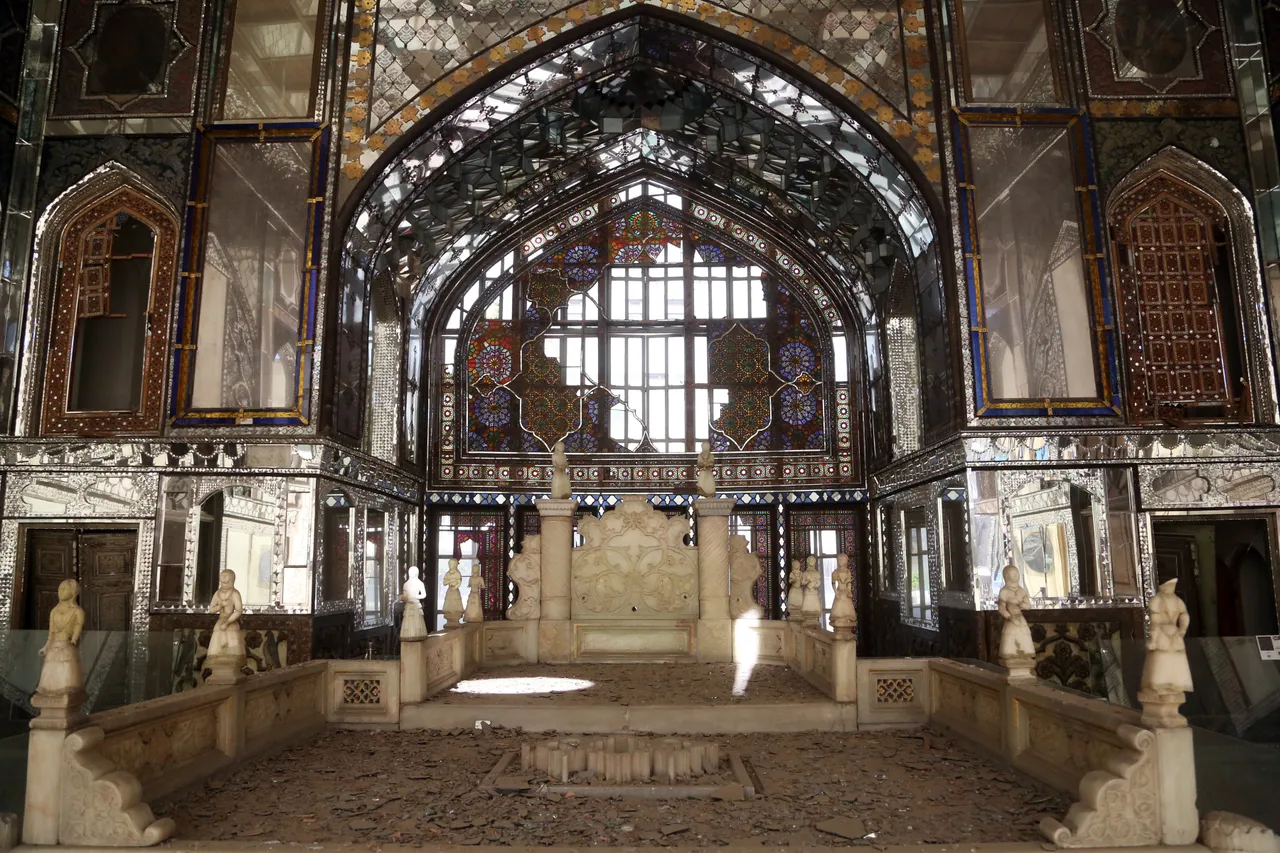
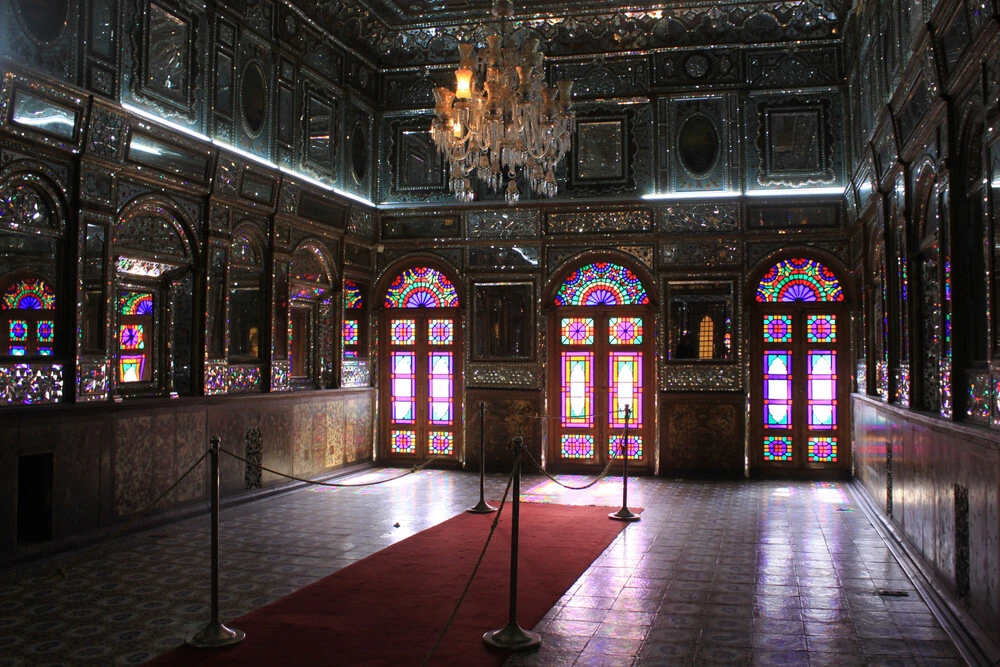
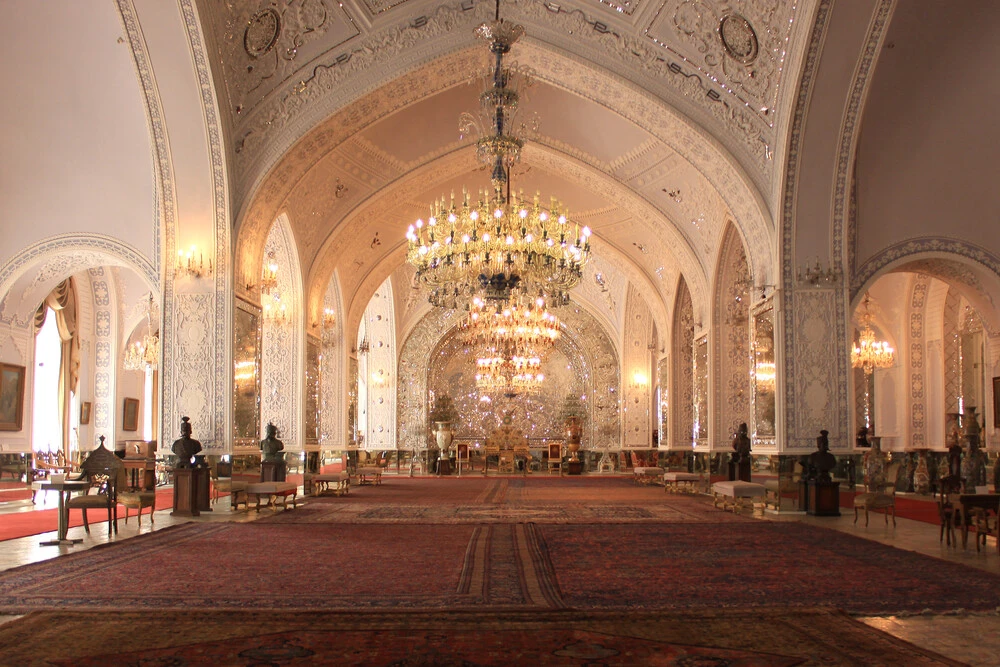
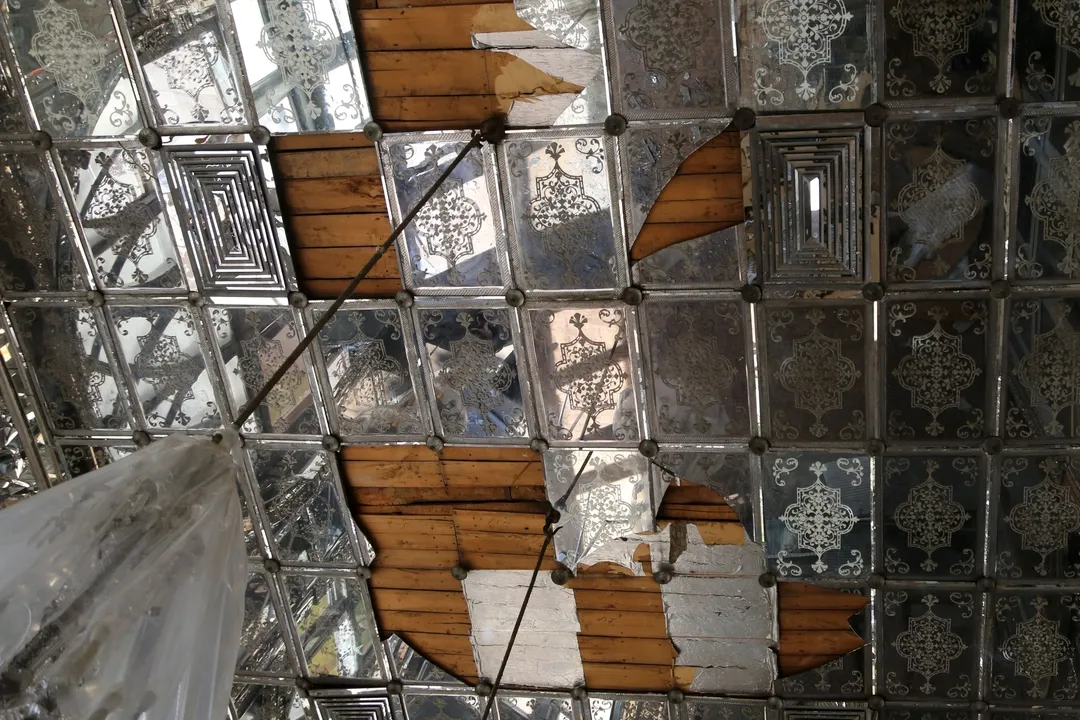
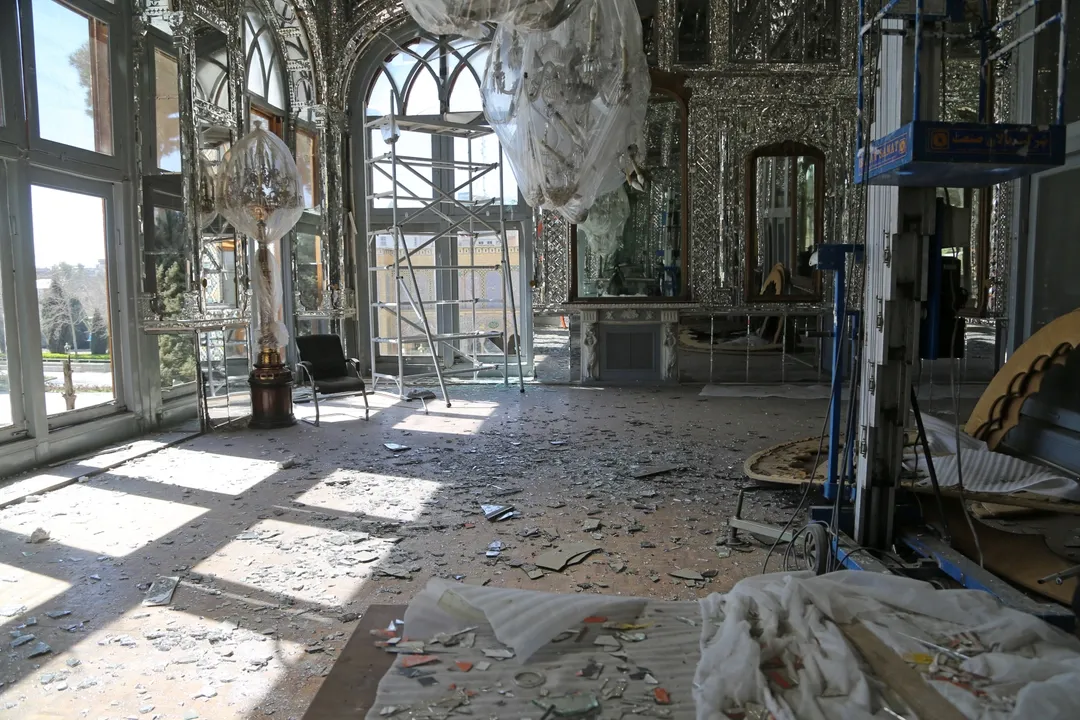
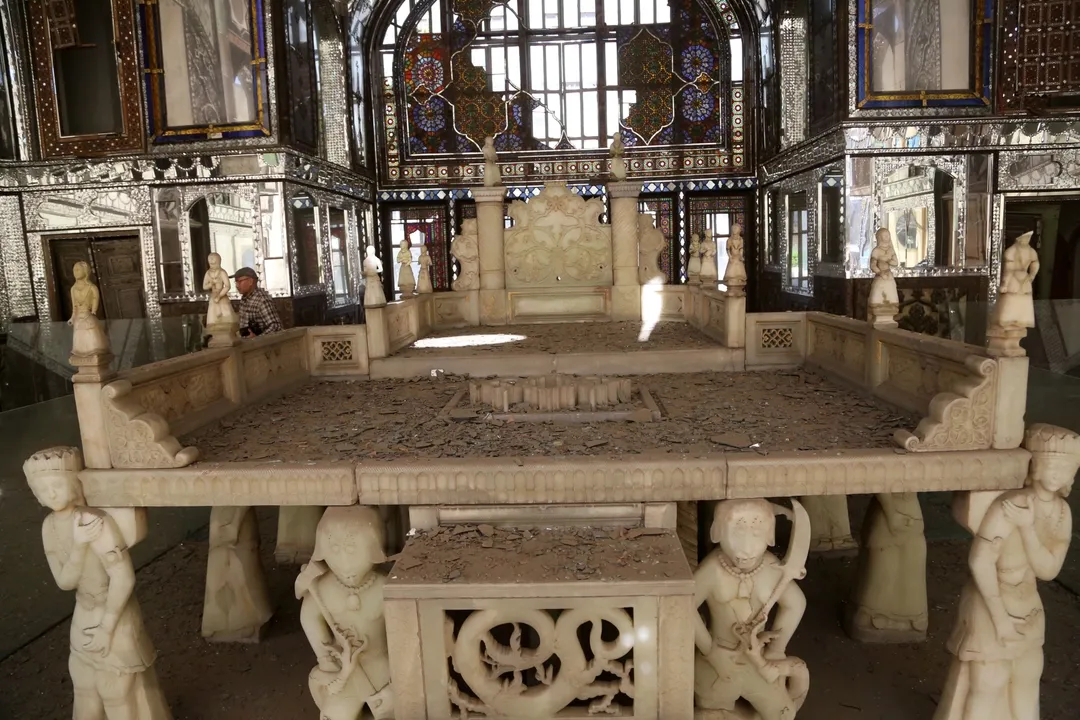
The blasts caused visible damage across several sections of the centuries-old complex. Windows were shattered and fragments of glass were scattered throughout rooms and courtyards. Parts of ceilings and decorative architectural elements were also damaged by the impact. Reports from the site indicate that the Marble Throne Hall, one of the palace’s most significant historical spaces dating back to the 18th century, lost portions of its ceiling ornaments. The famous Mirror Hall, renowned for its intricate craftsmanship and reflective decoration, also suffered broken windows and interior damage after the shockwaves from the nearby explosion.
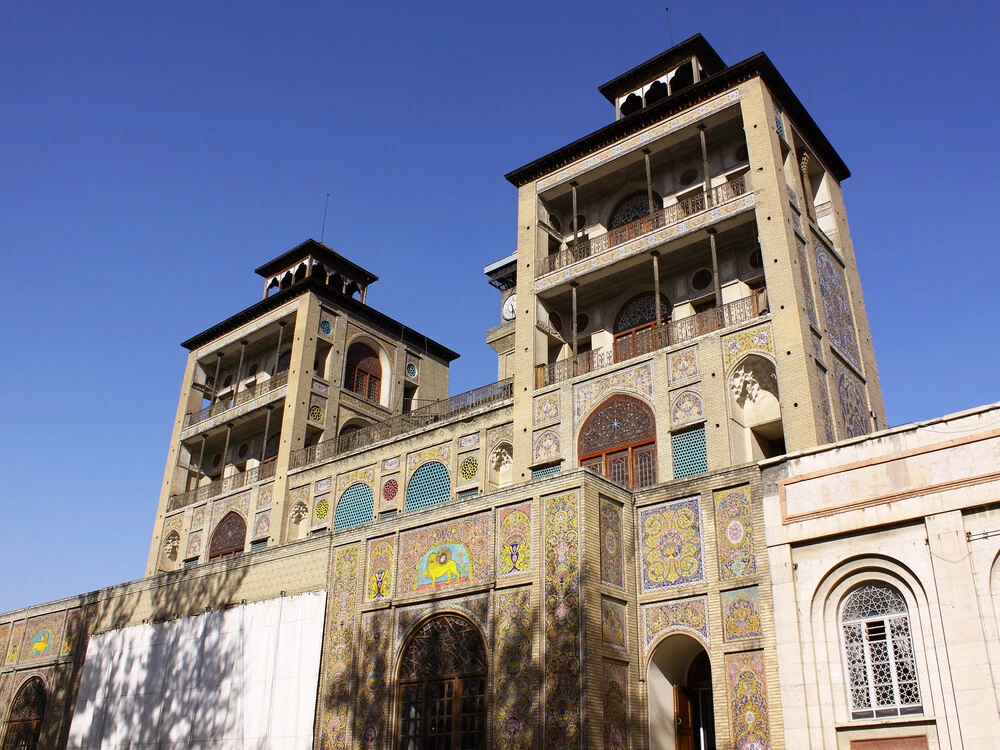
Golestan Palace is one of Iran’s most important cultural landmarks and the only UNESCO World Heritage Site located in Tehran. The complex dates back more than 400 years and served as the principal royal residence and administrative center during the Qajar dynasty.
Within its courtyards and halls, the palace preserves Persian architecture, art, and historical artifacts spanning the 18th to the 20th centuries. Recognizing its exceptional cultural value and architectural significance, UNESCO added Golestan Palace to the World Heritage List in 2013.
Following reports of the damage, UNESCO expressed serious concern about the safety of cultural heritage sites amid the escalating conflict. The organization warned that historical monuments must be protected during armed conflicts and called on the parties responsible for the strikes to respect international conventions designed to safeguard cultural heritage. UNESCO also stated that it is monitoring the situation and has shared the coordinates of major heritage sites with authorities in an effort to prevent further destruction.
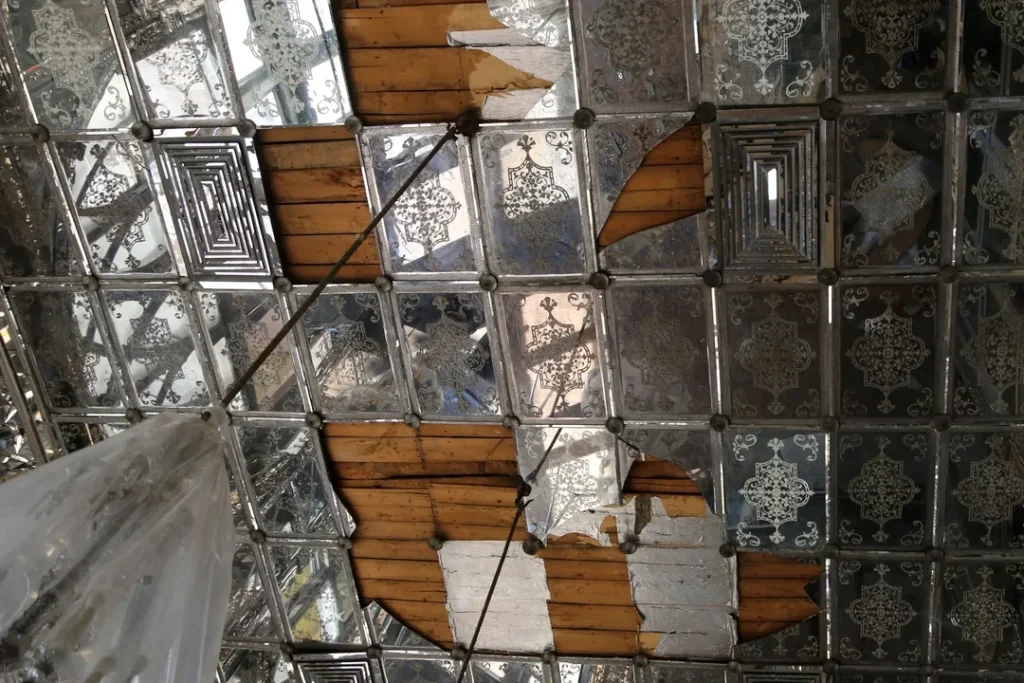
The damage to Golestan Palace illustrates how the war initiated by U.S.–Israeli military operations has extended far beyond strategic targets, placing civilians, cities, and irreplaceable cultural heritage at risk. While the palace structure remains standing, experts warn that even indirect shockwave damage can severely threaten fragile historical features that have endured for centuries.
For many, the damage to Golestan Palace represents more than the destruction of architectural elements. It reflects the human cost of a war that has already taken lives and now endangers the cultural memory of a civilization whose artistic and architectural achievements have shaped world history.