



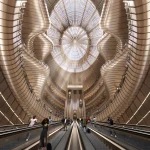

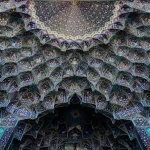
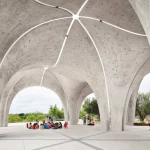
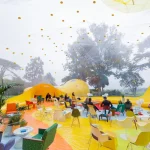


The philosophy of design in today’s context has fundamentally altered contemporary architectural language, blending manual craftsmanship with a computationally driven discipline. Computational architecture is a flexible system that uses sensory information, nature-inspired algorithms, and intricate shapes to influence the mental and physical well-being of the people living in it.
The Human-Machine Creative Dialogue and AI Agency
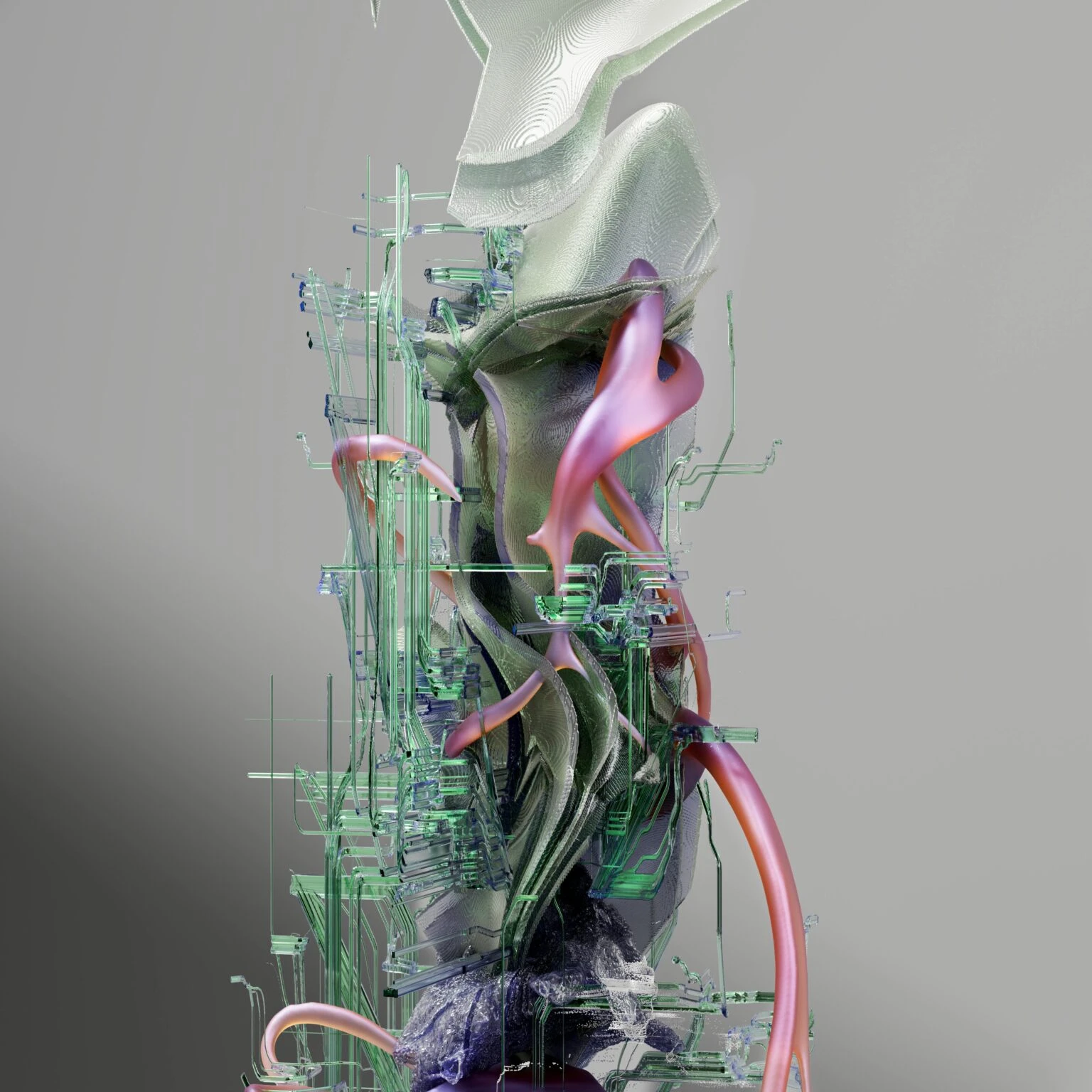
The emergence of Human-AI Co-creation (HAIC) represents a paradigm shift in which AI ceases to be a tool and becomes a synergistic partner. This approach establishes a collaborative partnership where AI and humans work together as a cohesive system, producing outcomes that exceed individual creative potential. Advanced AI models integrate these inputs, enabling them to interpret user intentions with high accuracy, thereby enhancing collaborative efforts in human-AI co-creation by ensuring the AI can respond effectively to human creativity and adapt to their needs.
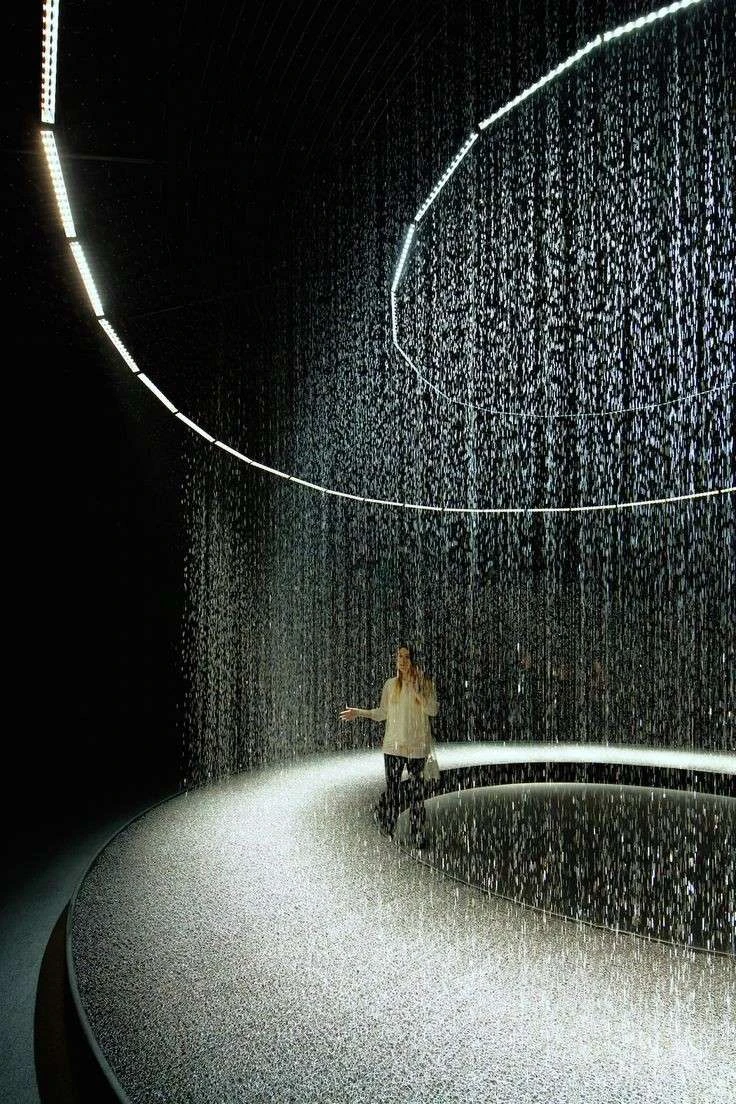
The co-working requires deep information exchange, where the machine needs precision and low-level data, such as prompts and parameters, while the human designer provides high-level, ambiguous interpretations defining vision and style. It creates a generative space where spontaneity and reflection coexist, challenging traditional design boundaries by enabling both the AI and the human designer to explore innovative ideas and concepts collaboratively.
Computational Emotional Intelligence
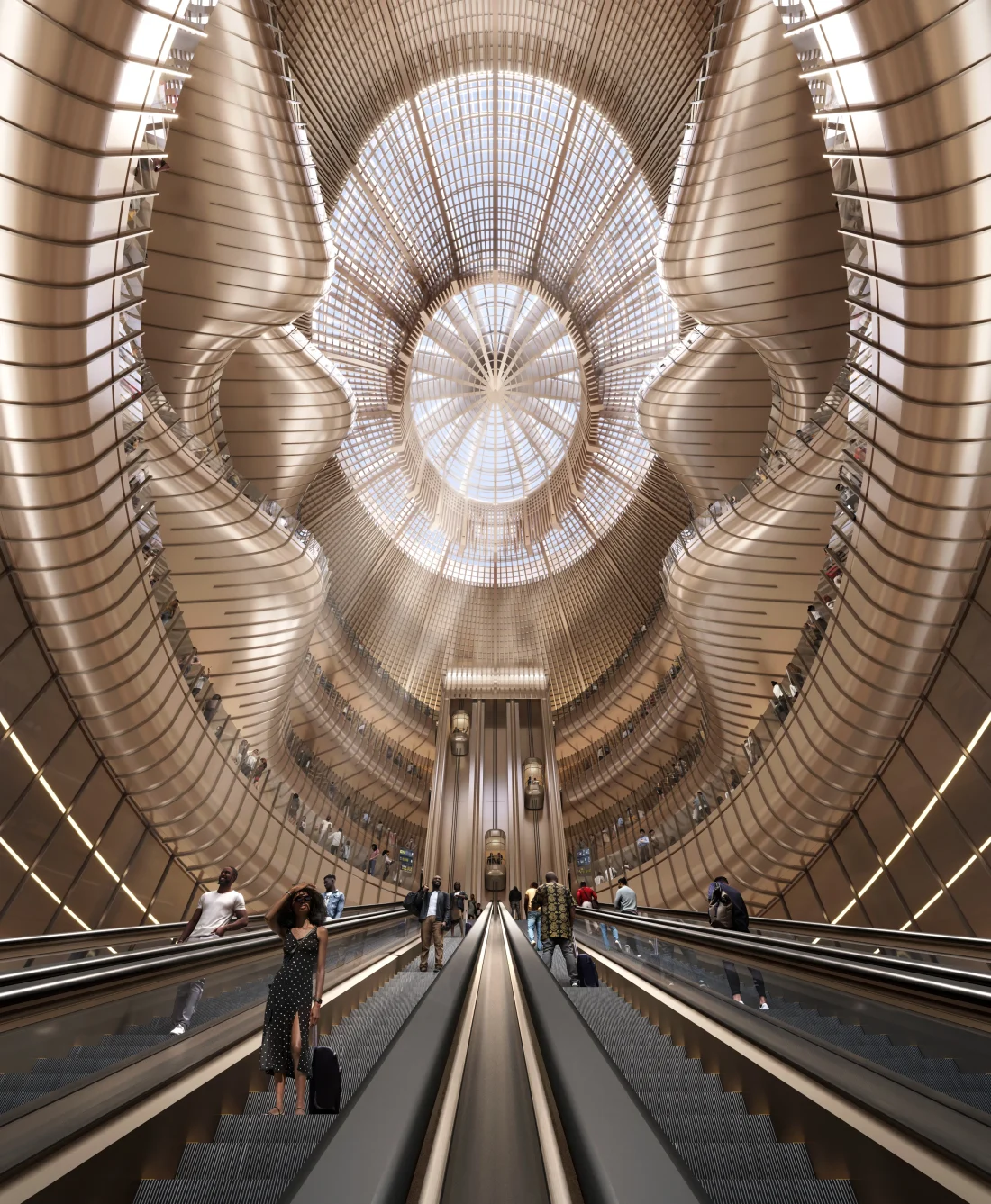
To understand computational design, it is important to set parameters for emotional design. Machines can participate meaningfully in creative dialogue with a degree of emotional intelligence, which includes self-awareness, empathy, and emotional regulation. Recent technological advancements have made it possible for machines to sense, analyze, and express emotions through diverse media such as facial expressions, speech patterns, and physiology. In architectural design, this research and these advancements help spaces respond to students’ or workers’ emotional states, altering spatial configurations to mitigate negative emotional responses.

The Formzee project exemplifies this co-evolution, positing AI as a responsive partner that understands human emotions. The workflow utilizes custom-trained AI models informed by over one million curated visual references spanning architecture, myth, and speculative design. These models enable the generation of conceptually rich artifacts that invite human interaction and reinterpretation in this digital age. Such systems demonstrate machine learning that elicits curiosity and provokes dialogue around complex issues like sustainability and social context.
Sensory Data as a Design Parameter
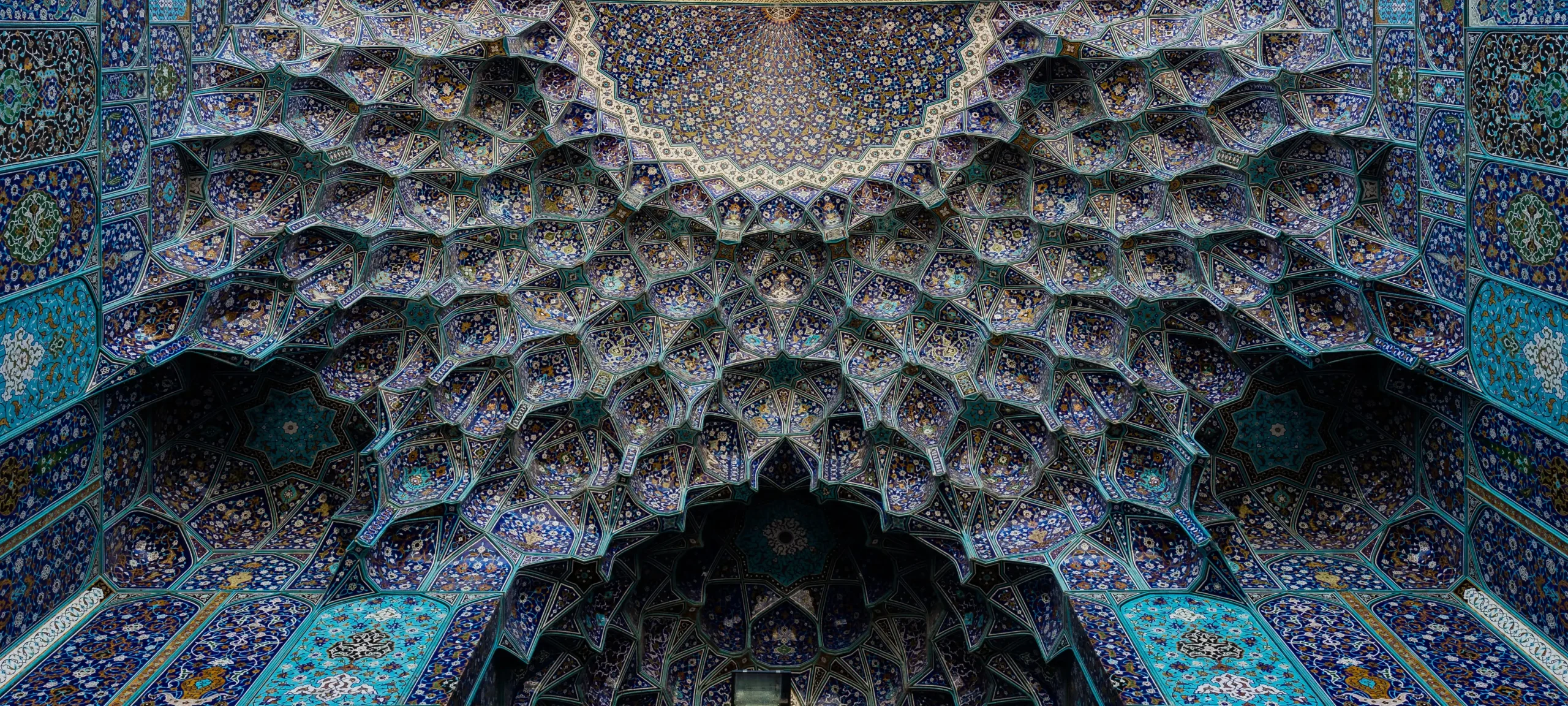
Architecture is often dominated by the eye of the beholder, neglecting the non-visual senses. Sensory orchestration is necessary because the brain processes the visual, tactile, and olfactory qualities of a space to build a unified internal model of the environment. Juhani Pallasmaa describes architecture as the art of reconciliation between ourselves and the world. When a facility is designed with all senses in mind, navigating it becomes more intuitive, as taste, smell, and touch generate an intimate experience of the surrounding space, while vision and hearing provide orientation and perspective.
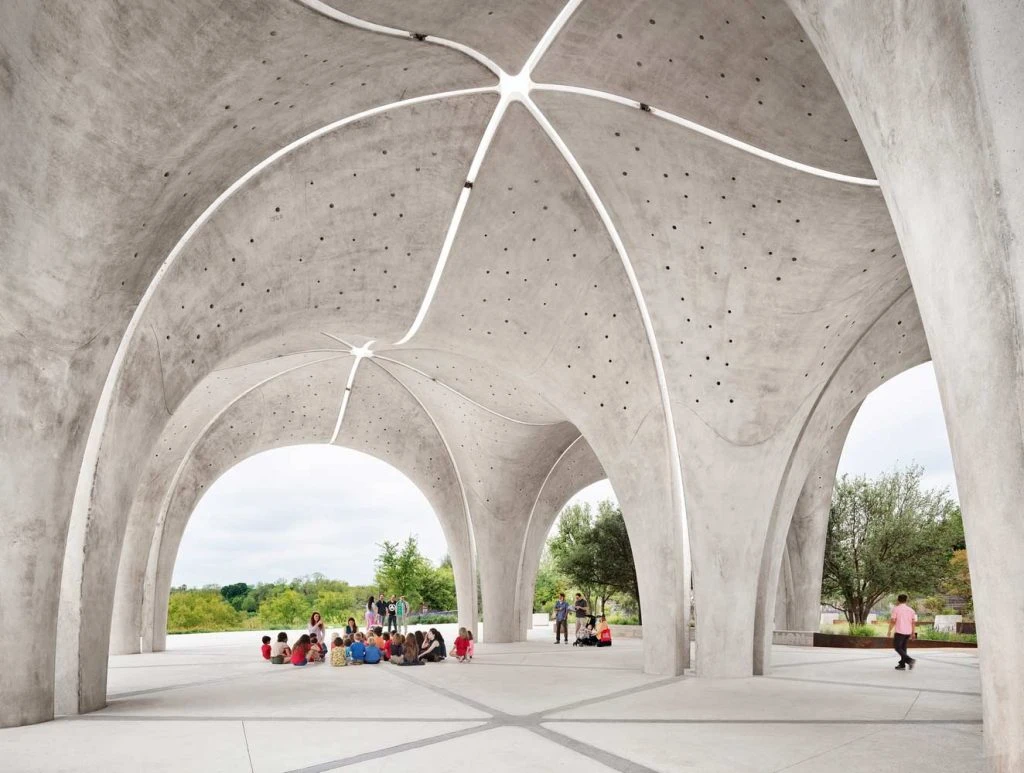
The latest architectural software allows designers to treat sensory data as quantifiable parameters. Plugins for Rhinoceros and Grasshopper, such as Ladybug, Honeybee, and ClimateStudio, enable the simulation of building performance criteria early in the design phase. These tools help integrate weather data and perform spatial daylight analysis, ensuring that natural light, the foundation of biophilic design, is optimized for human comfort and energy efficiency.
Simulation of Sensory Elements
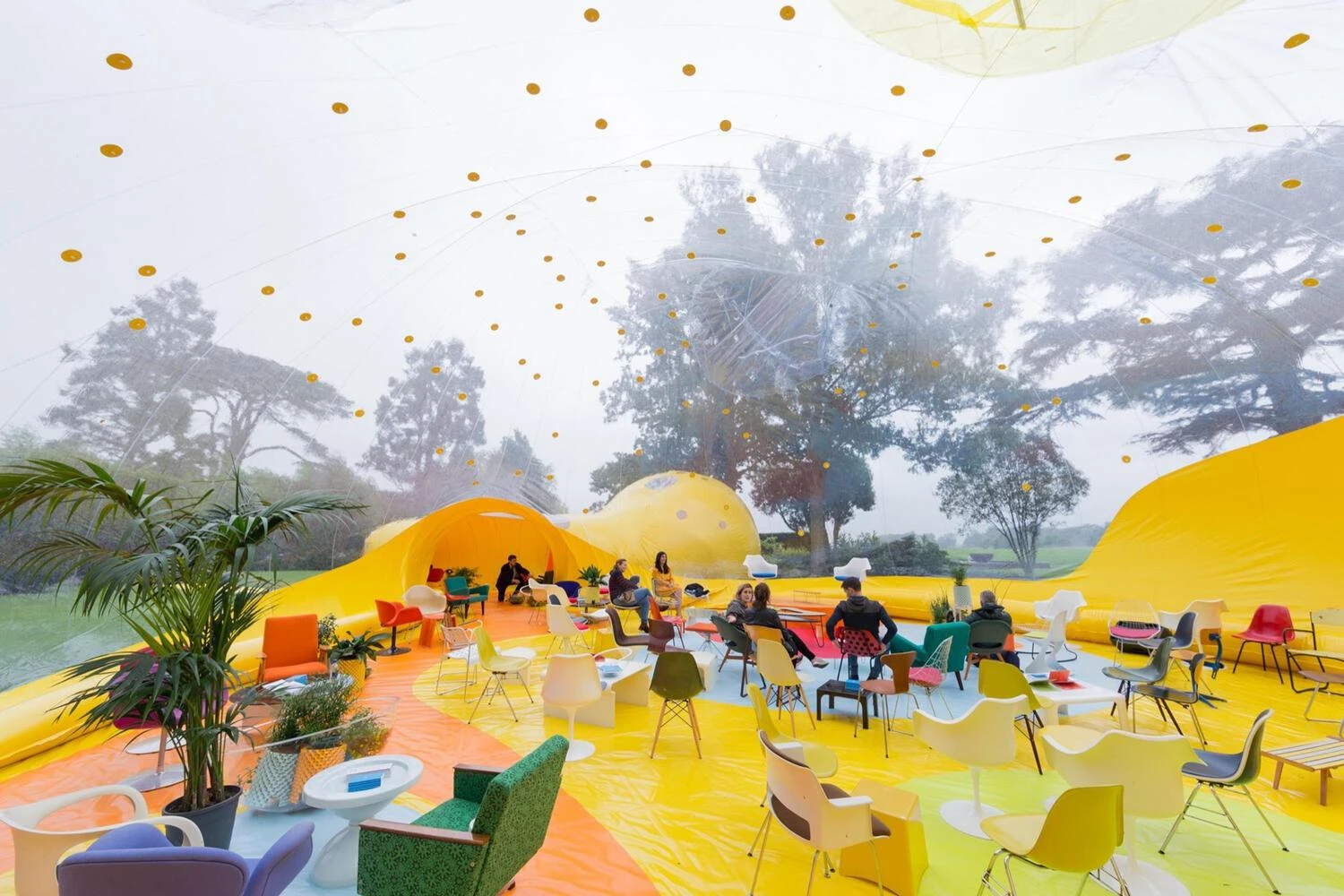
Lighting and Mood: Natural light creates a sense of openness and tranquility, whereas artificial lighting can negatively impact energy levels and circadian rhythms if poorly designed.
Acoustic Comfort: The sound environment impacts how relaxed occupants feel. Proper acoustic design minimizes unwanted noise, which is especially critical in clinical settings where noise stress can hinder the body’s self-healing processes.
Tactile and Olfactory Cues: The scent of natural wood or the tactile variation of stone engages the limbic system, which processes memory and emotion. Using natural materials like bamboo or stone creates a sense of connection to nature that reduces stress and improves mood.
Biophilic Algorithms in Computational Architecture
The integration of AI allows designers to simulate natural systems like sunlight, wind, and plant growth, creating adaptive environments that evolve with human needs. Nature-inspired biomorphic forms, such as spirals, shells, and tubular forms, are used to create structural systems that feel alive. Computational tools allow for fluid, curvilinear geometries that respond dynamically to their environment.
The Sagrada Família – Gaudí’s Analog Parametricism
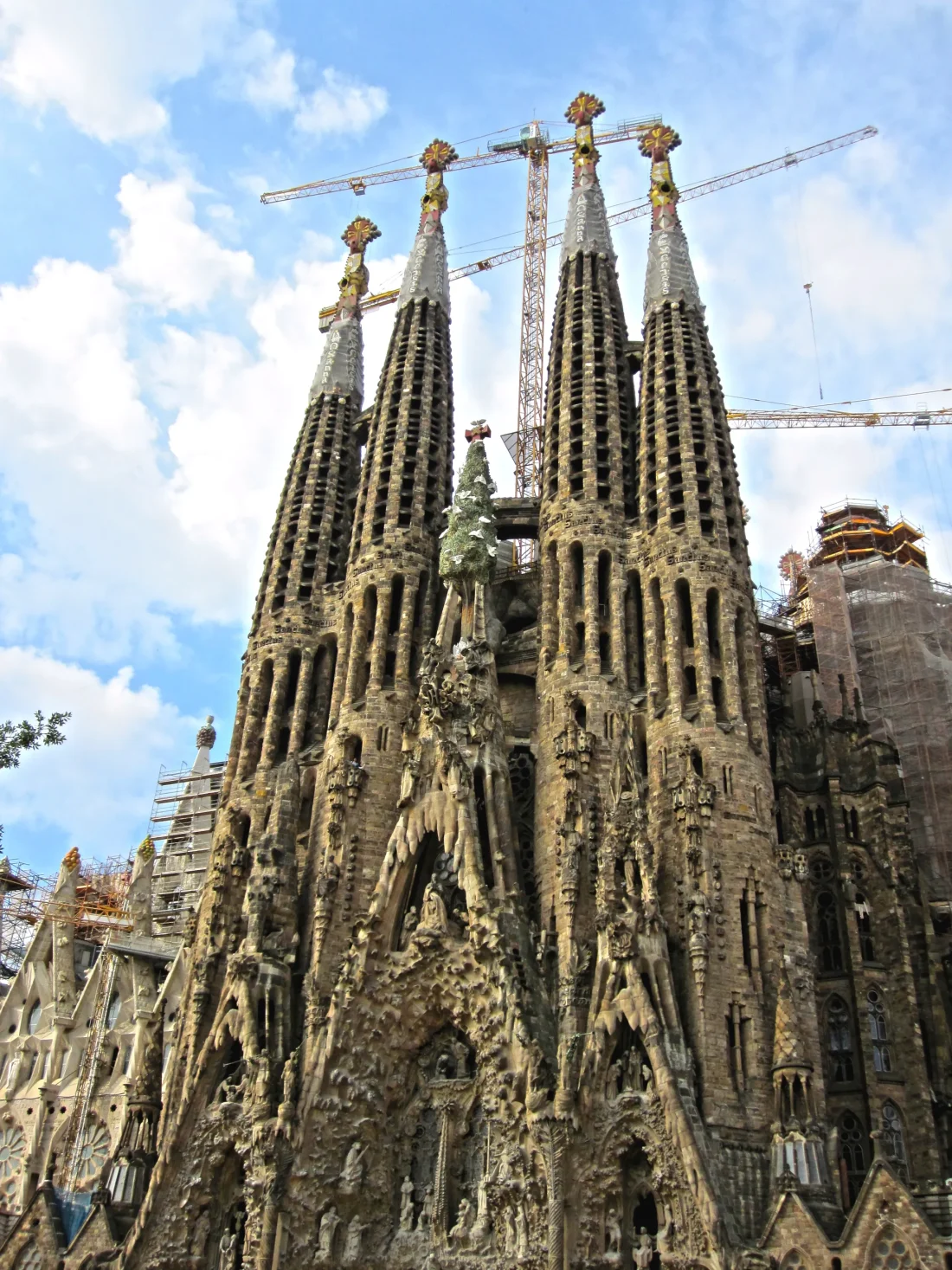
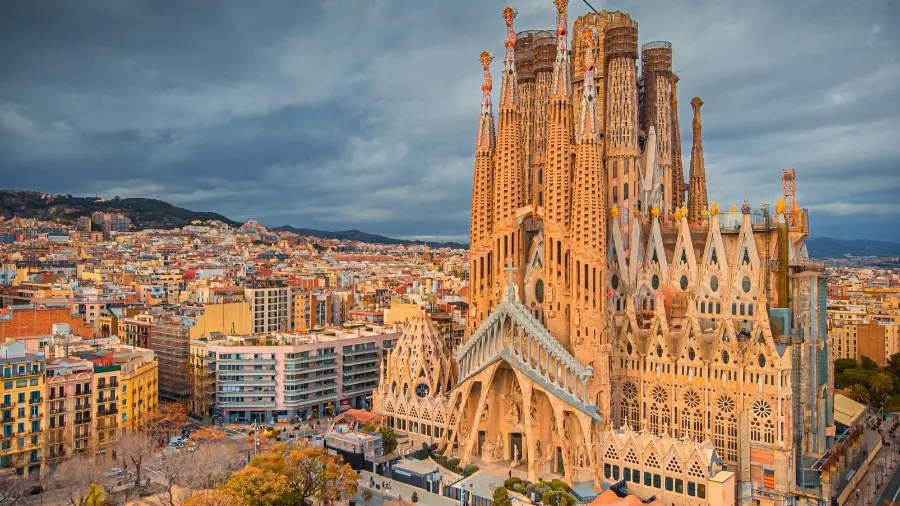
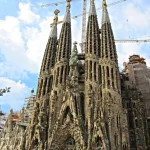
A pioneer of parametric design principles, Antoni Gaudí utilized nature-inspired geometries and craftsmanship long before the evolution of digital software. La Sagrada Família, recently completed after 144 years of construction, reflects a profound understanding of load distribution through optimization theory, creating a structure that eliminates traditional tension elements in favor of pure compression geometries.
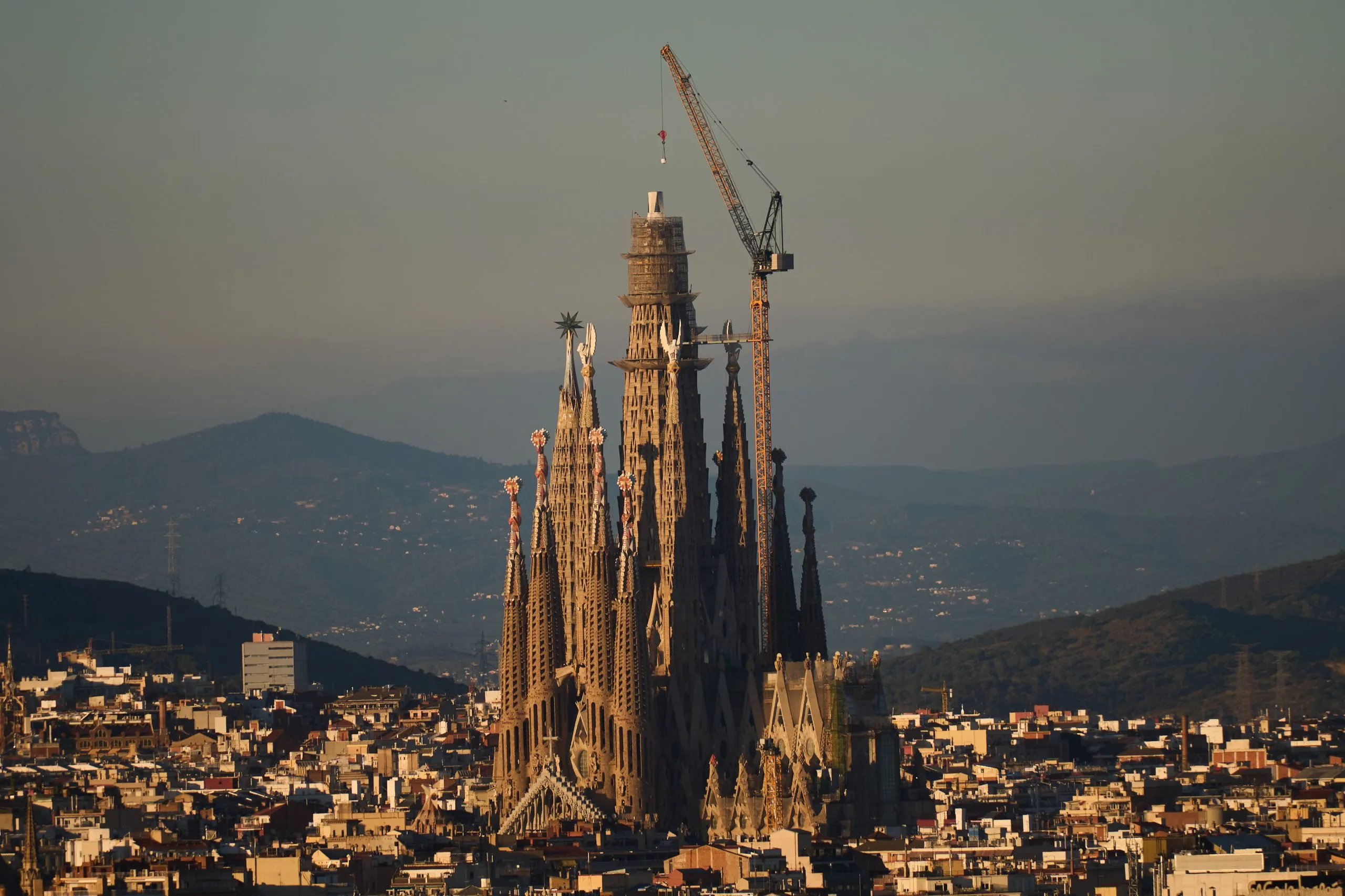
Gaudí’s method for determining the form of the Colònia Güell Chapel and the Sagrada Família is a classic example of analog computing. He used hanging chain models weighted with birdshot; because of Hooke’s principle, the strings settled into a shape that, when inverted, would stand in pure compression. This process contains all the elements of a parametric equation.
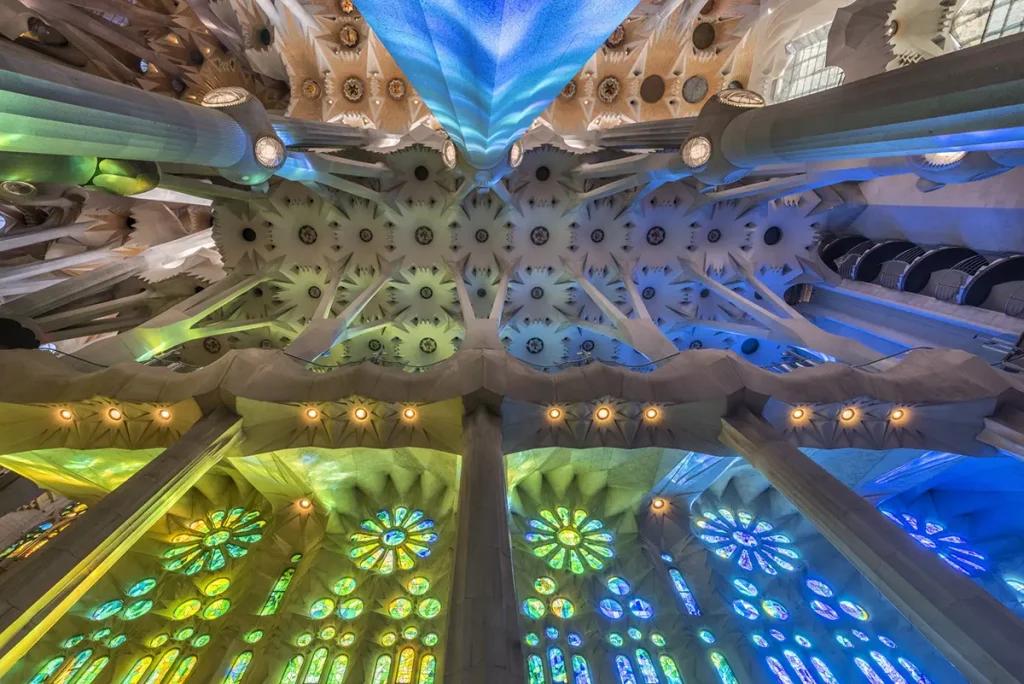
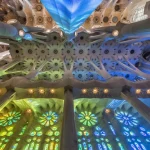
Inside the Sagrada Família, tree-inspired column systems distribute weight efficiently, mimicking the way trees bear loads. This creates an internal forest effect that provides a visual and emotional connection to nature, making the space feel alive. Hyperboloid window forms allow natural light to cascade into the interior, creating an otherworldly ambience and a profound spiritual experience through geometry.
The Heydar Aliyev Center – Fluidity and Emotional Movement
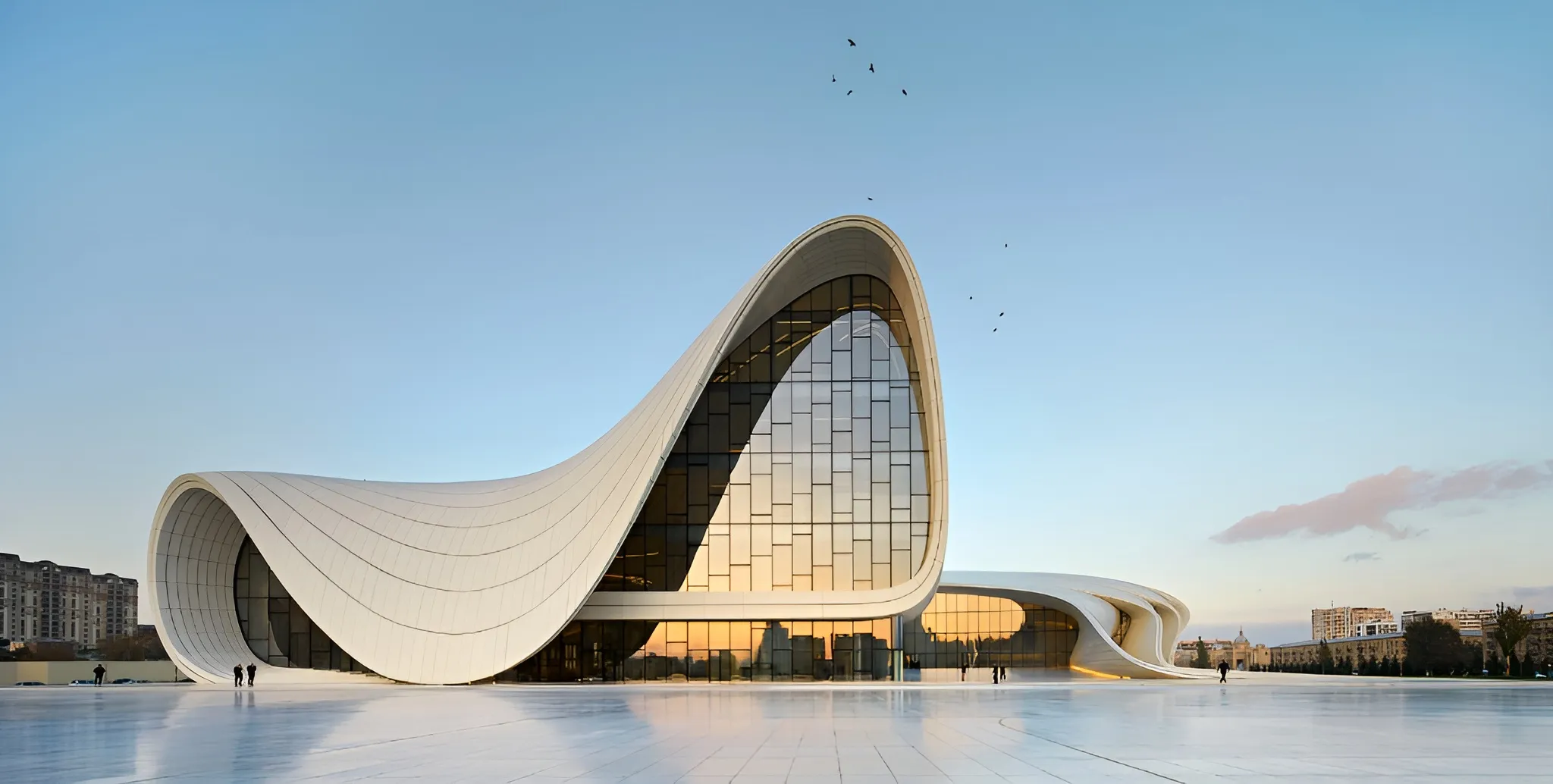
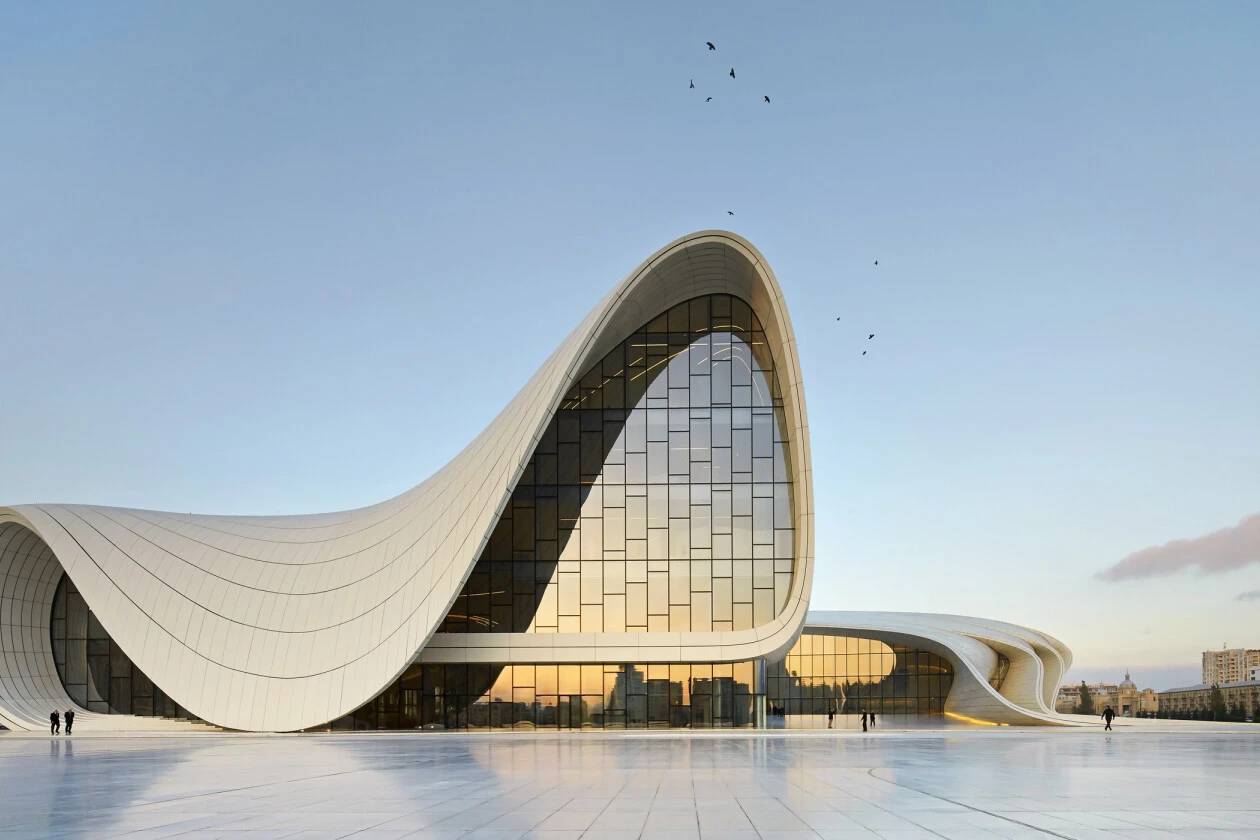
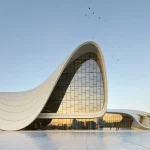
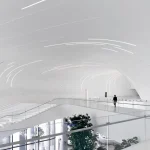
Zaha Hadid Architects utilized advanced computational tools, creating dynamic structures that echo the fluidity of natural topographies. Located in Baku, the Heydar Aliyev Center defies rigid Soviet architecture with an undulating form within its context. The fluid form blurs the distinction between the interior and the surrounding plaza.
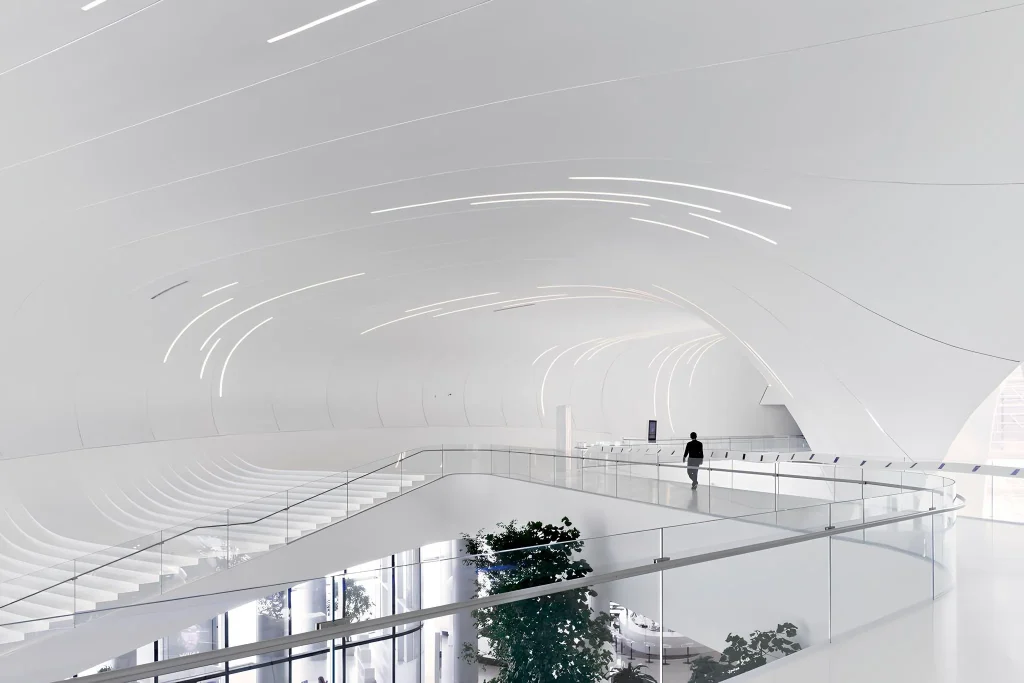
With the help of optimized algorithms in software like Rhino and Maya, designers ensured the building’s wave-like surfaces were both visually striking and structurally efficient. The emotional impact of the center lies in its movement and sense of natural growth. Smooth transitions and continuous curves flow into one another, creating a cohesive space that encourages users to navigate intuitively.
The Eden Project – Biophilic Connection
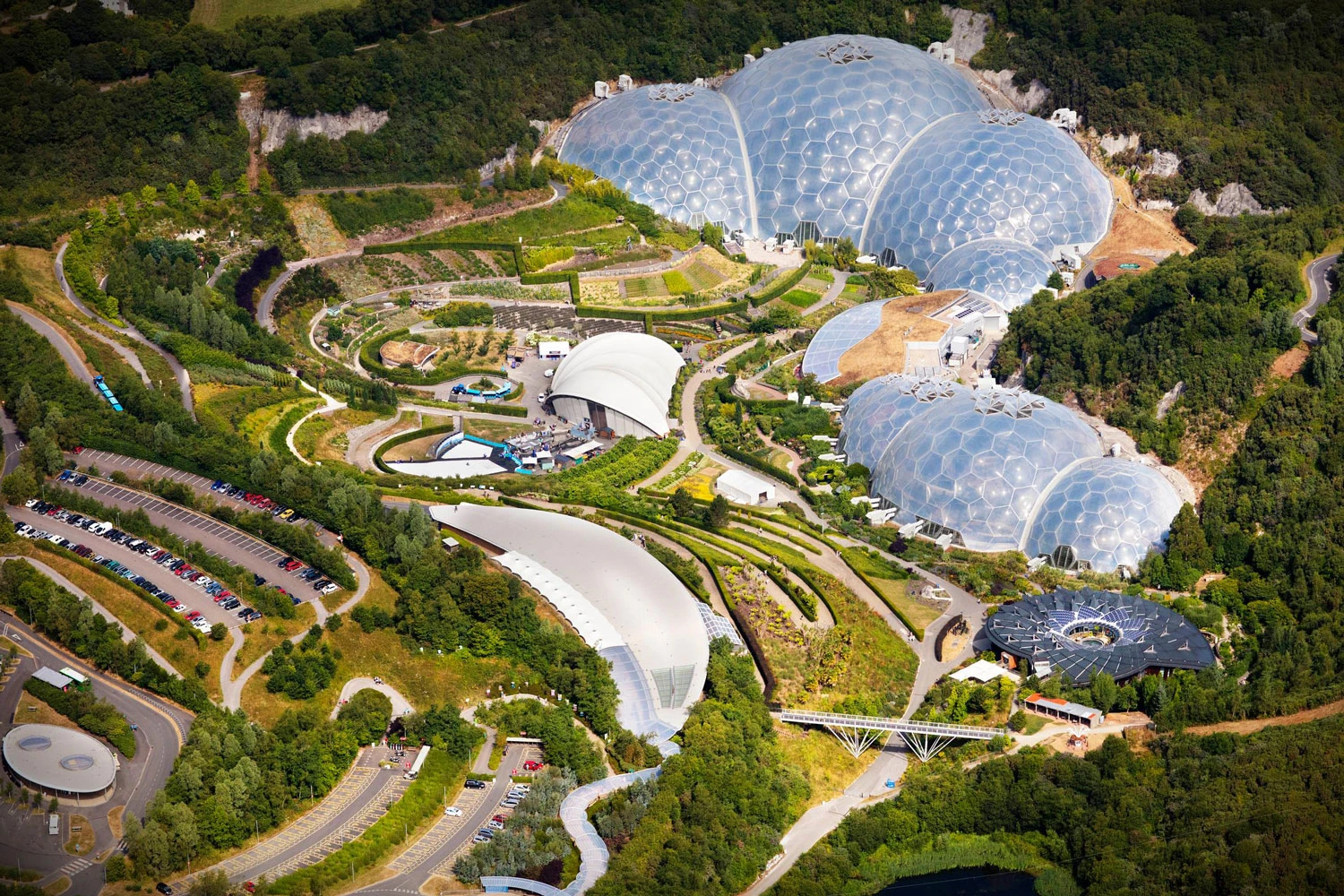
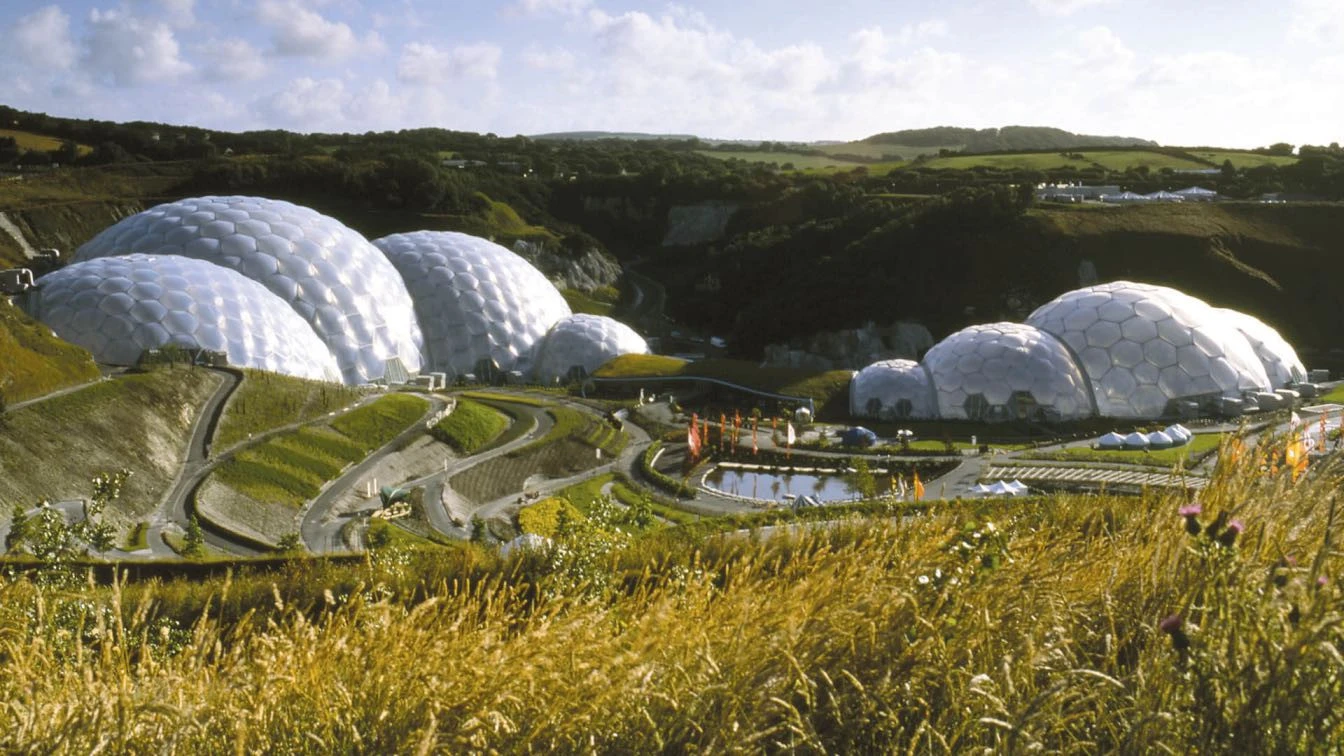
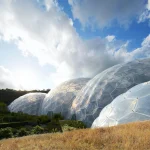
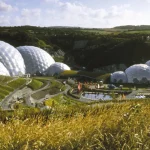
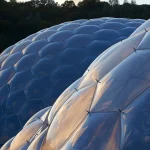
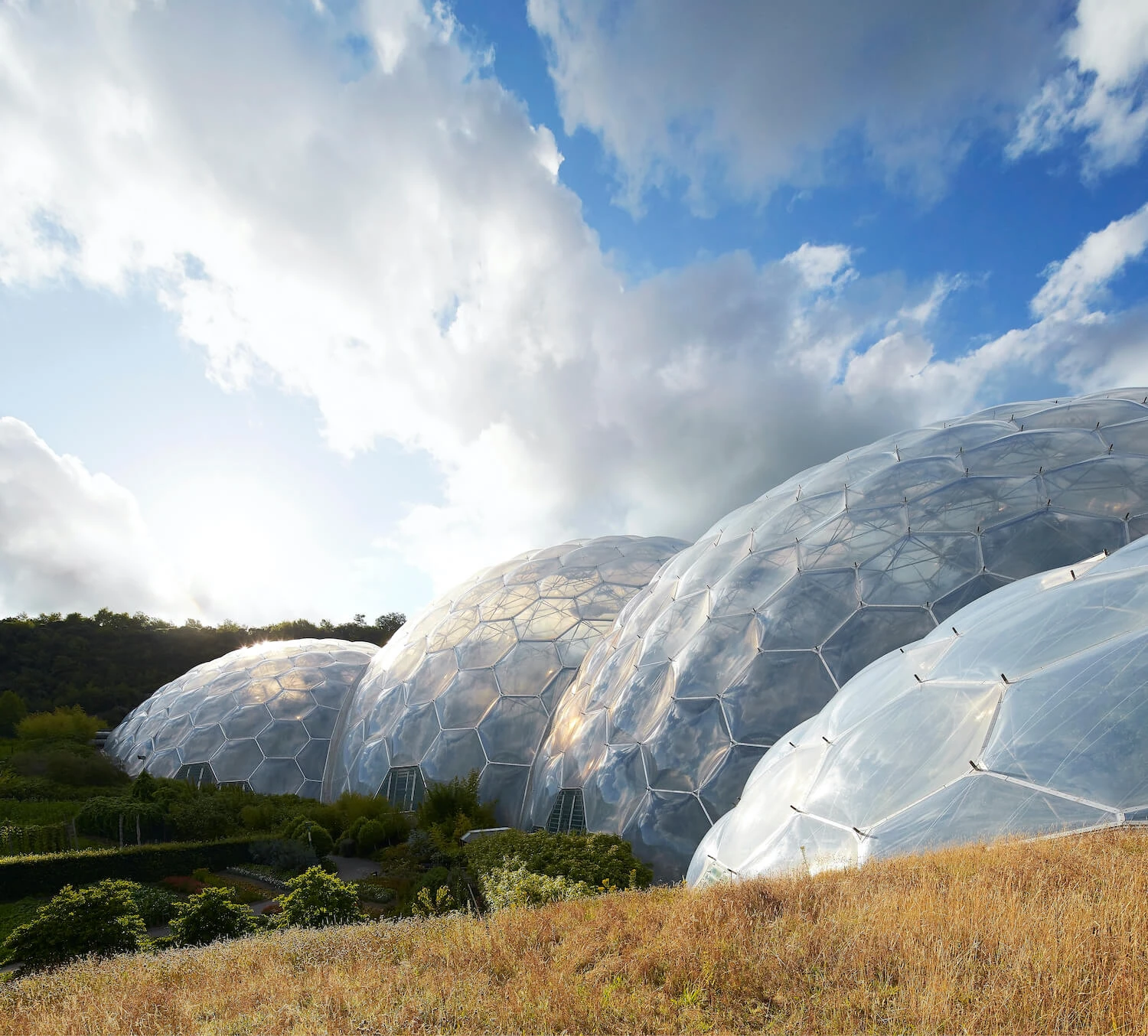
The Eden Project illustrates how geometric efficiency fosters a deep biophilic connection, defined by its massive geodesic domes, or biomes, which house entire ecosystems. The use of geodesic geometry represents structural efficiency, particularly through hexagonal and pentagonal patterns. These forms allow the largest possible volume to be enclosed with minimal material, mimicking the structural logic of soap bubbles.
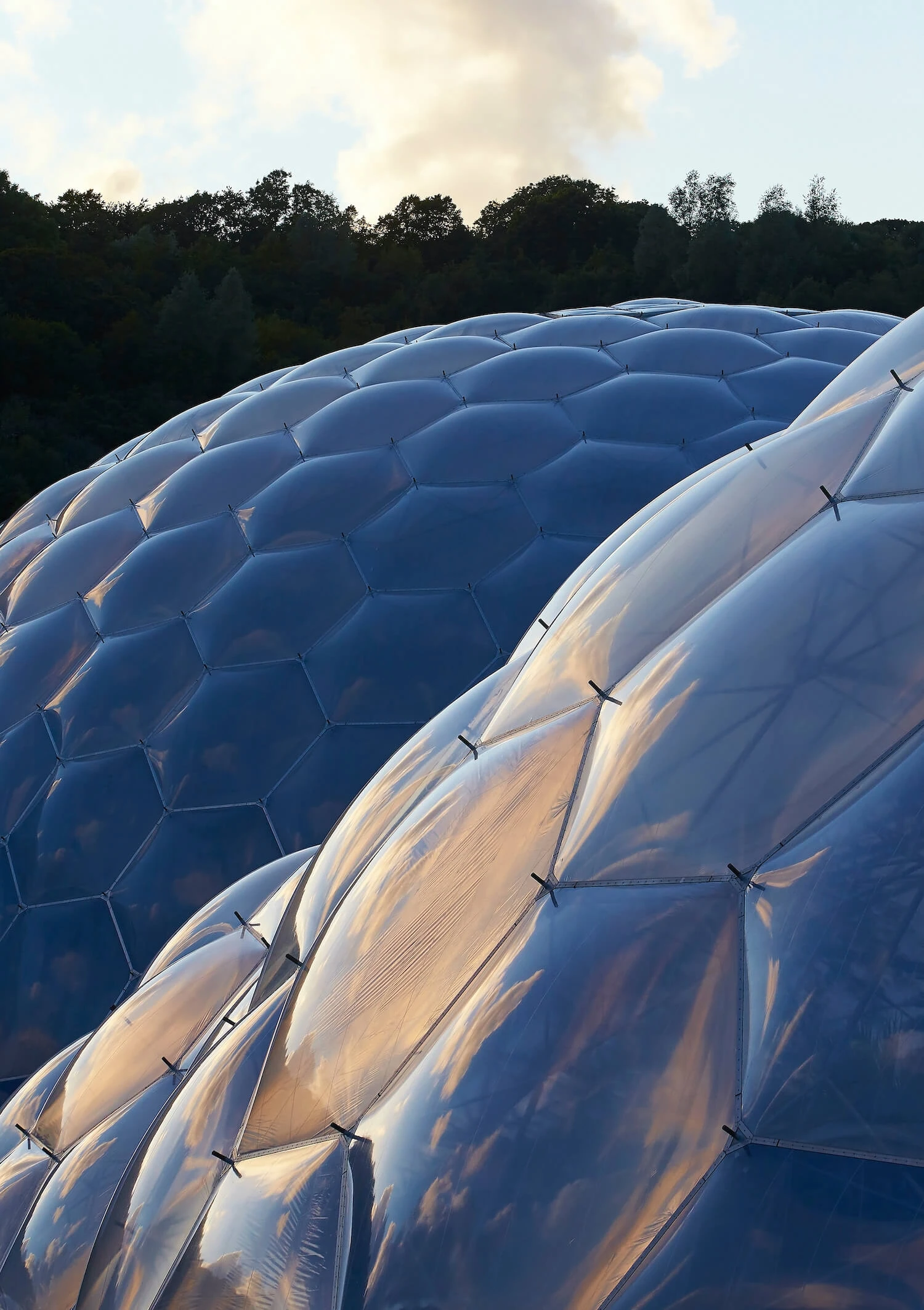
The form creates a lightweight, transparent envelope that maximizes natural light. The biophilic connection is established through the prospect-refuge principle, where the height of the domes provides an expansive indoor forest, while the intricate, repeated geometric patterns of the steel frame create a sense of refuge and order.
The Lotus Temple – Geometry as Spiritual Experience
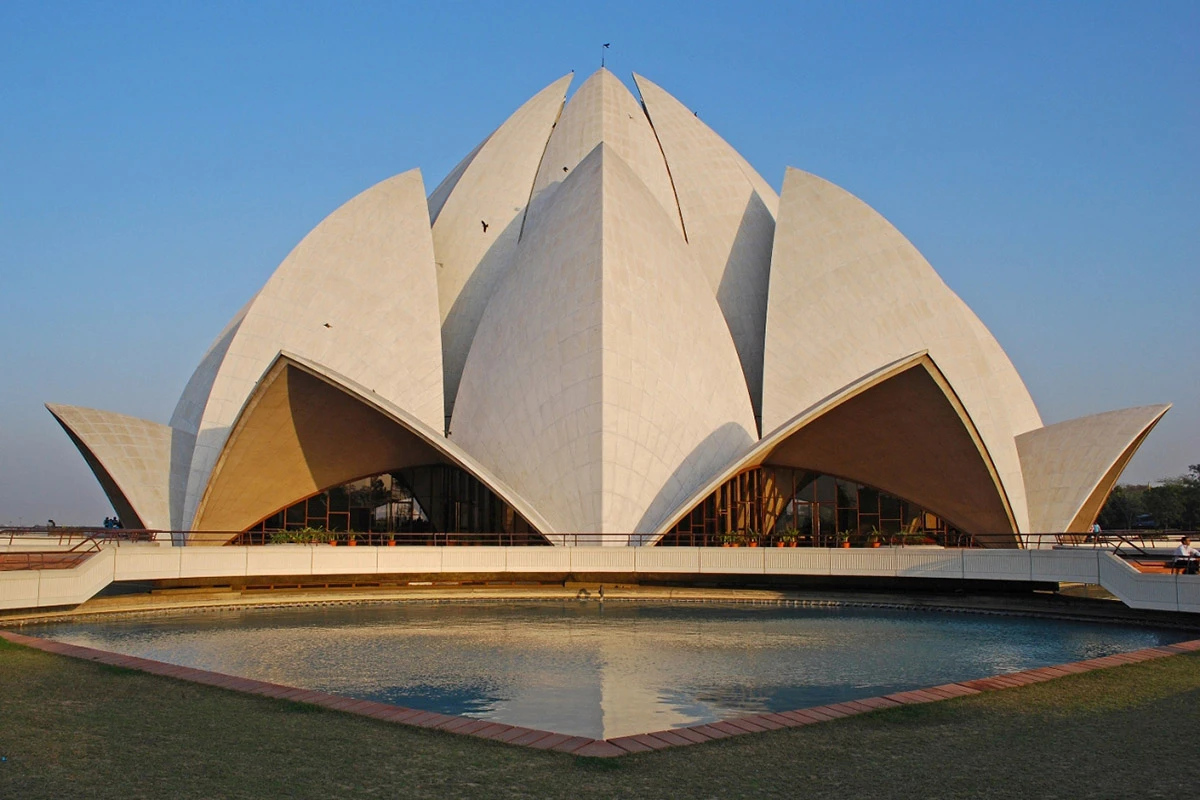
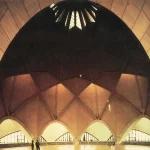
Designed by Fariborz Sahba, the Lotus Temple in Delhi is a Bahá’í House of Worship that symbolizes universal peace and unity through the motif of a blooming lotus flower. In the Bahá’í Faith, the number nine symbolizes completeness and oneness. Following this principle, the spatial layout features nine sides, nine doors, and nine pools. The structural language consists of 27 distinct concrete petals grouped into three layers.
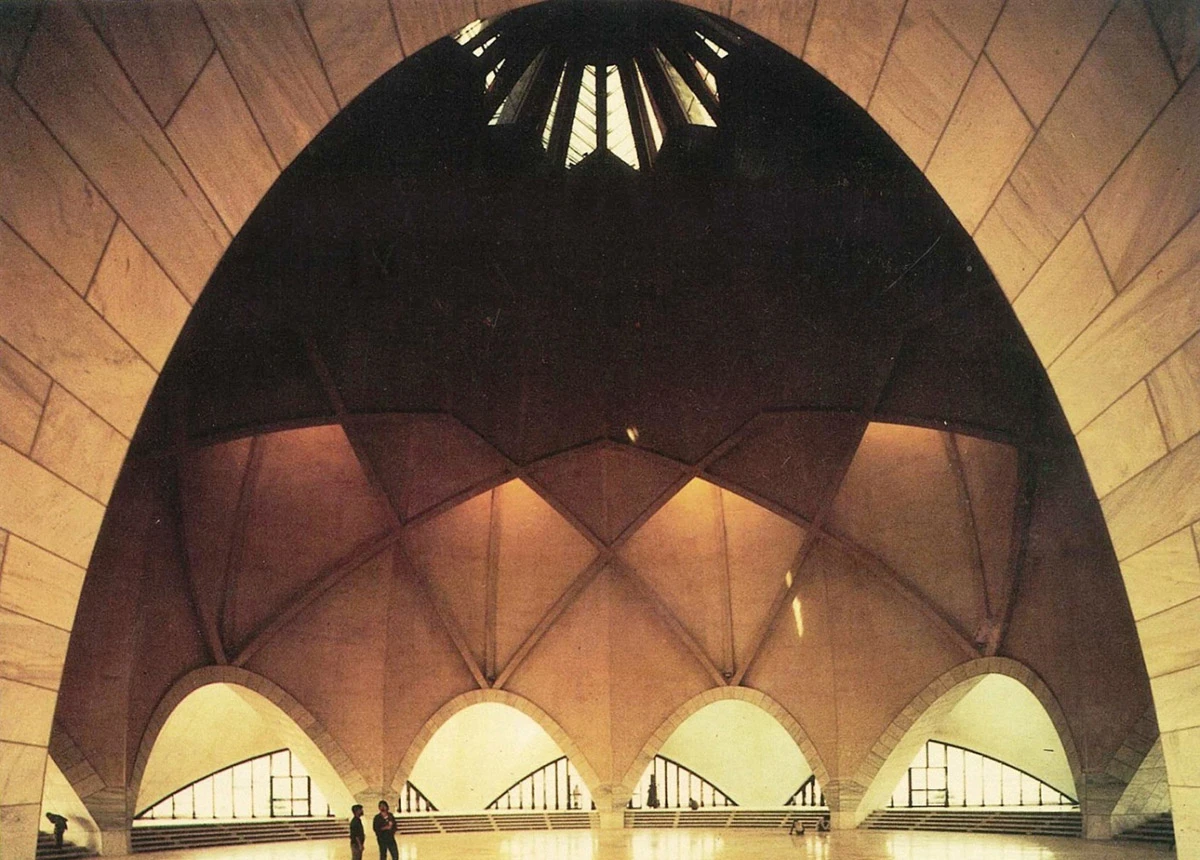
Depicting rotational geometry, the design invites people coming from different paths to reach the same inner hall, representing the unity of all religions. Constructed from thin concrete shells, the temple’s structure transfers compression and tension forces to ring beams and eight main supports.
Jewel Changi Airport – Controlled Nature and Sensory Impact
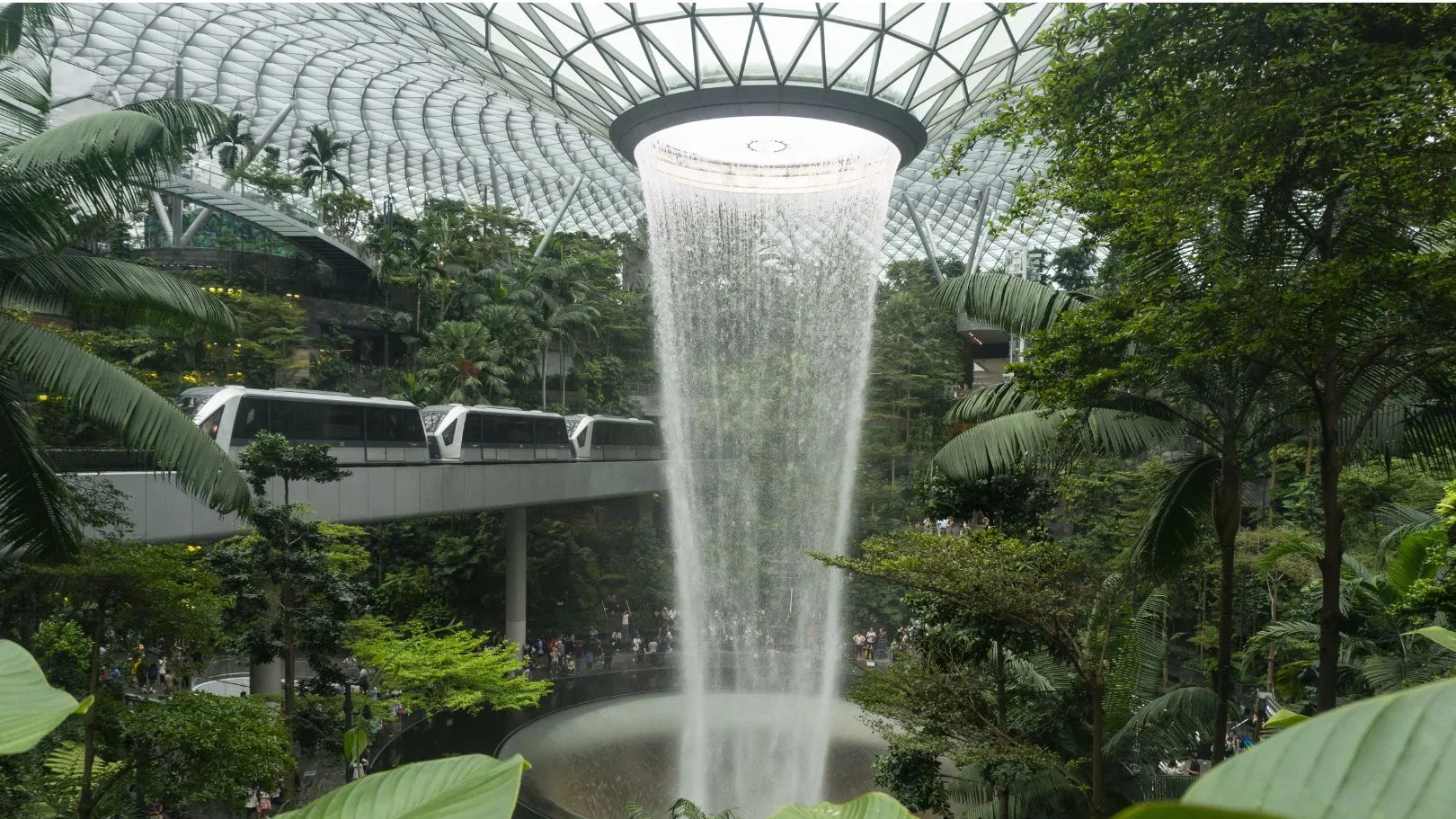
The 21st-century marvel, Jewel Changi Airport in Singapore, blends a toroidal glass façade with an indoor forest environment. At the center is the HSBC Rain Vortex, the world’s tallest indoor waterfall at 40 meters high. The design features a funnel-shaped base that guides water into the immersive garden, creating a calming atmosphere.
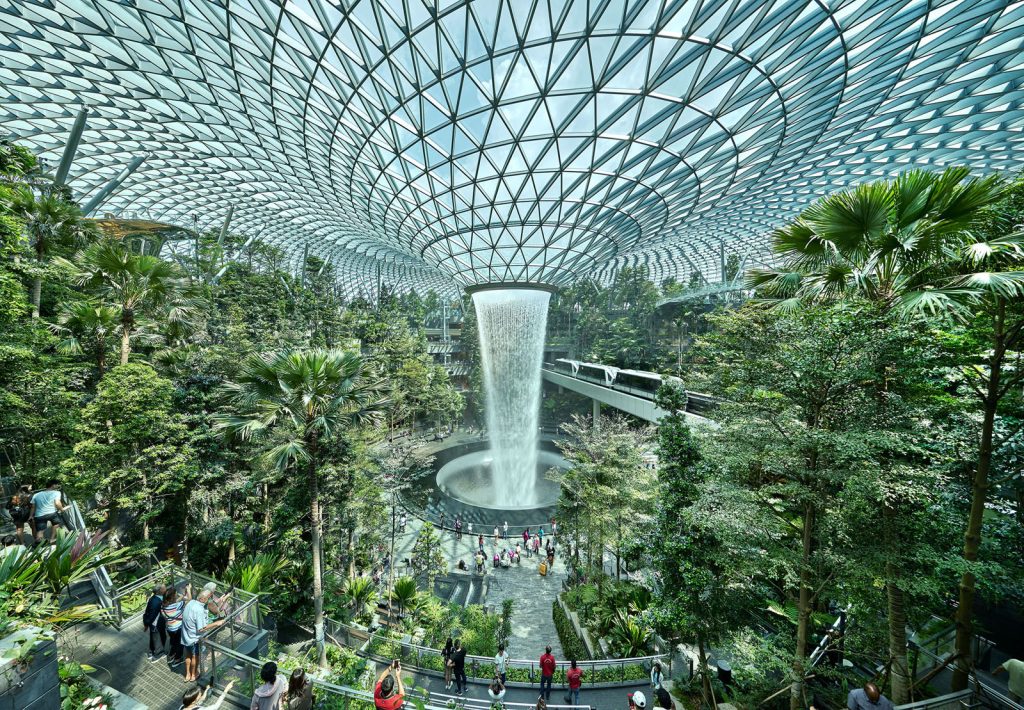
The complex toroidal form was developed using Building Information Modeling (BIM) software to position over 9,000 unique glass panels. The glass panels feature a 16 mm air gap designed to minimize aircraft noise and reduce heat gain. A specialized twisted steel bracing system provides stability without requiring additional structural support at the vortex center. The sensory impact of Jewel, from mist generation in the Foggy Bowls to nighttime light and sound shows, creates a multisensory immersive world that encourages visitors to slow down, reflect, and engage emotionally with space.