
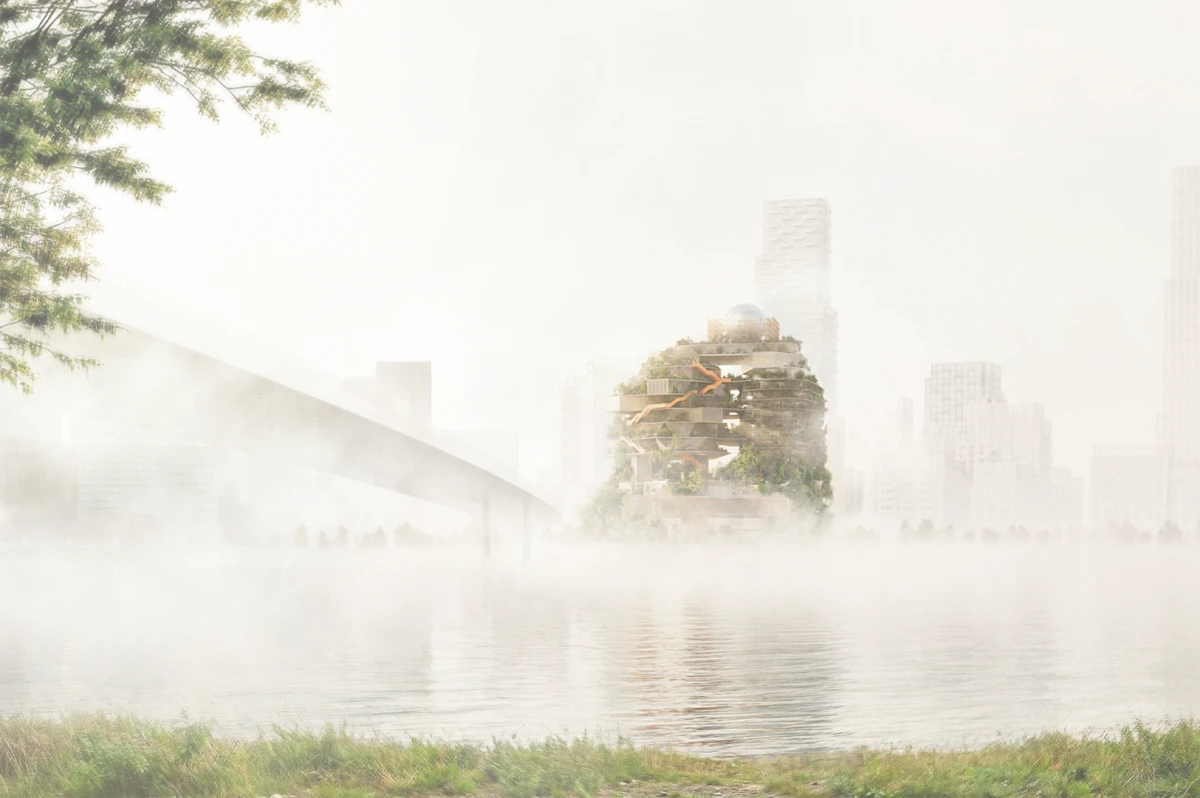
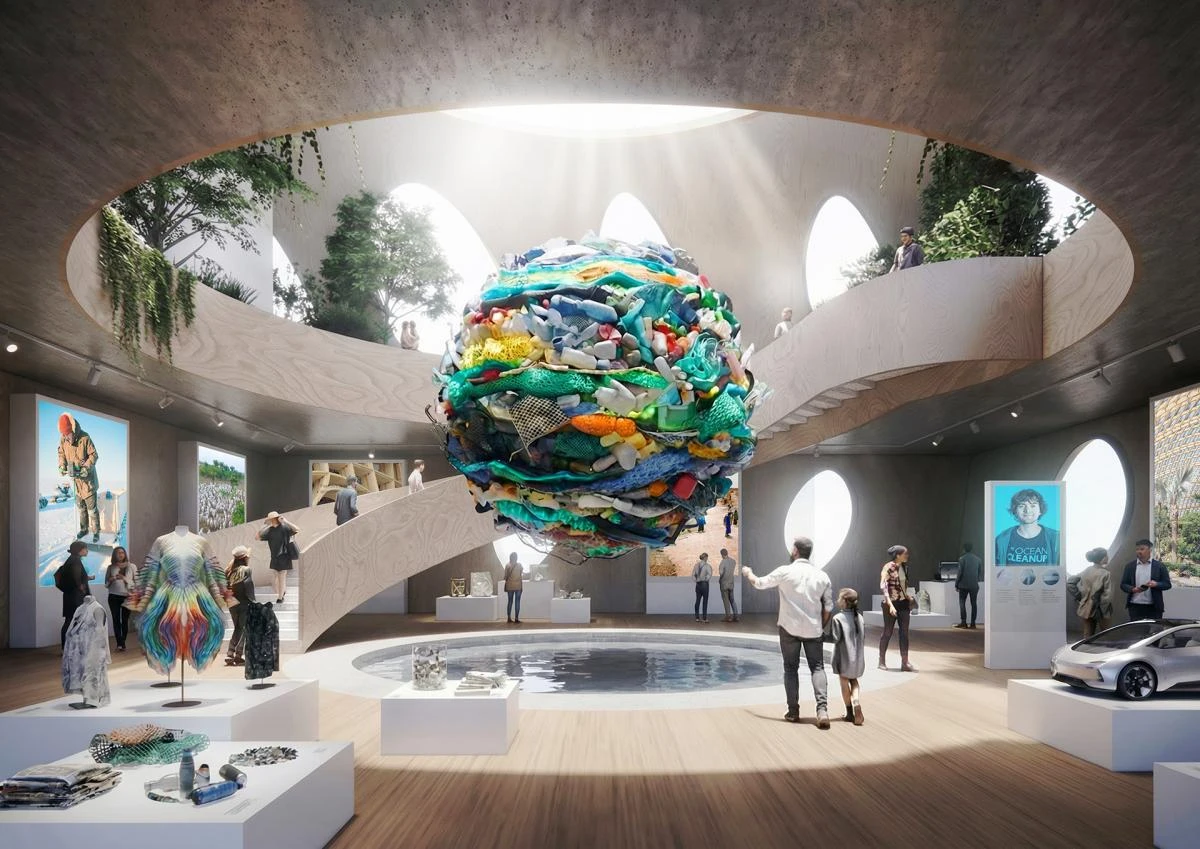



A major international architecture competition has announced five finalist design teams for a new sustainability-focused landmark in Rotterdam’s emerging Waterkant district. The initiative, led by the social enterprise Shift, seeks to deliver a mixed-use architectural beacon that makes principles of circular living tangible and engaging for residents, businesses, and visitors alike.
The project, budgeted at approximately €240–250 million (roughly $250 million), was launched in early 2025 and attracted interest from around the world. From more than 80 submissions, five teams have been selected to refine their concepts and present final designs for evaluation by an international jury. The winning proposal is expected to be announced in spring 2026 to complete the building by the end of the decade.
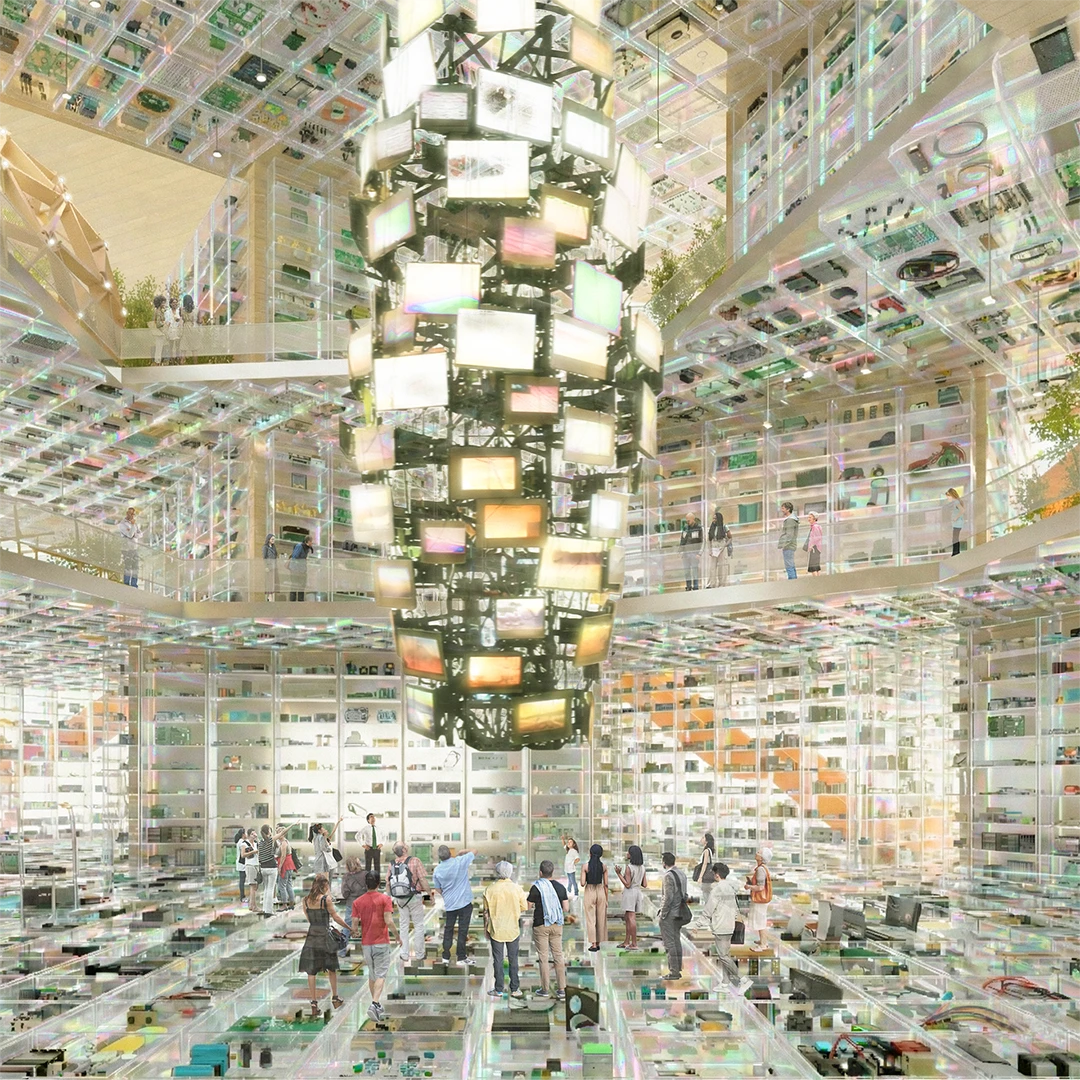
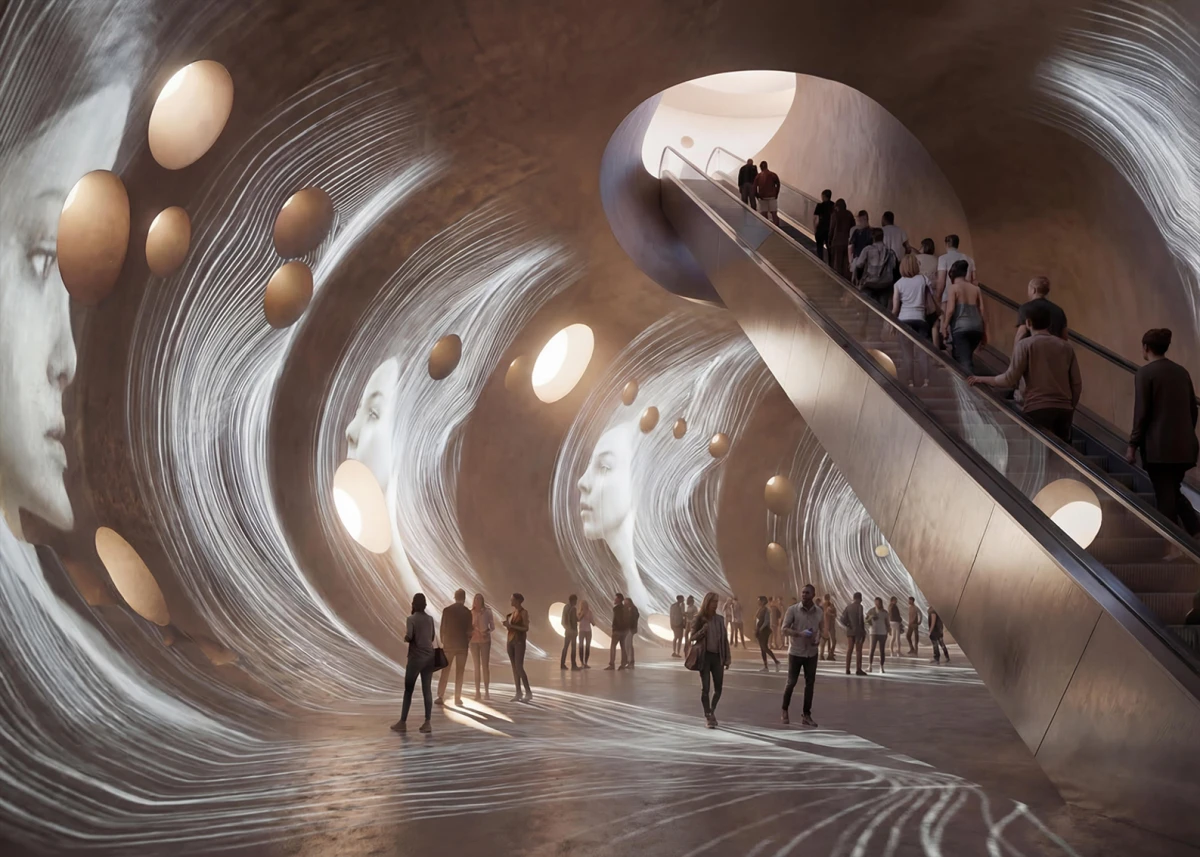
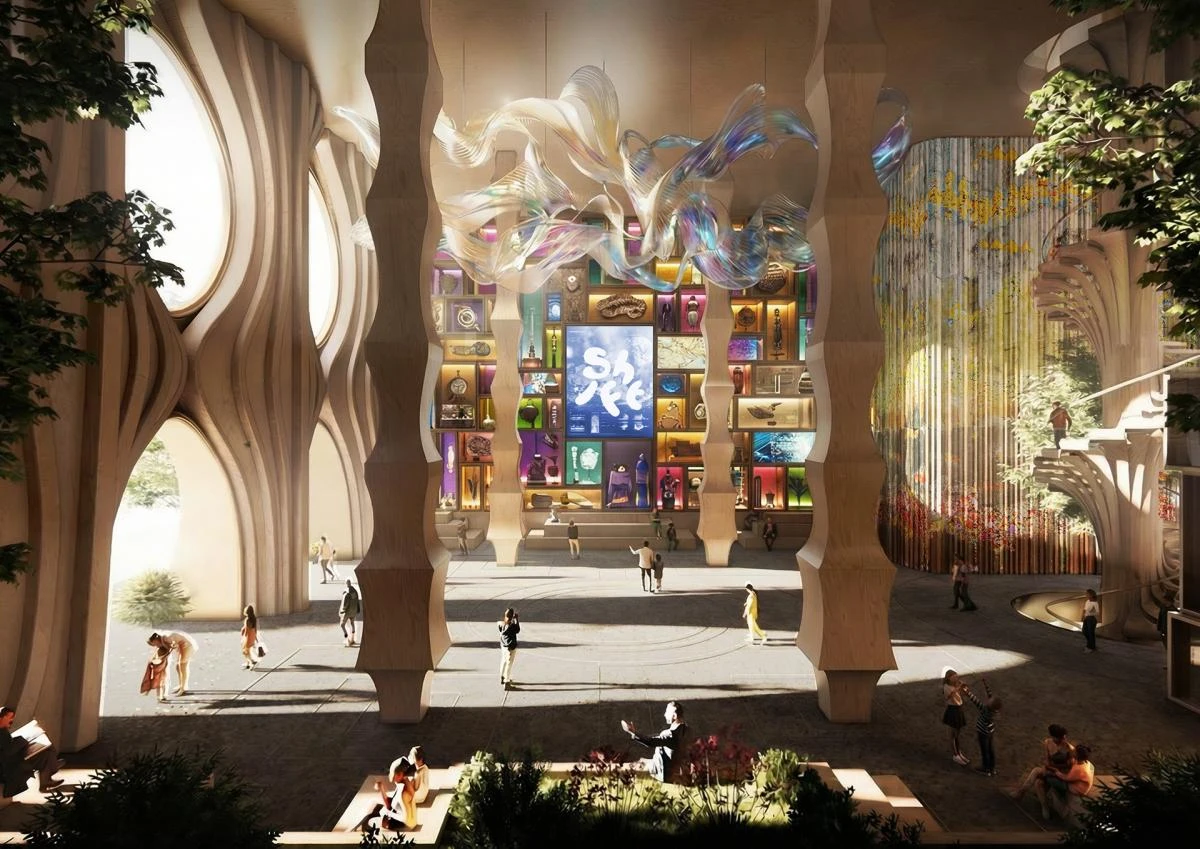
The Shift Landmark competition brief calls for a building of about 25,000–30,000 m² (approximately 270,000–323,000 sq ft) that combines cultural programming with sustainability education and demonstration. The program is designed to include a large immersive experience space, a hotel, meeting and conference facilities, and a sustainable food court. Shift’s purpose is to create the prototype for a global network of climate-focused landmarks in major cities around the world.
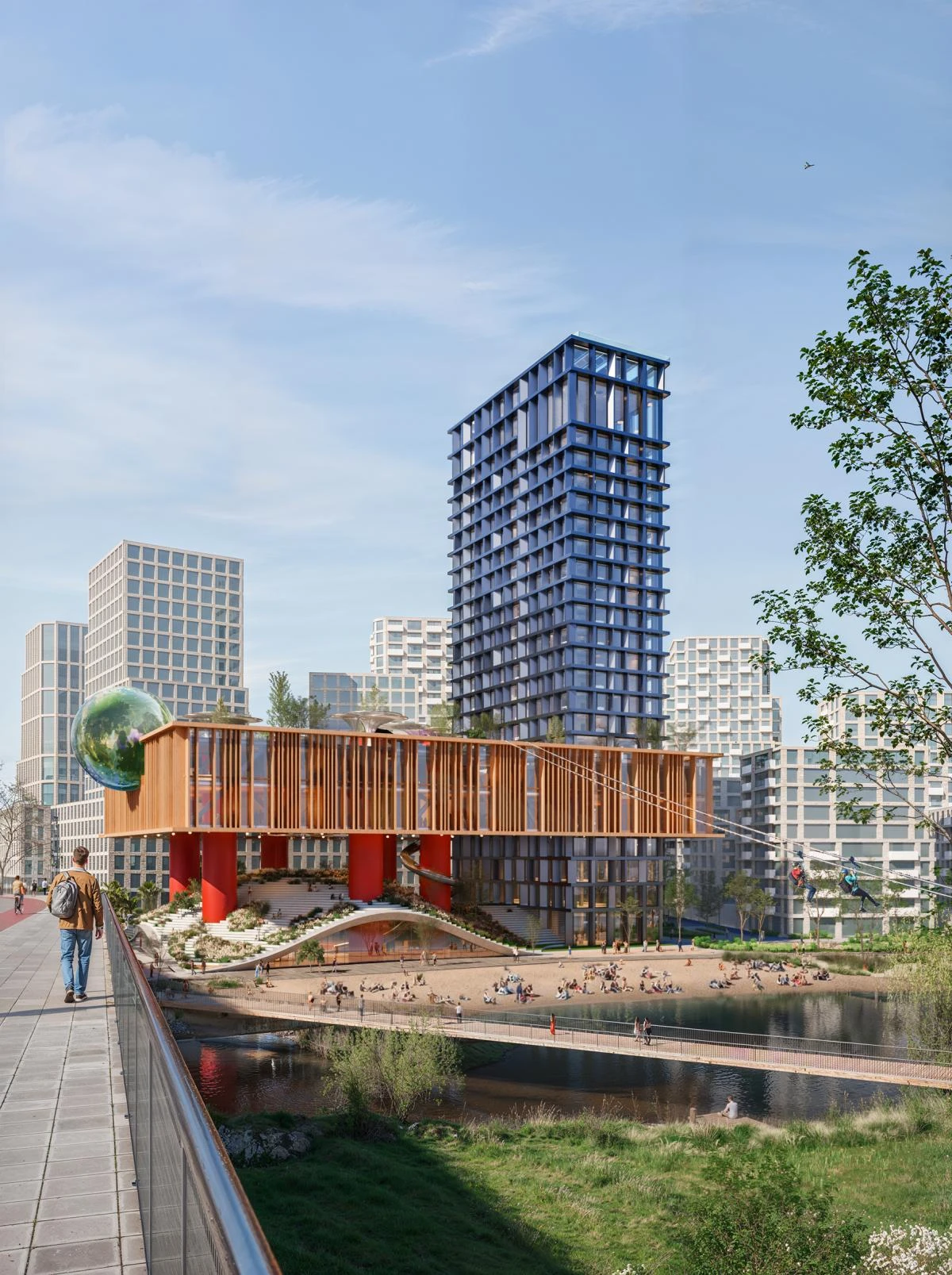
Among the five finalists are three high-profile architectural teams:
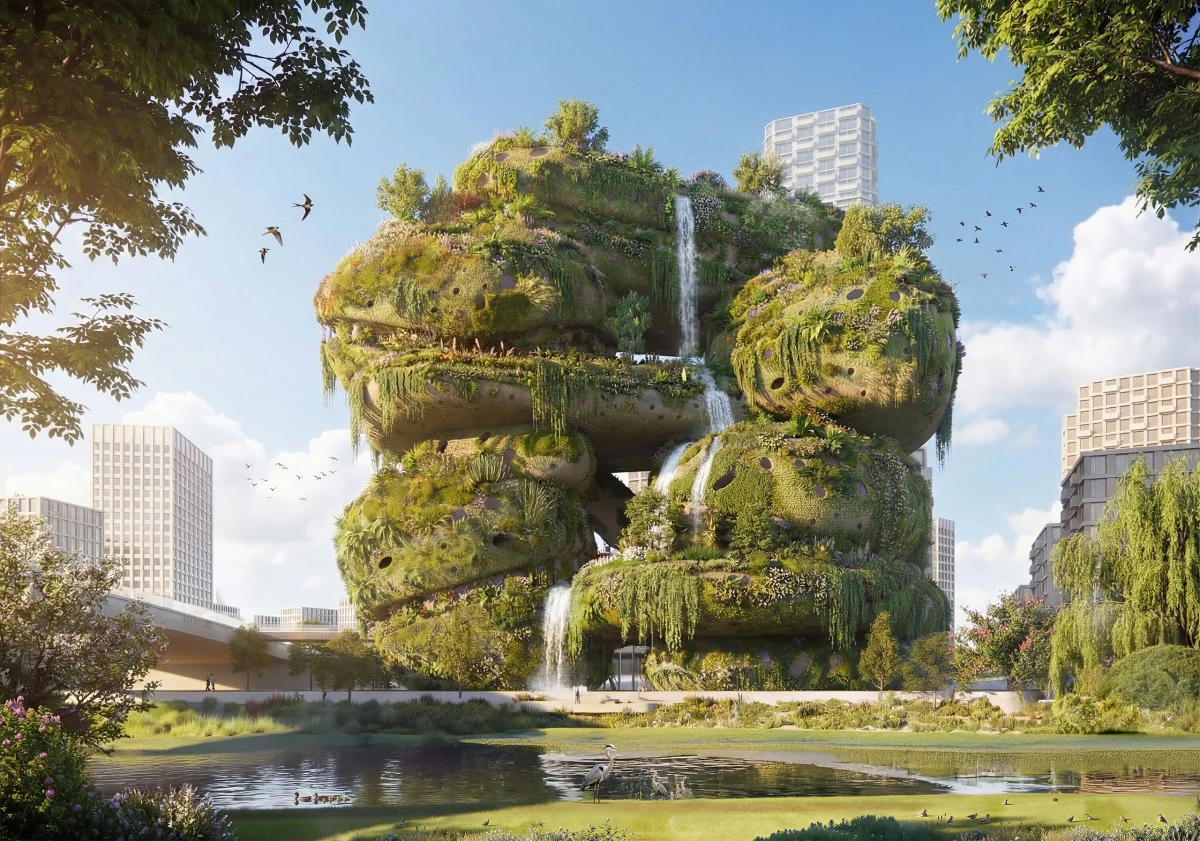
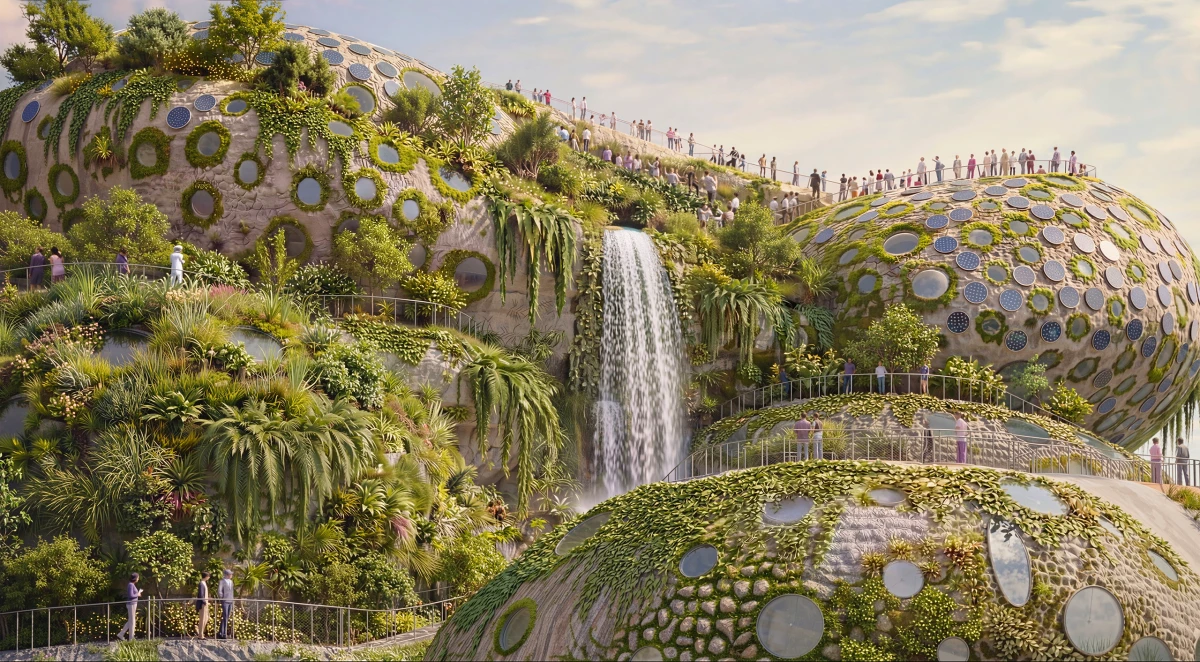
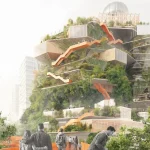
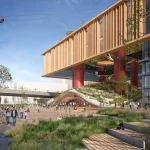
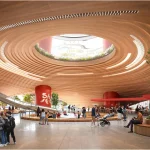
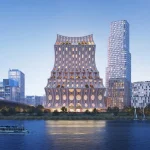
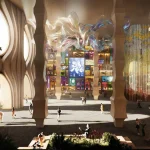
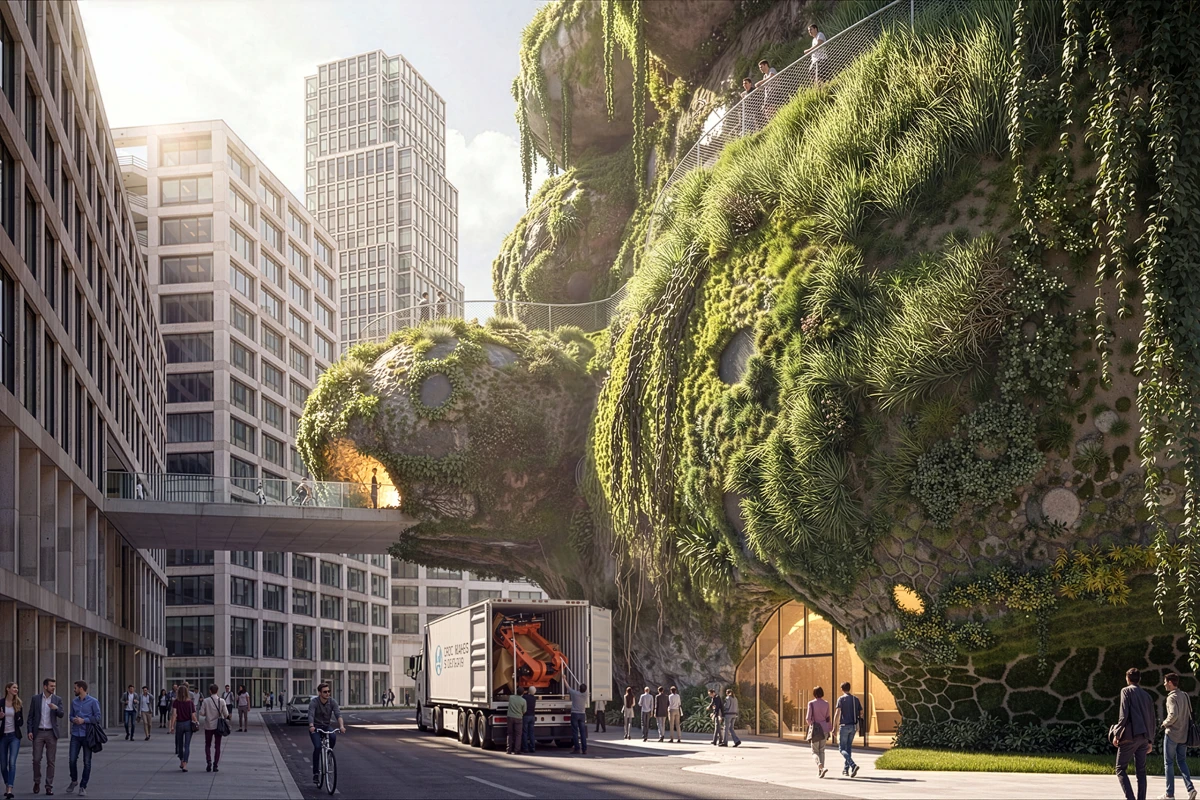
MVRDV – Rotterdam Rocks envisages a “stacked landscape of living rocks” that combines architecture with a regenerative urban ecosystem. The design proposes porous, sculptural forms integrated with vegetation and public spaces, pushing the idea of architecture as an extension of natural processes.
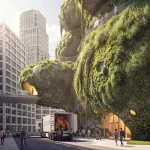
Heatherwick Studio – Urban Reef takes inspiration from marine reefs, structuring the building as six interrelated layers of activity. These layers are intended to shape movement through the space and create varied environments for social interaction, climate awareness, and shared programs.
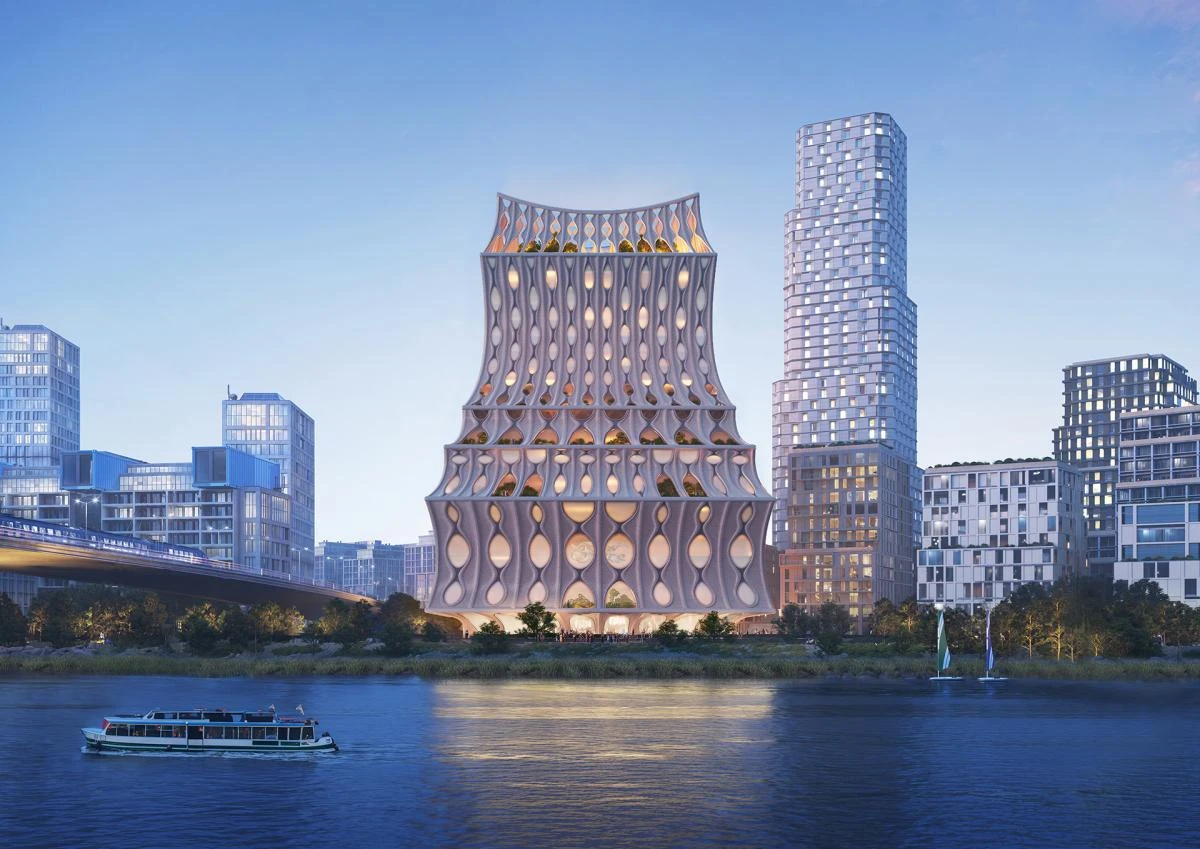
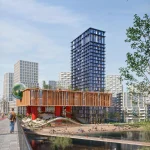
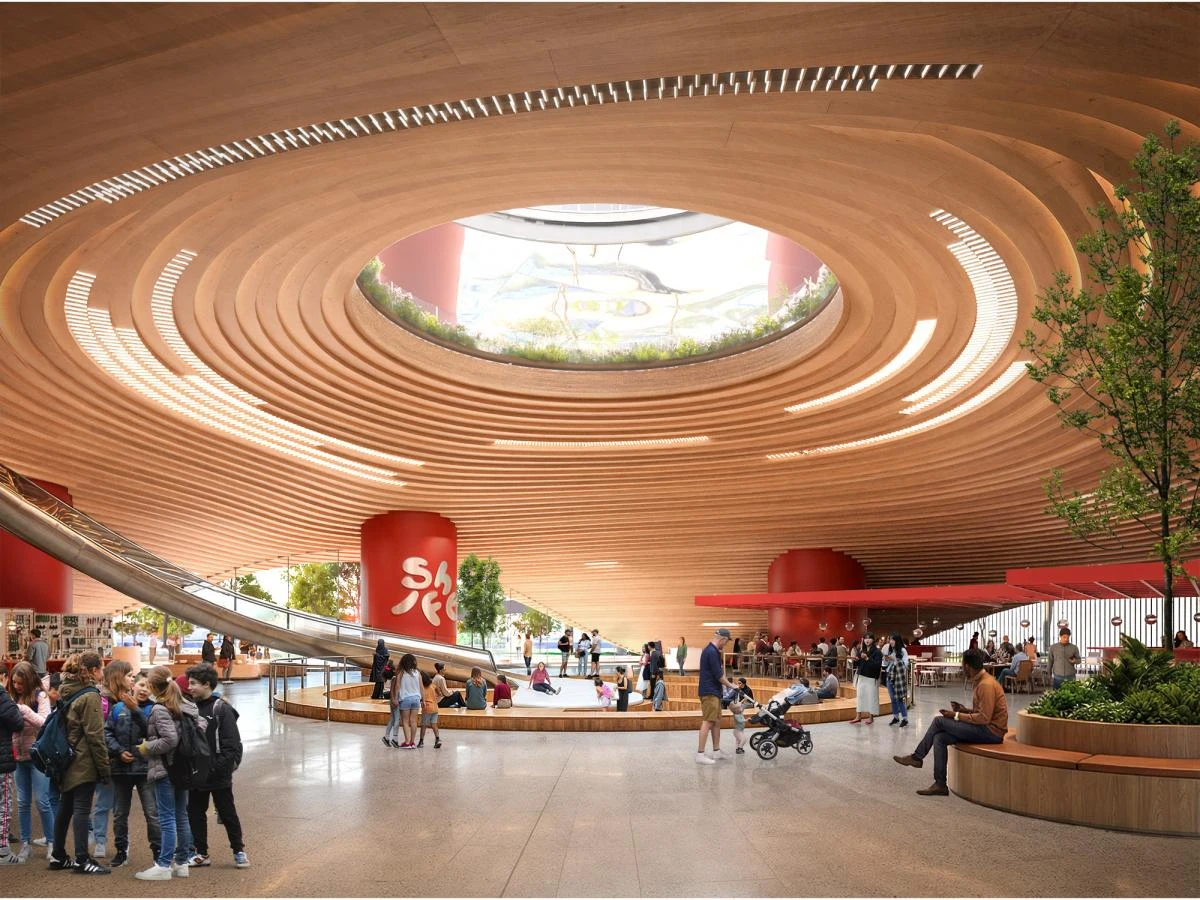
Mecanoo – The House of Shift focuses on sustainability strategies embedded in form and material. Its design highlights upcycling, carbon storage, and energy neutrality, combining different volumes around central public and educational spaces.
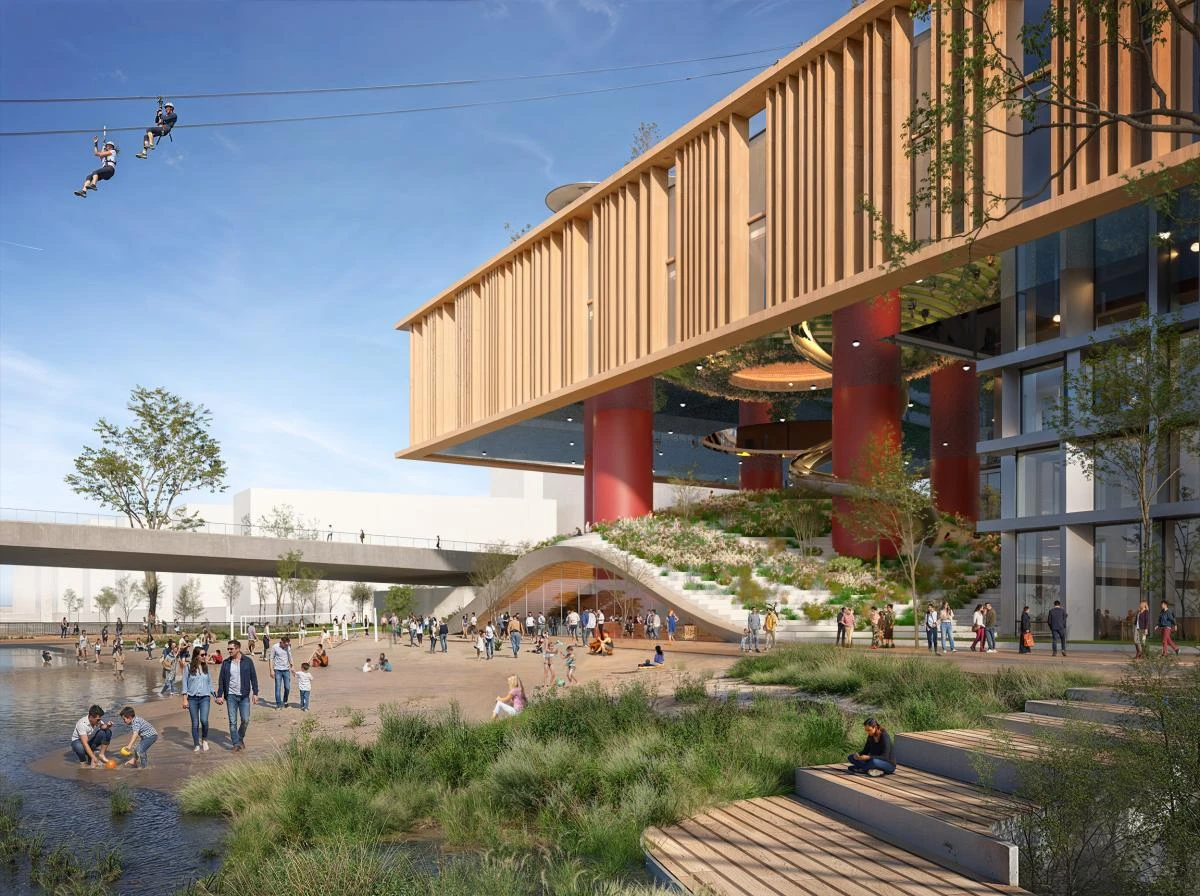
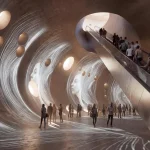
The other two shortlisted teams are the Office for Political Innovation, with a proposal called Planetary Landmark for the Climate Age, which frames the building as an active section through climate systems.
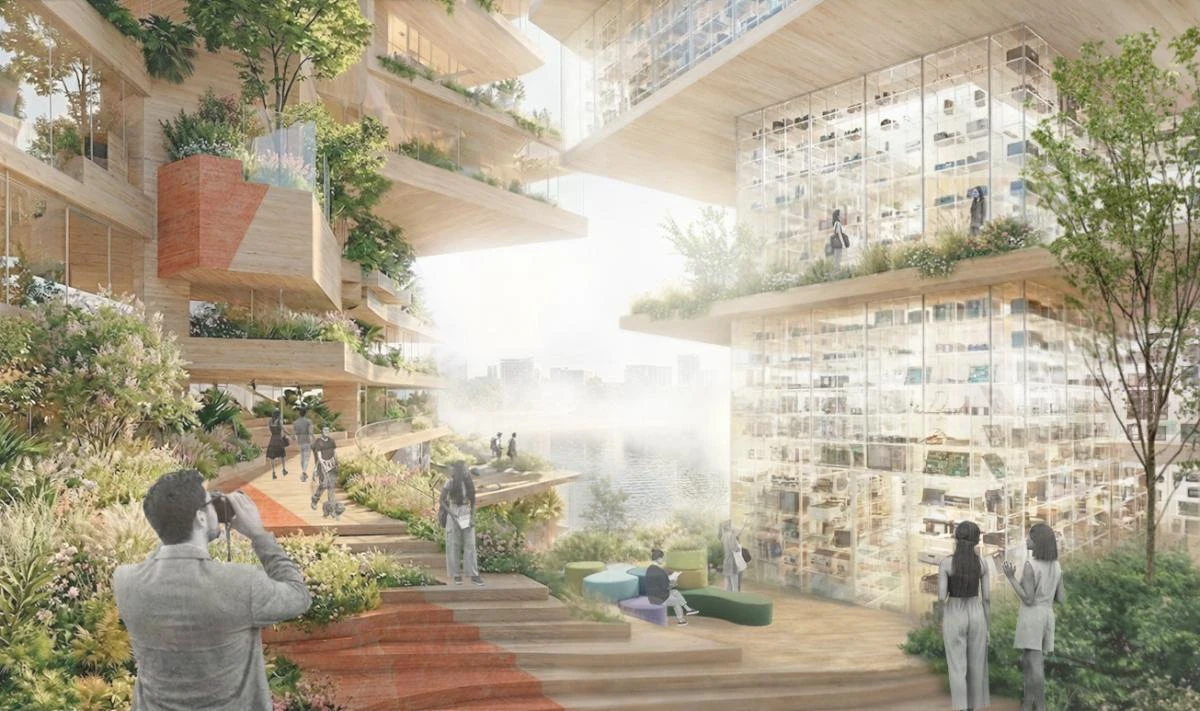
Ecosistema Urbano with A Living Landmark, a design based on regenerative systems integrating ecology and public space.
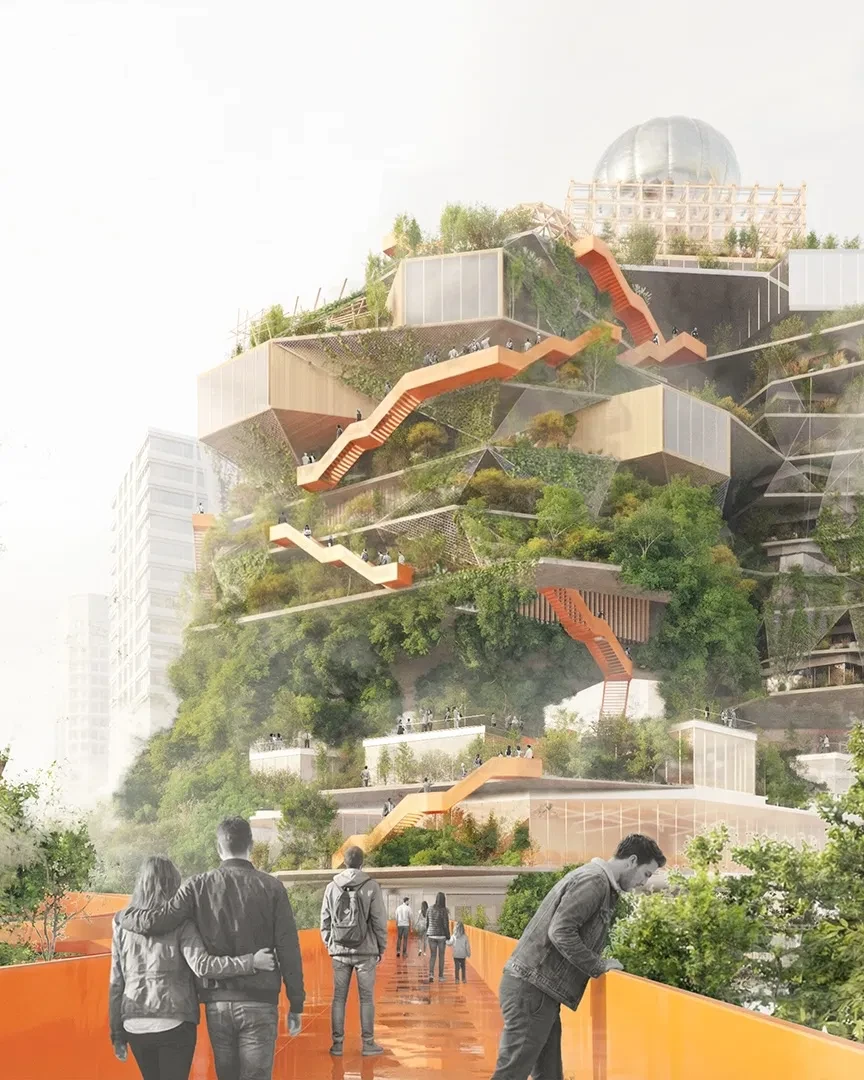
All five proposals have been formally unveiled with concept descriptions and visuals. A jury composed of architects, sustainability experts, and cultural figures will review the entries before selecting a winner later this spring. Following the announcement, the winning design will enter a period of community consultation and refinement prior to final approval and construction planning.
Credit: Shift