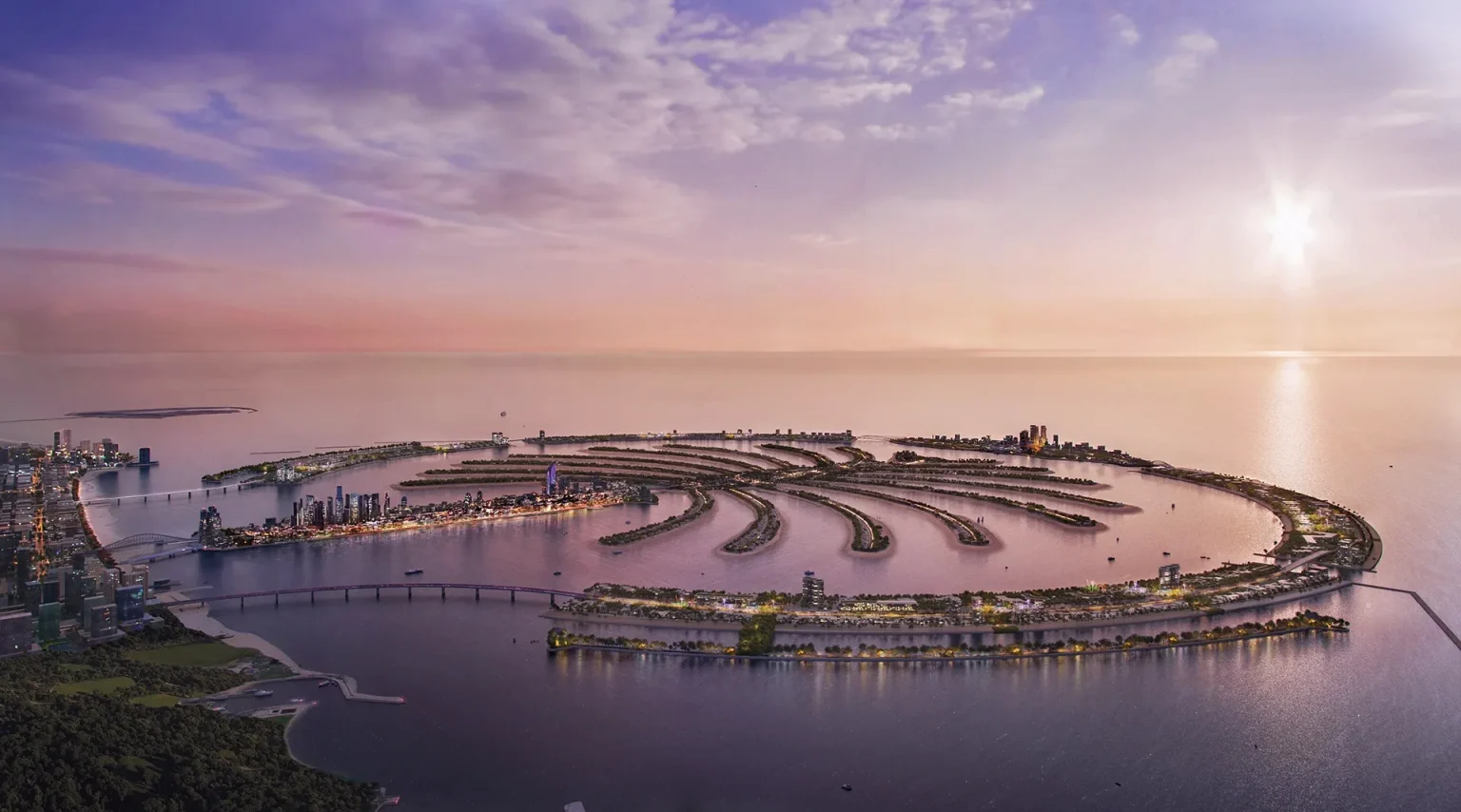
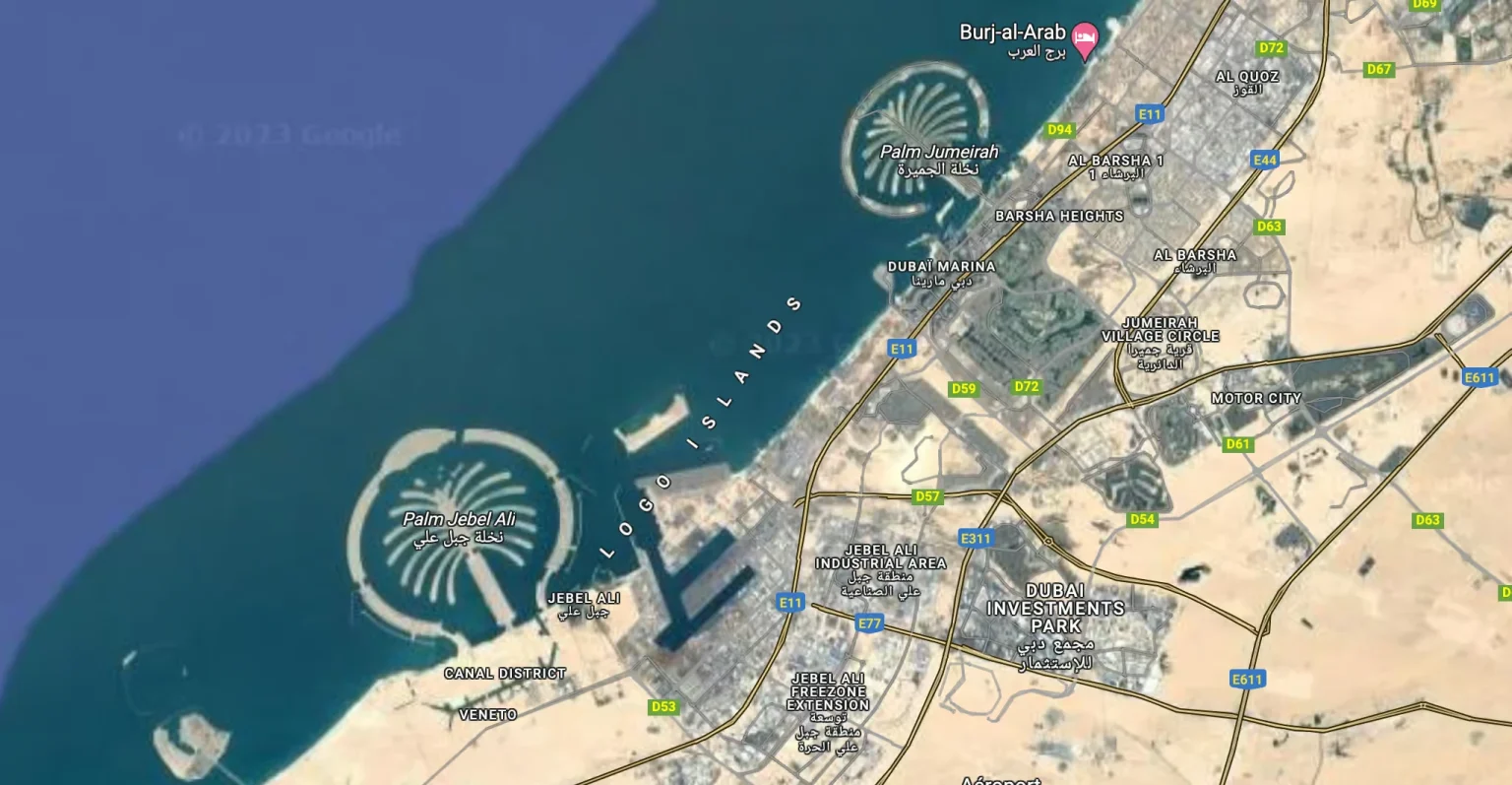


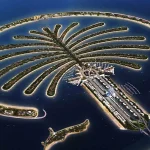
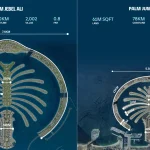
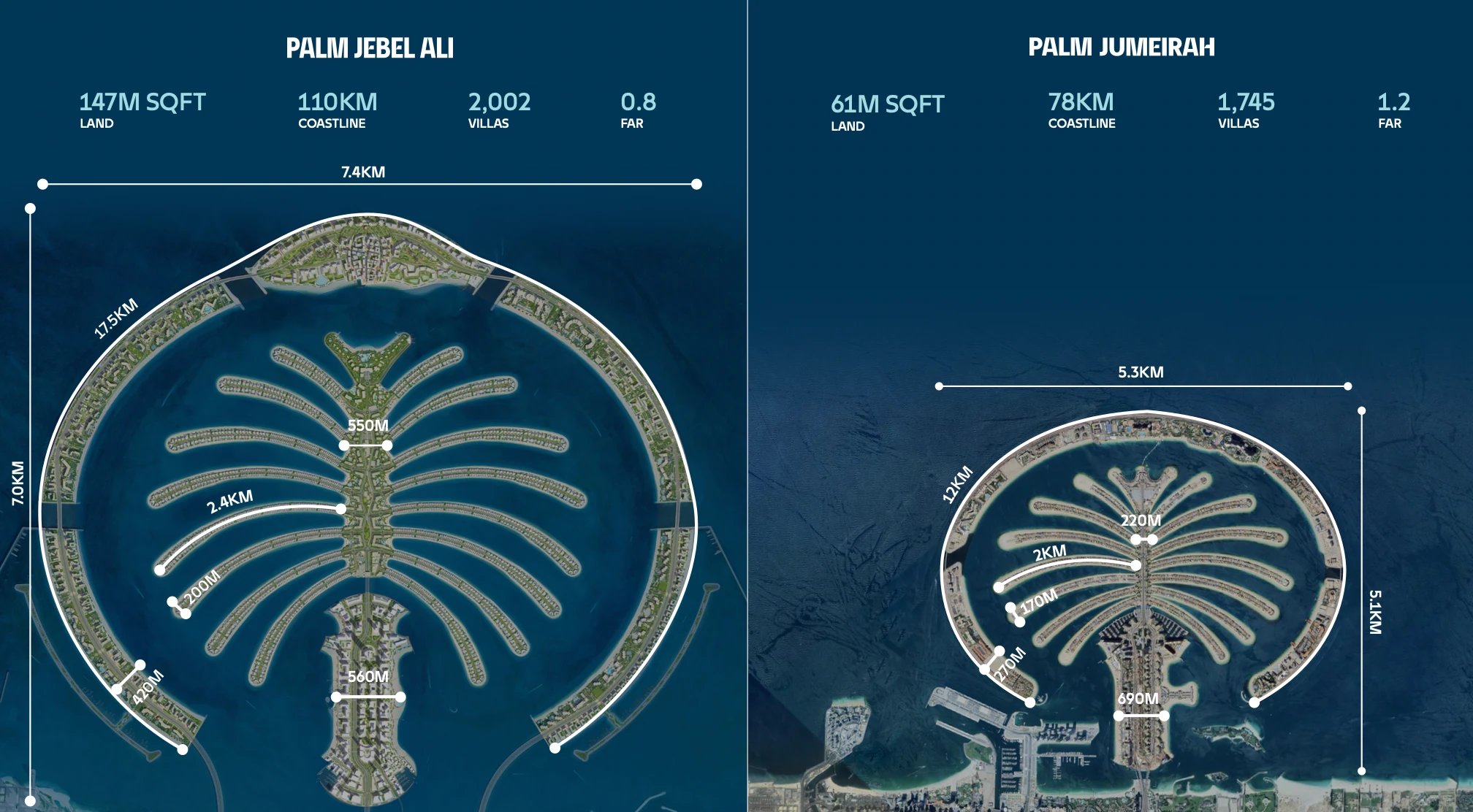
Palm Jebel Ali is a man-made island being developed in Dubai, United Arab Emirates. When complete, it will be larger than any other palm-shaped island in the world, covering about 13.4 square kilometers, roughly twice the size of the famous Palm Jumeirah. This project is part of Dubai’s long-term urban growth plan and represents a massive engineering and infrastructure effort that continues to take shape after many years.
Planning and Design
Palm Jebel Ali follows the same iconic palm tree layout first made famous by Palm Jumeirah. The design features a long central trunk that links the island directly to the mainland, forming the main access route for roads and services.
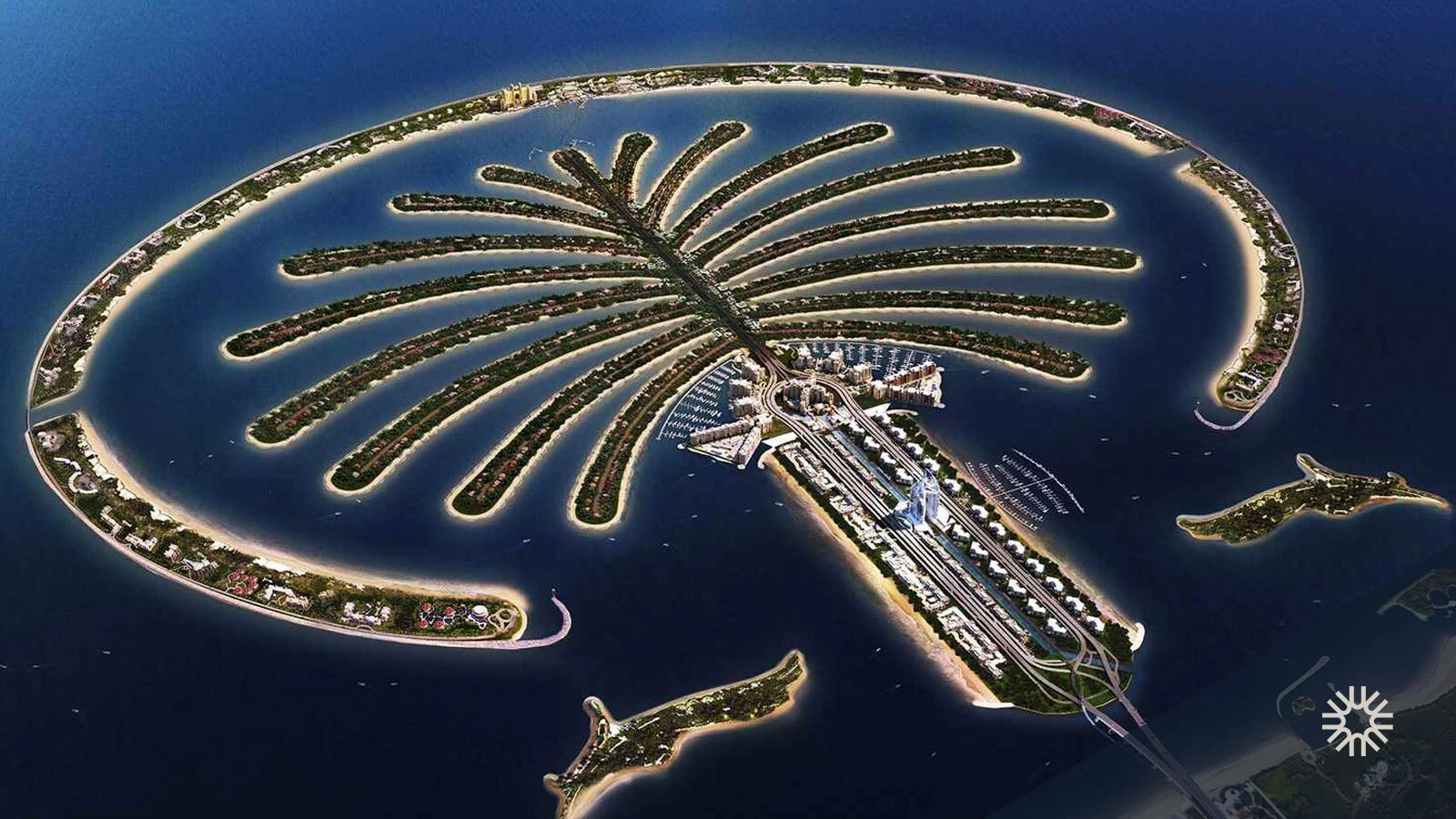
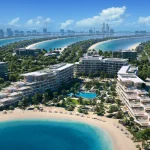
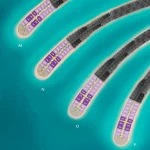
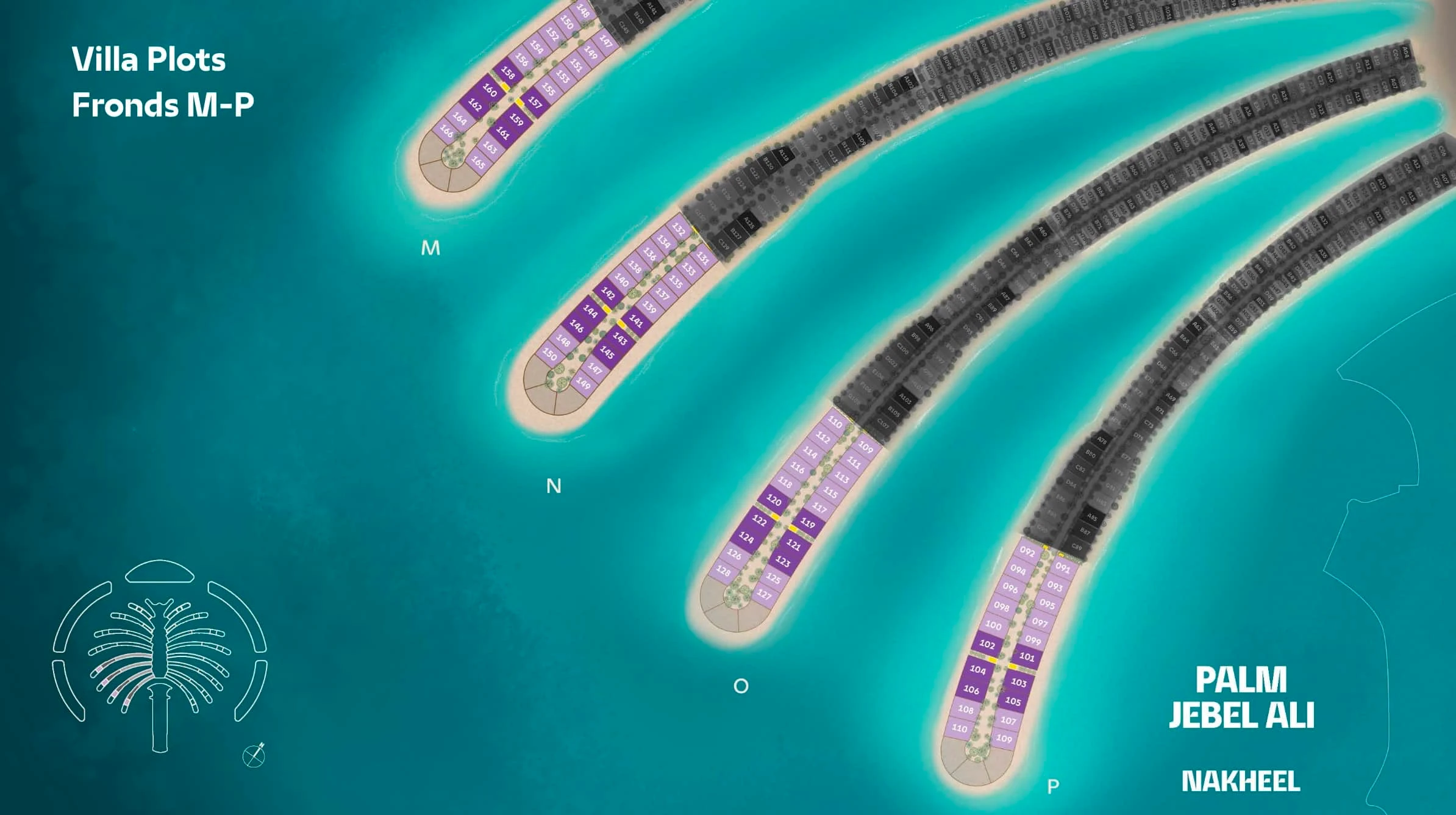
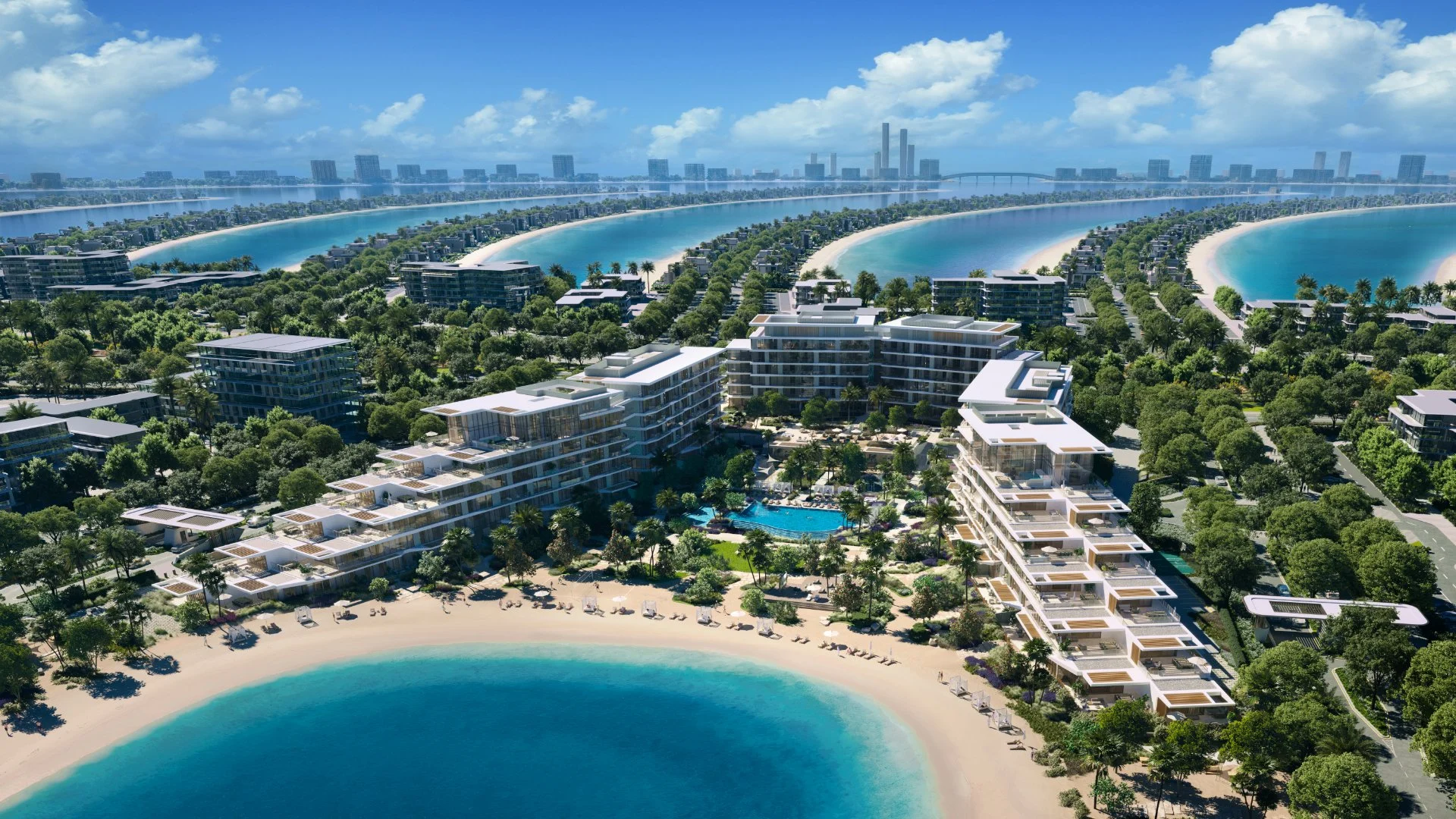
Extending from this trunk are 16 to 17 fronds, which create wide stretches of waterfront land where villas, resorts, and leisure facilities are planned. Surrounding the entire development is a crescent-shaped breakwater. This outer barrier is built to shield the island from strong waves and rough sea conditions while also defining its distinctive palm shape.
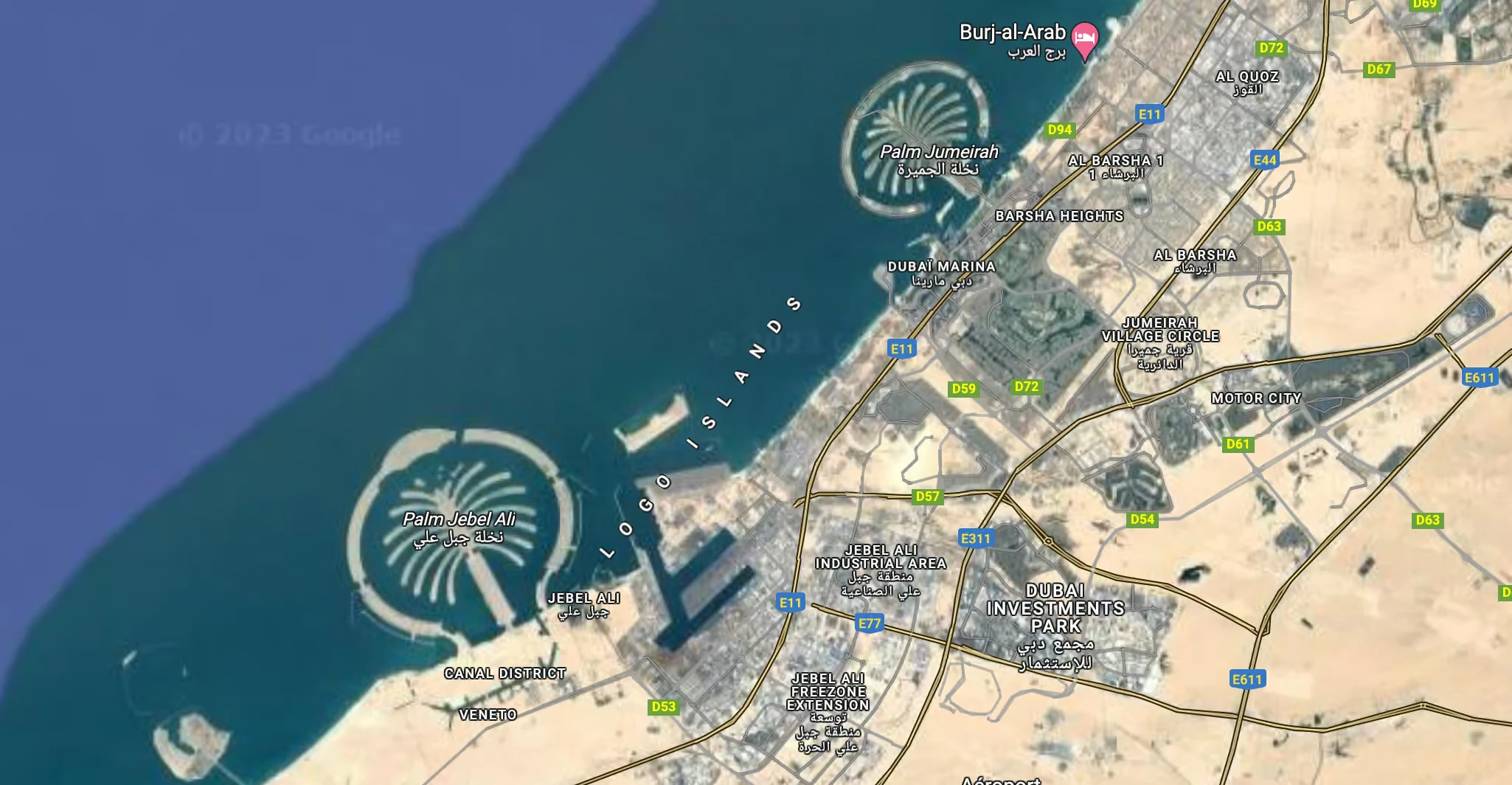
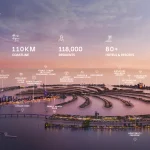
This layout creates wide beachfronts, marinas, and zones for different uses, residential, leisure, and hospitality, all within a single integrated island. The development aims to balance space for families, tourists, and visitors, with more than 80 hotels and resorts planned, and areas for parks, marinas, and waterfront promenades
Construction and Infrastructure
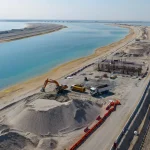
Work on Palm Jebel Ali began many years ago, but it was paused after the 2008 global financial crisis. The project was relaunched in recent years and has moved into the construction phase.
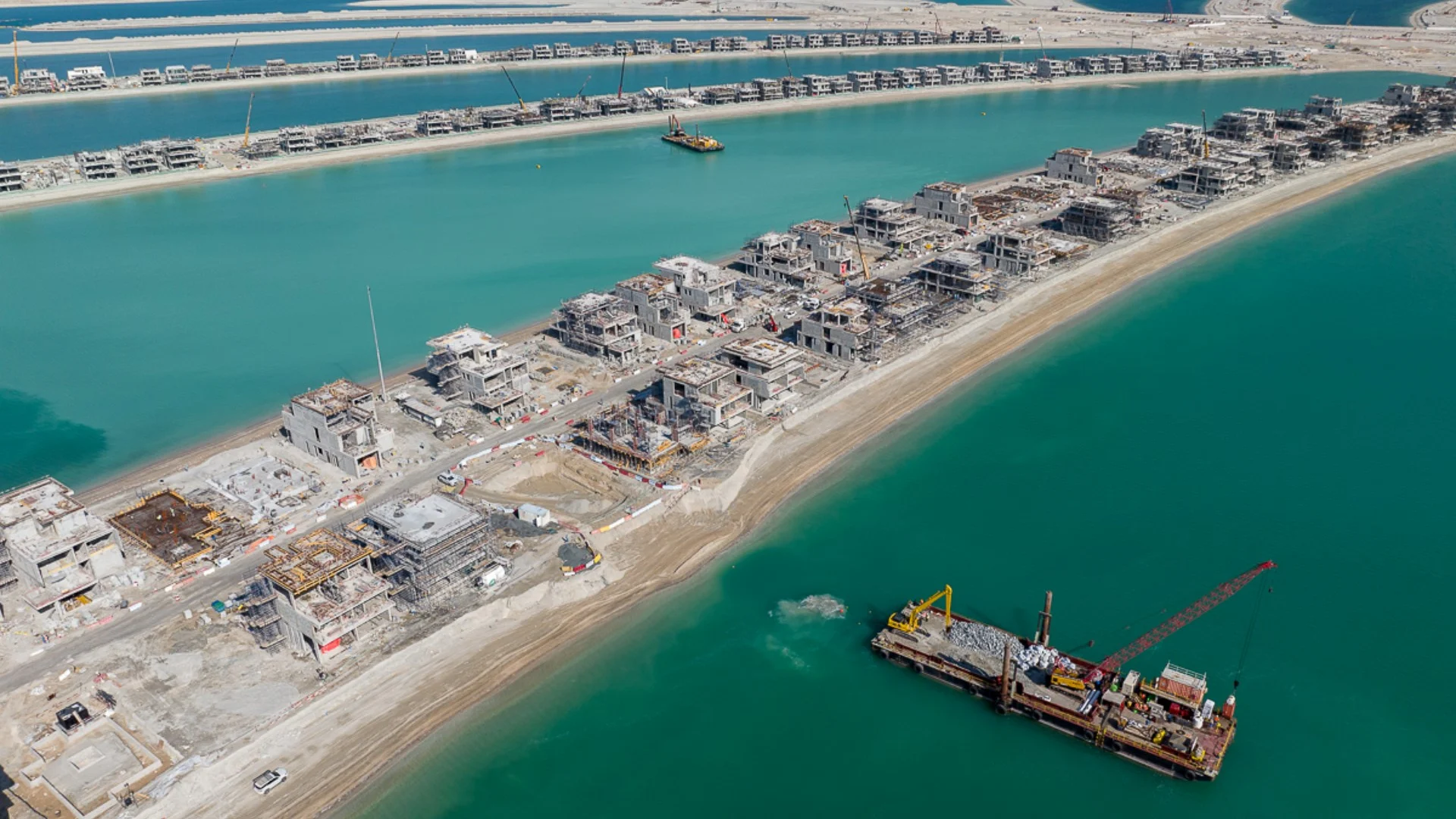
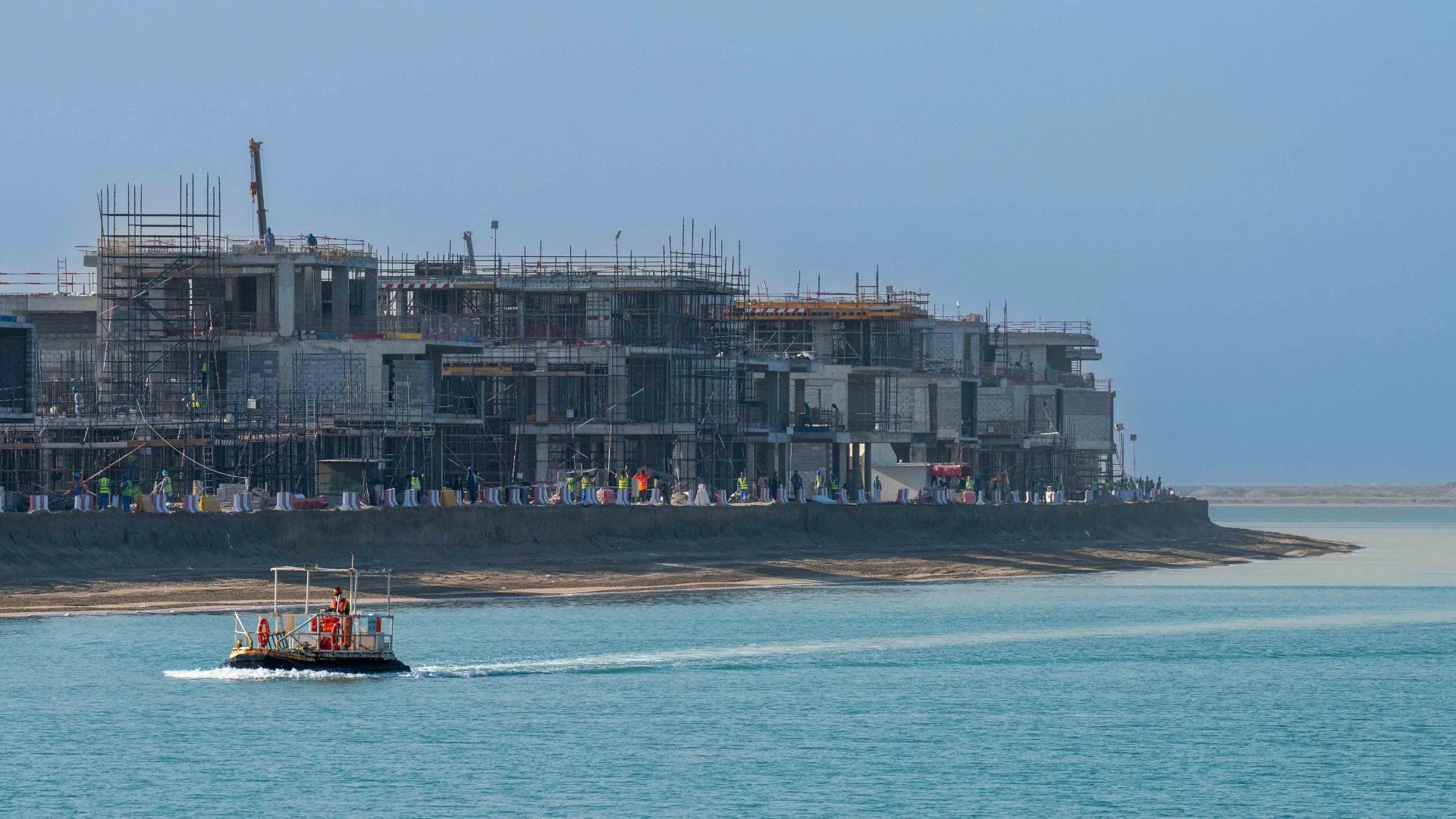
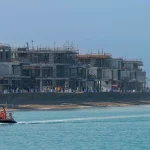
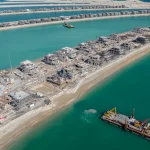
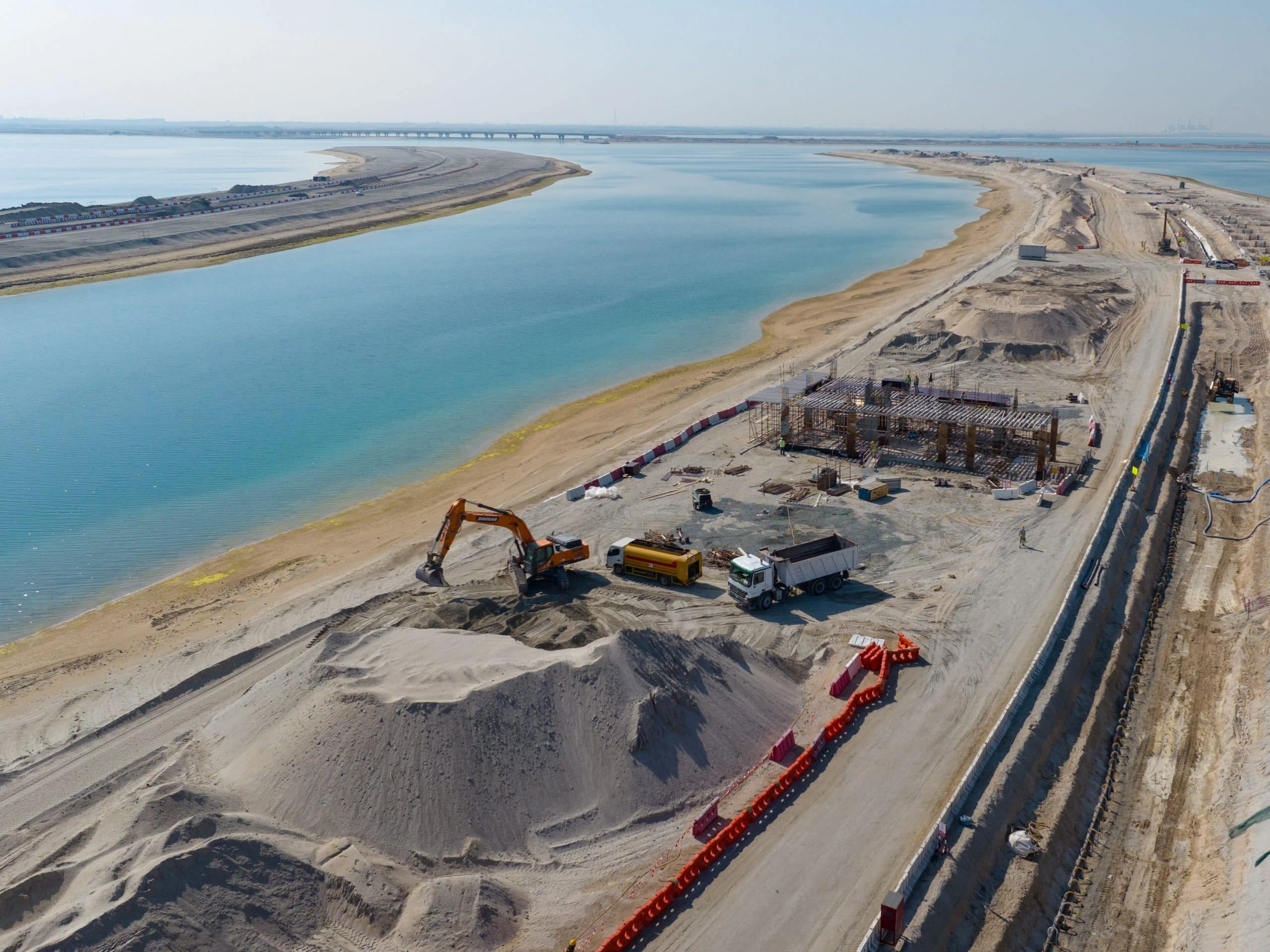
To form the island, engineers have dredged sand from the Gulf seabed and built protective crescent barriers. These create the solid land base for everything that follows: roads, utilities, and buildings. Large-scale groundwork now includes primary road grids, connections for water and power, and utility corridors before residential and commercial buildings rise. Construction includes foundations for luxury villas, site grading, and early infrastructure for neighborhoods. Vertical construction is expected to expand as phases progress toward later deliveries.
Architecture and Living Spaces
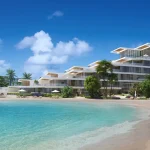
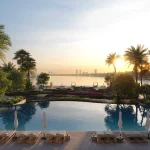
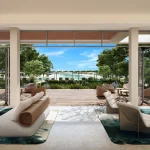
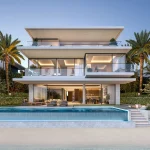
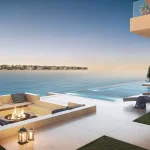
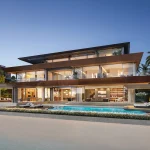
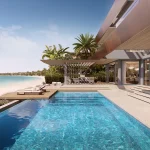
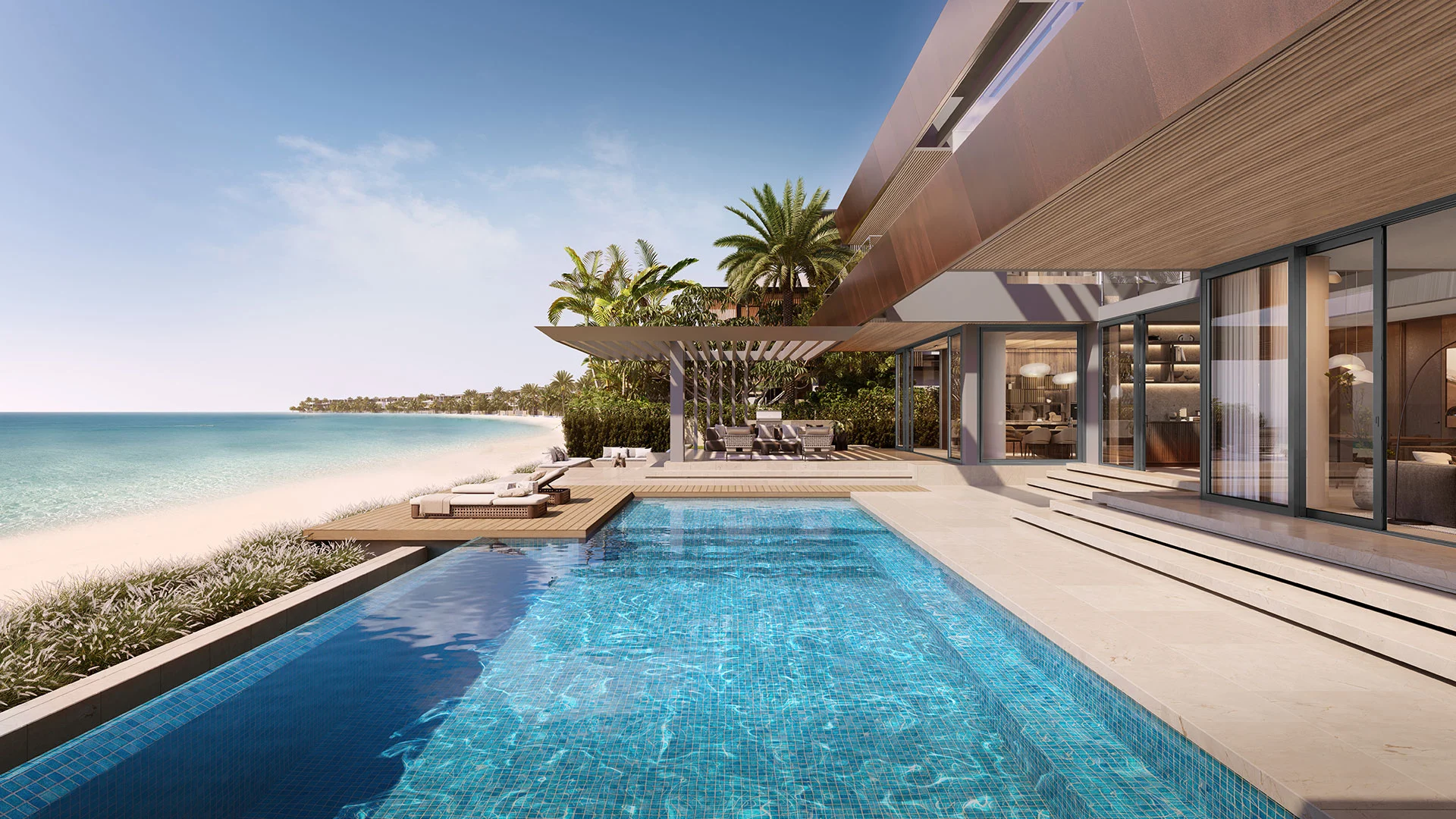
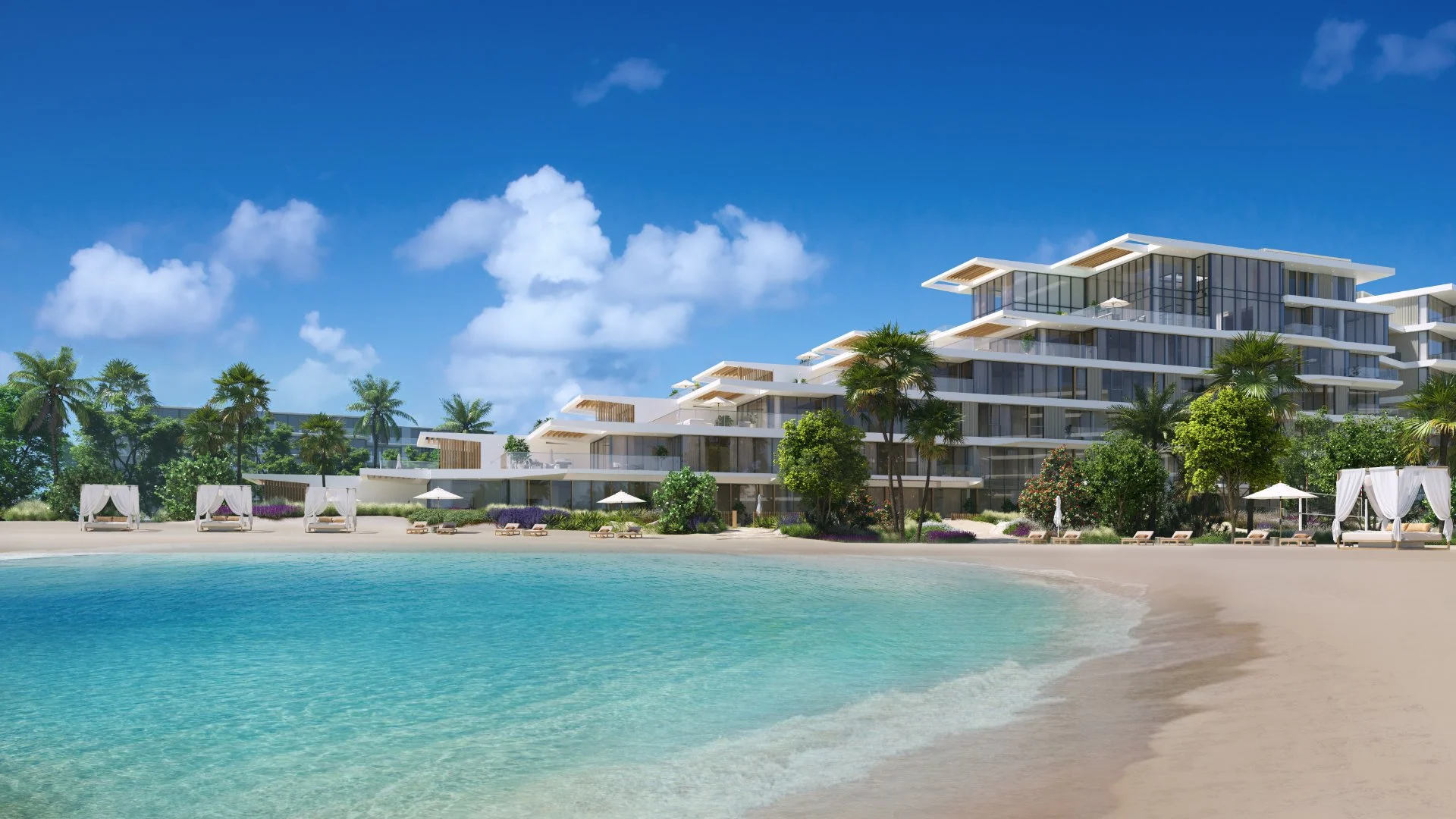
Palm Jebel Ali is planned as a luxury coastal community, where architecture is shaped around open sea views and direct access to the waterfront. The development includes large beachfront villas designed with generous indoor and outdoor spaces, many positioned to face the Gulf and offer private beach access. Closer to shared neighborhood zones, waterfront residences, and apartment buildings provide a mix of housing options within walking distance of amenities. The island’s layout also sets aside space for marinas, landscaped parks, and seaside promenades, creating public areas that connect residents and visitors to the coastline.
Palm Jebel Ali is planned with sustainability built into its core infrastructure. The project aims to source around 30 percent of its public energy needs from renewable power, reducing reliance on conventional systems. It will also integrate smart city features, including efficient water management networks and electric vehicle charging facilities across residential and public areas. These measures support the broader urban development goals of Dubai, which focus on more environmentally responsible construction and resource-efficient living environments.
Although it sits in the Gulf, Palm Jebel Ali will be connected to mainland Dubai by roads, bridges, and planned transit links. Initial phases, including homes and supporting infrastructure, are planned to be delivered in the late 2020s, with broader construction continuing through the decade.
What Makes Palm Jebel Ali Unique
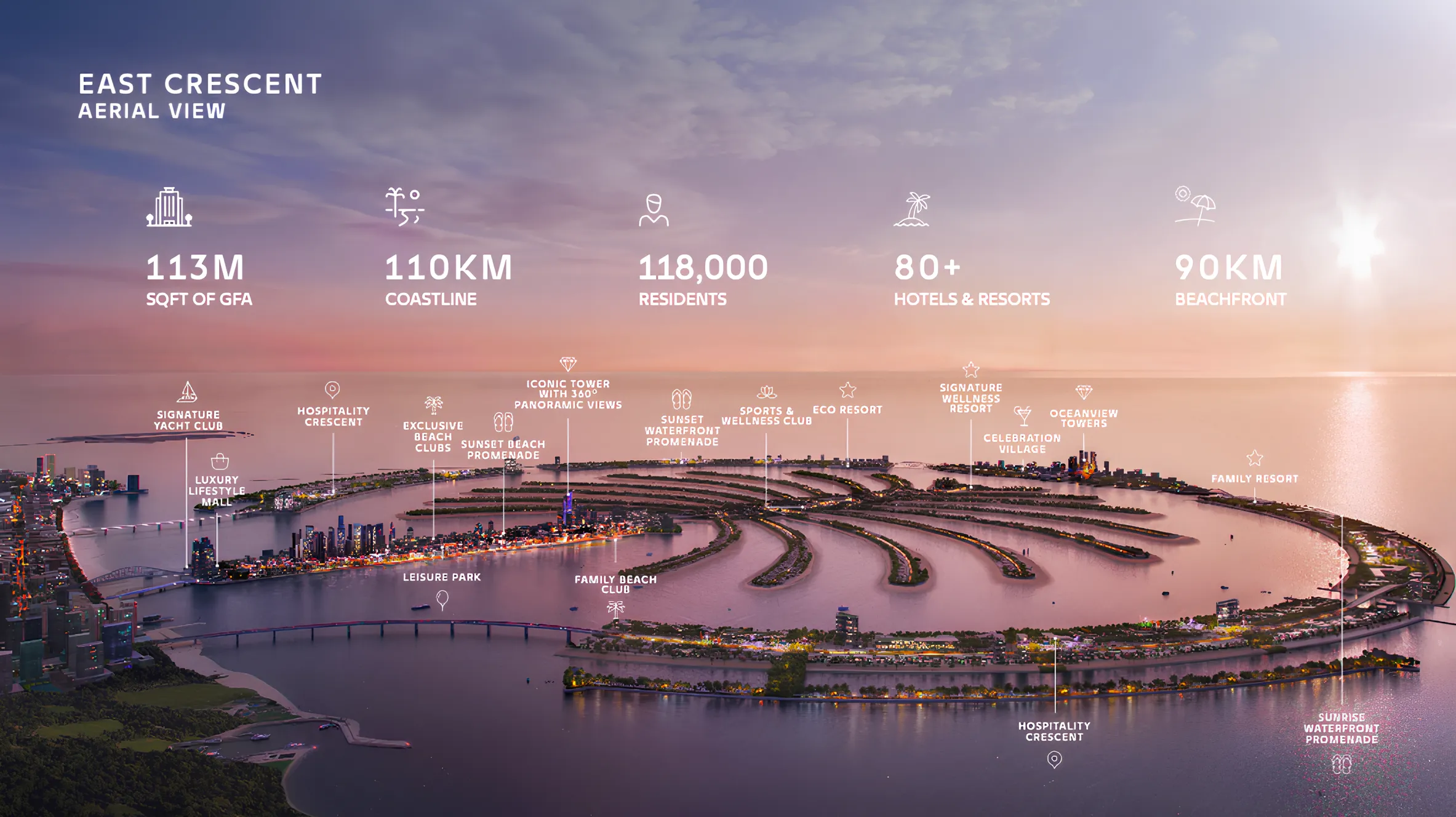
Palm Jebel Ali stands out for its scale and mixed-use ambition. Spanning about 13.4 square kilometers, the development is expected to add more than 110 kilometers of new coastline to Dubai, significantly expanding the emirate’s waterfront footprint. Unlike a single-purpose residential island, the master plan combines private villas, apartment clusters, hotels and resorts, retail zones, entertainment venues, and public waterfront spaces within one integrated layout.
The island is also being planned with renewable energy targets and smart infrastructure systems embedded into both public services and residential communities. Together, these elements position Palm Jebel Ali as a large, self-contained coastal district designed for long-term urban growth.
Palm Jebel Ali is shaping the world’s largest palm-shaped island and one of the most ambitious urban developments of its kind. With planning, modern infrastructure, and a mix of luxury living and public spaces, it reflects Dubai’s ongoing effort to expand its coastline, attract residents and visitors, and set new standards for coastal development.
Image credit: Nakheel/Palm Jebel Ali