




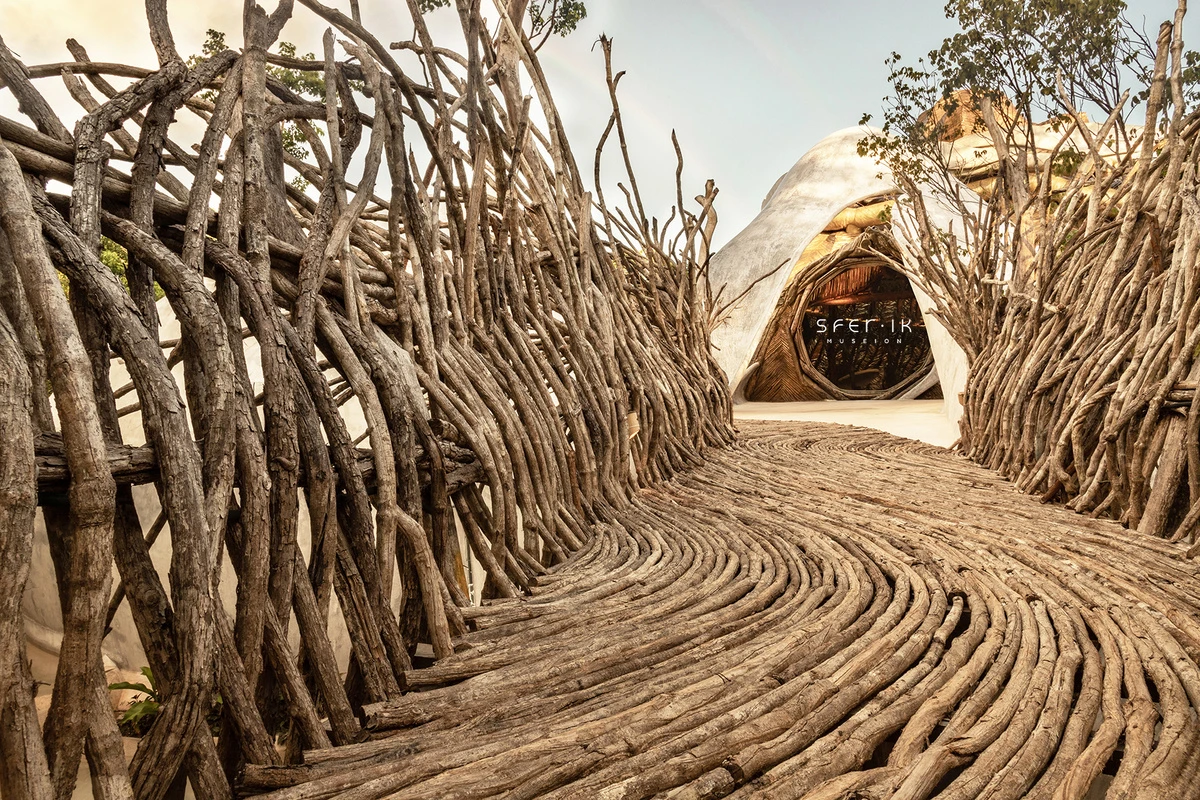
In the dense coastal jungle of Tulum, where mangroves meet the Caribbean horizon, architecture dissolves into canopy, shadow, and salt air. Over the past two decades, AZULIK has emerged not simply as a destination, but as a spatial philosophy. Conceived by Eduardo Neira, known globally as Roth, AZULIK challenges the conventional boundaries between built form and living ecosystem. Timber walkways hover lightly above the forest floor. Curved structures bend around existing trees. Interiors breathe through filtered light and woven fibers rather than glass and steel.
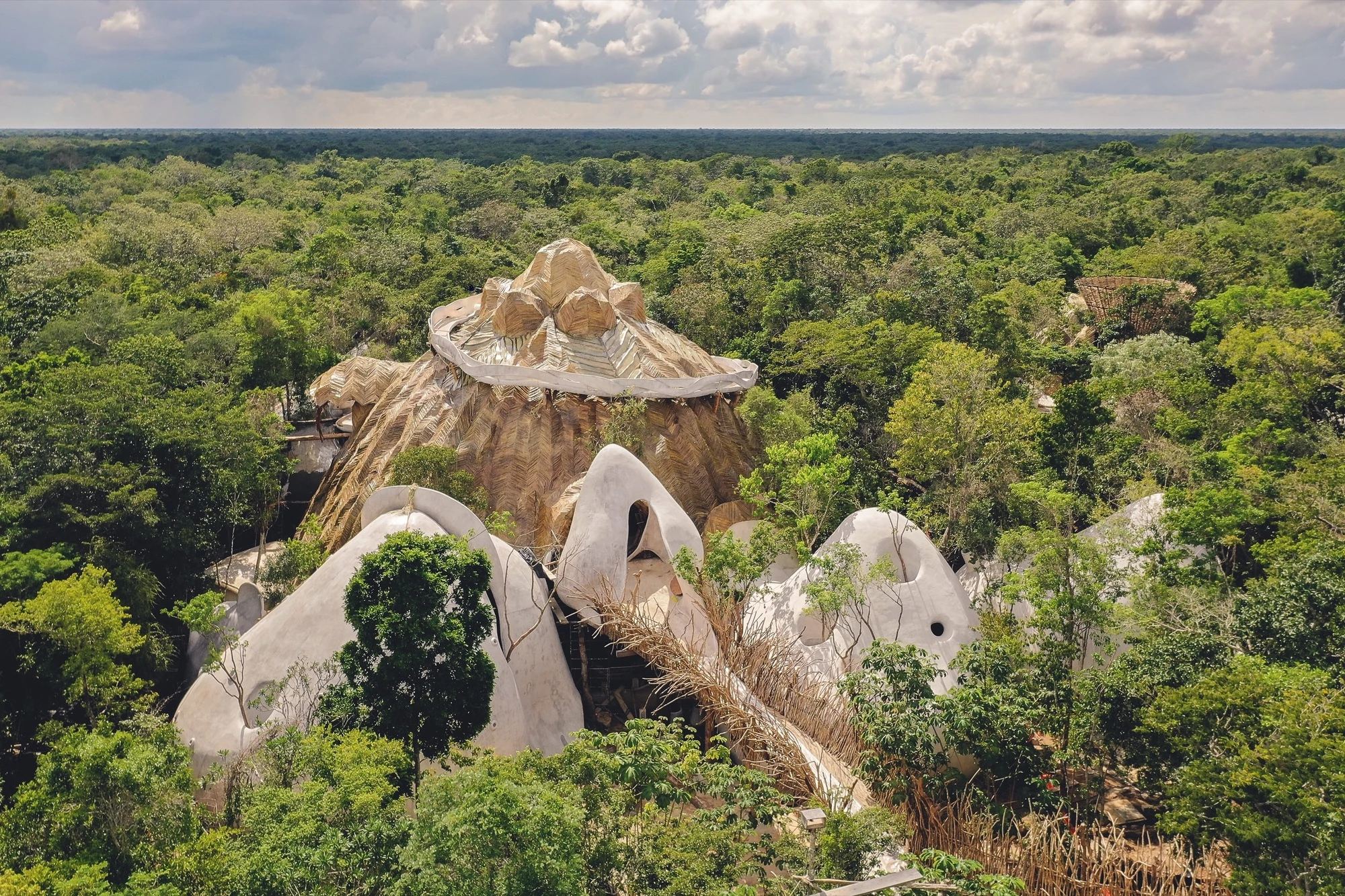
Founded twenty years ago, AZULIK began as an experimental eco resort in Tulum. Today, it has evolved into a multifaceted cultural landscape that includes the immersive SFER IK museum, the creative laboratories of AZULIK Habitat in Uh May, the design studio Roth Architecture, and the expanding AZULIK Residences. Each space shares a common language of curvature, shadow, and hand craftsmanship, yet each unfolds as a distinct chapter within a larger narrative.
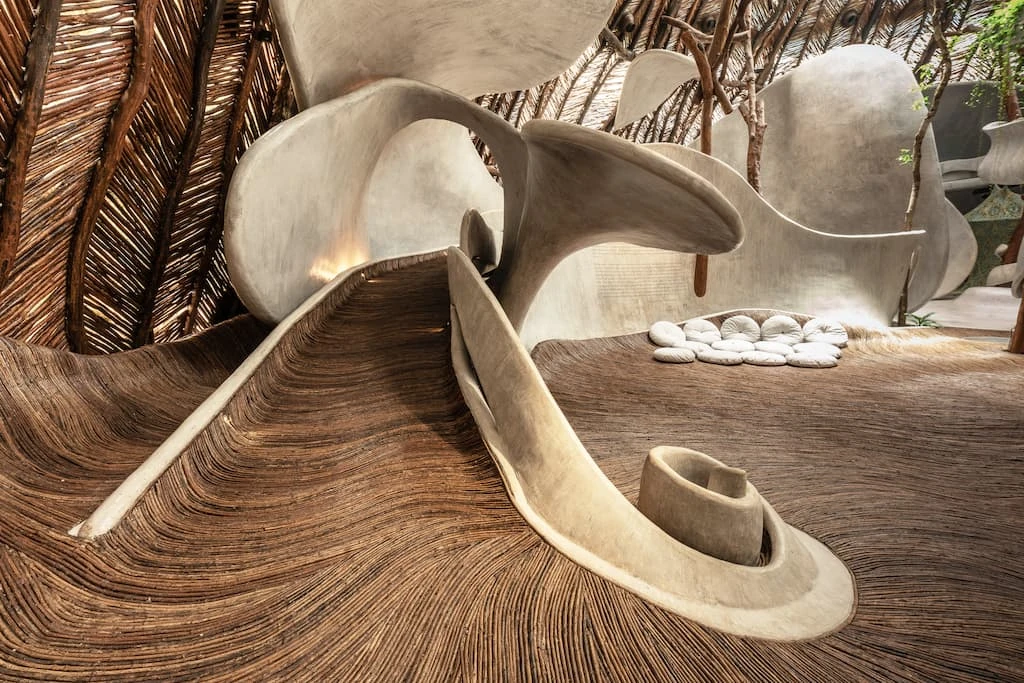
To walk through AZULIK Tulum is to experience architecture as an atmosphere rather than an object. Rooms are shaped by branches and woven skins. Staircases spiral without rigid geometry. Materials age visibly and honestly. At SFER IK, floors undulate beneath bare feet, and walls twist as if grown rather than constructed. In Uh May, the forest becomes both collaborator and constraint, guiding each intervention. These environments are not staged backdrops for nature but spatial negotiations with it.
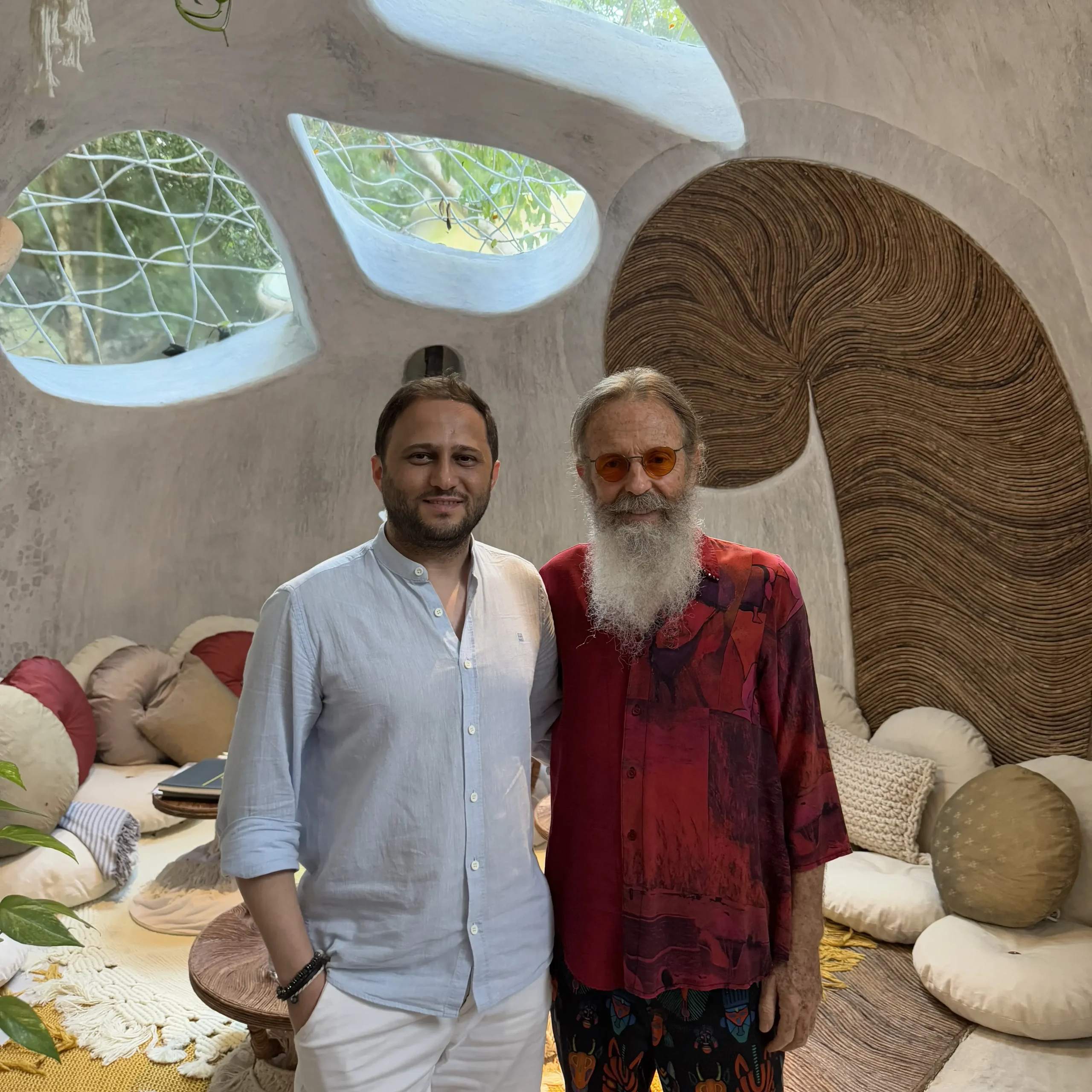
It was within this context that PA Talks sat down with Roth during a recent visit to AZULIK, coinciding with the brand’s twentieth anniversary. The conversation unfolded inside the very spaces that have defined AZULIK’s global identity, moving between questions of philosophy, sustainability, craft, and the emotional dimension of architecture.
Watch the Full Conversation
A Dialogue on Organic Architecture
In this conversation with PA’s founder, Hamid Hassanzadeh, Roth reflects on the philosophy behind AZULIK’s evolution from a single eco resort into a multidimensional cultural landscape. The discussion moves beyond aesthetics and into intention: why eliminate straight lines, why prioritize hand craftsmanship, why allow nature to dictate structure.
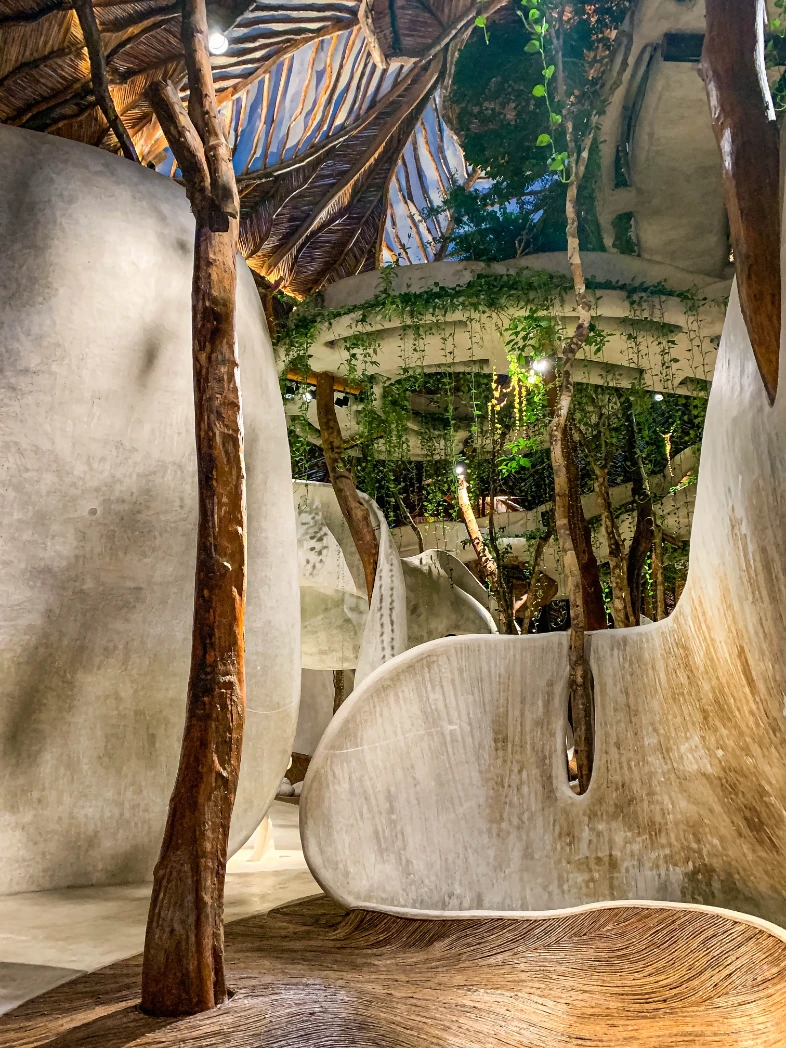
For Roth, organic architecture is not about mimicking natural forms. It is about negotiating with the ecosystem. Trees are preserved and integrated. Circulation responds to topography. Materials are selected not only for performance but for emotional resonance. The result is an architecture that feels grown rather than assembled.
Sustainability Beyond Checklists
In an era where sustainable design is frequently quantified through energy models and material data sheets, AZULIK proposes a more intuitive definition. The project operates off grid, integrates passive cooling, and minimizes concrete use. But its deeper sustainability lies in its refusal to dominate the landscape.
Roth speaks about sustainability as a ritual of respect. Architecture should listen before it speaks. It should adapt rather than impose. This philosophy becomes evident in the absence of straight lines, the reliance on local artisans, and the deliberate use of natural materials that weather and transform over time. Wood, fibers, and shadows become tools not only of construction but of storytelling.
SFER IK and Emotional Space
Perhaps nowhere is this philosophy more visceral than inside SFER IK. The museum rejects conventional white box typologies in favor of immersive, sculptural interiors. Floors dip and rise. Columns branch like trees. Visitors are invited to remove their shoes, reconnecting physically with the space.
During the interview, we explored whether these environments are designed to elicit specific emotional states. Roth suggests that architecture can guide feeling without dictating it. The curvature of a wall, the softness of filtered light, the texture beneath bare feet all contribute to a heightened awareness. In this sense, SFER IK functions less as a gallery and more as an experiential instrument.
From Resort to Ecosystem
What began as a singular eco resort has grown into an architectural ecosystem. AZULIK Habitat in Uh May hosts creative residencies and workshops. Roth Architecture continues to develop new typologies rooted in organic design. The AZULIK Residences extend the philosophy into private living spaces, translating the brand’s spatial language into long term habitation.
This expansion reflects a shift from hospitality project to cultural movement. AZULIK is no longer defined solely by tourism but by its ambition to reframe how architecture can coexist with ecology. The interconnected projects share a commitment to hand built techniques, local collaboration, and spatial experimentation.
From Destination to Ecosystem
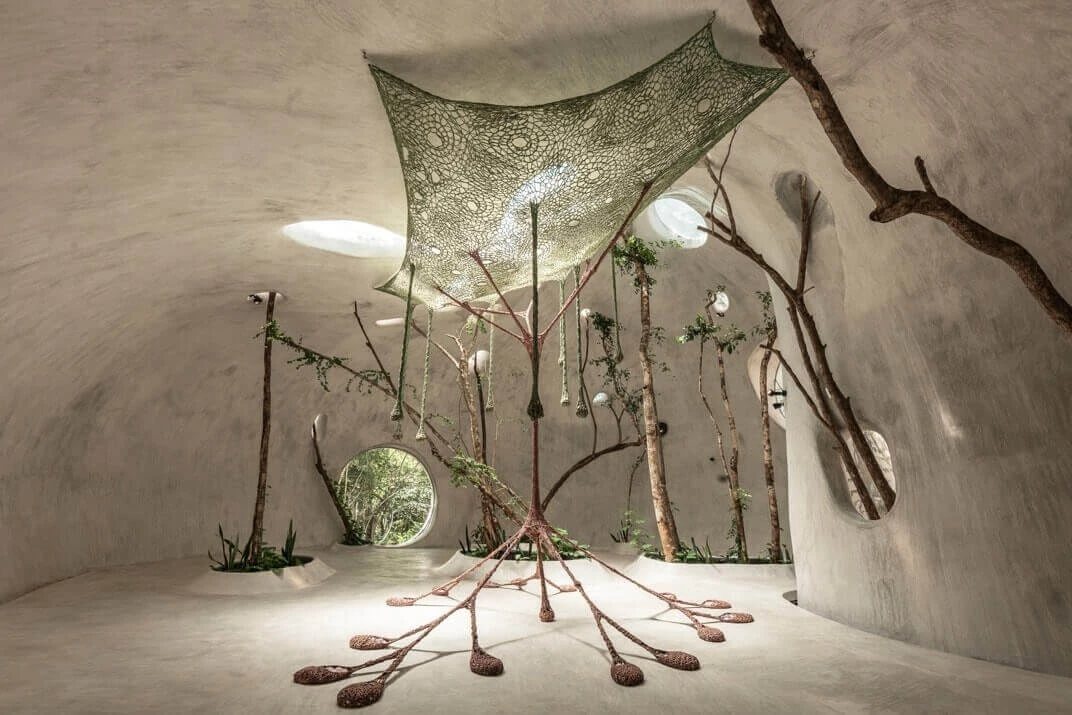
Over twenty years, AZULIK has transformed from boutique hotel to architectural ecosystem. AZULIK Habitat fosters creative experimentation. Roth Architecture continues to develop new typologies rooted in curvature and craft. The Residences translate the philosophy into long term living.
This expansion signals a shift from project to movement. AZULIK is no longer solely a hospitality brand but an evolving manifesto on how architecture might reorient itself toward ecology, craft, and embodied experience.
As global conversations around climate, regenerative design, and ecological responsibility intensify, projects like AZULIK remain both influential and provocative. They challenge conventional architectural hierarchies and question whether built form can coexist with fragile ecosystems without domination.
Over two decades, AZULIK has evolved from an experimental retreat into a layered cultural territory that blends hospitality, art, craft, and environmental sensitivity. Its expansion into SFER IK, Uh May, Habitat, and the Residences reflects an ambition that extends beyond tourism toward spatial philosophy.
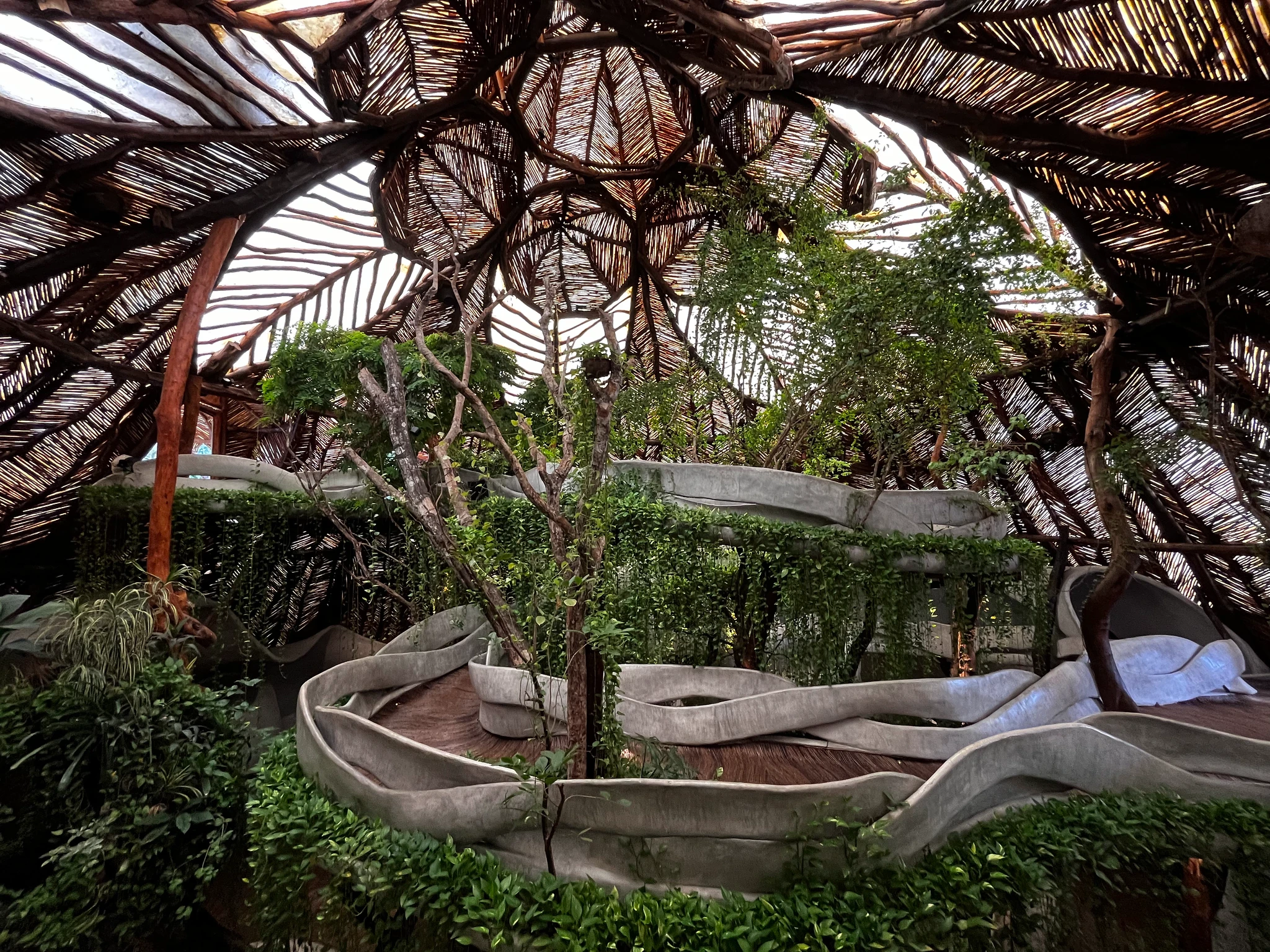
In this conversation with PA’s founder, Hamid Hassanzadeh, Roth reflects on these tensions and aspirations with clarity and introspection, discussing intuition, sustainability, emotion, and the responsibility of building within nature.
The full PA Talks episode with Eduardo Neira is available to watch above. The podcast is also available on Spotify and Apple Podcasts.
Explore Courses
.jpg "Fran Silvestre - Rethinking Architecture")
.jpg2.jpg "Carlo Ratti - Rethinking Architecture")
.jpg "Architecture Diagram Mastery: Concept to Portfolio")