

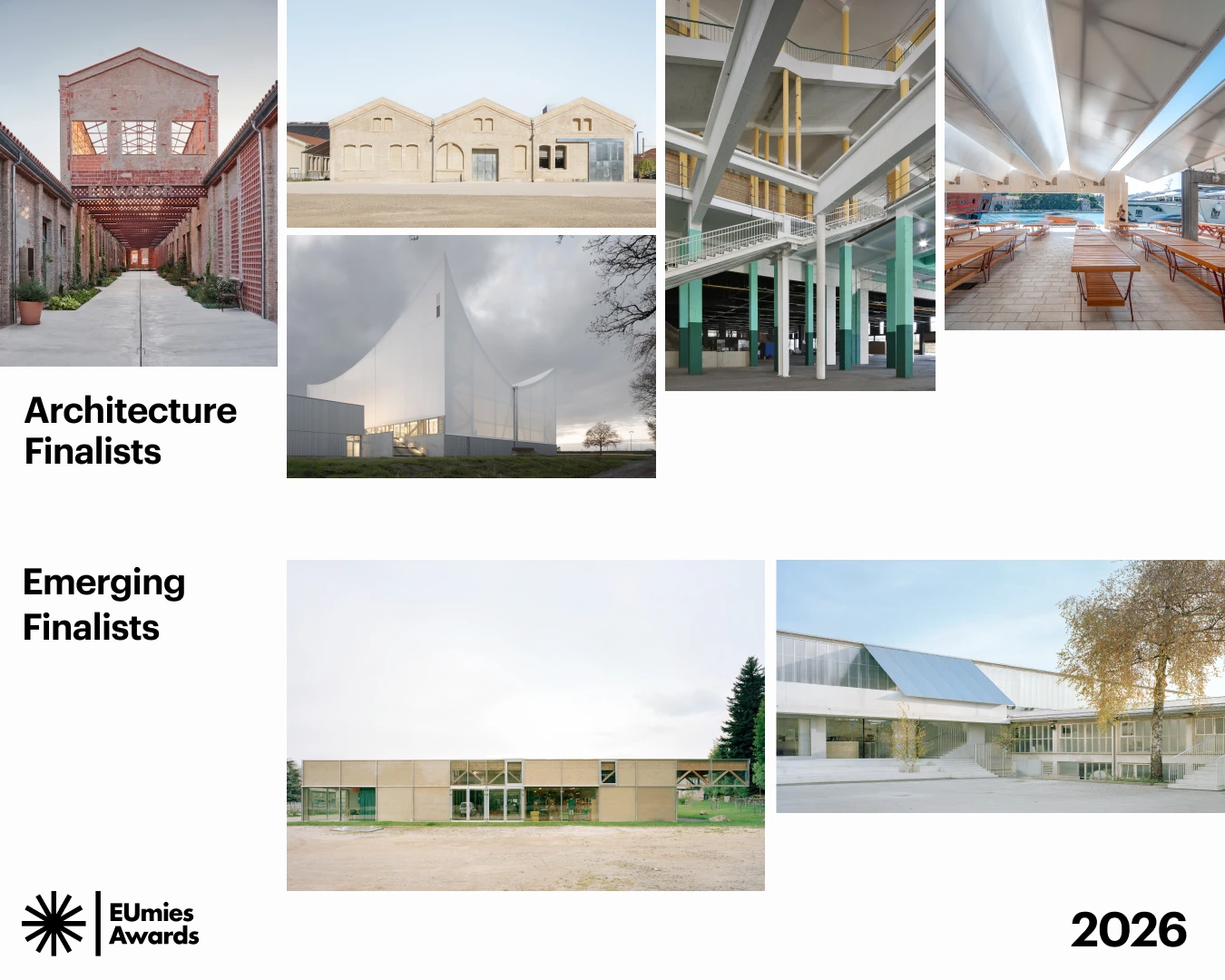







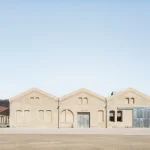
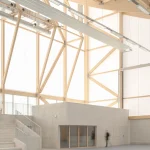
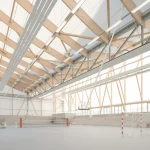
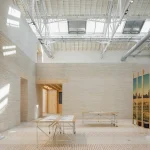


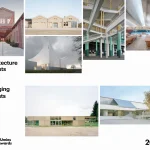
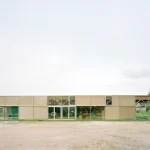
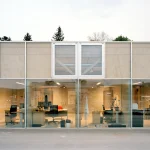
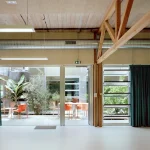
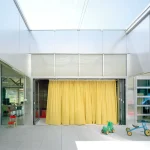
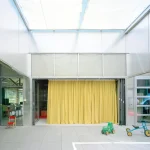
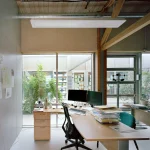
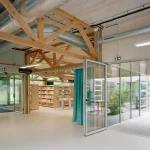
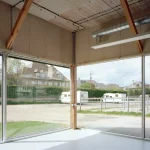
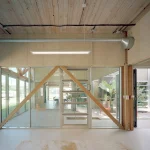
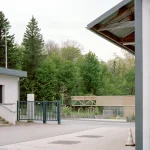
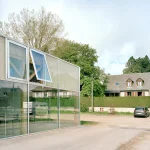
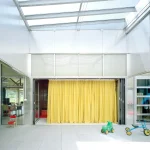
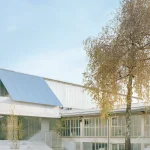
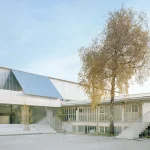
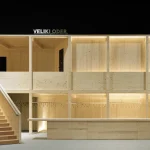
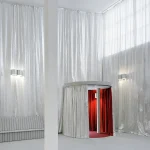

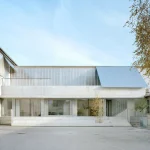
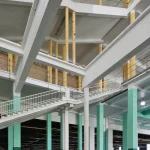
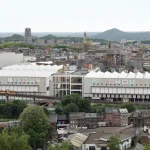
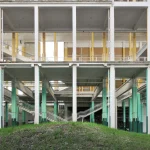
The European Commission and the Fundació Mies van der Rohe have announced the seven finalists for the 2026 European Union Prize for Contemporary Architecture, Mies van der Rohe Awards (EUmies Awards), one of Europe’s most influential architecture prizes. The shortlist brings together five Architecture finalists and two Emerging Architecture finalists, selected for their strong civic impact, careful reuse of existing structures, and clear commitment to social and cultural life across Europe.
The finalists were revealed on 5 February 2026 in Barcelona. In March, the international jury will visit each project before selecting the winners. The Architecture and Emerging winners will be announced on 16 April 2026 in Oulu, Finland, one of the European Capitals of Culture 2026. The EUmies Awards Days, including the awards ceremony, exhibitions, and public debates, will follow on 11 and 12 May 2026 in Barcelona as part of the Barcelona World Capital of Architecture UNESCO-UIA.
The 2026 EUmies Awards Architecture Finalists
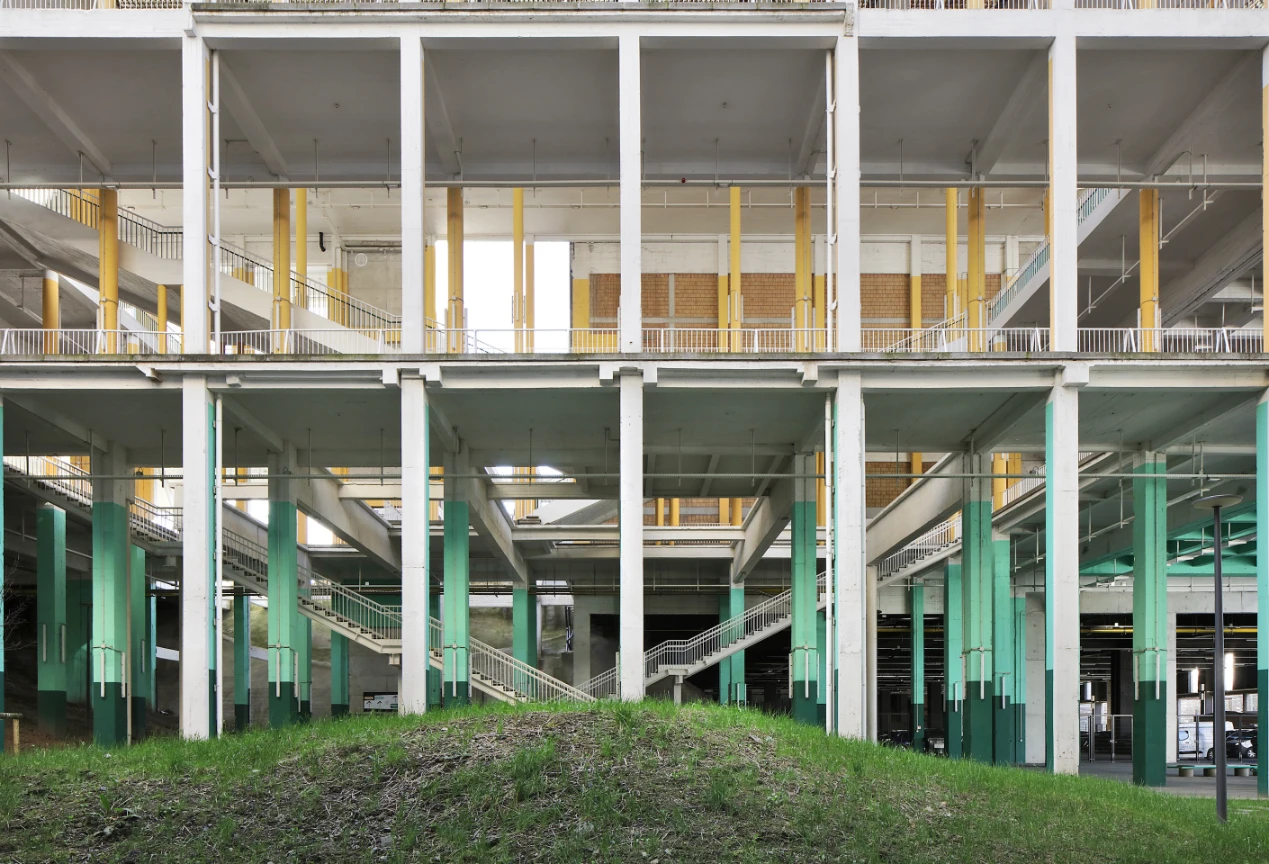
Charleroi Palais des Expositions, Belgium
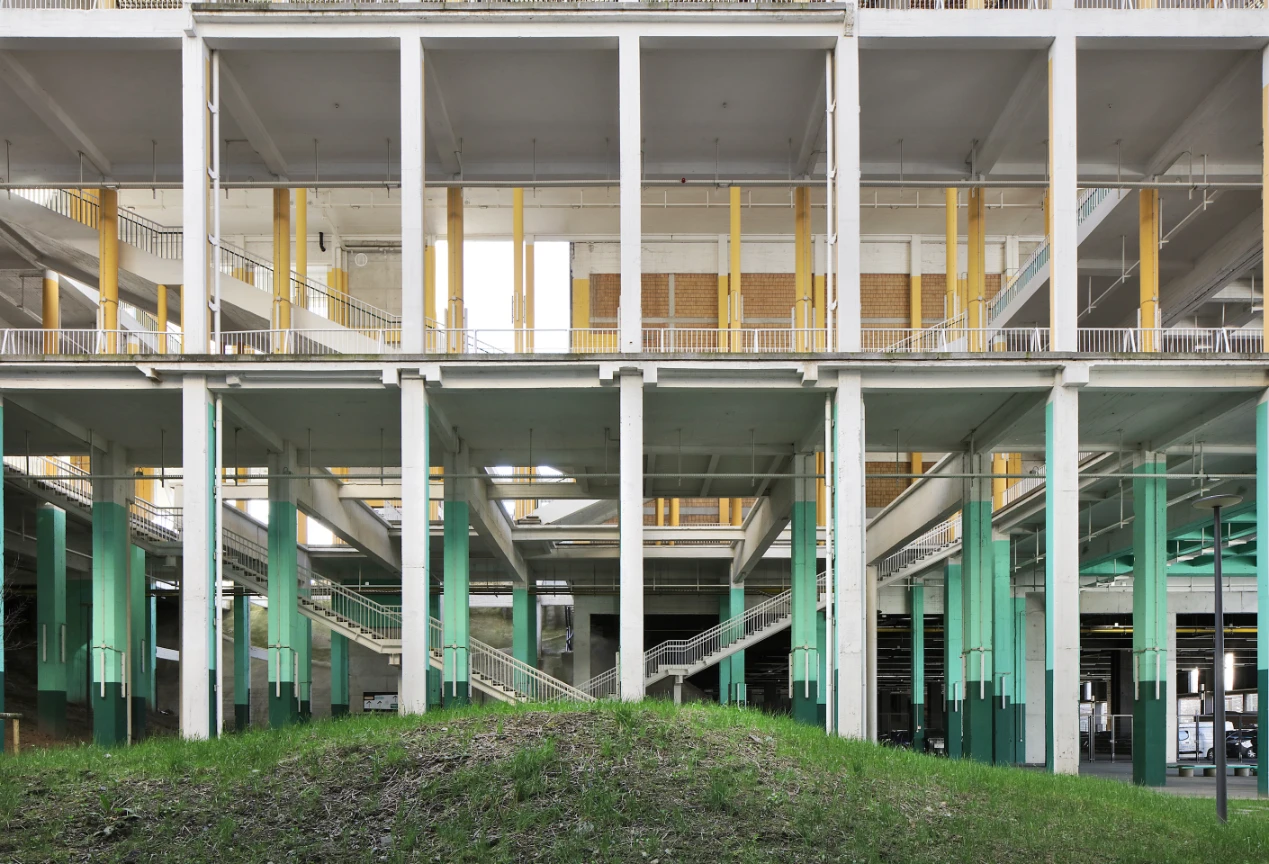
Architect: AgwA, Brussels + architecten jan de vylder inge vinck, Ghent
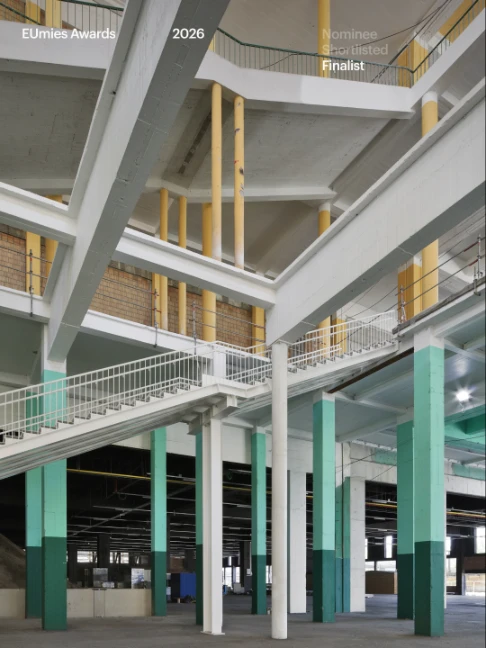
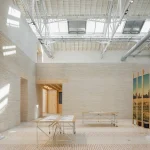
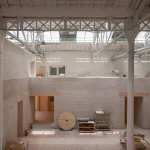
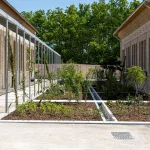
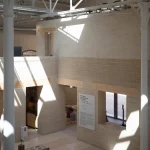
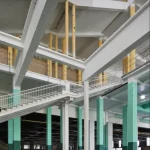
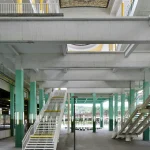
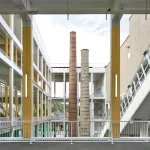
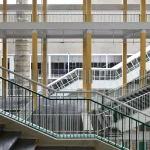
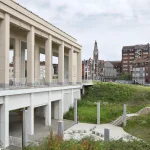
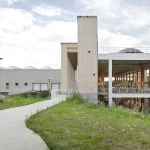
Located in Charleroi, the renovation of the 1950s Palais des Expositions rethinks a once inward-looking convention center as a space open to the city. Instead of demolition, the architects reused the existing structure, opening the central hall to extend public space inside the building. Outside, hard surfaces were replaced by a continuous green park, reconnecting the site to its industrial surroundings. The project shows how adaptive reuse and urban regeneration can work together without erasing architectural identity.
Rehabilitation of Vapor Cortès – Prodis 1923, Terrassa, Spain
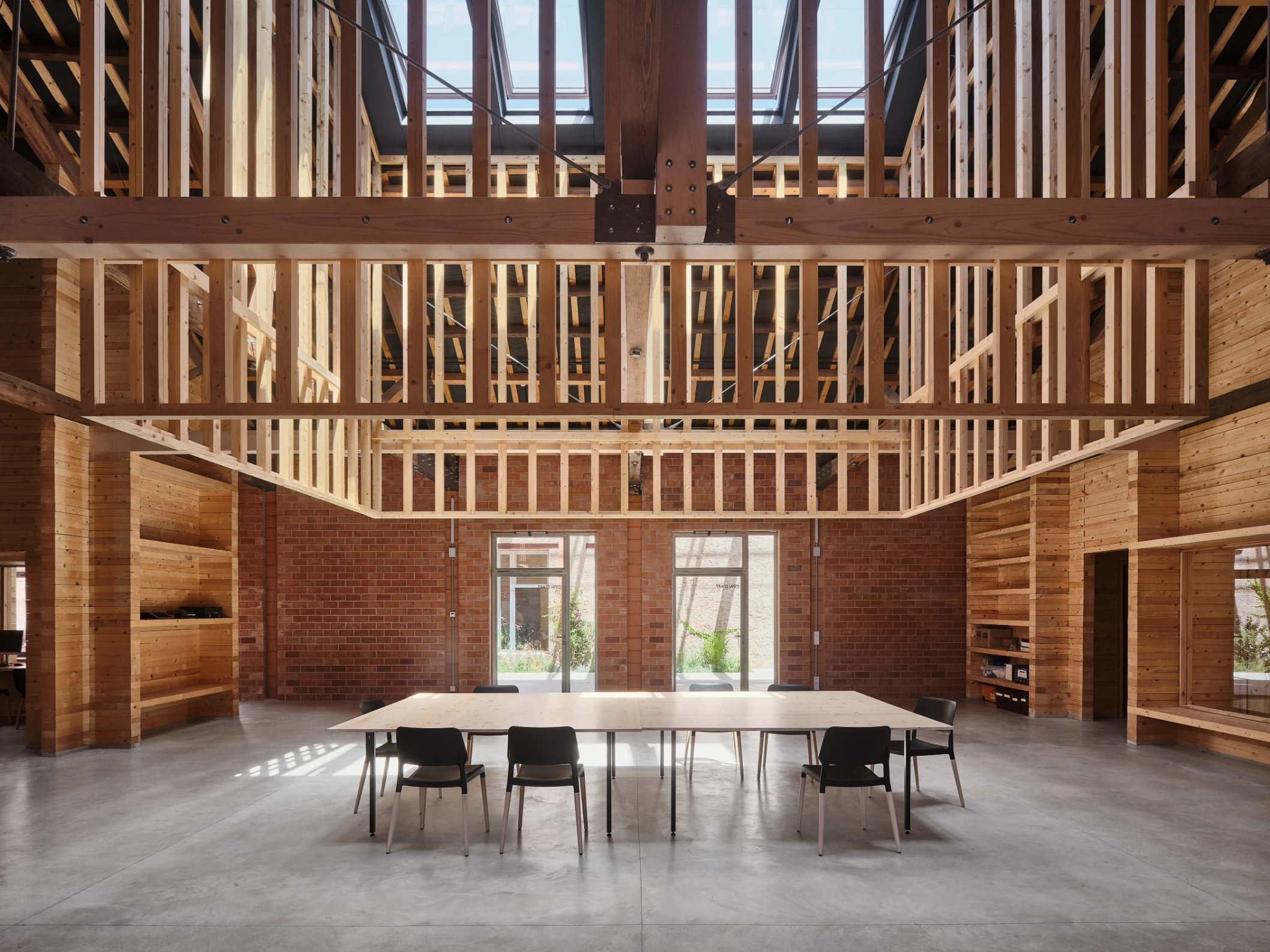
Architect: H ARQUITECTES
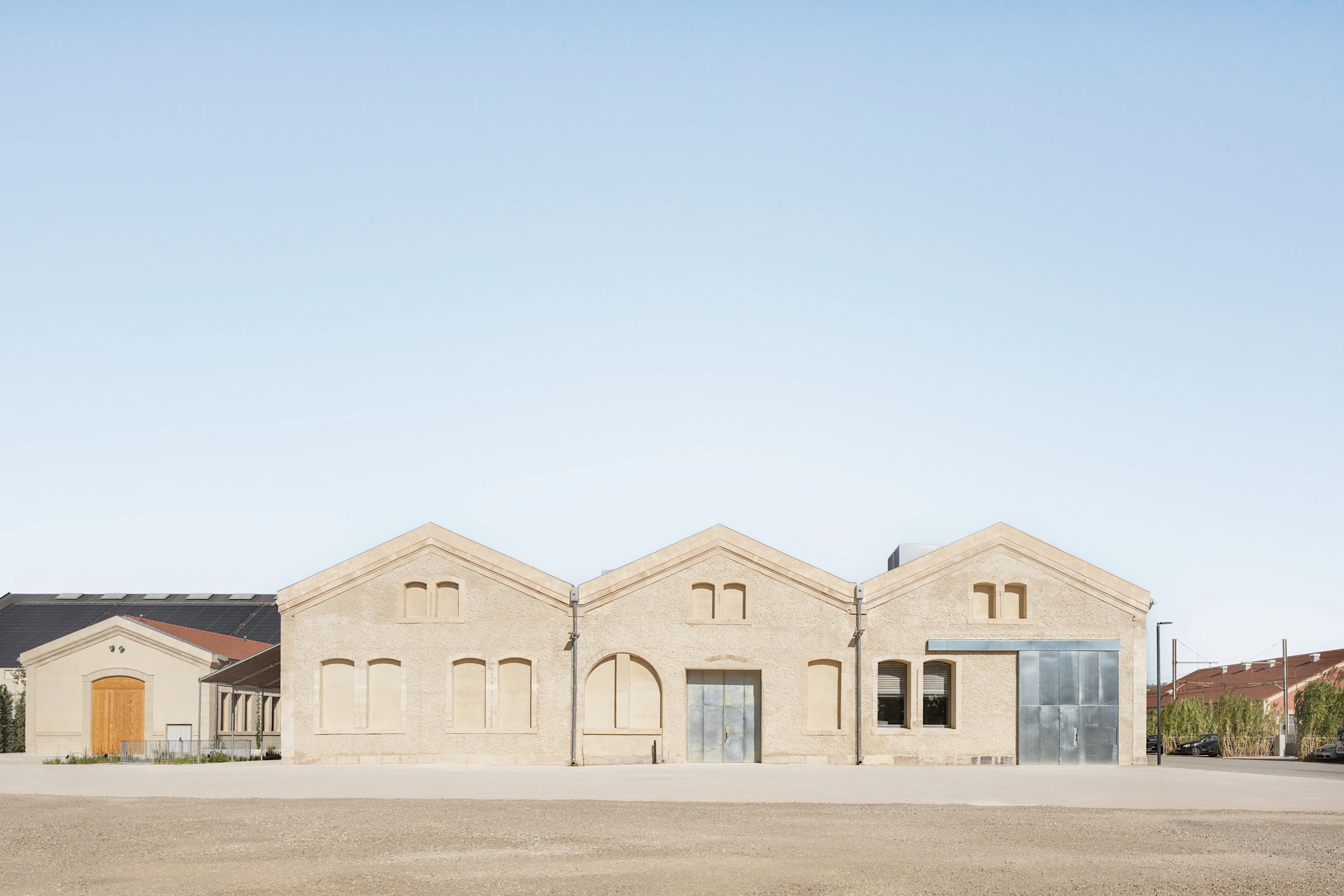
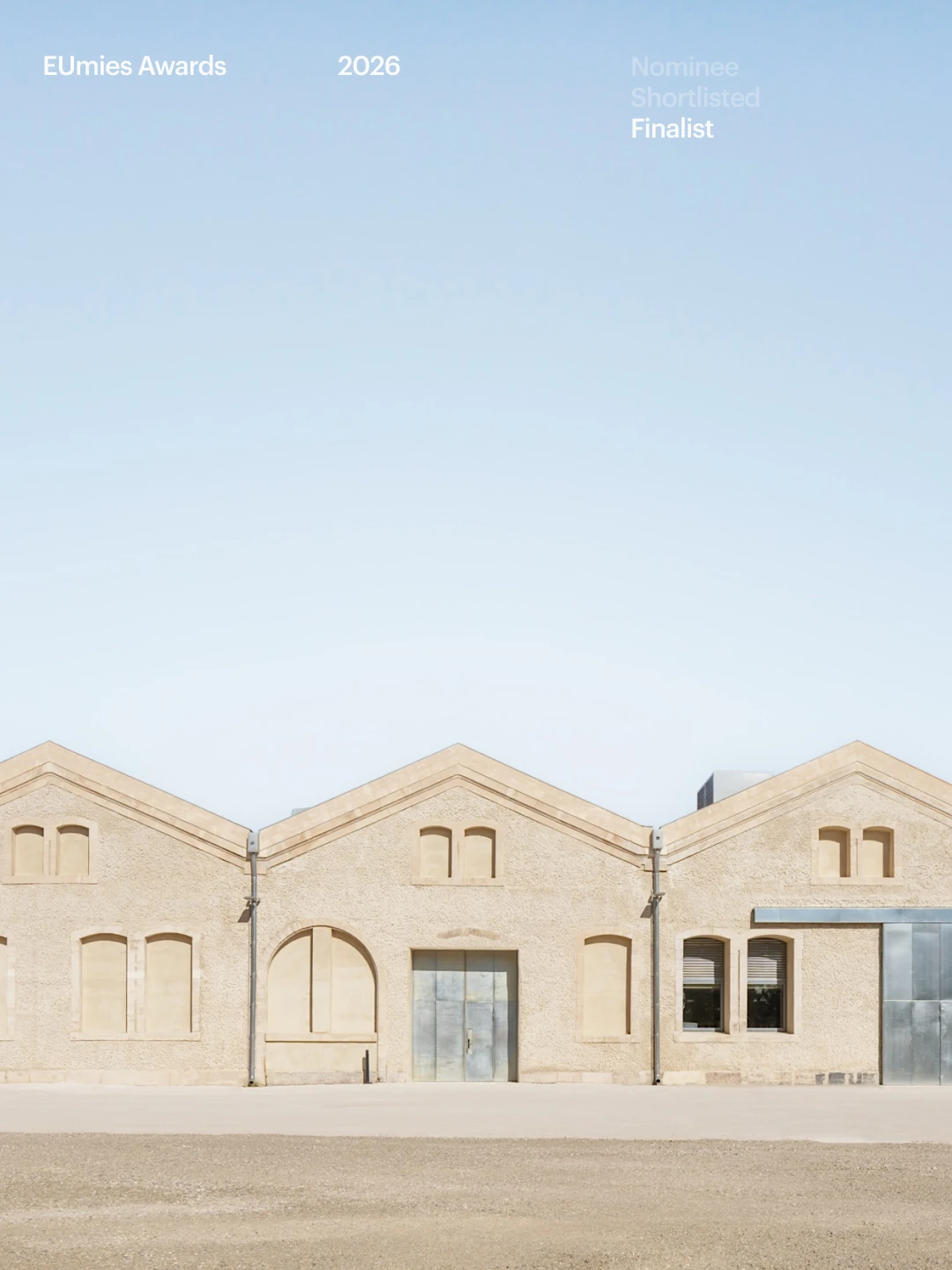
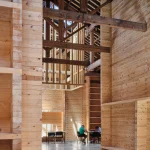
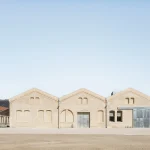
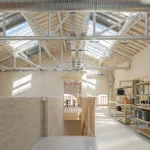
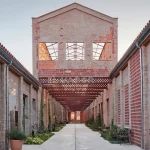
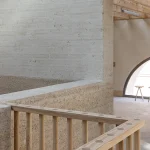
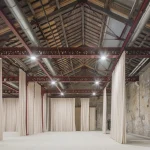
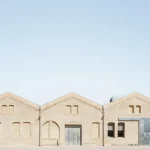
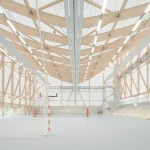
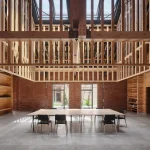
In Terrassa, a former industrial complex has been transformed into the new headquarters of PRODIS, an organization supporting people with intellectual disabilities. H ARQUITECTES preserved the industrial character of the Vapor Cortès warehouses while introducing wooden structures, skylights, and passive energy systems. A recovered passage now acts as a public street, weaving the building back into the city. The project stands out among European social architecture projects for its clarity and restraint.
Lot 8, LUMA Arles – Renovation of Le Magasin Électrique, France
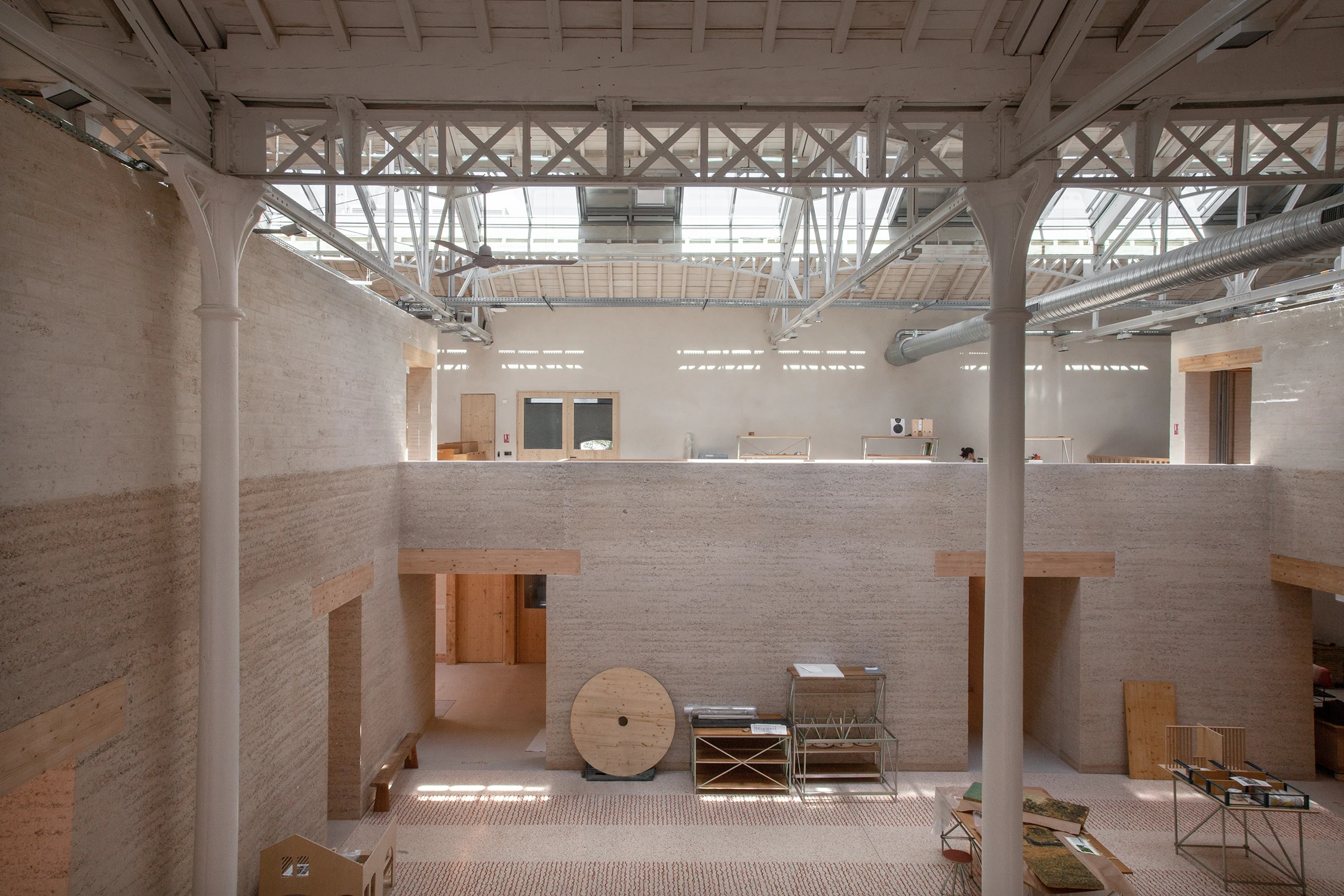
Architect: Atelier Luma, BC architects & studies, with ASSEMBLE
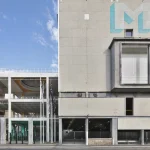
Commissioned by the Luma Foundation, this renovation of a 19th-century railway depot in Arles became Atelier LUMA, a research and production space focused on bioregional design. The project uses local Camargue materials and regenerative construction methods, blending architecture, ecology, and craft. The building demonstrates how contemporary European architecture can evolve directly from its place, materials, and local knowledge.
Josephine Baker – Marie-José Pérec Sports and Cultural Centre, France
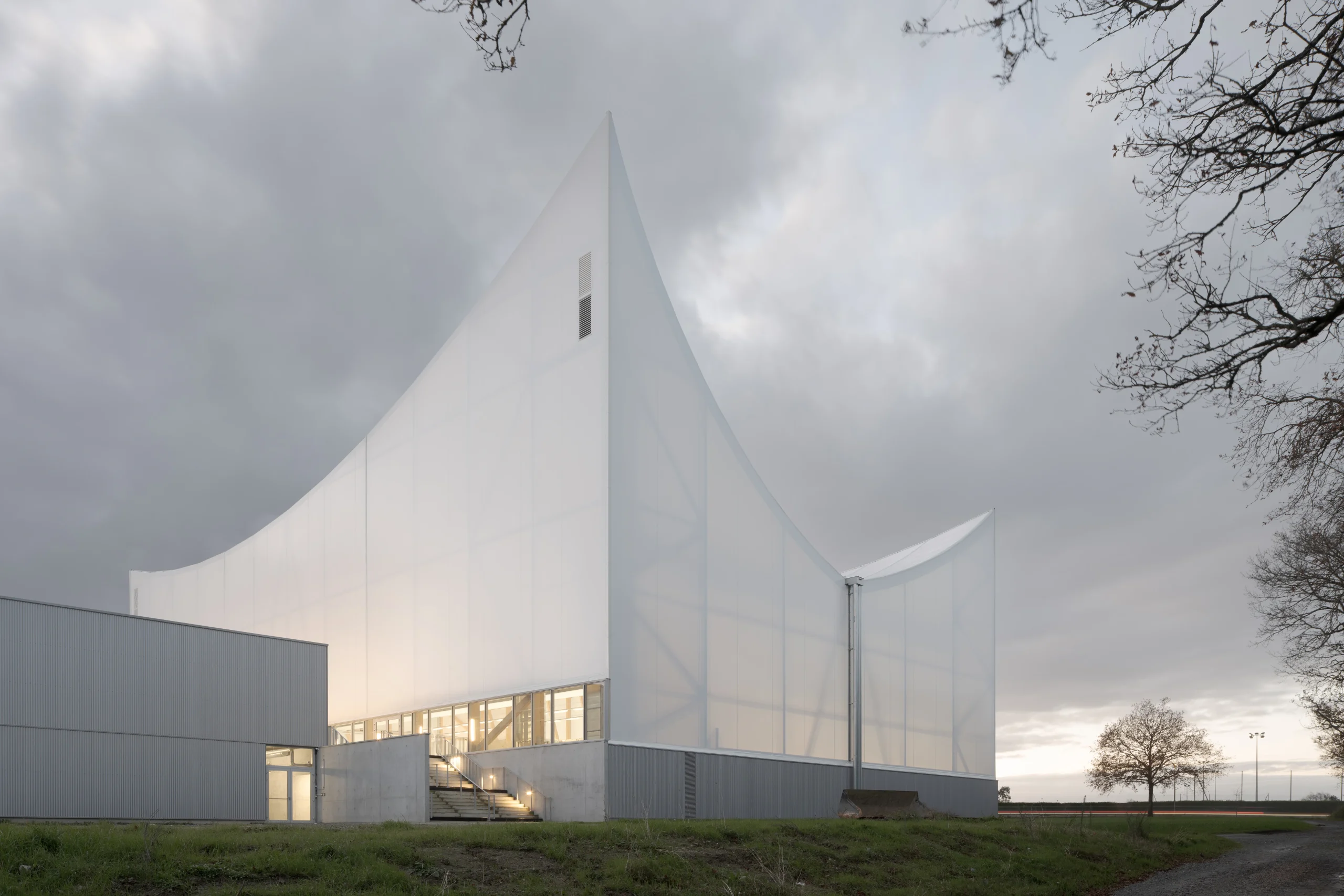
Architect: onze04, Nantes-Barcelona (Gustavo Silva-Nicoletti)
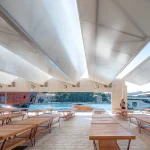
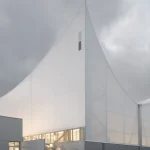
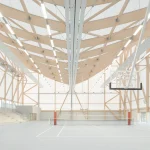
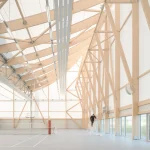
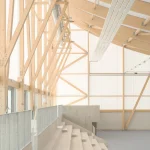
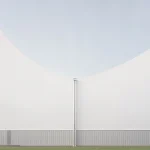
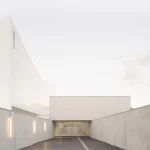
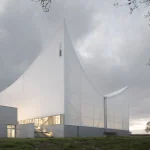
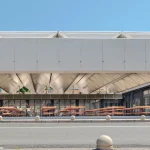
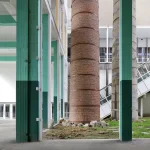
Built in La Bouëxière, Brittany, this new sports and cultural center serves both residents and regional competitions. The building integrates existing facilities into a single hub, reconnecting peripheral neighborhoods. Its lightweight textile roof allows natural light and ventilation while giving the structure a clear public presence. Named after two iconic athletes, the project exemplifies how public architecture in small communities can seamlessly combine identity, function, and accessibility.
Gruž Market, Dubrovnik, Croatia
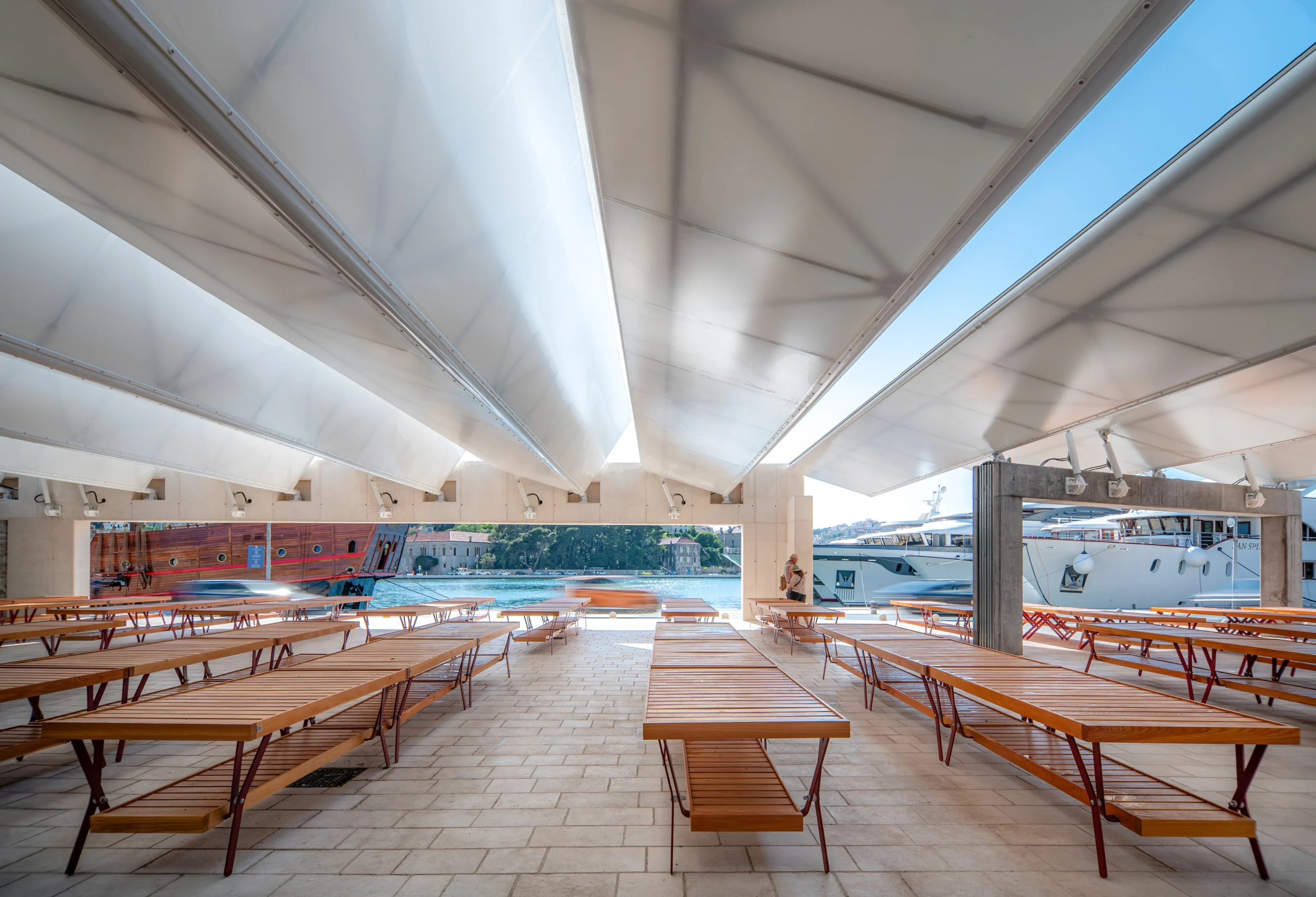
Architect: ARP / Peračić-Veljačić
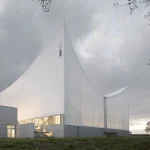
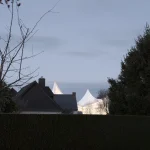
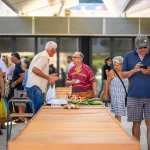
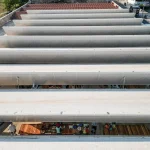
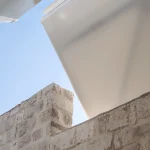
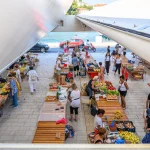
Set within Dubrovnik’s historic context, the renewed Gruž Market is defined by a floating, adjustable canopy that shelters vendors while preserving openness. The structure provides climatic protection, reinforces the market’s identity, and brings new life to a civic space without competing with its surroundings. The project highlights how heritage-sensitive design can still introduce strong contemporary form.
The Emerging Architecture Finalists
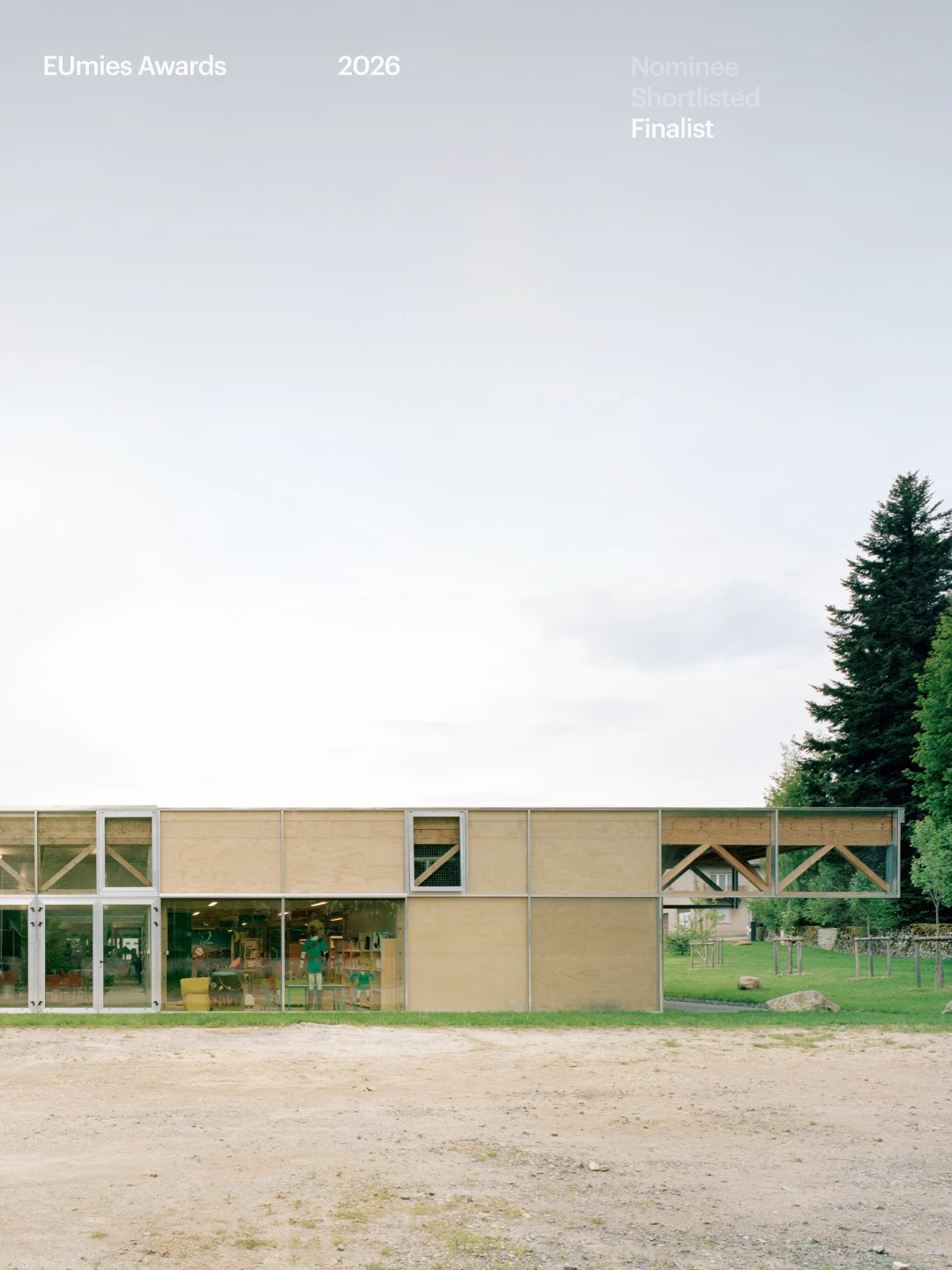
Multi-Service Cultural Centre Le Foirail, Laguiole, France
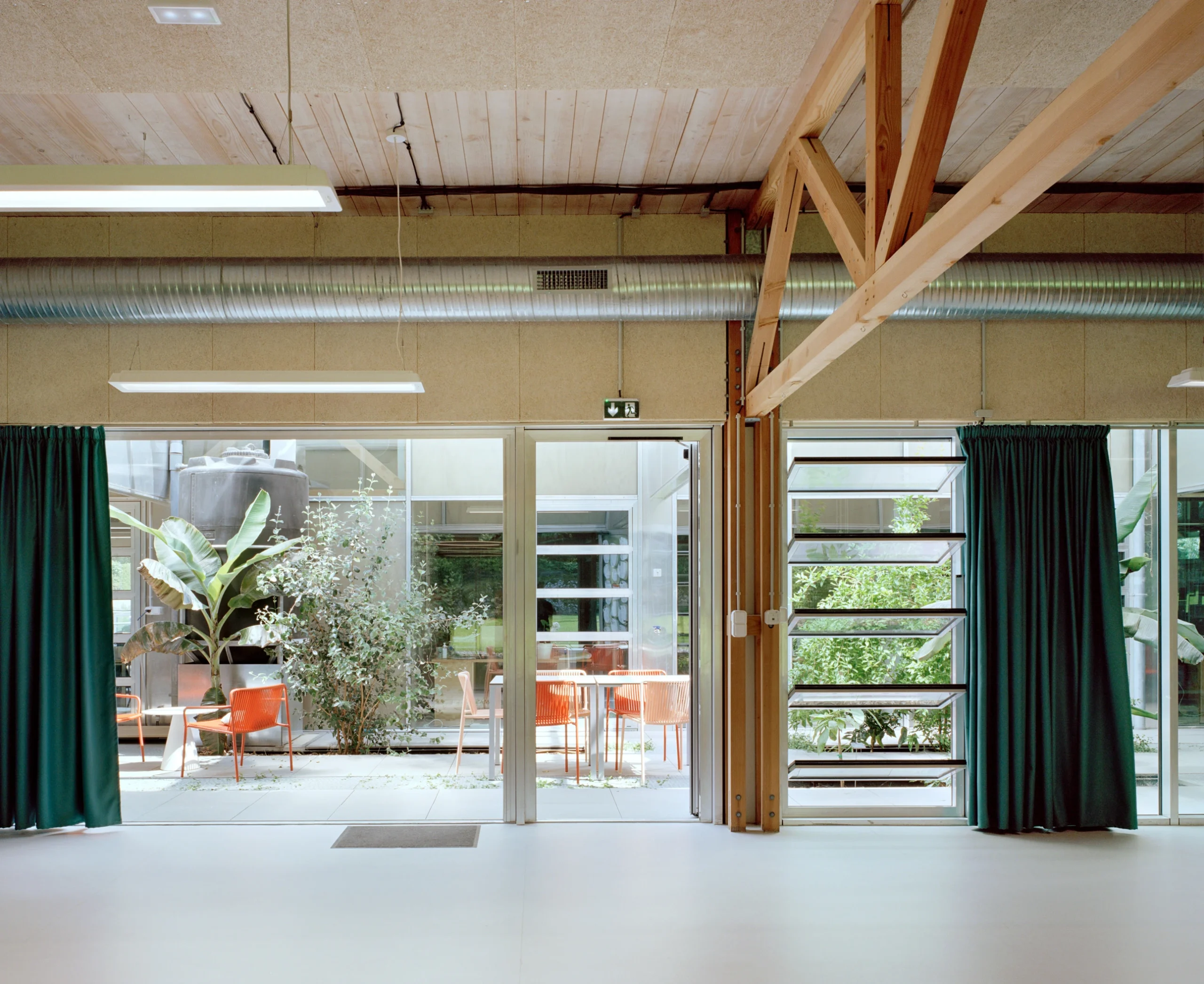
Architect: Betillon & Freyermuth and Crypto Architectes
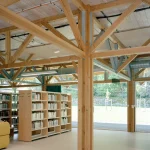
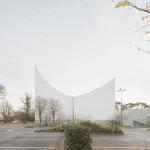
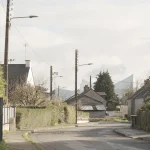
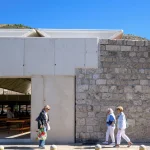
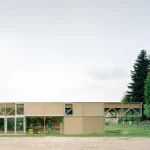
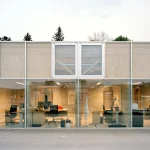
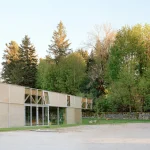
In the rural town of Laguiole, Le Foirail is a flexible public hall designed to host cultural and social activities. Built with limited resources and local materials, the building avoids historic imitation in favor of adaptability. It functions as a shared space that can evolve with community needs, offering a strong example of emerging European architecture rooted in place.
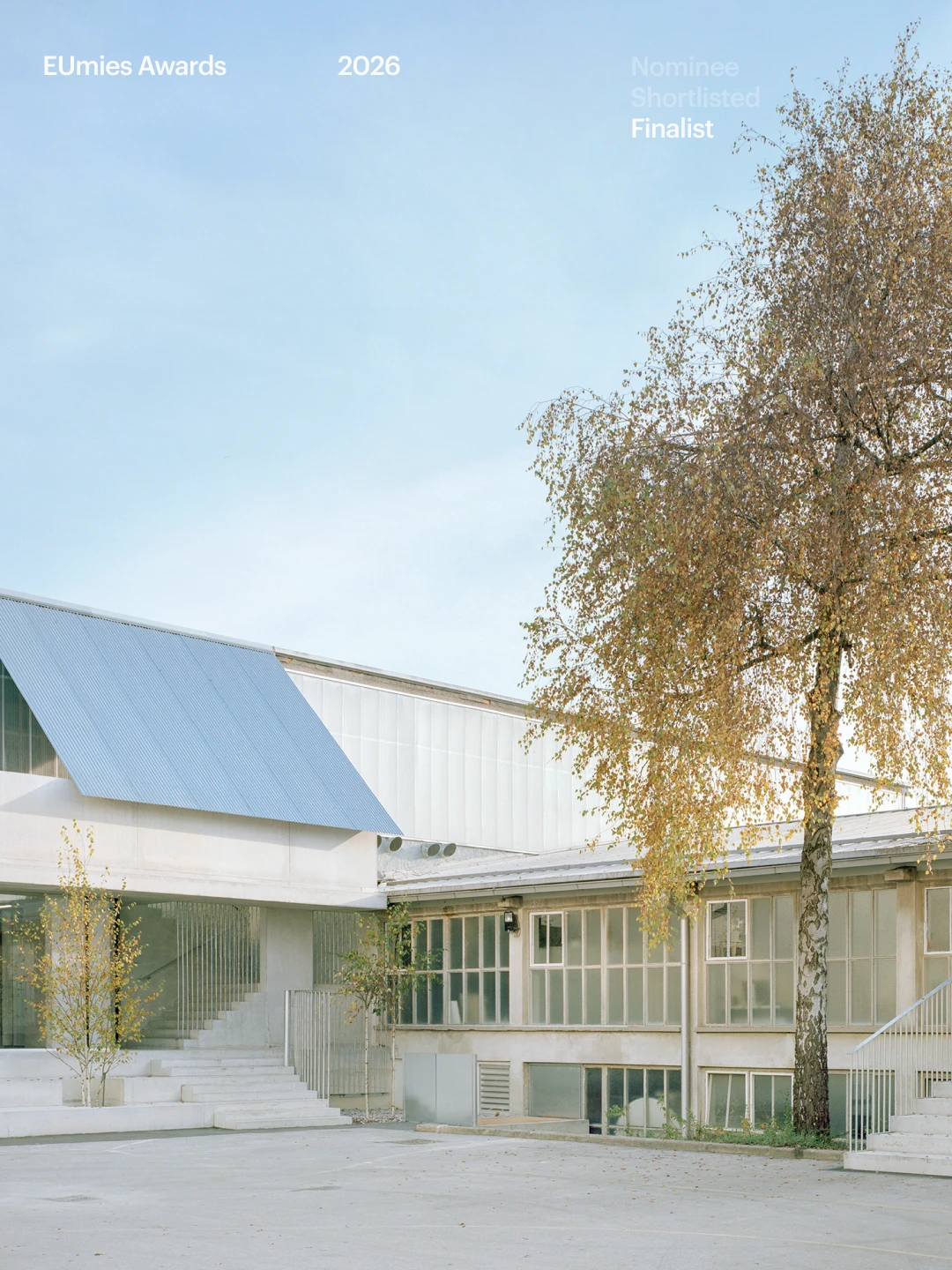
Temporary Spaces for the Slovenian National Theatre Drama, Ljubljana
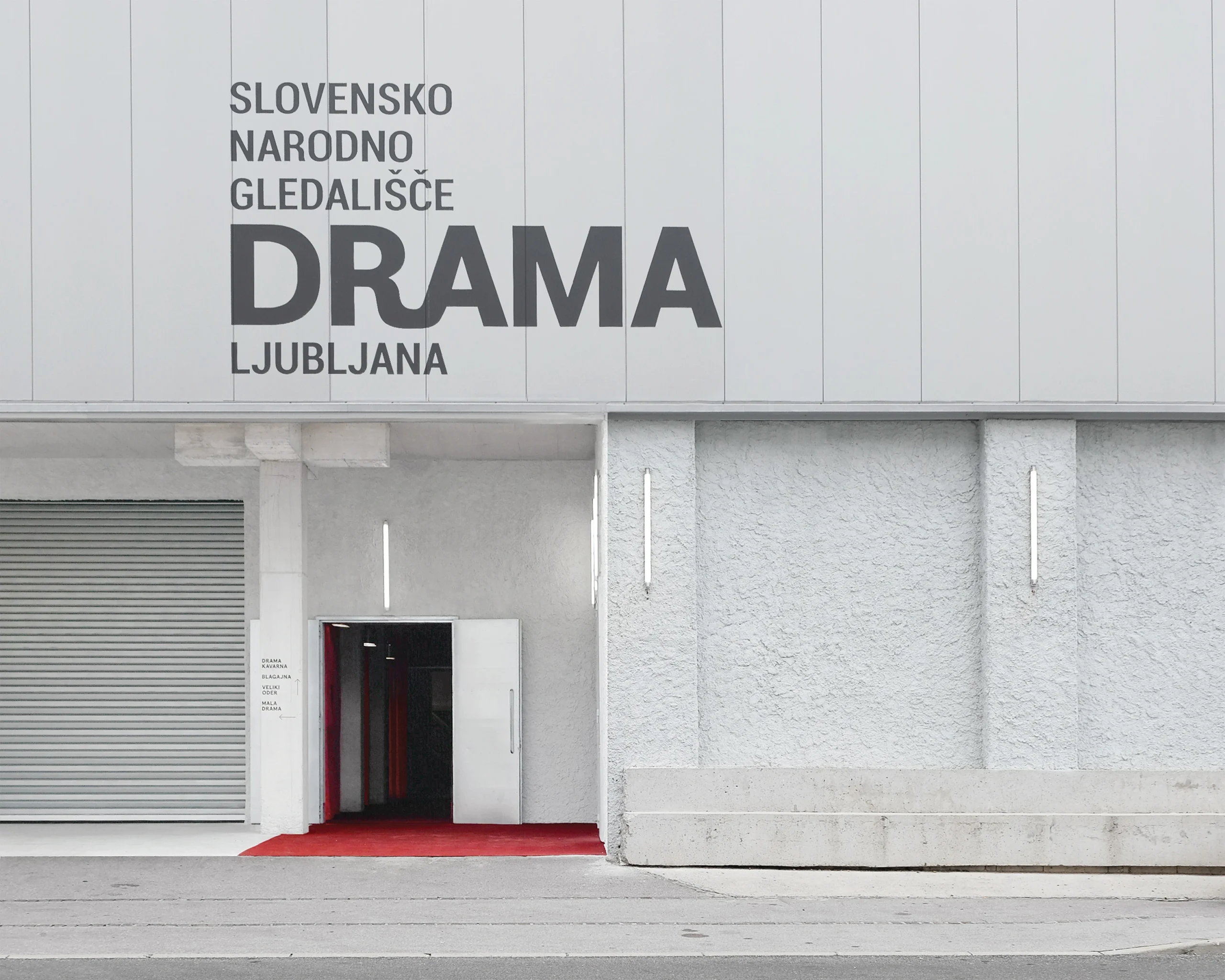
Architect: Vidic Grohar Arhitekti
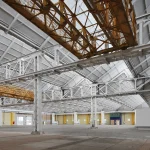
During renovations of Ljubljana’s historic theatre, an abandoned industrial hall was converted into a temporary national stage. Using low-cost and fast interventions, the architects transformed the space into a lively public venue. The project demonstrates how temporary architecture and adaptive reuse can respond to urgent cultural needs while creating long-term urban value.
Chaired by Smiljan Radić, the EUmies Awards 2026 jury emphasized projects that shape shared space and respond to real conditions. Jury members highlighted the balance between preservation and intervention and the care shown toward materials, scale, and everyday use. Across the shortlist, architecture is treated not as an object, but as an active part of civic life in cities, towns, and rural communities.
What Comes Next for the EUmies Awards 2026
After the jury site visits in March, the winners will be announced in April in Oulu, followed by the EUmies Awards Days in Barcelona in May 2026. The program will include lectures, debates, exhibitions of all participating works, and the Out&About visits, allowing the public to experience shortlisted projects with architects and critics on site.