








Staff at the Louvre museum have escalated industrial action this winter amid rising frustration over working conditions, chronic understaffing, and the museum’s proposed €700 million-plus redevelopment project, which workers say diverts attention and resources from urgent maintenance and safety work necessary to protect both the collection and those who care for it.
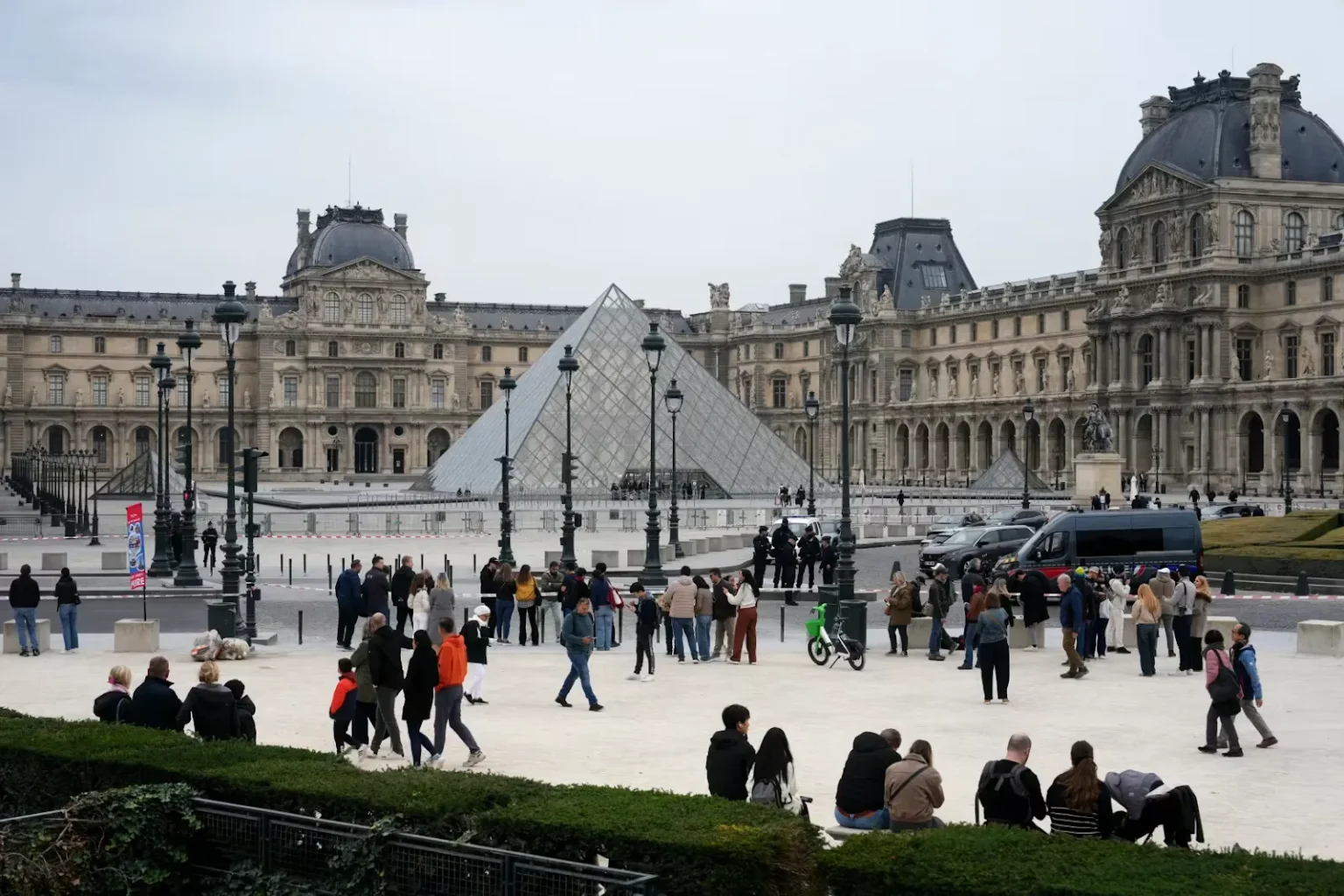
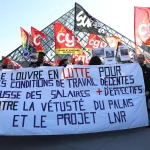
On 5 January 2026, Louvre employees voted to resume strike action, with a large majority opting to walk out over what unions describe as deteriorating working conditions and management neglect. The museum’s opening was delayed that morning as staff met to decide whether to continue the action, a continuation of industrial fuss that first saw walkouts in December.

Union representatives from the French Democratic Confederation of Labour (CFDT), Syndicat National des Musées et Domaines (SNMD-CGT), and SUD Culture Solidaires say that the strike reflects deep dissatisfaction across departments, including reception, security, curators, and support staff. Their concerns stretch from insufficient staffing levels and poor building maintenance to failure to address historic infrastructure faults.
In late 2025, staff staged a rolling strike that at times shut the museum’s doors entirely, forcing the closure of galleries and leaving visitors waiting outside. One general assembly in mid-December saw around 400 employees vote unanimously to strike, citing overloaded work duties, aging facilities, and safety concerns triggered by a daylight robbery in October 2025, when thieves stole crown jewels from the museum.
Clash Over a Louvre Museum Major Redevelopment Plan
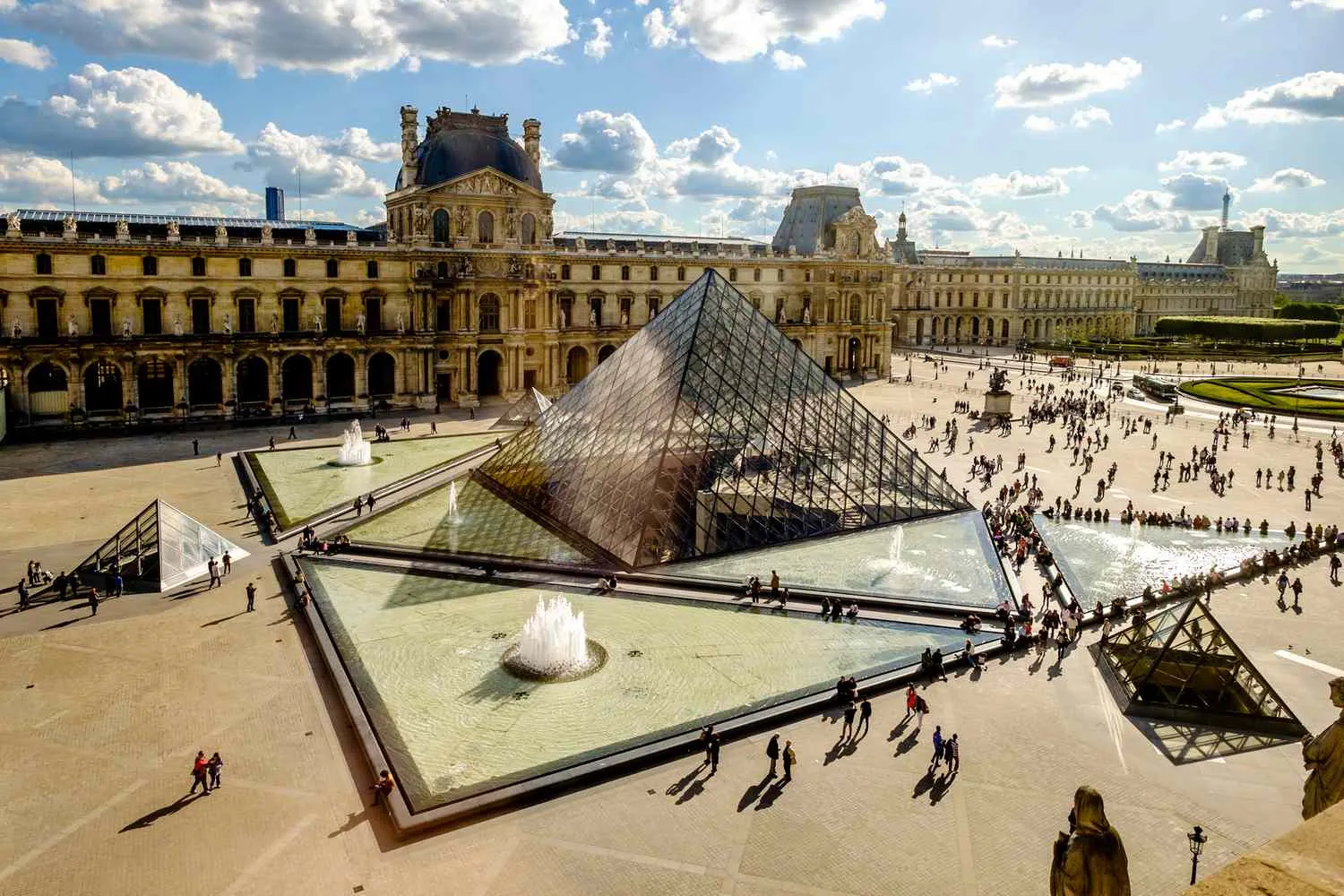
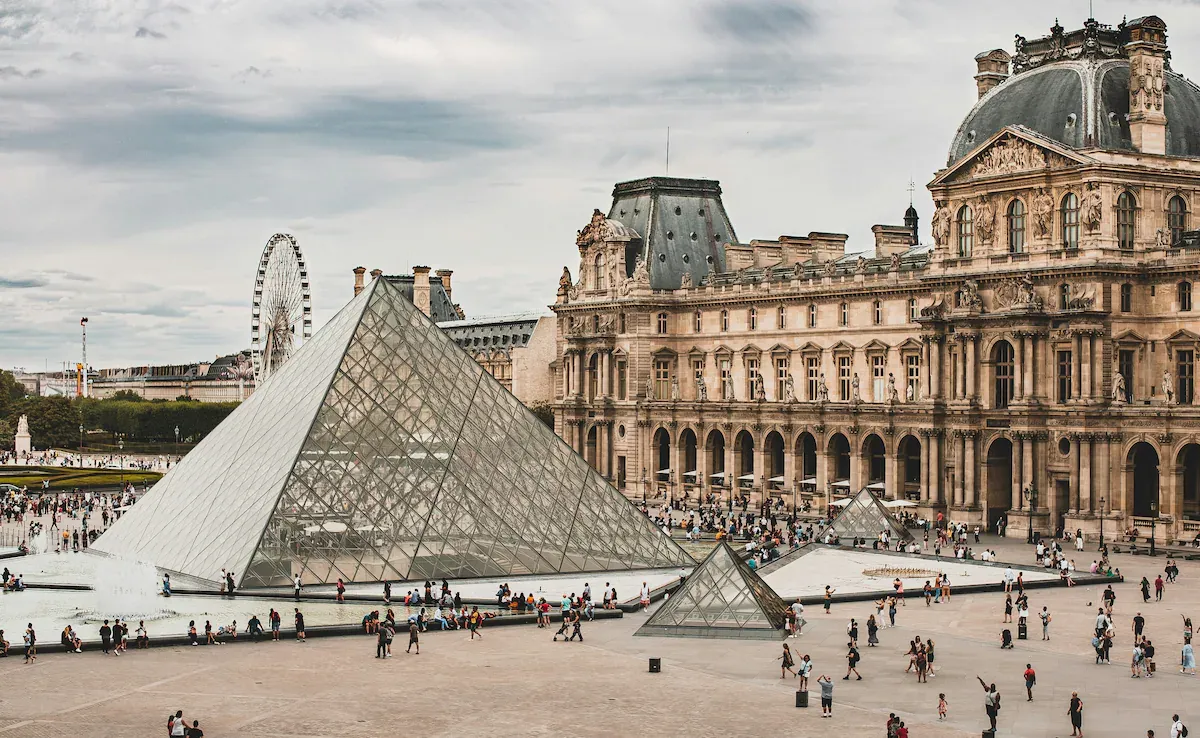
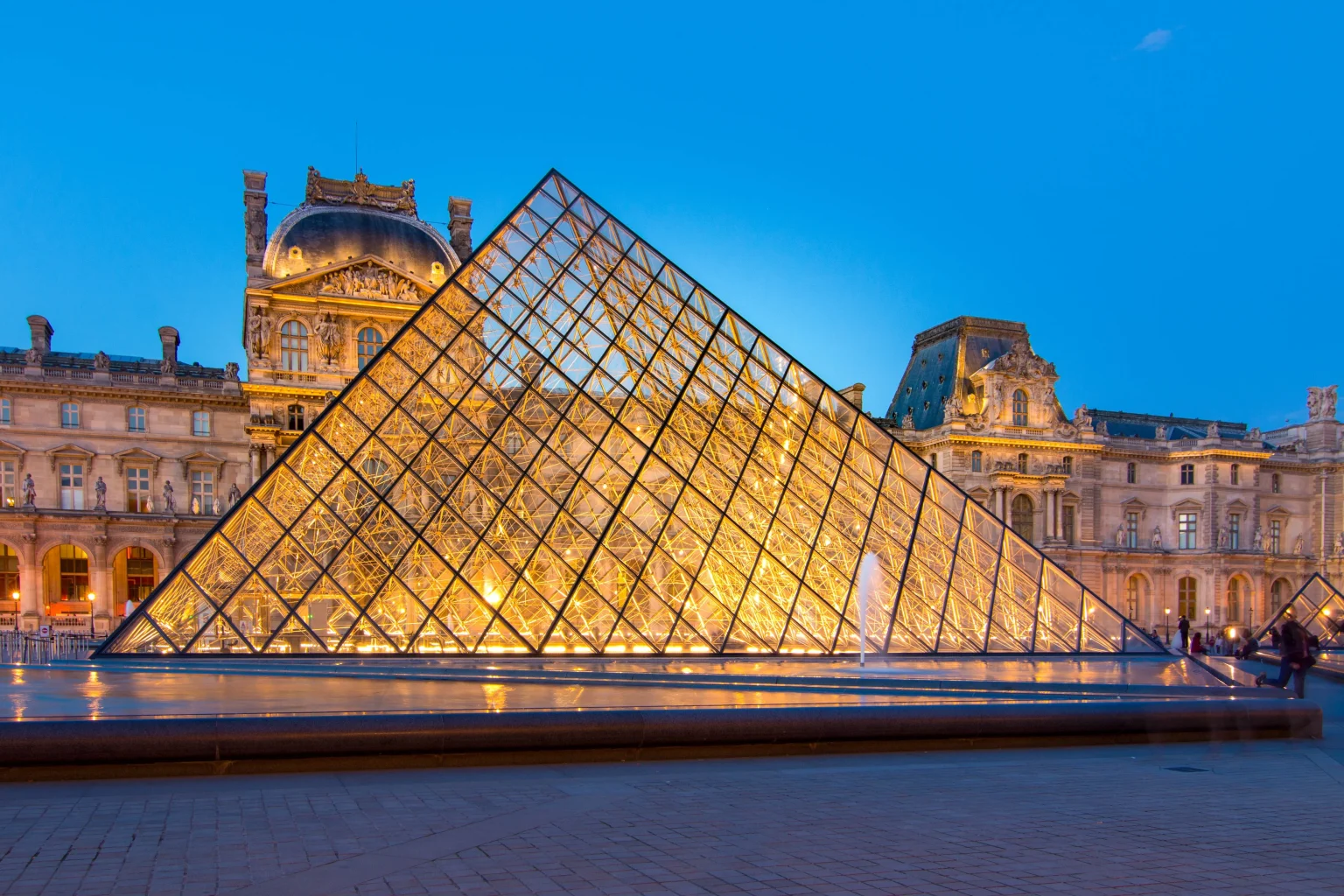
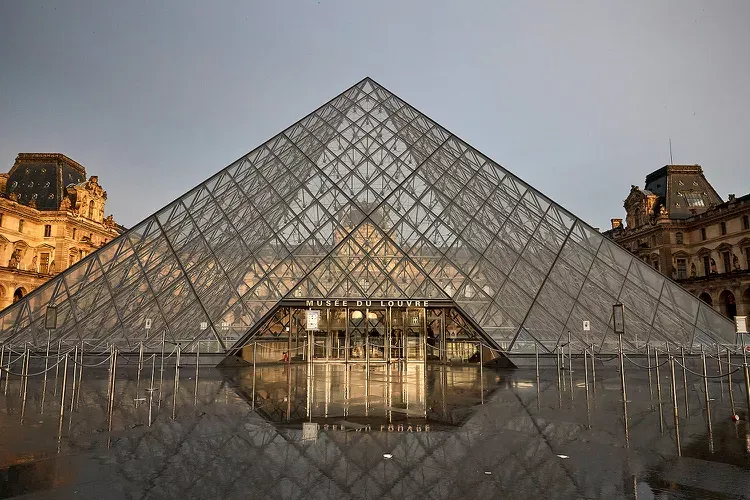
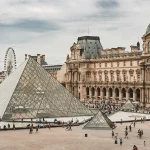
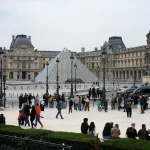
The dispute is over the Louvre redevelopment project, officially tied to the Louvre Nouvelle Renaissance vision announced by President Emmanuel Macron and supported by museum leadership. This decade-long overhaul aims to modernize visitor circulation, expand exhibition space, and relieve chronic overcrowding that has long tested the limits of I.M. Pei’s iconic glass pyramid entrance.
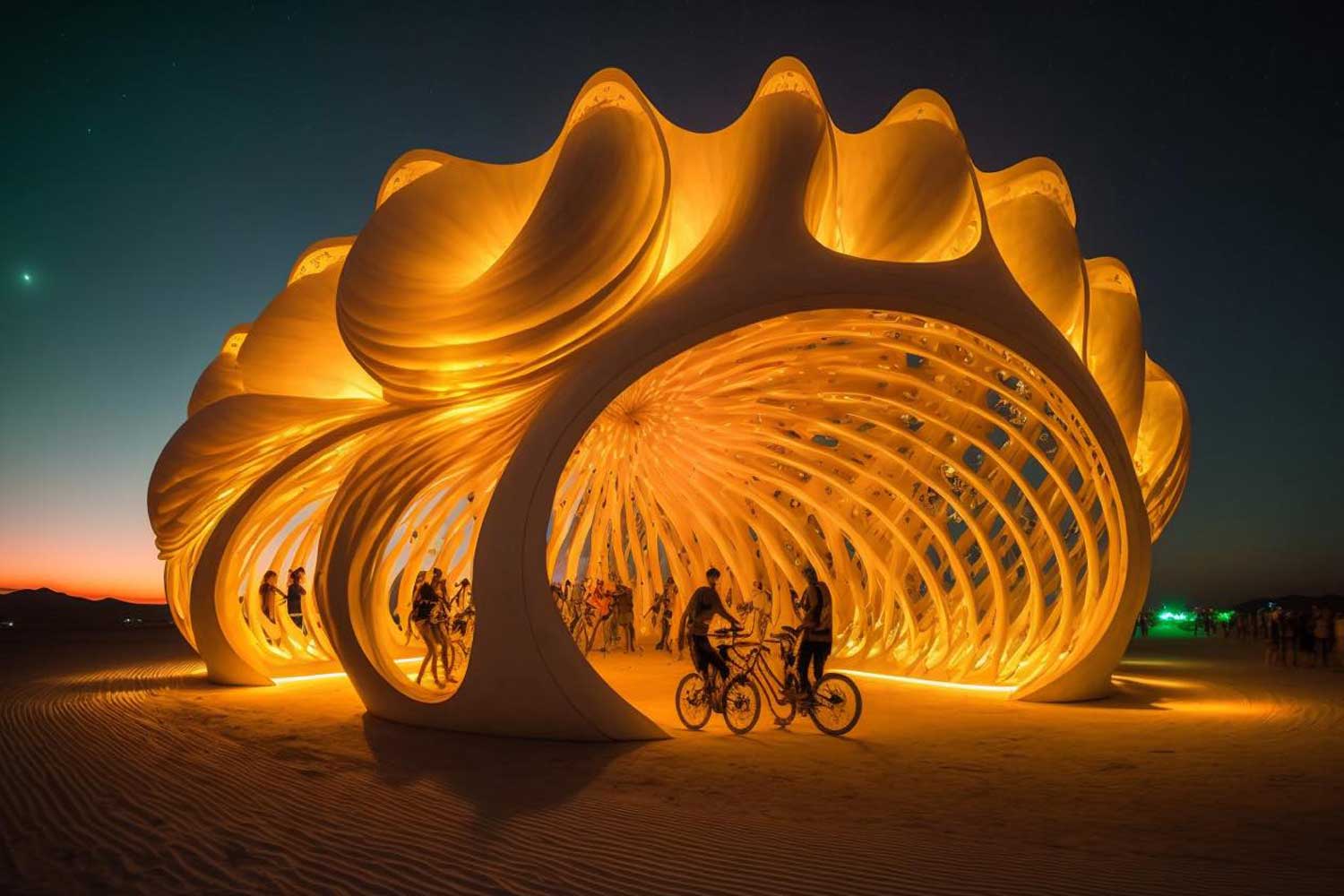
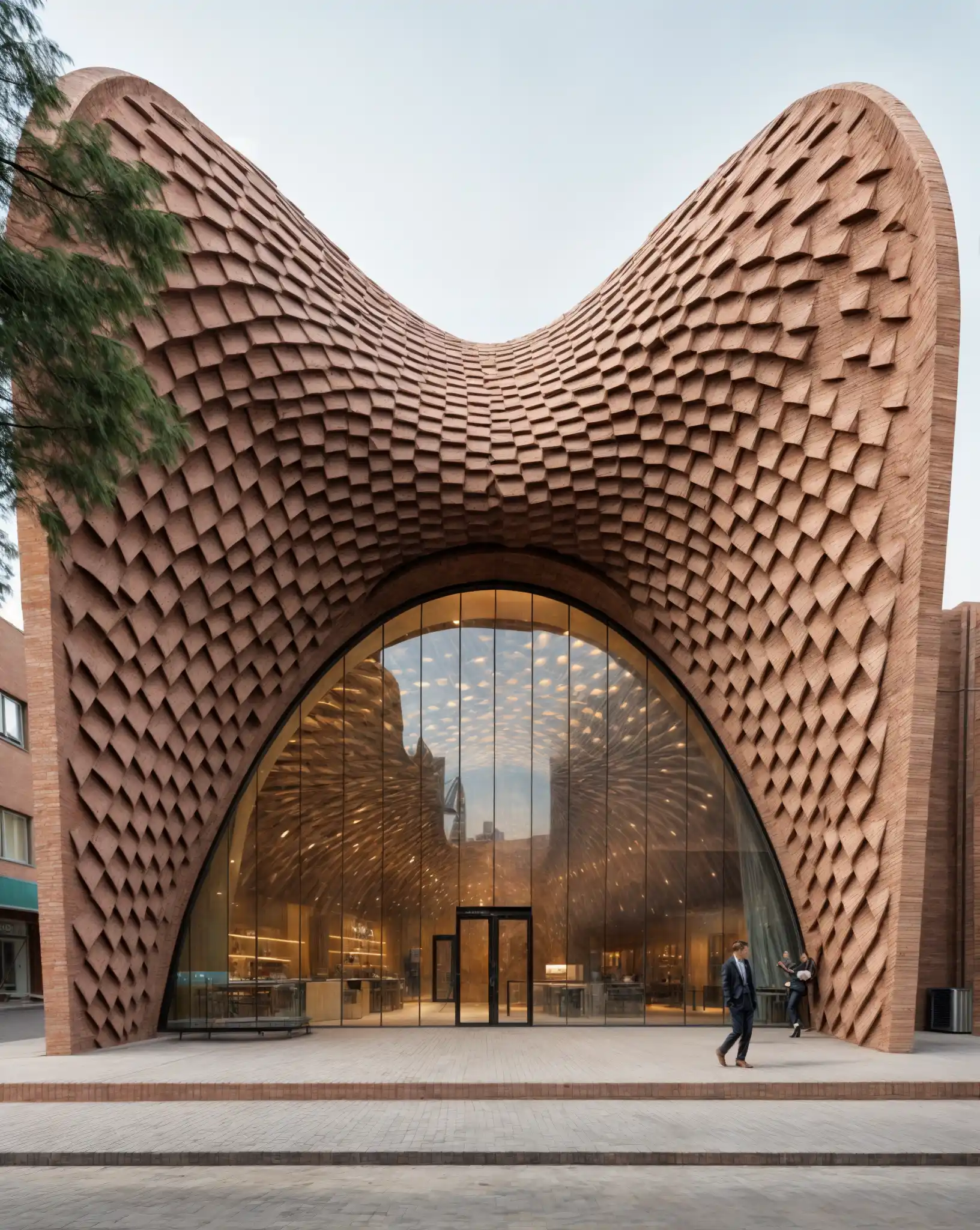
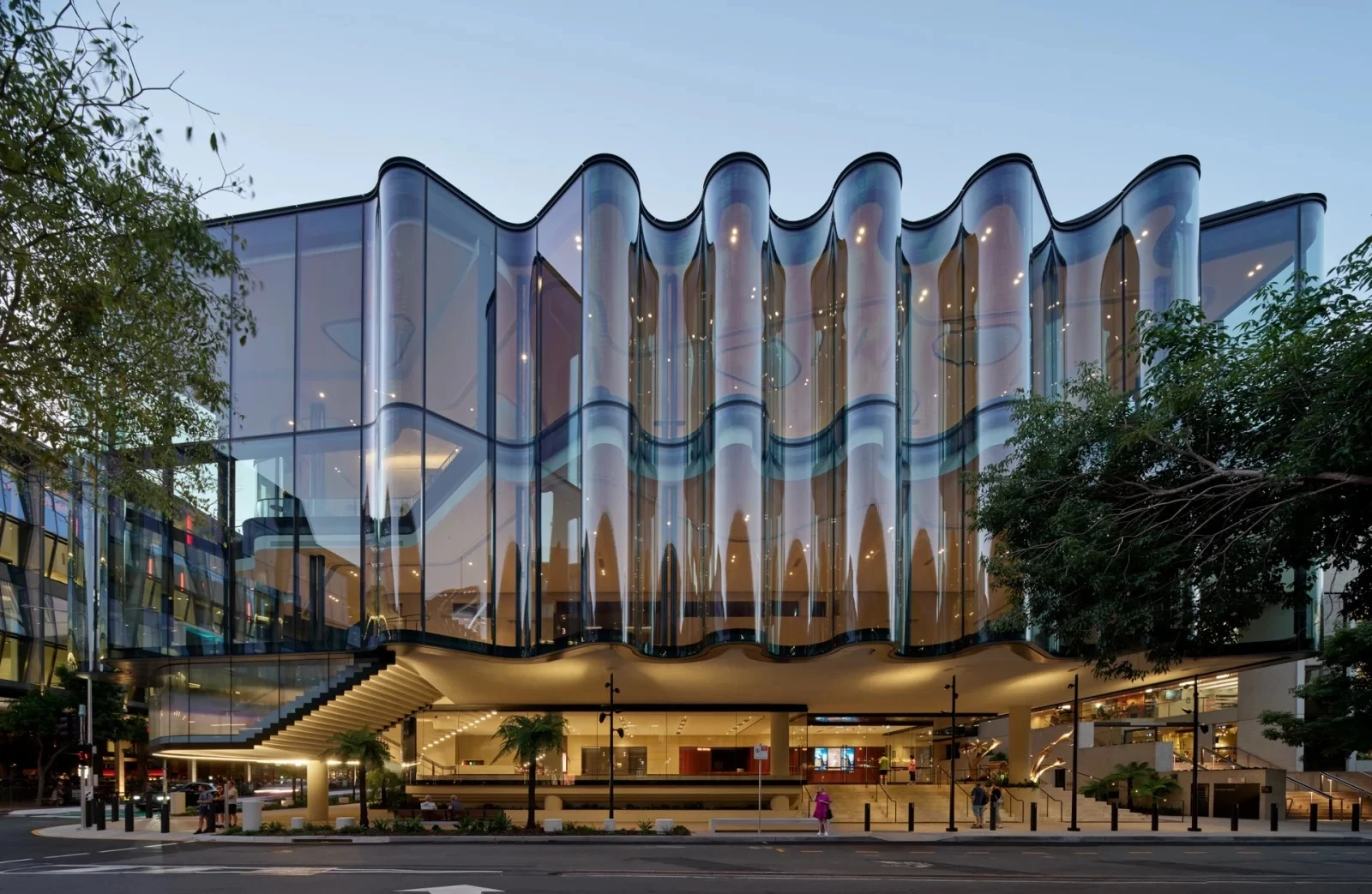
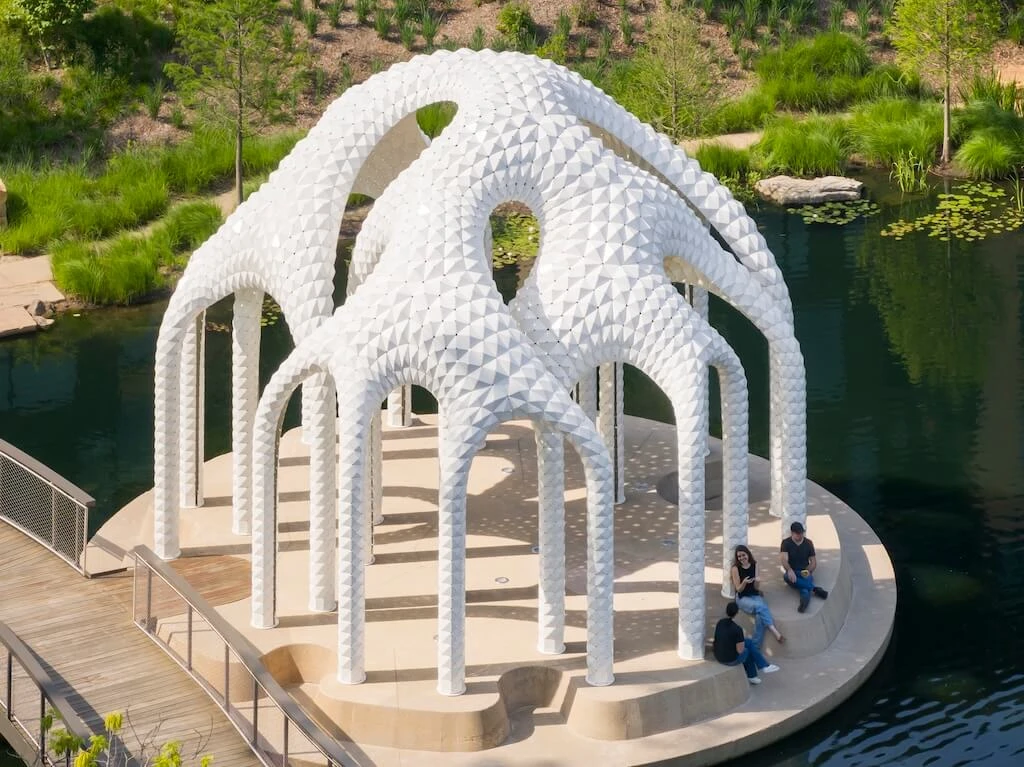
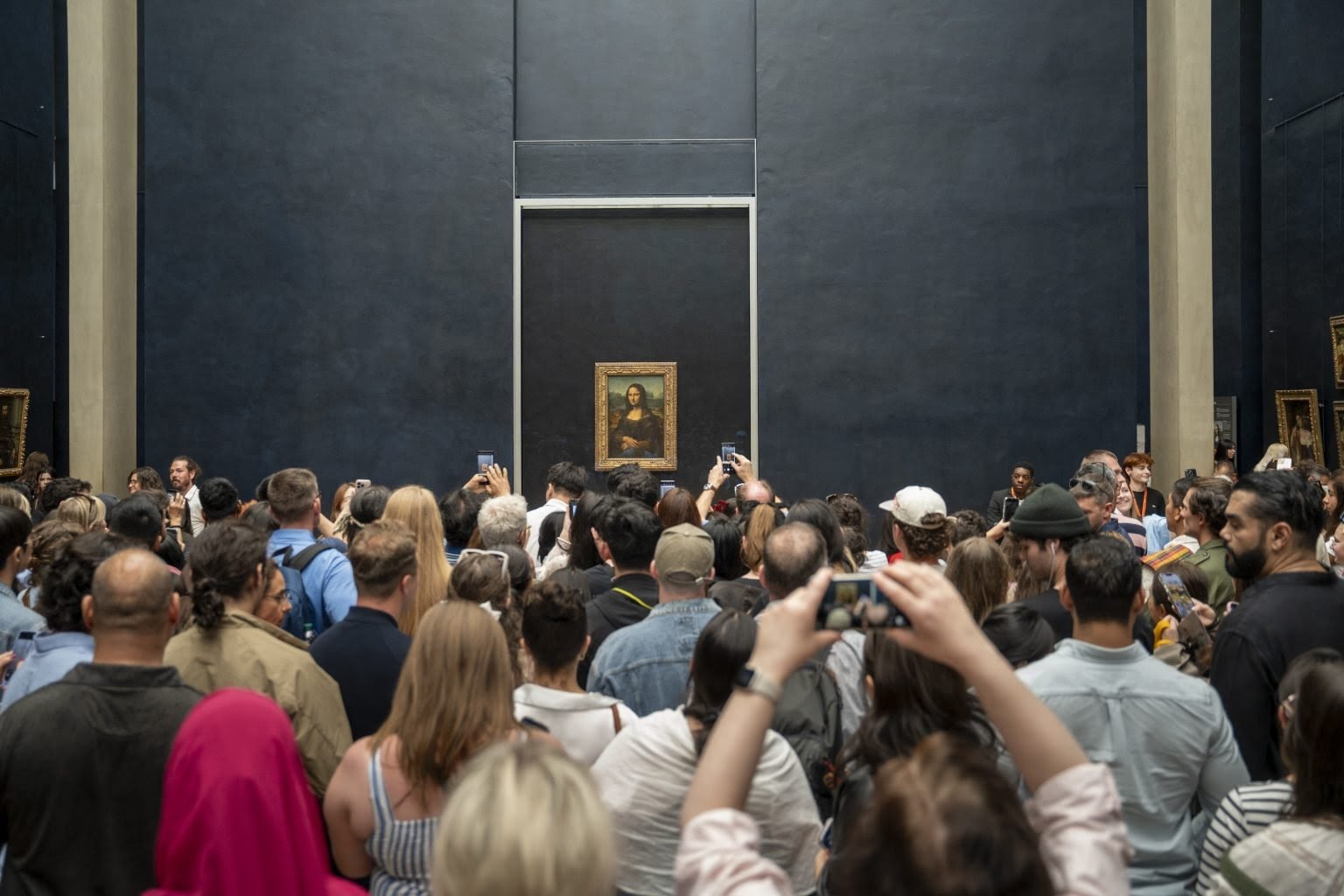
The project, Nouvelle Renaissance, envisages a new main entrance on the museum’s eastern façade, expanded underground exhibition spaces, and bespoke galleries, including a dedicated room for the Mona Lisa. It was launched with an architecture competition inviting global firms such as Diller Scofidio + Renfro, SANAA, and Sou Fujimoto Architects to propose designs. Museum leadership has allocated a reported €100 million toward preliminary studies for the overall plan, while allocating a significantly smaller sum, approximately €15 million, for essential technical maintenance.
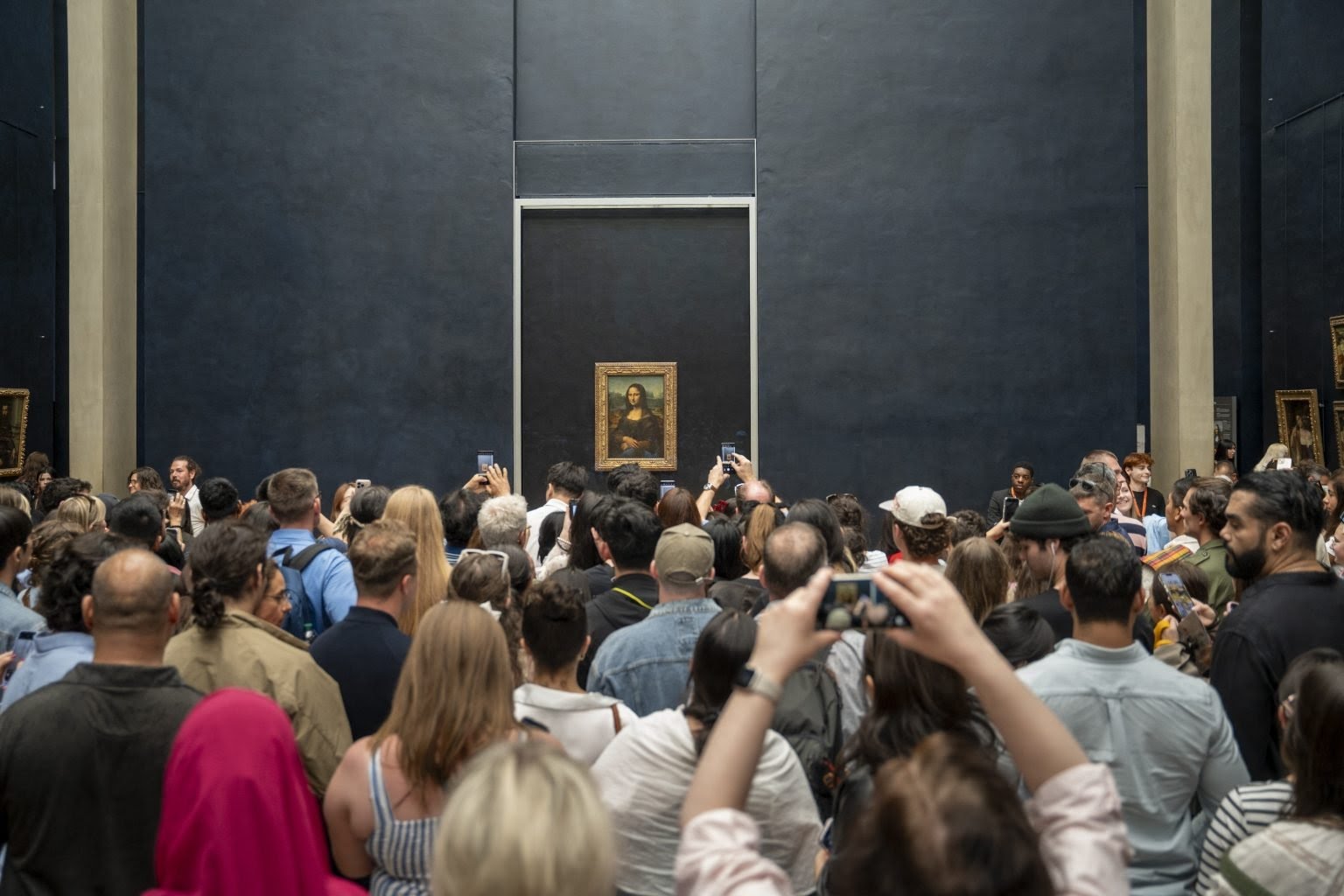
Strikers say this imbalance highlights what they call a “breach of trust.” Union statements argue that the projected total cost, variously estimated at around €666 million to more than €700 million, should instead be redirected toward long-deferred repairs and improvements to basic infrastructure. They contend that the museum’s core fabric, including climate control systems, security infrastructure, and building envelope, is deteriorating. That failure to address these issues jeopardizes priceless works and staff welfare.
The dispute is occurring against a backdrop of mounting pressure on the Louvre. A high-profile robbery of the French crown jewels exposed protection shortcomings. Subsequent audits by the French Court of Accounts described “accelerated degradation” of facilities and criticized a prioritization of high-visibility projects over essential maintenance. In late 2025, a water pipe malfunction in the Egyptian antiquities section damaged archival material, underscoring long-standing infrastructure exposures.
While union negotiators have made some progress on issues like job security and wages, the renovation plan remains a central sticking point in talks with France’s Ministry of Culture. Workers insist that the Louvre’s leadership focus first on stabilizing the physical building and improving working conditions before embarking on transformative architectural purposes. Museum management, for its part, maintains that renewal and preservation can proceed in tandem; director des Cars recently defended efforts to enhance security and accelerate technical upgrades alongside planning for Nouvelle Renaissance.
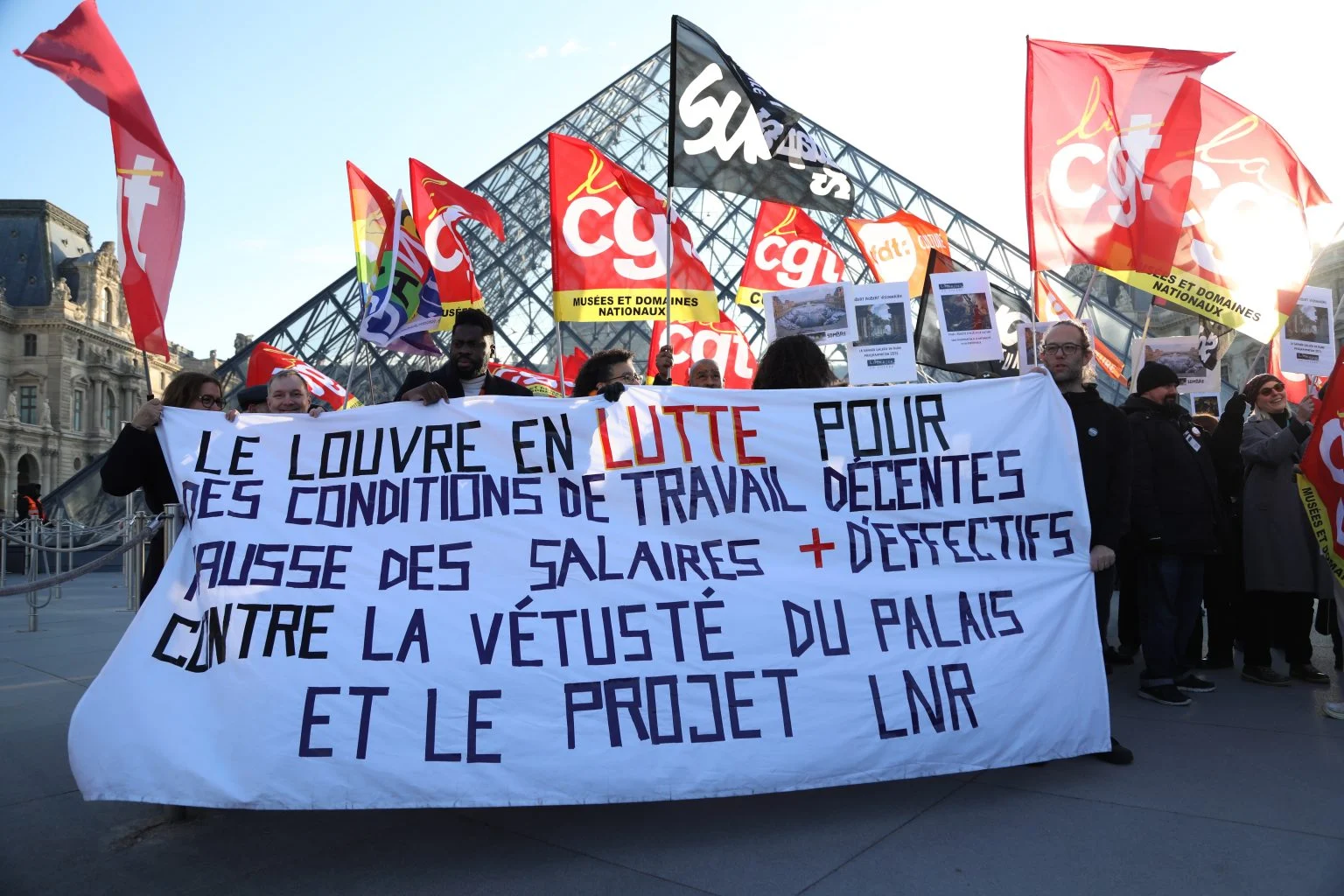
The strike has also sparked wider public debate in France about museum governance, labor conditions, and how to protect cultural heritage in an era of mass tourism. While cultural authorities and museum leadership emphasize the long-term benefits of the renovation, including improved visitor experience and enhanced preservation, unions insist that fundamental issues must be addressed first.
Negotiations are ongoing, with talks scheduled between union representatives, the Louvre administration, and the French Ministry of Culture. The outcome will likely shape the future of the Louvre museum’s built environment, working conditions, and visitor experience at one of the globe’s most important cultural landmarks.