



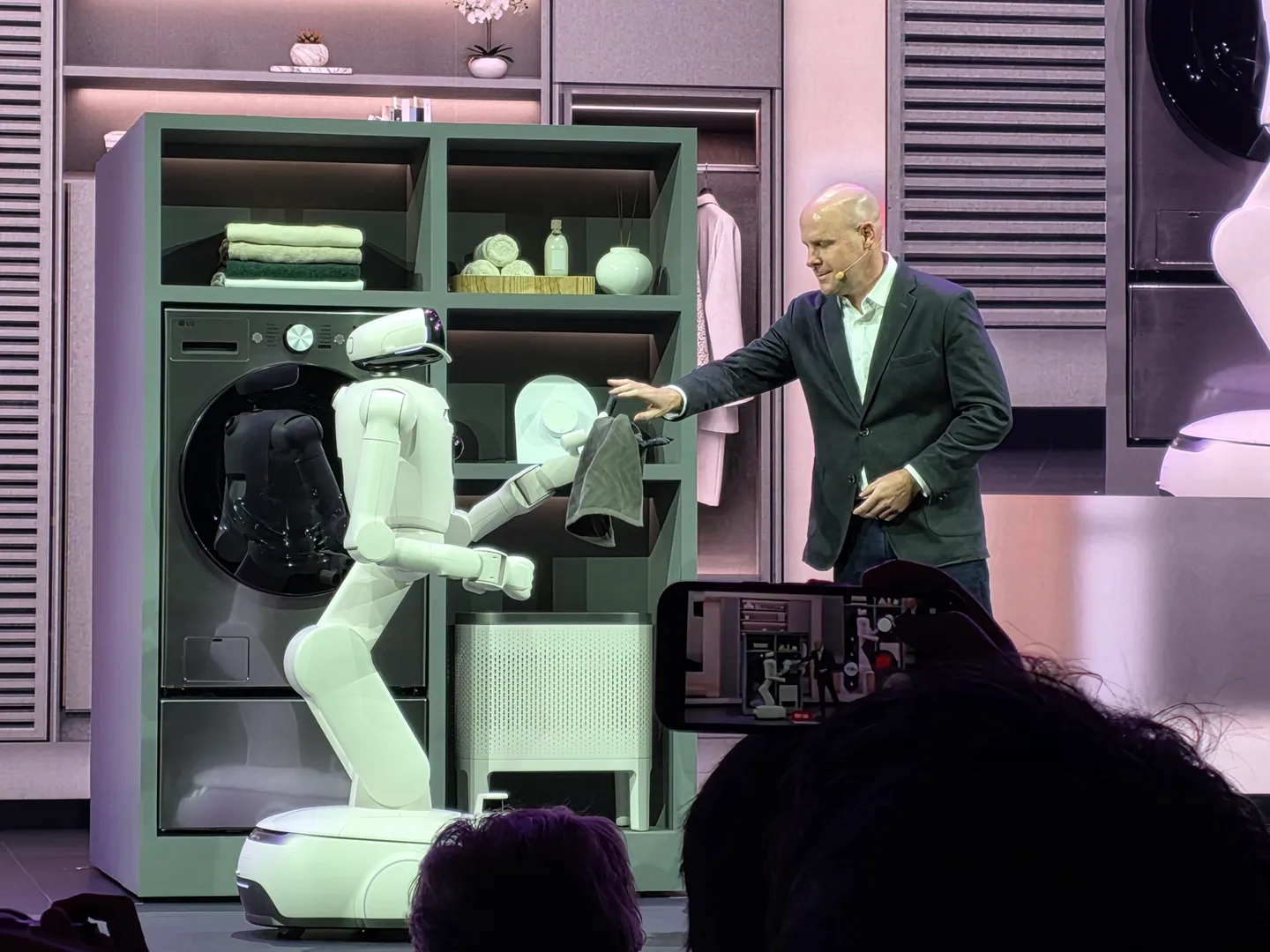
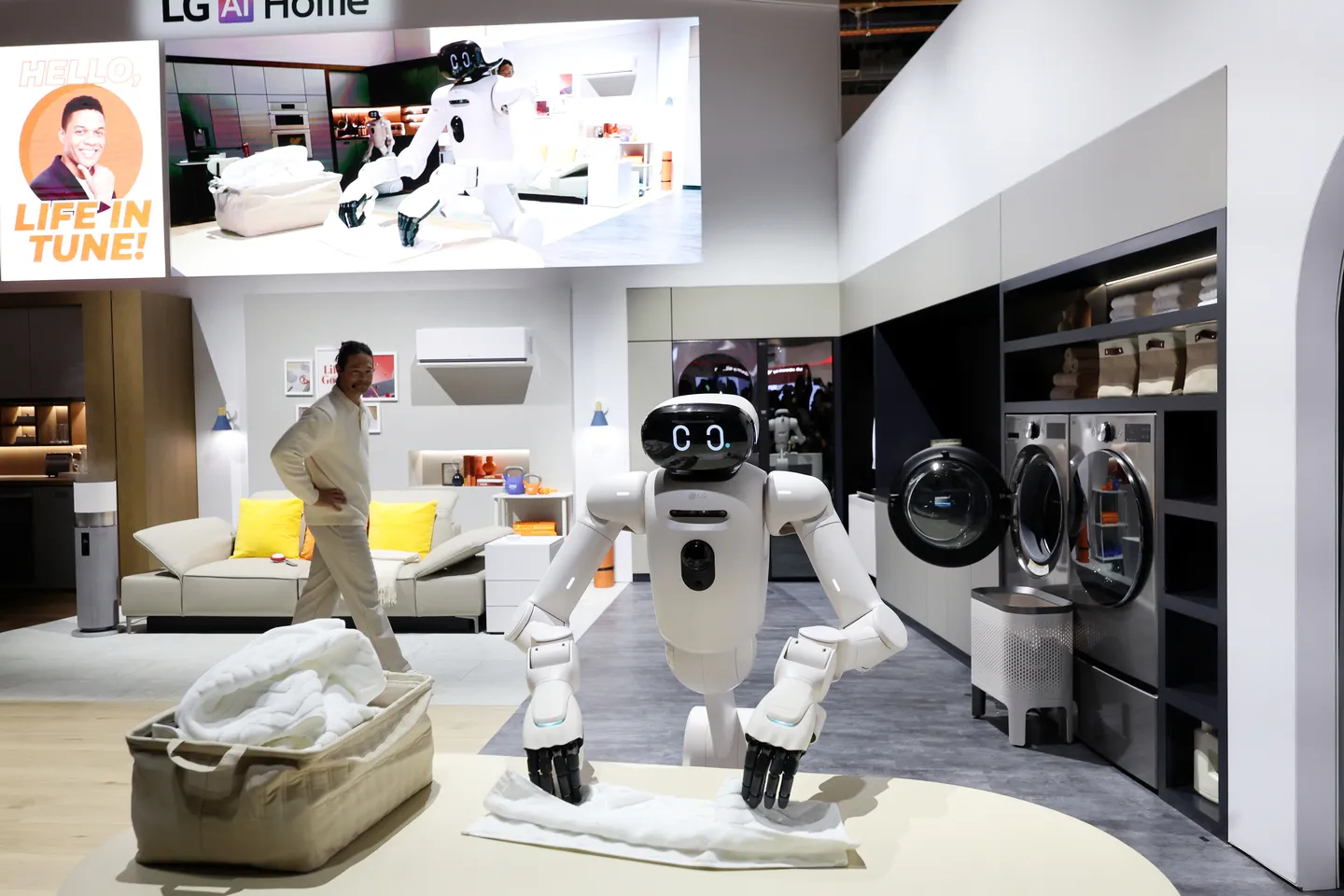
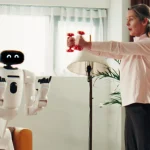
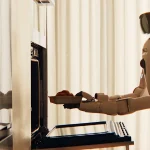

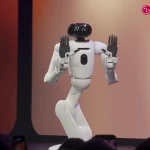
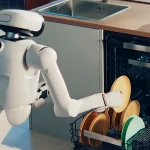
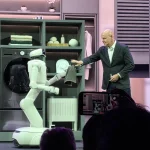
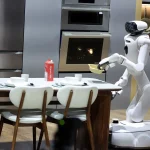
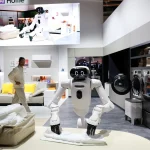
At the CES 2026, LG Electronics took a major step toward its concept of a “Zero Labor Home,” a living space where daily chores such as cooking, laundry, and organizing are automated rather than performed by people. The centerpiece of this showcase is LG CLOiD, a new home robot designed to automate everyday household tasks and free up time for users.
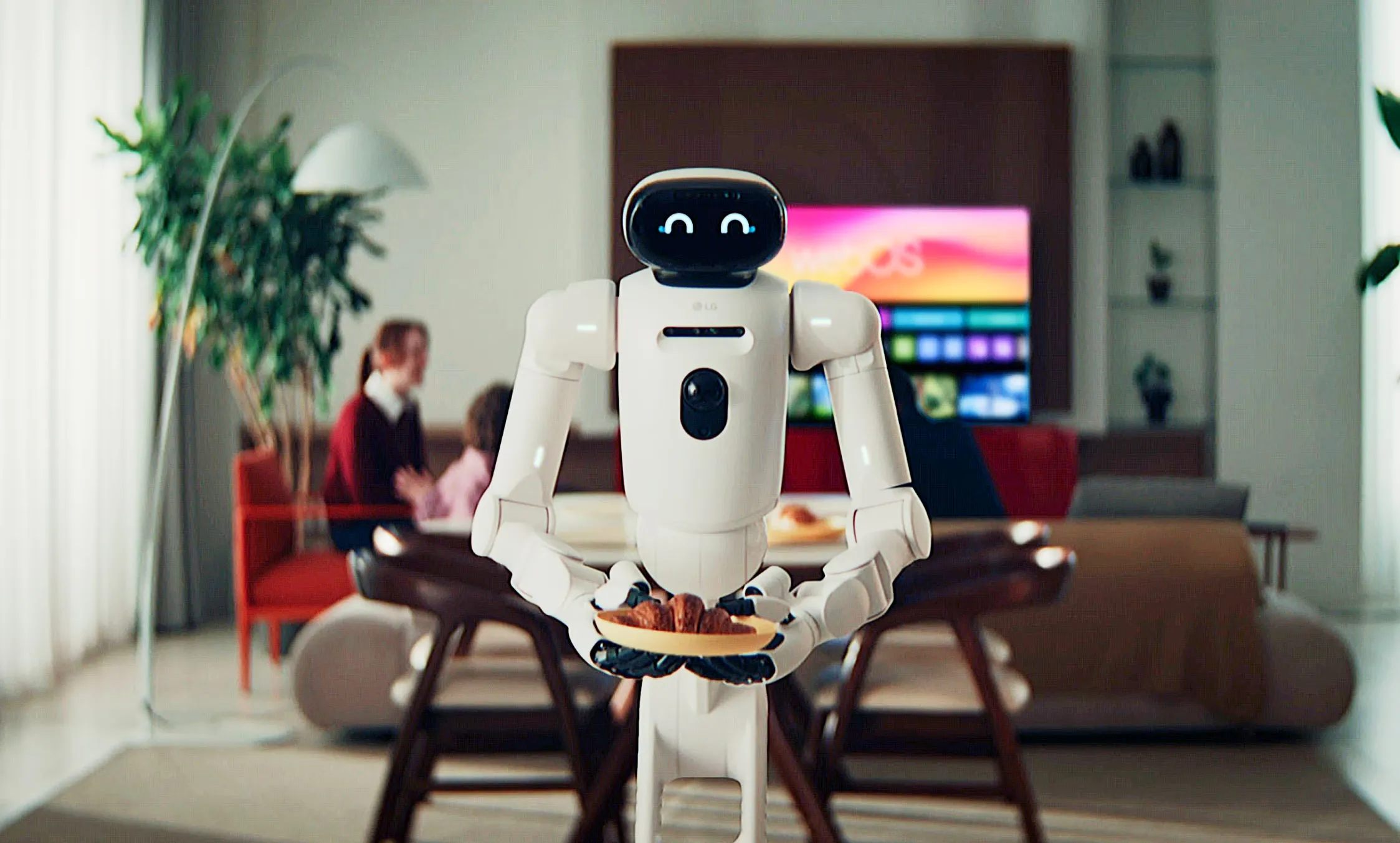
LG’s goal for the Zero Labor Home concept is to reduce or eliminate the physical effort and time spent on repetitive tasks and focus on what matters most. This idea was a headline highlight of LG’s CES presentation, alongside other smart home and entertainment products.
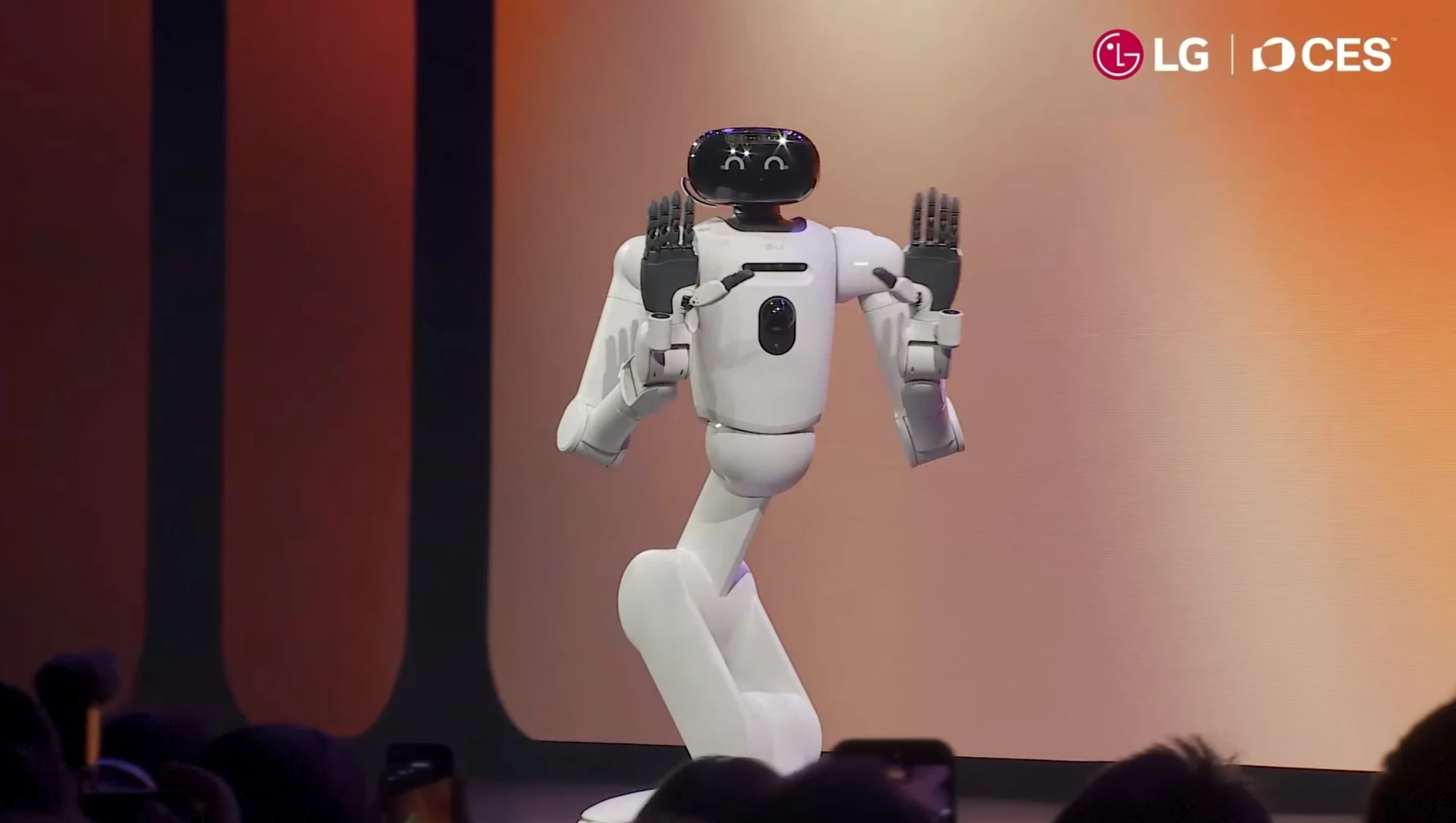
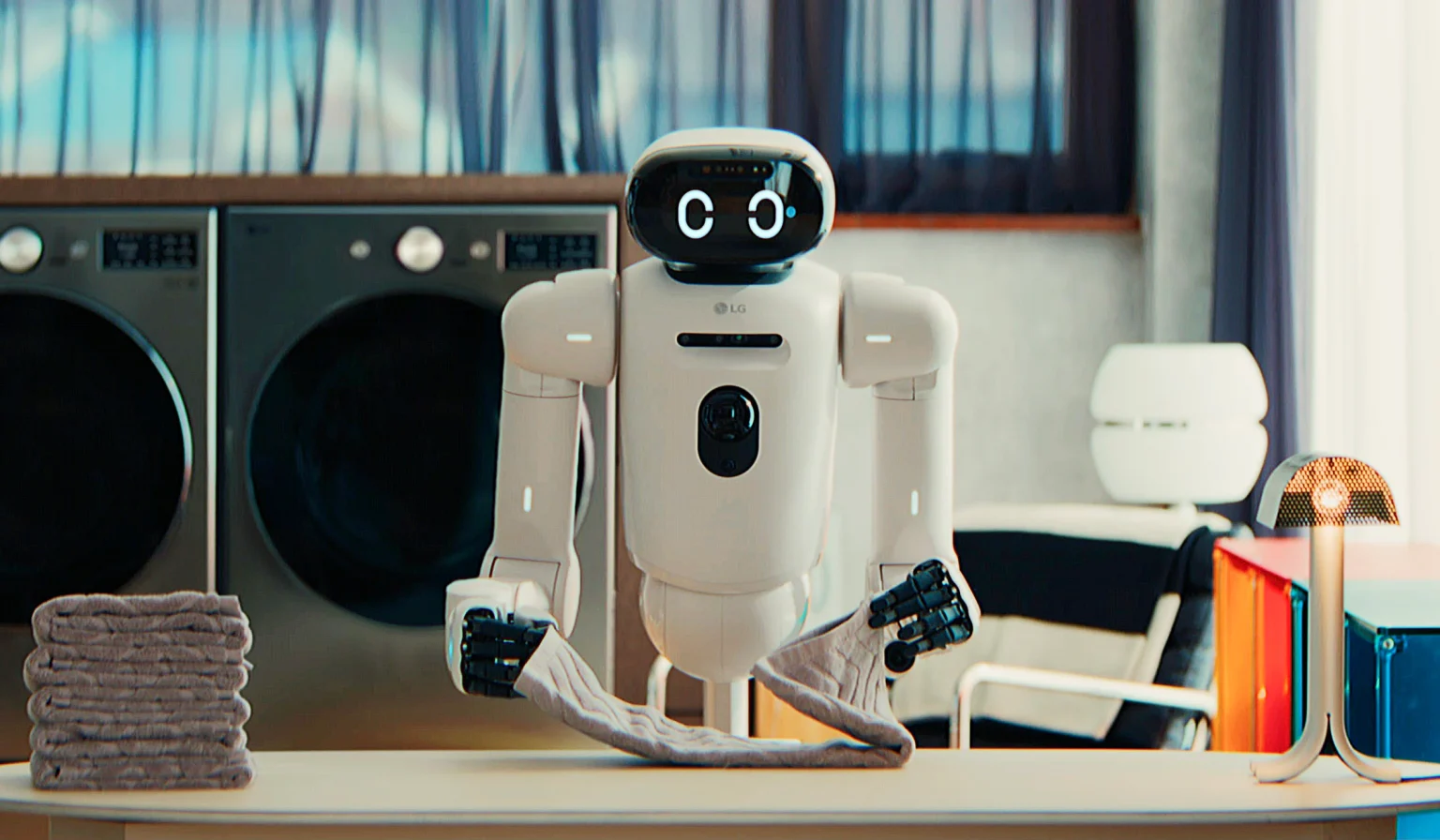
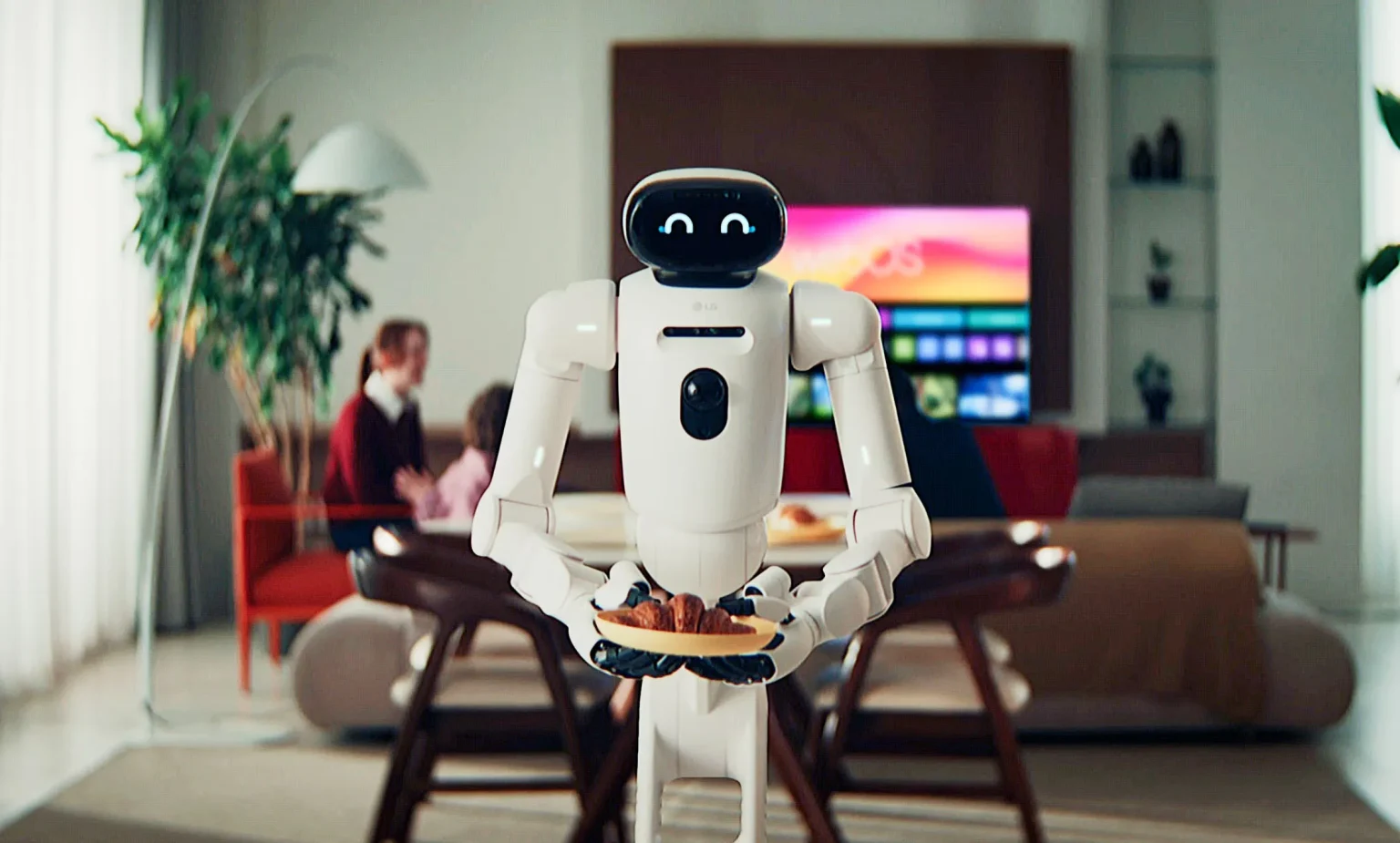
In demonstrations at CES, CLOiD showed it can do things like retrieve milk from a fridge and prepare breakfast, start and finish laundry, fold clothes after drying, and organize kitchen items, all while working with connected LG appliances.
What Is the LG CLOiD Robot, and How Does It Work?
The LG CLOiD is shaped roughly like a small, wheeled humanoid robot. It has a head with cameras and sensors, a torso with two multi-joint arms, and a base with wheels that lets it move on the floor.
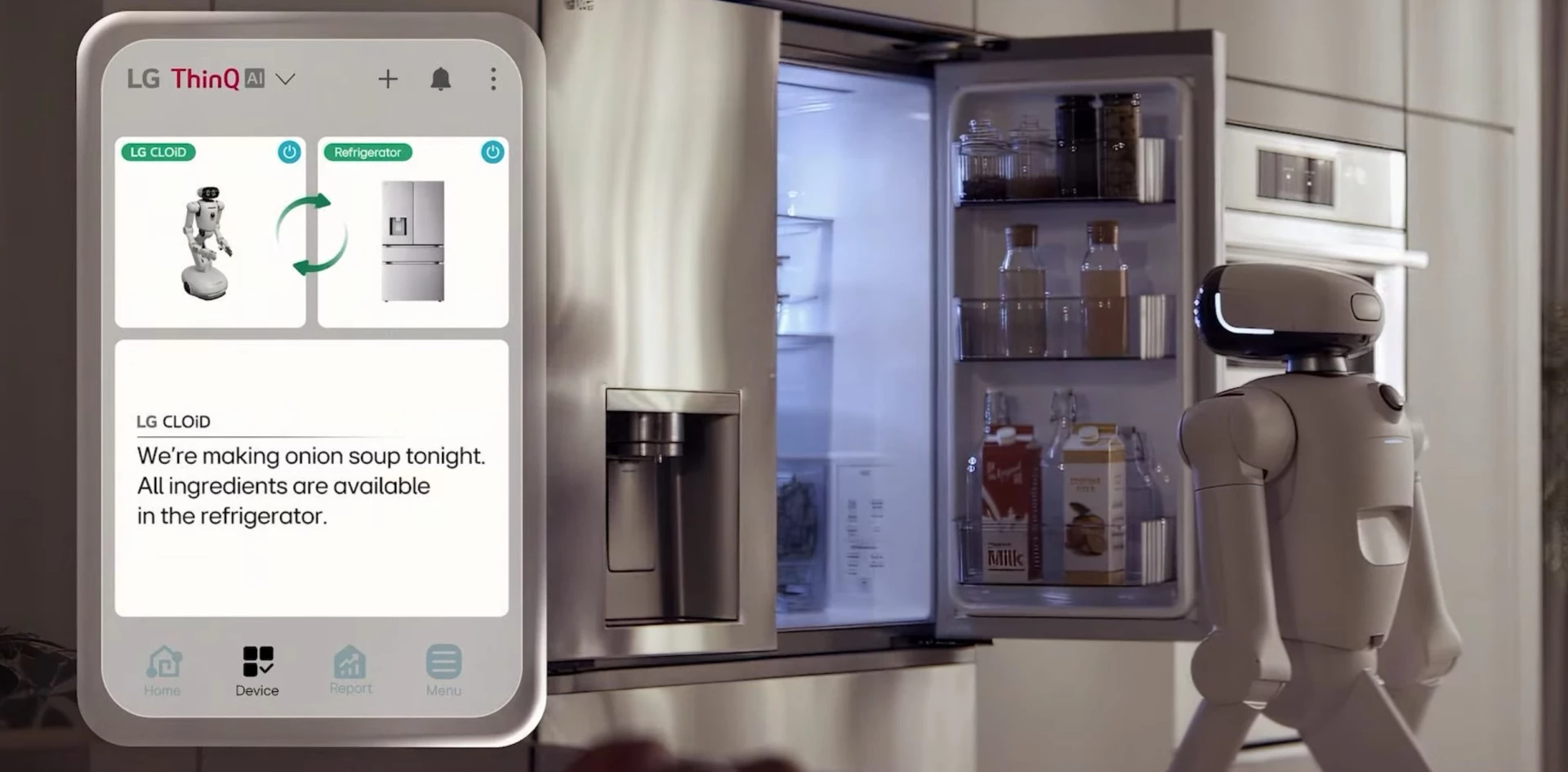
Here’s how it’s built and what it can do:
- Movement & Navigation:
CLOiD uses a wheeled base with autonomous navigation, built on technology similar to LG’s robot vacuums. This allows it to travel safely around the home without tipping over, even if bumped by pets or people. - Human-like Arms and Hands:
Each arm has seven degrees of motion, roughly matching how a human arm can move. Each hand has five independently controlled fingers, giving it the dexterity to pick up dishes, fold clothes, handle utensils, or carry items. - Sensing and Interaction:
The robot’s head unit contains cameras, sensors, and a small screen. This lets CLOiD recognize objects, understand its surroundings, and communicate with people through voice and simple expressions. - Integration with Smart Appliances:
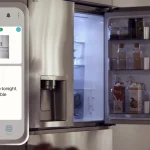
CLOiD works closely with LG’s ThinQ smart home system. For example, it can check fridge contents before planning a meal, load the washing machine, or coordinate with connected appliances based on routines it has learned.
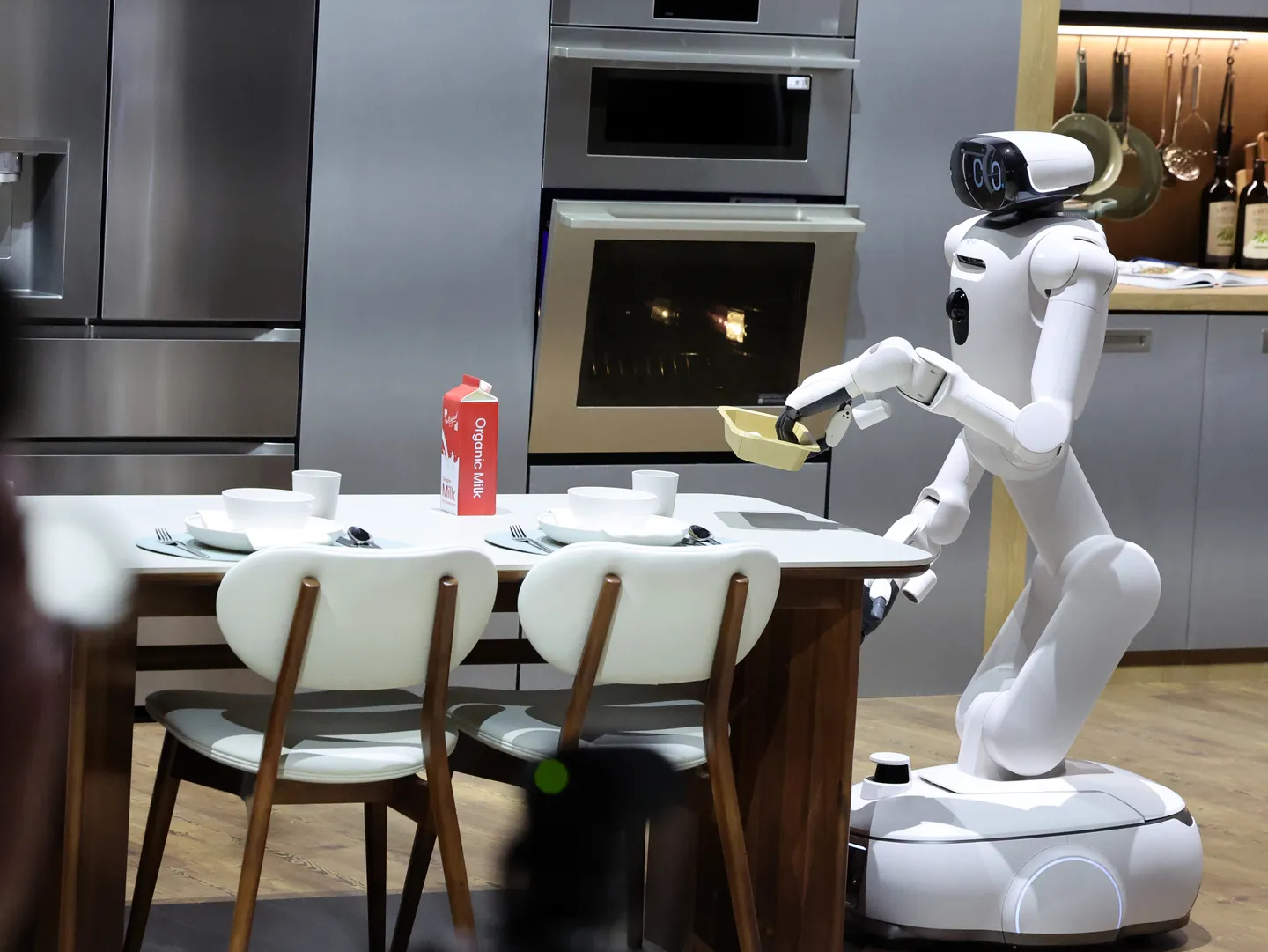
In presentations, LG showed real-world situations where the robot anticipates daily routines and adjusts tasks like starting laundry after everyone leaves the house.
Household Impact and Realistic Expectations
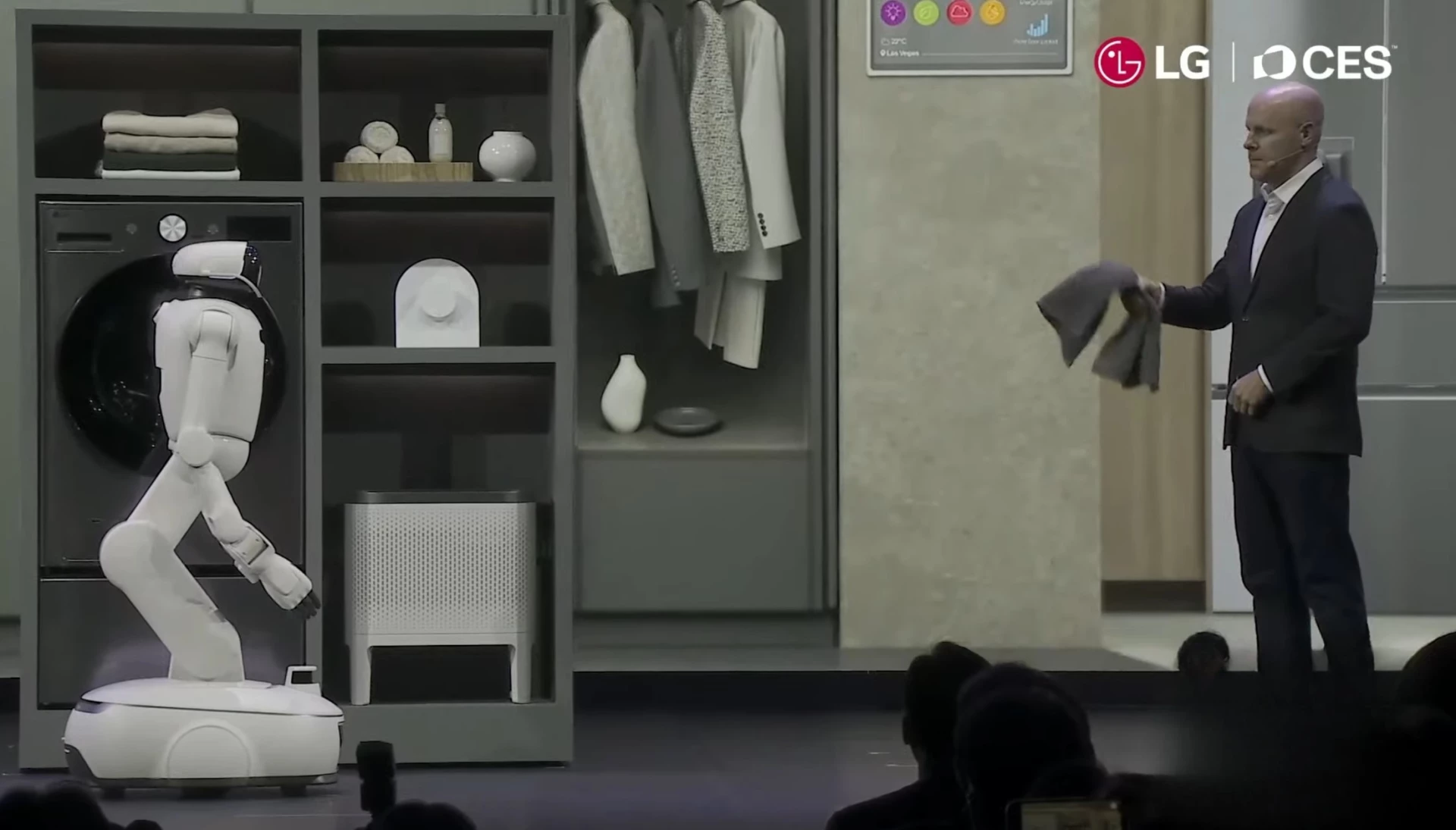
The announcement of the CLOiD robot is significant because it moves beyond simple smart gadgets to a physical helper that can interact with the world inside the home. Instead of only controlling devices through apps or voice commands, CLOiD can physically handle chores itself.
However, there are practical considerations:
- Floor-level Only for Now:
Because it moves on wheels and not legs, CLOiD can’t climb stairs, so its usefulness may be limited to one floor of a house or apartment. - Not a Finished Product:
LG has not announced a clear timeline for when CLOiD might be sold to consumers. Right now, it is a demonstration platform to show what’s possible as technology improves. - Safety and Practicality Questions:
At CES, observers noted both excitement and caution; while many were impressed with demos, questions remain about safety, speed, and real-world usefulness outside controlled show environments.
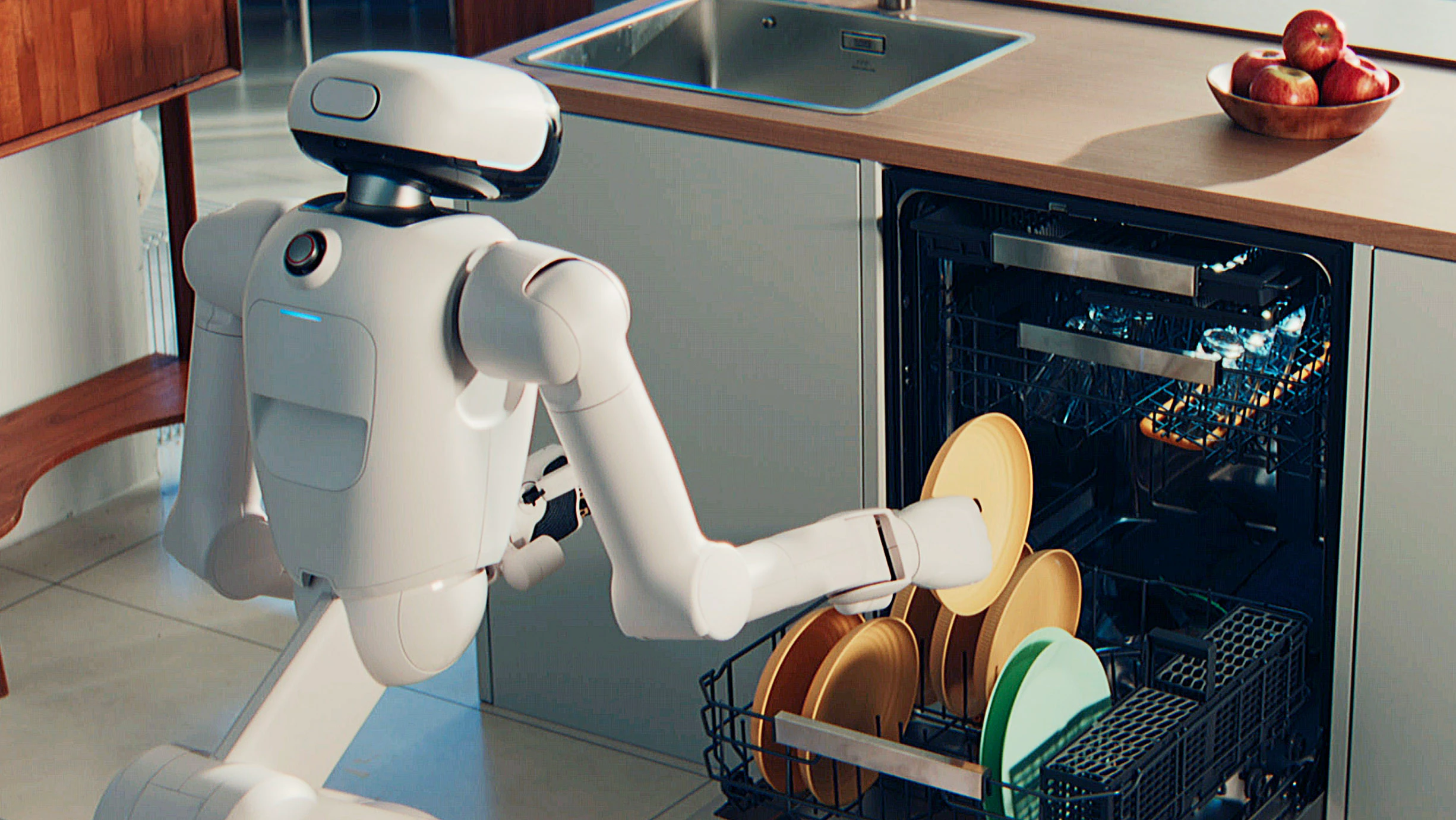
Despite such questions, the CLOiD robot represents one of the most advanced efforts by a major electronics company to bring automated physical help into everyday homes. It joins a broader trend where household technology begins to take on more physical tasks instead of offering only screens or voice responses.
Zero Labor Home Robot Concept Could Change Everyday Living
If realized at scale, a robot like CLOiD could change how we think about home life. For many people, the burden of laundry, cooking, and cleaning takes up hours every week. A machine that can handle these tasks in the background might give people more quality time with family, hobbies, or rest.
LG frames its Zero Labor Home vision about quality of life, making daily routines easier, safer, and less taxing, especially for older adults or those with mobility challenges
The LG CLOiD home robot, introduced at CES 2026, delivers an early look at what LG calls a “Zero Labor Home.” It combines smart appliance control, advanced sensing, and human-like autonomous movement to handle real household chores. While practical use in everyday homes may still be years away, this robot points toward a future where machines do more of the physical work inside our living spaces.
Credits: LG Electronics