

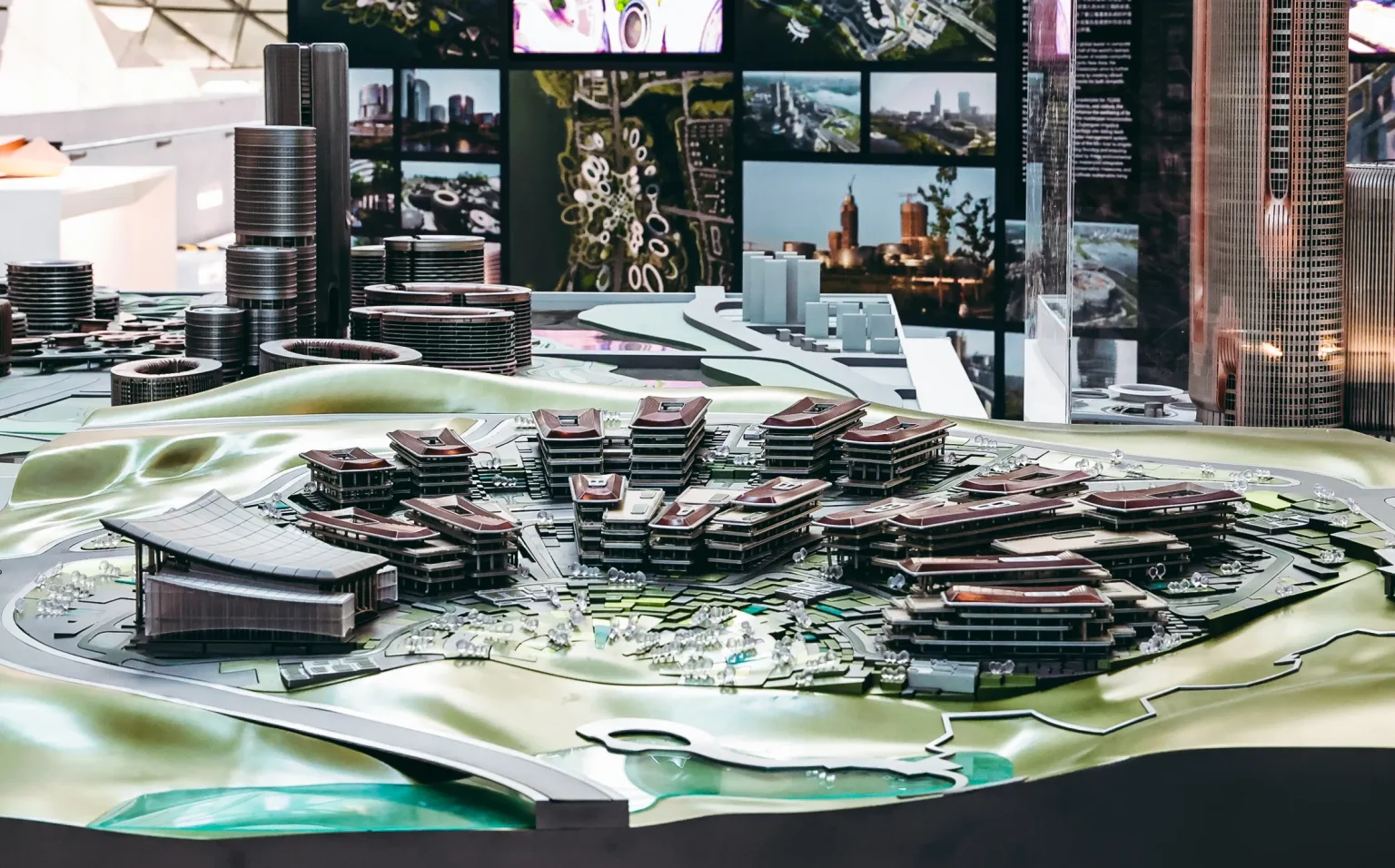
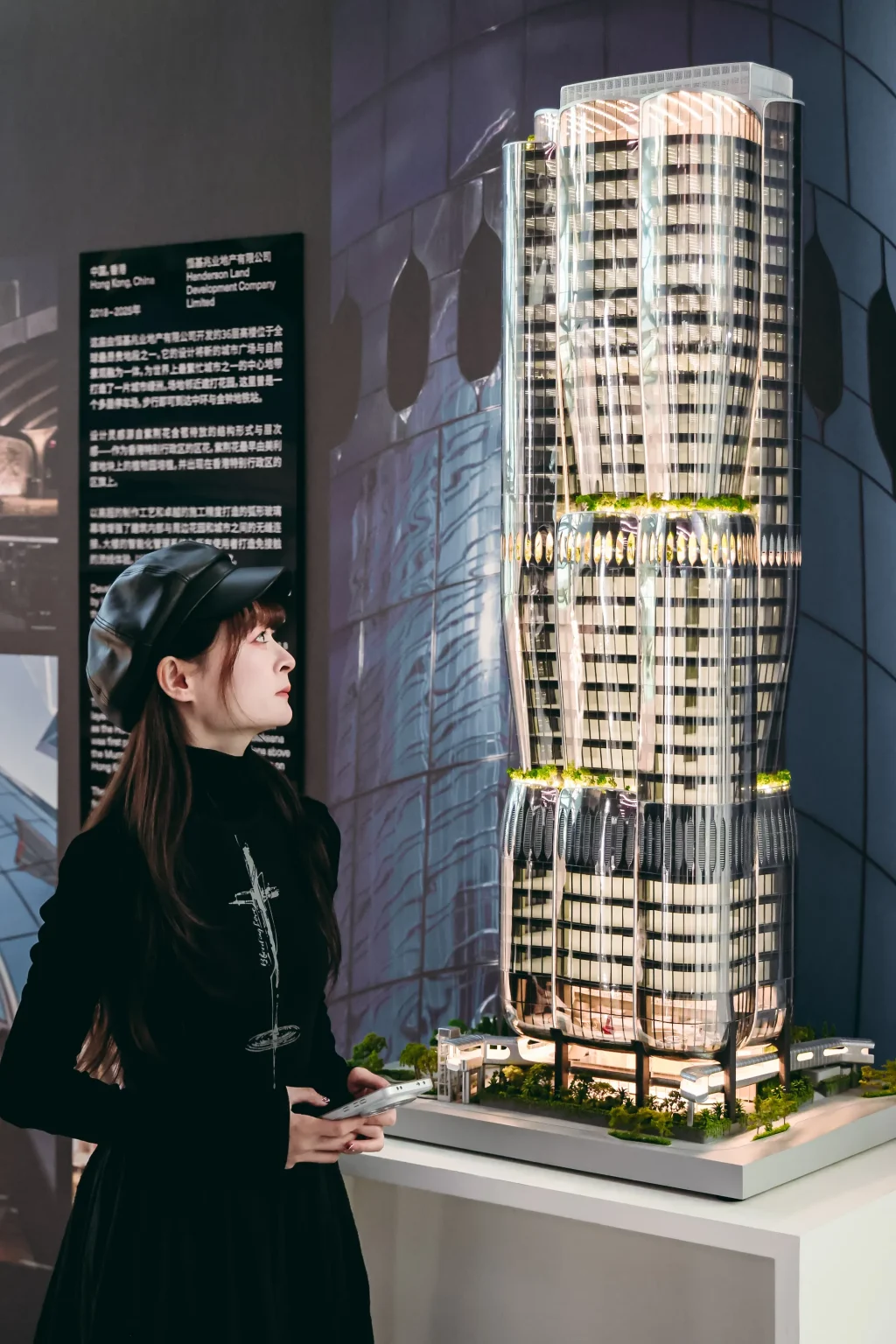
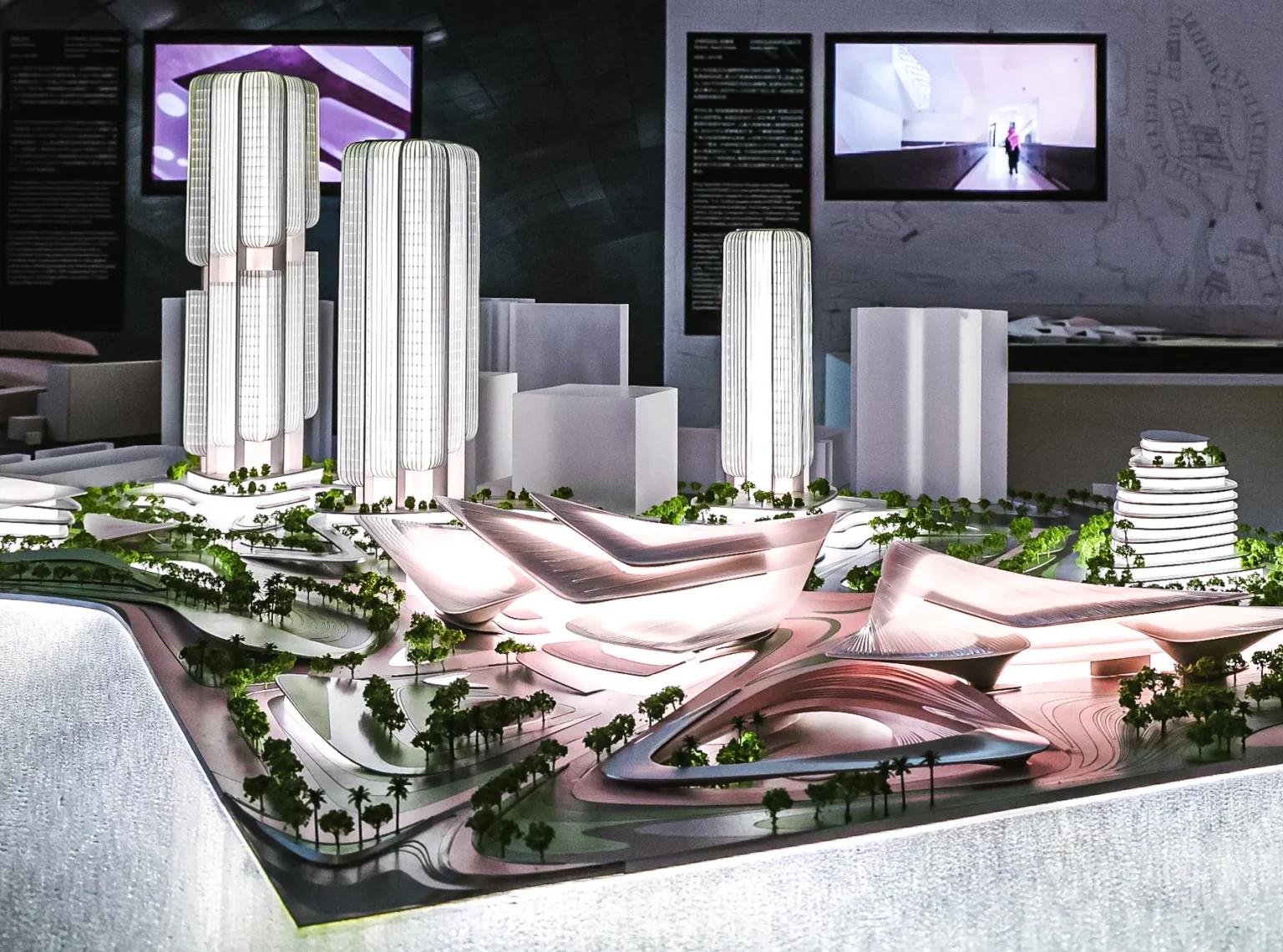








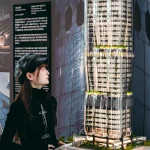
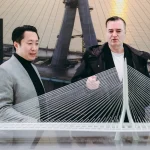
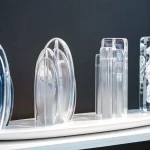

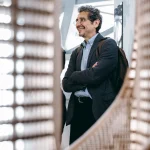
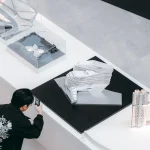
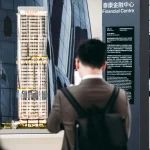
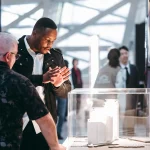

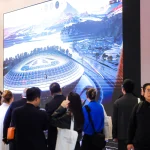
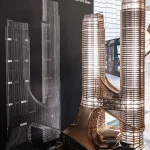
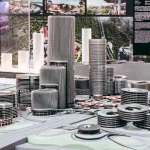
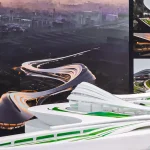
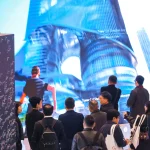
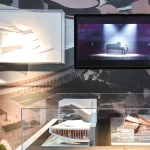
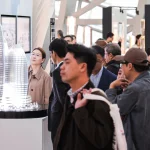
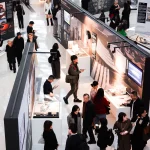
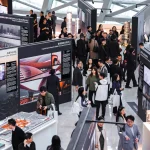
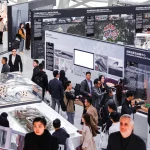
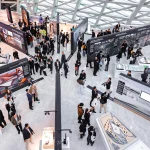
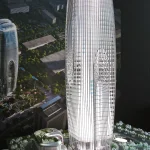
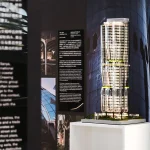
At the Museum of Contemporary Art and Urban Planning (MOCAPU) in Shenzhen, Architecture of Possibility by Zaha Hadid Architects (ZHA) presents a wide-ranging exploration of one of the world’s most influential practices, one that has reshaped architectural thinking over recent decades. On view until April 10, 2026, the exhibition traces the evolution of Zaha Hadid Architects through built works, research projects, and experimental design systems.
It examines architecture as an open-ended practice, capable of adaptation, innovation, and response within a rapidly changing global context. Shenzhen, a city shaped by accelerated urban growth and technological industry, provides an especially suitable background.
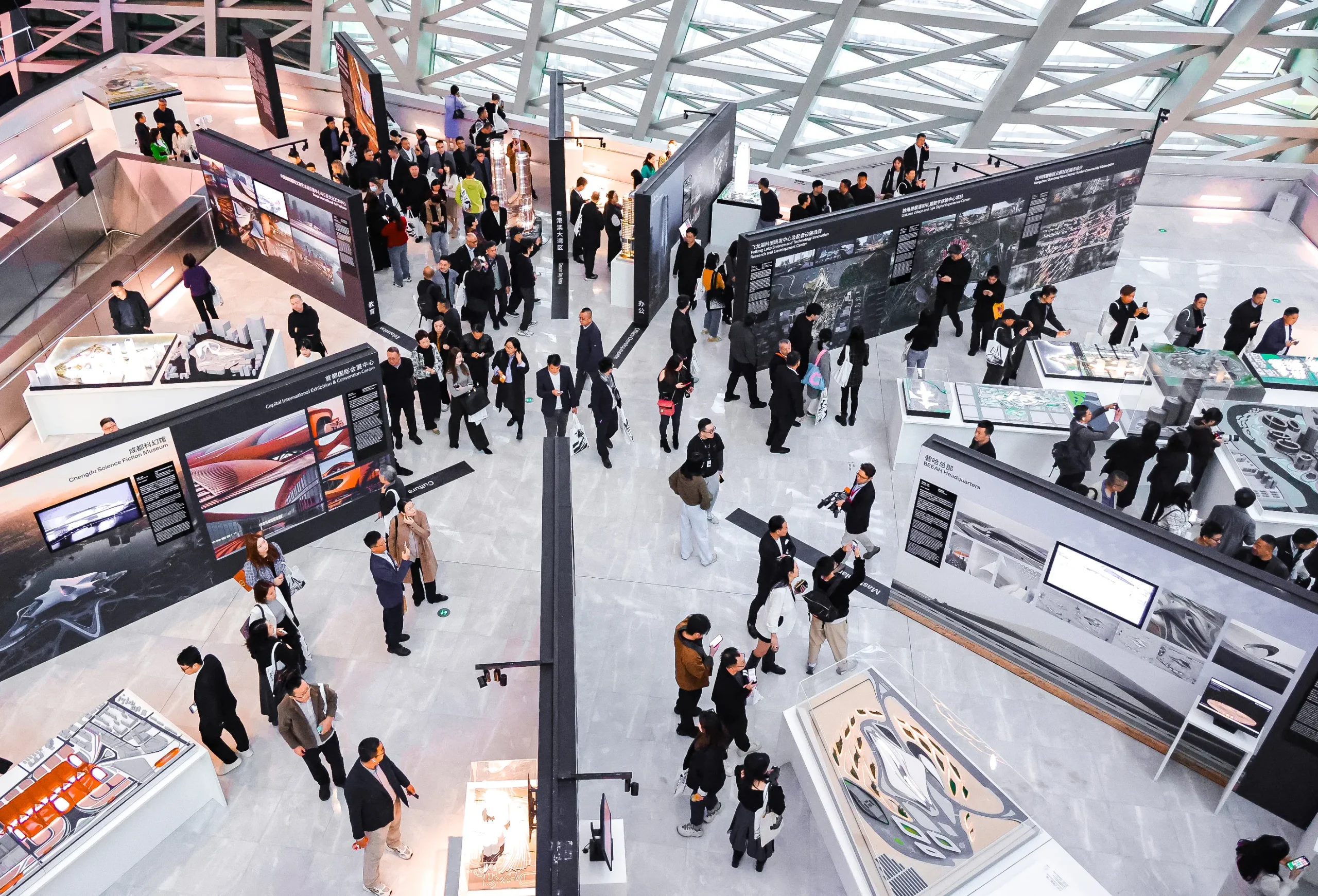
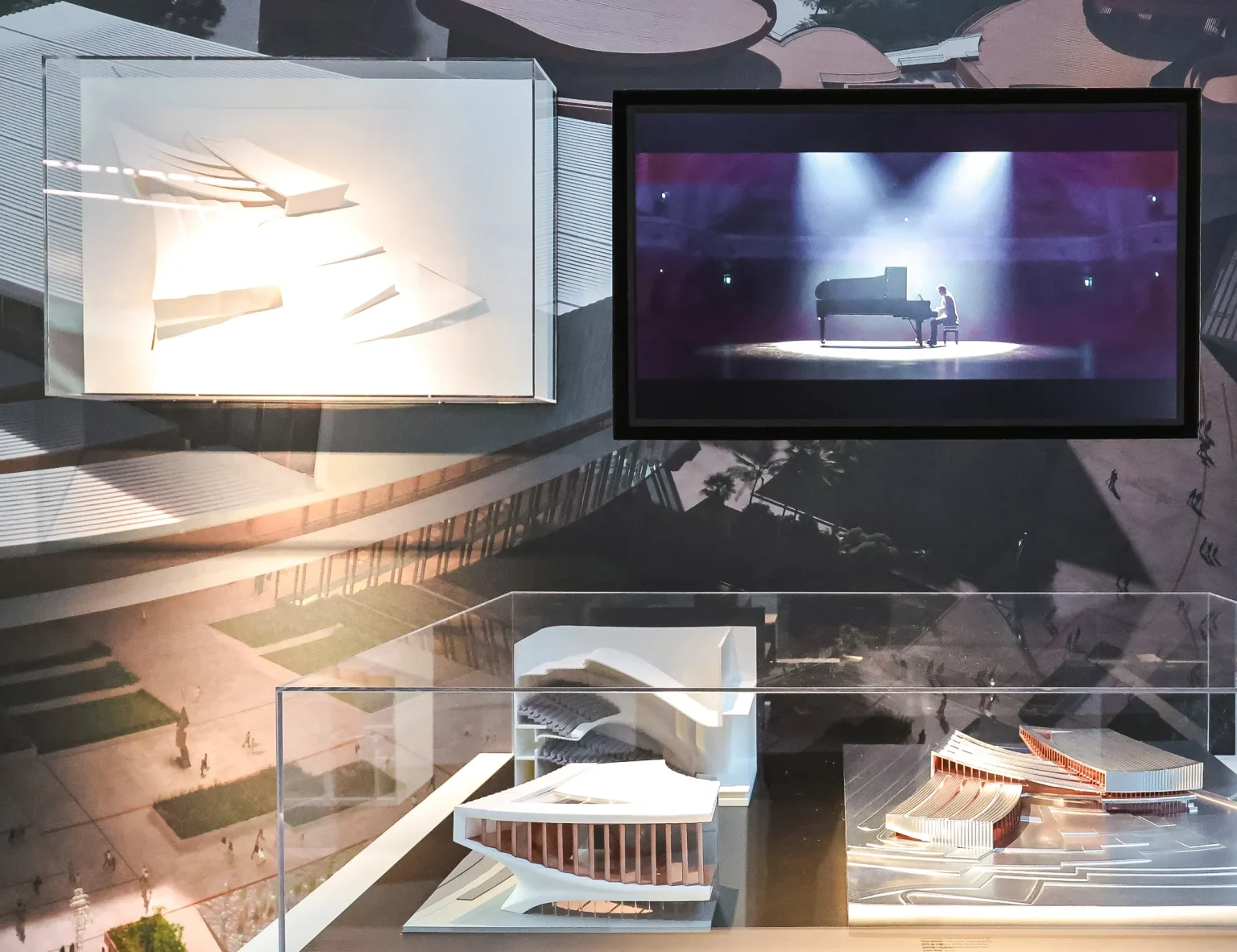
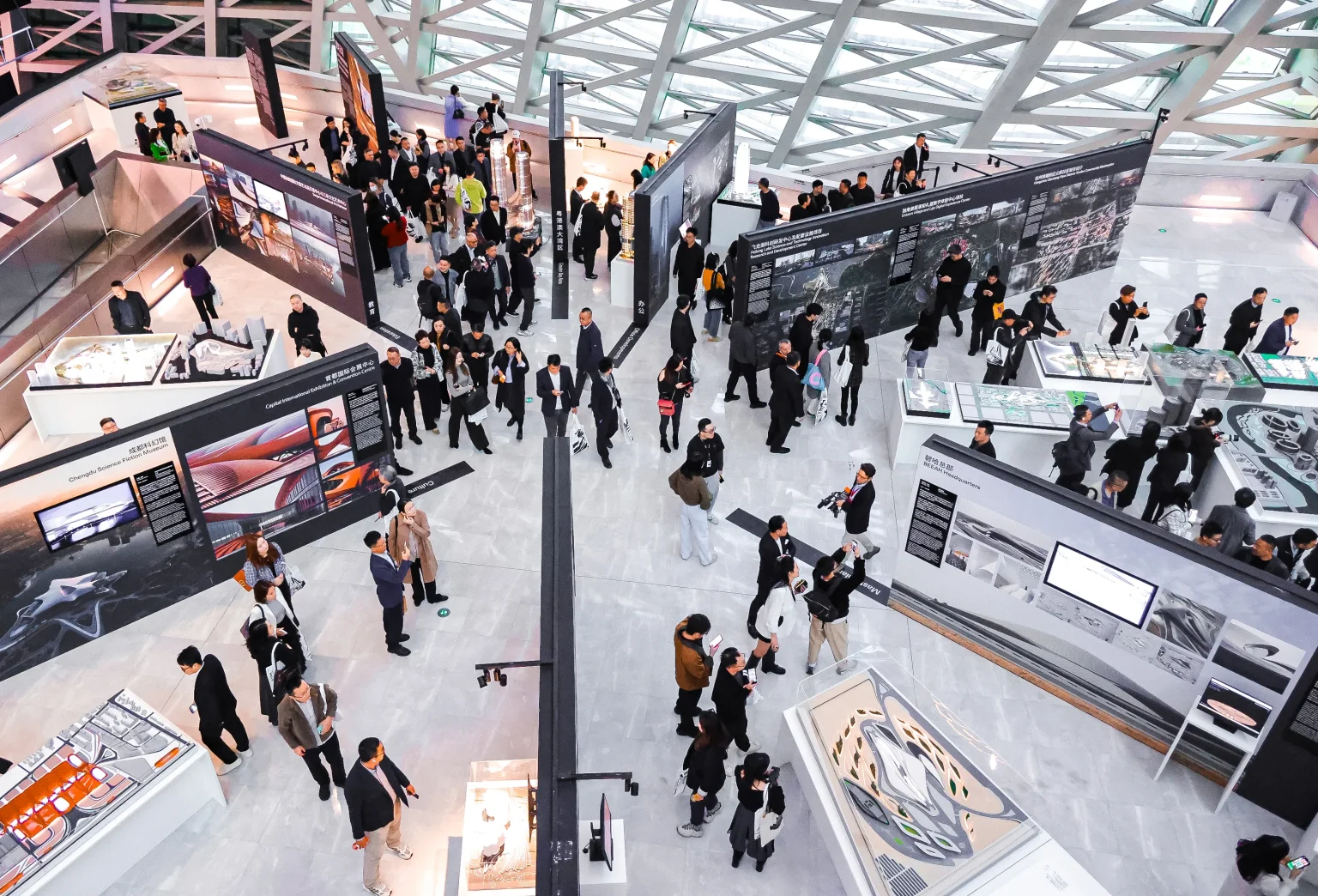
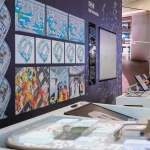
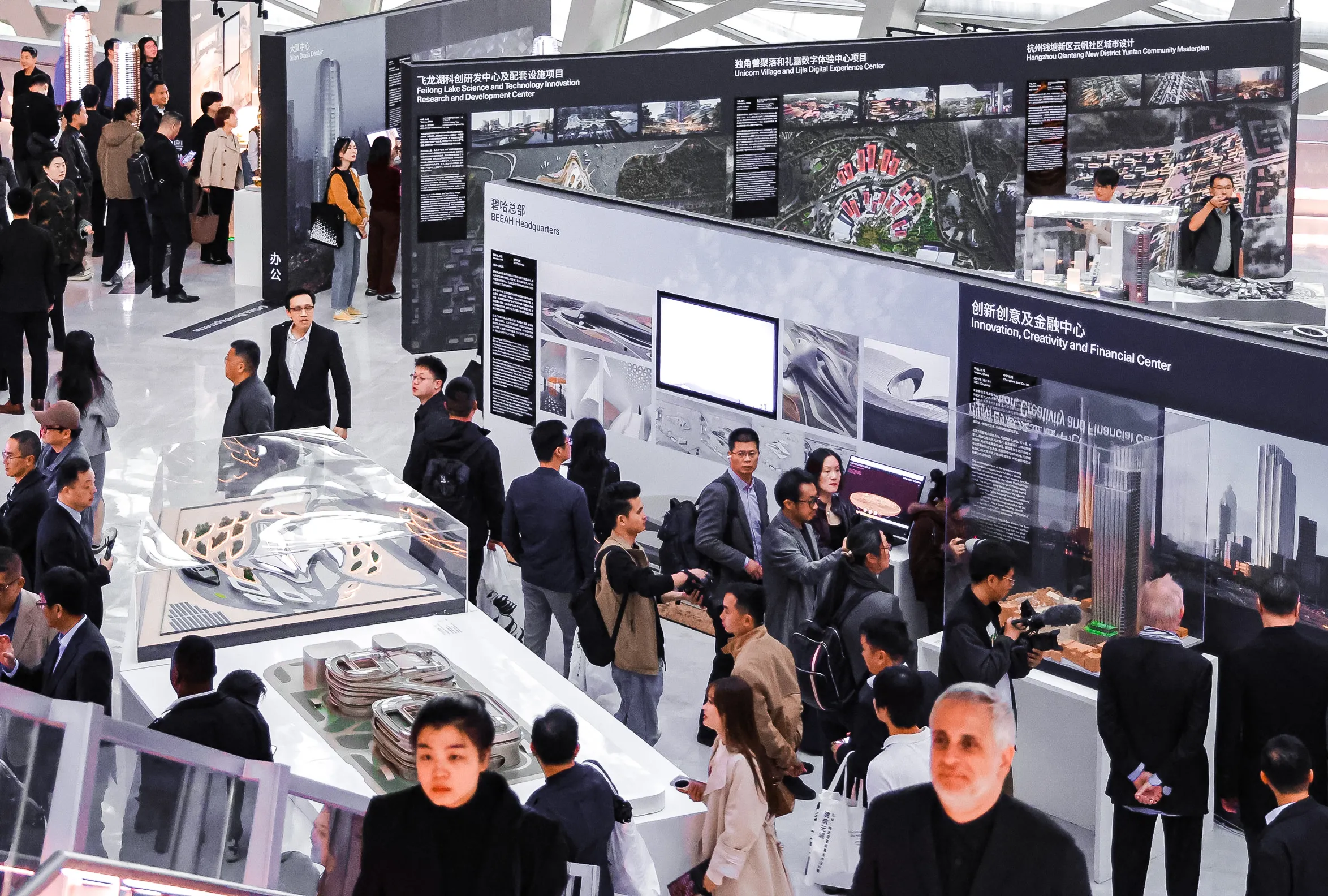
The exhibition unfolds through a series of thematic and chronological sections that reveal models, drawings, films, and digital simulations that demonstrate ZHA approaches architecture as a system shaped by social behavior, environmental forces, and spatial logic. The exhibition emphasizes that parametric thinking and computational design have become embedded in the studio’s workflow methods that allow complex geometries to remain coherent, unobstructed, and responsive.
China and the Greater Bay Area
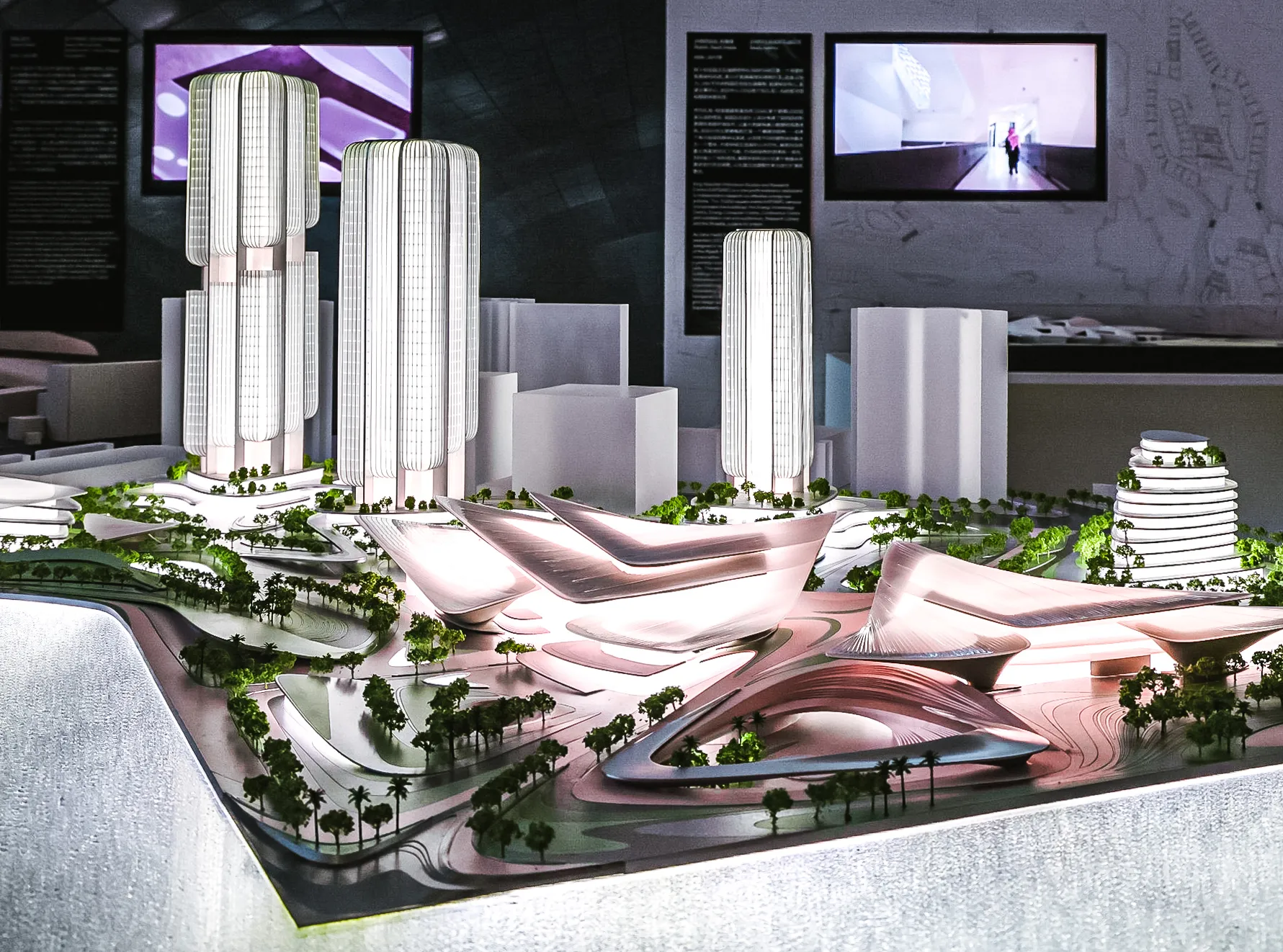
China occupies a significant place in the exhibition. Zaha Hadid’s first visit to the country in 1981 marked the beginning of a long and evolving connection that has continued for over five decades. The exhibition explores this trajectory in depth, with particular focus on the Greater Bay Area.
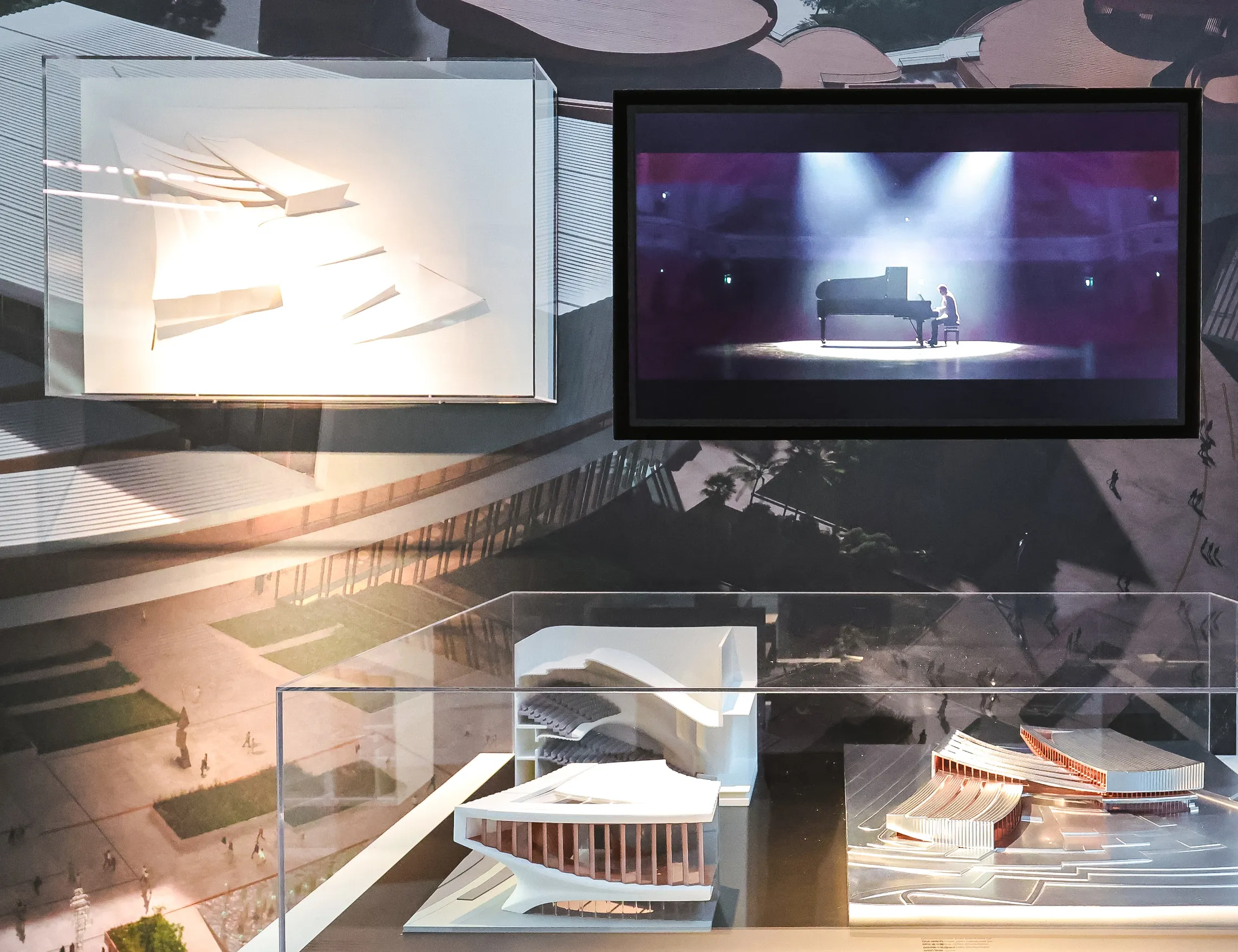
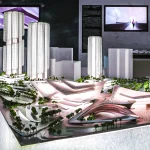
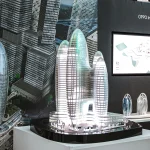
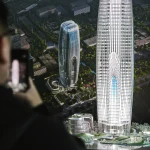
Through large-scale models and project documentation, the exhibition graphs ZHA’s contributions to the region’s architectural and urban transformation. Completed works such as the Shenzhen Science and Technology Museum, The Henderson in Hong Kong, and the Morpheus Hotel in Macau. These projects are presented as part of a broader urban dialogue shaped by density and mobility.
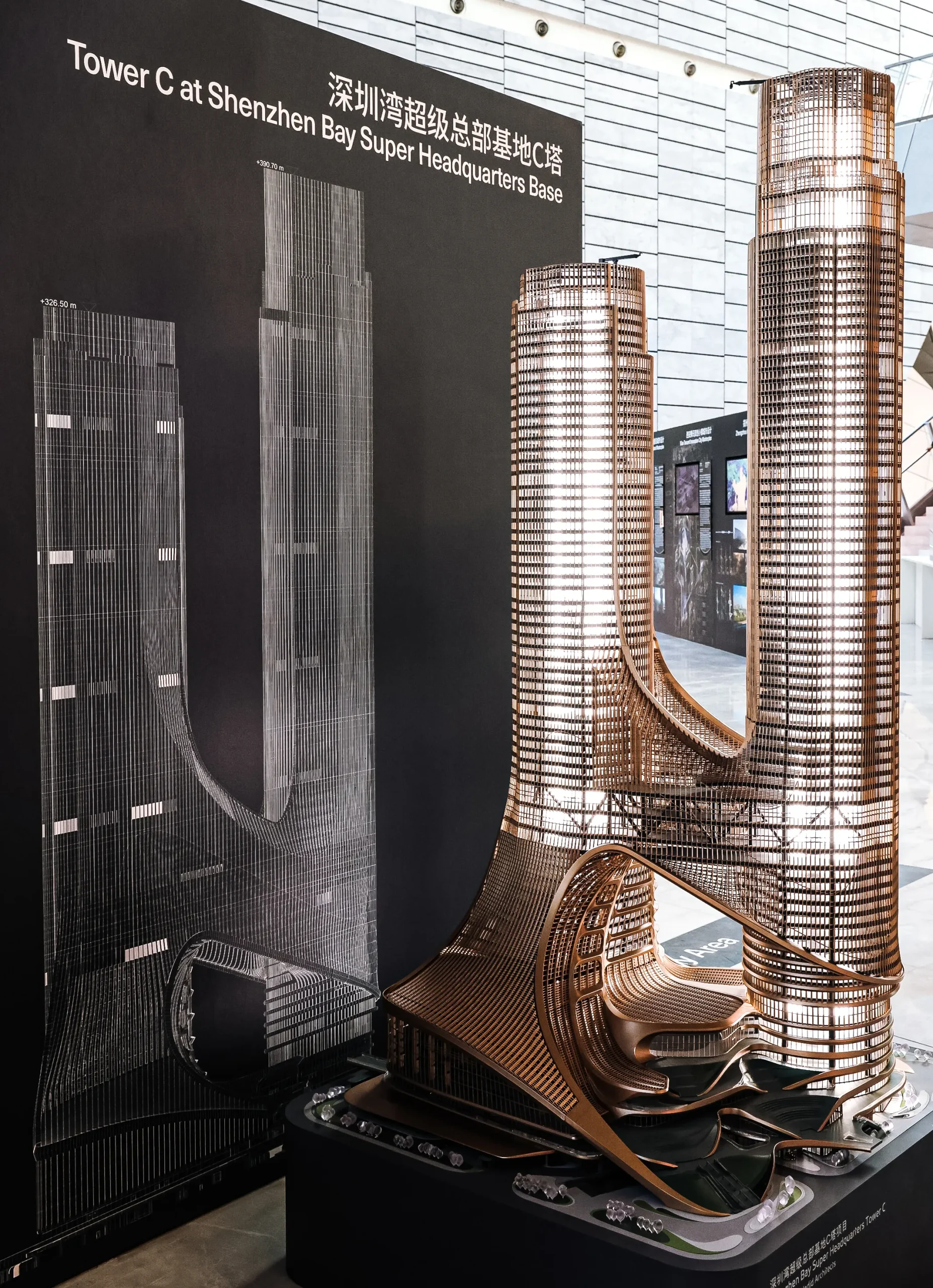
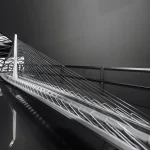
Future-facing projects such as the Shenzhen Institute for Financial Technology, Tower C at Shenzhen Bay Super Headquarters Base, and the High-Speed Rail West Kowloon Terminus Development extend this narrative, revealing ZHA continues to engage with infrastructure, finance, and civic space at a metropolitan scale.
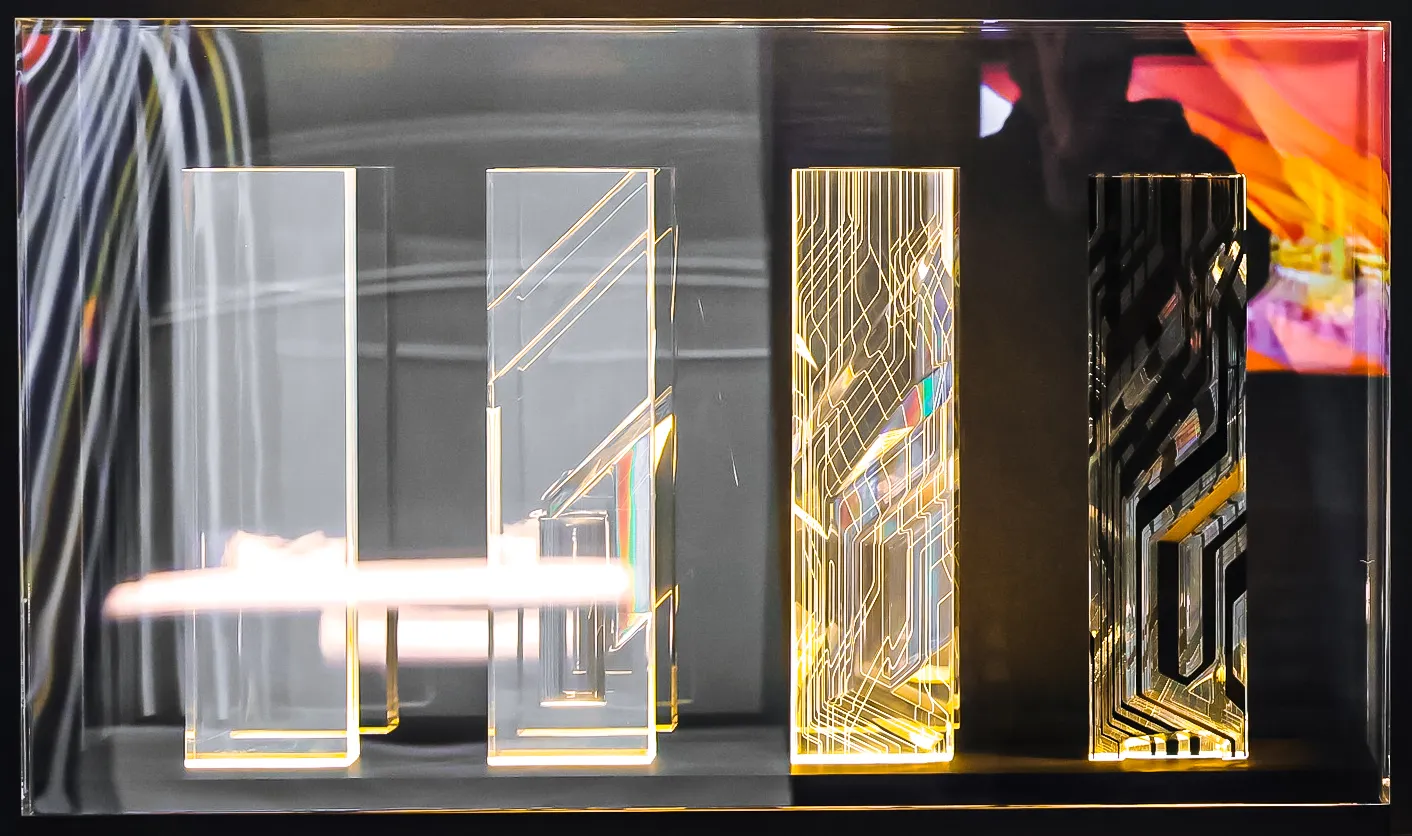
Digital Futures: AI, Virtual Space, and Design Intelligence
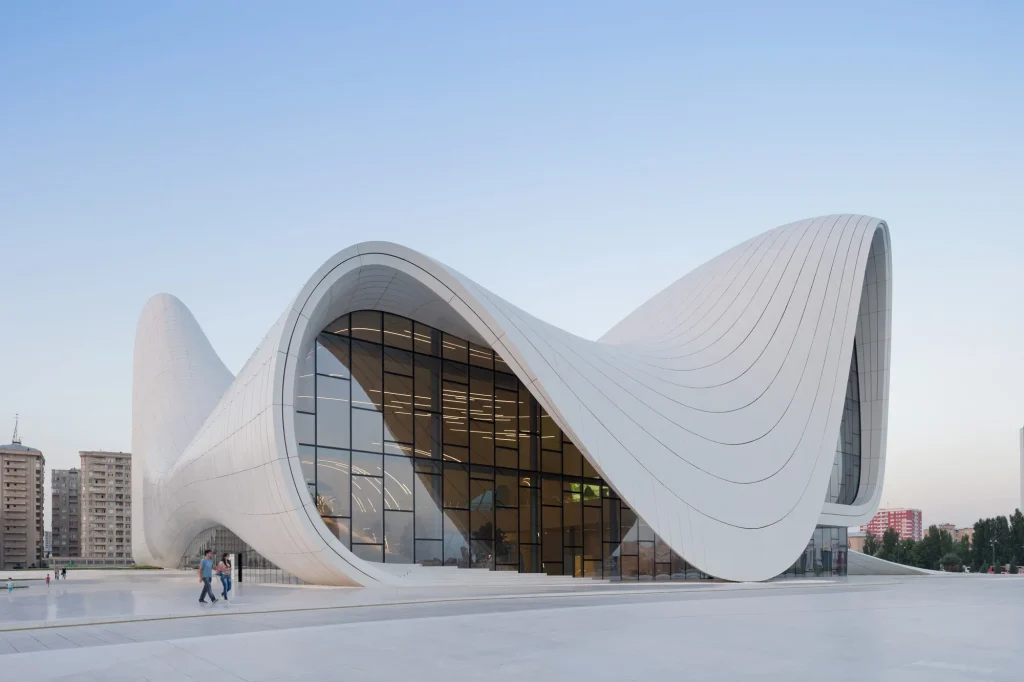
ZHA’s architecture is often associated with fluid geometries and mathematical complexity; the exhibition emphasizes that these forms are never purely abstract.
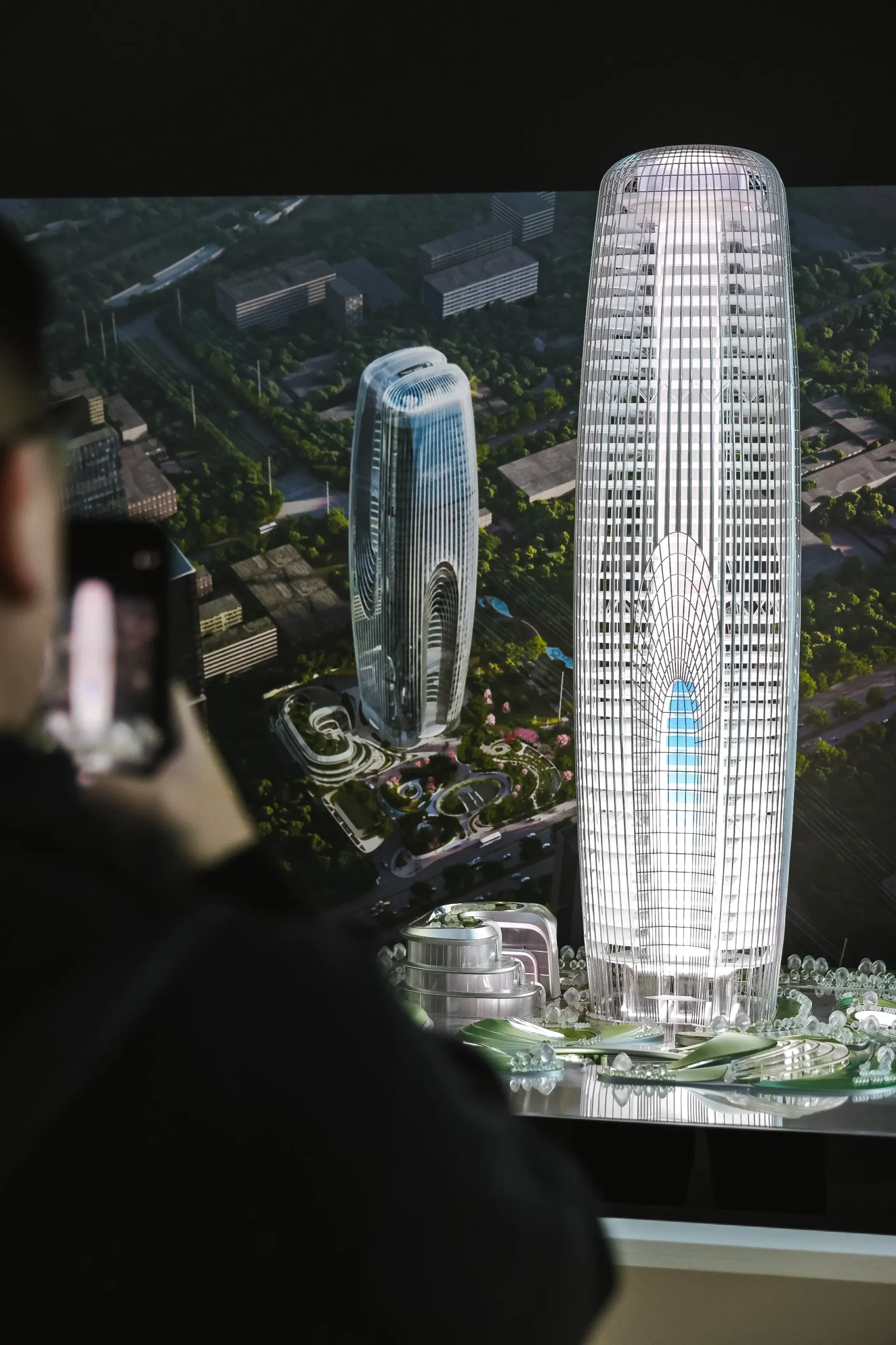
The exhibition claims that ZHA’s work balances expressive freedom with clarity. Despite their visual dynamism, the buildings remain structured, intuitive, and functional. This duality between complexity and coherence emerges as a recurring theme, reinforcing the idea that advanced computation can enhance.
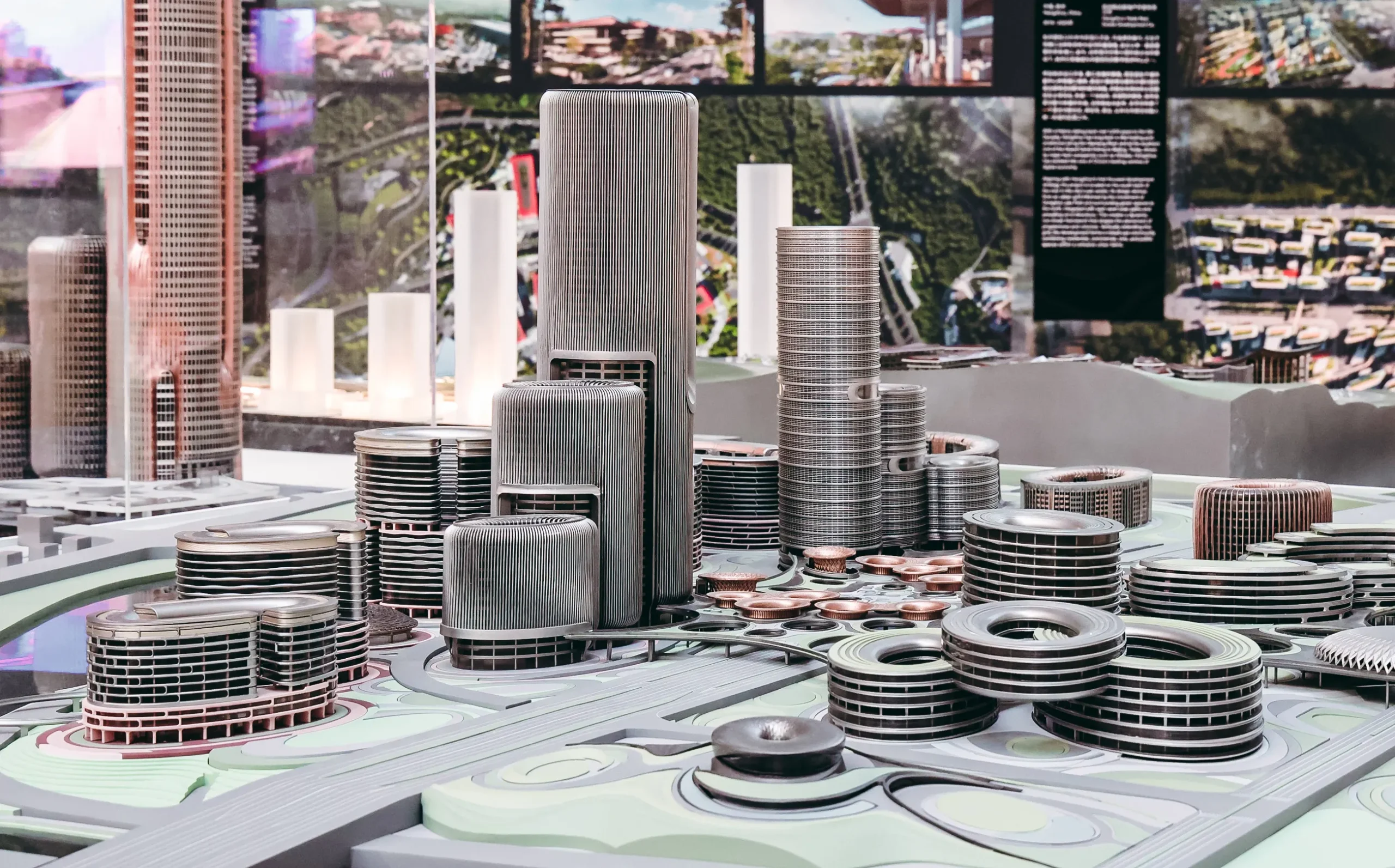
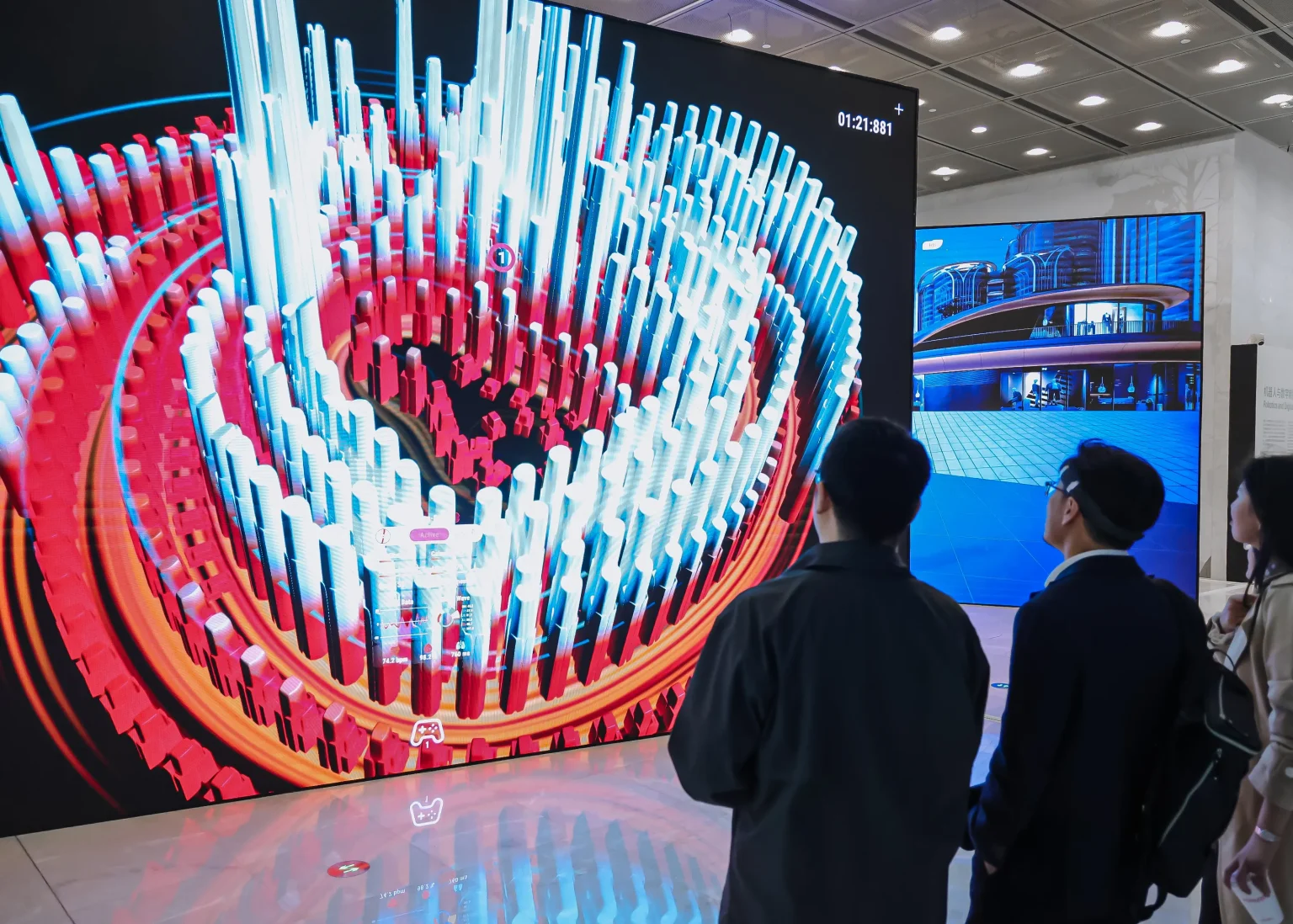
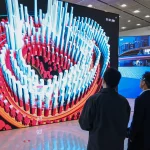
A major section of the exhibition is dedicated to ZHA’s research into artificial intelligence, immersive environments, and digital fabrication. Collaborative projects with authorities in AI computing display machine learning and data-driven systems being used to explore new design possibilities, from environmental modeling to behavioral analysis.
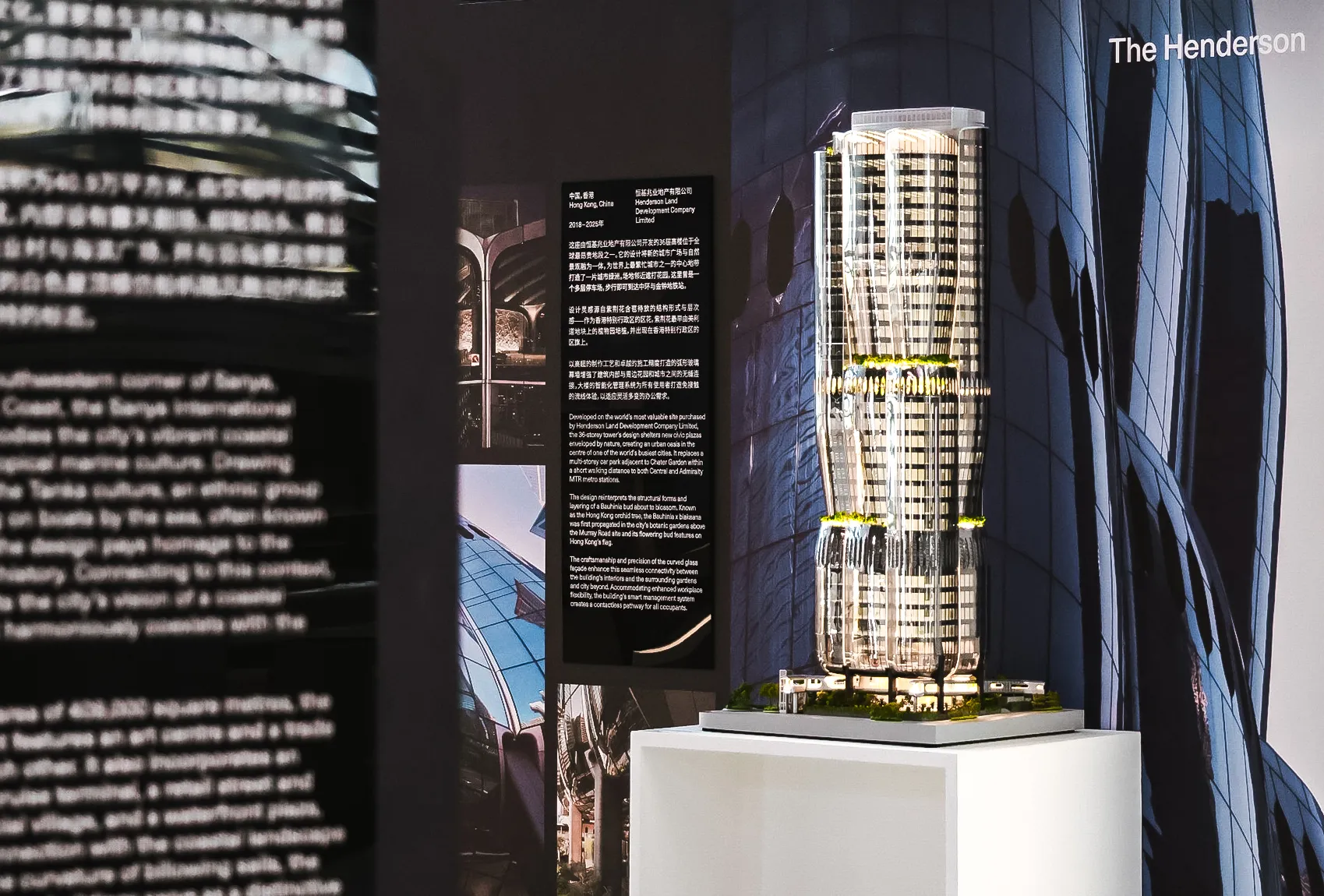
Interactive installations allow visitors to engage with virtual and augmented design environments. Advanced tools derived from gaming technologies enable real-time navigation through digital architectural models, offering insight into how projects are tested, modified, and communicated. These platforms support collaboration across disciplines and allow clients and stakeholders to participate directly in the design process.
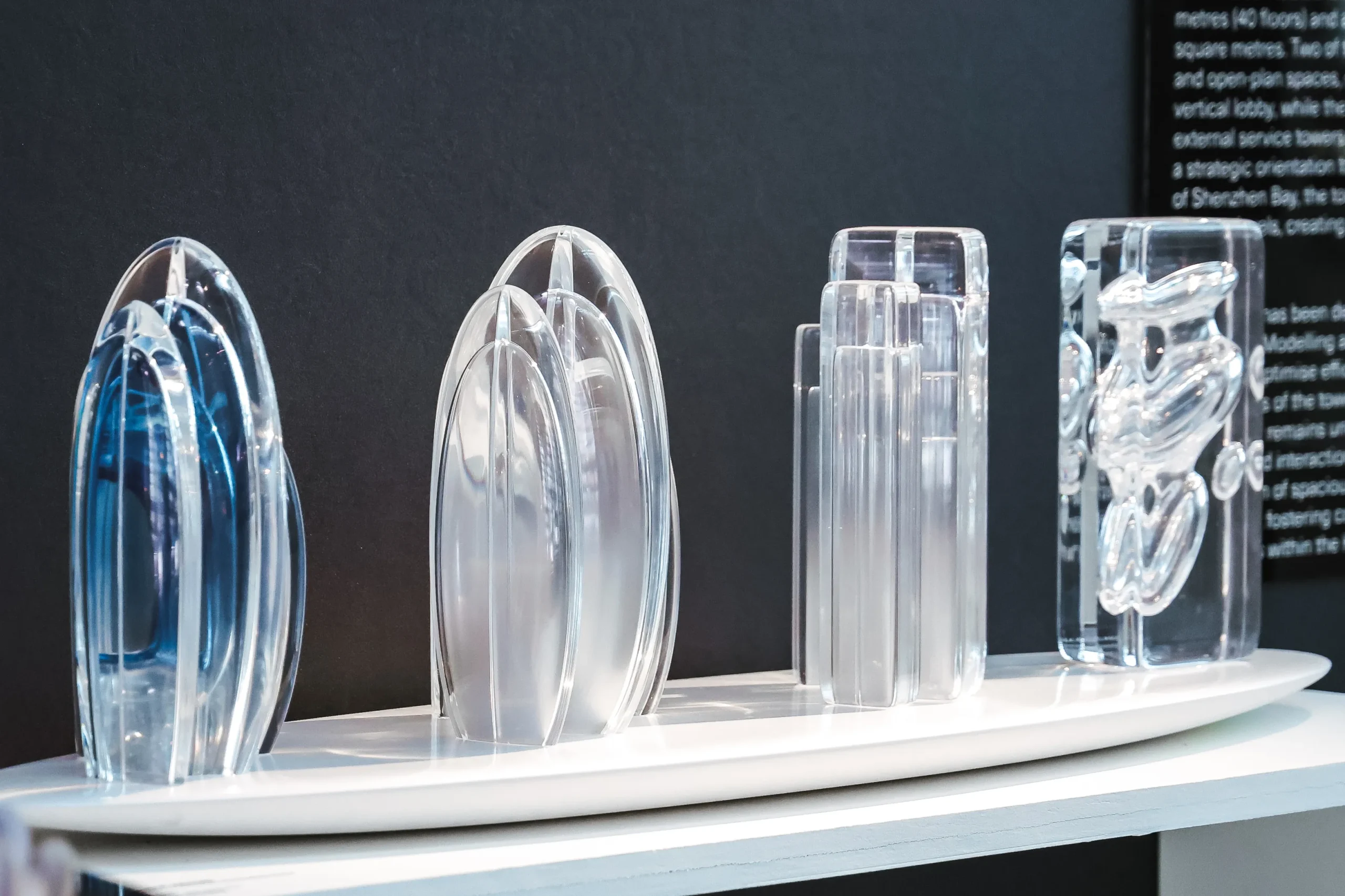
Research clusters such as ZHA City, Greater Bay Area District, and Metrotopia present hypothetical visions of future urban environments that might respond to shifting patterns of mobility, density, and social interaction in the 21st century.
Robotics, Fabrication, and Material Intelligence
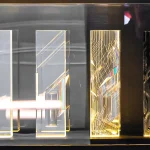
The exhibition also spotlights emerging construction technologies that are reshaping architectural production. ZHA’s research into robotic fabrication and advanced geometries illustrates that digital design models can remain in discussion with industrial manufacturing processes.
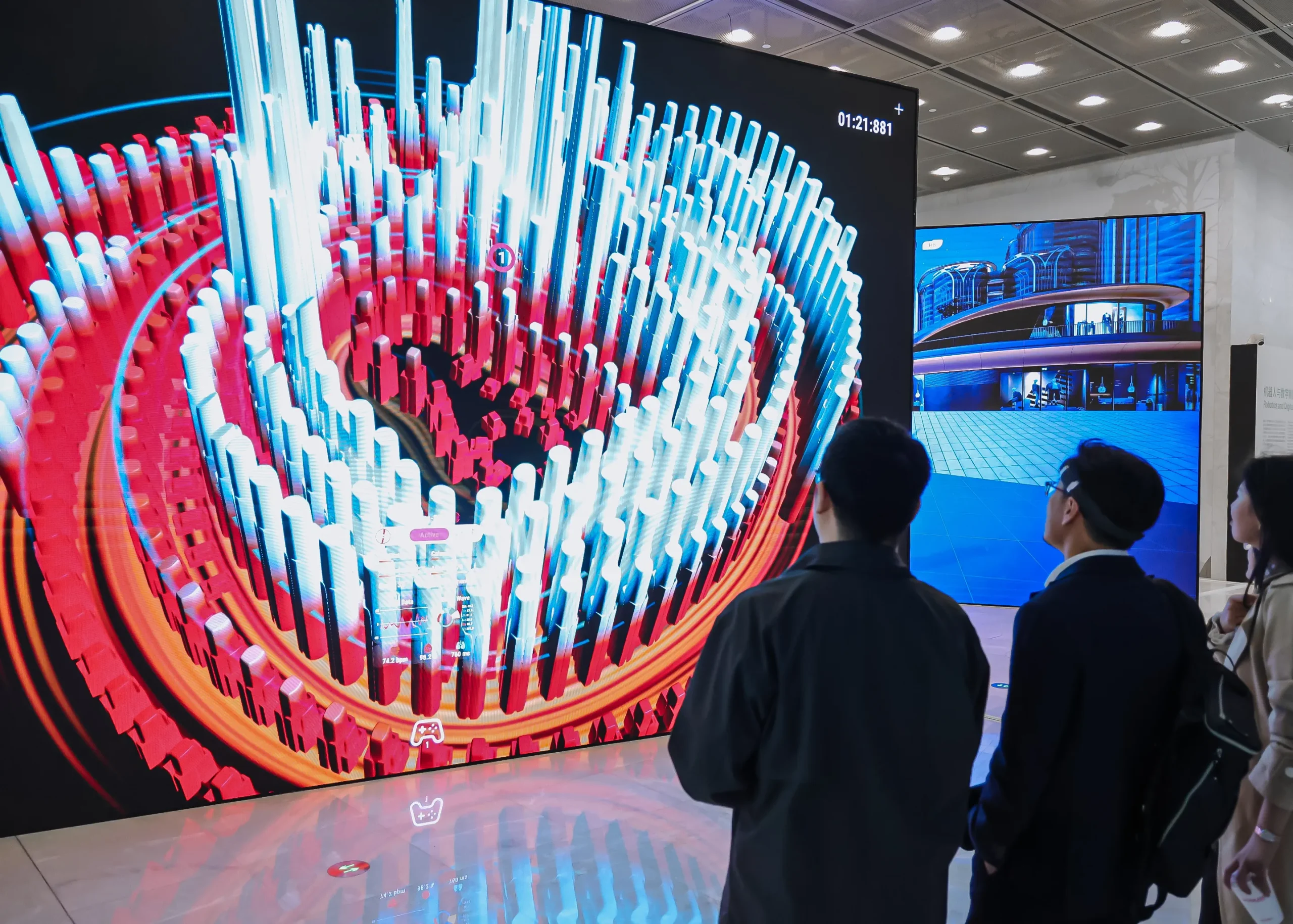
Prototypes and fabrication studies depict robotic systems that enable greater precision, material efficiency, and adaptability on-site. These experiments point toward a future in which design and construction are increasingly integrated, allowing architecture to evolve with greater speed and responsiveness while reducing waste.
Civic Space and Cultural Identity
Beyond technology and form, the exhibition underscores ZHA’s interest in architecture as a cultural and social framework. Projects such as the Greater Bay Area Sports Centre, GO PARK Sai Sha in Hong Kong, and the forthcoming Yidian Center for the Chen Yidan Foundation are presented as spaces that foster community, learning, and collective identity.
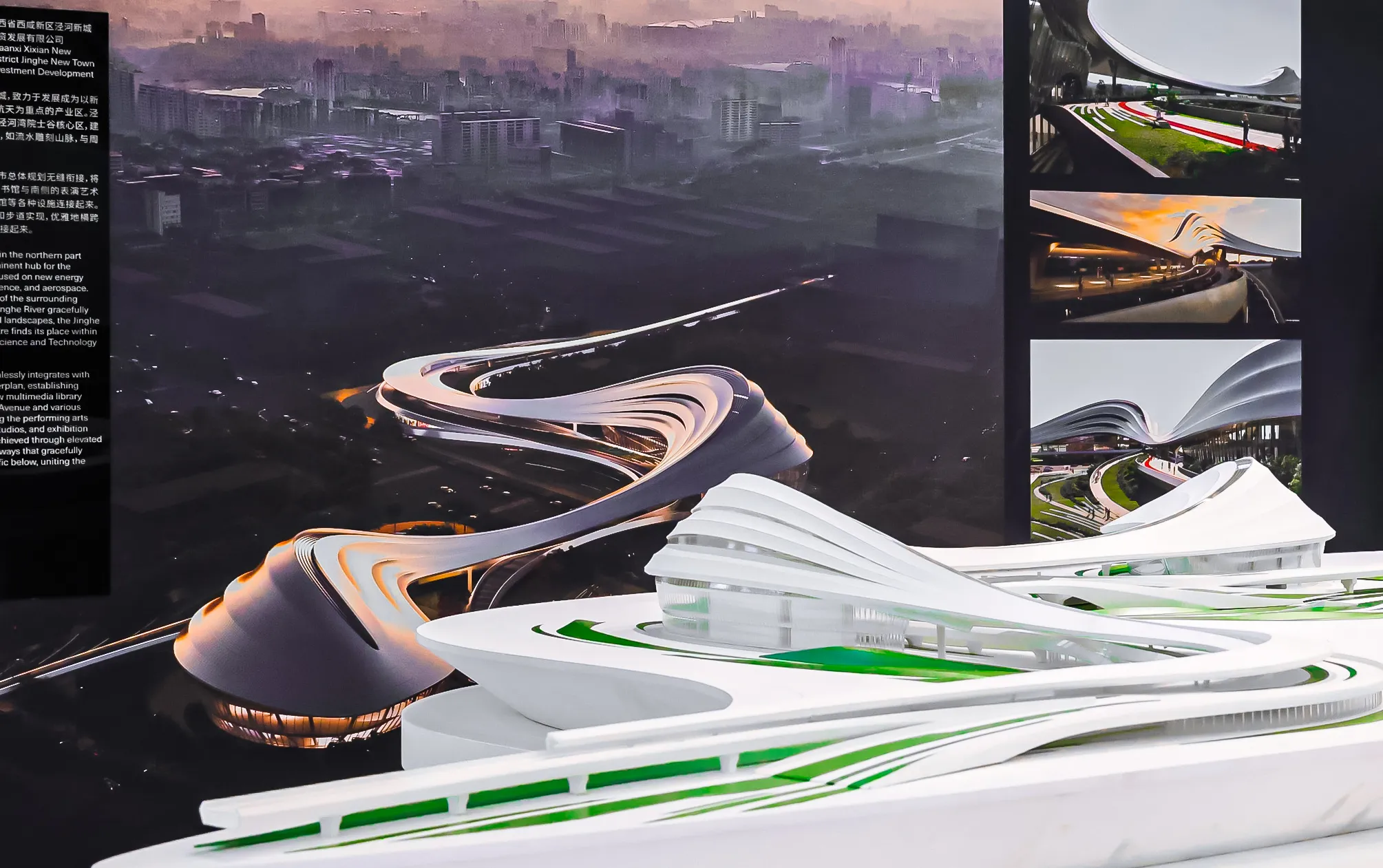
These works demonstrate how architecture can support civic dignity and shared experience, embedding large-scale structures within the everyday lives of their users. In this context, “possibility” is framed as the capacity of architecture to shape social connection.
Architecture of Possibility ultimately presents Zaha Hadid Architects as a practice defined by continuous exploration. By bringing together built projects, research, and advanced digital tools, the exhibition reveals an architectural methodology that remains adaptable in the face of rapid change. The exhibition poses questions about the future of cities, technology, and human experience. In doing so, it reflects the core philosophy of ZHA that architecture, at its best, remains open and responsive to new ideas, new tools, and new ways of living.
Host: Shenzhen Museum of Contemporary Art and Urban Planning (MOCAUP)
Organiser: Zaha Hadid Architects (ZHA)
Image credit: MOCAUP