

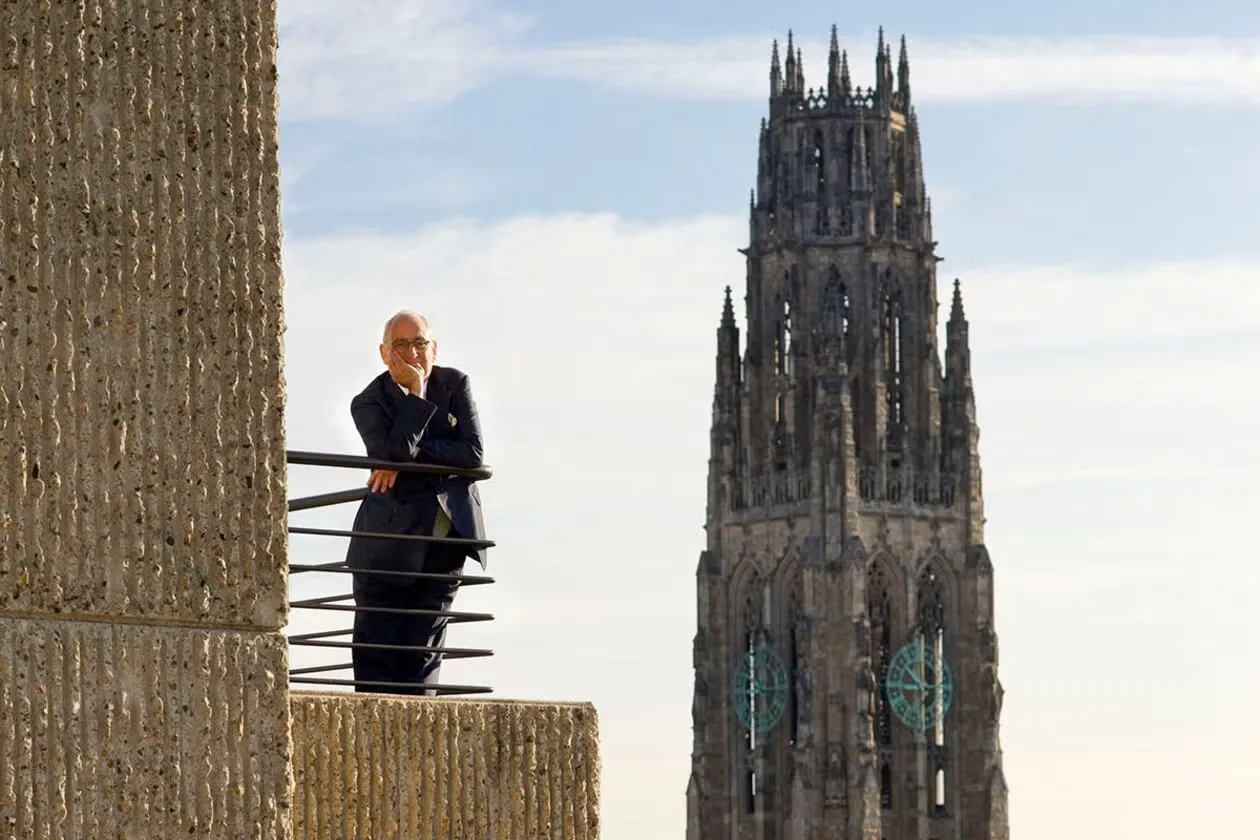



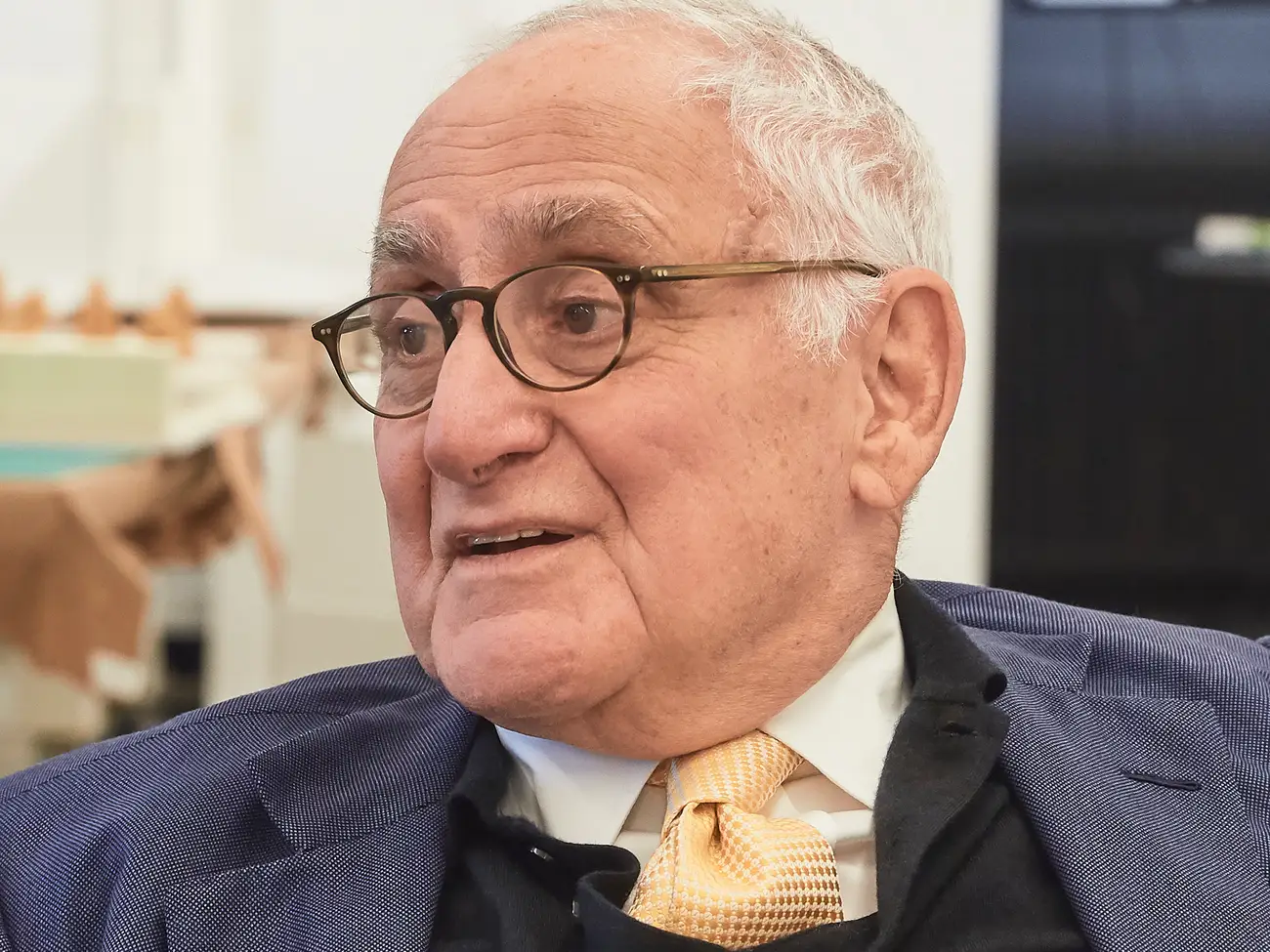
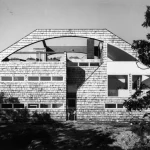

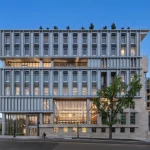

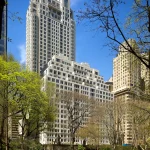

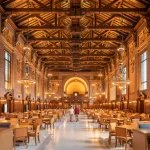
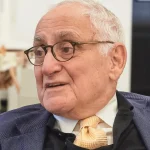
The master of late 20th and early 21st-century American architecture, Robert A.M. Stern, passed away on November 27 at the age of 86. His death marks the conclusion of a remarkable six-decade career, defined by a multifaceted engagement with the built environment and culminating in his recognition as the foremost exponent of modern classicism.
RAMSA’s Modern Traditionalism
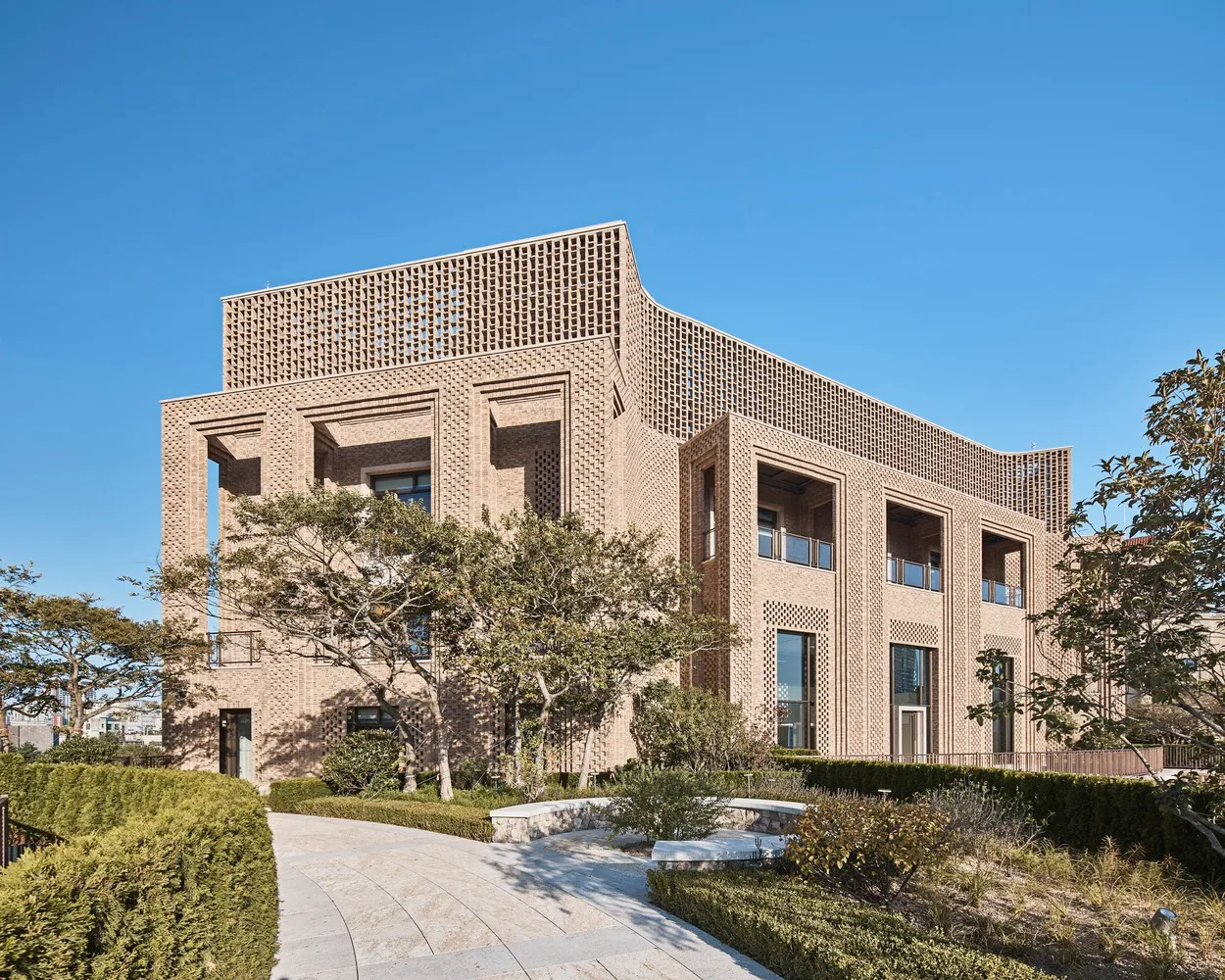
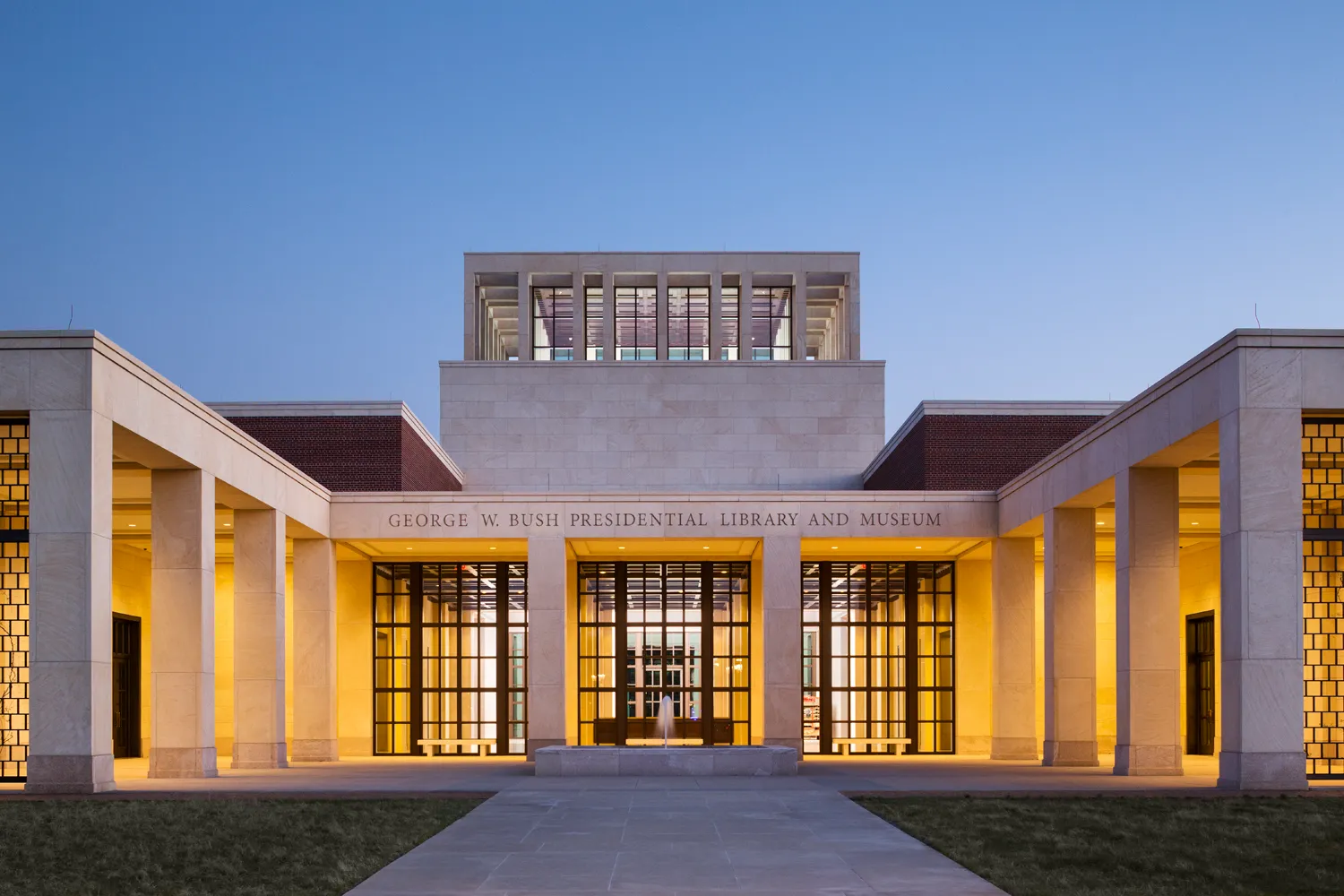
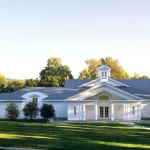
Founder of Robert A.M. Stern Architects (RAMSA), a Manhattan-based firm known for designing high-end, luxurious residential projects, especially located in the Hamptons, Martha’s Vineyard, and Palm Beach, Stern leaves behind a legacy that reflects his extensive body of work, including his bibliography, the generations of students he mentored, and the buildings that that came to define his aesthetic.
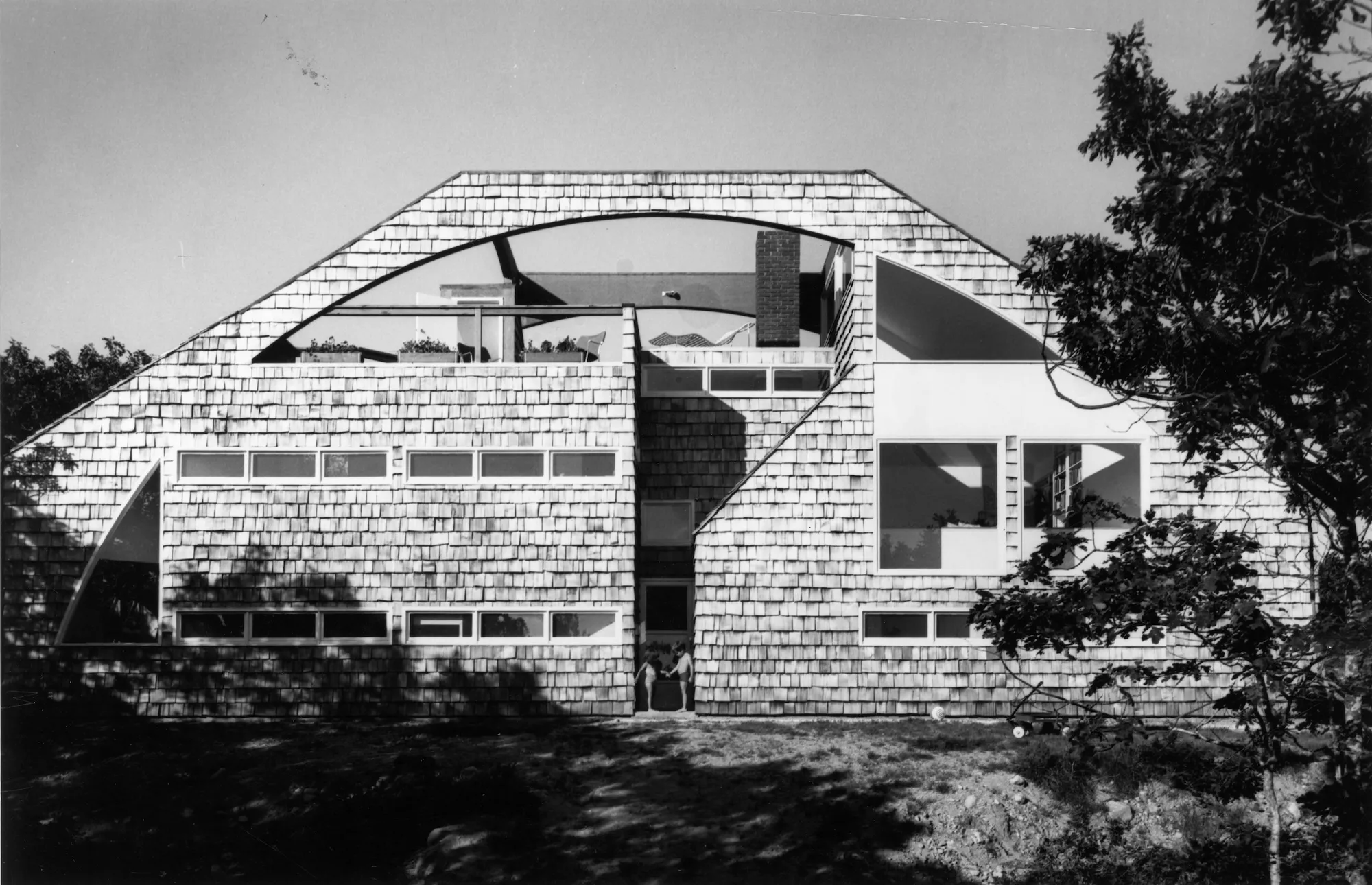
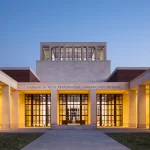
Stern’s core architectural philosophy was rooted in precedent and historical memory, envisioning design as an ongoing dialogue between memory and invention, a bridge between what was and what could be. His style embraced modern traditionalism, balancing functionality and contemporary needs with historical architectural styles. RAMSA, internationally known for designing bespoke residential properties in America, made a market-defying decision to revive the old-fashioned and make it new again, rejecting trends of modernist glass structures. The design approach was a deliberate strategy to evoke a sense of modern, luxurious splendor.
Architectural History as Practice
Born in Brooklyn in 1939, he attended Columbia University in the 1950s, receiving a B.A. in American history in 1960, where he befriended Adolf Placzek, an administrator at the fine arts library, who introduced him to prized archival holdings, including I.N. Phelps Stokes’s six-volume Iconography of Manhattan Island. This foundational study later served as the direct model for his own published series on New York architecture.
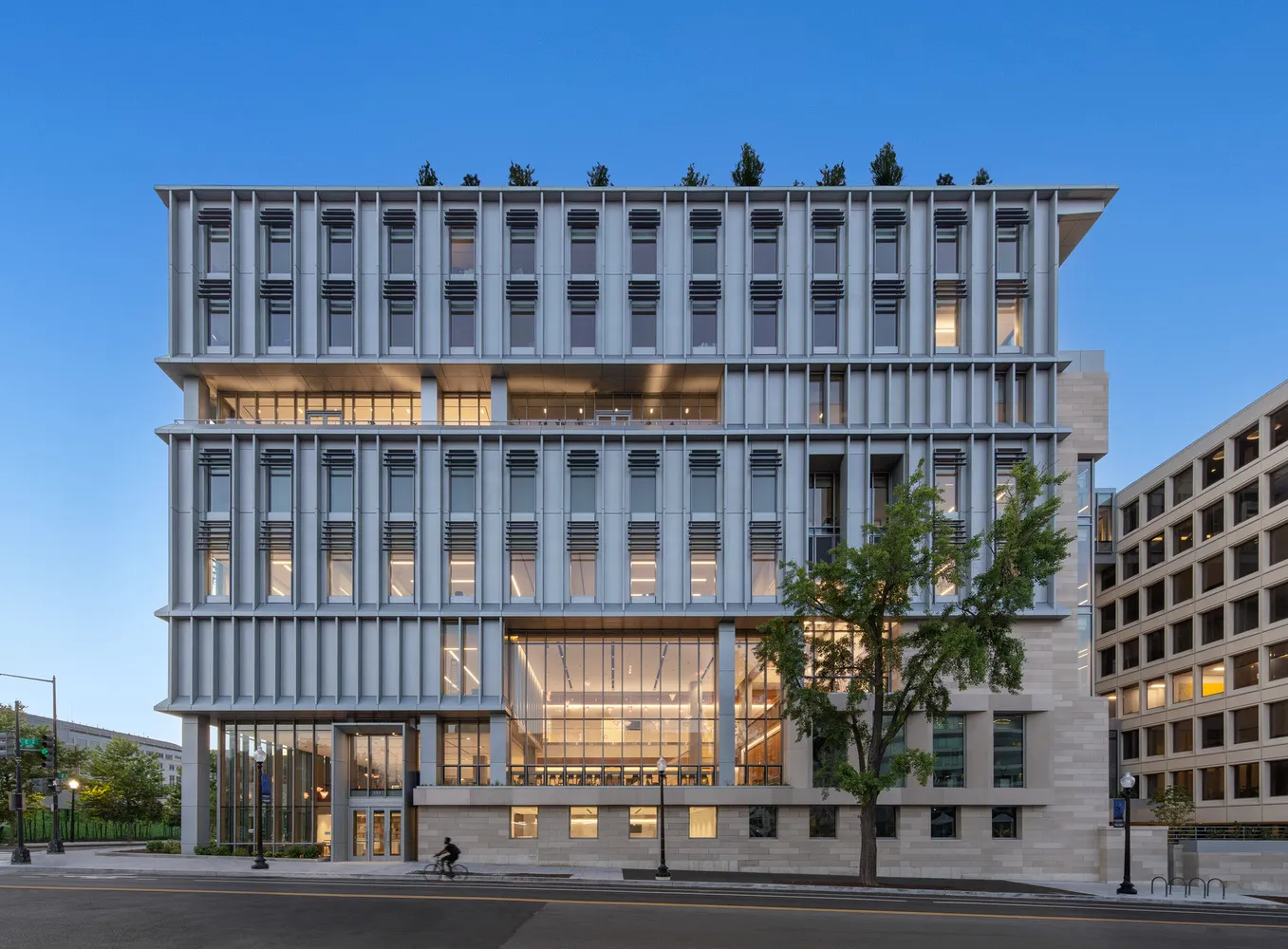
He pursued architecture at Yale University, graduating with his Master of Architecture degree in 1965, where he was influenced by the works of Louis Kahn, Robert Venturi, and Henry-Russell Hitchcock. Philip Johnson also took an early interest in Stern, becoming a lifelong friend and mentor.
The Architect, The Dean, and The Historian
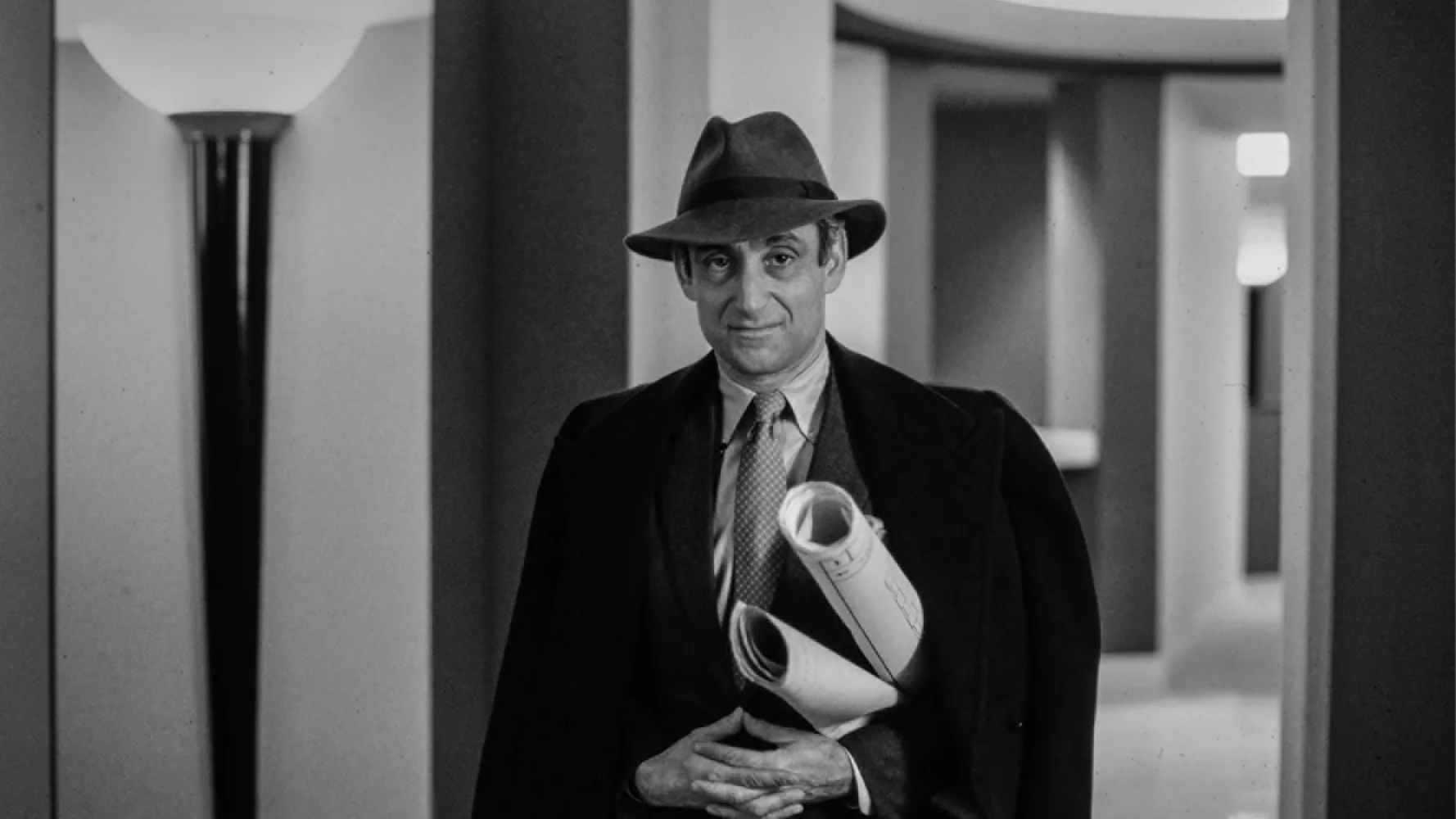
Robert Arthur Morton Stern’s teaching career began in 1970, when he directed the Historic Preservation Program and became the first director of the Temple Hoyne Buell Center for the Study of American Architecture, before later leading the Yale School of Architecture. was named J.M. Hoppin Professor of Architecture in 2000. He emphasized a curatorial and inclusive approach to architectural education and often invited Zaha Hadid, Peter Eisenman, Frank Gehry, and Cesar Pelli, architects stylistically opposed to his own work, to teach at the school.
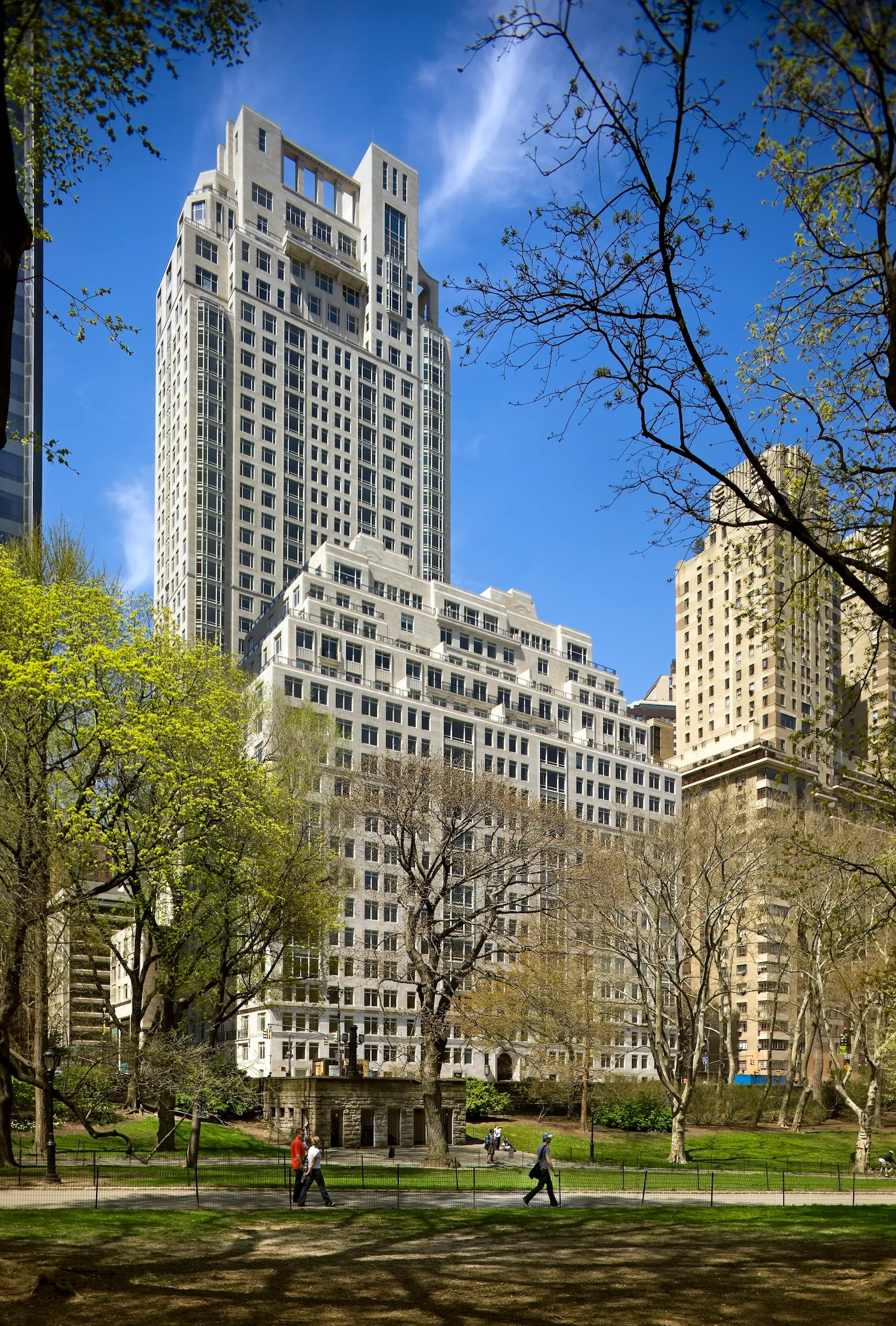
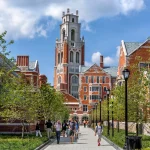
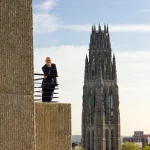
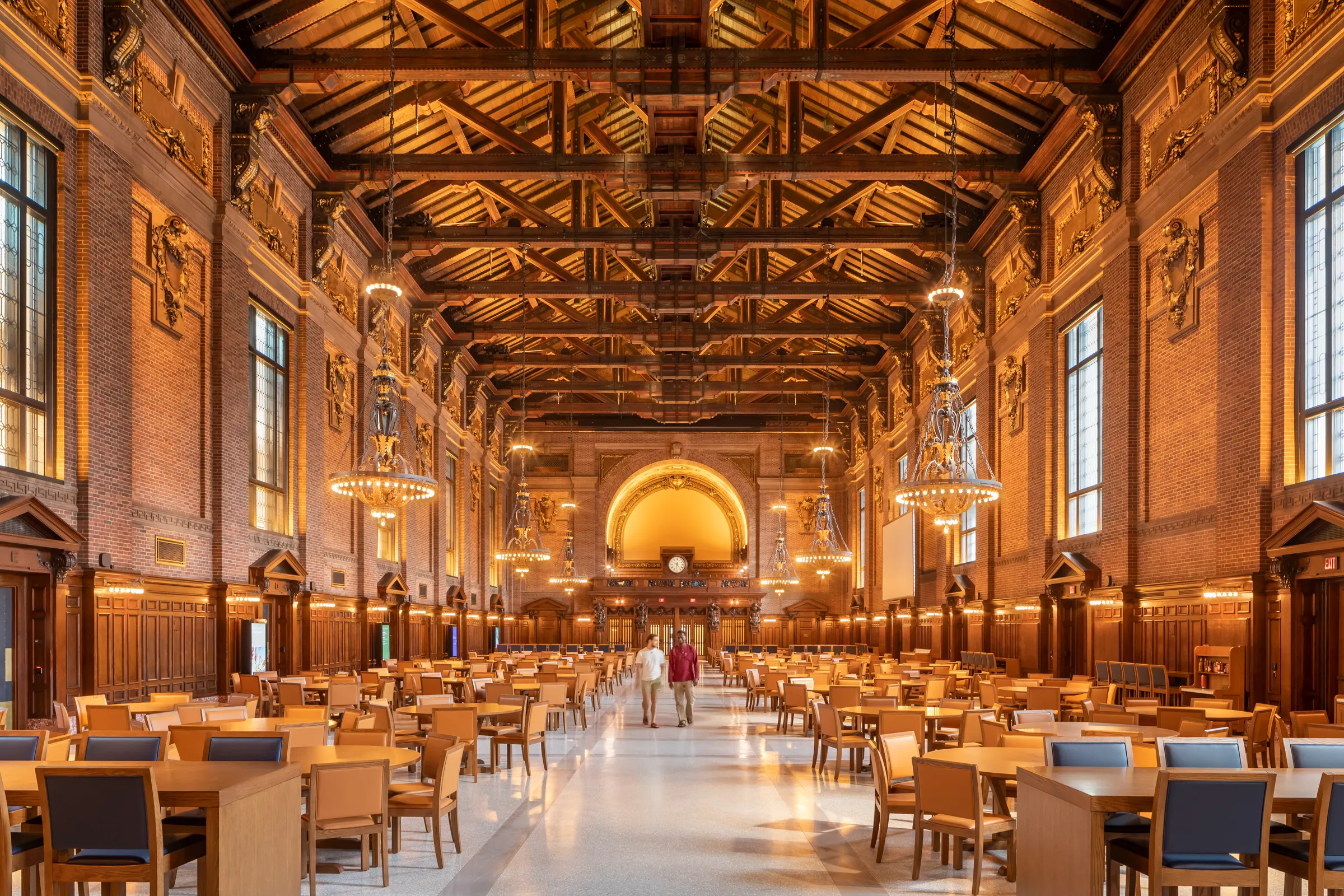
The most significant administrative achievement of his tenure was commissioning the $126 million restoration and renovation of Paul Rudolph’s Brutalist Art & Architecture Building (A&A), a cornerstone of high modernism at Yale. At the same time, RAMSA was commissioned to design new facilities for Yale, including two new residential colleges, Pauli Murray College and Benjamin Franklin College, completed in 2017 in the Collegiate Gothic style.
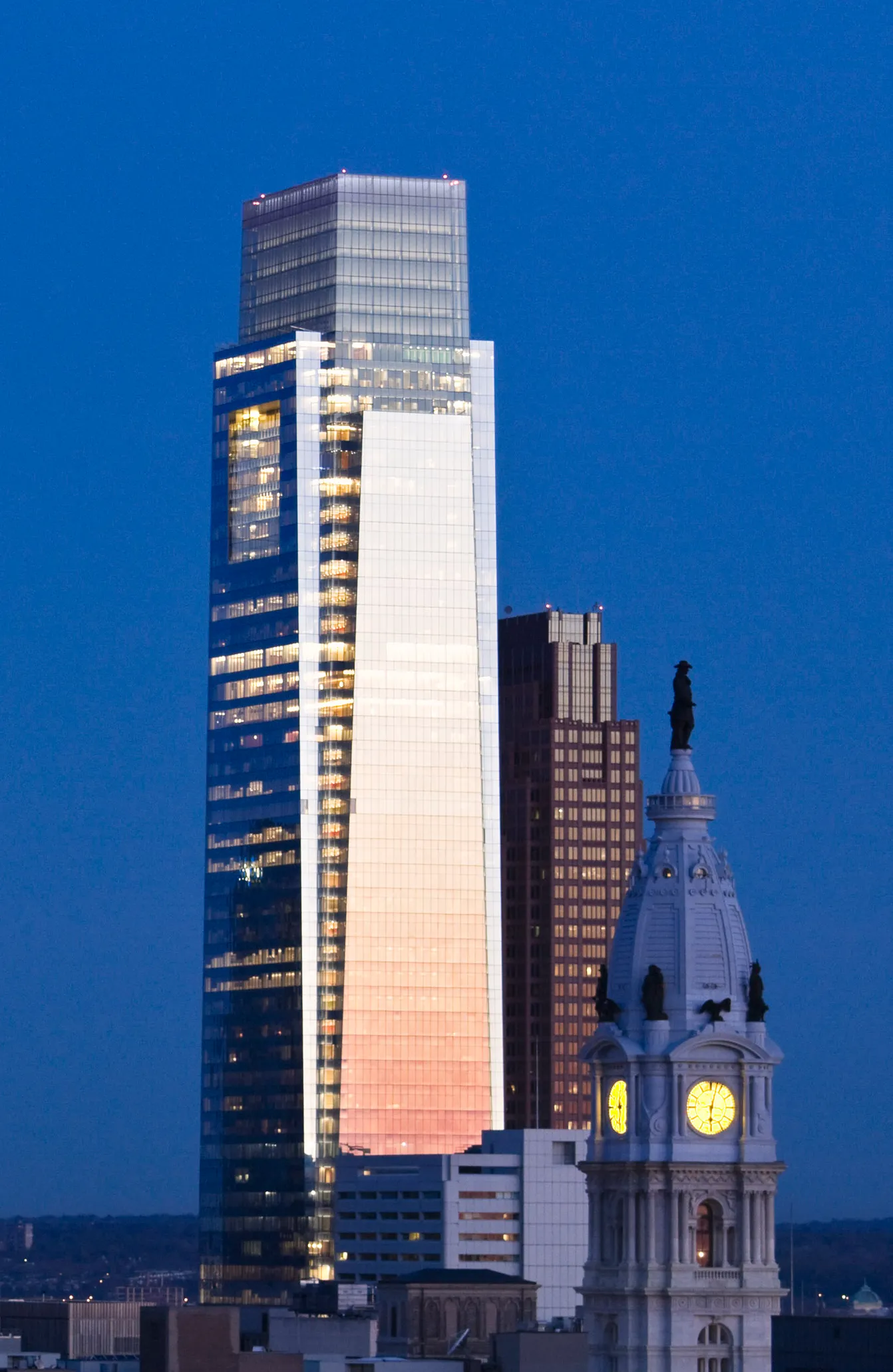
He also authored and co-authored numerous books, and one of the significant books is the multi-volume, encyclopedic history of New York City architecture and urbanism, which spans from the Gilded Age to the present day. Stern also skillfully hosted Pride of Place: Building the American Dream, an eight-part, eight-hour documentary series.
His bibliography includes important theoretical works, such as Modern Classicism (1988), biographical studies, notably George Howe: Toward a Modern American Architecture (1975), and collections of interviews and essays. His influence was acknowledged internationally, as evidenced by his selection to represent the United States at the Venice Biennale in 1976, 1980, and 1996, and his subsequent service as Chair of the International Jury in 2012.