














Architecture’s most influential figures have long demonstrated that their ideas are not confined to skylines or masterplans. The same minds who script museums, towers, and cultural landmarks increasingly turn to the scale of the hand, exploring how everyday objects might carry the identity of their architectural worlds. Across shelves, lamps, eyewear, and even rescue devices, these pieces become distillations of larger philosophies, small-scale architectures that fit on a desk, a wall, or a wrist.
Far from being side projects, these objects reveal how architects think when freed from the constraints of site, program, and gravity. They expose the line where material experimentation meets industrial precision, where formal ambitions shrink to domestic dimensions, and where spatial ideas become tactile companions in daily life.
The following selection traces ten such works, objects conceived by renowned architects that expand their design language beyond buildings, offering a glimpse into how architecture behaves when scaled down to the intimacy of use.
Here are the 10 iconic products designed by starchitects that aren’t buildings:
1. Alphabet of Light / BIG
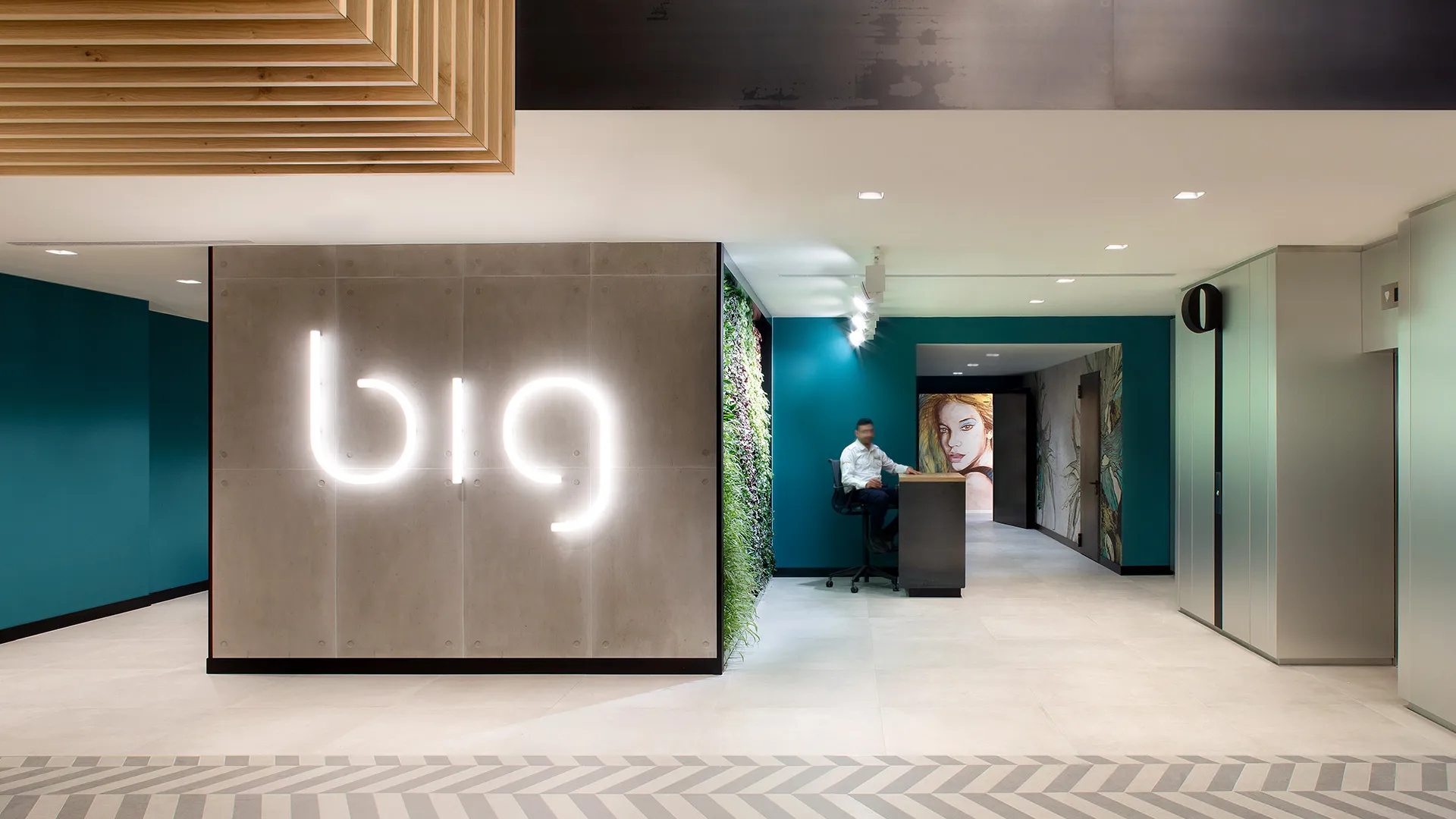
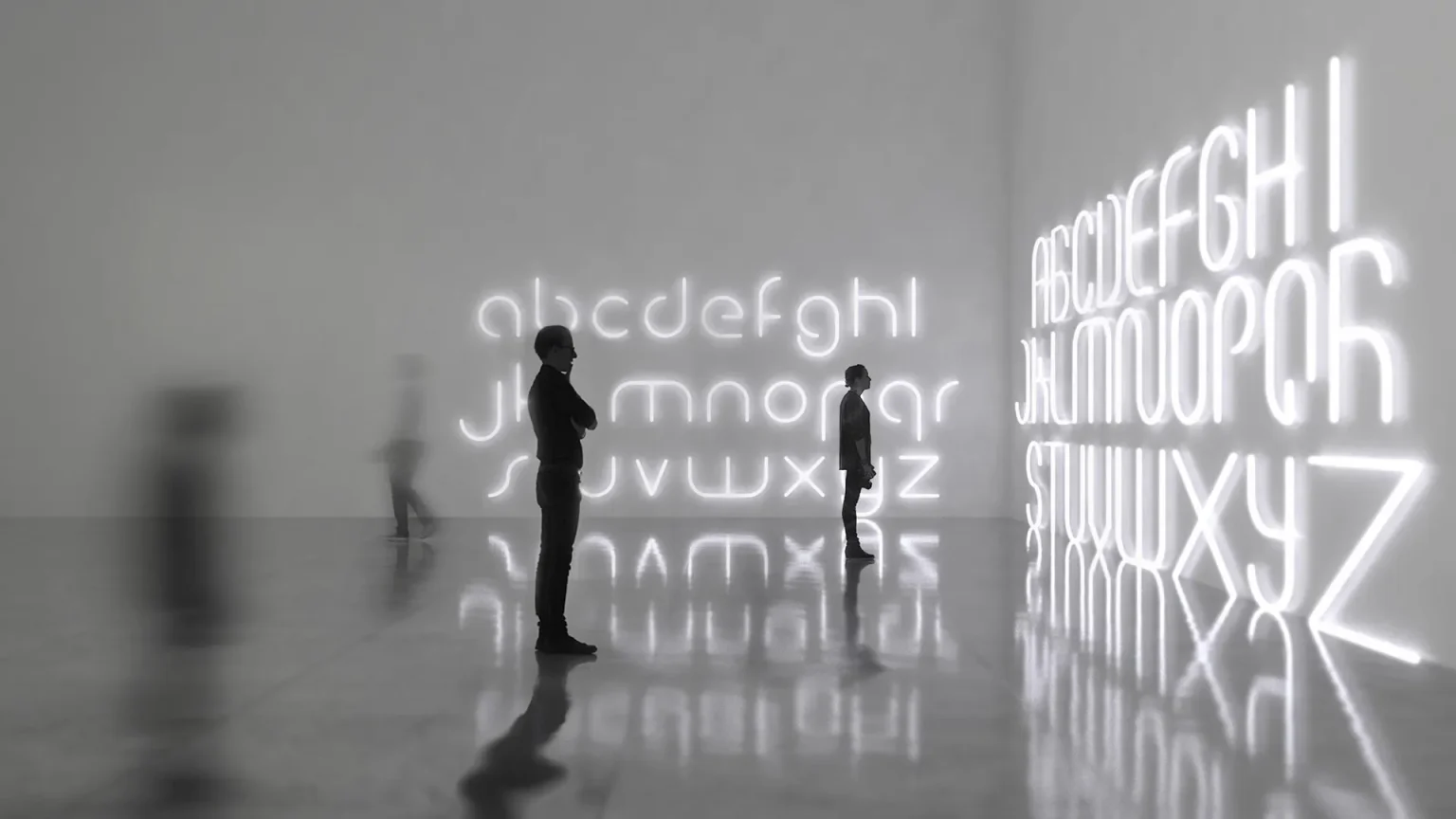
“Alphabet of Light,” designed by renowned architecture firm BIG for Artemide, is a new wall-mountable lighting solution. Continuously expanding with new curved elements, Alphabet of Light forms a luminous language that develops with increasing freedom within spaces. Essentially, the precise geometric proportions of the lighting, which create an open system through several modules, allow the modules to be combined to form infinite light structures, ranging from basic to complex, linear, or curvilinear. In this way, countless alternatives can be produced using these components, from letter-shaped forms to entirely different configurations.
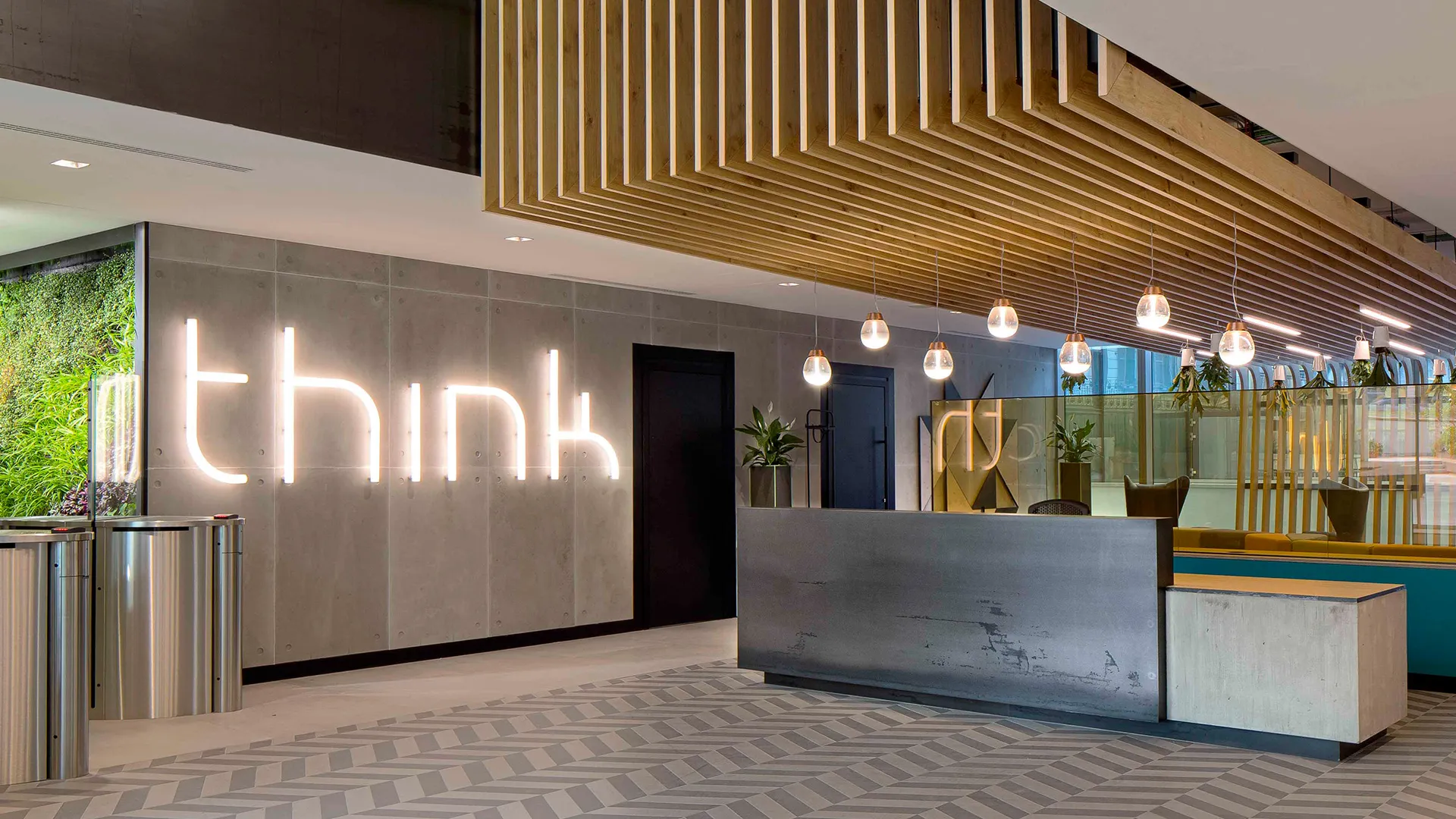
Each piece can be environmentally certified with an EPD (Environmental Product Declaration) and becomes invisible when illuminated. Combining highly innovative optoelectronic and patented mechanical components with management innovations, Alphabet of Light defines an innovative construction principle, providing continuous and comfortable illumination. The system can be controlled via the Artemide App, offering freedom not only in designing geometries but also in defining dynamic performances that can be programmed or altered in real time.
2. Time Maze / Daniel Libeskind
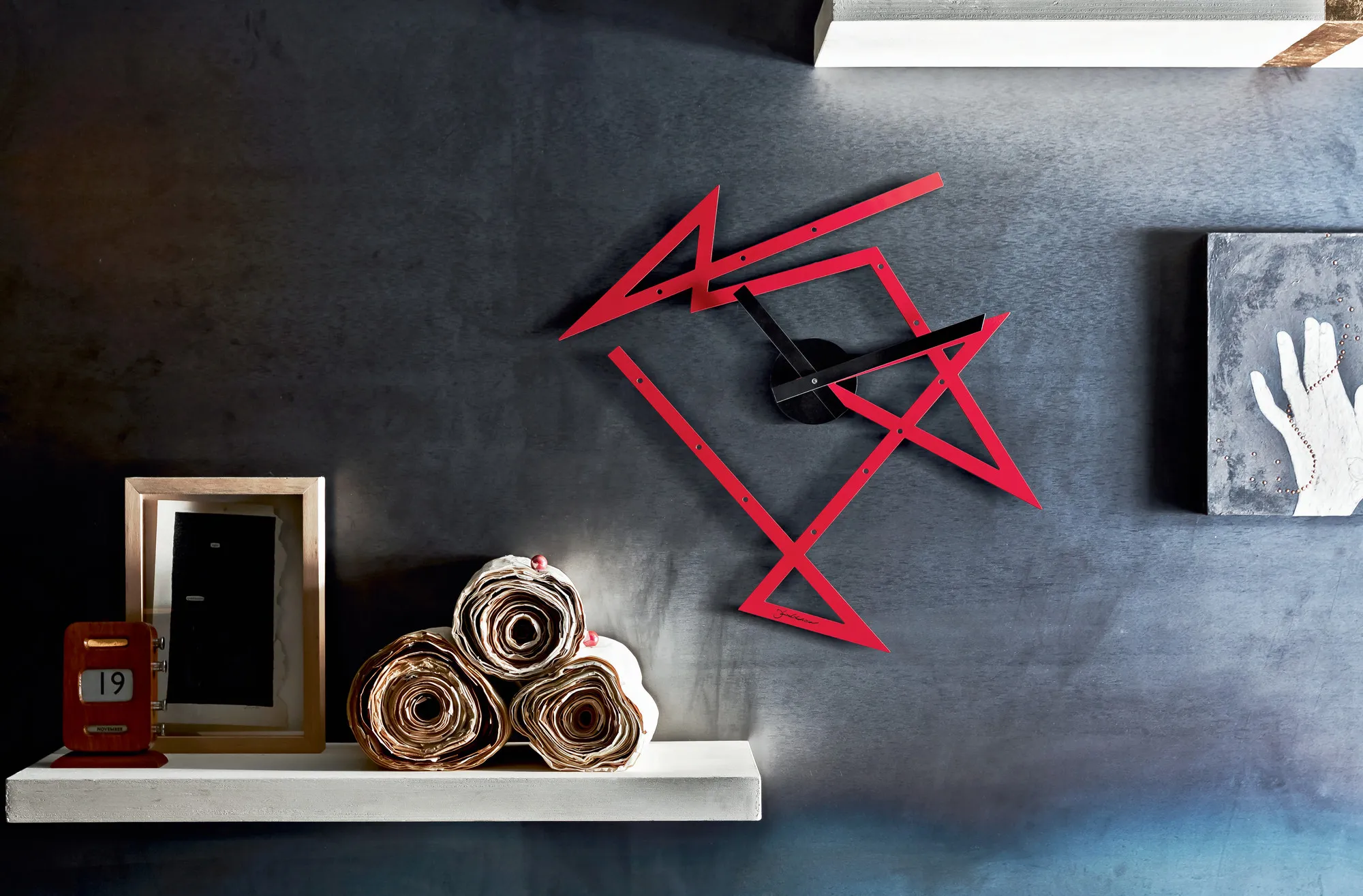
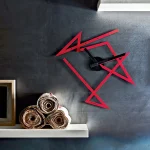
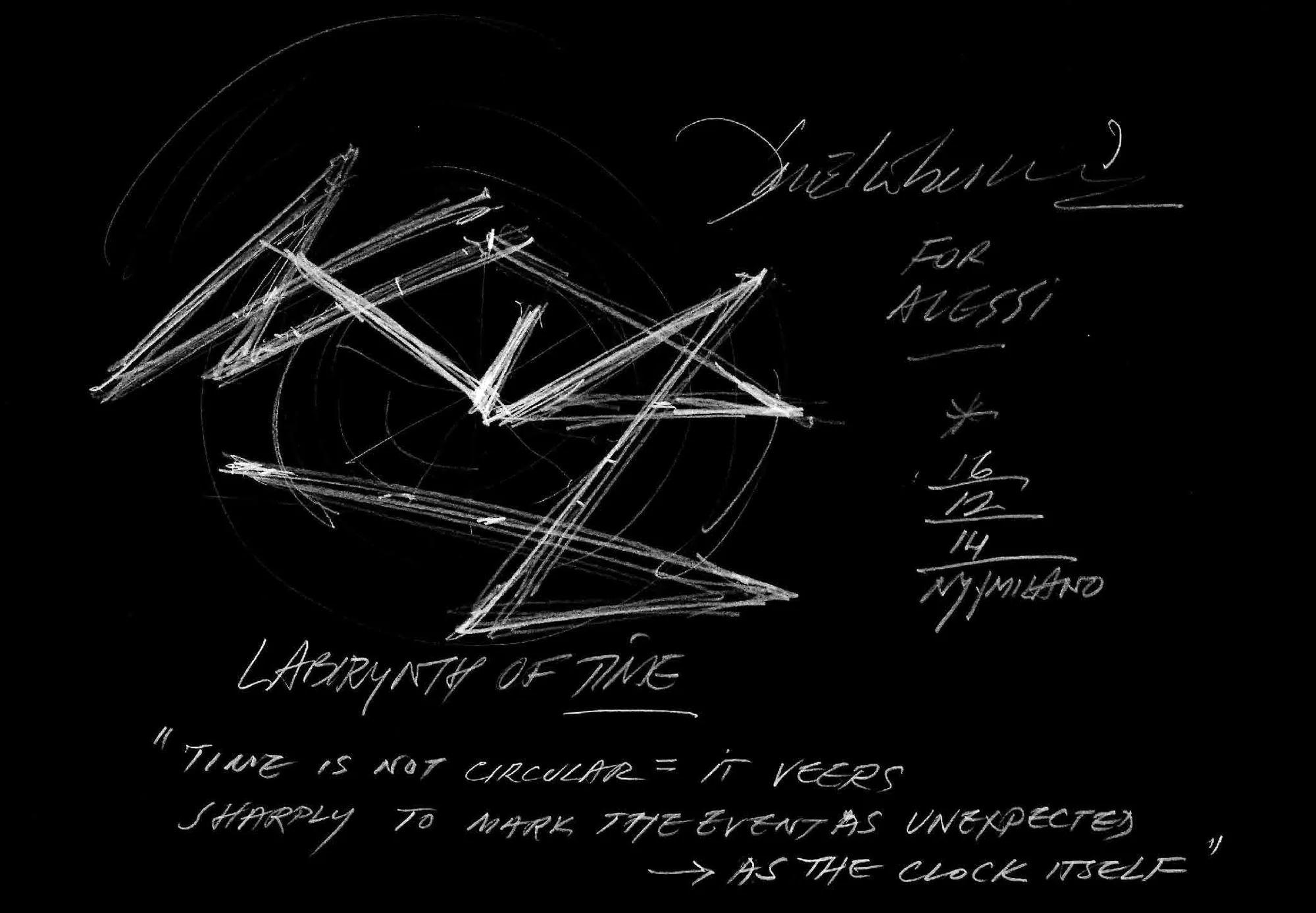
Daniel Libeskind’s Time Maze, designed for Alessi, is a clock whose body takes the form of a broken, fragmented line. The design, which defines time as a labyrinth of abstract connections, clearly reflects Daniel Libeskind’s style with its cuts and openings. The analog face and function section of the watch is located at the intersection of the zigzag lines, at the center. Made of stainless steel and available in red and black, the Time Maze allows for a personalized hanging style in any home. In doing so, it emphasizes the idea that time is not linear or circular, but a maze composed of abstract connections and playful interactions.
3. DIAL for SNSM / Philippe Starck
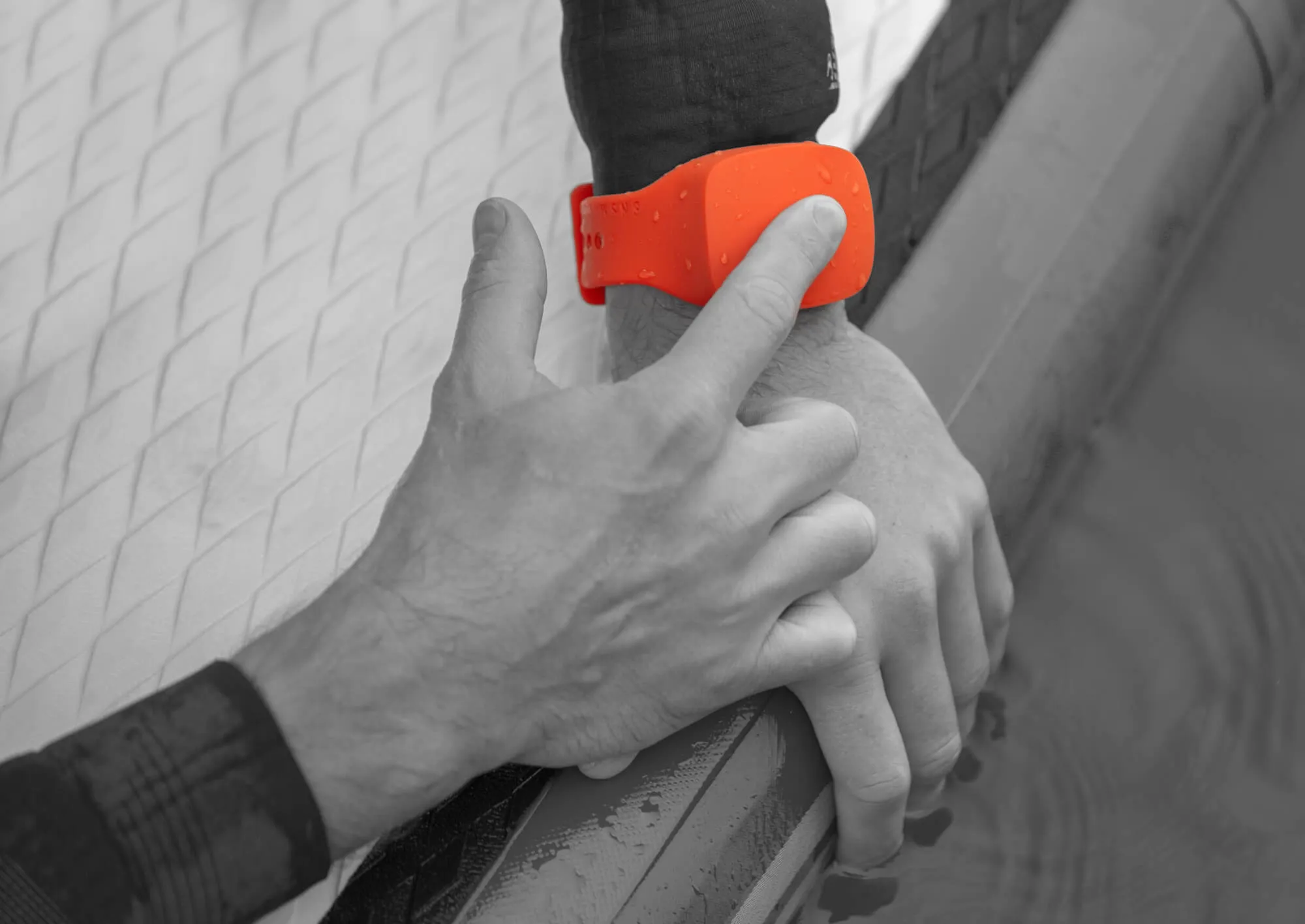
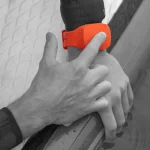
Designed by French designer Philippe Starck for people who enjoy water sports, Dial is an Individual Alert and Localization device consisting of a waterproof GPS tag embedded in a comfortable and highly durable silicone strap. This bracelet is flexible and highly durable, allowing it to fit comfortably on any wrist.

When the user encounters danger, they can activate the device to inform emergency teams of their exact location. Dial shortens the time it takes for rescue teams to reach the person in danger, while also reducing the number of everyday false alarms that can distract rescuers from true emergencies.
4. Bathrooms for 56 Leonard / Herzog & de Meuron
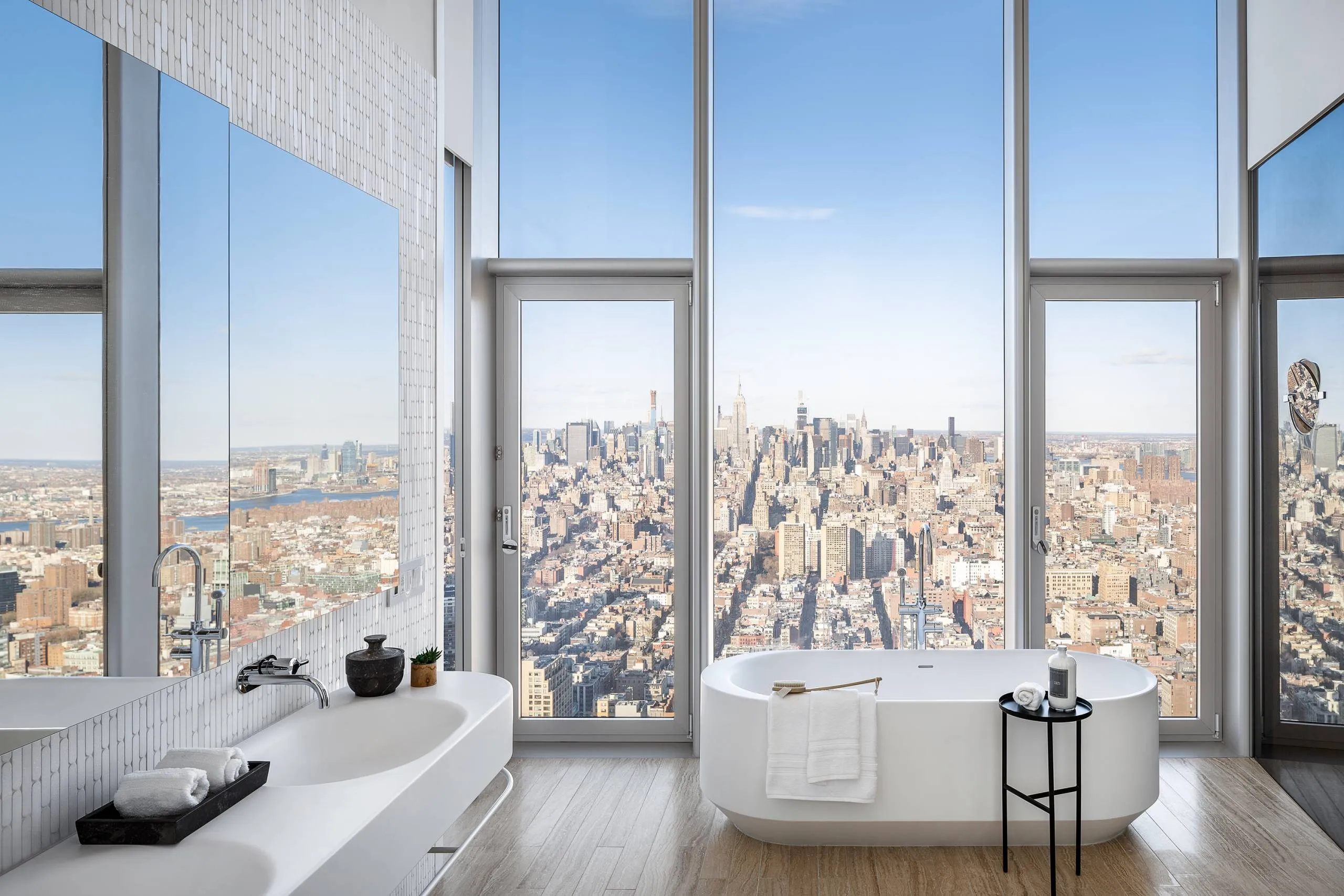
For the 56 Leonard tower in New York, Herzog & de Meuron, in collaboration with Laufen, designed 411 sinks and 142 free-standing bathtubs, as well as 577 custom matte-finished toilets featuring the “56” logo. The bathrooms, as meticulously and magnificently designed as the exterior of this luxury residential tower, are crafted from Sentec mineral casting. The sinks and bathtubs, with harmonious oval shapes reflecting the architecture, offer users a soft and luxurious appearance.
5. Valle / Zaha Hadid
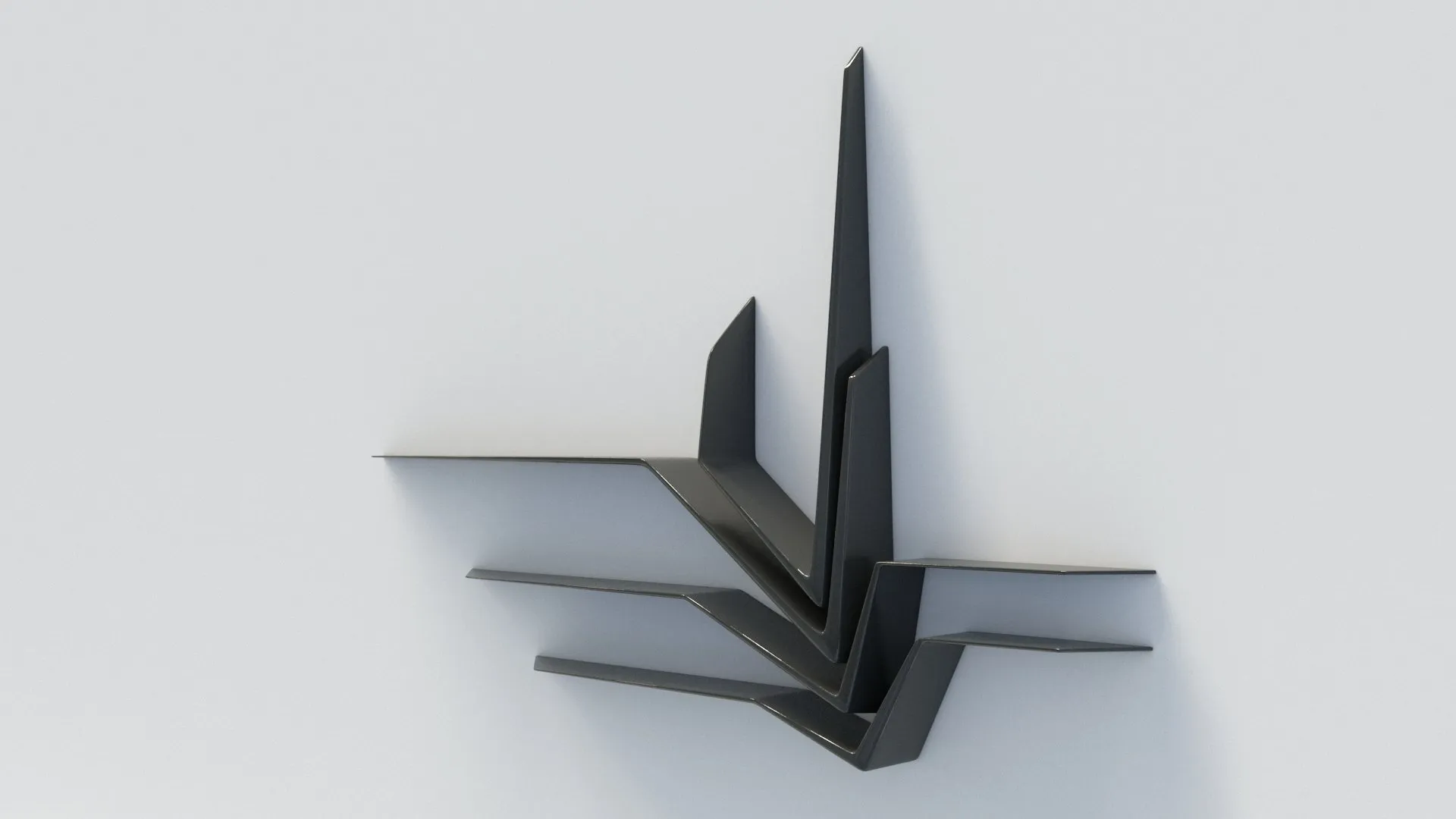
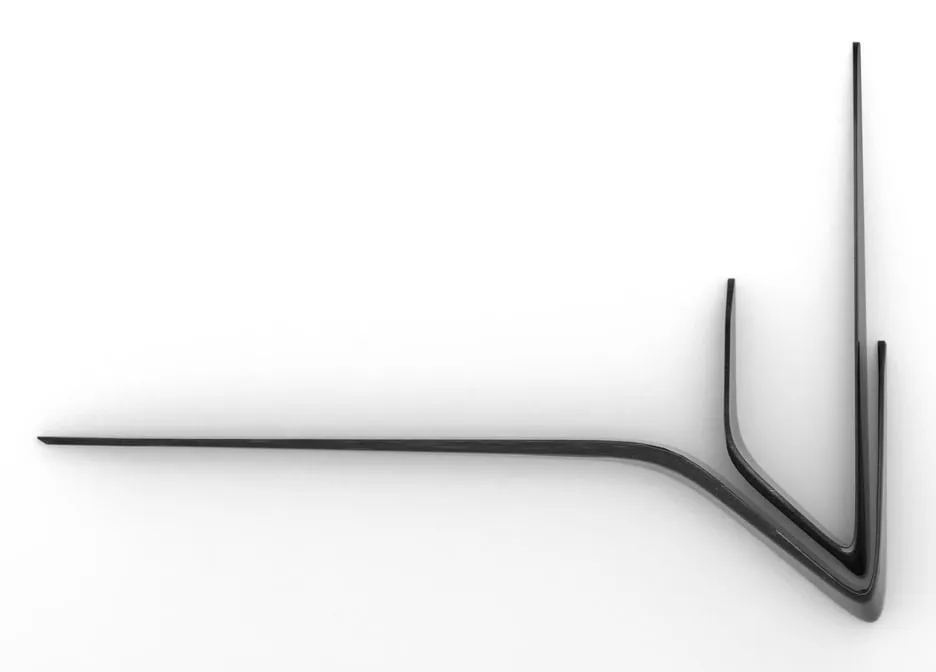
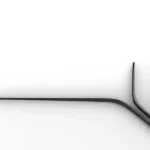
Unveiled in Milan by Italian brand Citro a month after Zaha Hadid’s death, Valle is a shelving system made of curving black granite. Each of the four Valle shelves can be wall-mounted individually or combined to create a custom configuration. In Valle, where the lightness of its design contrasts with the solidity of black granite, each piece harmonizes with the other, creating a form influenced by the beauty of nature and the strength of geology.
6. Three Sixty / Norman Foster
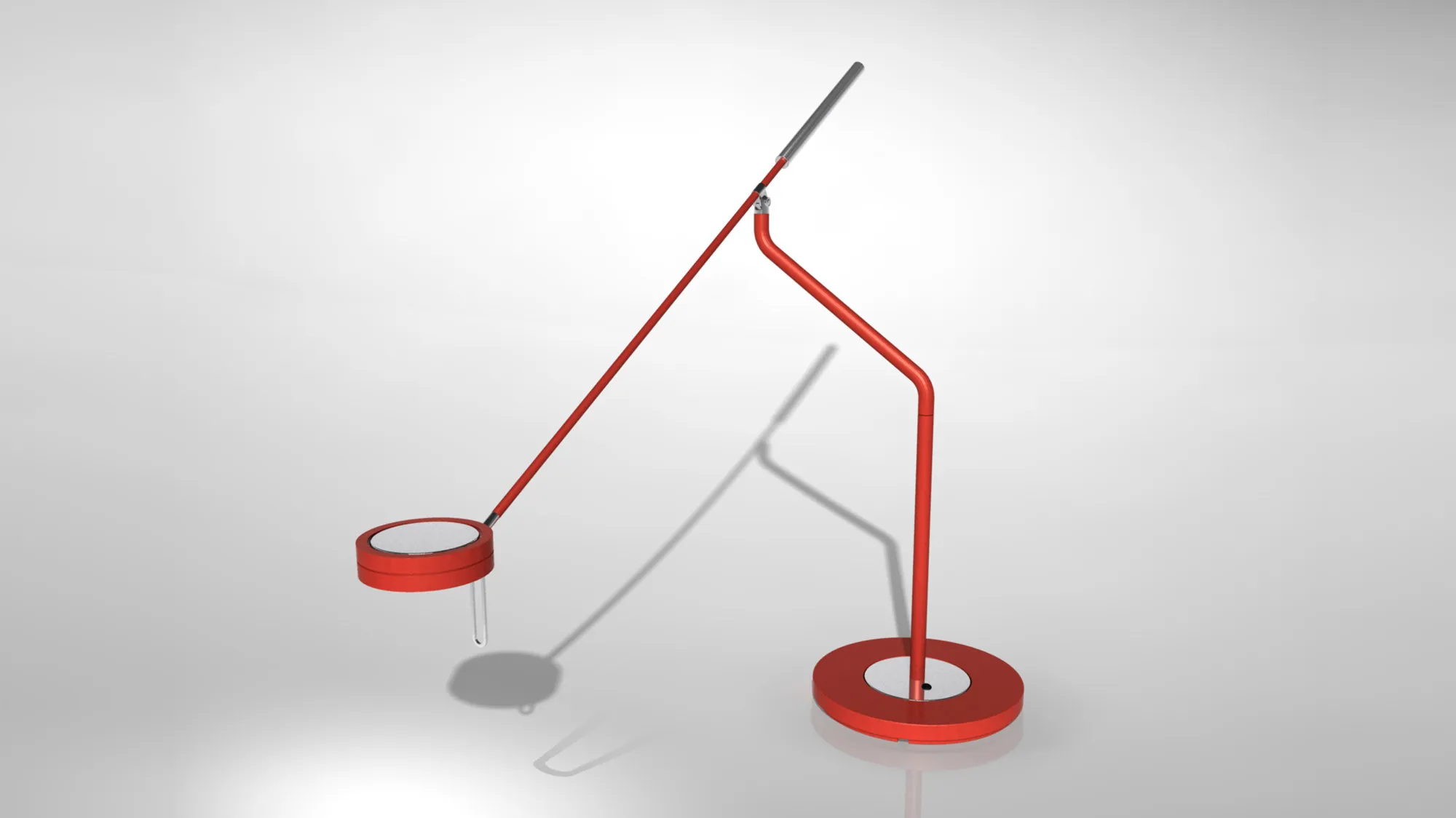
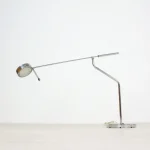
Three Sixty, designed by renowned architect Norman Foster for FontanaArte, is a table lamp that captivates with both its usability and design. Featuring exceptional flexibility, modernity, and functionality, this table lamp features special hinges on each arm and shaft, allowing the fixture to rotate 300 degrees. Two patented joints on the base and arm enable 300-degree rotation, while the head of Three Sixty can rotate a full 360 degrees, ensuring the light can reach any point on the desk surface. This allows the lamp to illuminate any workspace with optimal efficiency.
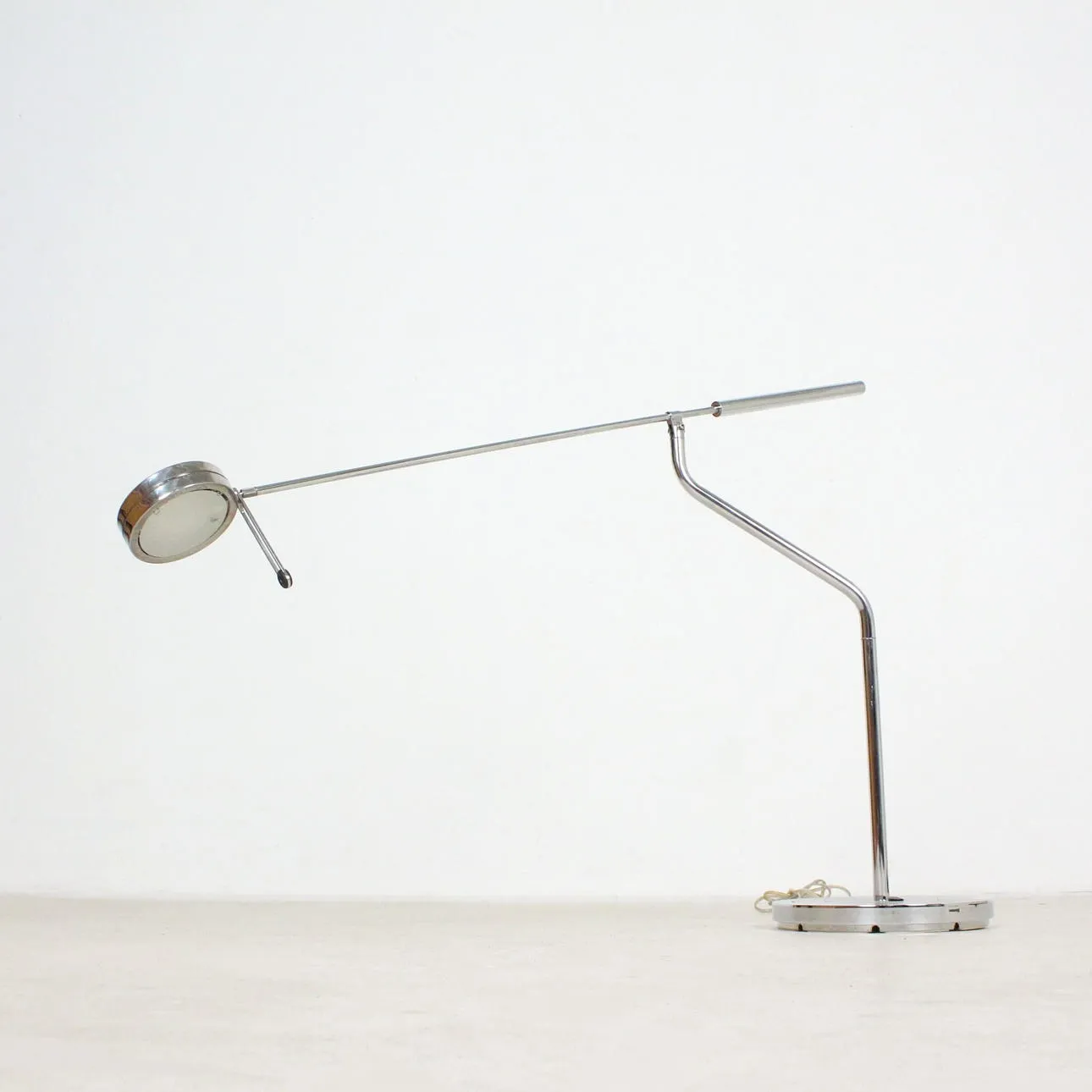
The lamp is crafted from an elegant and refined combination of materials, including a ZAMAC base and body, a brass cast arm, and a polycarbonate resin disc. It is available in brass, matte white, dark gray, or aluminum-painted finishes, along with resin light disc options. Three Sixty measures 90 × 22 × 54 cm.
7. Marilyn / MAD Architects
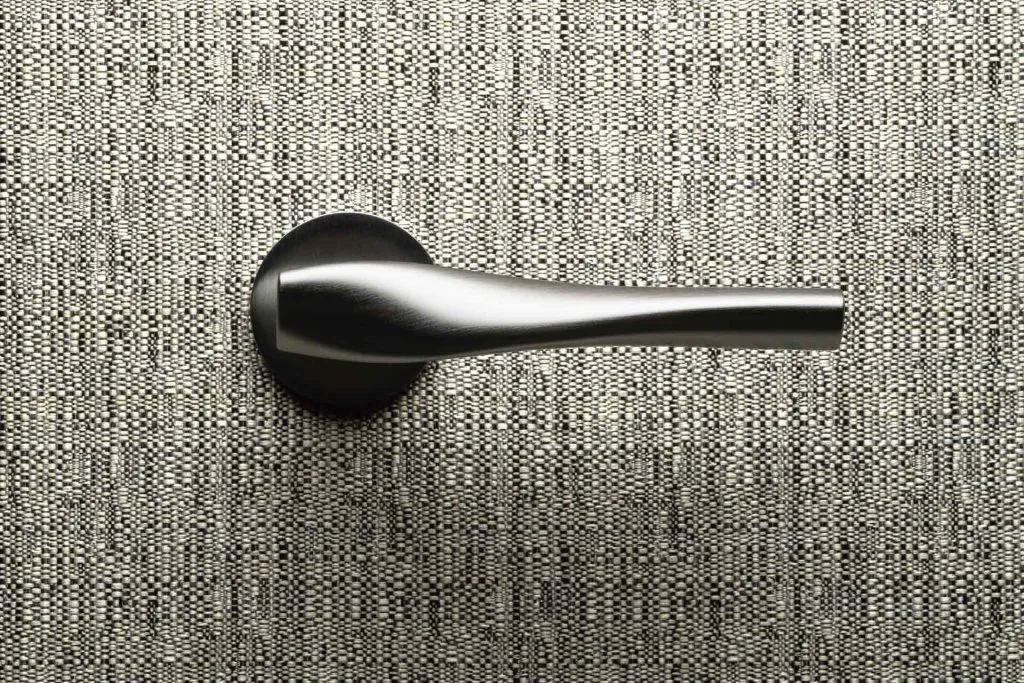
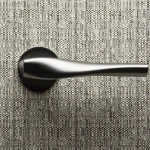
The Marilyn door handle, designed for Olivari, is part of the organic and curvilinear design language used by MAD Architects and its leader, Ma Yansong. The handle’s soft, curvy shape is reminiscent of the innovative form MAD used for Absolute Towers in Toronto, which locals refer to as Marilyn Monroe Towers. As the first object one interacts with before entering a new space, Marilyn was designed to be smooth and organic so that even the first touch would feel familiar and natural.
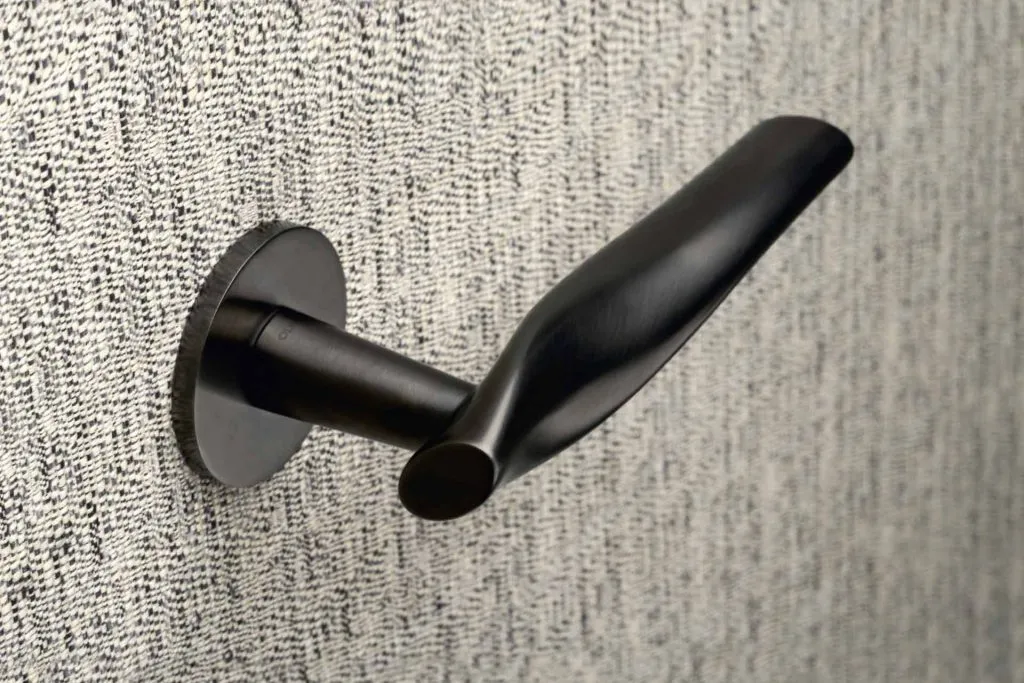
Yansong designed Marilyn to connect form and design in a way that a building can’t. The shape of the Marilyn is designed to grip the horizontal metal bar comfortably. It’s available in a polished version and comes in light or dark gray brushed finishes.
8. Lift-Bit / Carlo Ratti
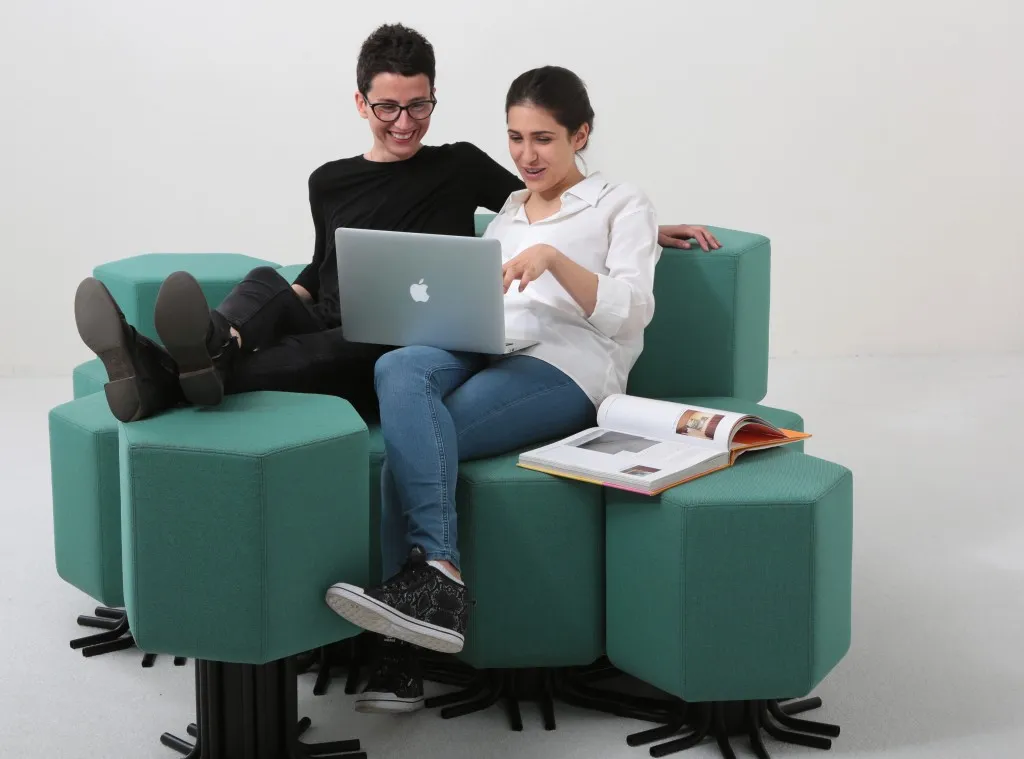
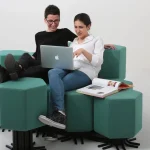
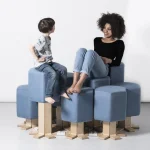
Lift-Bit, designed by Carlo Ratti with the support of Vitra, is a modular, reconfigurable upholstered seating system that uses Internet of Things (IoT) technologies to redefine the living experience radically. Created by assembling a series of individual hexagonal stools, Lift-Bit can be controlled remotely via a tablet app, and each module can be easily adjusted in height in just a few seconds. This allows the chair to be reconfigured in countless combinations.
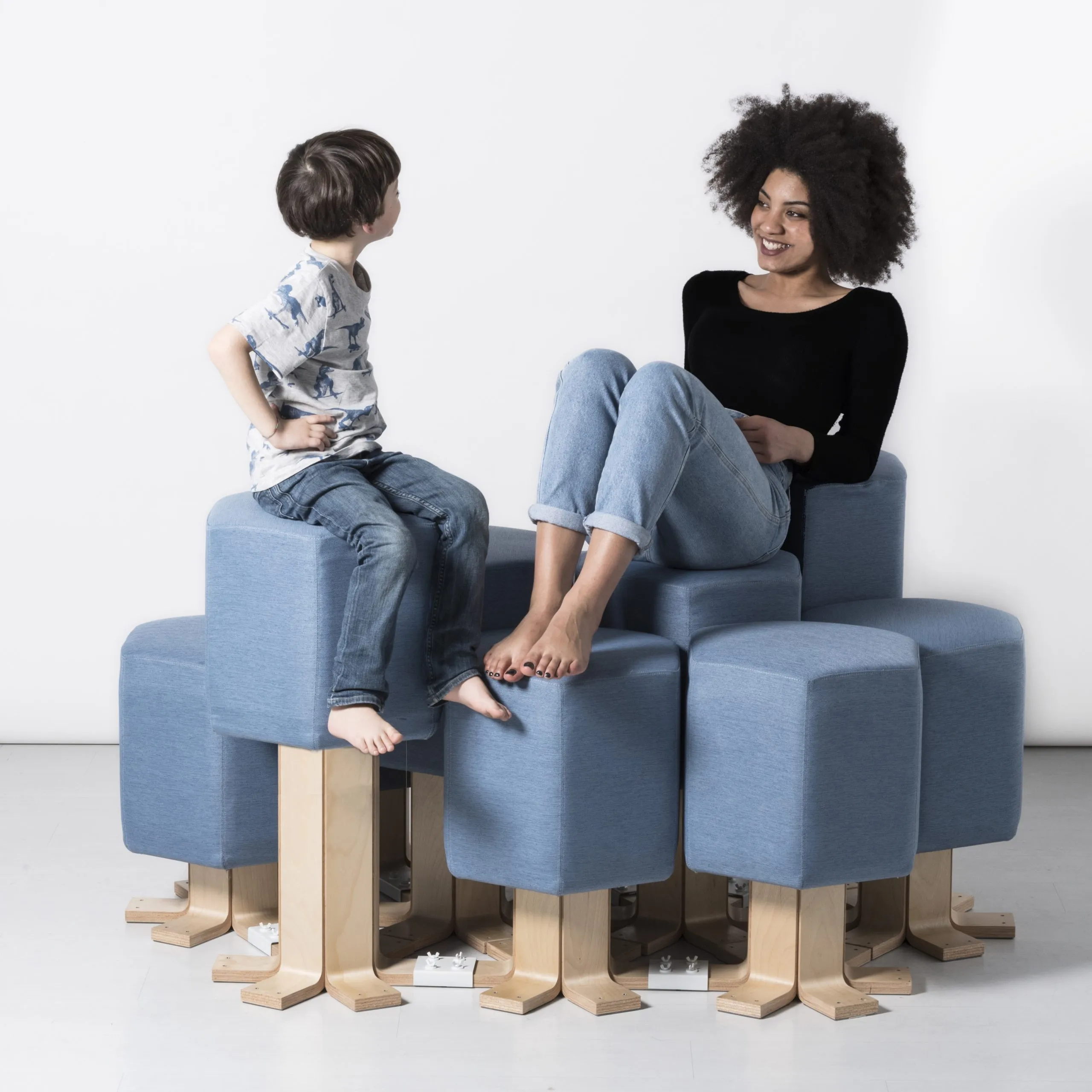
The responsive modules of Lift-Bit pay homage to Cedric Price’s 1978 “Generator Project.” This furniture, which can be transformed to suit the user’s needs and desires, can also transform into a sofa, a bed, a regular living room, a small auditorium, or a home landscape.
9. Morel / Jean Nouvel

Morel by Jean Nouvel, the product of Jean Nouvel’s collaboration with French eyewear manufacturer Morel, brings together two seemingly distant worlds: eyewear and architecture. This eyewear collection, notable for its avant-garde frames, is enriched by the interweaving of titanium, acetate, and mixed materials.
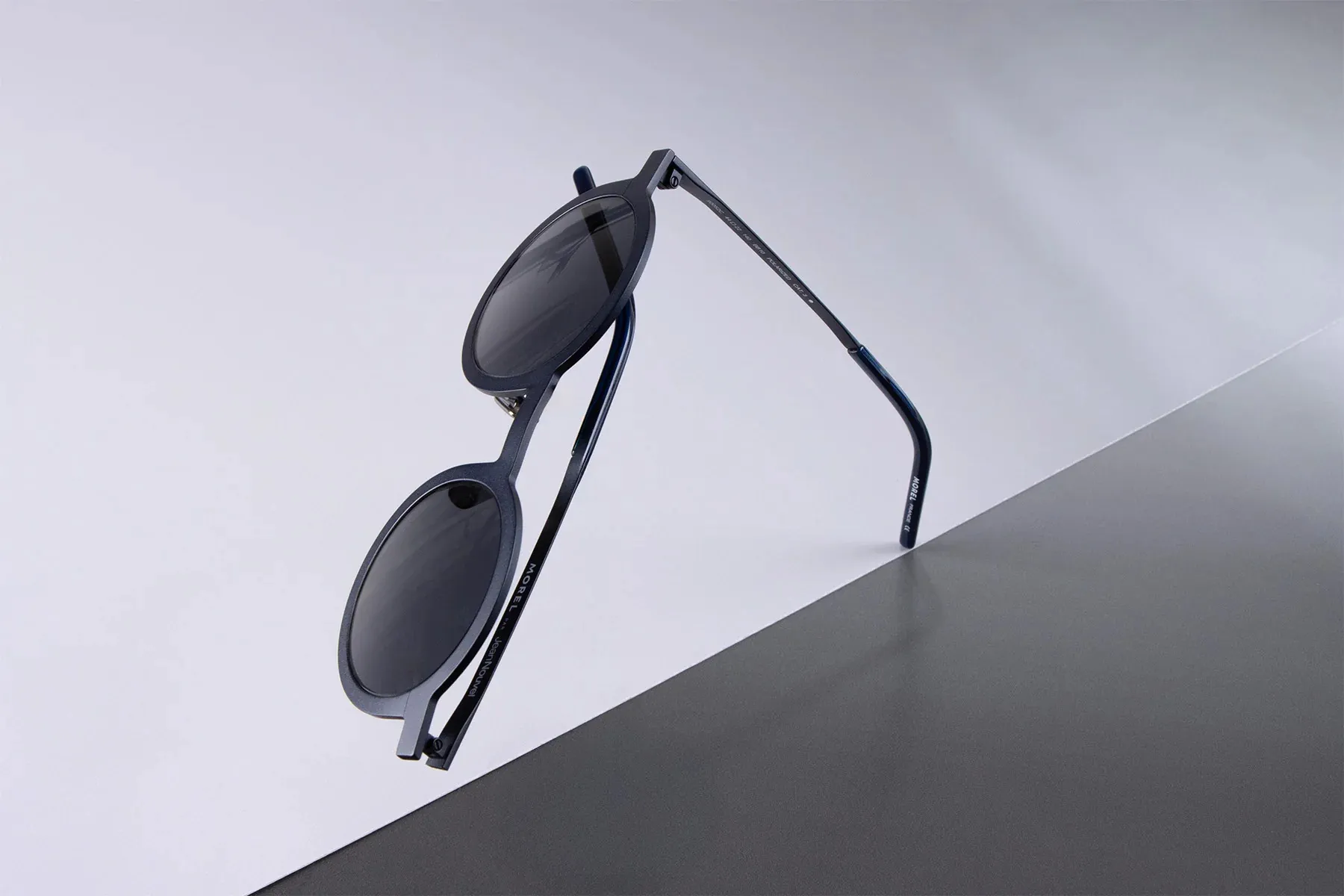
With its circular forms, Morel combines clean architectural lines with extraordinary craftsmanship, resulting in a minimalist, elegant, and comfortable design. Designed for unisex, these models, with their carefully balanced color palette and variety of sizes, appeal to all eyewear wearers.
10. Bookchair / Sou Fujimoto
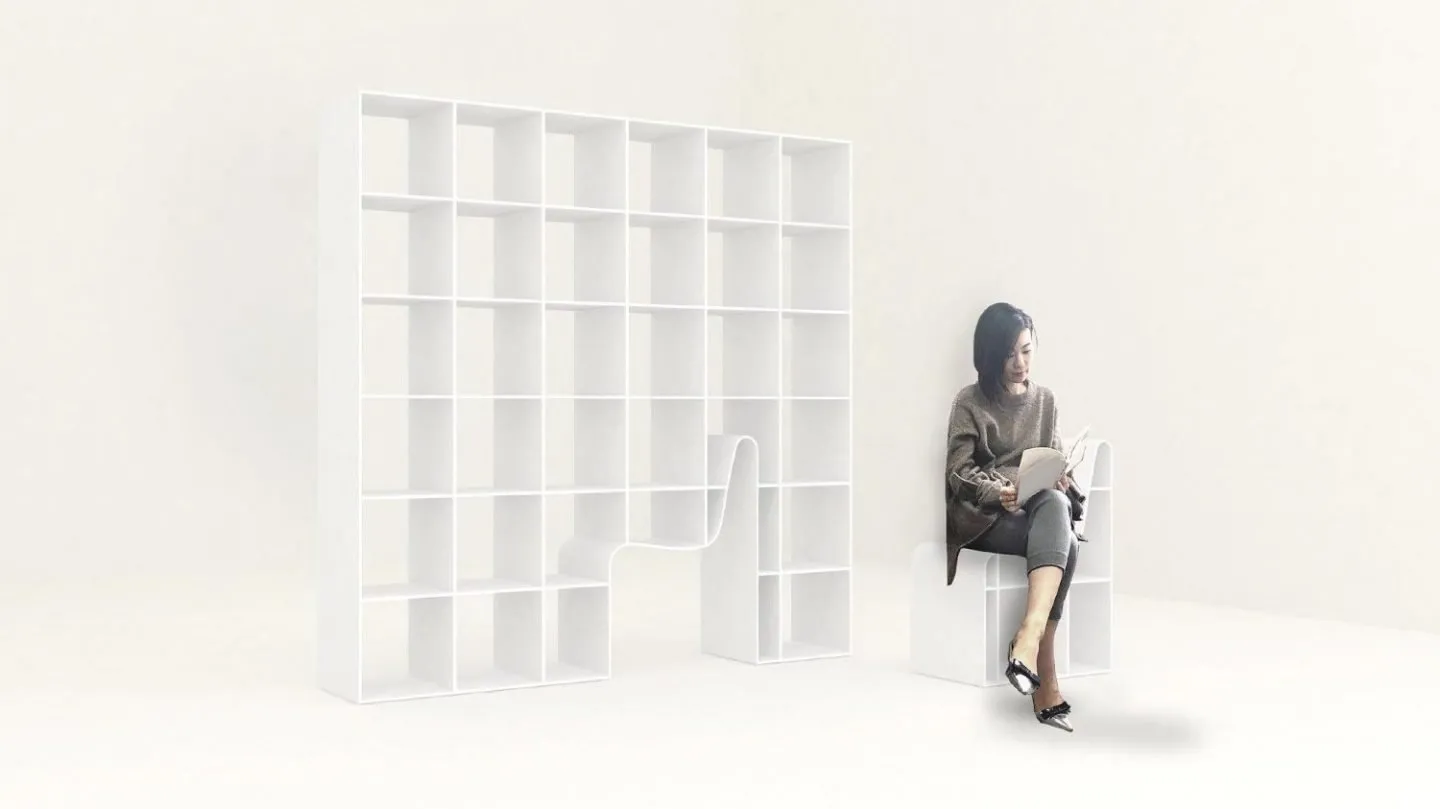
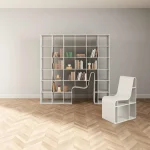
Designed by Japanese architect Sou Fujimoto in collaboration with Alias, Bookchair offers a fresh and innovative approach to the home. Inspired by the relationship between architectural space and the human body, Bookchair is a compact, basic bookcase with a removable chair. This chair, which slides in and out of the surrounding shelves, can be used both as storage and seating. As an object containing another object, this bookshelf emphasizes the relationship between the person and the book: after selecting a book, the reader can take the chair, sit, and read.
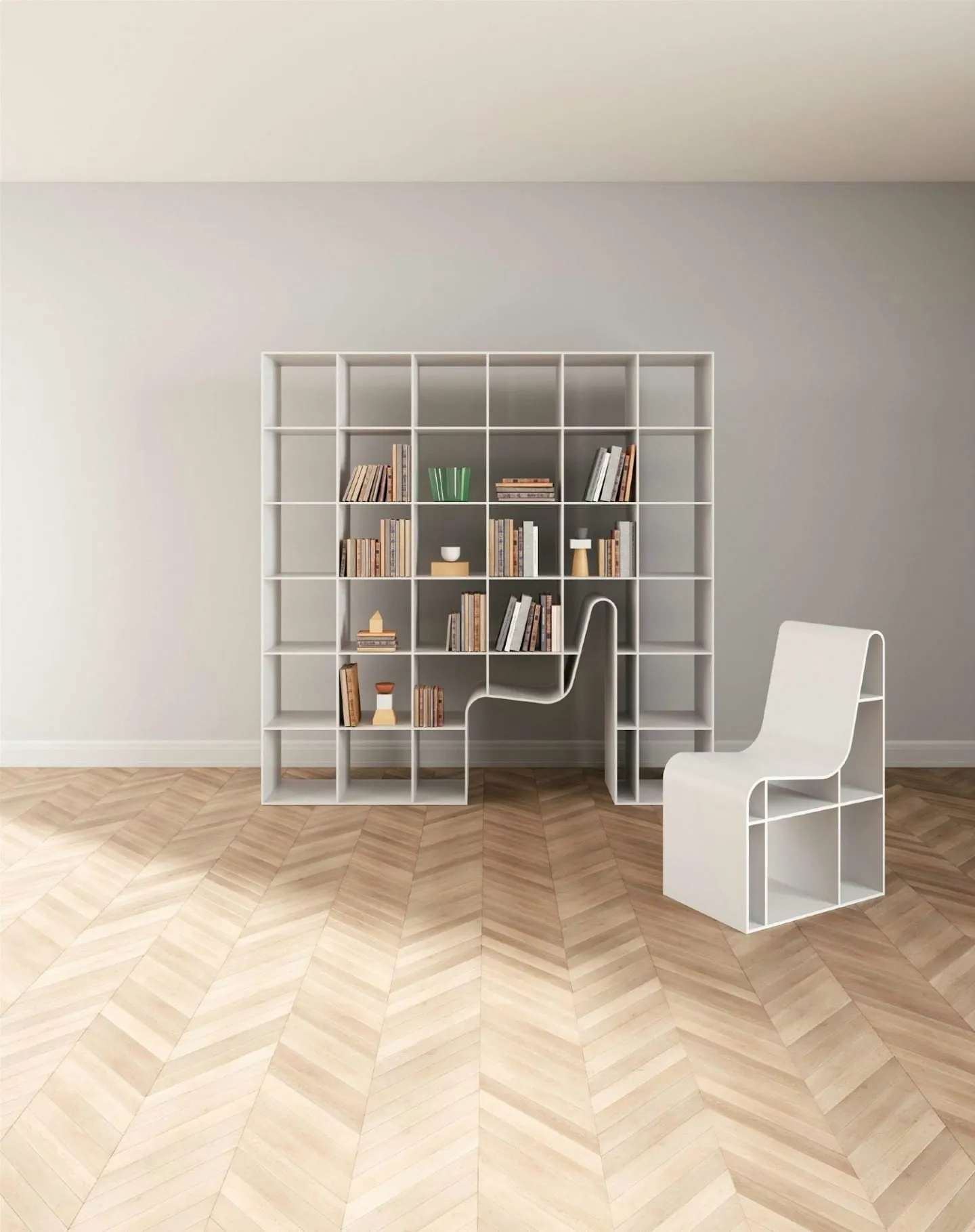
Depending on use, the chair can be stored within a compartment of the bookshelf or placed freely in the room while in use. Its soft, curving lines enrich the bookshelf’s simple and clean configuration. Thus, the bookcase becomes an integral element of its environment, playing an active and ever-changing role. Available in a single size and crafted from wood fiber panels, the bookcase is available in only one color, white, to emphasize the product’s abstract and robust structure.