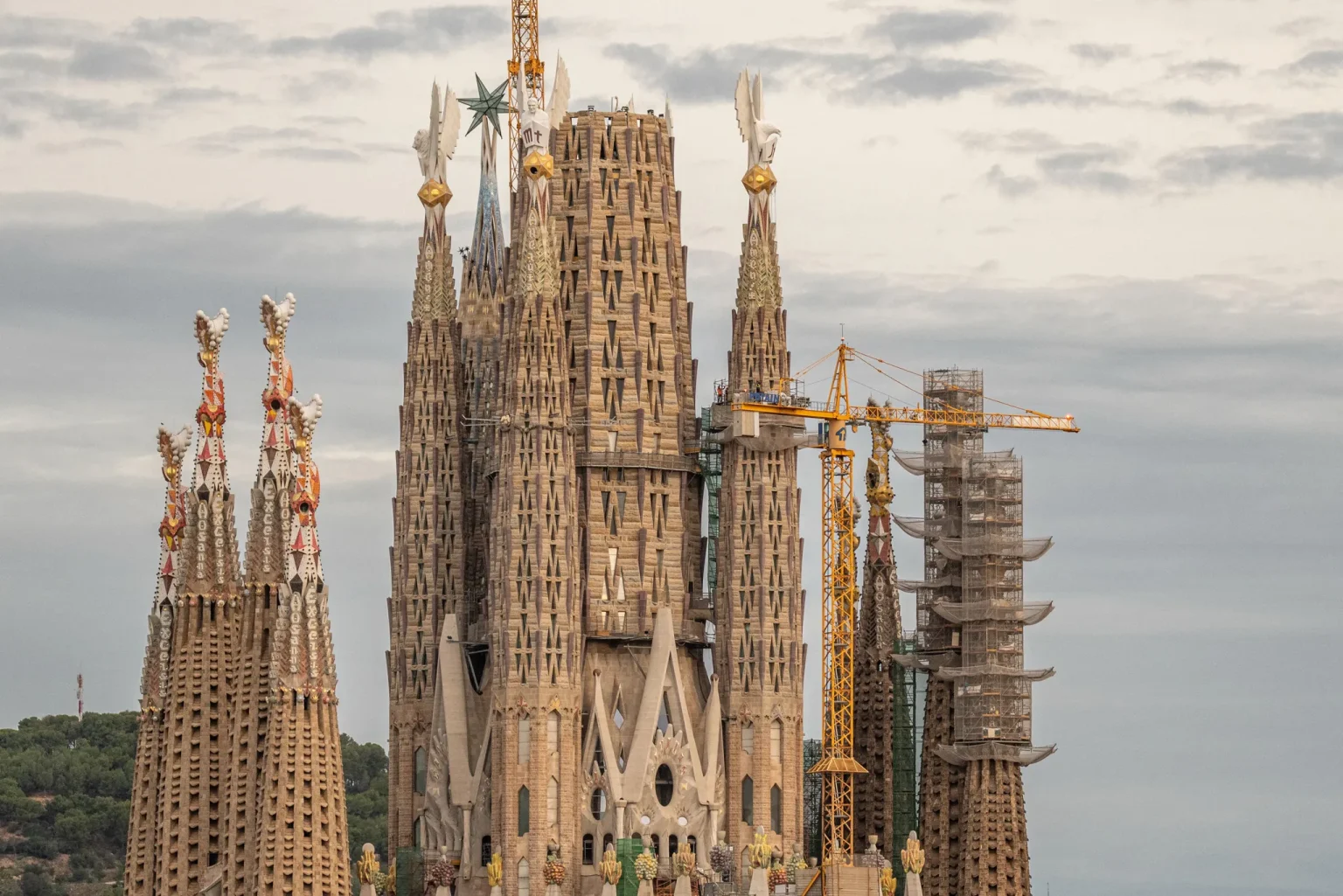


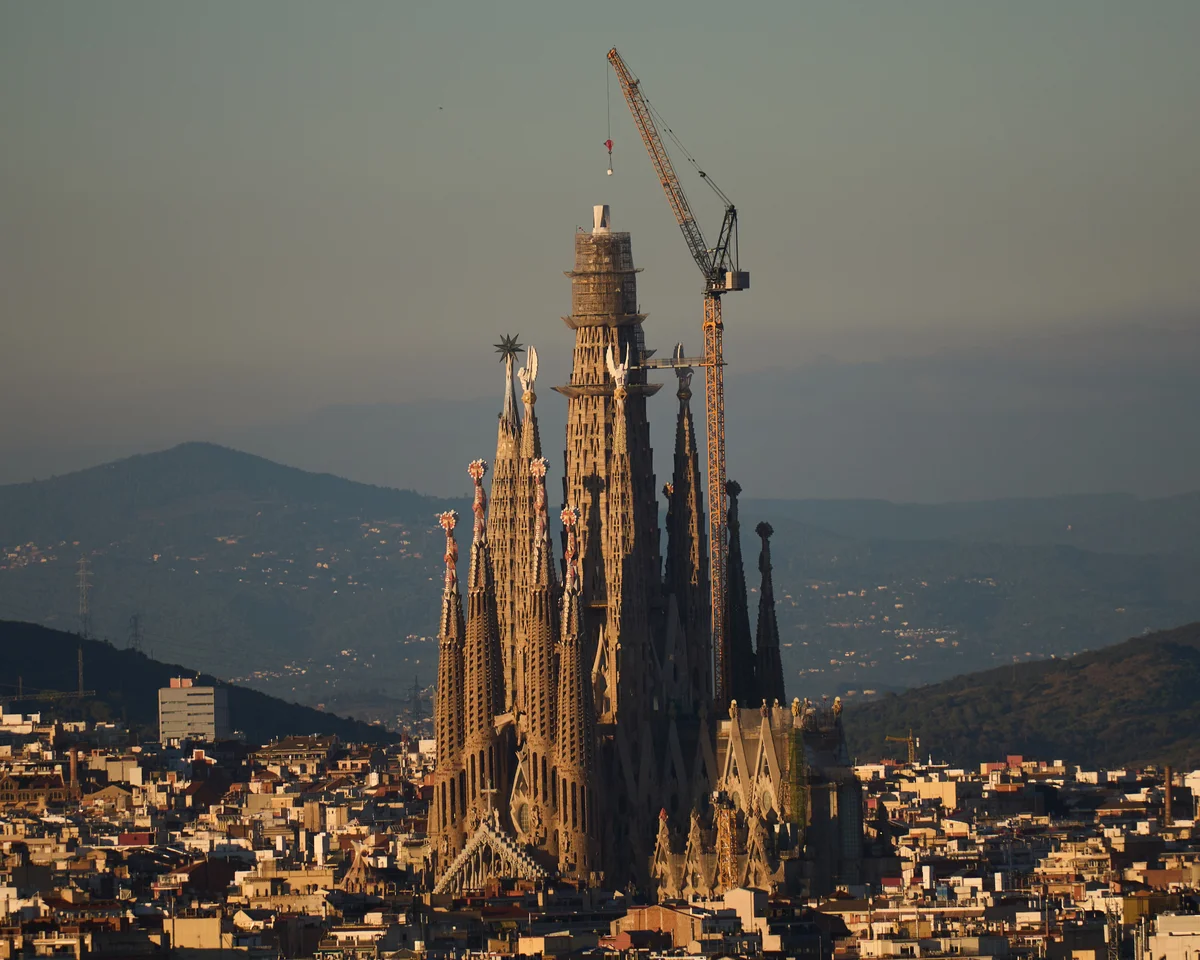


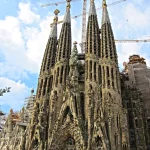
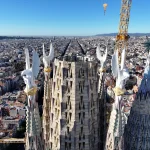
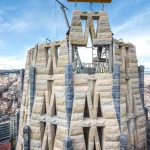
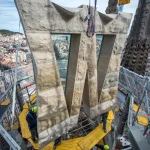
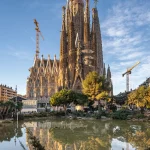
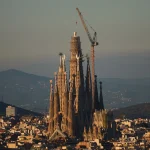
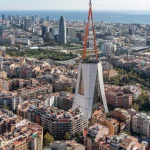
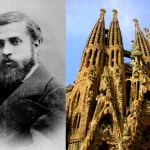
Barcelona’s Basilica of the Sagrada Família, Antoni Gaudí’s famously unfinished masterwork, has crossed a major technical and symbolic threshold. Construction crews have installed the first element of the cross atop the basilica’s central tower, bringing the structure to 162.91 meters and making it, by measured height, the tallest church in the world.
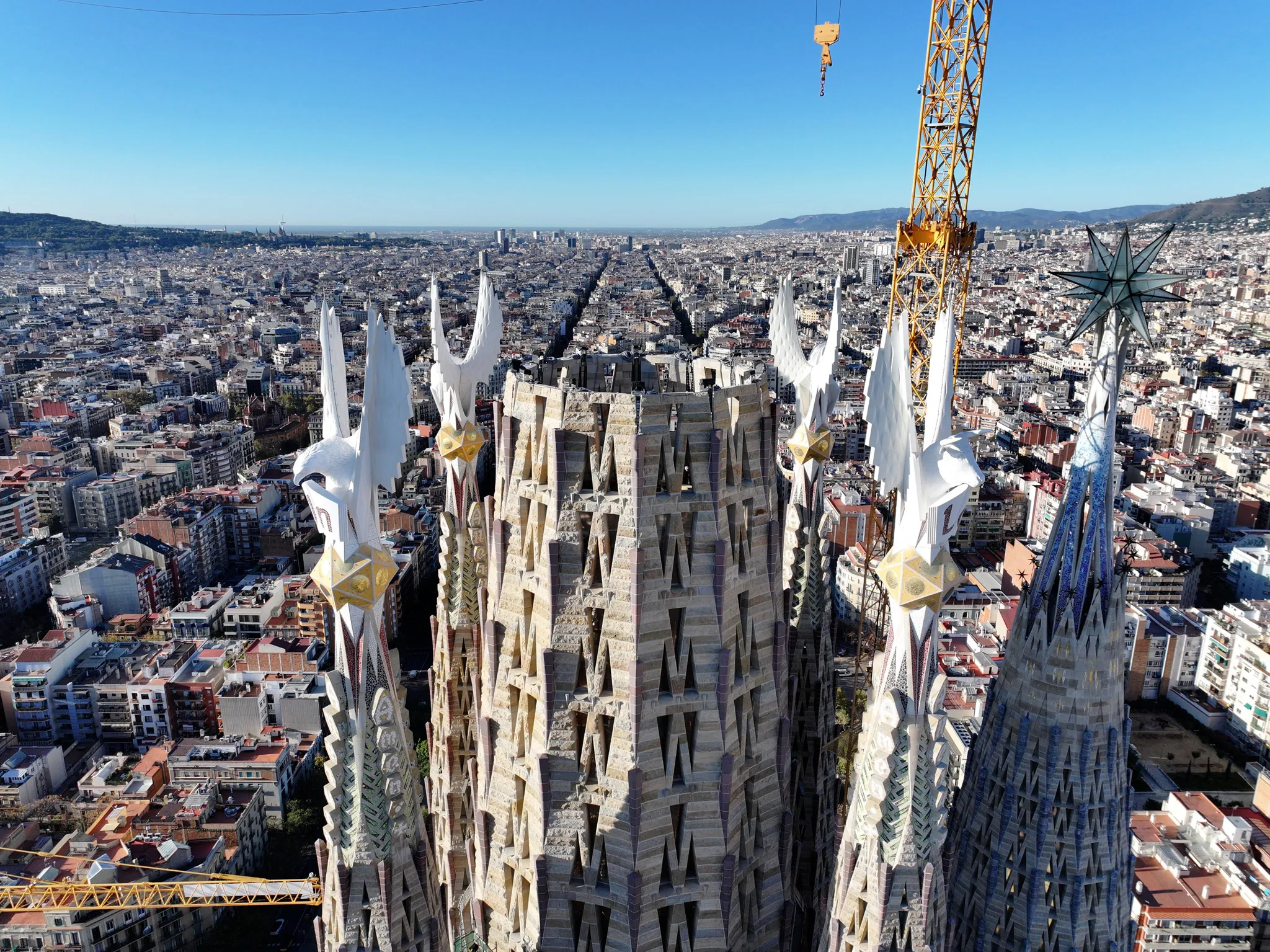
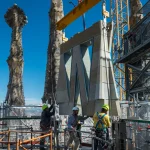
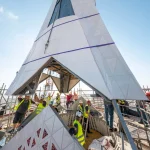
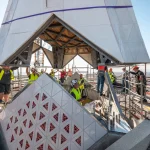
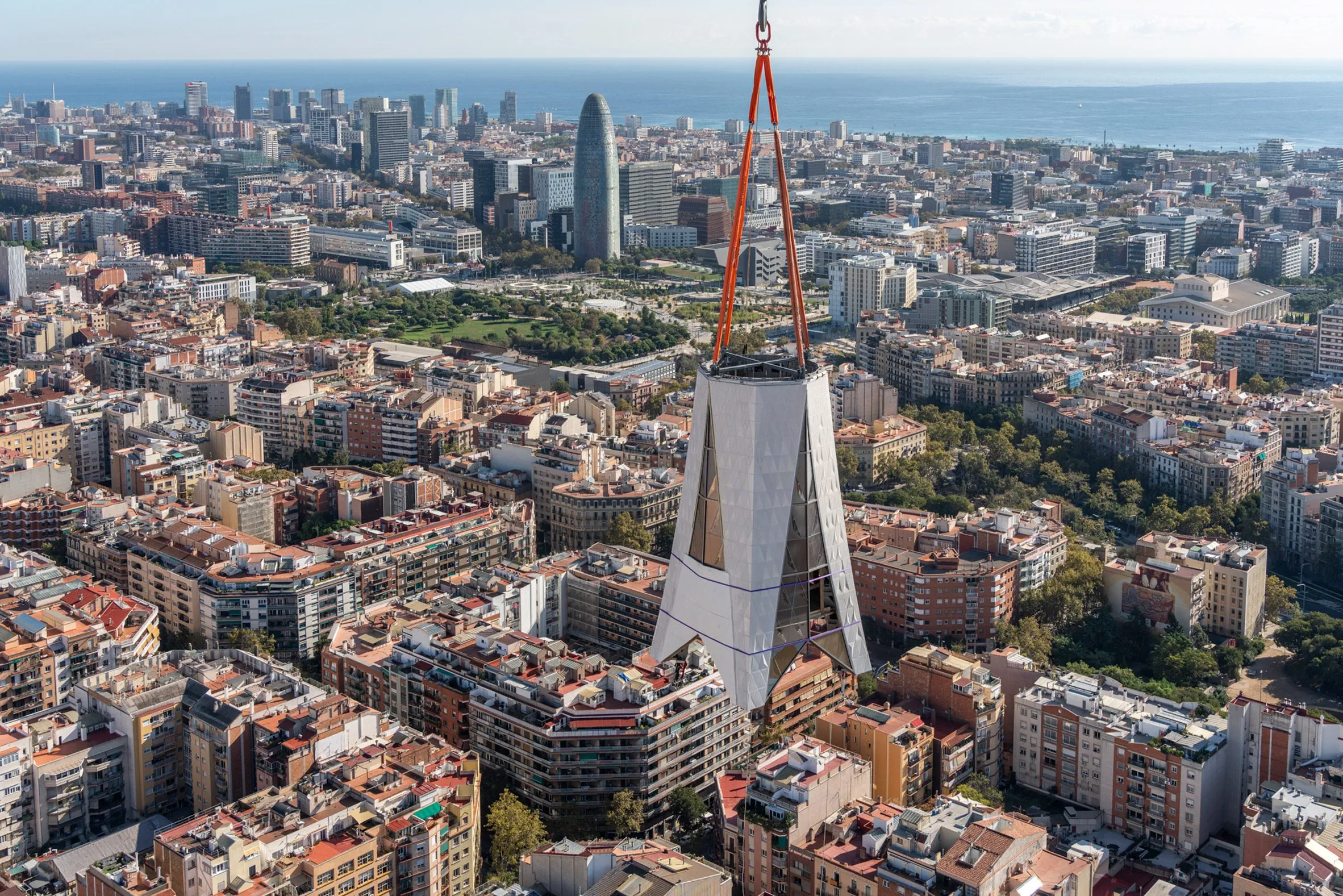
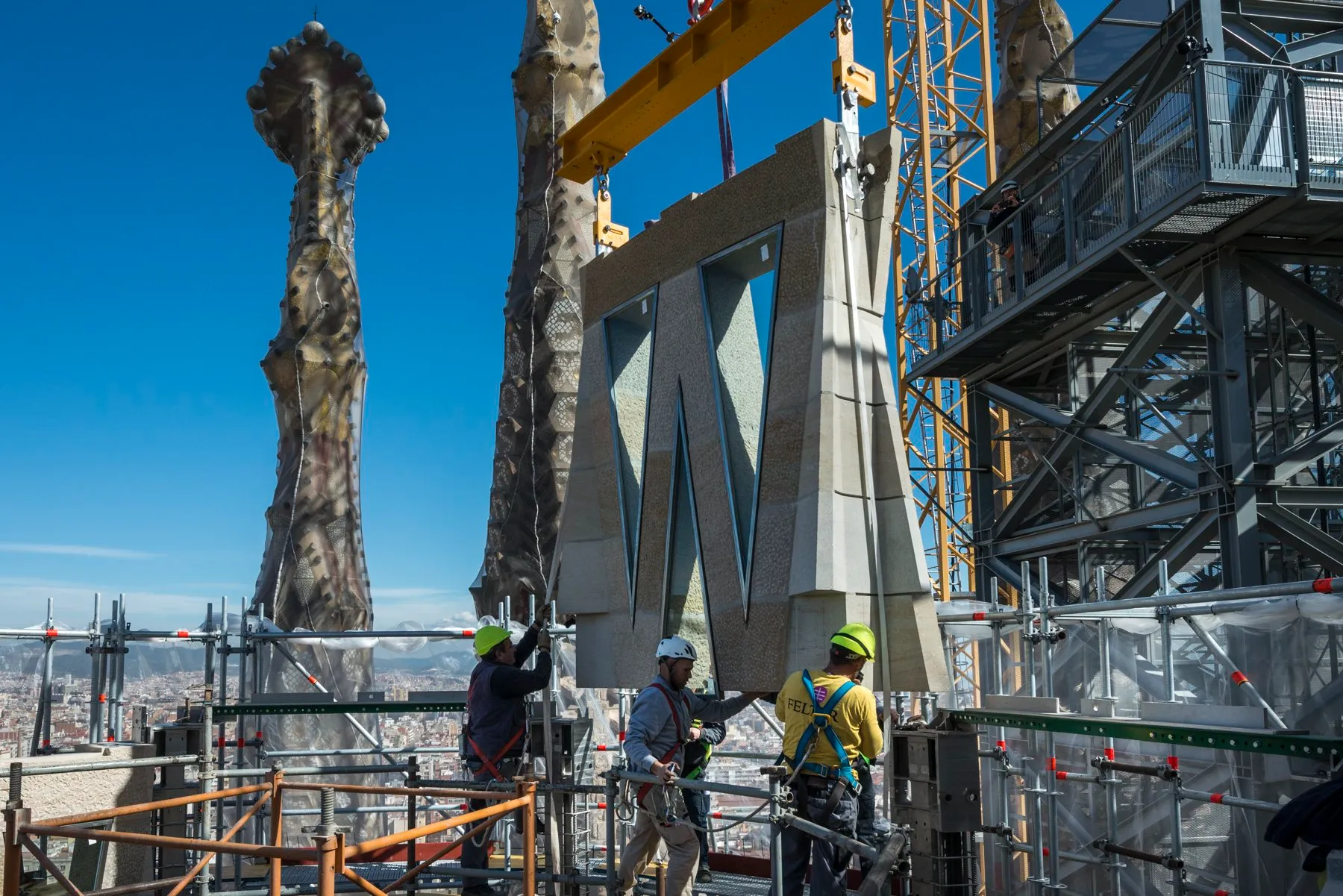
The addition, described by project officials as the lower arm of the cross, measures 7.25 meters and weighs 24 tonnes. It was hoisted and placed on a platform 54 meters above the central nave during the process. That lift, carried out with highly specialized cranes and internationally trained operators, lifted the Sagrada Família just past the Ulm Minster in Baden-Württemberg, Germany, which has stood as the world’s tallest church since its completion in 1890 with a spire of about 161.53 meters.
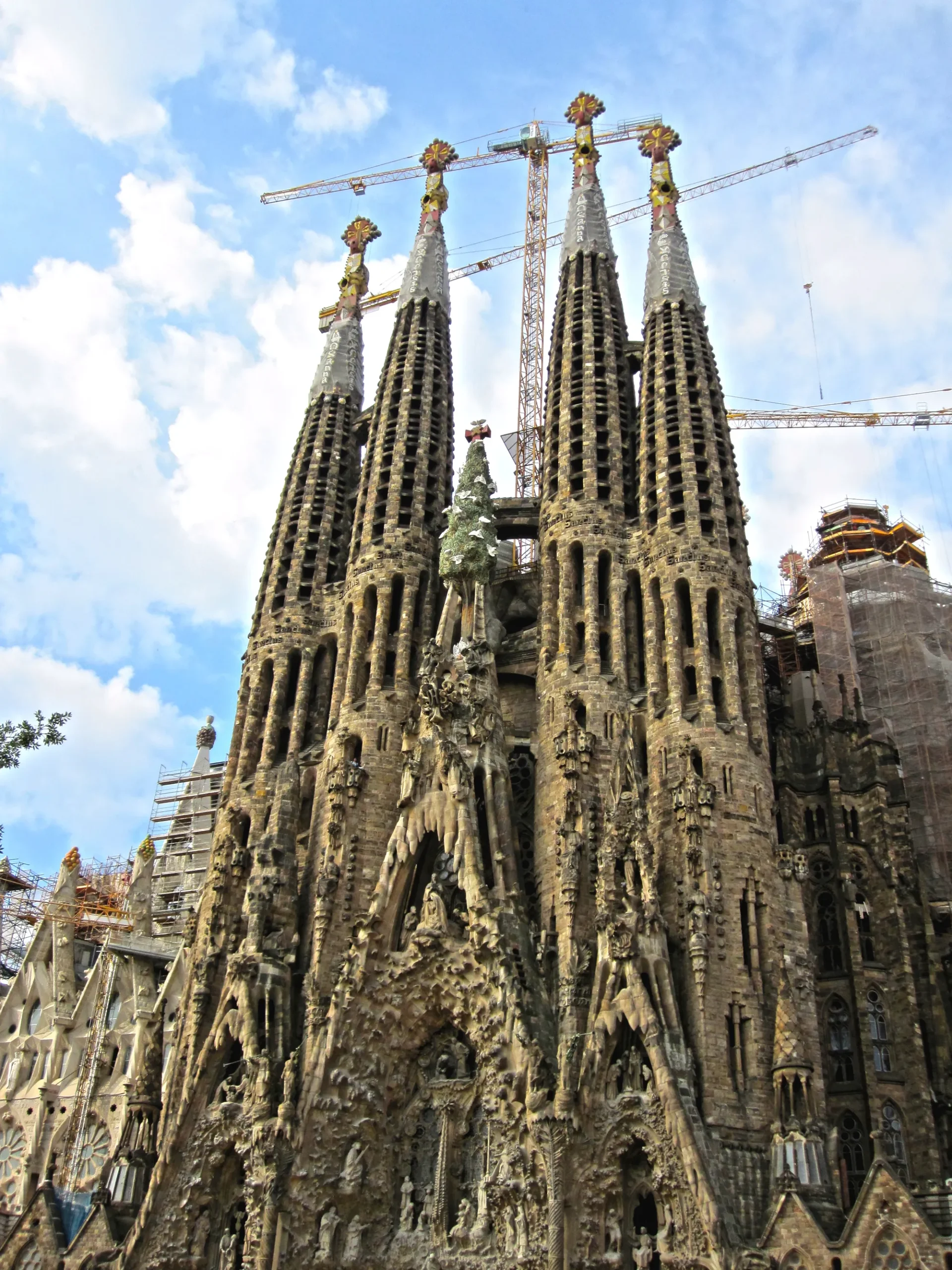
Gaudí’s Sagrada Família reaches new heights, redefining Barcelona’s skyline
The current height of 162.91 m is not the final figure. When the Tower of Jesus Christ is completed, including the full cross that will cap it, the basilica is designed to reach about 172 meters. That final height will be achieved as the remaining elements of the tower and its crown are assembled in the coming months, ahead of centennial commemorations next year marking 100 years since Gaudí died in 1926.
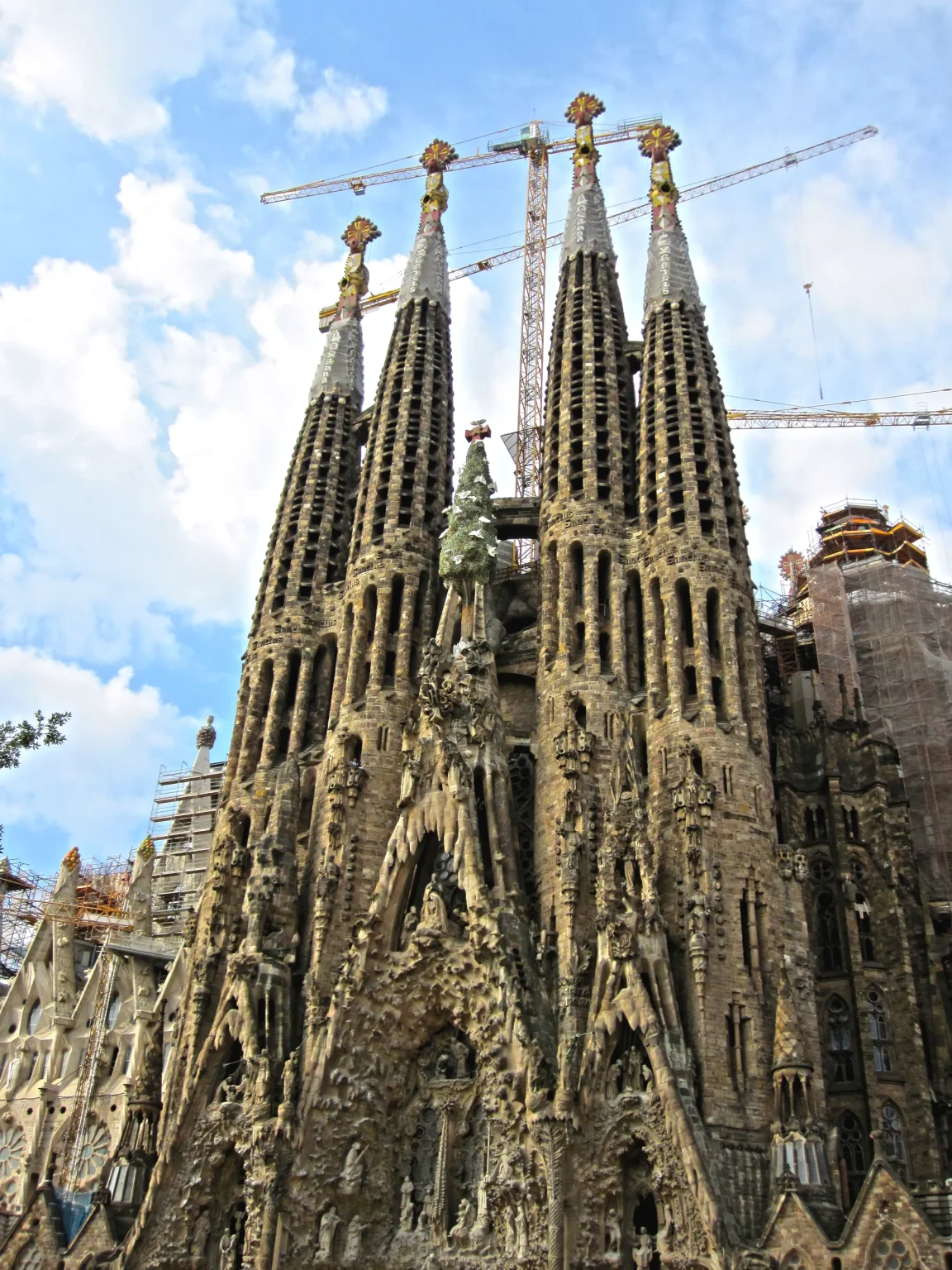
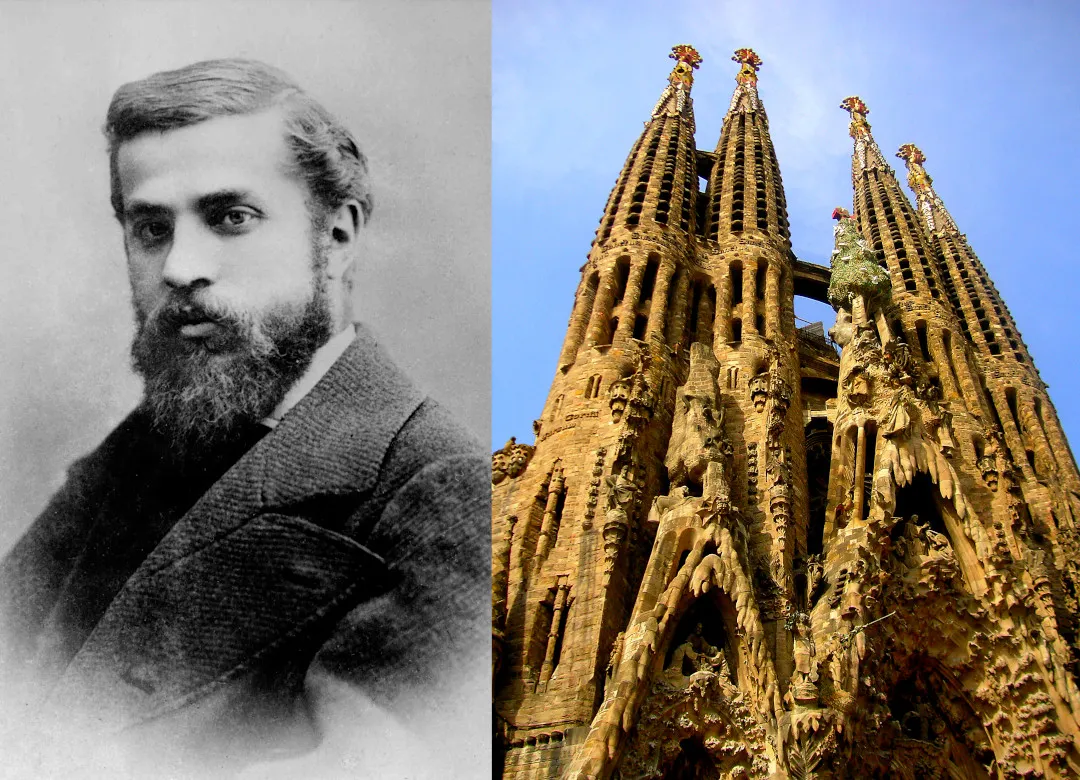
The Sagrada Família’s climb to the top of the list is the latest chapter in a building saga that began with the laying of the first stone in 1882. Gaudí took over the project in 1883 and transformed it from a conventional neo-Gothic plan into an idiosyncratic synthesis of natural forms, hyperbolic geometry, and Catholic iconography. By the time of his death in 1926, only one of the 18 towers he envisaged had been completed. The work since has combined historical research, interpretation of lost models, modern engineering, and continuous fundraising through tourism.
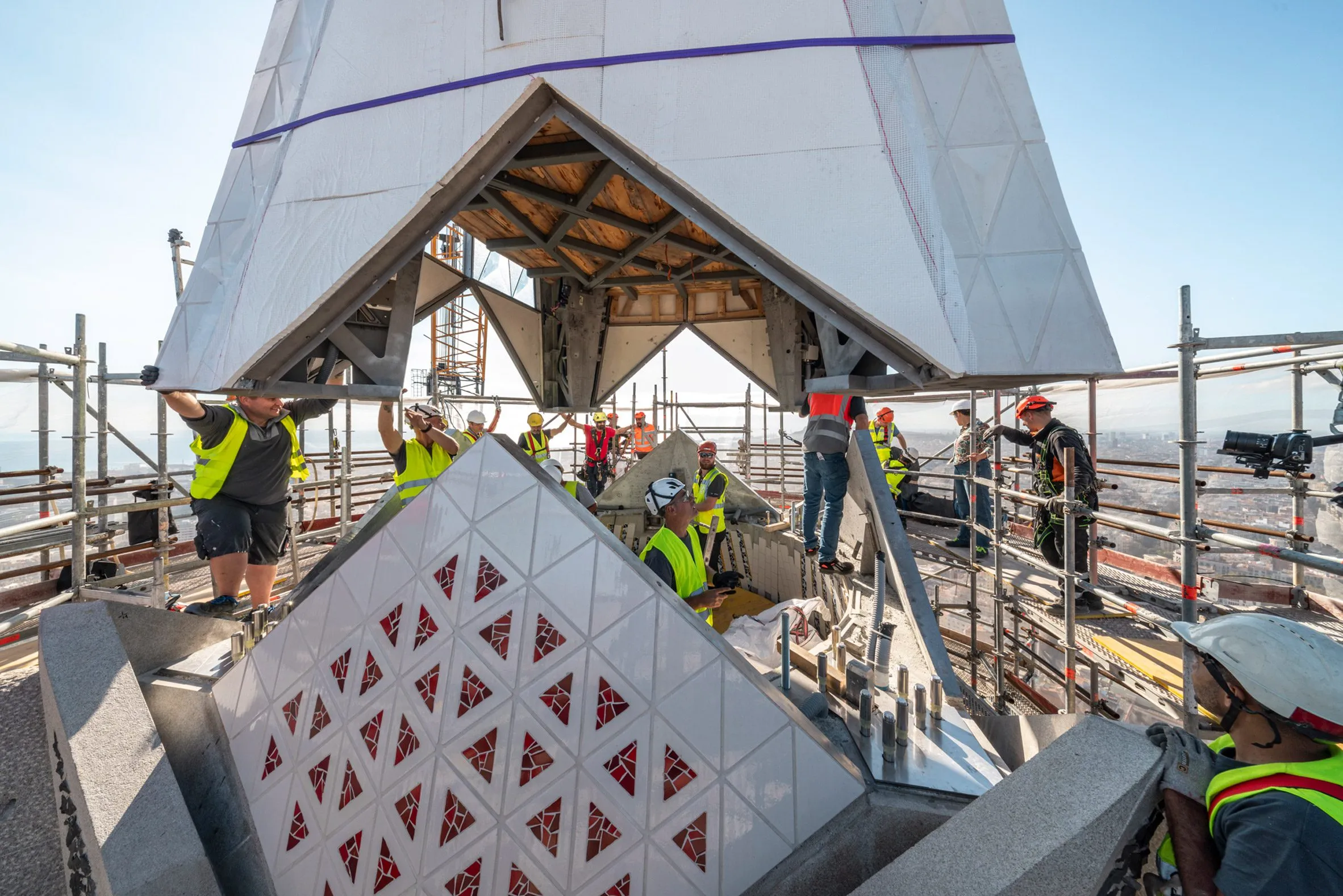
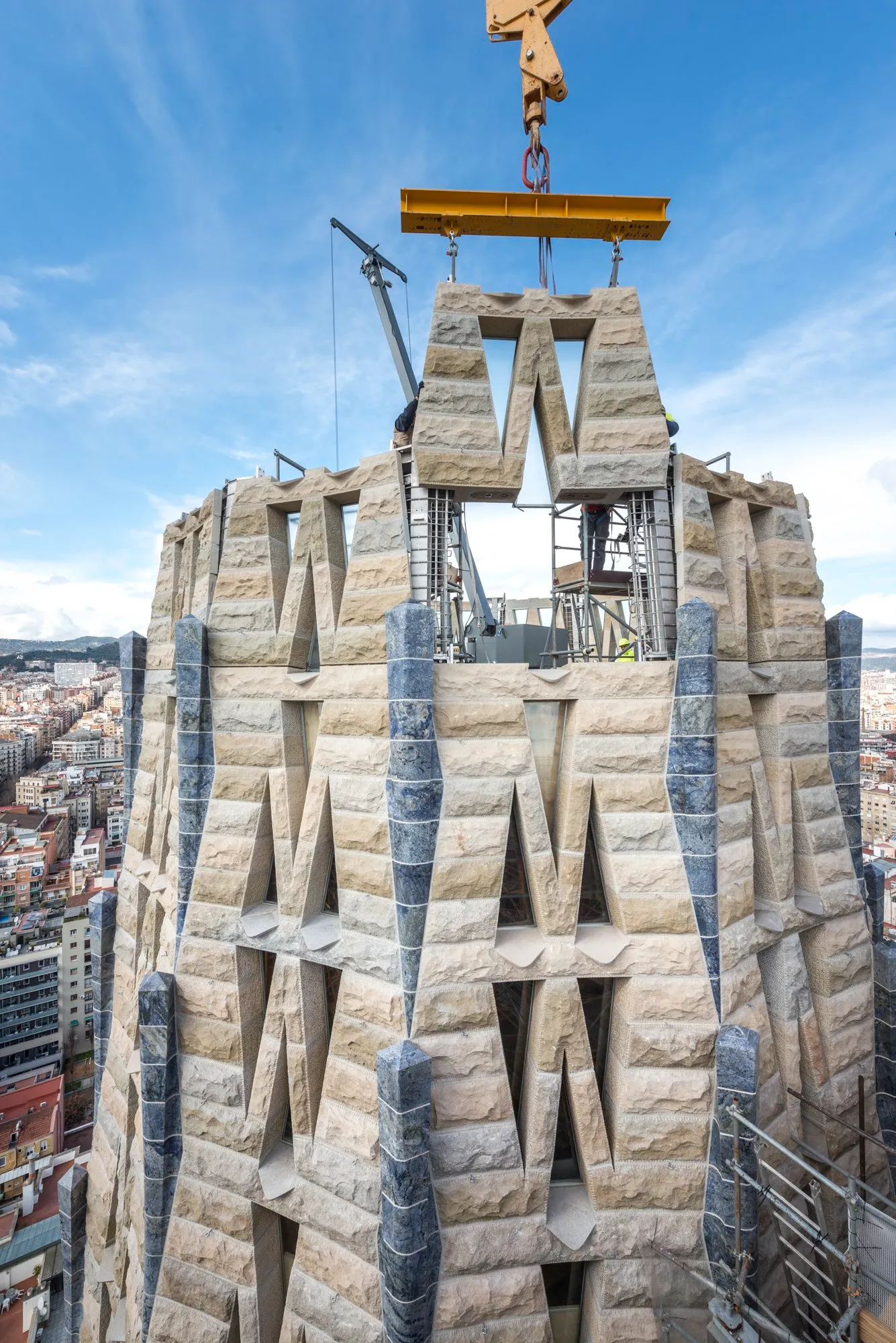
Technically, the recent lift was notable for its precision. Teams trained on the German-made crane system that executed the placement operators reportedly travelled to Germany for specialized instruction and used laser surveying and bespoke jigs to ensure each prefabricated piece fitted Gaudí’s complex geometry.
Project architects have repeatedly pointed out that contemporary tools have made possible many feats Gaudí could only imagine; in a statement, one of the crane operators called each piece “valuable” and stressed the need for millimeter accuracy.
The Sagrada Família has long been Barcelona’s pre-eminent tourist magnet. It drew roughly 4.8–4.9 million visitors in 2024, and revenues from tickets are the primary funding source for continued work. Construction slowed at several points in the 20th and 21st centuries, most dramatically after the Spanish Civil War, when parts of Gaudí’s models and plans were destroyed, and more recently during the COVID-19 pandemic, when tourism dropped sharply, but the pace has picked up in recent decades thanks to advances in digital modeling, prefabrication, and steady income from visitors.
Architects and historians note that the title of “tallest church” is both literal and symbolic. Ulm Minster’s 135-year tenure as the world’s tallest church has been a point of pride in Ulm; local clergy and custodians have said the precise ranking matters less than the spiritual and communal role of such buildings.
Nonetheless, for Gaudí’s followers and for Barcelona, the basilica that consumed generations of craftsmen and engineers is now visibly closer to the shape Gaudí envisioned.
While the structural crown of the Tower of Jesus Christ is nearing completion, work will continue on sculptural programming, interior ornamentation, and a monumental stairway leading to the principal entrance. Some decorative and ancillary elements are expected to take years. Church officials and the construction board have suggested that, even if the central tower is finished in the immediate future, additional finishing work could continue into the early 2030s.
The Sagrada Família invites reflection on continuity and contingency in long-running projects and how a 19th-century architect’s spiritual and formal program is interpreted and realized with 21st-century technology. The basilica’s ascent is therefore both an engineering milestone and a prompt to reassess notions of authorship, time, and the life cycle of major cultural projects.
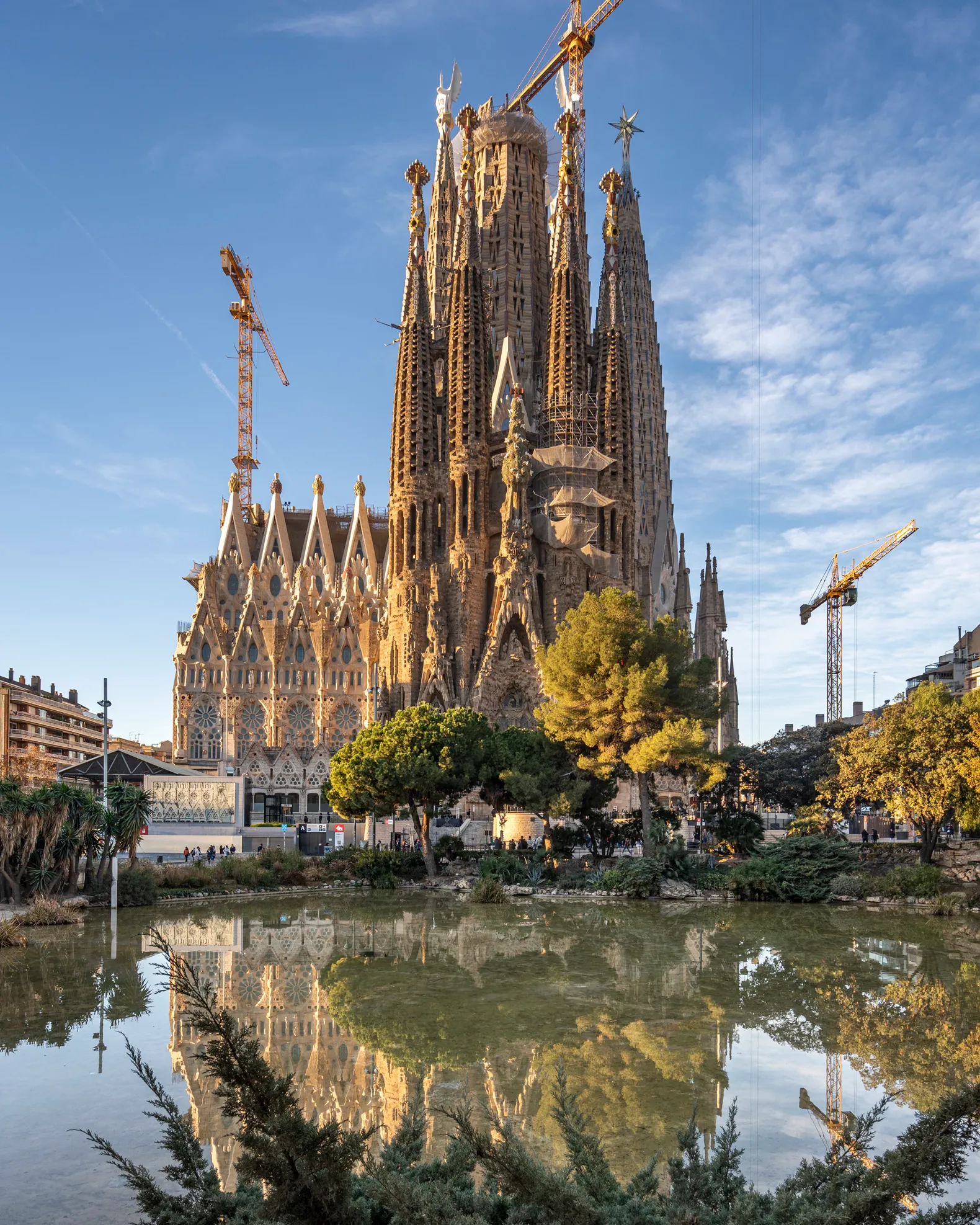
As Barcelona adjusts to the new skyline, visitors and residents will be watching the final assembly of the cross and crown over the central tower operations that, beyond technical bravura, are shaped by calendars of commemoration, conservation commitments, and the politics of public space.
For now, the Sagrada Família stands a fraction taller than its Gothic rival in Ulm, but its real measure may be the centuries of craftsmanship, the controversies survived, and the visual language it continues to teach new generations of architects.