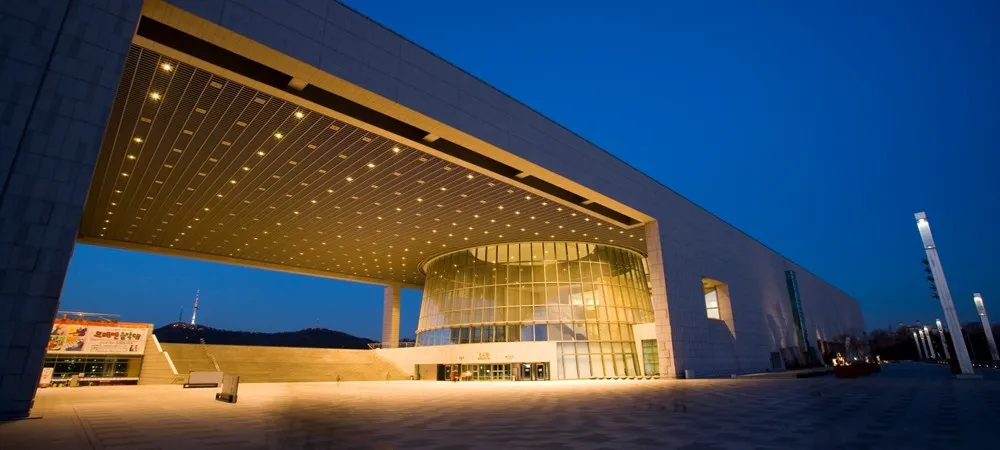
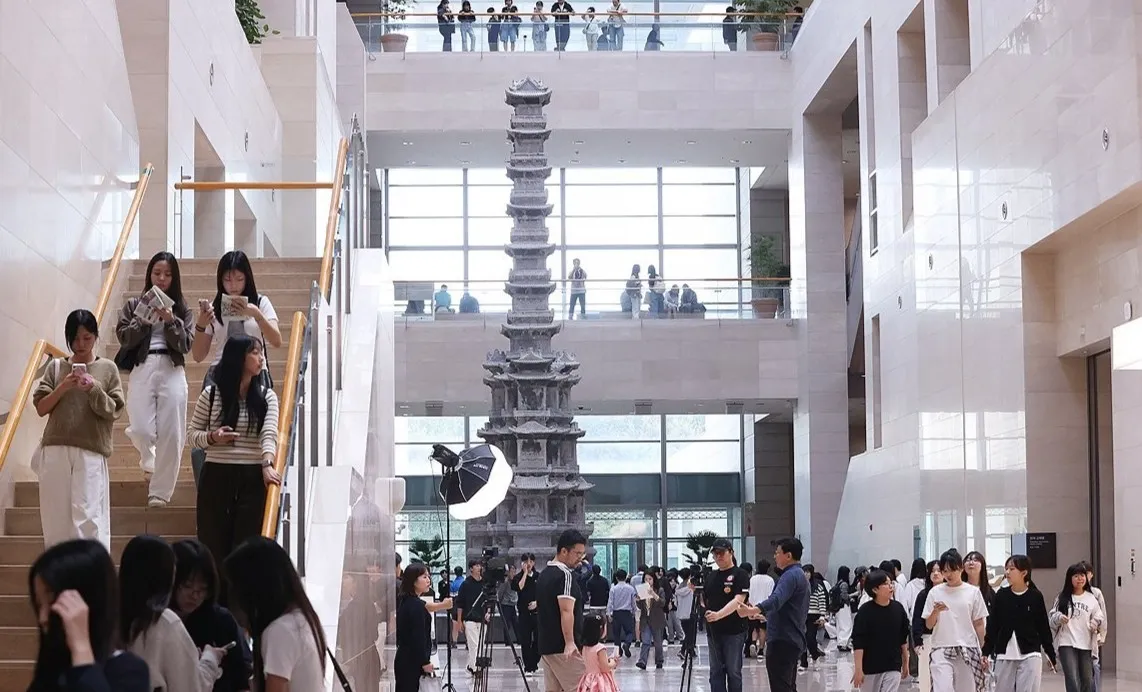



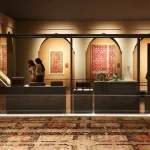
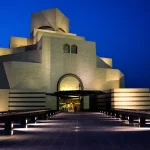
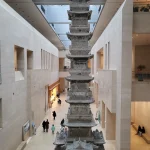
Seoul, On November 22, 2025, the National Museum of Korea (NMK) will reveal its first permanent gallery dedicated to Islamic history and culture, a landmark moment that formalizes a deepening cultural exchange between Seoul and Doha. The new space, located on the third floor of the museum’s World Art/World Culture hall, is the museum’s first long-term commitment to exhibiting Islamic heritage as a distinct and sustained presence within its global civilizations galleries.
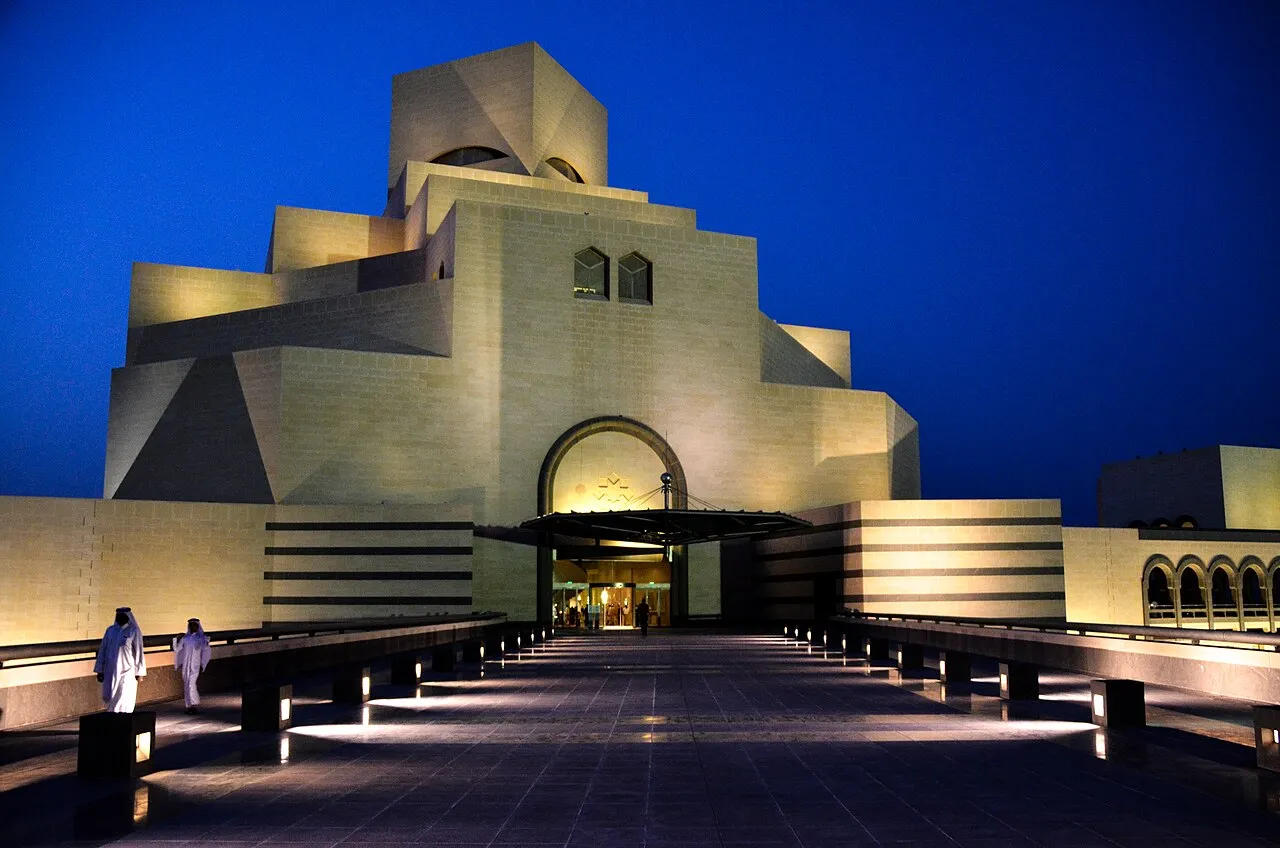
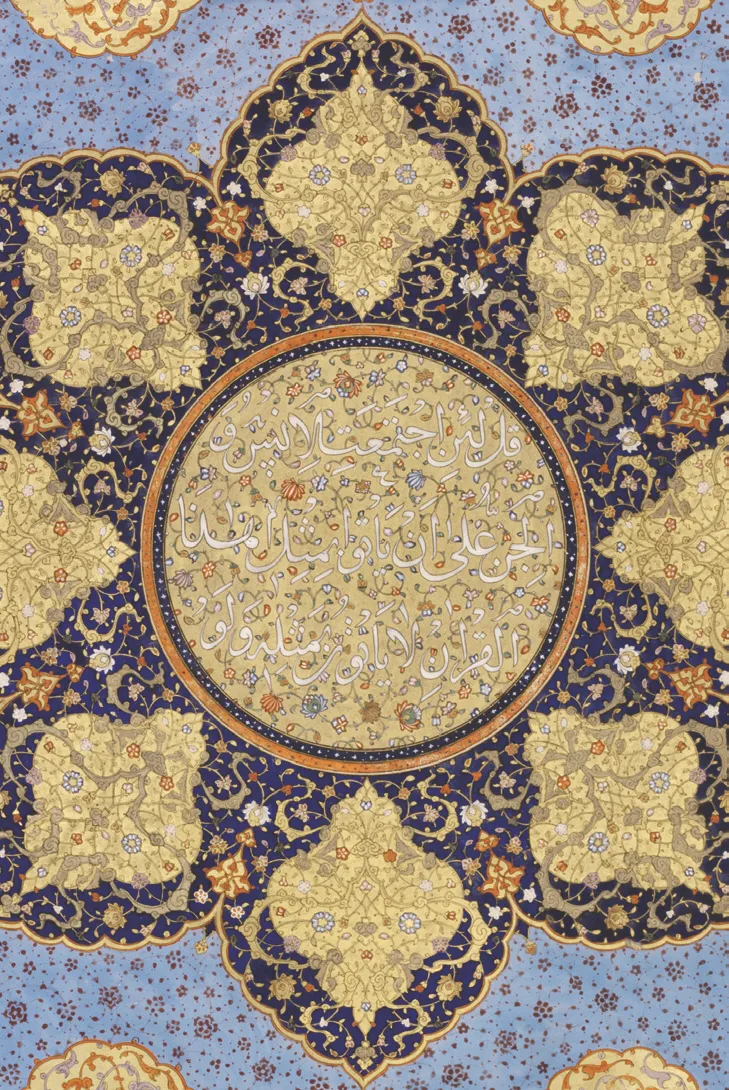
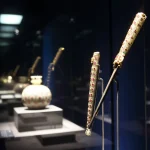
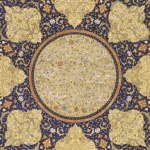
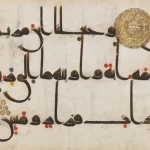
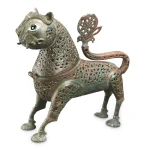
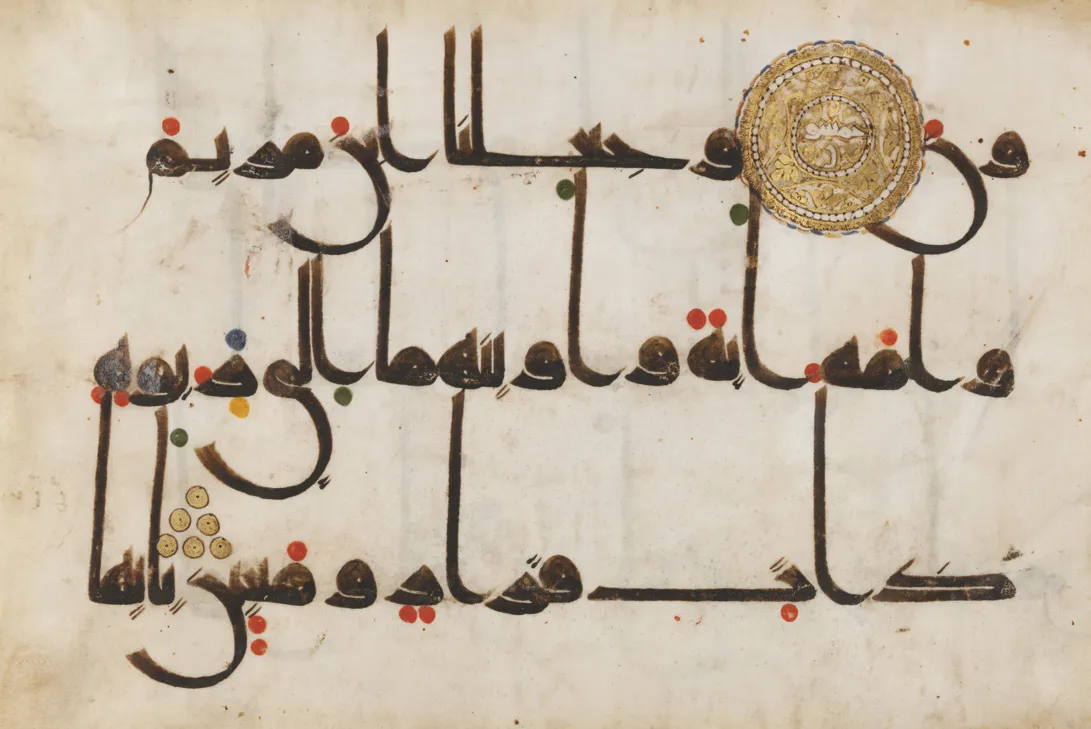
The gallery is the result of a collaborative loan and curatorial partnership with Qatar’s Museum of Islamic Art. Together, the institutions have arranged for some objects, reported in media accounts as roughly 80–96 artifacts, depending on the outlet, to travel to Seoul. The selection spans manuscript pages from early Qur’ans, finely glazed ceramics, metalwork, ornamental objects, and miniature paintings that trace artistic and ritual practices across the Islamic world from roughly the 7th century through the modern era. This scope is designed to show both religious and everyday expressions of Islamic visual culture, rather than a single narrative.
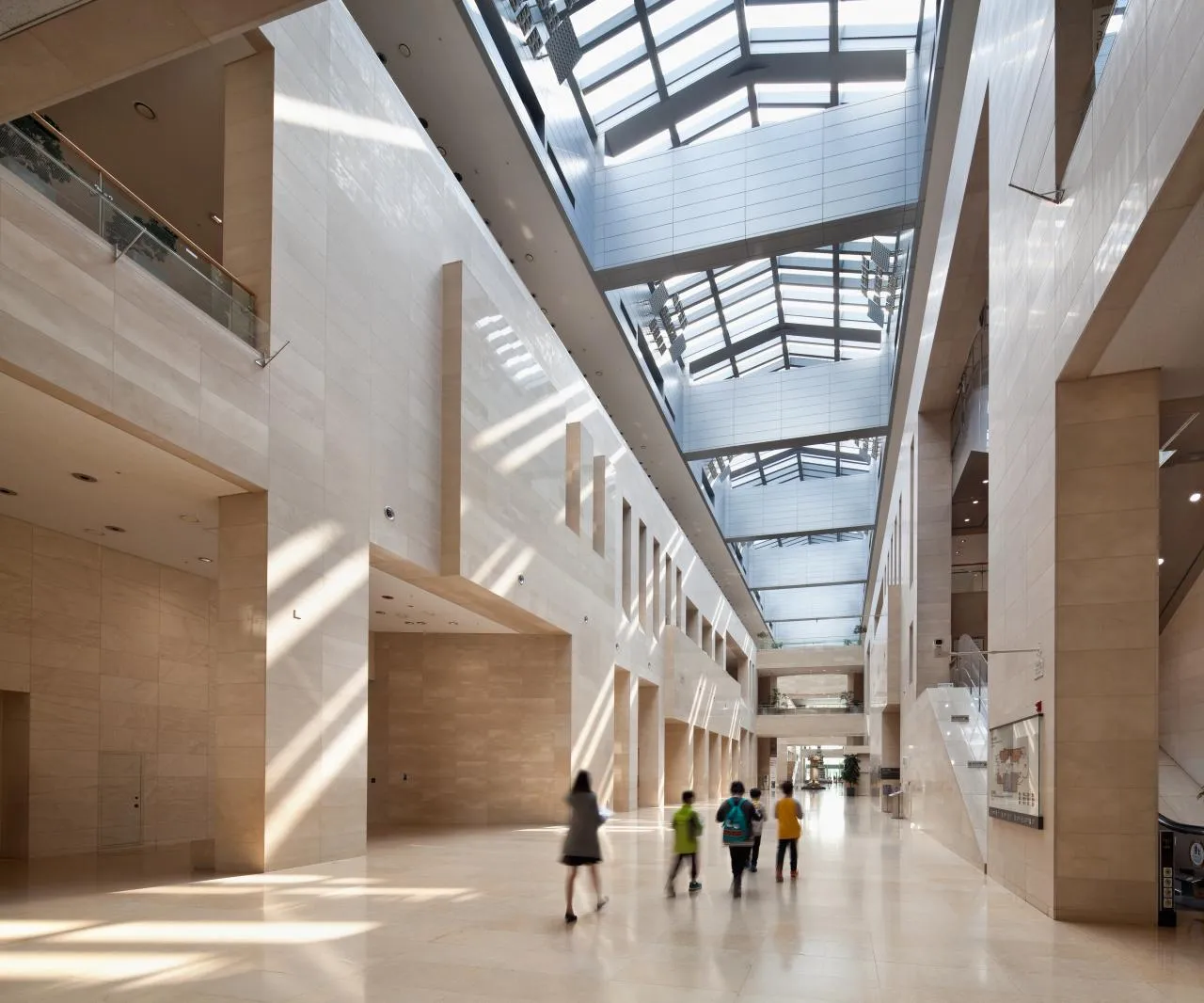
Curators say the permanent gallery is intended to correct a historical imbalance. While the NMK has long displayed sections for China, Japan, India, and other world regions, it has not previously accommodated an enduring, dedicated area for Islamic civilization. By embedding the gallery within the museum’s World Art corridor, the institution frames Islamic culture not as an “add-on” but as a foundational strand of world history and artistic exchange. The partnership with the Museum of Islamic Art in Qatar also signals a diplomatic and cultural dimension, an exchange of knowledge, loans, and expertise at a moment when museums are seen as soft-power platforms.
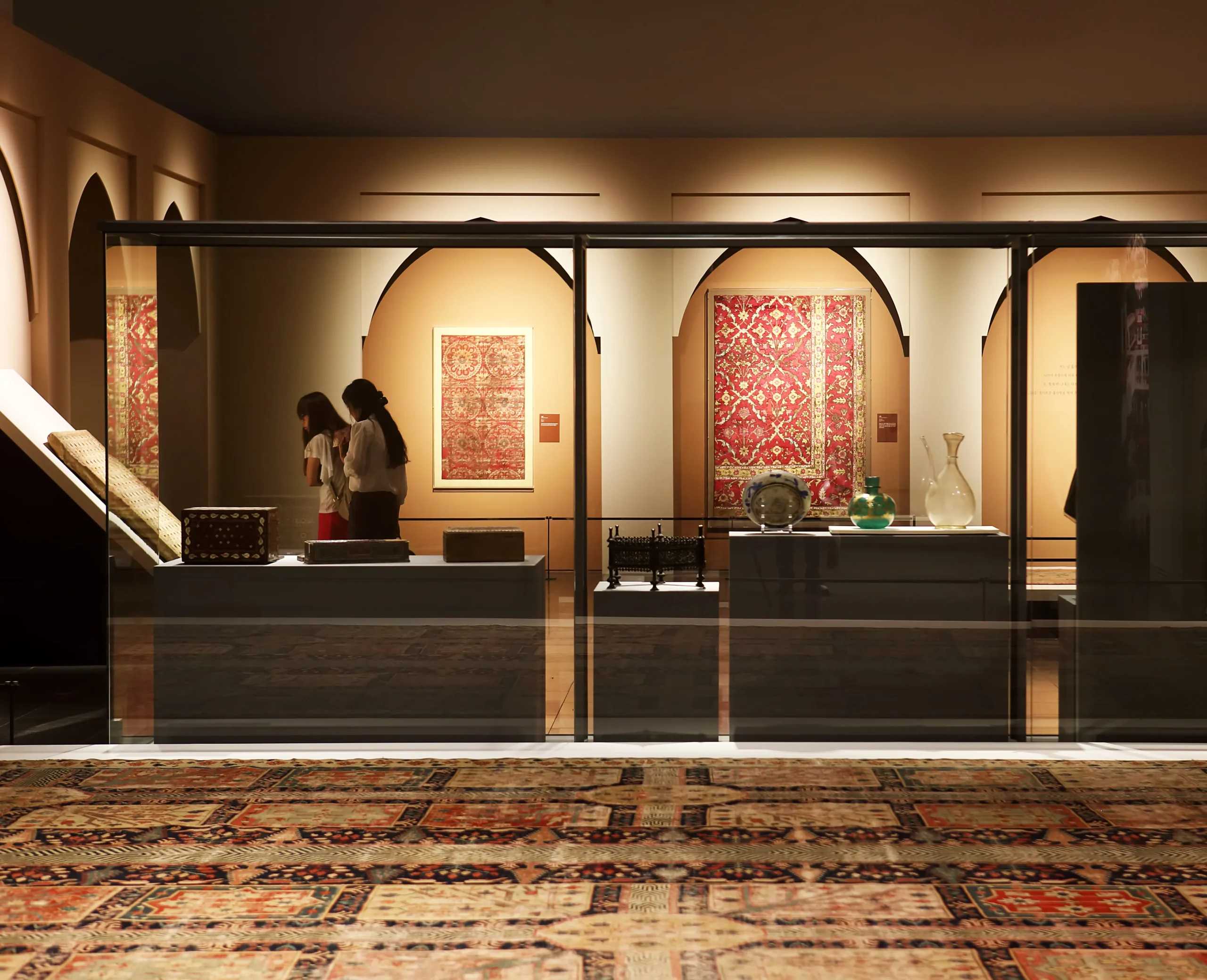
Visitors can expect an interpretive layout that balances historical context and close-looking displays. Early Qur’anic folios are expected to be shown alongside decorative ceramics and metalwork; labels and multimedia will explain function, technique, and cross-cultural influences. Officials have emphasized the gallery’s educational purpose to open conversations about history, trade routes, craftsmanship, and the plurality within Islamic civilizations rather than offering a monochrome or exoticizing view.
The opening also follows a small program of related events and cultural programming: Doha and Seoul cultural delegations have hosted previews and talks, and museum officials indicated public programming will accompany the gallery’s debut. Admission policies reported by outlets suggest the NMK will continue its tradition of accessible programming; the museum expects the gallery to draw both local visitors and international tourists seeking deeper engagement with Islamic art outside of the Middle East.
Taken together, the new permanent Islamic gallery at NMK marks a clear turn toward international curatorial collaboration and a willingness to present diverse cultural histories in sustained form. For South Korea, a nation whose museums have expanded their global purposes in recent years, the gallery is both an aesthetic offering and a diplomatic gesture, an institutional bridge that will let Seoul audiences encounter centuries of Islamic creativity under one roof.