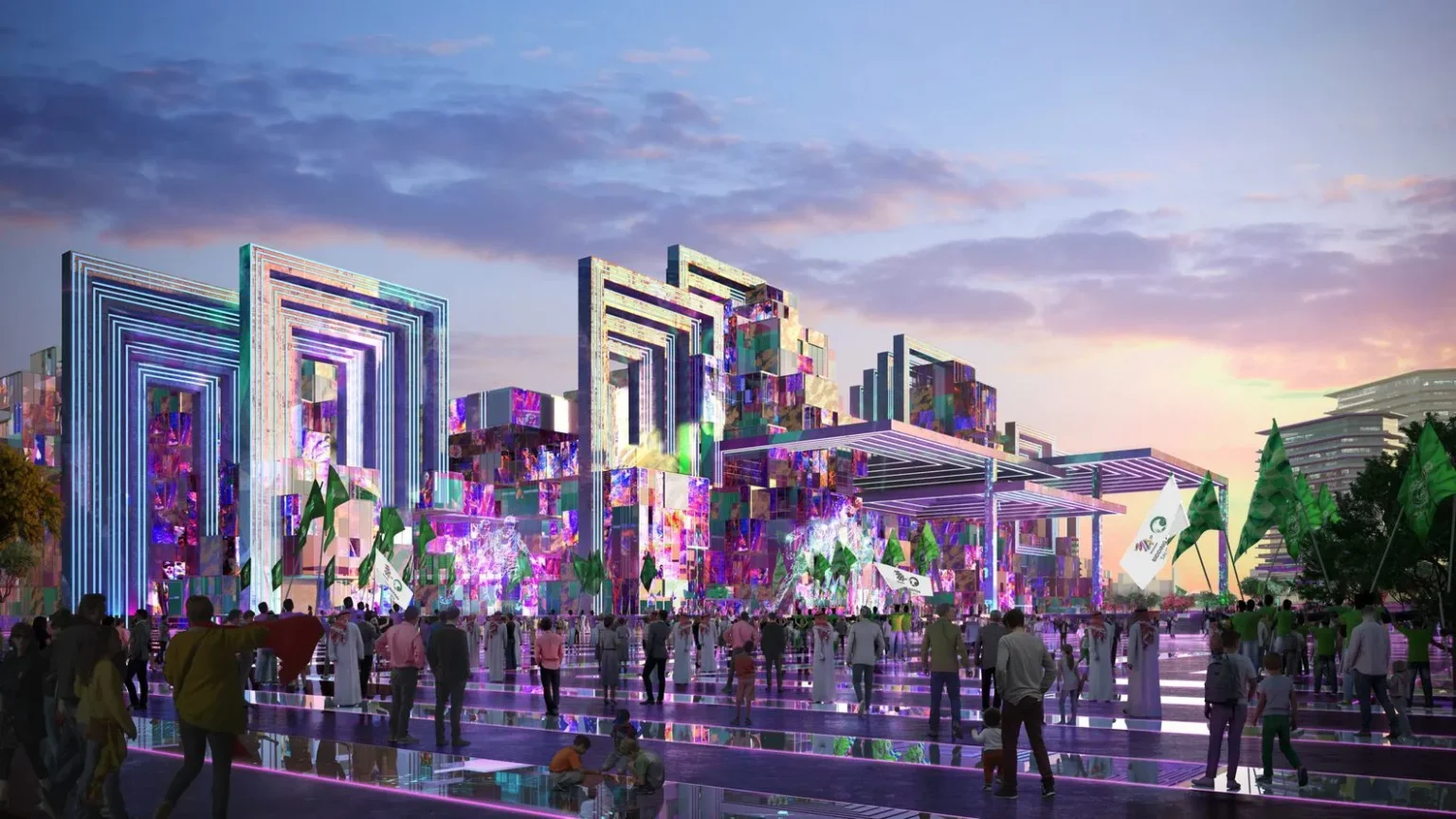






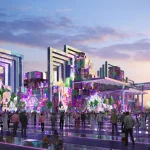
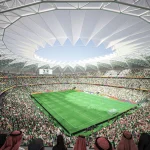
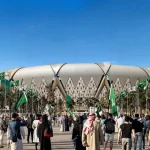
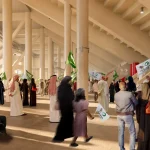
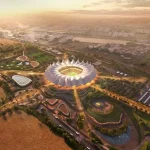
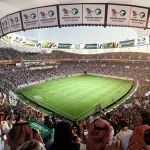
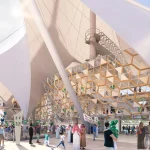
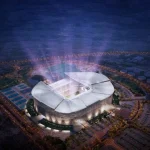
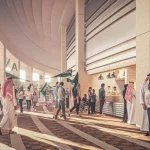
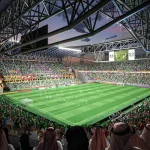
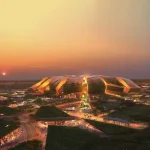
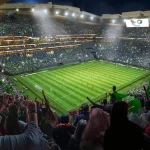
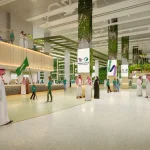
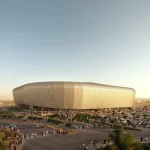
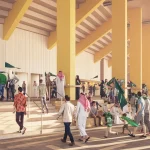
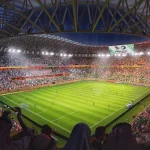
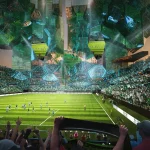
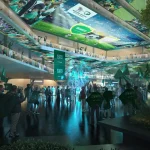
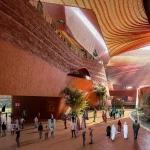
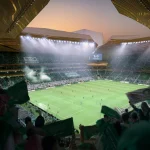
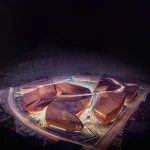
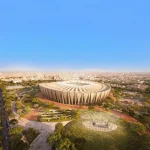
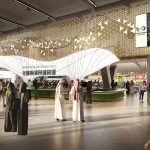
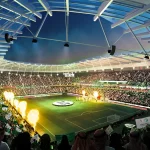
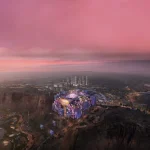
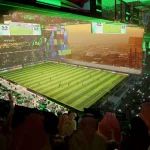
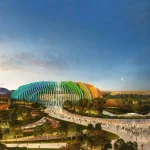
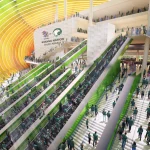
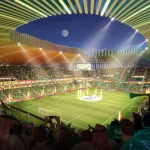
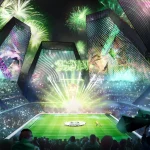
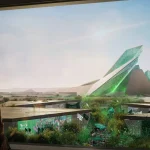
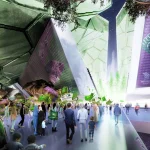
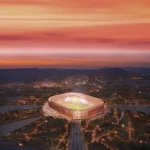
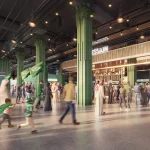
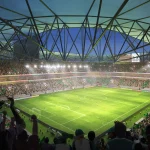
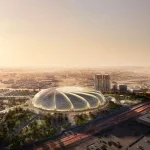
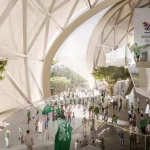
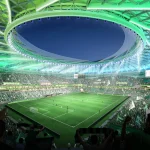
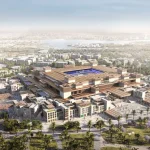
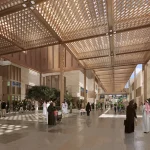
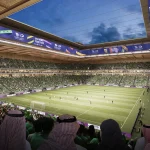
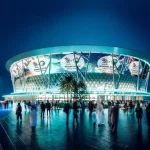
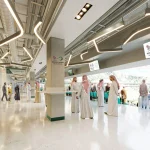
Saudi Arabia is preparing to host the 2034 FIFA World Cup, marking a major milestone in the nation’s long-term Vision 2030 strategy. The tournament will be held across five key cities: Riyadh, Jeddah, Al Khobar, Abha, and NEOM, each featuring world-class stadiums built or upgraded to meet FIFA’s standards. In total, 15 venues are planned, combining newly built arenas with redeveloped existing sites.
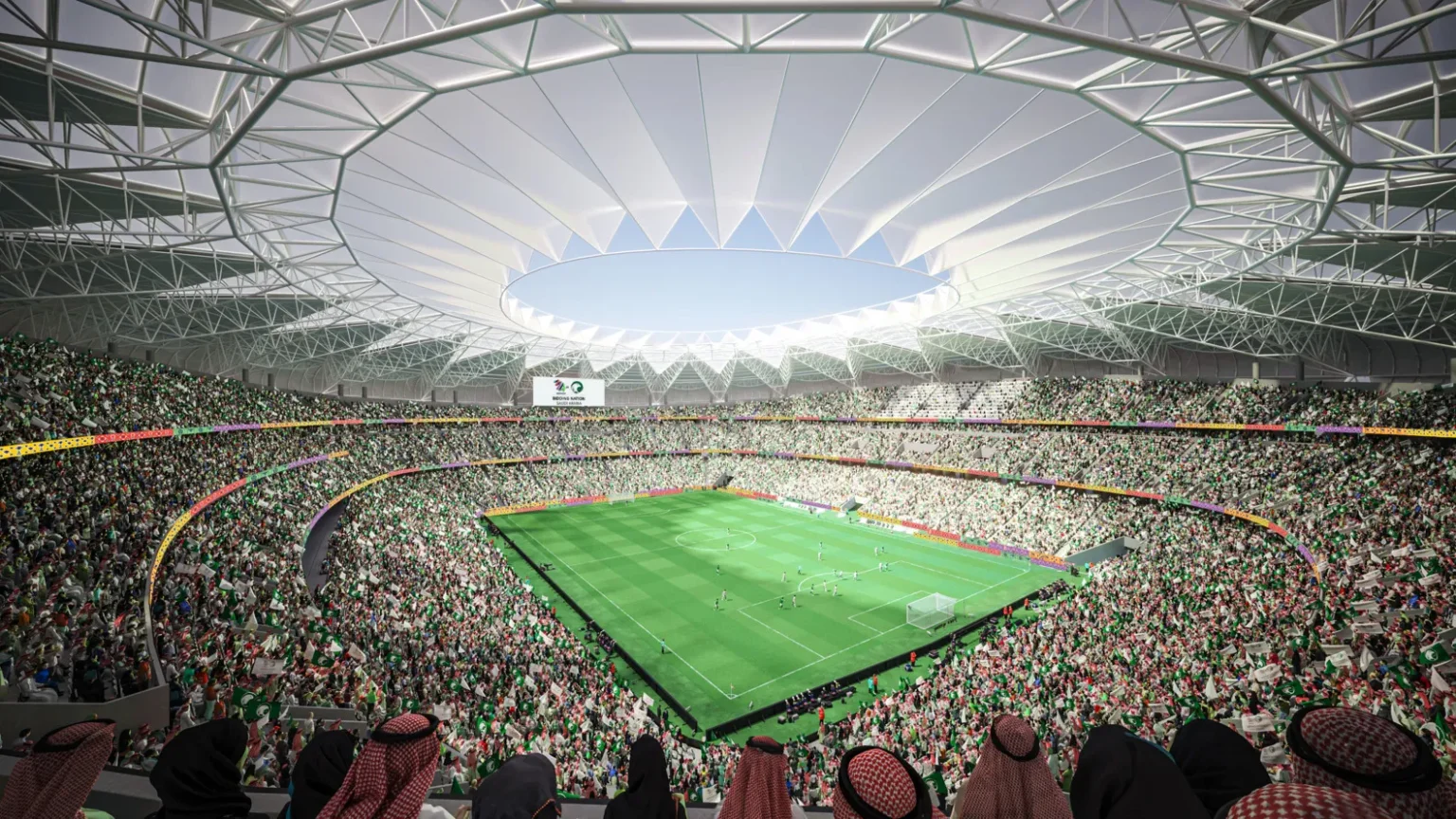
Saudi Arabia intends to merge modern sports infrastructure with local identity and environmental awareness. Stadium designs draw inspiration from the country’s landscapes and heritage, from coral reefs along the Red Sea to the textured bark of acacia trees and the geometric language of Islamic architecture. Capacities will range between 45,000 and 92,760, with the King Salman International Stadium in Riyadh serving as the centerpiece for the opening and final matches.
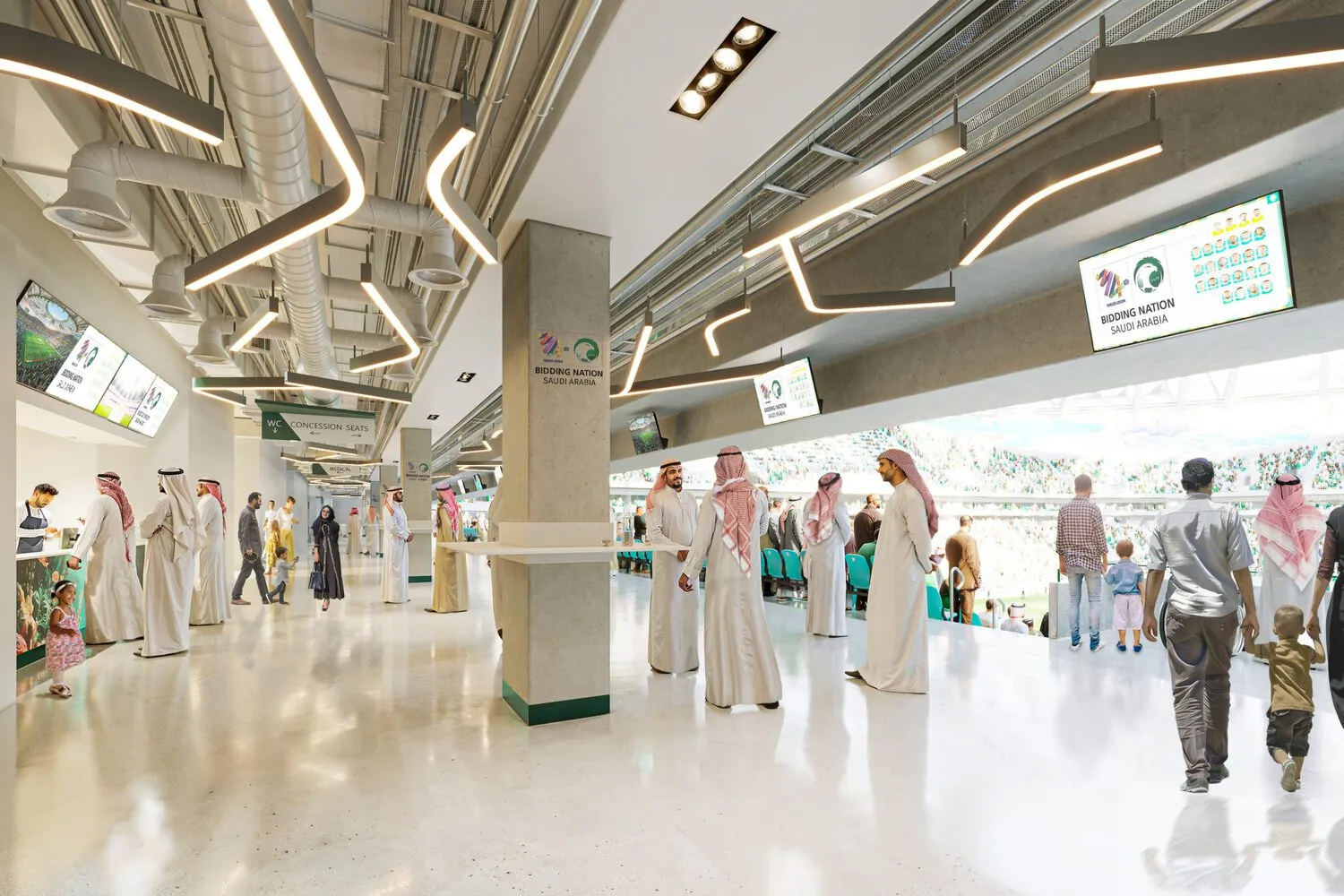
Each stadium is integrated into broader urban development projects, including sports districts, community hubs, and ecological landscapes, ensuring their continued use after 2034. The approach combines sustainability, advanced fan technology, and architectural innovation, positioning Saudi Arabia to host a global tournament and also redefine the sporting landscape of the region.
Here’s the list of 15 proposed stadiums for the 2034 FIFA World Cup:
1. King Salman International Stadium, Riyadh
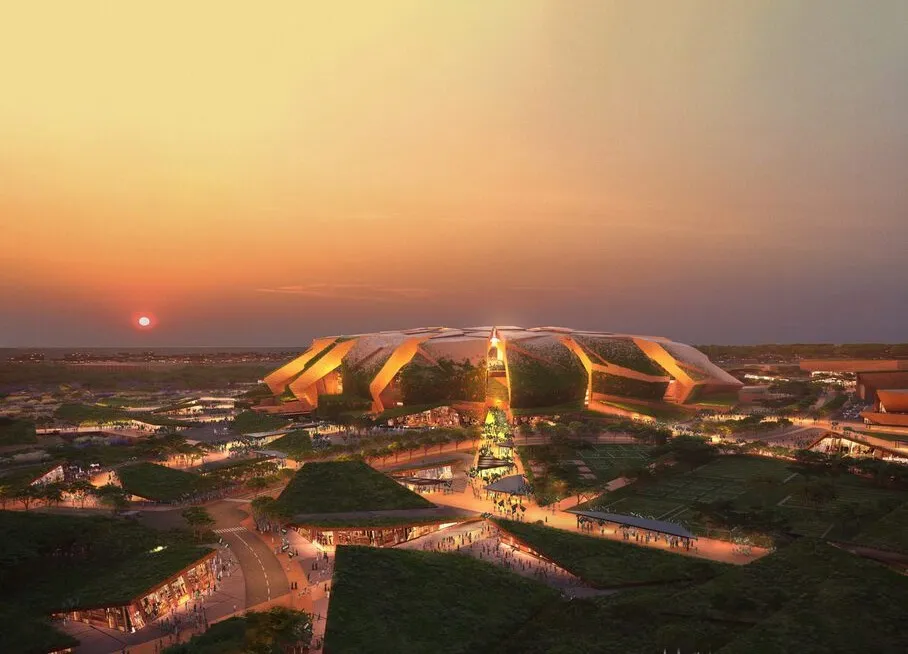
The King Salman International Stadium, located in Riyadh, is planned as Saudi Arabia’s centerpiece stadium for the 2034 World Cup. It is designed by Populous. The capacity is approximately 92,760 spectators. Construction is scheduled to start around 2025, with the opening expected by 2029. The design is intended to integrate with King Abdulaziz Park, using natural terrain features for topography shading, green walls/roofs, and large surrounding green space. It is set to host the opening match and the final.
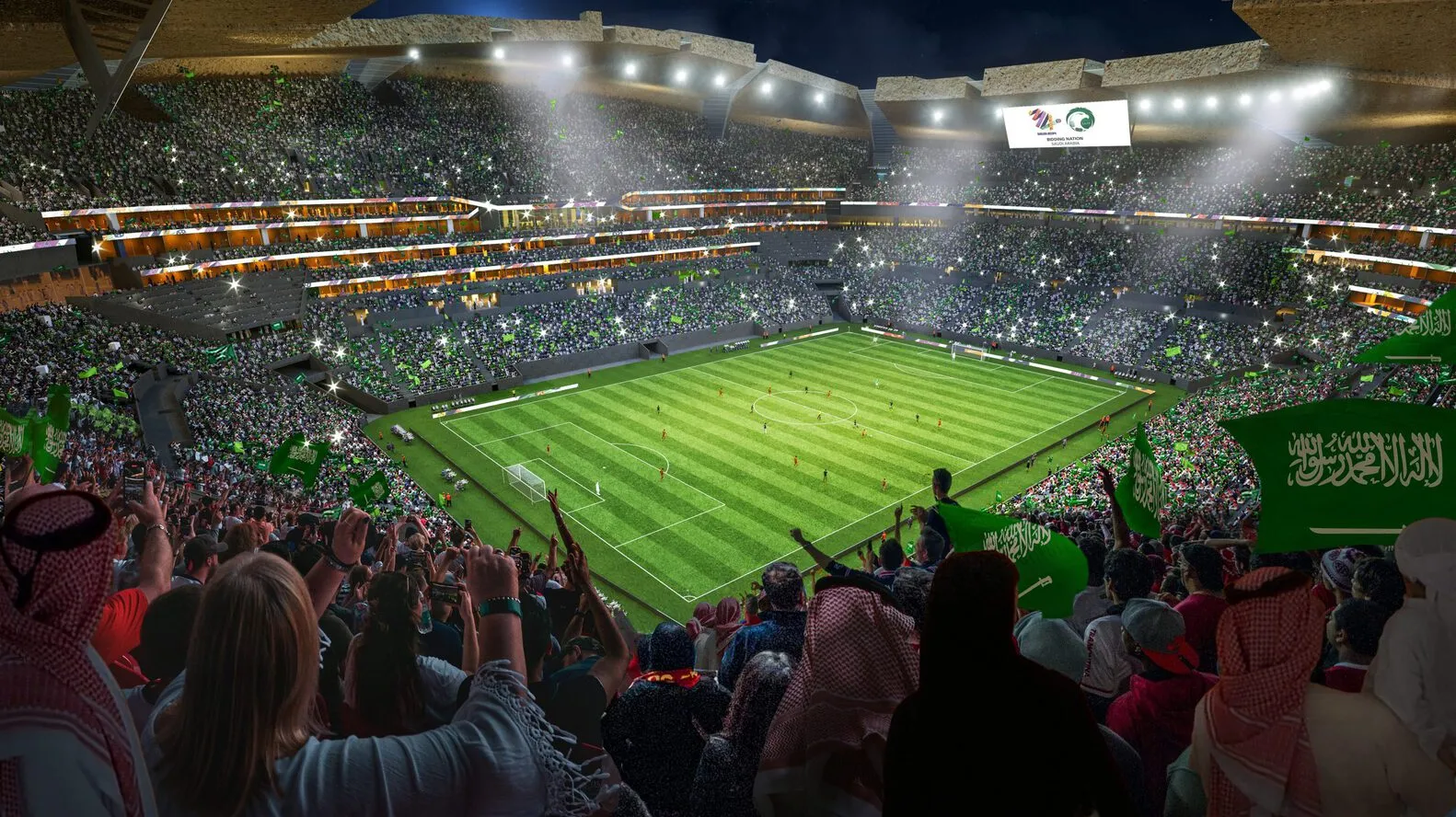
2. King Fahd Sports City Stadium, Riyadh
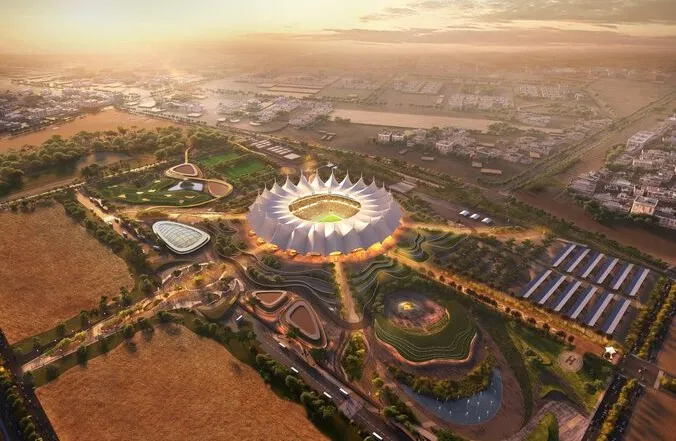
This is an expansion/renovation of an existing stadium (formerly King Fahd International Stadium) located in Riyadh. The original architects were Ian Fraser, John Roberts, Michael K.C. Cheah & Partners. It is being refurbished by Schiattarella Associati. Current (pre-World Cup stats) capacity is ~ 58,398, which will be expanded to 70,200 by 2026. It will be used for major matches, including up to semi-final levels.
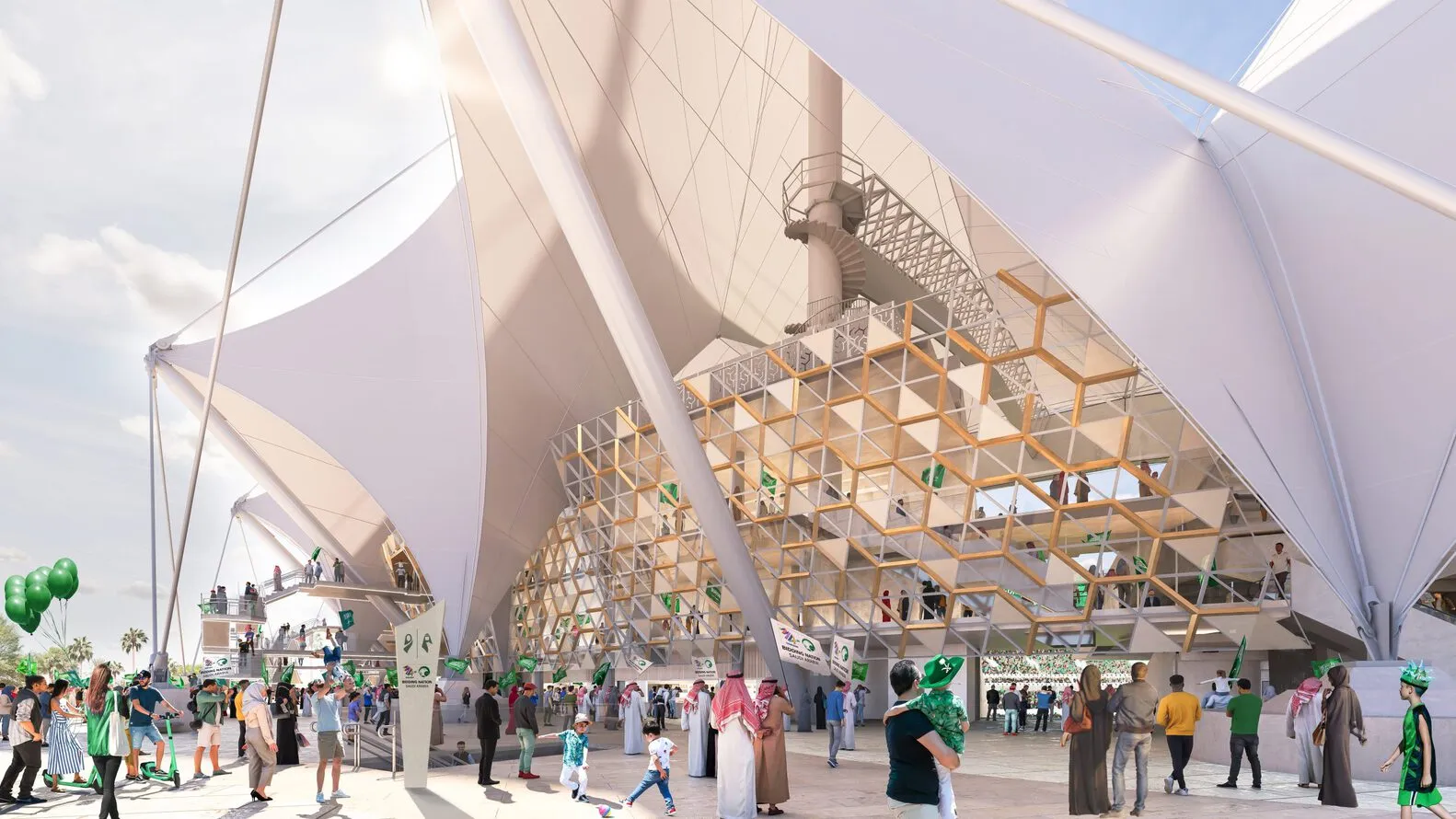
3. ROSHN Stadium, Riyadh
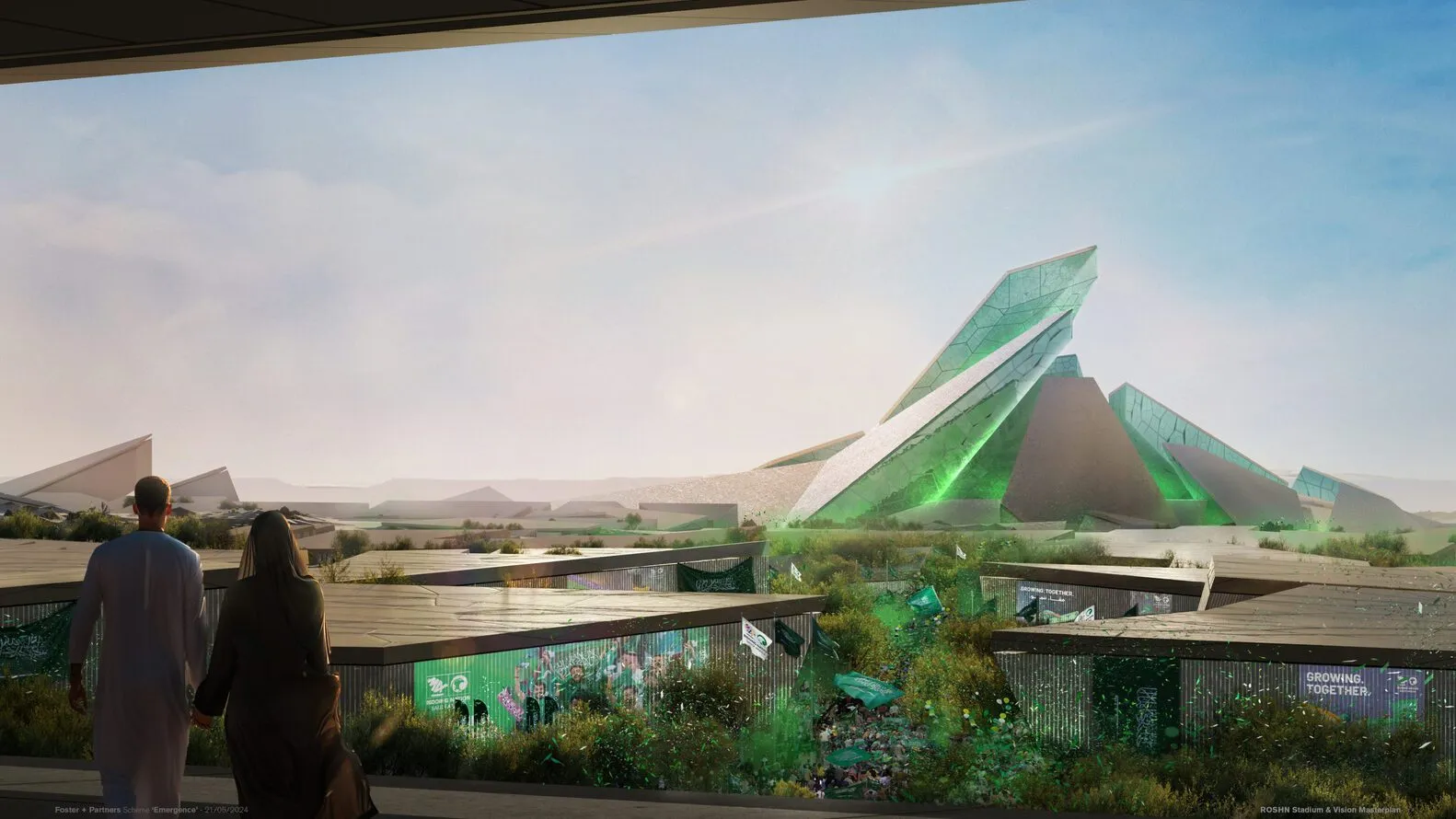
ROSHN Stadium is a new stadium to be constructed in southwest Riyadh by the ROSHN real estate/development company. Its capacity will be ≈ 46,000. Architectural details include a “crystalline” design, a modern form, and integration with mixed-use development (retail, hospitality, walkways, and green public spaces). It will cover over 450,000 square meters.
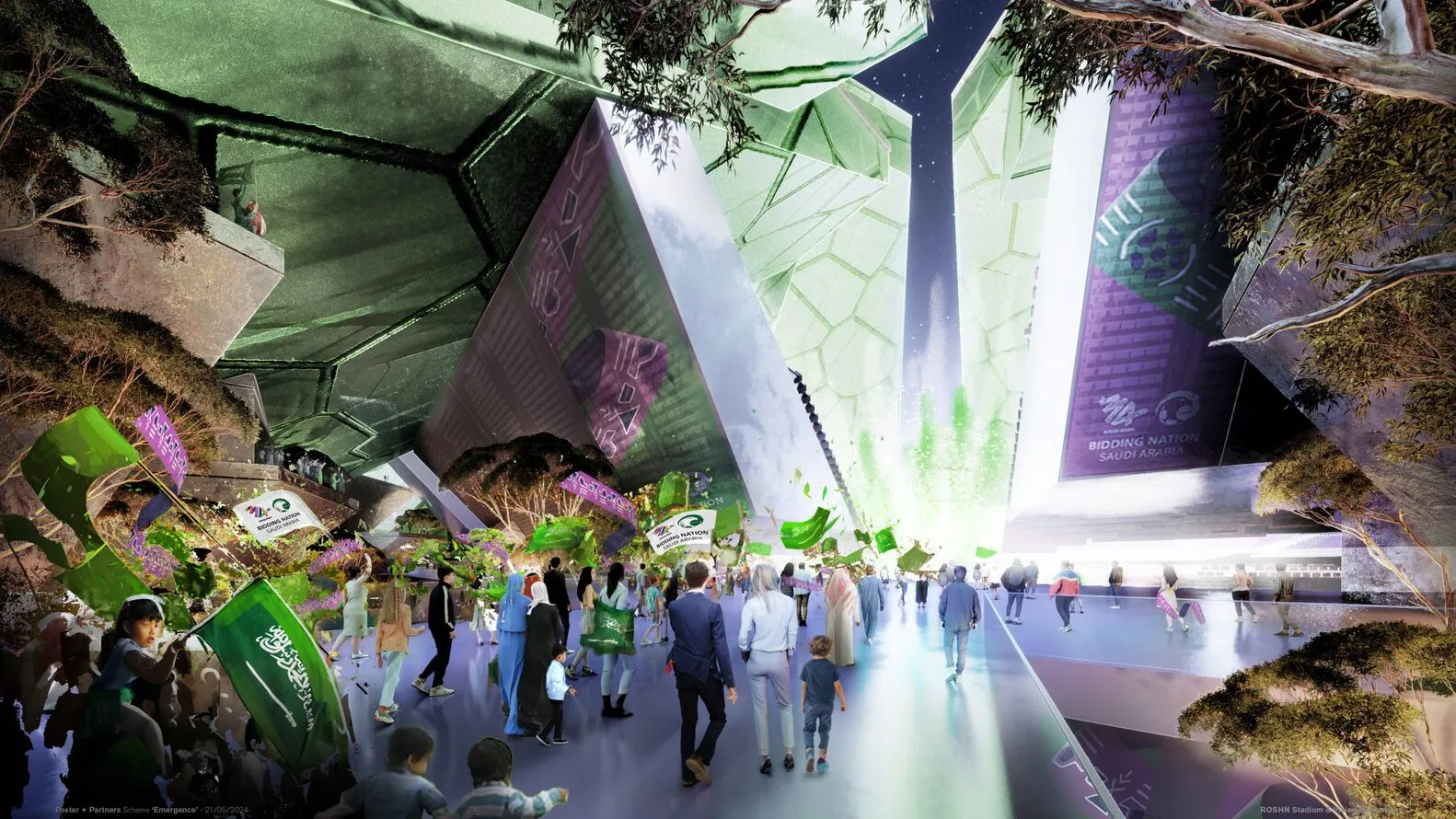
4. Prince Mohammed bin Salman Stadium, Qiddiya, Riyadh
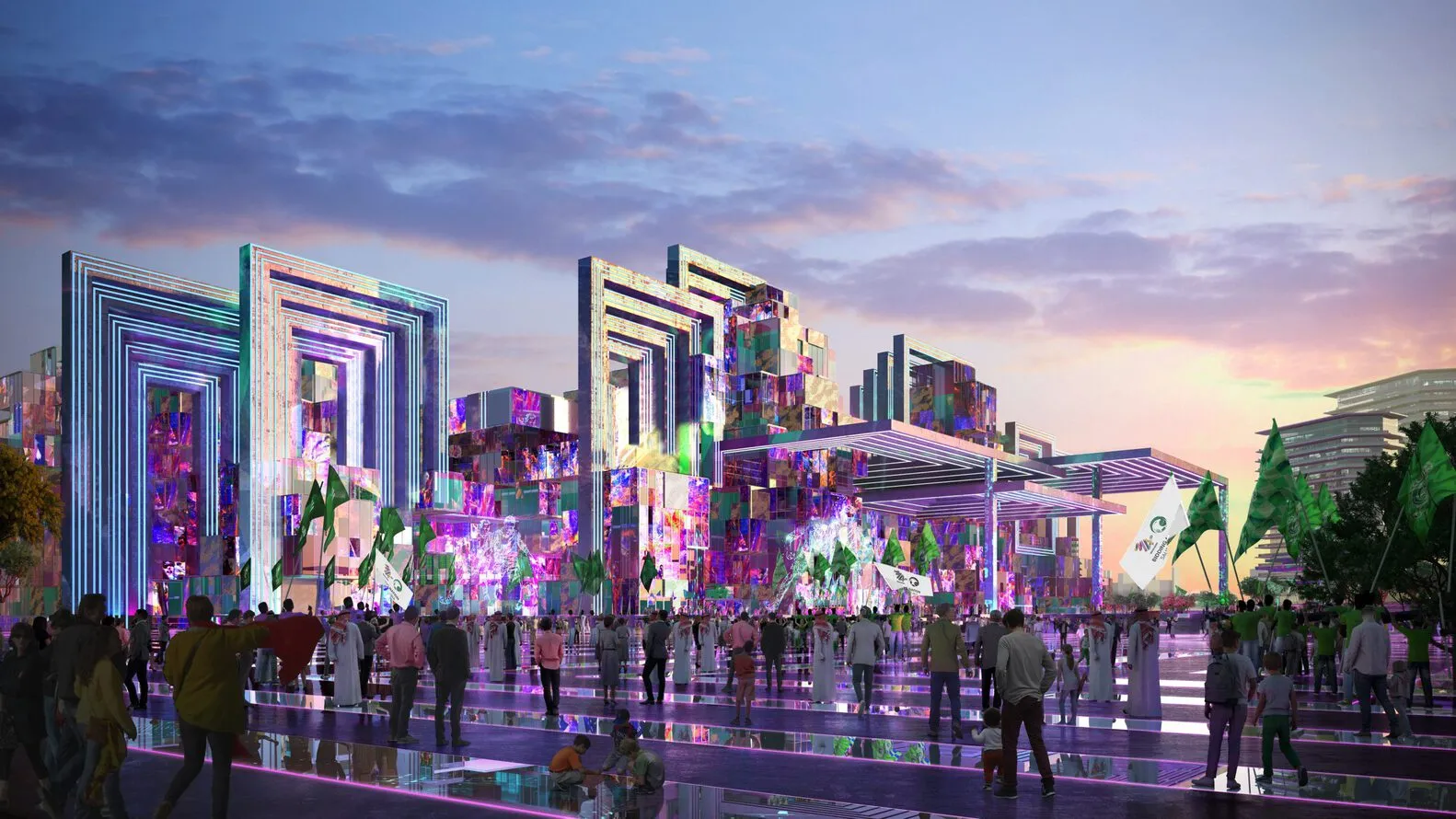
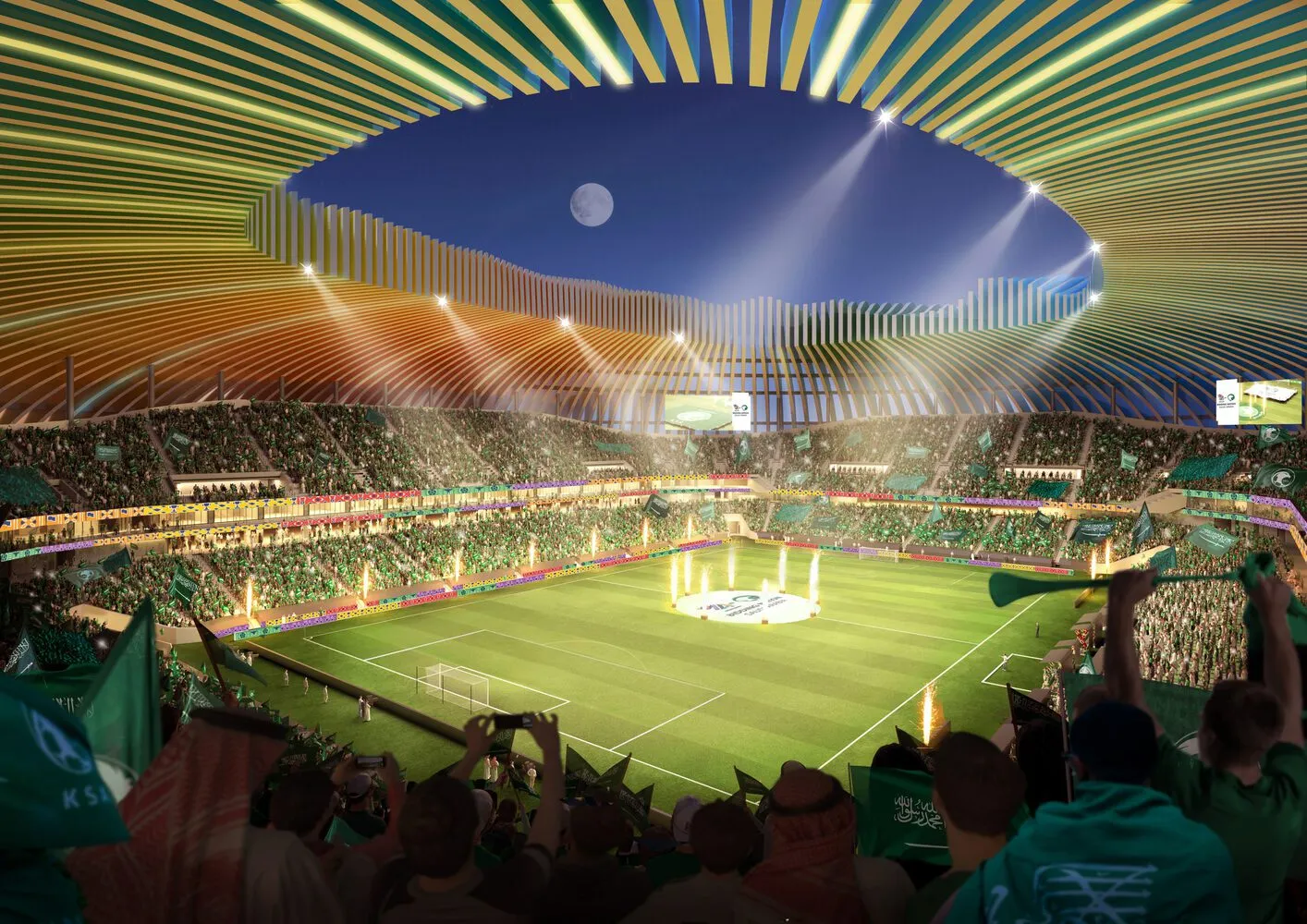
This stadium is planned in Qiddiya, the entertainment/tourism megaproject outside Riyadh. Designed by Populous, it will have a capacity of 46,979. The design includes a three-sided bowl with views toward the Tuwaiq cliffs, use of LED glass, modern materials, and immersive features. It is part of a broader sports-hub vision and is expected to handle group stage through third-place playoff matches. Opening is expected around 2029.
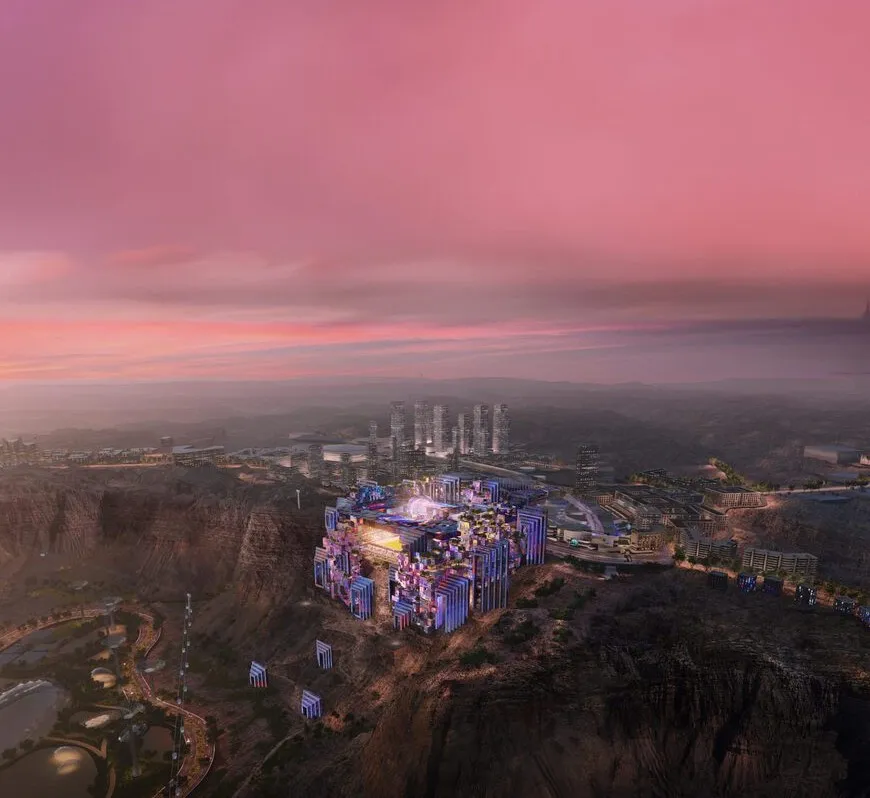
5. New Murabba Stadium, Riyadh
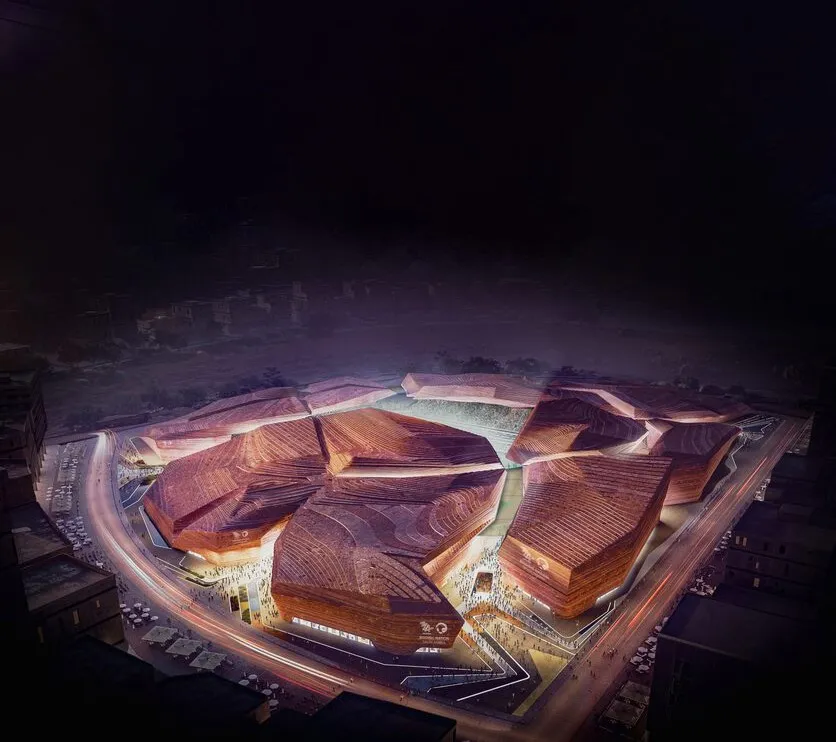
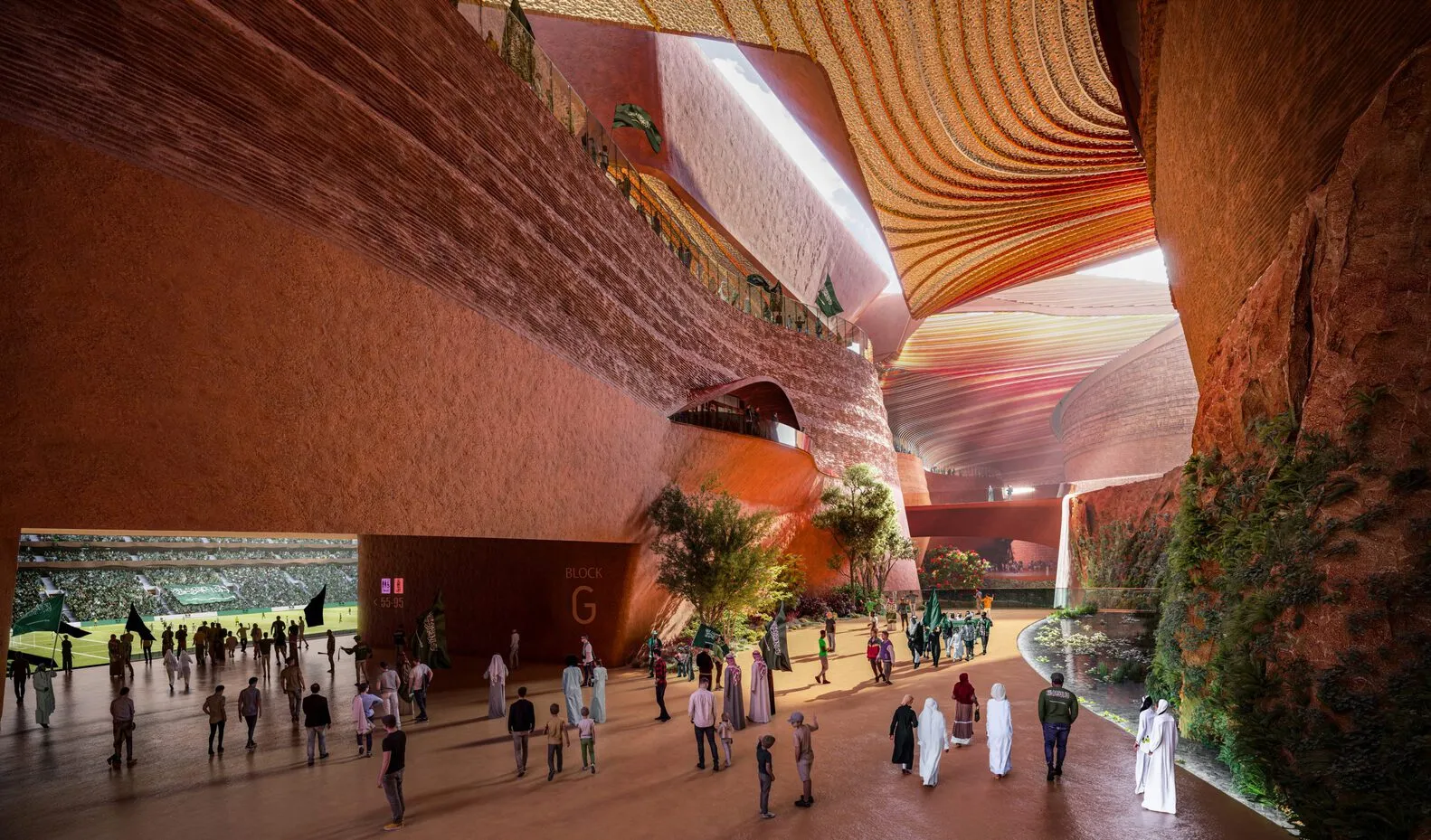
The new Murabba Stadium is proposed in the northwest of Riyadh. This is a new stadium with a capacity of 46,010. The architecture draws inspiration from the bark of native acacia trees, with textured, layered design elements. Its completion is projected for 2032. After the event, it is also to be used for concerts, events, and other large gatherings.
6. King Saud University Stadium, Riyadh
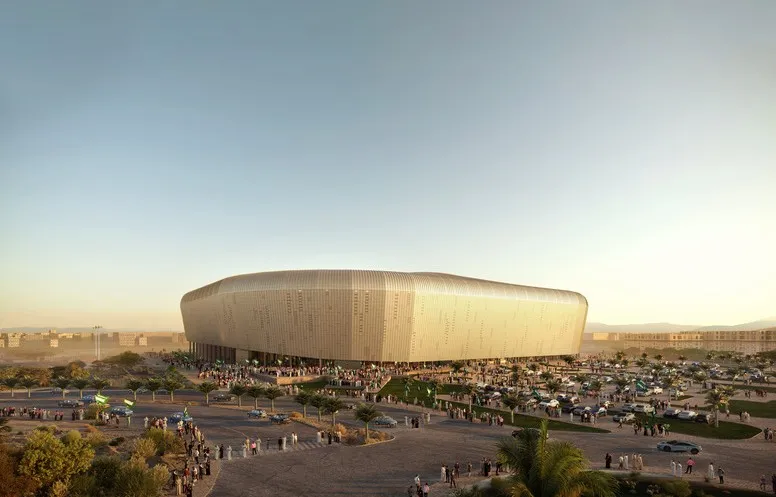
This is an existing stadium to be refurbished by Populous. During the World Cup, its capacity will be expanded to around 46,000, then after the tournament, reduced to ~ 33,000. The design upgrades include a new lightweight roof with spoke-wheel style, improved amenities, and better spectator comfort. The refurbishment is planned to finish around 2032.
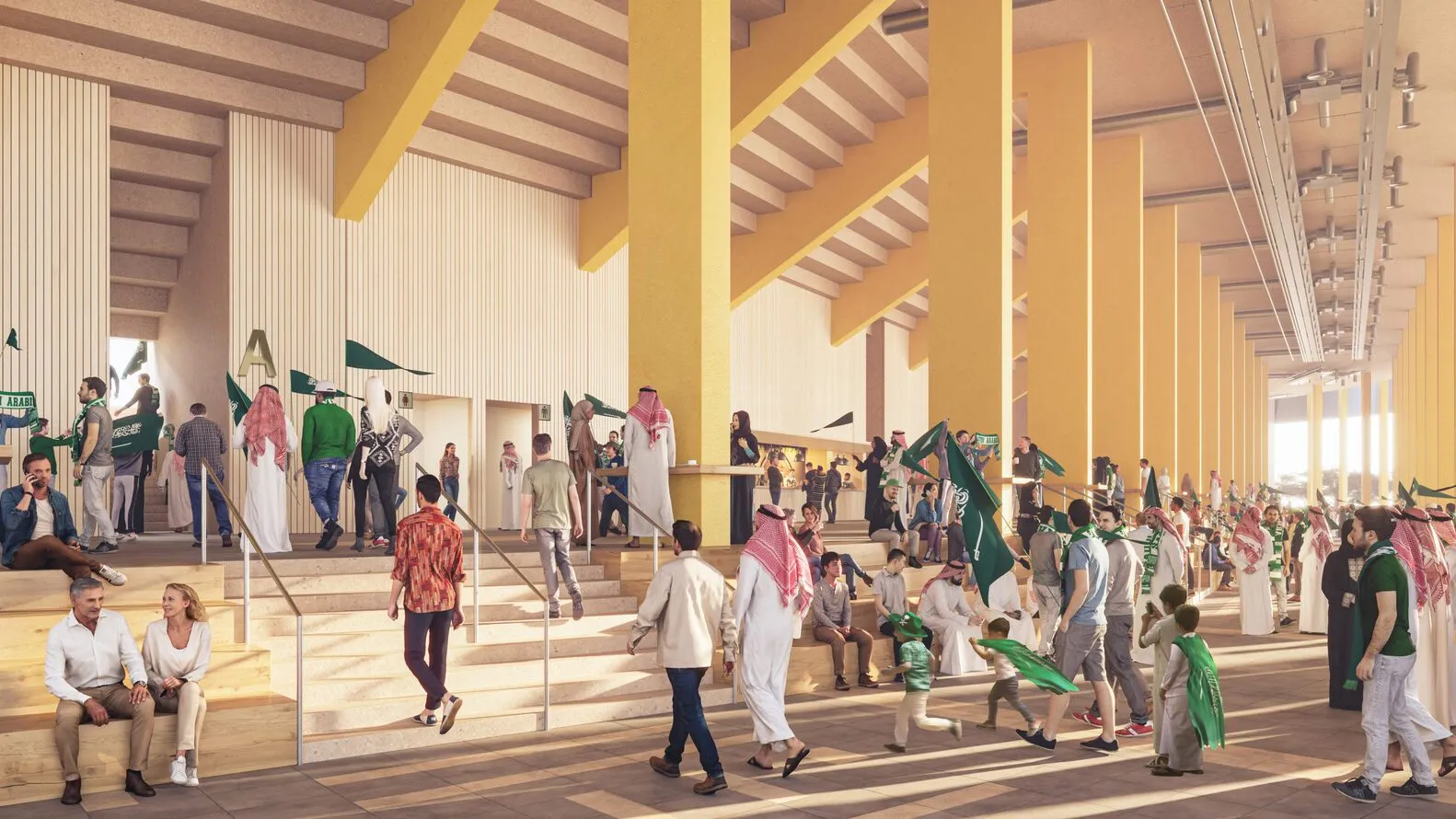
7. South Riyadh Stadium, Riyadh
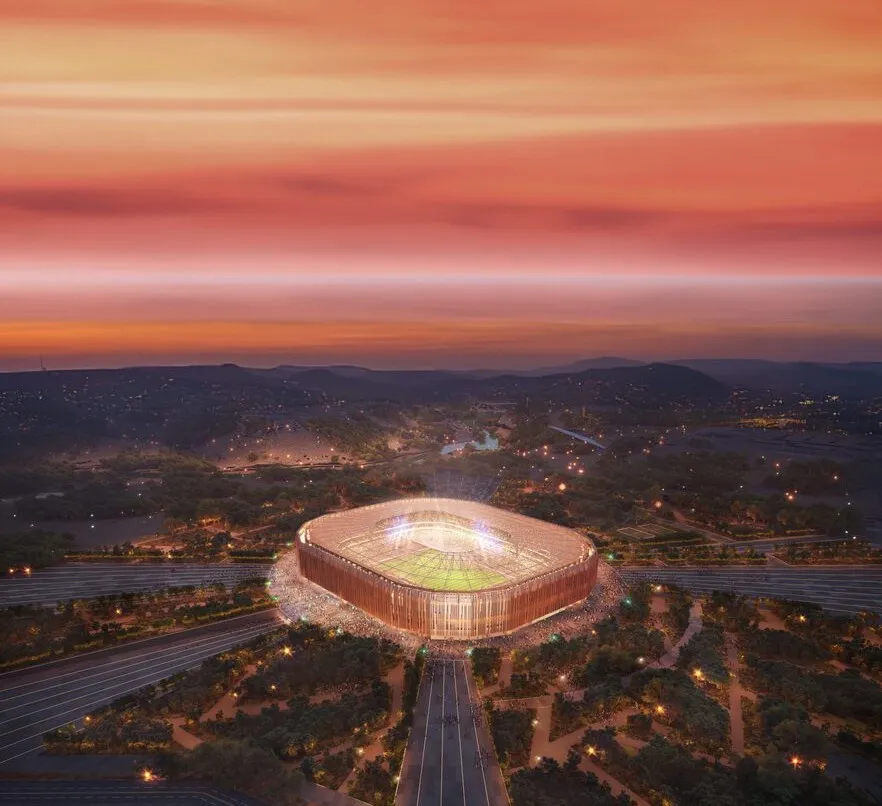
Planned stadium in the southwestern area of Riyadh. Its capacity is approximately 47,060. The design will draw from Salmani’s architectural style, integrating local materials and forms. It will be connected with the Green Riyadh urban projects. Scheduled for completion by 2032.
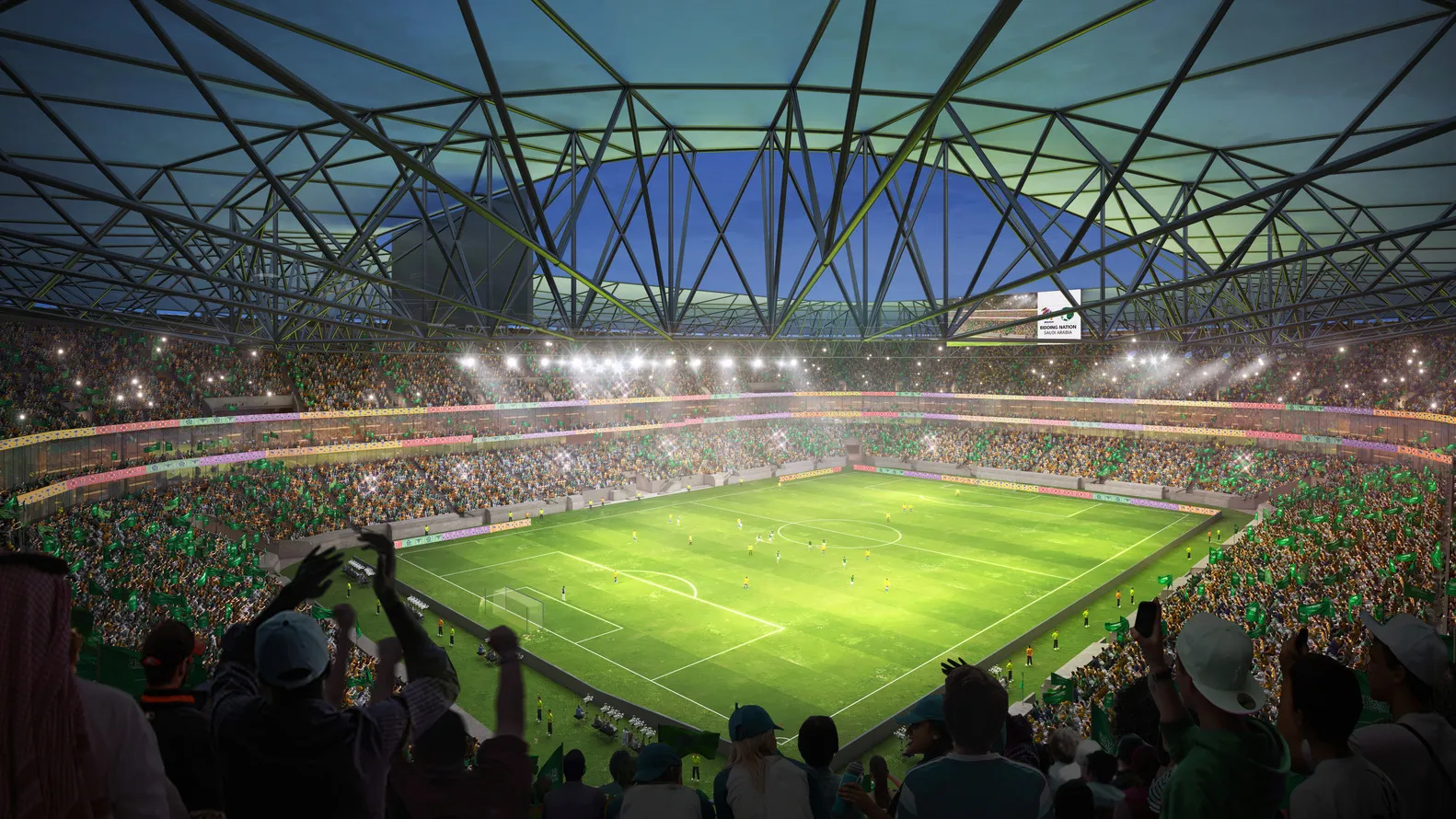
8. King Abdullah Sports City Stadium, Jeddah
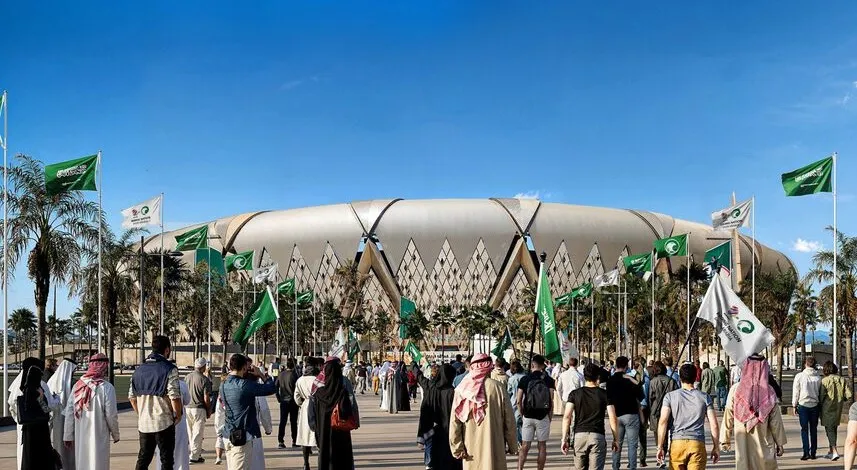
An existing stadium in Jeddah (also known as the “Shining Jewel”) was designed by Arup. Capacity is over 57,000 currently; it will be refurbished to meet FIFA 2034 standards. Refurbishments will include infrastructure upgrades, technology integration, and improved facilities. It will host matches up through the quarter-finals.
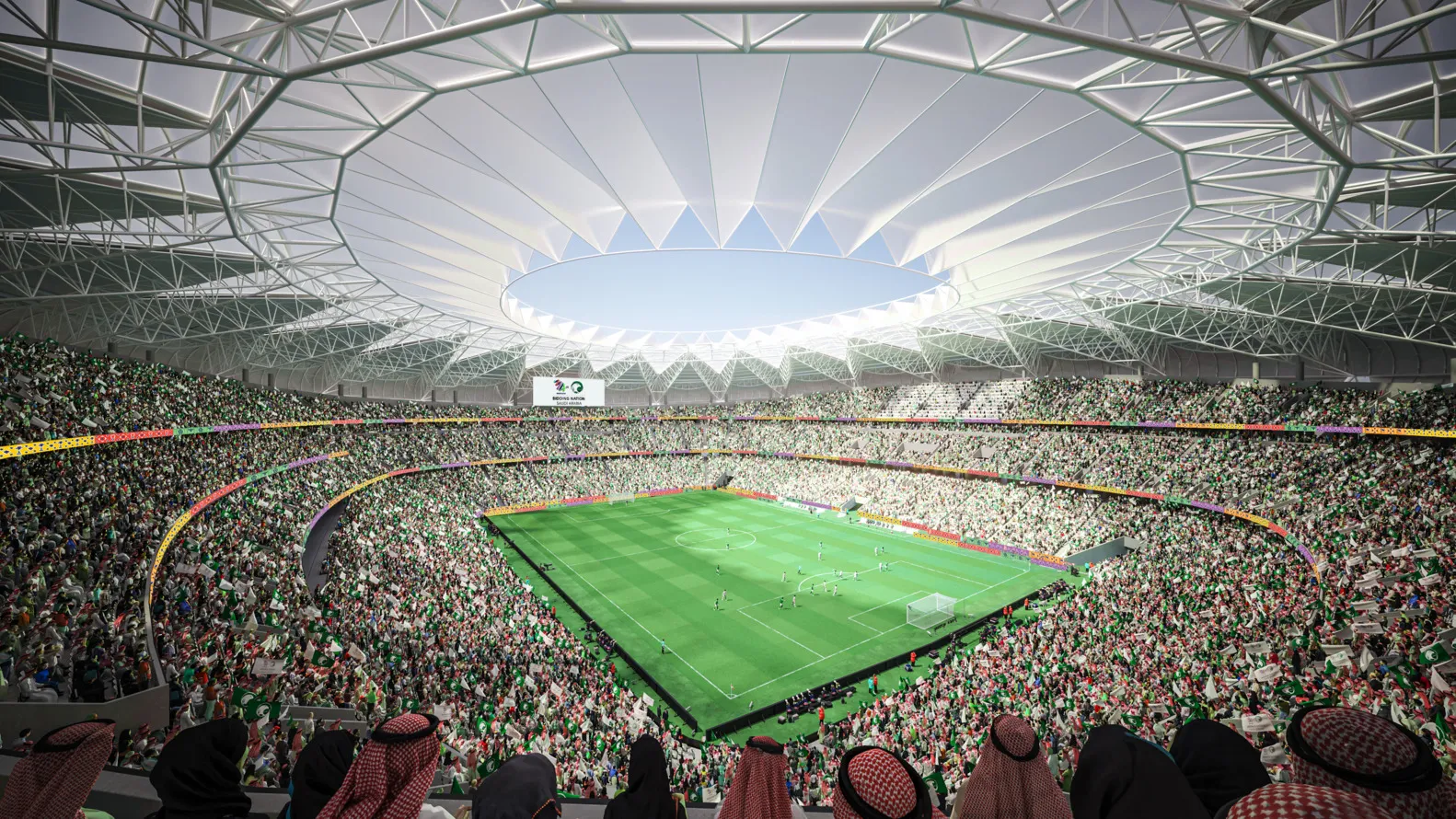
9. Jeddah Central Development Stadium, Jeddah
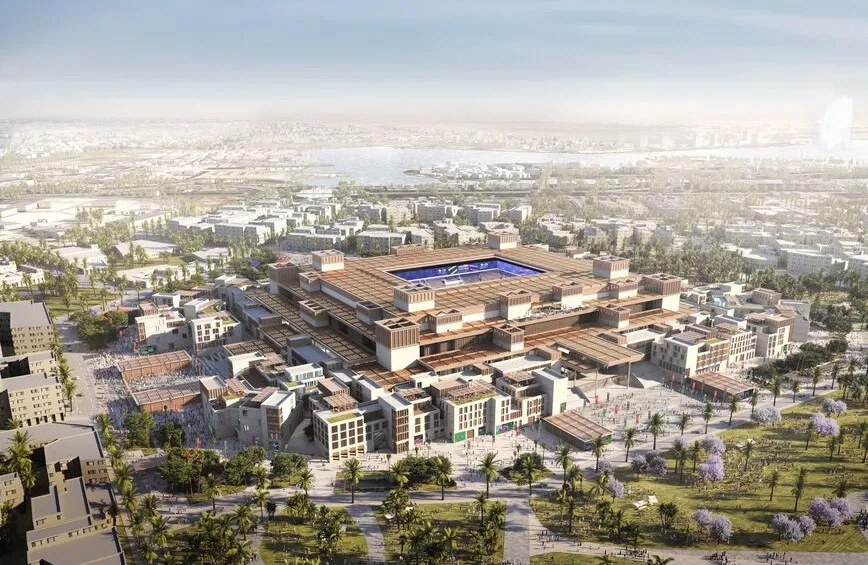
Located within the Jeddah Central (new downtown) precinct. Designed by GMP Architecten & Khatib & Alami. Seating capacity will be 45,794. Key architectural features include three tiers, a semi-translucent roof, a retractable inner roof, and a 360° LED screen. It will also be surrounded by “villages” for amenities and residential/mixed uses. Expected completion by 2027.
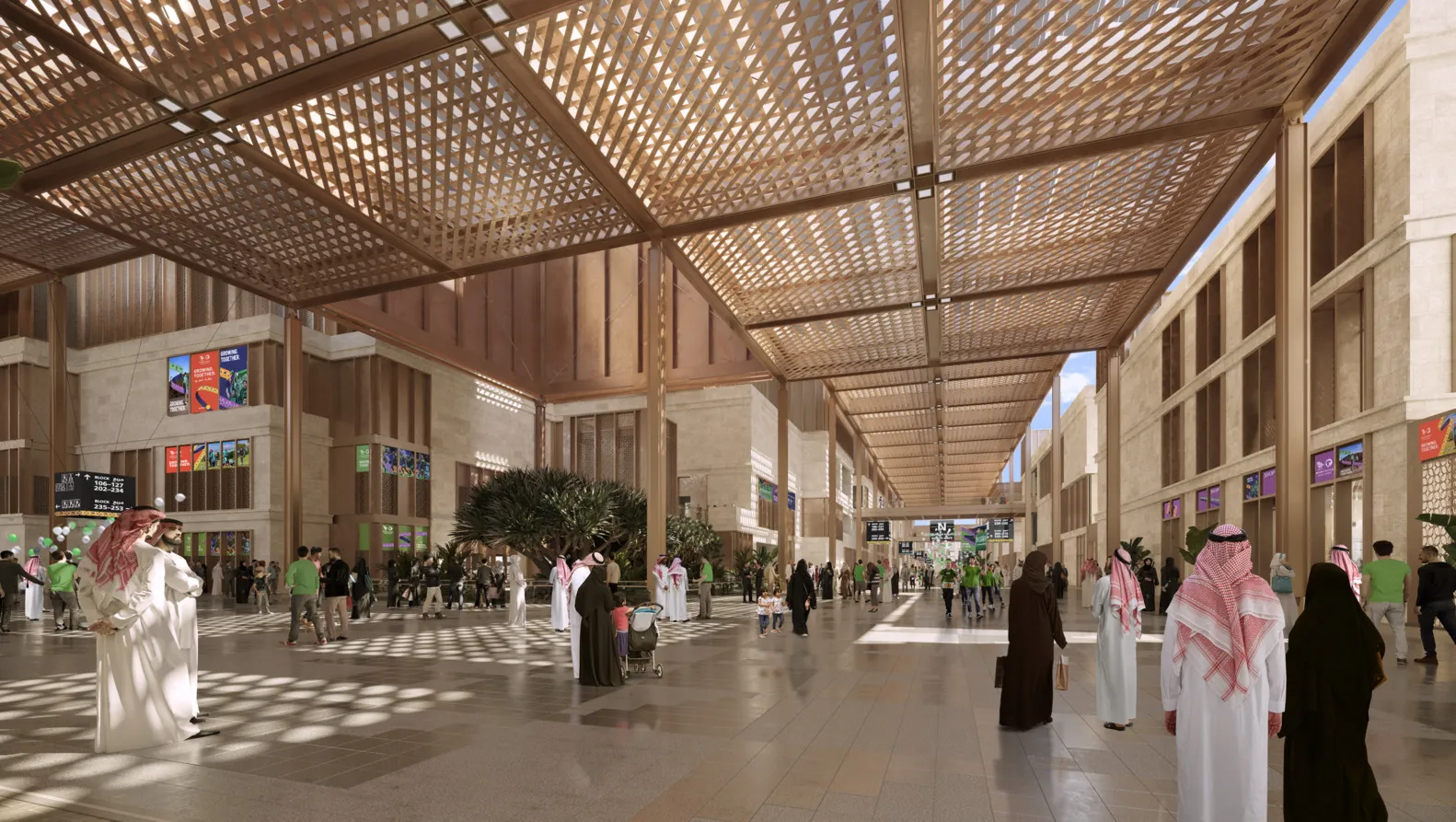
10. King Abdullah Economic City Stadium, Jeddah
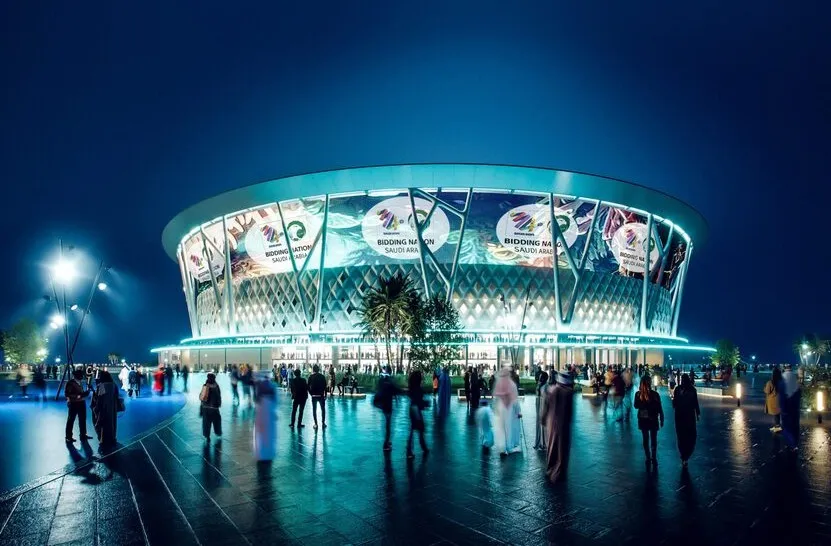
Designed by AFL Architects. Capacity ~ 45,700. Inspired by coral reefs along the Red Sea, aiming for a design that blends organic forms, sustainability, and mixed-use precinct features (hotels, clinics, and green spaces). Scheduled for completion around 2032.
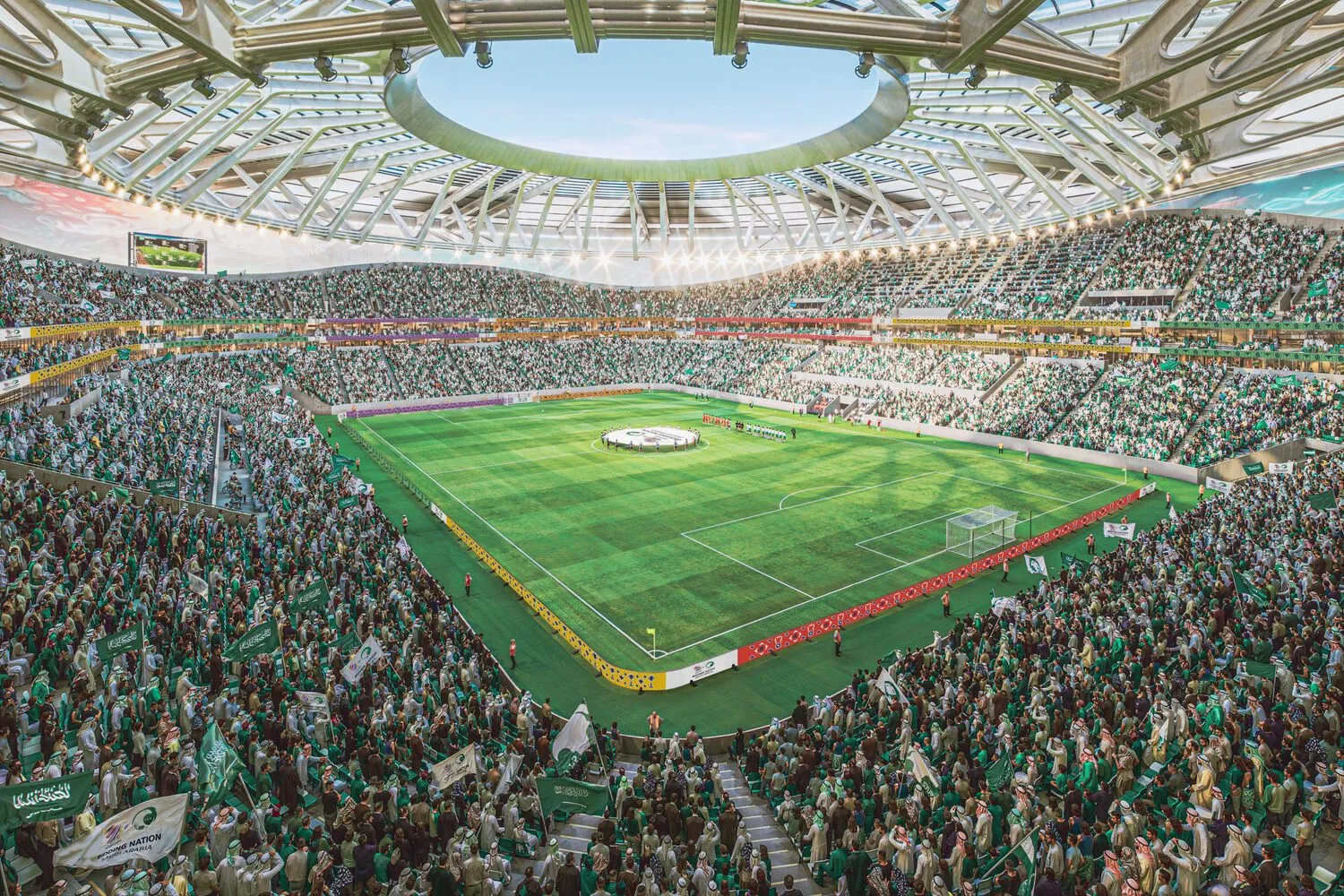
11. Qiddiya Coast Stadium, Near Jeddah
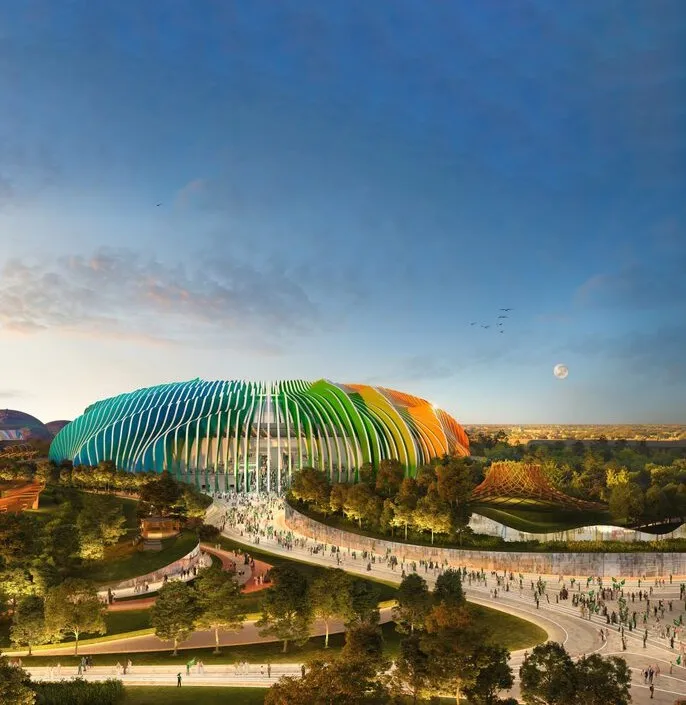
Designed by Populous. Capacity of over 45,000. It will be located on the Red Sea coast north of Jeddah, in the Qiddiya Coast development. The form evokes a “Mexican wave” effect—undulating facades and vibrant exterior colors. Post-World Cup, the capacity may be reduced by removing upper tiers and used for concerts, entertainment, etc.
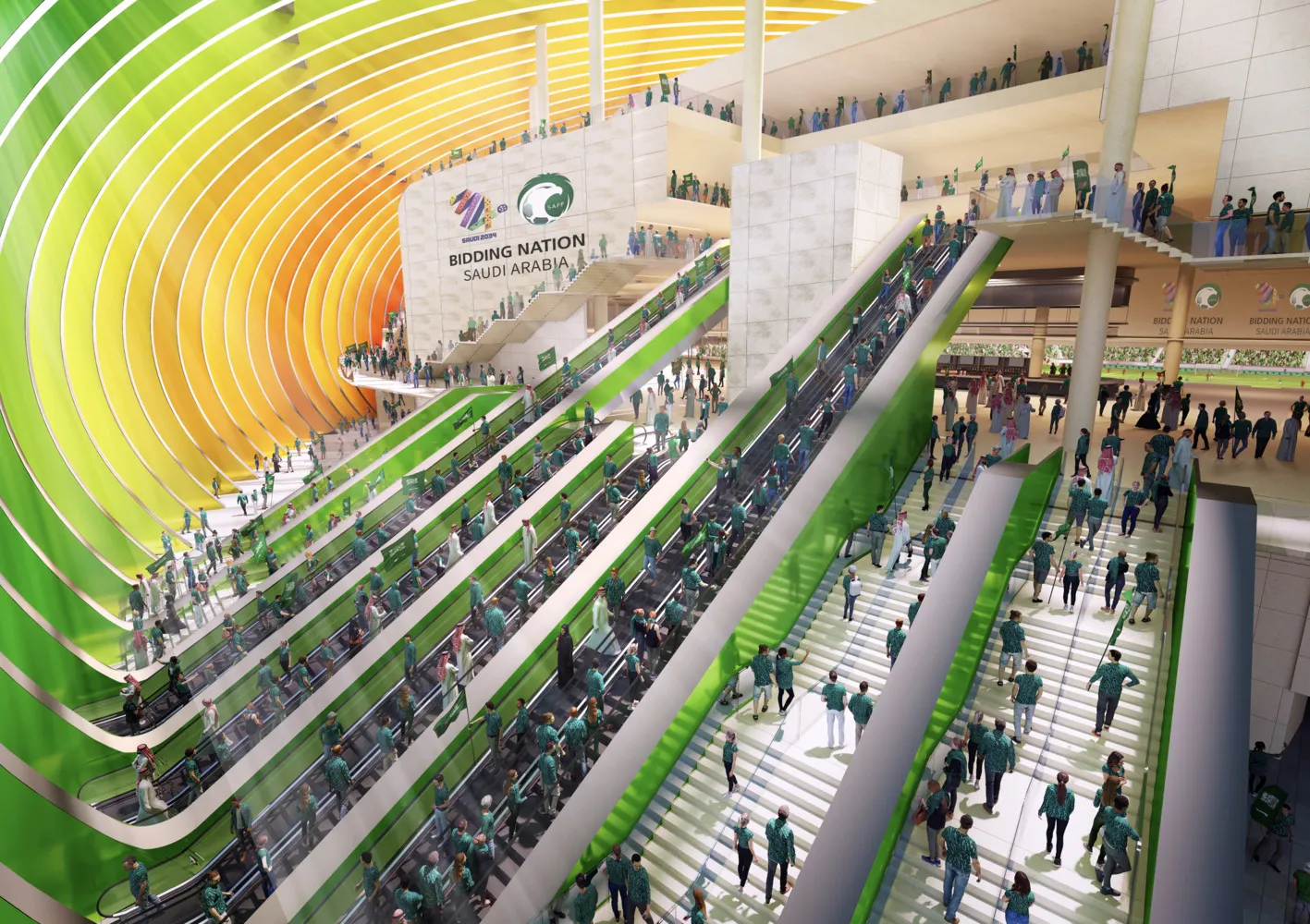
12. Aramco Stadium, Al Khobar
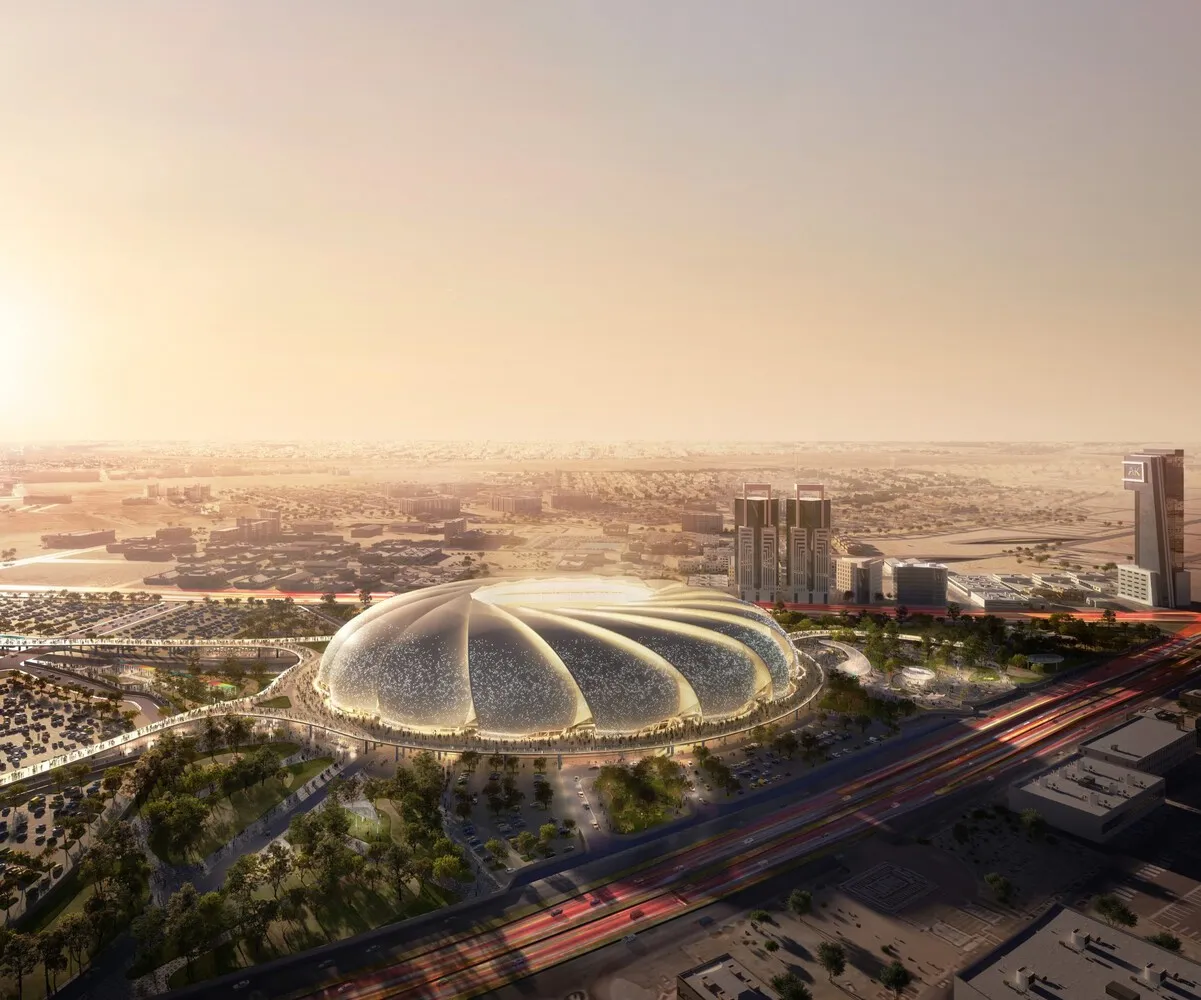
Al Khobar (near the Corniche) will host this new stadium. Capacity ~ 46,096. The architect is Populous (concept, design). Features include coastal design inspirations (wave motifs, overlapping sails), strong connections with public transport, and accessibility. Construction is expected to finish around 2026.
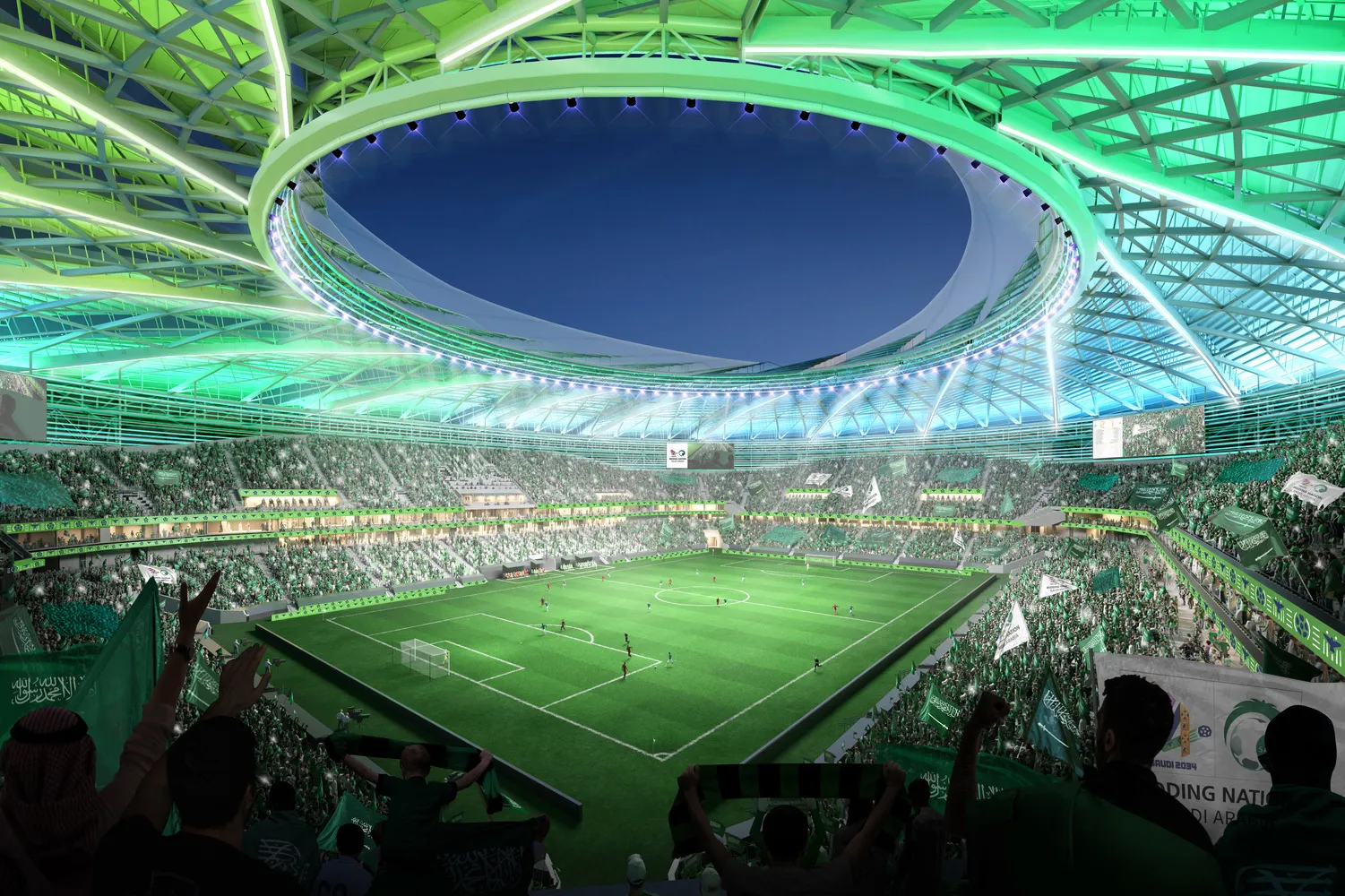
13. King Khalid University Stadium, Abha
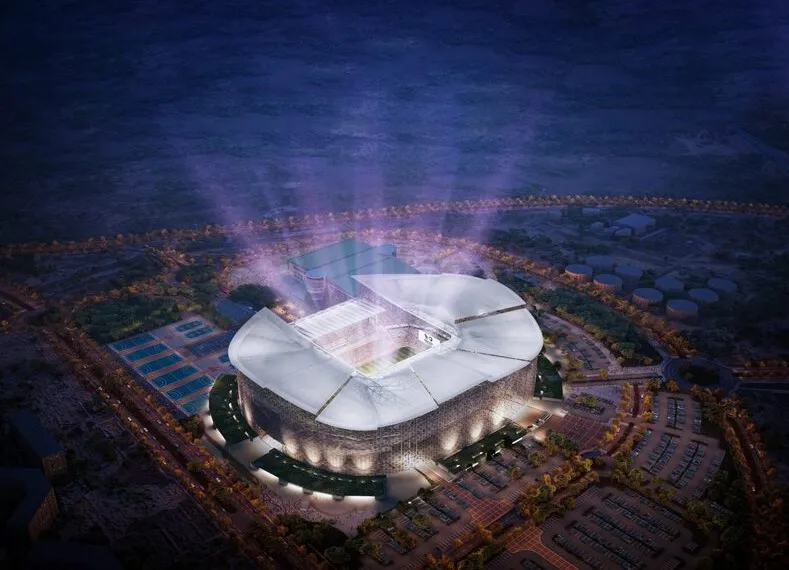
The existing stadium is located near Abha. Currently ~ 22,000 capacity; to be expanded to 45,428 for the World Cup. Refurbishment will include a new west stand and modernized infrastructure, while preserving historical context. After the tournament, it will host local/professional club matches and community sports. Renovation completion around 2032.
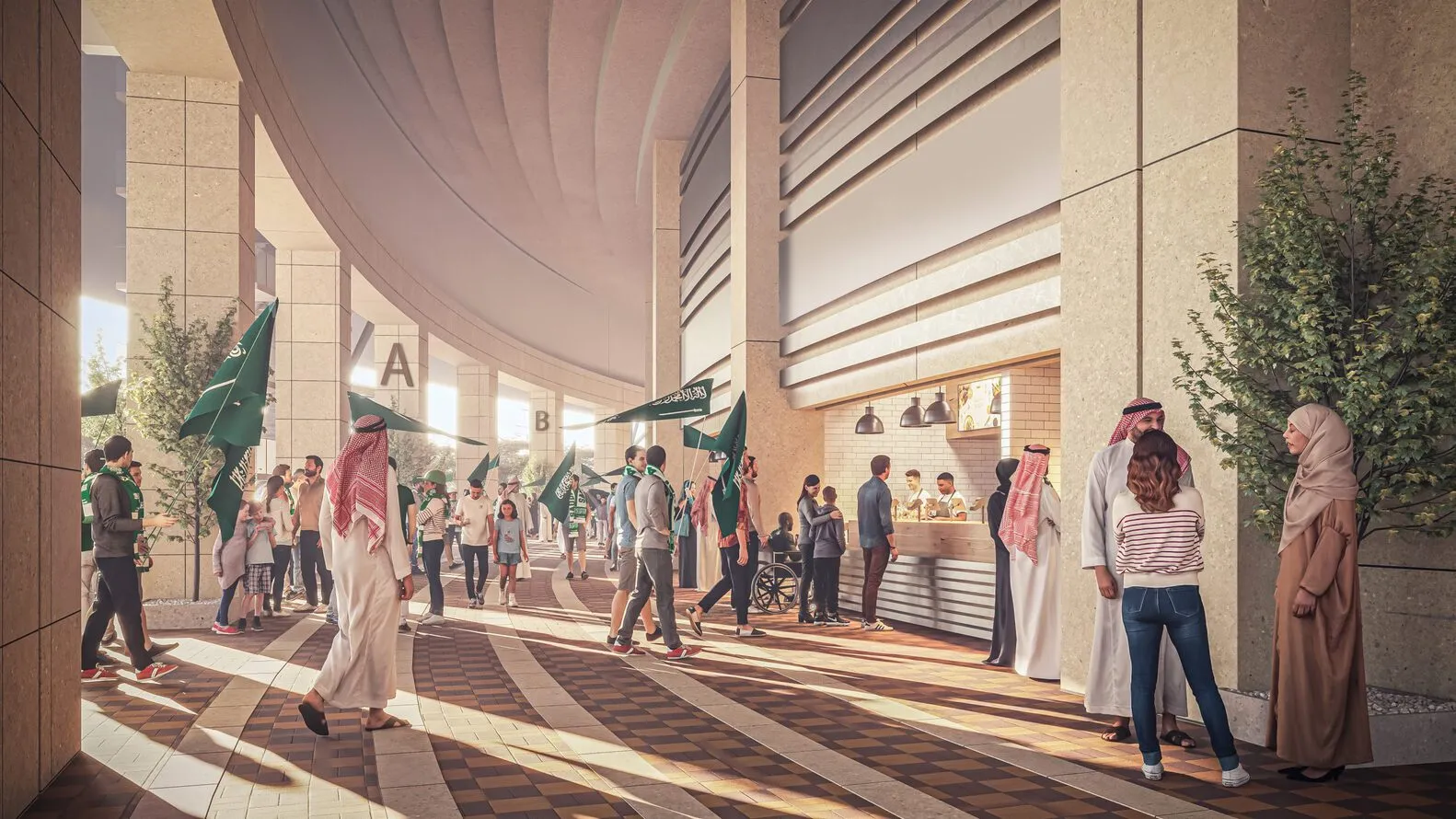
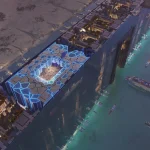
14. NEOM Stadium, NEOM (The Line)
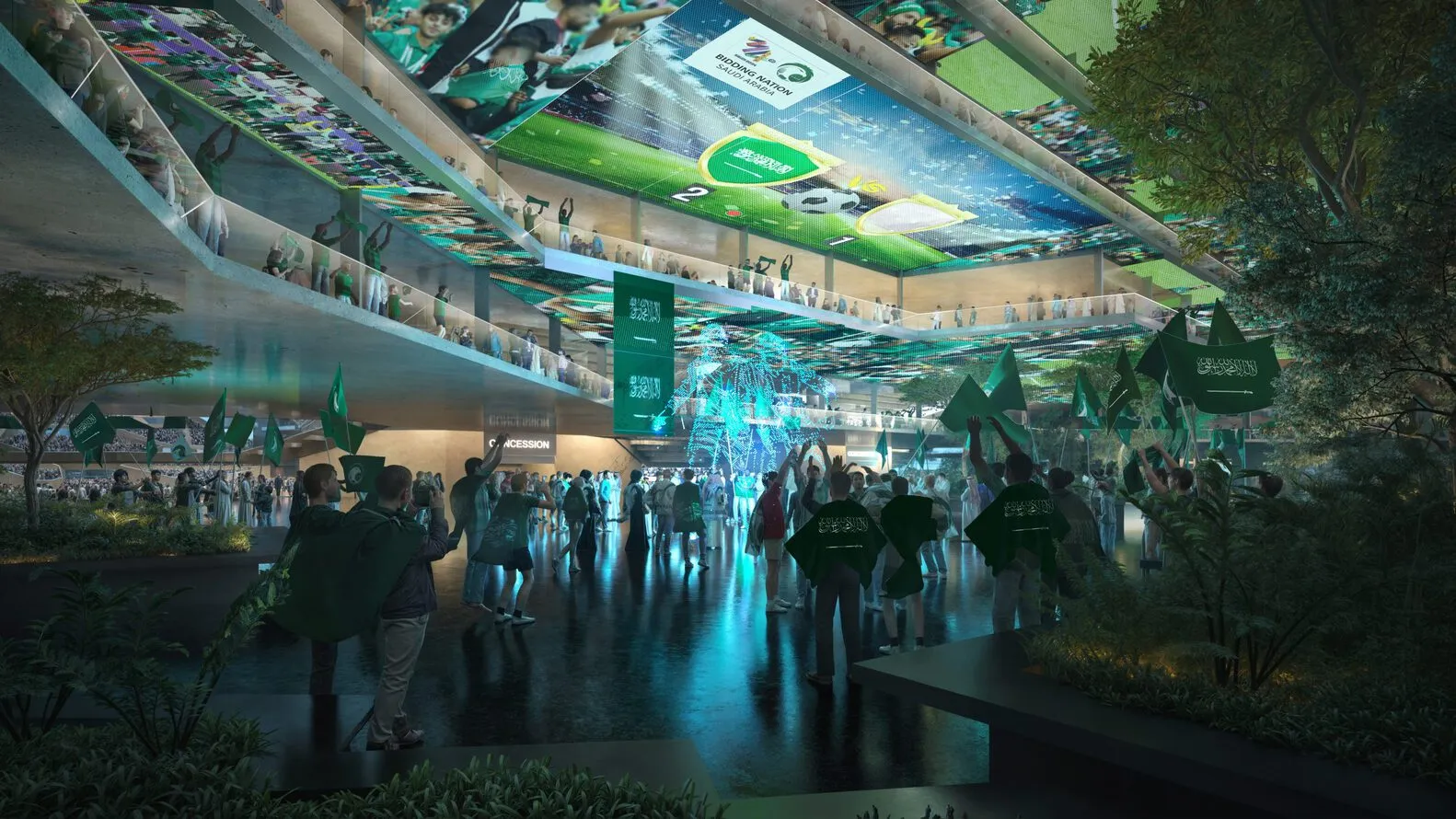
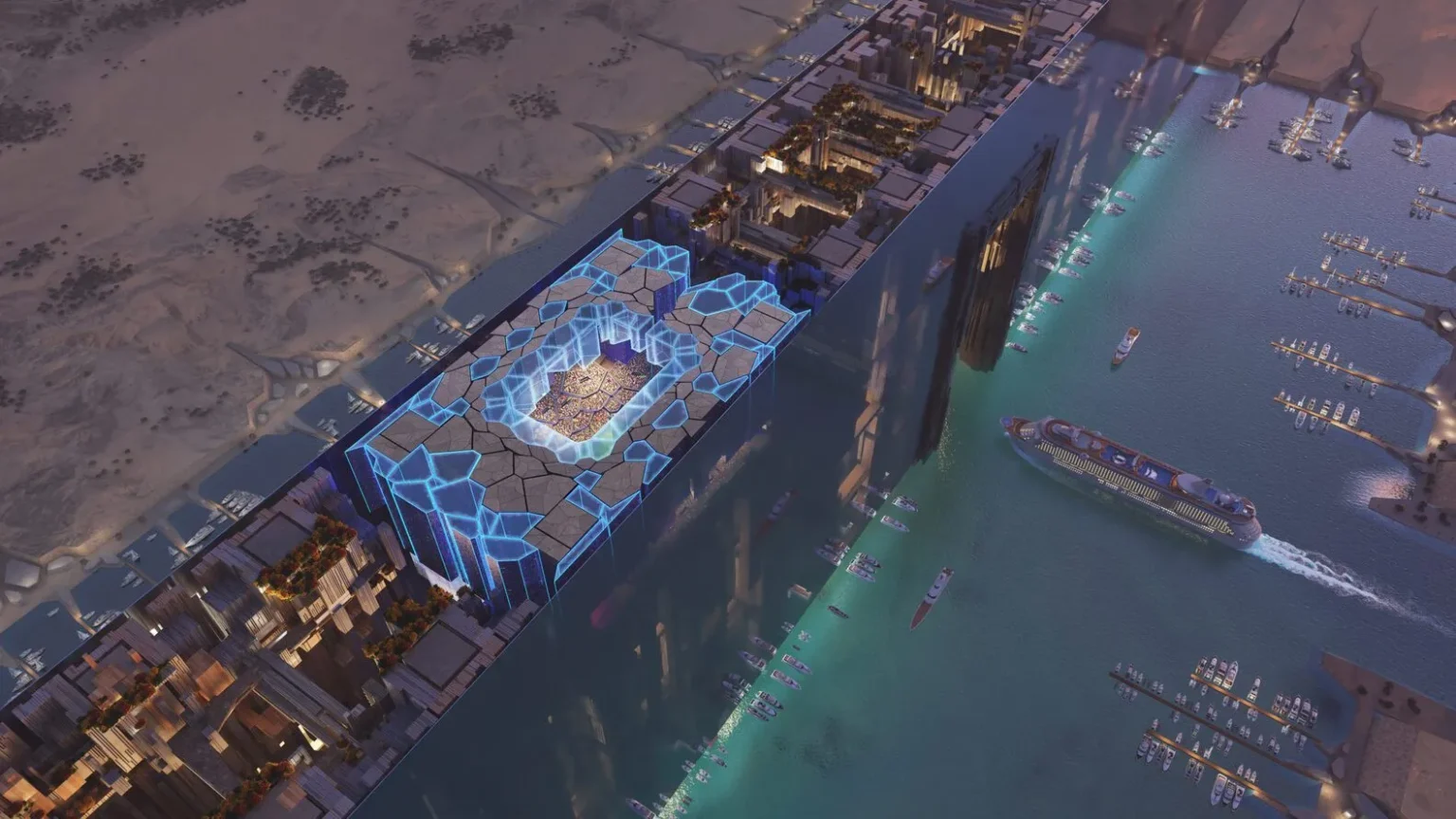
NEOM Stadium will be one of the newer, more futuristic stadiums. Located in the Neom project (The Line city). Capacity around 46,010. Its most striking feature is that it is planned to sit 350 meters above ground level, integrated into the city’s skyline and architecture. It is imagined to be powered largely with renewable energy (solar + wind) and to serve as a landmark. Completion is expected by 2032.
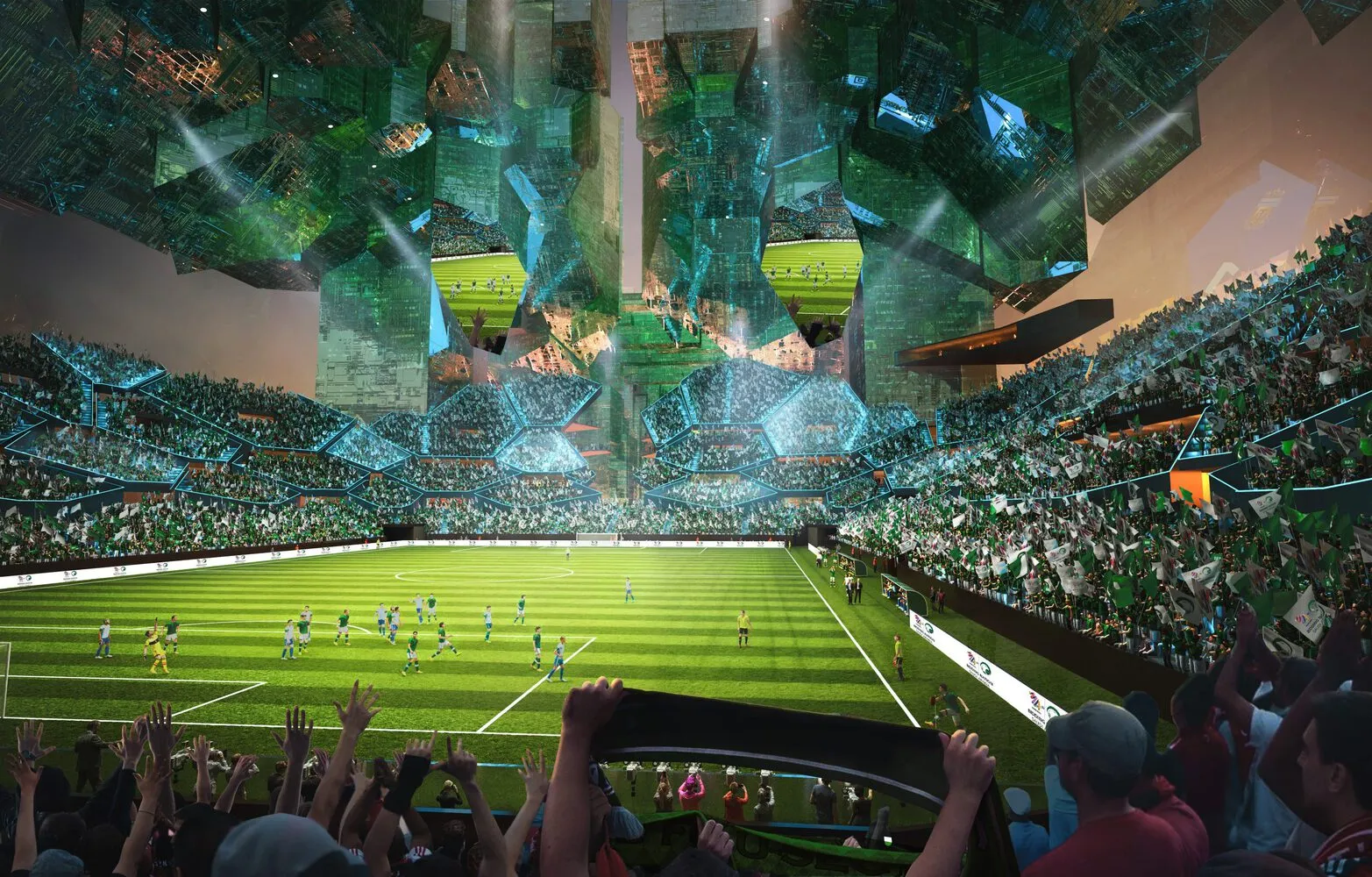
15. Prince Faisal bin Fahd Sports City Stadium in Riyadh
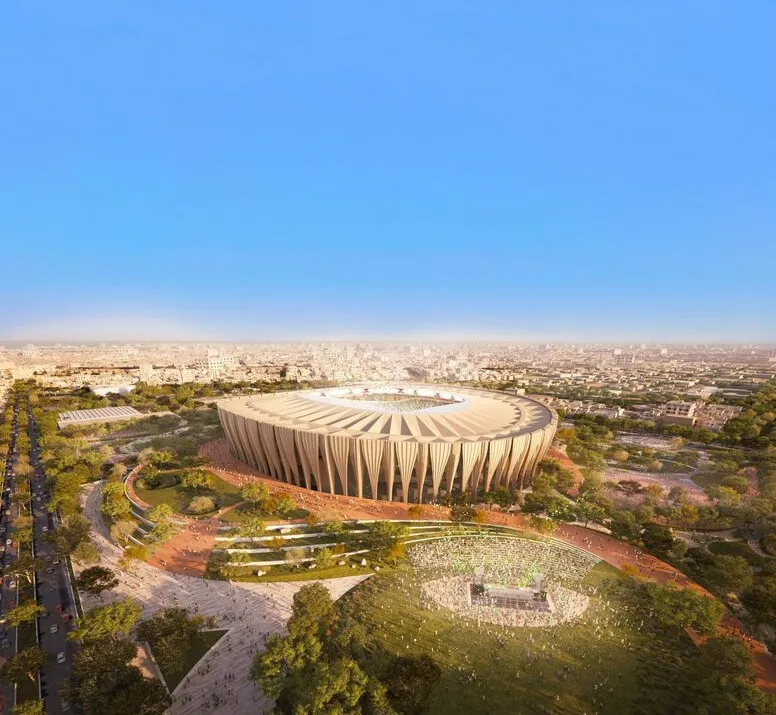
Prince Faisal bin Fahd Sports City Stadium originally opened in 1971. As part of the Saudi Arabia 2034 World Cup plans, it is to be redeveloped/refurbished so that its capacity increases from its current ~22,188 to about 46,865 seats. The redesign draws on Salmani architecture, emphasizing local modernism, and it will be embedded into a broader park-site master plan combining sports, green space, and community facilities. The renovated stadium is expected to reopen by 2027 and host matches in the group stage and the Round of 32 of the tournament.
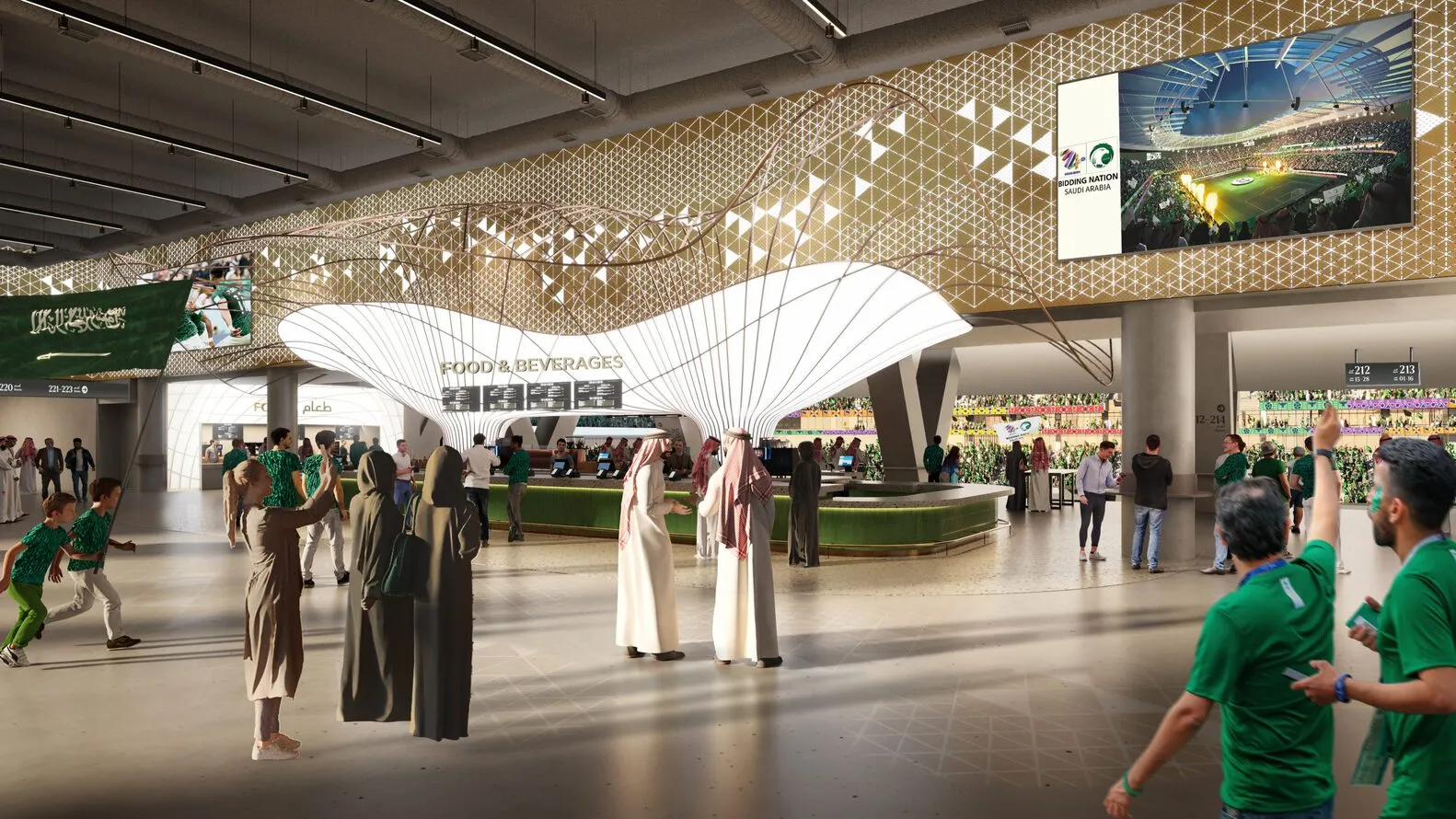
Image Credit: FIFA/Saudi Arabia 2024 bid