





Museums are gateways to the past, to the unknown, housing stories whispered through artefacts and exhibits. From Greek classical wisdom to modern Intelligent buildings, museum architecture speaks a language of inspiration, curiosity, and innovation, enhancing the cultural experience. As one gently moves around the space, they don’t just observe history but live through it.
Whether it’s ancient sculptures, contemporary art, or innovative wonders, the museum becomes a journey to explore culture, creativity, and architectural design. Enhancing cultural creativity, the museum architecture can be bold and futuristic, like the Louvre Abu Dhabi, or quietly inviting, such as the British Museum, to shape the user’s experience.
Cultural Experience Through Art and History
To enhance cultural experience, museums play an essential role in preserving history, fostering education, and adopting advanced techniques to promote community engagement. It serves as a cultural hub where people gather, fostering critical thinking and creating innovative solutions that transcend traditional boundaries, drawing inspiration from past experiences, art, and tradition to address contemporary challenges.
Below is a curated list of ten museums that contribute to the cultural experience, with global examples that illustrate their impact. These museums stand out for their architectural wonder and striking form, providing immersive experiences that respect the history of the city and its surroundings.
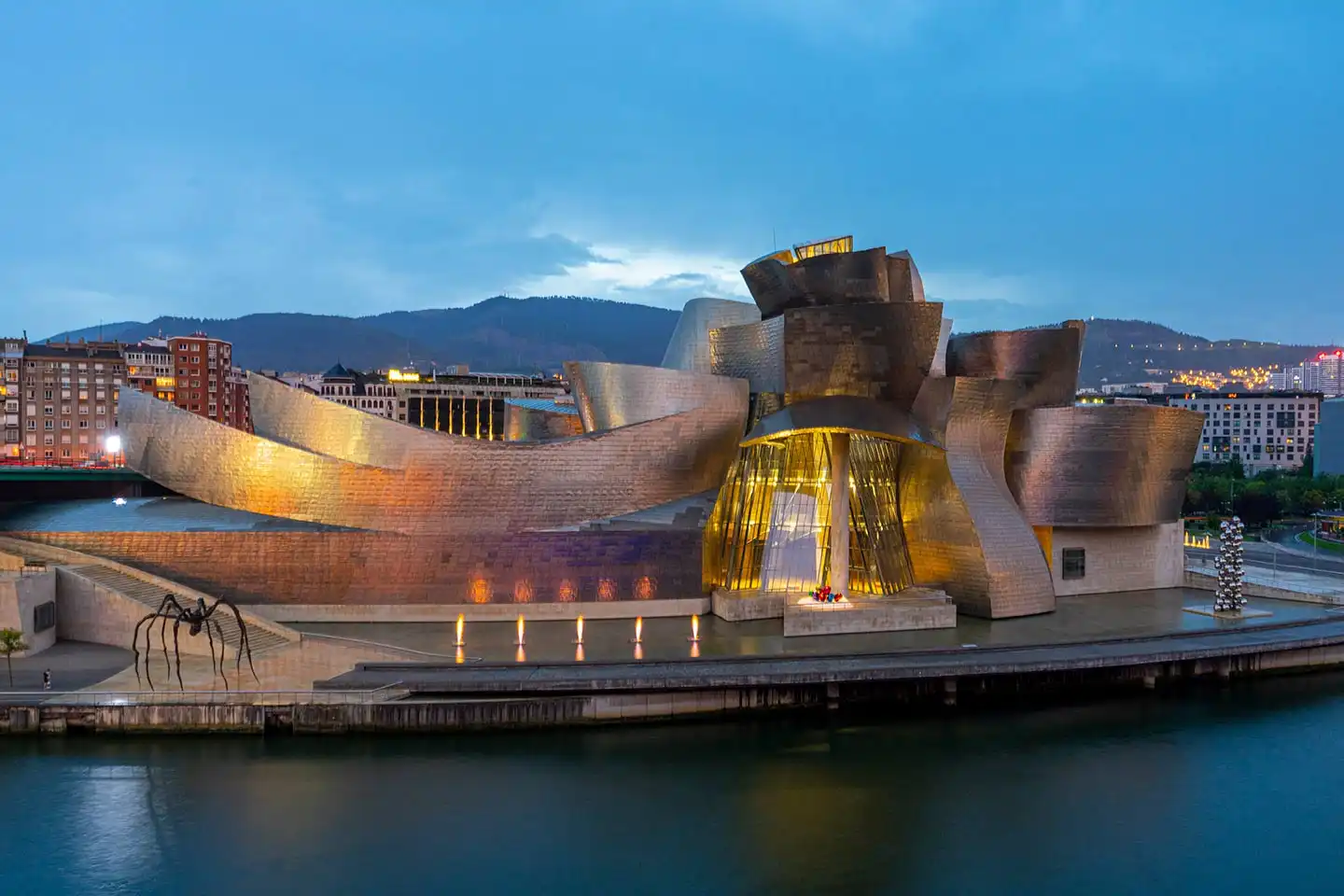
1. Guggenheim Museum Bilbao, Spain
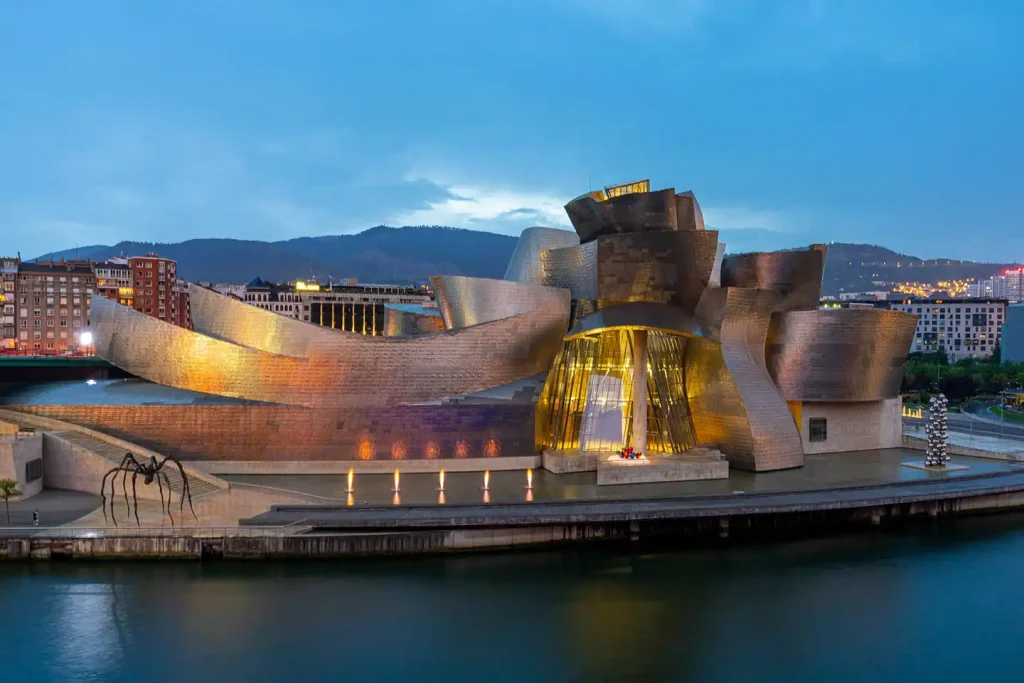
A marvel of deconstructivist architecture, Frank Gehry designed the Guggenheim Museum Bilbao in Spain. Inspired by the surroundings, the architectural language of the museum deeply resembles the industrial heritage of Bilbao and the nearby Nervión River. The curvilinear titanium-clad forms flow in the space, catching the light in numerous ways and capturing the visitors’ attention.
This bold design statement transformed the industrial city of Bilbao into a global cultural space for community engagement. Inside, there are diverse spaces for contemporary art, inviting visitors to discover and wander into the realm of artistic imagination. The architecture of the Guggenheim Museum exemplifies how thoughtfully designed spaces can transform a city’s cultural soul.
2. Louvre Museum, Paris, France
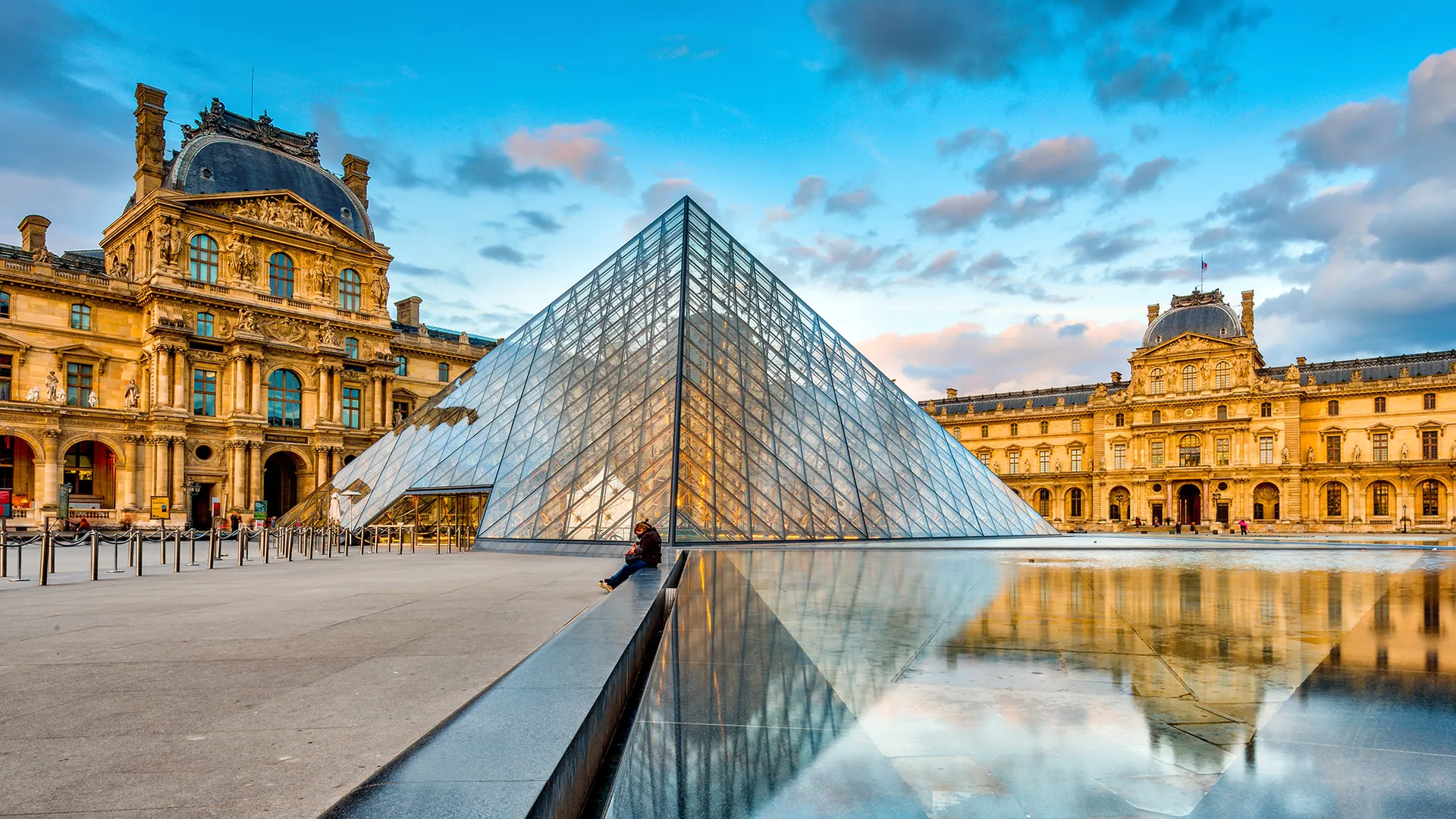
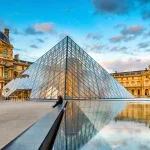
A masterpiece of Renaissance architecture, the Louvre became a public museum in 1793. Later, adding the glass pyramid in 1989, designed by I.M.Pei, contrasts the historic significance of the museum that houses 380,000 artefacts, art, paintings, and human endeavour. It is a perfect example of a majestic journey through centuries of human creativity and innovation.
Respecting ancient structures, I.M. Pei planned a crystalline pyramid that rises from the grand courtyard, a bold modernist idea of thoughtful design integrating spatial design and conservation. The interior of the museum holds a famous, enigmatic smile of the Mona Lisa painting, a sculpture of Venus de Milo, and many more. It is like traversing through an entire civilization and a rich cultural immersion that connects you with masterpieces that have shaped human perception for millennia.
3. National Museum of Qatar, Qatar
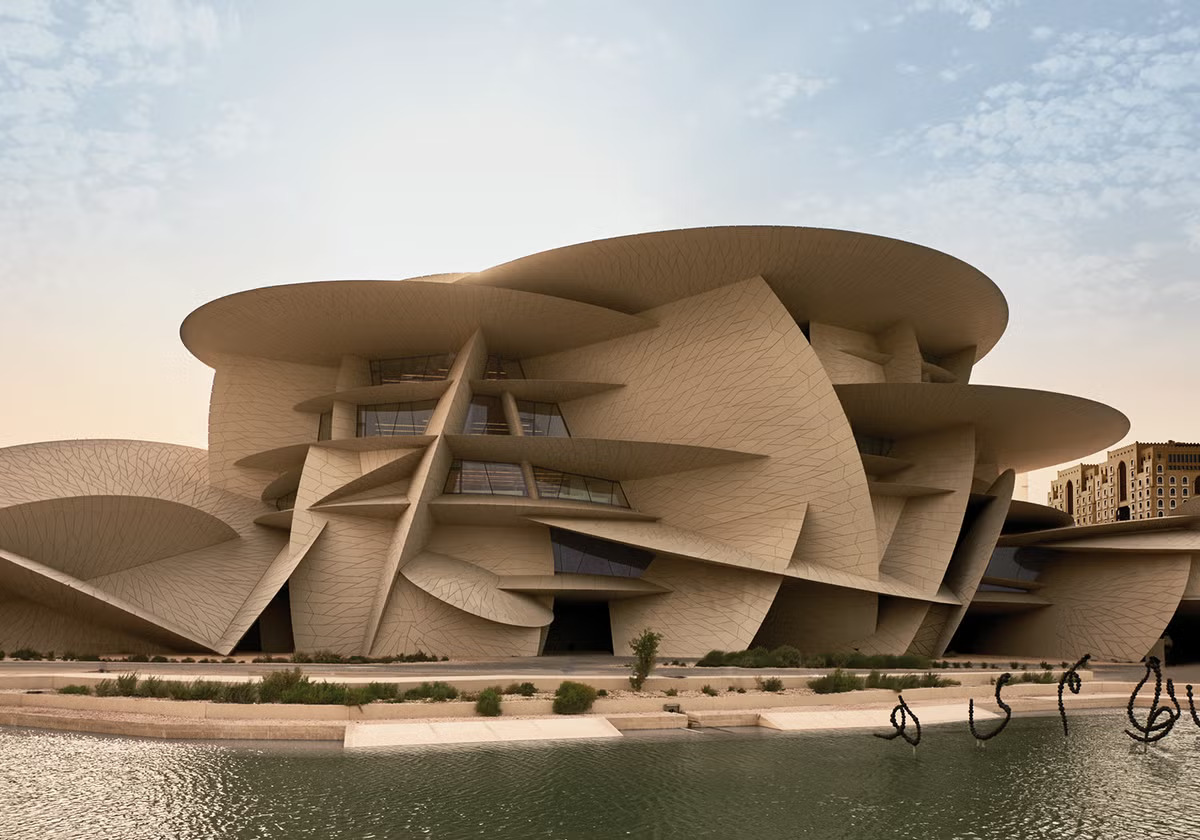
Inspired by the desert rose, a naturally occurring crystalline formation, Jean Nouvel designed the National Museum of Qatar. Crafted as a living sculpture, the organic form of the museum blurs the lines between interior and exterior. The complex 600 interlocking disc structure of varying sizes, constructed from steel and fibre-reinforced concrete, rises from the ground, defying conventional forms.
Walking through the fluid spaces, visitors are deeply engaged in a captivating narrative of Qatar’s history. The complex geometry of petals forms walls, roof, and floors, implying the advanced Building Information Modeling (BIM) system to ensure precise fabrication and assembly. Protecting from desert heat, the design incorporated shaded spaces, courtyards, and reflecting pools.
4. National Museum of African American History and Culture, USA
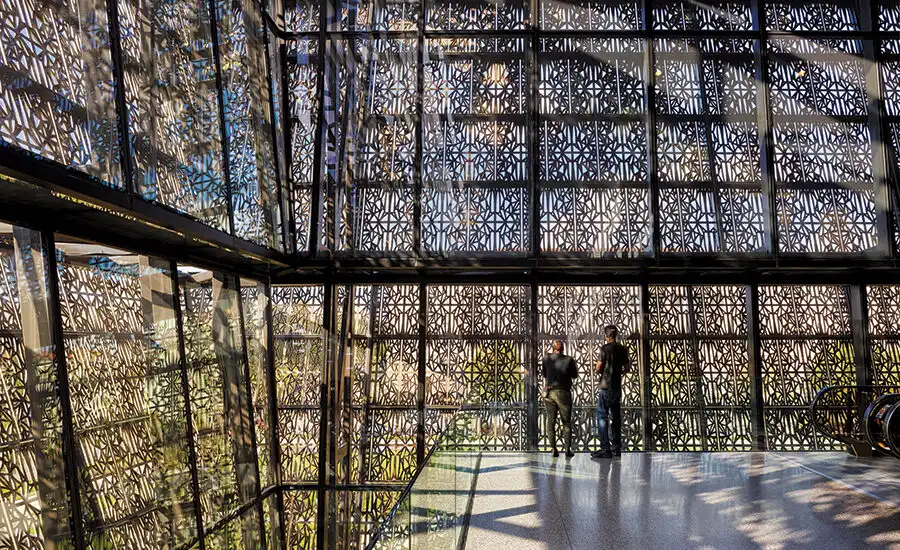
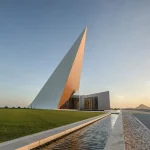
Crafted with bronze-coloured aluminium panels, the National Museum of African American History and Culture was designed by visionary Architect David Adjaye in collaboration with Philip Freelon, Max Bond, and J. Max Bond Jr. (The Freelon Group, later Perkins+Will).
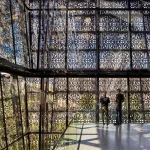
This unique corona (crown) shape was inspired by traditional Yoruban designs, which evokes the intricate ironwork of enslaved African Americans. The three-tiered crowns used in Yoruban art shaped the architectural form, where the building rises in three inverted tiers that hold a deeply emotional journey tracing a complex tapestry of African American history and culture through immersive exhibits and moving art pieces. The exterior of the structure was clad with 3,600 intricately patterned, bronze-coloured aluminium panels, creating a lattice-like effect for dynamic shadow patterns within.
5. Museum of the Future, UAE
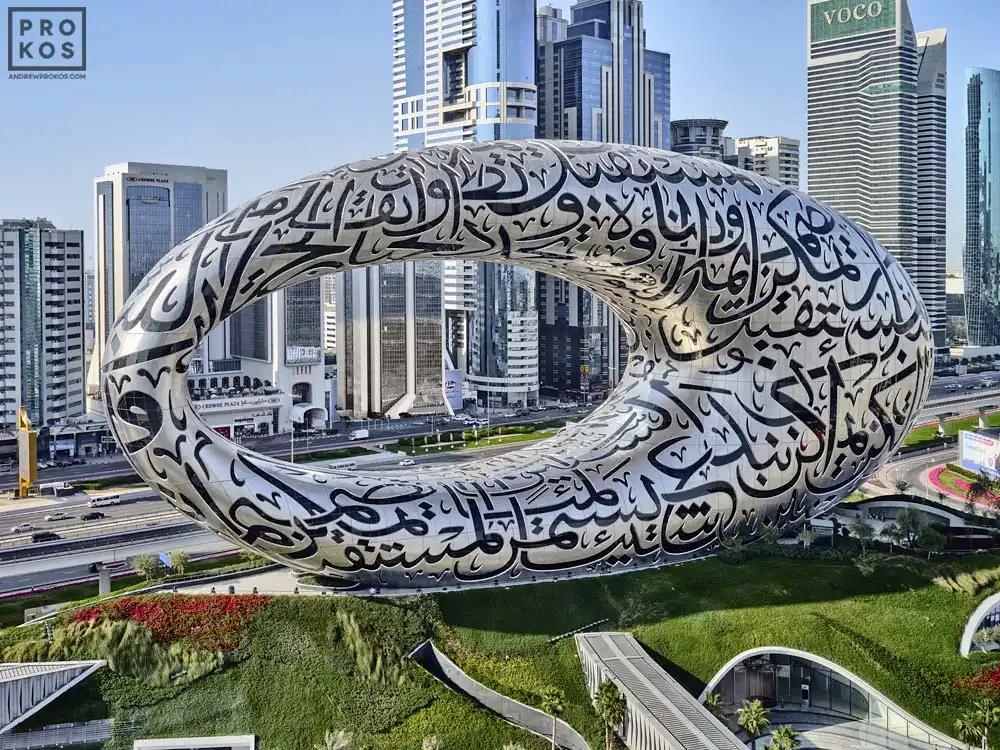
Exploring scientific ideas and knowledge, the elliptical torus shape of the Museum of the Future was designed by Shaun Killa, who envisioned it with Arabic calligraphy. The hollow elliptical structure was clad with 890 stainless steel and glass fiber reinforced polymer (GFRP) panels, forming the facade, which is inscribed in three quotes.
This museum is a portal for tomorrow; its structure was developed using advanced parametric design and a growth algorithm for its internal steel structure, which is breathtaking. Inside, the space is engaging, with futuristic scenarios and climate change solutions inspiring innovators to think beyond conventional ideas.
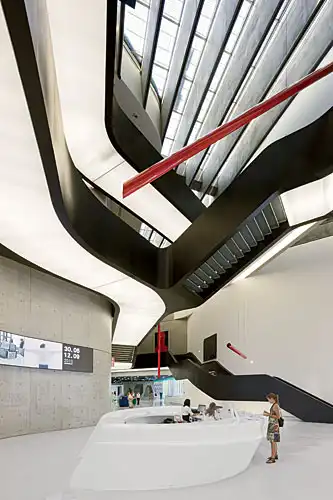
6. MAXXI – National Museum of 21st Century Arts, Italy
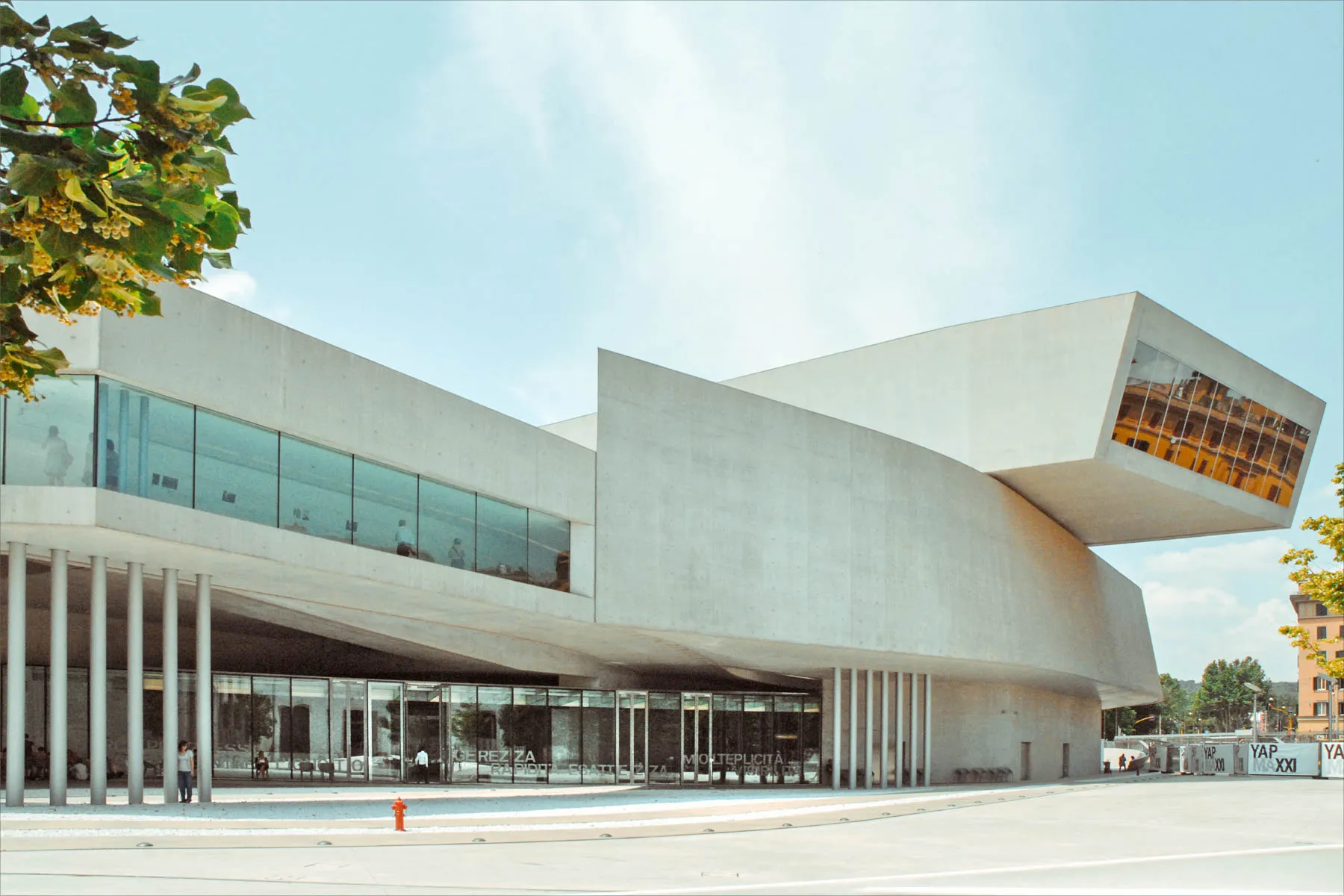
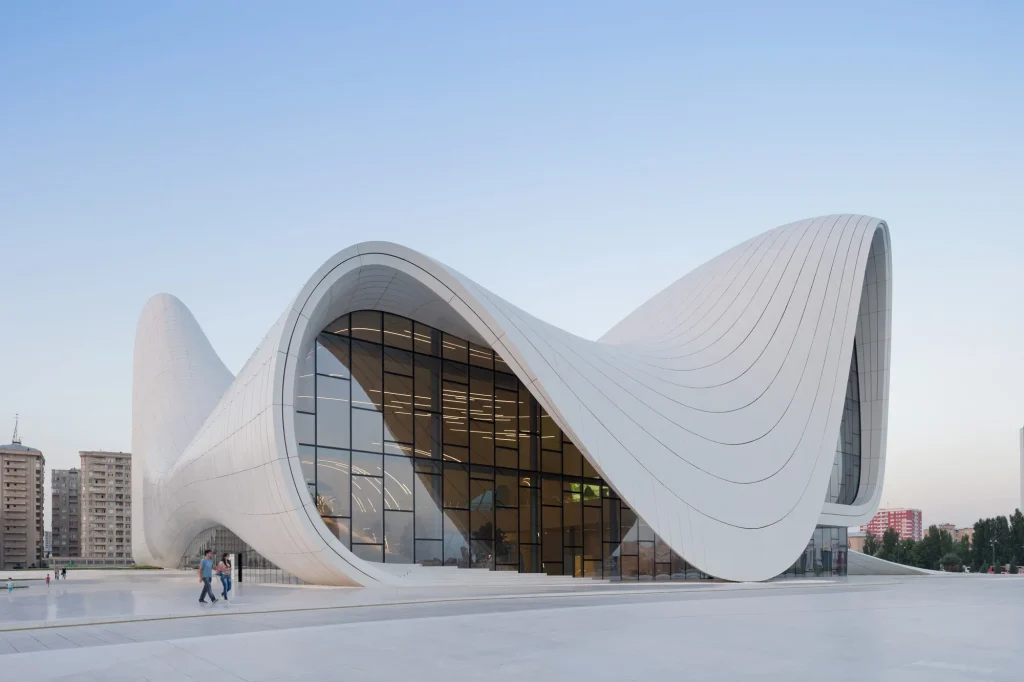
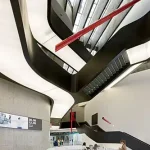
Known for its organic, fluid, flowing lines and layered spaces, MAXXI challenged the traditional notions of linearity in museum architecture. Zaha Hadid designed it to blend with the urban context, with its dynamic form that created unexpected views. The structure was envisioned as concrete walls for solidity and a transparent roof for visibility, bringing natural light into the space.
The inside spaces are fluid and interconnected, with sweeping, gentle curves enhancing the modern design principles. It is a futuristic counterpoint to the ancient Roman city, which invites visitors to flow through the spaces where walls blur with floors and ceilings as a part of the artistic experience. This museum is dedicated to modern art and architecture, providing a thrilling experience of creativity and innovation.
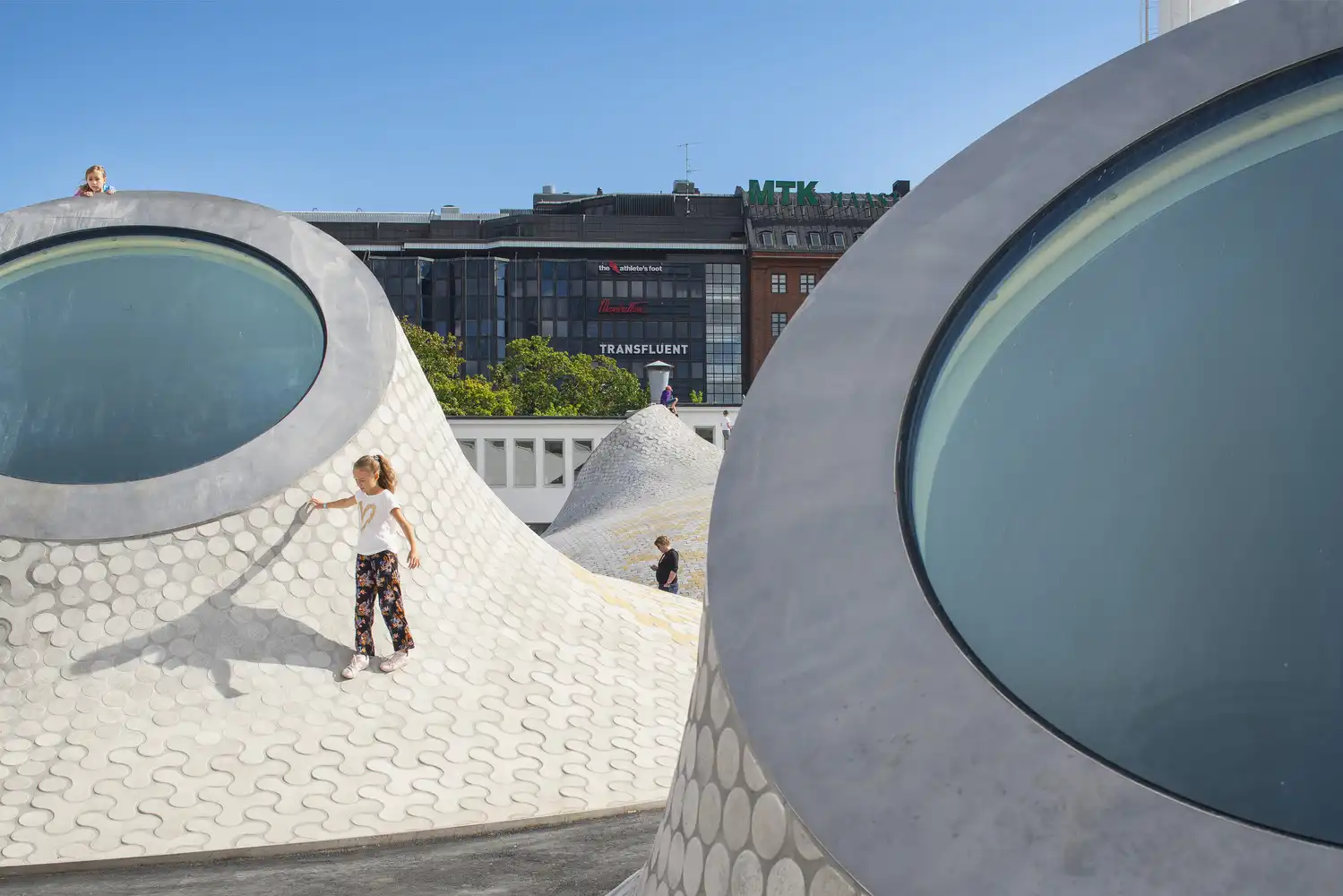
7. Amos Rex, Finland
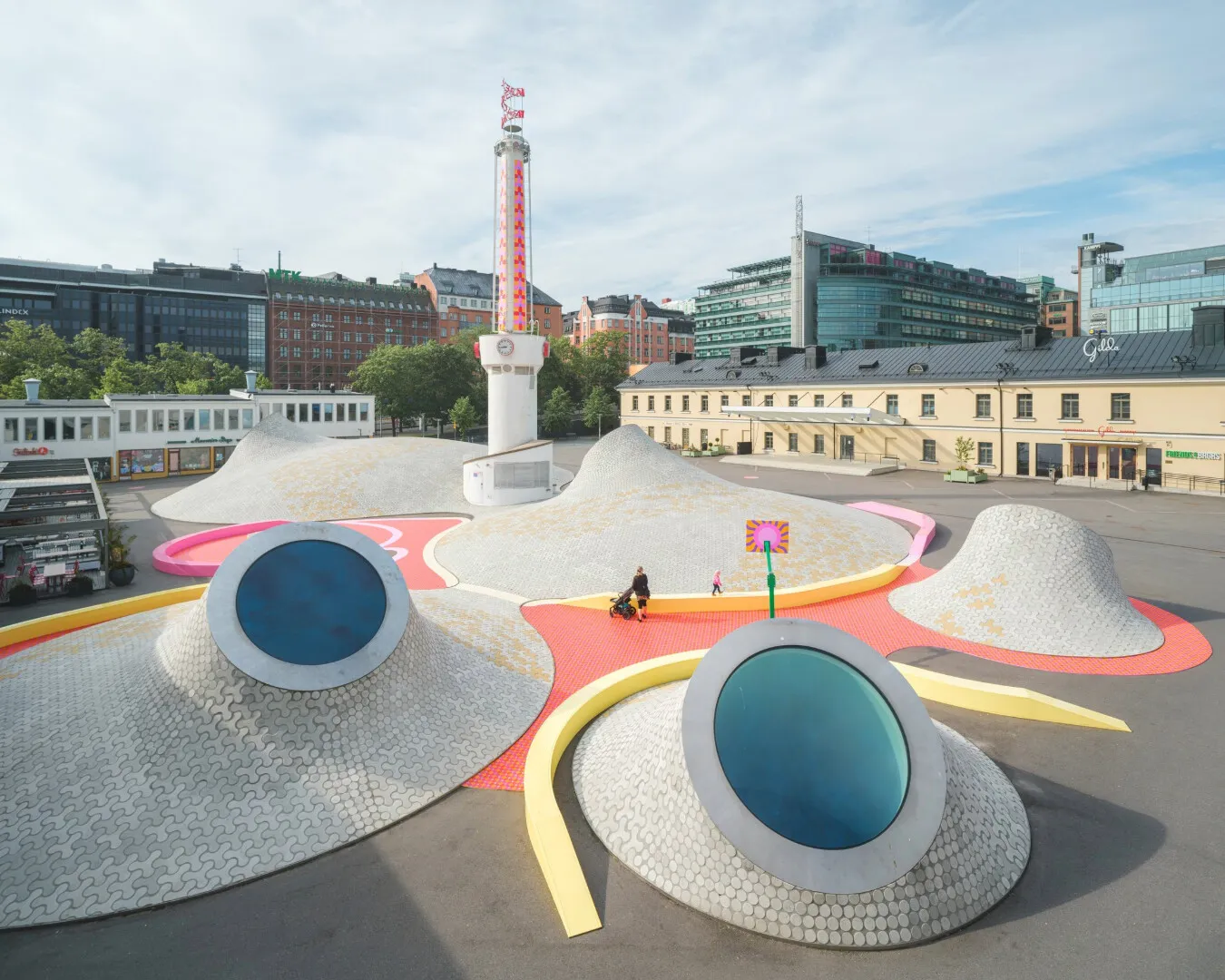
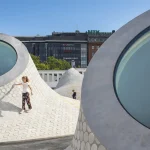
JKMM Architects designed the Contemporary Art Museum, situated beneath the historic Lasipalatsi (Glass Palace) building and its vibrant urban square. The column-free 2,200 square meter underground museum holds exhibition spaces.
The undulating sculptural moulds and concrete domes punctuate Lasipalatsi Square above the ground, serving as a playful public square and offering circular skylights that connect underground spaces and the city above. The museum integrates the renovated 1930s Lasipalatsi building, which features an entrance, a foyer, and a historic Bio Rex cinema. It enriches a bold and experiential cultural encounter, providing spaces that interact with surroundings.
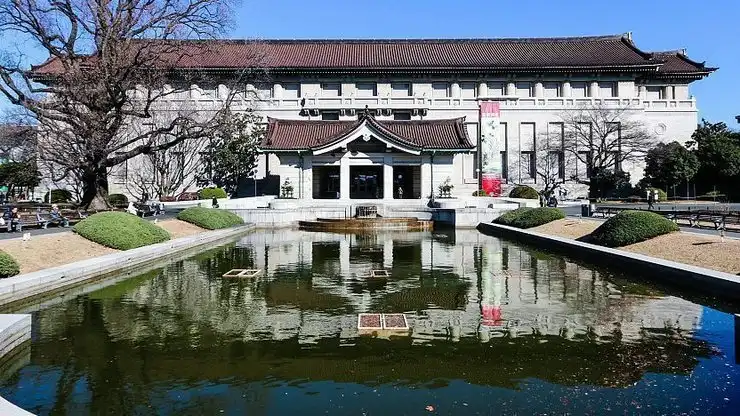
8. Tokyo National Museum, Japan
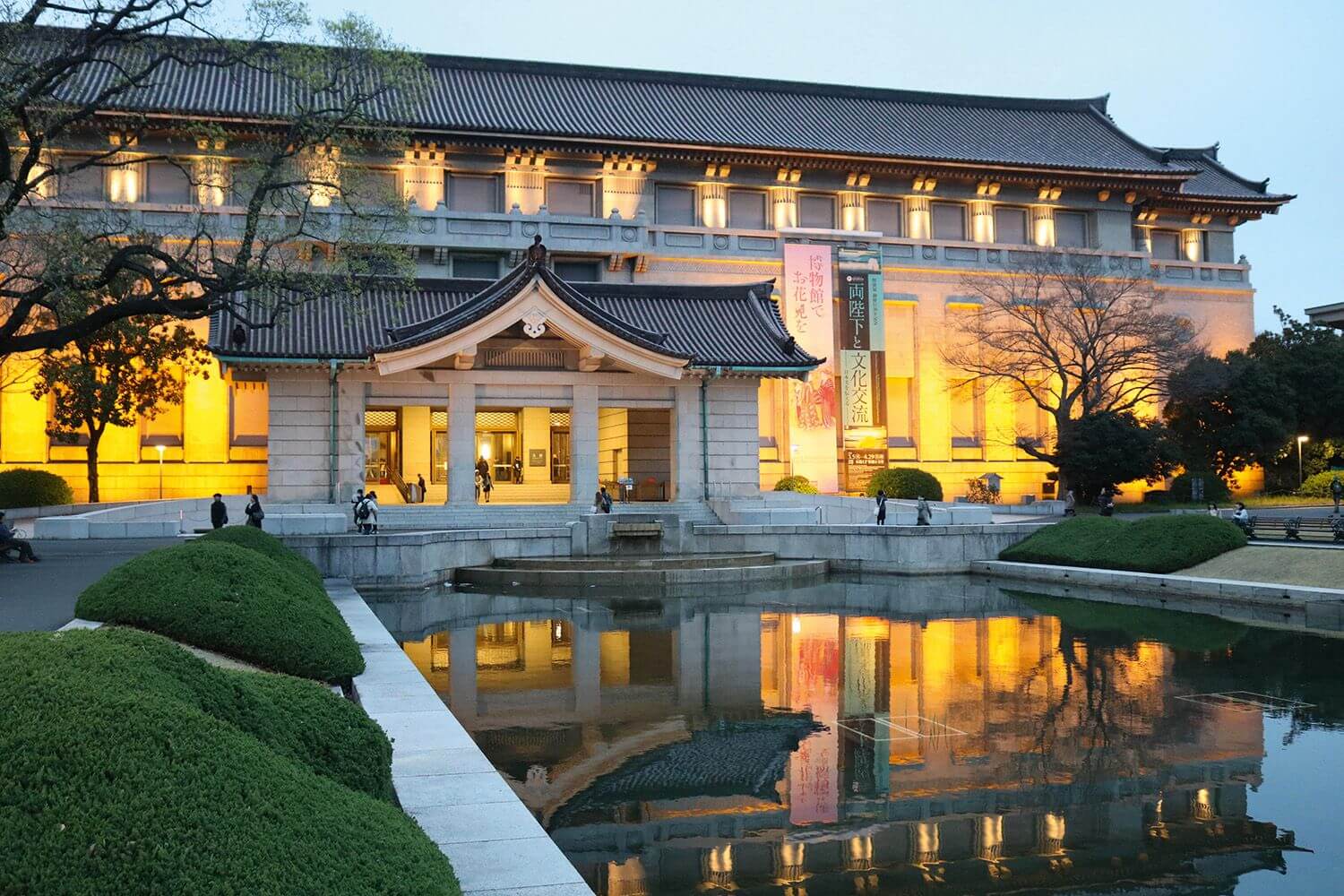
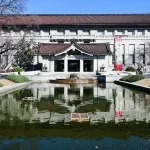
One of the oldest and largest museums in Japan is located within Ueno Park, while its main building and Honkan were designed by Jin Watanabe. Bleeding Japanese traditional elements and modern classical style, the museum symbolises its cultural significance. The Honkan is constructed with a steel-framed reinforced concrete structure, a vast central gallery that preserves a collection of Japanese art and antiquities.
Another building on a campus is Hyokeikan, a Baroque-style structure, and Horyuji Treasure Gallery, a minimalist gallery designed by Yoshio Taniguchi that offers a serene space for ancient Buddhist art. Tokyo National Museum is a fusion of Meiji-era architecture and minimalist modern design where advanced technology is integrated, such as virtual kimono try-ons and touch-sensitive displays that harmoniously merge with Japanese characteristics.
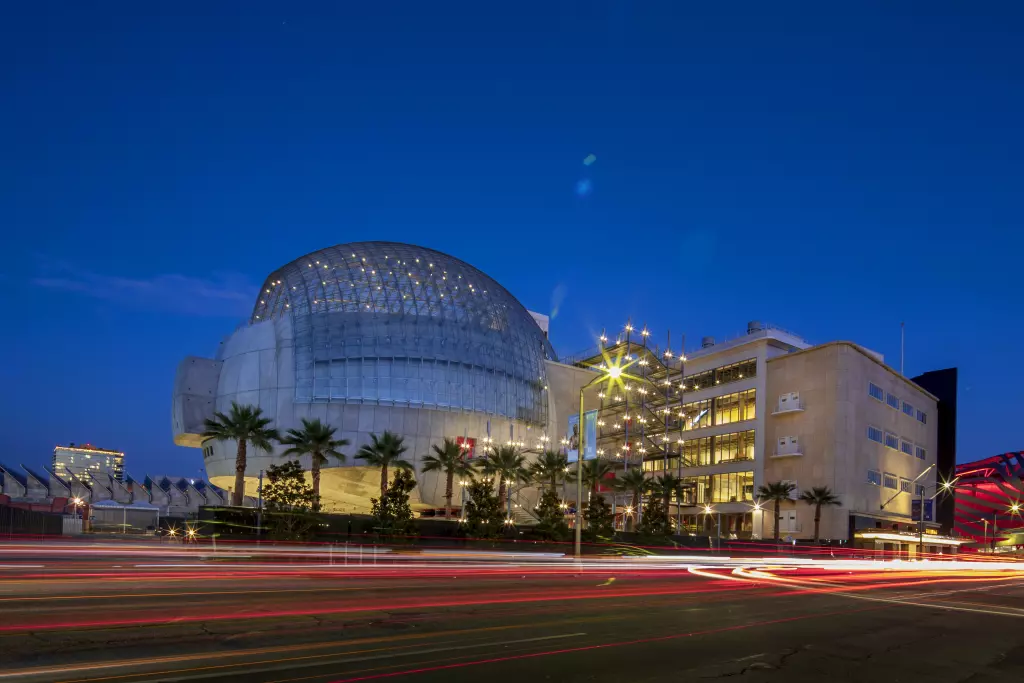
9. Academy Museum of Motion Pictures, U.S
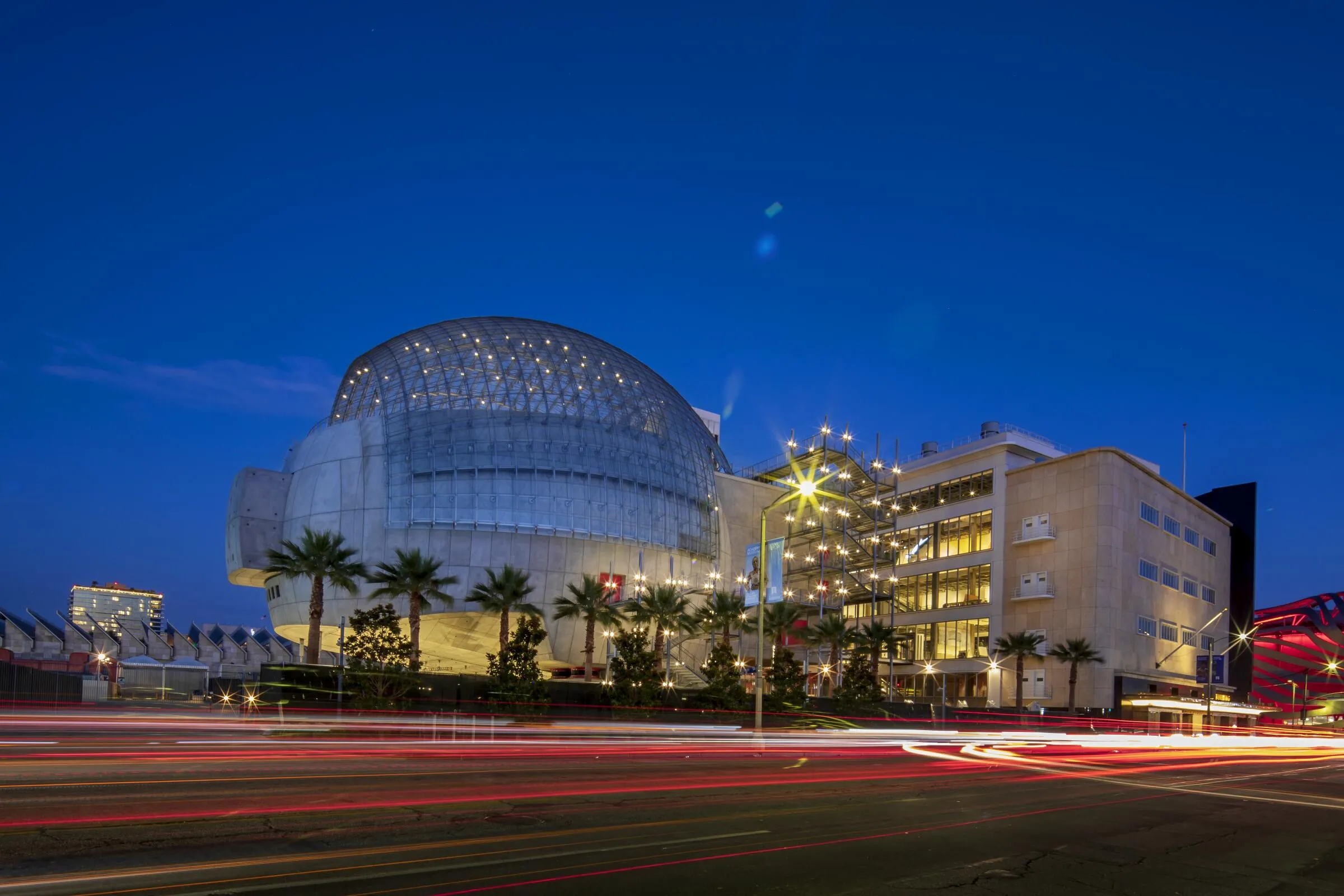
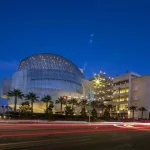
The largest museum in the United States, the Academy Museum of Motion Pictures, was innovatively designed by Renzo Piano Building Workshop. It is dedicated to the art, science, and visionaries of moviemaking. The museum was integrated into the historic Saban building with a striking sphere as a new addition.
The Art Deco Saban Building preserves galleries, educational spaces, and the museum store, where the Sphere Building holds a 1000-seat theater and a glass-domed terrace reflecting the Hollywood Hills. The making of the sphere was an accomplishment of engineering, where it floats from the ground, supported by seismic base isolators made from glass and concrete. Renzo Piano’s Academy Museum of Motion Pictures enriches the cultural experience, offering a place to observe the art of storytelling and the masters of the cinema industry.
10. Oman Across Ages Museum, Oman
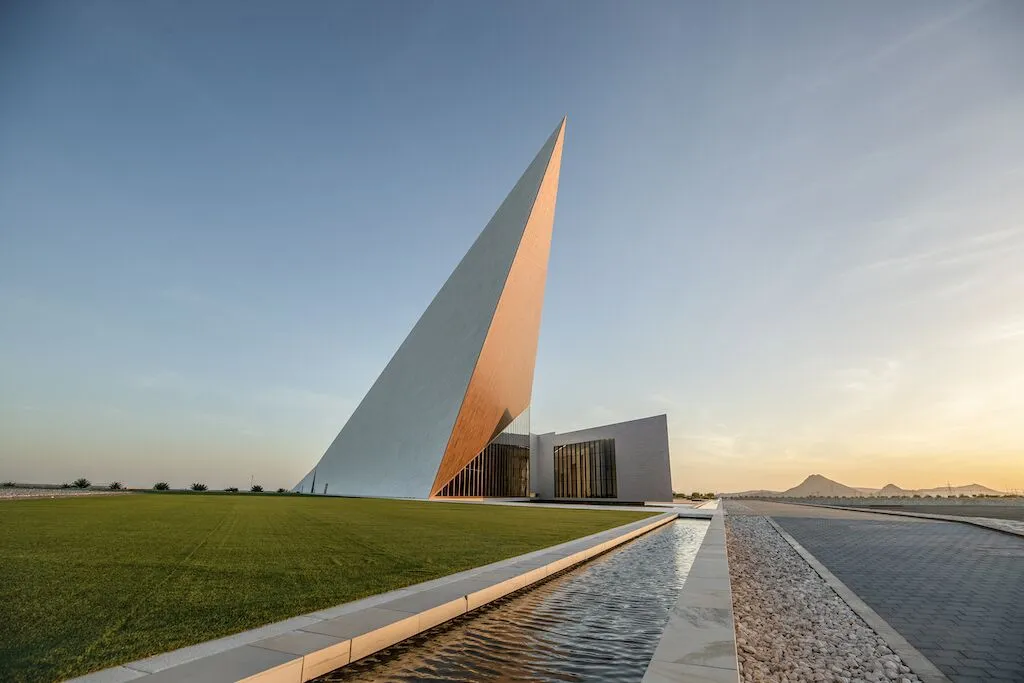
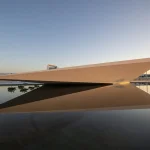
Rising from the desert landscape, sharing the cultural and vibrant story of Oman’s history, Cox Architecture designed the Oman Across Ages Museum with the focus to provide an immersive experience. Respecting Mother Earth, the form of the structure emerges from the ground, mimicking mountain ranges and valleys. The stone-clad exterior, use of rammed earth, and local materials enhance the role of sustainability. It holds a column-free exhibition hall, achieved through advanced technology and engineering for flexible displays. This museum showcased cultural immersion that maintains the history and future potential of Oman
The Museum as a Living Experience
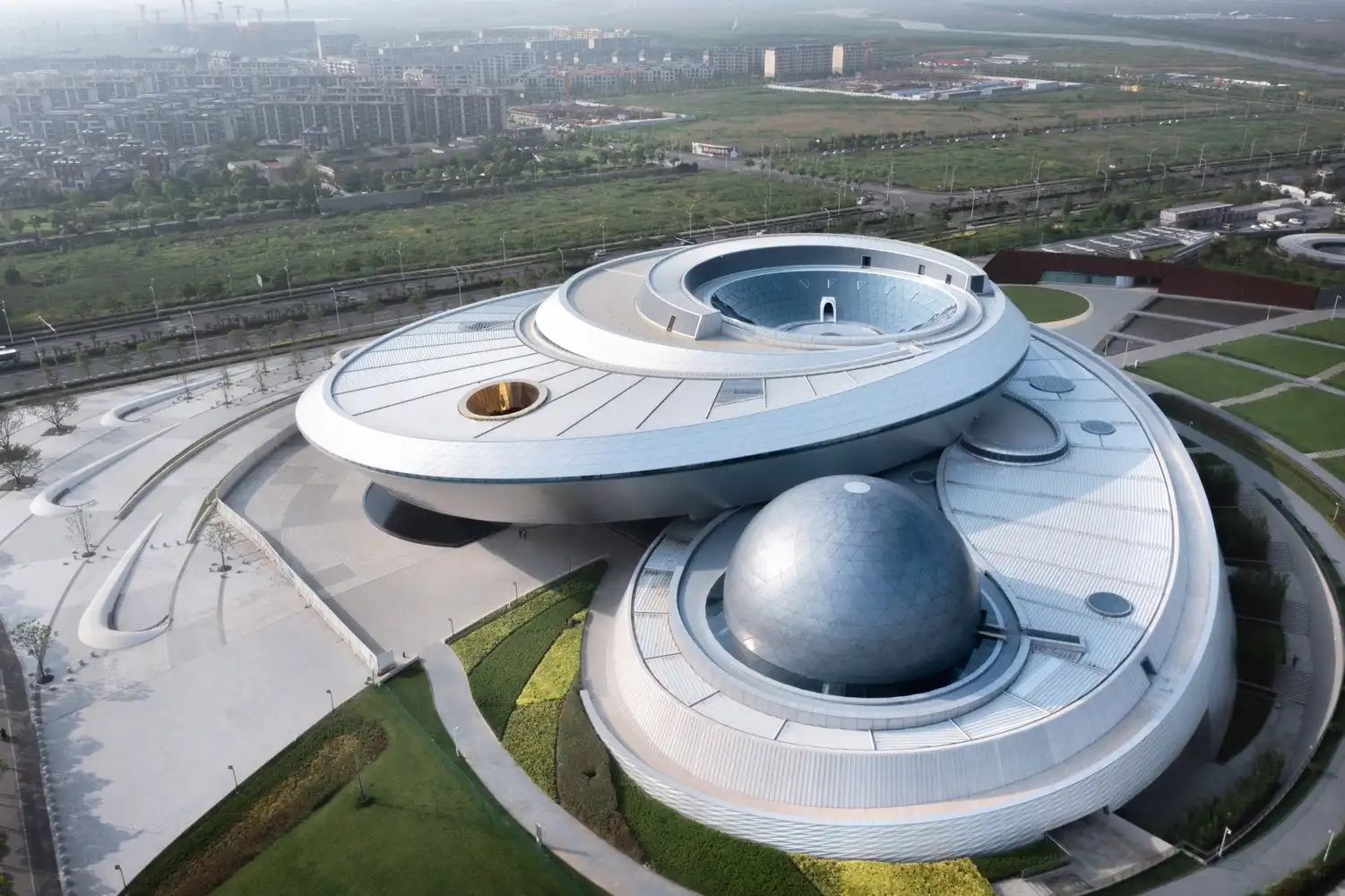
Time passes, but we still hold the stories of history in our veins. Similarly, each museum is a captivating chapter showcasing the potential of human creativity, while museum architecture holds experiential spaces by form, technology, and community engagement. Learning from traditional wisdom, adopting advanced technology, and building bold designs, the museum challenges the boundaries of curation, from bringing history to life and projecting imagination into the future. The collection unites all of them by their storytelling, structure, accessibility, and transformation while observing the culture through the lens of innovation, memory, and inspiring dialogues.