









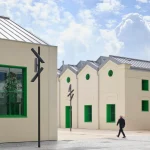
The Milano Cortina 2026 Winter Olympic Games are redefining what Olympic living looks like through architectural ingenuity, sustainability, and cultural respect across a dispersed network of six Olympic Villages nestled throughout Northern Italy. The organizers moved away from a single, central village and instead set up several sites, each tied to the events and communities around it. This distributed strategy minimizes environmental impact, prioritizes adaptive reuse, and embeds the Games into local identity, a vivid new model for Olympic design and legacy planning.
Below is a clear look at each place that will host and support the Milano Cortina 2026 Winter Olympic Games.
1. Milano — Urban Renewal Meets Sustainable Design
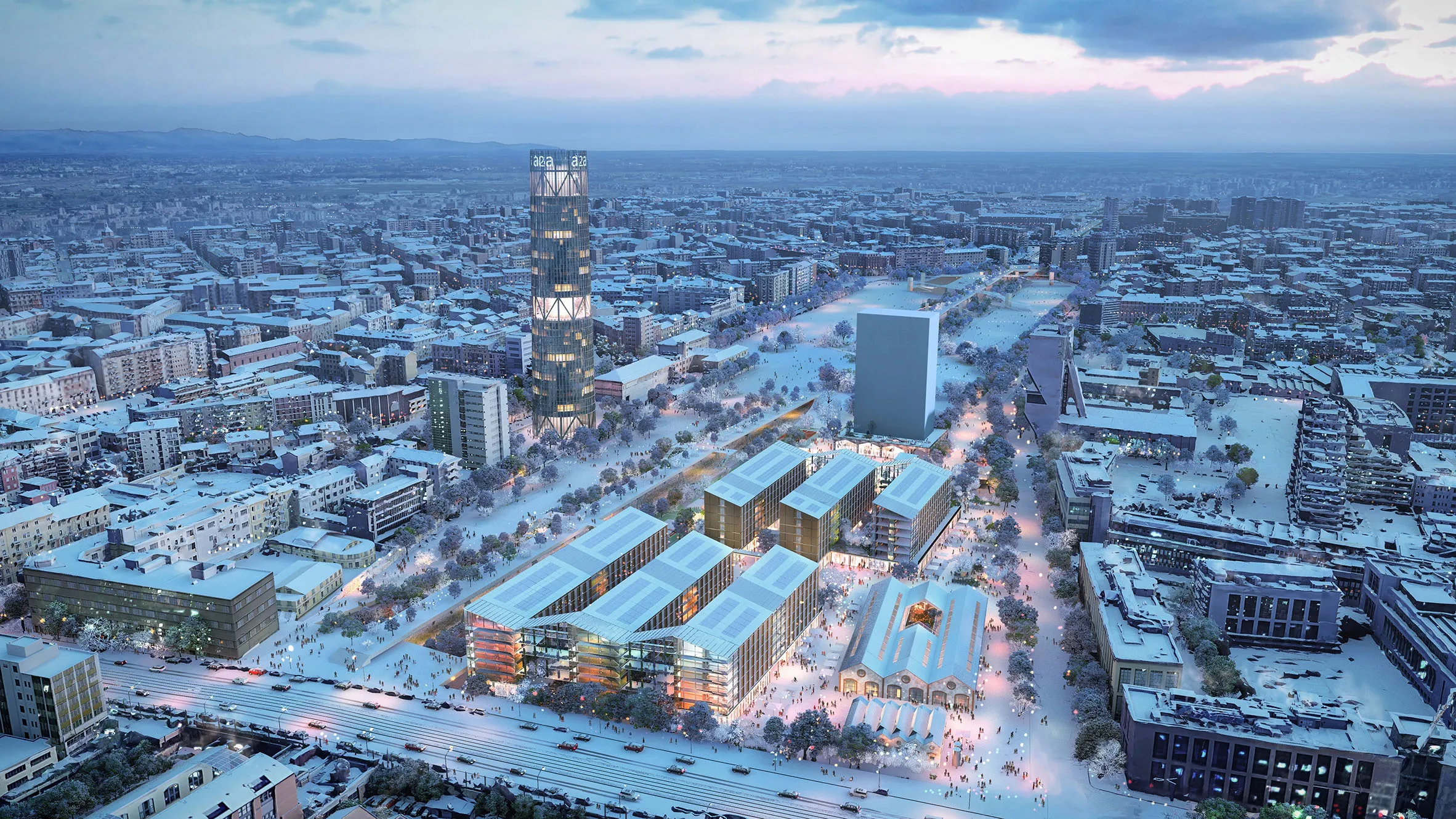
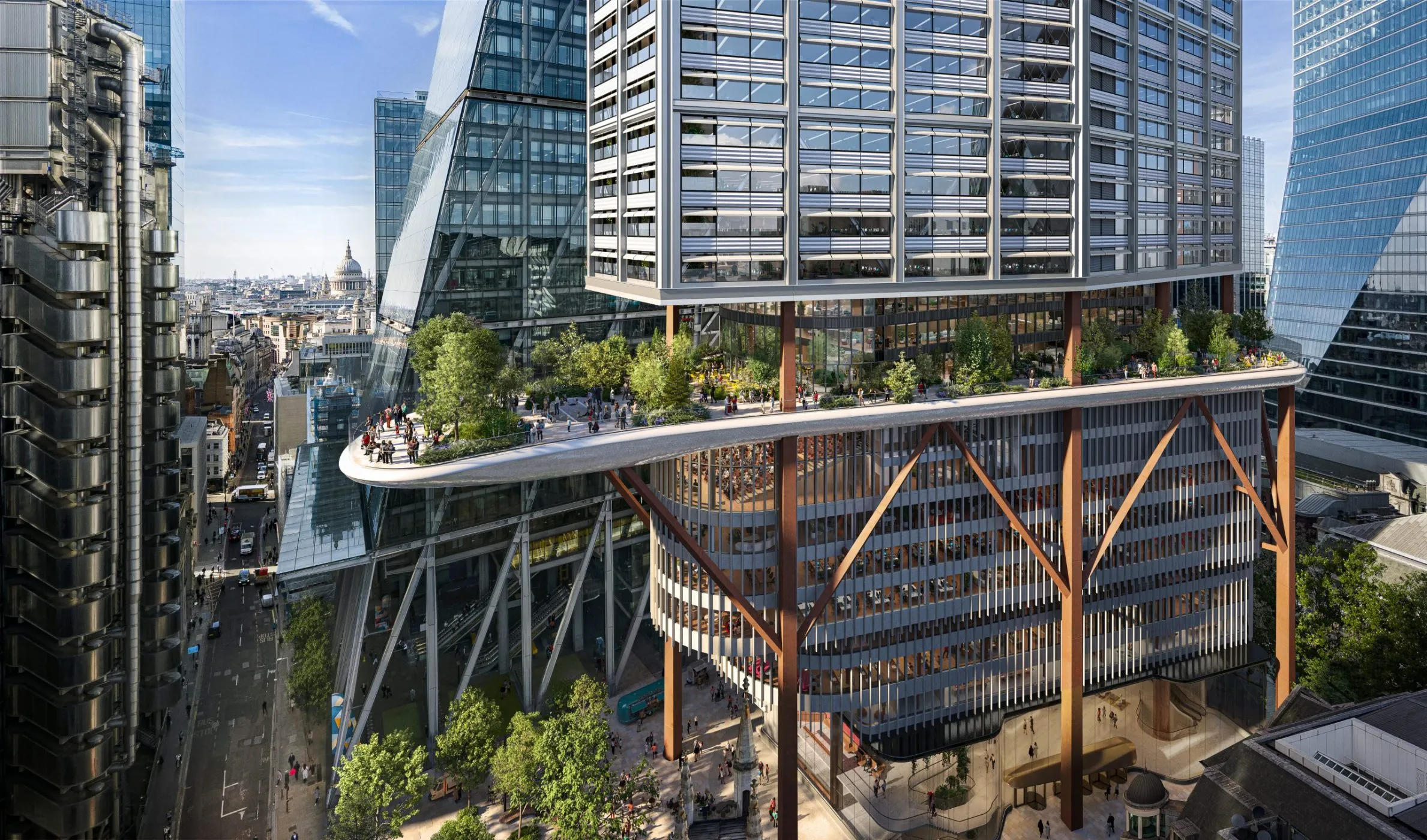
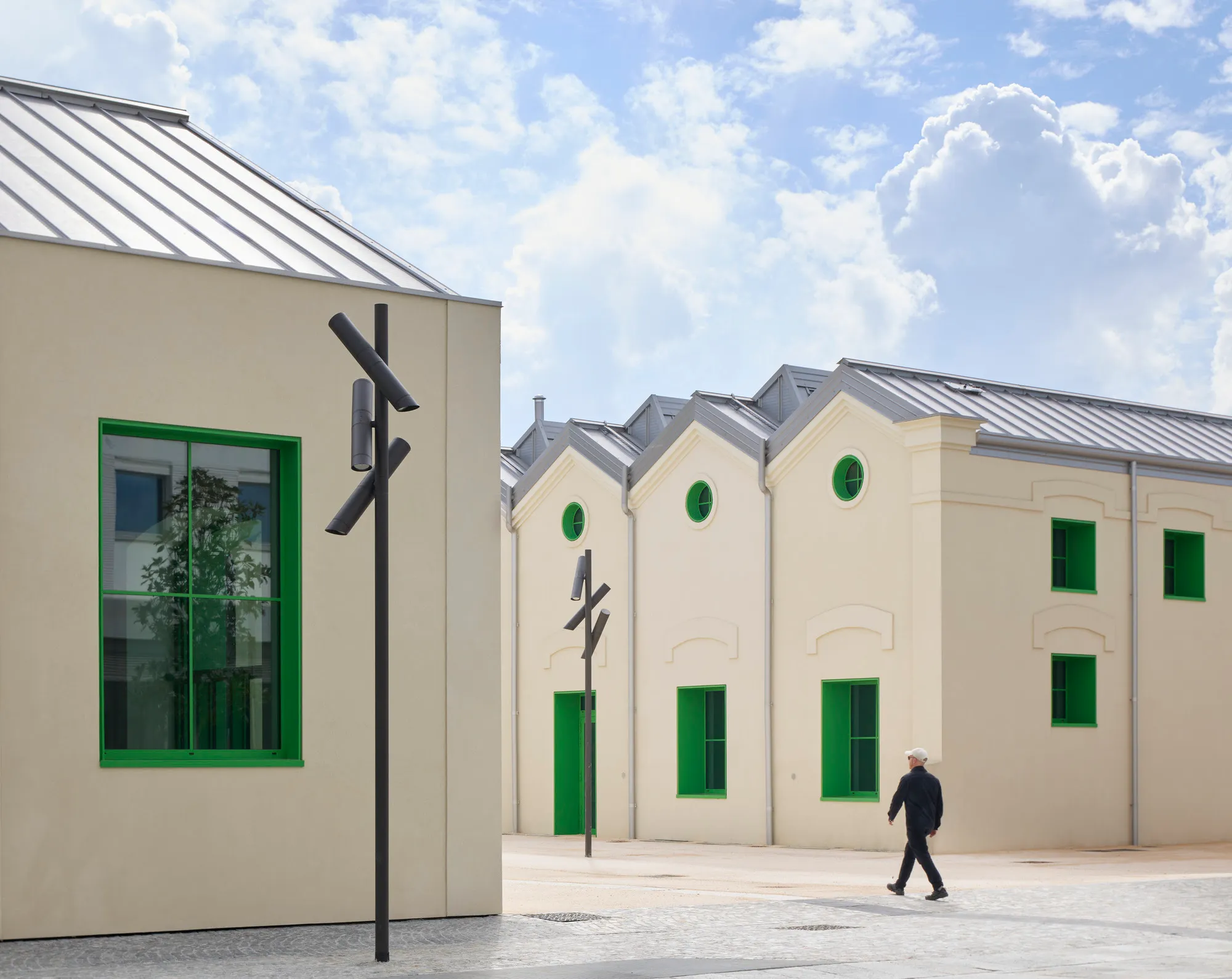
In the heart of Milan, the new Olympic Village is the centerpiece of a bold urban transformation. Designed by Skidmore, Owings & Merrill (SOM), the site redevelops the former Porta Romana railway yard into a vibrant mixed-use district. Six new residential buildings and two restored historic warehouses will house around 1,700 athletes during the Games. Built to Nearly Zero Energy Building (NZEB) standards, features include mass timber construction, solar panels, stormwater reuse systems, and green roof terraces that soften the cityscape.
Architecturally, the complex balances contemporary lines with references to Milan’s industrial past. After the Games, it will transition into a student neighborhood with affordable housing, cafés, public spaces, and community facilities, ensuring architectural legacy rather than derelict infrastructure.
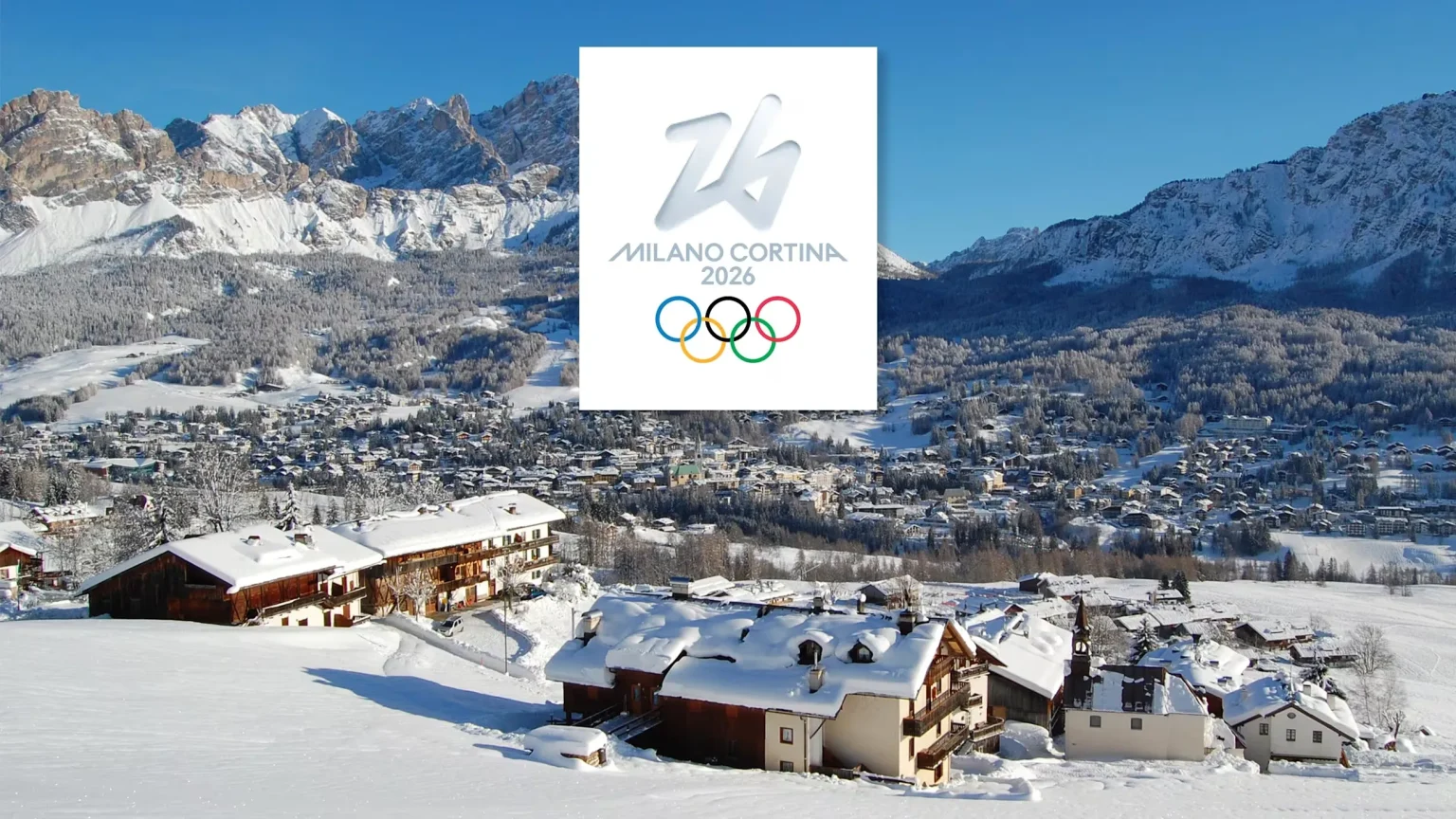
2. Cortina d’Ampezzo — Alpine Temporality in the Dolomites
Set against the dramatic peaks of the Dolomites in Fiames, Cortina’s village is a temporary yet thoughtfully designed settlement. Around 1,400 athletes will be housed in modular, prefab units organized along walkways that cultivate a small mountain community feel. The lightweight, single-story structures respect the fragile alpine environment and uphold Milano Cortina 2026’s sustainability goals.
Beyond function, this village creates a compact social hub complete with shared dining, lounges, and a central plaza close to key competition venues like the Cortina Sliding Centre and Tofane Alpine Skiing Centre. At the Games’ end, the site will return to open space, leaving only memories of the extraordinary winter spectacle.
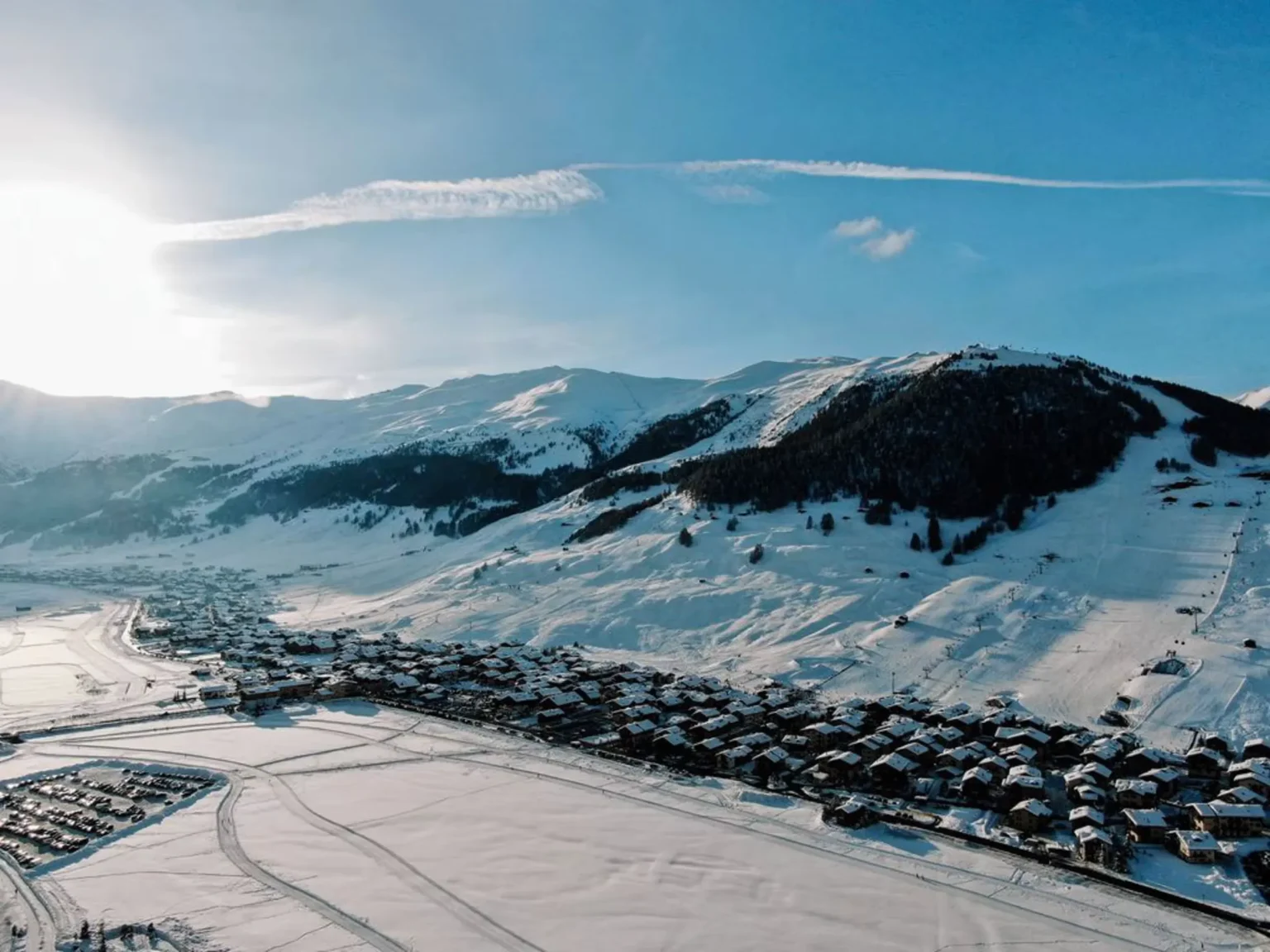
3. Livigno — Alpine Hospitality Reimagined
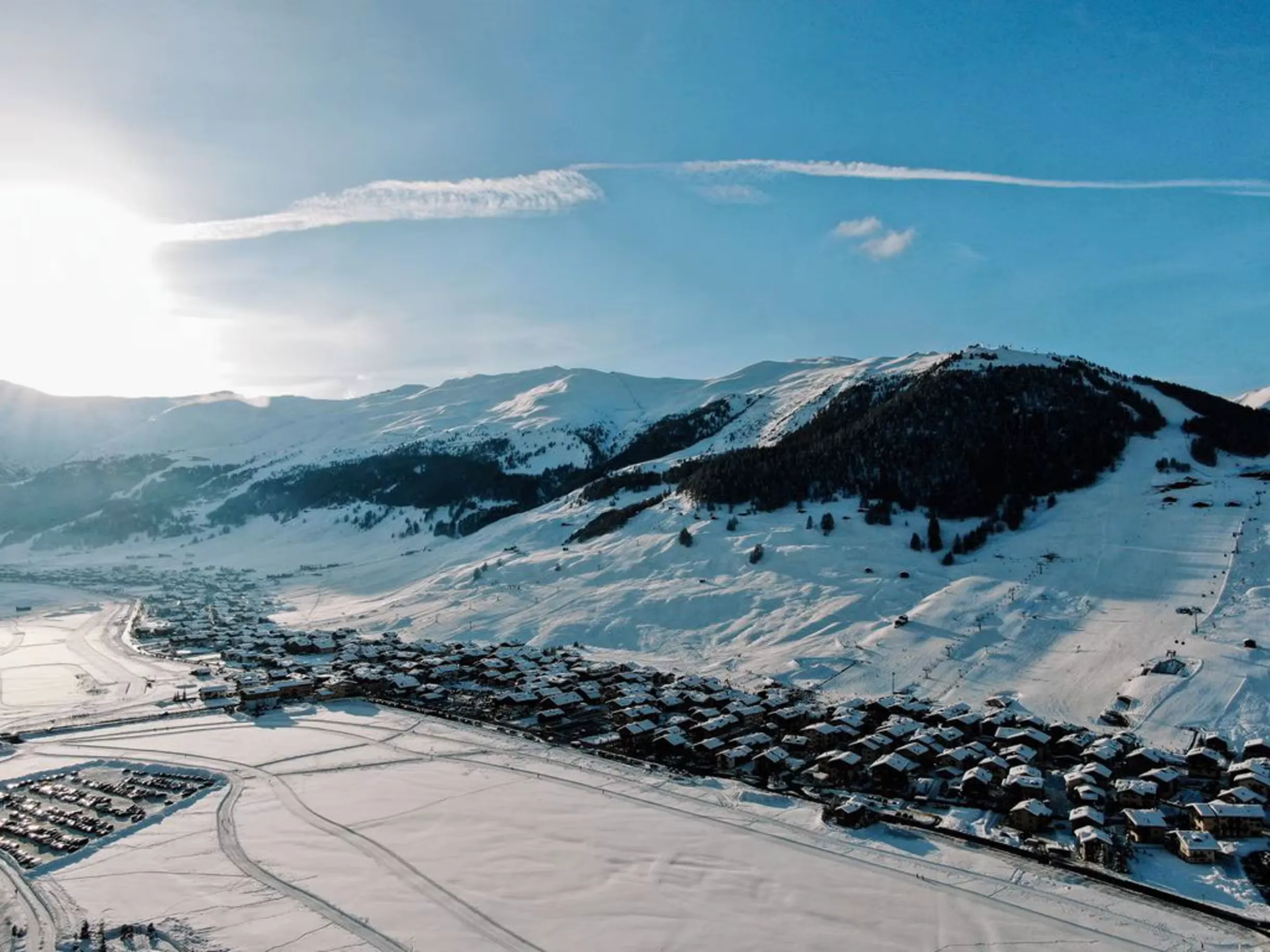
In Livigno, the Olympic Village builds on the town’s long relationship with snow sports. Three existing Alpine hotels will serve as the village core, arranged as a compact accommodation cluster with nearly 800 beds.
This reuse strategy reduces ecological impact and strengthens the local tourism economy. Athletes will enjoy proximity to freestyle skiing and snowboarding venues like Livigno Snow Park and the Aerials & Moguls Park, emphasizing convenience and cultural immersion.
4. Bormio — Historic Charm Meets Modern Hosting
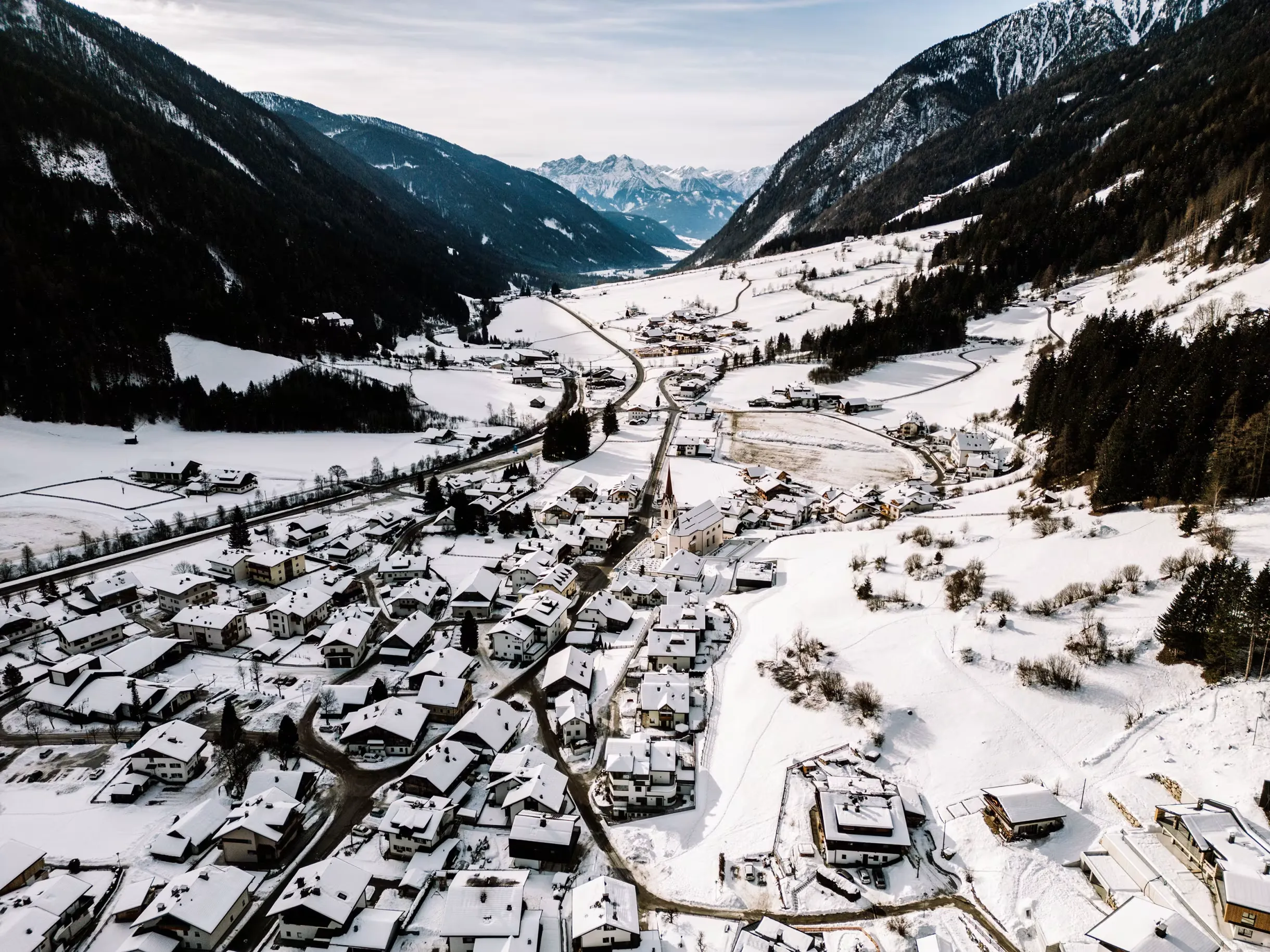
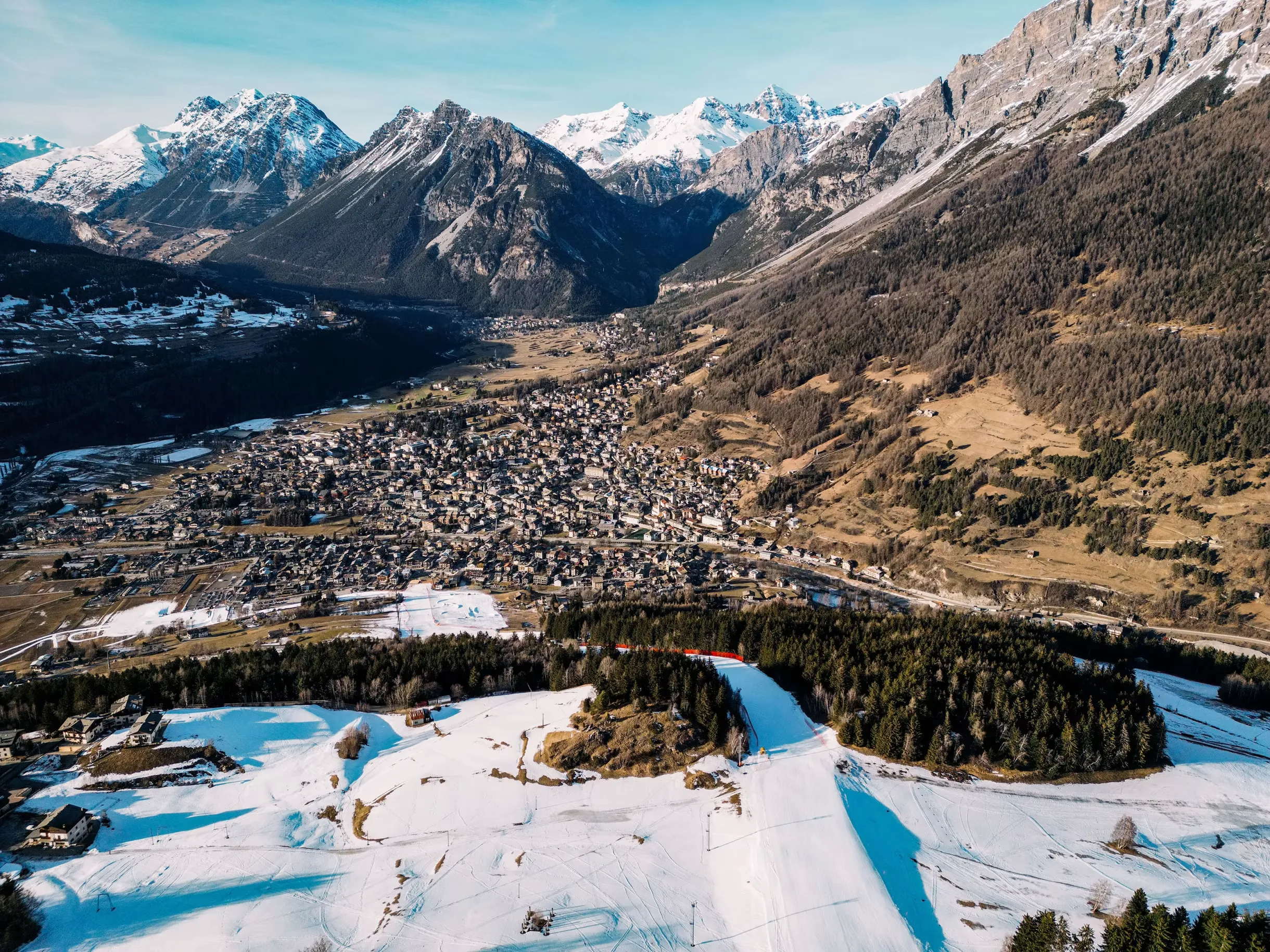
Set within the historic Alpine town of Bormio, this village relies on four local hotels to house approximately 400 athletes. With close access to the Stelvio Ski Centre, home to iconic Alpine skiing events, the village brings competitors into a compact, lively setting. Its integration into the existing urban fabric reduces the need for new infrastructure, letting architectural heritage coexist with contemporary Olympic logistics.
5. Anterselva — Biathlon Tradition in South Tyrol
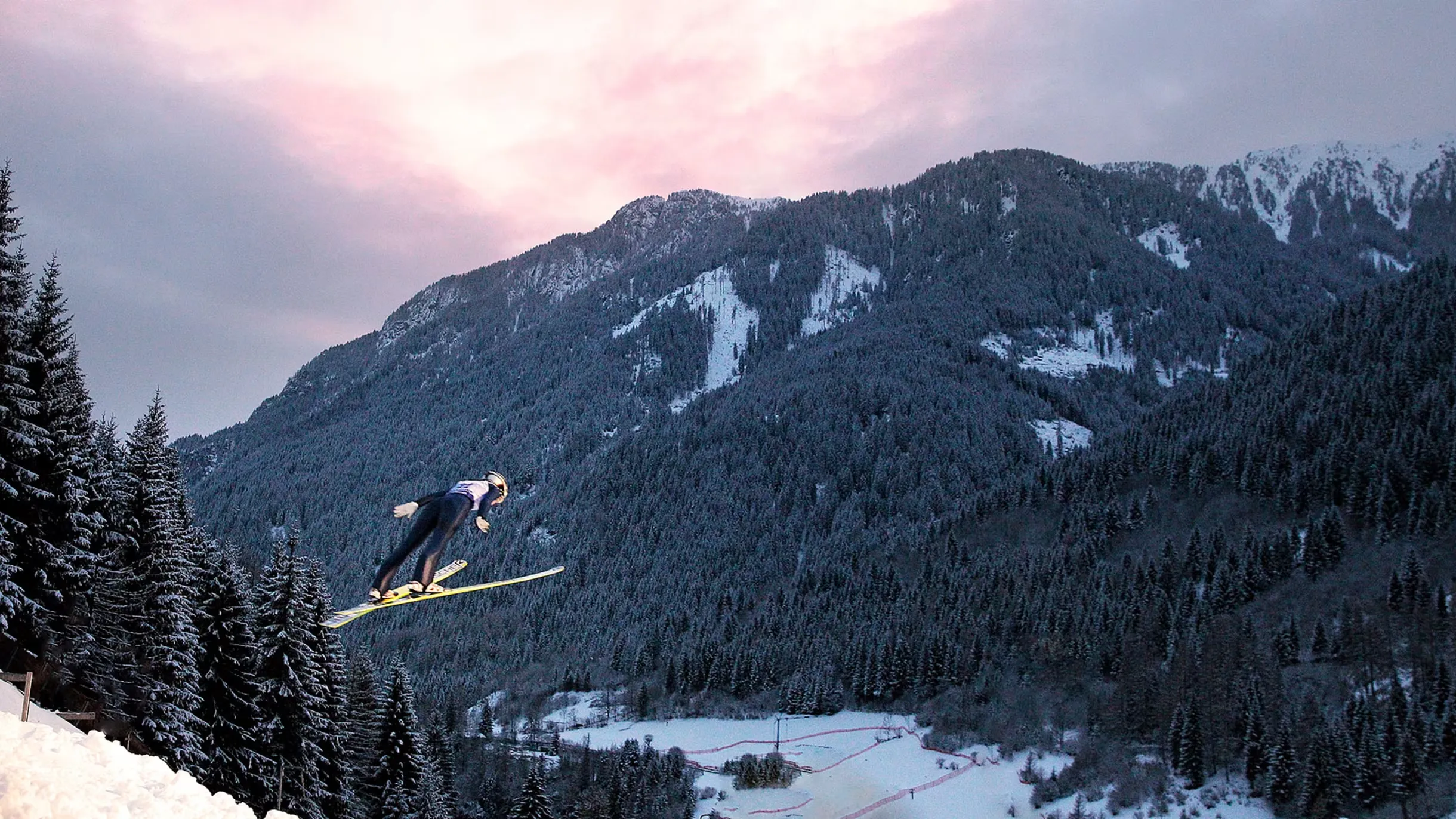
Located in Rasun-Anterselva, the biathlon heartland of South Tyrol, this village adapts four existing hotels to host around 300 athletes.
The proximity to the Anterselva Biathlon Arena roots athletes in the sport’s cultural landscape while offering shared communal spaces and dining facilities woven into the valley’s alpine charm. The choice to adapt existing hospitality infrastructure reiterates the Games’ respect for local economies and low-impact design.
6. Predazzo — Alpine Efficiency and Legacy Use
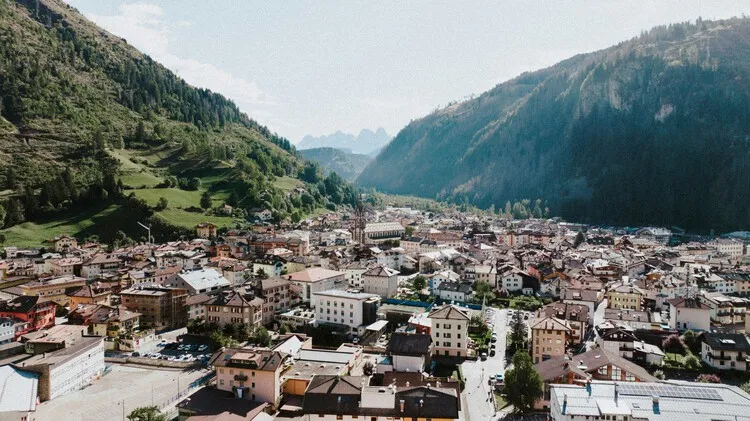
Predazzo’s village sits within the Alpine School of the Guardia di Finanza, where renovations and some new construction create a functional and flexible complex. Designed for roughly 750 athletes and team members, the village includes dining halls, medical services, and operational spaces across five buildings, all clustered within the town’s central area.
Its proximity to major Nordic venues like the Predazzo Ski Jumping Stadium and Tesero Cross-Country Skiing Stadium minimizes travel times and enhances athlete routine efficiency. After the Games, the buildings will support regional needs, offering training and community space that extends architectural legacy.
The six Olympic Villages of Milano Cortina 2026 break new ground by linking architectural design to long-term social and environmental goals. From adaptive reuse and temporary structures to cutting-edge sustainable design in the urban core, each site elevates its context, whether an Alpine valley or Milan’s revitalized district, without eclipsing local identity. This networked approach enhances the athlete experience and transforms Olympic infrastructure into enduring assets for host communities.