

























As we progress into a world where sustainability is not a fad, a trend, or a style but rather a necessity that needs to be embedded into everything we do or consume, this shift is as urgent as it is essential in architecture. And as much as the latest technology helps, innovative solutions are the significant drivers to create a bigger positive impact without compromising on resilience and aesthetics.
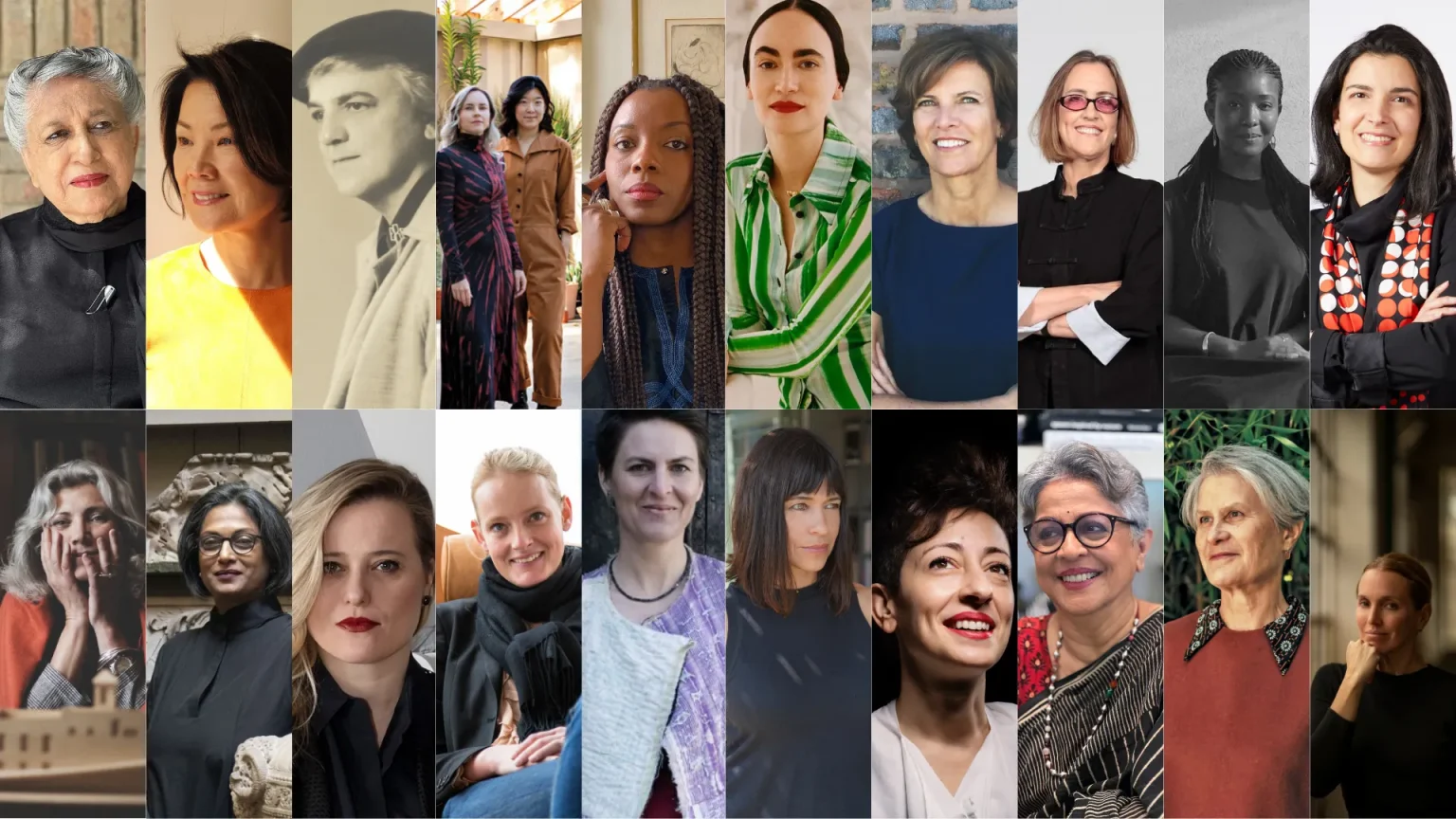
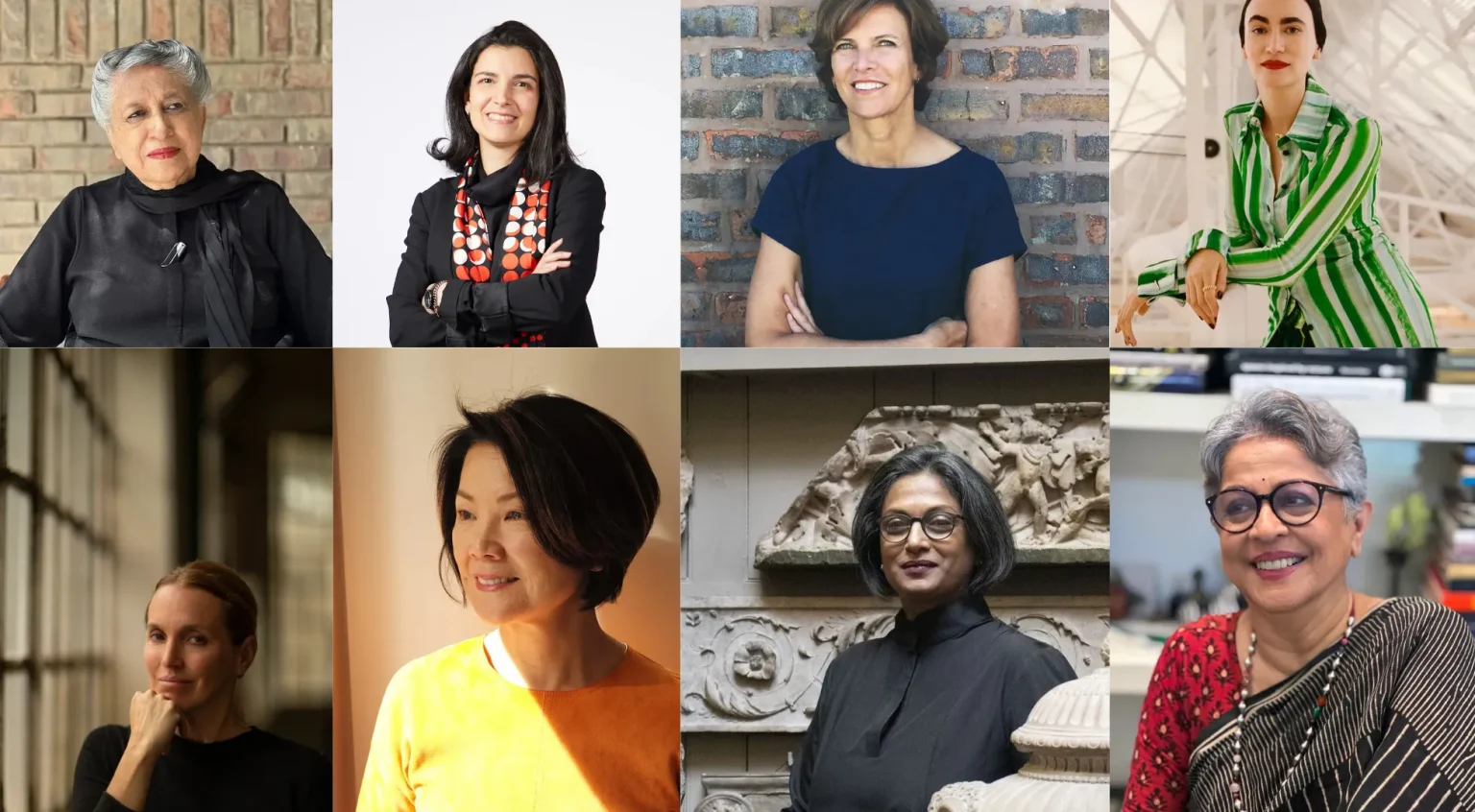
Women architects are playing crucial roles in understanding this demand and contributing substantially towards combating climate change, creating social impacts, and designing energy-efficient structures that enhance the workability and visual appeal of spaces. Here are 20 women architects who have made a name for themselves through their ingenious ideas and novel ideologies in sustainability.
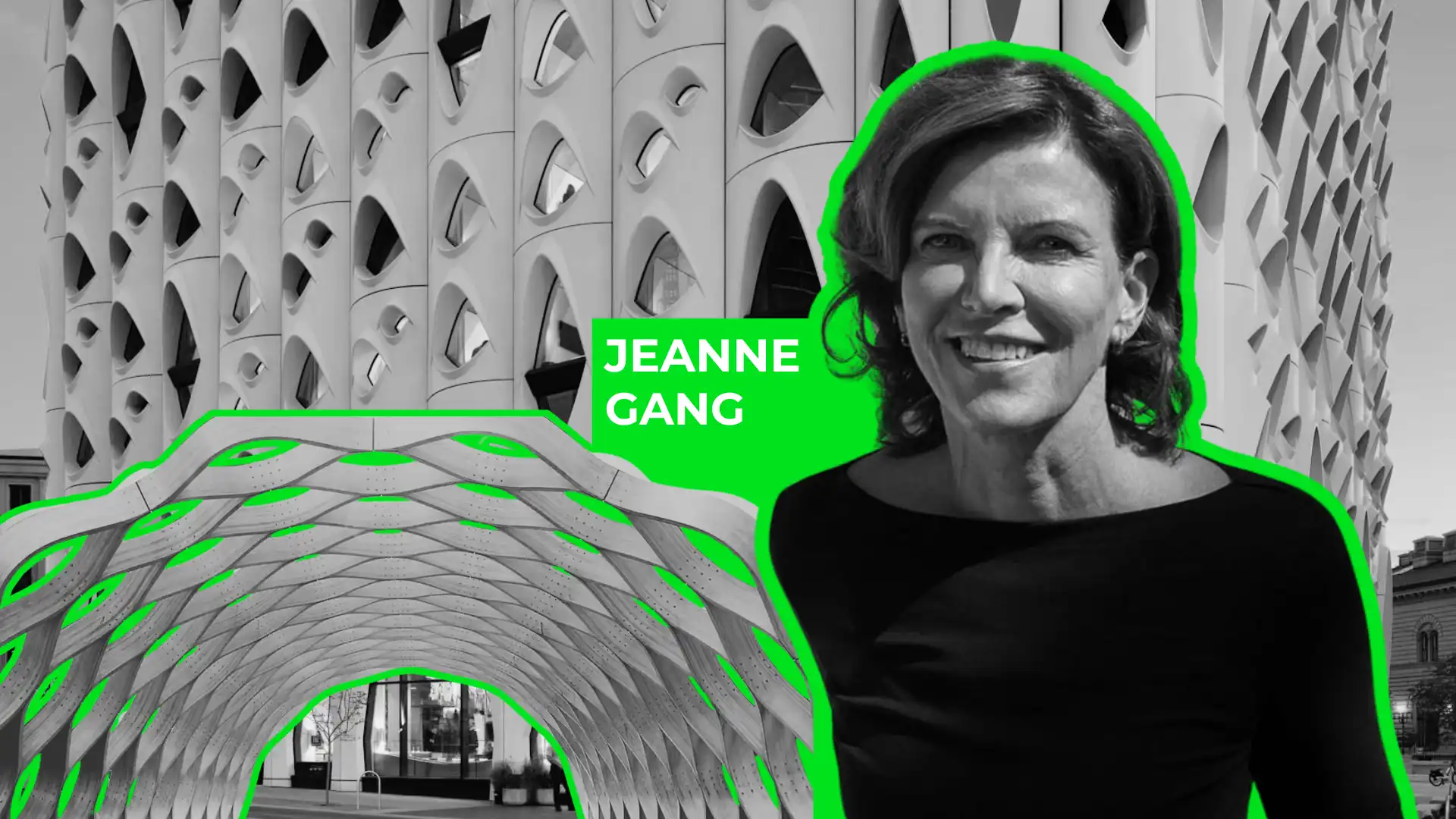
1. Jeanne Gang – Studio Gang, USA
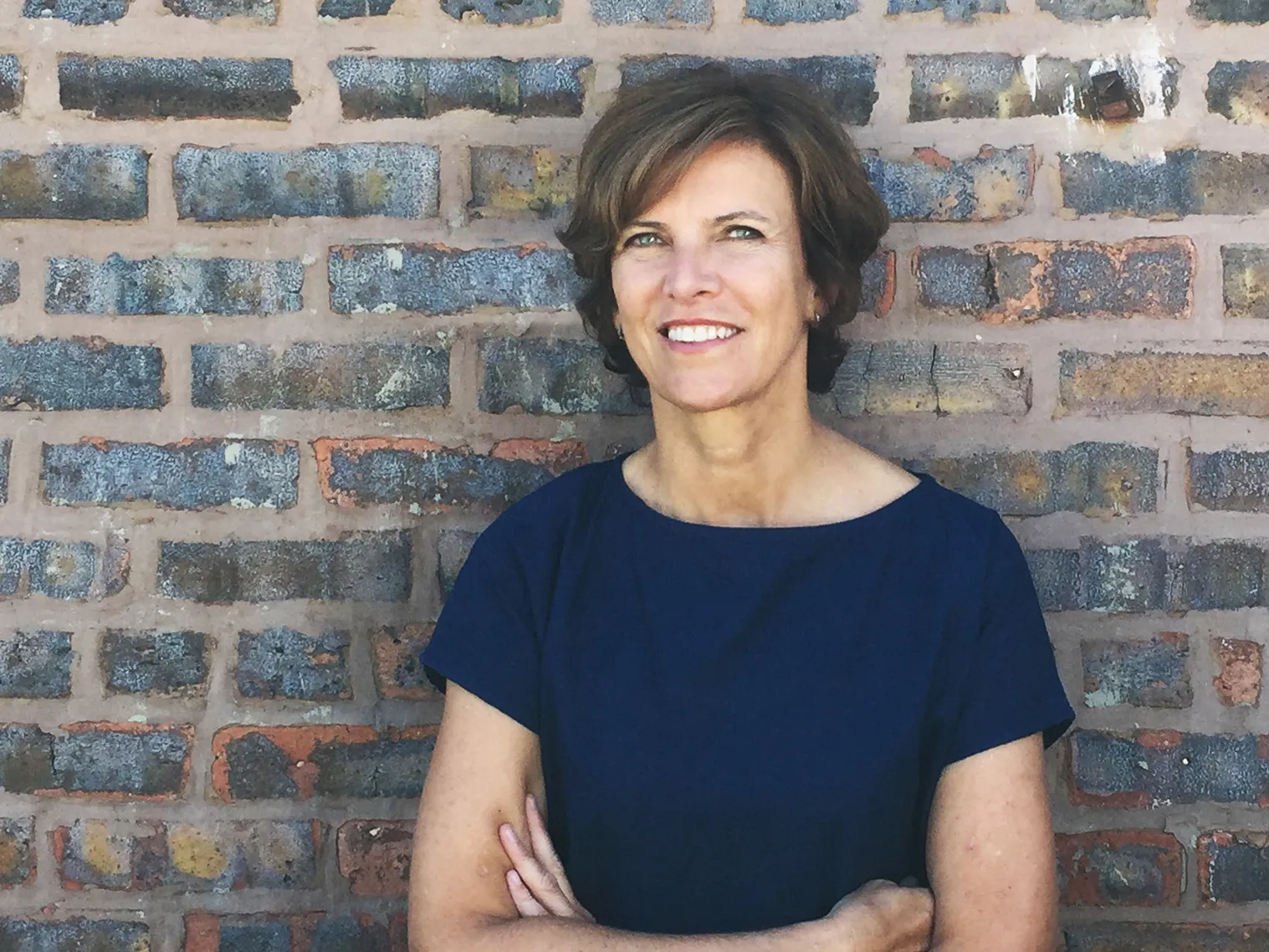
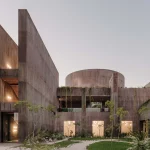
Jeanne Gang has been a strong advocate of ‘architectural grafting’ that helps to enrich existing buildings through upcycling of the existing spaces or addition of new spaces that enhance the old ones. She believes that breathing new life into old structures makes them thrive and expand their original capacity, not just at the building level but also at the urban level. Moreover, it helps to reduce carbon footprint, making it one of the most effective ways to combat climate change.
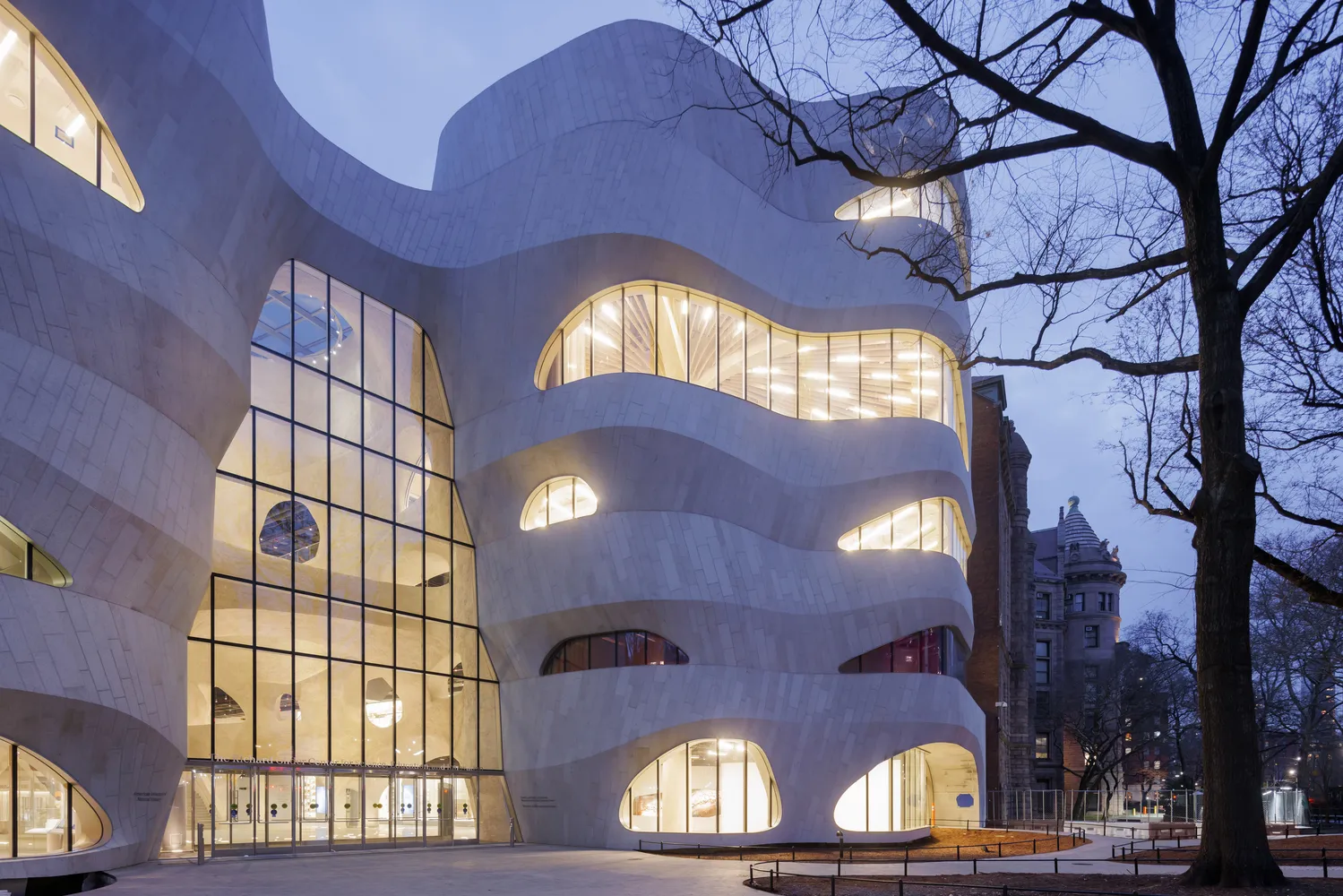
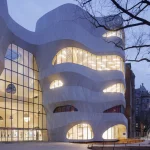
The Richard Gilder Center was conceived as not only an addition to the American Museum of Natural History but also as a connector between the existing spaces on site. The sculpture-like addition attracts visitors because of its form, and its height enhances the central atrium with natural light, enabling air circulation and creating a comfortable setting.
2. Marina Tabassum – Marina Tabassum Architects, Bangladesh
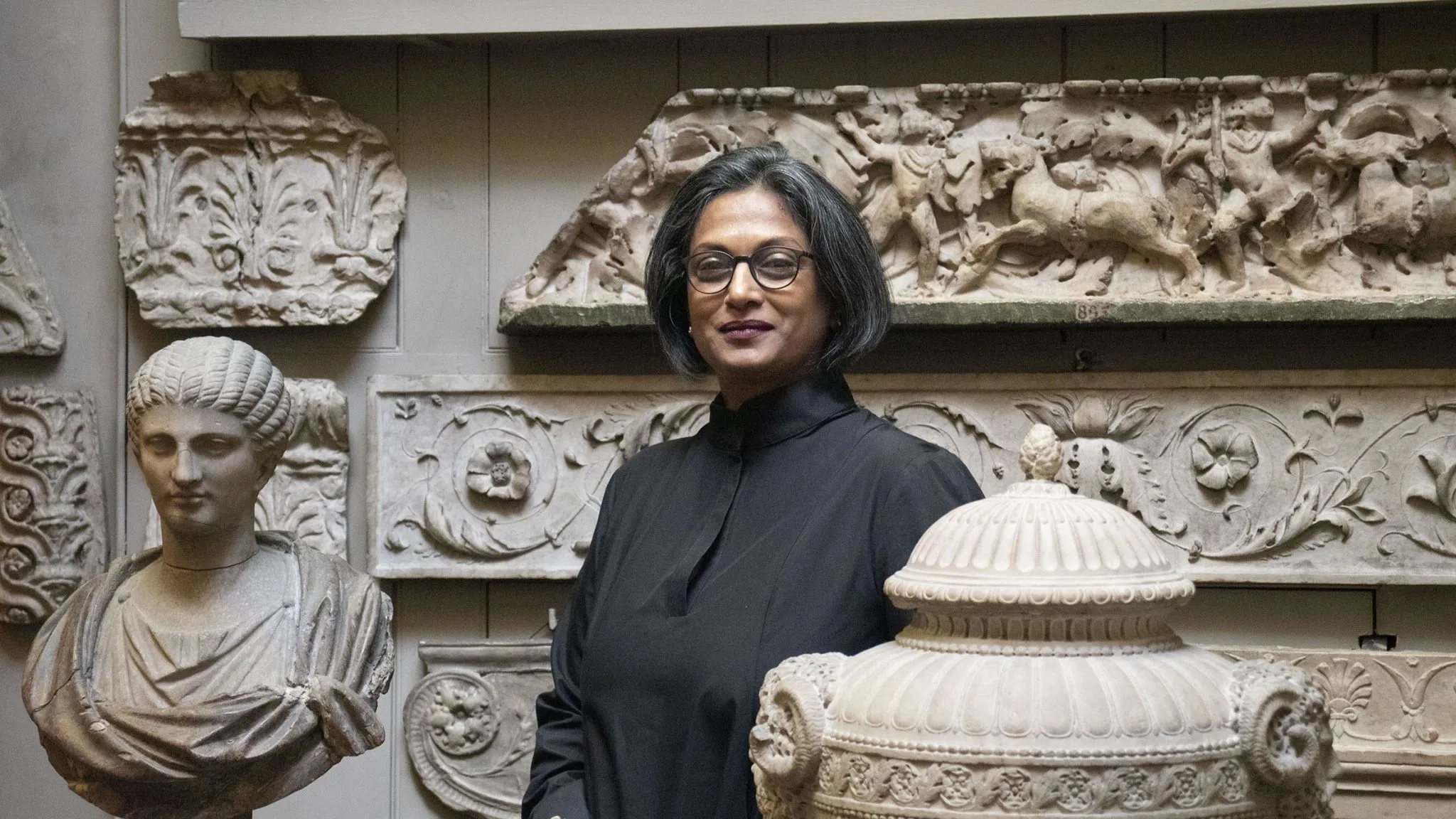
Marina Tabassum is a Bangladeshi architect known for her contemporary style that incorporates localised solutions that battle climate change. While sustainability is typically connected with permanence and durability, her native place required shifting solutions that adapt to the transient environment where river erosion and rising seas are commonplace. Her designs explore ephemeral architecture that is portable and adaptable in nature and employ a modular style with minimal environmental impact.
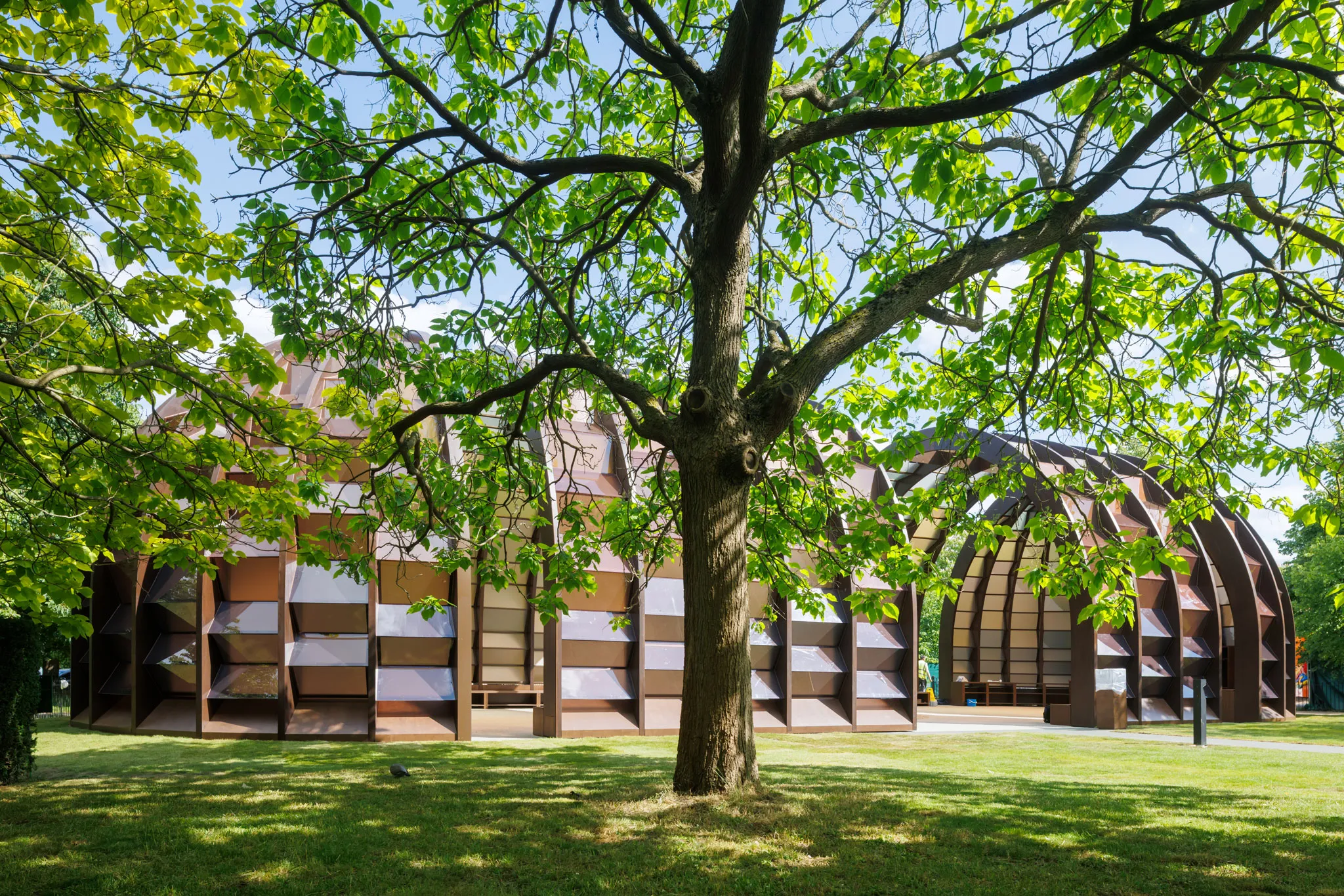
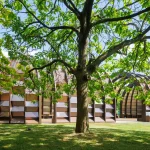
Her firm was selected to design the 2025 Serpentine Pavilion, and thus, ‘A Capsule in Time’ was born. The structure itself is not permanent, much like her other works, but it explores the relationship between architecture, time, and place. Tabassum designed the pavilion to highlight that structures must be resilient towards local conditions but should also be adaptable and flexible, thereby acknowledging and responding to the surrounding environment in terms of space and material use.
3. Tatiana Bilbao – Tatiana Bilbao Estudio, Mexico

For architect Tatiana Bilbao, architecture should be embedded into the community and environment, rather than defining it. It is a primary form of care that should regenerate the social and environmental conditions of its surroundings and leverage the site’s resources to create a sustainable design. She feels sustainability should be natural and expected, and that starts from being responsible as designers when using available resources.
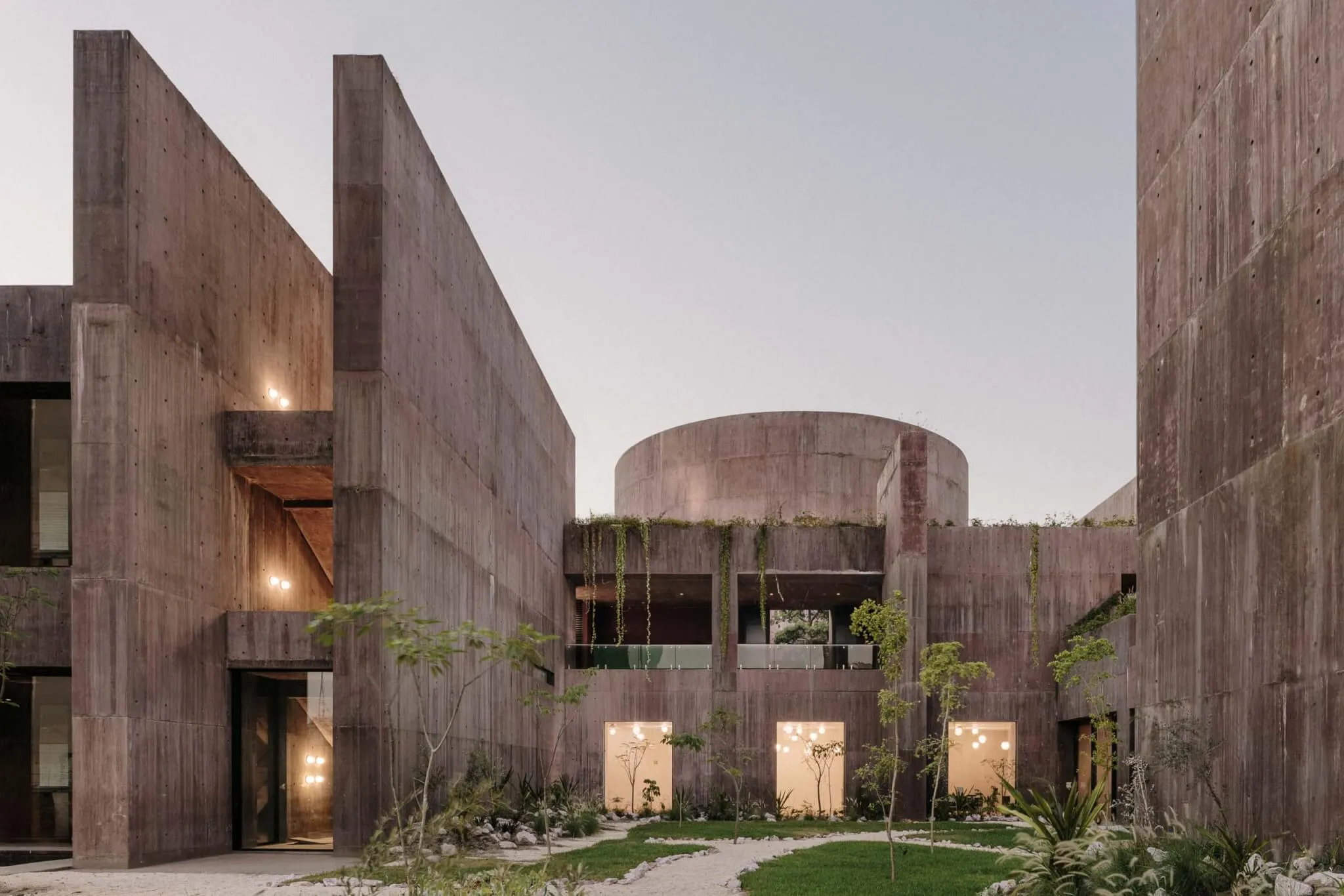
Designed to showcase commitment to sustainability and education, the Mazatlán Aquarium in Mexico uses renewable energy resources and energy-efficient systems on this site for marine conservation. Tatiana Bilbao designed the aquarium not with glass, but with concrete to create the impression that it is a part of the surrounding natural environment rather than an intrusion by man. The structure is always connected to the exterior environment, making weather a design element, including the rising sea levels.
4. Alexandra Hagen – White Arkitekter, Sweden
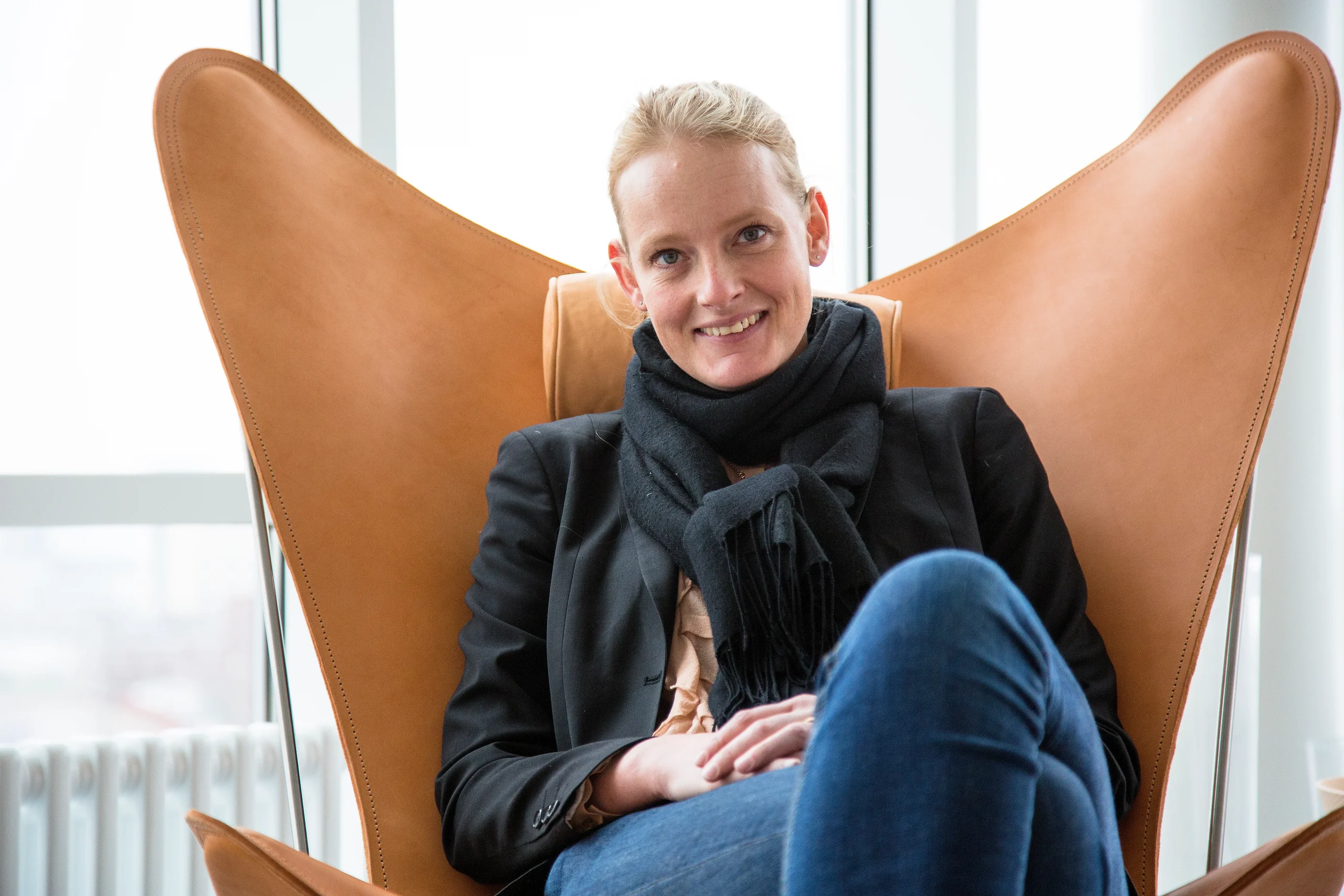
Based in Scandinavia, Alexandra Hagen’s firm ‘White Arkitekter’ believes that they can ‘enable sustainable life through the art of architecture.’ They focus on creating buildings and communities for the future as much as for the present, where they take the responsibility for people to thrive and grow. They have adopted the goal, as a company, to make all their projects regenerative and climate neutral by the year 2030 by designing buildings with circular and local materials.
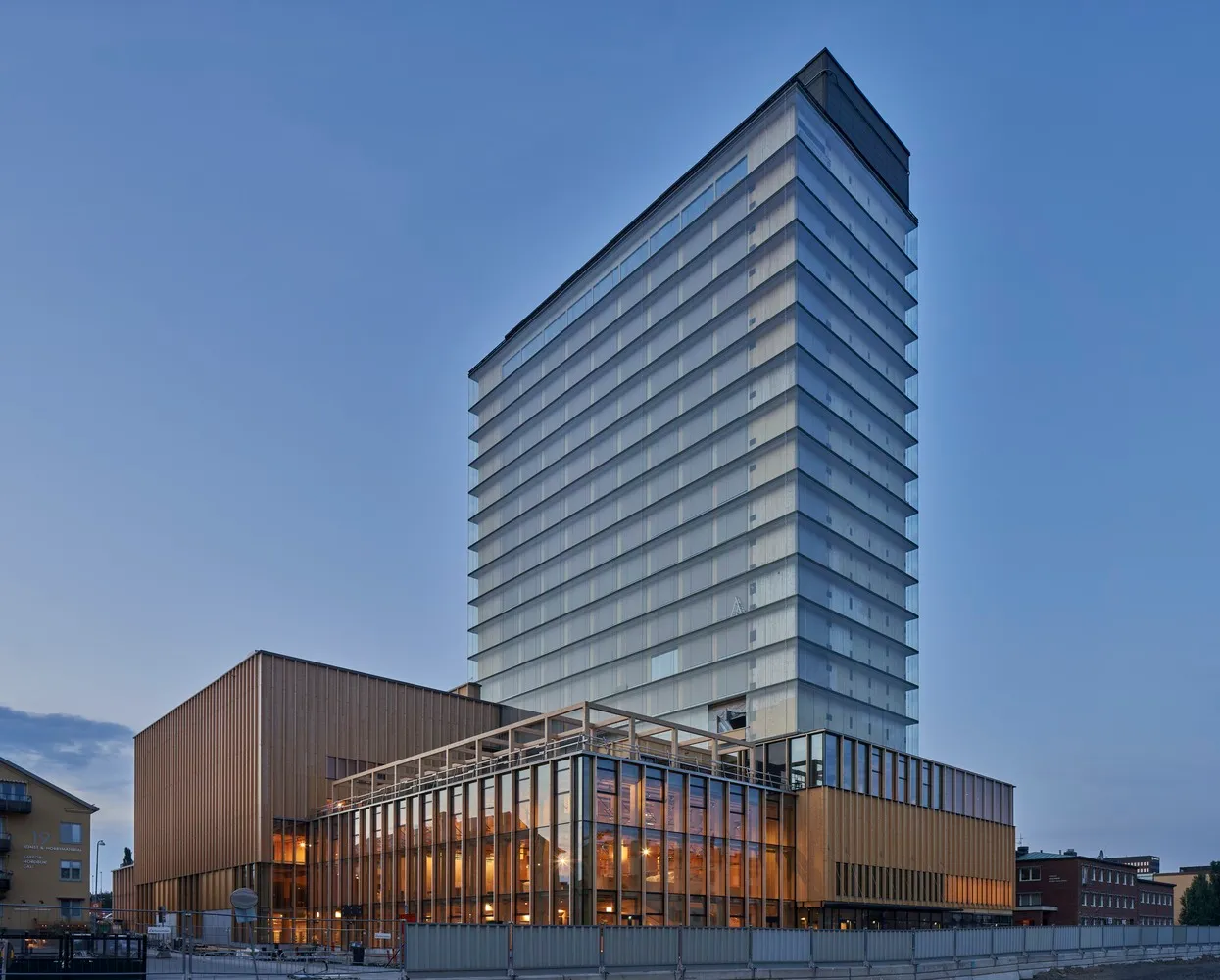
The project, Sara Kulturhus Centre in Sweden by White Arkitekter, is the second-tallest timber tower designed to be a landmark building and an example of how carbon impact from buildings can be negated over time. Made of exposed cross-laminated timber and timber combined with steel for the structural elements, the architects claim the building will become carbon negative during its lifetime. The materials were sourced from the area, and renewable resources, including solar and geothermal energy, are used to power the building.
5. Yasemin Kologlu – SOM, USA

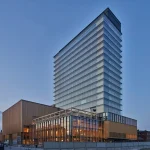
With more than 20 years of experience in designing net-zero energy and net-zero carbon buildings, Yasemin Kologlu plays a big role in defining the architectural industry’s response to climate change. She founded SOM’s Climate Action Group solely for elevating the impact of decarbonisation in the built environment, including high-rise and urban communities. Her expertise is in implementing the latest materials and technologies with a forward-thinking approach towards creating a positive environmental impact.
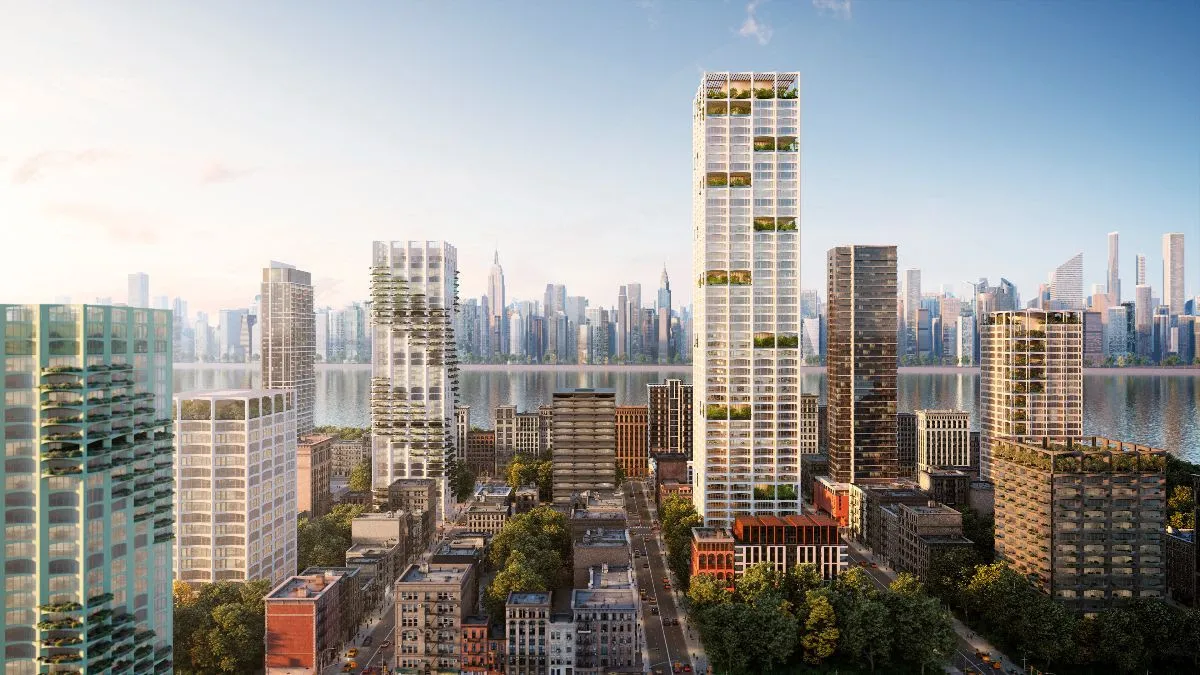
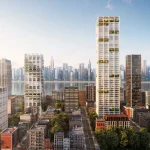
As a measure to create a forward-thinking approach, she designed the Urban Sequoia concept, which was unveiled at COP26. The design aim was to go beyond net zero through a high-rise prototype by sequestering carbon from the atmosphere throughout its lifecycle. The idea developed from thinking, ‘What if buildings could act like trees,’ and was designed as a solution that implements the latest technologies and emerging material innovations.
6. Yasmeen Lari – Lari Associates, Pakistan

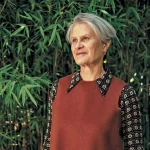
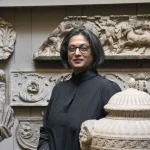
Yasmeen Lari is the first female architect from Pakistan and was awarded the RIBA Royal Gold Medal in 2023, recognising her humanitarian work in building 50000 homes in Pakistan for social causes. She formally retired as an architect in 2000 but continues to contribute to conservation causes as a UNESCO consultant. She believes in simple interventions using low-cost materials that create far-reaching social impacts. Her principles are rooted in her belief in social and ecological justice that intersect with architectural practice and embrace inclusivity and environmental resilience.
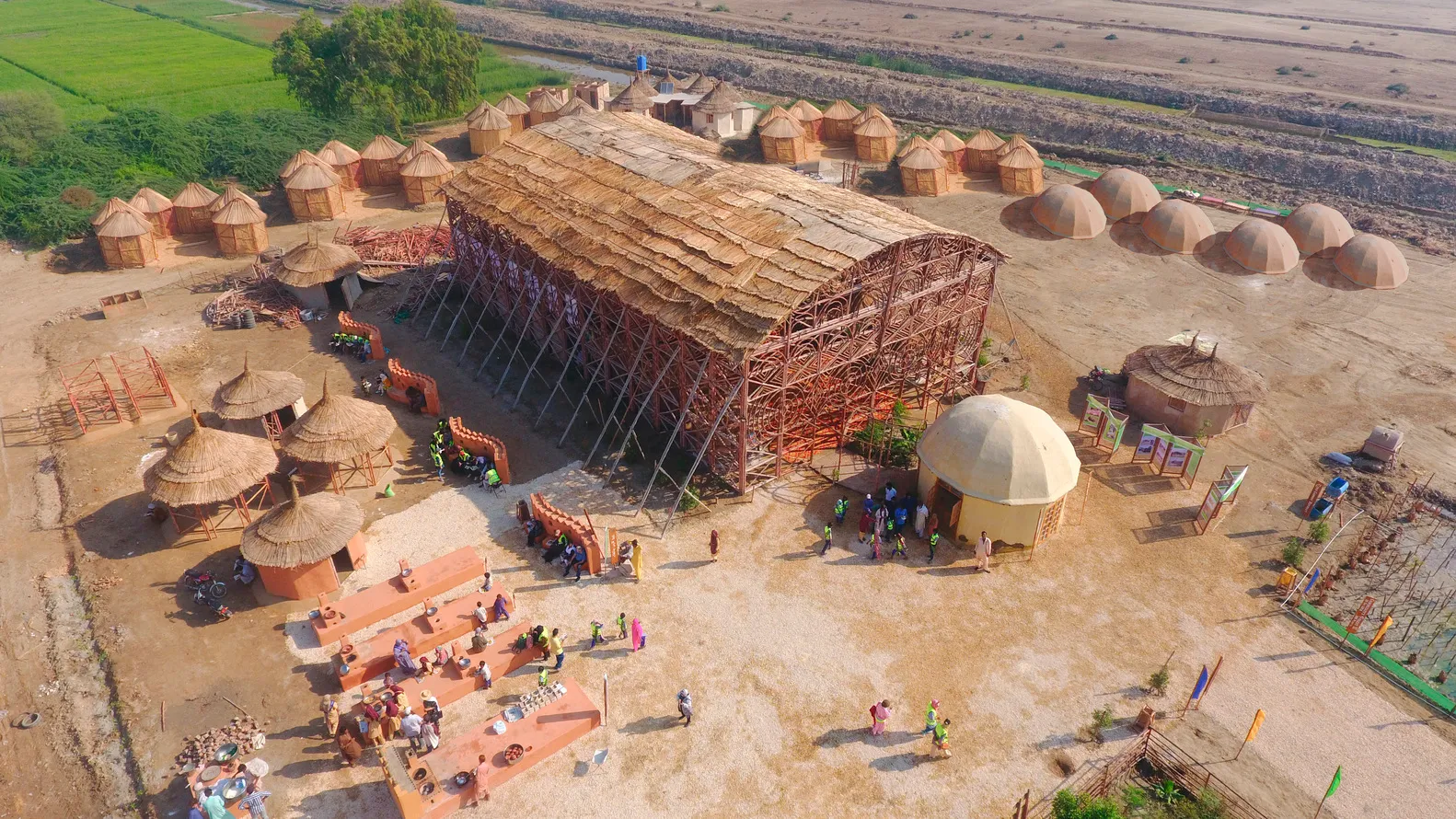
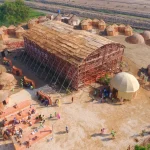
The Zero Carbon Cultural Centre in Makli, Pakistan, follows Lari’s philosophy, ‘barefoot social architecture’ or BASA, where impoverished communities are uplifted without negative impact to the planet. The centre uses local low-cost and low-carbon materials like bamboo for the structure and thatched roof, and was constructed by the local people. The structure is a community and social centre, one of the largest bamboo structures in the world, and is located in a UNESCO World Heritage Site.
7. Anna Heringer – Studio Anna Heringer, Germany
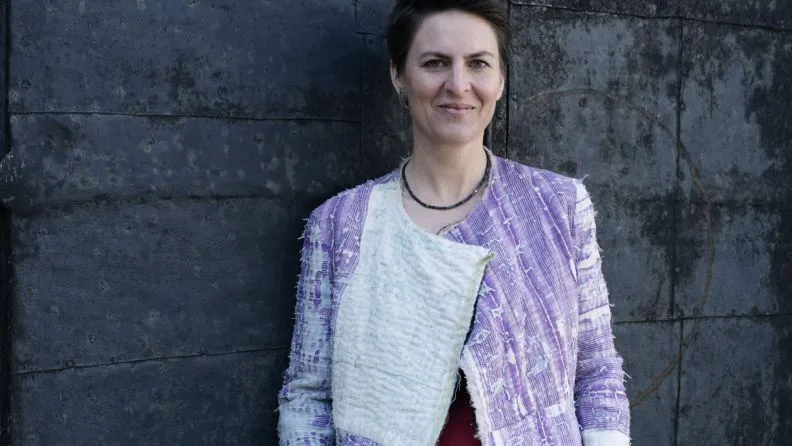
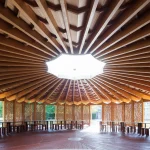
For Anna Heringer, sustainability is a synonym for beauty, and she explores three aspects in every project – local natural materials, local energy resources, and local know-how. With most of her work based in developing or underdeveloped localities, she focuses on involving local community participation in her work, who can educate her on local materials and practices for a successful, sustainable architectural product. This also ensures the final design is inclusive, culturally and socially diverse, and economically viable.
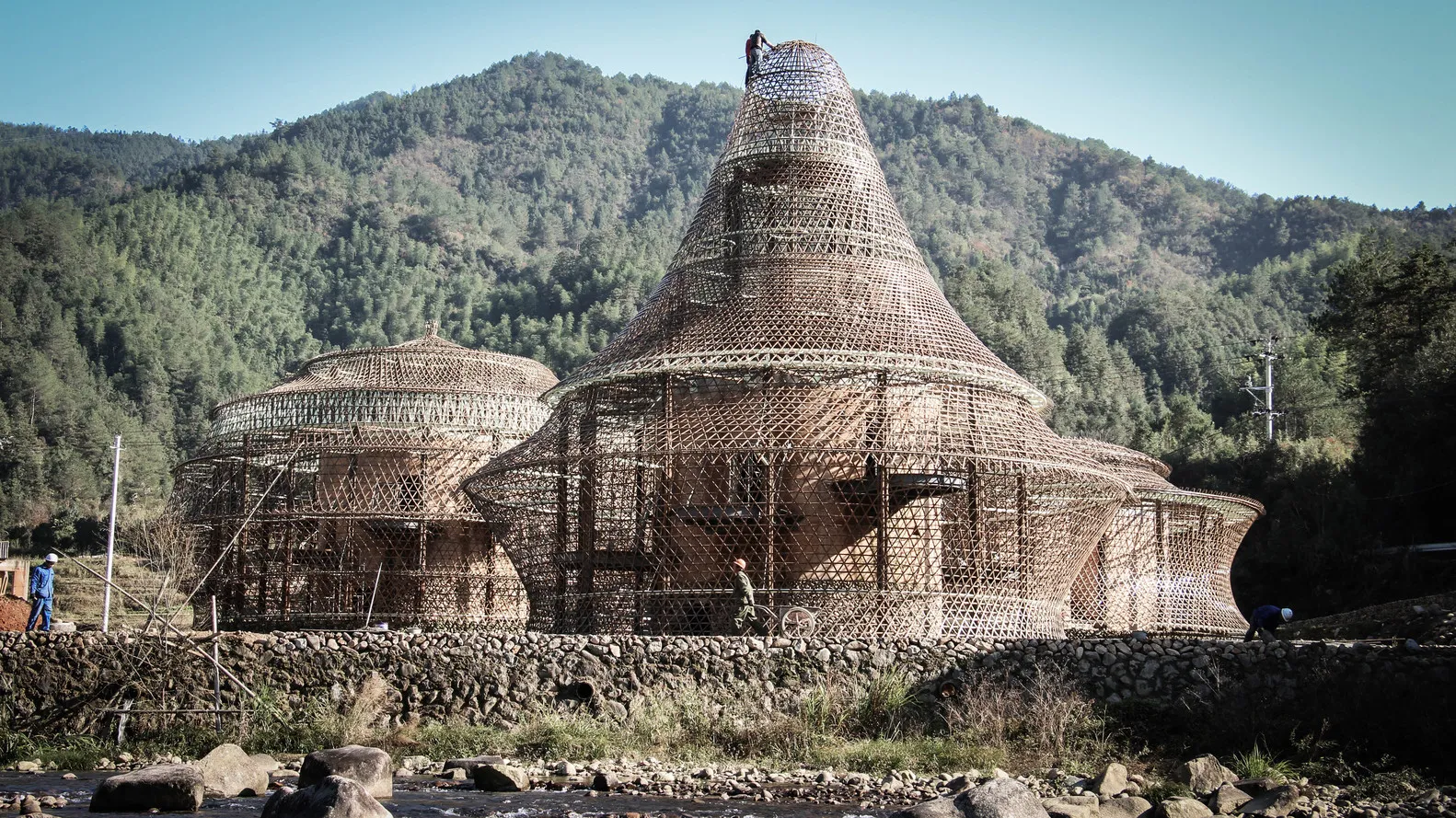
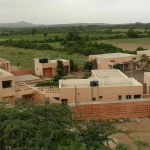
The three hostels that were part of the Longquan International Biennale are examples of using local materials and local craftsmen. Anna Heringer shows that sustainability is not about scarcity, but about the abundance of resources and materials that are available in nature and how they can enhance the environment. The project uses mud and bamboo that are readily available in plenty and embraces local techniques, proving their commitment towards the flourishing of the local craftmanship, thereby enhancing inclusivity and sustainability.
8. Brinda Somaya – Somaya Sampat Associates, India

Popularly known for her conservation skills at an urban level, Brinda Somaya has extensive experience with designs that respond to the immediate context that is rooted in local culture and heritage. She strongly advocates for conservation, not only because it preserves the heritage of the place but also because she believes restoring and repairing a project is the most sustainable solution. Her portfolio includes designing and restoring large campuses, and reviving public spaces through public participation, always being socially aware of the local people and their needs.
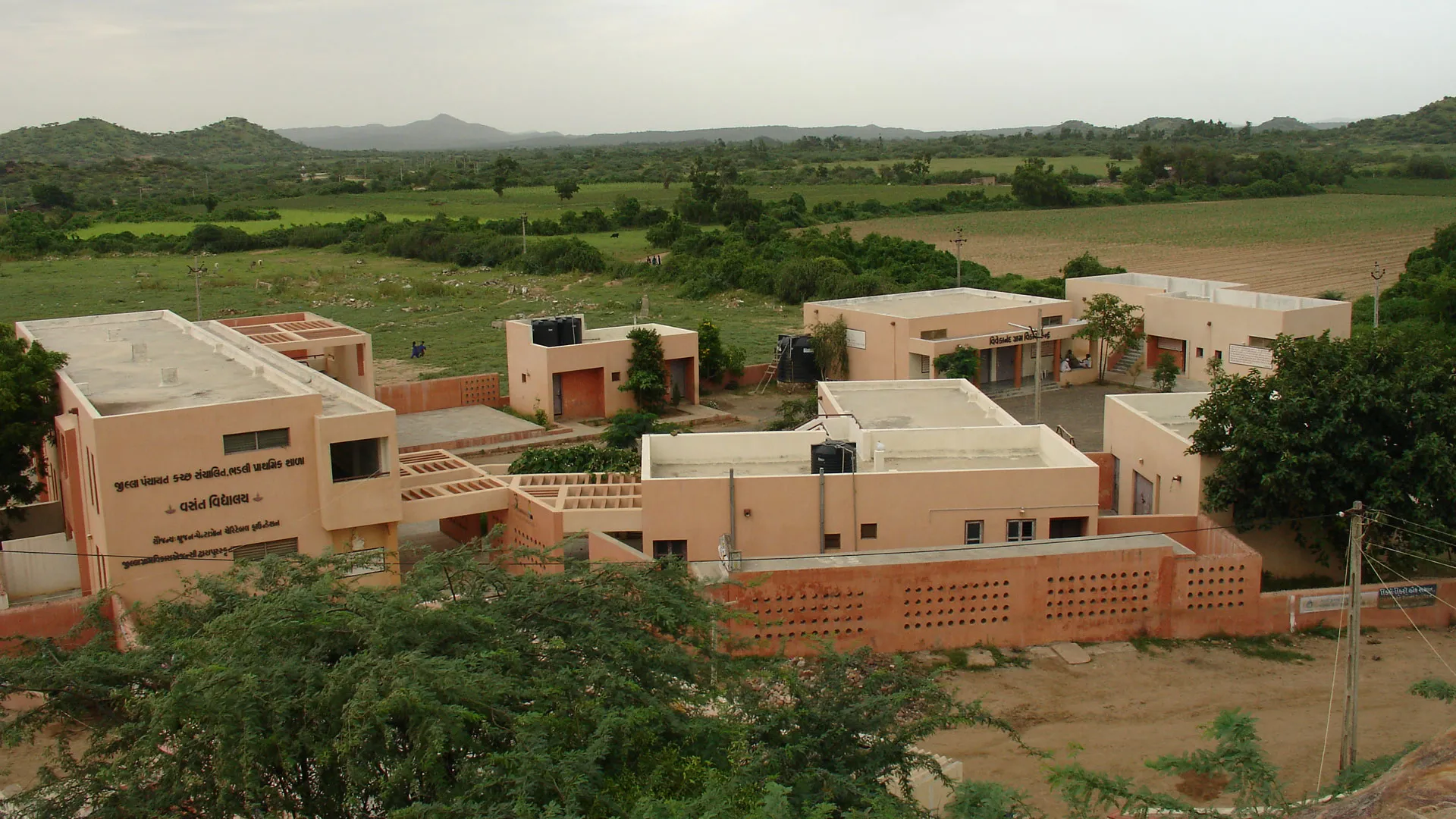
One of her most accomplished projects is the restoration of the Bhadli Village after the massive earthquake in 2001. Acting more like facilitators or consultants, Brinda Somaya and her team encouraged the locals to revive and rebuild their own homes, providing expertise in techniques that incorporate seismic and climate safety. When restoring community and public spaces, like the school Vasant Vidyalaya, the team carefully blended natural environment into the built fabric using local sustainable materials and creating open spaces for community interaction.
9. Carme Pinos – Estudio Carme Pinos, Spain
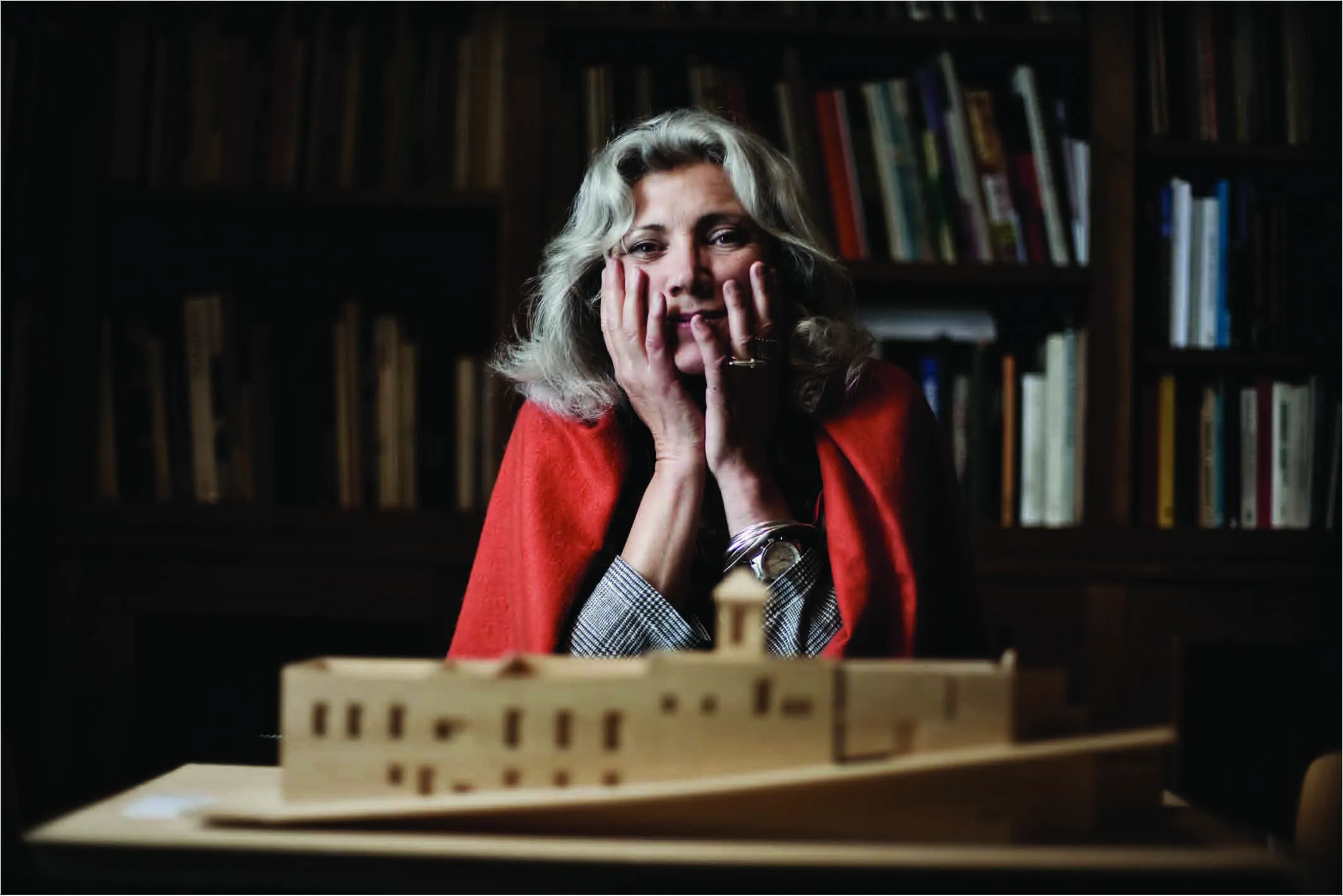
Architect Carme Pinos strongly believes that form and beauty should follow social responsibility in the field of architecture. Each of her works starts with the place or the inherent requirements of the project, where she implements solutions in the form of spaces and activities before an aesthetically appealing building is created. Based in Spain, she has worked on projects globally with a keen sense to make buildings a part of the environment that functions as an essential part of the integrated ecosystem.
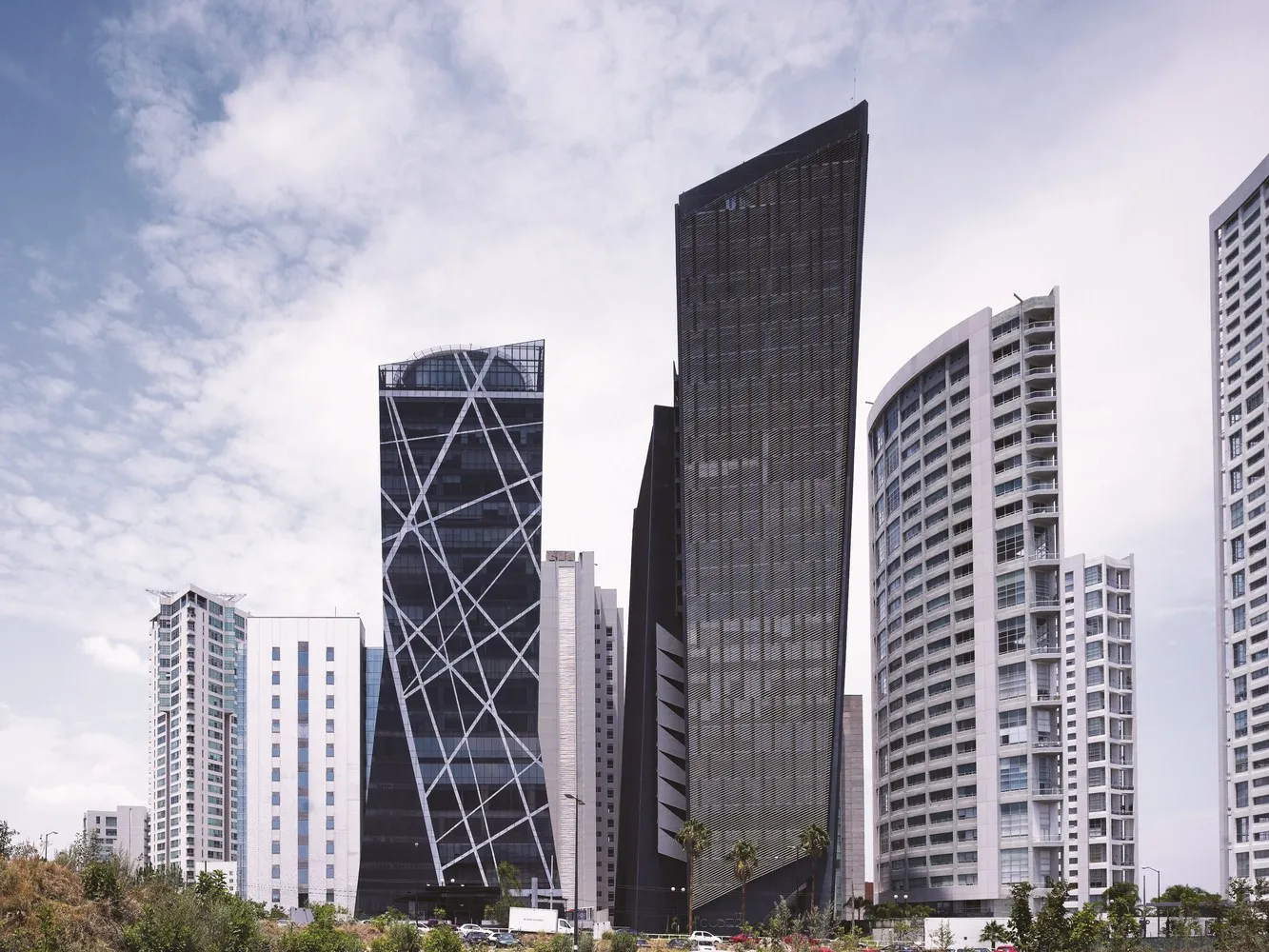
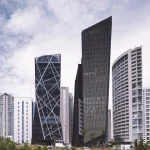
Cube 2 is a high-rise in Mexico, designed like a sculpture that leans towards the main street where human activity is maximum, to stand out from its adjacent structures. It is formed as two triangles that are separated to create an iconic structure, which helped create diverse green spaces and allowed natural light and ventilation into the building. This design decision affected a living, breathing structure that was integral to the balance of environment and beauty.
10. Melike Altinisik – Melike Altinisik Architects, Turkey

Melike Altinisik has many futuristic projects in her portfolio, which are technologically advanced and rooted in nature, architecture, and technology. Her work explores the synergy that emerges when these three aspects merge. Her work and firm MAA (Melike Altinisik Architects) is internationally recognised for innovation and advanced technology implementation in architecture and urban design.
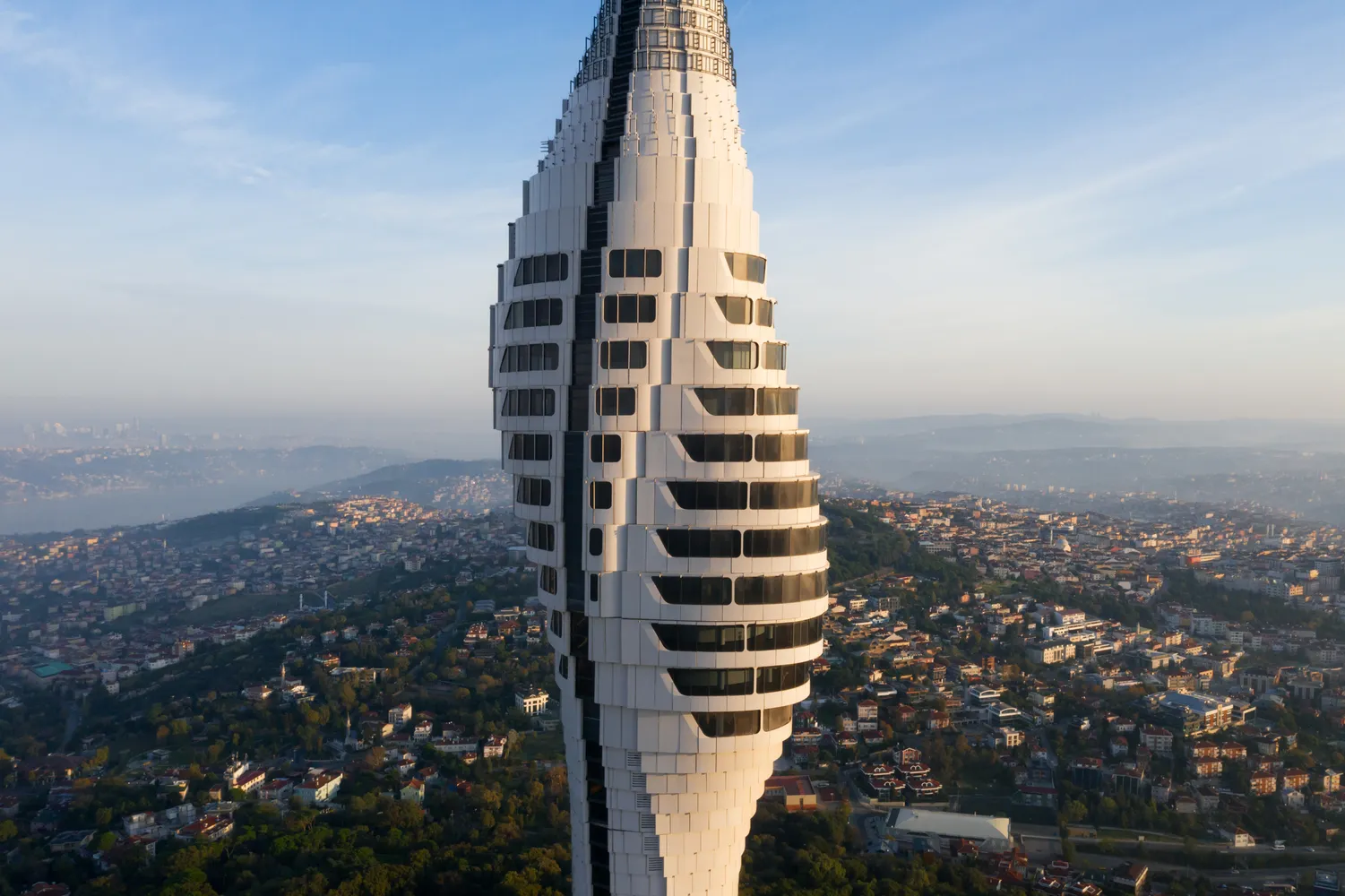
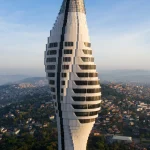
An iconic building, the Çamlıca Tower, designed by MAA, is the tallest building in Istanbul and focuses on long-term durability and resilient design. As part of Istanbul’s commitment to sustainability and nature conservation, the tower is carefully designed, incorporating green areas that elevate the environmental benefits and enhance biodiversity. Efficient heating and lighting systems help minimise energy consumption, along with green areas that reduce the urban land heat effect.
11. Lindsey Wikstrom and Jean Suh – Mattaforma, USA
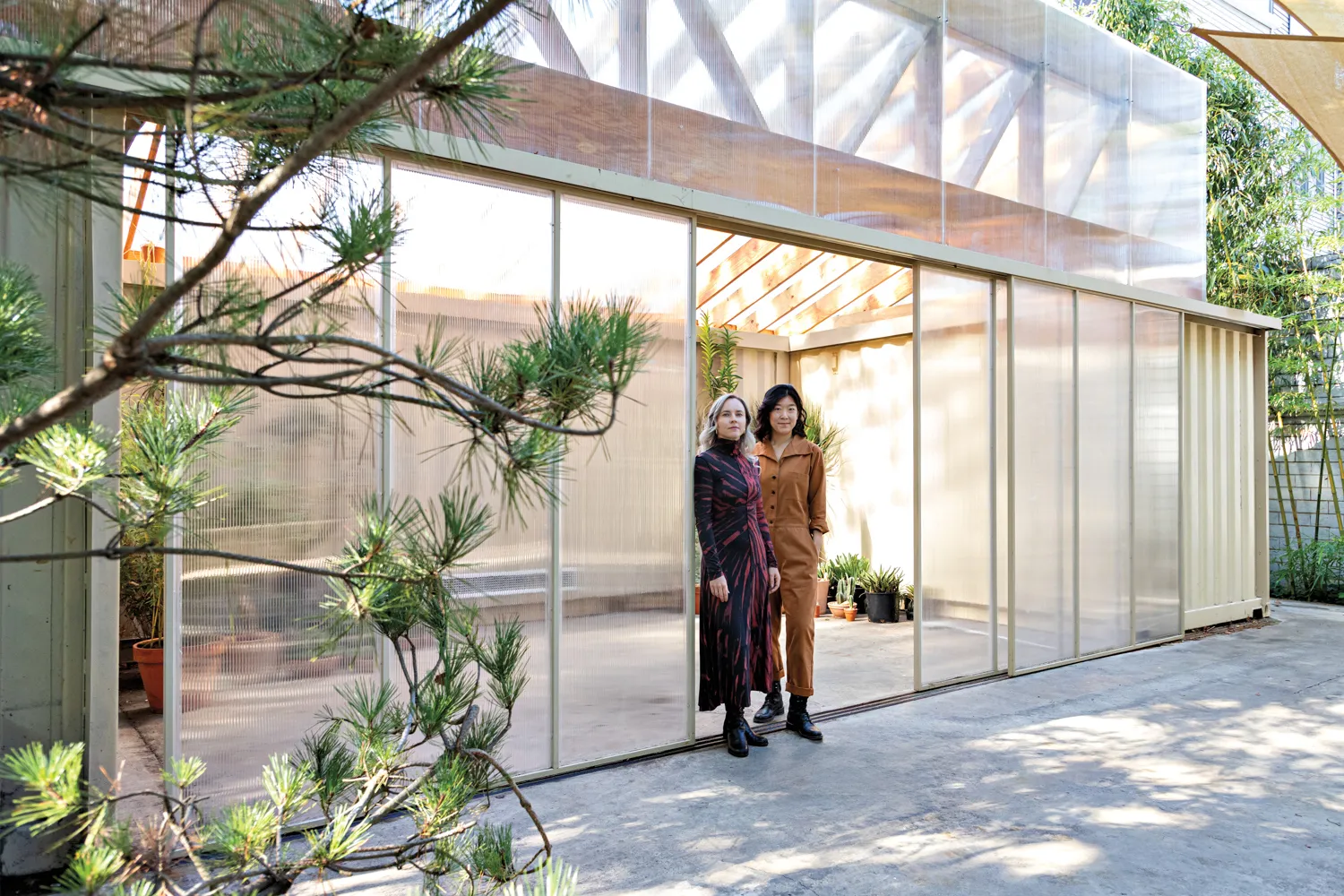
Lindsey Wikstrom and Jean Suh founded Mattaforma, based on their common principles of ethical and equitable means of practicing architecture, from material choices to deconstruction planning. Each of their project undergoes extensive research for a positive environmental impact through their design and the materials used. They believe in forging partnerships with like-minded people to create the most efficient designs for the community, rooted in circularity and sustainability.
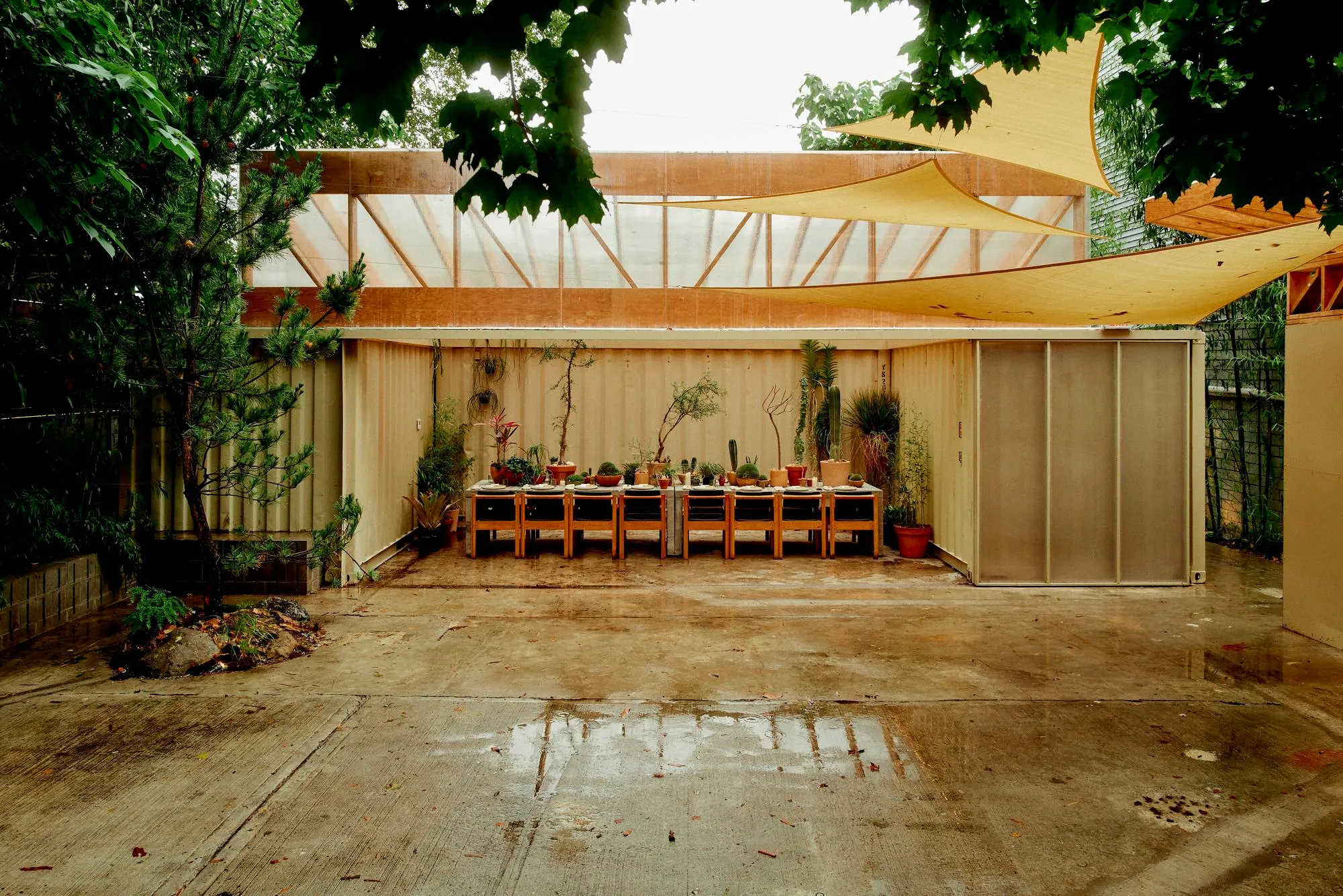
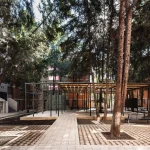
The Nursery at Public Records is a venue that functions as a community gathering space and doubles up as a lush courtyard for performances in the summer and a passive greenhouse in the winter. With the sole purpose of bringing plants and people together, the clients collaborated with Mattaforma to create an ecological urban intervention that used plants to naturally shade and improve the air quality of the space created. Available storage units were reused to form the structure, which can also be dismantled, recycled, or reused, adhering to the principles of circularity.
12. Mariam Issoufou – Mariam Issoufou Architects, Niger

Mariam Issoufou works with intersectional sustainability, where the project is not only about sustaining the environment but also the people, culture, and livelihoods. Based in Niamey, New York, and Zurich, Mariam utilizes locally produced materials in construction to highlight the importance of culture, history, and climate-relevant solutions. Her work demonstrates that architecture should have a positive social impact on end-users, which can be best achieved by educating locals in modern principles that can be integrated with traditional techniques to create designs that facilitate community growth.
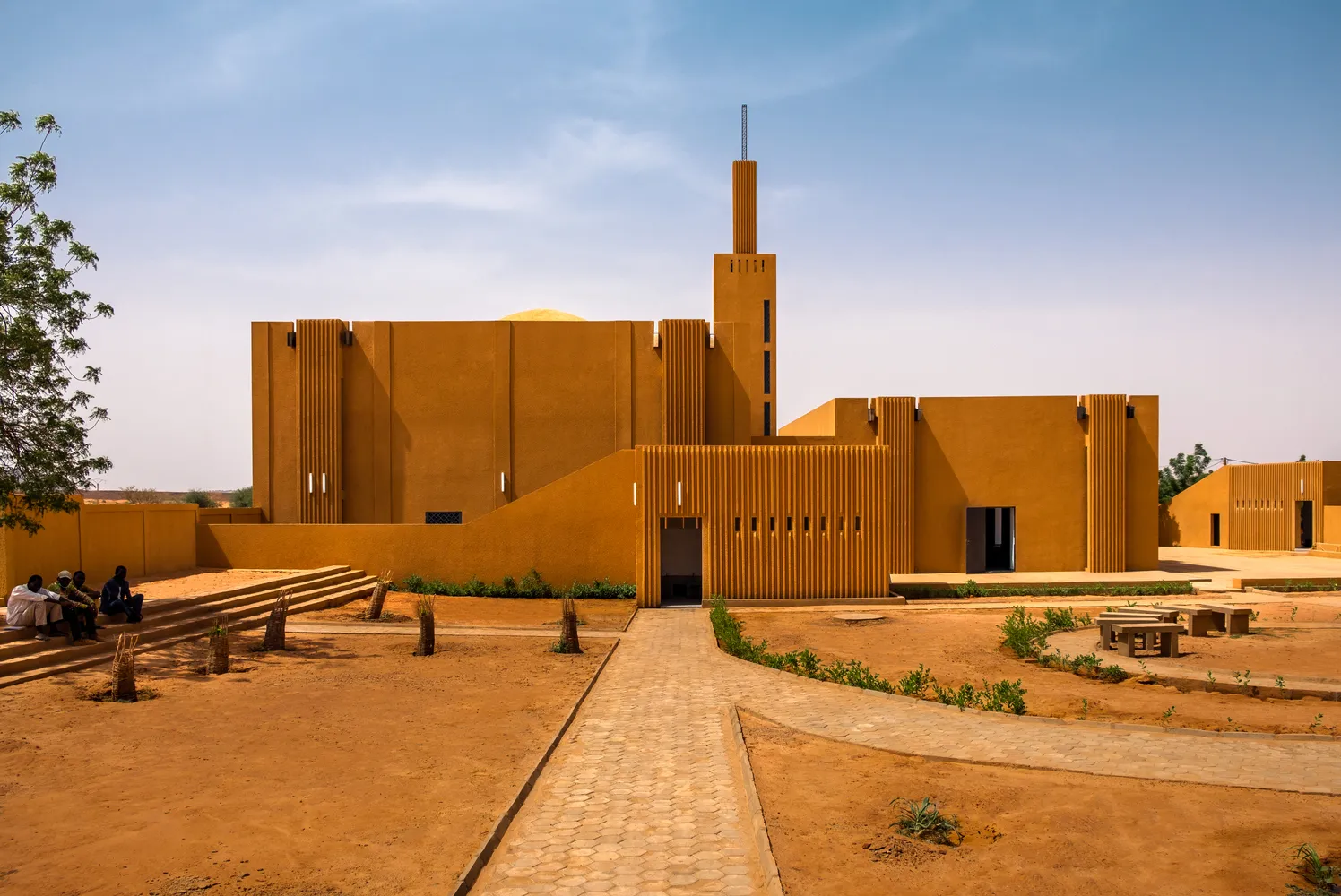
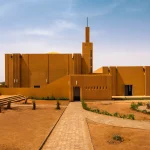
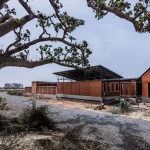
The Hikma Cultural Centre is a combination of adaptive reuse and new construction, designed to foster community interaction and development. Constructed with materials sourced within 5km of the site and optimized for designing comfortable indoor spaces, the structure became more appealing to use for the locals. The project also employed local masons to renovate and duplicate the existing structure in the newly constructed building using new and more durable materials, rooted in Mariam Issoufou’s intersectional sustainability concept.
13. Martha Schwartz – Martha Schwartz Partners, USA

Martha Schwartz is a climate activist, urban designer, and landscape architect, which makes art, landscape, and climate adaptation the main priority for every project her firm undertakes. She coined the term ‘soft sustainability,’ where she places equal importance on those factors outside of the technologies that make a project sustainable, such as the culture of a place, the aesthetics of the built fabric, the surrounding environment, and the architectural history. These factors define how the local community functions and responds to a built structure, how the space could be used, and ultimately how sustainable the project could be under operation.
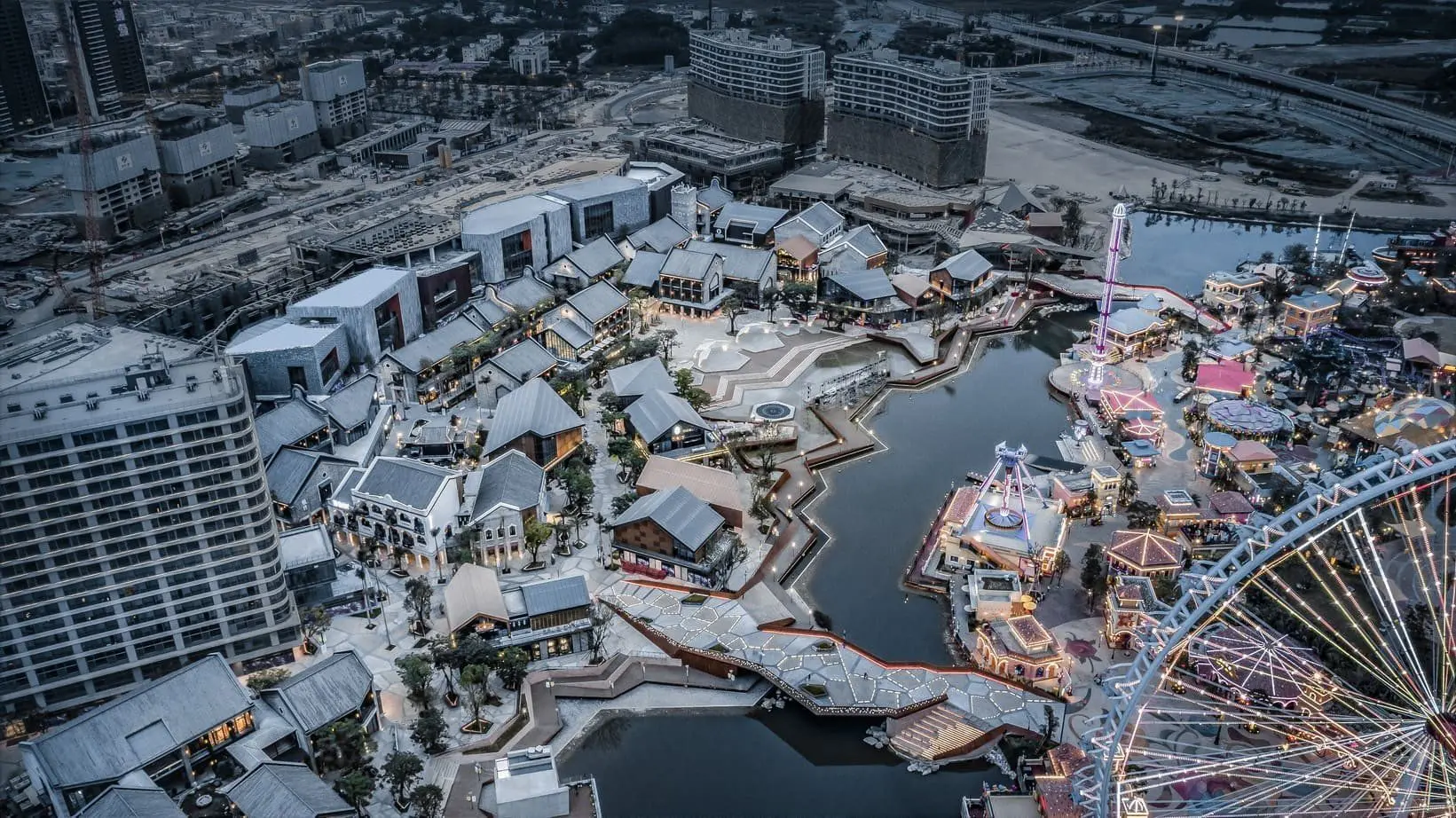
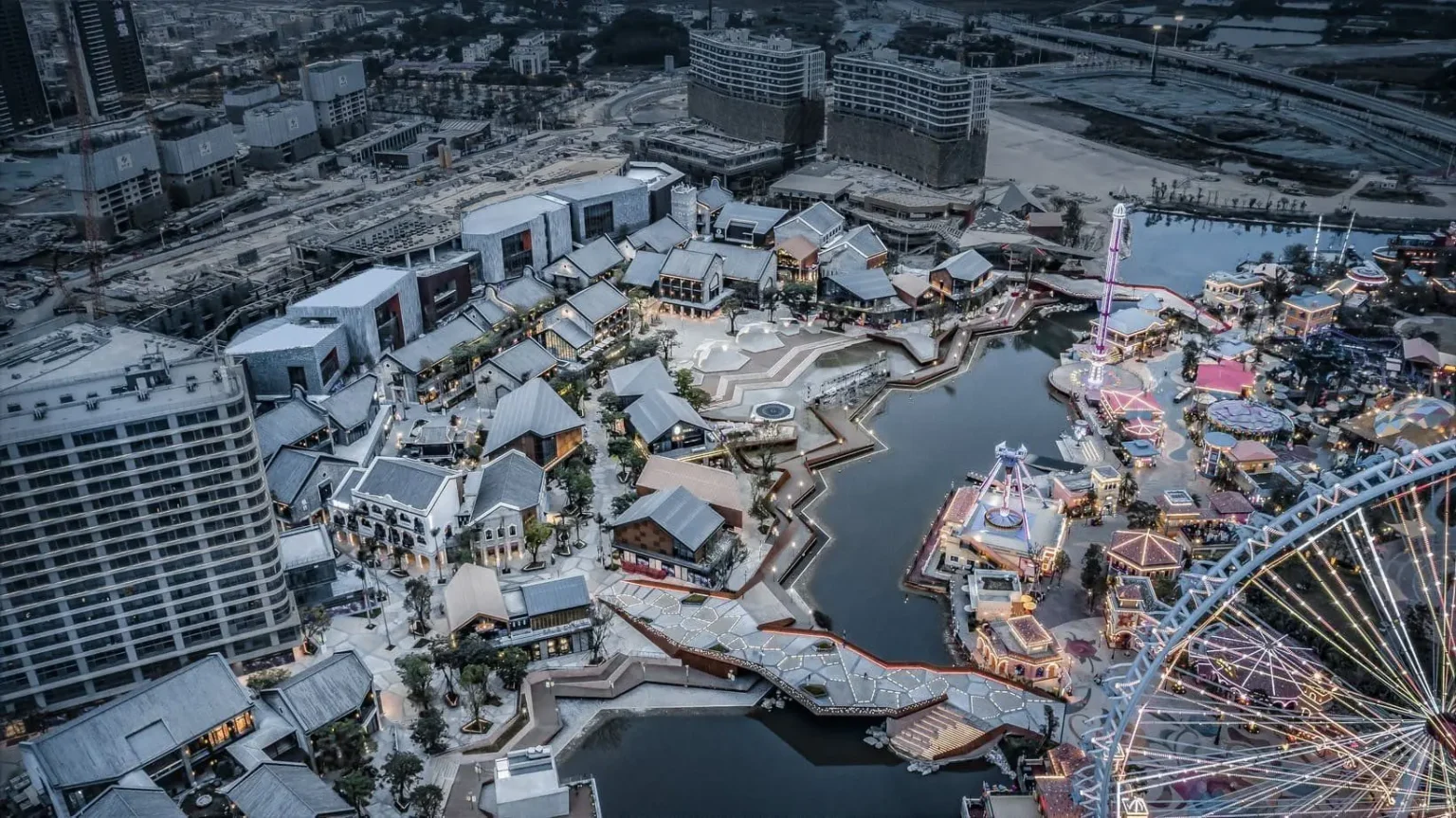
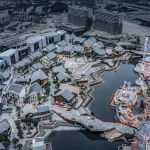
Incorporating the ‘soft sustainability’ concept into the Shunde Joy Marina resulted in creating a landscape design that seamlessly blended with the highly productive retail and mixed-use site. The design created intimate and community gathering spaces that also addressed the challenges of waterfront development through climate-resilient solutions, enhancing the overall vitality of the site. Duplicating the forms of the buildings on the site into the pavement, the project is an excellent example of how landscape design can be beautiful while still positively impacting the environment.
14. Lina Ghotmeh – Architecture, France

Lina Ghotmeh follows a methodology that she calls ‘Archaeology of the Future’, where she researches the history, context, and materials of the site, which then informs her of the local stories and crafts. This helps her design innovative, sustainable, and environmentally friendly designs rooted in tradition, but serving modern needs. It is a conscious decision to connect the past, present, and future. Her designs use bio-sourced and low-carbon materials and are cognisant of the ‘footprint’ of the building to include more aspects – emotional, social, functional, and historical connections.
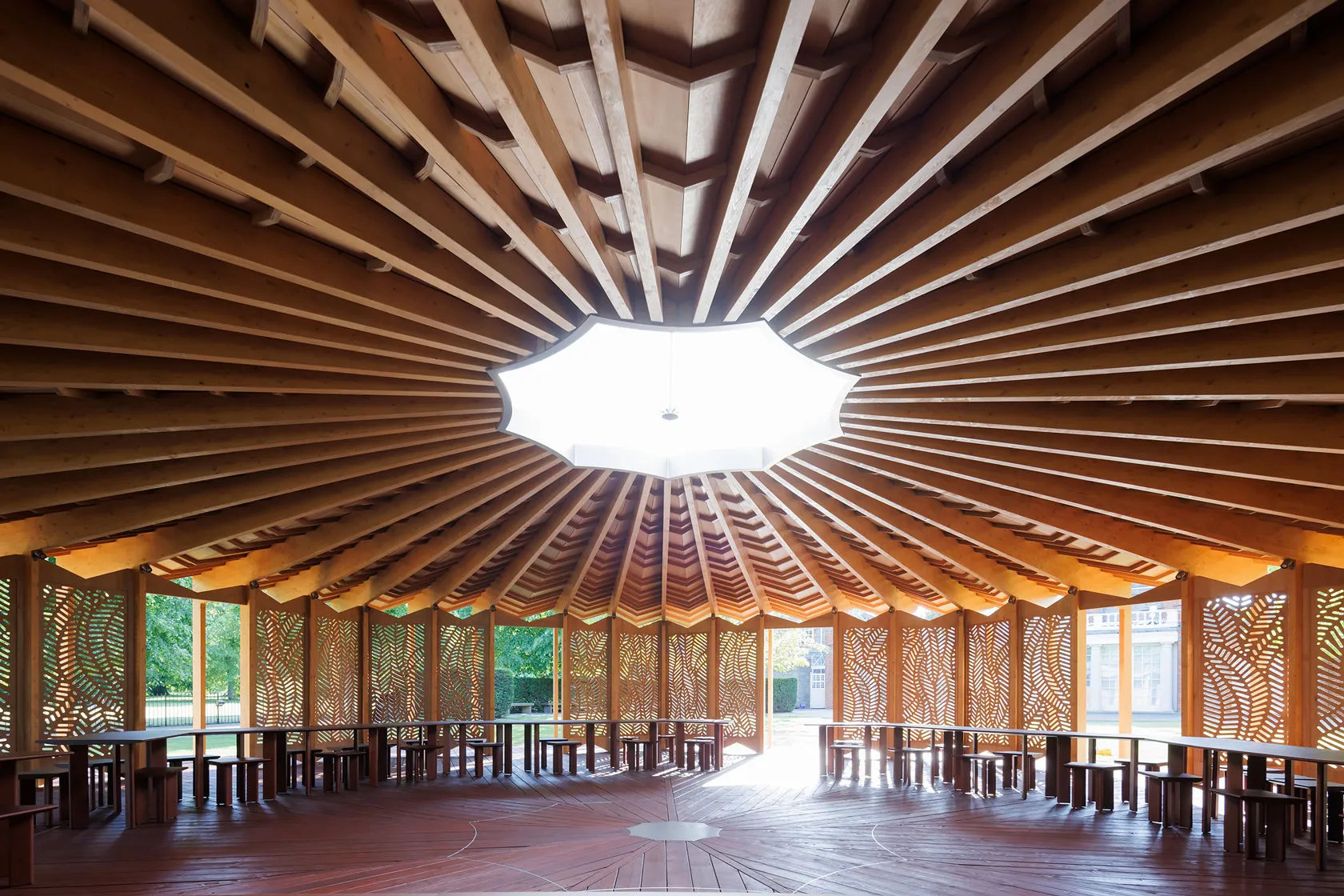
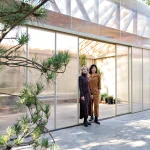
The 22nd Serpentine Pavilion was designed by Lina Ghotmeh and is called ‘A table’, to denote an invitation to sit down at a table for a meal and share a dialogue. The structure itself was inspired by the architect’s Mediterranean heritage and made of lightweight materials that required minimal foundation and could be fully dismantled, ensuring minimal carbon footprint. The surrounding local trees define the shape of the roof and the cut-outs of the wooden panels, which bring in natural light and ventilation.
15. Eleanor Raymond – own firm (1917-1989), USA

Eleanor Raymond is known for designing homes in America across six decades. Her style featured timeless design principles where she was keen to explore the relationship between vernacular solutions in contemporary situations. This included research on modern materials and technologies reflected in simple but harmonious forms, many of which were inspired by foreign architects.
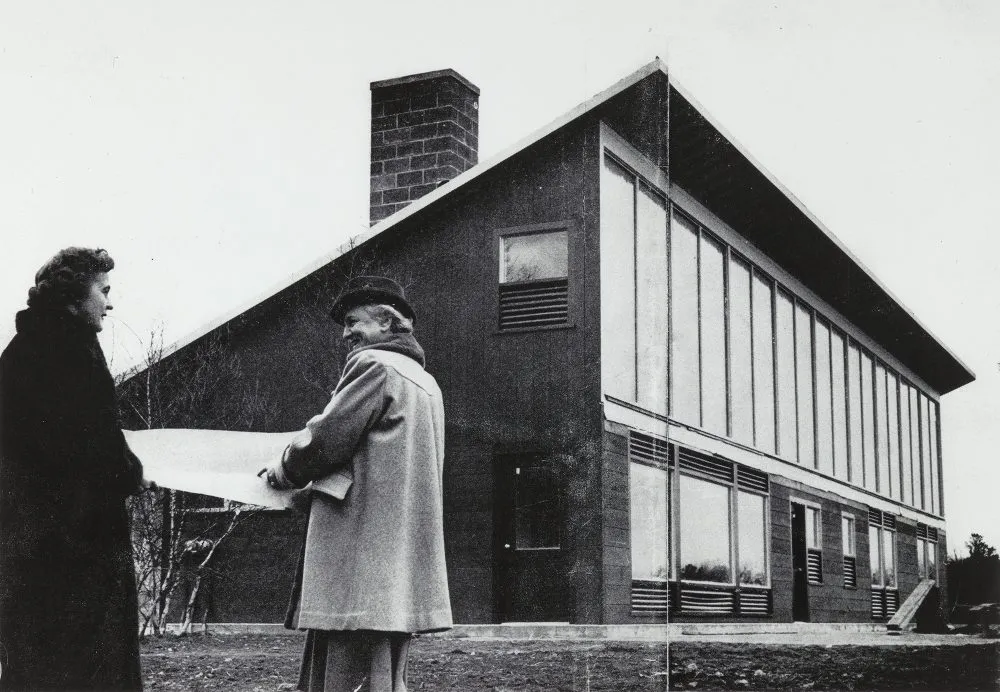
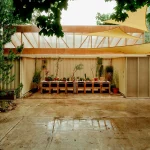
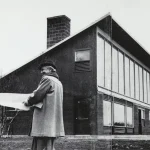
One such pioneering project is the innovative Sun House in Dover, a project that she came across when a client introduced her to Maria Telkes, who was working on generating heat from the sun. The house itself was one of the first solar-heated homes in the world, designed with glass panels on the southern side to capture the sun’s heat. This space was designed for heat to be absorbed into Glauber’s salts during the day and would release the stored heat when needed. This was a big leap in sustainable design and in the architectural field.
16. Toshiko Mori – Toshiko Mori Architects, USA

’Every single decision you make, you should think of seven generations ahead,’ is a Native American idea that Toshiko Mori believes in, and it started her sustainability journey. She believes that architecture is a profession that can improve the quality of life and practices it with that idea by creating ‘living labs’ out of her projects, where the space itself becomes a research tool on how it is used and how it responds to climate change. Her work also focuses on using materials that improve indoor air quality, that foster connection between communities, and is designed as much for the future as for the present.
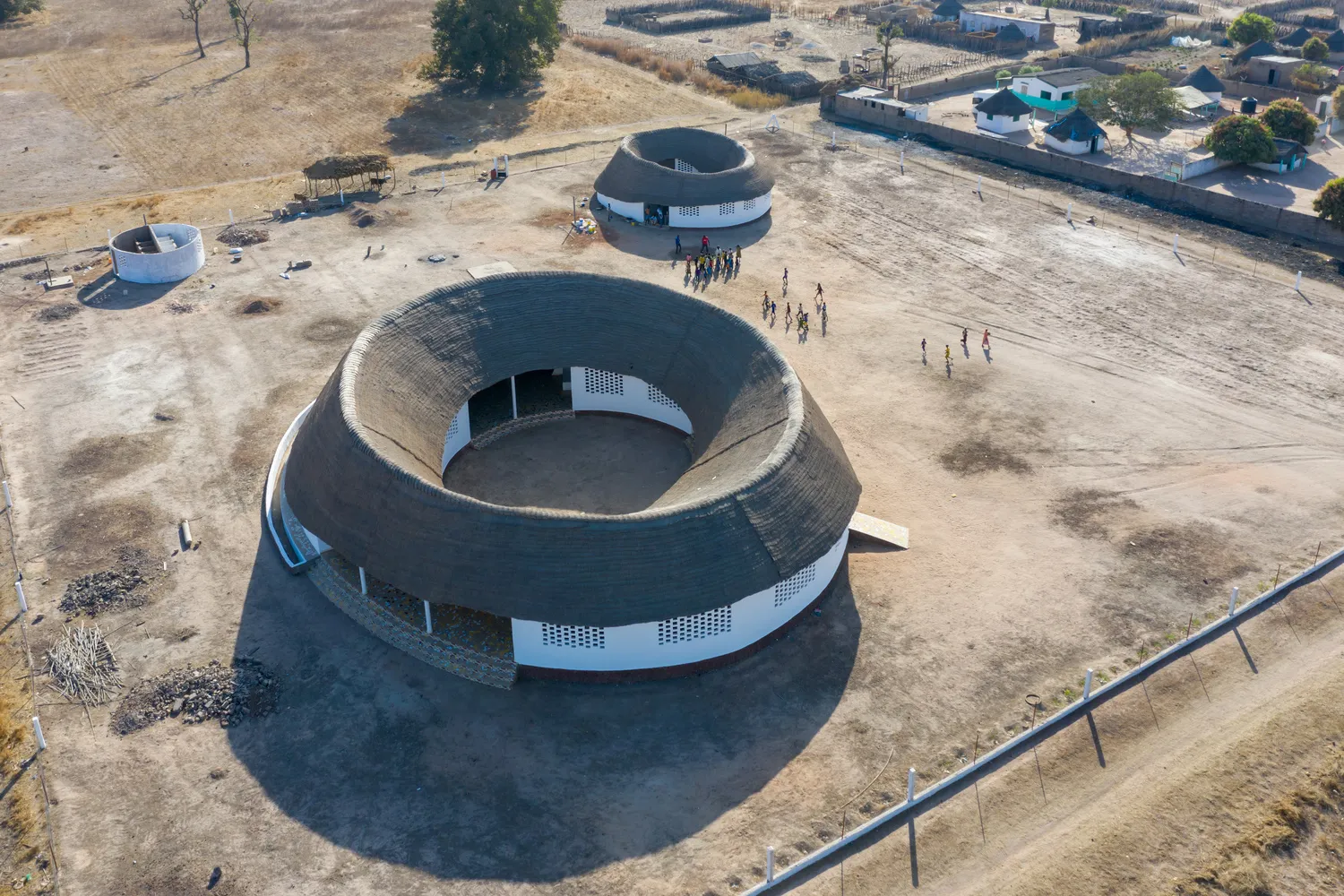
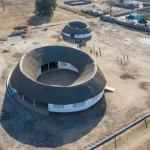
The Fass School and Teachers’ Residence is a prime example of sustainable, climate-responsive architecture, built with local materials and their traditional techniques. The roof, a striking thatched crown, enhances natural ventilation, facilitates shading, and harvests rainwater. The open oval courtyard functions as a community space and facilitates natural daylighting. The structure itself is resilient, predicting how the future will use it and basing it on past precedents.
17. Rozana Montiel – Estudio de Arquitectura, Mexico

Rozana Montiel designs spaces that put people at the core of her work. She believes sustainability equals social interactions and starts with creating a habitat to welcome and engage people, which can foster a healthy relationship between man and nature. Her projects are socially conscious and community-oriented, aiming to enhance the public realm, focusing on transforming dead and disused areas into lively and interactive spaces.
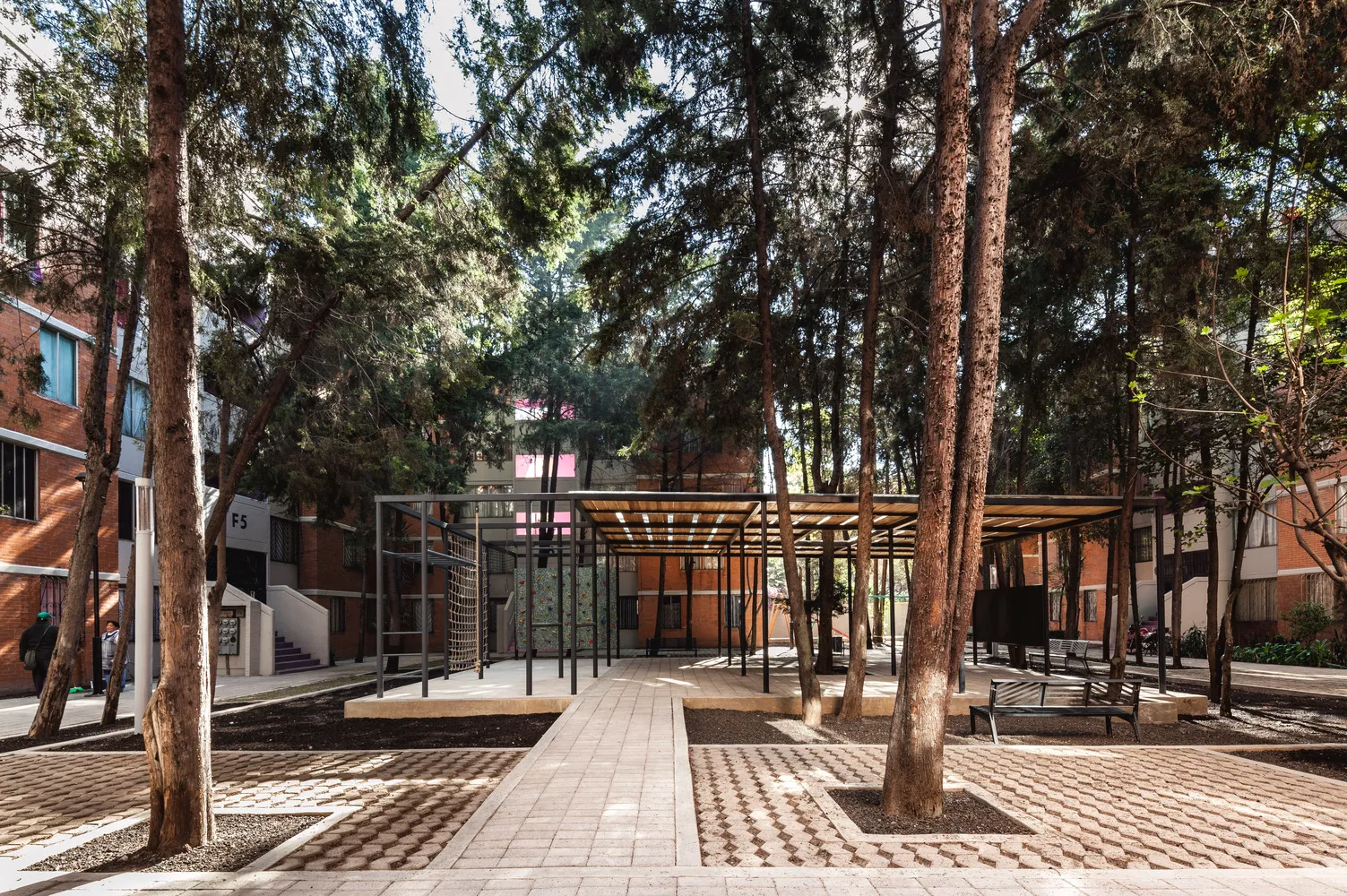
The rehabilitation project of a public space in a housing unit in Mexico is called Common Unity, as it aimed to achieve unity of space and people in the otherwise segregated and fenced community. Involving the community of the housing unit helped to effectively remove, permeate, or redesign them to unify the space. The result was an open space that comprised not only public spaces but also the daily activities of the inhabitants, which made them naturally responsible for it.
18. Sarah Wigglesworth – Sarah Wigglesworth Architects, UK
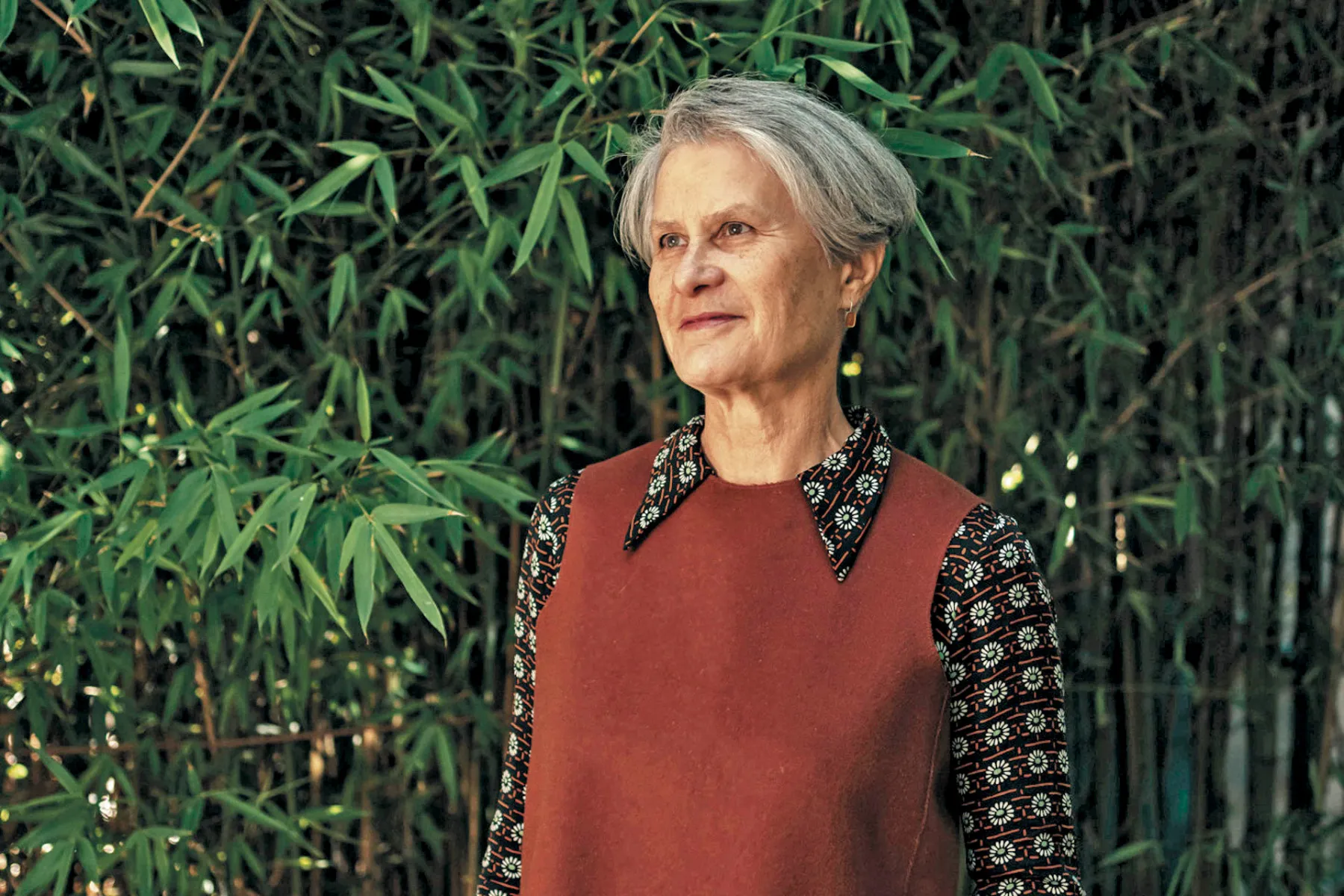
Sarah Wigglesworth Architects aims to make the transition to ‘green living’ seamless for the users by merging carbon-light design with the users’ needs. They place equal importance on social, ecological, and economic sustainability, making the operation of a building as a sustainable entity as necessary as its construction. They continuously develop their design strategies by following up on post-occupancy evaluations of materials, innovation, technology, and space design.
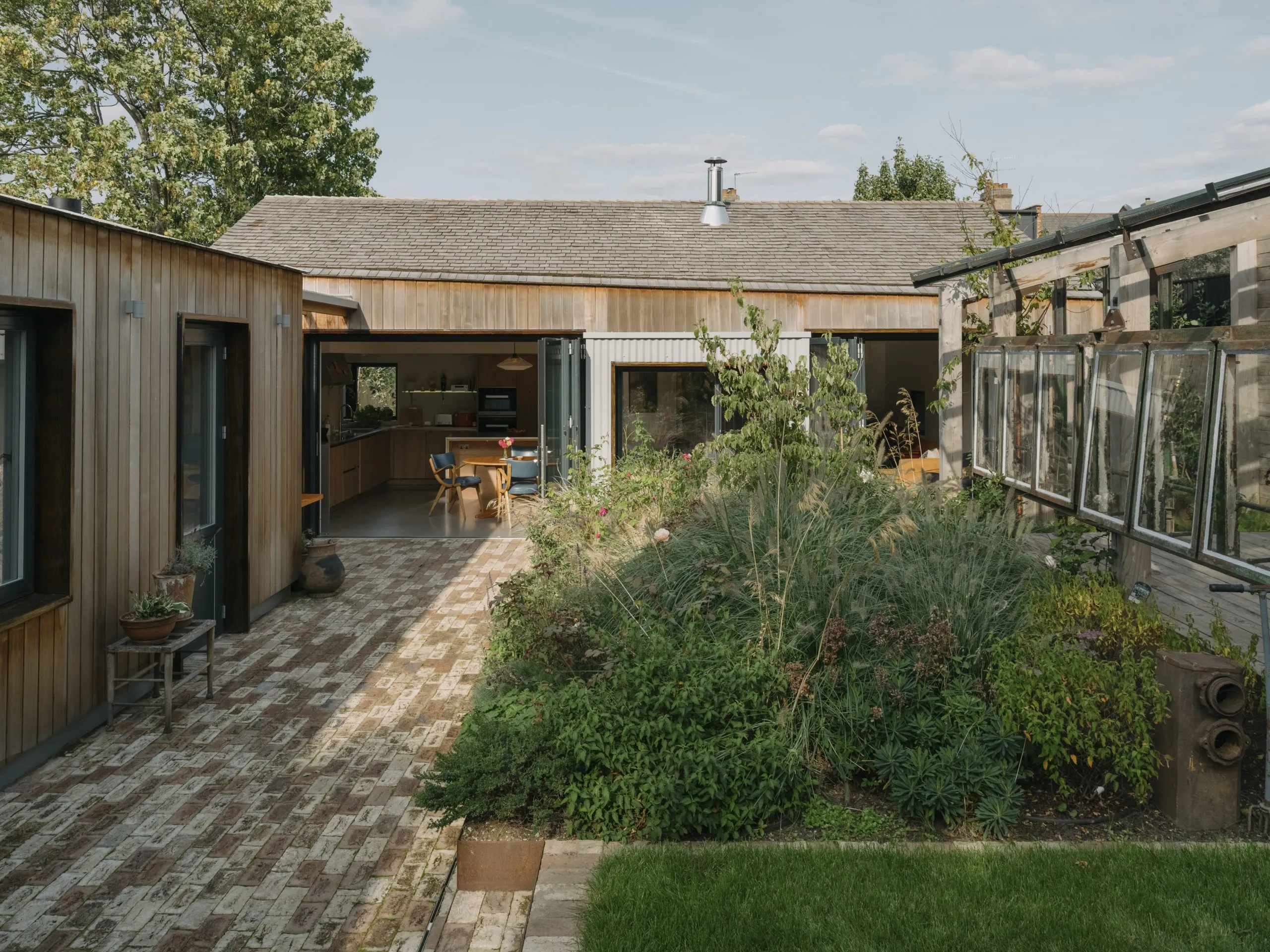
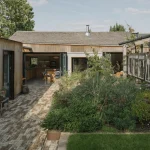
To achieve high energy efficiency, good air quality, and consistent thermal comfort, the architects followed the Passivhaus principles when designing the multi-generational home in London. Haycroft Gardens consumes very low energy, has a low impact on its surroundings, and is designed in an L-shape to maximise views, natural light, and ventilation. The spaces are also designed to adapt as family dynamics change with time, making the structure resilient and long-lasting.
19. Nzinga Biegueng Mboup – Worofila, Senegal
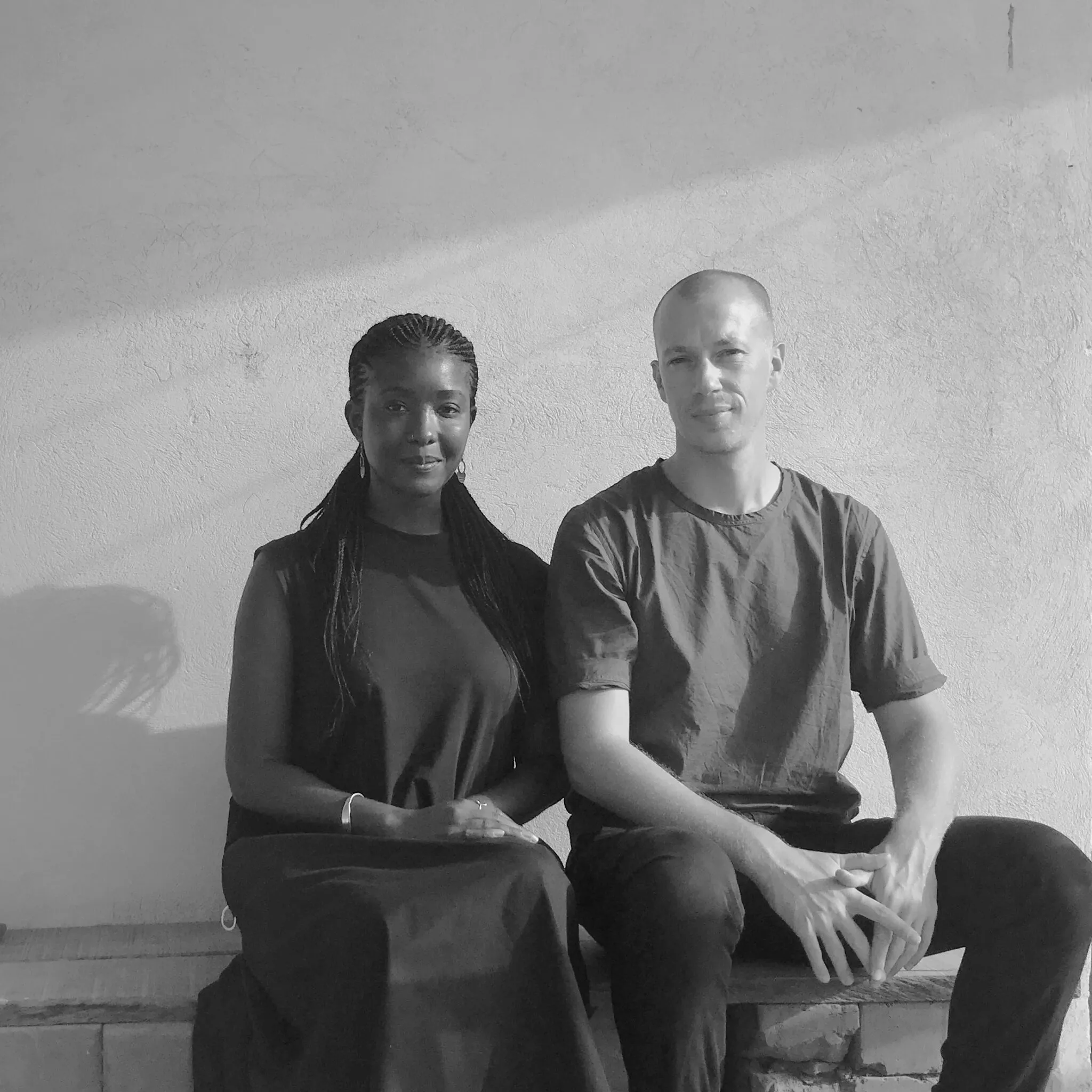
Focusing their architectural style on tradition, materials, and climate, Worofila promotes the use of local, natural, and less altered materials, which are climate-friendly and tradition-rooted. Nzinga Biegueng Mboup’s work can be defined as bio-climatic design or low-tech vernacular as she avoids materials and techniques that require high emissions of carbon and employs materials that are durable and in harmony with the local climate. Her work also examines the different layers of the site and explores ways to enrich it through design that is also adaptable to combat changing environments.
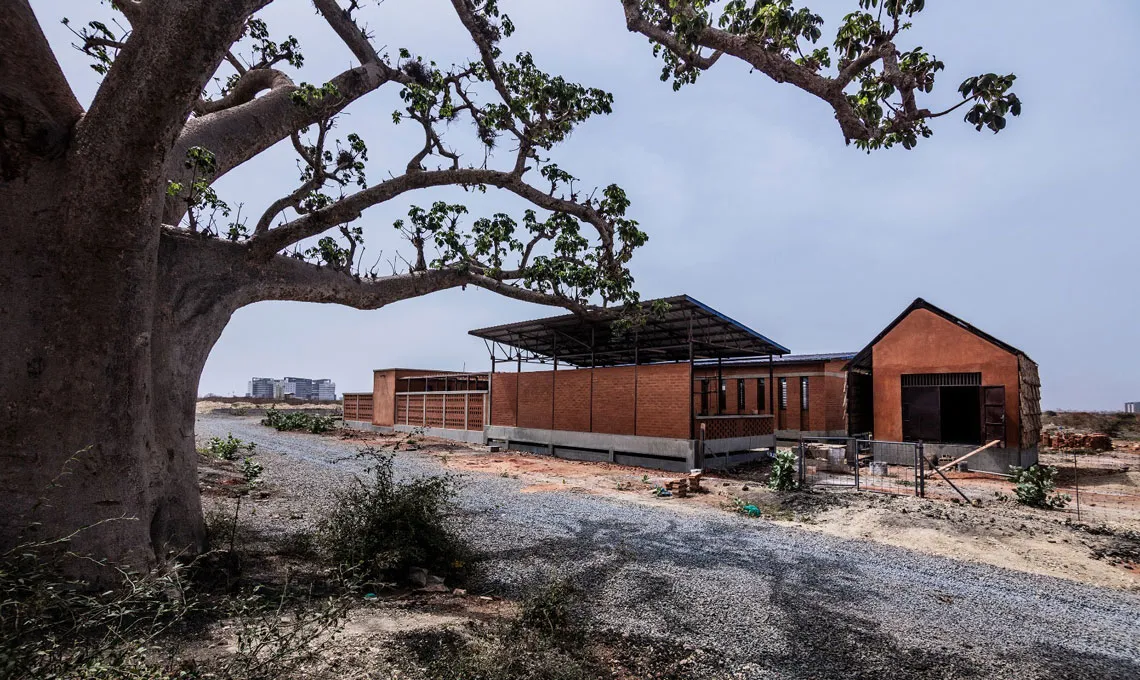
One such example where Worofila used indigenous and locally available material is the Eco-pavilion in Senegal, commissioned by the Ministry of Environment. Working in collaboration with CraTerre, the structure is made of earth bricks that maintain the temperature inside, and typha for its insulation properties. Woven typha panels, made from water reeds found in the North of Senegal, were used on the walls for protection from the sun and on the roofs for acoustic absorption.
20. Frida Escobedo – Frida Escobedo Studio, Mexico
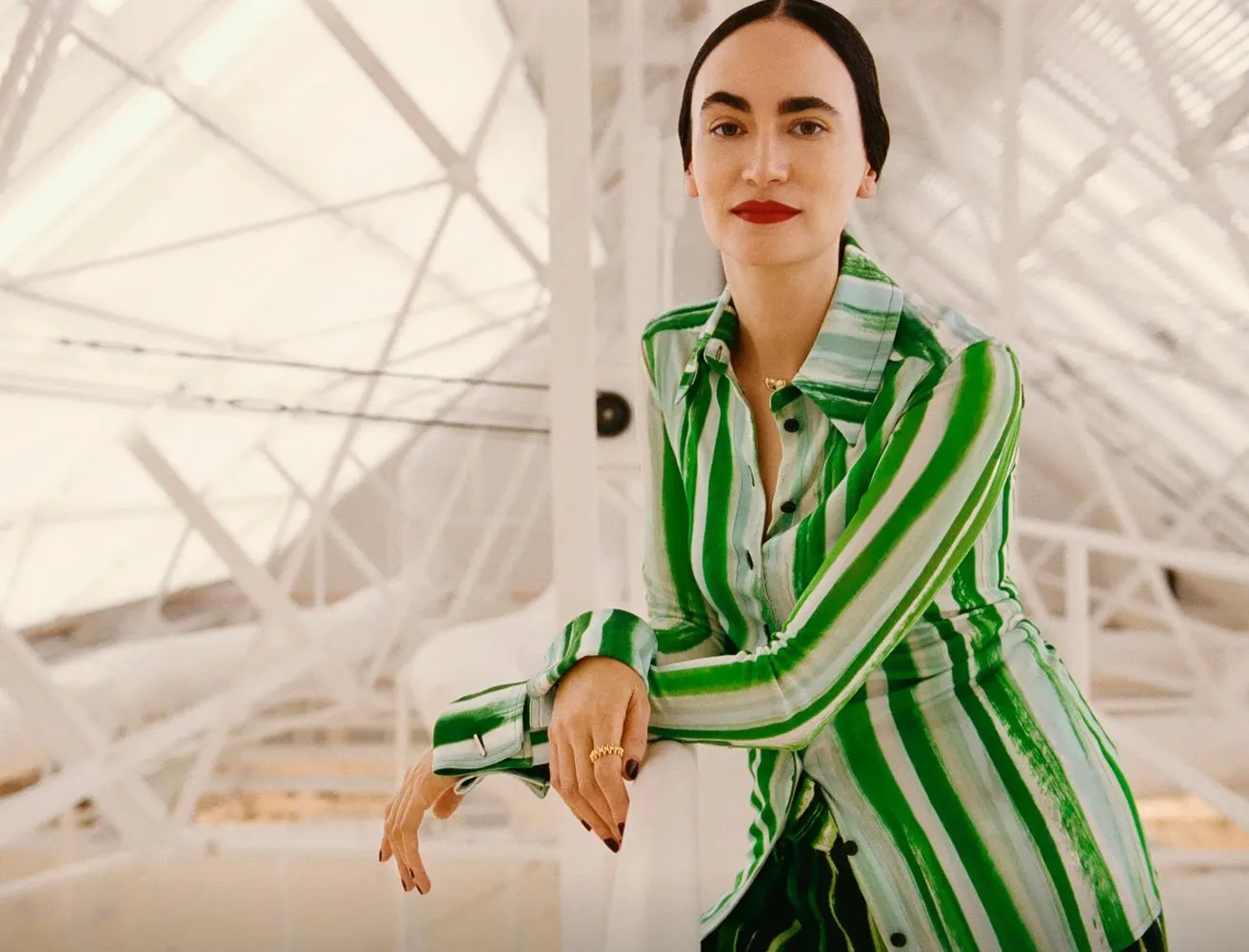
Frida Escobedo is known for creating structures that cause very minimal ground impact and incorporate social inclusion as part of her sustainable development vision. She also insists on sourcing materials within a 25km radius to reduce carbon footprints and transportation costs. This ensures her designs are harmonious with their surroundings and aid in social, ecological, and cultural regeneration.
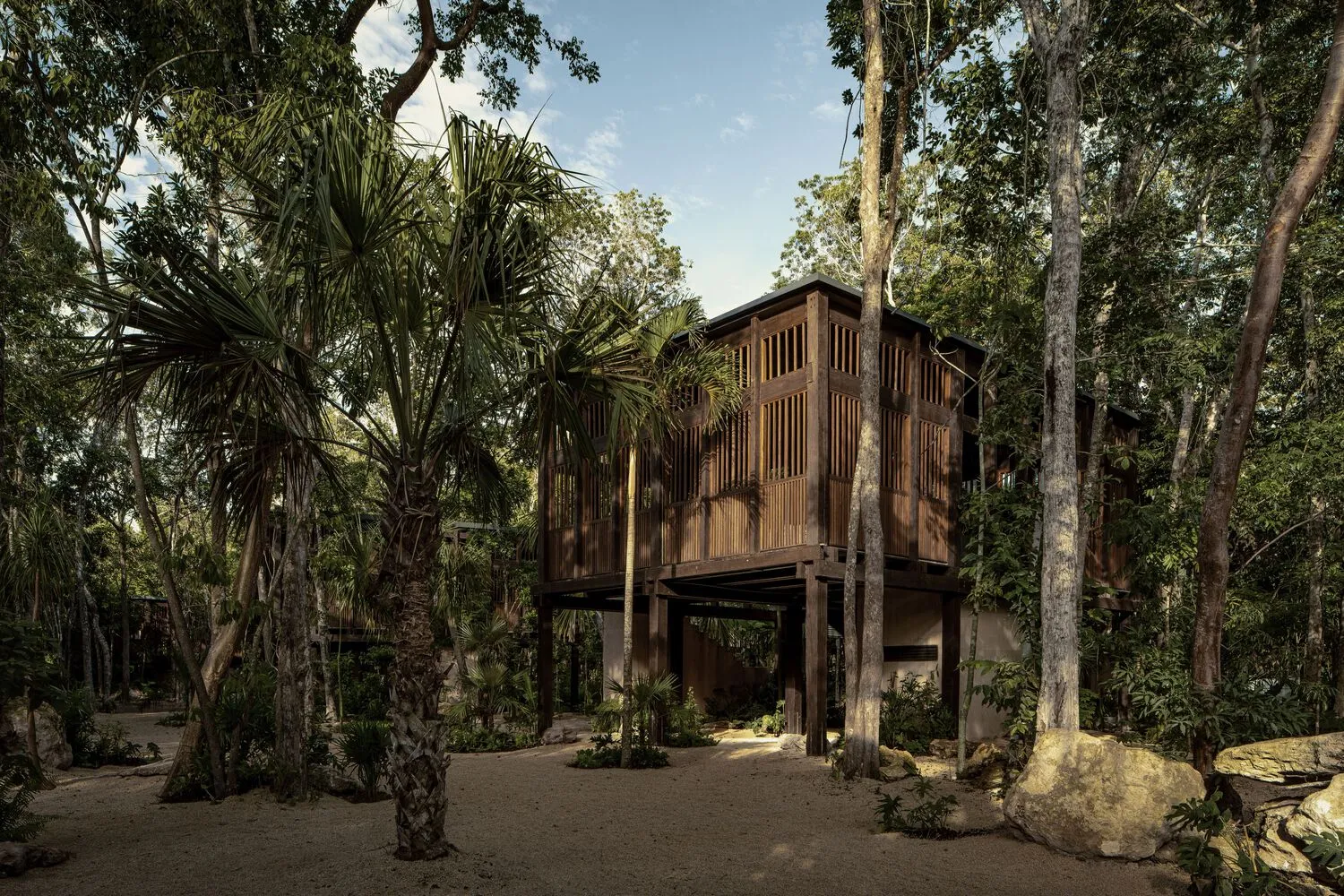
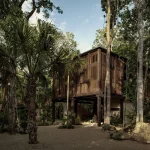
Taking inspiration from a tree house, the Hotel Boca de Agua houses its rooms above the ground on pillars to minimise the ground impact. This project aimed at economic development and environmental regeneration. Wood is the main construction material, sourced from the nearby forest and fashioned into latticework that is the signature of Escobedo’s style. Local artisans were employed to design the furniture using recycled wood from a nearby unit, which reflected the local culture and tradition.