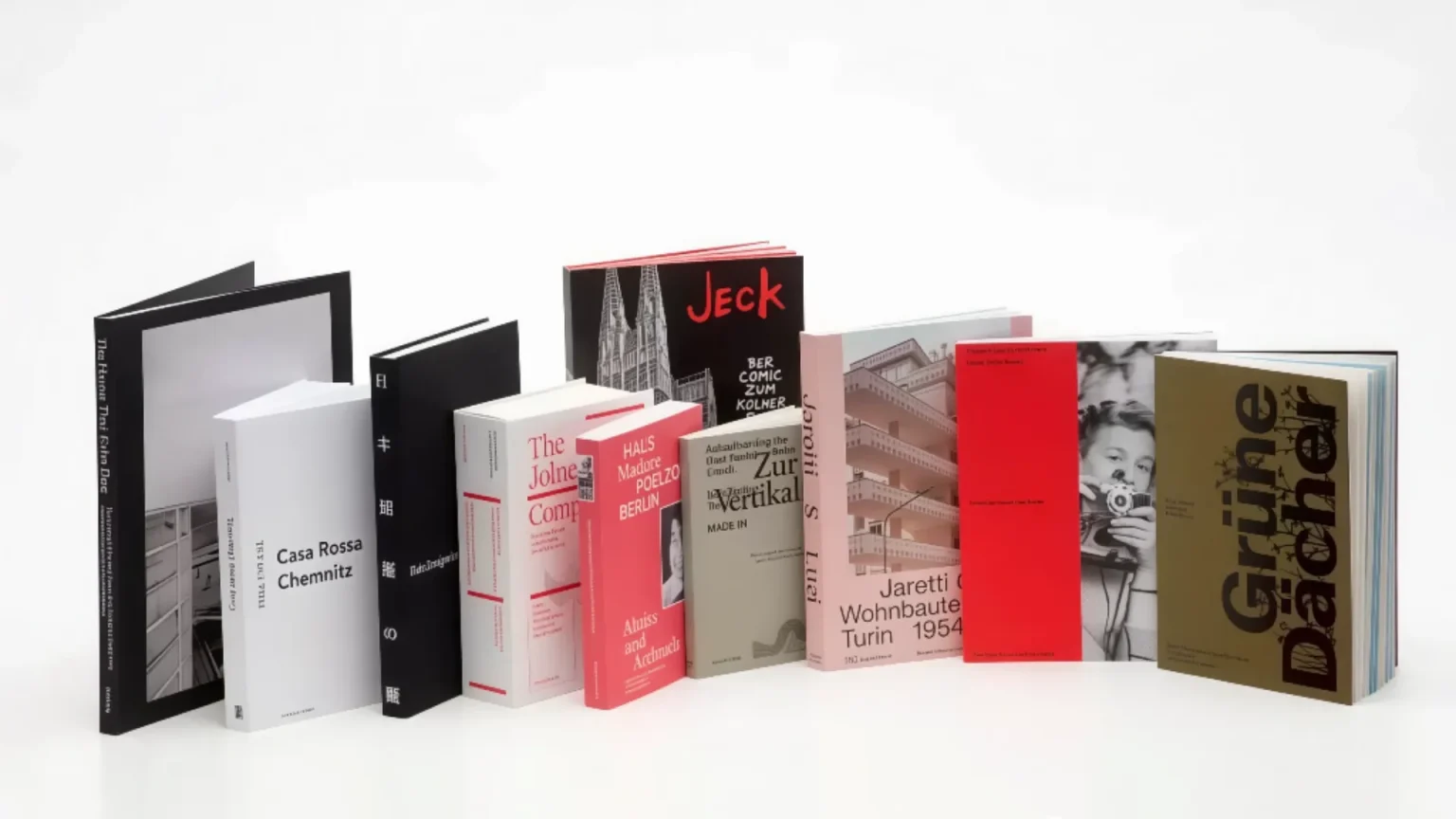
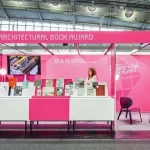
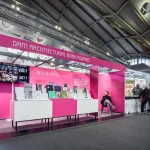
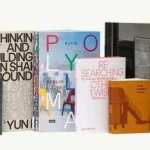
Digital communication challenges the power of print media, yet the physical architectural book continues to retain its essential role as a medium for rigorous scholarship, design excellence, and archival purposes. This enduring relevance is celebrated annually by the Deutsches Architekturmuseum (DAM) and the Frankfurt Book Fair, which have announced the ten winners of the prestigious DAM Architectural Book Award 2025.
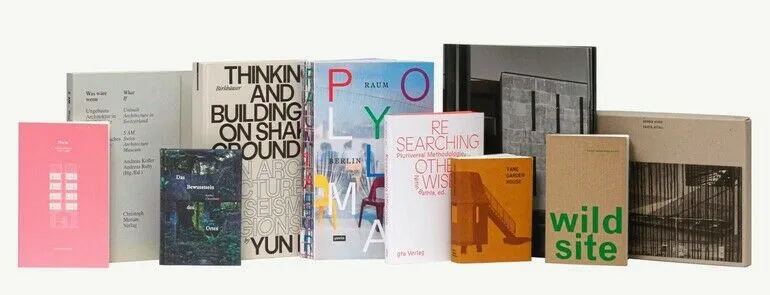
The selected books reflect diverse themes and profound trends, emphasizing ecological resilience, historical relevance, material craft, and the critical importance of the physical book as an architectural medium in the digital age.
DAM Architectural Book Award 2025
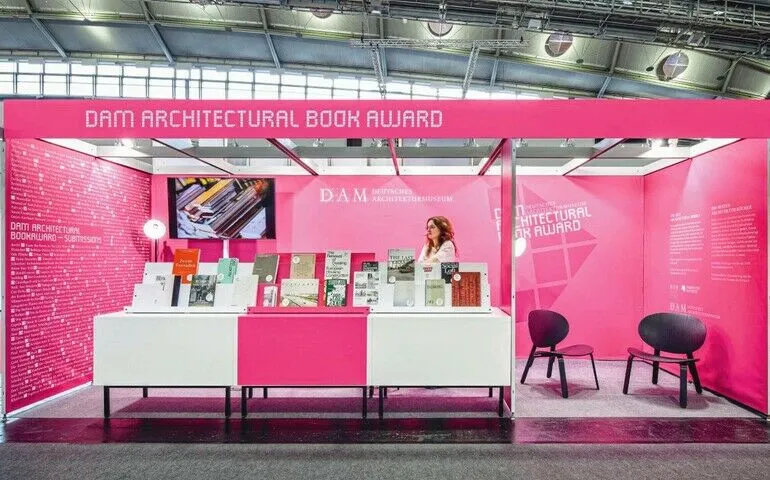
Launched in 2009, the 2025 edition, marking the seventeenth since its inception, demonstrates the enduring ability of architectural books to sustain editorial precision and visual discipline, inspiring generations to read, rethink, and reinterpret the built environment.
Renowned for its high standards, the 2025 competition received international acclaim, drawing 258 entries from 93 publishers across the globe. The selection of the ten best books was guided by a framework on five main domains: design, content, quality of material and finishing, innovation, and topicality.
The emphasis on material quality and finishing exemplifies architectural books that are intricately crafted and suitable for archival purposes, with a preference for publishers operating within the DACH region (Germany, Austria, and Switzerland), known for their deep traditions in graphic design and high-quality print production.
Frankfurt Book Fair
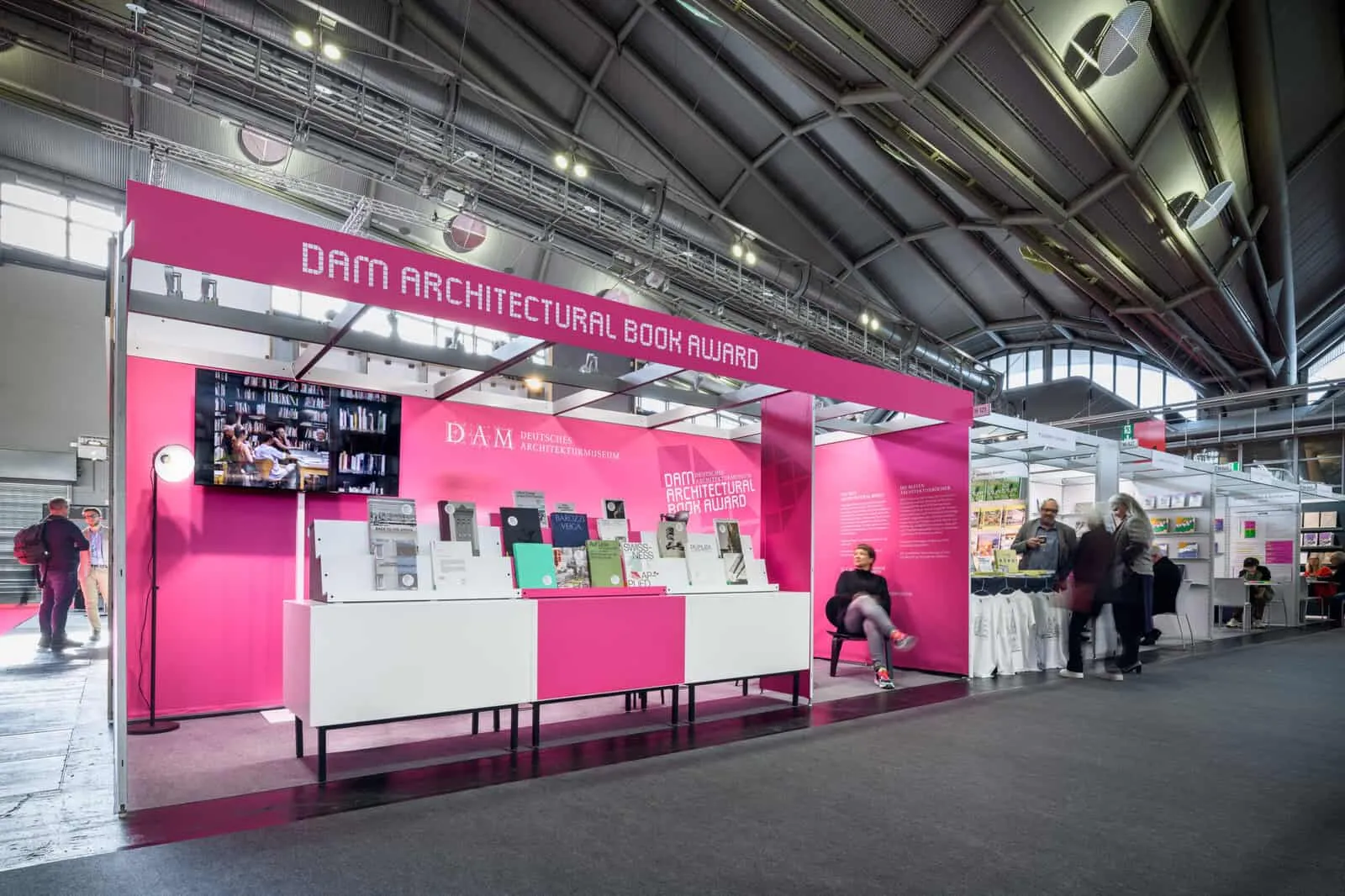
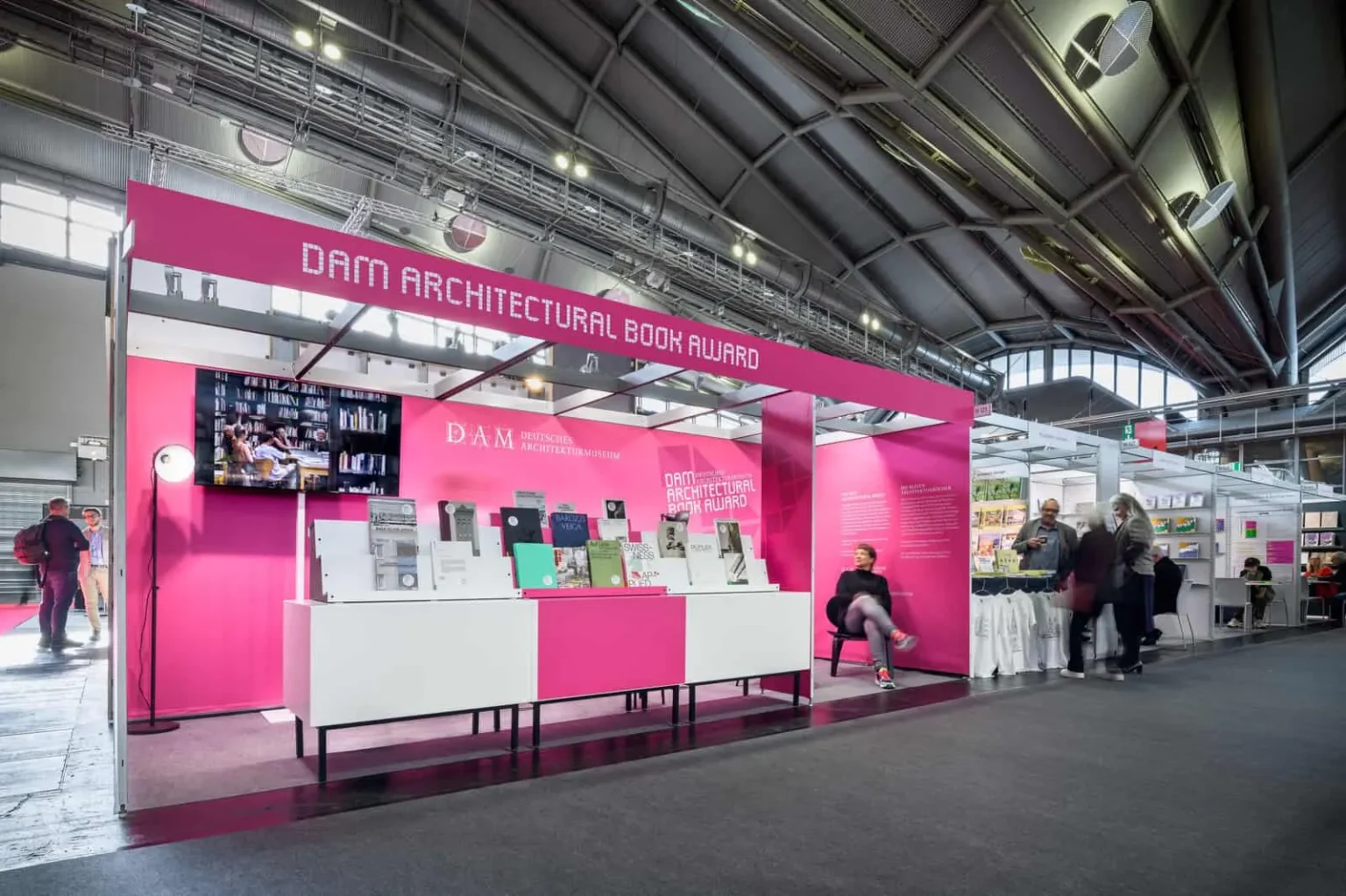
The award ceremony took place on 15 October 2025 at the Deutsches Architekturmuseum (DAM) during the opening evening of the Frankfurt Book Fair, where the ten winning books showcase a broad range of architectural history, critical theory, material science, and urban engagement. The integrity of the award is upheld by the expert jury panel, comprising Peter Cachola Schmal (DAM Director) and Anne Scheinhardt (Documentation and Digitalization). The external experts included Vladka Kupska (Frankfurt Book Fair), Sonja Bröderdörp (ArchiTangle), Marie Schoppmann (Design), Danny Lettkemann (Architect), and Piet Nieman (Photographer).
Thematic Cluster A: Craft and Asian Influence
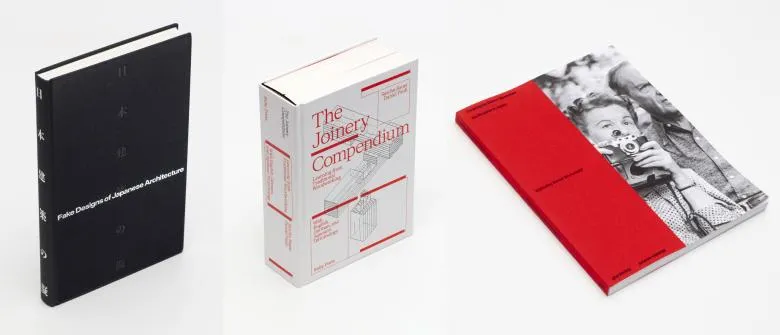
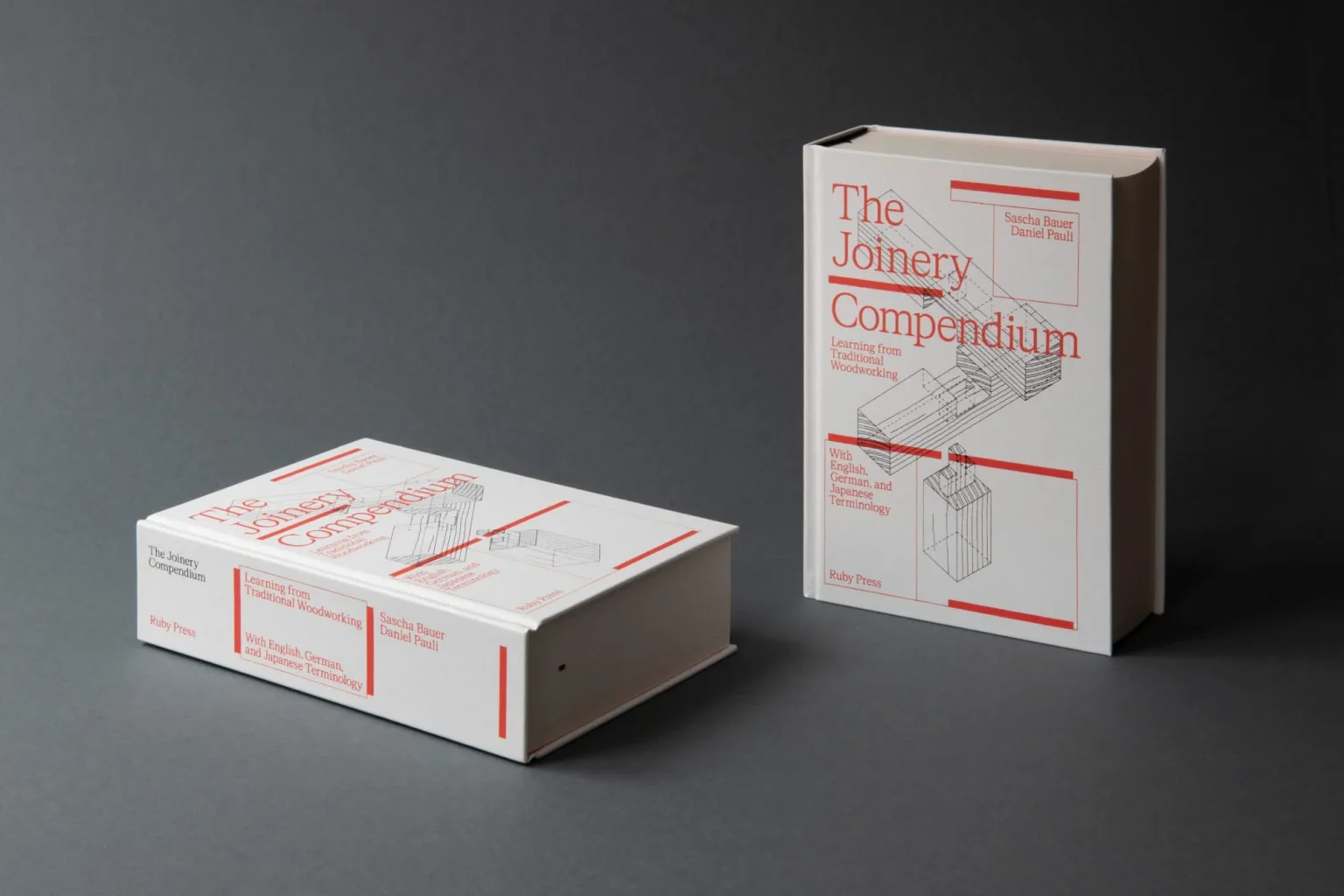
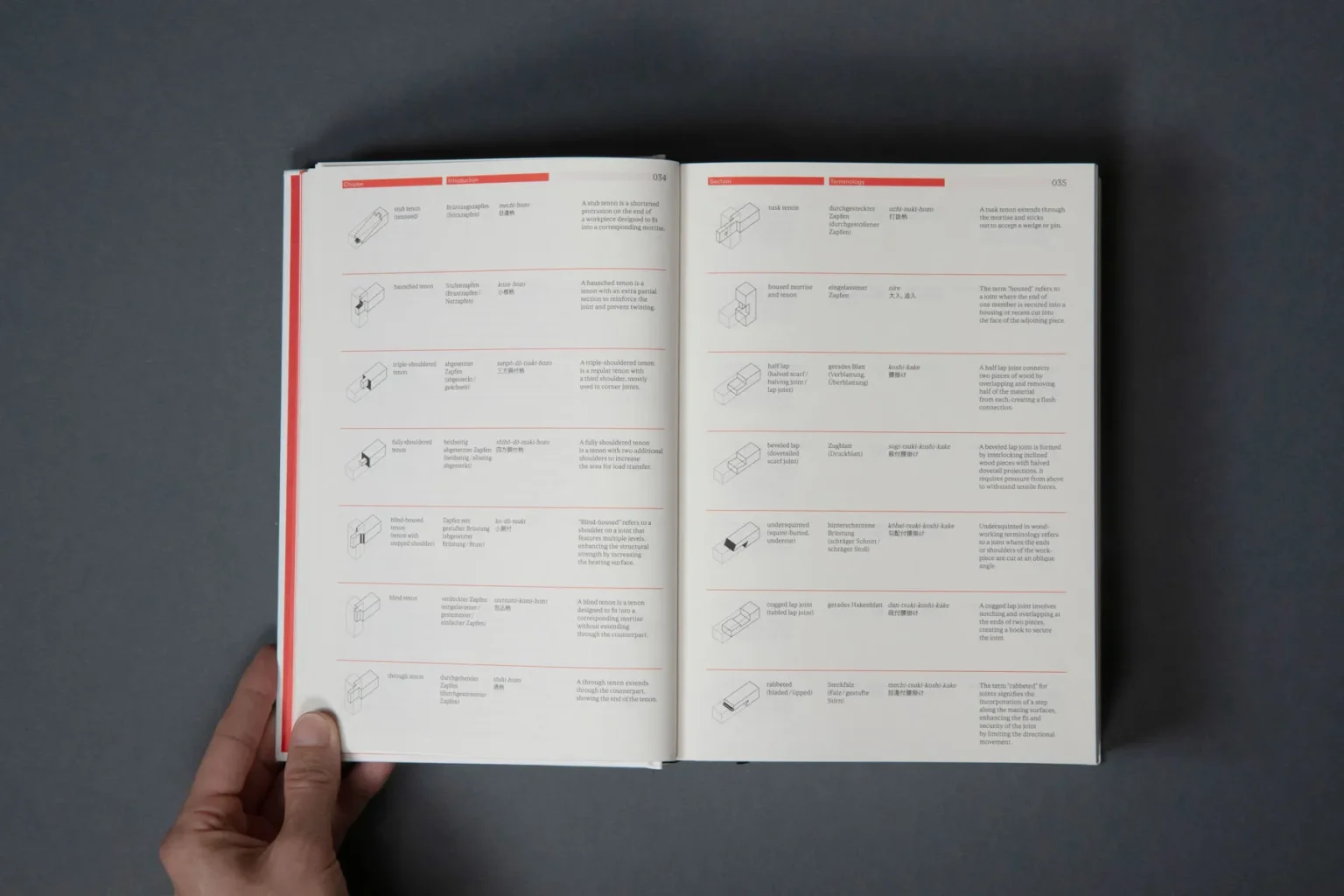
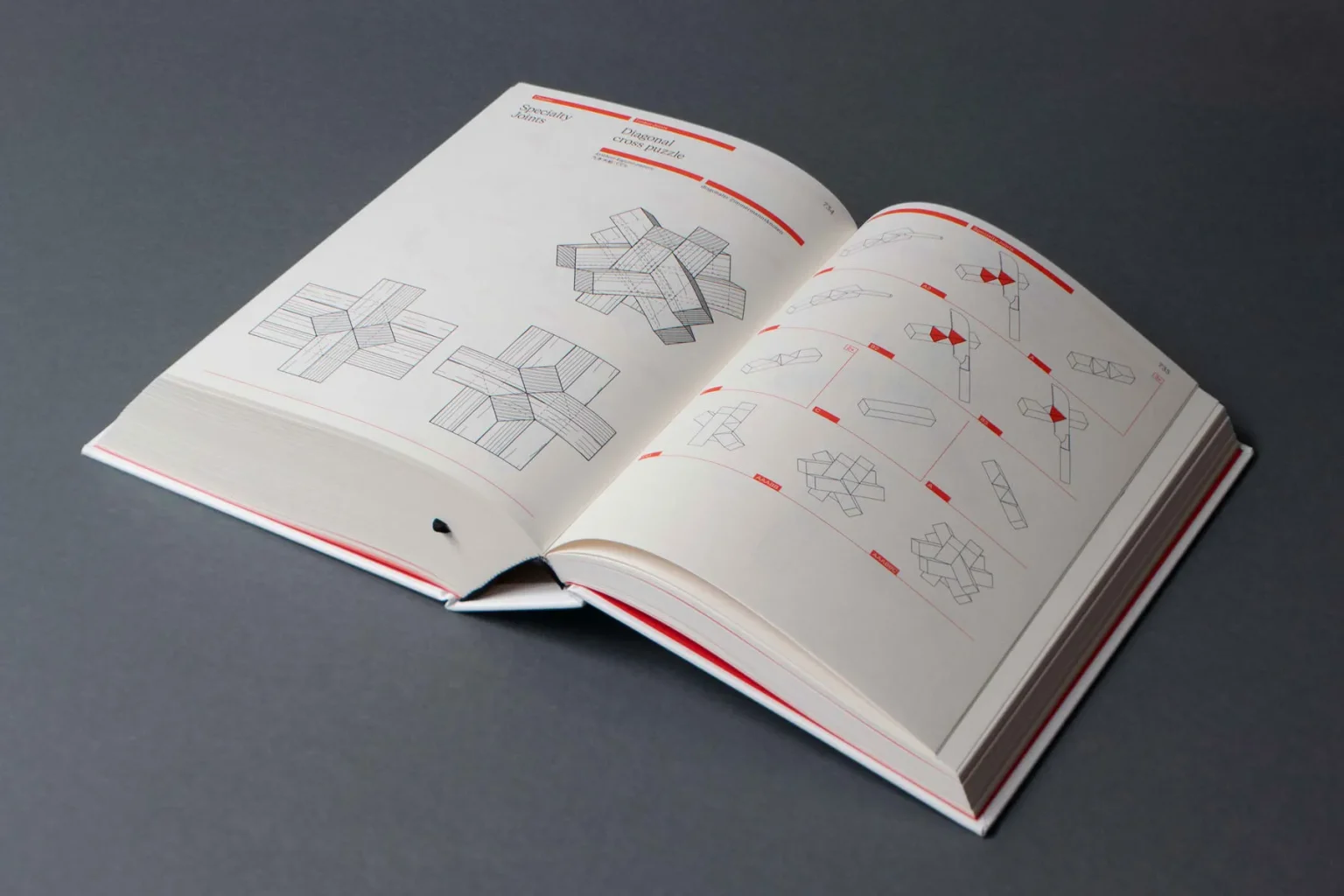
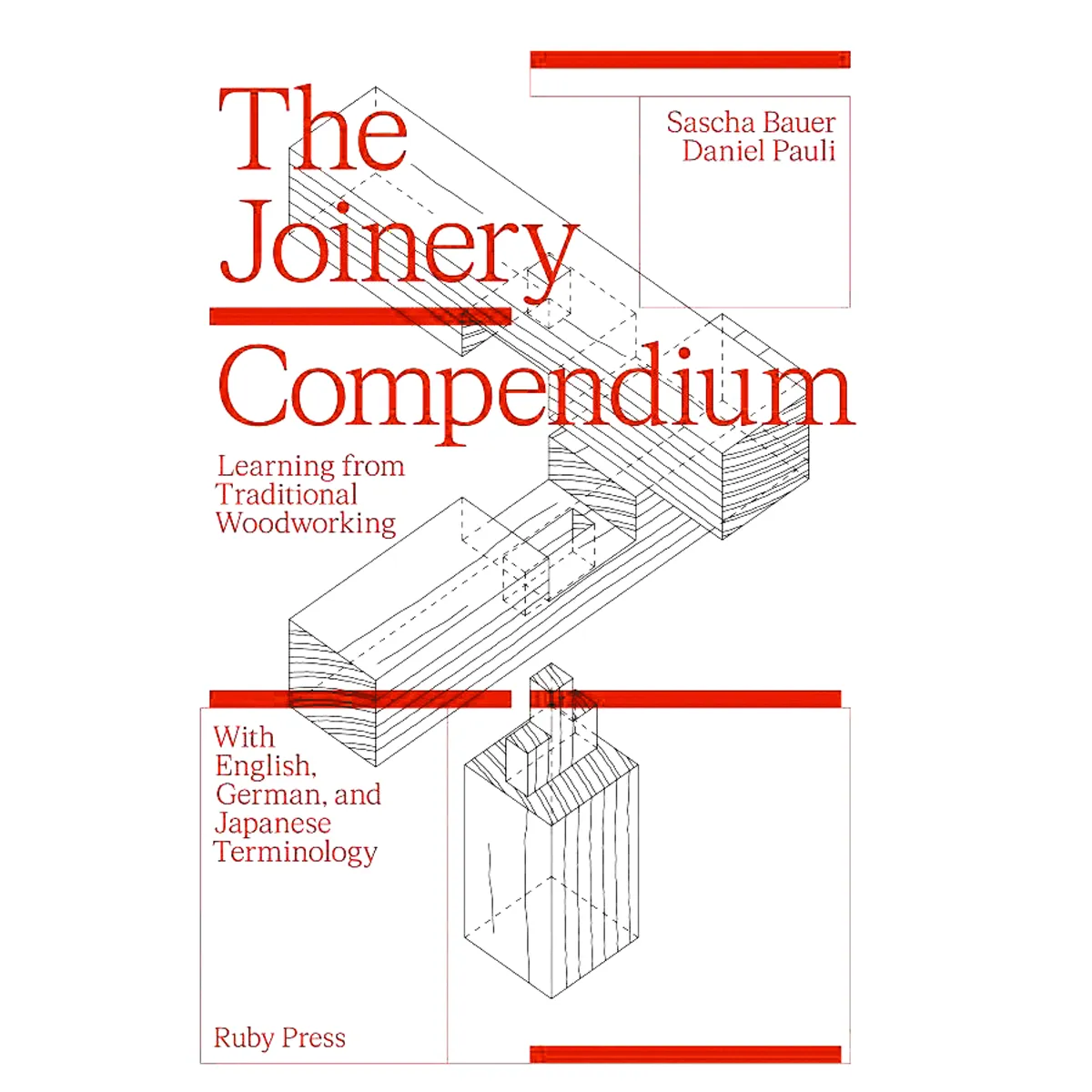
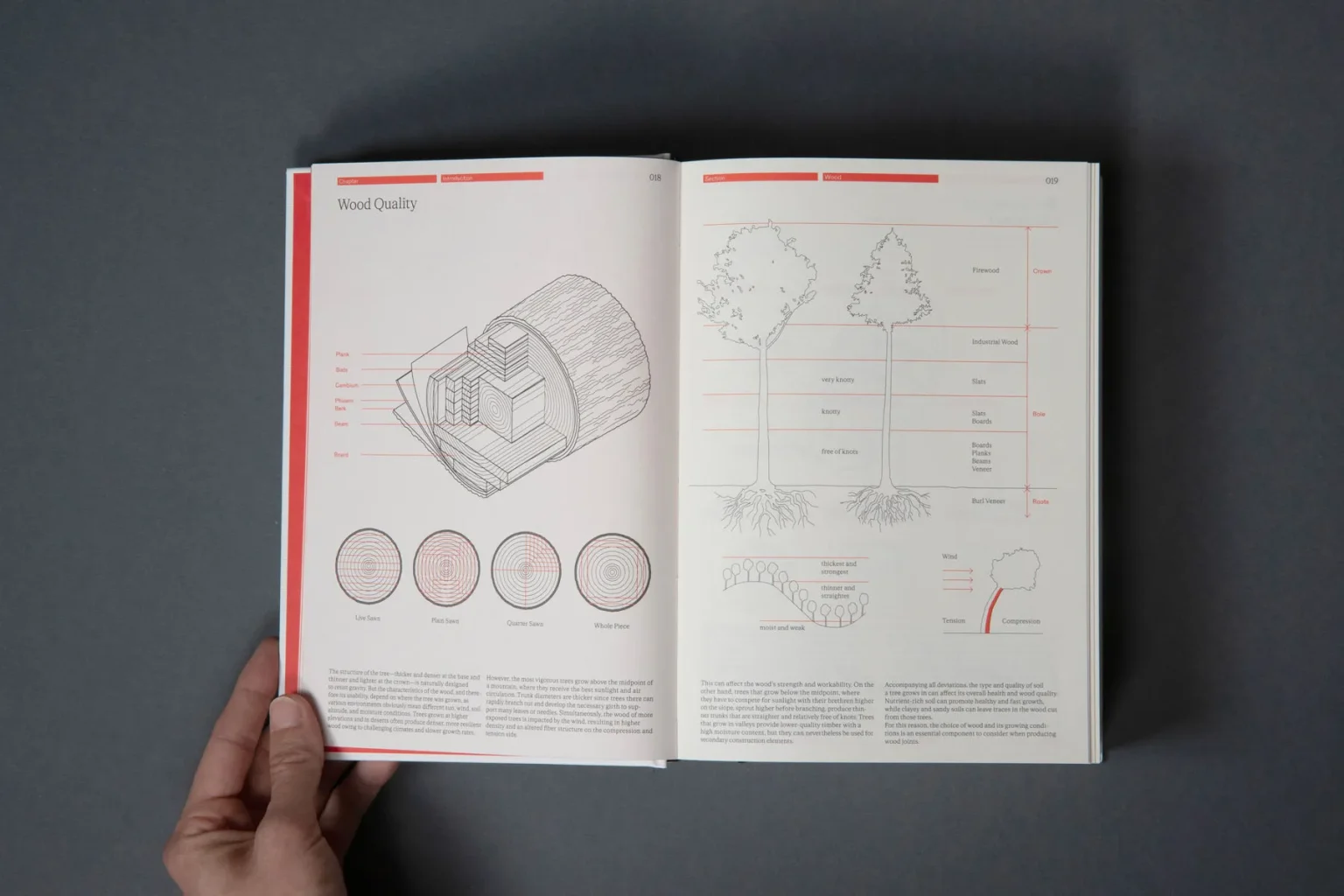
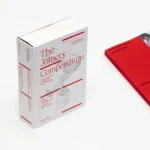
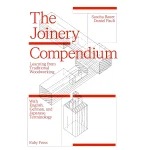
1. The Joinery Compendium – Learning from Traditional Woodworking (Ruby Press)
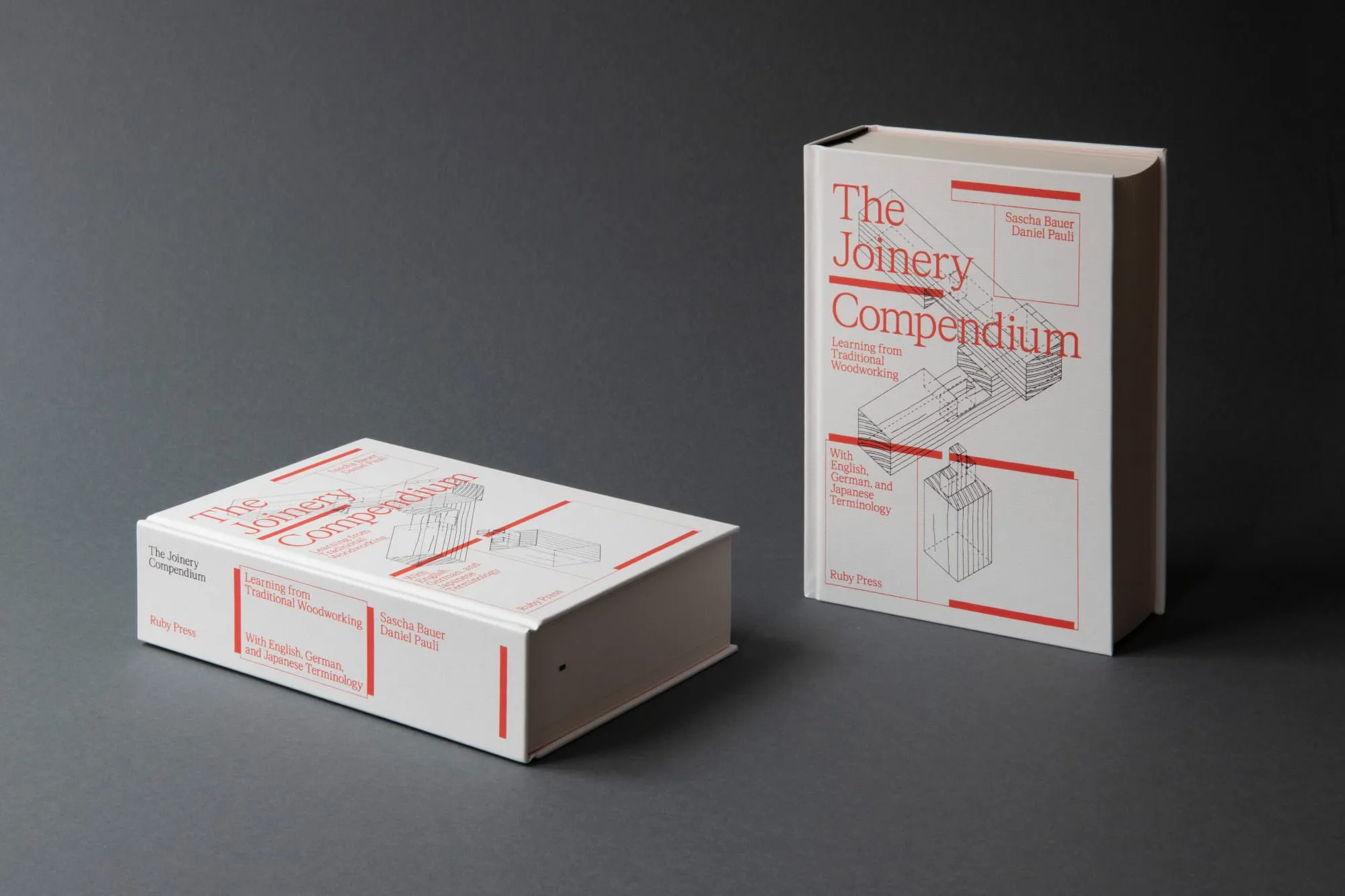
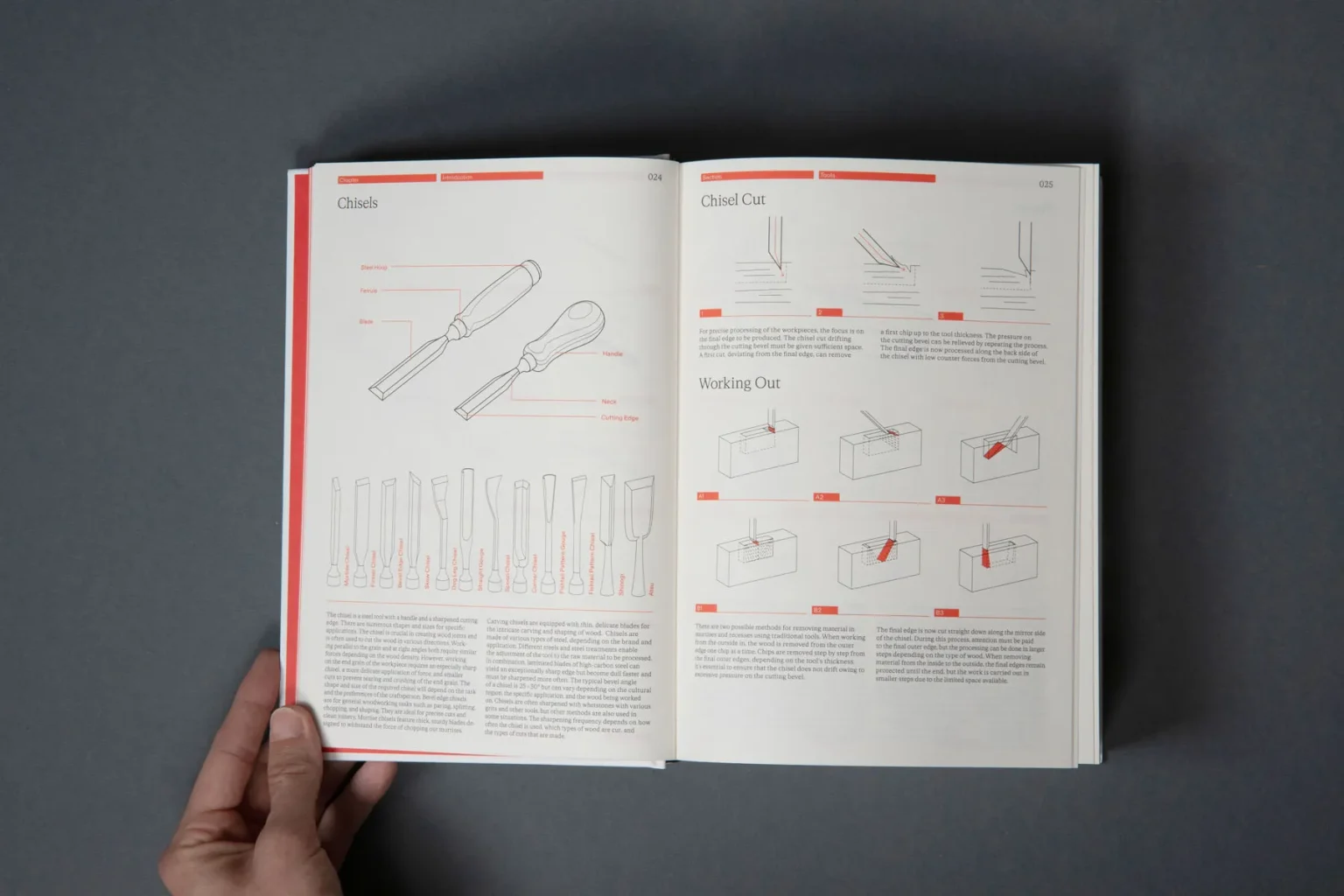
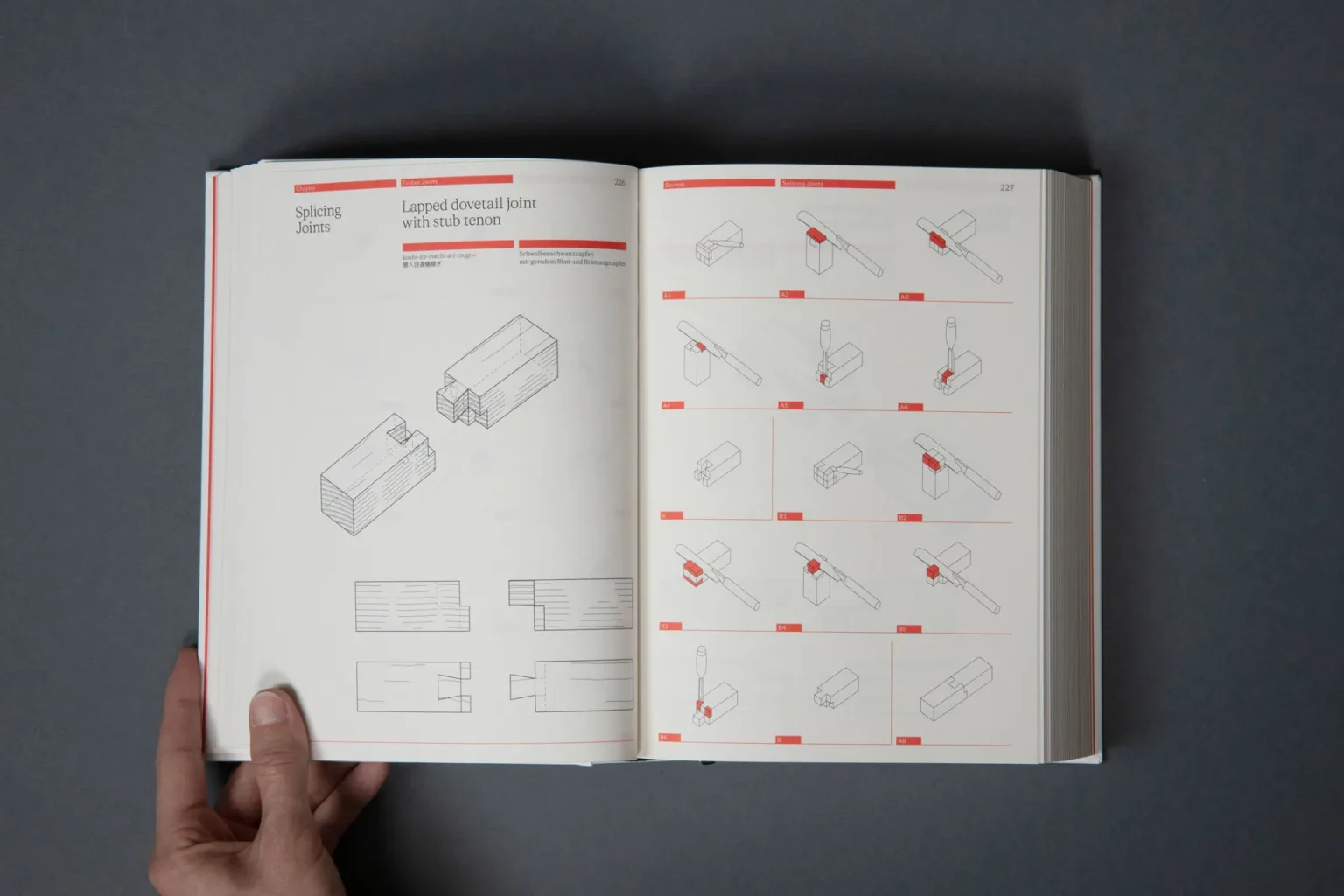
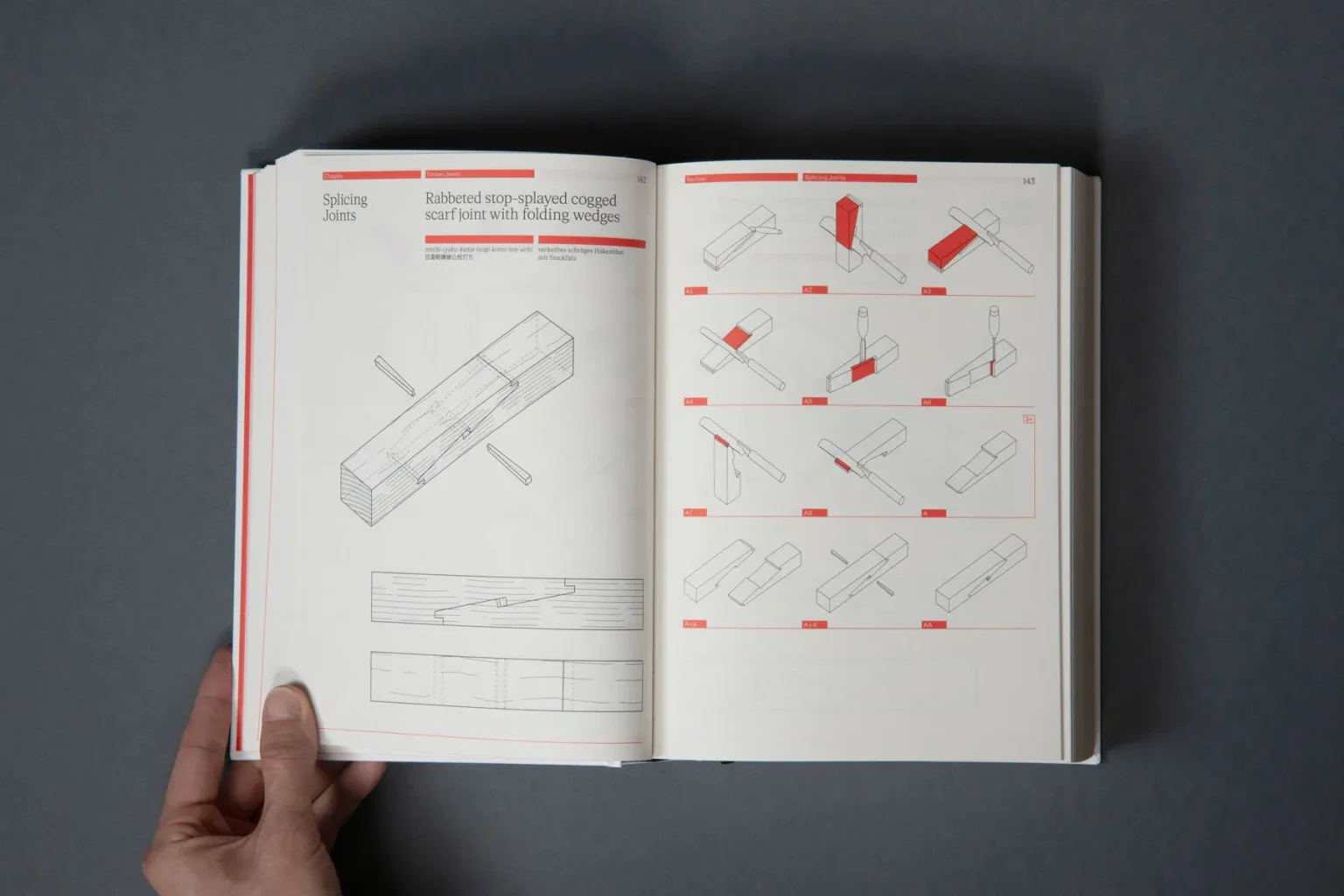
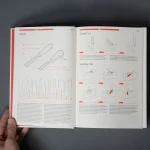
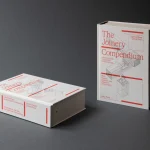
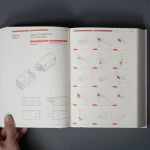
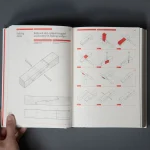
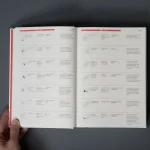
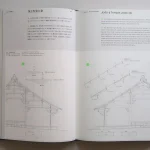
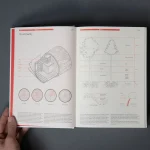
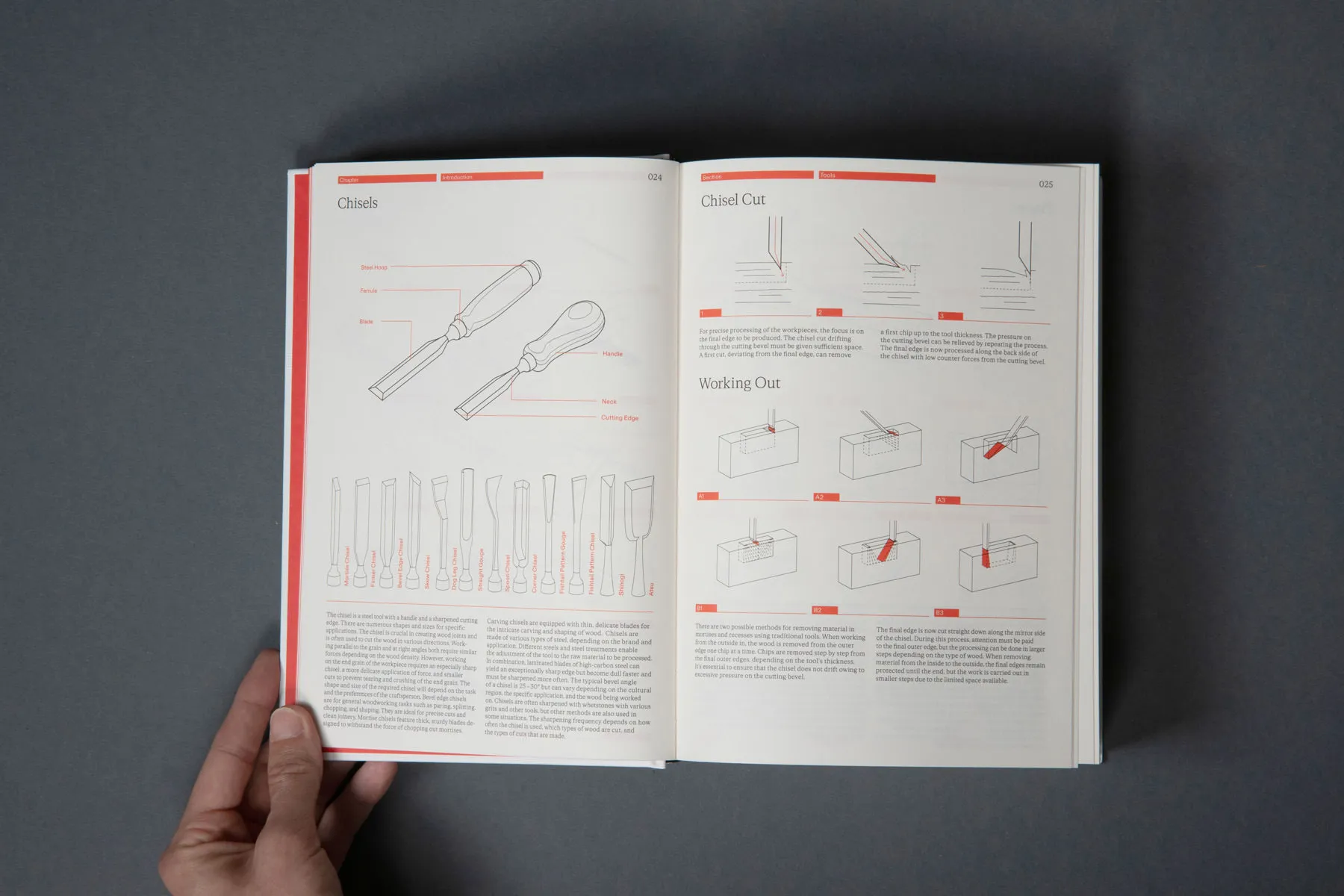
The Joinery Compendium – Learning from Traditional Woodworking, focused on Japanese architecture, authored by Sascha Bauer and Daniel Pauli, is an immense volume that represents the definitive guide to traditional joinery. Comprising 896 pages, the compendium systematically documents more than 400 handcrafted wood joints sourced from various global traditions. It offers detailed drawings, descriptions, and step-by-step instructions on joinery. The book also includes multilingual terminology (English, German, and Japanese) and clear 3D diagrams for practical application.
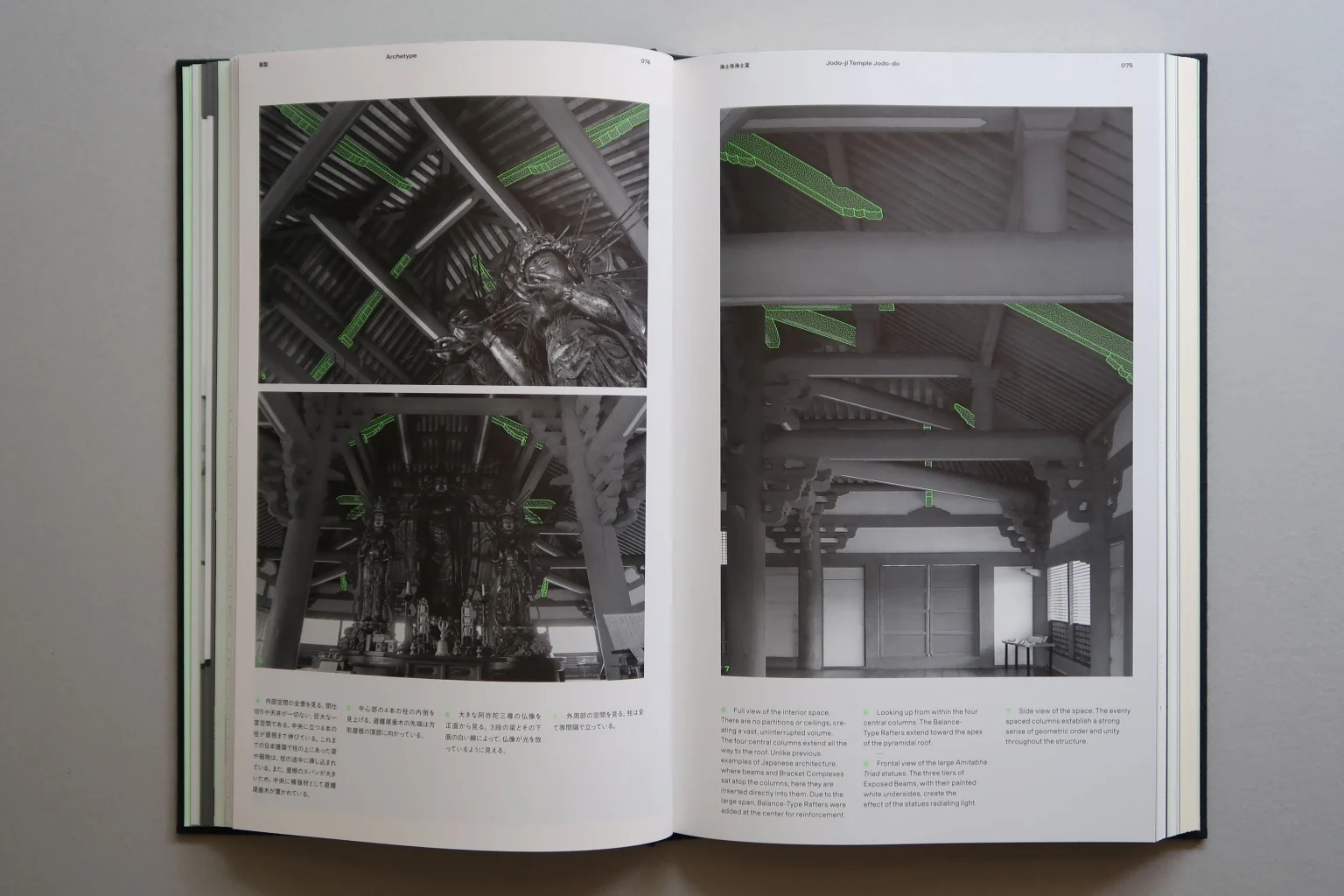
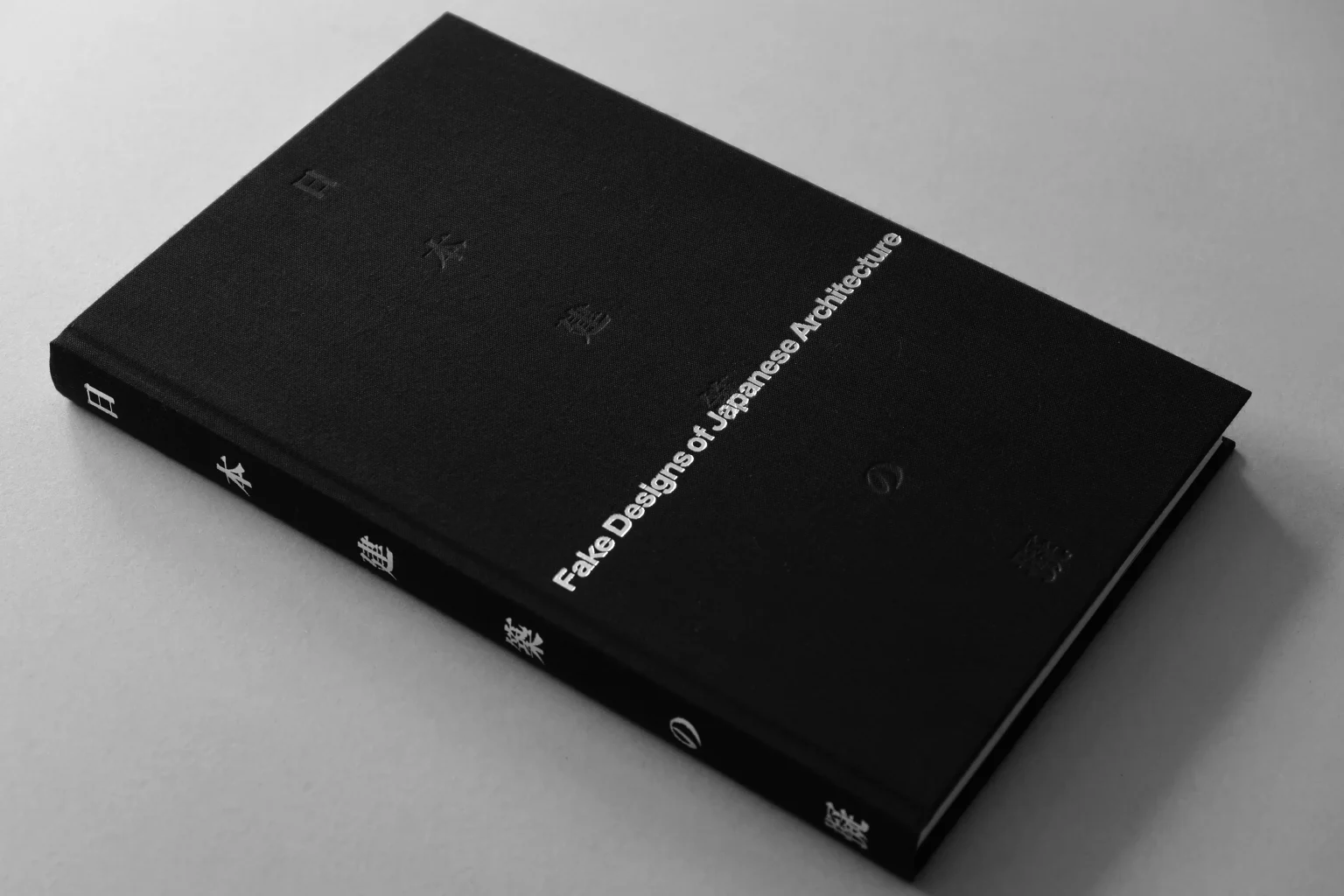
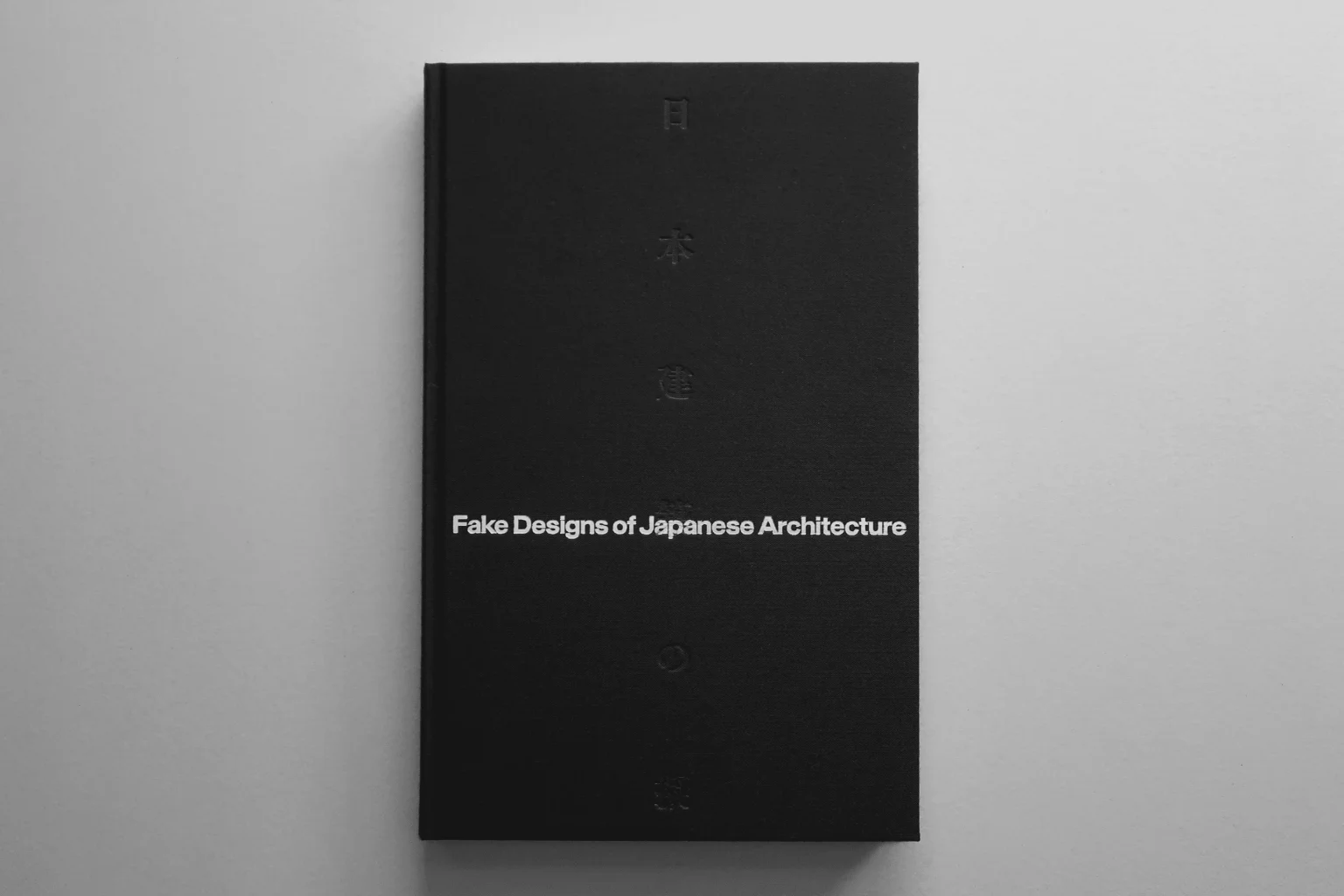
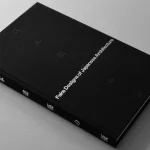
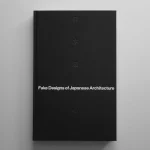
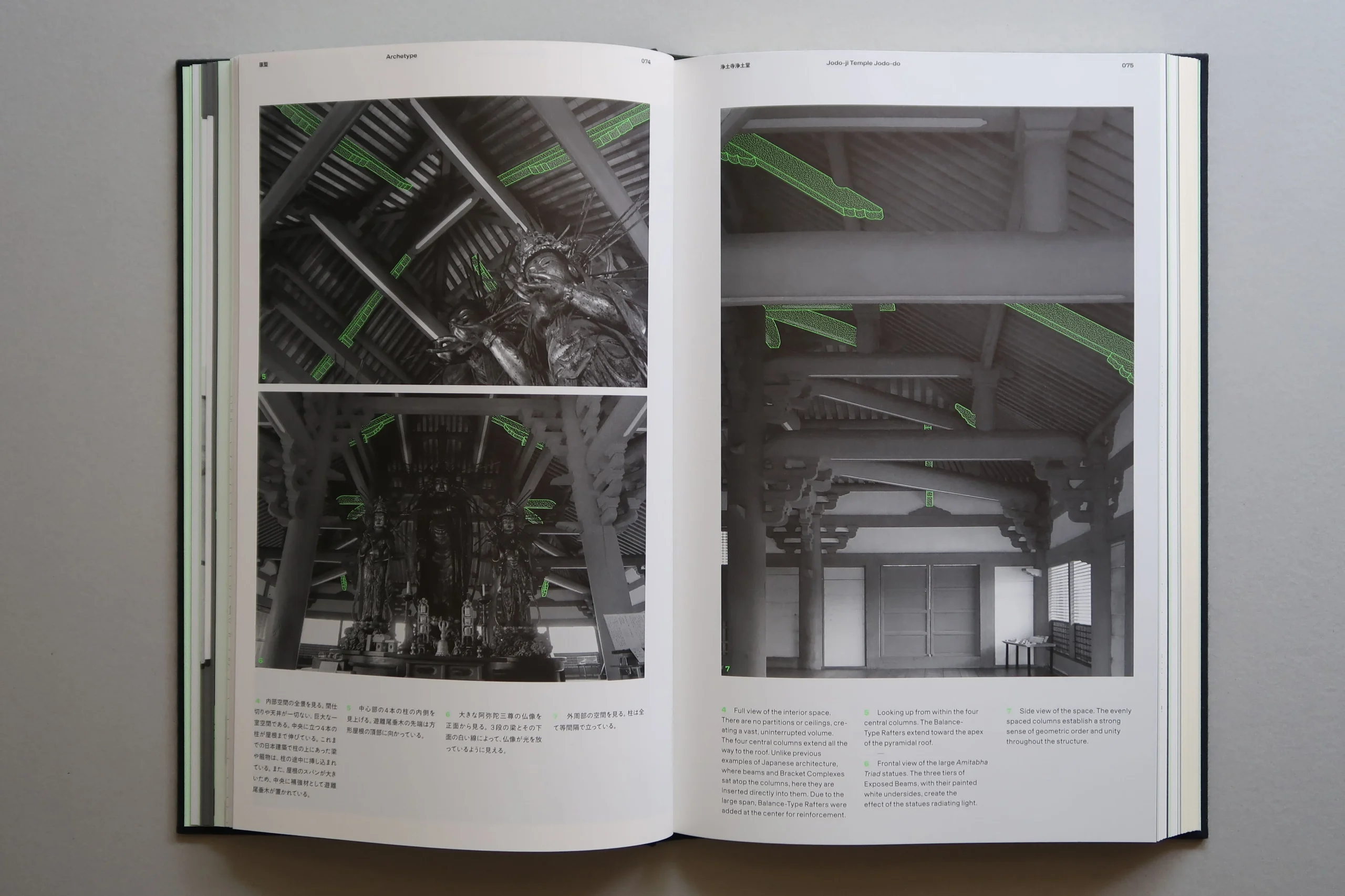
2. Fake Designs of Japanese Architecture (GADEN Books)
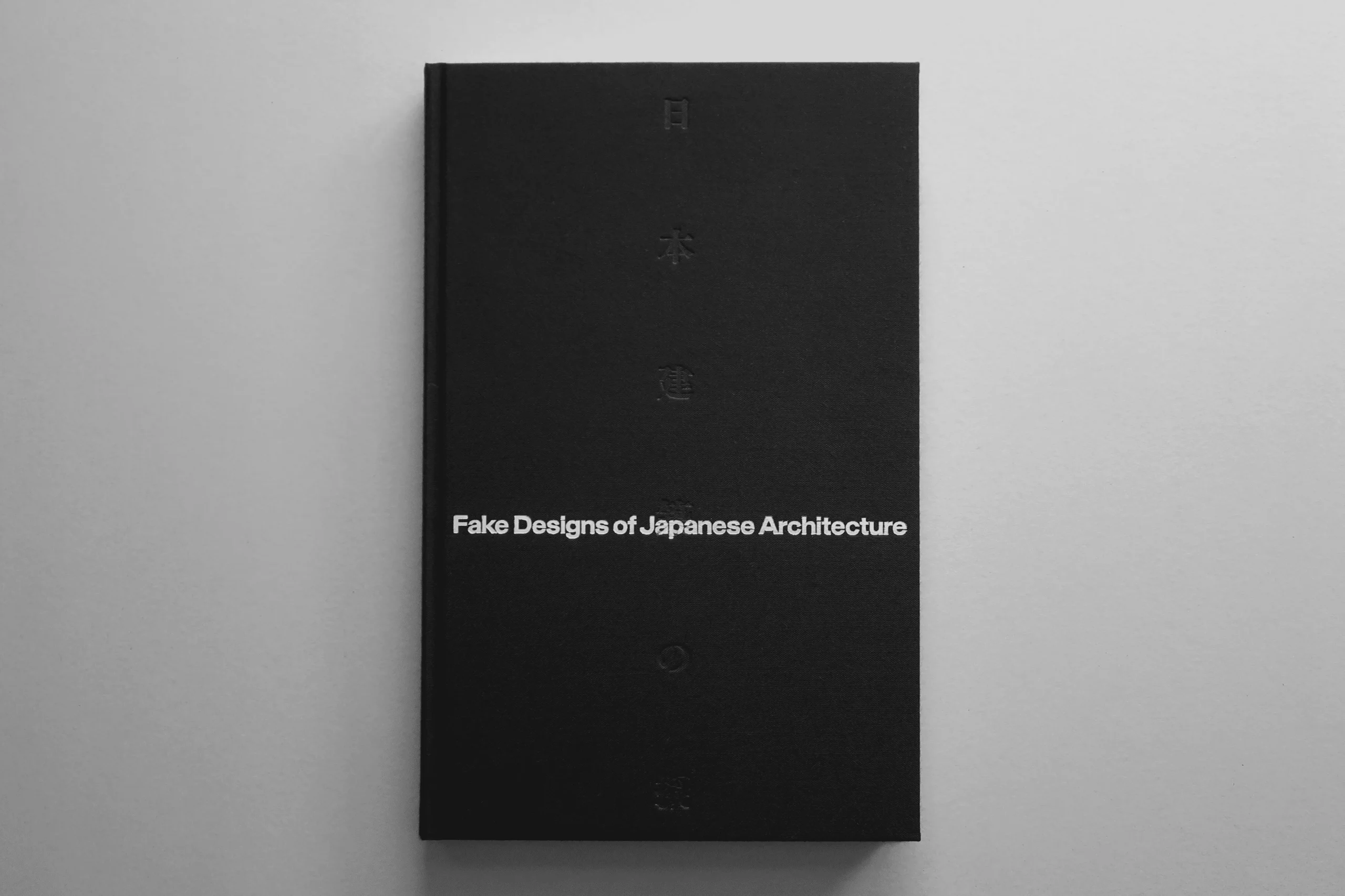
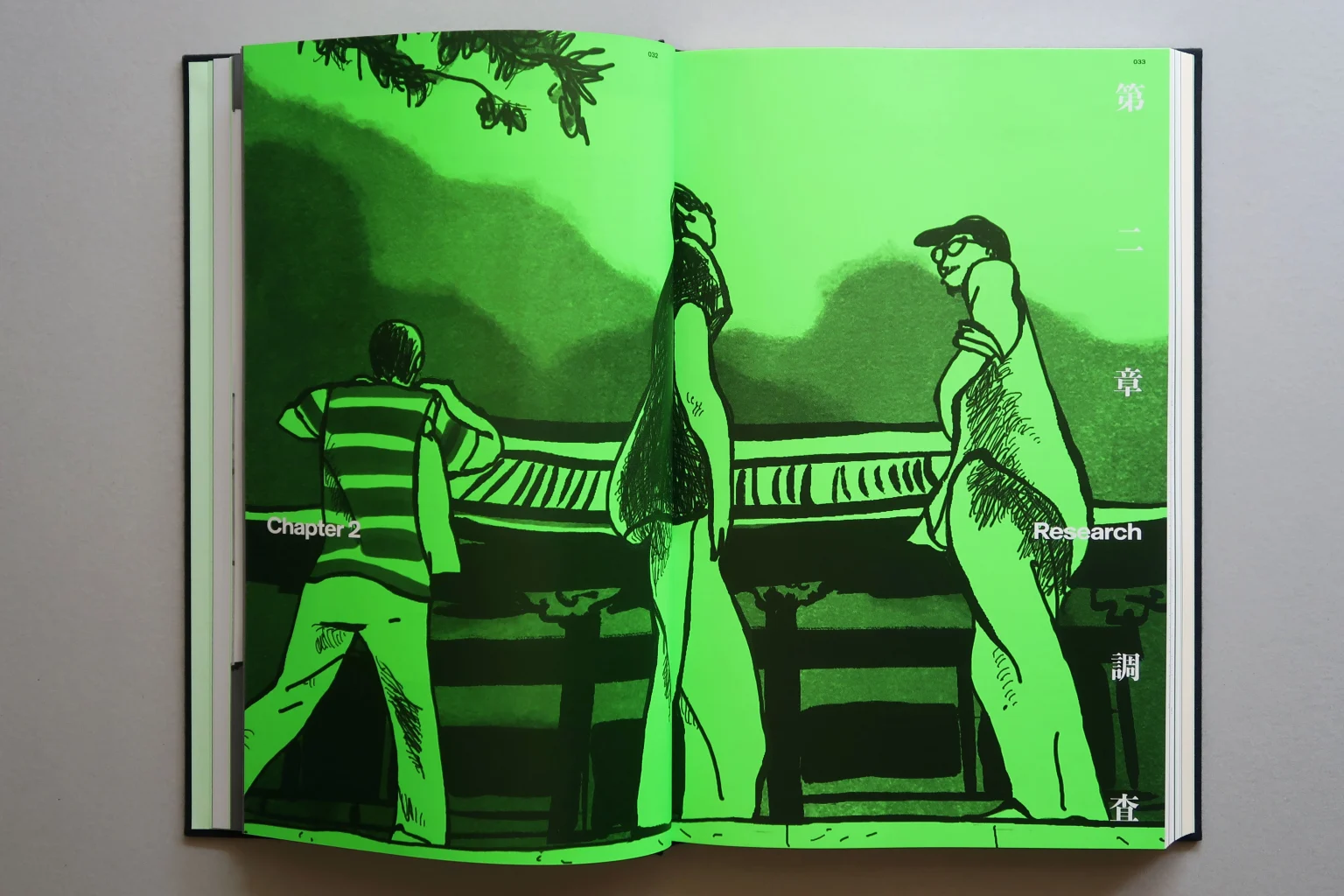
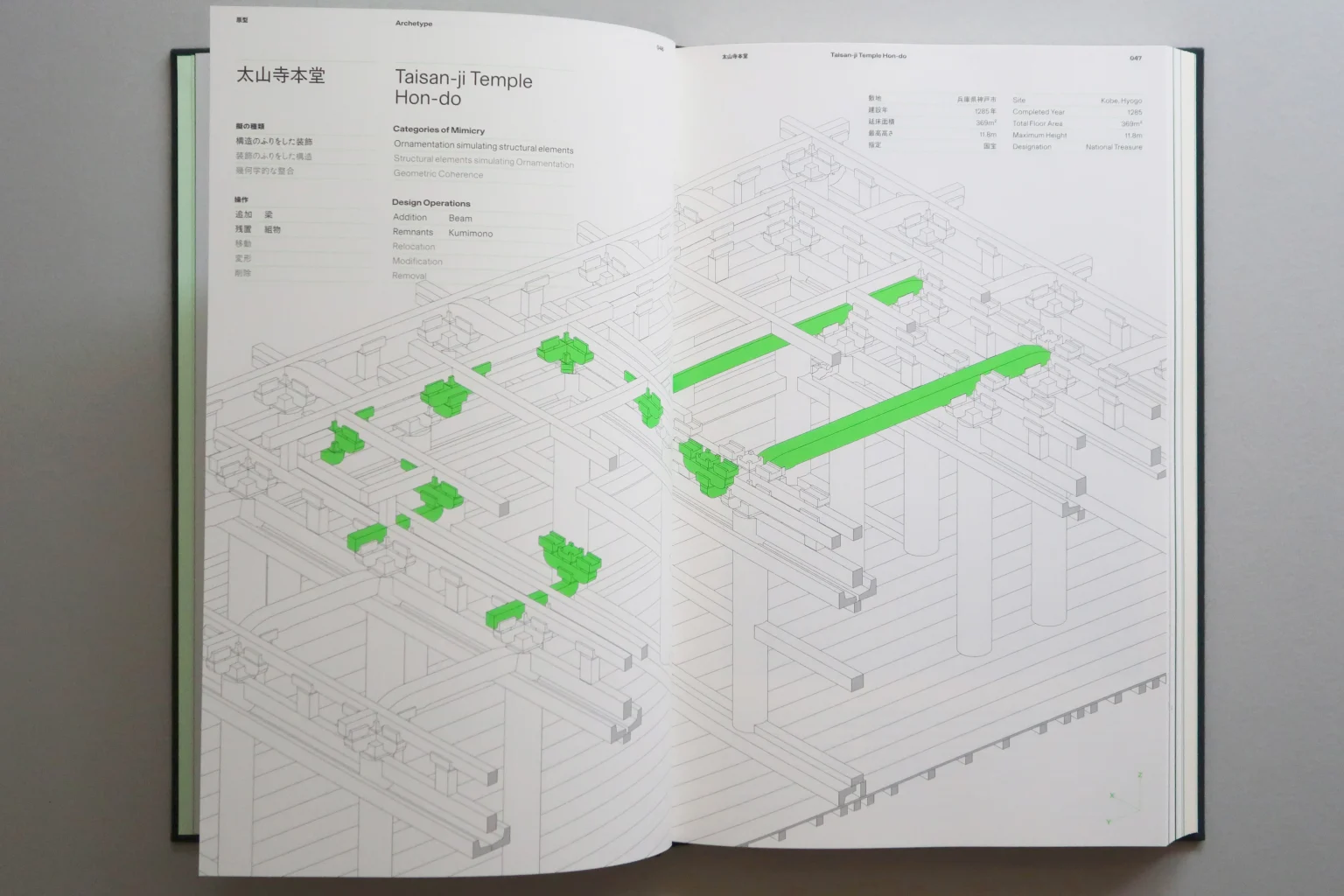
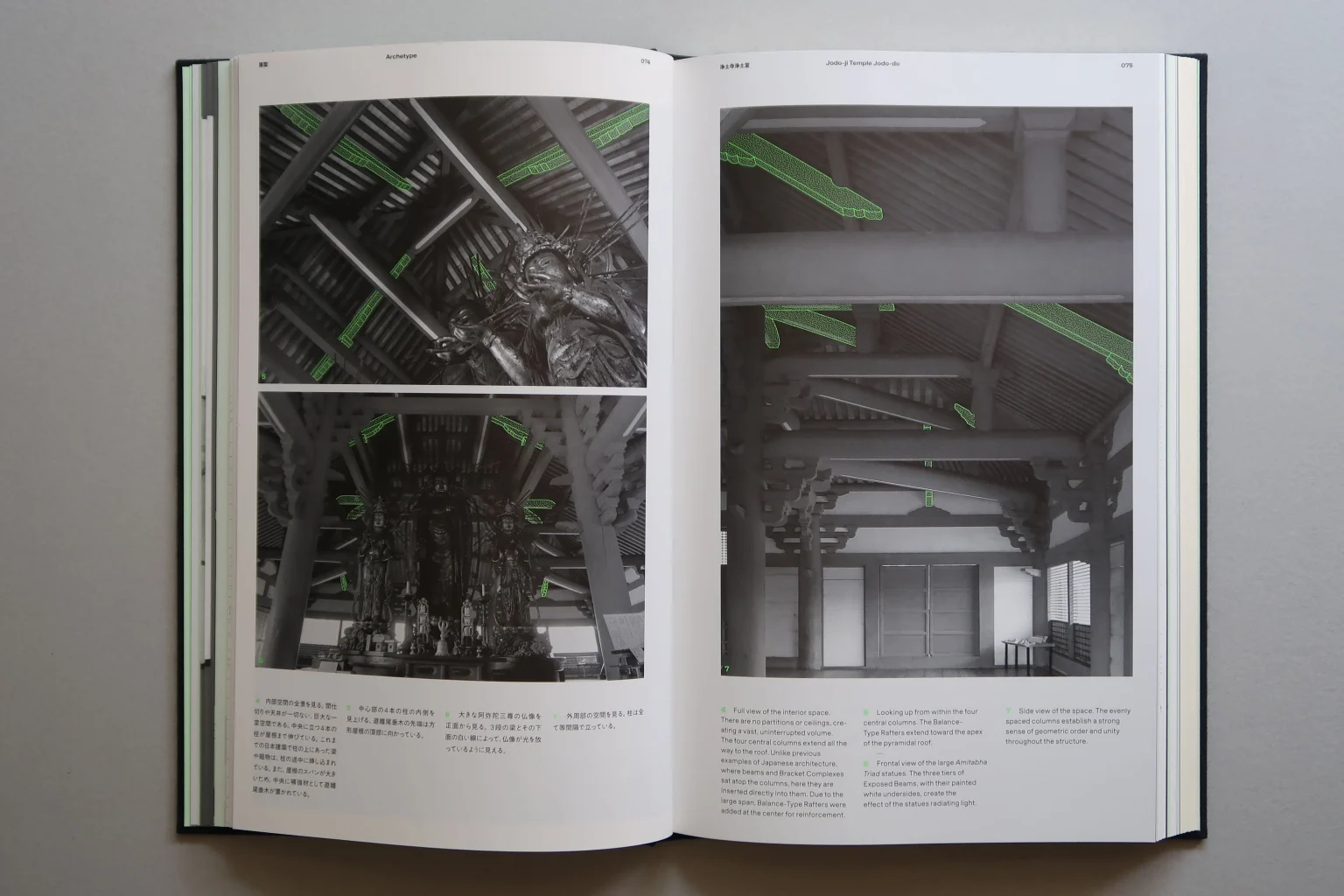
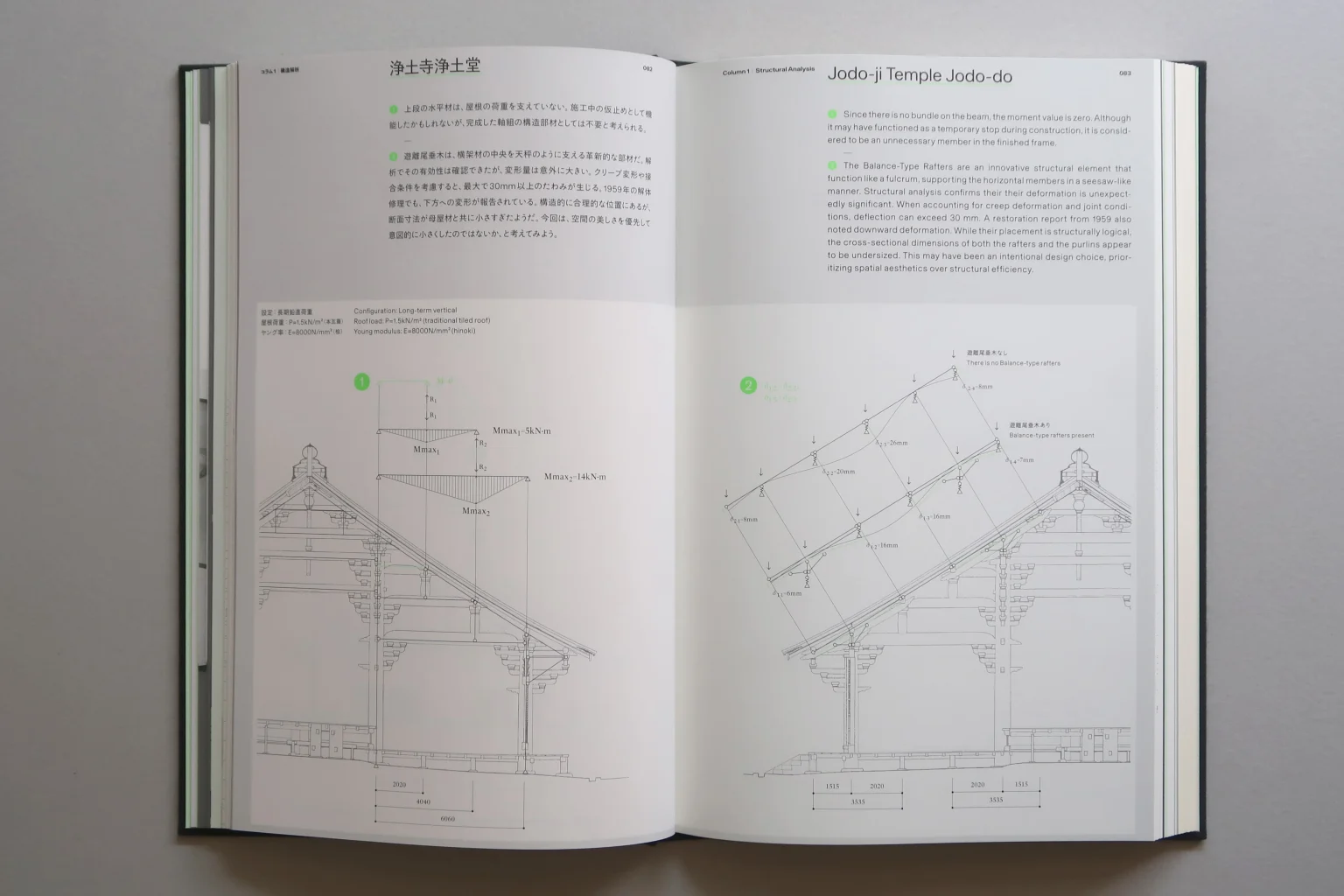
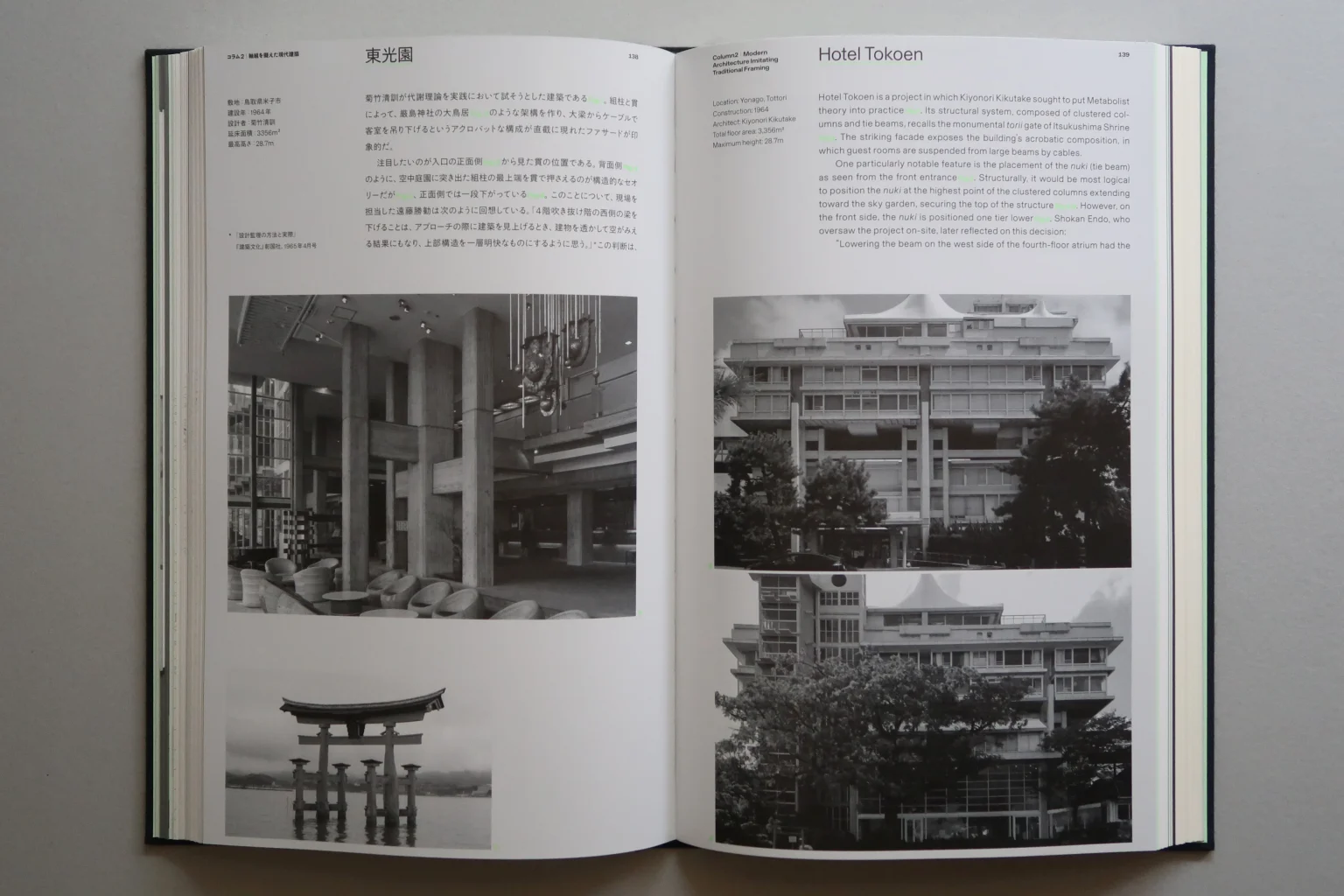
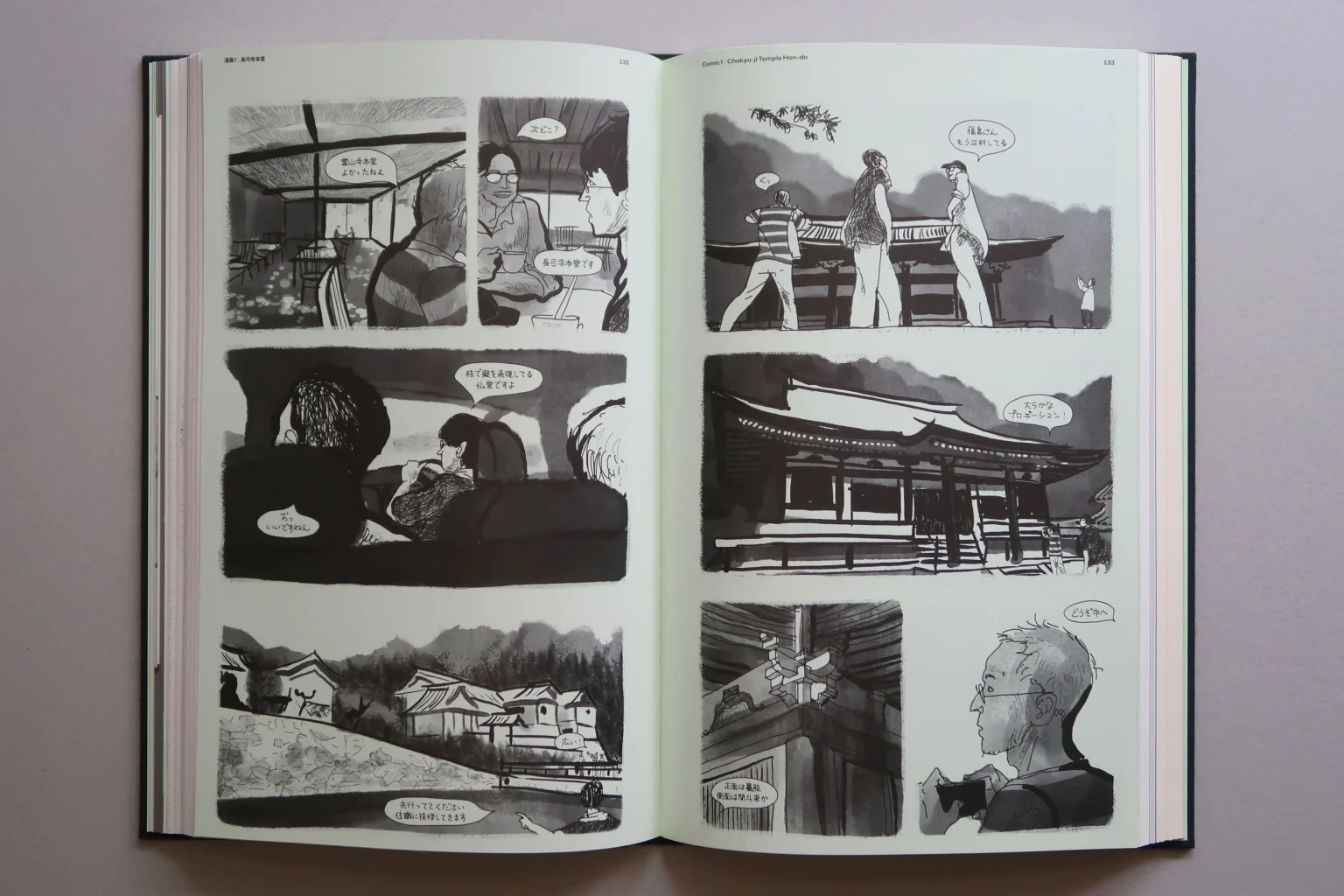
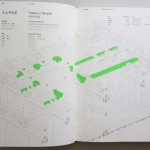
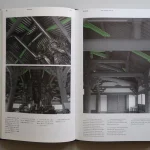
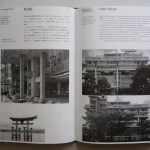
Drafted by Katsuya Fukushima, Hiroko Tominaga, Reijiro Sawaki, and Rui Yamamoto, this bilingual publication (English and Japanese) exemplifies the critical exploration of the evolution of Japanese architecture over the centuries. The structure of the book includes translated writings, researched case studies, and critical essays that engage readers in complex historical research on Japanese architecture. Focusing on pre-modern wooden structures, it contributes to a wider intellectual discourse that examines how narratives of material culture are constructed, subtly questioning long-standing notions of authenticity and design provenance.
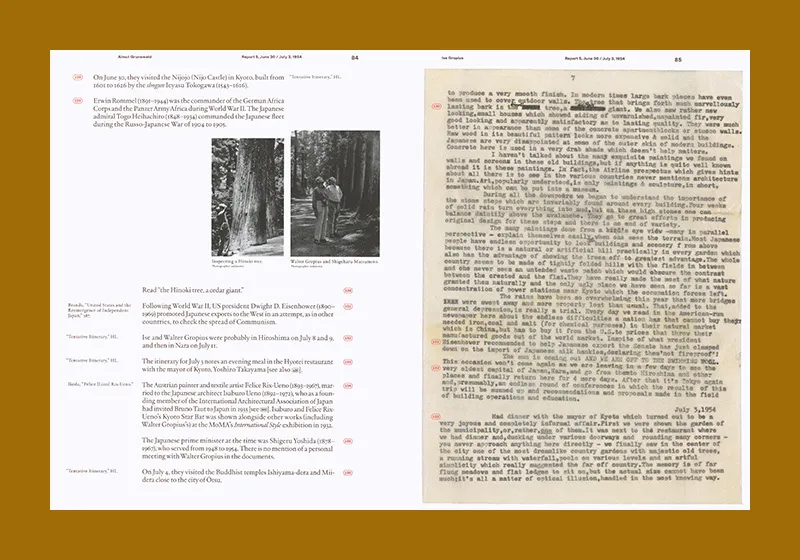
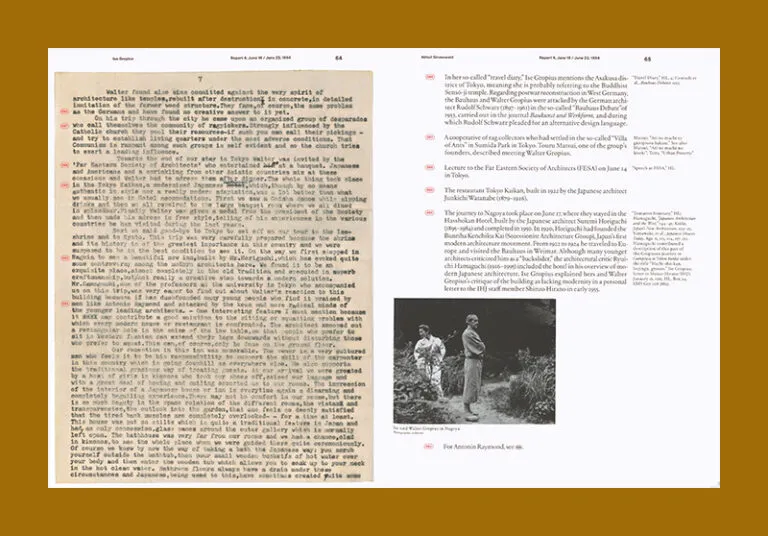
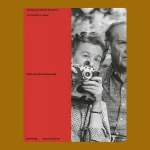
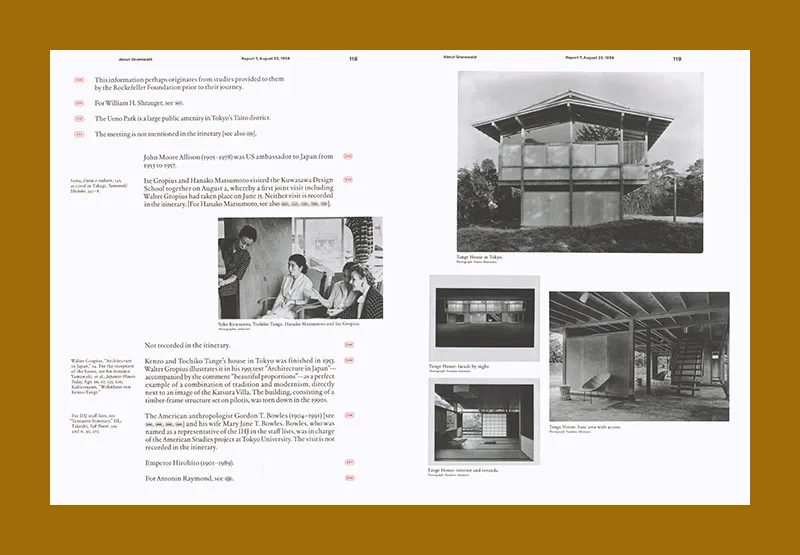
3. Cooking Up Dinner Speeches – Ise Gropius in Japan (gta Verlag)
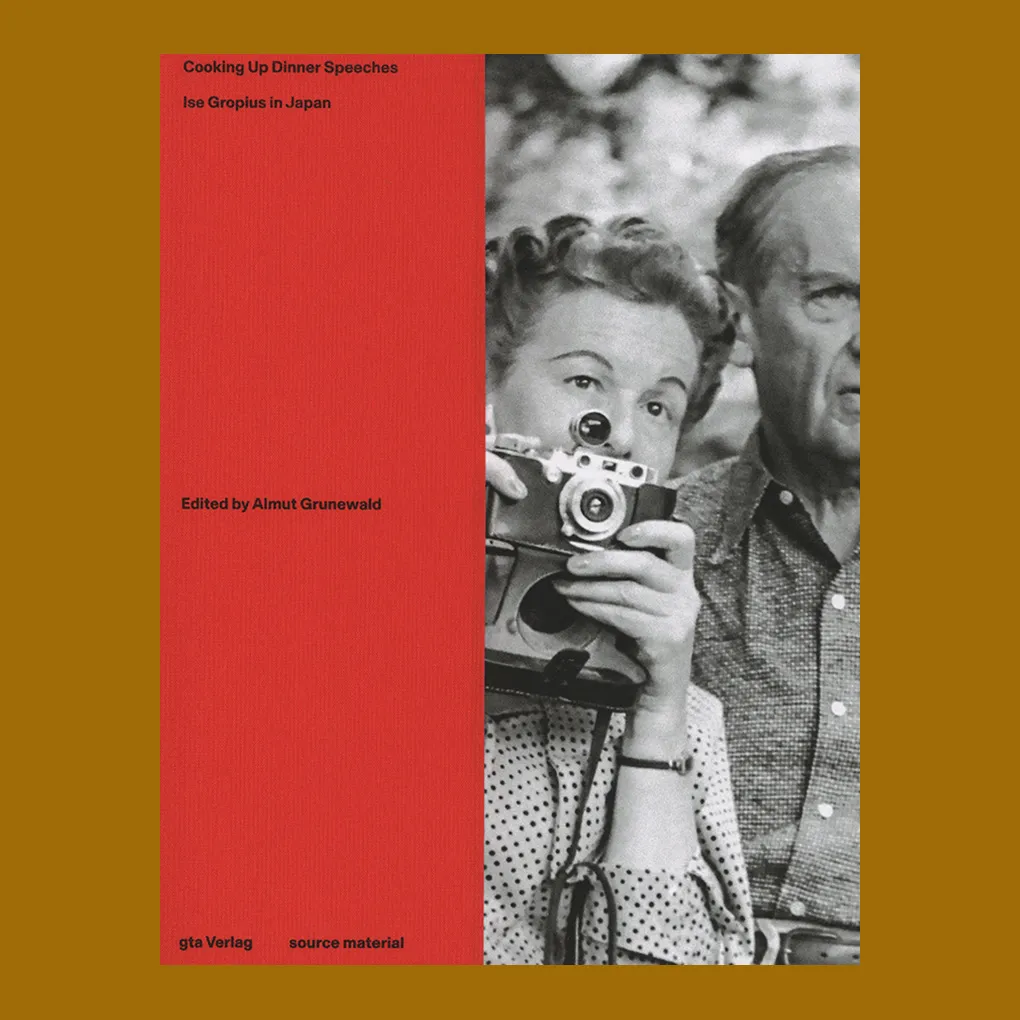
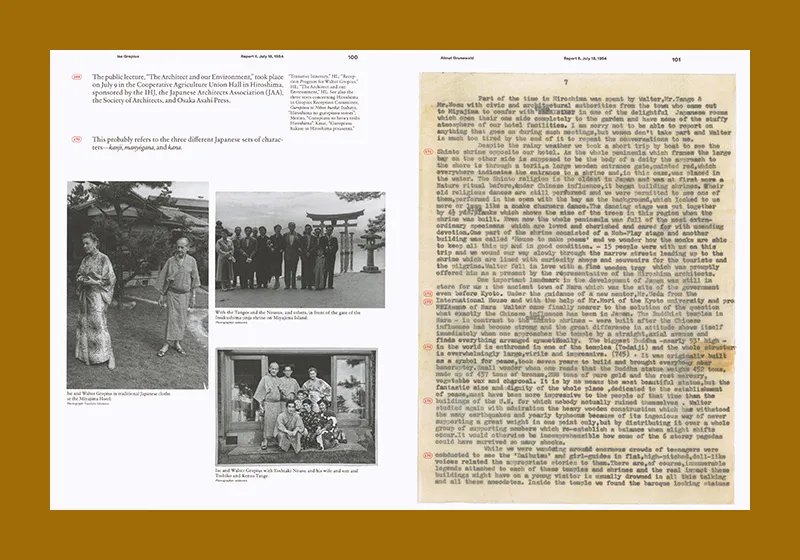
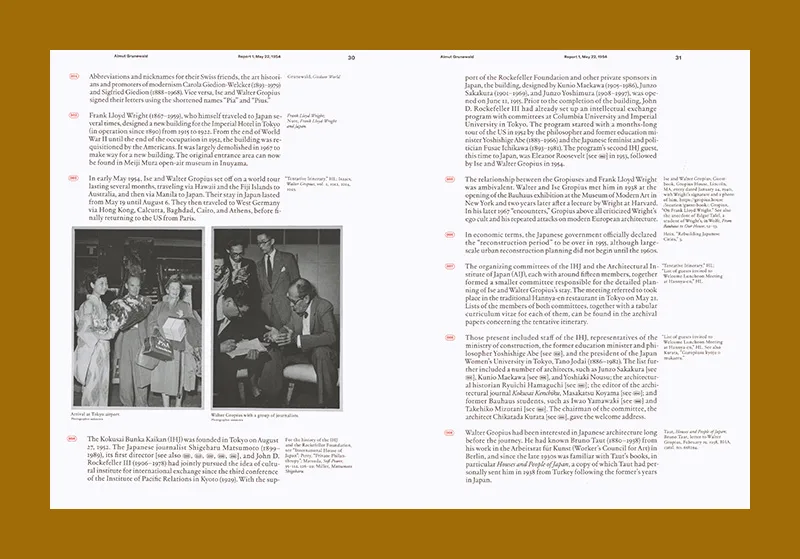
Edited by Almut Grunewald, the book features the writing of Ise Gropius’s travelogues in facsimile from her post-war period. The book documents a three-month trip taken by Ise and Walter Gropius to Japan in 1954. The book offers a vivid portrayal of the country and its people, a discussion on postwar constructions, the Bauhaus exhibition in Tokyo, and Zen Buddhism, from local cuisine to the role of Japanese women.
Thematic Cluster B: Density, Urban Futures, and Ecological Resilience
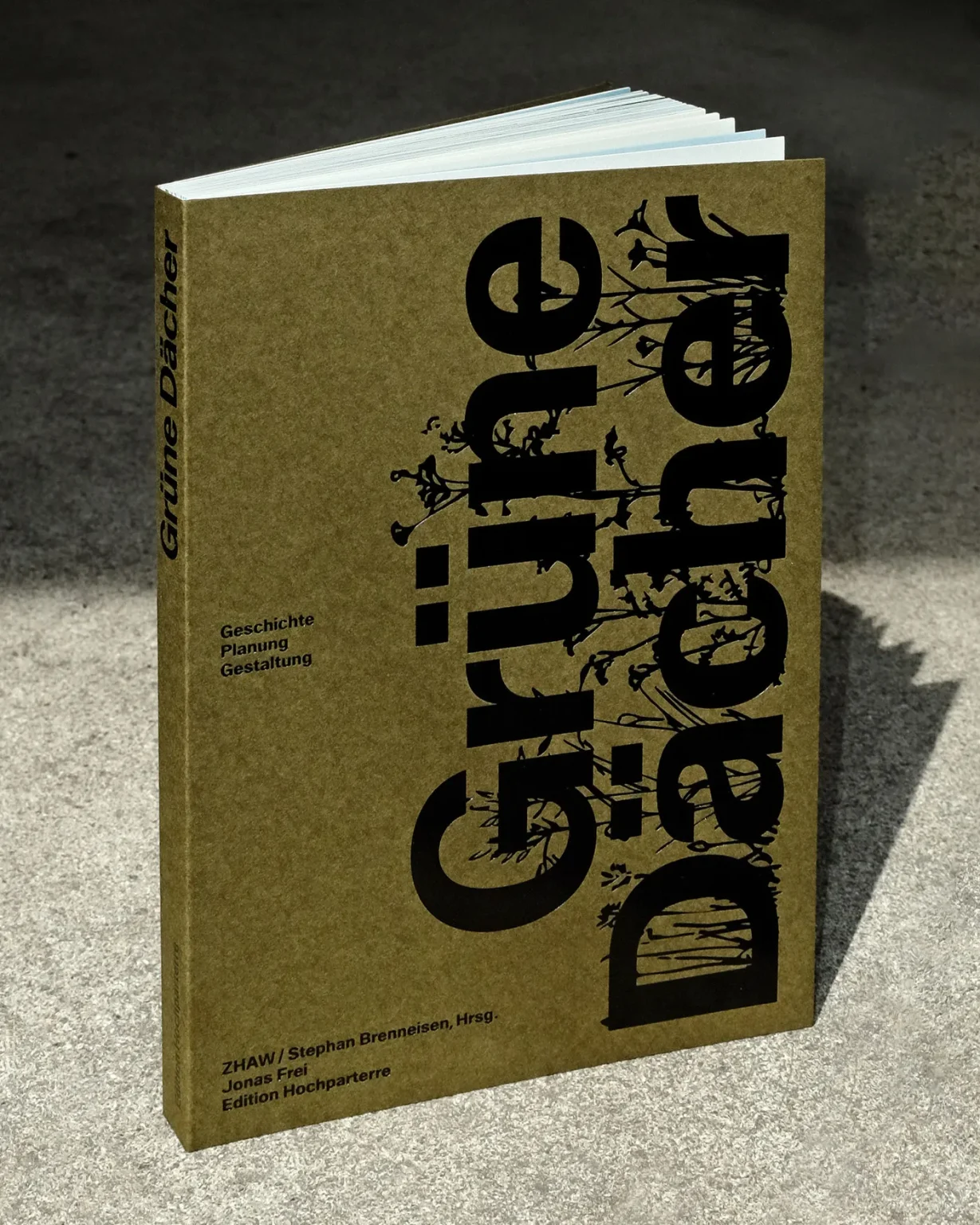
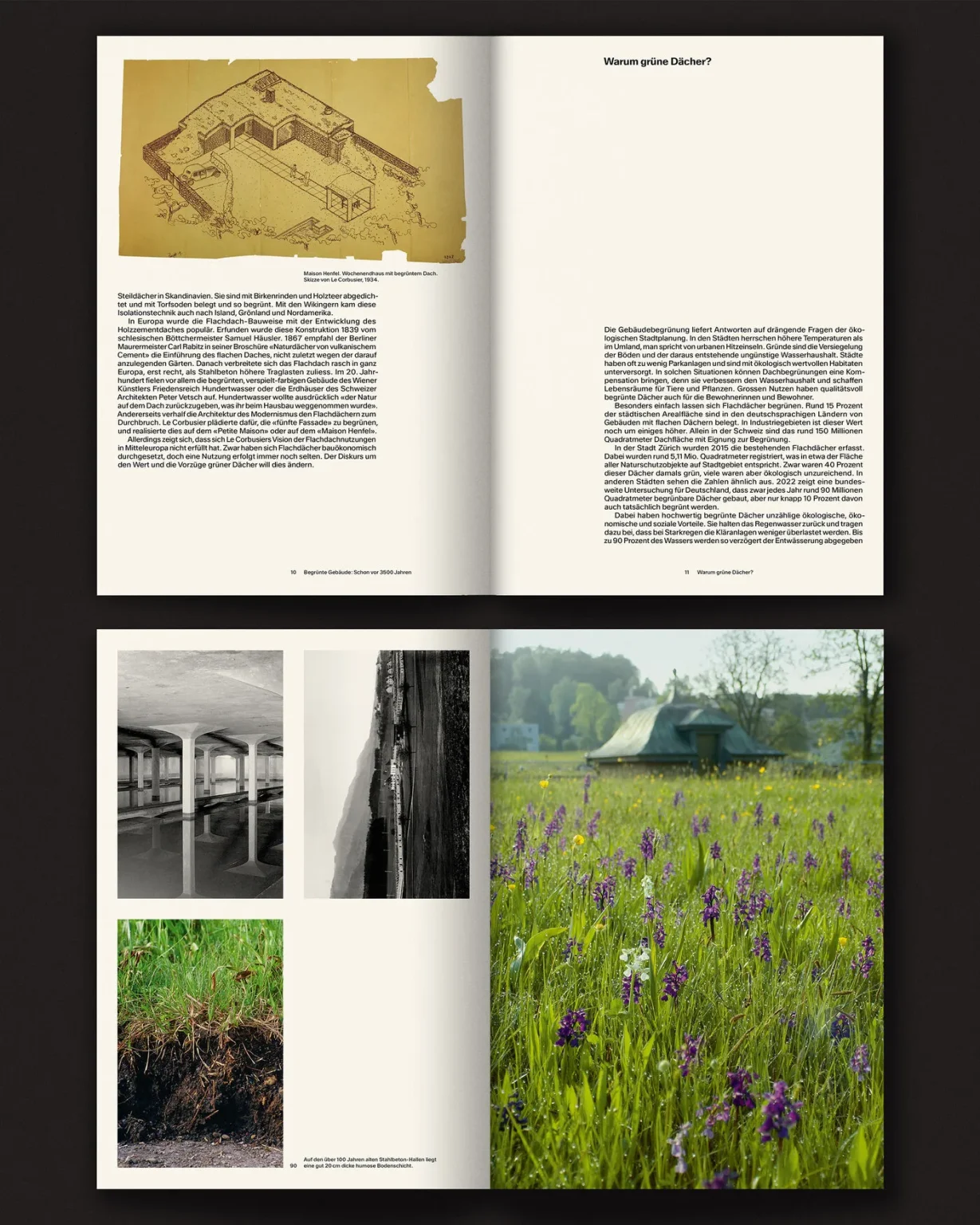
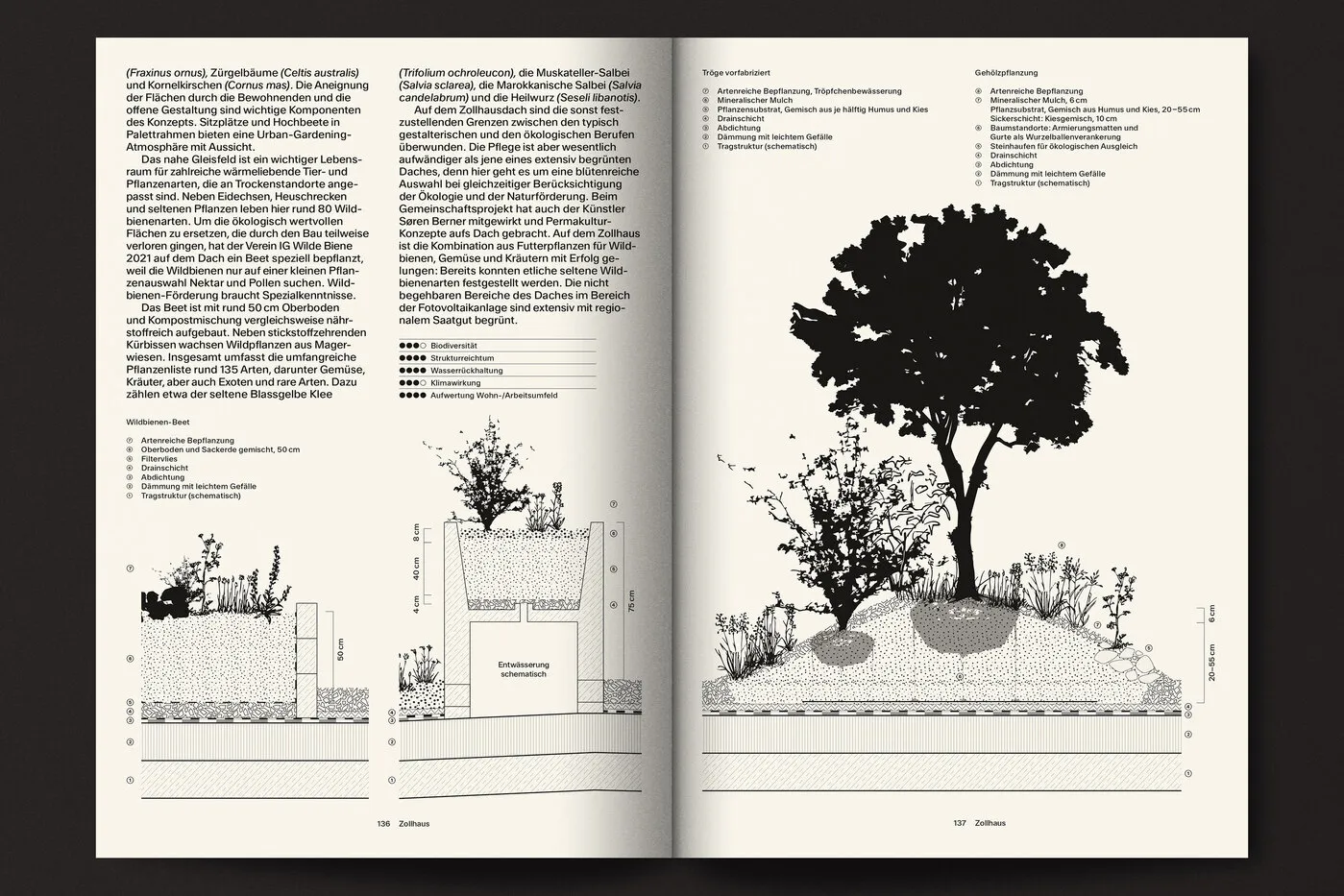
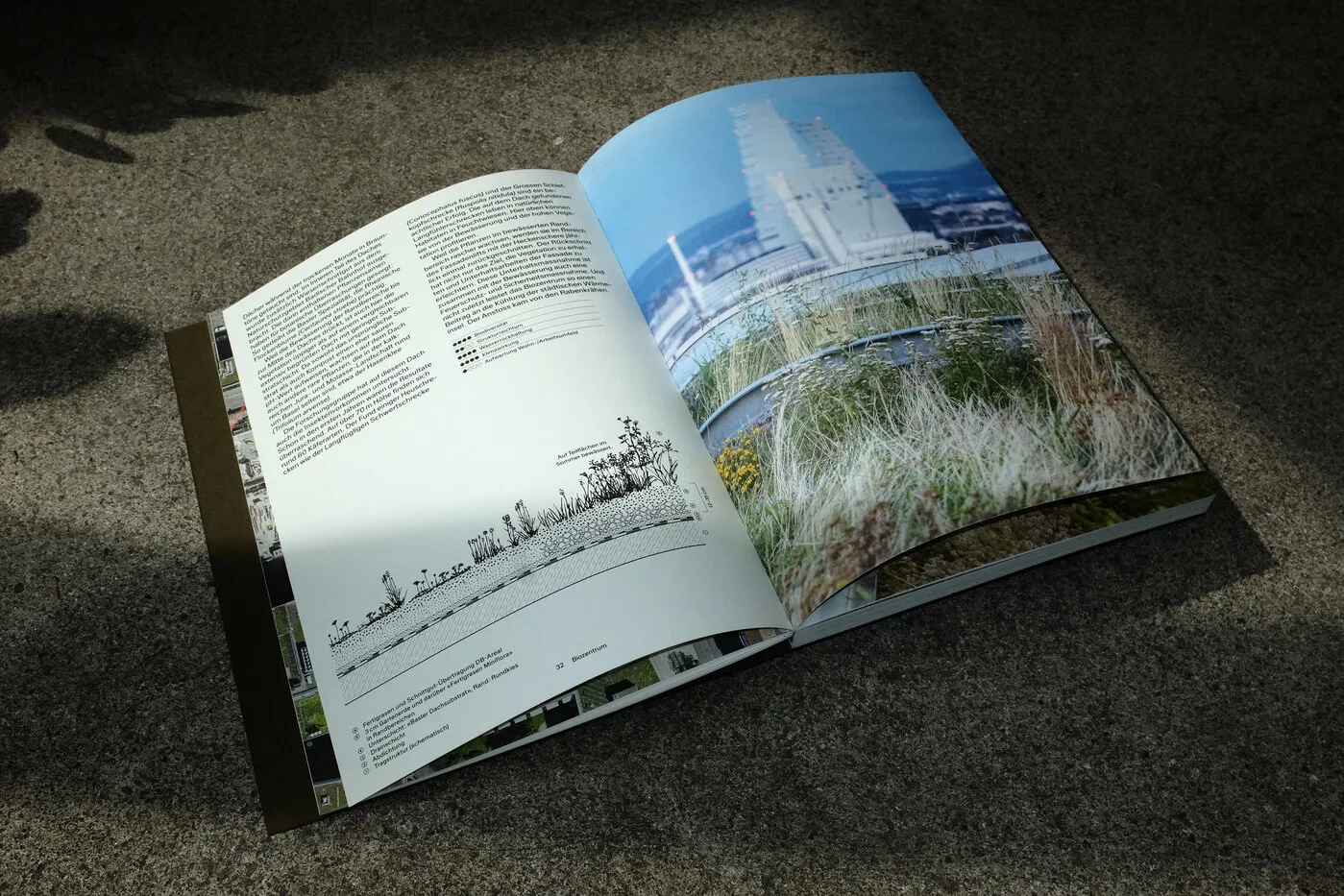
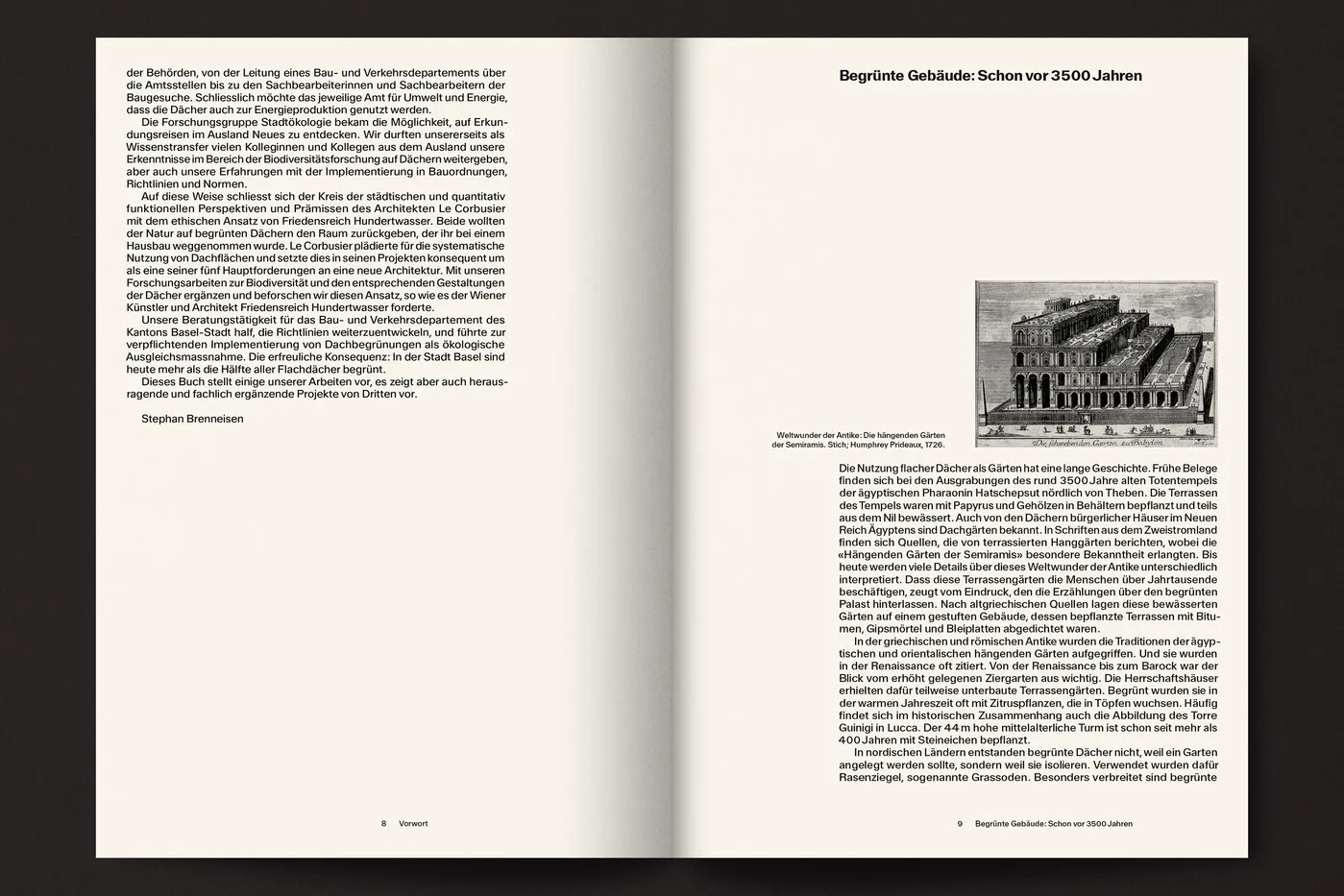
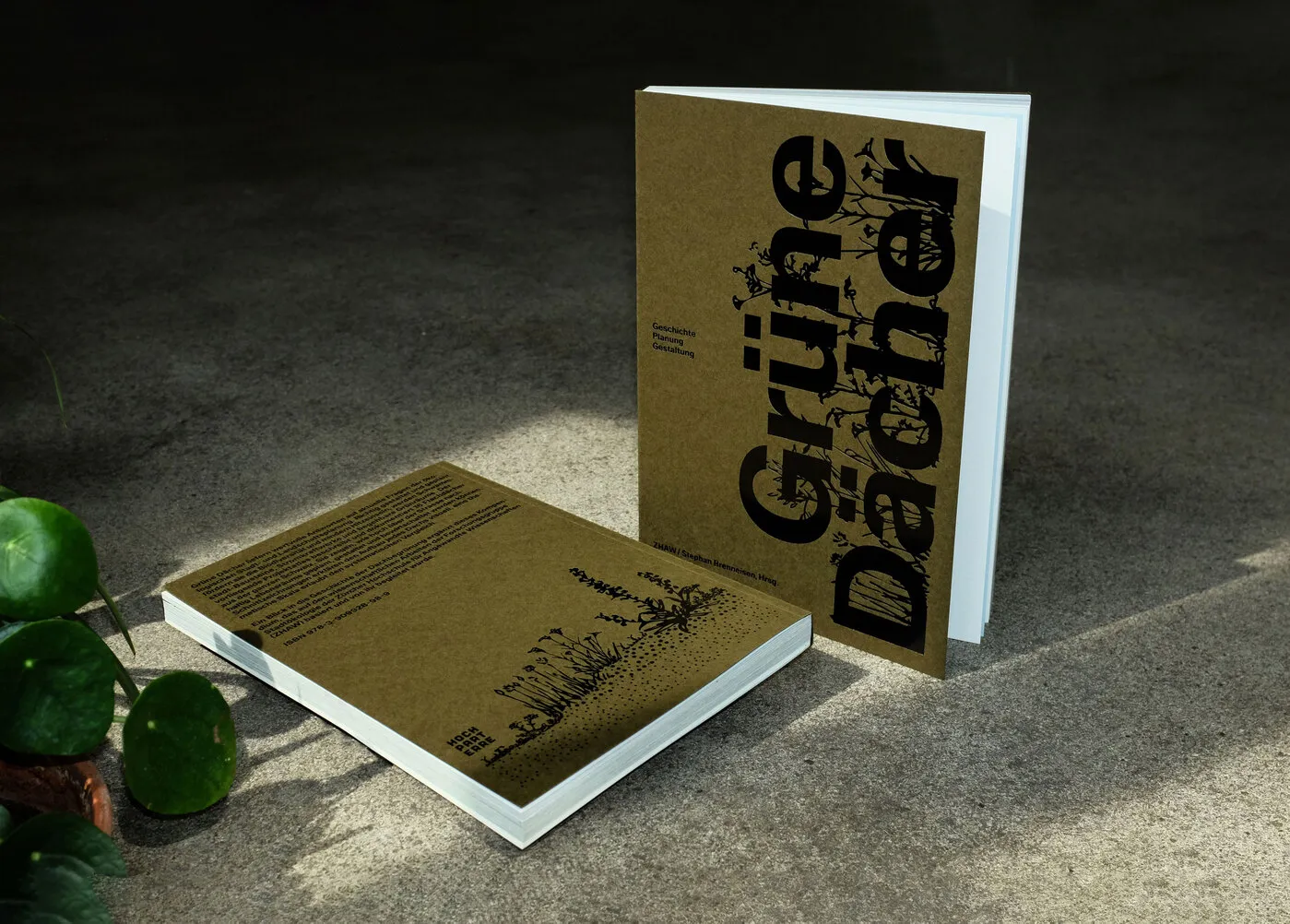
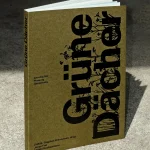
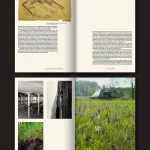
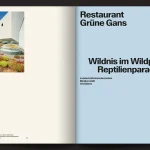
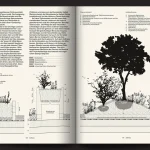
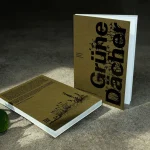
1. Grüne Dächer – Geschichte, Planung, Gestaltung (Edition Hochparterre)
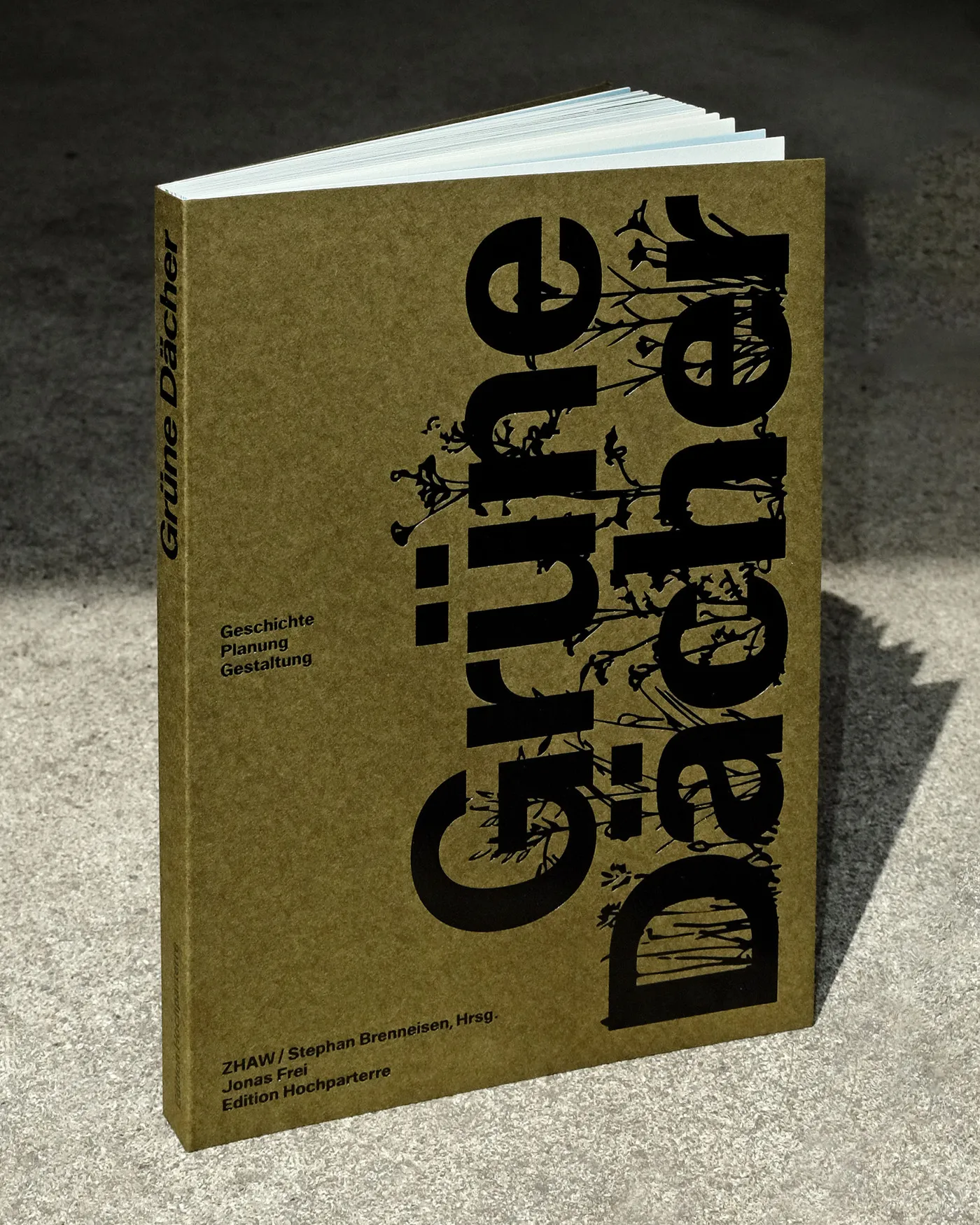
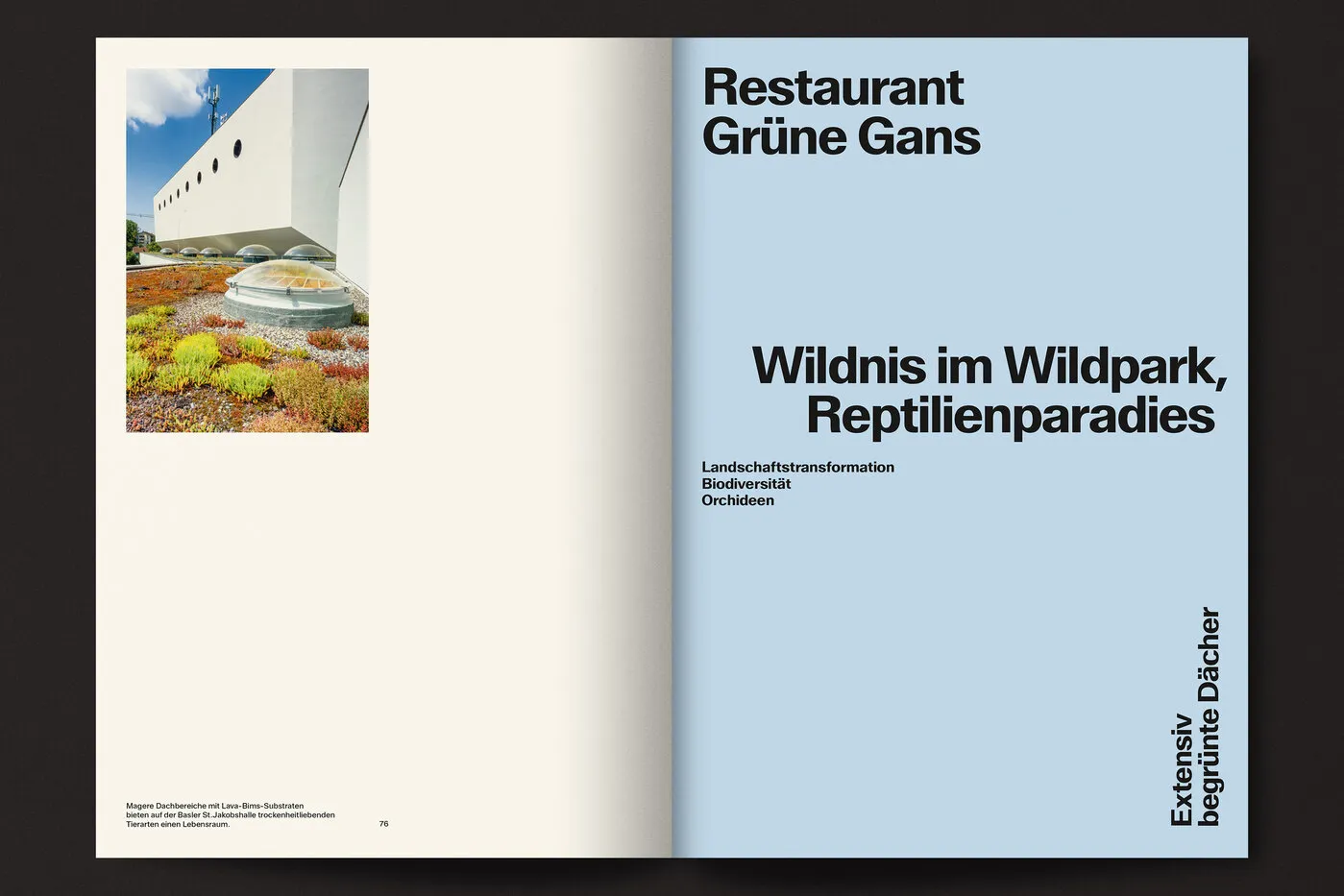
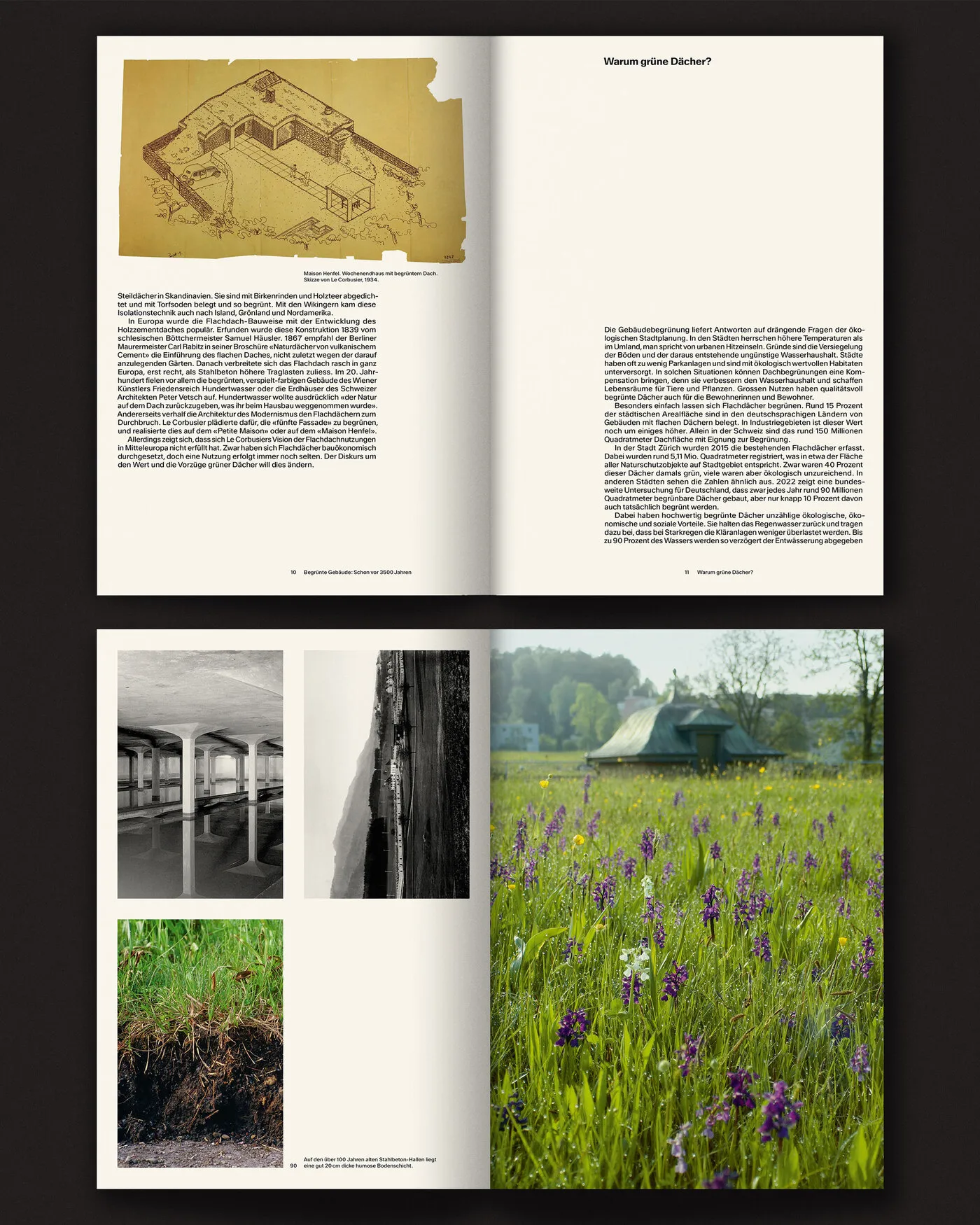
Jonas Frei and Stephan Brenneisen directly address the functional and historical significance of vegetated roofs in urban planning in this book. The book represents 16 documented case studies of flat roofs across Switzerland, detailing how these spaces can be sustainably managed high above the street. With its foundation in scientific work from the Zürcher Hochschule für Angewandte Wissenschaften (ZHAW), the book highlights the importance of green roofs, promoting biodiversity, serving as an essential sponge city concept for rainwater management, and providing spaces for solar energy generation.
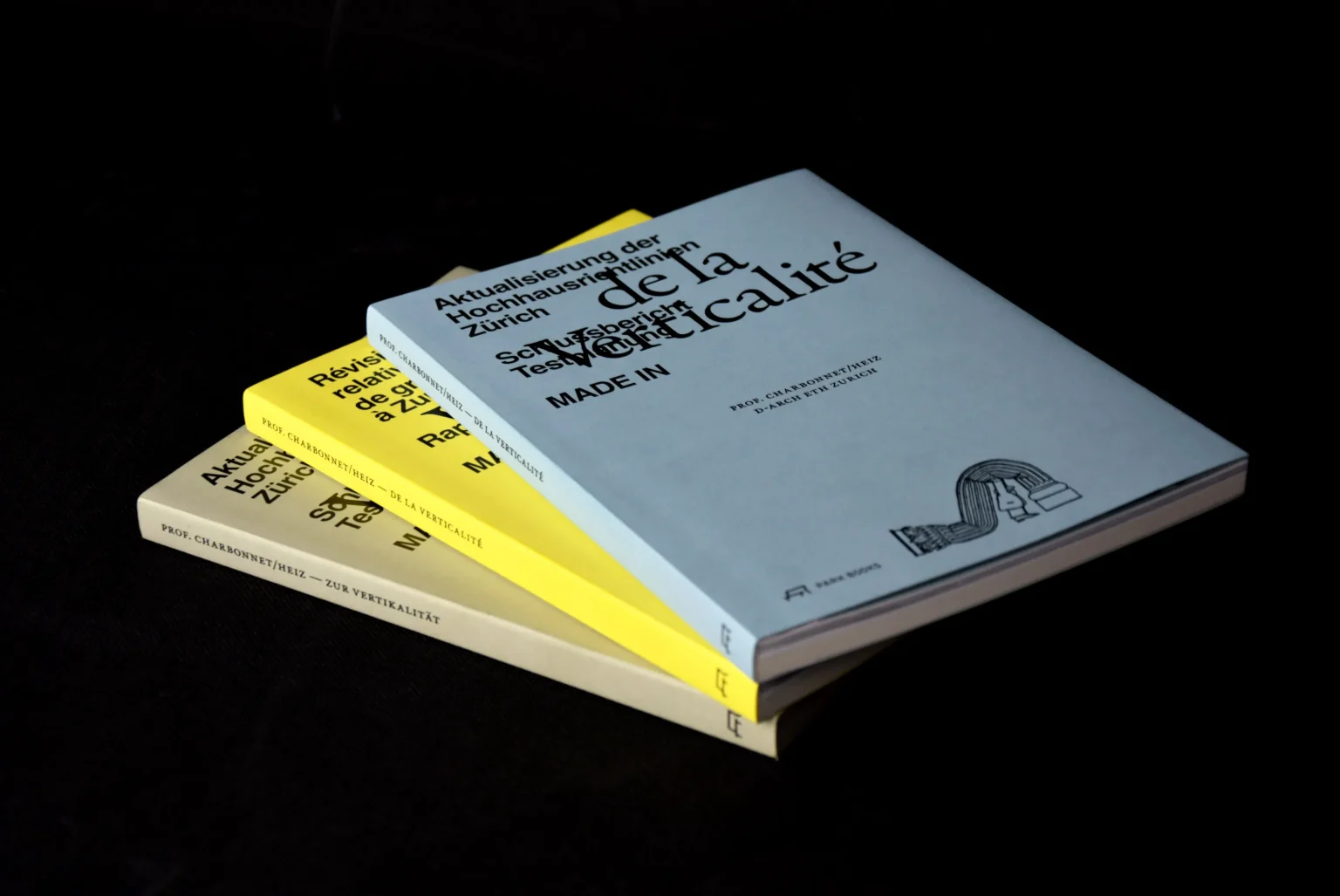
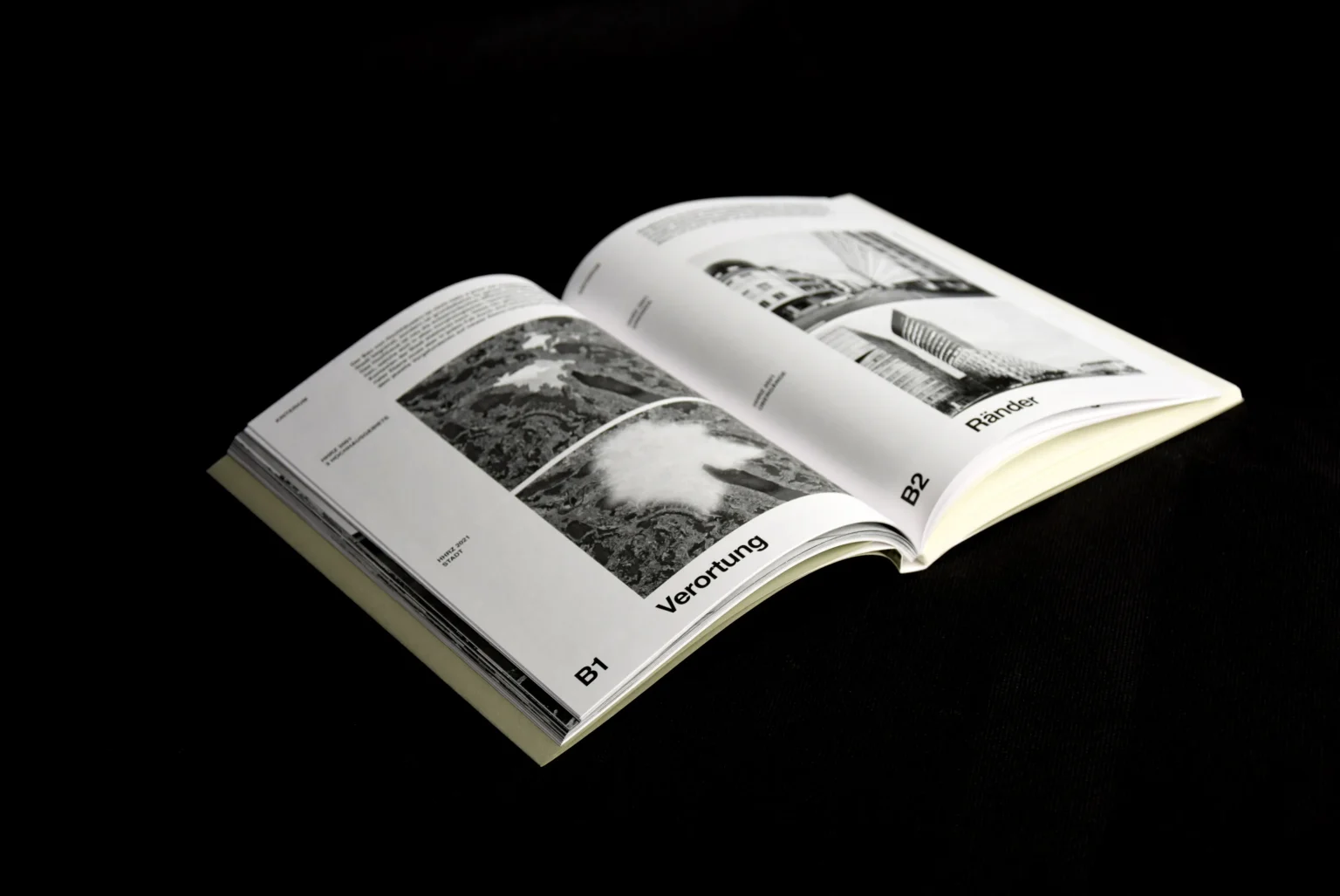
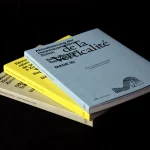
2. Zur Vertikalität (Park Books)
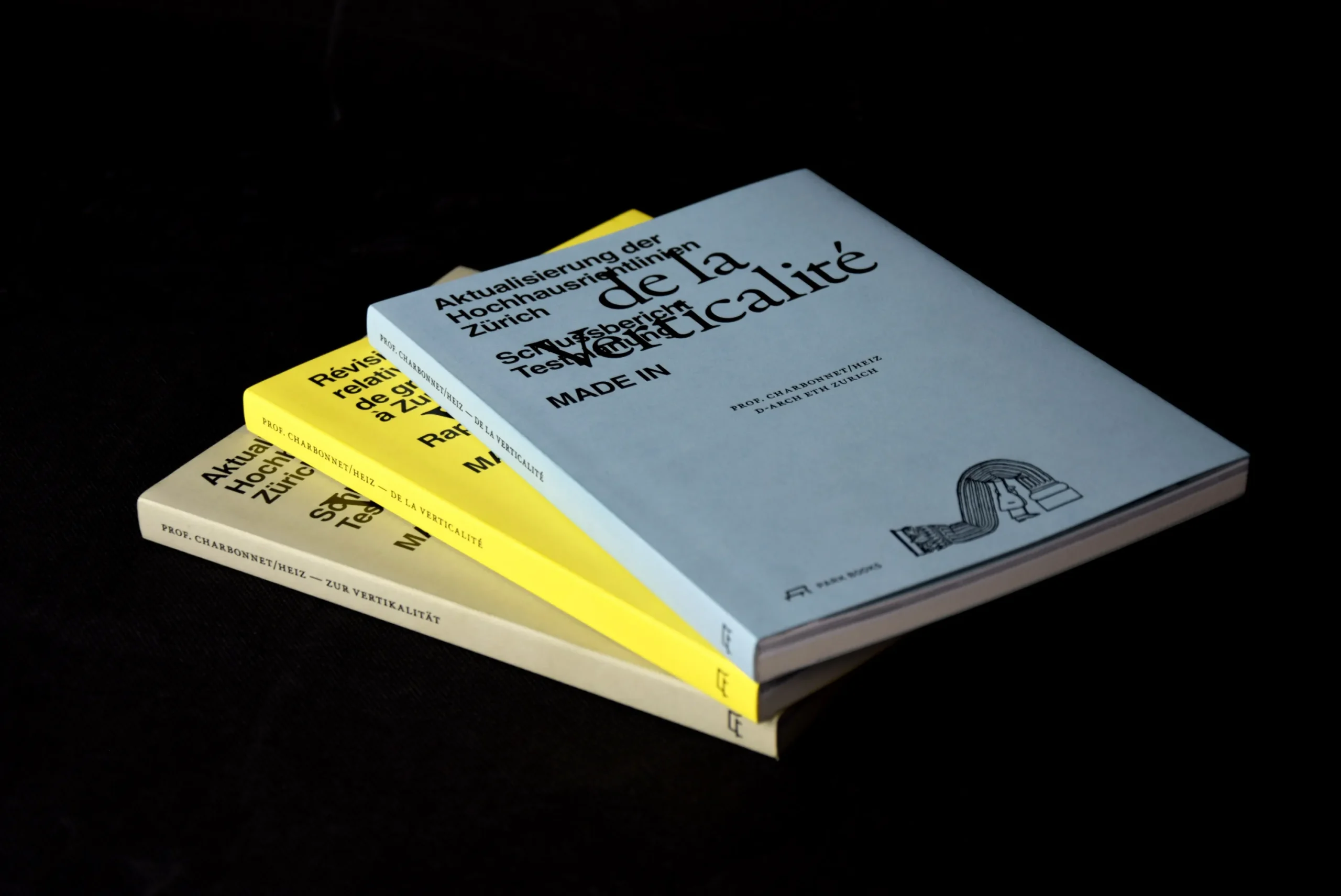
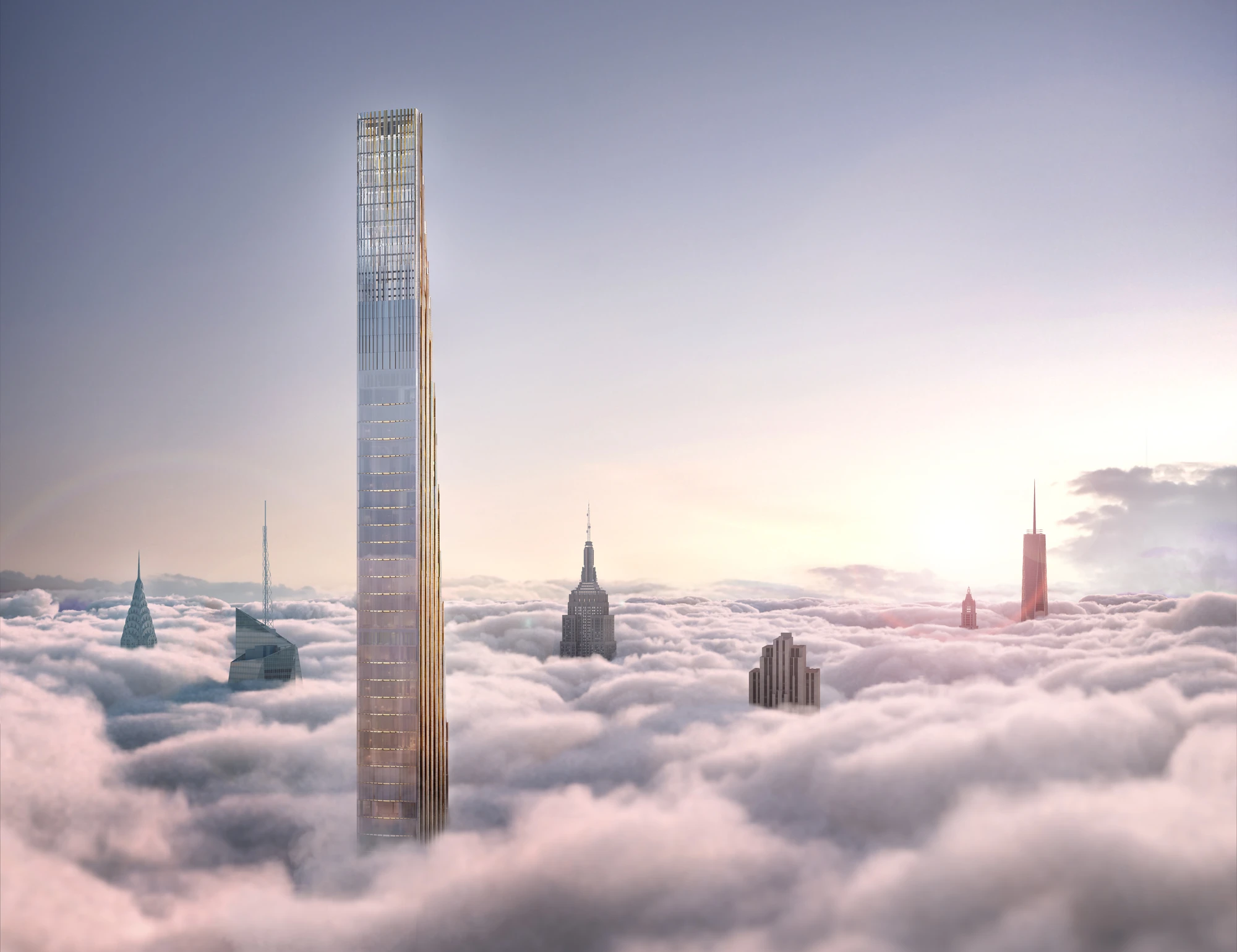
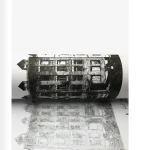
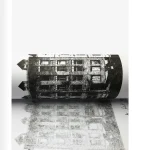
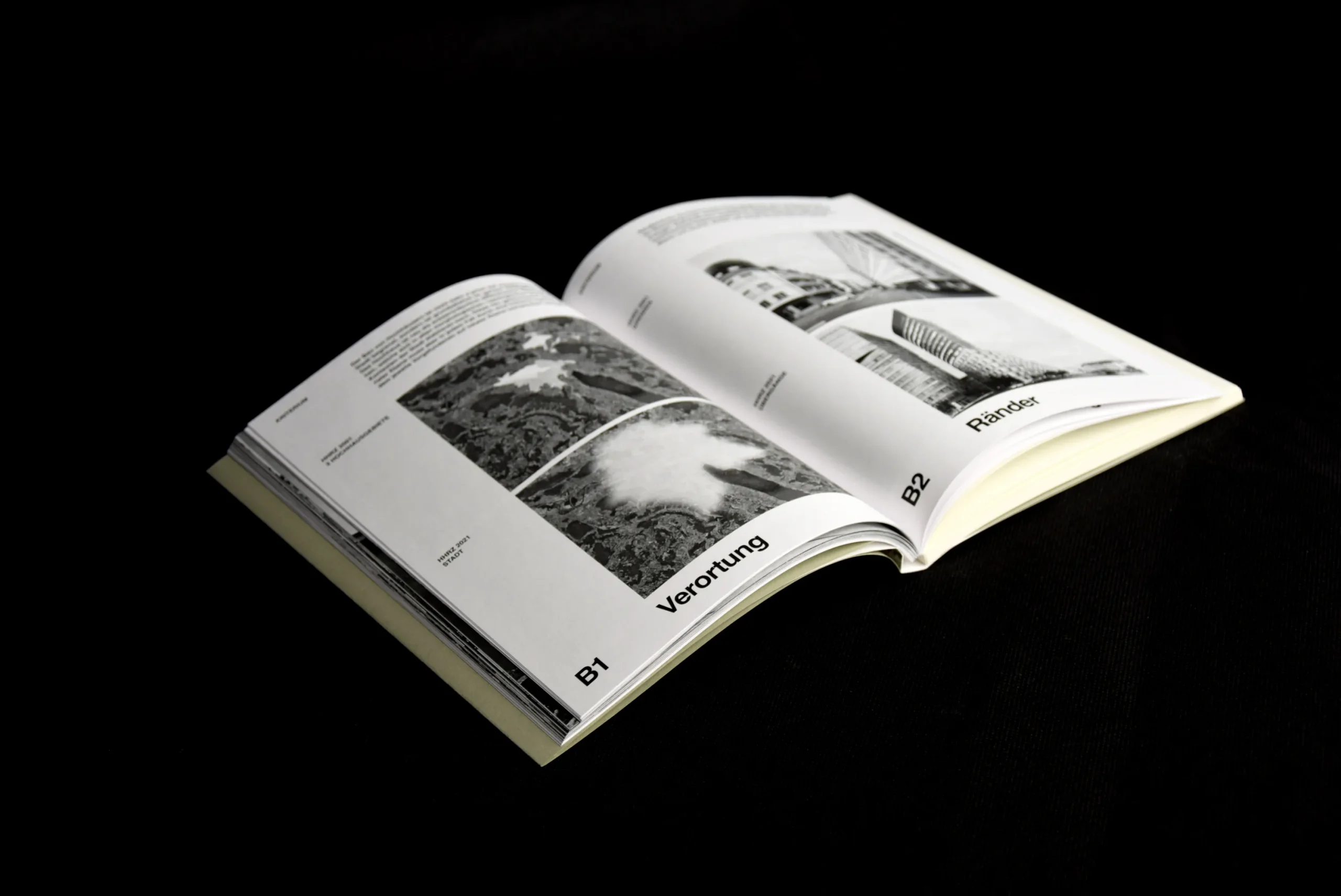
Swiss architectural firm Made In authored Zur Vertikalität (On Verticality), a German-language publication that offers a philosophical and practical manual for navigating urban growth. The volume presents a detailed case study on high-rise buildings in Zurich with an explorative essay on the subject of verticality in philosophy, culture, and society. The book aims to broaden design thinking, featuring striking montages and visualizations that imagine the future aesthetics of dense urban environments.
Thematic Cluster C: Preservation, Modernist Legacy, and Historical Recovery
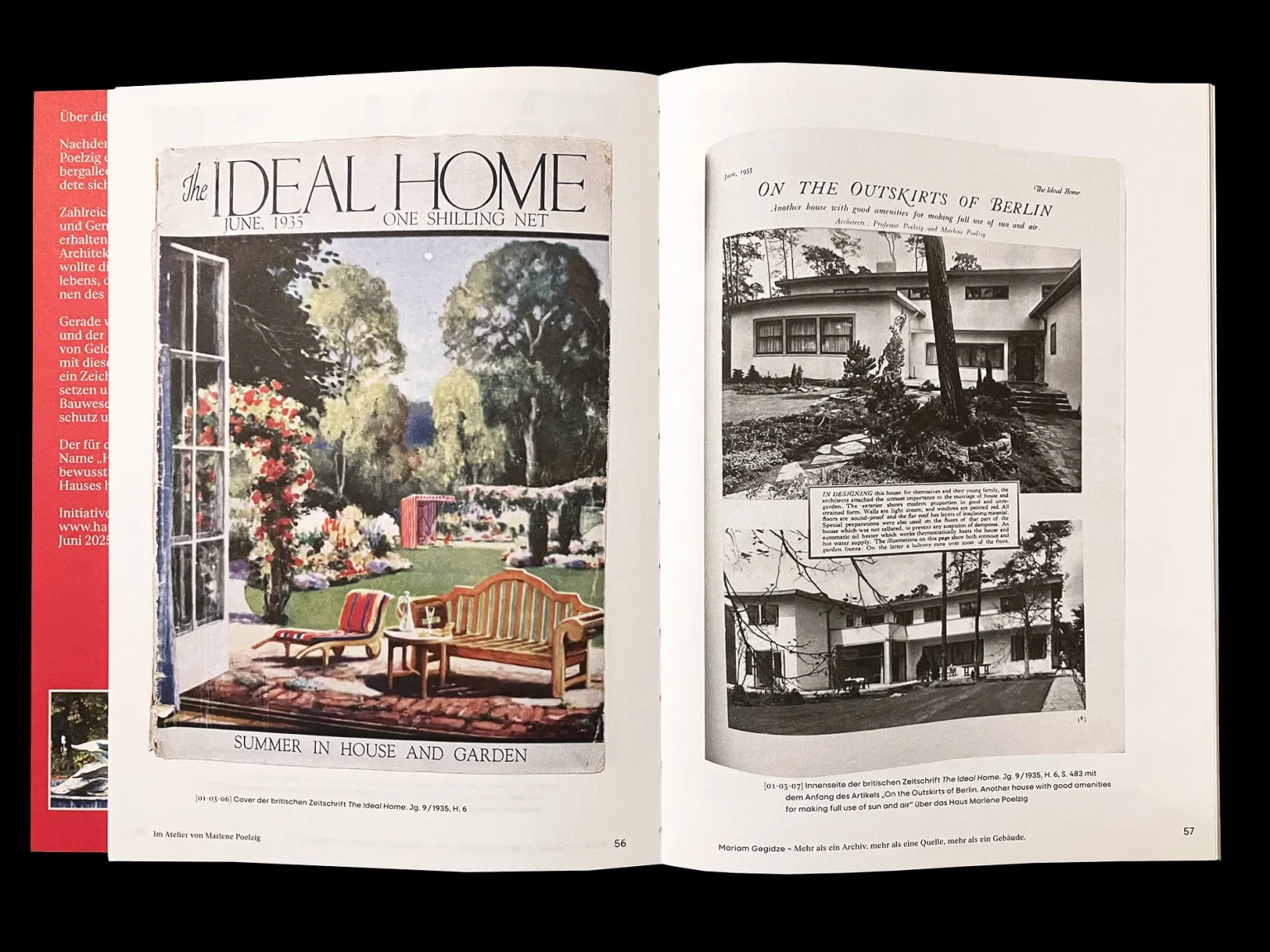
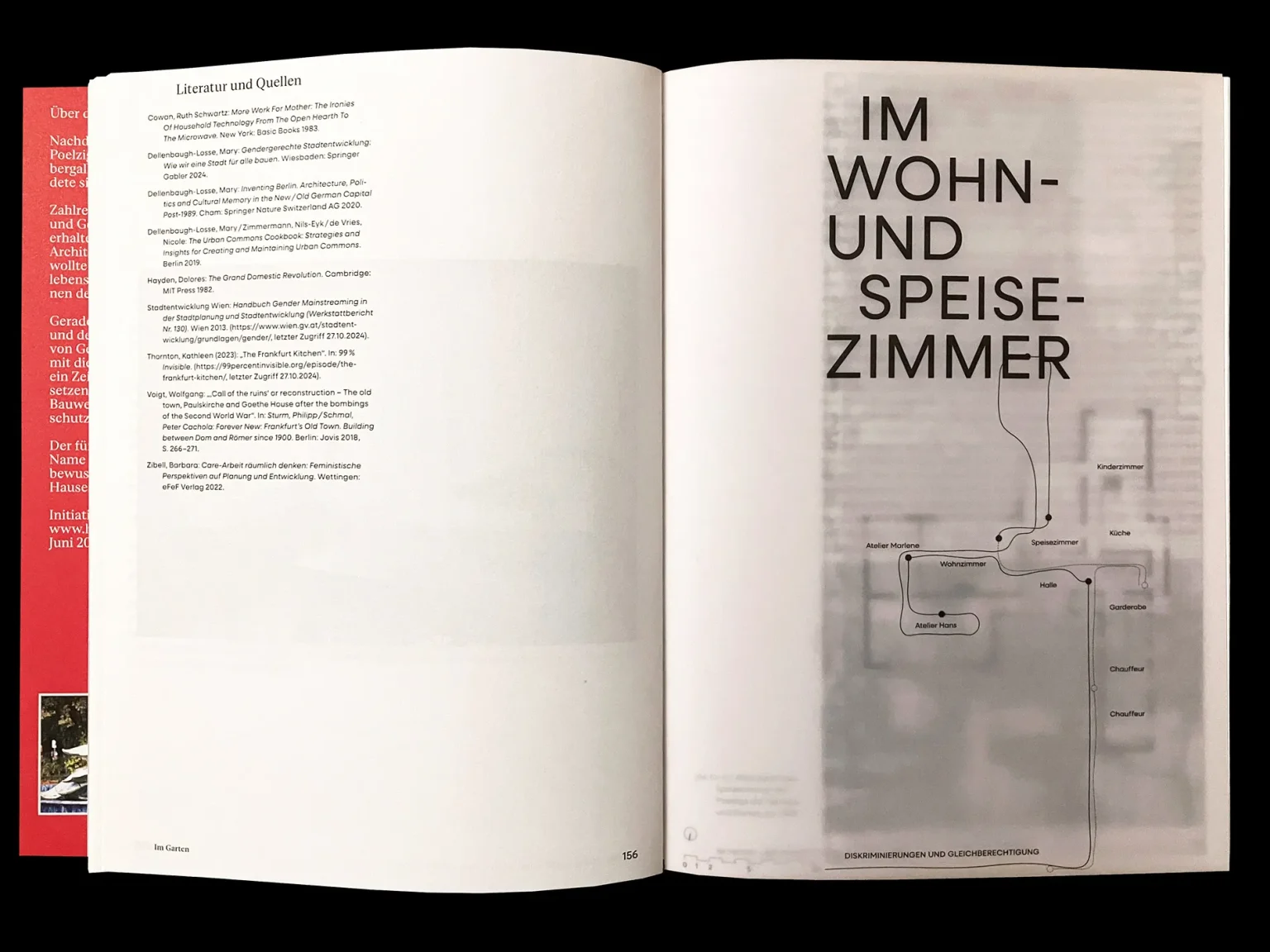
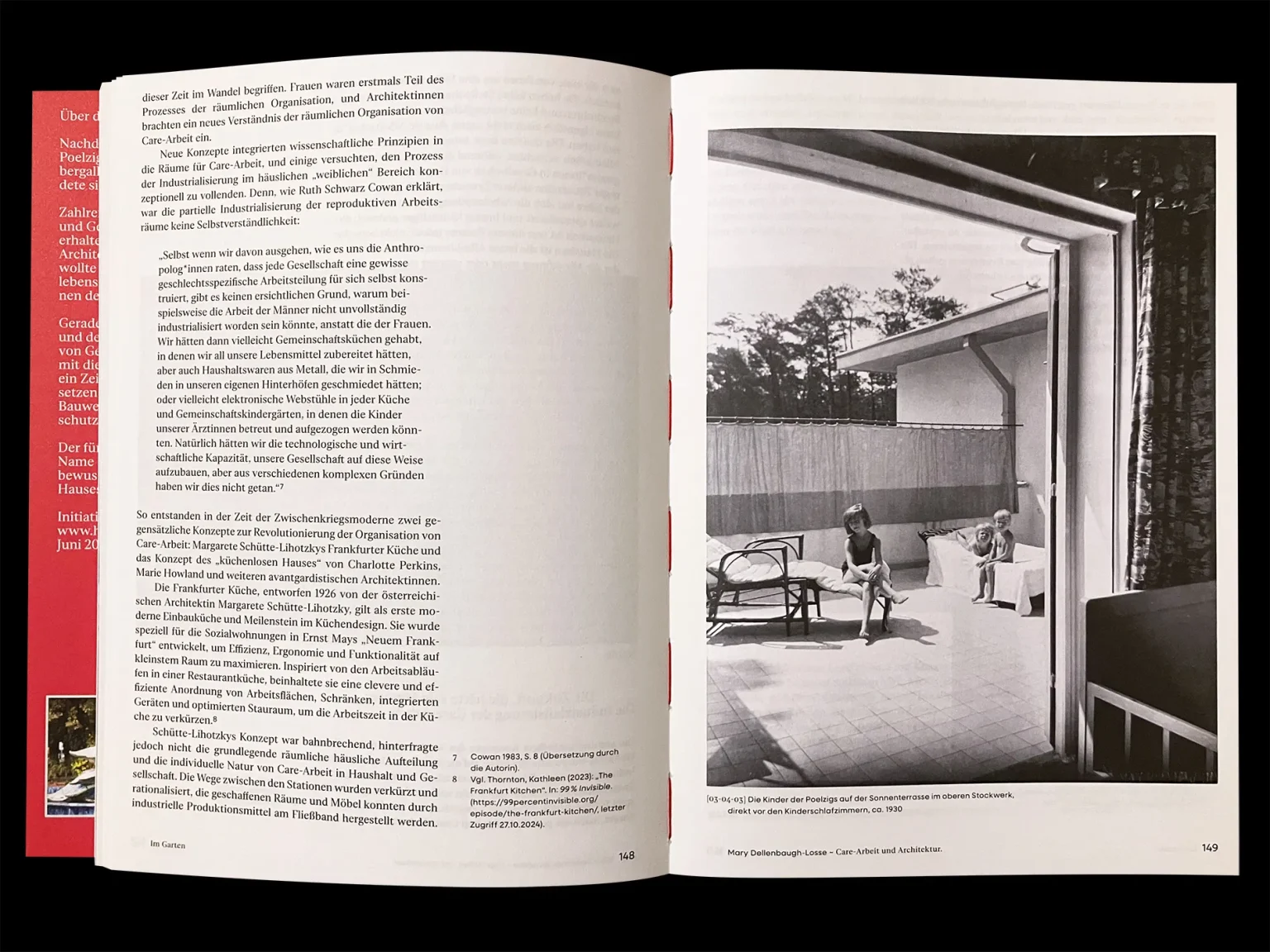
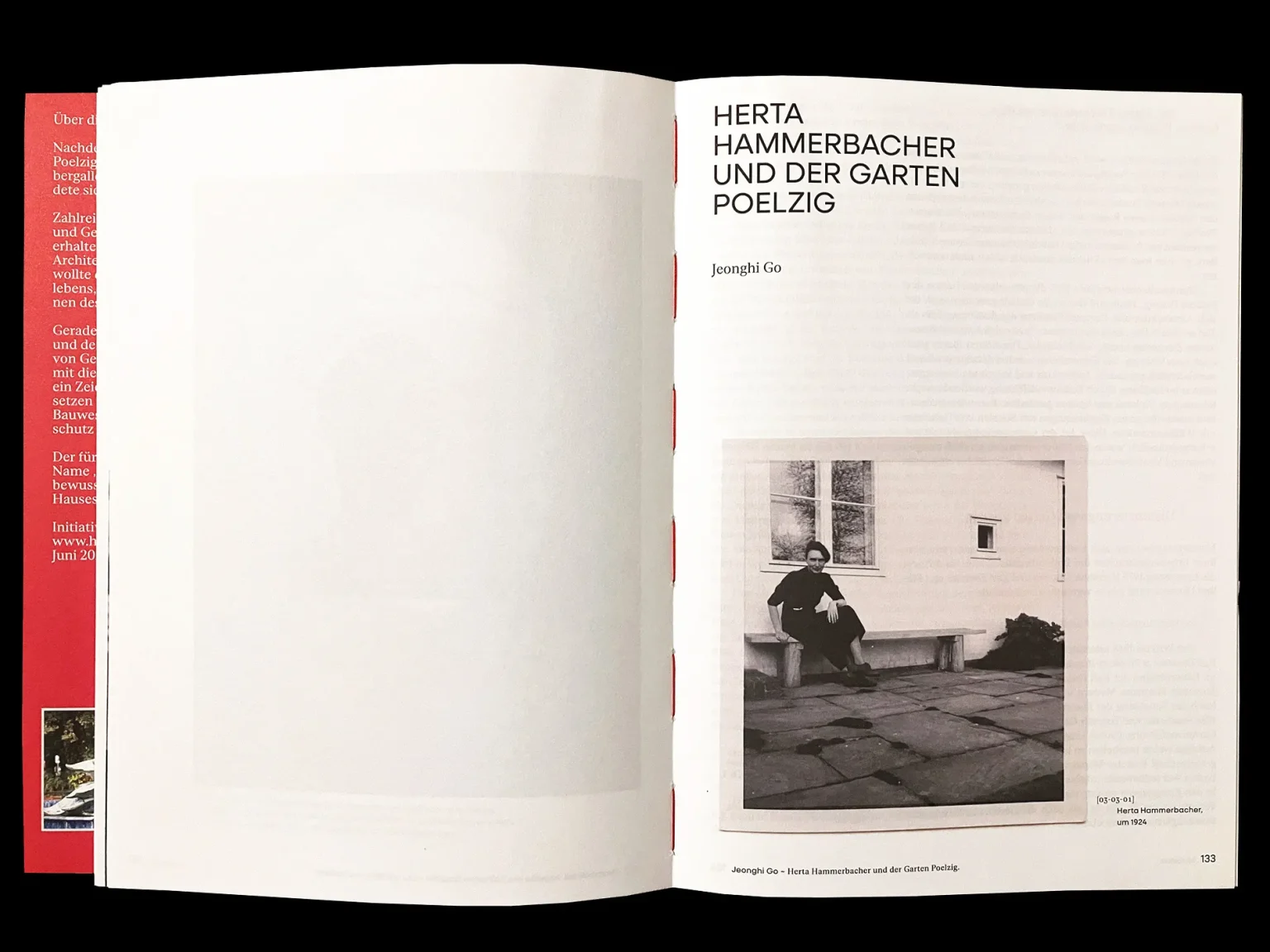
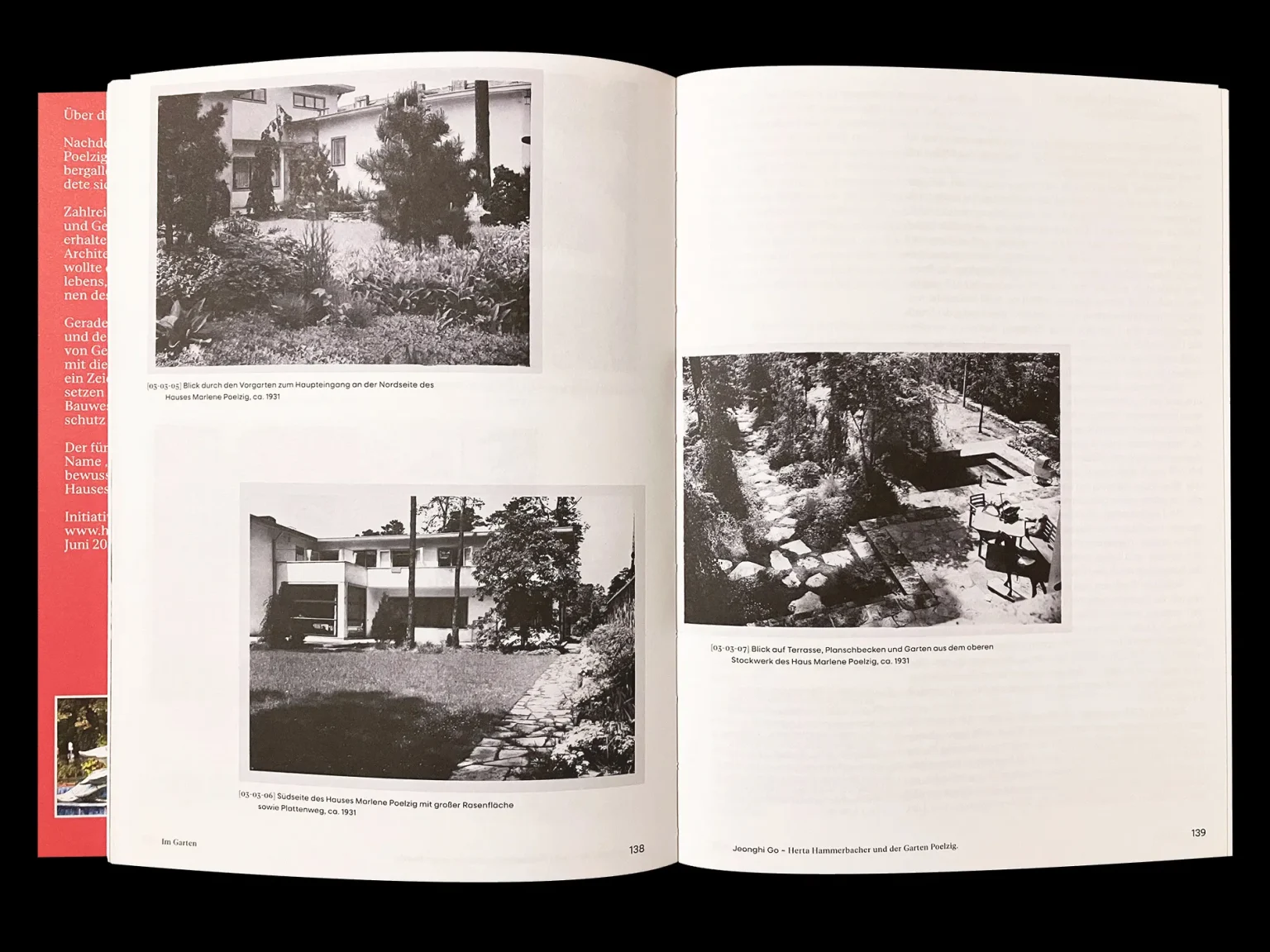
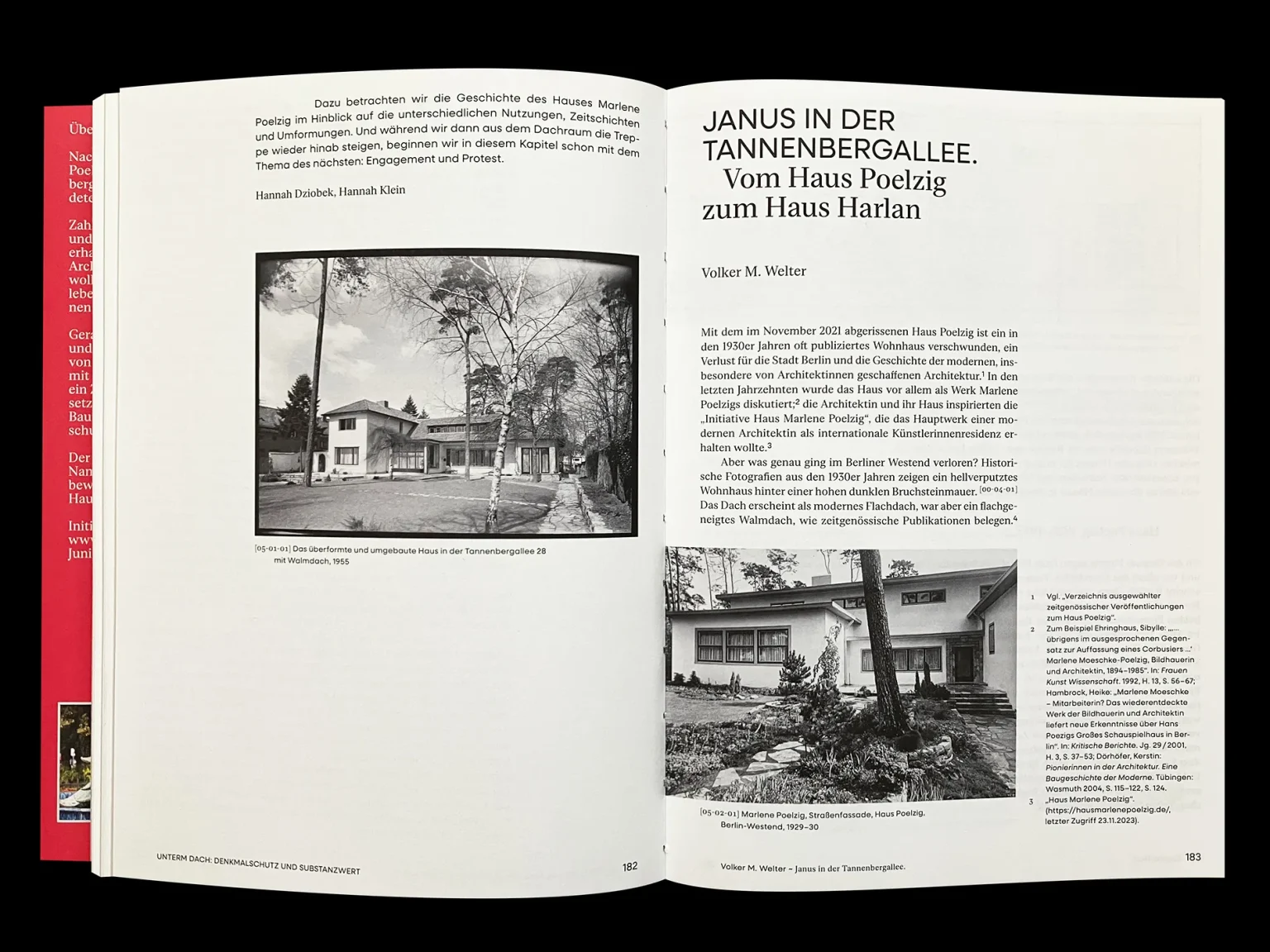
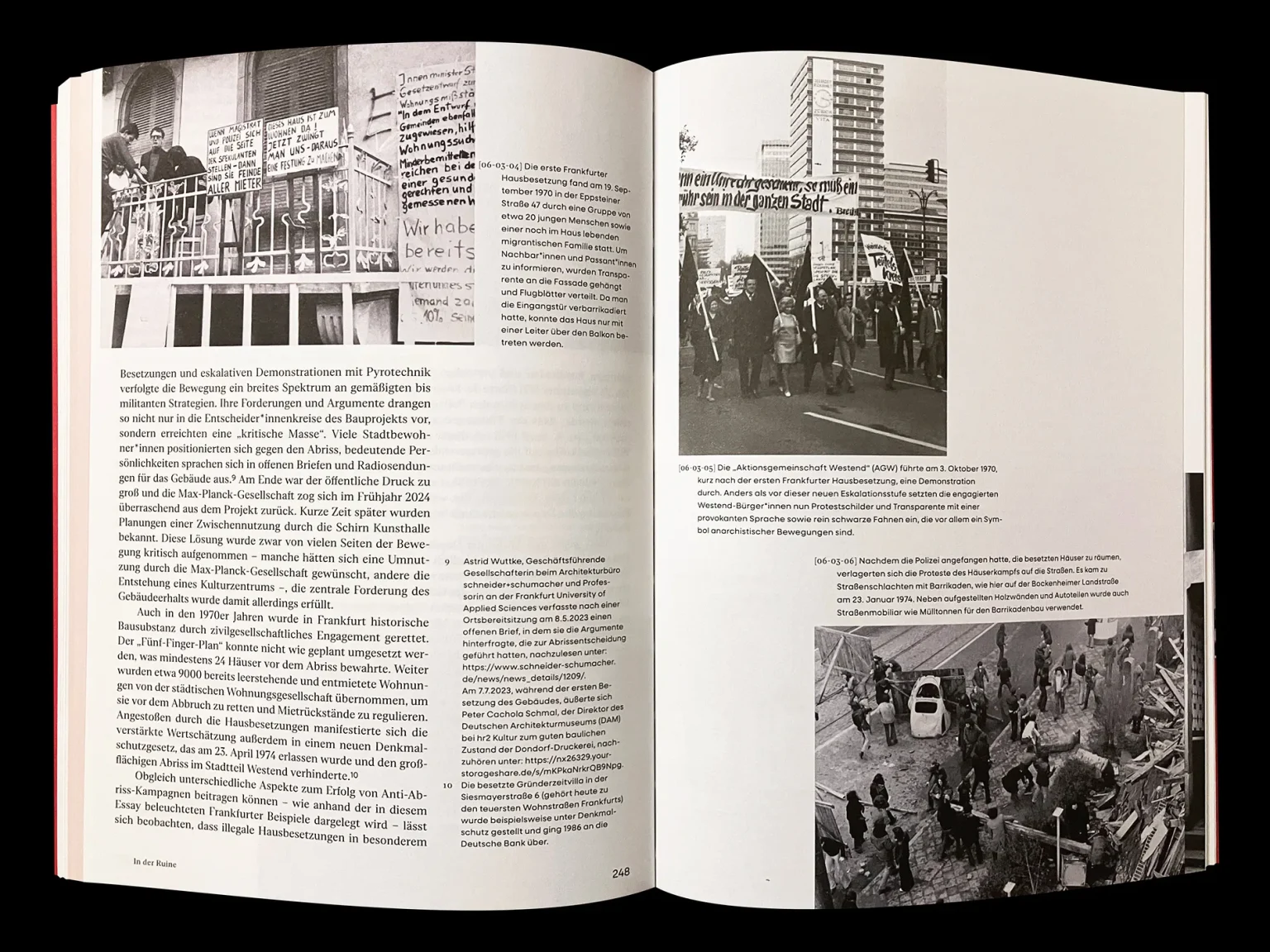
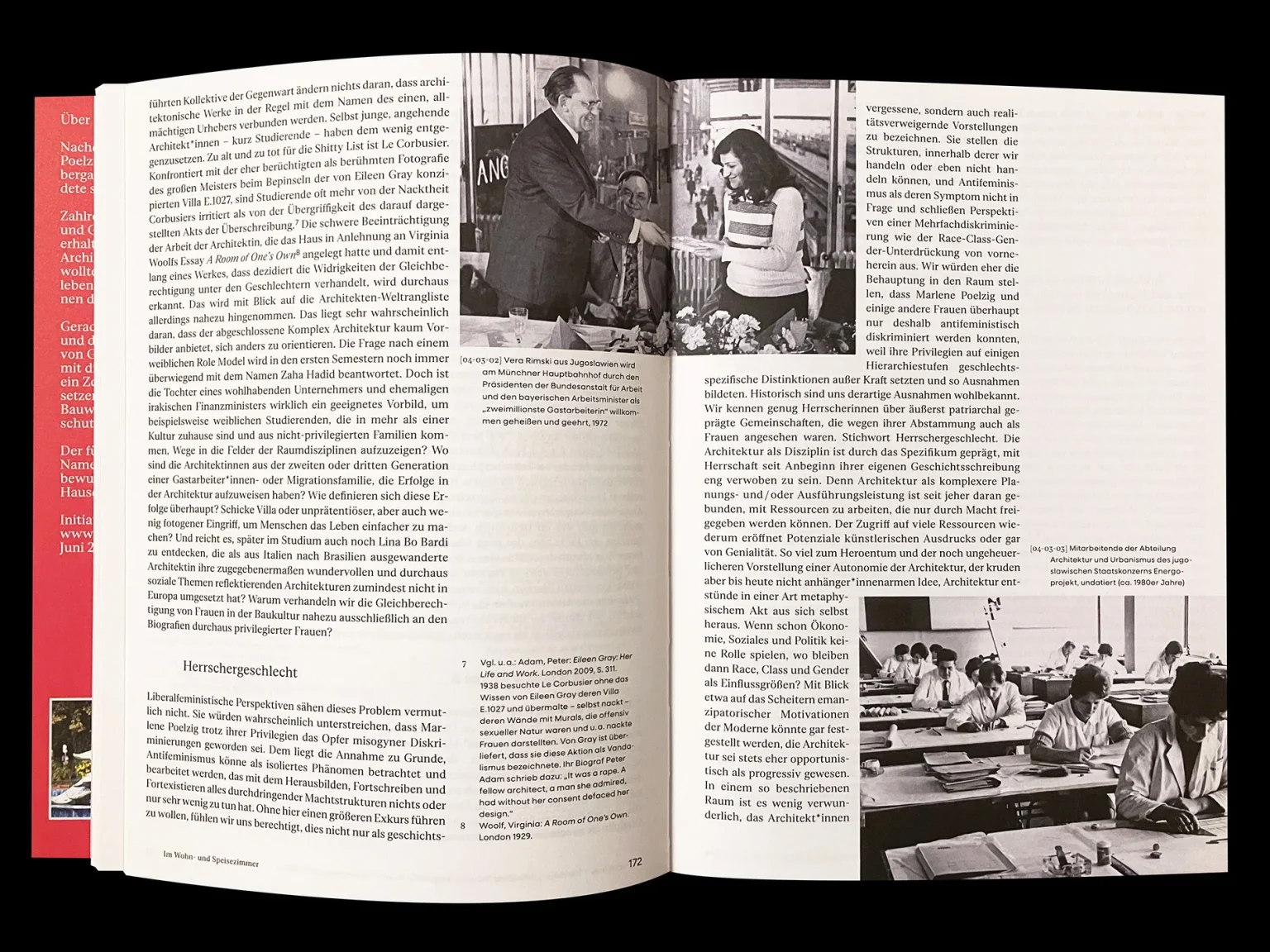
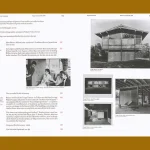
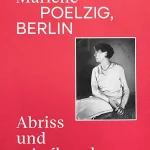
1. Haus Marlene Poelzig, Berlin – Abriss und Aufbruch (Urbanophil)
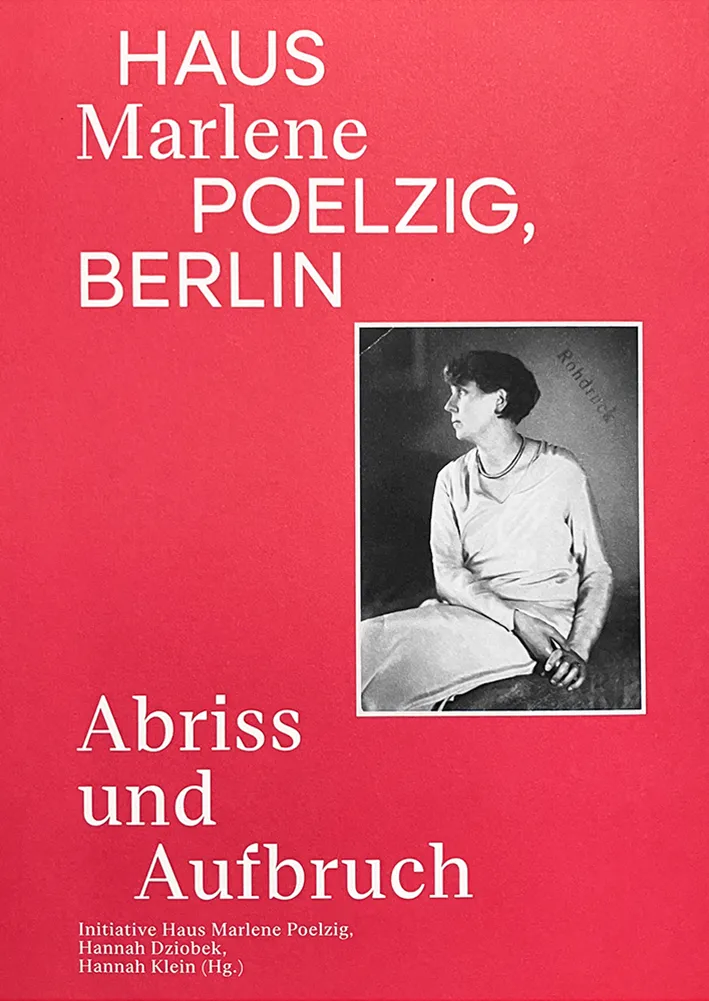
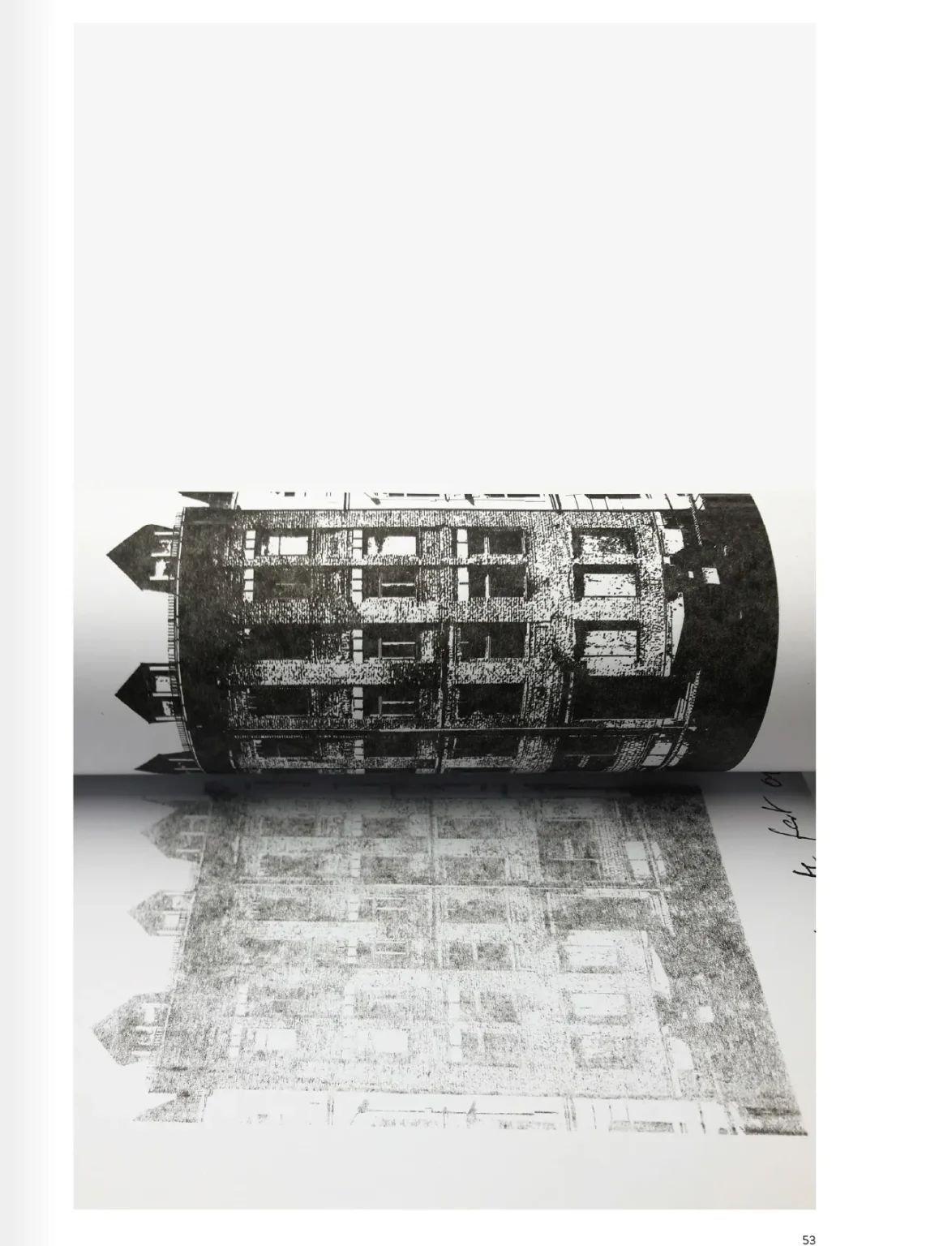
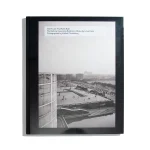
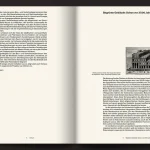
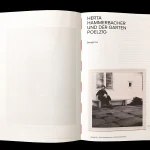
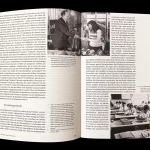
Rooted in architectural advocacy, this book functions as a manifesto that highlights the often-erased contribution of women in German architecture. It focuses on Marlene Moeschke-Poelzig, the wife of Hans Poelzig, a sculptor, and her collaborator at Studio Poelzig, where they worked together on major projects such as the Grosses Schauspielhaus.
The monograph also includes Poelzig’s family home design, an example of co-working space integrating personal and professional life, a concept of the modern era.
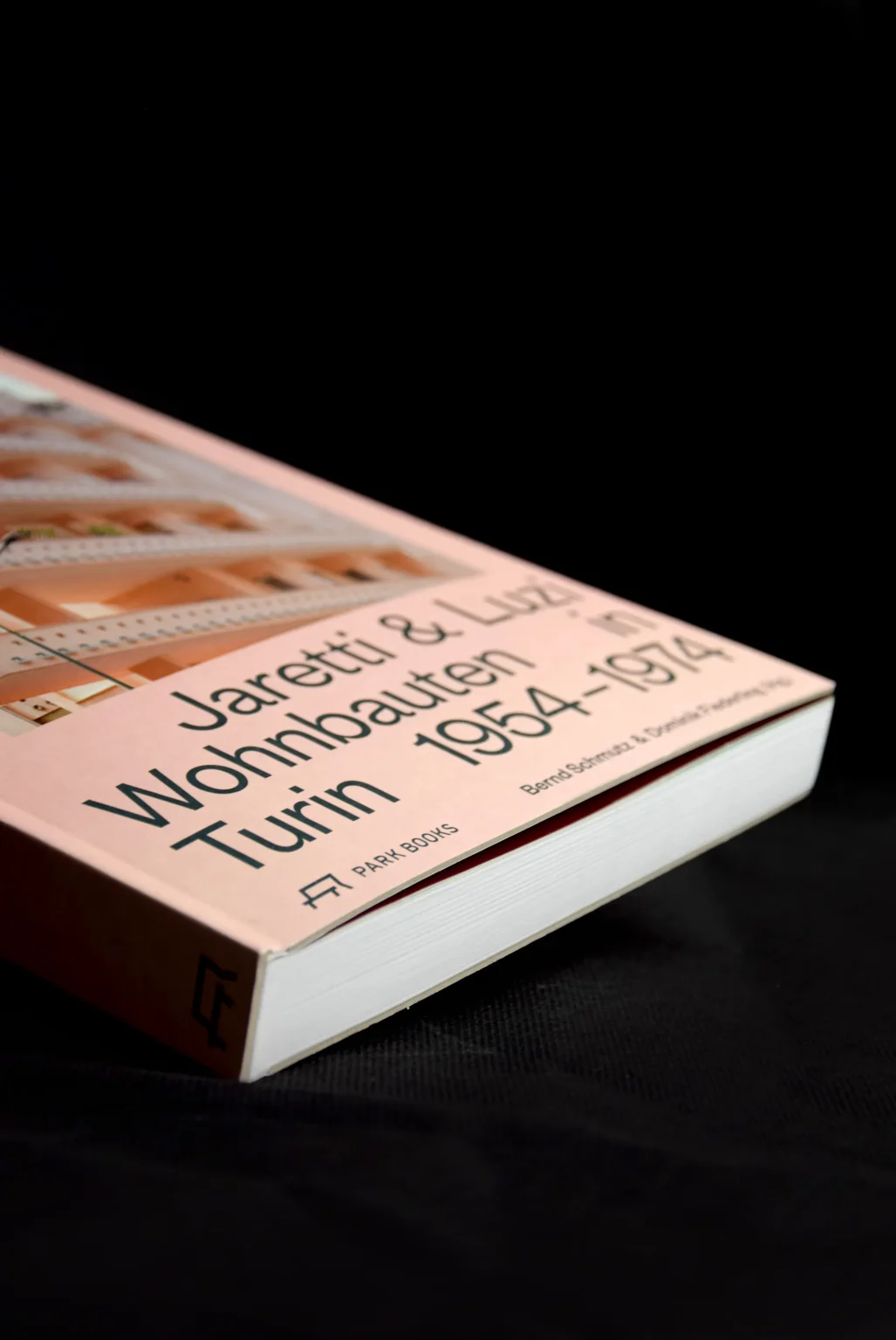
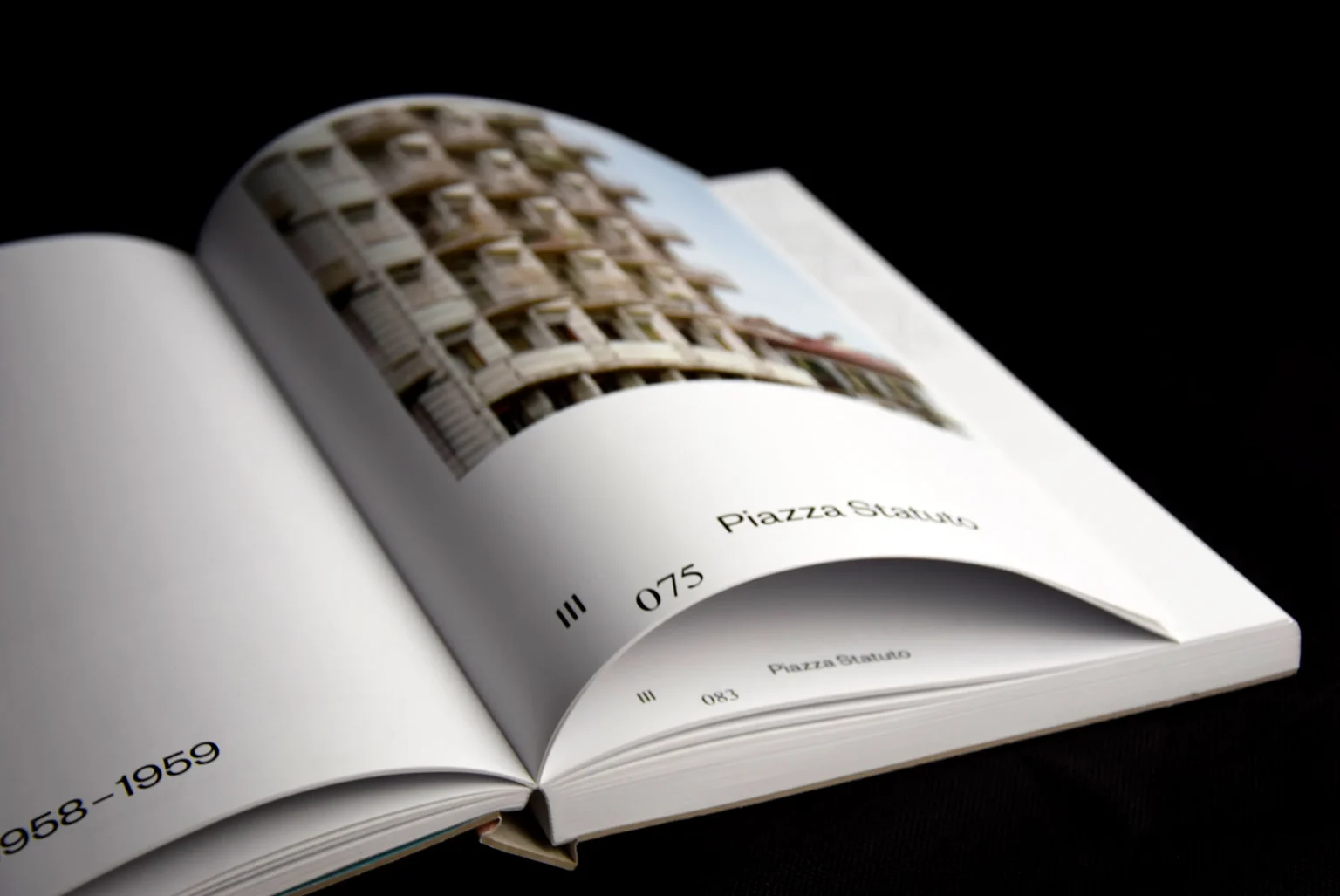
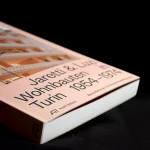
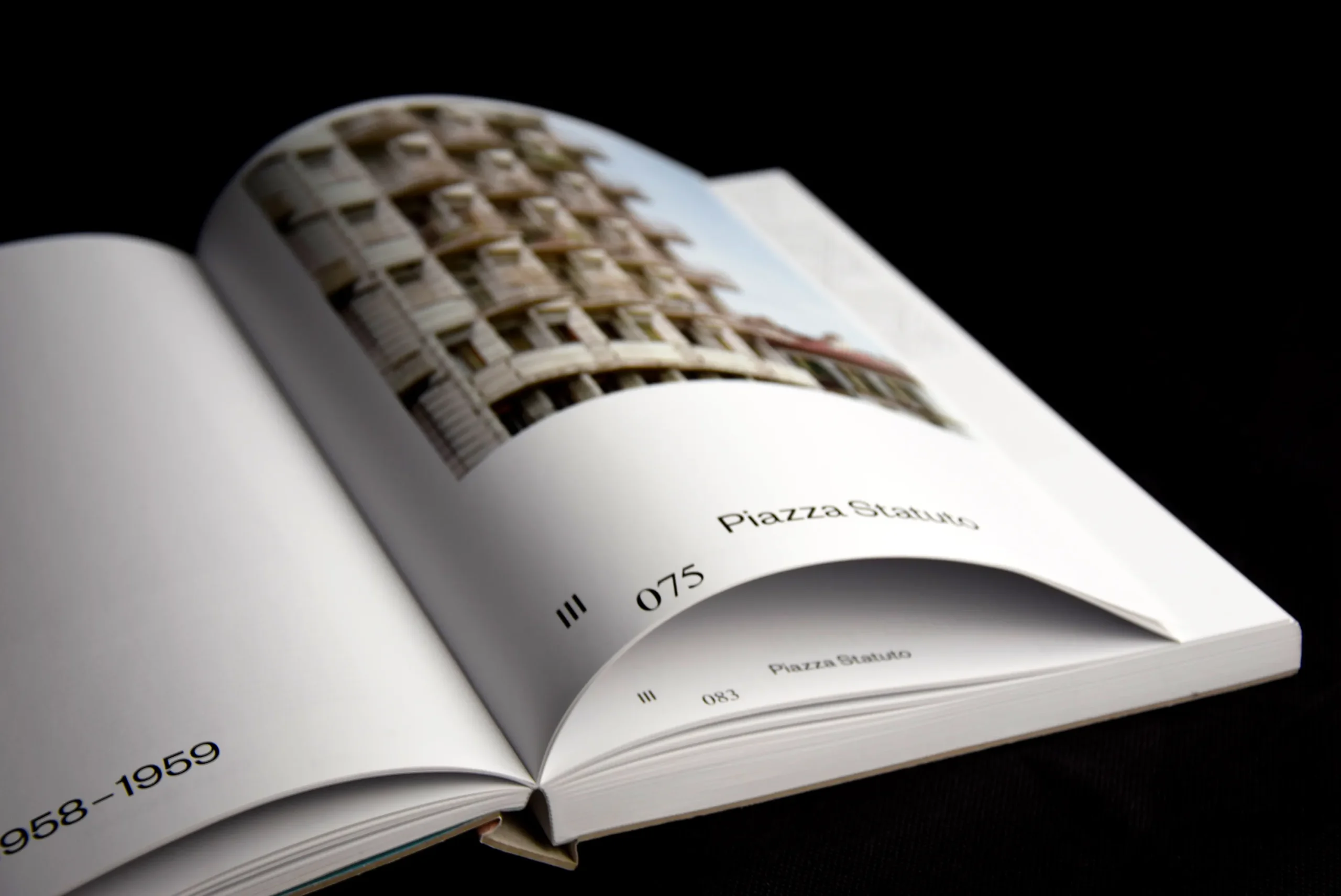
2. Jaretti & Luzi – Wohnbauten in Turin 1954–1974 (Park Books)
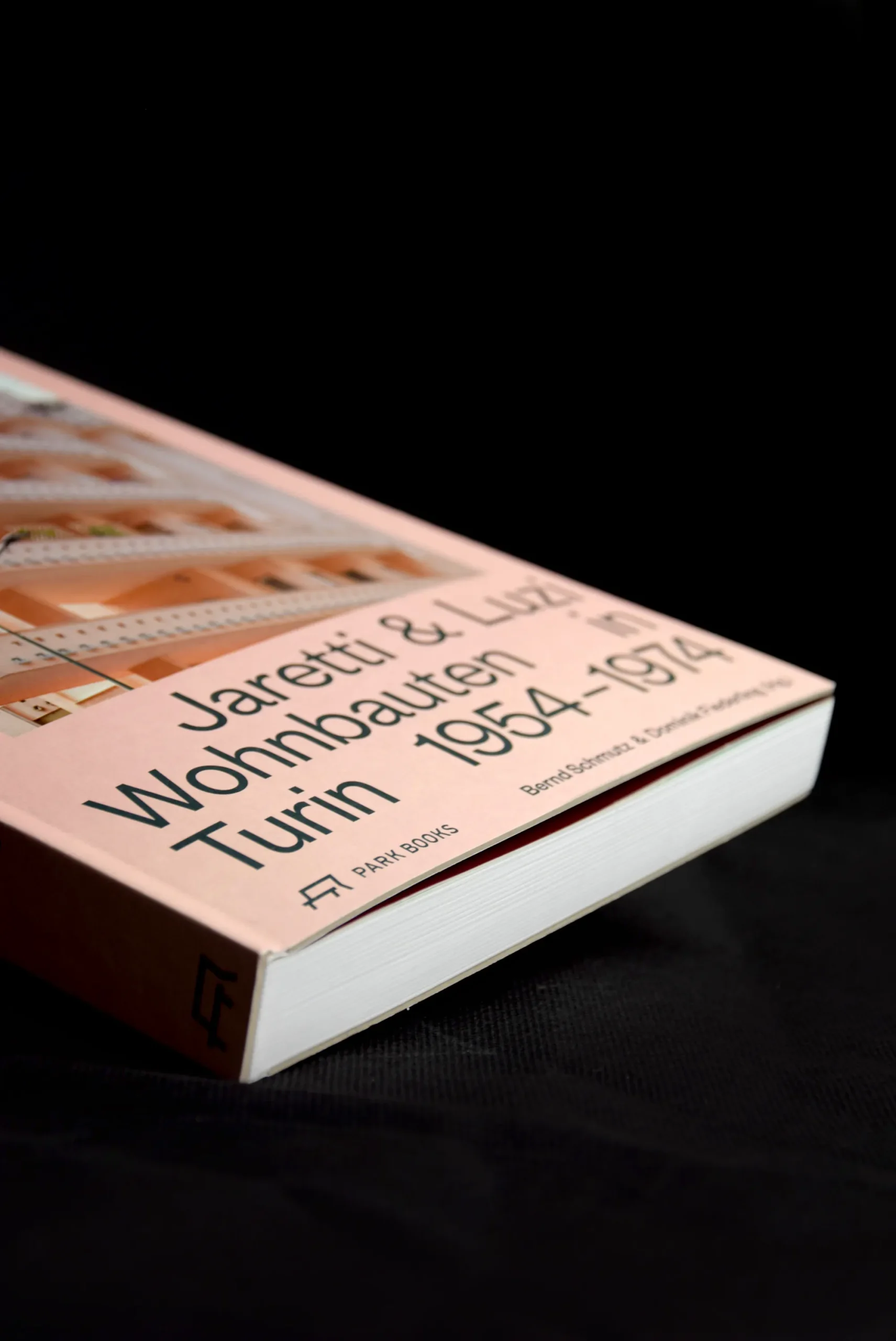
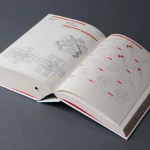
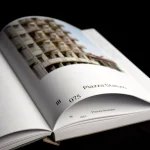
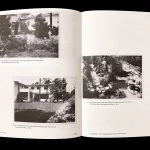
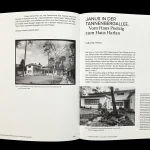
Reviving the works of Turin-based architects Sergio Jaretti and Elio Luzi, spanning 1954 to 1974, this monograph examines a practice consciously positioned outside the mainstream of Italian architecture, rejecting both the strict rationalism of postwar modernism and the dominant paradigms of mass housing. Grounded in scholarly precision, the book draws on rich primary sources, including interviews with family members, collaborators, and critical voices such as Adam Caruso.
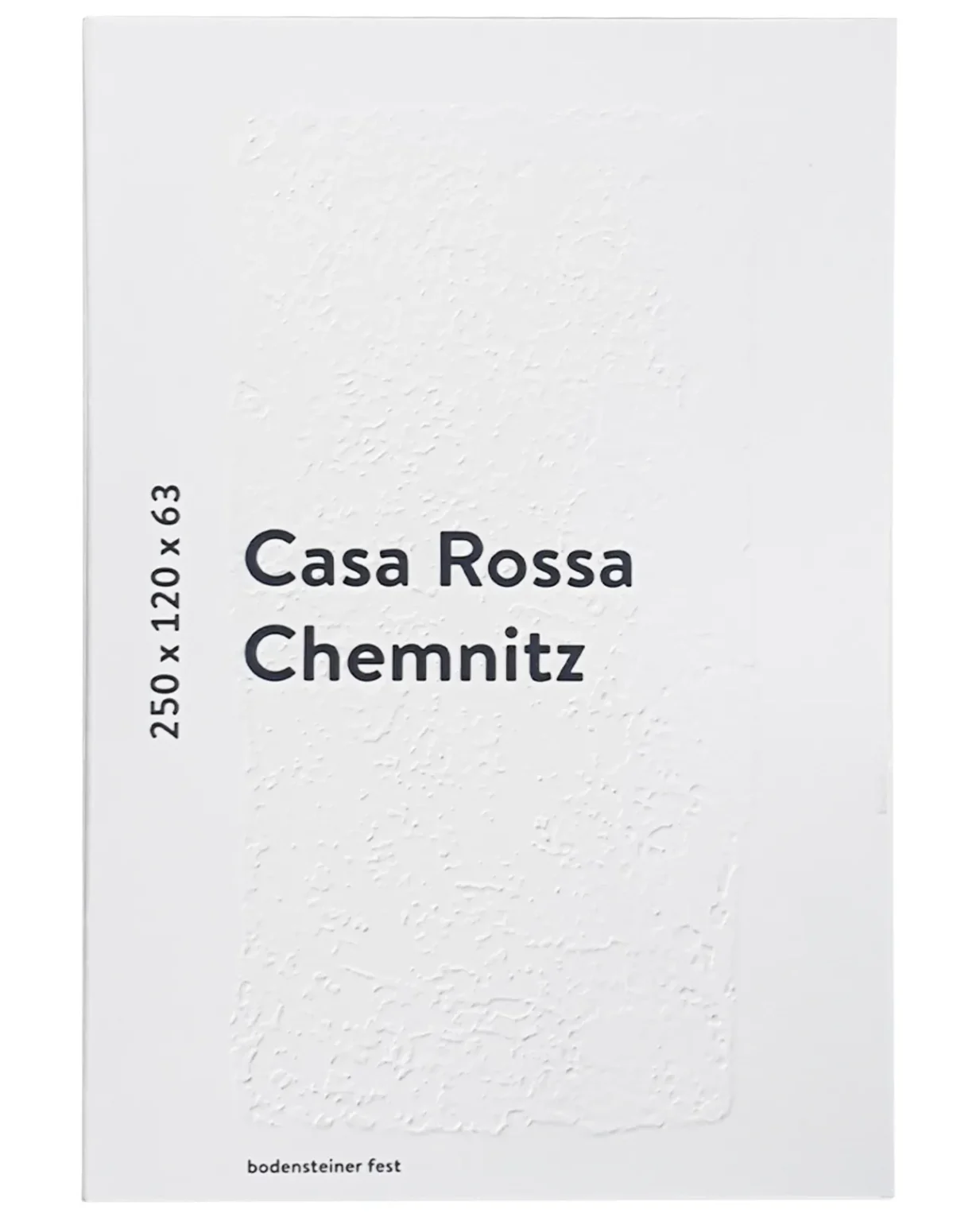
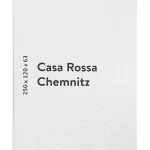
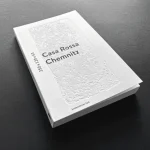
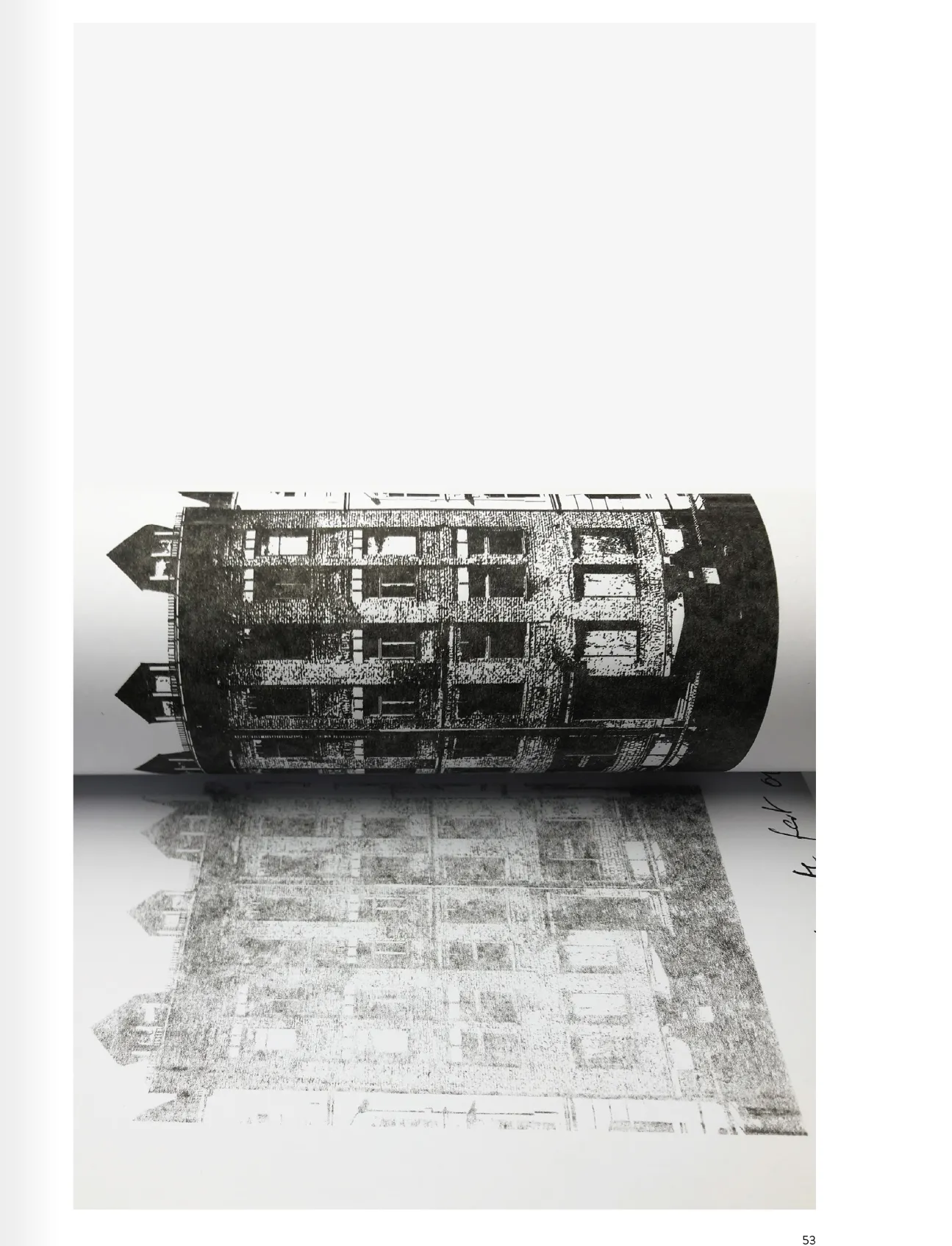
3. Casa Rossa Chemnitz – Ein Beitrag nachhaltiger Baukultur (Deutscher Architektur Verlag)
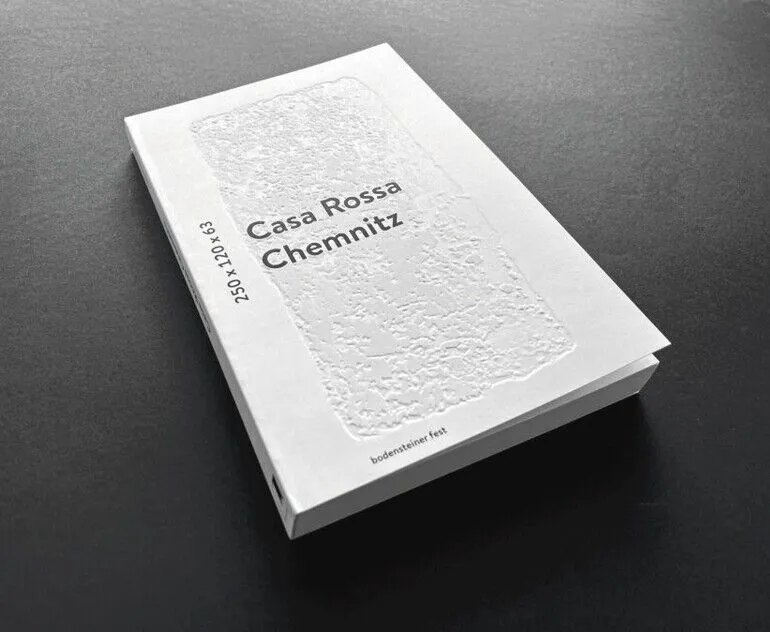
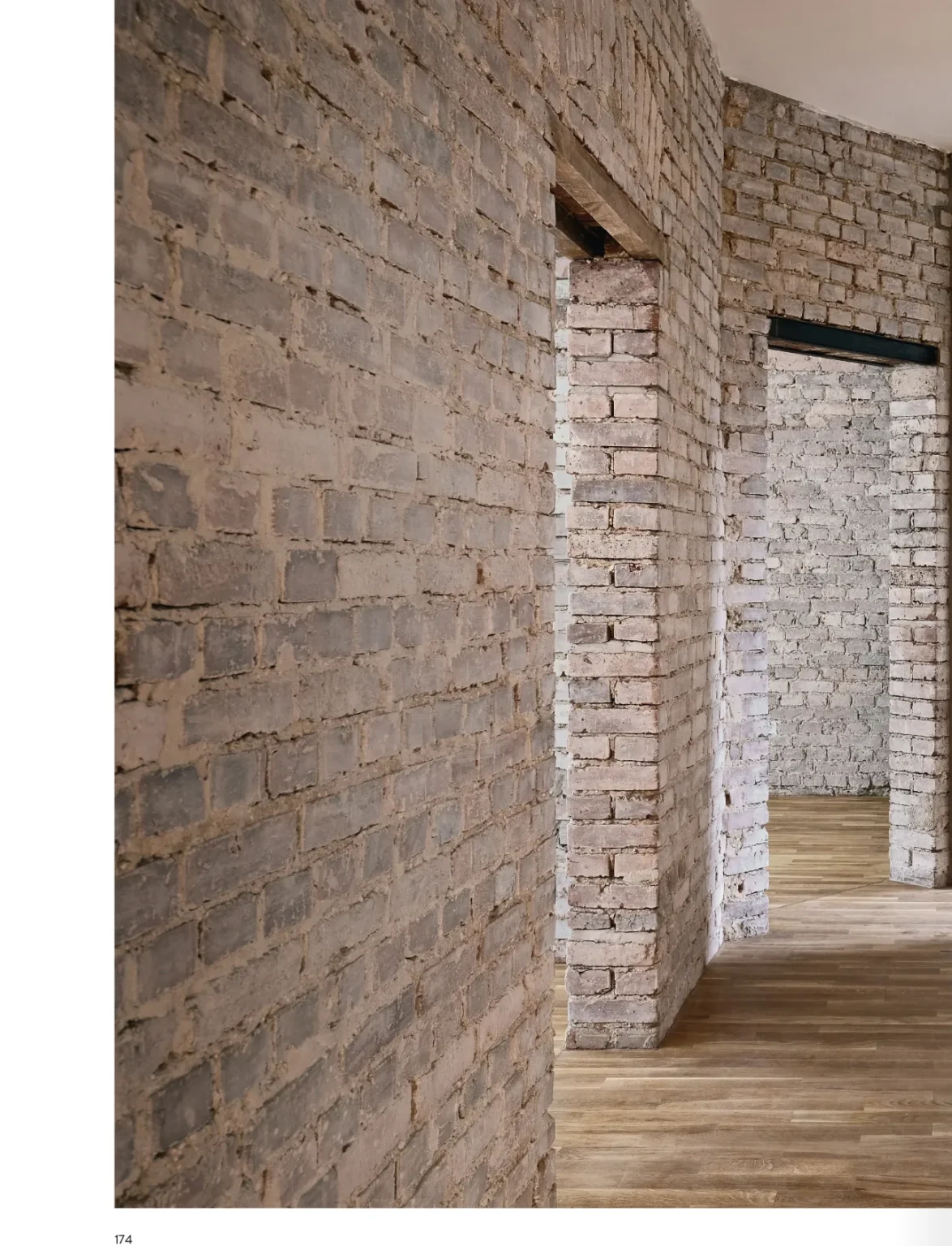
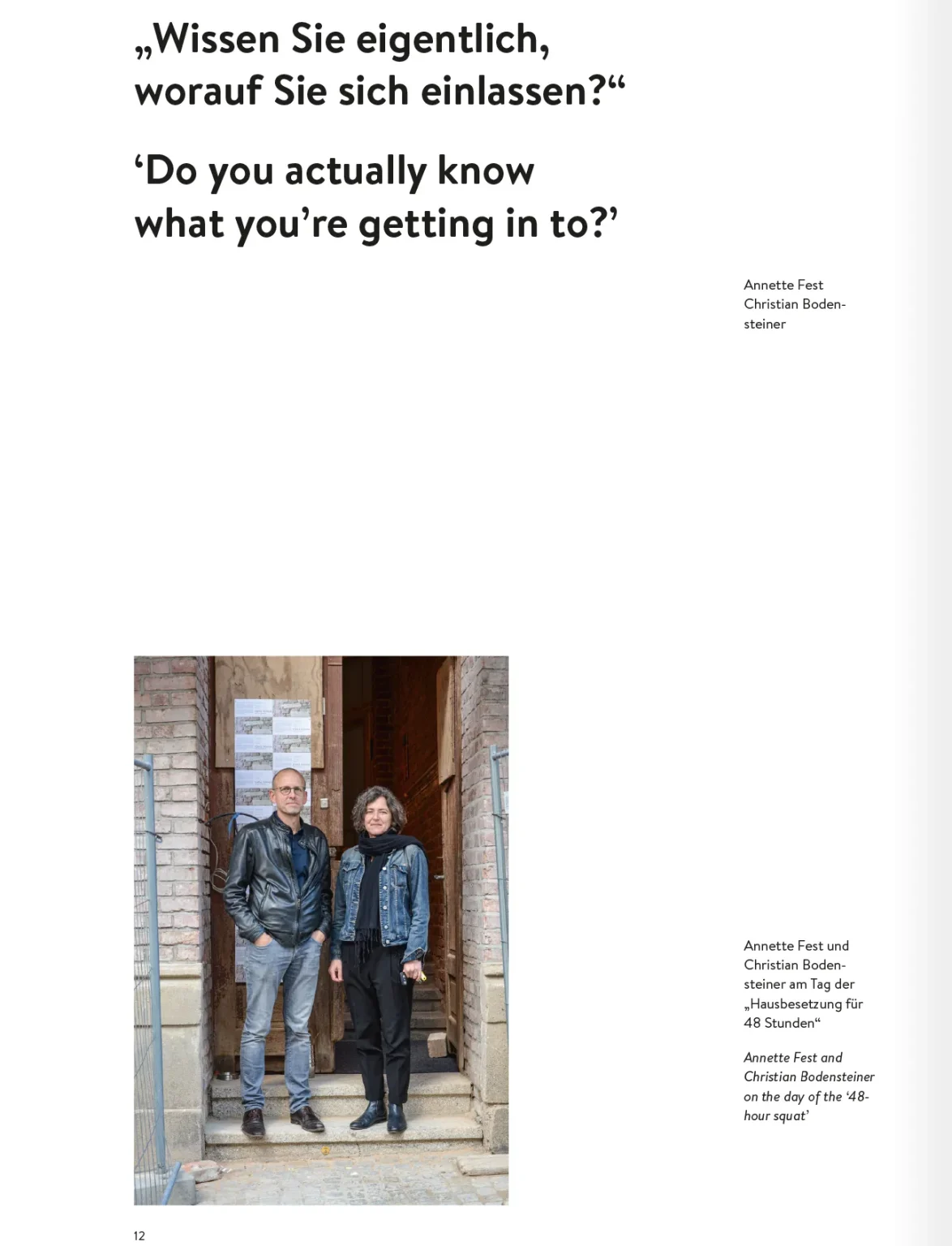
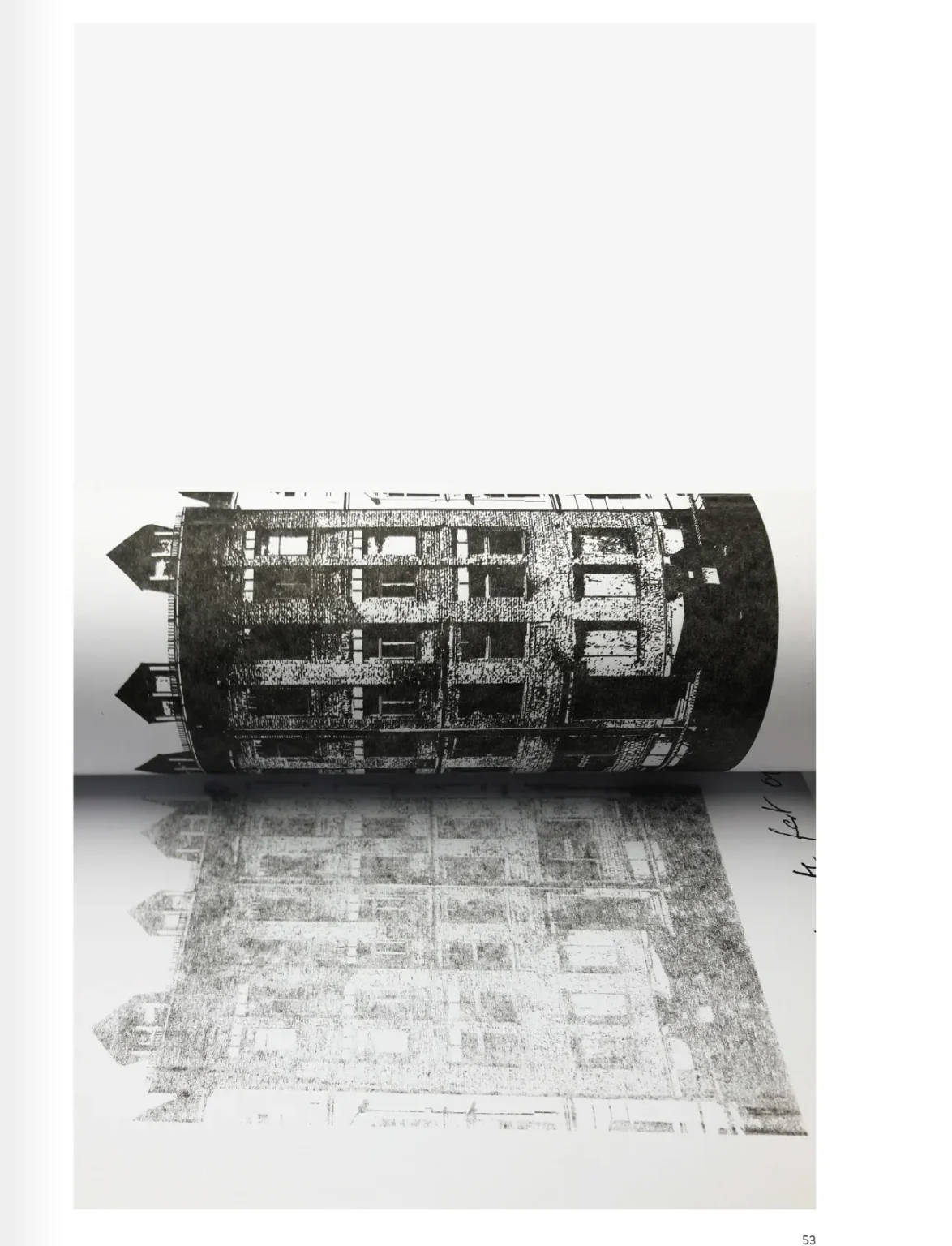
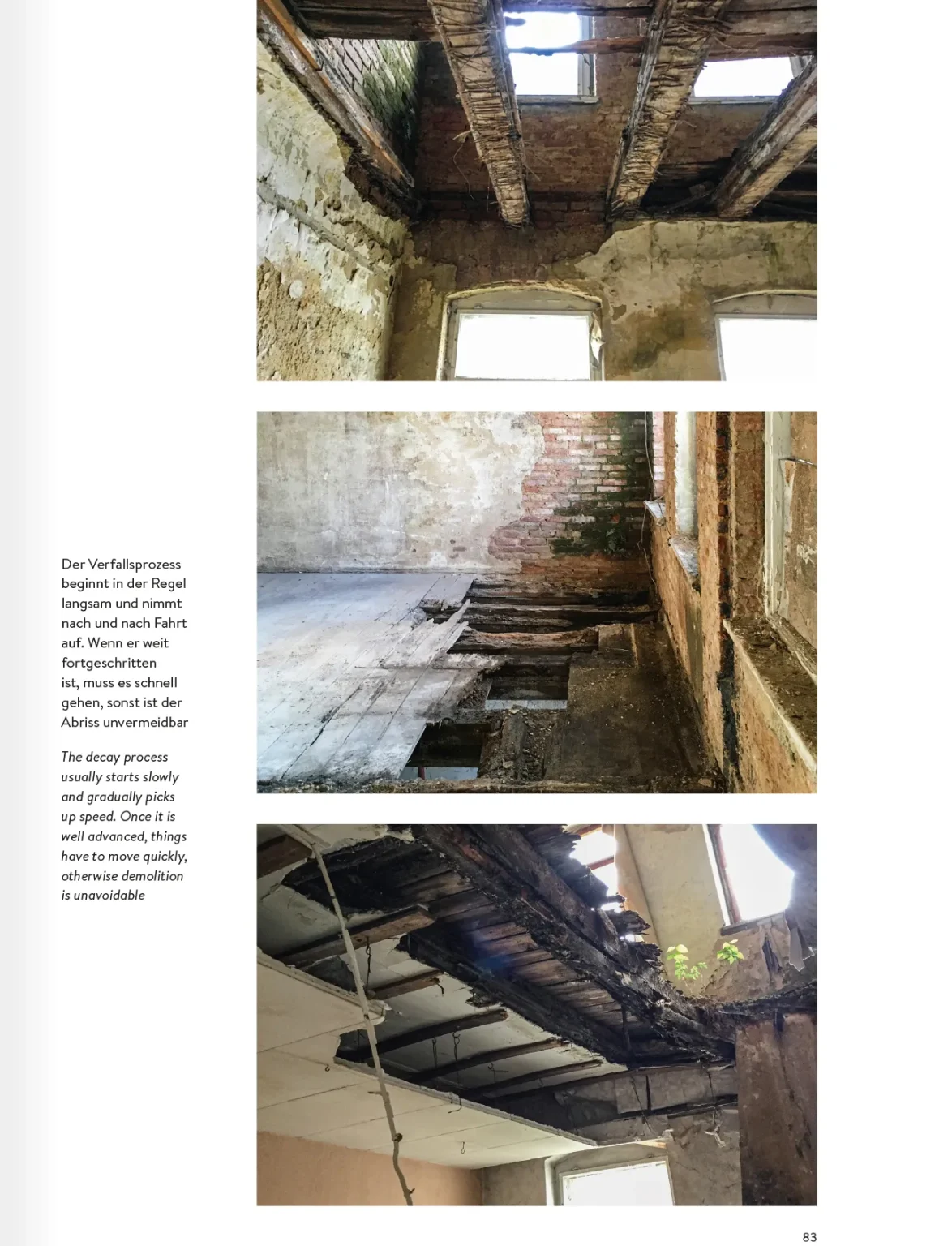
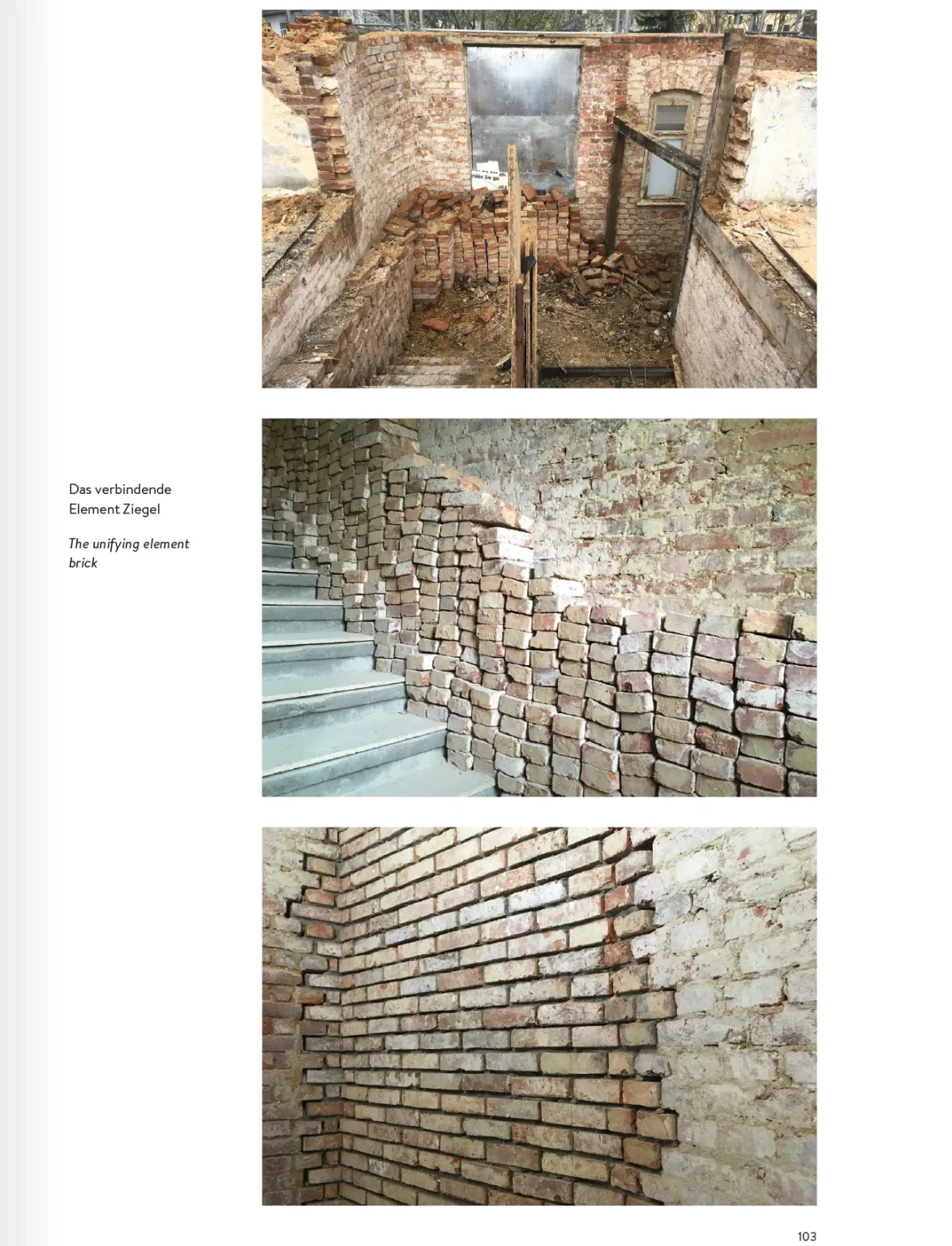
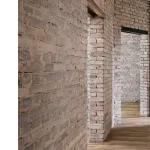
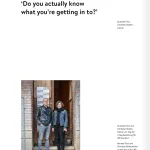
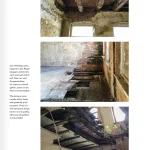
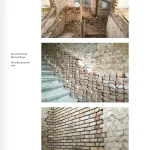
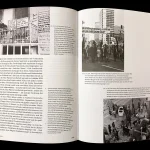
Contributing to a sustainable building culture, Casa Rossa Chemnitz documents a building vacant for three decades, a preservation project marked by perforated roofing, collapsed ceilings, and vegetation growing within the structure. Comprising 228 pages with 248 photographs and 32 plans, the book illustrates the technical challenges and innovative solutions in conserving the heritage.
Cluster D: Deviating Boundaries and New Formats
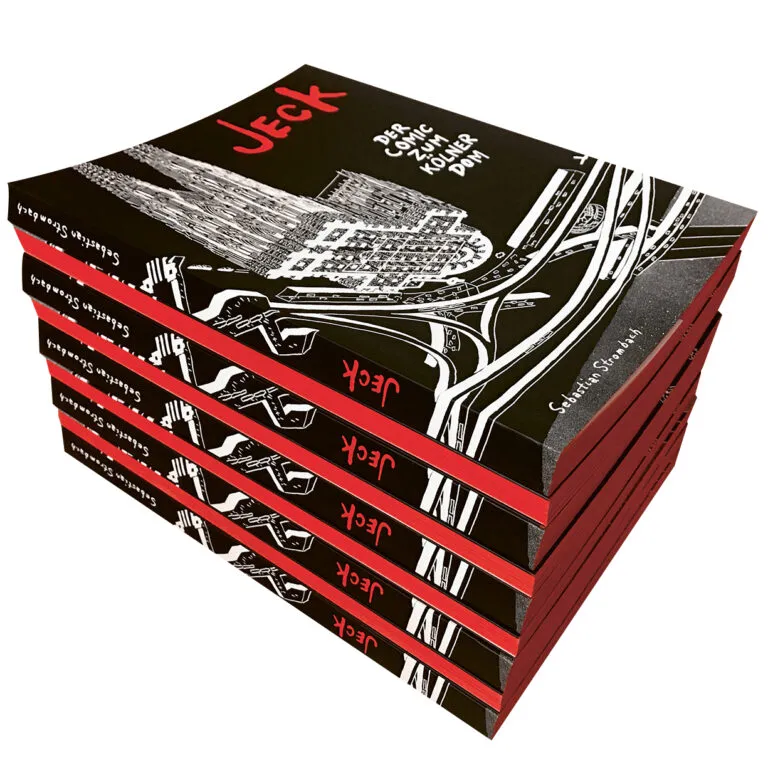
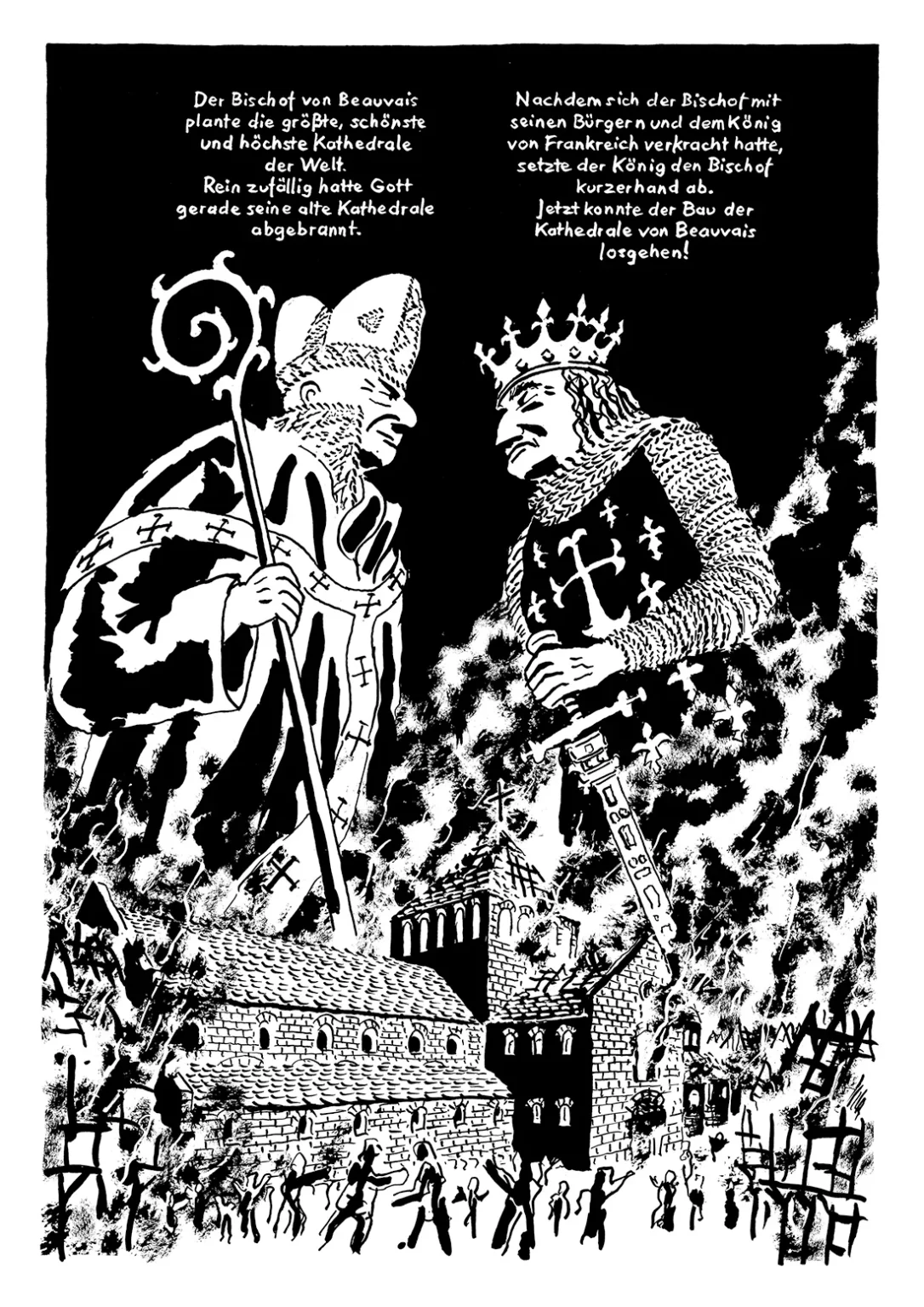
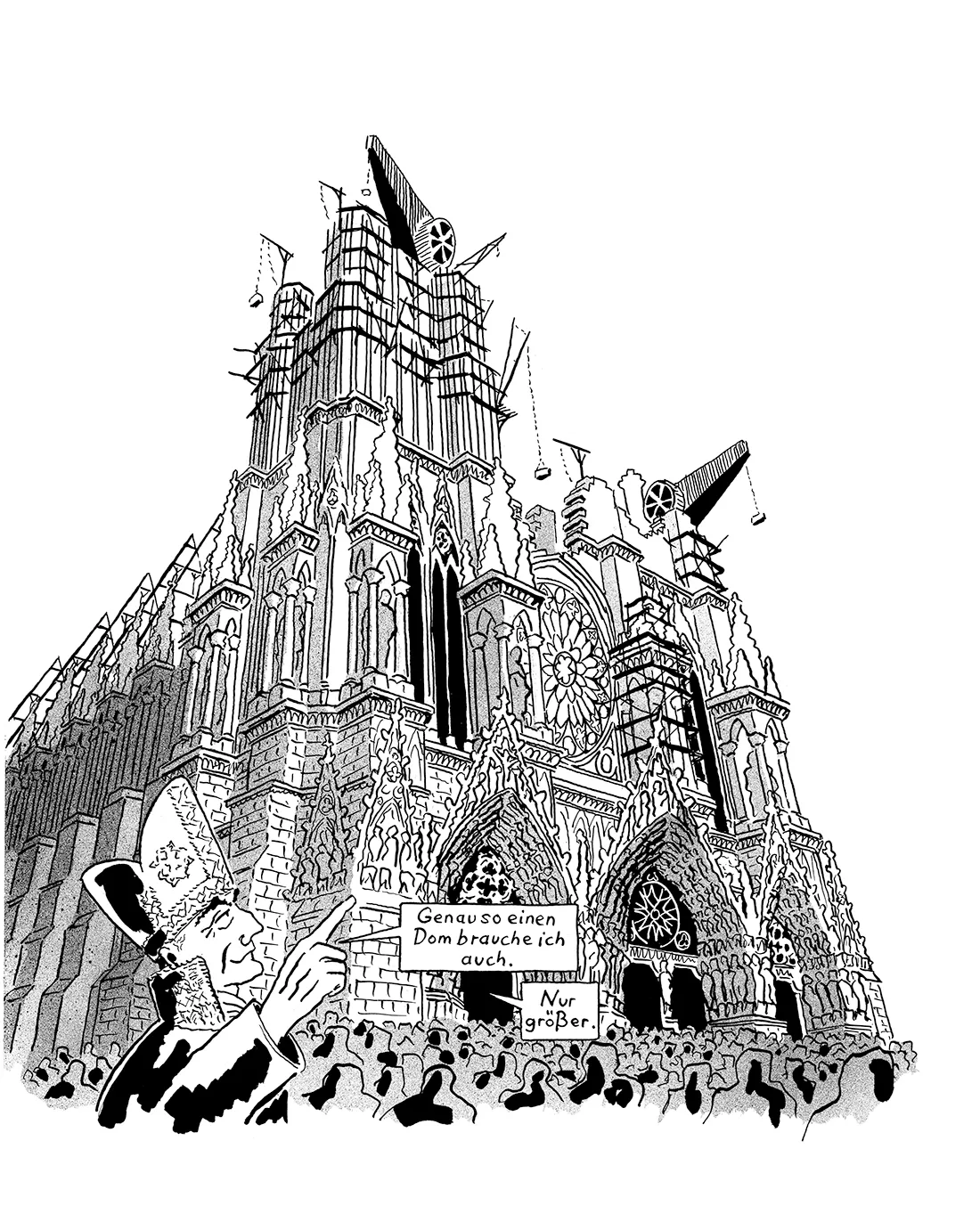
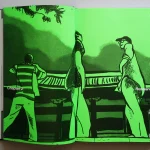
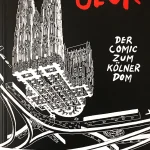
1. Jeck. Der Comic zum Kölner Dom (Urbanophil)
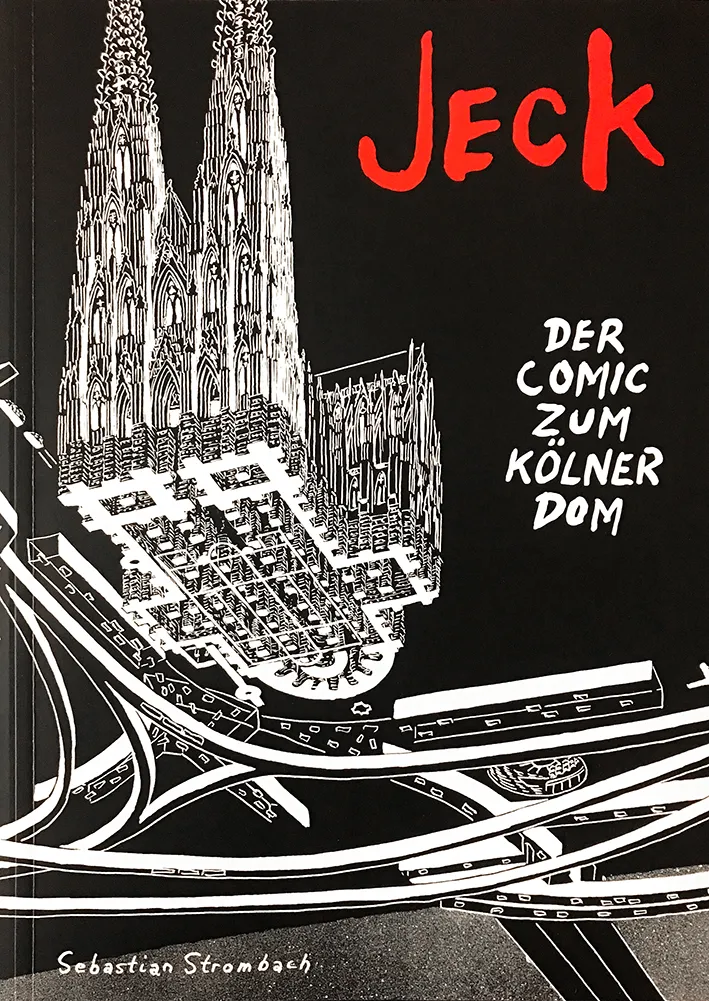
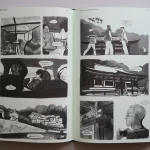
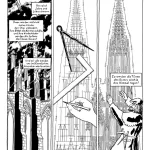
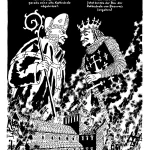
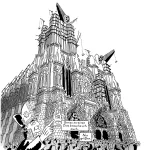
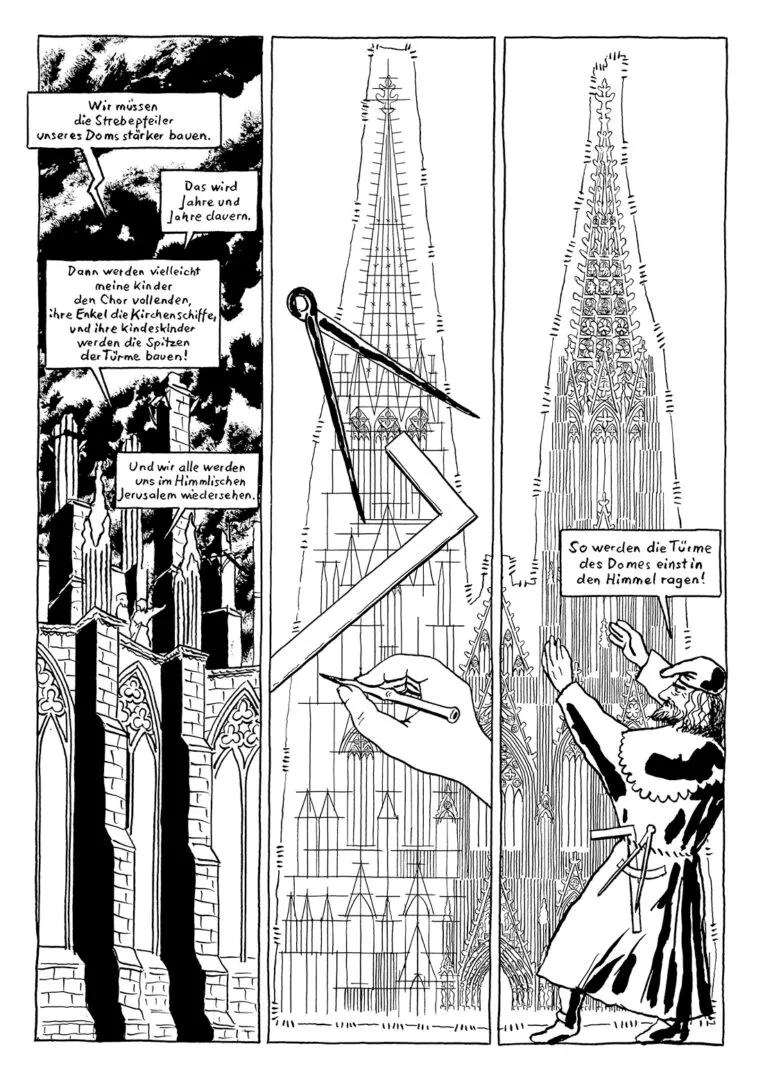
Authored over four years by comic artist Sebastian Strombach, this graphic novel presents a detailed history of the Cologne Cathedral. The comic format serves as a powerful tool for visual storytelling, engaging readers to visualize the monument’s history, spanning from antiquity to the present. Through its high-quality, non-traditional narrative, the book extends architectural discourse beyond professional and academic circles, fostering broader public engagement.
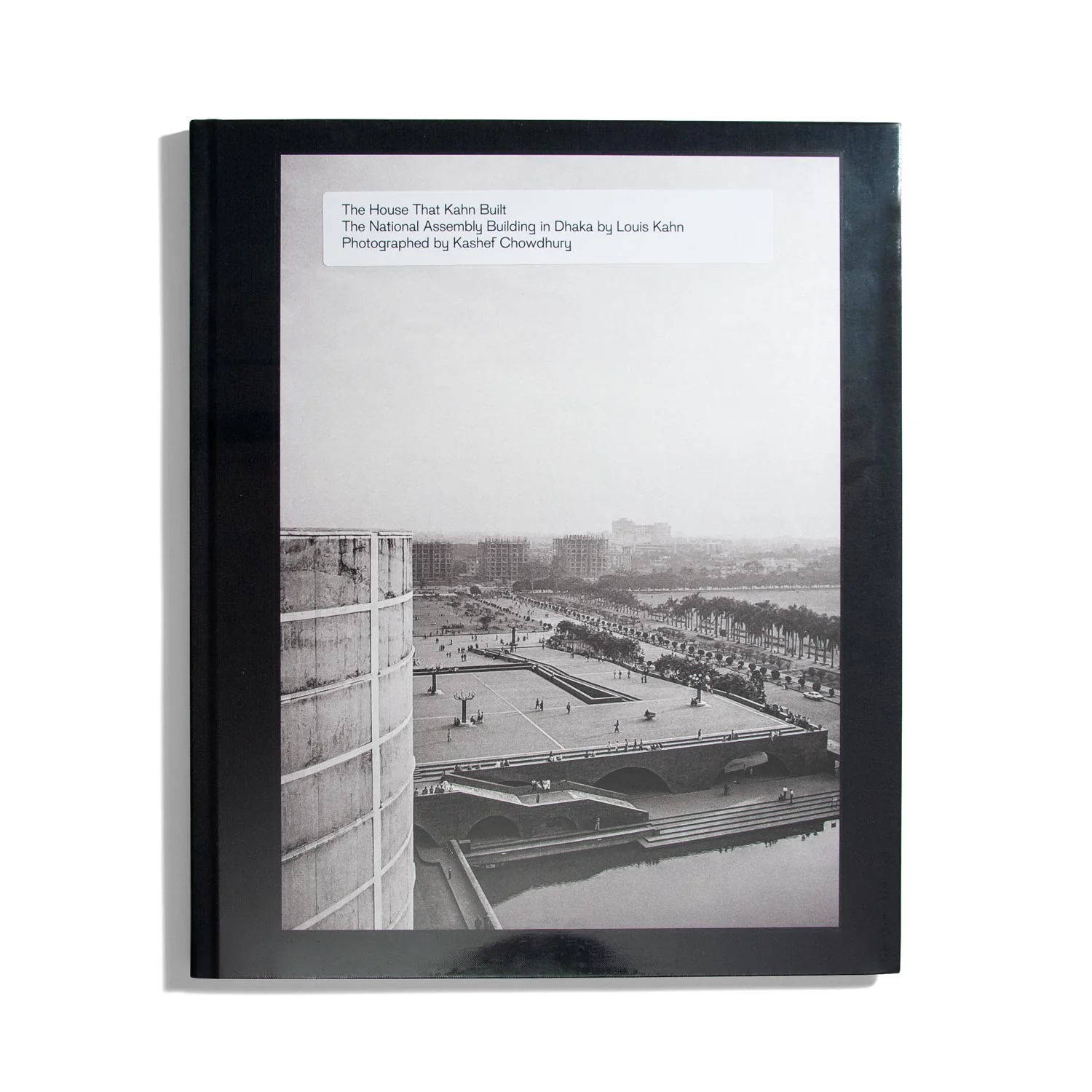
2. The House That Kahn Built – The National Assembly Building in Dhaka by Louis Kahn (Quart Verlag)
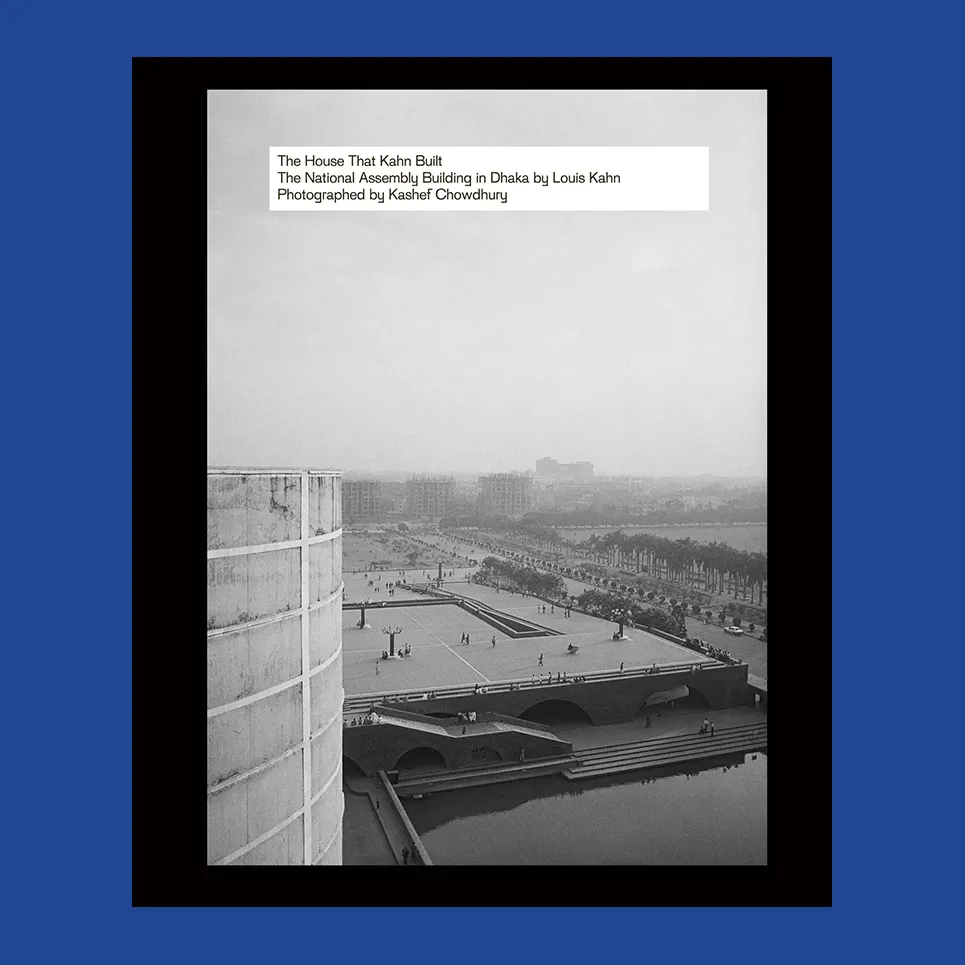
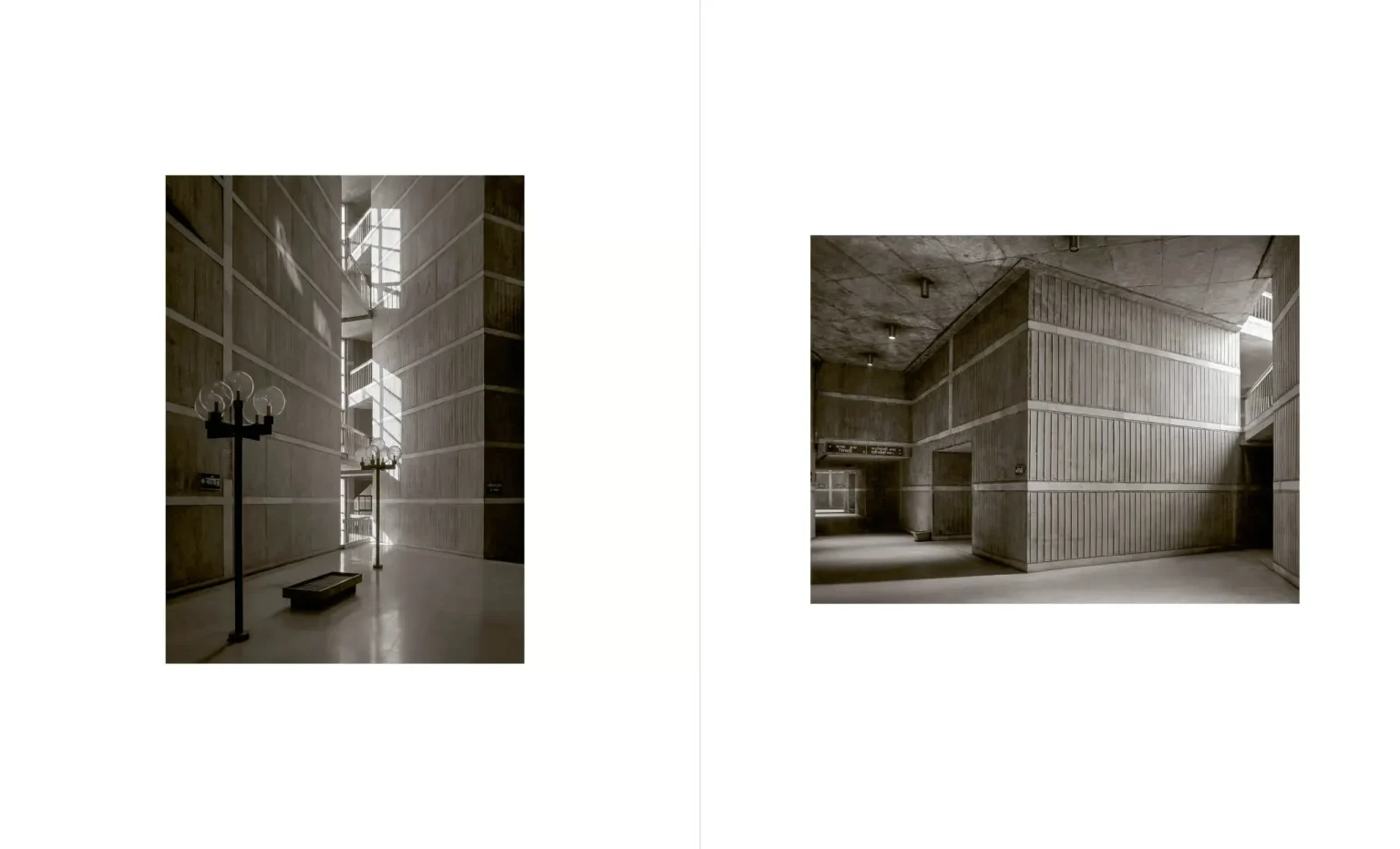
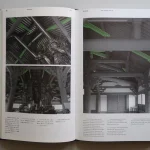
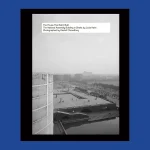
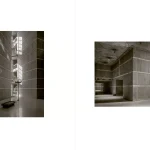
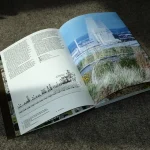
Louis Kahn is internationally renowned for the National Assembly Building (Jatiya Sangsad Bhaban) in Dhaka, Bangladesh. This book presents a series of photo essays inspired by the structure, captured by the Dhaka-based architect and photographer Kashef Chowdhury. The modern photographic approach reinterprets Kahn’s work, successfully bridging the gap between historical documentation and contemporary architectural experience, reinforcing the monument’s enduring local significance.