


The rapid expansion of data centers across the United States is creating a new policy challenge: how to accommodate the enormous electricity requirements of artificial intelligence infrastructure without shifting additional costs onto households.
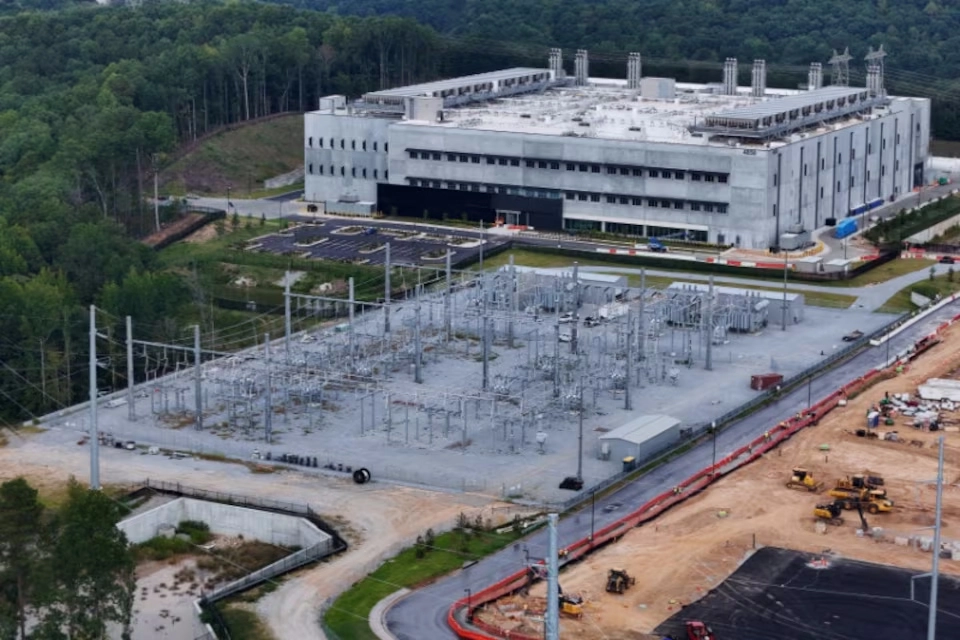
The U.S. House of Representatives is expected to consider the bipartisan Ratepayer Protection Act next week, according to a September 10 Reuters report. The legislation is intended to address concerns that the accelerating construction of data centers could contribute to higher electricity bills for residential consumers.
The proposed vote is scheduled to take place before the upcoming midterm elections, placing the issue of data center energy consumption increasingly within the broader national debate over infrastructure, electricity pricing and AI development.
Data Centers Are Reshaping Electricity Demand
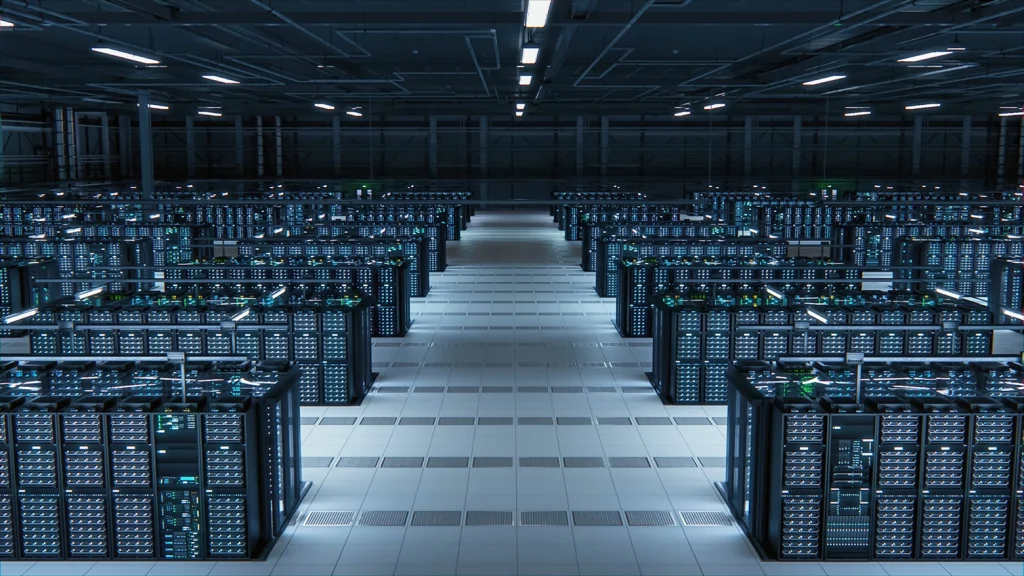
The growing demand is closely connected to the rapid development of artificial intelligence. Training and operating advanced AI systems requires large computing facilities equipped with thousands of processors, extensive cooling systems and continuous access to electricity.
Unlike conventional commercial buildings, large-scale data centers can consume substantial amounts of power around the clock. As more facilities are planned and constructed, utilities and regulators are facing the challenge of expanding generation and transmission capacity while maintaining reliable service for existing customers.
The concern addressed by the proposed legislation is not simply the amount of electricity consumed by data centers. It is also the question of who ultimately pays for the infrastructure required to supply that electricity.
Protecting Residential Ratepayers
Government officials across the United States are facing growing pressure to prevent the financial consequences of data center expansion from being transferred disproportionately to households.
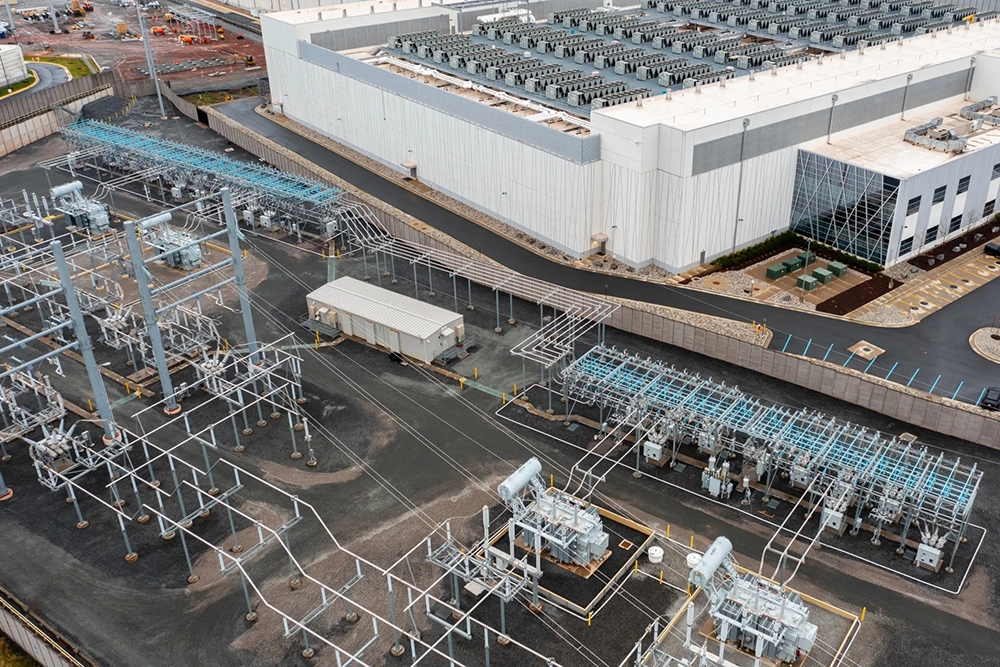
When electricity demand rises sharply in a particular region, utilities may need to invest in new generation facilities, transmission networks, substations and other infrastructure. Depending on regulatory structures and utility-rate arrangements, some of these expenses can affect electricity prices paid by consumers.
The Ratepayer Protection Act reflects an effort to address that issue at the federal level by examining how the costs associated with expanding power capacity for data centers are distributed.
The Infrastructure Challenge Behind the AI Boom
The debate highlights a broader tension surrounding the current AI investment cycle. Technology companies are rapidly expanding computing infrastructure, while electricity systems were not necessarily designed for such concentrated and rapidly increasing loads.
Data center development therefore extends beyond architecture and technology. It increasingly involves questions of grid planning, energy generation, land use, infrastructure investment and regional development.
For architects and planners, this shift is significant. Data centers were once primarily treated as specialized technical facilities. Their scale and infrastructure requirements now make them important components of urban and regional planning strategies.
A Growing National Policy Issue
The House initiative comes as governments across the United States confront the wider consequences of data center expansion. Communities are increasingly examining how new facilities affect electricity demand and infrastructure capacity, while policymakers consider mechanisms for ensuring that economic benefits and infrastructure costs are distributed appropriately.
The federal discussion also reflects the unusual speed of AI-driven development. Data centers are being planned at a pace that can place pressure on energy systems before new generation and transmission infrastructure can be delivered.
The proposed legislation therefore represents one part of a larger debate about how the United States can expand its AI infrastructure while maintaining affordable and reliable electricity for existing customers.
As data centers become a central physical component of the AI economy, energy availability is emerging as one of the key constraints shaping where and how the next generation of digital infrastructure will be built.