



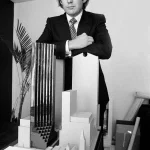
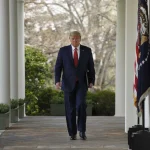
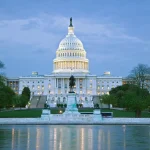
Washington, D.C., has always been a city where architecture carries political meaning. Its monuments, avenues, government buildings and carefully controlled vistas were never simply arrangements of stone, concrete and landscape. They were constructed as a physical language of authority. The Capitol suggests permanence. The White House suggests institutional continuity. The National Mall creates a monumental sequence in which individual buildings become part of a larger civic composition.
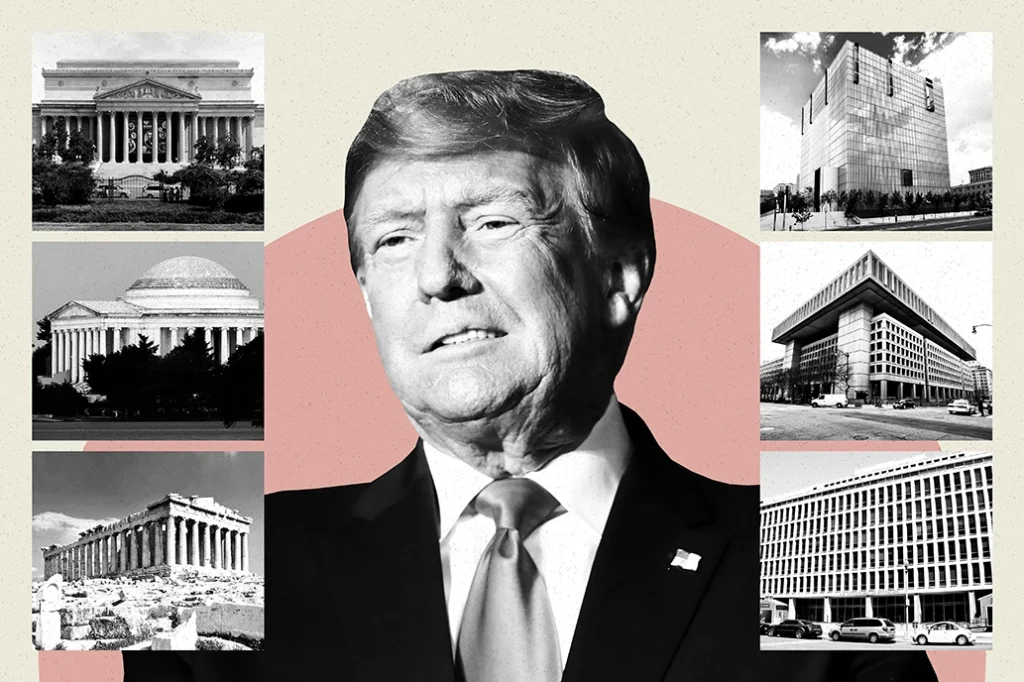
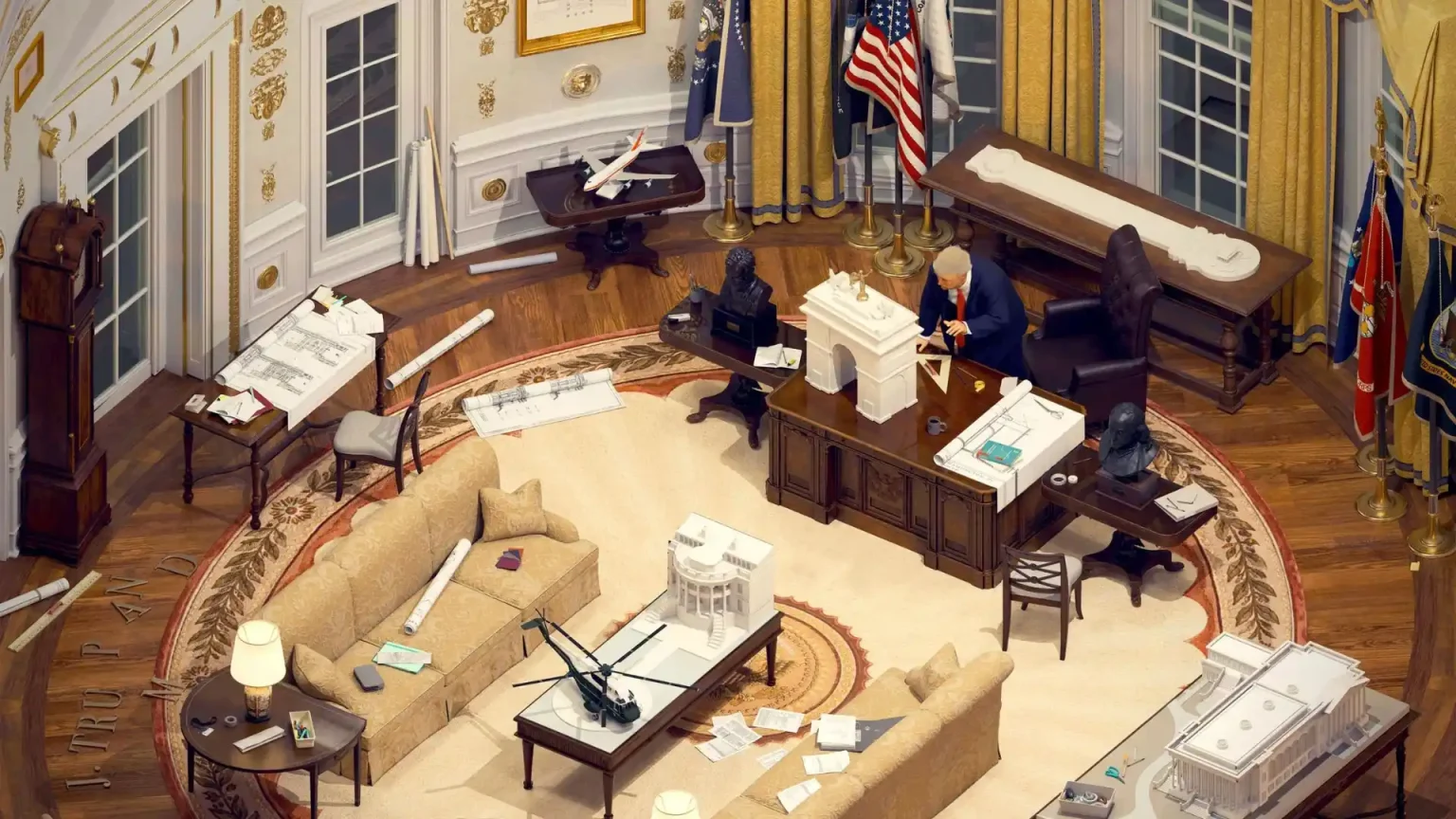
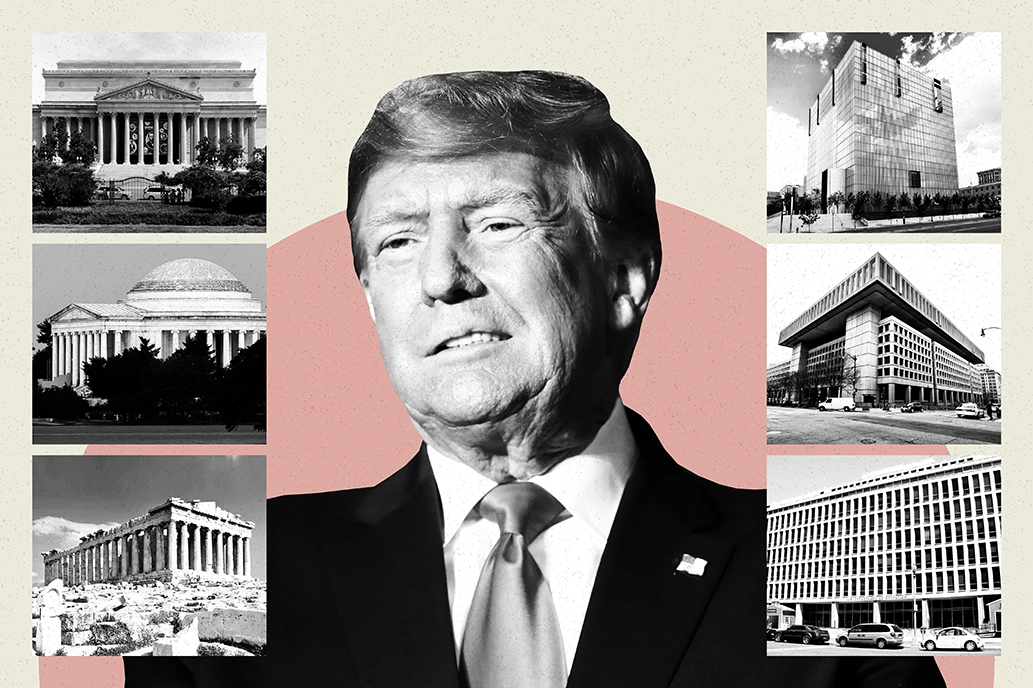
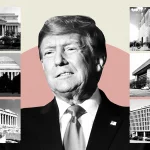
What makes the current transformation of Washington particularly interesting is not simply the scale of the projects being proposed or constructed. It is the increasingly personal character of the architectural interventions associated with Donald Trump’s second presidency. A monumental triumphal arch, a dramatically enlarged White House ballroom and changes to other major cultural institutions suggest an approach in which architecture is being used not merely to accommodate political functions, but to establish a visible architectural signature.
As an architect, I find this distinction difficult to ignore. Buildings inevitably express power, but there is a significant difference between architecture that represents an institution and architecture that increasingly represents an individual political figure.
That difference may ultimately be more important than the stylistic arguments surrounding columns, arches, proportions or classical references.
Washington Was Designed to Resist Individual Ownership
The monumental character of Washington was deliberately constructed around the idea that political authority should outlive individual leaders. The city is full of buildings associated with presidents and political eras, but its major architectural framework was designed to communicate something larger than any single administration.
This is why interventions in Washington are unusually sensitive.
A building added to an ordinary commercial district can become another building. An intervention near the White House or National Mall enters an established symbolic system. Its height, location, scale, axial relationships and visual presence affect how the entire civic landscape is read.
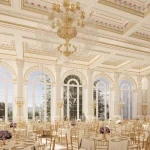
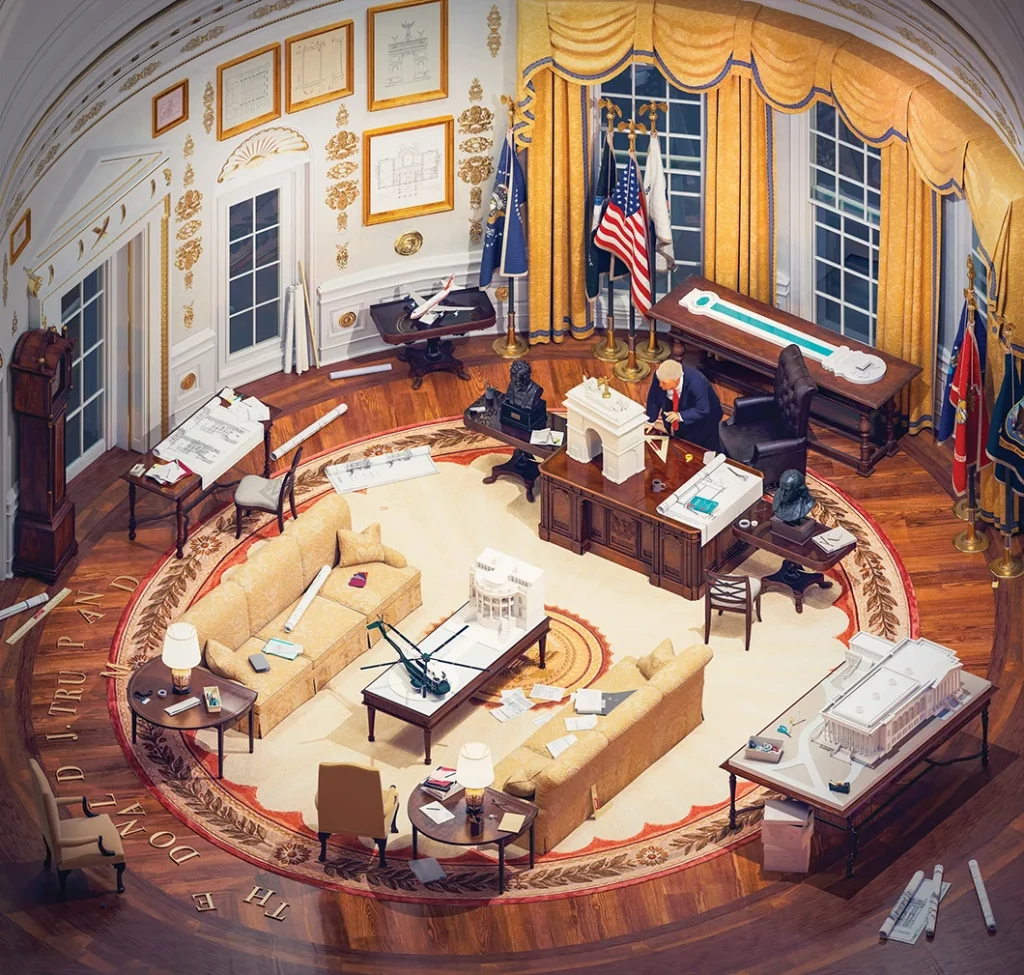
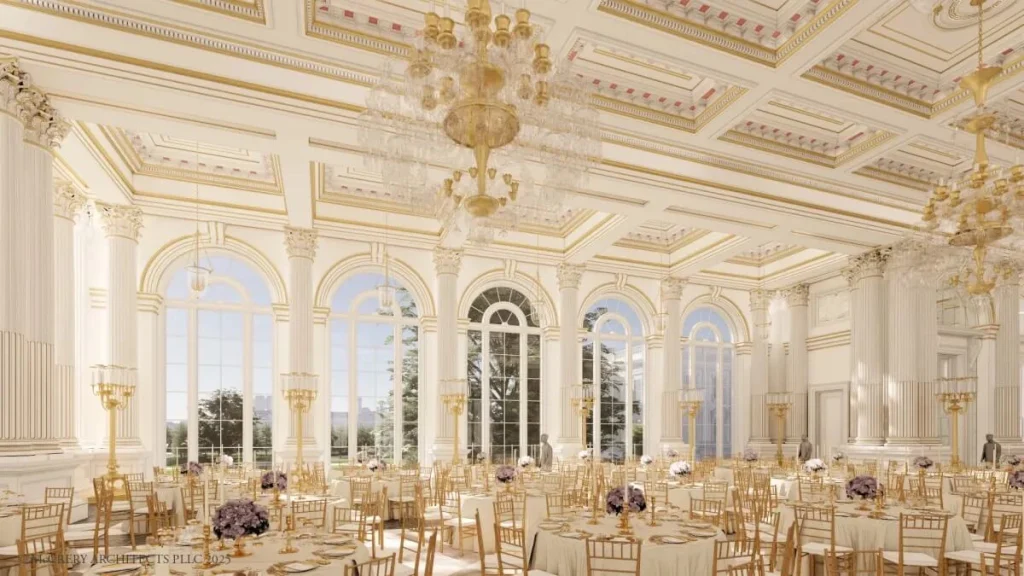
The proposed White House ballroom demonstrates this problem particularly clearly. The project is planned at approximately 90,000 square feet, and later designs place its height at roughly the same level as the White House itself. Earlier architectural conventions generally encouraged additions to remain subordinate to the principal residence. That change is architectural rather than merely political.
An addition that visually approaches the scale of the White House no longer behaves like a secondary extension. It begins to participate in the symbolic hierarchy of the complex.
For me, this raises a basic architectural question: When does an addition stop supporting an existing building and begin competing with it?
The Ballroom Is More Than a Room
Calling the project a ballroom can make it sound almost trivial. A ballroom is, after all, a functional program. Governments need spaces for ceremonies, diplomatic events and large gatherings. But architecture is rarely only about program.
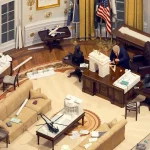
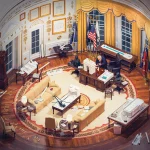
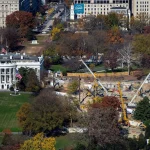
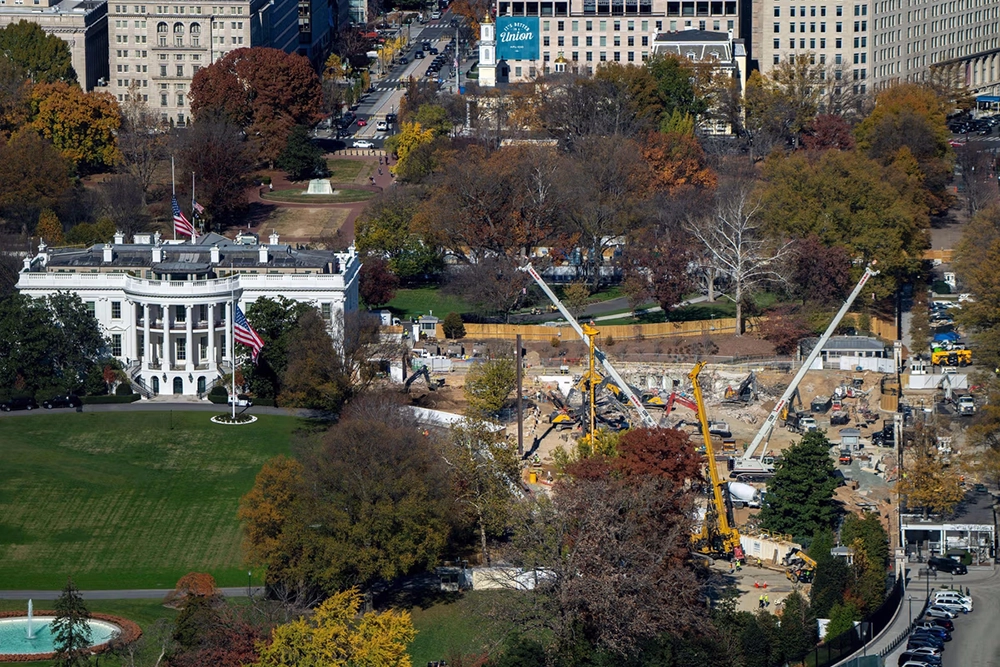
The proposed White House ballroom represents a major physical transformation of the presidential complex. The East Wing was demolished to make room for the project, while the new building has been developed on a scale that dramatically changes the relationship between the White House and its surrounding grounds. That is where the architectural critique becomes more interesting.
The question is not whether a president should have a large room for official events. The question is whether the physical intervention respects the architectural hierarchy and historical character of the site.
The most successful additions to historic complexes usually understand the difference between visibility and dominance. They may be contemporary, contrasting or even deliberately provocative, but they recognize that the existing structure carries cultural memory.
A new building does not necessarily need to imitate its predecessor. It does, however, need to understand what it is joining.
The Problem with Monumentality
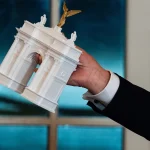
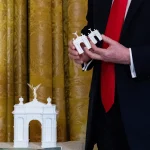
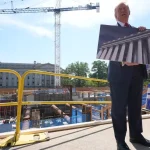
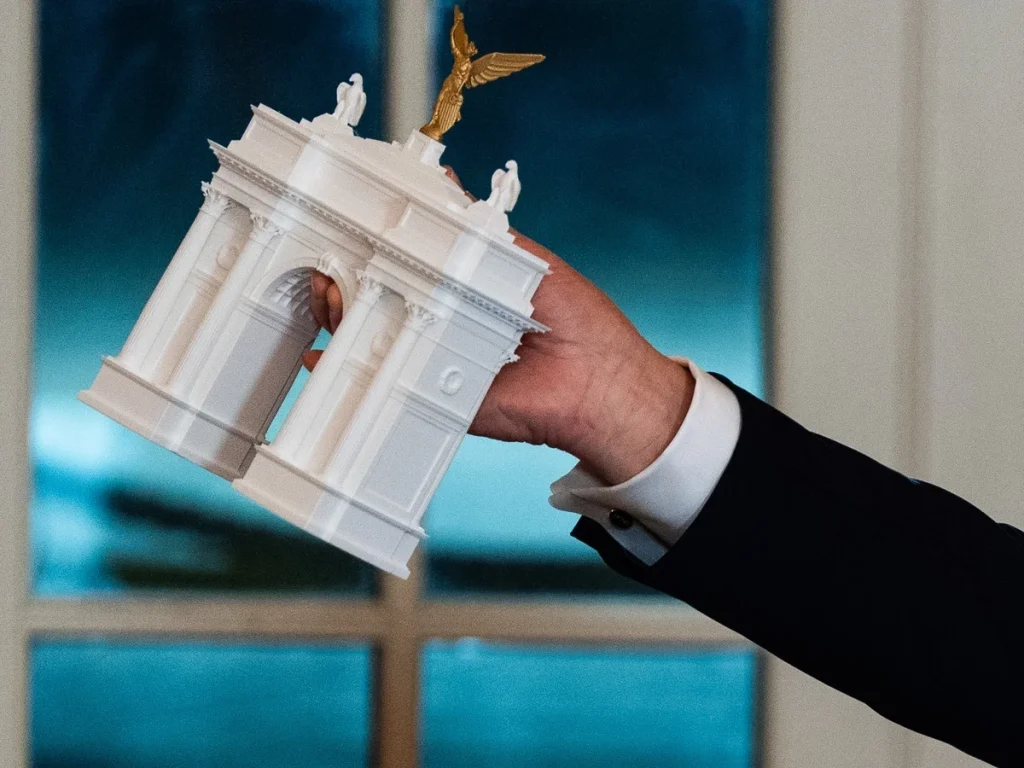
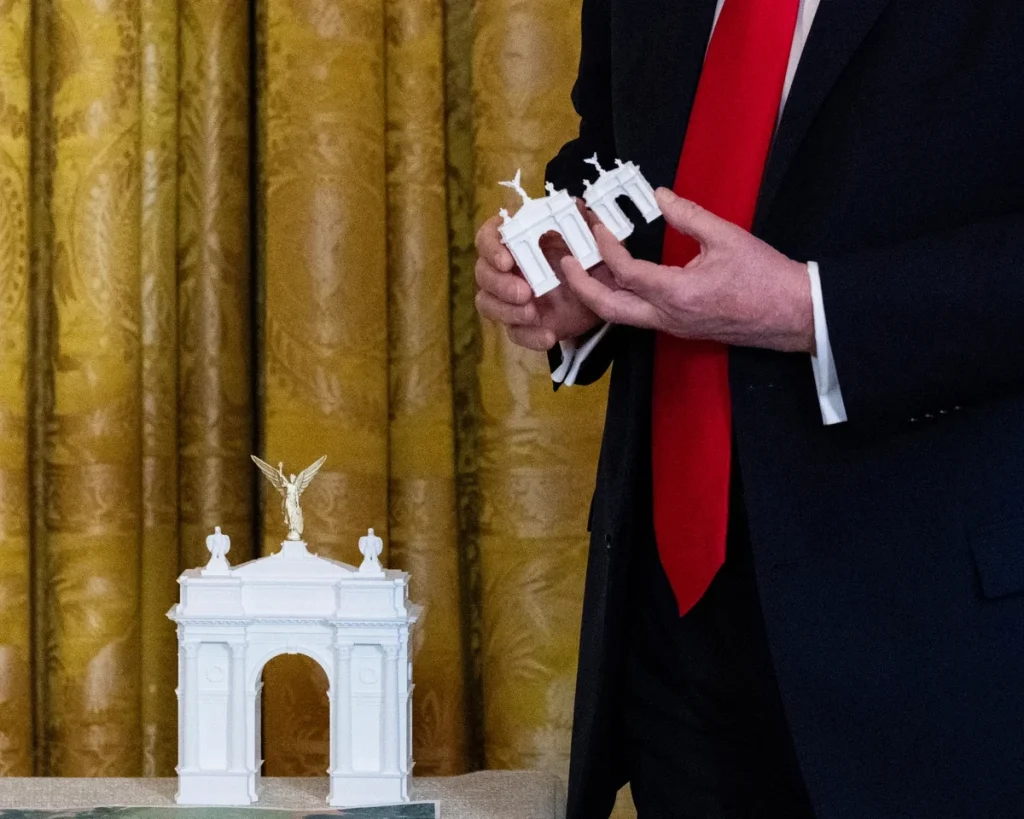
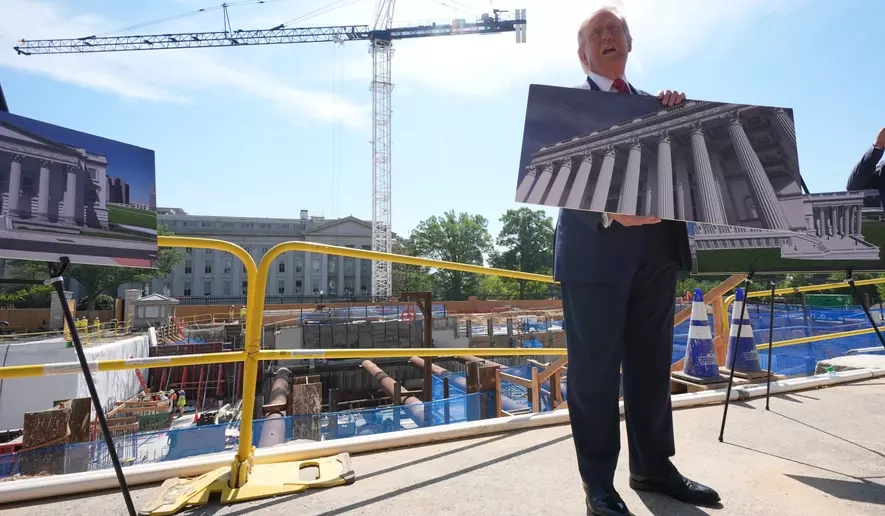
The triumphal arch introduces another layer. According to reporting on the project, the proposed structure would rise approximately 250 feet and has received approval from the Commission of Fine Arts, despite controversy surrounding the design and the process.
The triumphal arch is one of architecture’s oldest instruments of political symbolism. Historically, such structures celebrated military victories, imperial authority and the arrival of political power into the urban landscape. That history makes the contemporary use of the form especially significant.
A triumphal arch is not a neutral piece of urban furniture. Its architectural vocabulary already carries meaning. It tells pedestrians where to look, how to move and, more importantly, what kind of event or authority they are expected to associate with the place.
This is precisely why I think architects should be cautious whenever monumental historical forms are reintroduced into contemporary political landscapes.
Classical architecture is not inherently authoritarian. Columns are not fascist, arches are not dictators and symmetry certainly did not personally overthrow democracy. Architecture becomes politically charged through context, patronage, symbolism and use. The problem arises when historical monumental language is deployed primarily to amplify personal power.
Scale Can Become a Political Argument
Architectural scale is often treated as a technical issue. It is not. A building’s height establishes relationships with the surrounding city. Its mass affects sightlines. Its location can determine whether another structure remains visually dominant. Its monumentality can communicate institutional importance.
The White House ballroom’s height has therefore become an important point of debate. The decision to make the addition approximately as tall as the White House challenges established expectations about hierarchy within the complex.
From an architectural perspective, this is fascinating because the controversy is essentially about who gets to occupy the visual foreground. Architecture constantly creates foreground and background.
A cathedral rises above its surrounding buildings. A civic monument terminates an axis. A palace dominates a square. A skyscraper establishes a new urban landmark.
When a new structure approaches the symbolic and physical scale of an established national building, it inevitably modifies the visual hierarchy. That modification should therefore be evaluated not only through engineering or construction criteria, but through urban composition.
The City as a Form of Collective Memory
One of the most valuable characteristics of Washington is that its architecture works collectively. The city is not simply a collection of famous buildings. Its meaning emerges from relationships between buildings, open spaces, streets, monuments and landscape. Destroying or altering one element can therefore have consequences beyond the property line.
This is particularly important in historic urban environments. Architects working with heritage understand that significance is often located between buildings rather than inside them.
A photograph of the White House, for example, depends partly on the open space around it. A view toward the Capitol depends on the continuity of the avenue and landscape. Monumentality is produced through distance, framing and emptiness as much as through masonry. The introduction of a large new structure changes those relationships.
Recent renderings of the ballroom have raised concerns about views toward the White House being obstructed from certain locations, illustrating how a project confined to one site can alter the perception of an entire civic ensemble.
That is why urban heritage cannot be reduced to preserving façades. Sometimes the most important heritage element is the view.
Architecture as Personal Branding
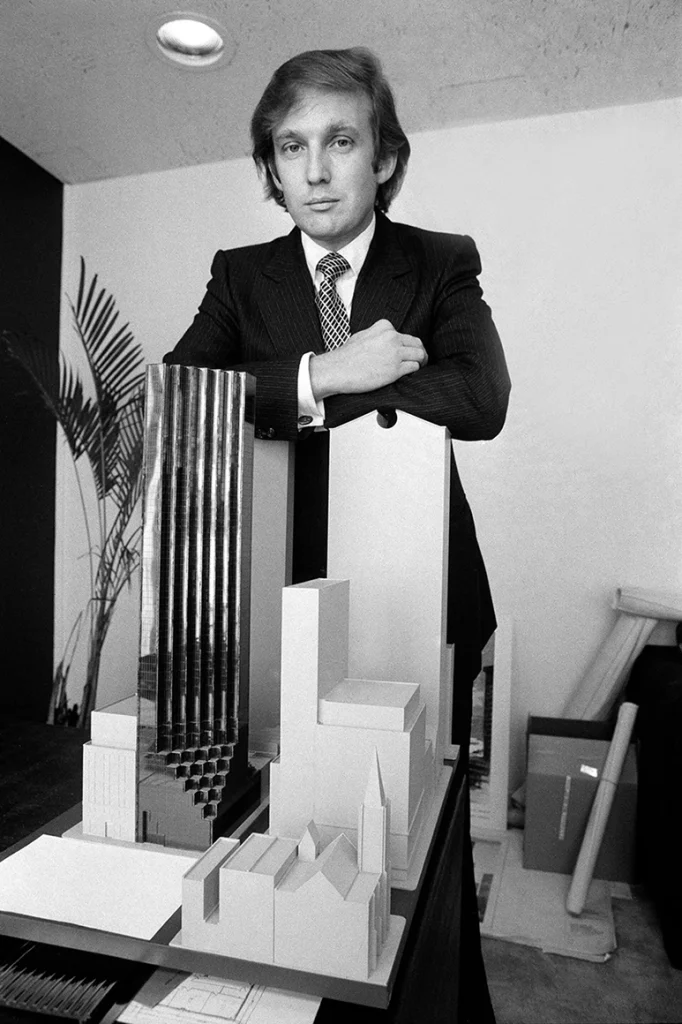
The most uncomfortable aspect of these projects, in my view, is the possibility that architecture is becoming a form of presidential branding.
Trump’s background as a real-estate developer inevitably makes the relationship between architecture, image and power particularly visible. The use of monumental forms, large-scale construction and highly recognizable architectural gestures fits naturally within a culture in which buildings can function as signatures.
But national architecture operates differently from private development.
A private developer can construct a tower bearing a personal name. A government building belongs to a different symbolic category. Its intended lifespan extends far beyond the political career of its sponsor.
This creates an architectural paradox. A president may have the authority to initiate a project, but the building eventually becomes part of the nation’s physical inheritance. Future generations will not experience it as a temporary expression of one administration. They will encounter it as architecture.
That should impose a degree of restraint.
The Question Is Not Classical or Modern
Much of the discussion surrounding monumental government architecture becomes trapped in a tired argument between classical and modern architecture. That argument misses the point.
A contemporary building can be historically sensitive. A classical building can be completely insensitive. A minimalist intervention can destroy an urban relationship just as easily as an enormous neoclassical monument.
The real question is whether the architecture understands its context. Context includes history, scale, symbolism, materiality, public access, urban views and the accumulated memory of a place.
Good contextual architecture does not necessarily disappear. Sometimes it should contrast sharply with its surroundings. But the contrast should produce a meaningful architectural relationship rather than simply announce the power of the new object.
Who Owns the Image of the Capital?
This is ultimately where the debate becomes most compelling. Washington is simultaneously a city, a political capital and a national symbol. Its architecture therefore belongs to several audiences at once.
A president occupies the White House temporarily. Congress changes. Administrations come and go. Architects retire. Political movements rise and decline. The buildings remain.
That imbalance between political time and architectural time is crucial. A political decision may take months. A building may stand for centuries.
This is why monumental interventions require a longer horizon than the political cycle that produces them.
When a government modifies a historic capital, it is not simply designing for the present administration. It is editing an inherited urban document.
And architectural editing is rarely reversible.
Designing Beyond the Moment
What interests me most about the transformation of Washington is therefore not whether one particular building is beautiful or ugly. Beauty is an inadequate measure for architecture operating at this scale.
The more important question is whether these projects contribute to Washington as a civic composition or increasingly turn it into a landscape of personal architectural declarations.
The distinction matters.
Architecture has always been used to express power. That is not a new phenomenon. Pyramids, palaces, arches, capitols and monumental boulevards all demonstrate the relationship between architecture and authority.
But democratic architecture carries an additional responsibility: it must eventually belong to people who did not commission it. That is the real test.
The ballroom, the triumphal arch and other major interventions will eventually outlast the political circumstances that produced them. Their symbolism may change. Their meanings may be contested. Their users may reinterpret them.
This is precisely why architects should think beyond the client, the administration and the immediate political moment. The strongest civic architecture does not merely tell us who is powerful today. It gives future generations enough space to decide what the building means to them.
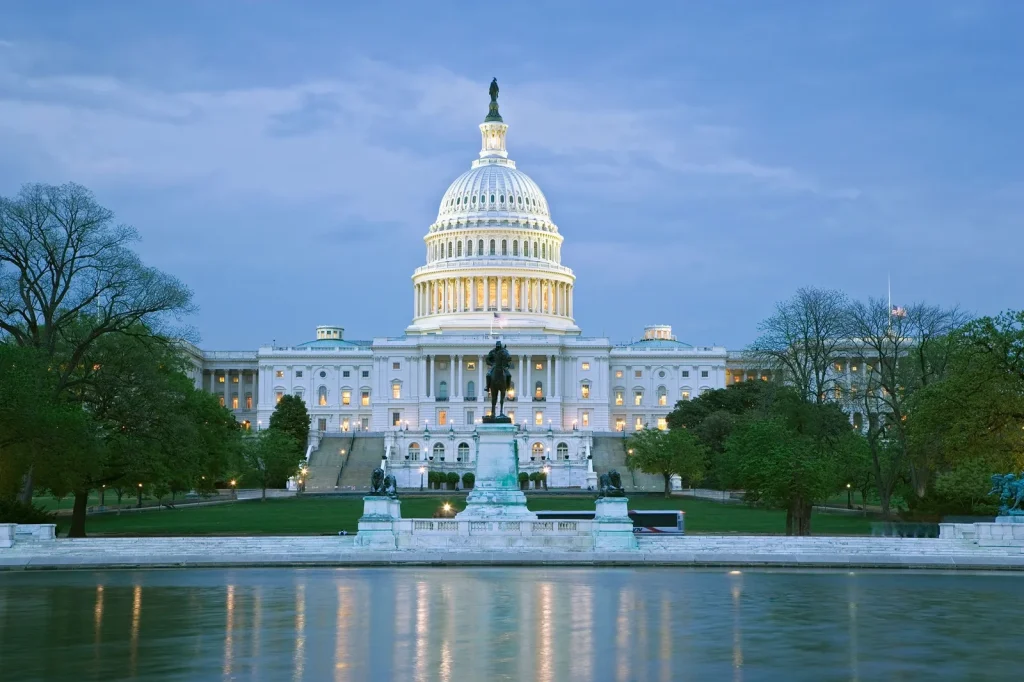
Washington’s architectural identity has survived presidents, wars, political movements and cultural transformations because its major spaces were never entirely reducible to one person.
If that principle is weakened, the issue is not simply that Washington will look different.
It is that the capital may begin to function less as a shared civic landscape and more as a collection of architectural signatures.
For architecture, that is a much deeper problem than style. It is a question of authorship, memory and permanence. And, inconveniently for everyone involved, buildings tend to remember much longer than politicians do.