








For many people, travel today has become a desire for experiences over possessions. Social media, remote work flexibility, improved air connectivity, and growing interest in wellness and cultural tourism have all contributed to this shift. In 2026, travelers are also prioritizing walkable cities, efficient public transport, sustainability, nightlife, local markets, and culinary experiences alongside traditional landmarks. Amid ongoing geopolitical tensions, regional conflicts, and global instability, travelers are seeking destinations that feel culturally rich, secure, and socially vibrant.
According to a report by Euromonitor International, cities that combine history, entertainment, accessibility, and strong cultural identity continue to attract the highest number of international visitors.
Here is a look at the top 10 tourist cities in the world in 2026. These destinations continue to define global travel through unforgettable experiences.
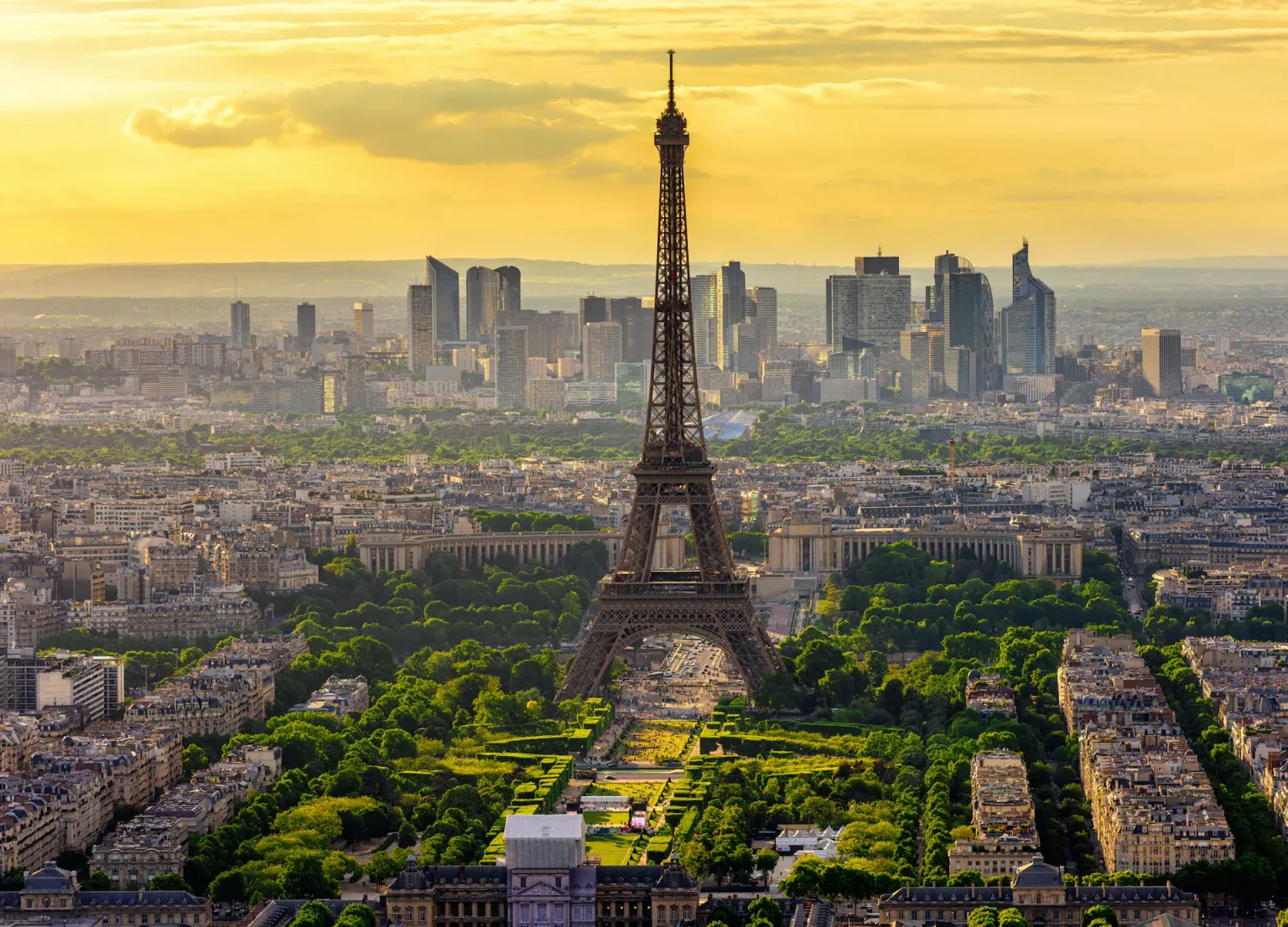
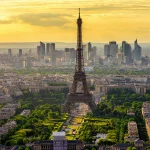
1. Paris, France
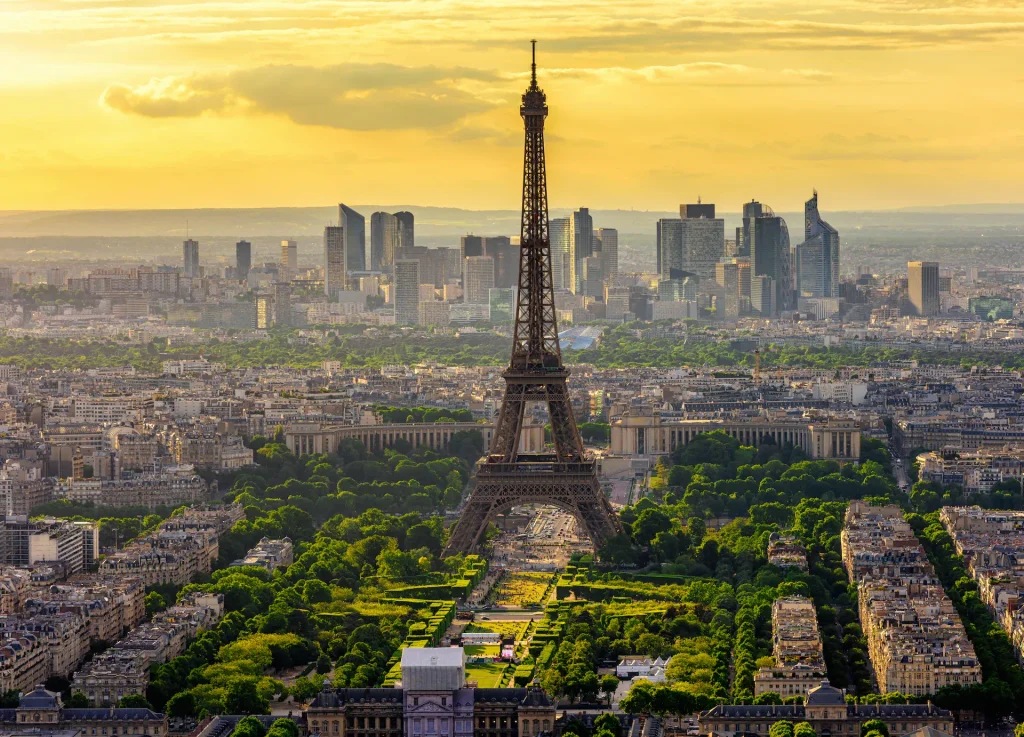
There’s a reason Paris continues to rank among the world’s most visited cities year after year. The French capital has it all: history, art, fashion, food, and everyday street life in a way few destinations can match. Much of Paris’s charm lies in simply walking through it. The Seine River cuts through the heart of the city, connecting famous landmarks like the Eiffel Tower, the Louvre Museum, and Notre-Dame Cathedral. Beyond the major attractions, visitors are drawn to neighborhood cafés, bookshops, riverside walks, and the boulevards.
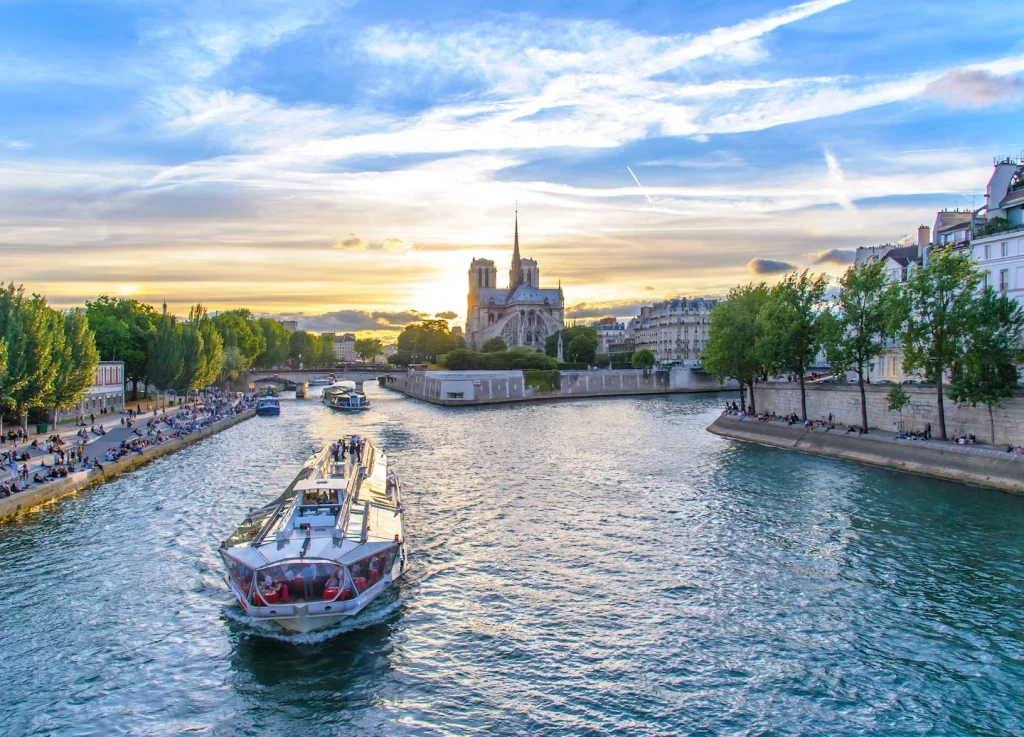
Paris is also one of the world’s leading cultural capitals. Its museums hold everything from classical masterpieces to modern art, and the city has fashion houses, bakeries, and Michelin-starred restaurants. Areas like Montmartre still retain an artistic atmosphere, while Le Marais offers a mix of historic streets, boutique shopping, and a great nightlife.
In recent years, Paris has also invested heavily in sustainable tourism and public transport, making it easier to explore the city beyond the traditional tourist circuit. Seasonal events, open-air markets, and day trips to nearby regions add even more depth to the experience.
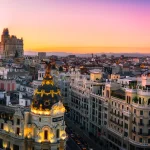
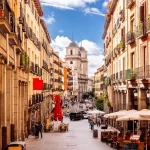
2. Madrid, Spain
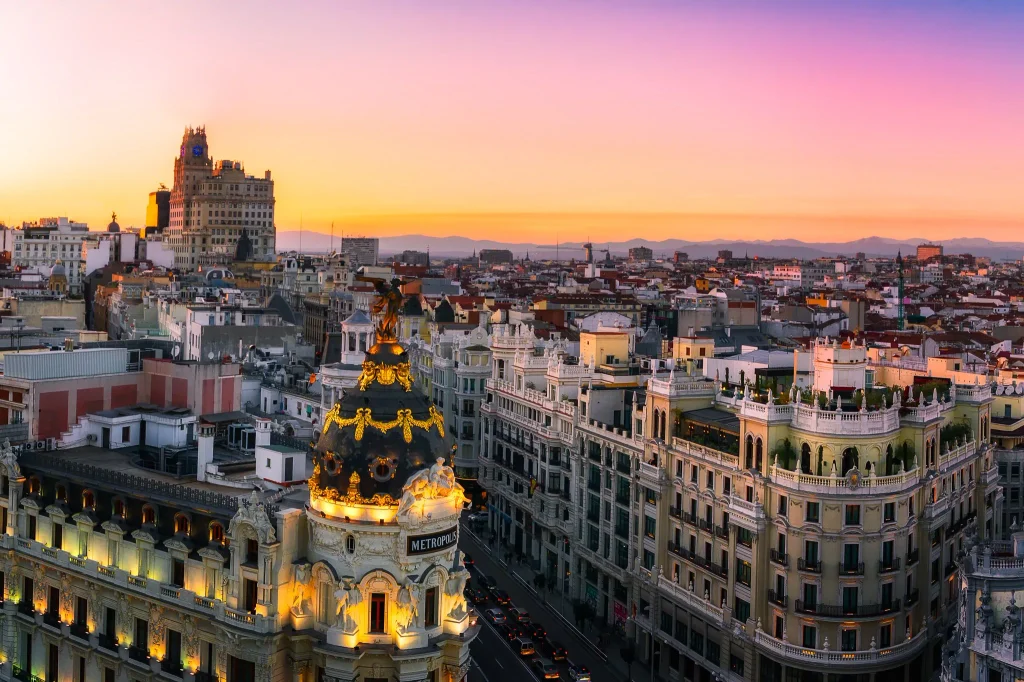
While cities like Paris and Rome often dominate travel conversations, Madrid offers a more relaxed experience built around culture, food, nightlife, and everyday street life. It is a city that feels energetic without being overwhelming. Madrid is known for its grand boulevards, historic plazas, and architecture. Landmarks such as the Royal Palace of Madrid and Plaza Mayor reflect the city’s royal history, while neighborhoods like Malasaña and Chueca showcase its modern and creative side.
The city also houses some of the world’s finest art collections, including masterpieces at the Museo del Prado, making it a major destination for art lovers.
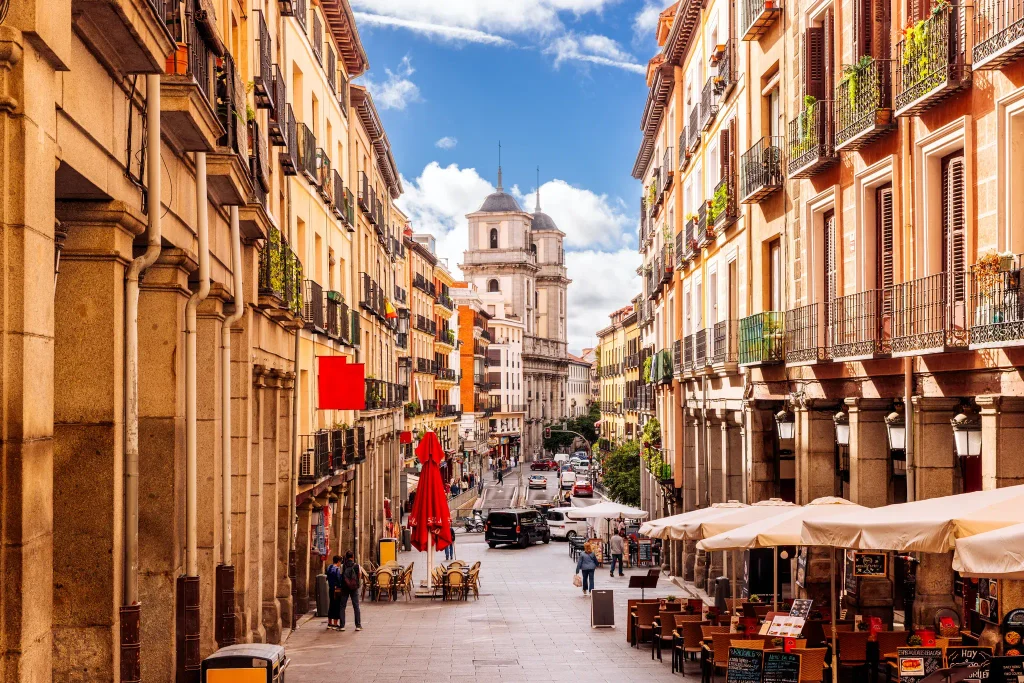
Food is central to the Madrid experience. From traditional tapas bars and local markets to contemporary Spanish cuisine, the city’s dining culture encourages visitors to slow down and socialize. Late dinners, crowded terraces, and lively public squares create an atmosphere that continues well into the night.
Wide green spaces like El Retiro Park offer a break from the busy city center, while efficient public transport makes exploring easy. The city also serves as a gateway to other parts of Spain through its extensive high-speed rail network.
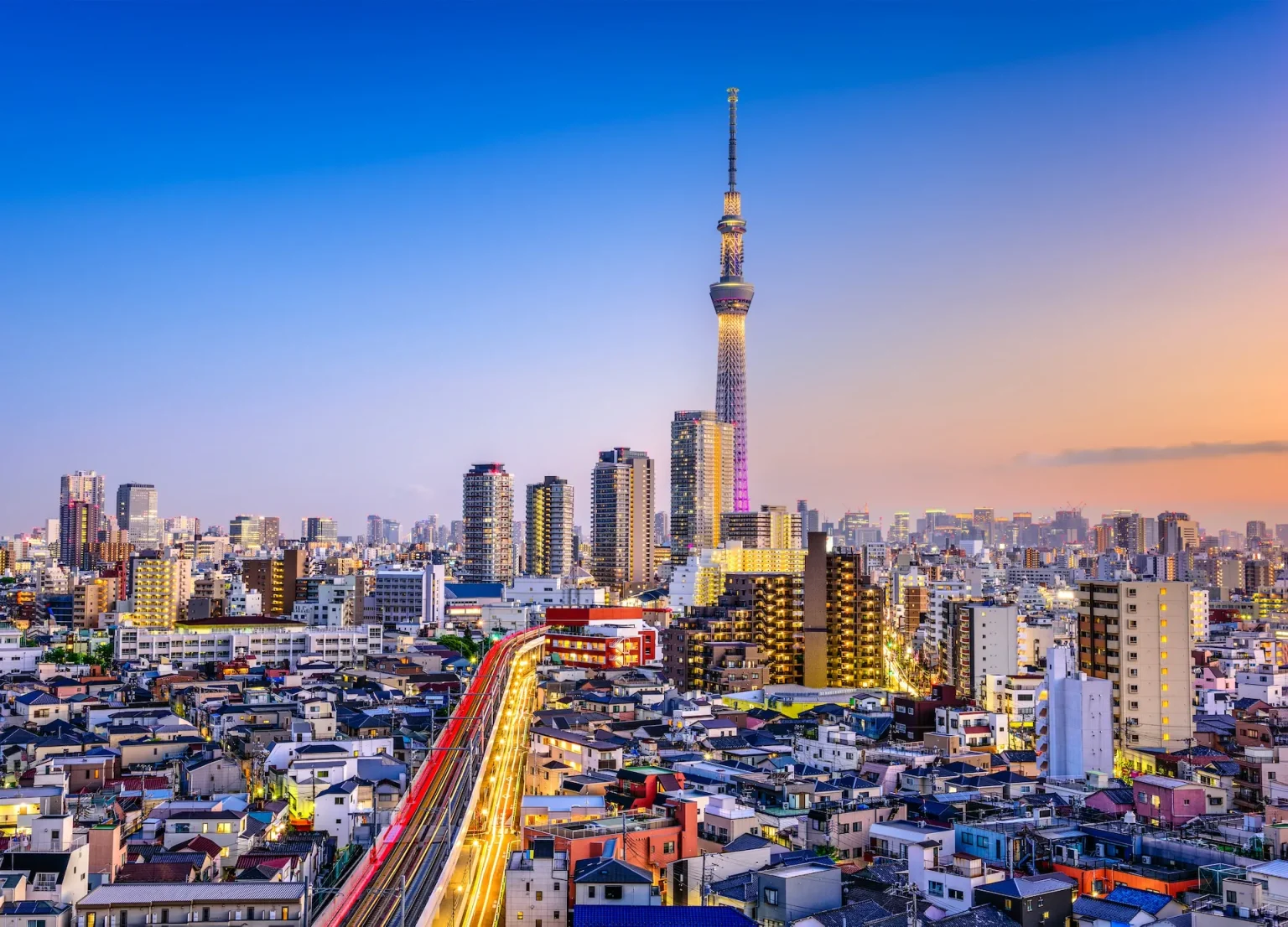
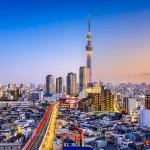
3. Tokyo, Japan
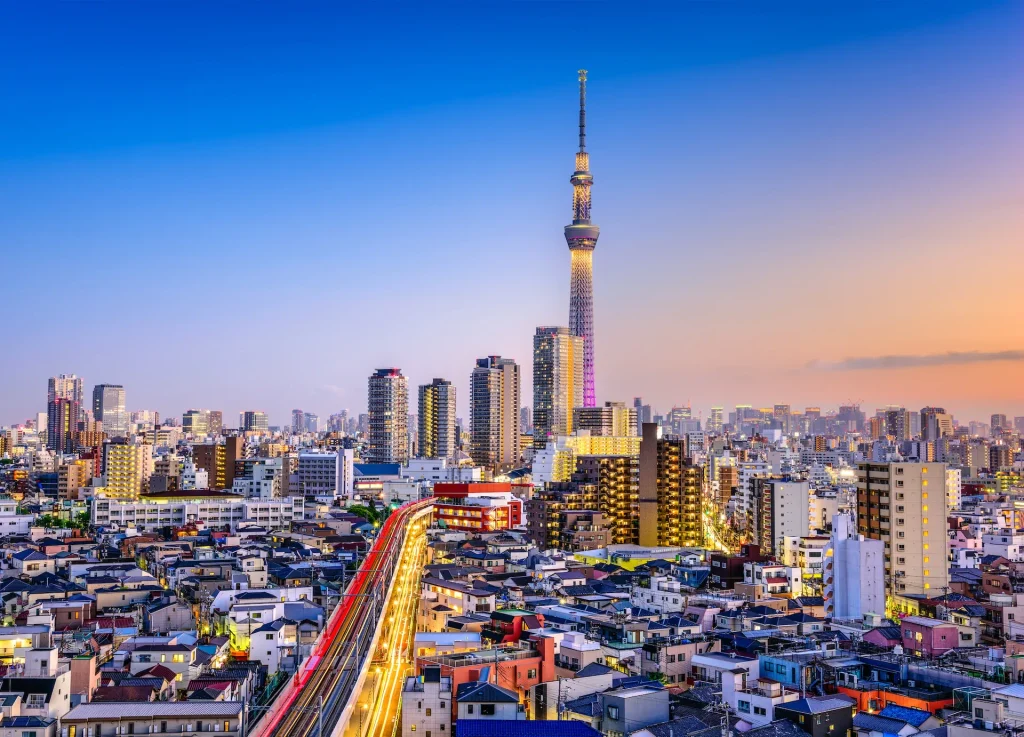
Tokyo is one of the few cities in the world where centuries-old traditions exist alongside futuristic technology. As Japan’s capital and largest urban center, the city attracts millions of visitors each year. Despite its enormous size, Tokyo is well organized and easy to navigate, and each district offers a different experience. Shibuya is known for its giant digital screens and busy pedestrian crossing, while Asakusa preserves a more traditional atmosphere centered around the historic Sensō-ji temple.
Areas like Ginza showcase luxury shopping and modern architecture, while Akihabara remains a global hub for anime, gaming, and electronics culture. Tokyo also offers gardens, historic shrines, and deeply rooted cultural traditions.

Food is another major reason travelers continue to visit Tokyo in large numbers. From Michelin-starred sushi restaurants to small ramen shops hidden inside train stations, the city offers one of the most diverse culinary scenes in the world. Even convenience stores and vending machines have become part of the visitor experience.
Tokyo also stands out for its efficiency and cleanliness. Its world-famous rail network allows travelers to move quickly across the city, while public spaces remain safe and orderly even in crowded areas. At the same time, seasonal experiences such as cherry blossom season in spring and autumn foliage give the city a softer and more scenic character.
4. Rome, Italy
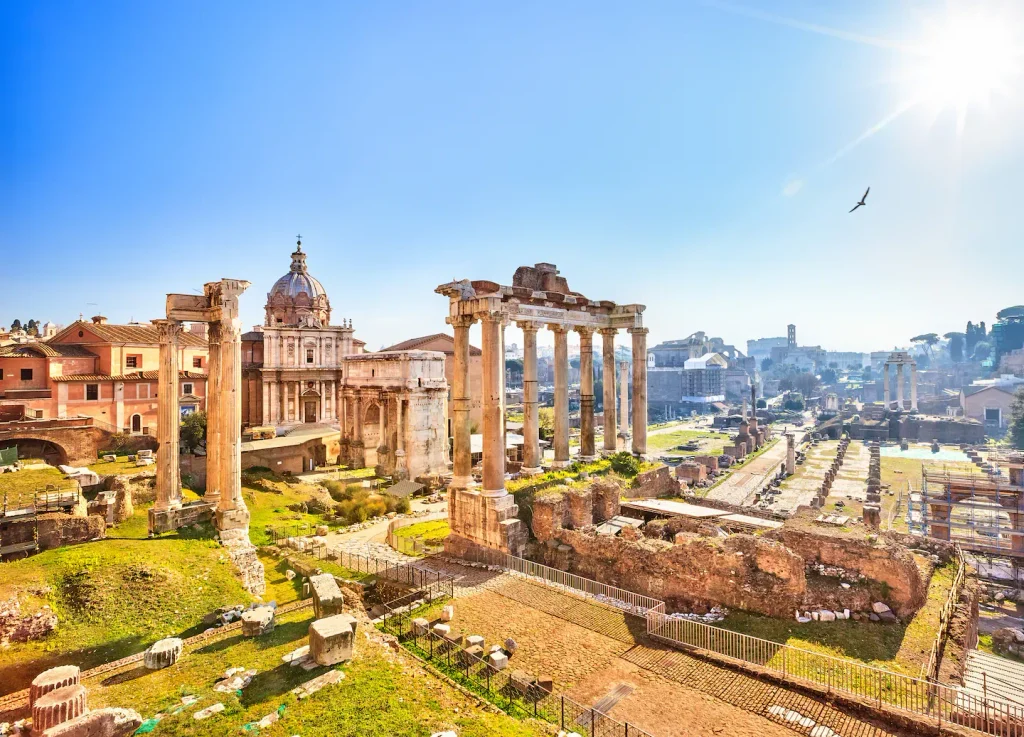
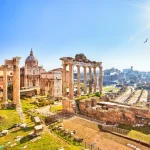
Rome is often described as an open-air museum, where ancient ruins, Renaissance architecture, and lively modern streets exist side by side. Every corner of the city seems connected to a different chapter of European history. At the center of Rome’s global appeal are landmarks such as the Colosseum, the Roman Forum, and the Pantheon, all reminders of the city’s importance during the Roman Empire. Just beyond the historic center lies Vatican City, home to St. Peter’s Basilica and the Sistine Chapel.
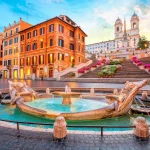
Rome’s everyday atmosphere is equally memorable. Visitors spend hours walking through narrow cobbled streets, stopping at small cafés, fountains, and family-run trattorias. Neighborhoods like Trastevere offer a local experience, filled with outdoor dining, street musicians, and late-night energy.
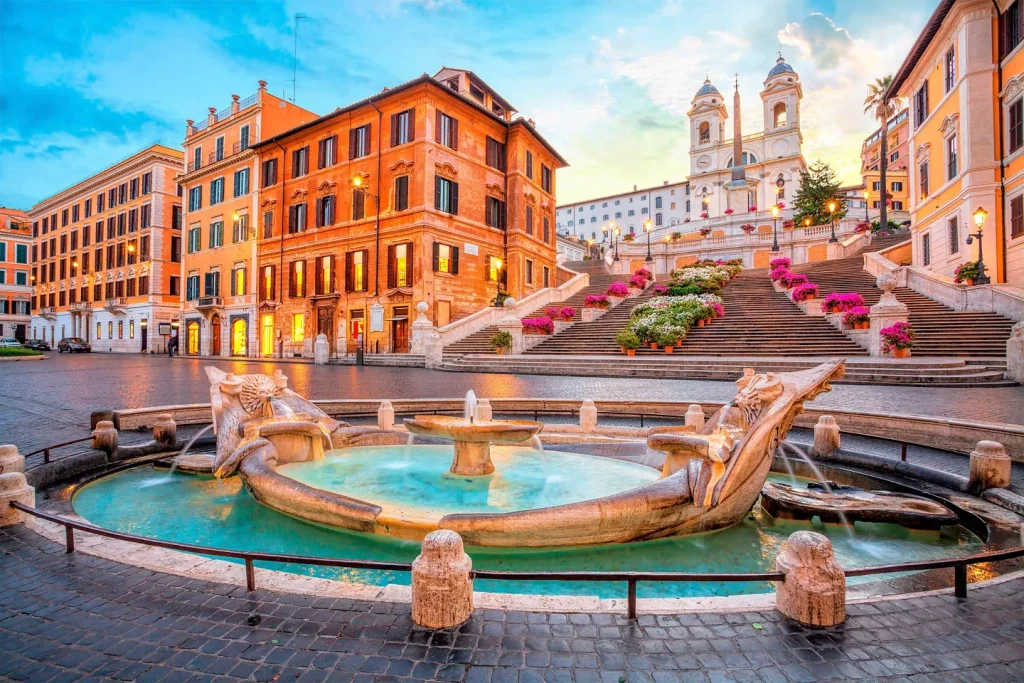
Food is central to Roman culture, from traditional pasta dishes like carbonara and cacio e pepe to fresh gelato enjoyed on public squares. The city’s slower pace encourages travelers to explore without rushing, whether sitting beside the Trevi Fountain or watching daily life unfold in busy piazzas.
5. Milan, Italy
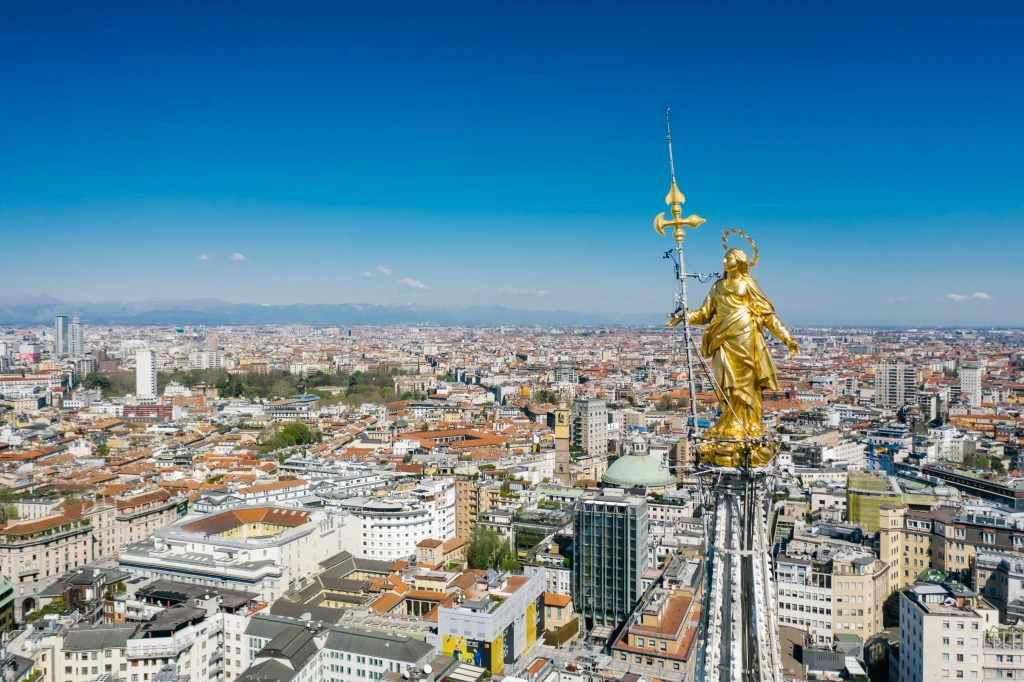
Often recognized as Italy’s fashion and financial capital, Milan offers a very different experience from cities like Rome or Venice. In recent years, Milan has become one of Europe’s most dynamic travel destinations, attracting visitors for its design scene, architecture, shopping, and food.
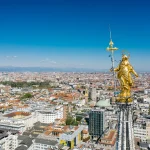
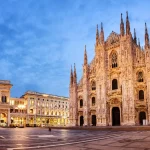
The city is best known for landmarks such as the Milan Cathedral, one of the largest Gothic cathedrals in the world, and Galleria Vittorio Emanuele II, a historic shopping arcade lined with luxury boutiques and cafés. Art lovers also visit the city to see Leonardo da Vinci’s famous mural, The Last Supper, housed at the Santa Maria delle Grazie.
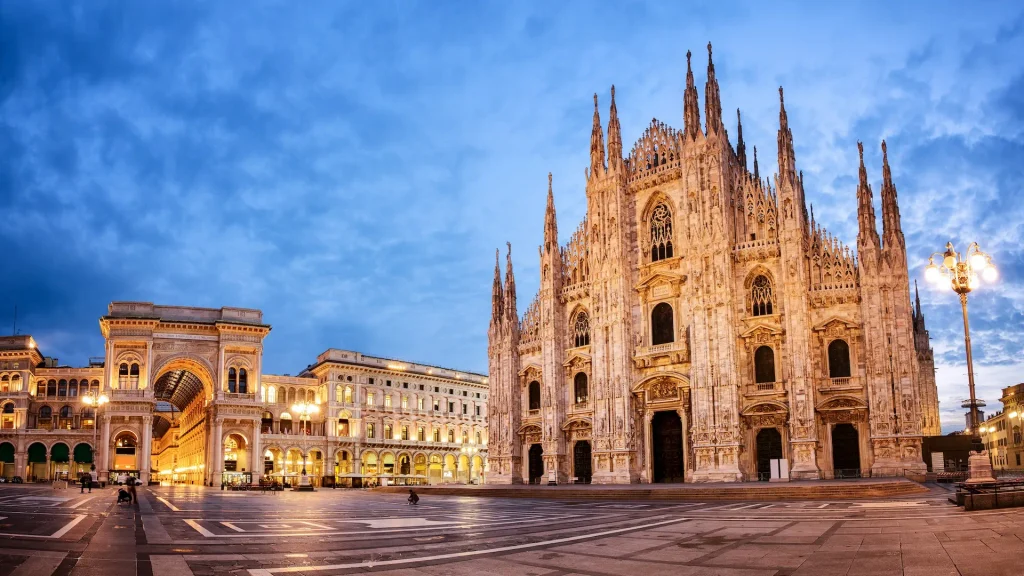
Milan’s global reputation in fashion and design gives the city a stylish and contemporary identity. During events such as Milan Fashion Week and Salone del Mobile, the city becomes a major international center for creativity. Beyond luxury brands, visitors are drawn to Milan’s neighborhoods, independent galleries, rooftop bars, and modern cultural spaces.
Traditional Milanese dishes such as risotto alla milanese and osso buco sit alongside modern Italian cuisine and international dining experiences. The city’s café culture and evening aperitivo tradition add to its social atmosphere.
6. New York City, USA
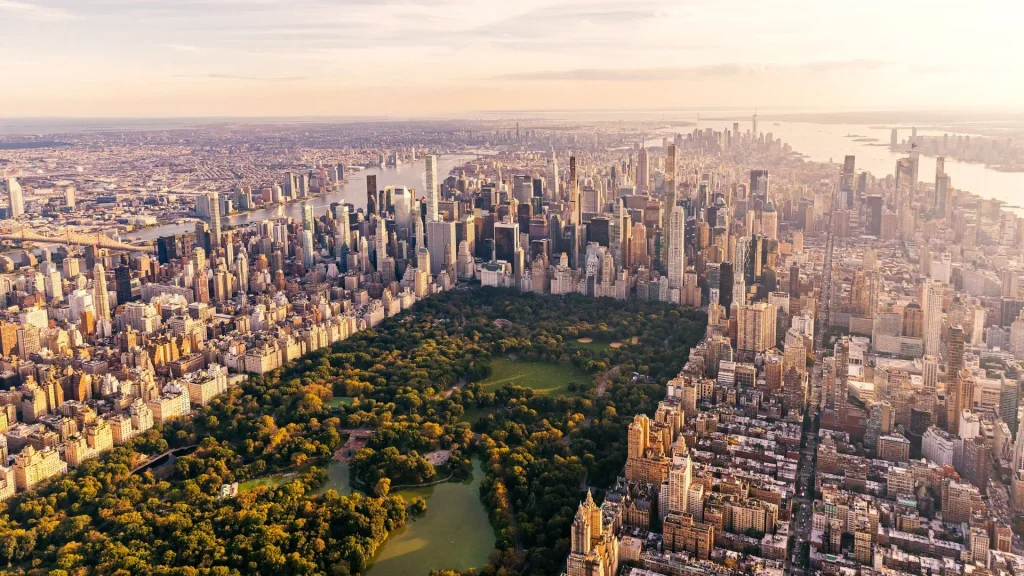
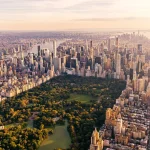
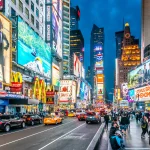
New York City remains one of the world’s most iconic urban destinations, attracting travelers with its unmatched energy, cultural diversity, and global influence. Often called “the city that never sleeps,” it has a mix of famous landmarks, entertainment, food, art, and everyday city life on a massive scale.
For many visitors, the experience begins with world-famous attractions such as Times Square, Central Park, and the Statue of Liberty. The skyline itself has become a symbol recognized around the world, shaped by landmarks including the Empire State Building and One World Trade Center.
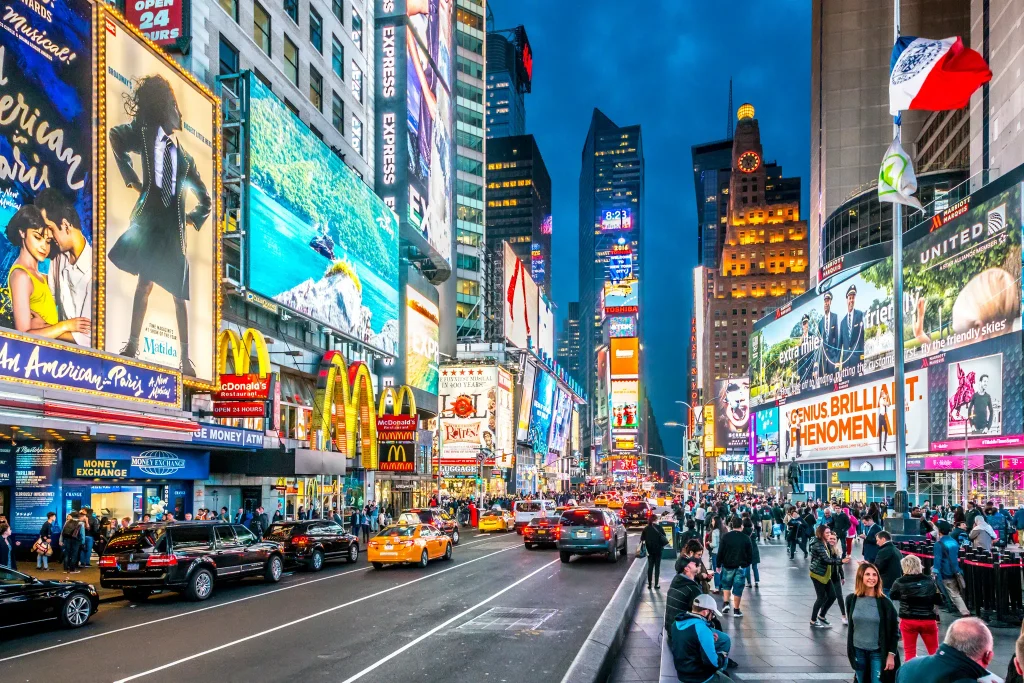
What makes New York unique, however, is the variety of experiences packed into its five boroughs. Manhattan offers Broadway theaters, museums, and major business districts, while neighborhoods in Brooklyn and Queens showcase local cafés, street art, waterfront spaces, and cuisines from around the world. The city’s diversity is reflected in everything from its festivals to its food culture, where visitors can find everything from classic New York pizza to Michelin-starred dining.
New York is also a major global center for art, media, fashion, and finance. Institutions such as the Metropolitan Museum of Art and the Museum of Modern Art continue to attract millions of visitors every year.
7. Amsterdam, Netherlands
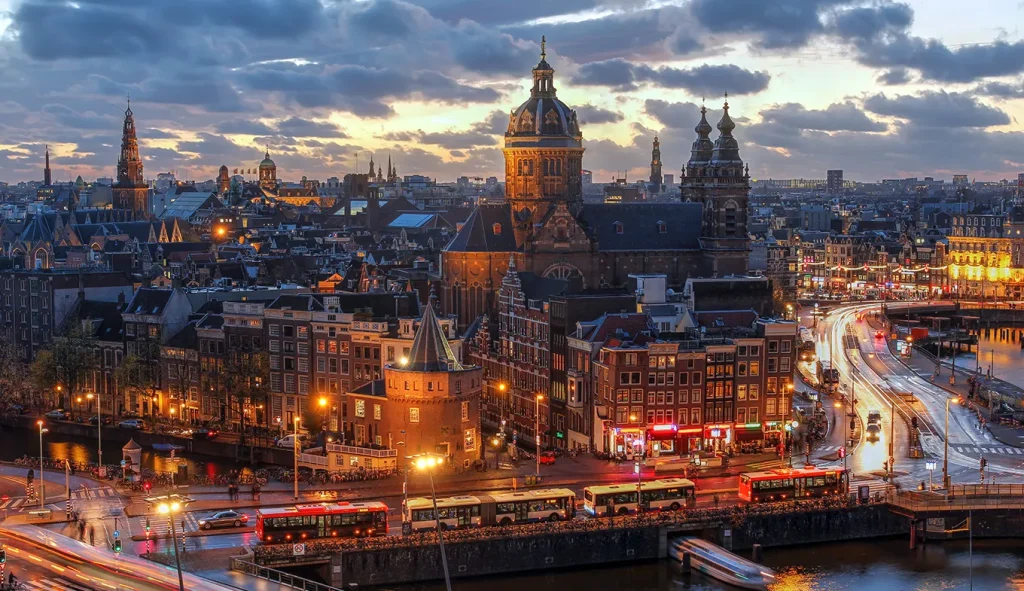
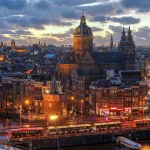
Amsterdam is known for its canals, cycling culture, and compact urban layout. The Dutch capital offers a slower city experience compared to many major European destinations. The city’s network of canals, lined with narrow historic houses and stone bridges, defines much of Amsterdam’s identity.
Visitors often explore the city on foot, by bicycle, or by boat, moving among multiple neighborhoods, museums, cafés, and open public squares. Areas like Jordaan are known for independent boutiques and canal-side cafés, while De Pijp offers a younger and more multicultural atmosphere.
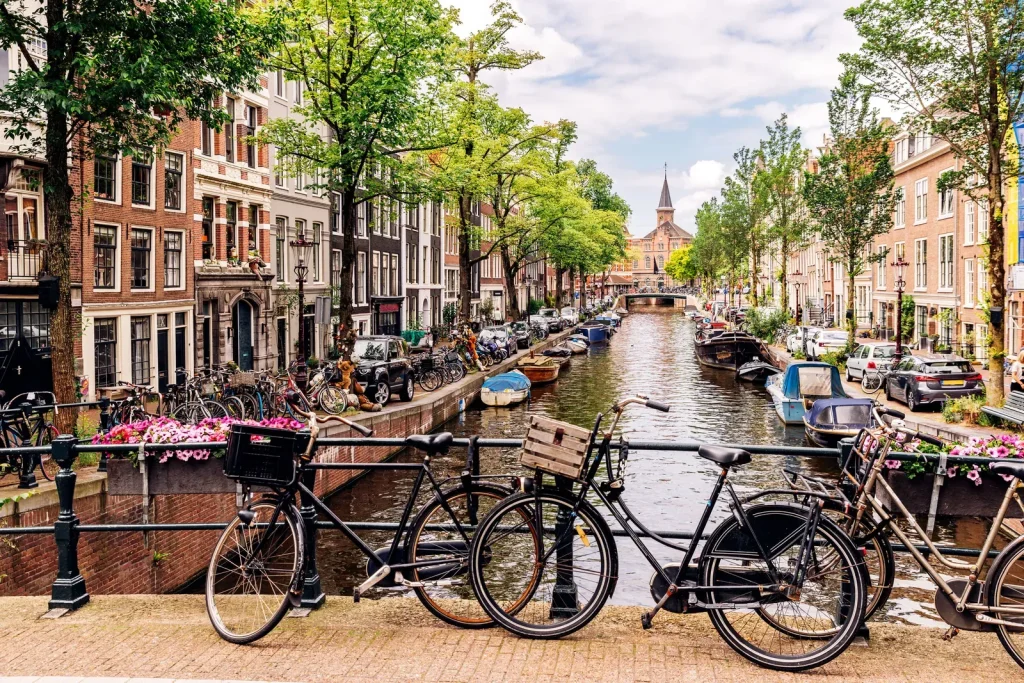
Amsterdam is also one of Europe’s leading cultural centers. The Rijksmuseum and the Van Gogh Museum house some of the world’s most important art collections, while the Anne Frank House remains one of the city’s most visited and significant landmarks. Seasonal flower markets, canal festivals, and outdoor spaces also add to the city’s appeal throughout the year.
Despite its historic appearance, Amsterdam is highly progressive and environmentally focused. Its extensive cycling infrastructure, efficient public transport, and emphasis on sustainable urban living have made it an international model for modern city planning.
8. Barcelona, Spain
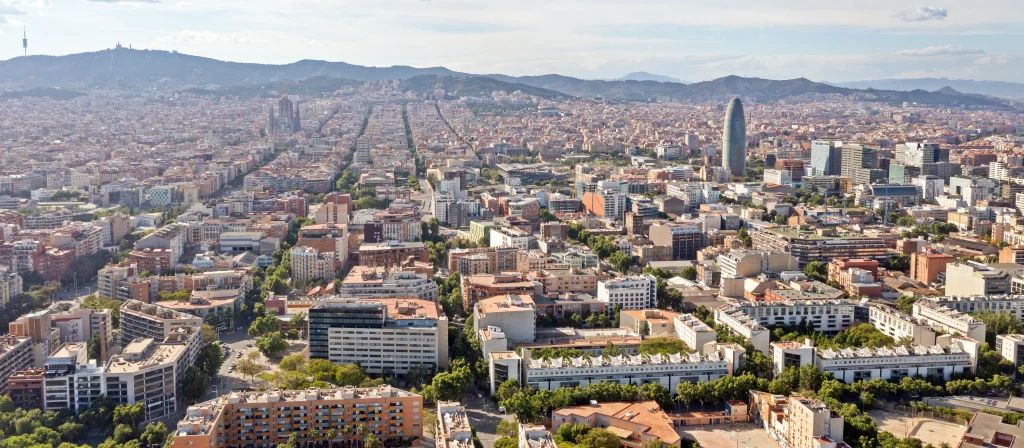
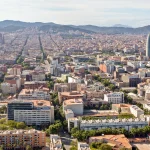
Barcelona is known for its unique architecture, Mediterranean coastline, and energetic street life. Located along Spain’s northeastern coast, the city showcases historic neighborhoods with modern design, making it a destination that appeals to cultural travelers and beachgoers. Much of Barcelona’s identity is shaped by the work of architect Antoni Gaudí. His most famous creation, the Sagrada Família, has become one of the world’s most recognizable landmarks.
Other Gaudí sites, including Park Güell and Casa Batlló, add to the city’s colorful and artistic character. Beyond architecture, areas like the Gothic Quarter preserve Barcelona’s medieval past through narrow streets, historic plazas, and centuries-old buildings.
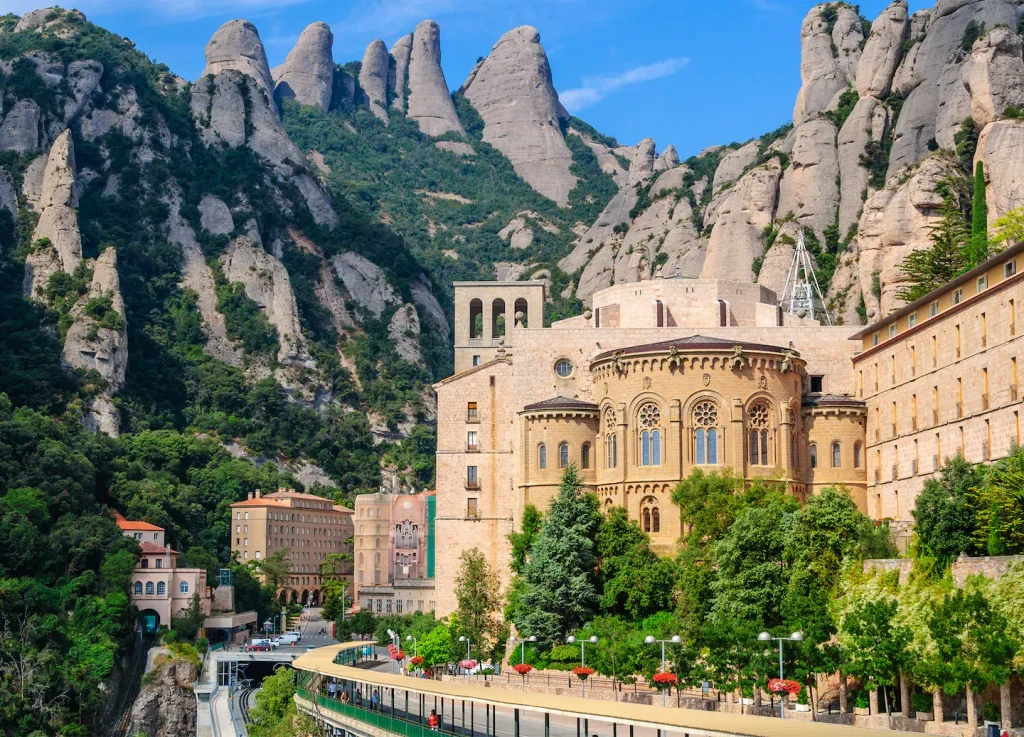
The city’s connection to the Mediterranean gives it a more relaxed atmosphere than many major European capitals. Visitors often move between beaches, outdoor cafés, food markets, and public squares throughout the day. La Boqueria market remains a popular stop for local food and fresh produce, while Las Ramblas continues to attract crowds with its street performers and lively atmosphere.
Barcelona is also known for its strong cultural identity, especially through Catalan traditions, festivals, and cuisine. Seafood, tapas, and late-night dining play an important role in the local experience. Barcelona is creative, walkable, and full of energy.
9. Singapore
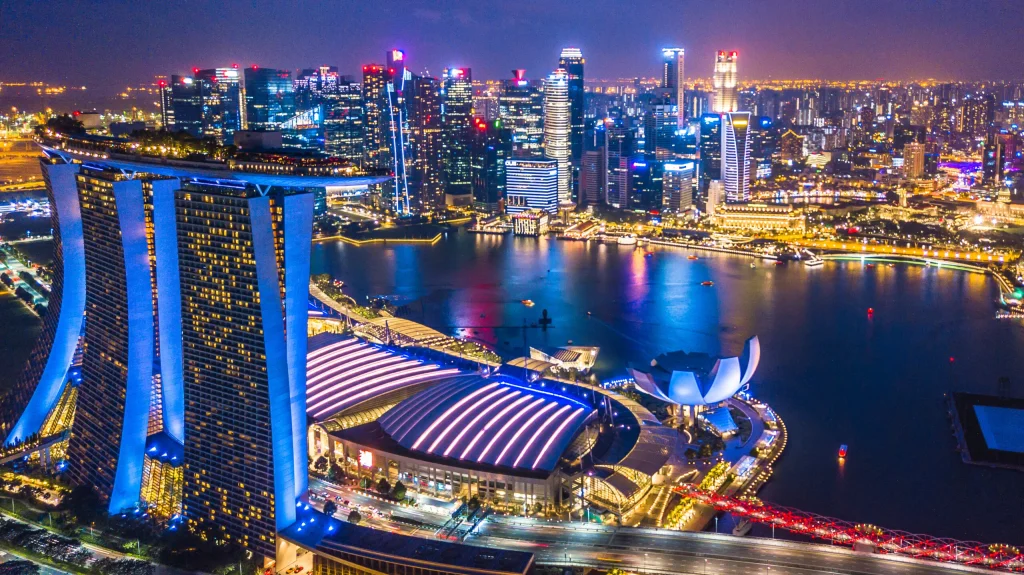
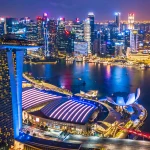
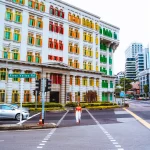
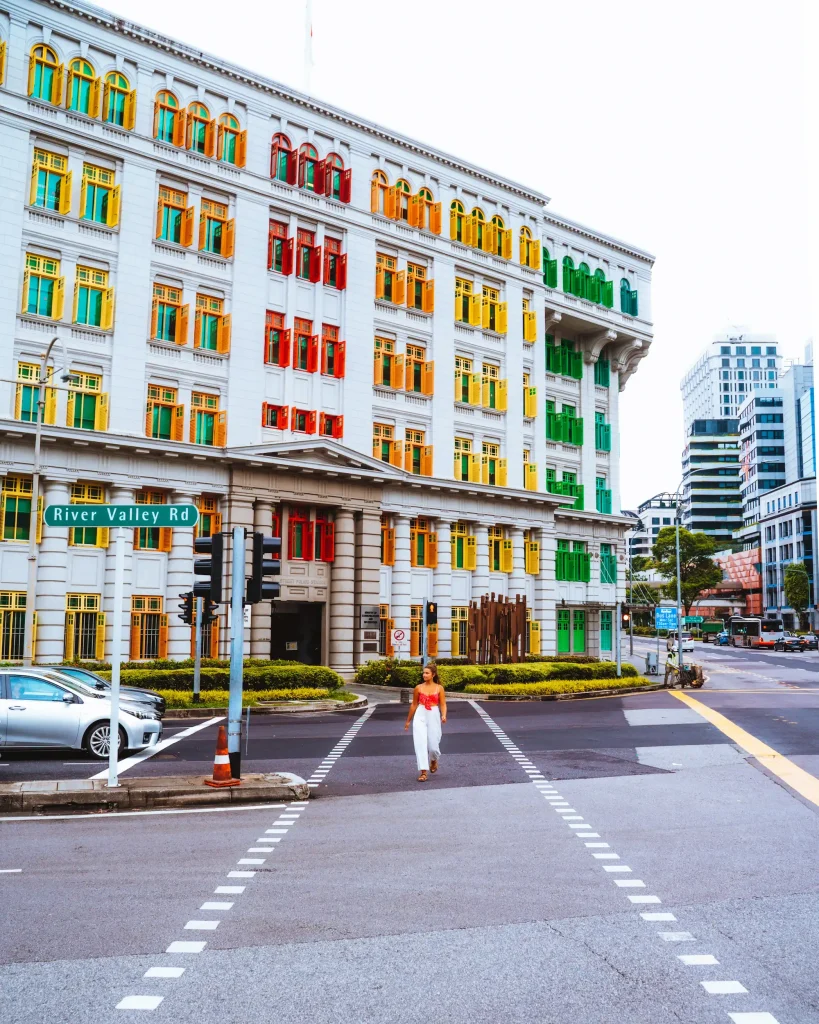
Singapore has established itself as one of Asia’s leading travel destinations by combining modern infrastructure and world-class urban planning within a compact island city-state. Clean, efficient, and highly connected, the city attracts millions of international visitors every year, as a destination and a major global transit hub. Landmarks such as Gardens by the Bay and the Marina Bay Sands waterfront have become symbols of the city’s futuristic identity, while green spaces, rooftop gardens, and tree-lined streets are integrated throughout the urban landscape. Despite its modern skyline, areas like Chinatown, Little India, and Kampong Glam preserve the city’s multicultural heritage and local traditions.
Singapore’s famous hawker centers offer affordable local dishes influenced by Chinese, Malay, Indian, and Peranakan cuisines, making the city one of the world’s most celebrated food destinations. Places like Maxwell Food Centre and Lau Pa Sat attract locals and tourists looking to experience authentic street food culture.
Singapore is also known for its safety, public transport system, and efficient city planning, making it especially convenient for international travelers. Attractions such as Sentosa, luxury shopping districts, museums, and nightlife areas add to the city’s broad appeal.
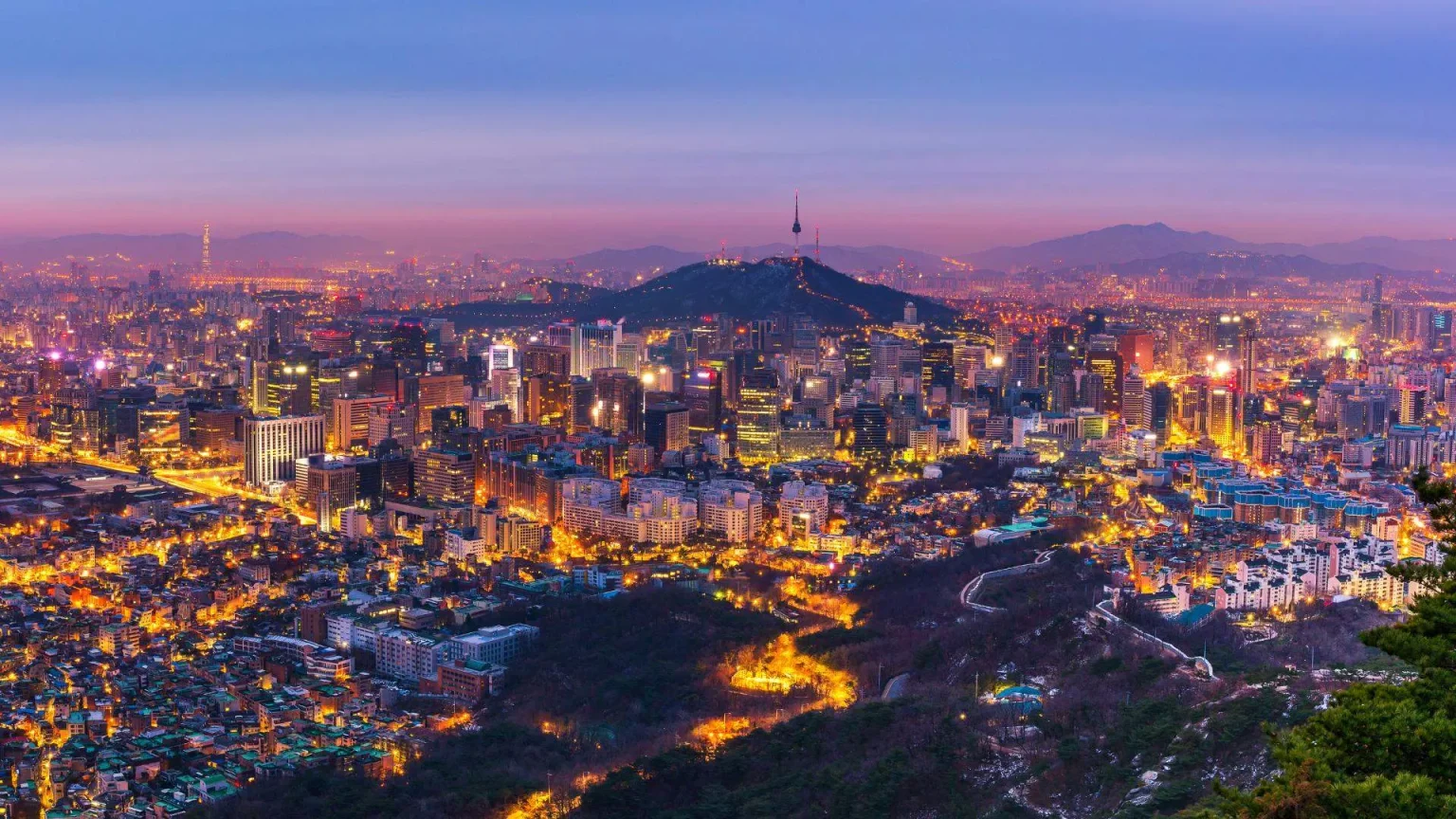
10. Seoul, South Korea
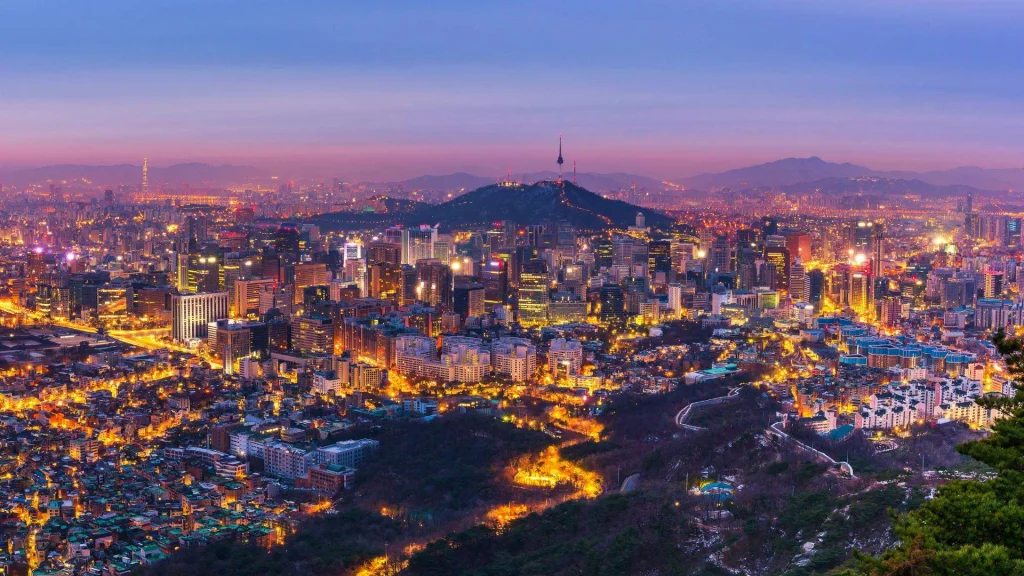
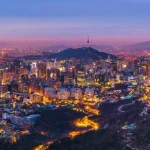
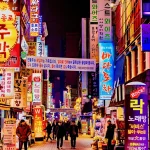
Seoul is driven by technology, pop culture, history, and food. It offers a fast-paced urban experience where ancient palaces stand beside skyscrapers, and traditional markets exist alongside some of the world’s most advanced digital infrastructure. The city’s cultural influence has grown globally through K-pop, Korean cinema, fashion, and beauty trends, attracting younger travelers eager to experience the places they have seen in music videos and television dramas. Districts like Hongdae and Gangnam are known for nightlife, shopping, and entertainment, while neighborhoods such as Bukchon Hanok Village preserve Seoul’s traditional architectural heritage.
Historic landmarks, including Gyeongbokgung, offer insight into Korea’s royal history, while the nearby traditional markets and tea houses create a strong connection between past and present. Seoul is also surrounded by mountains and public parks, giving visitors easy access to hiking trails and scenic viewpoints within the city itself.
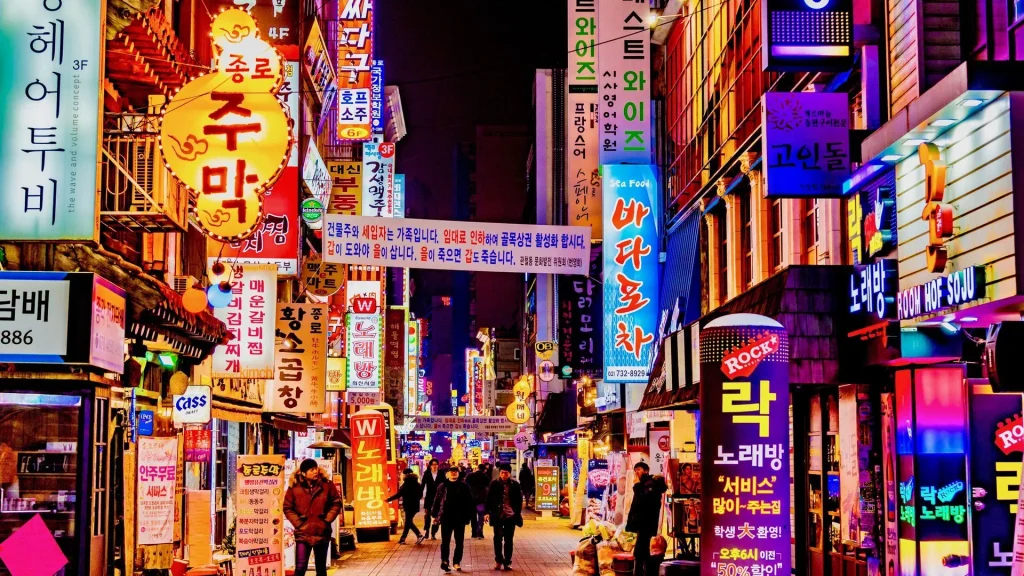
Food is one of Seoul’s biggest attractions. From Korean barbecue and street food to modern cafés and fine dining, the city’s culinary culture is highly diverse. Busy night markets and late-night restaurants contribute to Seoul’s reputation as a city that stays active around the clock.
The Takeaway for 2026
Ultimately, these ten cities prove that the world’s leading destinations are no longer just places to cross off a bucket list. The cities thriving most today are the ones that allow travelers to stop watching from the sidelines and truly participate in local urban life. This also highlights why tourism remains one of the strongest forces in the international economy and continues to inspire millions of travelers year after year: some are captivated by art and architecture, others by local culture.