
Texas has long sold itself as open for business. Cheap land, relatively low regulation, and an independent grid made the state a magnet for data centers chasing the power demands of cloud computing and artificial intelligence. On September 21, 2026, that open-door posture narrowed sharply.
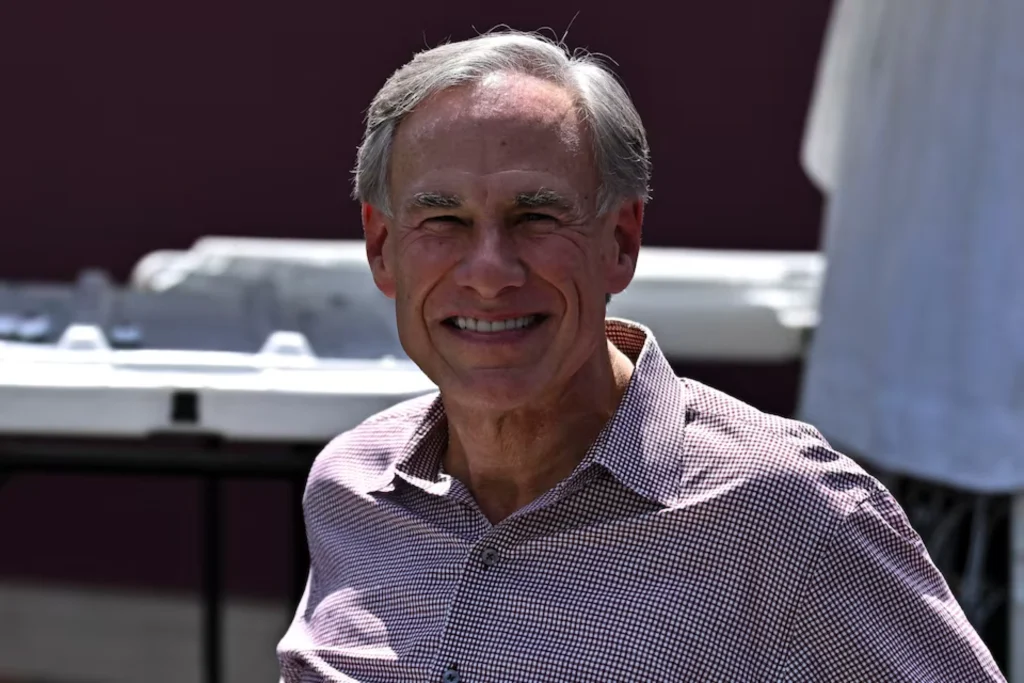
Governor Greg Abbott directed the Texas Commission on Environmental Quality to halt all permits sought by data-center projects until the Electric Reliability Council of Texas completes a comprehensive audit of the facilities already in the interconnection queue.
The order expands an earlier freeze on new grid connections. Together, the two directives create a de facto statewide pause on new data-center construction until regulators better understand the cumulative impact on electricity reliability and water resources. Abbott’s message was blunt: Texans must come first. Data centers, he said, must pay their own way, protect the grid and water, and finish the audits before further approvals move forward.
The scale of the queue
The numbers that prompted the action are striking. By the time Abbott ordered the interconnection freeze, more than 470 gigawatts of data-center and other large-load projects sat in ERCOT’s queue. That figure is more than five times the state’s peak demand. Even if only a fraction of those projects materialize, the potential strain on generation, transmission and water supplies is substantial.
ERCOT is now auditing power use, tax incentives, and water consumption, among other factors. The Texas Water Development Board has been instructed to enforce water-use reporting requirements and to coordinate with ERCOT. The Public Utility Commission is part of the same effort. Until the results are in, TCEQ is barred from issuing the air and water permits that developers need to break ground.
Arguments for the pause
Supporters of the halt point to real risks. Texas already experienced a catastrophic grid failure in February 2021. Adding hundreds of megawatts of continuous, high-intensity load without a clear picture of available capacity and backup arrangements invites trouble.
Residential customers have watched electricity costs rise in some areas as new transmission and generation are built to serve large industrial users. Water is another pressure point. Many data centers rely on significant volumes for cooling, and in parts of the state, aquifers and surface supplies are already stressed.
There is also a fairness argument. If data centers receive tax incentives and priority access to infrastructure while ordinary households absorb higher bills or reduced reliability, the social contract around economic development frays. Abbott has signaled that next legislative session he will push to eliminate remaining financial incentives for the industry. The current pause, in this view, is a necessary breathing space to rewrite the rules before more irreversible commitments are made.
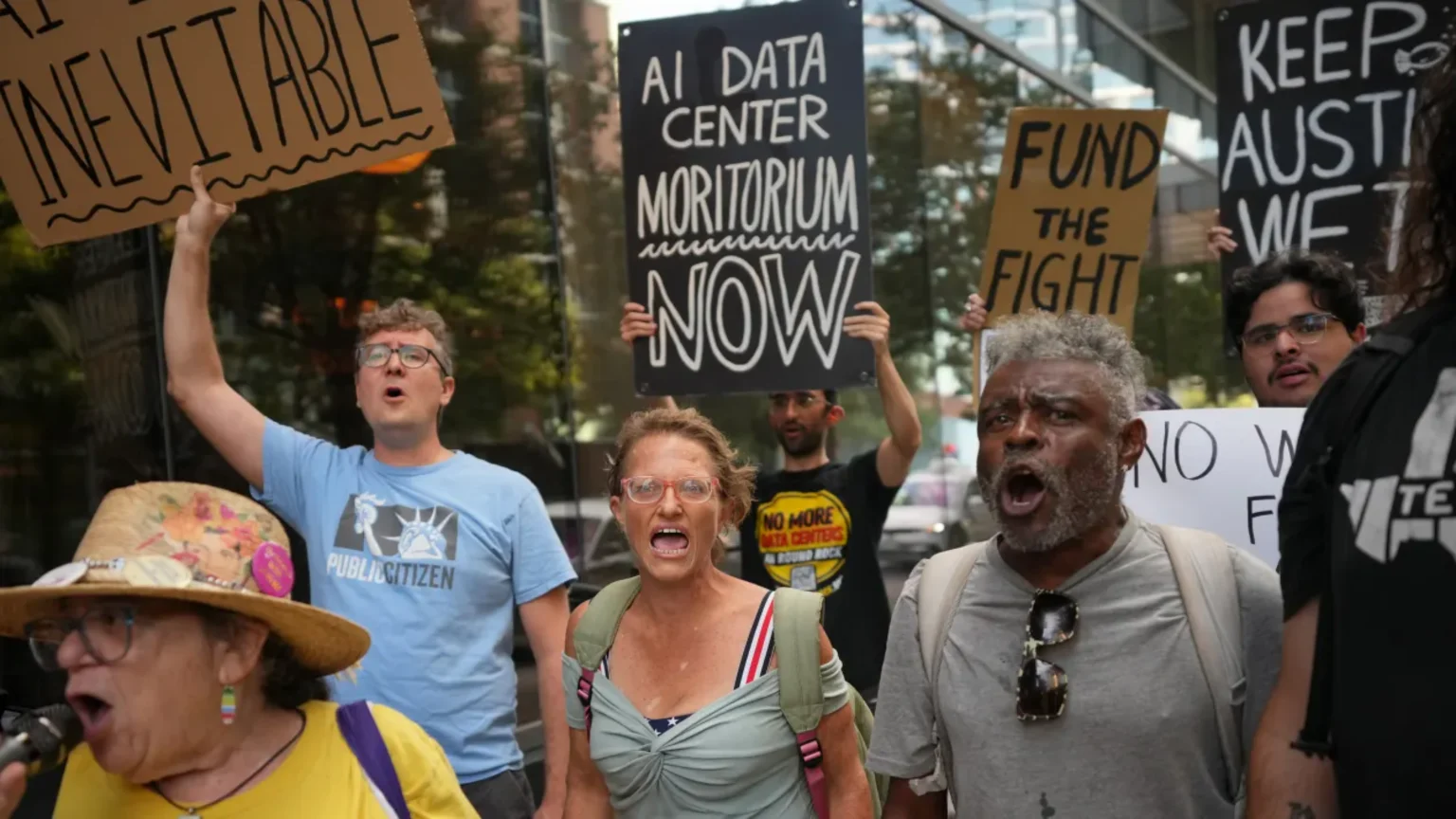
Public concern has grown alongside the projects themselves. Local opposition has appeared in multiple counties over noise, visual impact, water use, and the sense that decisions were being made with limited transparency. The governor’s action responds to that pressure while still stopping short of a permanent ban.
Arguments against the freeze
Critics see a different picture. Texas has spent years recruiting the very industry it is now slowing. Data centers bring construction jobs, ongoing technical employment, property-tax revenue and a foothold in the expanding digital economy. A sudden halt creates uncertainty for projects already deep in planning, financing and site acquisition. Developers who followed existing rules now face an open-ended delay whose end date depends on the speed of an audit that could stretch into December or beyond.
There is also a competitive dimension. Other states continue to court large technology investments. Prolonged uncertainty in Texas could push capital and projects elsewhere, especially if the eventual rules prove more restrictive than those in competing markets. Some argue that the proper response is targeted pricing and interconnection reforms rather than a blanket freeze that treats every proposed facility the same regardless of its efficiency, water strategy or willingness to fund its own infrastructure.
The timing has drawn political scrutiny as well. With elections approaching, opponents have questioned whether the pause is driven more by short-term politics than by long-term grid planning. Supporters counter that waiting until after an election to address an already overloaded interconnection queue would be irresponsible.
What the audits need to answer

The practical value of the pause will be measured by the quality of the information that emerges. Key questions include how many of the queued projects are realistic, what their actual coincident peak demand would be, whether they can provide flexible load or on-site generation, how much water they will consume under different climate scenarios, and whether their infrastructure costs can be fully isolated from residential ratepayers.
If the audits produce clear, usable data, regulators will be better positioned to design interconnection rules, cost-allocation methods and water safeguards that allow growth without repeating past mistakes. If the process drags or yields only vague conclusions, the freeze risks becoming an indefinite barrier that solves little while damaging Texas’s reputation for predictable regulation.
A broader national pattern
Texas is not alone. Several states that once competed aggressively for data-center investment have begun tightening oversight as the scale of proposed load became clear. The pattern reflects a shift from pure recruitment to managed growth. The underlying tension is structural: digital infrastructure is essential to the modern economy, yet its physical demands on power and water are large, continuous and geographically concentrated.
Abbott’s directive does not resolve that tension. It buys time. How Texas uses that time will matter. A rigorous audit followed by transparent, enforceable rules could strengthen both grid reliability and public trust. A prolonged or politicized pause could simply defer hard choices while other jurisdictions move ahead.
Looking forward
For now the message from Austin is clear. New data-center permits at the state environmental agency are on hold. Grid interconnection for additional large loads remains frozen pending the ERCOT review. Water reporting is under heightened scrutiny. The industry that helped define Texas’s recent economic narrative must wait while the state measures the cumulative consequences of its own success.
Whether this pause is remembered as a prudent course correction or as an abrupt interruption of investment will depend on what follows. The audits are the immediate test. The legislative session that comes after will be the longer one. In the meantime, the projects already in the queue sit in limbo, and the question of how Texas balances digital growth with the everyday reliability of power and water remains open.