

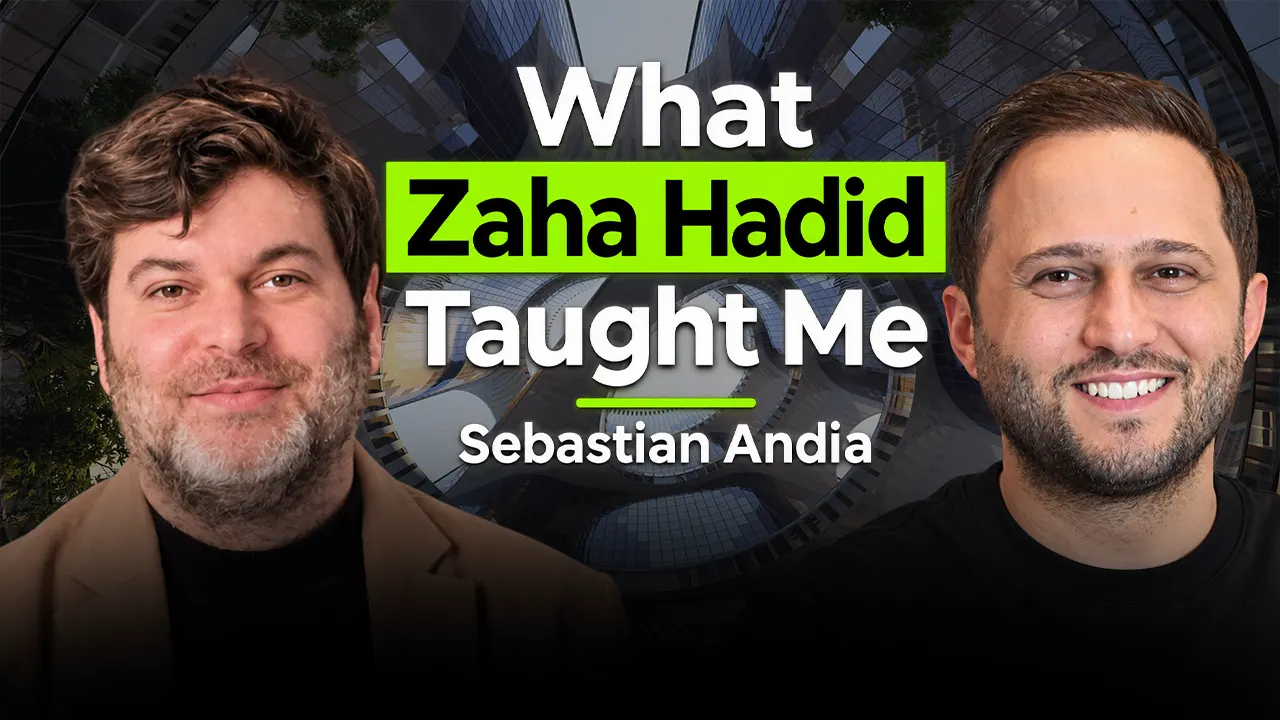






What happens when artificial intelligence begins to challenge the very creativity that defines architecture? For Sebastián Andia, an architect and designer who has spent more than a decade at Zaha Hadid Architects (ZHA), the question is not simply about technological advancement. It concerns the future of human imagination, architectural authorship, and the relationships that make design meaningful.
In the 78th episode of Designing Forward, hosted by Hamid Hasanzade, founder of Parametric Architecture and PAACADEMY, Andia reflects on his journey from Argentina to New York and London, his experiences working directly with Zaha Hadid, and the changing relationship between architecture, technology, and human creativity. Their conversation moves beyond the familiar discussion of computational design to examine what architects risk losing when efficiency becomes more important than exploration.
Born in Mendoza, Argentina, Andia grew up in a family of architects before studying architecture and urban planning at the Universidad de Mendoza. Following academic exchanges in Mexico and the United States, he moved to New York, where he joined Asymptote Architecture and spent nearly five years working alongside Hani Rashid. His experience included projects such as the Yas Marina Hotel in Abu Dhabi, alongside explorations in furniture, interiors, and large-scale masterplanning.
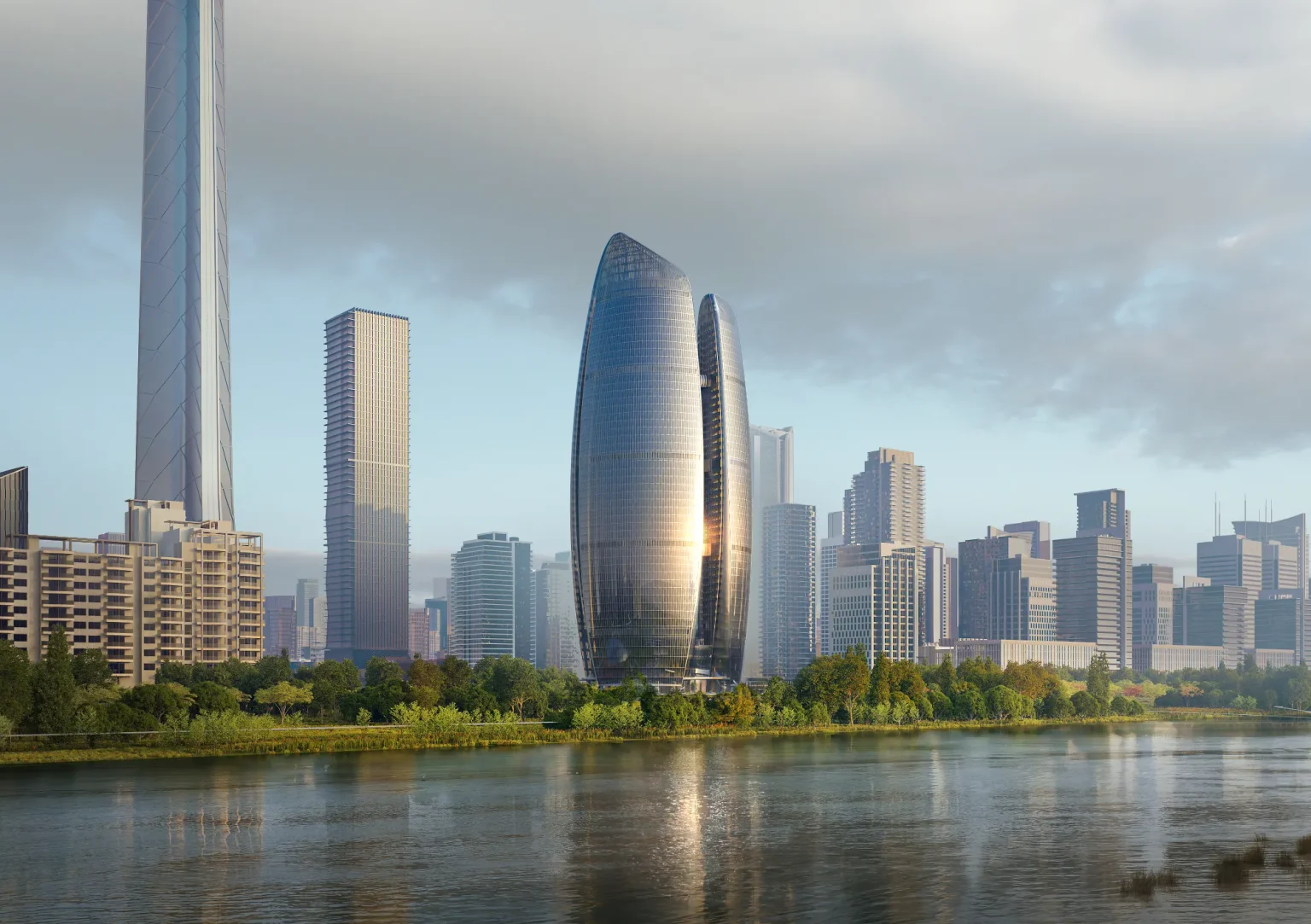
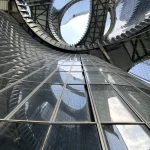
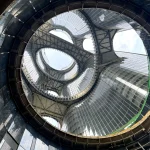
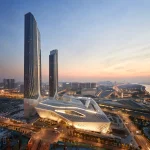
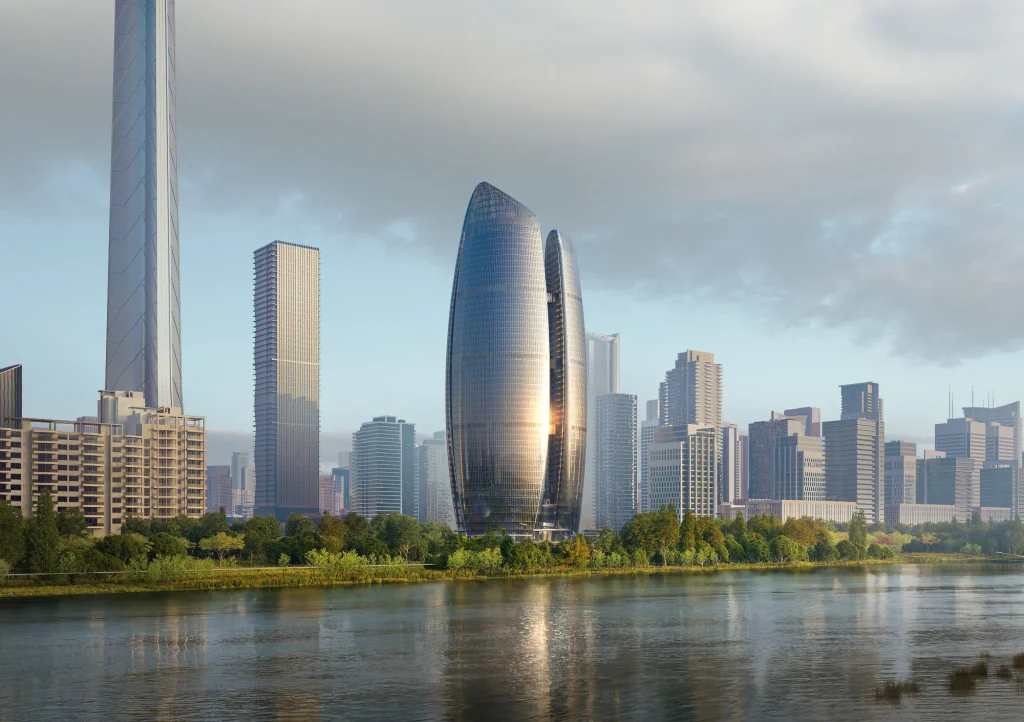
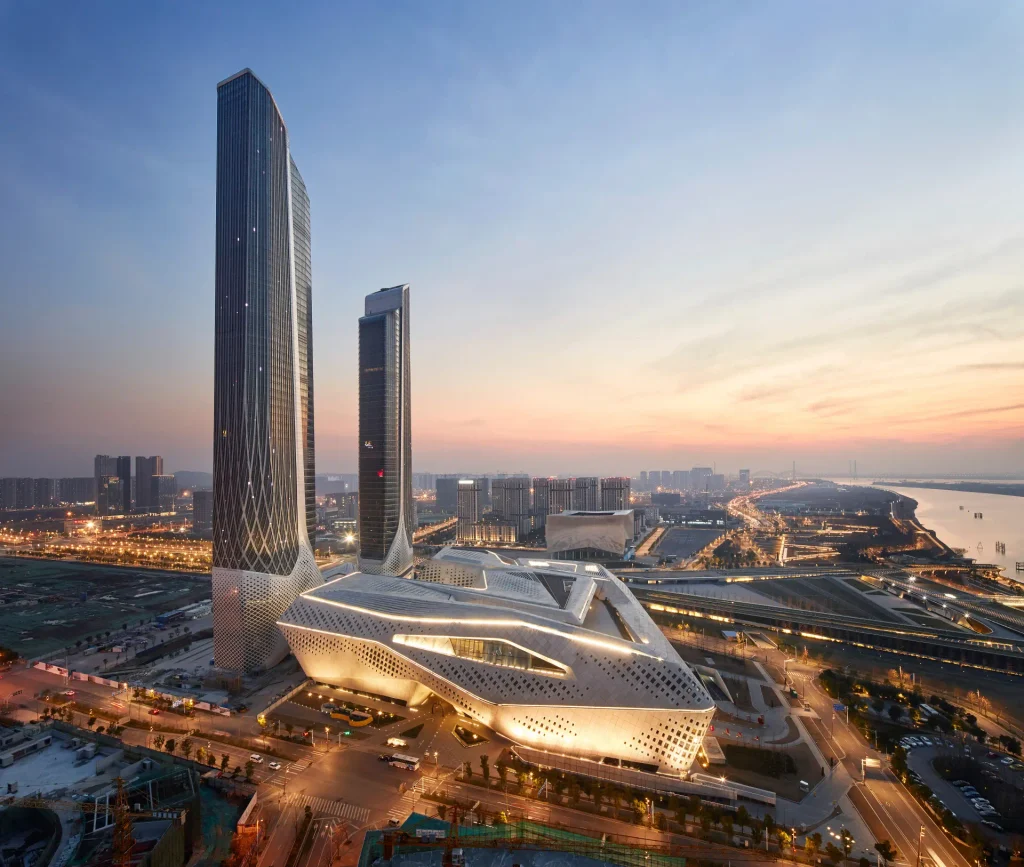
After completing his master’s degree at the Architectural Association’s Design Research Laboratory in London, Andia joined Zaha Hadid Architects in 2012. His career at ZHA has since evolved through architectural design, international competitions, project development, and design leadership, including work on the Nanjing International Youth Cultural Center and the Taikang Financial Center in Wuhan, China.
From Architectural Competitions to Built Reality
For Andia, the transition from generating ambitious architectural concepts to realizing them has been one of the most significant lessons of his career. At ZHA, he initially contributed to the interior design development of the Nanjing International Youth Cultural Center before moving into competition leadership and larger architectural commissions.
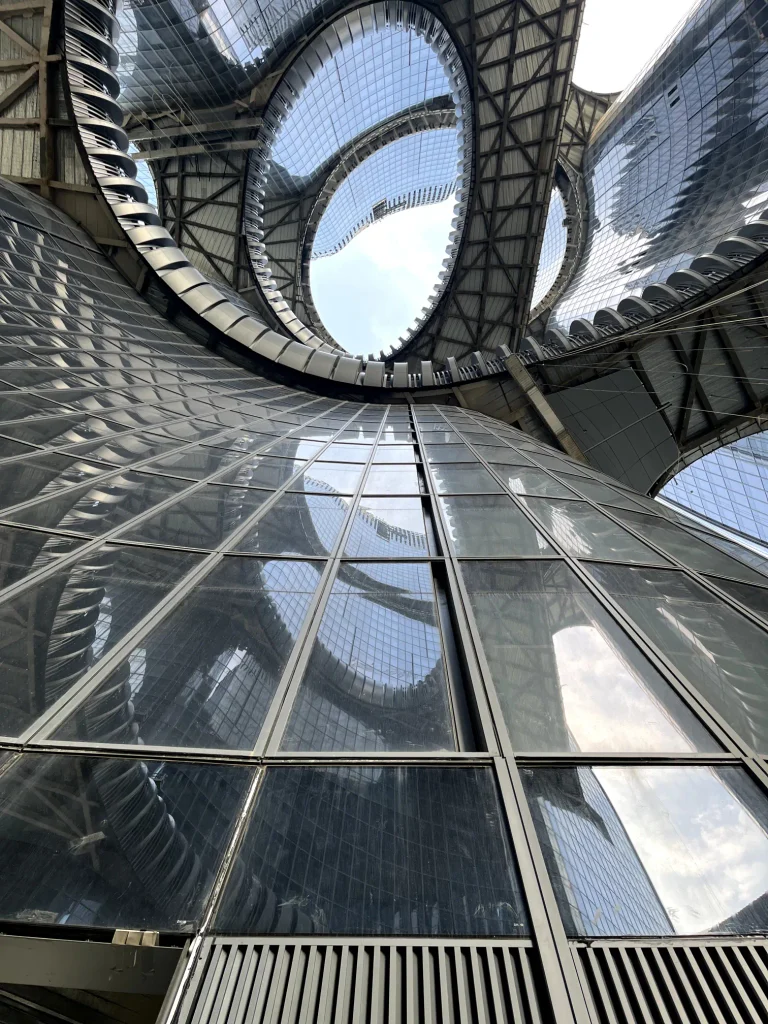
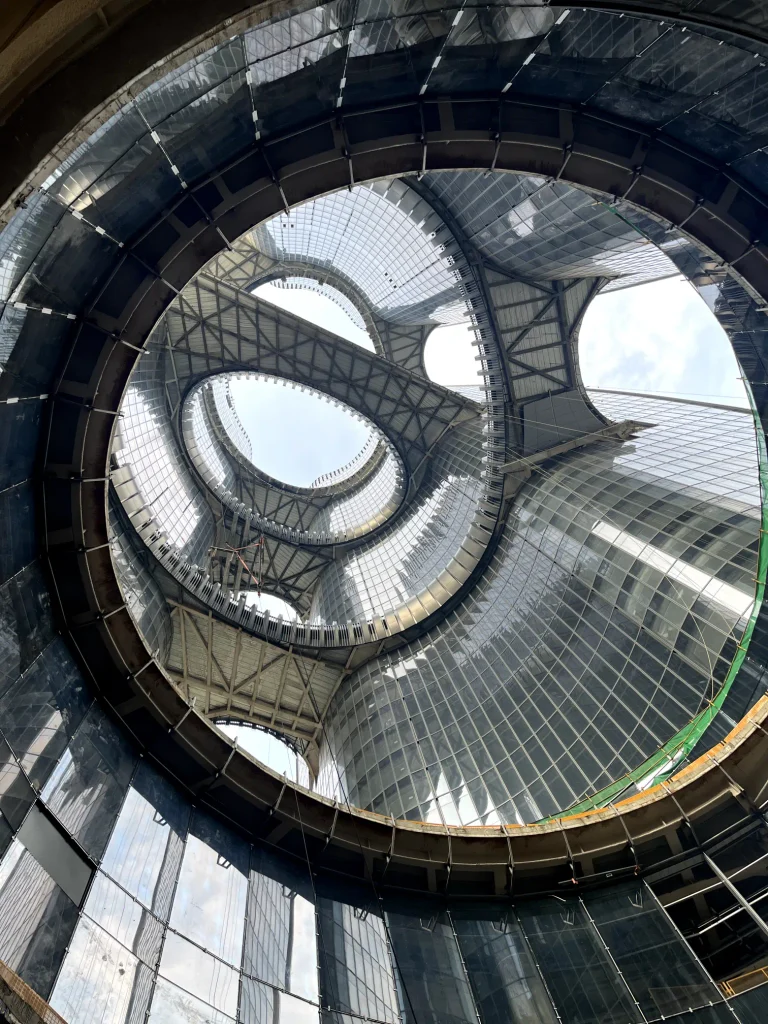
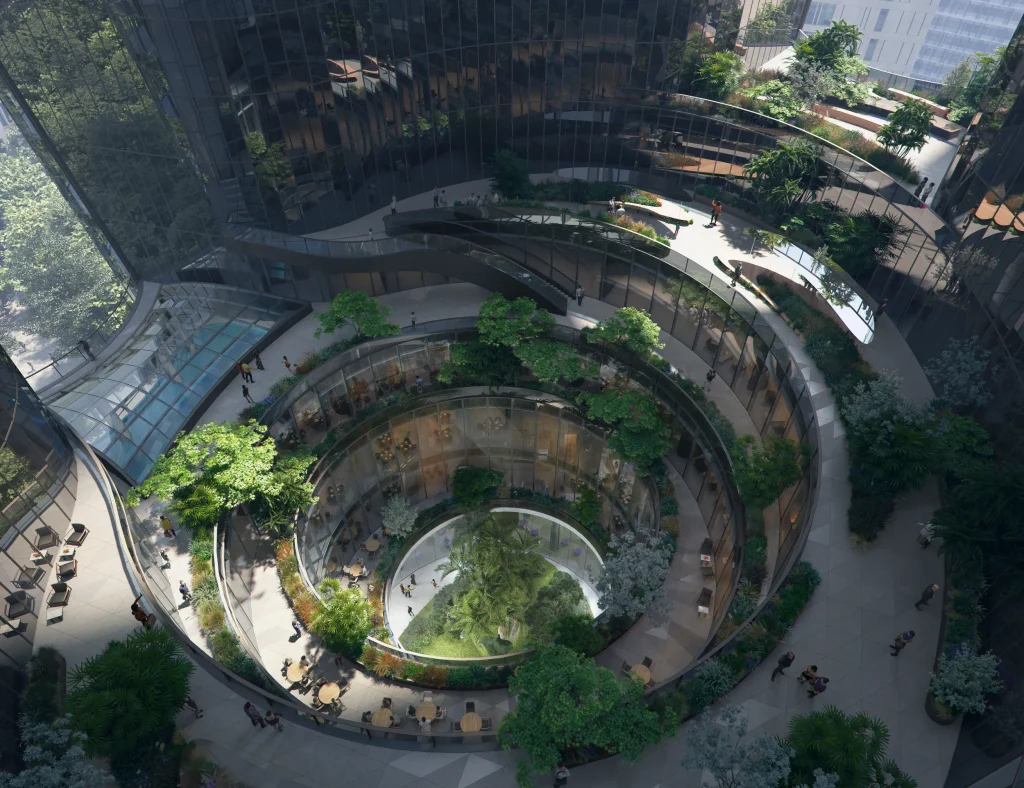
The Taikang Financial Center in Wuhan represents a particularly important milestone. Andia participated in its development through multiple stages, from the competition process to architectural detailing and construction-related development. The project also illustrates the patience required to bring complex architecture into reality, especially within a practice known for challenging conventional building geometries.
Reflecting on his younger years, Andia acknowledges that producing compelling architectural concepts once seemed sufficient. Over time, however, the desire to see those ideas physically realized became increasingly important. At ZHA, he learned that an architectural concept must withstand numerous stages of development, from schematic design and engineering coordination to construction documentation and detailing.
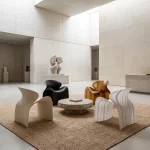
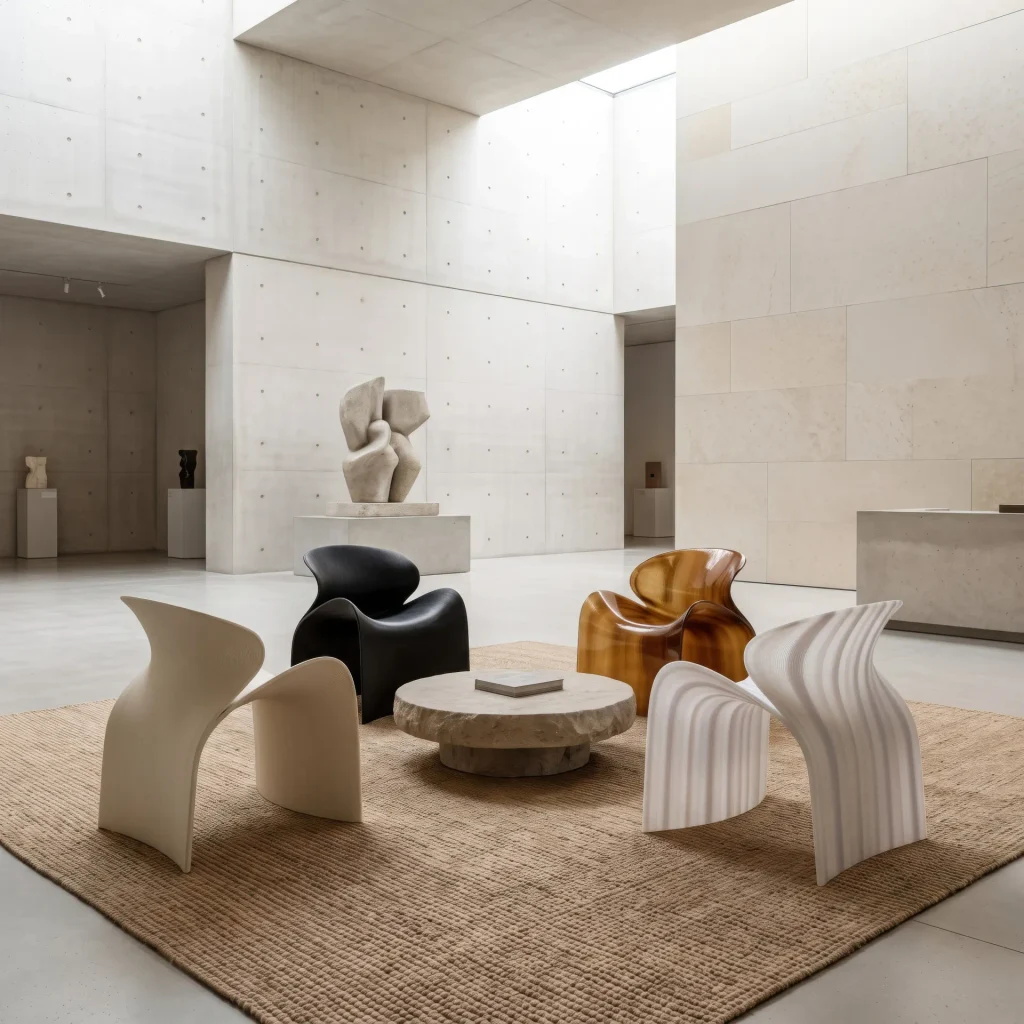
His experience extends beyond buildings into furniture and experimental manufacturing. Projects such as the Ultrastellar Collection, Volu Dining Table, and ECHO Chair demonstrate his continuing interest in geometry, material innovation, and digital fabrication, connecting the scale of architecture with the precision of industrial design.
CartesianForms: Exploring the Next Generation of Architectural Design
As architecture moves toward increasingly computational and AI-assisted workflows, PAACADEMY is inviting designers to explore new approaches through CartesianForms: Architecture Reimagined, an international design competition developed in collaboration with FORMAS. Participants can also explore the technologies behind these emerging workflows through the free Architecture Reimagined workshop, introducing new possibilities for computational and AI-assisted architectural design.
Working With Zaha Hadid: A Culture of Experimentation
One of the conversation’s most revealing moments concerns Andia’s experience working directly with Zaha Hadid. Rather than describing a conventional hierarchical design process, he recalls a collaborative environment where architects presented sketches, explored possibilities, and developed ideas through continuous exchange.
Hadid’s feedback was often remarkably concise. She could select a sketch, suggest a direction, or introduce an unexpected conceptual relationship that opened entirely new possibilities for the design team. Andia particularly admired her determination to challenge established conventions and pursue architectural expressions that had not been explored before.
For him, Hadid’s greatest contribution extended beyond individual buildings. She established a culture in which experimentation, ambition, and unconventional thinking became fundamental principles of architectural practice.
Andia believes this philosophy explains why ZHA continued evolving after Hadid’s passing in 2016. Although the studio’s leadership structure has gradually become more distributed, its creative foundation remains rooted in questioning accepted architectural solutions and continuously pursuing new possibilities.
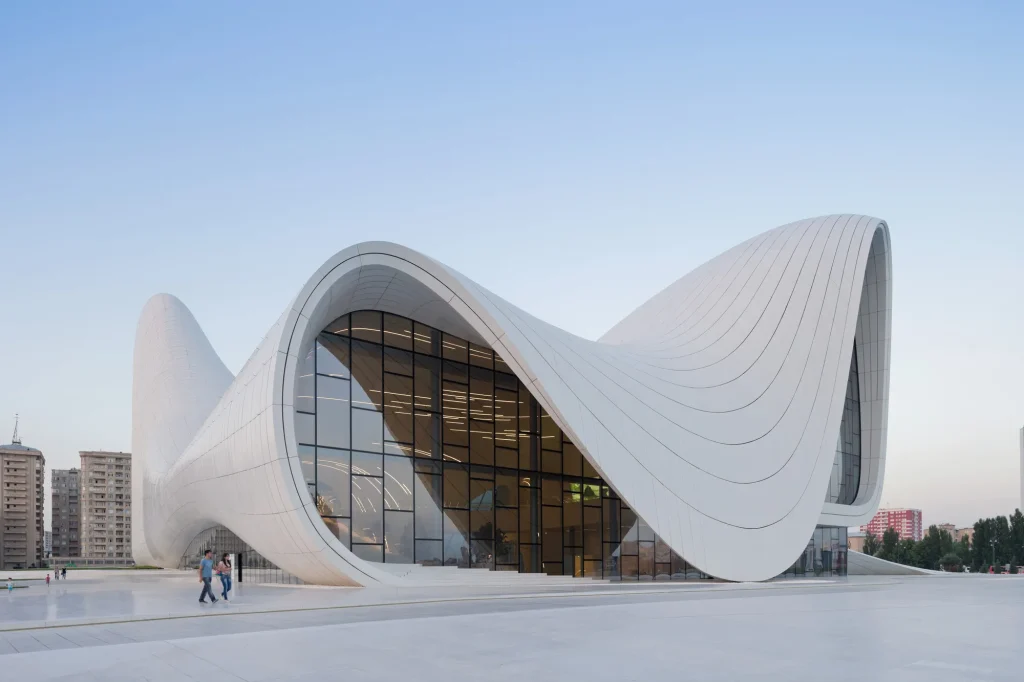
Under Patrik Schumacher’s leadership, this approach continues to shape the studio’s exploration of computational design, advanced technologies, and architectural innovation.

AI in Architecture: Are We Losing the Human Creative Process?
Despite his extensive experience with digital design, Andia expresses considerable concern about the growing influence of generative artificial intelligence.
He recalls his initial reaction when Schumacher introduced him to early AI image-generation experiments. Rather than feeling entirely excited, he experienced a sense of uncertainty about the future of his own creative contribution. If machines could generate architectural imagery almost instantly, what would happen to the architect’s imagination?
His position has since evolved into a more nuanced philosophy: AI can be valuable when it expands human creativity, but it becomes problematic when it replaces the process of developing ideas.
Andia uses AI to test concepts, challenge assumptions, and explore alternative possibilities. However, he deliberately avoids relying on it to generate his initial architectural ideas. He believes that the act of thinking, experimenting, modeling, and discovering unexpected solutions remains central to his identity as a designer.
Perhaps his most significant concern is not the technology itself, but the disappearance of human collaboration. Architectural visualization, for example, traditionally involves conversations between designers and visualization artists, whose different perspectives can enrich a project. When these exchanges are replaced by automated generation, architecture risks losing an important source of creative dialogue.
The discussion also questions whether greater productivity necessarily creates greater value. As architects produce more material in less time, they may simply be expected to deliver more work without receiving better compensation or having more time for meaningful exploration.
What Should Architecture Students Learn in the Age of AI?
Having taught at the Architectural Association and the Bartlett School of Architecture at UCL for more than a decade, Andia offers a particularly relevant perspective on architectural education.
He argues that students must first develop a genuine understanding of spatial organization, geometry, materiality, and design thinking before relying heavily on artificial intelligence. A convincing AI-generated image, he explains, does not necessarily demonstrate an understanding of how a building functions or how its architectural systems interact.
The danger lies in confusing the ability to generate an image with the ability to design architecture.
Instead, Andia encourages students to develop their own ideas, learn through experimentation, and use AI as an additional instrument for questioning and expanding their thinking. Equally important is maintaining the critical exchange that occurs between students, tutors, and colleagues.
For aspiring architects hoping to join ZHA, his advice extends beyond mastering software. He emphasizes spatial intelligence, formal sensitivity, adaptability, curiosity, and the ability to translate technical skills into meaningful architectural proposals.
The Future of Architecture Needs More Than Technology
Looking toward the coming decades, Andia believes architecture must preserve its fundamental purpose: creating environments for people and communities.
He argues that architecture cannot be reduced to formal experimentation or visual spectacle. Buildings acquire meaning through occupation, interaction, memory, and the everyday experiences of their users. Even the most remarkable architectural object risks losing its significance when disconnected from human life.
At the same time, he hopes the profession will gain greater influence over the development of cities, improve recognition and compensation for architectural expertise, and move beyond the expectation that every architect must master every discipline.
His closing advice to younger designers is grounded in curiosity, persistence, and the willingness to take risks. Rather than following established career paths too closely, he encourages architects to identify their own interests, embrace unfamiliar challenges, and remain open to learning throughout their careers.
Ultimately, Andia’s perspective suggests that the future of architecture will depend not only on increasingly powerful technologies, but also on the ability of architects to protect their imagination, collaborate meaningfully, and remain engaged with the societies they design for.
About Designing Forward
Designing Forward is a podcast series by Parametric Architecture, hosted by founder Hamid Hasanzade, exploring the future of architecture, design, technology, and creative practice through conversations with leading architects, designers, researchers, and innovators.
In Episode 78, Sebastián Andia shares his experiences at Zaha Hadid Architects, his personal reflections on working with Zaha Hadid, and his perspective on artificial intelligence and the future of architectural creativity.
Prefer to listen? Tune in to Episode 78 of Designing Forward on Spotify and hear the full conversation with Sebastián Andia.
Explore more: Zaha Hadid Architects | Sebastián Andia on LinkedIn | Sebastián Andia on Instagram