
The Royal Institute of British Architects has recognized 34 projects across 15 countries and four continents, highlighting architecture that responds to climate change, housing, migration, rapid urbanization and the growing need for resilient infrastructure.
The Royal Institute of British Architects (RIBA) has announced the 34 winners of its International Awards for Excellence 2026, presenting a geographically diverse selection of projects that reflect some of the most pressing challenges facing contemporary architecture. Spanning four continents and 15 countries, the winning projects demonstrate how architects are responding to environmental pressures, social inequality, urban growth and changing patterns of community life.
The awards place particular emphasis on architecture that goes beyond visual impact to address practical and social conditions. From educational and cultural buildings to housing, infrastructure and community facilities, this year’s winners illustrate a growing interest in architecture that improves everyday life while working within environmental, economic and spatial constraints.
A New Era of Adaptive and Resilient Architecture
Among the strongest themes emerging from the awards is adaptive reuse. Rather than treating existing buildings as obsolete structures destined for demolition, several winning projects demonstrate how their architectural, cultural and material value can be preserved while giving them entirely new functions.
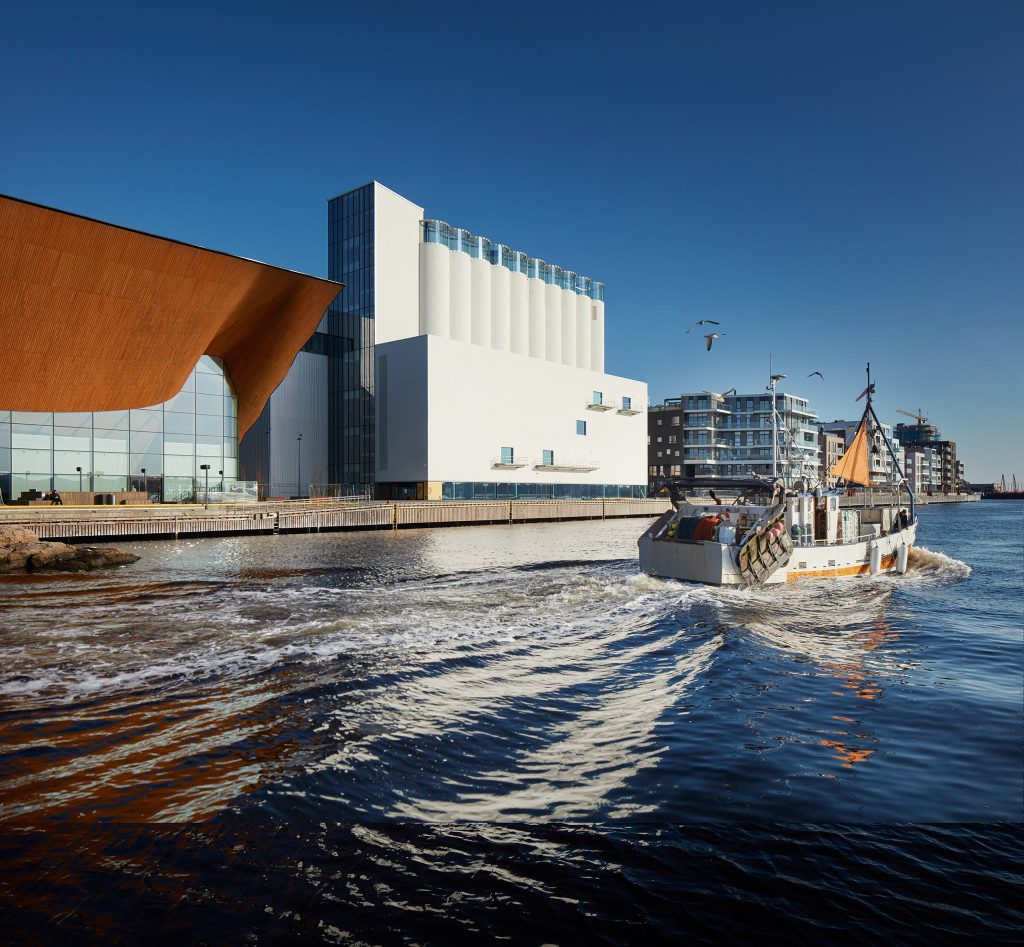
In Kristiansand, Norway, Kunstsilo, designed by Mestres Wåge, BAX and Mendoza Partida, transforms a 1935 grain silo into a contemporary art museum. The project retains the industrial character of the original structure while introducing new spaces for art and public activity. RIBA identifies the project as an example of how existing structures can be reimagined as cultural destinations without erasing their history.
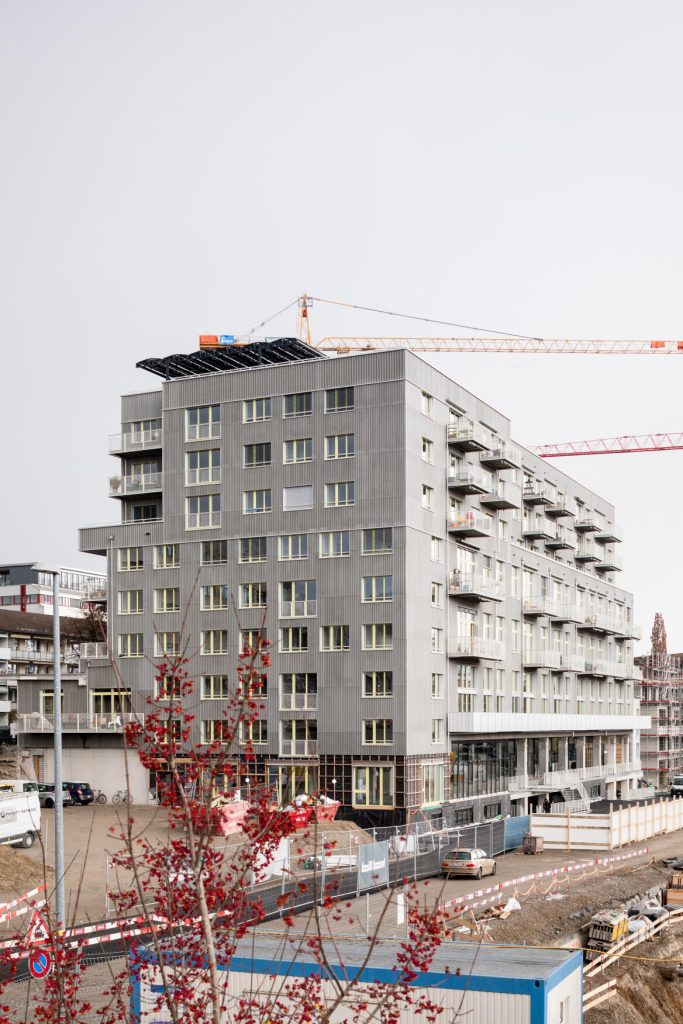
A similar approach can be seen in Bern, Switzerland, where Transformation Warmbächli, designed by BHSF Architektur & Städtebau, converts a former Chocolat Tobler warehouse into cooperative housing. The project demonstrates how industrial buildings can be adapted to address contemporary housing needs while reducing the environmental cost associated with demolition and new construction.
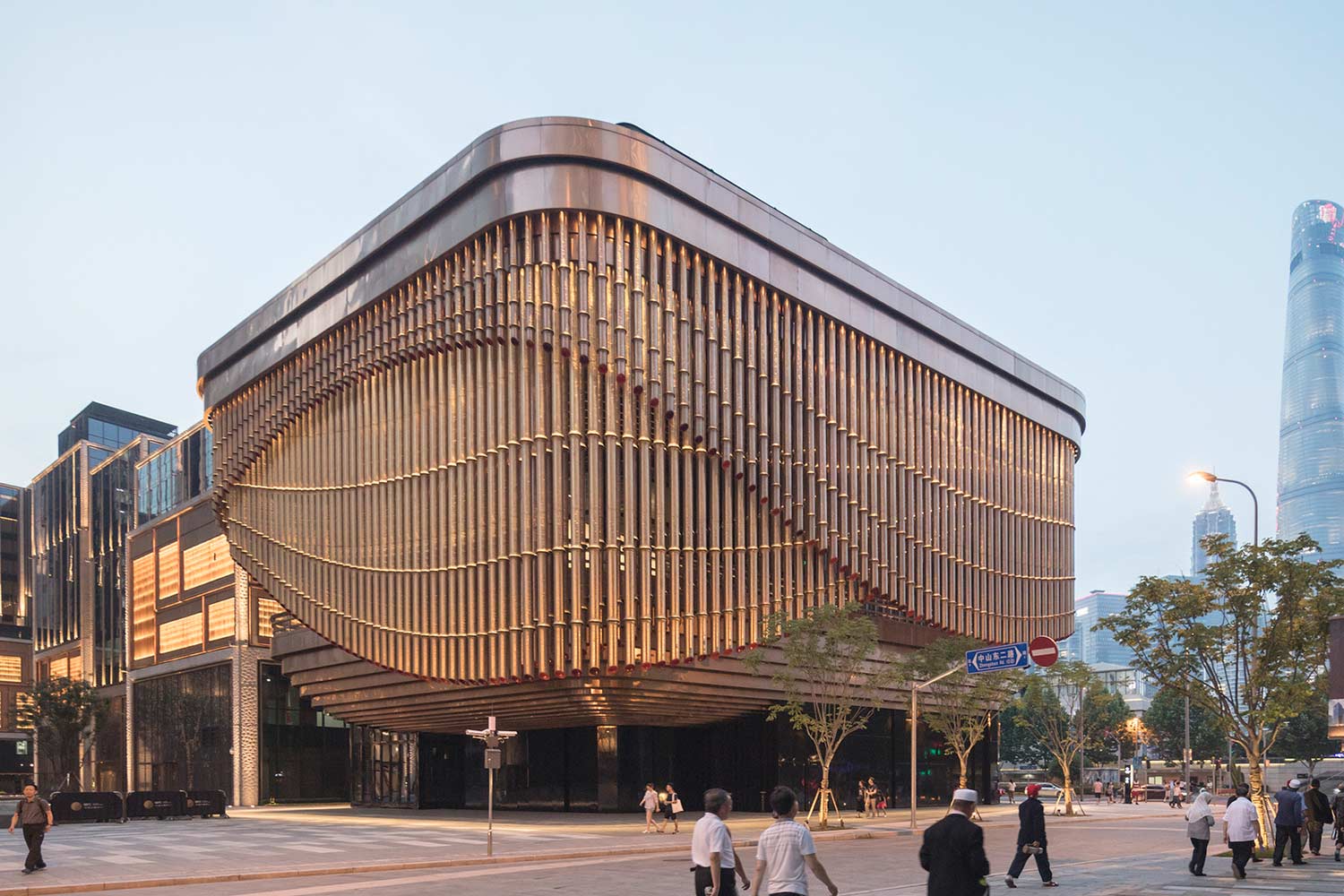
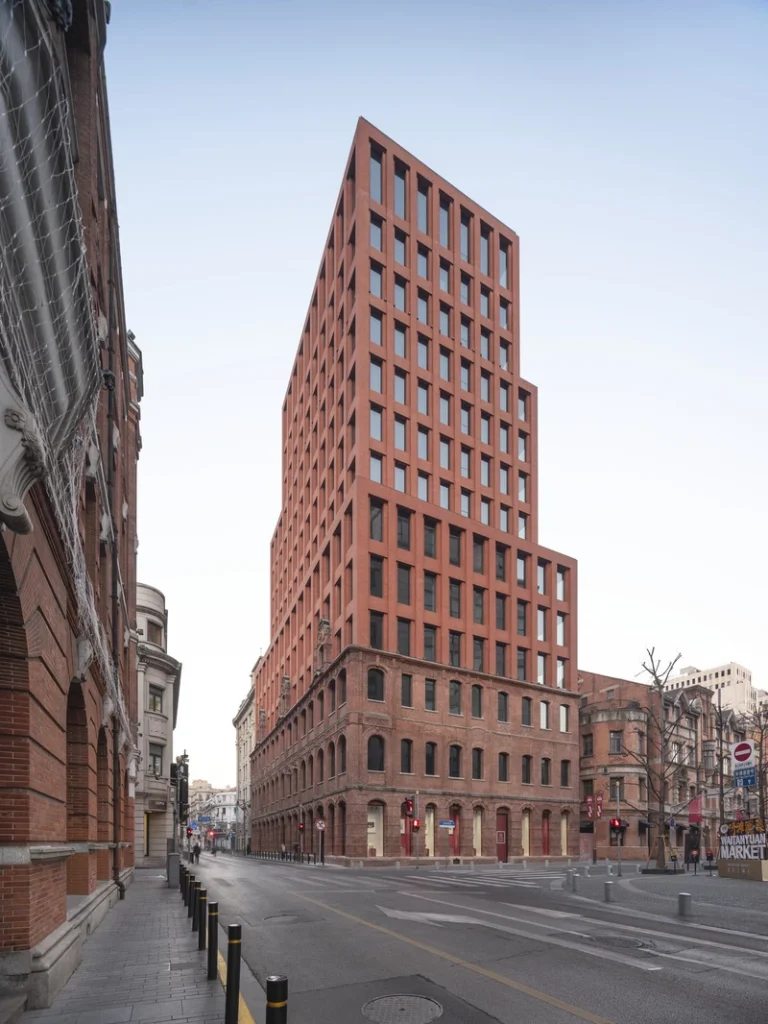
Adaptive reuse also appears in Rockbund Shanghai, where David Chipperfield Architects and Arquitectonica have transformed a historic riverside district by restoring 11 historic buildings and integrating new architecture. In China, the Taoxichuan Ceramic Culture Industrial Park revitalizes two abandoned ceramic factories, turning former industrial sites into a cultural and creative district.
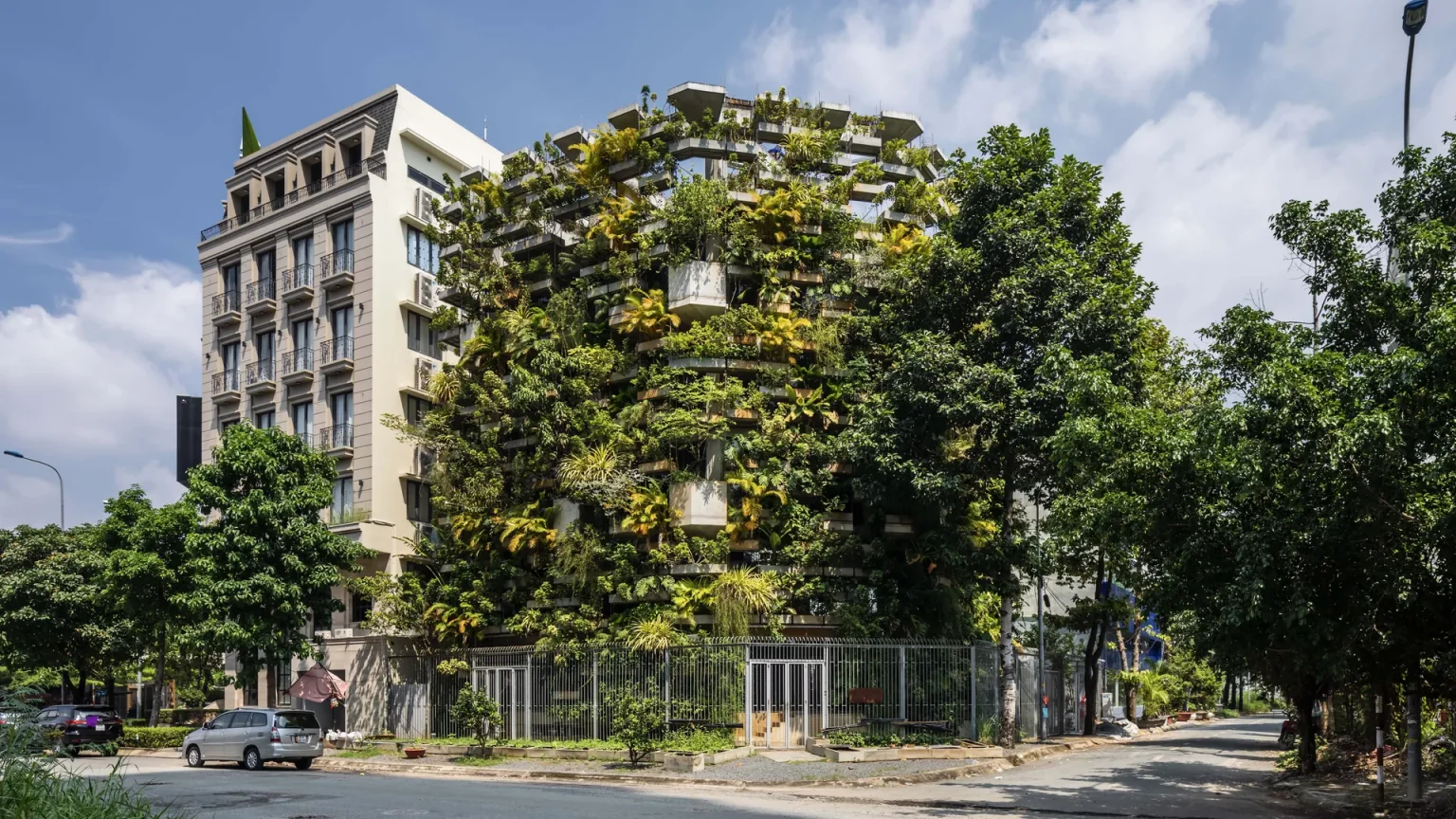
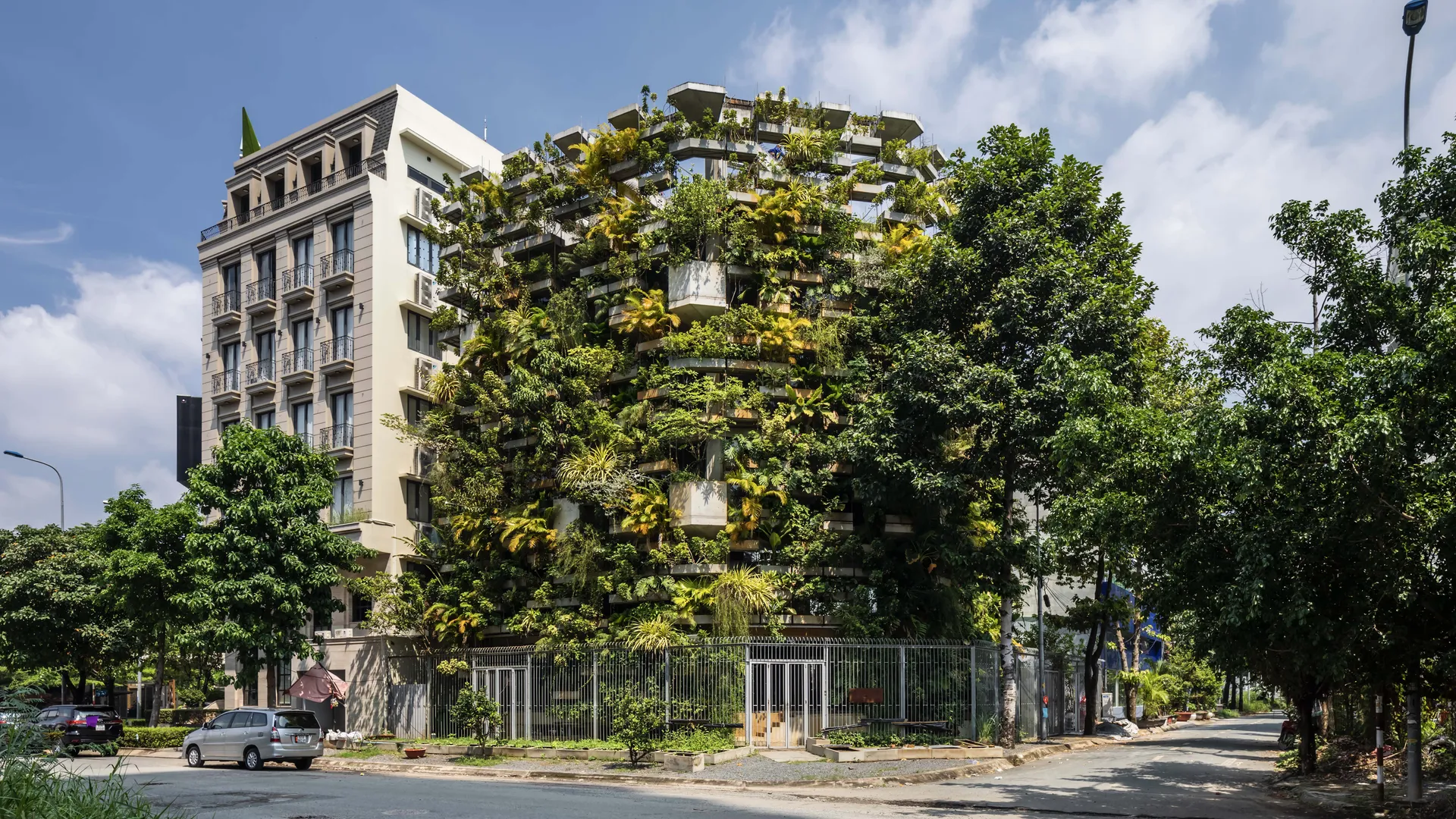
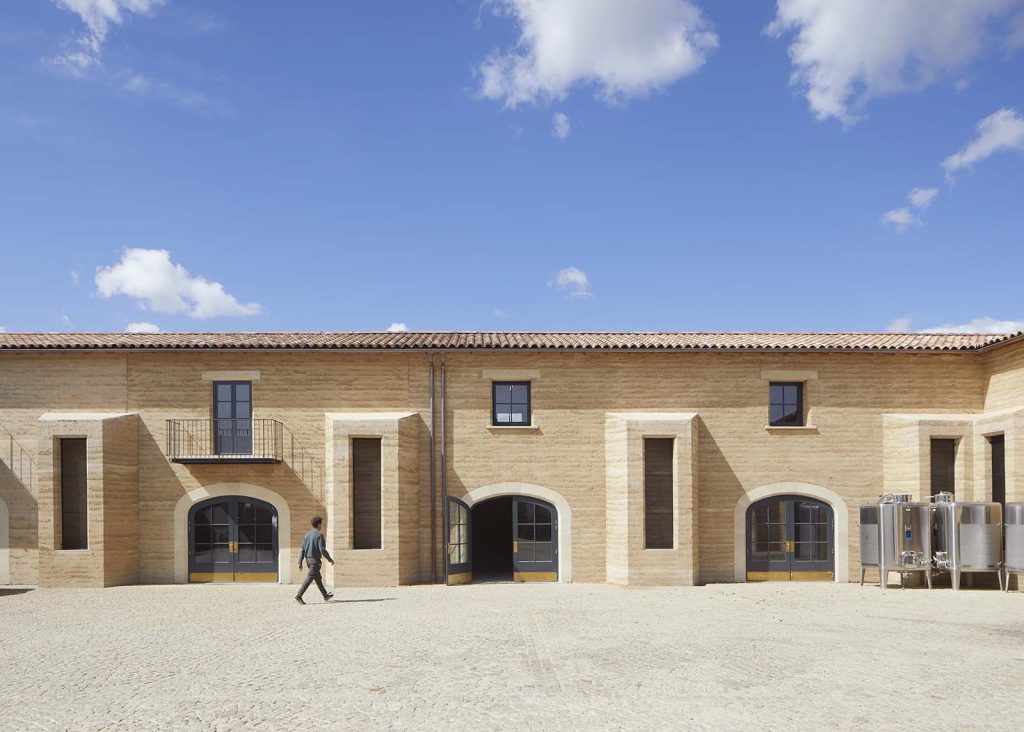
Sustainability is another defining characteristic of the 2026 winners. In France, Château de Beaucastel, by Studio Mumbai and Studio Méditerranée, uses natural airflow and shading to cool a winery. In Vietnam, VTN Architects‘ Urban Farming Office combines vegetation with urban agriculture to provide cooling while producing food. Meanwhile, BIG’s The Plus in Norway combines a furniture factory with a public park and uses local timber, solar power and rainwater systems to significantly reduce energy demand.
The social dimension of architecture is equally prominent. In Uganda, the Bidi Bidi Performing Arts Centre by Hassell provides a cultural and community hub within one of the world’s largest refugee settlements. In Bangladesh, BRAC University by WOHA transforms a former landfill into a climate-responsive educational campus, demonstrating how difficult urban sites can become valuable civic resources.
Beyond Architectural Spectacle
The 34 winning projects are now eligible for the RIBA International Prize, which recognizes the most significant and inspirational building outside the United Kingdom. The winner will be announced at the RIBA Stirling Prize celebration at Old Billingsgate in London on 15 October 2026.
Taken together, the awards suggest a notable shift in contemporary architectural priorities. Spectacle has not disappeared, because apparently architects still enjoy making dramatic things, but the 2026 winners demonstrate increasing recognition for reuse, resilience, environmental performance, social infrastructure and contextual design. The collection offers a snapshot of a profession increasingly concerned not only with what buildings look like, but with how they can adapt, endure and contribute to the communities around them.