



From Reducing Harm to Restoring Life
For decades, sustainable architecture has been shaped by a fundamental ambition: to reduce the environmental damage caused by buildings. Energy-efficient envelopes, renewable energy systems, recycled materials, and green certification schemes have helped establish measurable standards for improving the relationship between the built environment and the natural world.
Yet, despite these advances, the ecological consequences of construction remain profound. Buildings consume resources, fragment habitats, alter hydrological systems, and contribute to the depletion of biodiversity, even when their operational carbon emissions approach zero.

Regenerative architecture proposes a more ambitious objective. Rather than simply minimizing negative impacts, it seeks to create buildings and settlements that actively contribute to the recovery of the ecosystems in which they exist. This approach positions architecture as an ecological participant capable of supporting biodiversity, rebuilding soil health, restoring water cycles, and strengthening the resilience of landscapes. Its central question is no longer whether a building can operate without producing net emissions, but whether its presence can leave a place ecologically healthier than it was before construction.
Beyond Net-Zero: Rethinking Environmental Performance
Net-zero has become an influential benchmark in contemporary building design, particularly in response to climate change. A net-zero energy building generally produces as much energy annually as it consumes, while a net-zero carbon building seeks to balance its greenhouse gas emissions through reductions, renewable energy, and, where necessary, compensatory measures. Although these strategies are essential, they address only part of the environmental consequences associated with architecture.
An energy-efficient building can still occupy a biologically valuable landscape, introduce toxic materials into local environments, or disrupt the movement of wildlife. Similarly, a development that offsets its emissions may continue to depend on extractive supply chains and construction practices that degrade ecosystems elsewhere. Environmental accounting can therefore produce misleading conclusions when it treats a building as an isolated technical object rather than a component of interconnected ecological systems.
Regenerative architecture expands the definition of performance by examining relationships among buildings, landscapes, communities, and living organisms. It considers whether development can improve ecological functions, support species diversity, and strengthen the capacity of a place to recover from disturbance. This does not make carbon reduction irrelevant; instead, it places decarbonization within a broader framework of ecological repair. A genuinely regenerative project must demonstrate positive contributions to its context rather than relying exclusively on the absence of measurable harm.
Architecture as an Instrument of Biodiversity Recovery
One of the most significant contributions of regenerative architecture lies in its potential to restore habitats within increasingly fragmented urban and rural environments. Conventional development frequently replaces complex ecosystems with simplified surfaces, isolated ornamental planting, and impermeable boundaries. Such landscapes may appear green while offering limited food, shelter, or breeding opportunities for wildlife. Regenerative design challenges this visual understanding of nature by prioritizing ecological function over decorative appearance.
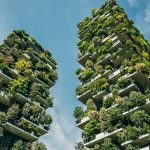
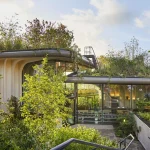
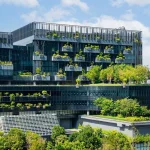
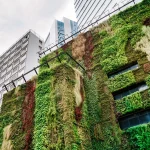
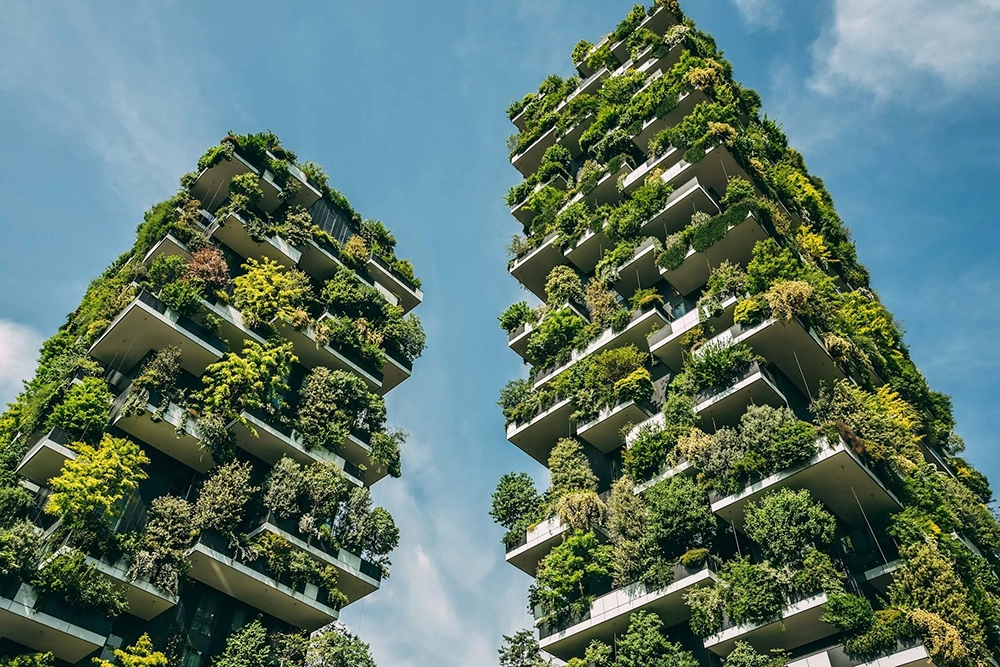
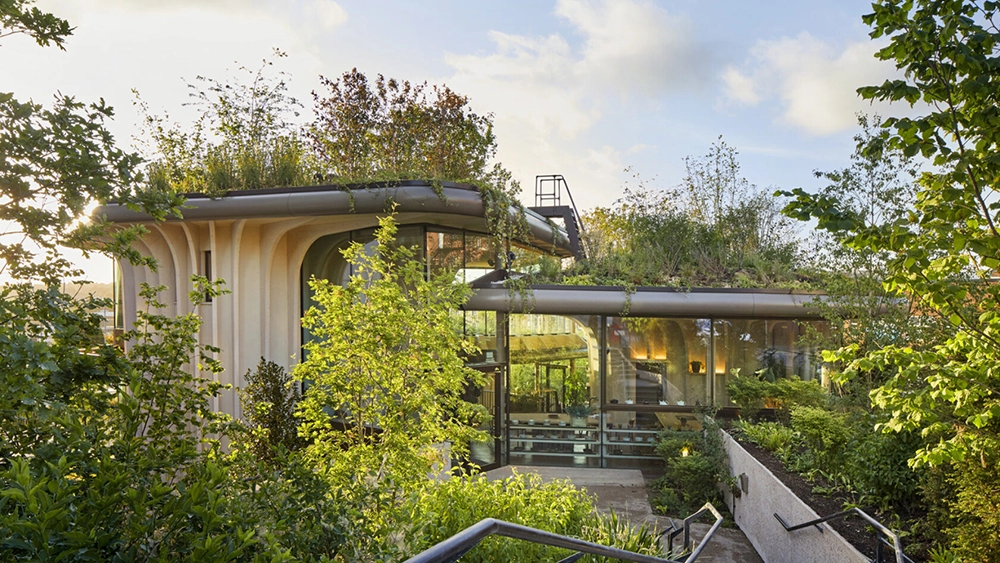
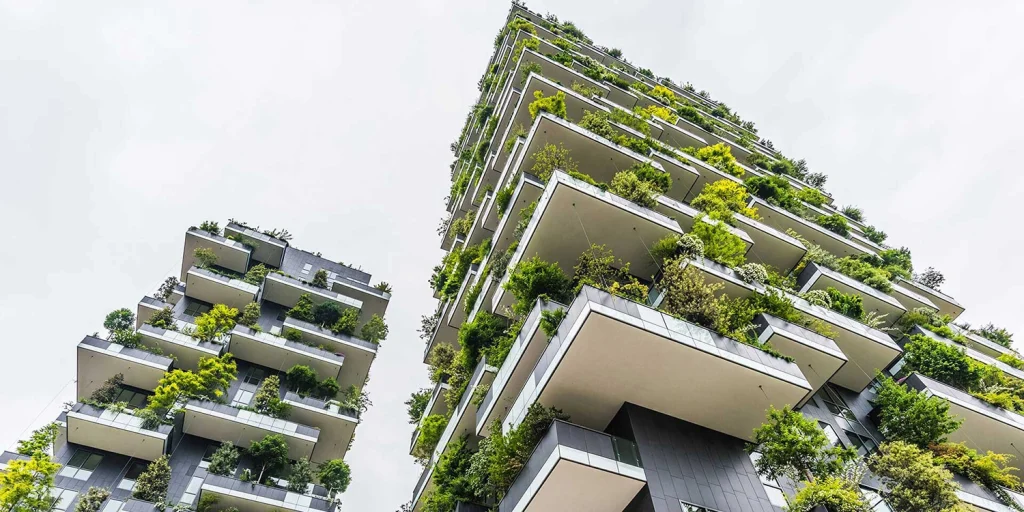
Buildings can support biodiversity through green roofs, vegetated façades, habitat corridors, native planting, and carefully designed nesting and shelter features. However, the effectiveness of these interventions depends on their ecological specificity. A roof covered with non-native ornamental plants cannot automatically compensate for the destruction of a diverse native habitat, while isolated green spaces may provide little benefit to species that require connected territories. Designers must therefore collaborate with ecologists to identify local species, migration patterns, habitat requirements, and existing environmental pressures.
At a larger scale, architectural and urban projects can contribute to networks of interconnected habitats. Restored waterways, tree-lined streets, ecological corridors, and permeable boundaries allow species to move through developed areas and access resources that would otherwise remain disconnected. The architectural site consequently becomes part of a wider ecological infrastructure rather than an enclosed property defined exclusively by human requirements.
Rebuilding Soil: The Hidden Foundation of Regeneration
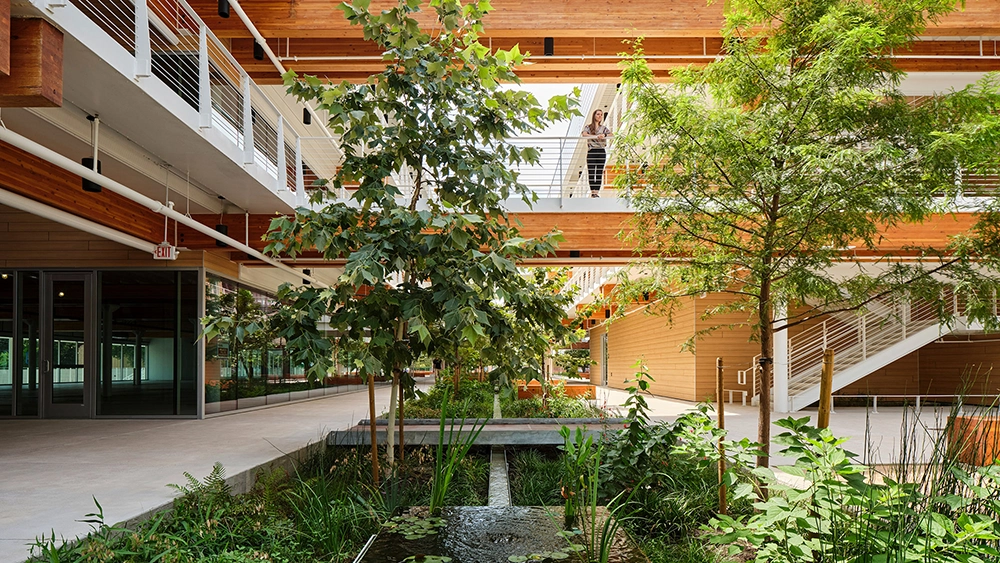
Soil is one of the most overlooked components of architectural sustainability, despite its essential role in supporting terrestrial ecosystems. Construction commonly involves excavation, compaction, contamination, and the removal of fertile topsoil, processes that can destroy microbial communities and reduce the capacity of land to retain water and nutrients. Once damaged, soil may require years or decades to recover its biological functions, particularly when disturbance is extensive.
Regenerative projects address these conditions by treating soil as a living system rather than an inert construction surface. Strategies include preserving existing topsoil during site preparation, restoring contaminated land through appropriate remediation, introducing organic matter, reducing compaction, and re-establishing native vegetation. Landscape design can also support soil regeneration through composting systems, locally adapted planting, and the integration of productive gardens that return organic nutrients to the ground.
The benefits extend beyond vegetation growth. Healthy soils store carbon, filter pollutants, regulate water movement, and sustain organisms essential to ecosystem stability. By protecting these functions, architecture can contribute to ecological recovery that is largely invisible from the building’s exterior but fundamental to its long-term environmental value. Such interventions are particularly important on former industrial sites, degraded urban land, and developments where ecological restoration can transform neglected areas into functioning landscapes.
Restoring Water Cycles Through Design
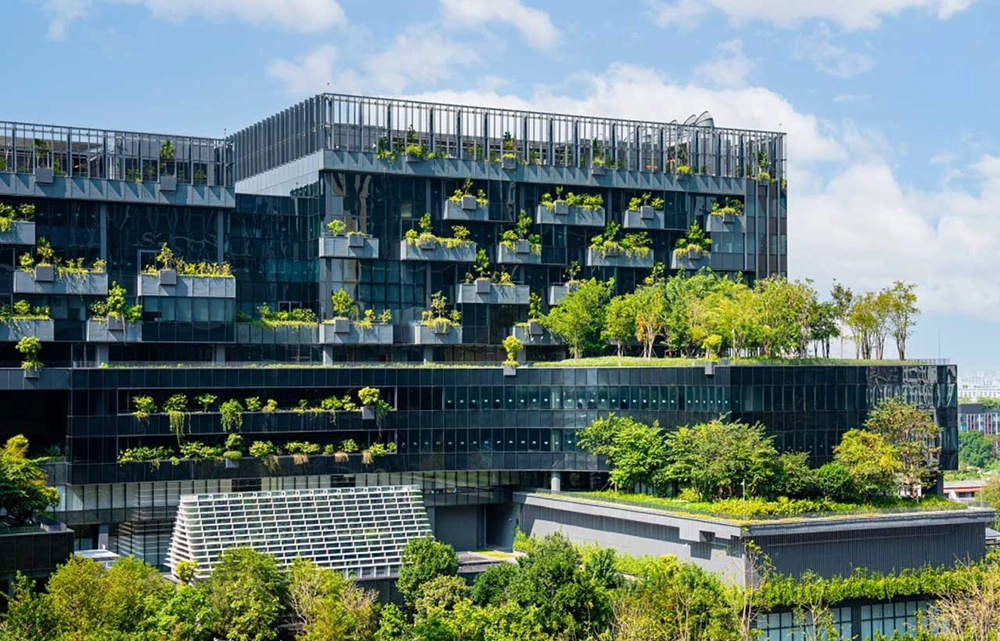
Conventional urban development frequently disrupts natural hydrological processes. Roads, parking areas, roofs, and other impermeable surfaces accelerate runoff, increase flood risks, and prevent rainfall from replenishing groundwater. Pollutants carried by stormwater can further damage rivers, wetlands, and coastal ecosystems. Regenerative architecture responds by redesigning the relationship between buildings and water, treating rainfall as a resource that should remain within the landscape whenever local conditions permit.
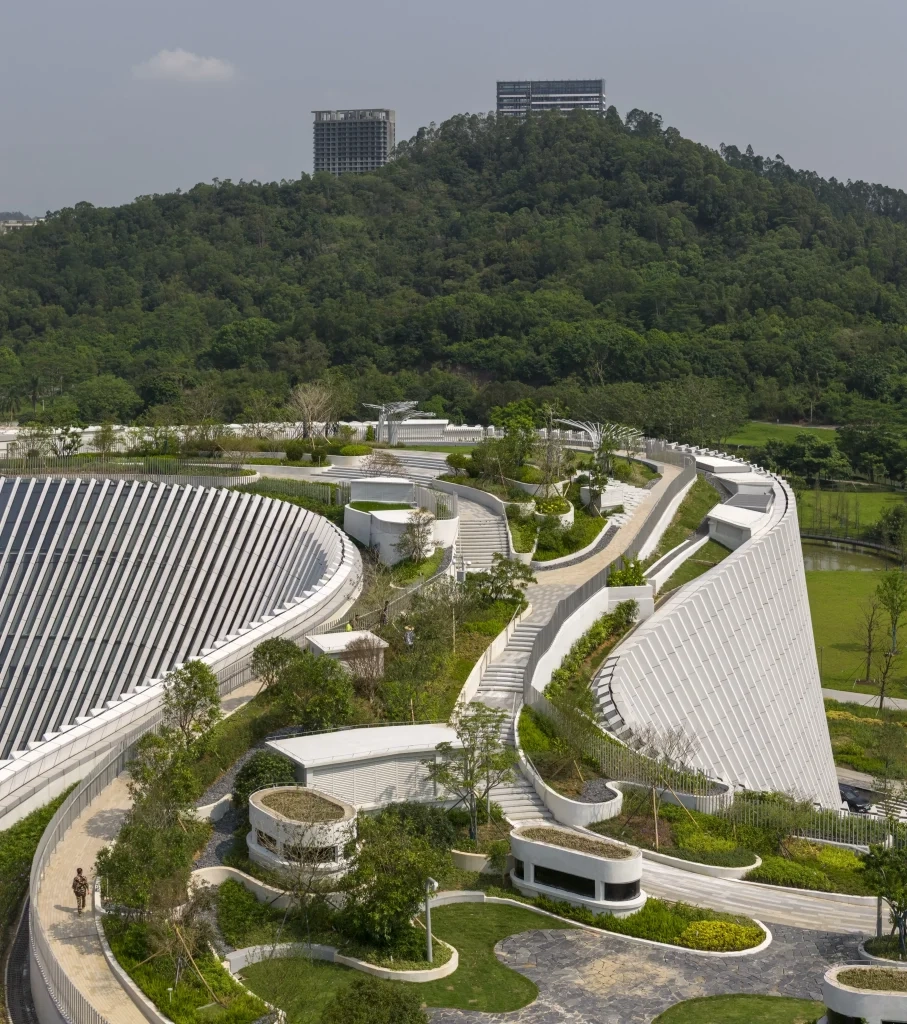
Nature-based systems provide practical mechanisms for achieving this objective. Bioswales, rain gardens, constructed wetlands, permeable paving, and restored stream corridors slow runoff while supporting filtration and infiltration. Rainwater harvesting can supply irrigation and certain non-potable building uses, reducing pressure on municipal water networks. Green roofs may also retain precipitation, moderate surface temperatures, and create additional habitat, although their performance depends on climate, substrate depth, vegetation, and maintenance.
Water regeneration requires more than installing isolated sustainable drainage features. Designers must understand watershed boundaries, seasonal rainfall patterns, groundwater conditions, and the ecological needs of downstream environments. In water-scarce regions, maximizing infiltration without considering groundwater quality or availability may be inappropriate, while excessive irrigation can undermine the intended benefits of native landscaping. Effective regenerative design therefore works with the natural behavior of water rather than imposing a universal technical solution on every site.
Material Cycles and the Regeneration of Resources
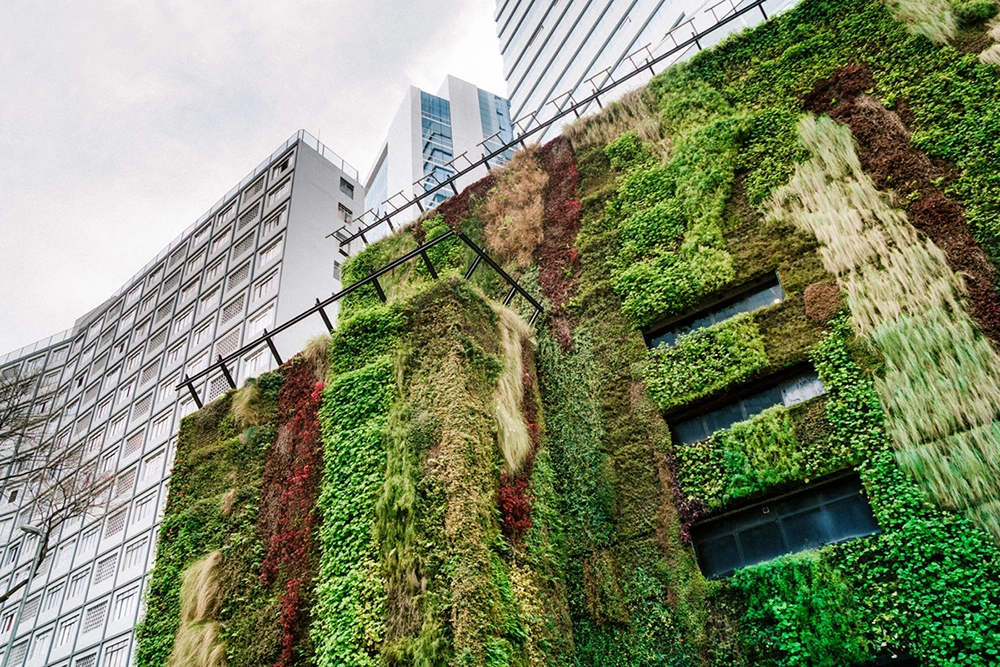
The ecological consequences of architecture extend far beyond the boundaries of a construction site. Extraction, manufacturing, transportation, and disposal generate environmental pressures across global supply chains, including habitat destruction, mineral depletion, pollution, and greenhouse gas emissions. Regenerative architecture addresses these impacts by reconsidering where materials originate, how they are processed, how long they remain useful, and what happens when buildings reach the end of their service lives.
Adaptive reuse is particularly valuable because retaining existing structures can avoid substantial quantities of demolition waste and the embodied impacts associated with new construction. Where new materials are necessary, designers can prioritize responsibly sourced timber, recycled components, low-impact mineral products, and materials that can be separated and reused without significant degradation. Designing for disassembly makes future recovery more feasible by replacing irreversible connections and composite assemblies with systems that support repair and material separation.
Nevertheless, circularity and regeneration are not interchangeable concepts. Recycling a material does not necessarily restore the ecosystem from which its original resources were extracted, and renewable materials are not automatically sustainable if their production damages forests, soils, or water supplies. A regenerative material strategy must consider both technical life cycles and the ecological conditions of production. Its success depends on whether material demand can be reduced while supply chains become more transparent, accountable, and compatible with the recovery of natural systems.
Learning from Living Systems
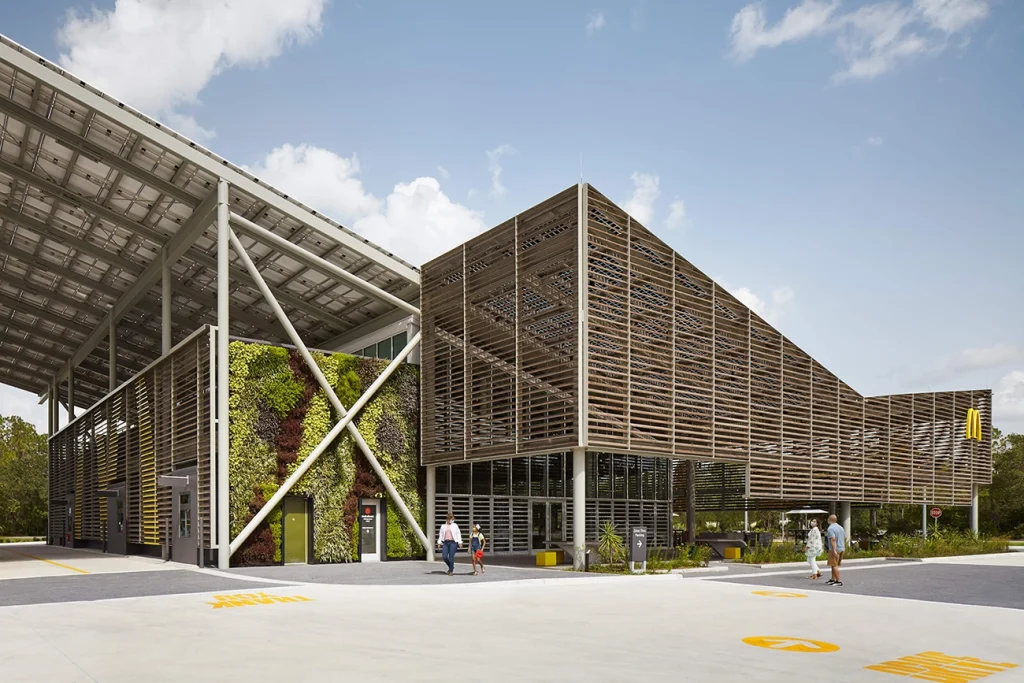
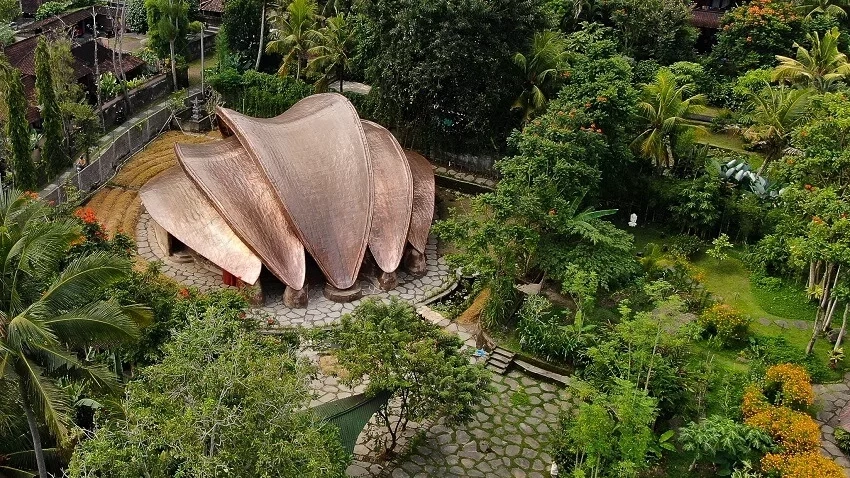
Regenerative architecture also draws on ecological processes to inform the organization and performance of buildings. Biomimicry, biophilic design, and climate-responsive architecture offer related but distinct contributions. Biomimicry studies biological strategies that may inspire technical solutions, biophilic design strengthens human relationships with nature, and regenerative design evaluates whether these relationships contribute to the health of wider ecological systems.
Buildings inspired by termite mounds, for example, have informed investigations into passive ventilation and temperature regulation. Other projects explore shading patterns derived from vegetation, building envelopes that respond to changing environmental conditions, and landscape systems that manage water through principles observed in natural ecosystems. Such approaches can reduce dependence on mechanical systems while improving the adaptability of the built environment.
However, copying the appearance or mechanics of a natural organism is not sufficient to make a building regenerative. A biomimetic façade may reduce cooling demand without providing any measurable ecological benefit beyond energy savings. The regenerative potential emerges when technical innovation is connected to the needs of a specific place, such as restoring habitat, reducing pressure on local resources, or improving environmental conditions for surrounding communities. Nature becomes not merely a source of architectural inspiration but a reference for understanding interdependence, adaptation, and ecological continuity.
Measuring Regeneration: From Intentions to Evidence
One of the greatest challenges facing regenerative architecture is determining whether a project actually improves ecological conditions. Conventional building assessments often rely on indicators such as energy consumption, carbon emissions, water efficiency, and recycled material content. These metrics remain useful, but they cannot independently establish whether biodiversity has increased, soil has recovered, or ecosystem functions have improved.
A regenerative assessment requires a broader set of indicators tailored to the project and its ecological context. These may include changes in native species abundance, habitat connectivity, soil organic carbon, infiltration rates, water quality, vegetation survival, and the condition of nearby ecological systems. Establishing a reliable baseline before construction is essential because a project’s apparent success cannot be evaluated without understanding the conditions that existed beforehand.
Monitoring must also continue after occupation. Newly planted landscapes may initially appear successful but fail during drought, while green roofs can lose ecological value if maintenance practices gradually replace diverse vegetation with simplified planting. Long-term assessment allows designers and building operators to identify failures, adapt management strategies, and distinguish temporary improvements from lasting ecological recovery. Regeneration should therefore be understood as an ongoing process of observation, intervention, and adjustment rather than a certification awarded at project completion.
The Social Dimension of Ecological Repair
Ecosystems do not exist separately from human communities. Environmental degradation frequently affects disadvantaged populations through polluted water, inadequate green space, urban heat, flooding, and restricted access to healthy environments. A regenerative architectural project that improves biodiversity while displacing residents or restricting public access to restored landscapes may achieve ecological gains without producing a genuinely equitable outcome.
Social regeneration requires meaningful participation in planning, recognition of local knowledge, and the distribution of environmental benefits across communities. Publicly accessible green spaces, community gardens, restored waterfronts, and climate-responsive housing can support both ecological recovery and everyday well-being. In this context, architecture must consider not only what an ecosystem needs to recover but also who participates in the process, who benefits from its outcomes, and who bears the costs.
This relationship is especially important in urban regeneration, where environmental improvements can increase land values and contribute to the displacement of existing residents. Affordable housing provisions, inclusive governance, and long-term community stewardship can help prevent ecological restoration from becoming an instrument of exclusion. Regenerative architecture is most convincing when environmental health and social justice reinforce one another rather than compete for priority.
Architecture as an Agent of Ecological Recovery
Moving beyond net-zero requires a fundamental shift in how architecture defines success. Carbon-neutral operation, resource efficiency, and reduced environmental impact remain necessary achievements, but they cannot fully address the ecological damage associated with contemporary development. Regenerative architecture introduces a more demanding ambition: to restore the relationships and processes that allow ecosystems to function, adapt, and sustain life.
Achieving this ambition requires cooperation among architects, landscape designers, ecologists, engineers, policymakers, and local communities. It also demands that ecological objectives influence decisions from site selection and material procurement to construction methods, landscape management, and long-term building operation. The most important measure of success is not the number of green technologies incorporated into a project, but the demonstrable improvement of the living systems connected to it.
Ultimately, architecture cannot independently reverse every form of environmental degradation, nor can a building compensate for the destruction of an ecosystem simply by adding vegetation or producing renewable energy. Its regenerative potential lies in recognizing these limits while actively contributing to broader ecological recovery. The transition beyond net-zero is therefore not merely a technical evolution in building design; it is a redefinition of architecture’s purpose, from occupying the environment with less damage to helping create the conditions under which both human and nonhuman life can flourish.