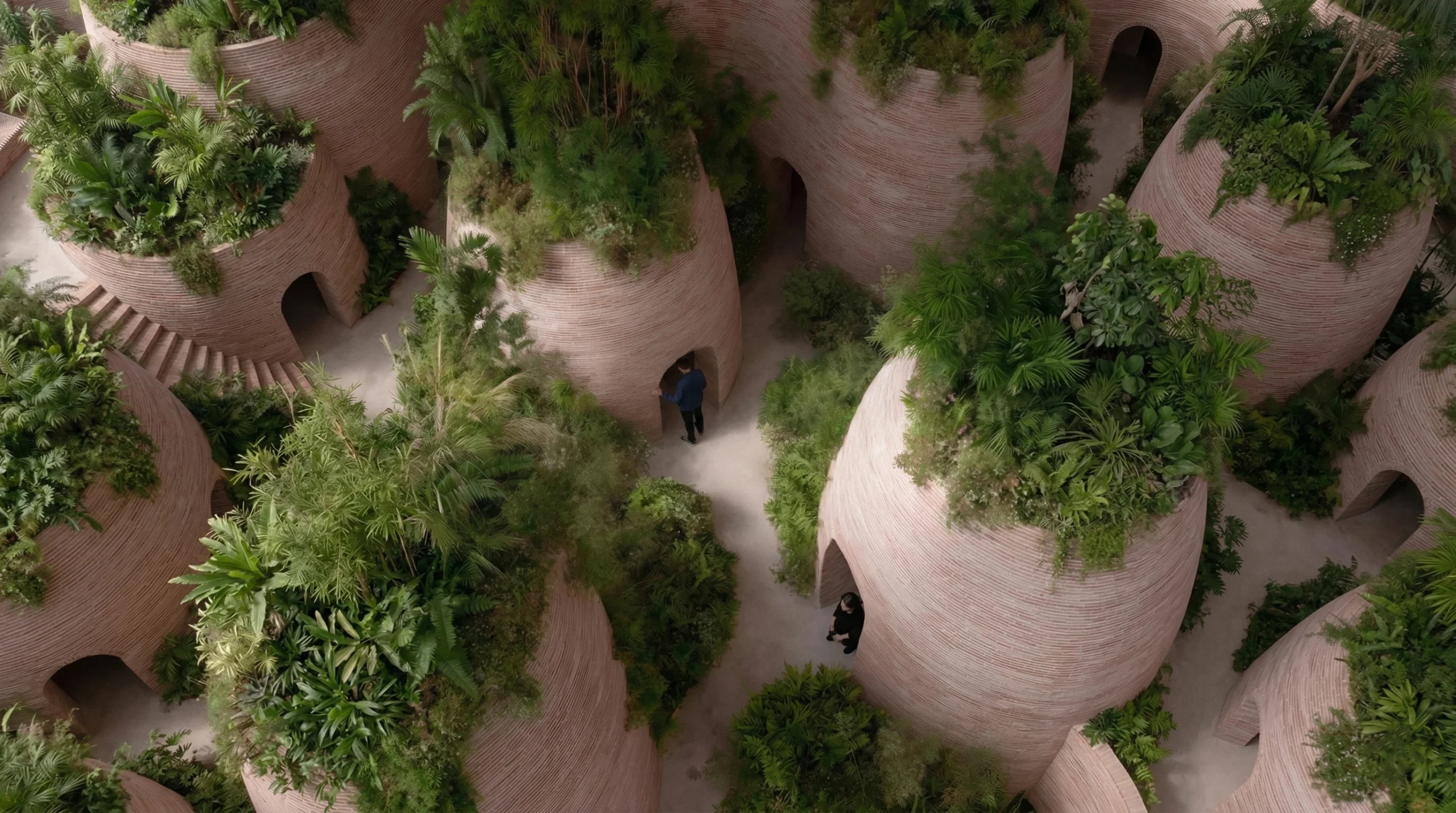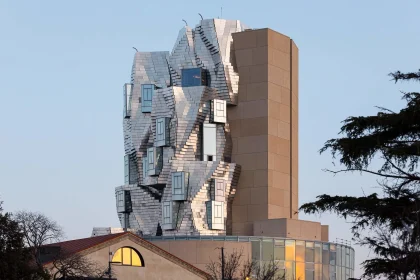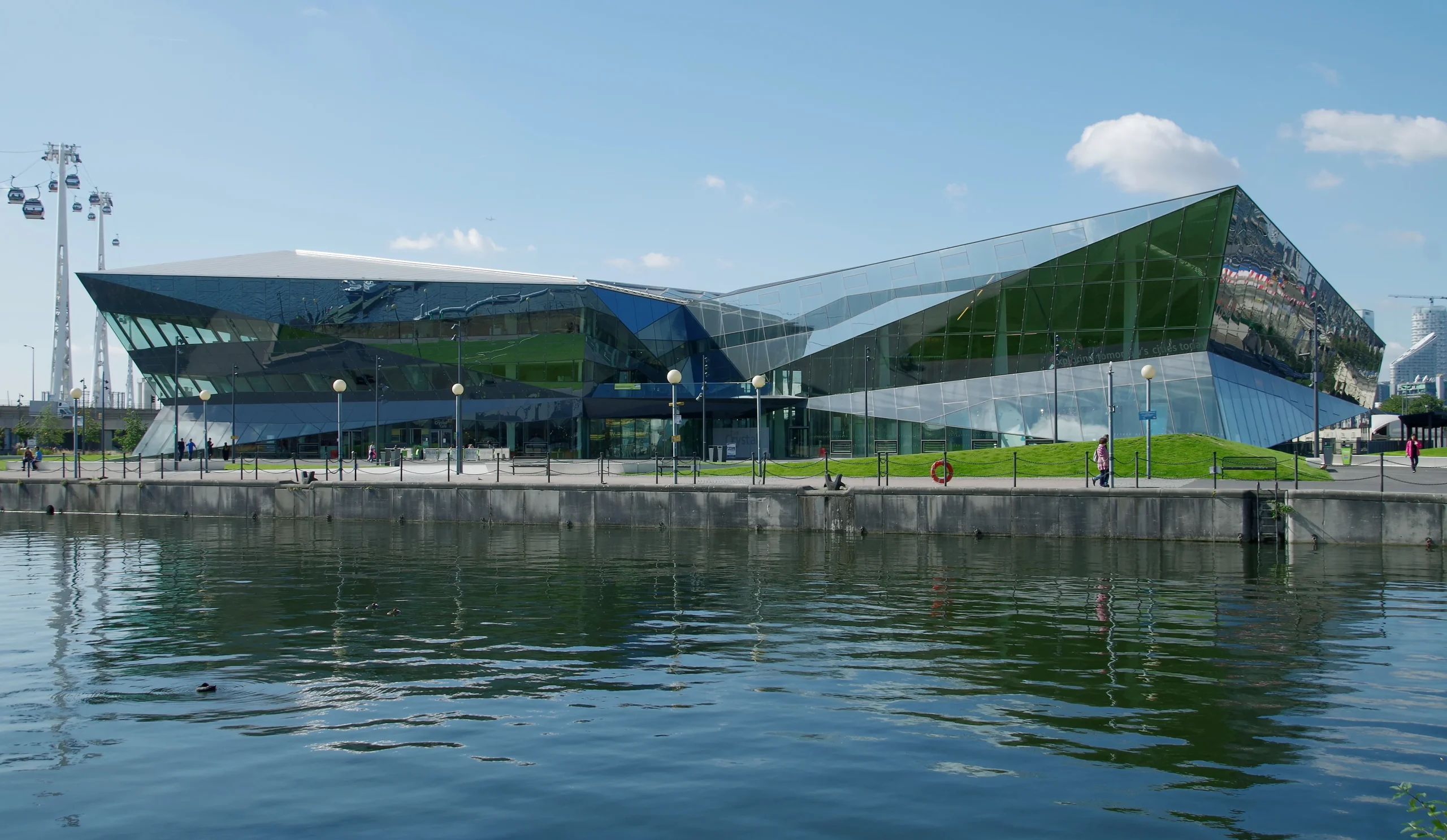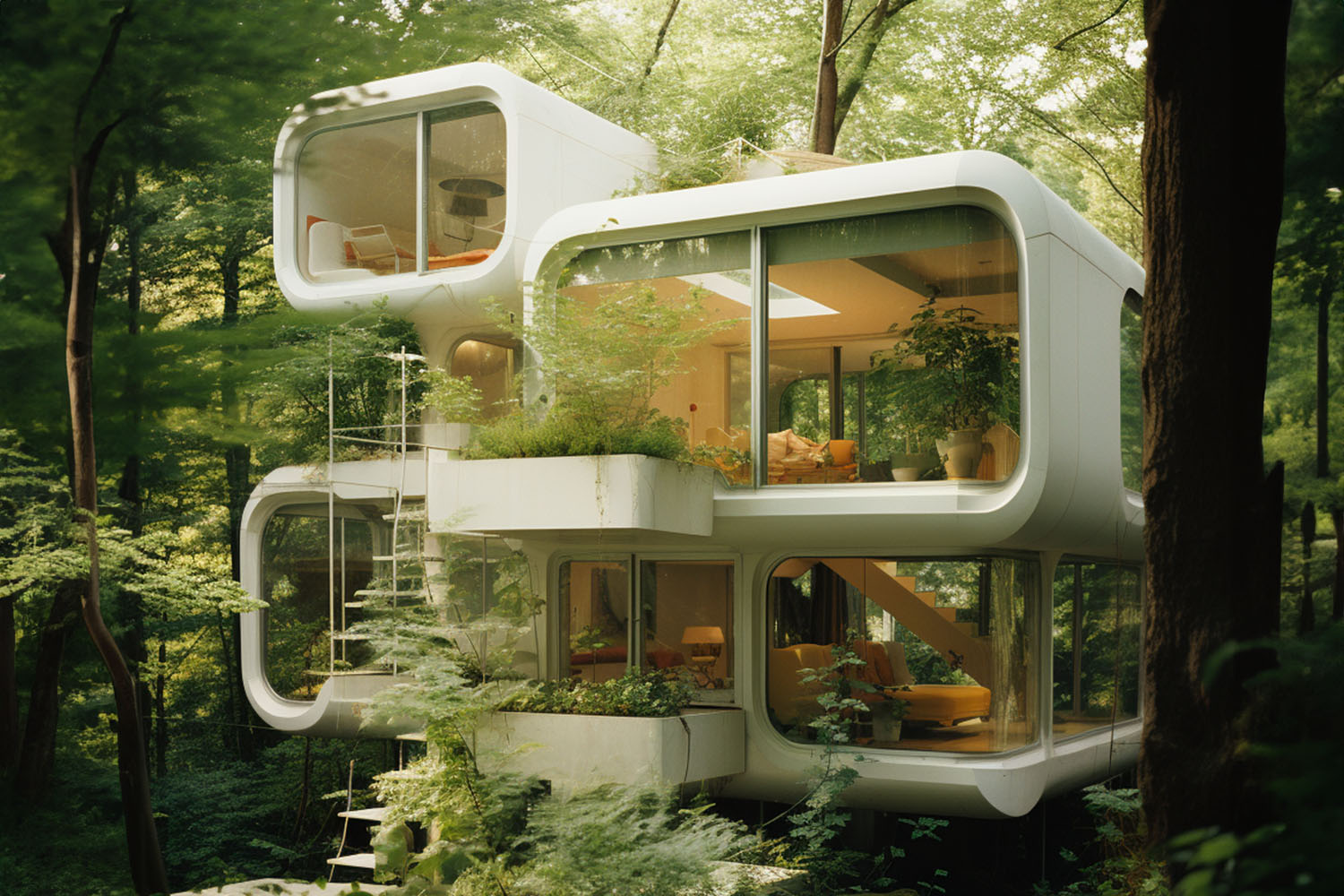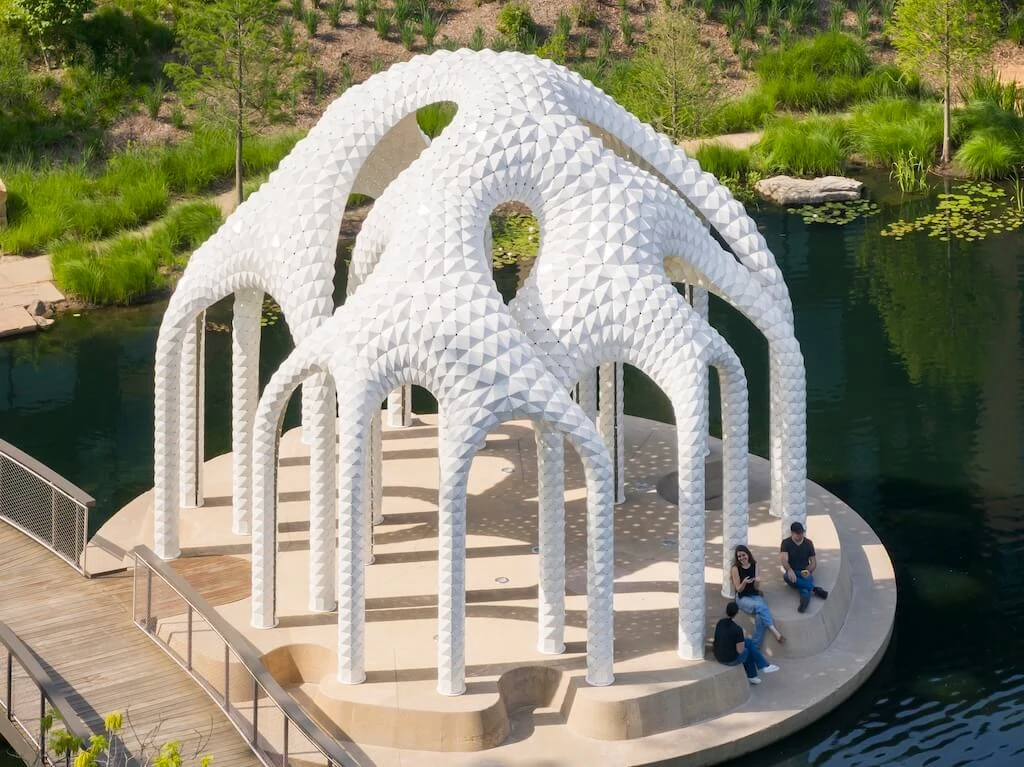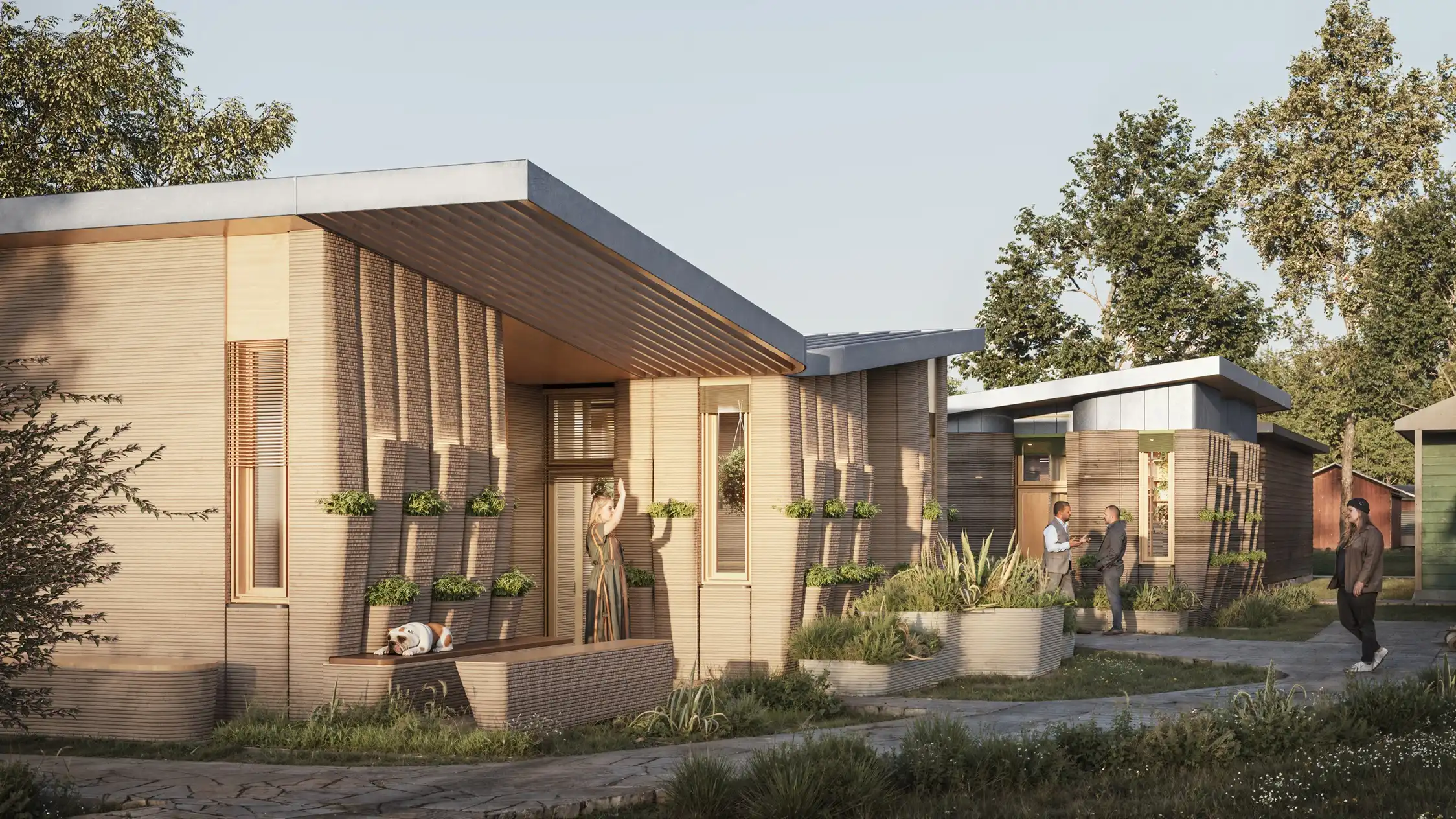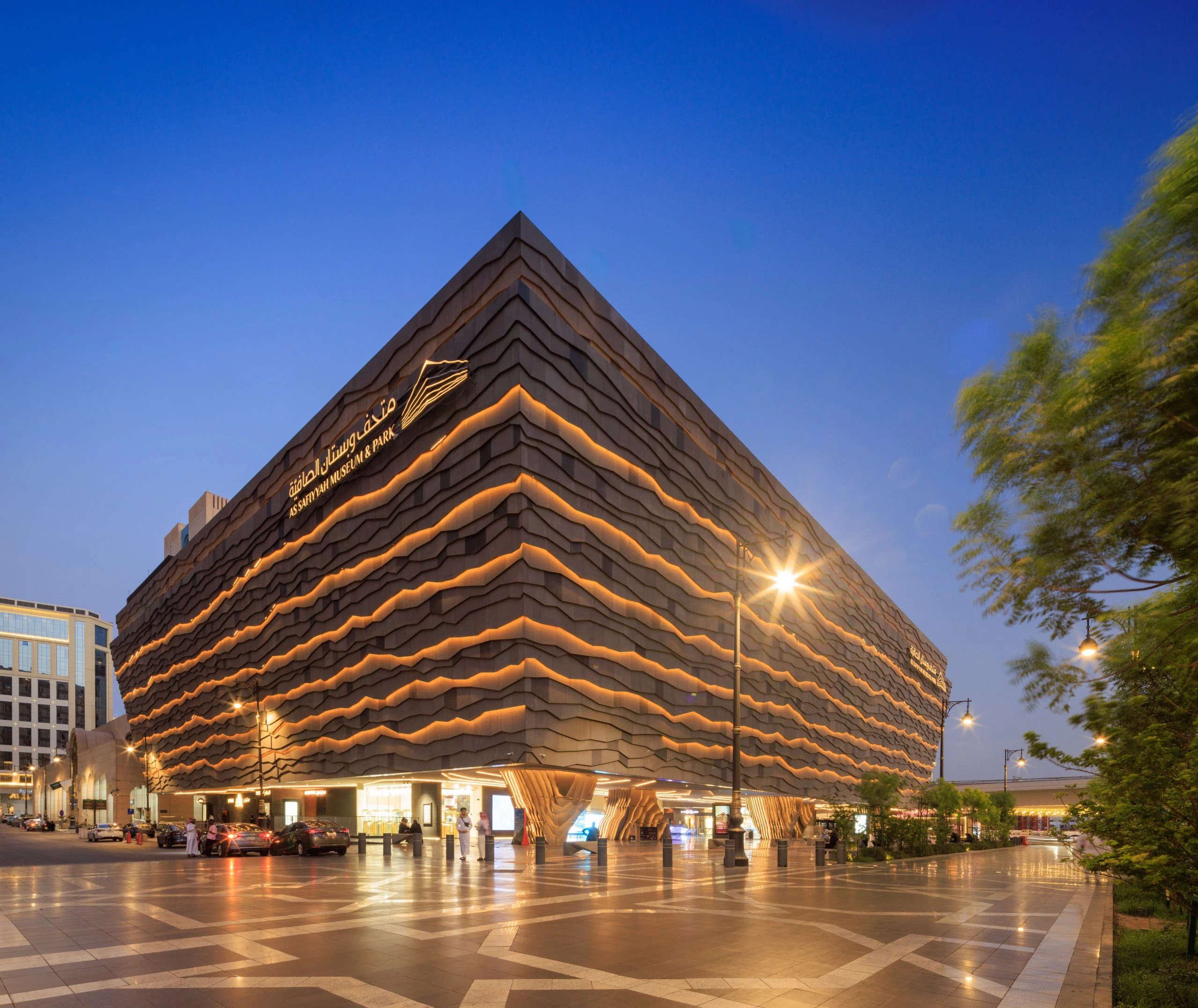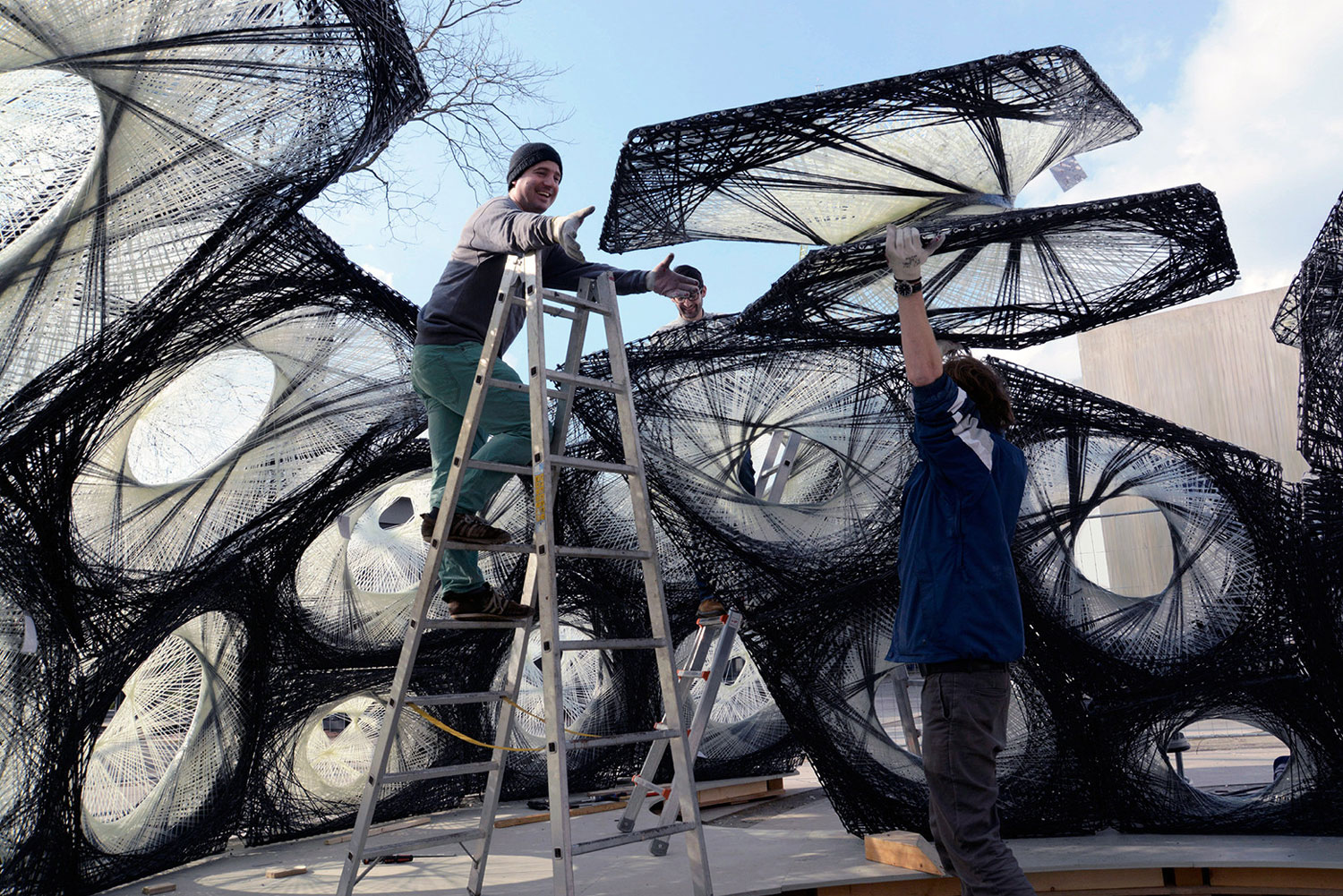



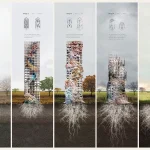
Architecture is beginning to explore materials that grow rather than merely being manufactured. But the real challenge is not introducing biological matter into buildings. It is learning how to make it coexist with the structures, histories, and urban conditions that already exist.
Cities are remarkably good at accumulating materials and remarkably bad at letting them go. Brick walls outlast their original purpose, concrete structures remain long after their economic usefulness has disappeared, and buildings are repeatedly adapted through layers of repair, alteration, and improvisation. Urban architecture is rarely a finished object. It is a material negotiation between different periods, technologies, and needs.
Against this permanence, mycelium introduces a different proposition. A material that grows, binds organic matter, and eventually decomposes suggests an architecture less dependent on industrial extraction and more closely connected to biological processes. Yet mycelium’s appeal becomes more interesting when it is set against the city’s existing fabric rather than imagined as an entirely new architectural language.
The question is not whether mycelium can replace brick, concrete, or timber. It is whether biological materials can participate in the repair, adaptation, and transformation of buildings that already exist, without turning sustainability into another aesthetic trend.
The most promising future for mycelium architecture may therefore be found not in isolated experimental pavilions, but in the uncomfortable, complicated, and deeply ordinary conditions of the existing city.
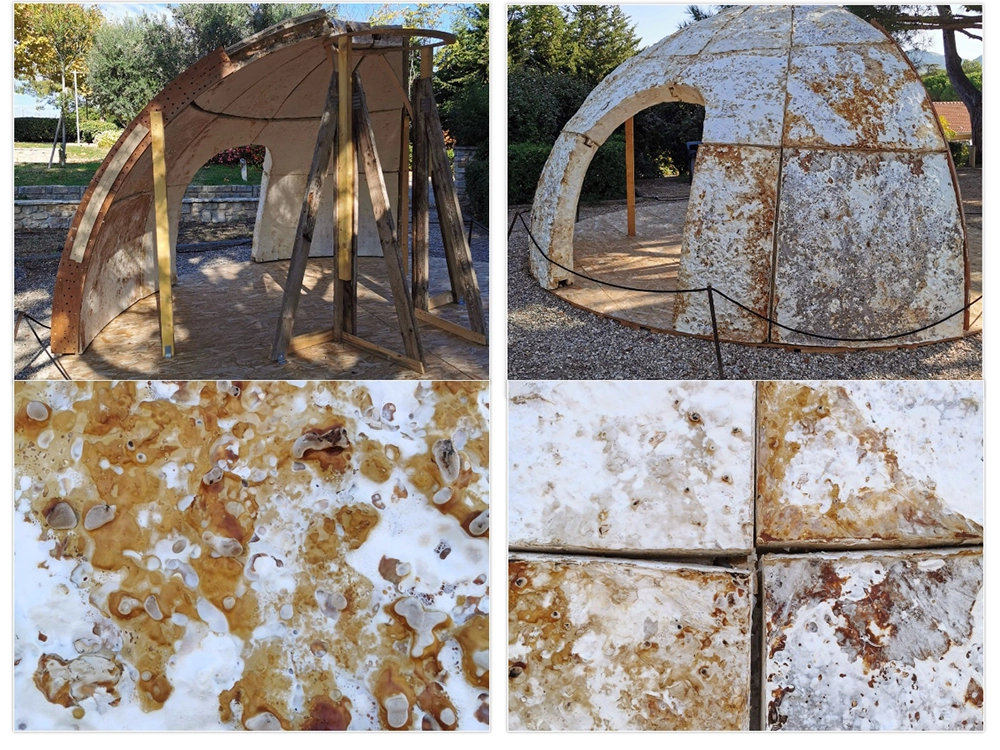
The City Is Already a Material Archive
Traditional urban structures are often described through their durability, but durability is not the same as permanence. Masonry buildings survive through maintenance, replacement, reinforcement, and adaptation. Their walls contain evidence of changing functions, different construction techniques, economic circumstances, and architectural priorities.
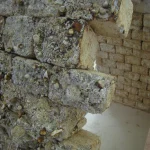
A brick facade might contain original handmade bricks, later industrial replacements, cement-based repairs, steel anchors, electrical conduits, and patches added during decades of occupation. The building is not a singular material object but an accumulation of interventions.
This condition is particularly important when discussing bio-based construction. The contemporary sustainability debate frequently begins with the assumption that buildings should be replaced by better materials and more efficient systems. However, the environmental consequences of demolition, transportation, construction waste, and rebuilding complicate that assumption. The existing building is often the most substantial resource already available.
Integrating mycelium into traditional masonry should therefore begin with a different architectural question: what does the building actually need?
Some structures need insulation. Others need moisture management, acoustic improvement, interior adaptation, or a less invasive way to divide space. In many cases, the intervention does not require a new building envelope or a complete material replacement.
Mycelium could contribute through interior insulation panels, lightweight partitions, acoustic elements, infill components, or temporary installations. Its architectural role would not compete with masonry’s structural and historical significance, but introduce a complementary layer with different environmental characteristics.
The distinction is critical. A sustainable intervention that unnecessarily removes an existing wall is difficult to justify simply because its replacement material is biologically grown.
The city already possesses a material archive. The challenge is to work with it intelligently.
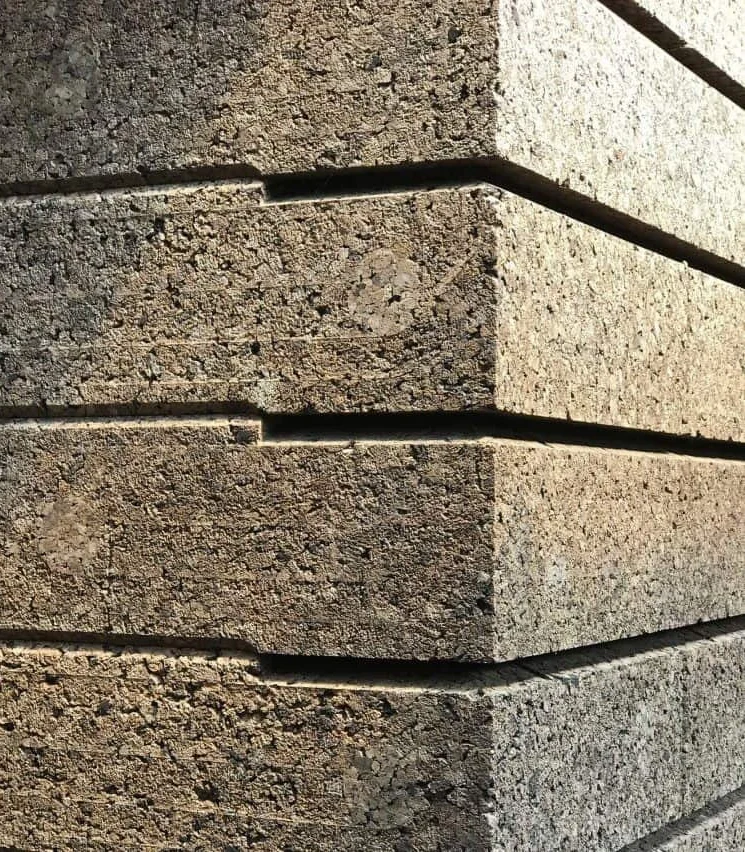
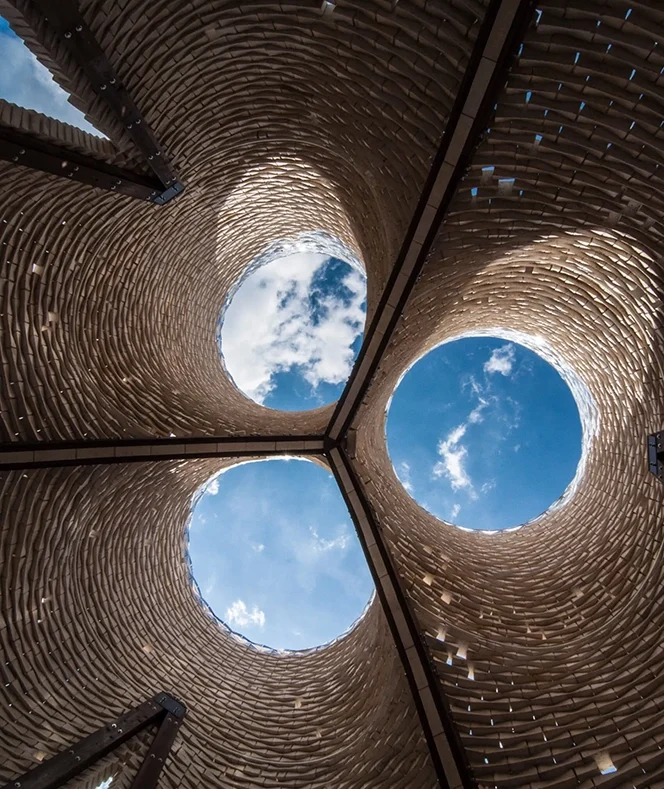
Mycelium Is Not a Miracle Material
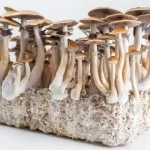
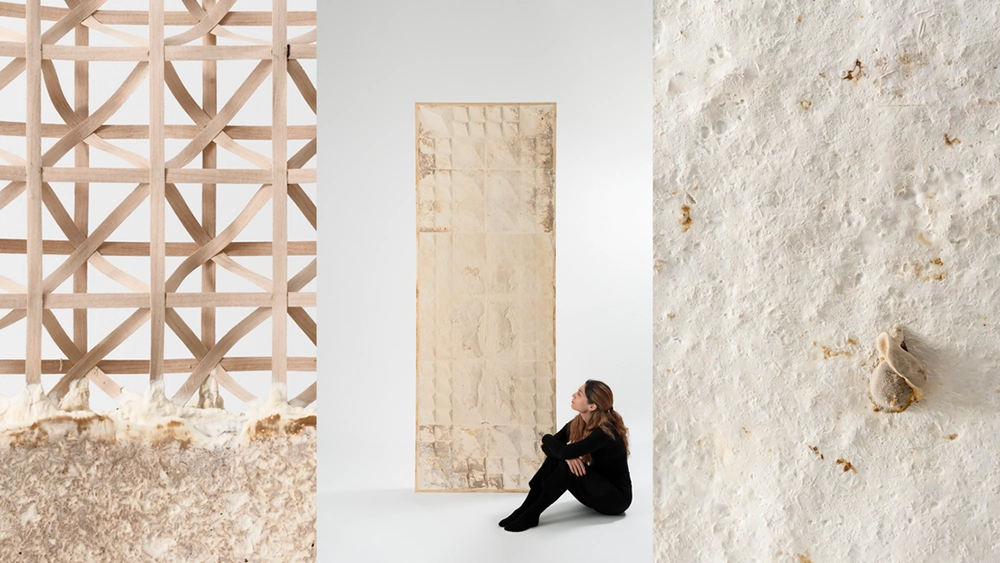
Mycelium is the network of filamentous structures through which fungi grow. In material production, mycelium can be cultivated through substrates containing agricultural or other suitable organic residues. As it grows, it binds particles into a composite that can be harvested, dried, and processed into a range of products.
The attraction is understandable. Depending on the substrate, production process, and final application, mycelium-based materials may offer low-weight components, thermal insulation, acoustic absorption, and opportunities for utilizing waste streams. Their production can require less energy than some conventional materials, although the full environmental performance depends on growing conditions, processing, additives, transportation, durability, and disposal.
But architectural enthusiasm has occasionally treated mycelium as if biological origin automatically guarantees ecological superiority. It does not.
A material grown from agricultural waste is not necessarily environmentally harmless if its production requires intensive energy, controlled environments, chemical treatments, excessive transportation, or components that prevent biological degradation at the end of its life. Nor does biodegradability automatically make a material appropriate for permanent construction.
Mycelium composites generally remain limited in their structural performance compared with conventional load-bearing materials. Their sensitivity to moisture, their durability under different environmental conditions, fire performance, dimensional stability, and consistency of production all require careful assessment.
This is where architectural thinking must become more precise. Materials are not evaluated in isolation, but through their relationship with assemblies, weather, occupation, maintenance, and time.
A mycelium panel used in a protected interior environment is not equivalent to one exposed to rain, freeze-thaw cycles, direct sunlight, or fluctuating humidity. A component used temporarily in an exhibition is not expected to perform like a wall that must remain reliable for decades.
The biological character of mycelium is not a universal advantage. It is a set of specific material characteristics that architecture must learn to use responsibly.
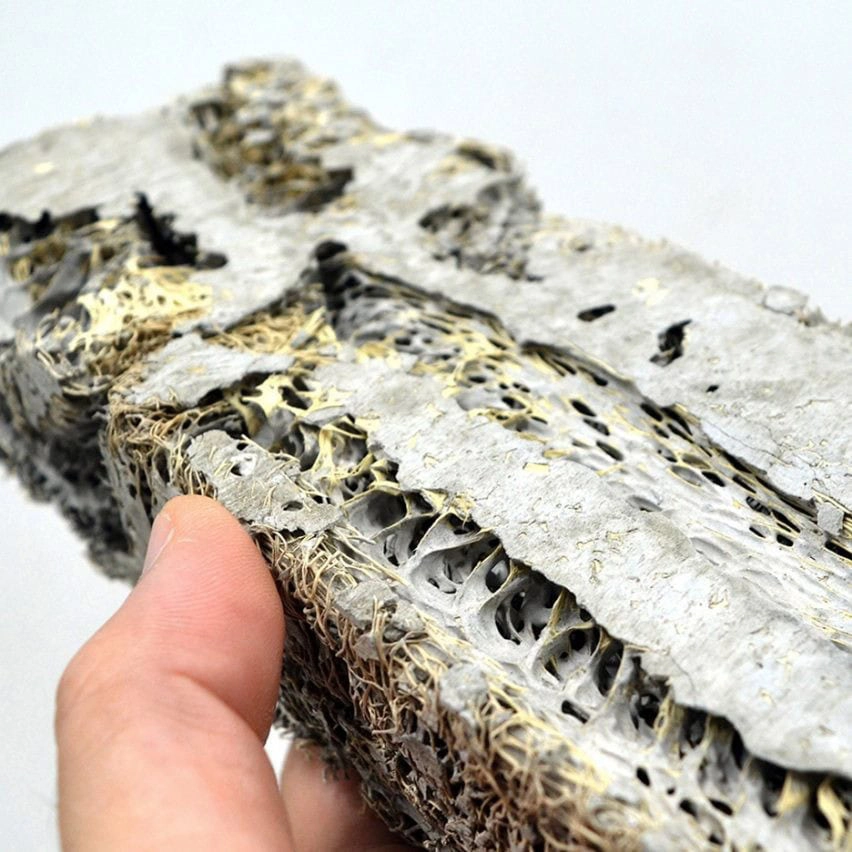
Masonry and Mycelium: A Meeting of Different Timescales
Masonry and mycelium represent two radically different relationships with time.
Brick and stone are associated with endurance, accumulated labor, and the possibility of surviving generations. Mycelium composites, by comparison, are often designed for relatively short life cycles, controlled environments, and applications where lightweight performance is more important than structural permanence.
The architectural opportunity lies precisely in this difference.
Rather than forcing mycelium into the role of a permanent replacement for masonry, designers could explore how it operates as a secondary layer within existing buildings. A historic brick wall could remain intact while new interior elements introduce insulation, acoustic buffering, or spatial division.
Such an intervention would allow the building to retain its material identity while improving its contemporary use.
Consider renovating an old warehouse into a cultural venue, workshop, community facility, or office. The original masonry may offer structural strength and architectural character but provide limited thermal or acoustic performance. Instead of covering the entire interior with conventional industrial finishes, a system of removable mycelium-based panels could create localized zones of comfort.
The intervention might be deliberately selective. Areas requiring acoustic separation could receive absorptive panels. Spaces used for temporary exhibitions could employ lightweight partitions. Interior surfaces could be designed as replaceable components rather than permanent additions.
This approach raises an important architectural distinction between building and layering. A building does not need to be materially uniform to be coherent. Its performance can emerge from the interaction of different systems, each operating at a different scale and with a different lifespan.
The masonry provides stability and continuity. The biological material introduces flexibility and a different relationship with resources. Neither needs to imitate the other.
The result could be an architecture in which material contrast becomes a practical strategy rather than a visual gimmick.
Repair Instead of Replacement: The Architecture of Small Interventions
One of the most important questions in contemporary architecture is how much intervention a building actually requires.
The construction industry has developed an extraordinary capacity to replace entire systems. A building becomes inefficient, outdated, or economically inconvenient, and demolition increasingly appears as the cleanest route toward redevelopment. Yet the environmental cost of this process extends beyond the new building’s operational performance.
The embodied energy of existing materials, the carbon emissions associated with demolition and reconstruction, the loss of local identity, and the displacement of existing users are frequently difficult to recover through new construction alone.
Bio-based materials could support a different culture of architectural repair, provided they are used within a framework that prioritizes retaining existing structures.
Mycelium-based components might be particularly useful where interventions need to be lightweight, reversible, or temporary. In buildings with irregular geometries, uneven walls, or spaces that have changed repeatedly, prefabricated panels and adaptable elements could potentially offer an alternative to rigid, resource-intensive construction systems.
Their value may also lie in reducing the complexity of future removal. A component that can be detached, replaced, or disposed of through a clearly defined process is potentially more compatible with buildings that continue to evolve.
However, reversibility should not become another fashionable label. A removable panel is not necessarily environmentally responsible if its production is energy-intensive, its attachment system damages the original structure, or its replacement cycle is unnecessarily short.
Architectural repair requires a deeper understanding of the building’s existing conditions. Moisture, ventilation, thermal bridges, wall thickness, salts, structural defects, and historical materials cannot be ignored simply because a new component is bio-based.
The real innovation may be less about the material itself and more about the architectural attitude it encourages: intervene precisely, retain what works, and avoid treating every existing building as an obstacle to a new design.
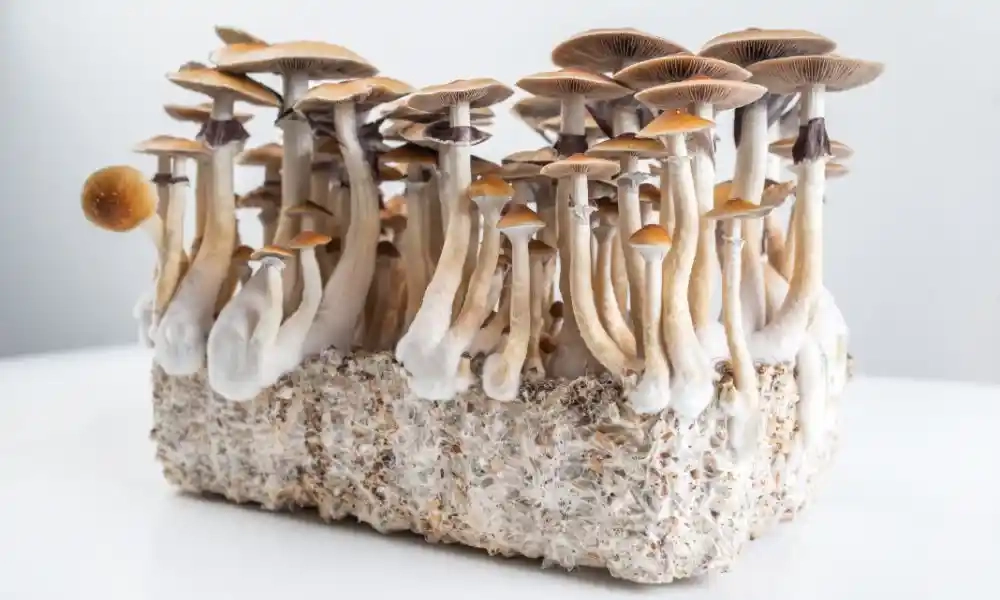
The New Aesthetic of Biological Construction
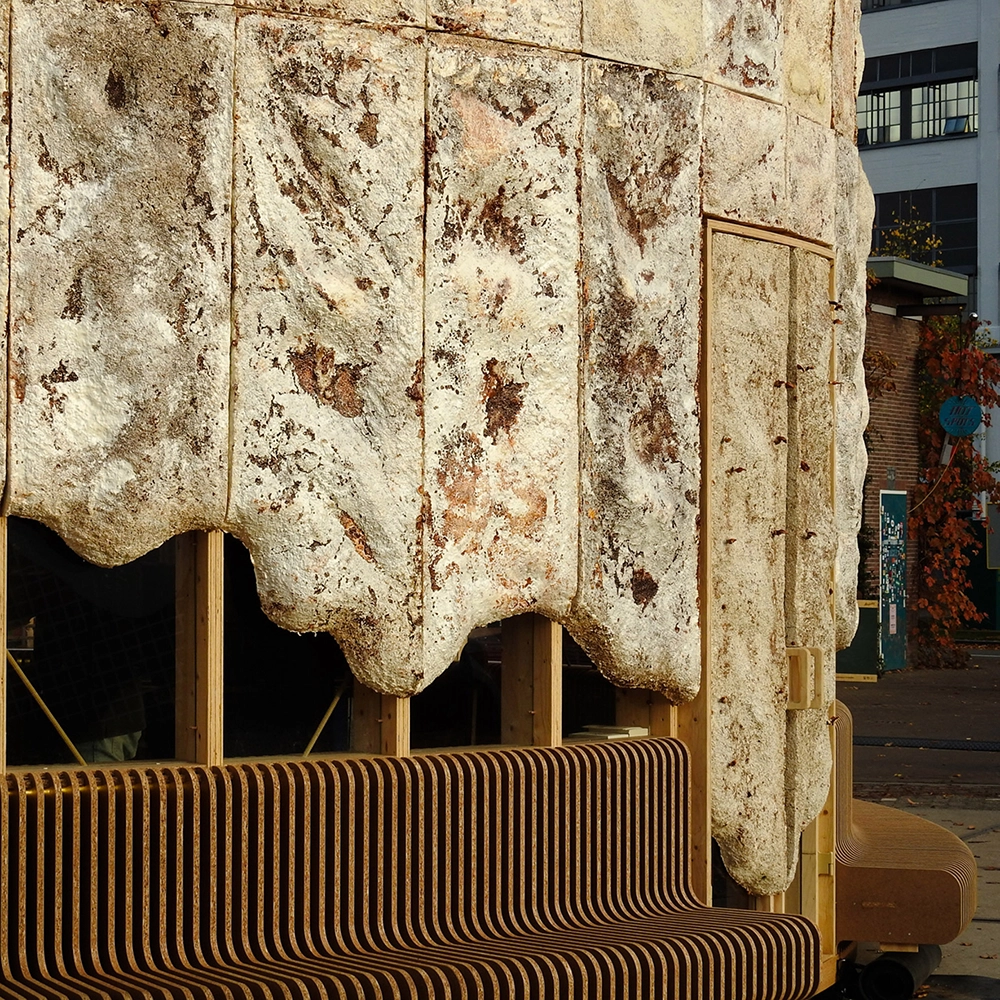
Mycelium has already entered architectural culture through its distinctive appearance. Its irregular surfaces, soft edges, earthy tones, and visible textures challenge the smoothness and precision associated with many contemporary industrial materials.
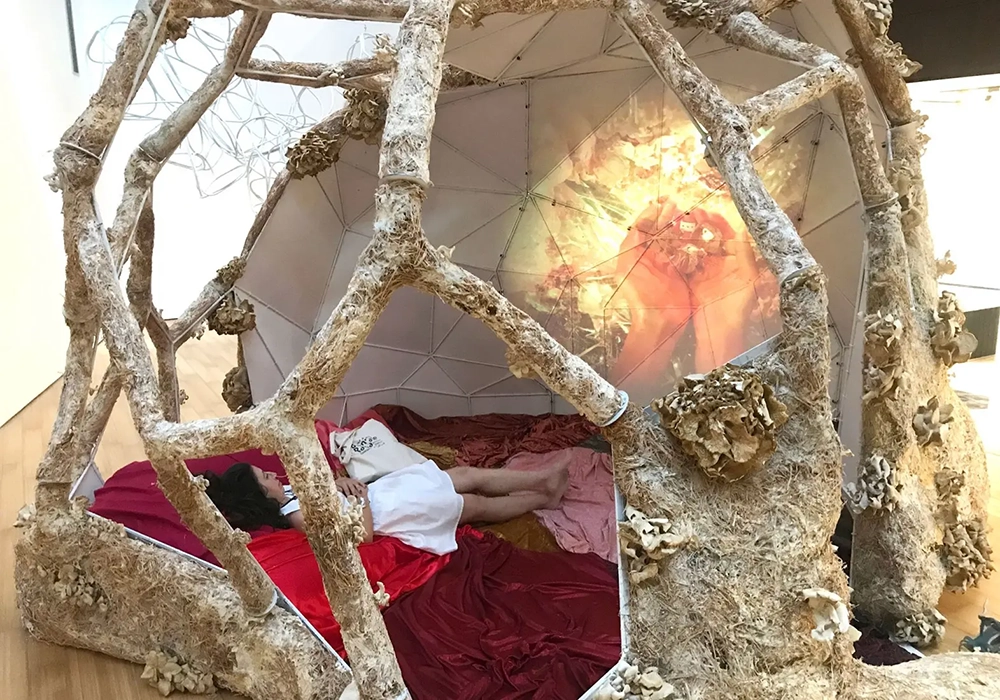
This aesthetic has attracted architects, designers, artists, and experimental studios interested in the possibility of creating forms through biological growth rather than conventional fabrication.
The work of Ecovative Design, for example, has contributed significantly to the development and public visibility of mycelium-based materials, particularly through applications involving packaging, product design, and material innovation. Architectural experiments have similarly explored mycelium composites as lightweight building components, furniture, exhibition structures, and interior elements.
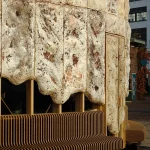
The visual language of these experiments often emphasizes the contrast between the organic and the manufactured. Mycelium appears irregular, tactile, and soft; masonry appears modular, heavy, and repetitive. When placed together, the contrast can become an architectural statement about the relationship between nature and industry.
But there is a risk that the material’s appearance becomes more important than its performance.
Biological texture is increasingly recognizable as an aesthetic shorthand for ecological responsibility. Buildings can adopt earthy colors, curved surfaces, visible fibers, and natural finishes while maintaining highly resource-intensive construction processes. The visual vocabulary of sustainability can therefore become detached from its environmental substance.
This is particularly relevant when mycelium is inserted into historic or traditional structures. The intervention should not automatically attempt to make the old building look more organic, nor should biological material be used as a decorative layer that obscures the architectural character of the existing fabric.
The strongest applications may be the least theatrical.
A discreet acoustic panel, a carefully designed interior partition, or a replaceable insulation component may have greater architectural value than an expressive installation whose environmental advantages remain uncertain.
There is no requirement for sustainable architecture to announce itself through texture.
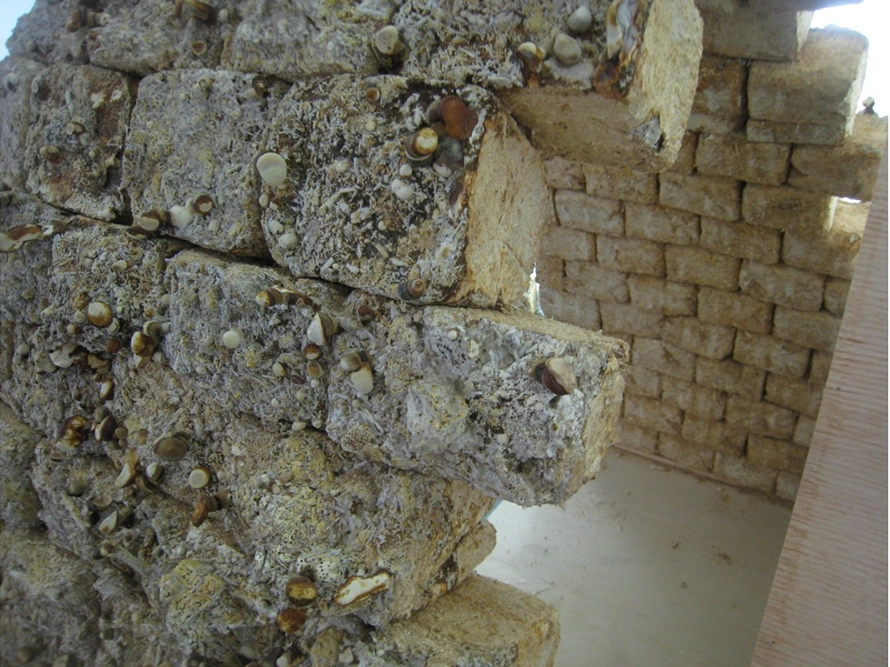
Traditional Buildings, Contemporary Comfort, and Cultural Continuity
Traditional urban architecture often developed through an intimate relationship with local materials, climate, craftsmanship, and patterns of occupation. Its construction systems were not always optimized according to contemporary environmental standards, but they frequently reflected an accumulated understanding of regional conditions.
In hot and dry climates, thick masonry walls, shaded courtyards, transitional spaces, and carefully positioned openings shaped thermal comfort and everyday life. In other climates, masonry mass, roof structures, ventilation strategies, and orientation responded to different environmental demands.
Introducing bio-based materials into these buildings requires more than importing a contemporary material concept. It requires understanding how the existing building works.
For example, adding an interior insulation layer to a traditional masonry wall can alter its moisture and thermal behavior. Depending on the wall composition and climate, an inappropriate retrofit could increase moisture accumulation or create conditions that accelerate deterioration. The material’s biological origin does not eliminate these risks.
In traditional buildings, architectural intervention must therefore be informed by building physics as much as material experimentation.
Mycelium could potentially contribute to interior comfort through thermal or acoustic applications in selected conditions, but it should not be positioned as a universal solution for historic buildings. Appropriate assemblies, ventilation, fire safety, moisture control, maintenance, and compatibility with existing materials remain decisive.
There is also a cultural dimension.
Traditional architecture is not simply a collection of old materials waiting to be upgraded. It carries spatial practices, memories, construction knowledge, and relationships between people and place. An intervention that improves technical performance while damaging these qualities may represent a poor architectural outcome.
Biological materials could offer an alternative to standardized renovation products if they allow greater adaptation to local conditions and specific buildings. However, that possibility depends on accessible production, technical expertise, and meaningful collaboration with local builders and craftspeople.
The future of bio-based architecture in traditional urban settings may be less about creating a universal material system and more about developing context-specific repair methods.
From Experimental Material to Urban Infrastructure
A material can succeed in the laboratory and fail in the city.
Architecture requires more than a successful prototype. It requires reliable supply chains, repeatable fabrication, standardized dimensions, construction expertise, maintenance procedures, regulatory acceptance, insurance, and predictable performance.
Mycelium materials face this transition from experimental production to mainstream construction.
The construction industry is structured around established expectations. Contractors need materials that can be specified, priced, transported, installed, inspected, and replaced. Architects need reliable technical data. Building owners need to understand maintenance costs and risks. Regulators need evidence of performance under relevant conditions.
Biological materials complicate these systems because their production can be sensitive to substrates, environmental conditions, cultivation methods, and processing. Achieving consistency at scale is not merely a manufacturing challenge; it is a design and construction challenge.
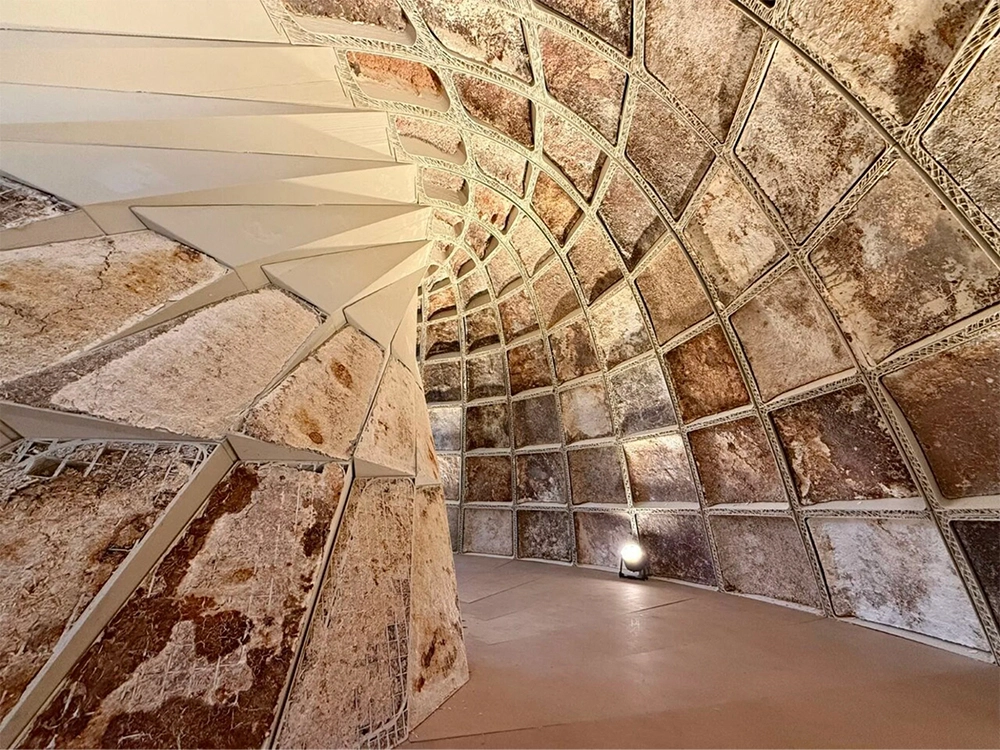
For mycelium to become relevant to traditional urban structures, it must move beyond the exhibition and research environment into practical building applications where its performance can be evaluated over time.
This transition may require new forms of collaboration between architects, material scientists, structural engineers, microbiologists, conservation specialists, manufacturers, and construction workers. The architect’s role becomes less about selecting a finished product from a catalog and more about understanding the conditions under which a material is produced and behaves.
The economic question is equally important.
If mycelium components require specialized fabrication, controlled production, and expensive installation, they may remain confined to high-profile projects with generous budgets. That would limit their potential contribution to the ordinary buildings that dominate urban environments.
Conversely, if production can be localized, substrates sourced responsibly, and components fabricated through accessible systems, biological materials might become part of a broader strategy for building adaptation.
The city does not need another material reserved for architectural spectacle. It needs materials that can be deployed where they genuinely make a difference.
Designing for Decomposition in a Culture of Permanence
Architecture has traditionally been associated with permanence. Buildings are expected to resist weather, occupation, fire, deterioration, and time. The construction industry has developed sophisticated systems to extend material life and reduce the risk of failure.
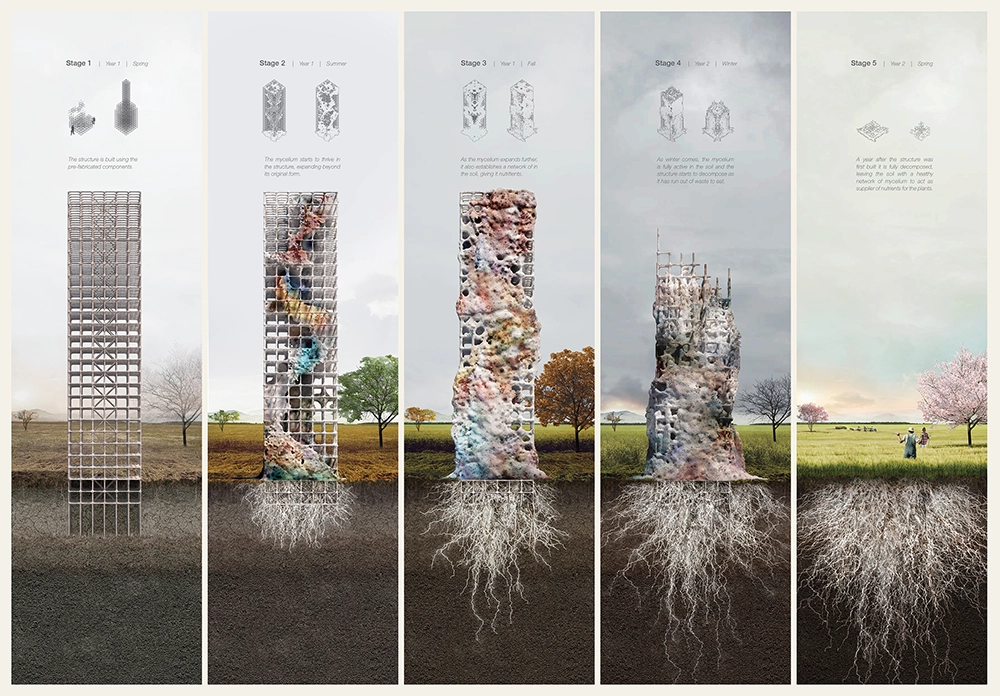
Mycelium introduces an alternative proposition: some architectural components may be designed not to last indefinitely.
This does not mean that buildings should become disposable. The distinction between a durable structure and a temporary component is essential.
A masonry wall may be expected to remain for generations. A partition, exhibition element, acoustic panel, temporary shelter component, or interior furnishing may have a much shorter and more clearly defined life cycle. Designing these components for eventual replacement or decomposition could reduce the material burden associated with their removal.
Yet biodegradability is not a substitute for responsible disposal.
A mycelium-based component may not decompose as intended if it contains coatings, adhesives, synthetic additives, or other materials that complicate its biological breakdown. Nor is uncontrolled decomposition necessarily desirable within a building, where moisture, microbial growth, and material degradation can create health and maintenance problems.
Architecture must distinguish between a material that is biologically capable of decomposing and a component designed for safe, predictable end-of-life management.
This requires architects to think beyond installation.
Where will the component go when it is removed? Can it be reused? Can it be separated from other materials? Does its composition permit composting under appropriate conditions? What infrastructure exists to manage it?
These questions shift material design from a linear process of extraction, construction, and disposal toward a more deliberate relationship between material life cycles and building life cycles.
A building may endure. Its components may not need to.
The Architect as an Editor of Material Relationships
The integration of mycelium into traditional urban structures ultimately challenges the architect’s conventional role as the designer of a singular, coherent object.
Instead, the architect becomes an editor of material relationships.
The task is to decide what should remain, what should be added, what should be removed, and what should be allowed to change. It involves understanding the existing structure as a resource rather than a limitation and recognizing that material innovation does not automatically justify architectural intervention.
This approach also challenges the familiar division between construction and maintenance. Buildings are often designed as if the completion of construction marks the end of the architect’s responsibility. Bio-based materials, especially those whose performance and durability are still developing, demand a more continuous understanding of architectural practice.
Design decisions must account for inspection, replacement, repair, moisture management, user behavior, and eventual disposal. Material specifications become inseparable from the building’s operational life.
This may also influence the way architects communicate sustainability. Instead of presenting a project through a list of innovative materials, they might explain why a particular component was used, what problem it addresses, how it interacts with the existing structure, and what happens when it reaches the end of its useful life.
Such transparency would be more meaningful than the increasingly familiar language of green architecture, in which ecological responsibility is often reduced to a collection of attractive images and material claims.
The architecture of the future may not be defined by how many new materials it incorporates, but by how carefully it understands the consequences of using them.
The City Does Not Need to Grow Like a Mushroom
Mycelium offers architecture an intriguing opportunity, but its importance lies less in its biological novelty than in the questions it raises about the way buildings are made, maintained, and transformed.
Traditional masonry and bio-based materials do not represent competing visions of architecture. They represent different material capabilities, different lifespans, and different relationships with resources. Their integration becomes meaningful when those differences are acknowledged rather than concealed.
The existing city is already a complex ecosystem of structures, infrastructures, memories, and material remnants. Its environmental future cannot depend entirely on replacing old buildings with new ones, even if the new buildings promise better performance. Nor can it be achieved by introducing biological materials without understanding their limitations.
Mycelium may eventually contribute to insulation, interior systems, acoustic environments, temporary construction, and adaptive reuse. Its role will depend on continued research, verified performance, appropriate applications, and the development of practical construction systems.
But perhaps its more important contribution is conceptual.
It asks architecture to reconsider the assumption that every building component must be permanent, manufactured at industrial scale, or designed independently of its eventual disposal. It invites a more selective approach to intervention, one that recognizes the value of existing structures and the possibility of adding new layers without erasing old ones.
The future of architecture may not be a city built entirely from biological materials. That would be another simplistic material revolution, replacing one dominant system with another.
A more convincing future is a city in which masonry remains where it has earned its longevity, biological materials are used where their properties are genuinely advantageous, and architectural decisions are guided by the specific conditions of buildings and people rather than the novelty of a material.
The city does not need to grow like a mushroom. It needs to learn how to renew itself without consuming everything that came before.