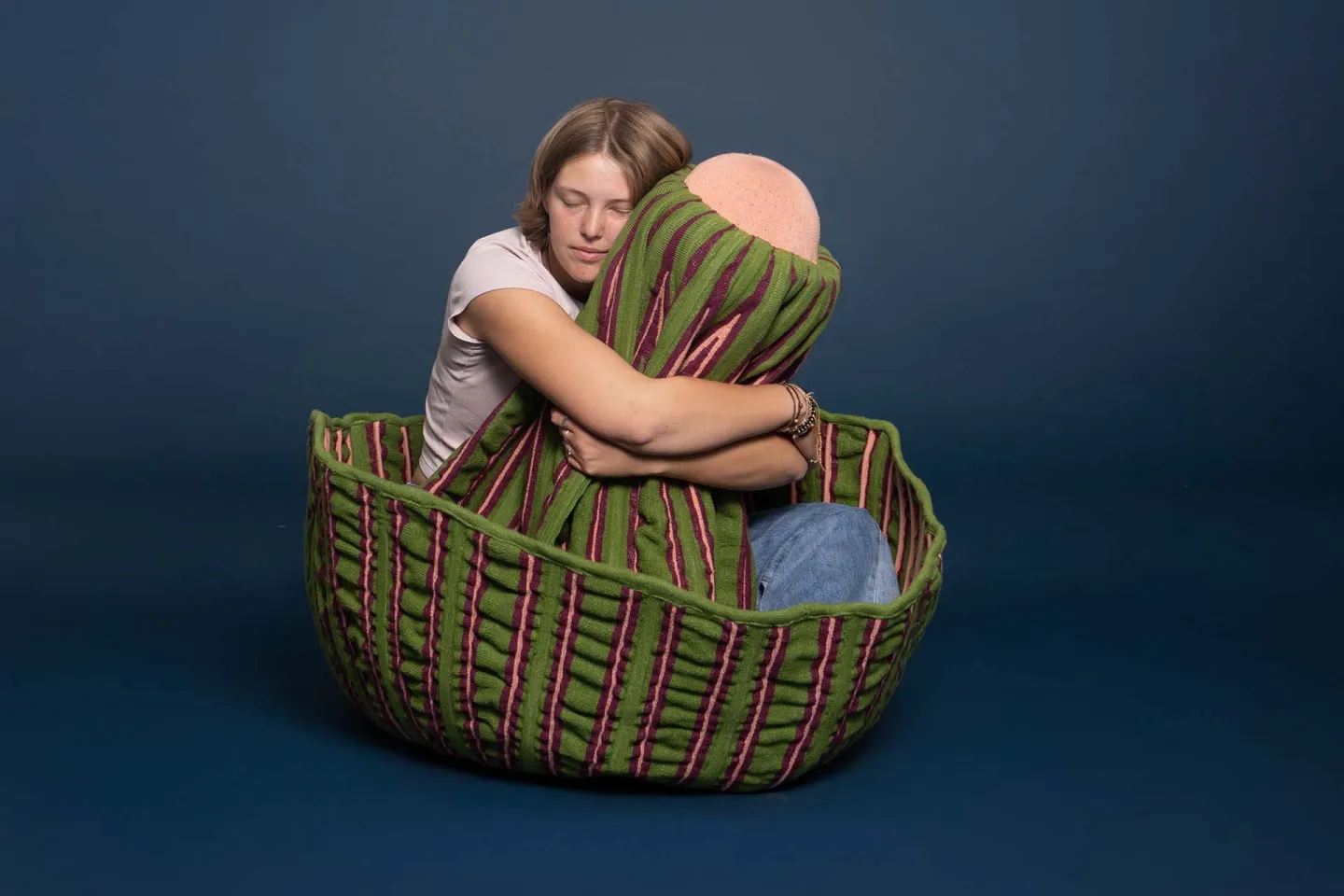
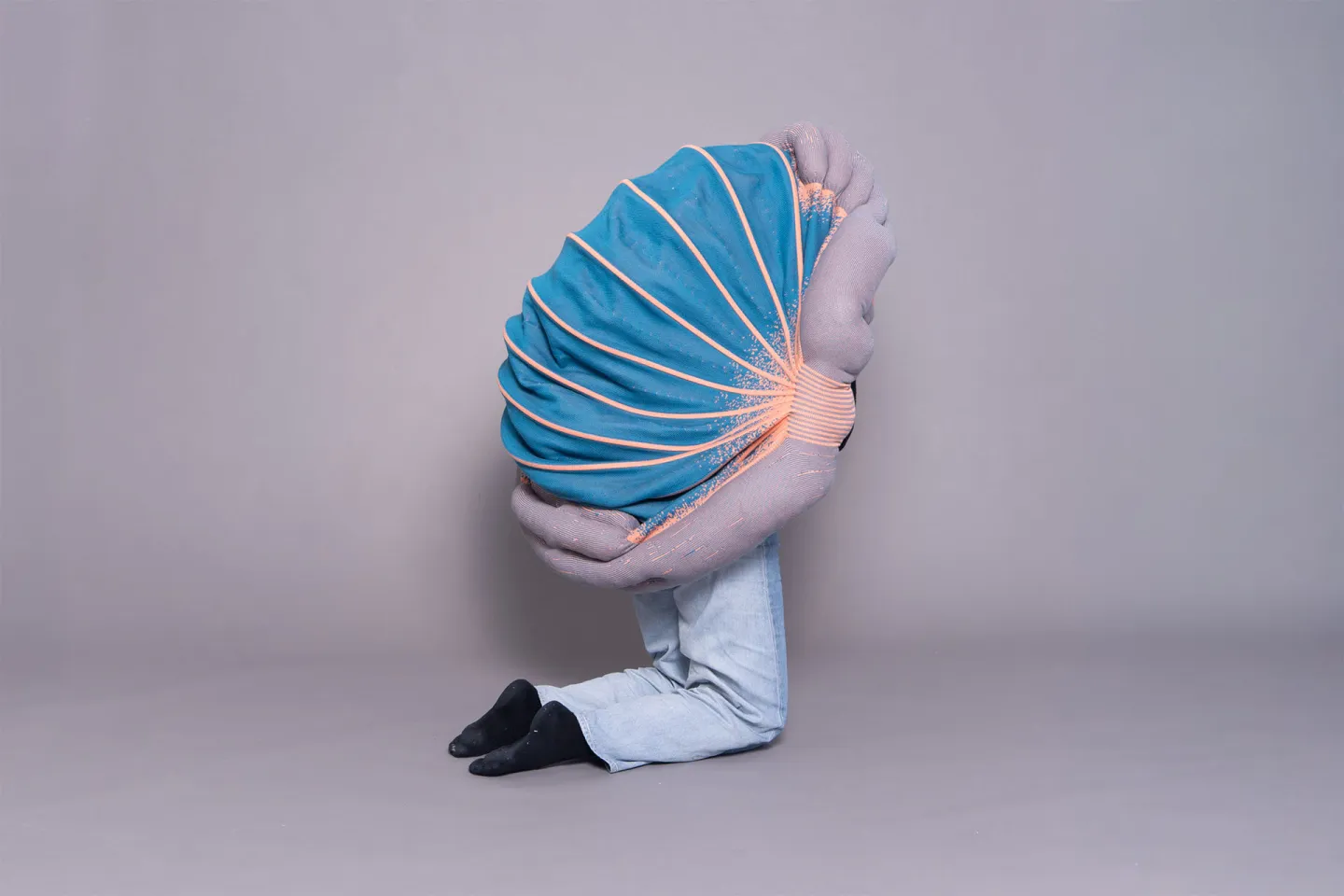
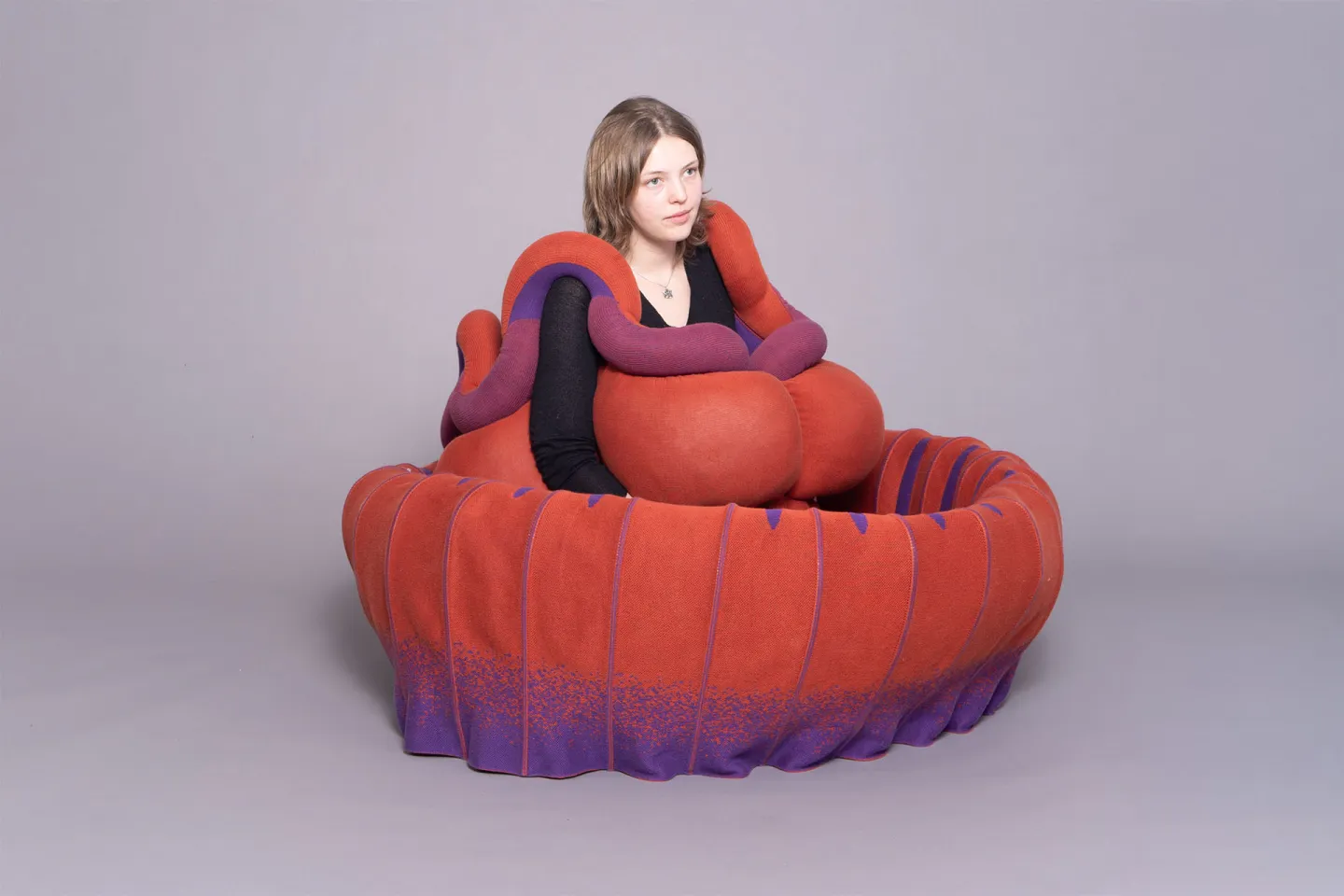
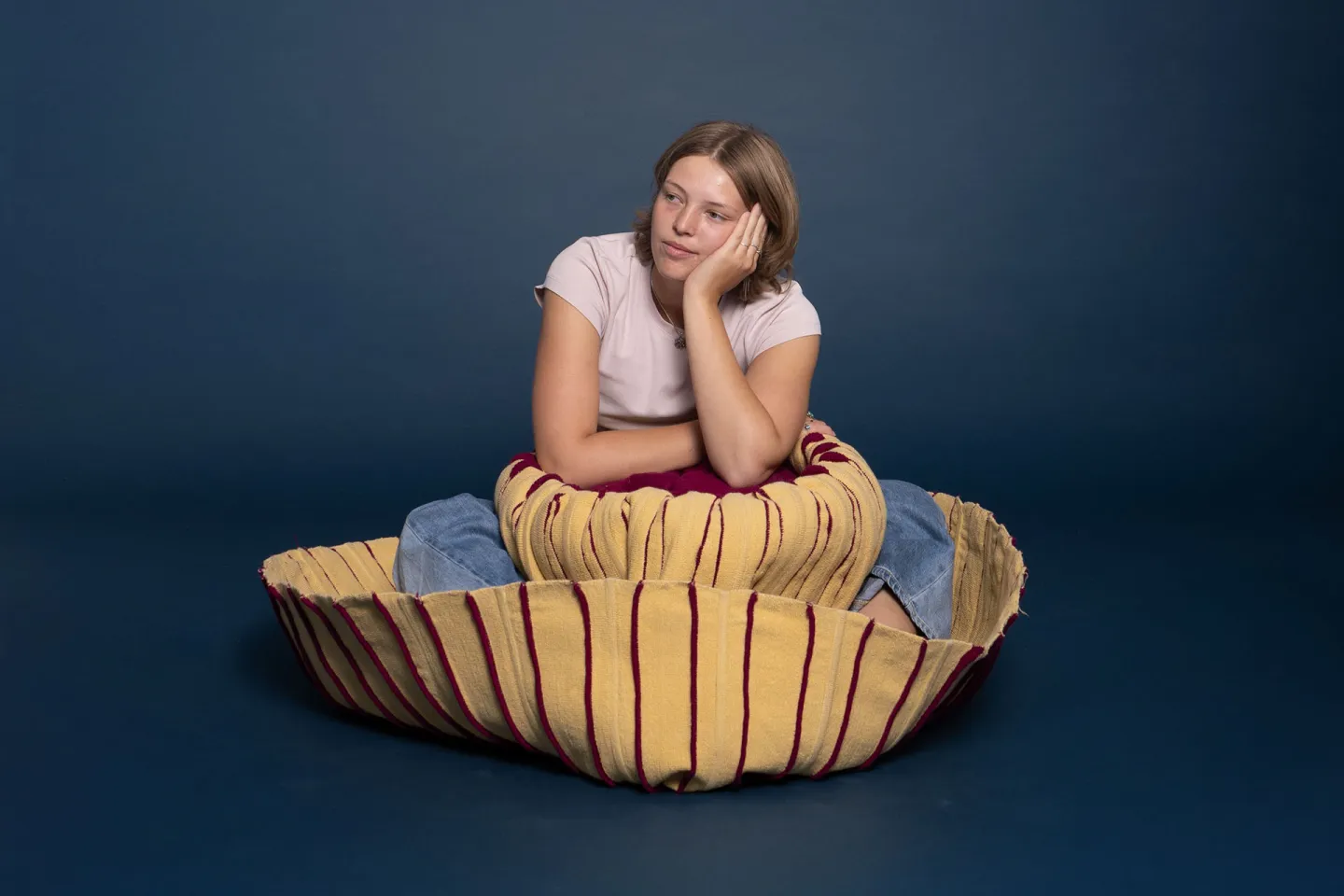



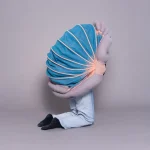
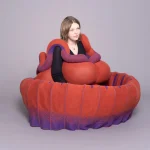
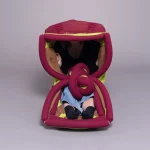

Dutch textile designer Luna Haverkorn explores the intersection of material innovation, craft, and human interaction, using knitting to create responsive spatial objects that challenge conventional textile design. Her experimental practice focuses on how textiles can influence movement, comfort, and behaviour, transforming soft materials into sculptural forms that invite participation.
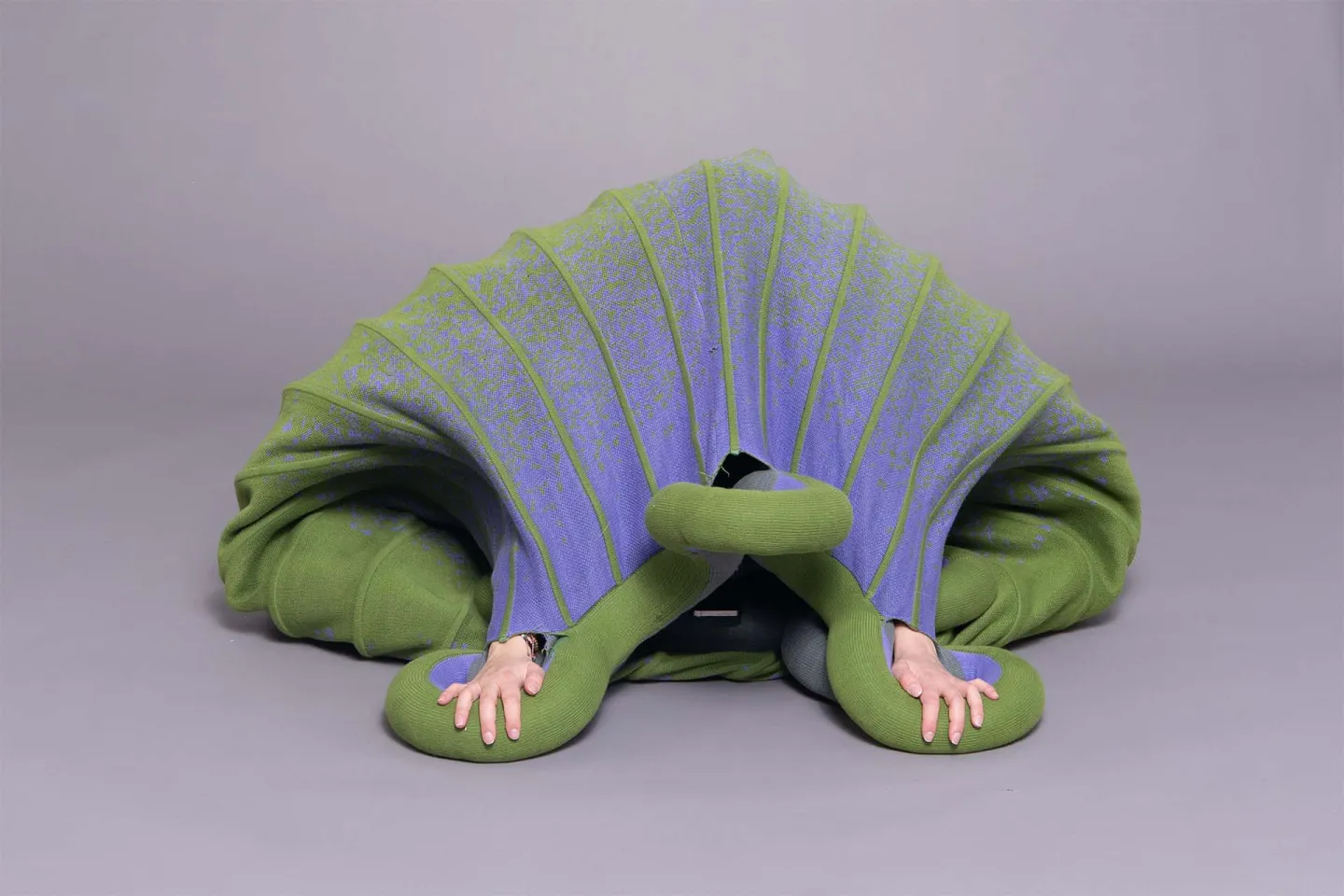
With a background in Product Design, Haverkorn investigates how traditional textile techniques can evolve into future-facing design solutions. Her work challenges the idea of objects as fixed creations, instead presenting them as adaptable environments that change through human engagement.
Knitted Structures Respond to the Human Body
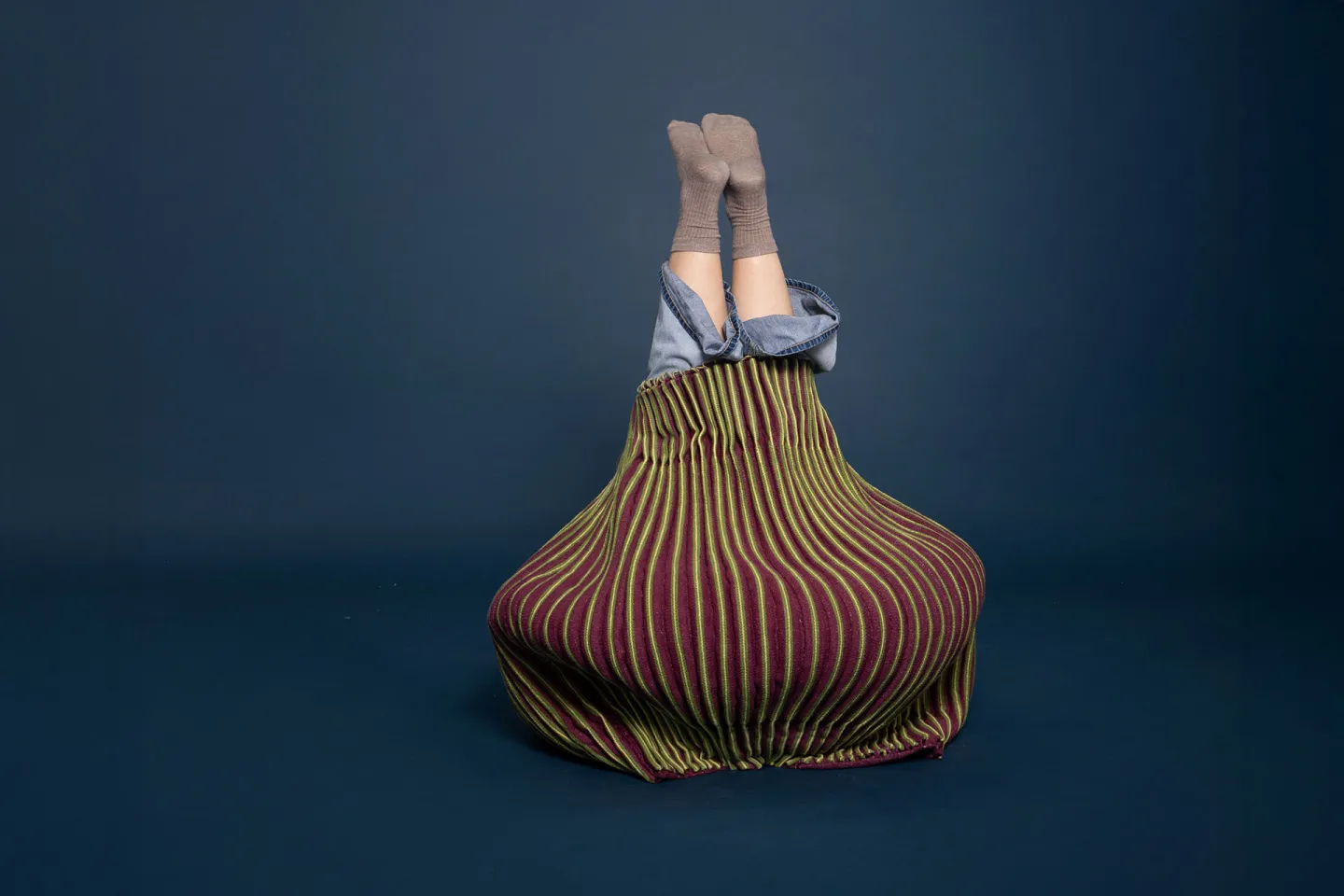
Haverkorn’s textile sculptures exist between furniture, art, and architecture, creating an intimate relationship between material and user. Rather than designing objects with a predetermined function, she develops forms that encourage discovery. A knitted structure can become a seat, a resting place, a protective enclosure, or a playful surface depending on how someone chooses to interact with it.
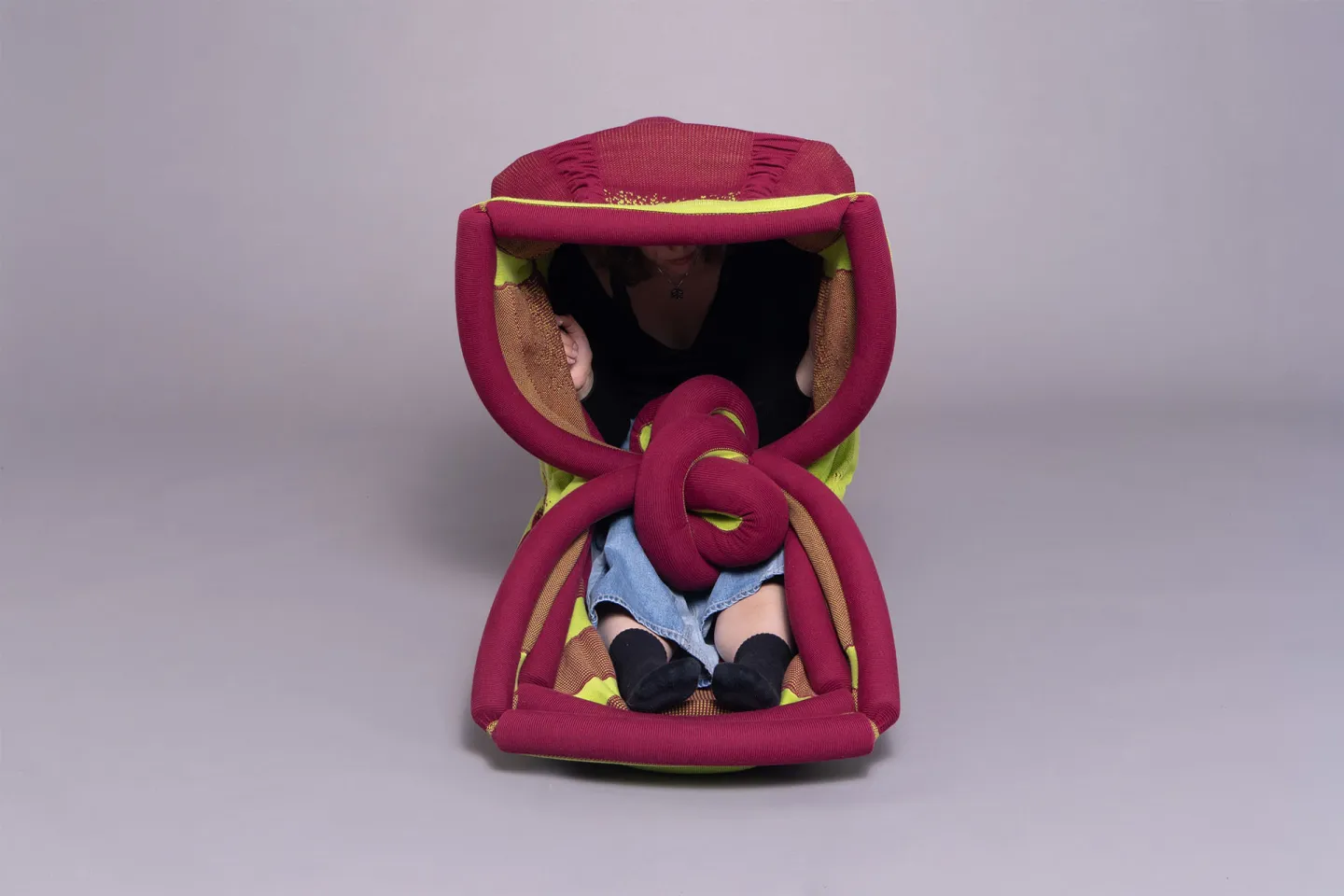
This approach shifts the role of design from providing answers to creating possibilities. The softness, flexibility, and movement of the textiles allow each object to develop a unique identity through use. By leaving room for interpretation, Haverkorn creates experiences where users actively participate in shaping the final outcome.
Single Threads Transform to Three-Dimensional Forms
At the core of Haverkorn’s practice is an exploration of knitting as a construction method. Using industrial knitting technology, she transforms a single thread into complex three-dimensional structures, showing the architectural potential of textiles. Her process combines digital precision with hands-on experimentation, allowing materials to guide the development of each piece.
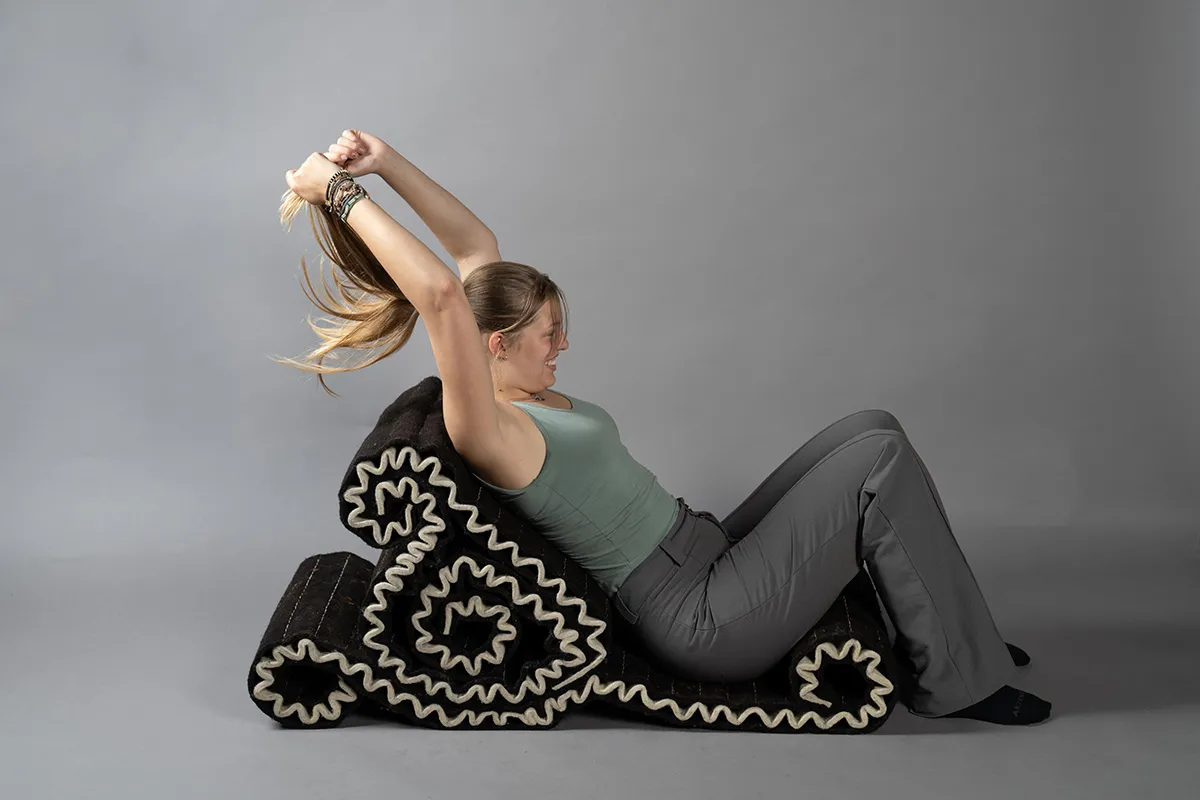
Inspired by natural systems where strength and flexibility coexist, Haverkorn studies nature-centered design or organic forms to understand movement, connections, and growth. Through repeated prototyping, she discovers how subtle changes in structure, texture, and tension can influence the behavior of a textile object.
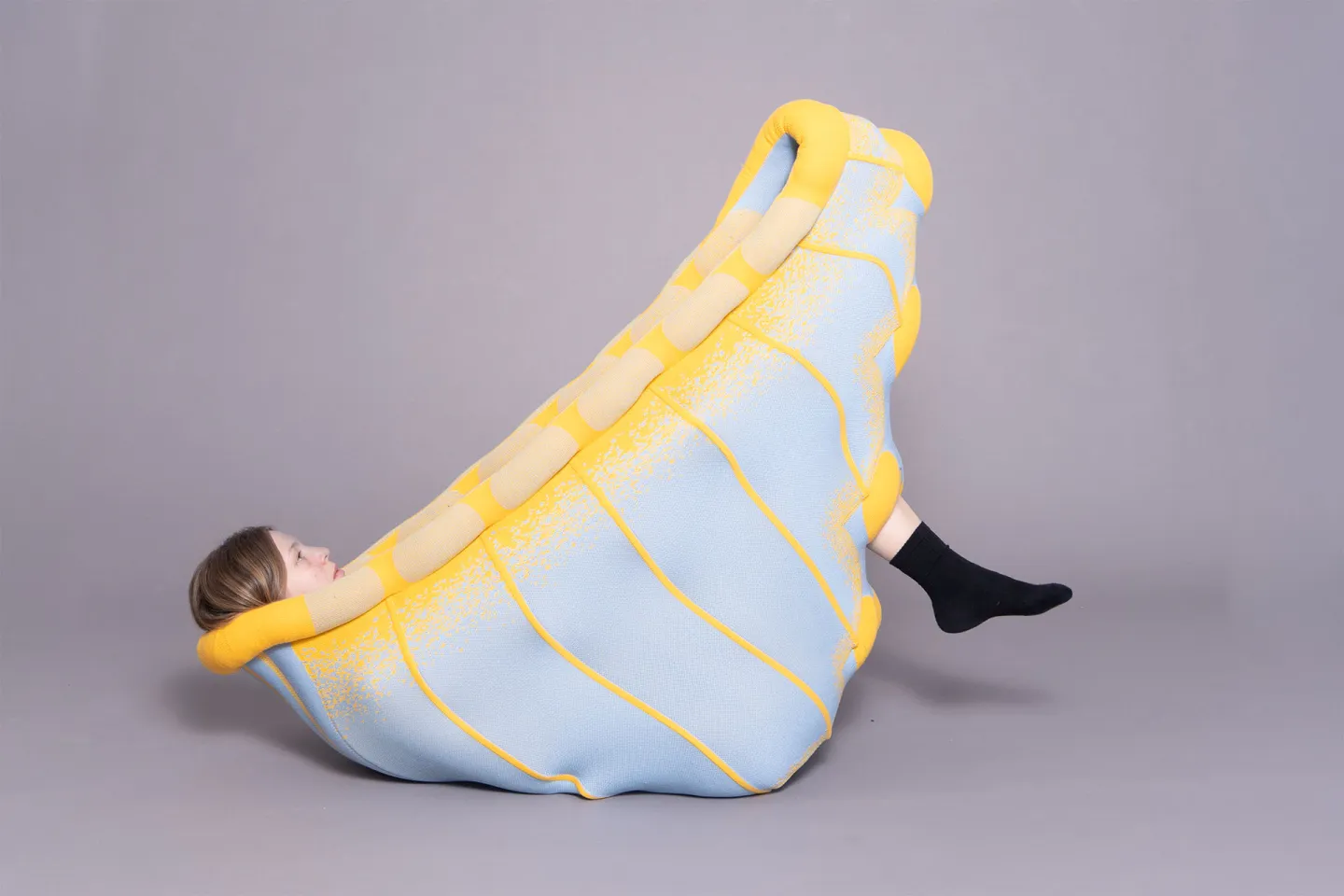
By expanding knitting beyond clothing and traditional craft, Luna Haverkorn presents textiles as dynamic design systems, capable of adapting, engaging, and creating new relationships between people and the objects around them.
Image Credit: Luna Haverkorn