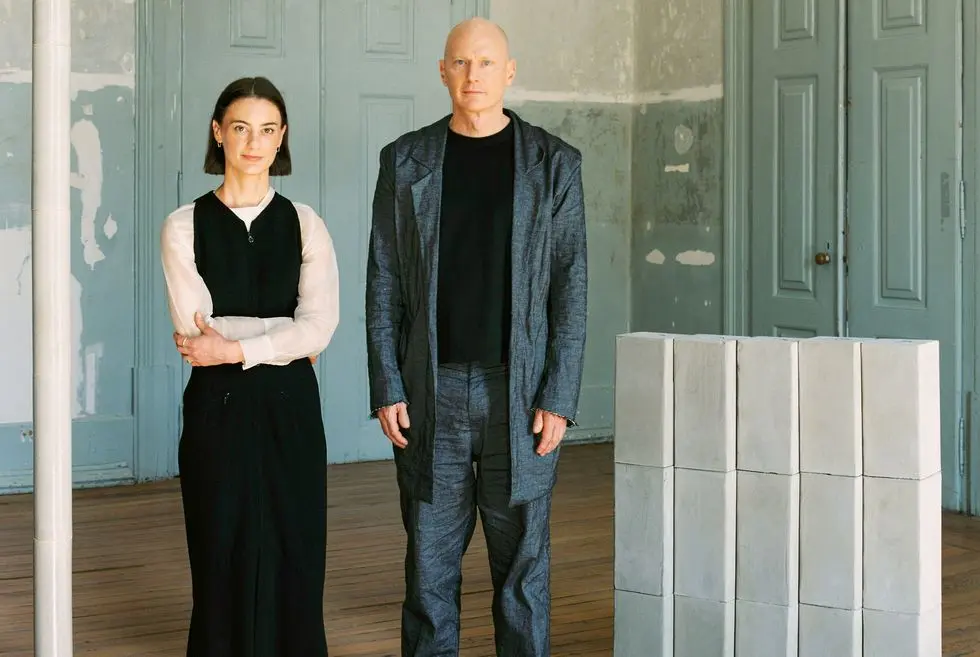

The Australian architectural studio Besley and Spresser, one of only twenty studios selected from 76 global applicants, presented its installation, 09.ED.15 Redux, as part of the Independent Projects program at the 2025 Lisbon Architecture Triennale. The prototype embodies a complex industrial process and confronts the environmental legacy of asbestos, and unveils its potential for renewal through innovation and design.
09.ED.15 Redux within “How Heavy is a City?”
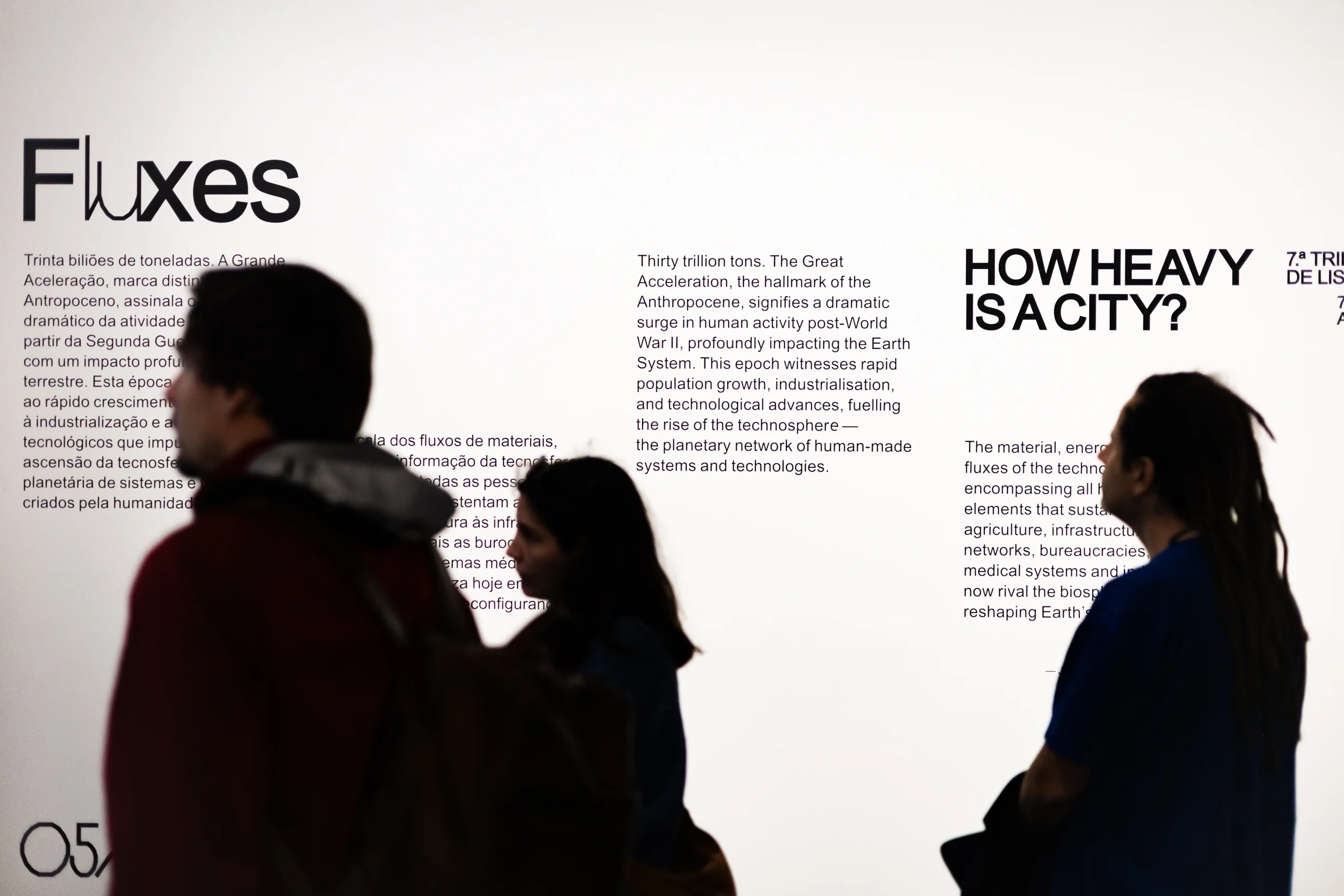
The seventh edition theme portrays “How heavy is a city,” challenging participants to examine the scale of the materials, structures that humans inhabit, and material flux associated with contemporary urban expansion. The exhibit REDUX directly connects with the sub-themes Fluxes, Spectres, and Lighter.
It addresses the spectre of asbestos created by aging materials, proposing a new transformation that engages with Fluxes through the renewal of urban systems. It also aims to make the city lighter by transforming hazardous waste into safe, circular materials and by reclaiming contaminated sites that are currently burdened by toxic landfill.
The designers, Besley and Spresser, approach the problem not merely as technical waste but as a profound philosophical challenge concerning humanity’s relationship with materiality. The project turns inward, allowing the city to repair, reuse, and rediscover materials, ultimately improving both human life and urban ecology.
Asbeter Process
Asbestos, a material celebrated for its exceptional physical properties, showcases remarkable strength, heat and chemical resistance, and insulation capabilities. Through a collaboration with the material scientist Asbeter in Rotterdam, Netherlands, the project marks a significant breakthrough by advocating for the destruction of hazardous asbestos fibers rather than their stabilization.
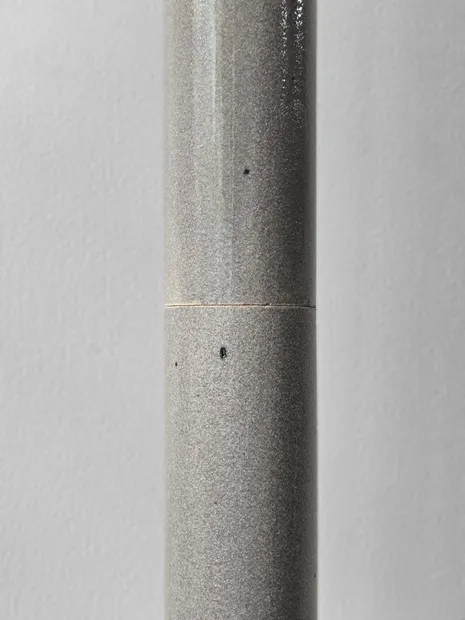
The technology breaks down the crystalline fiber structure, initiating a chemical reaction in which the cement content within the asbestos waste neutralizes an acid, resulting in a fundamental structural transformation. The installation aims to demonstrate the material’s architectural potential and its improved safety profile, offering a model that addresses both environmental hazards and global construction material shortages.
Transformed Components
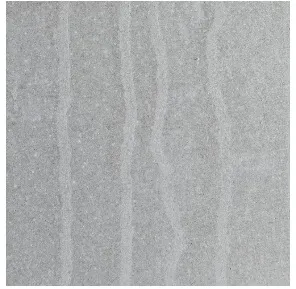
MACMA Concrete: This structural concrete is created using the recovered mineral components, or former asbestos material. The key functionality of MACMA concrete is its role as a partial replacement for Portland cement in mass construction, directly realizing the project’s carbon-negative ambitions by assimilating large volumes of waste into the structural skeleton of buildings.
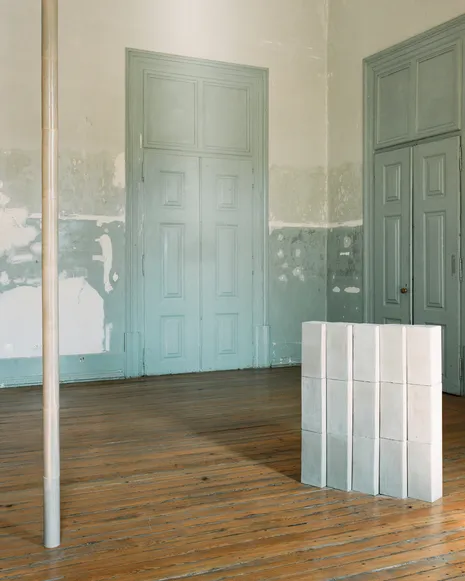
Mineral Glaze and Glazed Column: The aesthetic potential of the purified mineral constituents is showcased through a glazed column and a series of bricks. The mineral glaze, produced directly from the former asbestos material, demonstrates the viability of the transformed substance for high-quality architectural finishes.
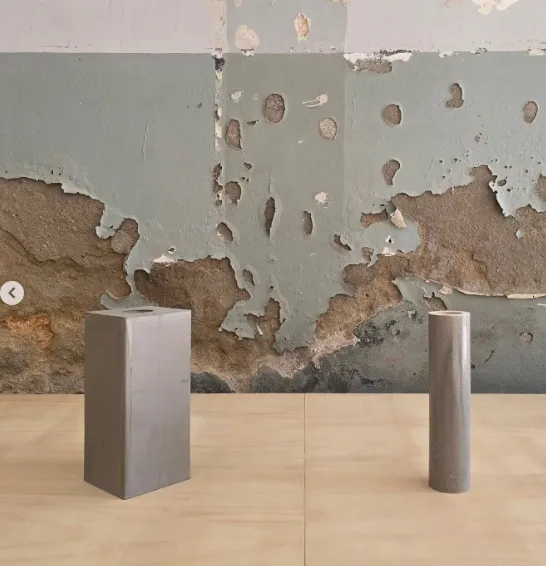
The synthesis of cutting-edge technical innovation and an architectural vision for applying MACMA concrete and mineral glazes creates a compelling circular economic model. The Australian studio Besley and Spresser’s 09.ED.15 Redux installation at the 2025 Lisbon Architecture Triennale establishes a significant pathway for addressing one of the most intractable environmental legacies of the modern built environment. By transforming a toxic material into a valuable resource, the installation offers a tangible model for architectural practice to reclaim its role as a proactive agent of environmental healing and critical social responsibility.
Photo Credits: © Besley and Spresser