Cities are speedily evolving as hotbeds for growth and opportunities. People desire improved living standards, state-of-the-art infrastructure, better connectivity, and working conditions – all of which are available in cities. As a result, the rate of population influx in urban areas is rising. While rapidly growing cities are a good problem, it is important to plan and direct their growth in an organized manner. For this purpose, studying everything that impacts a city’s day-to-day functioning and its people is essential. Technology-driven data collection, modeling, and analysis are effective ways to do that.
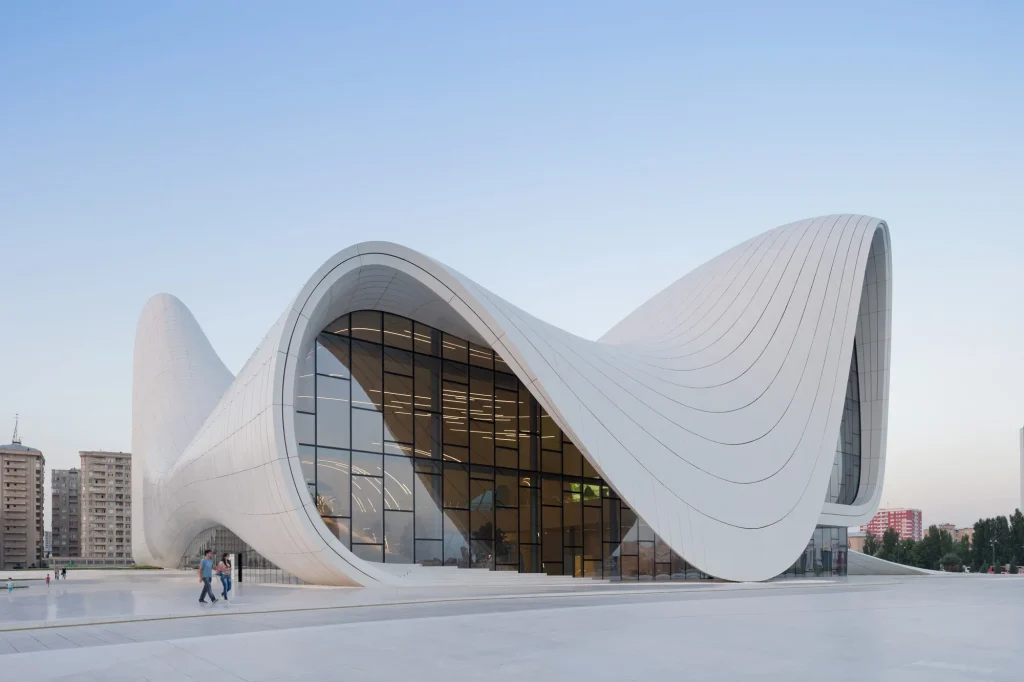
To provide for a growing city’s tangible and intangible needs, architects, city planners, urban designers, policymakers, and civic authorities can leverage parametric technology. It involves developing algorithms using computational tools and softwares to determine the form and structure of built space. With the help of an algorithm developed, the parameters and rules so developed determine the relationship between the “design intent” and the “design response.”