



A temporary loss of power can cause the heat pump to fail to operate normally and prevent it from responding to the restored power until the power goes back on again. Most times it’s temporary, and when reset back to normal, it’ll be fine. Heat pumps have components containing electricity and refrigerants as well, though, so care should be taken when troubleshooting.
A power outage can leave your heat pump unresponsive even after electricity is restored. In most cases, the issue is temporary, and a proper reset gets the system running again. However, heat pumps contain live electrical components and refrigerant, so troubleshooting requires care. Following the right reset process helps you tell whether your system simply needs a restart or has a deeper problem that calls for professional Raleigh heat pump unit repair.
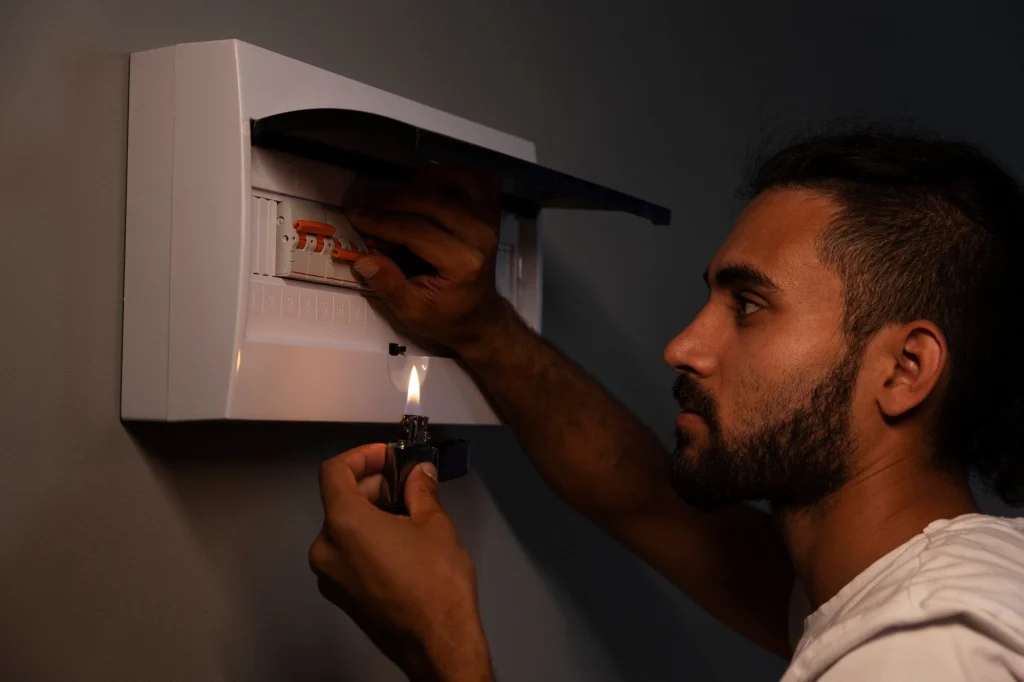
Why Does a Heat Pump Sometimes Need to Be Reset After a Power Outage?
The electronics regulate the airflow, heating/cooling process, and also the functioning of the compressor in the heat pump.
In addition to being caused by a power interruption, heat pump power outage problems can also be caused by:
- Temporary fault codes
- Communication problems between the thermostat and heat pump
- Electronic control glitches
- When power comes back, voltage swings.
- Compressor protection delays
Heat pumps are constructed in a way that will require a lot of time for the compressor to start operating again after stopping.
How Can You Safely Reset a Heat Pump After a Power Outage?
Before deciding whether it is safe to reset your house‘s electricity, make sure that there is a full restoration of electricity in your house and that there is no electrical problem.
Make sure the thermostat is on first, and then be sure to check that:
- The display is switched on.
- The thermostat is in the desired heating/cooling option.
- The temperature range is set correctly.
- No error messages or warning codes.
If the above does not work, check the correct circuit breaker or electrical disconnect.
What Should You Check After Resetting the Heat Pump?
After the power comes back on, allow the system some time to start up. A restart delay is built into some heat pumps to help prevent damage to the compressor.
During the start of the system, ensure that:
- You can hear air escaping from the indoor vents.
- The predicted air temperature that flows from the heat exchanger.
- How the blower motor in your heating system normally functions.
- Operating the outdoor fan in a normal manner.
- On the thermostat, they provide error messages.
- Abnormal noises or vibrations
It is possible to see the outdoor unit from a distance. Ensure that it does not appear to be blocked by:
- Leaves
- Branches
- Debris
- Snow or ice
In case of a condensate drain, observe if there is any leakage of water around the area of the indoor unit.
What If the Heat Pump Still Won’t Turn On After a Reset?
If there is a case of a frozen heat pump, go to the thermostat and see if it has power.
Other reasons for a heat pump not starting up again can include:
- A malfunctioning control board
- A failed capacitor
- Electrical wiring problems
- Thermostat communication issues
- Compressor problems
- Damage from a power surge.
- Various electrical faults
Should the thermostat function properly but the heat pump still not respond, then further diagnosis by an expert would be necessary.
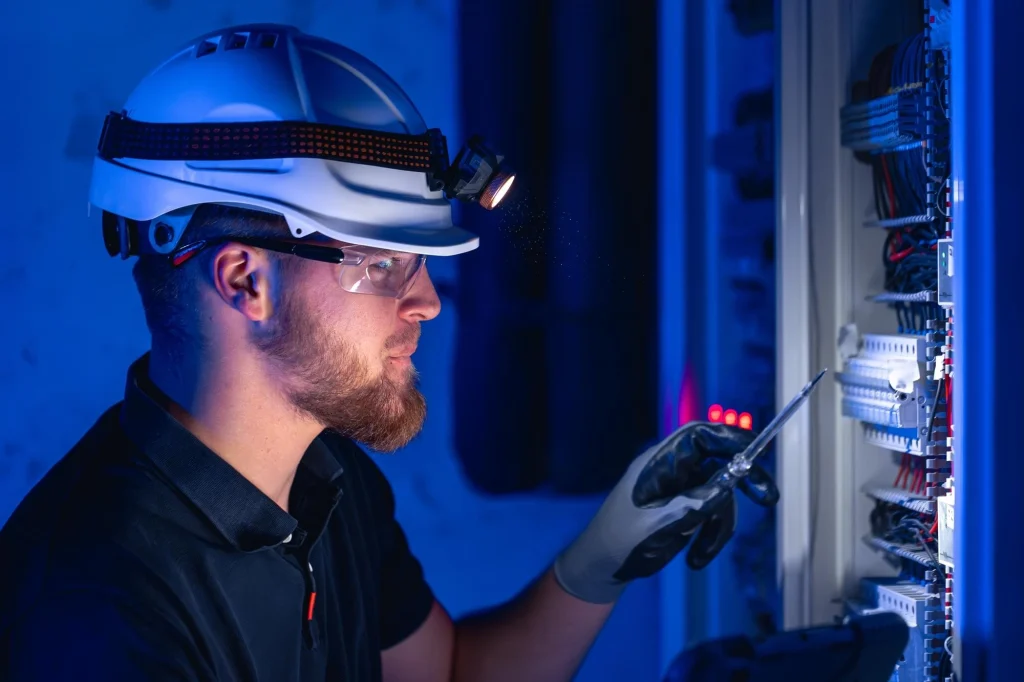
When Should You Stop Troubleshooting and Call an HVAC Professional?
There are some heat pump power outage problems that imply you need to stop troubleshooting right away.
If your HVAC system has any of the following symptoms, reach out to an HVAC expert:
- The odor of burning, electricity, or chemicals.
- Smoke
- Sparks
- Exposed or damaged electrical wiring.
- Buzzing electrical sounds
An experienced technician like those at Comfort Monster can examine the system to determine whether or not there has been any damage to the control board, capacitor, and compressor.
Quick Heat Pump Reset Checklist After a Power Outage
Two-thirds of homeowners have experienced a power outage while owning their home. In the event of a power failure, use the following heat pump troubleshooting checklist to bring the system back to normal operation.
In case the heat pump does not start after a power failure, the following checklist should be used:
Before resetting:
- Make sure there is power at the building.
- Make sure that power reaches the thermostat.
- Ensure the system is either on heating or cooling.
- Locate the proper circuit breaker.
After the reset:
- Look for air that flows out of the vents.
- Check that the temperature is correct.
- Listen for unusual noises.
- Review the thermostat and notice any warning messages.
- Check the outdoor unit for any obstructions.
- Wait a couple of minutes and watch your system.
A full power cycle is sometimes needed for electronic controls to restore normal operation.
In Conclusion
A heat pump that will not turn back on following a power failure does not always indicate that there is a major issue present. There may be a need for another round of cycling through the system for the electronics.
If the heat pump is still not working properly, the circuit breaker keeps tripping, or there is some damage identified in the electrical or mechanical components, stop heat pump troubleshooting and call an HVAC professional.