


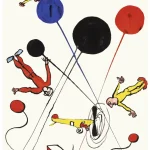
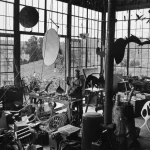
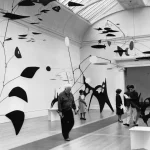
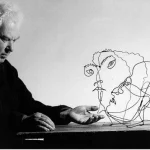
Fondation Louis Vuitton will host an exhibition dedicated to American sculptor Alexander Calder from April 15 to August 16, 2026. Titled “Calder. Rêver en Équilibre” (Dreaming in Balance), the display will include approximately 300 works, offering a view into the artist’s sculptural journey and his mind in motion.
2026 exhibition at the Fondation Louis Vuitton
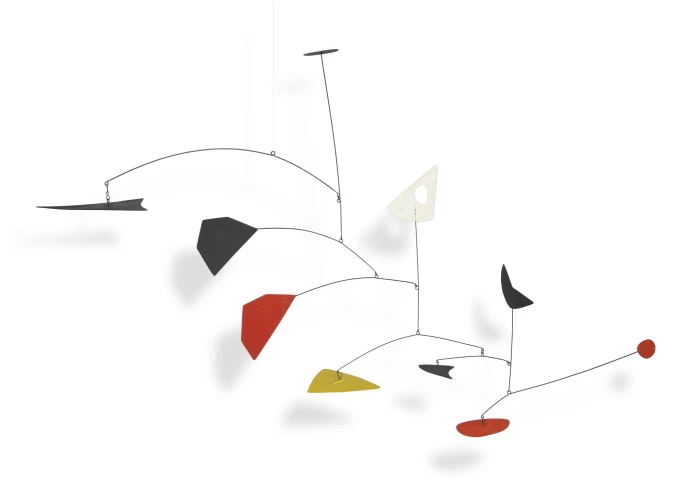
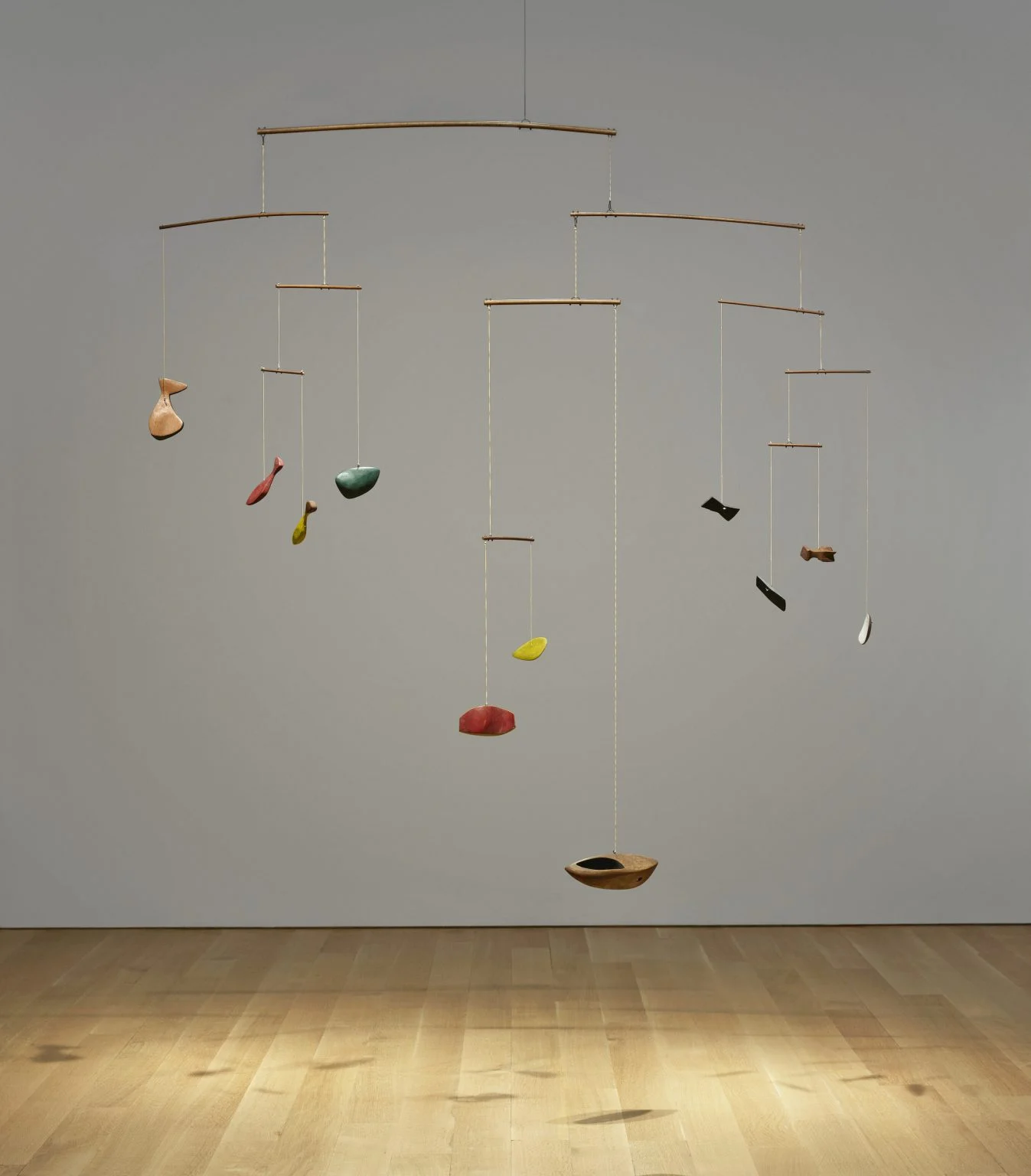
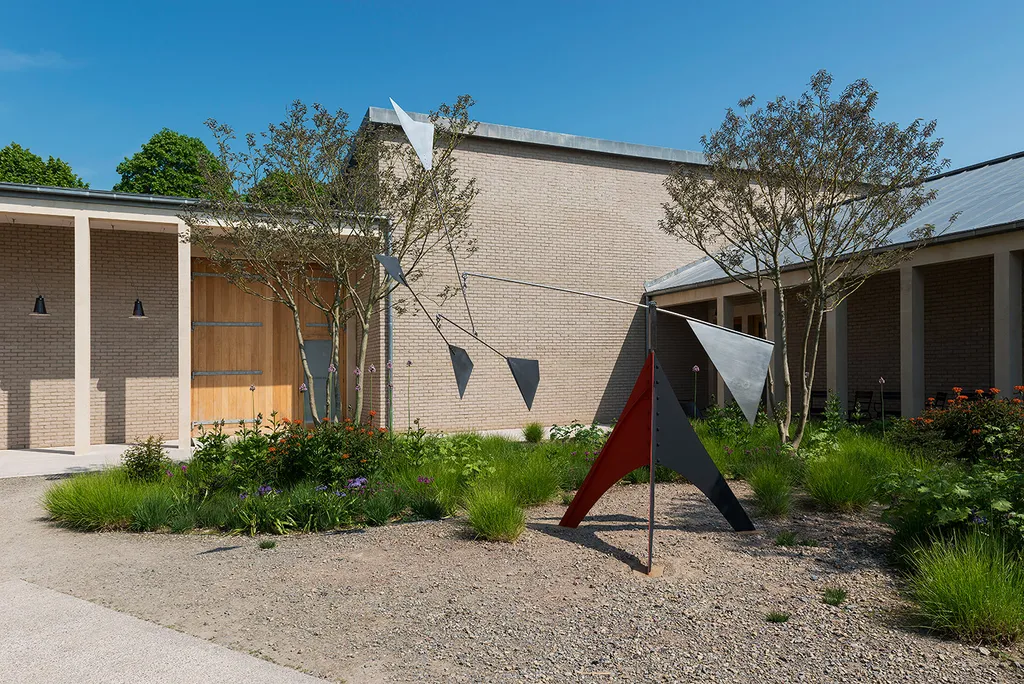
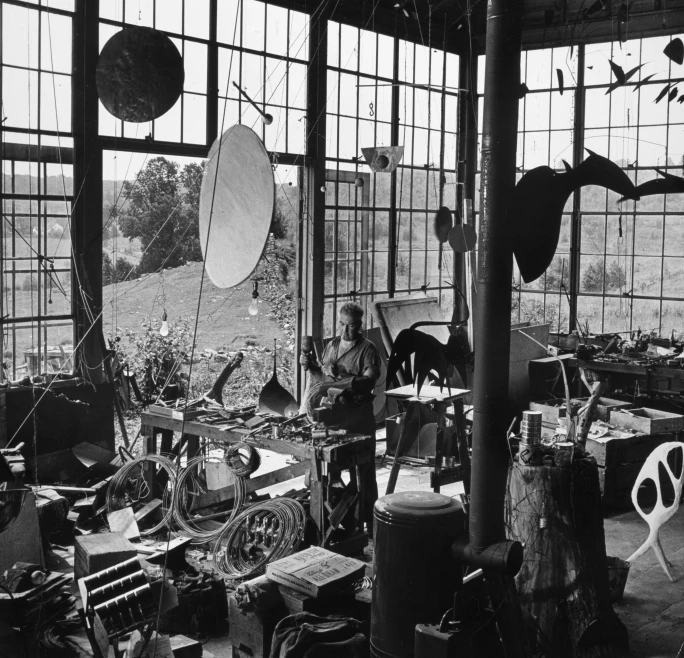
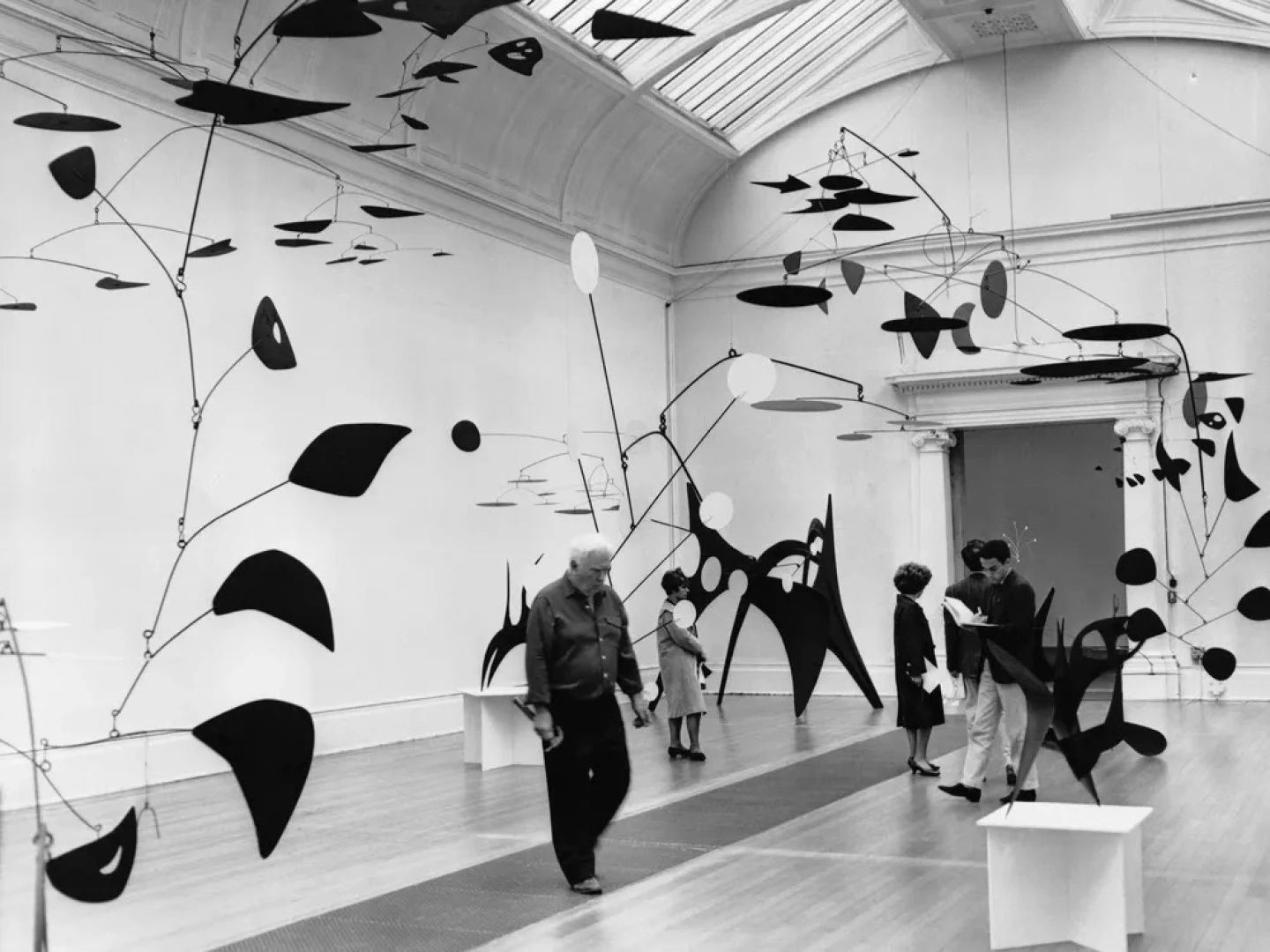
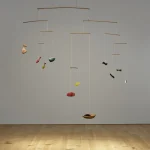
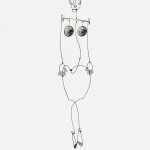
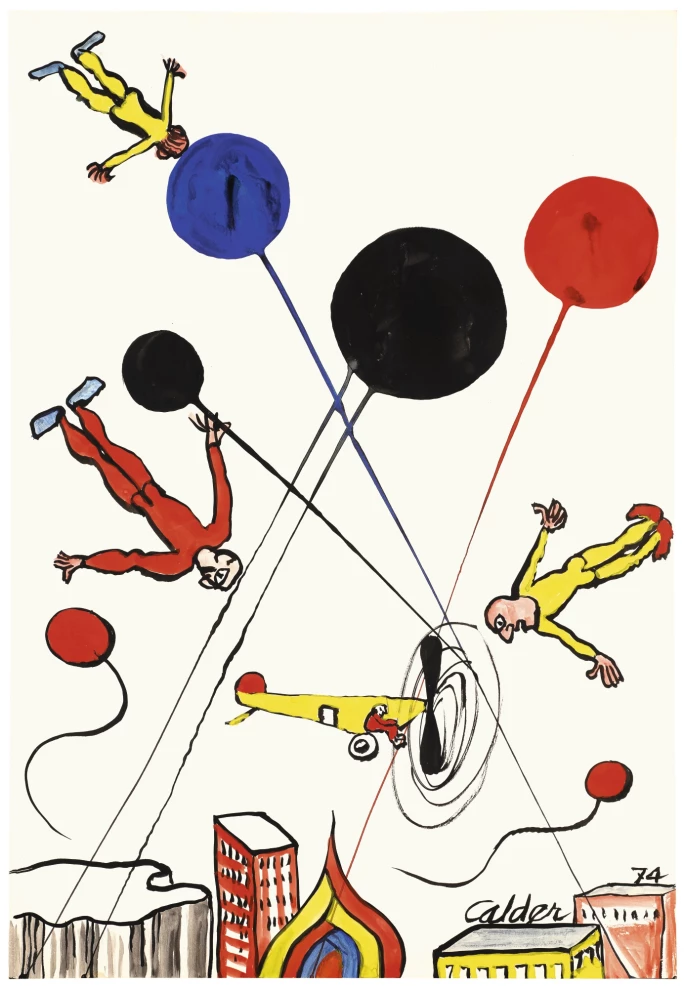
This exhibition is specifically timed to celebrate two major milestones: the centenary of Calder’s arrival in France in 1926 and the fiftieth anniversary of his death. Comprising mobiles, stabiles, wire portraits, paintings, and jewelry, curators Dieter Buchhart and Anna Karina Hofbauer describe it as the “fourth dimension” of time.
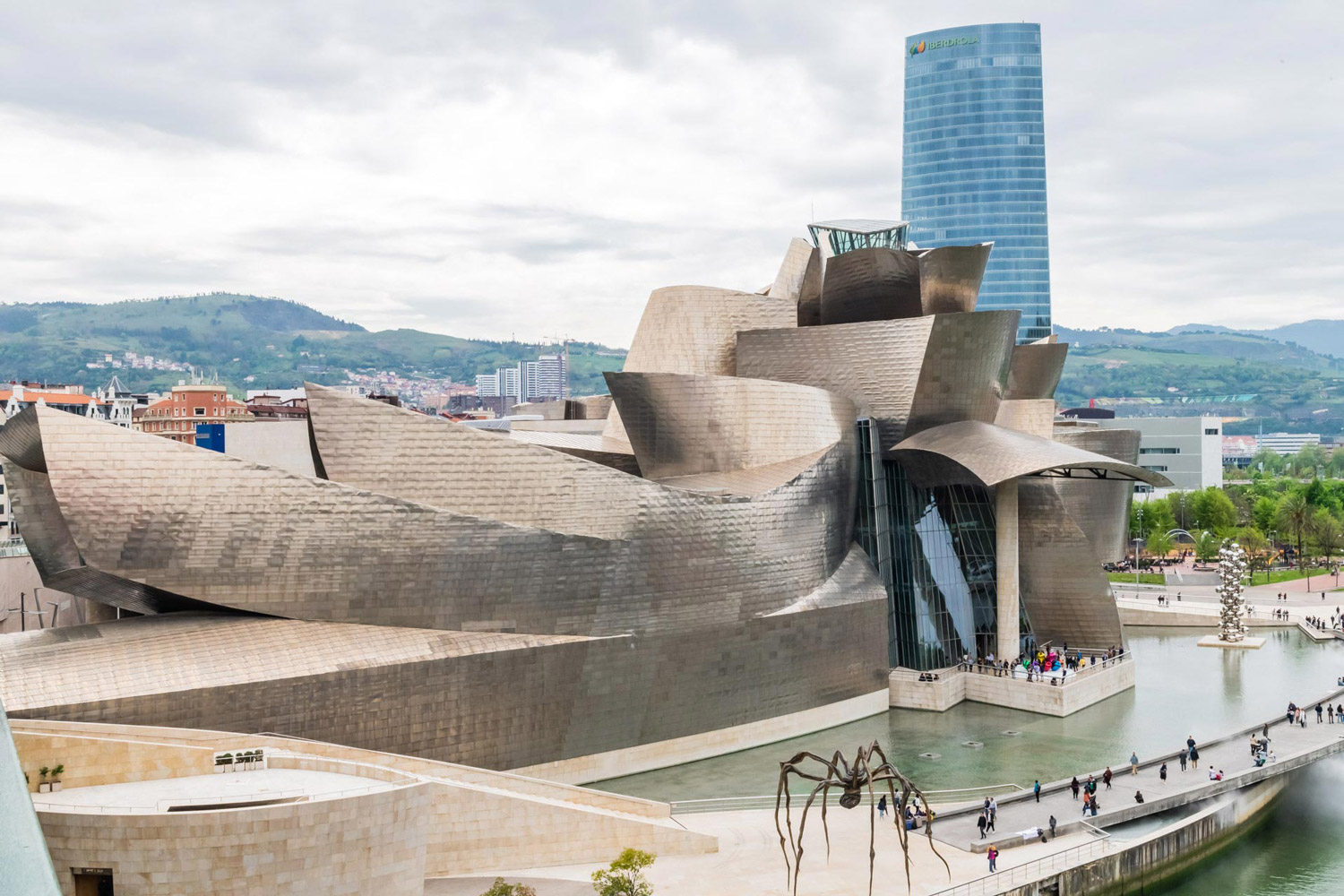
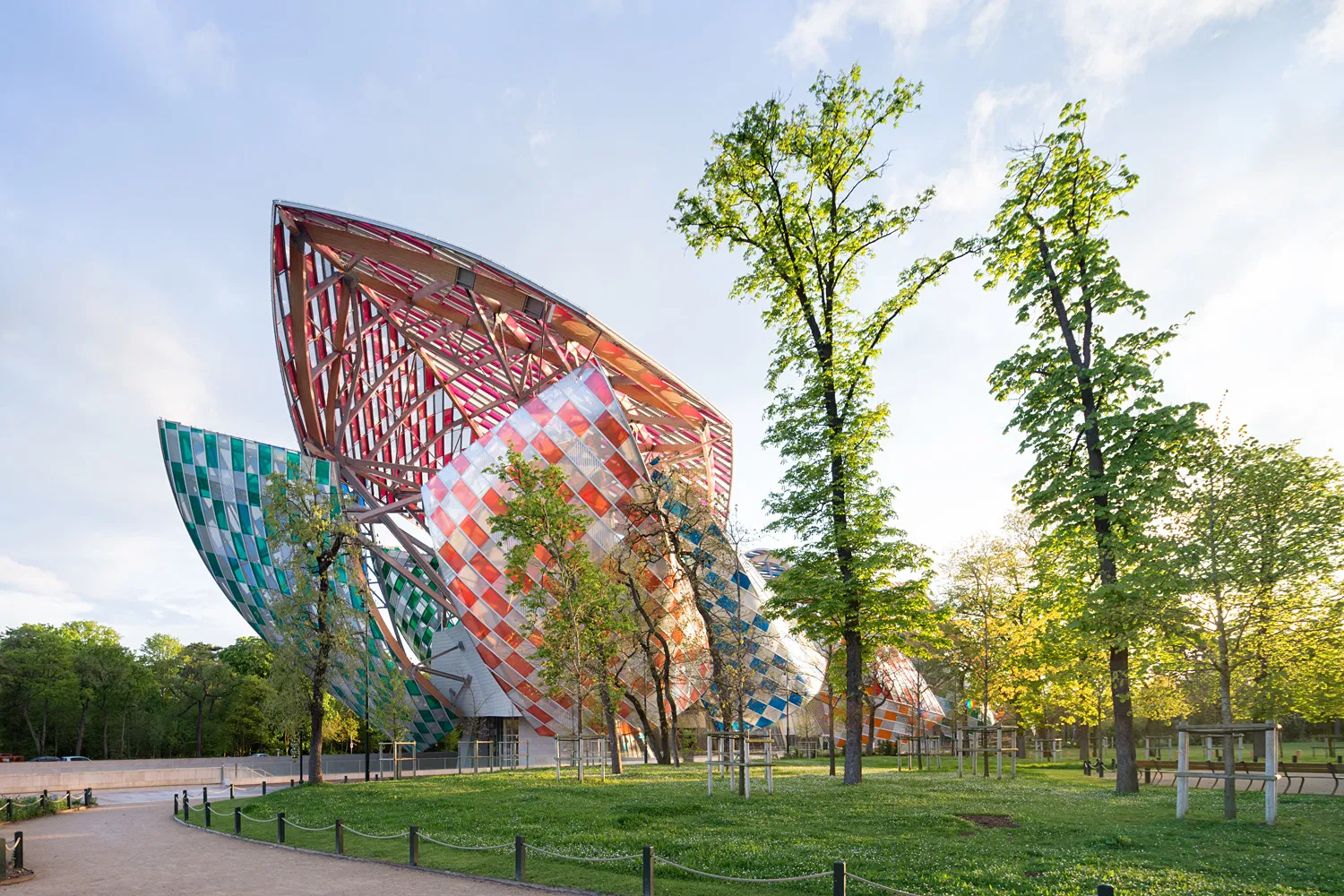
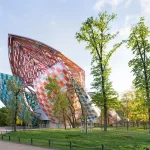
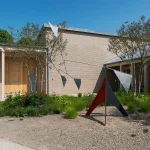
Spanning 3,000 square meters, the entire interior gallery space, along with its exterior lawn, will be utilized for the artist’s expressive works. These will showcase the contrasting dialogue between Calder’s kinetic volumes and the deconstructivist architecture of Frank Gehry, whose glass-and-steel sails provide a rhythmic backdrop for sculptures that react to the slightest atmospheric shifts.
The Cirque Calder and Its Return
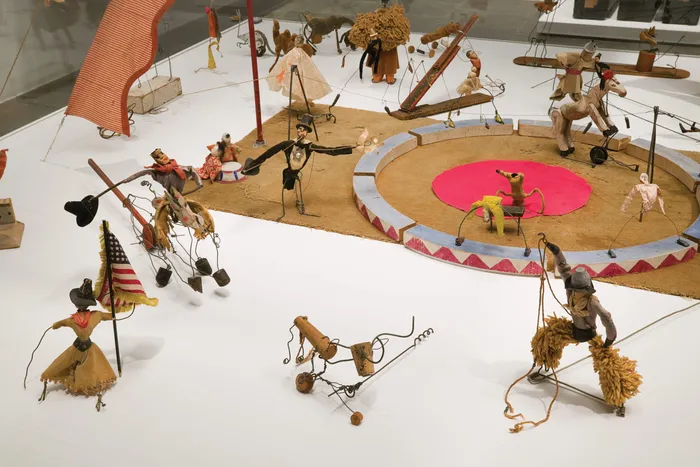
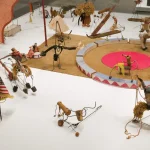
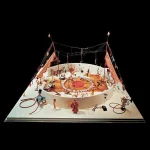
The most striking work, Cirque Calder (1931), is a complex assembly of miniature figures, animals, and circus apparatus made from wire, cork, rubber, cloth, and string that bridges the gap between static sculpture and kinetic performance. It represents the artist’s unique way of animating inanimate objects through mechanical ingenuity and theatrical rhythm. The curation also includes the artist’s later projects, such as the large-scale public commissions that transformed urban landscapes globally.
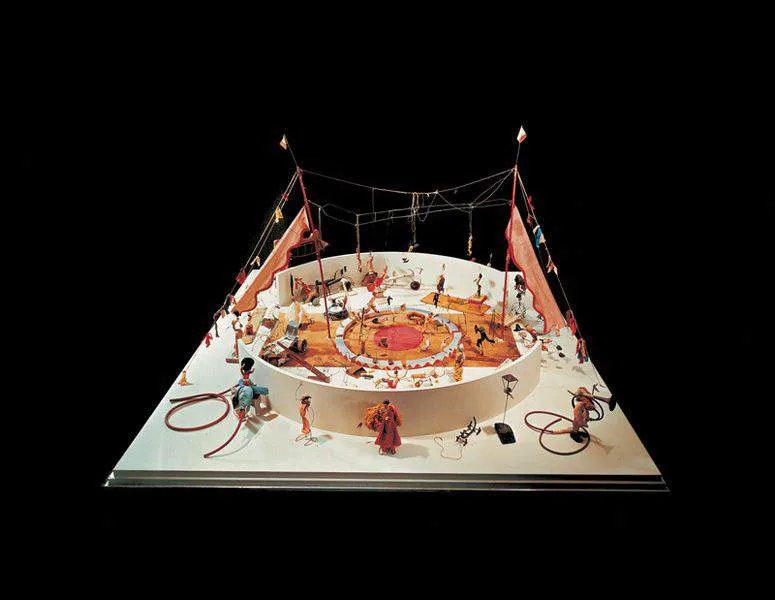
Through a strategic partnership with the Calder Foundation and the Whitney Museum of American Art, the seminal works, such as the Cirque Calder (1931), will return to Paris for the first time in fifteen years. Alexander Calder, trained as a mechanical engineer, brought his unique understanding of structural physics, which transformed the trajectory of 20th-century art. The curation highlights Calder’s early wire sculptures as the first radical break from sculptural tradition.
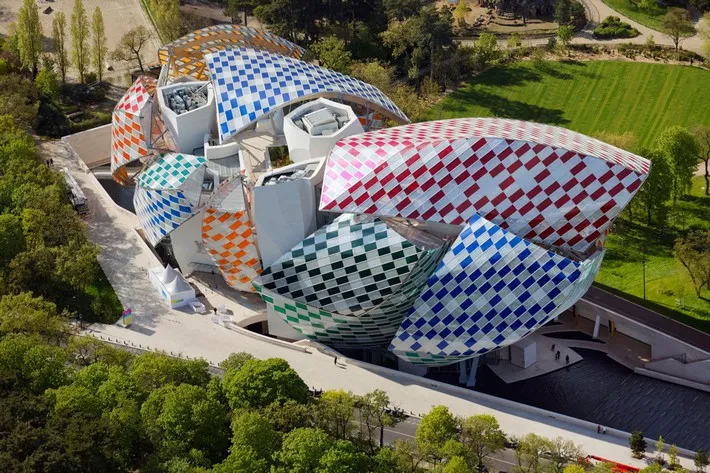
The dialogue between Gehry’s sailing ship and Calder’s flaring forms reveals that neither the art nor the architecture is static; both are designed to be experienced over time and from shifting perspectives. The exhibition is directed by Suzanne Pagé, with Dieter Buchhart and Anna Karina Hofbauer serving as guest curators. The team is assisted by Valentin Neuroth and associate curator Olivier Michelon.
Abstraction and the Fourth Dimension
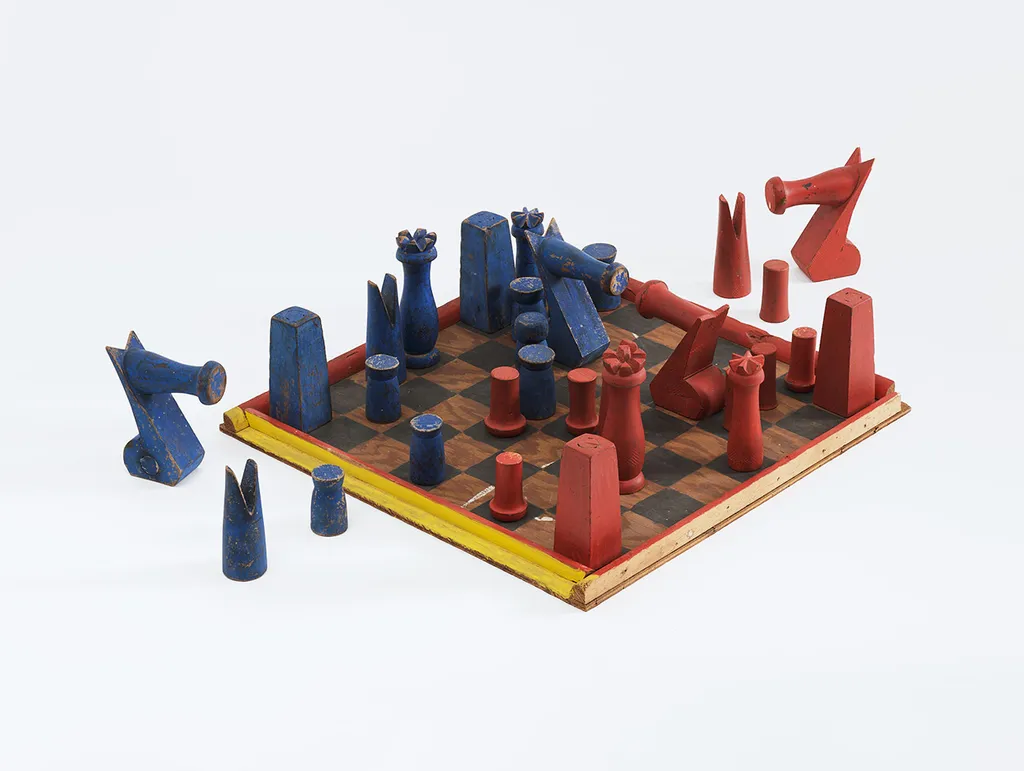
Observing abstract forms, Calder suggested that these forms should be made to oscillate, which was rejected by Mondrian, leading to the birth of the mobile, a term coined by Marcel Duchamp in 1931 to describe Calder’s moving works. The exhibition explores this fourth dimension through approximately 300 works that demonstrate how movement is not just an added effect but a core principle of form and perception.
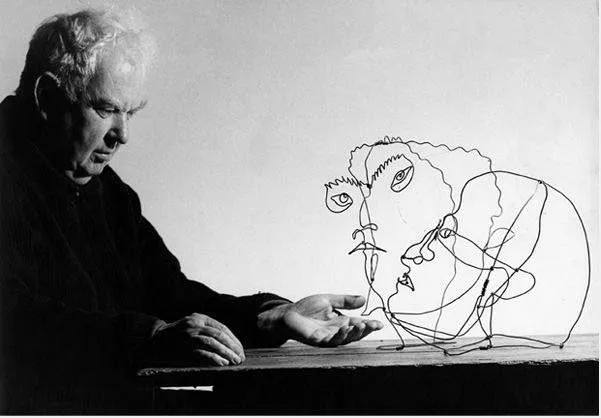
The institutional collaboration is extensive, involving not only the Calder Foundation and the Whitney Museum but also leading international private collectors and museums. The 2026 exhibition at the Fondation Louis Vuitton is expected to create a ripple effect on the perception of kinetic art in the contemporary sphere. Demonstrating a multidisciplinary trend in which sculpture, performance, and installation merge, this exhibition will explore meaning within the delicate, perpetually moving world. The narrative of the exhibition examines Calder’s visits to the studio of Piet Mondrian and his encounter with abstraction.