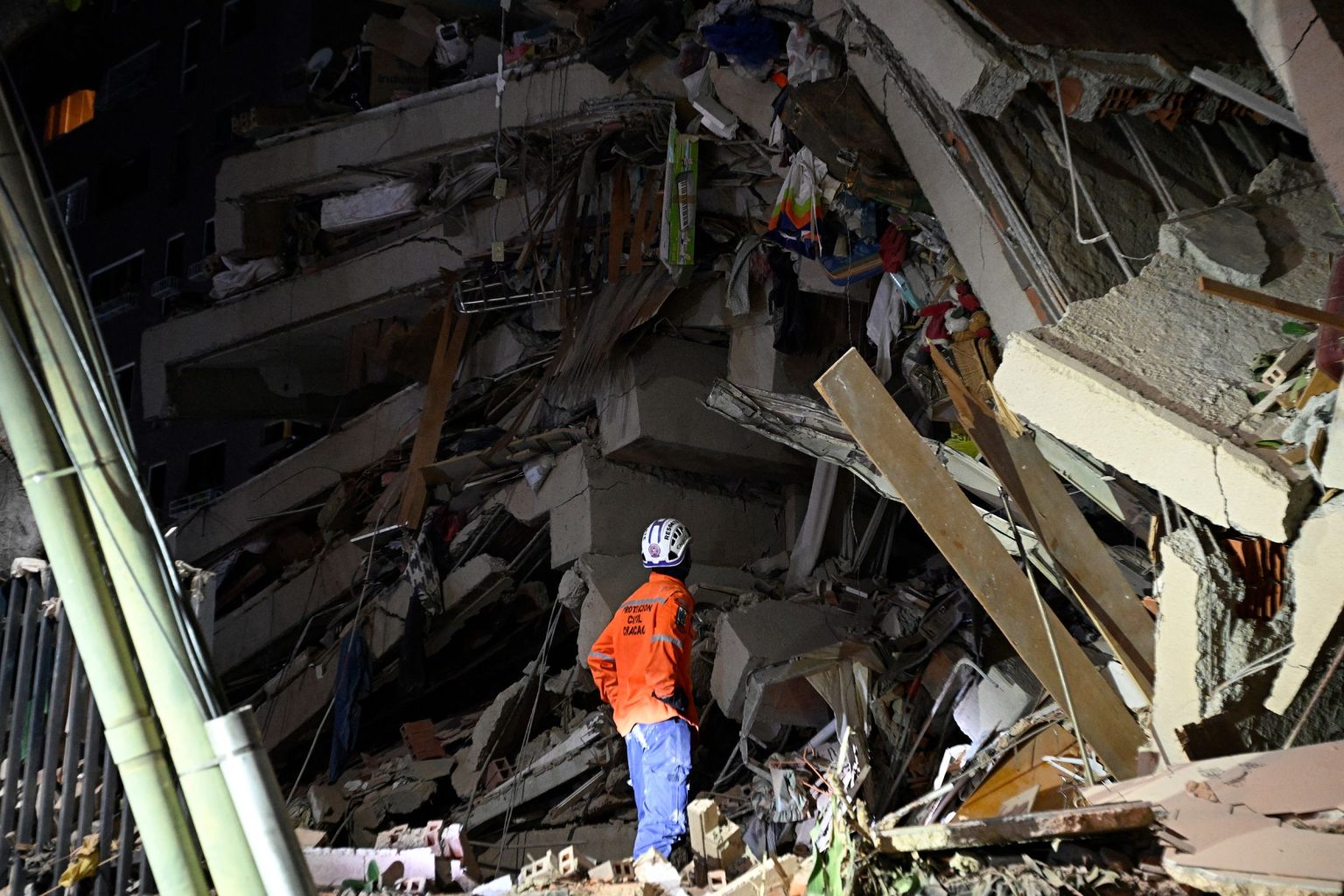


Venezuela is facing a deepening humanitarian and infrastructure crisis after two powerful earthquakes measuring 7.2 and 7.5 magnitude struck within seconds of each other on June 24, triggering widespread destruction across Caracas, La Guaira, and surrounding regions. Rescue teams continue searching through collapsed structures as the death toll rises and thousands remain injured, displaced, or unaccounted for.
The twin earthquakes, among the strongest to hit Venezuela in modern history, exposed long-standing vulnerabilities in the country’s aging infrastructure. Entire residential blocks, hospitals, public buildings, transportation facilities, and utility networks suffered severe damage, leaving emergency responders struggling to reach affected communities.
A Disaster Beyond the Numbers
While casualty figures continue to fluctuate as rescue operations progress, authorities and international agencies report hundreds of deaths and well over a thousand injuries. The hardest-hit coastal state of La Guaira, located near Caracas, has emerged as the epicenter of the humanitarian emergency, where collapsed buildings and blocked roads have complicated rescue efforts. Around 70,000 families are believed to have been affected by the disaster.
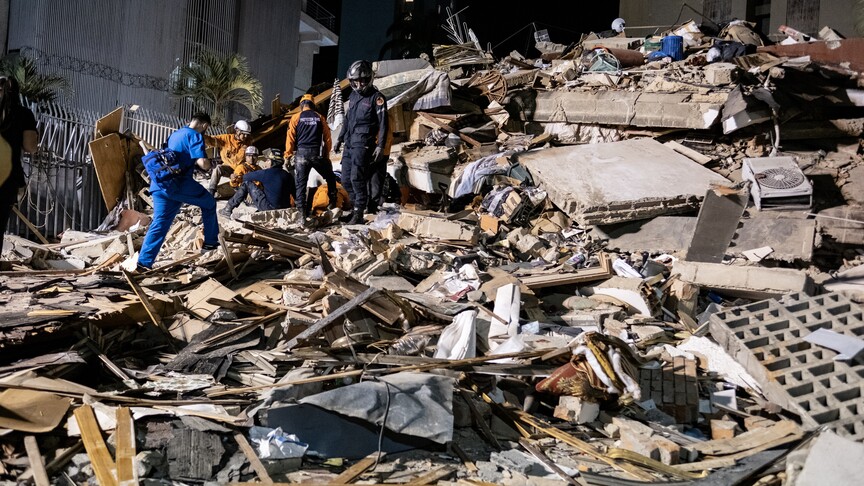
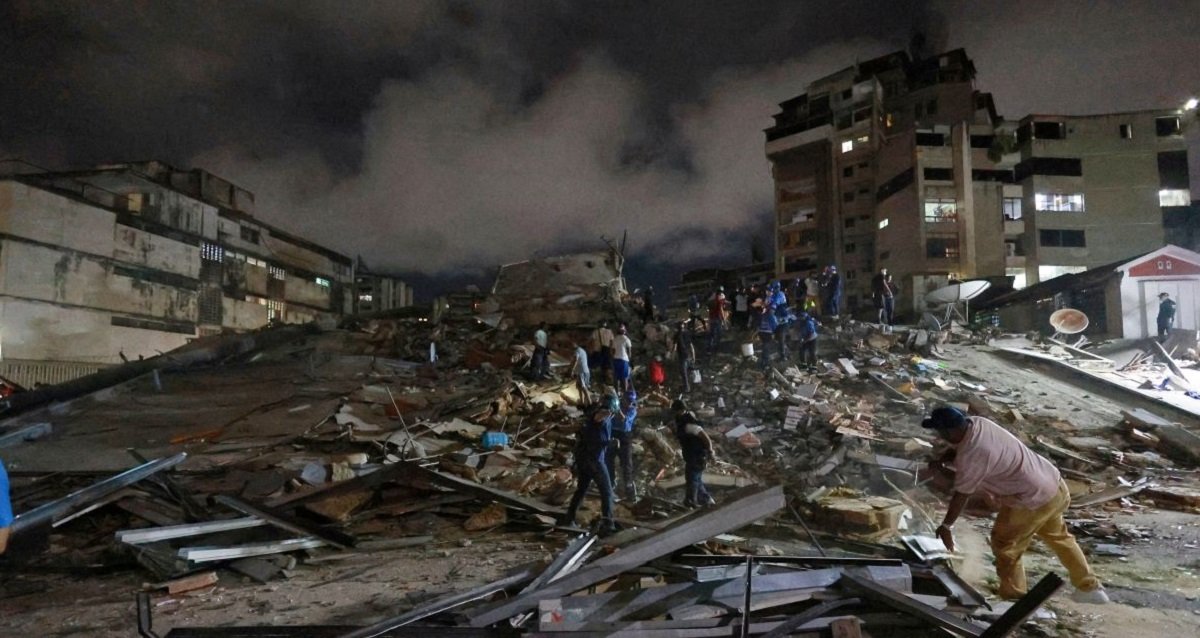
Across devastated neighborhoods, residents have been digging through concrete and twisted steel with bare hands due to shortages of heavy rescue equipment. Hospitals overwhelmed by incoming casualties have reported shortages of medical supplies, while field hospitals are being deployed to manage the growing emergency.
Infrastructure Damage Spreads Across Multiple Sectors
The earthquakes caused extensive structural failures across critical infrastructure networks.
Reuters Reports indicate that at least 250 buildings were damaged or destroyed, including residential towers, healthcare facilities, government offices, and humanitarian service buildings. Several structures partially collapsed, trapping occupants beneath debris and forcing large-scale evacuations.
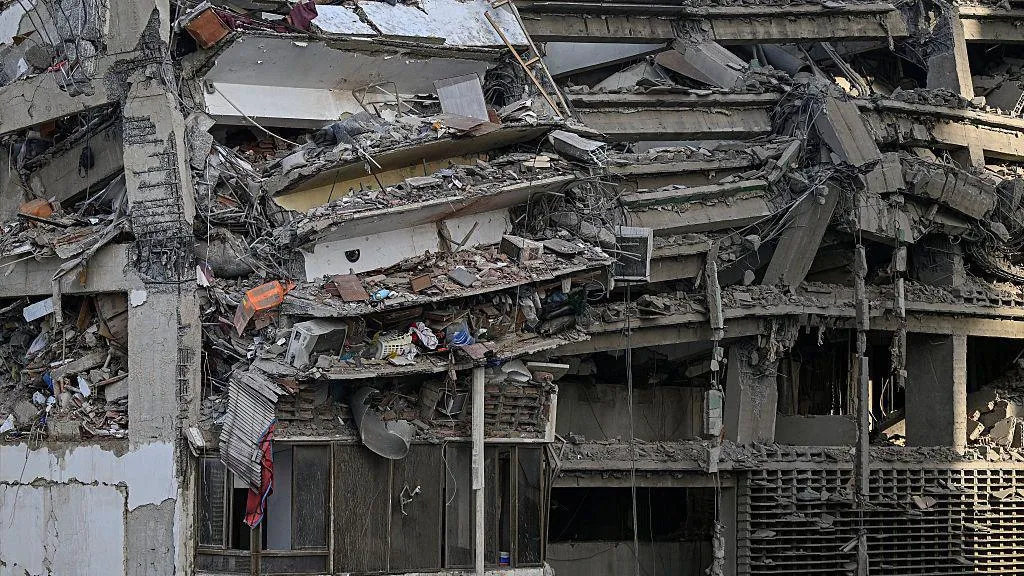
Transportation systems have also suffered major disruption. Authorities temporarily suspended metro and rail operations while engineers assess structural integrity. Damage to airport facilities further complicated relief logistics during the first hours following the disaster.
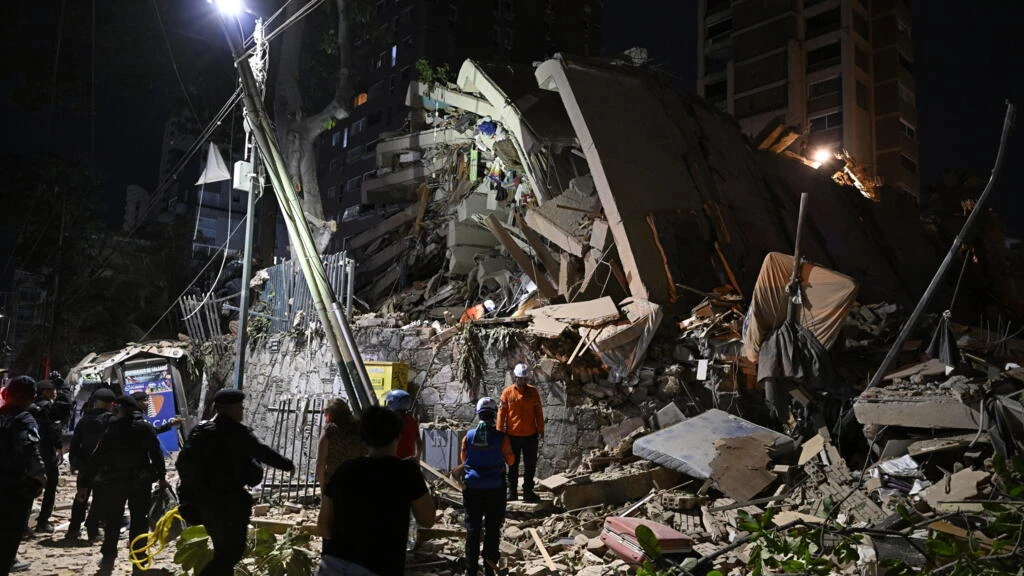
Electricity networks experienced interruptions in several affected regions, adding another layer of difficulty for emergency responders and hospitals already operating under pressure. Communications infrastructure has likewise faced disruptions, prompting international efforts to provide emergency connectivity for rescue operations.
Humanitarian Challenges Intensify
The earthquakes have amplified existing social and economic pressures.
Emergency shelters are receiving displaced families who lost homes in the collapse. In some districts, residents have reported shortages of food, drinking water, medicines, and fuel. Authorities and aid organizations are racing to establish supply corridors as aftershocks continue to rattle affected communities.
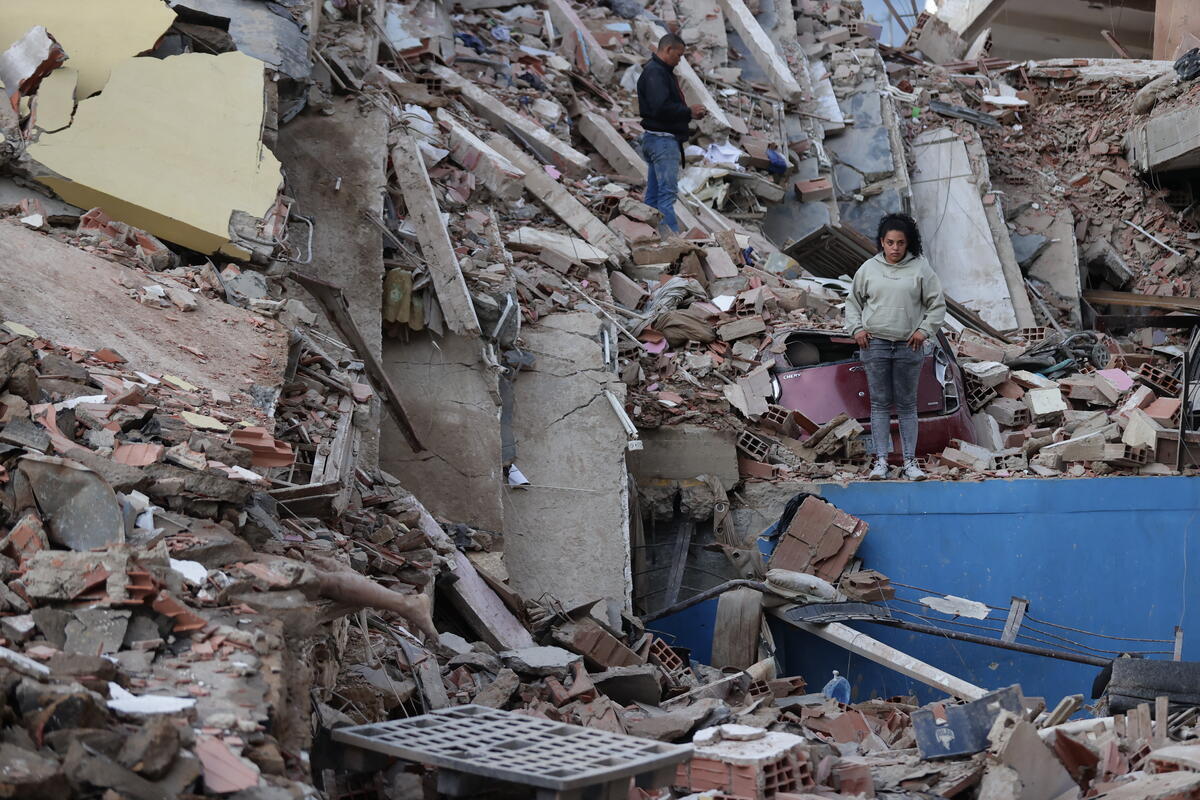
Medical facilities remain among the most strained components of the response. Hospitals in La Guaira and nearby cities are treating large numbers of trauma patients while coping with damaged infrastructure and limited resources. Doctors have warned that the coming days will be critical for both rescue and recovery operations.
Oil Facilities Largely Avoid Catastrophic Damage
One of the most closely watched concerns following the earthquakes was the condition of Venezuela’s energy infrastructure. Early assessments suggest that the country’s major oil facilities escaped catastrophic structural damage, preventing an even larger economic crisis. However, inspections continue as authorities evaluate industrial sites and associated infrastructure.
International Aid Arrives
As the scale of destruction becomes clearer, international assistance has begun arriving from multiple countries. Search-and-rescue teams, emergency medical personnel, humanitarian supplies, and technical support are being mobilized to assist local authorities. The United Nations and several governments have committed support as recovery efforts move into a critical phase.
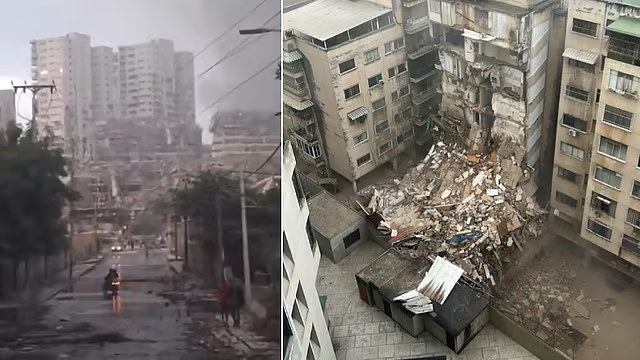
For now, however, Venezuela’s immediate priority remains saving lives. Across damaged neighborhoods, rescue workers, volunteers, doctors, and residents continue working around the clock, searching for survivors beneath the rubble while the country confronts one of the most devastating earthquakes in its recent history.