
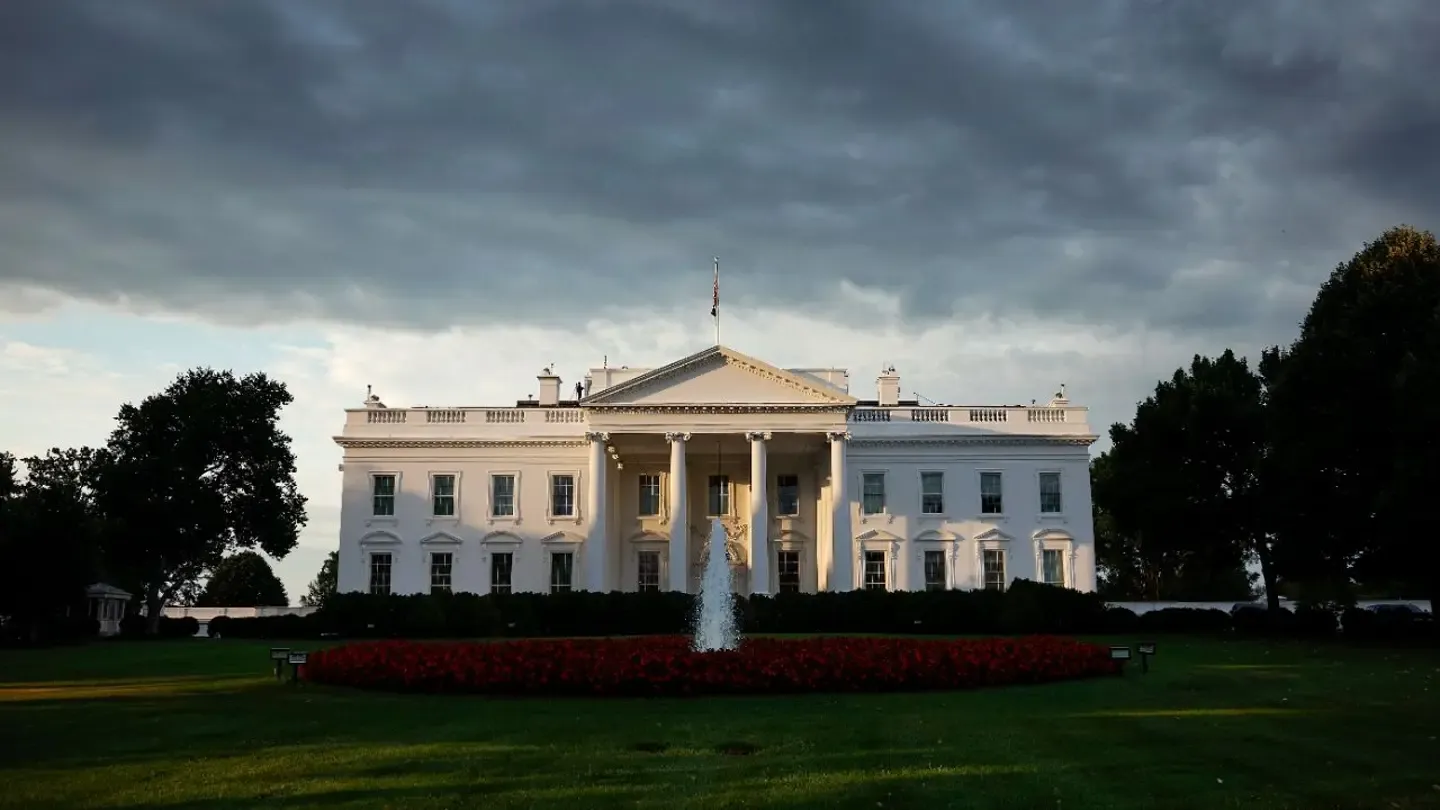
On August 21, 2025, President Donald Trump signed an executive order establishing the National Design Studio (NDS), a White House-based body charged with modernizing the federal government’s digital interface within the Executive Office of the President. The move also launched the “America by Design” initiative, a program aimed at modernizing government services by overhauling how citizens interact with federal websites and platforms.
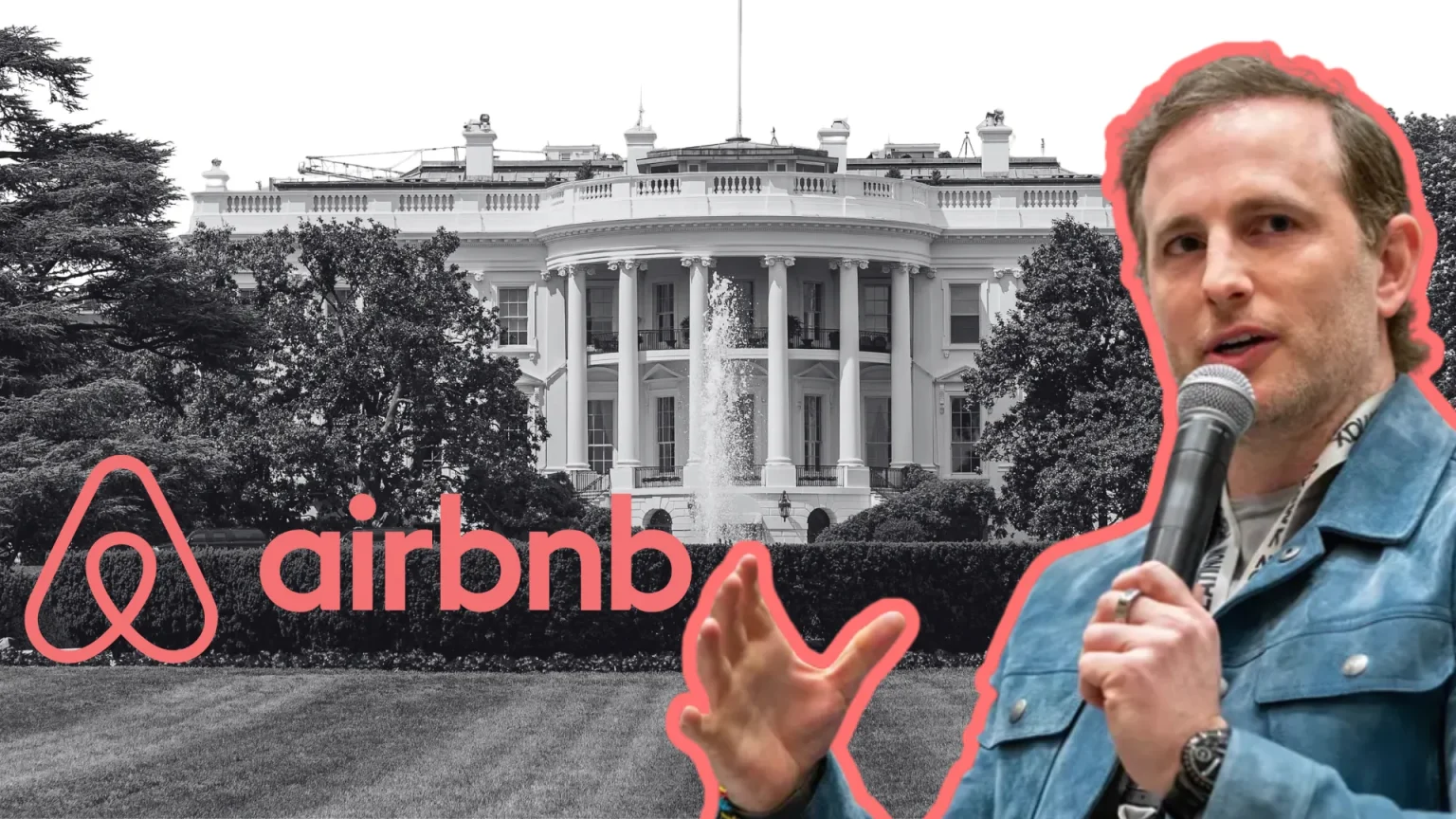
Joe Gebbia, co-founder of Airbnb, has been named the first Chief Design Officer (CDO) of the United States. His mission is to transform more than 26,000 federal websites to deliver an Apple Store-like experience, sleek, intuitive, and built on modern software. The studio’s mandate is to enhance usability, elevate visual standards, and reduce redundant design costs across agencies.

The NDS has been set up as a three-year program, with plans to wind down operations by around August 2028. Its structure places it under the authority of the White House Chief of Staff, a role currently held by Susie Wiles, ensuring that the design effort stays closely tied to presidential priorities and executive oversight.
Airbnb’s Joe Gebbia to Redesign Government Websites in Donald Trump Initiative
Joe Gebbia has set a clear mission statement for his new role: to make U.S. government websites “as satisfying to use as the Apple Store, beautifully designed, offering a great user experience, and powered by modern software.” Gebbia envisions a digital government presence that not only functions efficiently but also projects excellence through a clean, elevated design aesthetic. His goal is to simplify how citizens navigate services while raising the overall standard of interaction with federal platforms.
The scope of work is broad, covering essential touchpoints where Americans most often engage with government services. These include student loan payments, passport renewals, national park planning, Social Security updates, and tax filings, according to The Washington Post. By focusing on these high-traffic areas, the initiative seeks to improve both usability and public trust. Agencies are expected to show measurable progress by July 4, 2026, a symbolic deadline that coincides with the nation’s 250th anniversary of independence.
To achieve these goals, Gebbia will lead a major push in recruitment and coordination. He plans to bring in design talent from the private sector, foster partnerships with established design firms and thought leaders, and ensure that agencies adopt unified, streamlined design systems. This collaborative approach is intended to prevent fragmented efforts and create a cohesive, modernized government web presence.