

For much of modern history, aging has been treated as a problem for medicine, social care, and public policy. Hospitals, nursing homes, rehabilitation centers, and specialized housing have become the familiar architectural responses to an aging population. Yet this approach overlooks a more fundamental question: what if the greatest challenge of aging is not simply how to care for older people, but how to design environments in which growing older does not mean gradually losing access to everyday life?
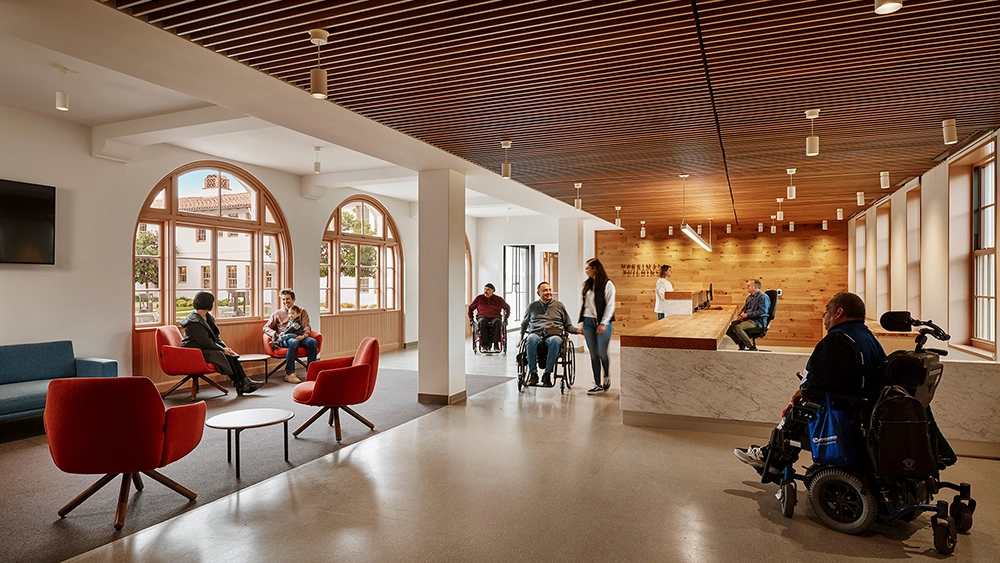
Aging is not an isolated stage of human existence. It is a continuous process that changes how people move, perceive, interact with, and inhabit space. Architecture has a direct role in shaping these experiences. A staircase, a poorly illuminated corridor, an inaccessible entrance, or a public bench placed too far from a pedestrian route can determine whether someone remains independent or becomes increasingly dependent on others. These are not minor technical inconveniences. They are architectural decisions with profound social consequences.
The challenge, therefore, is to move beyond designing buildings specifically for elderly users and begin questioning why so much of our built environment assumes that everyone is young, physically capable, and able to adapt to the limitations imposed by space.
The Architecture of an Age-Exclusive Society
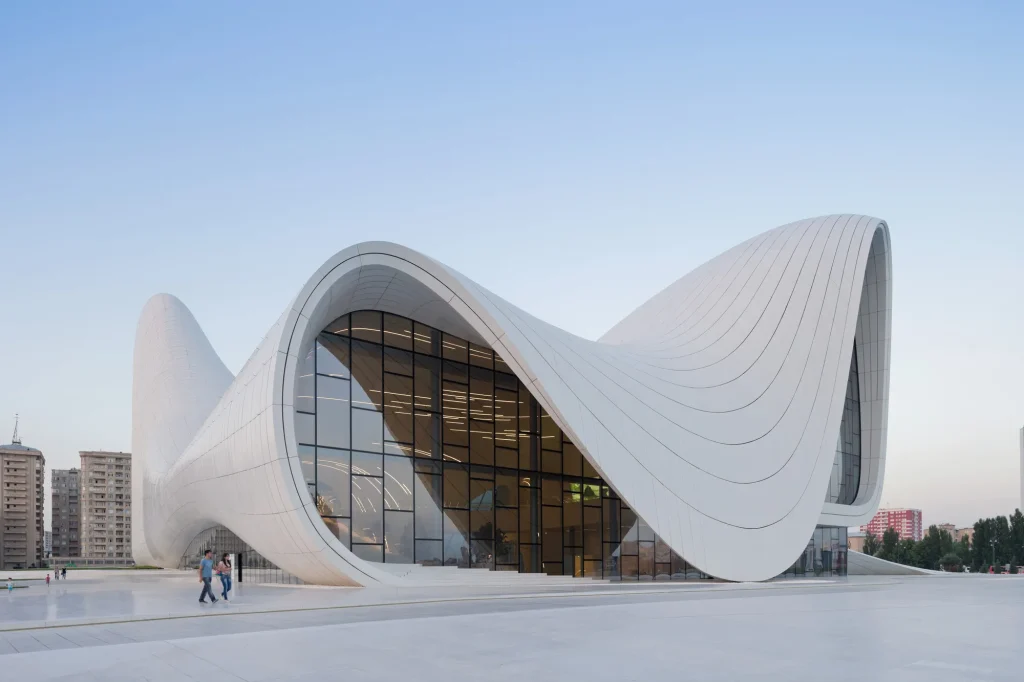
Contemporary architecture often celebrates movement, transparency, openness, and visual simplicity. However, these qualities can conceal an uncomfortable assumption about the human body. Long corridors, extensive staircases, slippery surfaces, heavy doors, narrow circulation spaces, and confusing spatial sequences frequently reflect design priorities that privilege physical ability over human diversity.
The problem is not that architecture has failed to accommodate older people as a separate demographic. The deeper problem is that architectural standards have historically been shaped around an imaginary average user. This supposedly universal body is able to walk long distances, maintain balance, recognize visual information quickly, hear announcements clearly, and navigate unfamiliar environments without assistance.
Such a user does not exist in reality.
Human abilities fluctuate throughout life, sometimes gradually and sometimes unexpectedly. A temporary injury, reduced vision, hearing loss, chronic fatigue, or changes in balance can transform an otherwise ordinary building into an obstacle course. Designing for longer lives requires architects to recognize this variability as a normal condition of human existence rather than an exception requiring special treatment.
This shift challenges the conventional distinction between standard architecture and accessible architecture. Accessibility should not be understood as an additional layer applied after the main design has been completed. It should influence the organization of space, the selection of materials, the design of circulation, and the relationship between buildings and their surroundings from the beginning.
Beyond the Nursing Home: Rethinking Where We Grow Old
One of the most significant architectural questions surrounding aging concerns the relationship between people and their homes. Housing is not simply a physical container. It is a repository of habits, memories, personal objects, relationships, and everyday routines. Leaving a familiar home can therefore involve much more than changing an address.
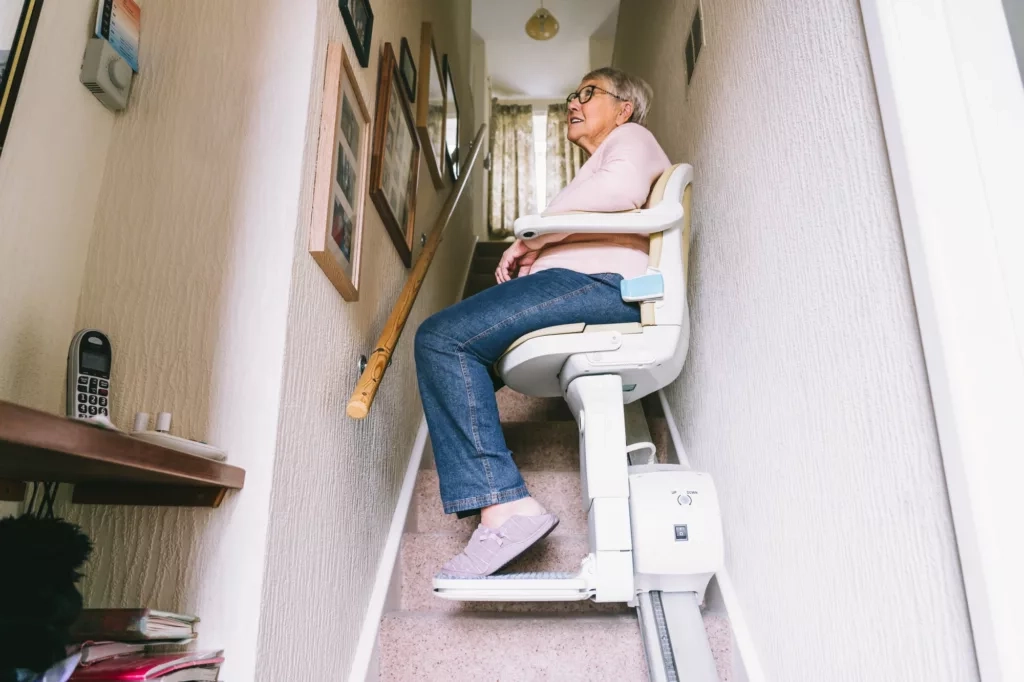
Nevertheless, much contemporary housing remains poorly equipped for the realities of longer life. Multi-story houses without lifts, bathrooms with inadequate maneuvering space, kitchens designed around standing activities, and entrances with level changes can gradually restrict the independence of their occupants.
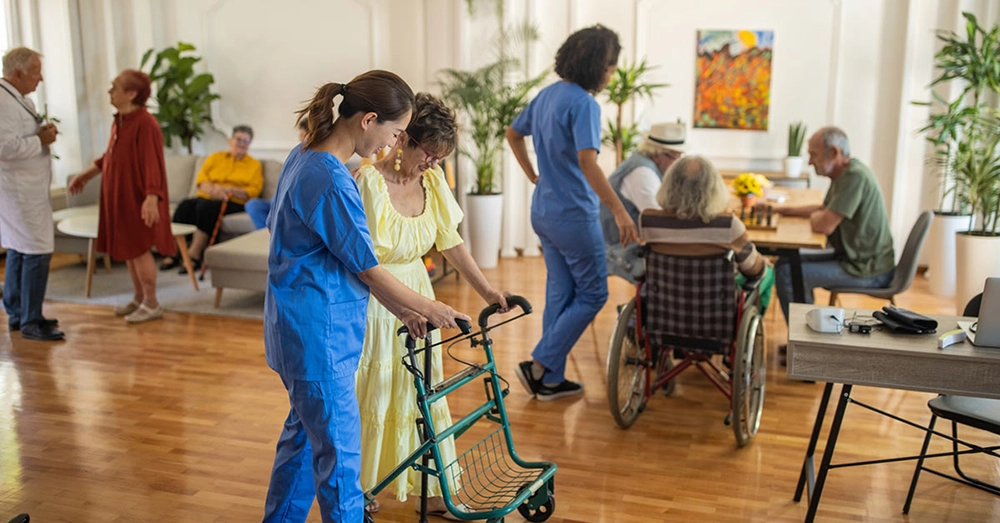
The conventional response is often to relocate older residents to specialized facilities. While such environments can provide essential care, treating institutional accommodation as the inevitable destination of aging raises serious questions about autonomy, dignity, and social belonging.
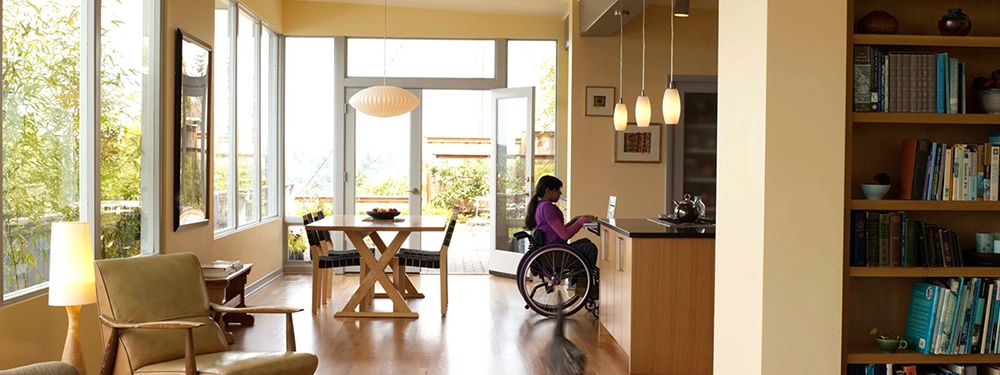
Architecture should instead explore how ordinary housing can support changing physical needs without forcing residents to abandon familiar environments. Adaptable floor plans, step-free entrances, flexible bathrooms, accessible storage, and appropriately designed circulation spaces can allow homes to evolve alongside their occupants.
Importantly, adaptability does not mean turning every house into a clinical environment. The objective is almost the opposite: to make supportive features so naturally integrated into domestic architecture that they do not dominate its visual or spatial character.
A well-designed home should not announce its occupant’s age. It should simply continue to work as life changes.
The City as an Extension of the Home
Aging cannot be understood exclusively through the design of residential buildings. The quality of later life is equally determined by the spaces between them: pavements, public squares, transport stations, parks, neighborhood streets, and everyday commercial environments.
A person may live in a comfortable, accessible apartment and still experience profound isolation if reaching the nearest shop requires crossing a dangerous intersection or walking along an uneven pavement. A nearby park may technically be public, yet remain practically inaccessible because it offers insufficient seating, shade, or accessible pathways.
This reveals an important limitation in contemporary urban planning. Cities are frequently evaluated through indicators such as density, connectivity, land value, and development potential, while the ordinary physical experience of moving through them receives less attention.
For older residents, the distance between two destinations is not necessarily measured in meters. It is also measured in physical effort, perceived safety, opportunities to rest, and the availability of accessible infrastructure.
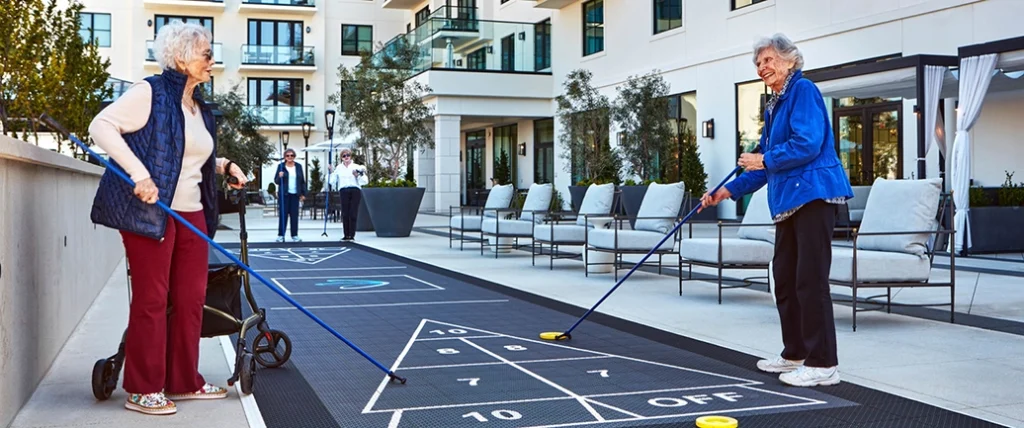
The design of a successful age-inclusive city therefore requires a different understanding of proximity. Essential services should be distributed within comfortable walking distances, pedestrian routes should be continuous and legible, and public spaces should provide opportunities for resting without requiring consumption.
The last point deserves particular attention. In many cities, sitting comfortably has increasingly become associated with commercial environments. Cafés and restaurants offer places to rest, but only for those willing and able to pay. Public seating, by contrast, is frequently removed, poorly maintained, or designed without considering the needs of people who cannot remain standing for extended periods.
A genuinely inclusive public realm must recognize resting as a basic urban necessity rather than a commercial activity.
Designing for Sensory Change
Architecture is usually discussed through its visual qualities, yet aging can alter the way people experience sound, light, texture, temperature, and spatial orientation.
A building that appears visually sophisticated to a young designer may become confusing or uncomfortable for someone experiencing reduced vision or hearing. Reflective flooring can create misleading visual impressions. Excessive contrast may make surfaces difficult to interpret. Poor acoustic conditions can make conversations exhausting, while inconsistent lighting can complicate movement between interior and exterior spaces.
These issues require architects to reconsider the relationship between sensory experience and spatial design.
Lighting, for example, should not be treated merely as an aesthetic instrument. It influences orientation, confidence, and the perception of distance. Natural daylight, controlled glare, consistent illumination, and carefully positioned artificial lighting can make everyday activities easier and safer.
Material selection also deserves greater attention. Tactile differences can help communicate transitions between spaces, while appropriate surface textures can improve physical confidence. Acoustic materials can reduce unnecessary background noise, making communal environments more comfortable and socially accessible.
The objective is not to create environments that eliminate every sensory challenge. Rather, it is to design spaces that communicate clearly through multiple sensory channels. Architecture should not depend entirely on the assumption that everyone sees, hears, and interprets the built environment in the same way.
The Social Architecture of Longevity
Perhaps the most overlooked dimension of aging is its relationship with social life. Physical accessibility is essential, but an accessible building can still be socially isolating. A residential complex may contain ramps, lifts, and compliant bathrooms while offering almost no opportunities for meaningful interaction.
The organization of shared spaces becomes particularly important in this context. Corridors, entrances, gardens, communal kitchens, courtyards, and ground-floor facilities can either encourage casual encounters or reinforce separation between residents.
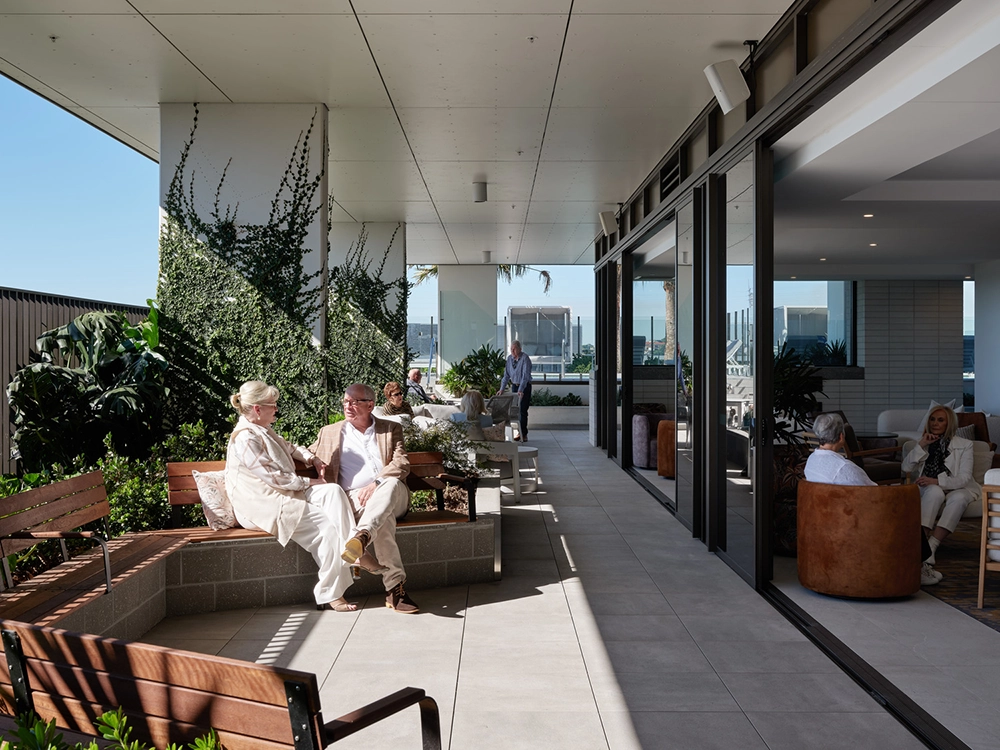
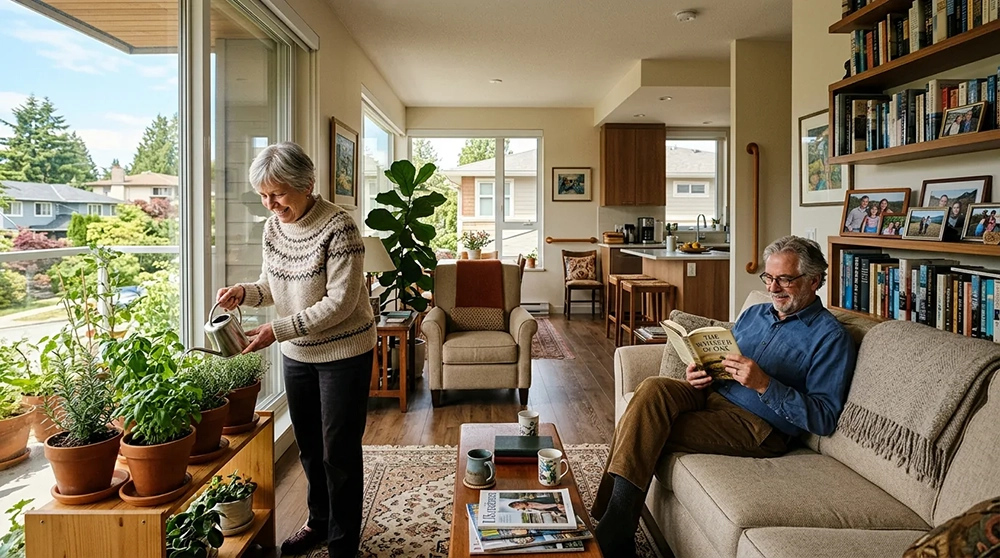
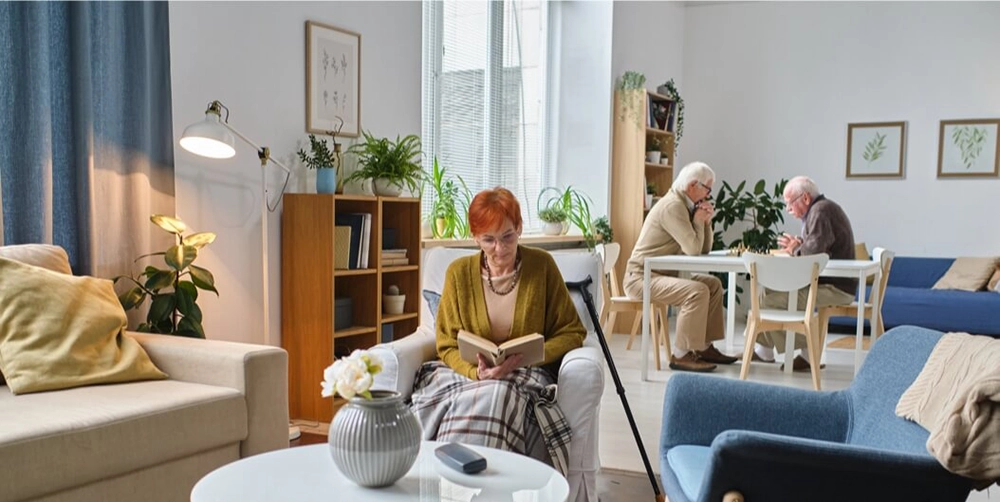
Architecture has the capacity to create conditions for social interaction without forcing it. A small communal garden, a shared entrance facing a public street, or a seating area overlooking an active courtyard can generate opportunities for everyday contact.
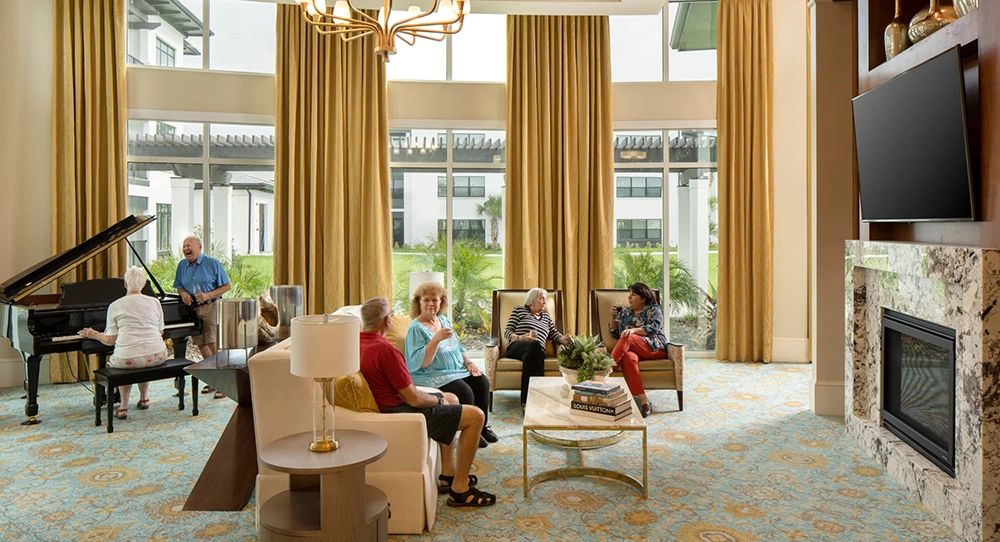
These spaces should avoid the institutional atmosphere often associated with elderly accommodation. Social participation is not a therapeutic activity that needs to be scheduled and supervised. It is part of ordinary urban and domestic life.
There is also a need to reconsider how residential environments are organized across generations. Housing developments that combine different household types, ages, and living arrangements can challenge the tendency to separate older residents into specialized residential enclaves.
Intergenerational architecture should not be reduced to placing different age groups in the same building. It requires a more thoughtful spatial arrangement in which residents have reasons to encounter one another, share resources, and participate in common activities while maintaining privacy and independence.
A neighborhood becomes more resilient when its architecture supports relationships rather than simply accommodating individuals.
The Problem with Designing for an Imaginary Future
The growing interest in aging populations has created opportunities for technological innovation in architecture. Smart homes, automated lighting, sensor-based monitoring, responsive environments, and digital assistance systems are increasingly presented as solutions to the challenges of independent living.
These technologies can provide valuable support, but their presence should not become an excuse for neglecting fundamental architectural quality.
A sensor cannot compensate for an inaccessible entrance. An automated system cannot replace a well-designed neighborhood. A sophisticated monitoring device does not necessarily address loneliness or the loss of meaningful public participation.
There is also a risk that technology-driven housing will transform domestic environments into systems of continuous observation. When every movement is monitored in the name of safety, the boundary between assistance and surveillance becomes increasingly uncertain.
Architects must therefore approach technological integration critically. The question should not simply be what technology can be installed, but whether it improves the occupant’s control over their environment.
Good architecture gives people choices. It does not make independence conditional upon constant technological supervision.
Longevity as a New Measure of Architectural Quality
The demographic reality of longer lives requires a fundamental reassessment of architectural value. Buildings should not be evaluated exclusively through their initial appearance, construction cost, energy performance, or marketability. Their ability to remain useful, adaptable, and meaningful over several decades should also become a central measure of quality.
This has direct implications for architectural education and professional practice. Students should be encouraged to consider the changing capacities of occupants throughout the design process, rather than treating accessibility as a technical requirement addressed at the final stages. Housing projects should be evaluated through scenarios that consider different physical abilities and changing household needs. Public buildings should be assessed not only by their capacity to accommodate large numbers of visitors but also by how comfortably and independently those visitors can use them.
There is an economic dimension to this discussion as well. Designing adaptable buildings may require additional consideration during the initial design and construction stages, but environments that can accommodate changing needs are less likely to require disruptive alterations or premature replacement.
More importantly, such an approach challenges the culture of architectural obsolescence. If buildings are designed around narrow assumptions about their users, they become outdated not necessarily because their structures have deteriorated, but because the people inhabiting them have changed.
Architecture should be capable of aging alongside its occupants.
A Built Environment That Does Not Abandon Us
Designing for longer lives is ultimately a question about the kind of society architecture helps construct. It asks whether buildings and cities are designed for people as they actually are, with different abilities, changing bodies, unpredictable circumstances, and varying needs, or whether they continue to privilege a limited image of the ideal user.
The significance of this question extends far beyond the needs of older generations. A step-free entrance benefits parents with strollers, people recovering from injuries, and anyone carrying heavy objects. Clear circulation helps visitors unfamiliar with a building. Comfortable seating supports people of different ages and physical capacities. Adaptable housing creates possibilities for changing family structures and lifestyles.
Age-inclusive architecture is therefore not a specialized architectural category. It is a more complete understanding of what architecture is supposed to do.
The ambition should not be to design cities that simply accommodate people after they become old. It should be to create environments in which growing older does not gradually reduce one’s ability to participate in ordinary life.
Perhaps the real measure of architectural progress is not how impressive a building looks when it is first completed, but how well it continues to serve the people who inhabit it as their lives inevitably change.