



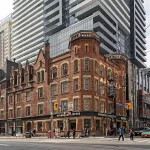

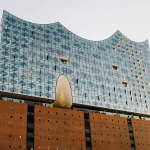

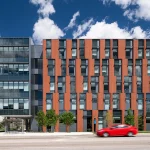
Luxury architecture has spent decades perfecting the art of being noticed. Monumental entrances, imported stone, sculptural staircases, oversized glazing, and carefully staged interiors have become familiar instruments for communicating status. Yet as these visual languages spread across cities and continents, an uncomfortable question emerges: when buildings look increasingly alike, regardless of where they stand, what makes a place genuinely exceptional?
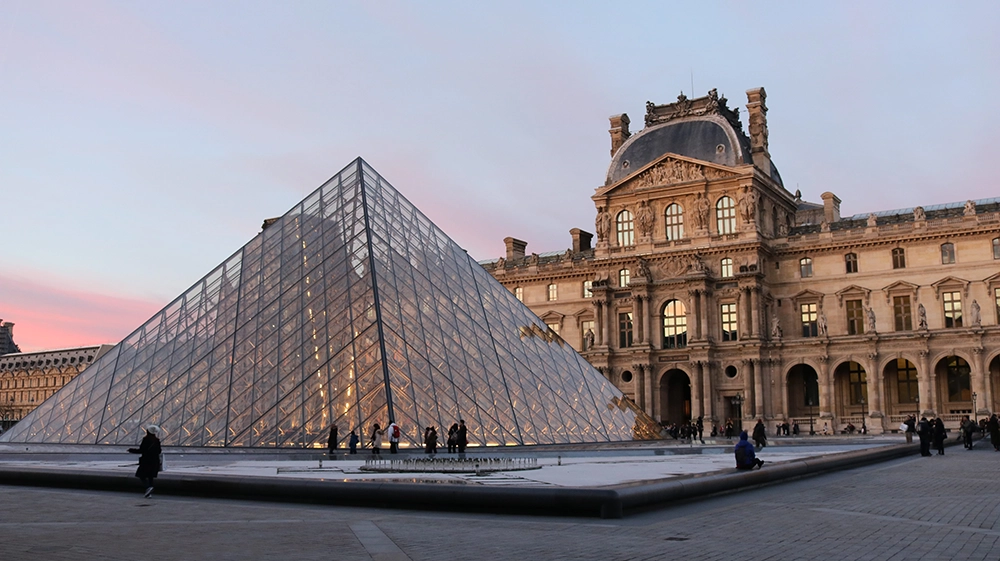
Perhaps the answer lies in something architecture has gradually learned to overlook. Not extravagance, but relevance. Not the ability to dominate a landscape, but the intelligence to understand it. In an era when almost any aesthetic can be reproduced, context is becoming one of architecture’s rarest and most valuable resources. Context is the new luxury because it offers something money alone cannot guarantee: a meaningful relationship between a building, its environment, and the lives unfolding around it.
The Problem with Architecture Without a Place
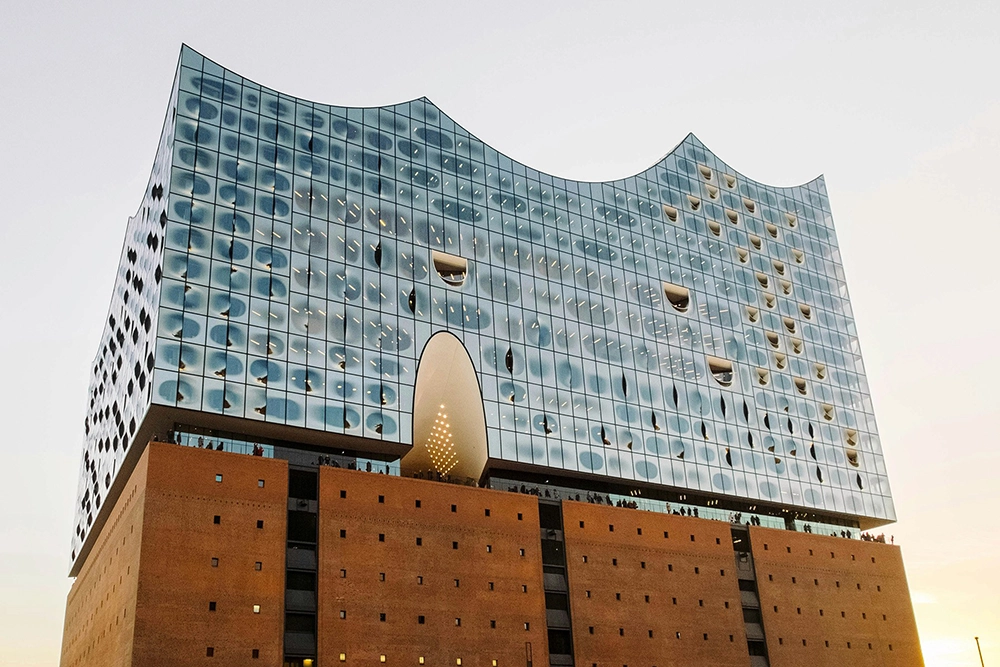
Globalization has made architectural imagery remarkably portable. A luxury residence in Dubai can borrow the visual language of a Mediterranean villa, while a boutique hotel in Tehran or Shanghai can reproduce the atmosphere of a minimalist retreat in Kyoto. Digital platforms accelerate this circulation, turning buildings into references, references into design templates, and templates into commercial expectations.
There is nothing inherently wrong with architectural exchange. Architecture has always developed through migration, trade, technological transfer, and cultural encounter. The problem begins when inspiration becomes substitution, when the visual identity of a place is replaced by an internationally recognizable aesthetic designed to communicate exclusivity.
The resulting buildings may be technically sophisticated and visually polished, yet remain strangely disconnected from their surroundings. Their façades ignore local patterns of sunlight, their entrances disregard established relationships between public and private space, and their interiors reproduce lifestyles that have little connection to the everyday realities of their occupants. The architecture looks expensive because its materials and finishes announce their cost. Whether it belongs is another matter entirely.
This is the contradiction of contemporary luxury: the more successfully architecture detaches itself from its geographical and cultural conditions, the more it risks becoming interchangeable. Exclusivity becomes a product category rather than a spatial experience.
Context Is More Than a Visual Reference
Architectural context is often reduced to a stylistic exercise. Designers incorporate a traditional motif, select a locally familiar material, or reinterpret a historic roofline to establish a connection with place. These gestures can be meaningful, but they can also become superficial decorations applied to buildings whose fundamental logic remains unchanged.
A deeper understanding of context begins with questions rather than images. How does sunlight move across the site throughout the year? Where does the wind come from, and how might the building respond to it? What forms of social interaction already exist in the neighborhood? How do residents occupy thresholds, courtyards, streets, and shared spaces? What histories have shaped the ground on which the project will stand?
These questions transform context from an aesthetic reference into a design method. They influence orientation, massing, circulation, material selection, structural systems, and the relationship between interior and exterior. Instead of asking how a building can resemble its surroundings, architects begin asking how it can participate in them.
Consider the courtyard house in the hot, arid regions of Iran. Its architectural intelligence cannot be understood simply through the visual appeal of its central garden, brick walls, or shaded openings. The courtyard organizes privacy, mediates between indoor and outdoor environments, and establishes a carefully controlled relationship with sunlight and air. Its value emerges from the interaction of climate, cultural practice, spatial organization, and construction.
Reproducing the courtyard as a decorative feature in a contemporary building does not necessarily preserve this intelligence. The real challenge is to translate its underlying principles into present-day conditions, adapting them to new patterns of occupation, contemporary construction methods, and changing environmental demands. Contextual architecture is not about freezing tradition in time. It is about understanding why particular architectural solutions emerged and determining what they can still teach us.
Climate Responsiveness as a Form of Sophistication
For much of the recent history of high-end architecture, technological control has been treated as evidence of progress. Entire glazed façades, mechanically conditioned interiors, and uninterrupted views have become symbols of contemporary refinement, even in climates where these choices create substantial environmental demands.
The irony is that buildings designed to exclude their climatic surroundings often require increasingly complex systems to compensate for that separation. Solar gain must be controlled, artificial cooling must counter overheating, and mechanical ventilation must replace natural air movement. Technical sophistication becomes a way of managing problems that the original design may have intensified.
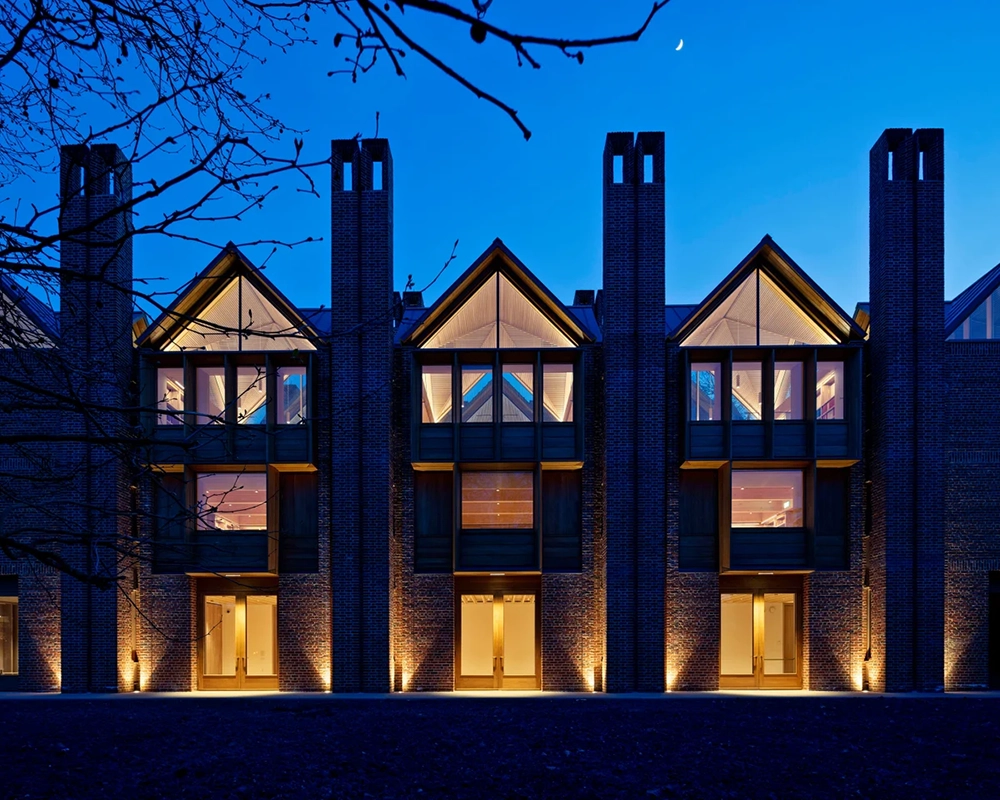
A context-sensitive approach offers a different understanding of comfort. Deep reveals, external shading, carefully positioned openings, thermal mass, insulated envelopes, and appropriately designed outdoor spaces can reduce environmental loads while creating richer architectural experiences. These strategies do not eliminate the need for mechanical systems, nor are traditional techniques automatically efficient under contemporary conditions. Their effectiveness depends on climate, occupancy, construction quality, and the integration of passive and active systems.
The luxury lies in precision. A building that responds intelligently to its particular environment can offer comfort without relying exclusively on energy-intensive intervention. Light changes throughout the day, shaded areas become places of occupation, and seasonal variations contribute to the experience of space rather than being treated merely as disturbances to be controlled.
In this sense, climate responsiveness is not an aesthetic preference or a nostalgic return to vernacular architecture. It is a form of architectural competence. As extreme heat, resource scarcity, and energy insecurity become increasingly pressing concerns, the ability to design with environmental conditions rather than against them will become an essential measure of quality.
The Luxury of Cultural Specificity
Architecture is never culturally neutral. The arrangement of rooms, the treatment of entrances, the degree of visual exposure, and the relationship between domestic and collective space all reflect assumptions about how people live together. When international design models are transferred without examining these assumptions, buildings may reproduce an image of modernity while failing to support the social practices of their users.
Cultural context does not require architects to reproduce historical forms or assign fixed identities to entire populations. Such approaches can quickly become restrictive, particularly in cities shaped by migration, generational change, and increasingly diverse ways of living. The task is more subtle: to recognize that architecture operates within existing networks of meaning, memory, and social expectation.
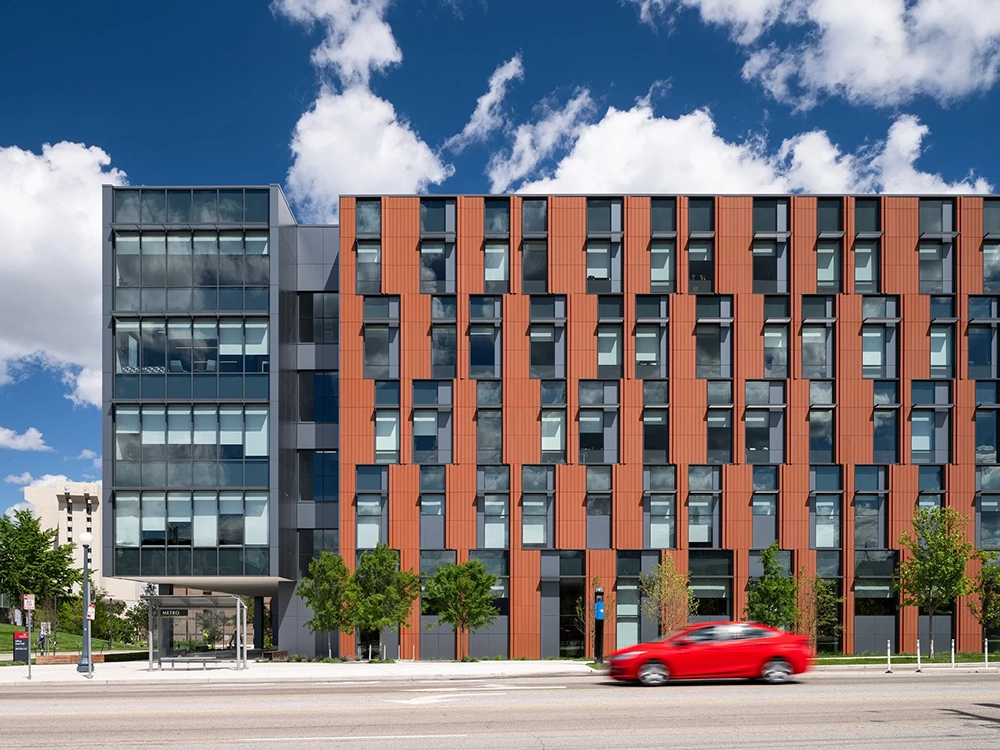
A residential building, for example, can respond to cultural patterns through the design of transitional spaces, degrees of privacy, shared circulation, and opportunities for informal interaction. A cultural institution can acknowledge the histories of its location without turning them into a simplified narrative for visitors. A public building can establish a sense of collective ownership through accessible entrances, inviting ground floors, and spaces that remain useful beyond formal operating hours.
These decisions may attract less immediate attention than a dramatic façade, but their effects are often more enduring. They shape how people inhabit a building, whether they feel welcome within it, and whether its spaces support the relationships that give architecture social meaning.
Cultural specificity is therefore not an ornament added to an otherwise universal design. It is one of the conditions through which architecture becomes useful, recognizable, and capable of sustaining a relationship with its community.
Existing Buildings and the Value of Continuity
The pursuit of architectural novelty has encouraged a culture in which replacement often appears more desirable than adaptation. Old buildings are demolished to make room for new developments, and the value of a site is frequently measured by its capacity to accommodate a more profitable or visually striking object.
Yet existing structures contain resources that cannot be reproduced through new construction alone. Their embodied carbon, accumulated material qualities, established relationships with the street, and associations with personal and collective memory form part of the context in which future architecture must operate.
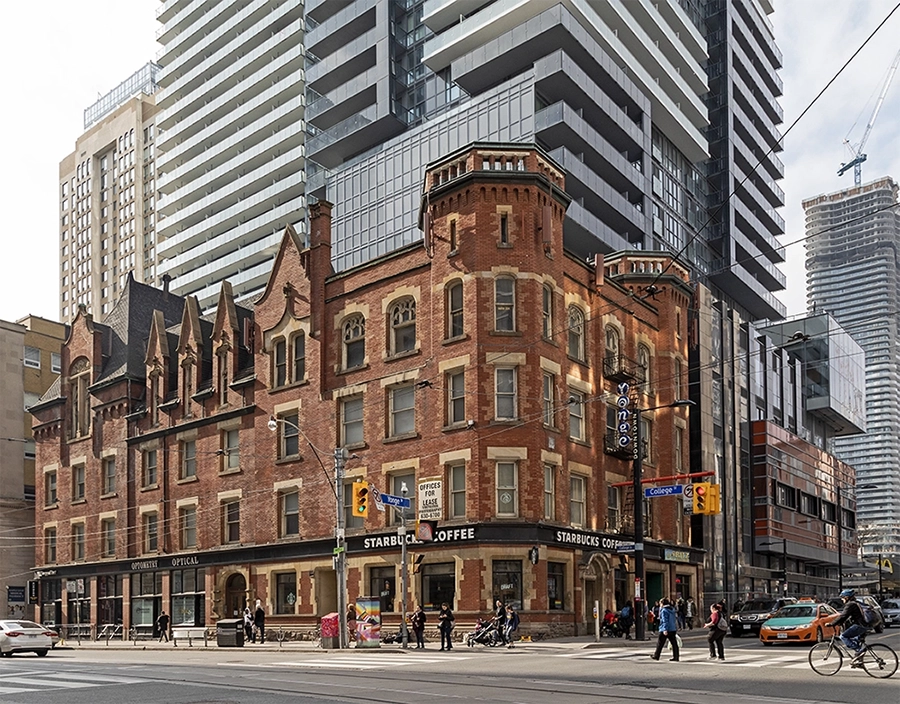
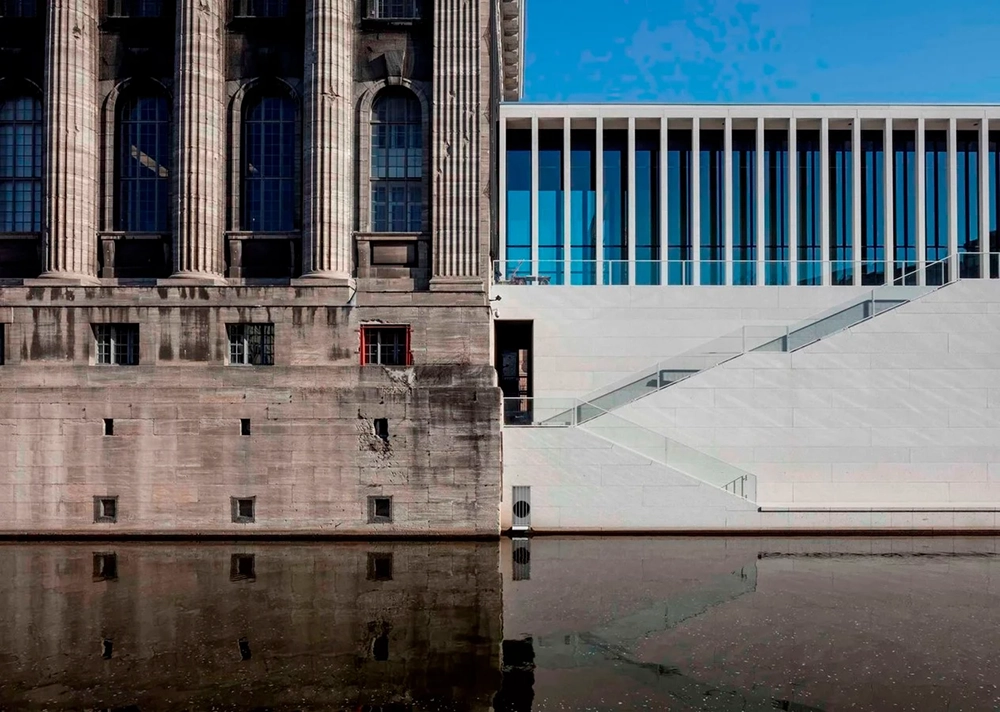
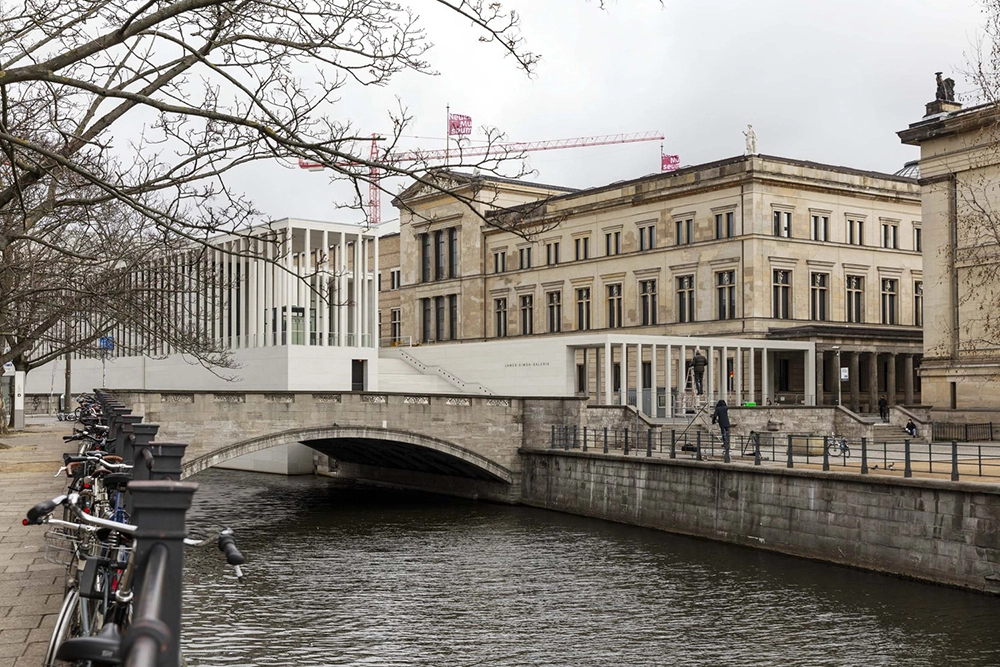
Adaptive reuse offers a different model of architectural luxury. A former industrial building transformed into a cultural venue, a historic residence adapted for contemporary living, or an obsolete commercial structure converted into mixed-use space can acquire renewed relevance without erasing its physical history. The design challenge is to distinguish between what should be preserved, what can be transformed, and what no longer serves the building’s future use.
This process demands more than aesthetic sensitivity. It requires technical investigation, economic judgment, regulatory negotiation, and an understanding of how new interventions will affect the existing structure. Sometimes preservation is inappropriate or impractical; sometimes new construction is the more responsible solution. Contextual thinking does not prescribe a single answer. It requires the decision to be justified by the actual conditions of the project rather than by a reflexive preference for either novelty or nostalgia.
The most compelling transformations often emerge from the tension between continuity and change. Original materials can coexist with contemporary insertions, historical spatial sequences can support new activities, and visible traces of earlier uses can give a building a depth that newly manufactured surfaces cannot imitate.
In a market that frequently associates luxury with the untouched and the new, the capacity to work intelligently with what already exists offers a more demanding definition of architectural value.
When Context Becomes a Marketing Strategy
There is, however, a danger in declaring context the new luxury. Once an architectural idea becomes commercially desirable, it can be reduced to a branding exercise. Developers may advertise local craftsmanship, ecological sensitivity, historical references, or community engagement while delivering projects whose actual performance contradicts those promises.
A building may use locally sourced stone yet displace the communities that gave the neighborhood its identity. A residential complex may feature a landscaped courtyard while remaining inaccessible to the surrounding public. A hotel may celebrate regional culture through carefully curated interiors while relying on construction and operational practices that place significant pressure on local resources.
These contradictions reveal the difference between contextual appearance and contextual responsibility. Architecture cannot claim to belong to a place simply because its materials, forms, or promotional language suggest familiarity. Belonging is also a question of consequences.
Who benefits from the development? Who can access its spaces? What happens to the existing urban fabric? Does the project contribute to the environmental resilience of its surroundings, or does it transfer its costs to the wider community? These are architectural questions because buildings are not isolated objects. They participate in systems of land ownership, infrastructure, resource consumption, and urban change.
The critical point is not that every building must satisfy every social objective. Architectural projects inevitably involve competing interests and practical limitations. Rather, claims of contextual sensitivity should be evaluated through measurable decisions and long-term effects, not accepted as proof of quality merely because they sound responsible.
If context becomes another label for selling expensive real estate, its architectural significance will be lost to the same commercial logic it was supposed to challenge.
Designing for What Cannot Be Standardized
Digital design tools, artificial intelligence, and increasingly sophisticated construction technologies are expanding the possibilities available to architects. They can improve environmental analysis, test alternative configurations, support material optimization, and help coordinate complex building systems. Their value is considerable, particularly when they allow designers to investigate conditions that would otherwise remain difficult to understand.
But technological capacity does not automatically produce contextual intelligence. A generative system can produce thousands of formal variations while remaining dependent on the assumptions, objectives, and datasets that shape its outputs. If local climate, social practices, construction knowledge, and patterns of urban use are poorly represented, the resulting design may be optimized for measurable performance while overlooking the qualities that make a place distinctive.
The challenge is not to reject computational design in favor of intuition. It is to establish better relationships between data, professional judgment, and situated knowledge. Environmental simulations should inform decisions about actual climatic conditions. Digital models should support the careful assessment of existing structures. Generative workflows should respond to the specific constraints and opportunities of a site rather than merely producing increasingly elaborate forms.
Architecture requires both analytical rigor and interpretive judgment. Some aspects of context can be measured, modeled, and compared; others emerge through observation, conversation, historical research, and direct experience of a place. Neither category can fully replace the other.
The future of contextual architecture will depend on the ability to combine technological precision with an understanding of what cannot be reduced to a parameter.
A Different Measure of Architectural Value
If context is to become more than a fashionable phrase, it must influence how architectural quality is evaluated. Awards, publications, and commercial campaigns often privilege the immediately visible: distinctive forms, photogenic interiors, dramatic spatial sequences, and striking material contrasts. These qualities matter, but they tell only part of the story.
A more demanding assessment would examine how a building performs over time, how comfortably it accommodates changing uses, how much energy and material it consumes, how it engages with the public realm, and whether its occupants can adapt it without excessive waste. It would also consider the quality of the spaces between buildings, the continuity of pedestrian routes, and the effect of private development on the collective experience of the city.
Such criteria do not make architecture less ambitious. They expand the meaning of ambition beyond the production of an isolated masterpiece. A modest building that improves a street, responds intelligently to its climate, and supports the daily lives of its users may offer greater architectural value than a spectacular object that remains indifferent to everything around it.
This shift also challenges architects themselves. Contextual design is often more demanding than applying a recognizable style because it requires sustained investigation and a willingness to let the site alter the original concept. It asks architects to question familiar solutions, negotiate competing priorities, and accept that the most appropriate design may not be the most immediately spectacular.
The reward is an architecture whose significance does not depend entirely on the first impression. Its value becomes clearer through use, seasonal change, material aging, and the accumulation of everyday experiences.

The Future Belongs to Architecture That Belongs Somewhere
The next generation of exceptional architecture will not necessarily be defined by larger budgets, more advanced façades, or increasingly complex digital workflows. These resources can contribute to outstanding projects, but they cannot substitute for a clear understanding of why a building should exist in a particular place and how it should relate to the world around it.
Context offers a more rigorous alternative to the endless pursuit of novelty. It asks architecture to engage with climate without romanticizing the past, to acknowledge cultural identity without turning it into a stereotype, and to embrace technological innovation without assuming that efficiency alone determines quality. Most importantly, it demands that buildings be judged not only by what they look like but also by what they make possible.
Luxury, in this framework, is not the ability to separate oneself from the ordinary conditions of life. It is the ability to inhabit those conditions intelligently, comfortably, and meaningfully. It can be found in a shaded threshold that extends the use of a house, in a reused structure that preserves a neighborhood’s material memory, or in a public building that makes the city more generous to its inhabitants.
These qualities are difficult to package into a universal style because they emerge from specific circumstances. That is precisely their value.
When almost anything can be reproduced, the architecture that understands where it stands becomes genuinely distinctive. Context is not the finishing touch that makes a building feel luxurious. It is the foundation of an architecture that deserves to matter.