

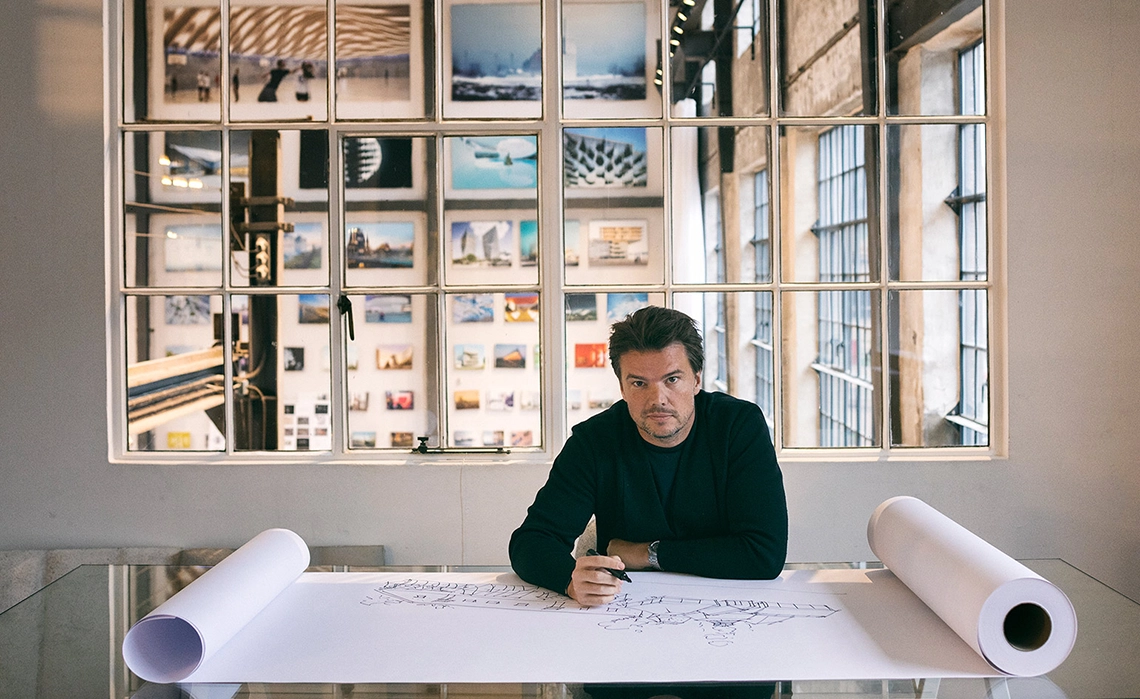







Architecture has always carried ambitions larger than the construction of buildings. From the social housing experiments of modernism to contemporary urban regeneration, architects have repeatedly claimed that spatial design can improve living conditions, reshape communities, and even address structural inequalities. Few contemporary architects have embraced this optimism as visibly as Bjarke Ingels.
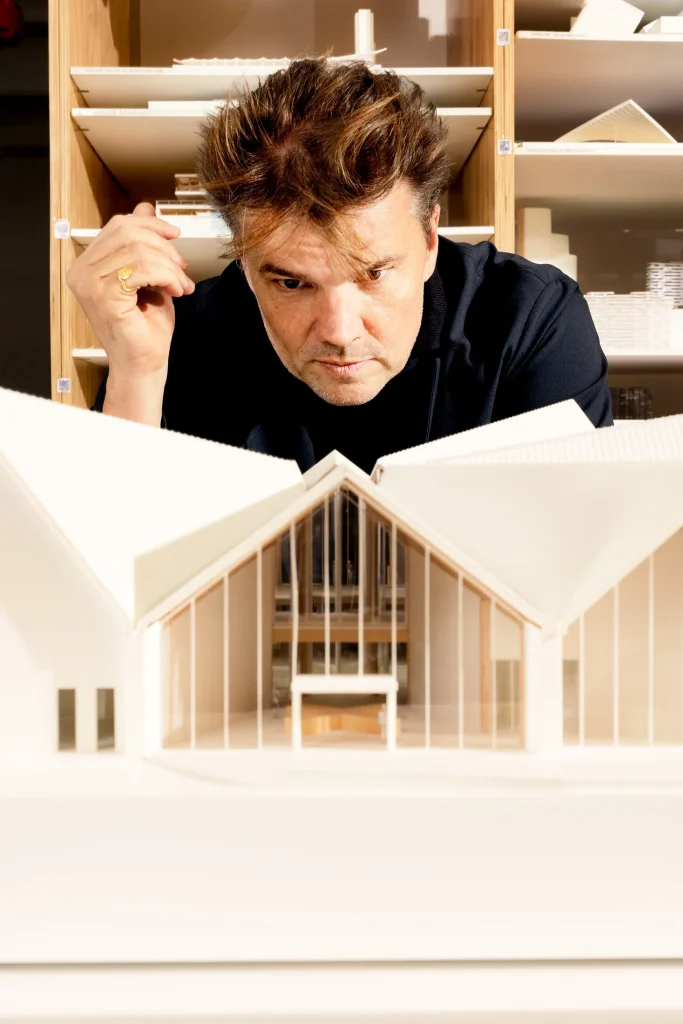
Through BIG, Bjarke Ingels has developed an architectural language that combines environmental performance, public programming, infrastructure, mixed-use development, and unusually strong visual identities. His projects frequently present architecture as a mechanism for reconciling apparently contradictory demands: density and openness, private development and public space, sustainability and commercial viability, infrastructure and recreation.
This approach has made Ingels one of the most influential architects of his generation. It has also generated an important question: when architecture is presented as a solution to social problems, what exactly can architecture solve?
The question matters because contemporary cities face problems that are fundamentally political and economic: housing unaffordability, displacement, inequality, climate vulnerability, social segregation, and unequal access to public resources. Architecture can influence the spatial conditions in which these problems occur, but it cannot independently determine the systems producing them.
Ingels’ work is therefore most interesting not when it is treated as proof that architecture can solve society’s problems, but when it is examined as a test of architecture’s actual agency.
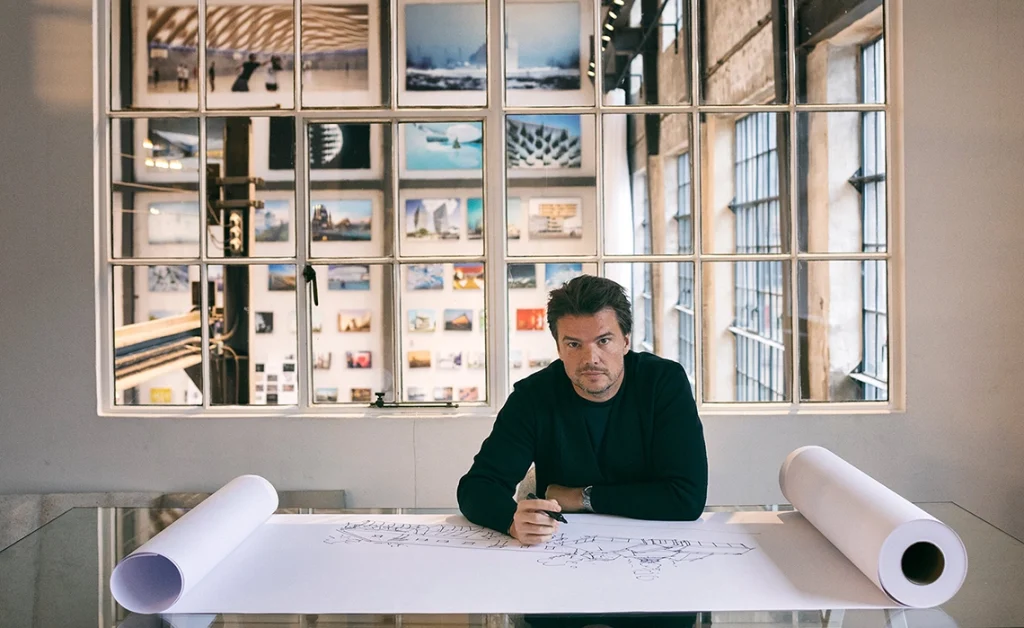
From “Form Follows Function” to “Hedonistic Sustainability”
One of Ingels’ most recognizable ideas is “hedonistic sustainability.” Rather than presenting ecological responsibility as a sacrifice, the concept proposes that sustainable architecture can increase pleasure, accessibility, and everyday experience.
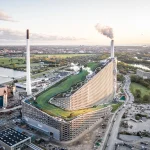
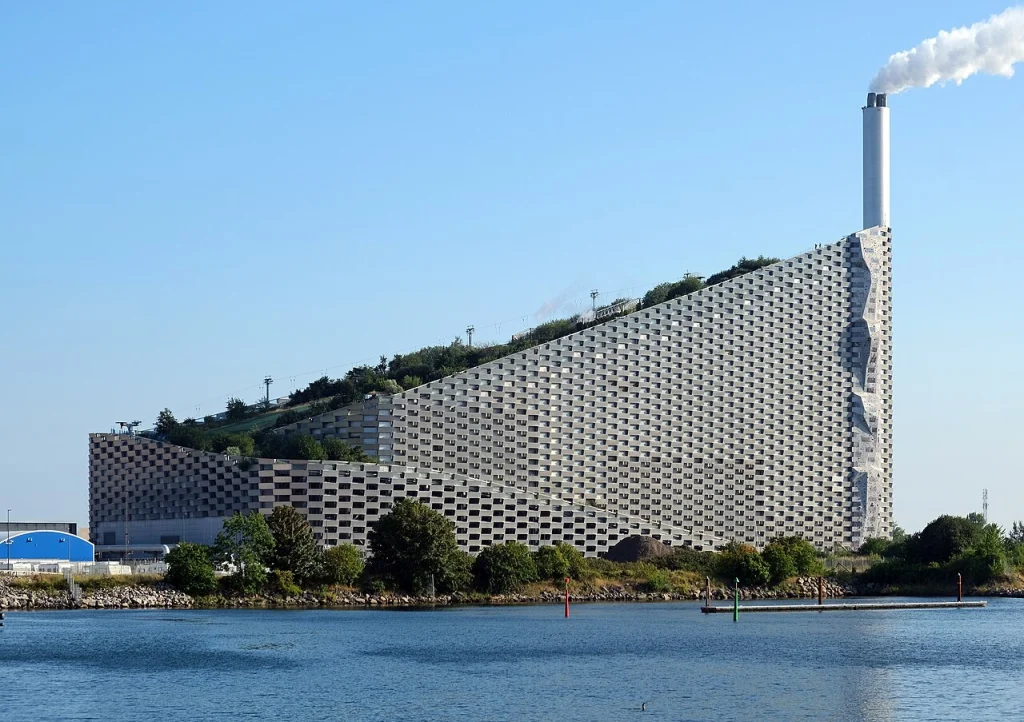
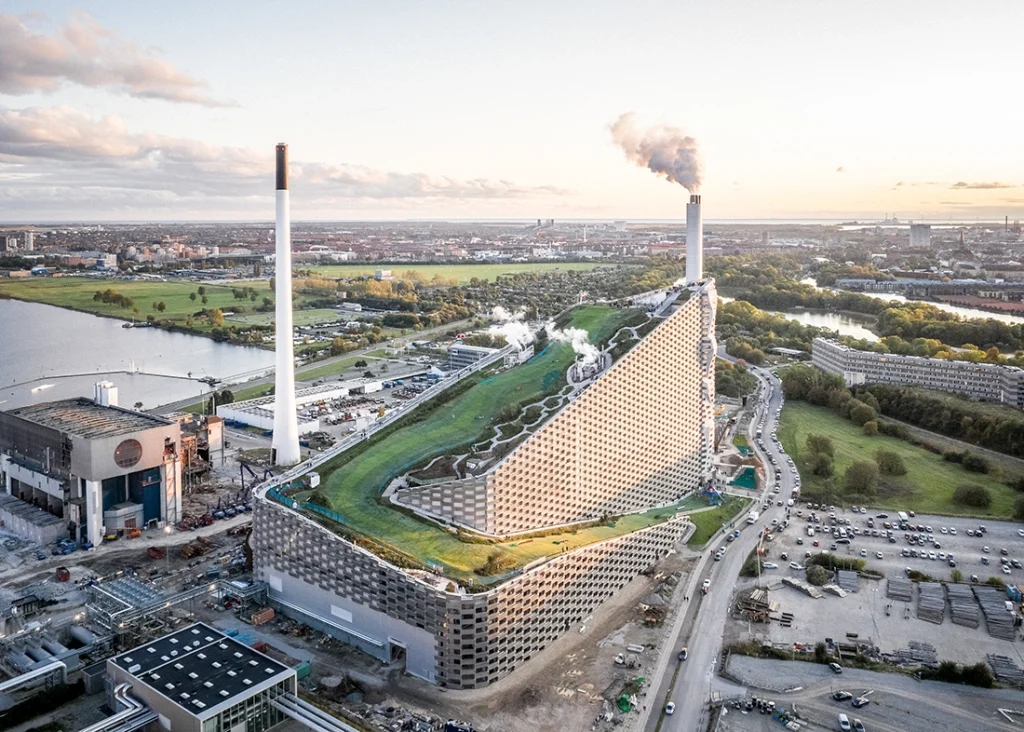
The CopenHill waste-to-energy plant in Copenhagen is perhaps the clearest demonstration. Designed by BIG, the industrial facility incorporates a publicly accessible ski slope, hiking routes, and recreational spaces into its roof. Instead of hiding infrastructure, the project turns infrastructure into an urban destination.
The architectural proposition is compelling because it challenges a familiar assumption: sustainability does not necessarily require less enjoyable cities.
But the project also reveals the limits of architectural optimism. Turning a waste facility into a recreational landscape does not eliminate the environmental consequences of consumption, nor does a visually engaging building resolve the political question of how cities should manage waste.
Architecture transforms the experience and spatial organization of infrastructure. It does not automatically transform the socioeconomic system surrounding it. That distinction is crucial. The danger of the hedonistic sustainability model is not that it is wrong. It is that architectural pleasure can make systemic problems appear more manageable than they actually are.
Architecture as Negotiation Rather Than Solution
Ingels’ architecture is particularly strong when it operates as a form of negotiation. Many of his projects begin with competing demands rather than a single architectural problem. A site needs housing, but also public space. A development needs commercial viability, but also environmental performance. Infrastructure needs to function efficiently, while the city wants it to contribute to public life.
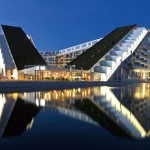
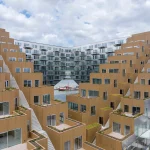
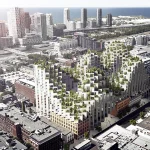
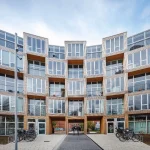
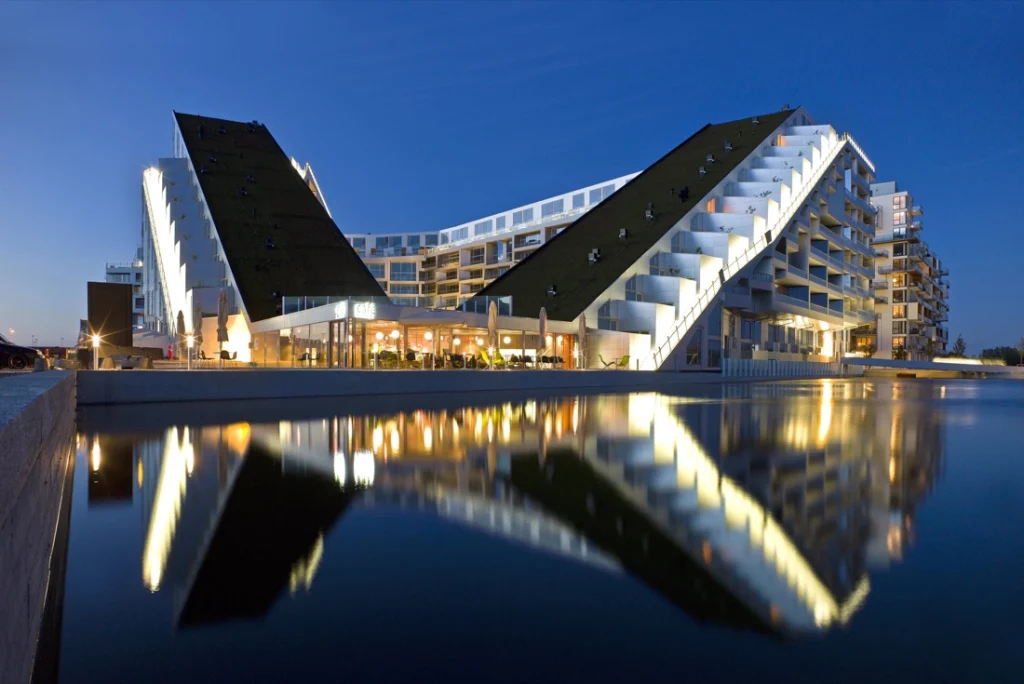
Instead of choosing one objective, BIG frequently attempts to reorganize the problem so that multiple objectives can coexist. This is visible in projects such as the 8 House in Copenhagen, where residential and commercial programs are organized within a continuous architectural loop. The building is not simply an object placed on a site. Its circulation becomes part of the social and spatial strategy. The significance lies in the attempt to make programmatic complexity productive.
Yet this strategy should not be confused with social problem-solving. Combining functions within a building does not guarantee social integration. A mixed-use development can contain different groups without necessarily creating meaningful relationships between them. Public circulation does not automatically create public life, and physical accessibility does not guarantee social accessibility.
Architecture can provide opportunities for interaction. It cannot compel communities to use those opportunities in particular ways.
The Social Problem of the “Icon”
Ingels has become particularly successful at producing buildings that operate simultaneously as architecture, image, and urban branding. This creates another tension.
Cities increasingly compete for investment, tourism, talent, and international visibility. Architecture has become one of the instruments through which cities construct recognizable identities. A spectacular building can attract attention and contribute to economic development.
But the architectural icon has a complicated relationship with social responsibility. A landmark can generate employment, increase tourism, improve infrastructure, and stimulate investment. It can also accelerate property values, encourage speculative development, and contribute to displacement. The same architectural intervention can therefore produce economic opportunity for one population and economic pressure for another.
This is one of the central contradictions in contemporary architecture. Architects often enter projects after major political and economic decisions have already been made. They are then asked to make development more inclusive, more sustainable, or more publicly beneficial through spatial design.
The architect can influence the outcome, but does not control the underlying distribution of capital.

Who Gets to Define the Social Problem?
Another weakness in the claim that architecture can solve social problems concerns the definition of the problem itself. Consider housing. Is the problem a shortage of housing units? Poor housing quality? Lack of affordable housing? Spatial segregation? High land values? Insecure tenancy? Long commuting distances? Each diagnosis produces a different architectural response.
A visually innovative housing project may increase residential supply while remaining unaffordable to lower-income households. A beautifully designed public space may improve an area while simultaneously increasing surrounding property values. A mixed-use development may create diversity in program while remaining socially homogeneous in ownership and access.
The architecture can be successful according to its brief while failing according to a broader definition of social justice. This suggests that the architect’s most important responsibility may occur before form-making: understanding who defines the problem, who benefits from the intervention, and who carries its costs.
BIG and the Politics of Accessibility
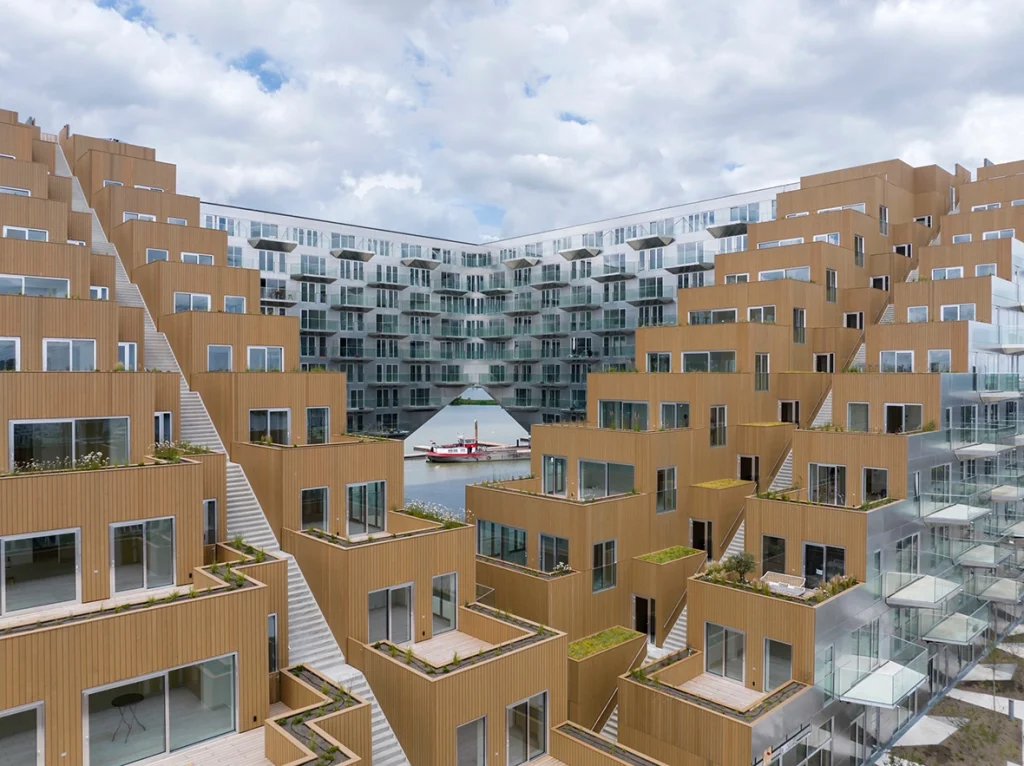
Ingels’ works often attempts to blur the boundaries between architecture and public infrastructure. The idea is attractive. Buildings can become landscapes; roofs can become parks; infrastructure can become recreational space; circulation can become public experience. But accessibility has multiple dimensions.
A space may be physically accessible while being economically inaccessible. It may be publicly owned but socially intimidating. It may be open to everyone while its surrounding development excludes certain groups through property prices.
This distinction becomes particularly important in large-scale urban projects. Architecture can remove physical barriers, but social barriers are not always spatial barriers.
A staircase, plaza, park, or public route does not automatically create inclusion. The social meaning of a space emerges through regulation, maintenance, ownership, cultural expectations, security practices, and patterns of use.
Consequently, evaluating a project only through photographs of people occupying its public spaces can be misleading. Architecture’s social performance has to be measured over time.
The Problem with Architectural Optimism
Ingels’ public image is built partly around optimism. His projects frequently appear to reject the conventional architectural language of limitation: sustainability can be fun, density can be desirable, infrastructure can be beautiful, and complex programs can coexist.
This optimism has genuine value. Architecture requires the capacity to imagine conditions that do not yet exist. Without optimism, design becomes merely technical administration. But optimism becomes problematic when it suggests that every contradiction can be resolved through clever design. Some contradictions are not architectural.
There is no spatial configuration that simultaneously maximizes private profit, guarantees universal affordability, eliminates displacement, produces ecological neutrality, and satisfies every resident. These are conflicts involving competing interests and political choices. Architecture can mediate such conflicts. It cannot make them disappear. The distinction separates architectural intelligence from architectural mythology.
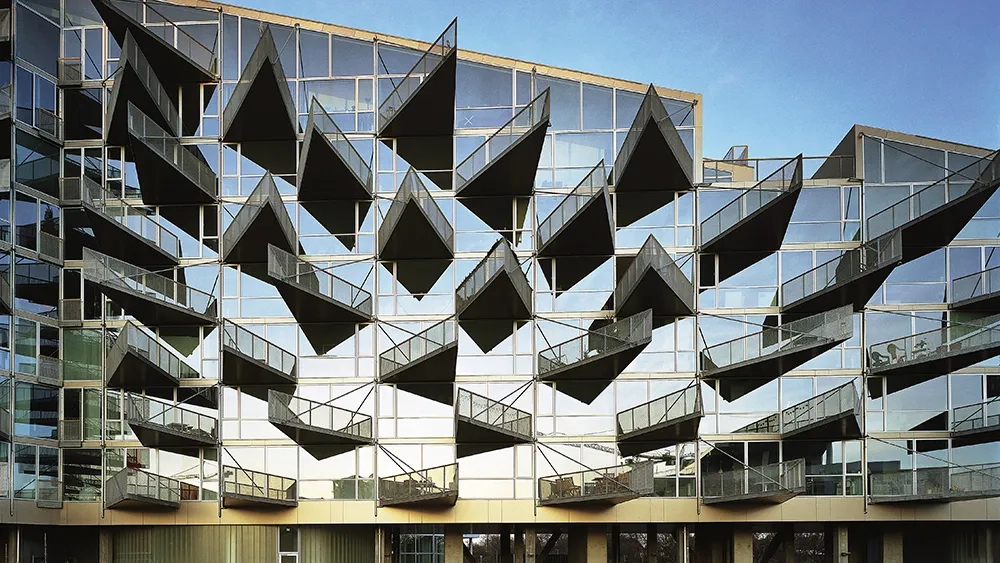
BIG’s Real Contribution: Making Systems Visible
Perhaps Ingels’ most important contribution is not that his buildings solve social problems, but that they make complicated systems legible.
His architecture frequently exposes relationships between different urban functions. Waste becomes energy and recreation. Housing becomes circulation. Infrastructure becomes landscape. Density becomes a three-dimensional public territory.
This way of thinking is valuable because contemporary architecture increasingly operates within systems rather than isolated objects. Buildings interact with transportation networks, energy systems, ecological processes, digital infrastructures, economic structures, and patterns of social behavior.
The architect’s role is consequently moving away from simply composing façades and plans toward organizing relationships between systems. Ingels understands this shift particularly well.
The weakness appears when systemic complexity is translated too easily into a coherent architectural narrative. Real systems contain friction, unequal power, unintended consequences, and failures that cannot be represented neatly in a diagram. The city is not a solved equation.
Architecture Cannot Replace Public Policy
The strongest critique of architectural solutionism is therefore not a rejection of architecture. It is an argument for placing architecture within its actual sphere of influence.
Affordable housing requires land policy, financing mechanisms, taxation, regulation, public investment, and long-term management. Climate adaptation requires infrastructure, environmental policy, energy transitions, and collective behavioral change. Social segregation involves education, employment, transportation, housing markets, and political geography.
Architecture intersects with all of these systems, but it does not govern them. This does not make architectural work less important. It makes the profession’s responsibility more precise.
An architect should not promise to solve inequality through a building. The more defensible ambition is to avoid reproducing inequality spatially and create conditions that support more equitable outcomes. That is a smaller claim, but arguably a more powerful one.
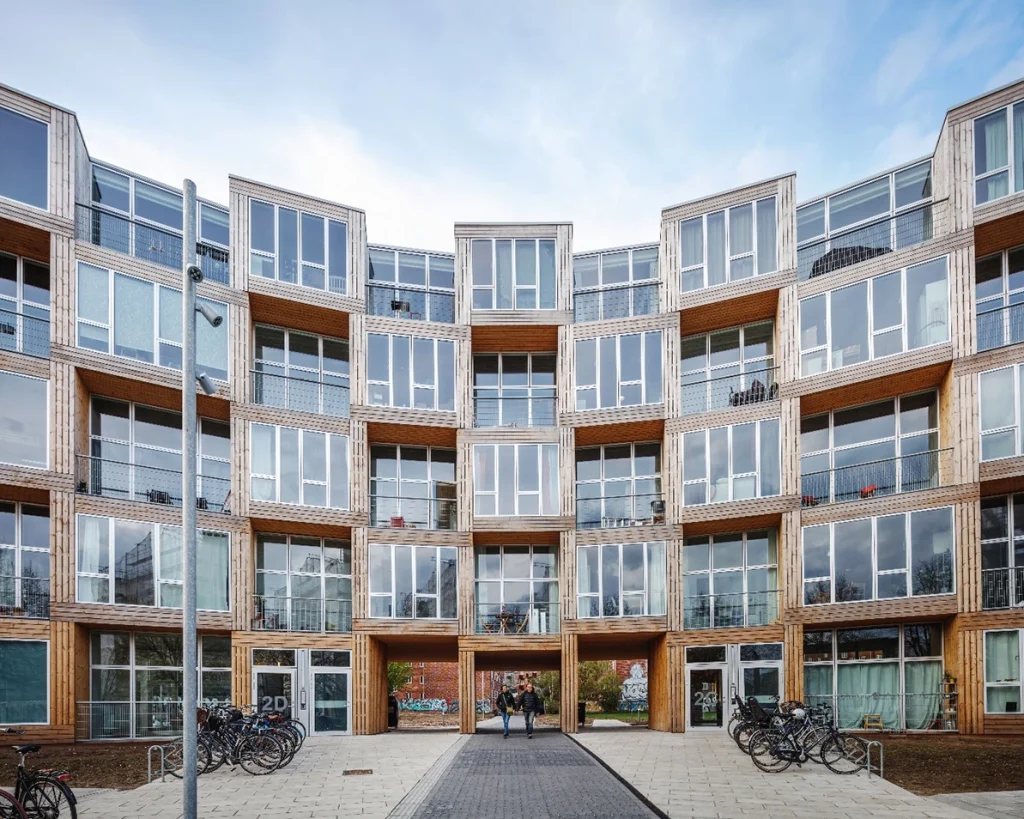
Measuring Social Success Beyond the Photograph
The success of contemporary architectural projects is often communicated through images: people sitting on steps, cyclists crossing plazas, children playing, trees growing on rooftops. These images demonstrate possibility, not necessarily performance. A genuinely critical assessment requires other measurements.
Who can afford to live there? Who owns the property? How have rents changed? Who uses the public spaces? Who is excluded? What happens after five, ten, or twenty years? Does the project remain accessible after its novelty disappears? Does its environmental performance correspond to its conceptual ambitions? Has it strengthened existing communities or replaced them?
These questions shift architectural criticism from visual evaluation to longitudinal evaluation. That may be particularly important for architects such as Ingels, whose projects are exceptionally effective at communicating an idea. The more persuasive the architectural narrative, the more important it becomes to examine the reality behind it.

Can Architecture Solve Social Problems?
The answer is both no and yes, depending on what “solve” means. Architecture cannot solve poverty, inequality, housing speculation, political exclusion, or climate change by itself. It cannot substitute for public policy or redistribute resources simply through form.
But architecture can change the conditions under which social life takes place. It can make housing healthier and more adaptable. It can reduce environmental burdens. It can create safer public spaces. It can connect previously separated areas. It can provide dignified environments for communities that have historically received poor-quality infrastructure. It can make public systems more accessible and visible. More importantly, architecture can influence what a society considers possible. This is where Bjarke Ingels’ work remains significant. His projects demonstrate that architecture does not have to choose automatically between technical performance and public experience, or between density and environmental ambition. His work expands the range of architectural possibilities. But possibility is not the same as resolution.
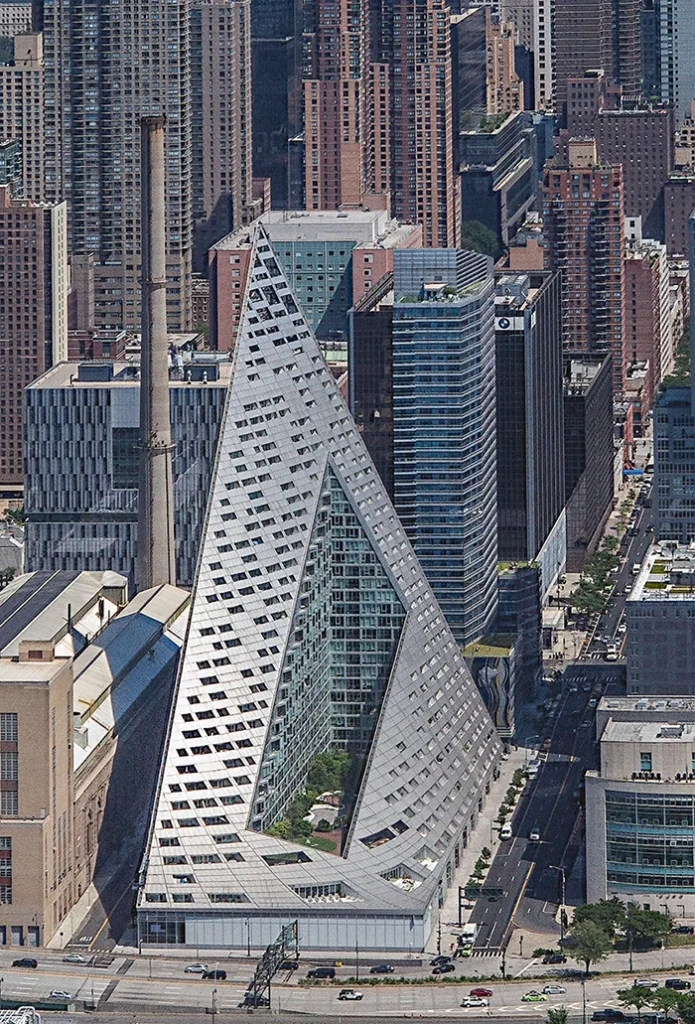
Beyond the Hero Architect
The most useful lesson from Ingels is perhaps the need to move beyond the idea of the architect as a heroic problem-solver.
Contemporary urban problems are too complex for individual authorship. They require planners, engineers, policymakers, developers, communities, environmental scientists, economists, and residents. Architecture becomes most effective when it participates in this larger network rather than pretending to control it.
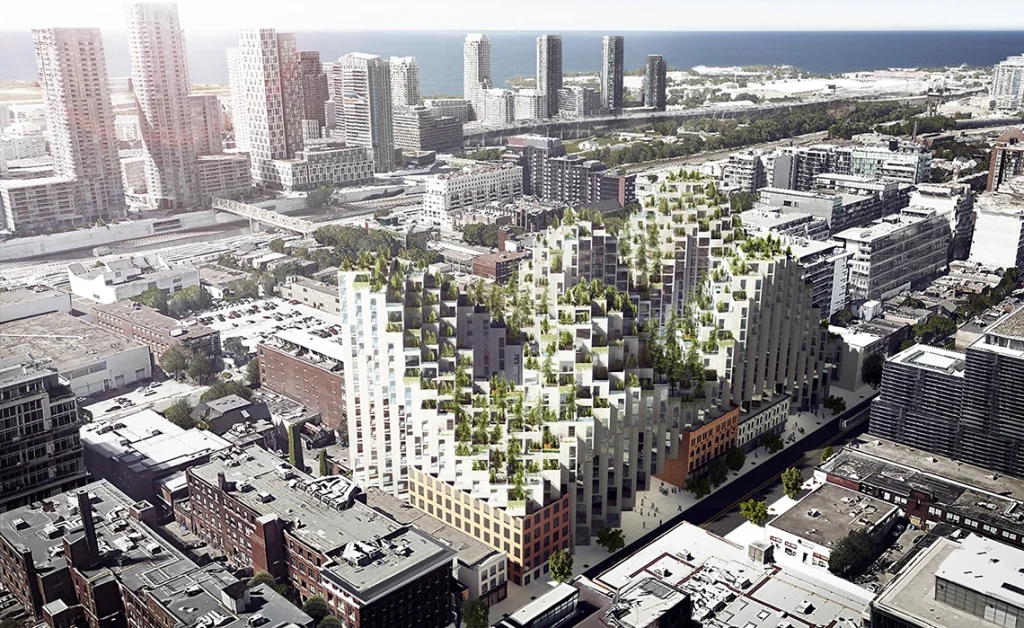
The future of socially responsible architecture may therefore depend less on producing the next spectacular building and more on developing mechanisms for accountability. Who participated in the design? Who benefits from it? Who pays for it? Who maintains it? Who has the authority to change it? What happens when the original assumptions prove wrong? These questions are less glamorous than a dramatic rendering of a mountain-shaped building. They are also considerably more consequential.
Bjarke Ingels has helped architecture recover a sense of possibility at a moment when the profession is often overwhelmed by environmental, economic, and social constraints. His work demonstrates that buildings can perform multiple roles and that apparently incompatible objectives can sometimes be reorganized into productive relationships.
But his architecture also exposes the limits of design optimism. Architecture can influence social problems, frame them, mediate them, and occasionally improve their spatial consequences. It cannot solve the political systems that produce them.
That limitation should not be regarded as architectural failure. It is a reason to demand a more mature understanding of architectural agency.
The most socially responsible architect, therefore, may not be the one who claims to have solved the city. It may be the one who understands precisely what architecture can change, what it cannot change, and who must be involved in changing the rest.