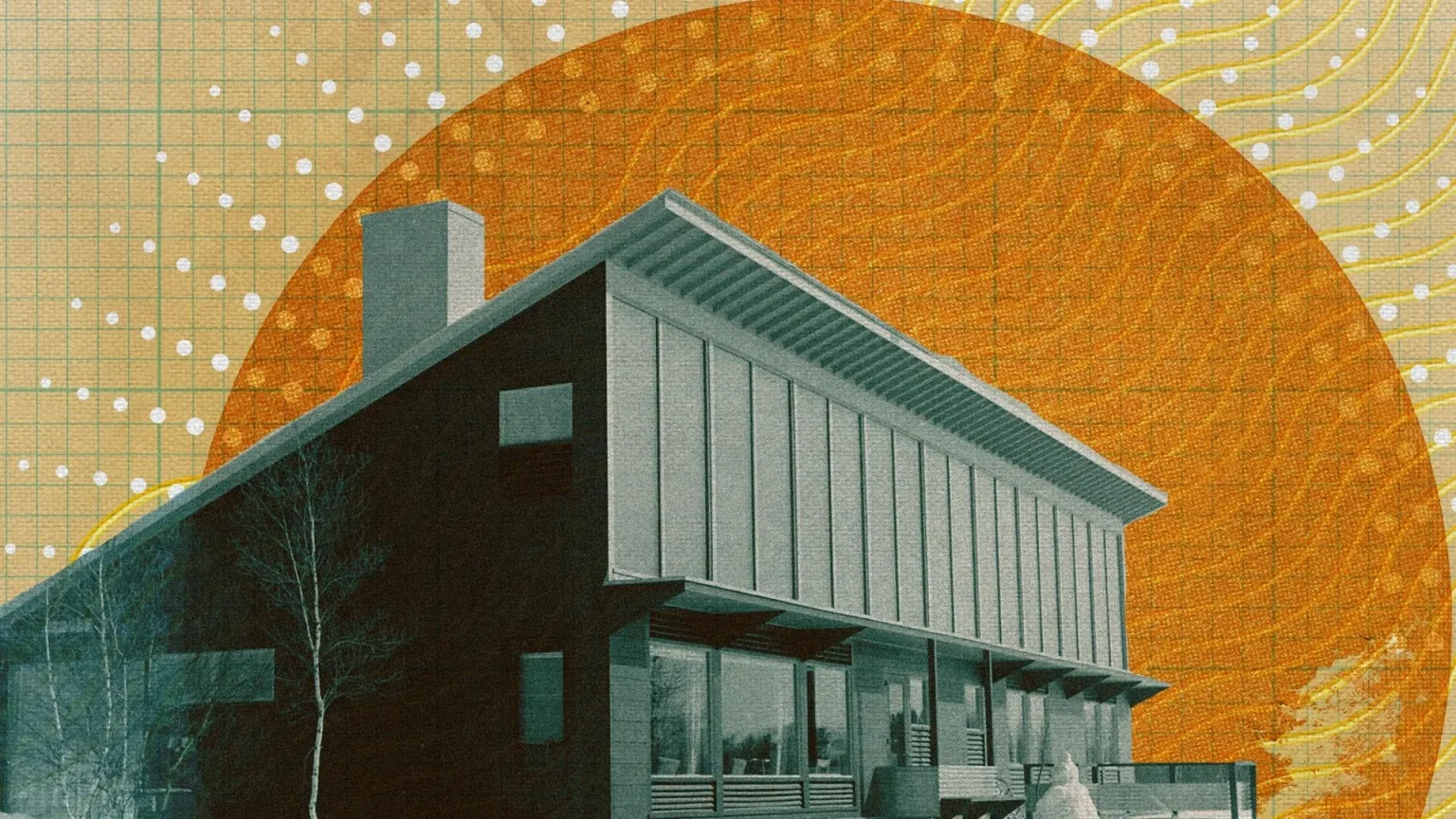

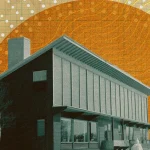
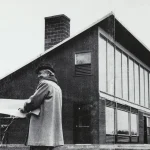


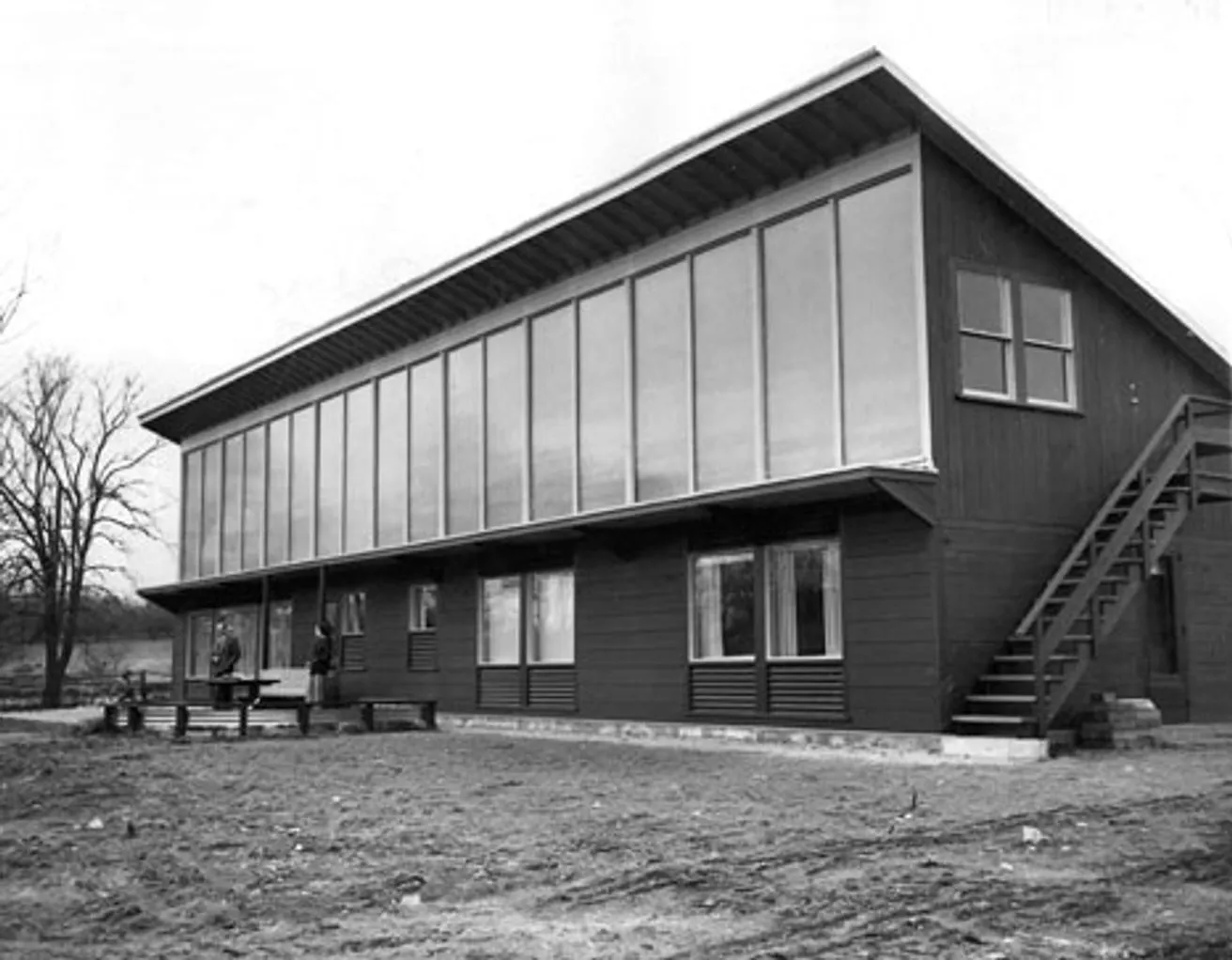
Years before sustainable housing entered mainstream debate, three women in Massachusetts built a house designed to run entirely on sunlight. In 1948, a two-story structure in Dover became the site of one of the most ambitious experiments in domestic energy.
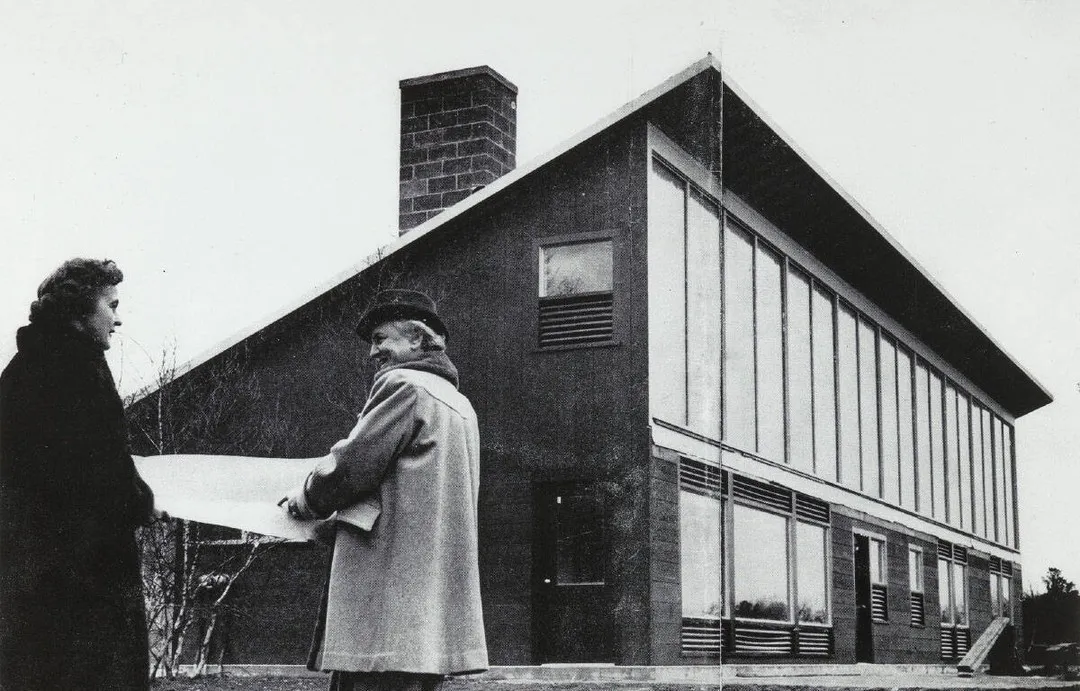
Known as the Dover Sun House, the project replaced coal and oil with tanks of chemical salts that absorbed heat during the day and released it at night. Conceived by a scientist, designed by an architect, and financed by a philanthropist, it stands as a largely forgotten milestone in ecological design and feminist innovation, with all women working in a male-dominated field.
Birth of Solar Energy in Postwar America
In the late 1940s, the United States was expanding rapidly but already questioning its energy future. Petroleum fueled suburban growth and industrial production, yet concerns about supply and dependence on foreign oil were beginning to surface. At the same time, new suburban housing offered a stage for technological experiments.
Against this backdrop, the Dover Sun House was conceived not only as a residence but as a public experiment on whether solar energy could replace coal and oil for heating in one of the country’s coldest regions.
Feminist Innovation Behind the Dover Sun House
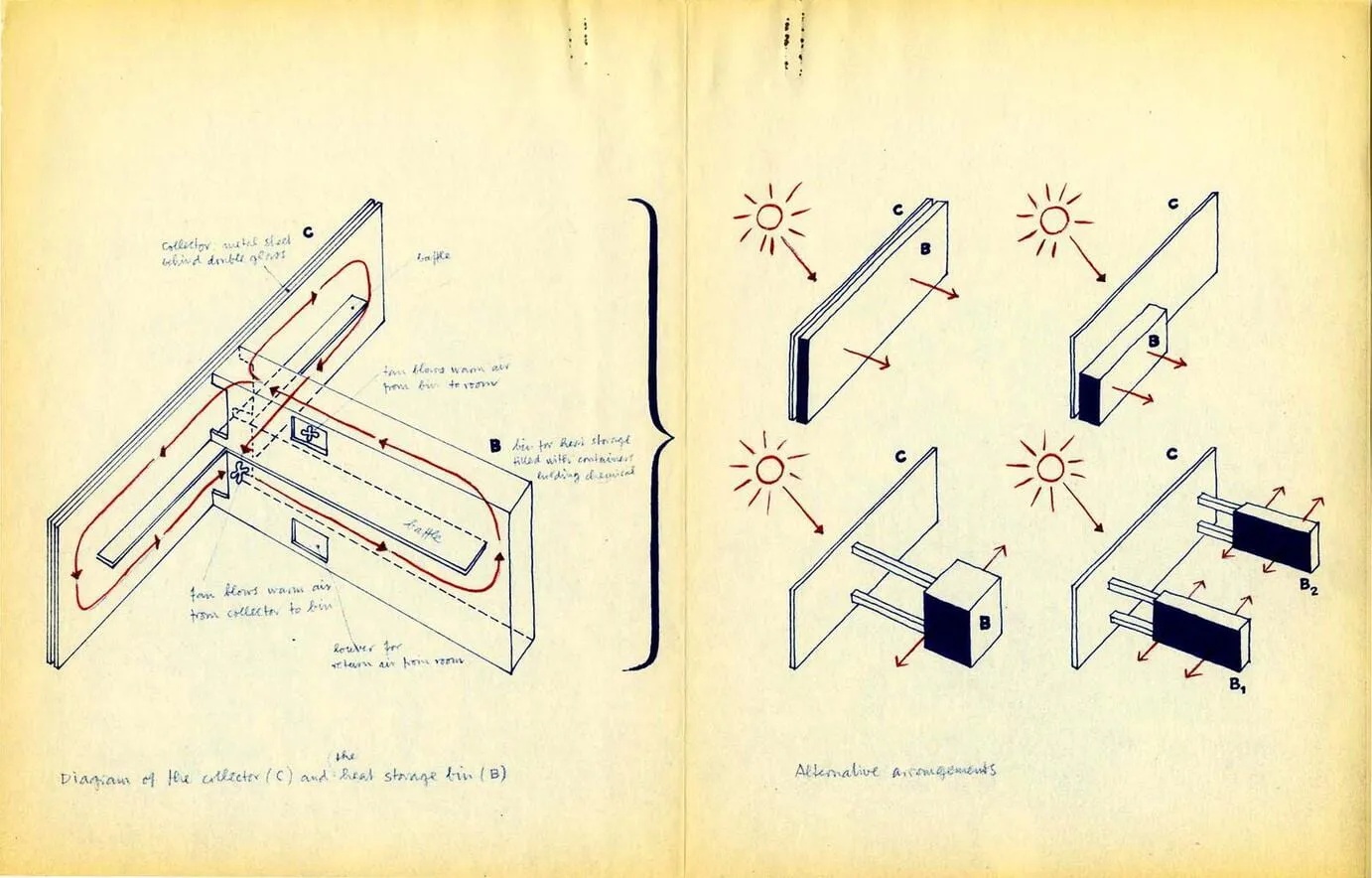
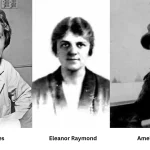
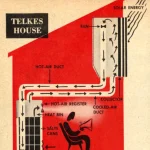
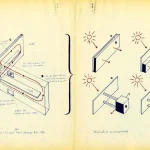
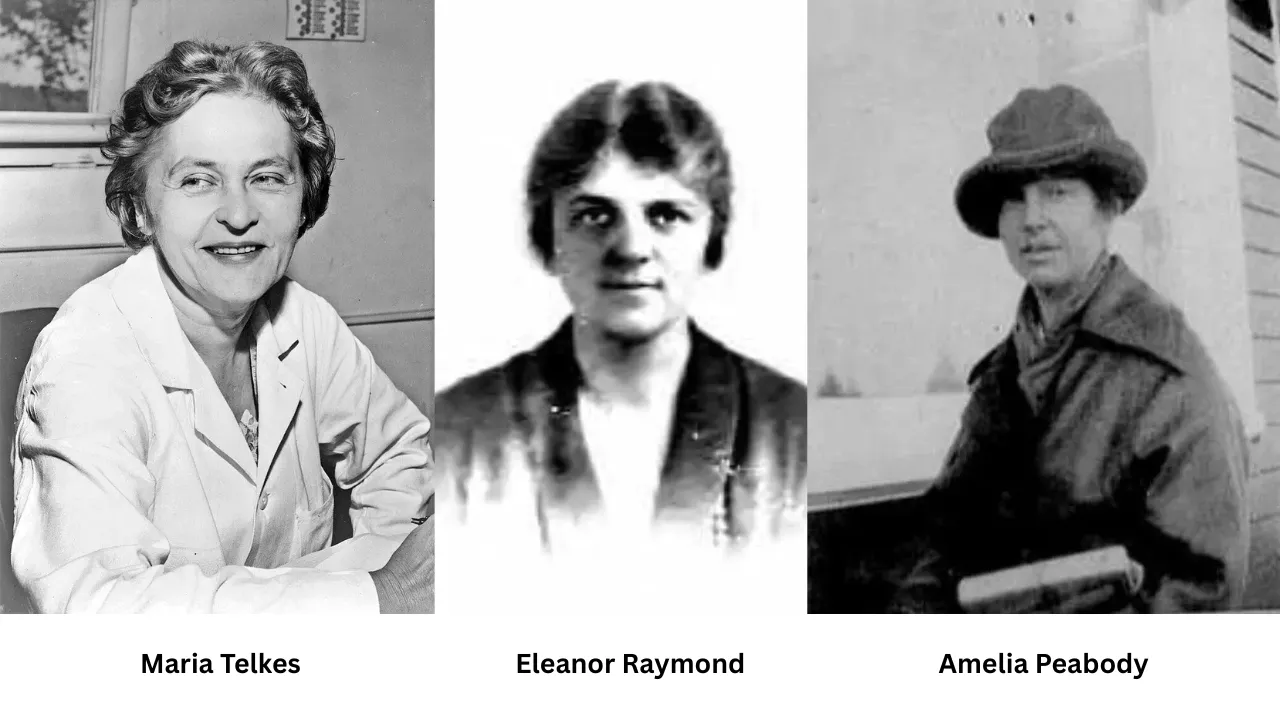
What distinguished the Dover Sun House was the team that created it. Dr. Mária Telkes, a Hungarian-American scientist at MIT known as the “Sun Queen,” developed solar ovens and distillation devices. For the Dover project, she engineered a heating system that used sodium sulfate decahydrate, or Glauber’s salt, to store heat during the day and release it at night.
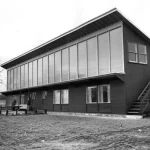
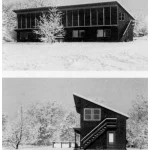
Architect Eleanor Raymond, also MIT-trained, designed the compact two-story house, balancing livable interiors with the space required for the experimental equipment. The project was made possible by Amelia Peabody, a philanthropist and sculptor who donated land from her Dover estate and financed construction.
In an era when scientific research and architectural practice were dominated by men, the Sun House emerged through the leadership of three women.
How Solar Energy Heated a Home in 1948
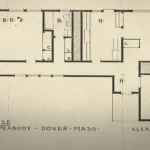
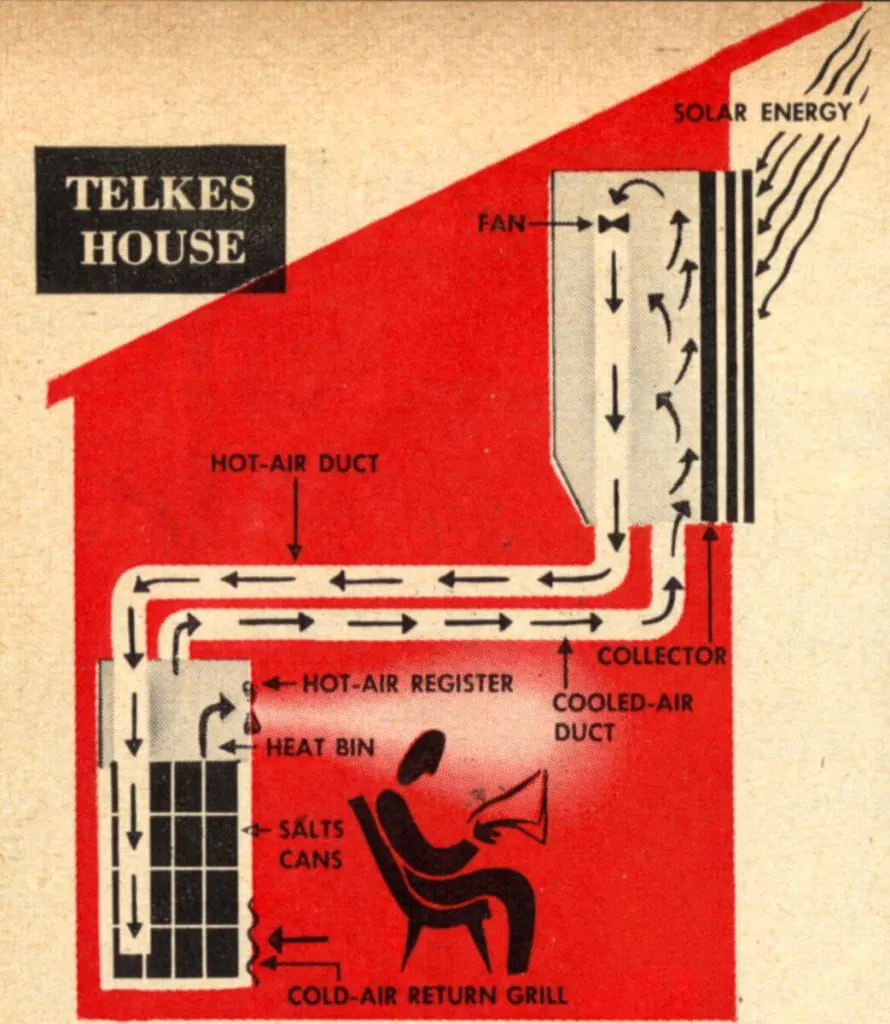
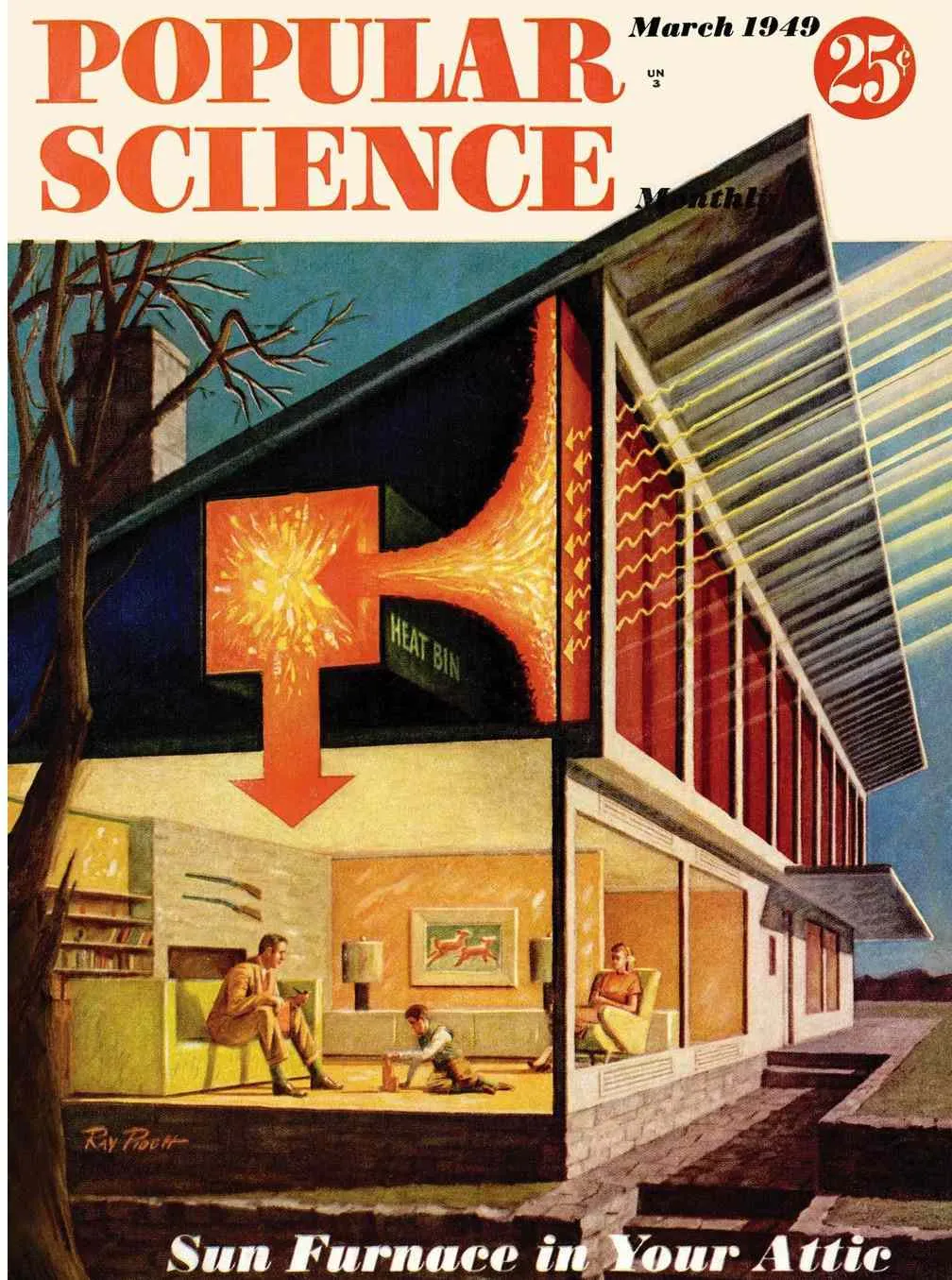
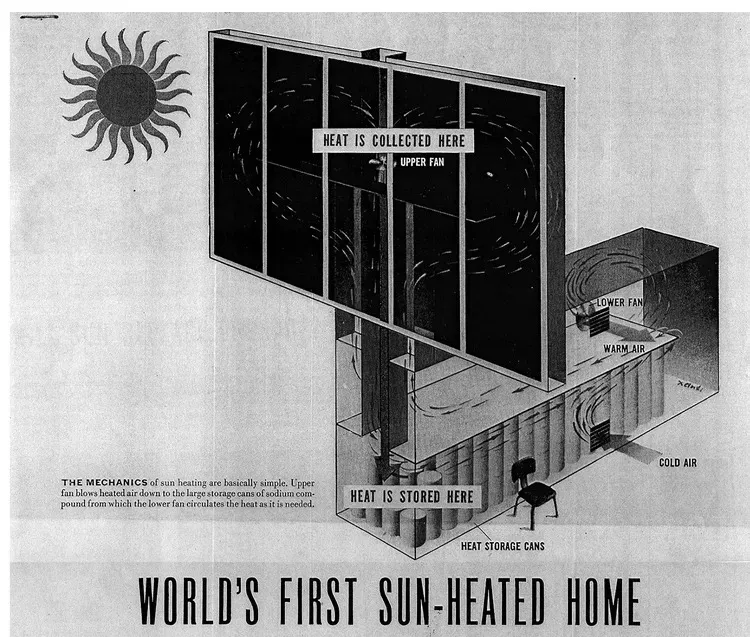
The Dover Sun House appeared to be an ordinary residence, but much of its structure was dedicated to a solar heating experiment. The ground floor held the residence, while the upper level and rear sections were occupied by the system. South-facing glass panels collected sunlight and warmed air, which circulated into tanks filled with Glauber’s salt. As the salt melted, it stored heat, and as it crystallized, it released it back into the rooms.
Challenges of Early Solar Homes
The system was intended to supply the house through a New England winter without coal or oil. In its first year, it succeeded, drawing national coverage as proof that solar energy could support domestic life.
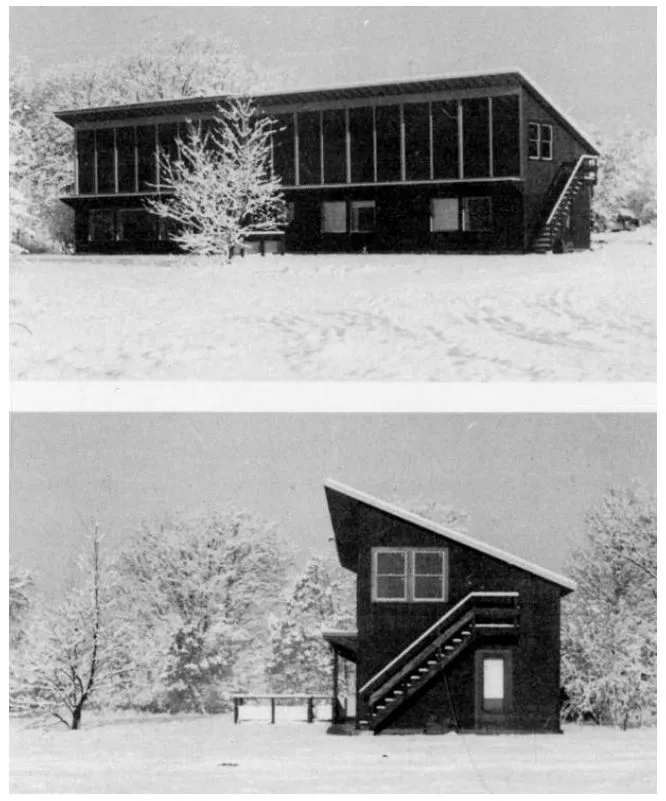
But by the early 1950s, the system began to falter. The salt compound separated into layers, tanks leaked, and maintenance became impractical. Within a few years, the experiment was abandoned, and the house itself was later demolished.
The Legacy of the World’s First Solar-Heated Home
Although the experiment collapsed, its influence spread. The Dover Sun House was recognized as the first solar-heated residence.
Telkes went on to develop solar ovens and desalination devices. Raymond strengthened her reputation as an architect unafraid of experimental work. Peabody confirmed her legacy as a patron who enabled bold ideas.
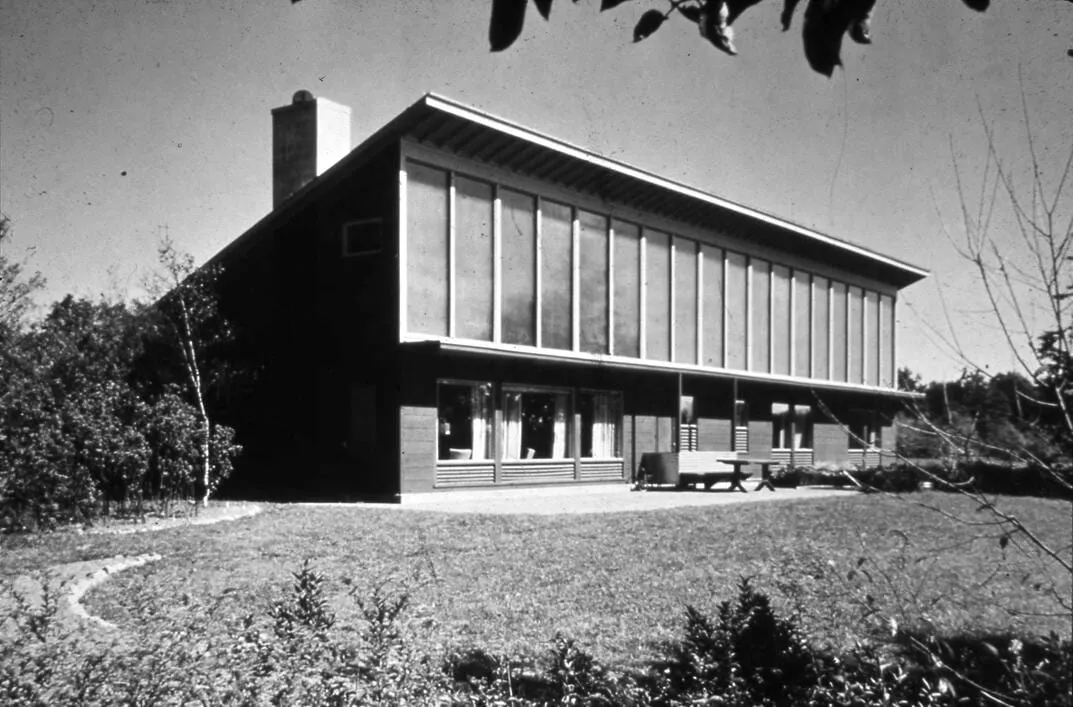
The house’s short life proved that renewable energy could be conceived at the scale of everyday living. In 1948, three women leading such a project challenged professional hierarchies and cultural norms.
Today, the house reads as a prototype decades ahead of its time. It anticipates current research into phase-change materials, passive heating, and net-zero housing. More importantly, it proposed that a home could generate its own climate independent of fossil fuels, an idea that remains urgent in the face of the climate crisis.
The Dover Sun House was never meant to be a final solution. It was a prototype and a test, but in its short existence, it outlined a future architecture that is still working to realize.