




As artificial intelligence transforms architectural practice and digital fabrication challenges conventional construction methods, the relationship between design, technology, and environmental responsibility is entering a new phase.
For French architect Arthur Mamou-Mani, the future of architecture is not simply about creating increasingly complex forms but about fundamentally reconsidering how buildings are conceived, fabricated, assembled, and eventually dismantled. His approach combines computational design, circular material systems, and robotic fabrication to explore an architecture that responds intelligently to both technological possibilities and environmental limitations.
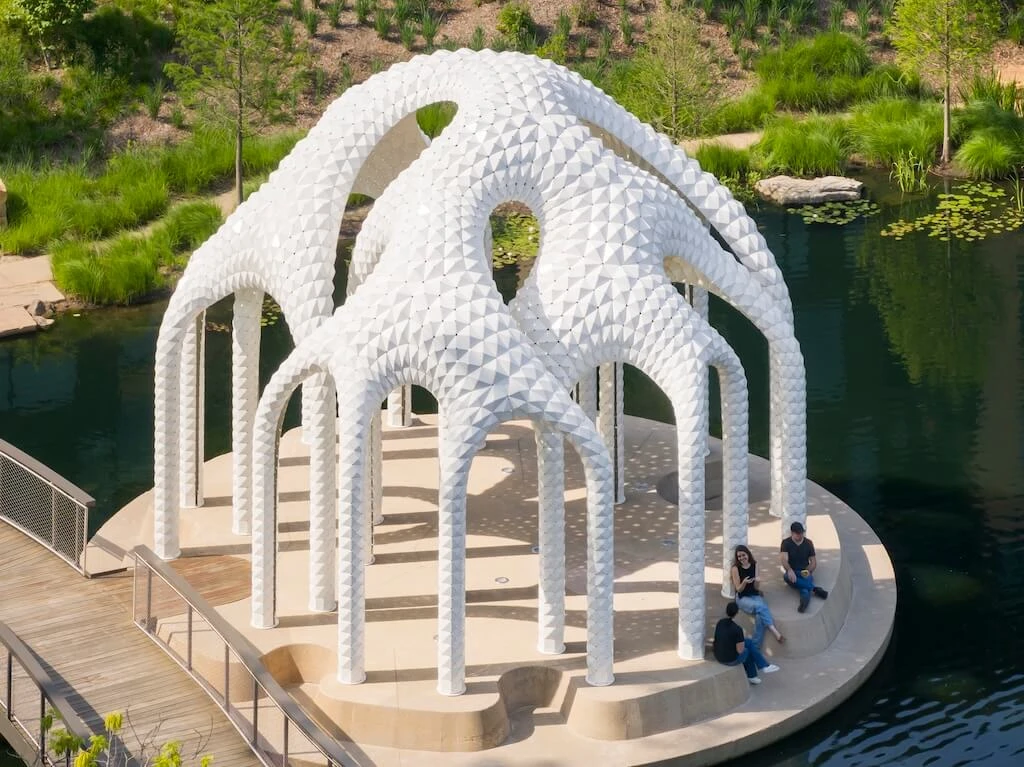
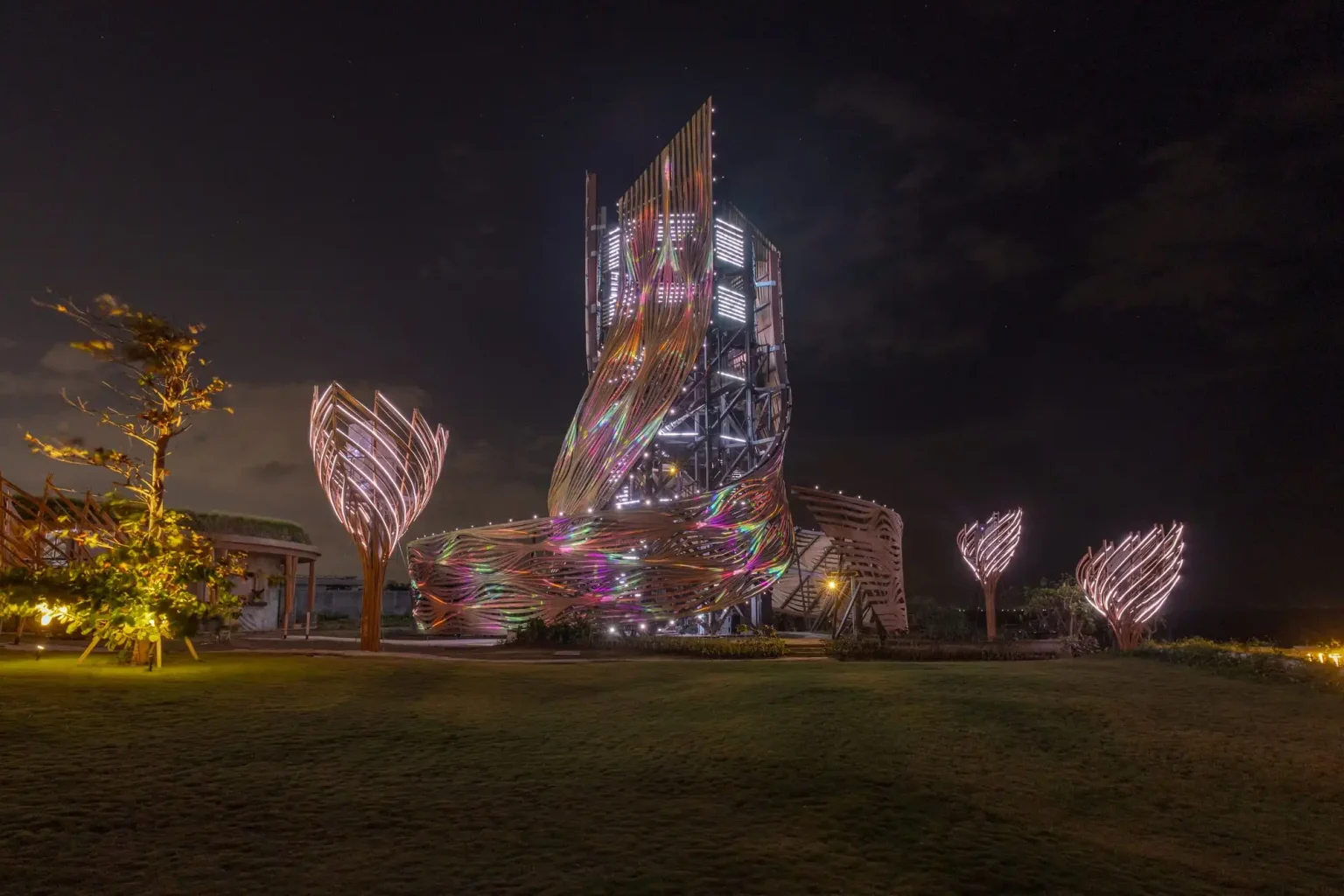
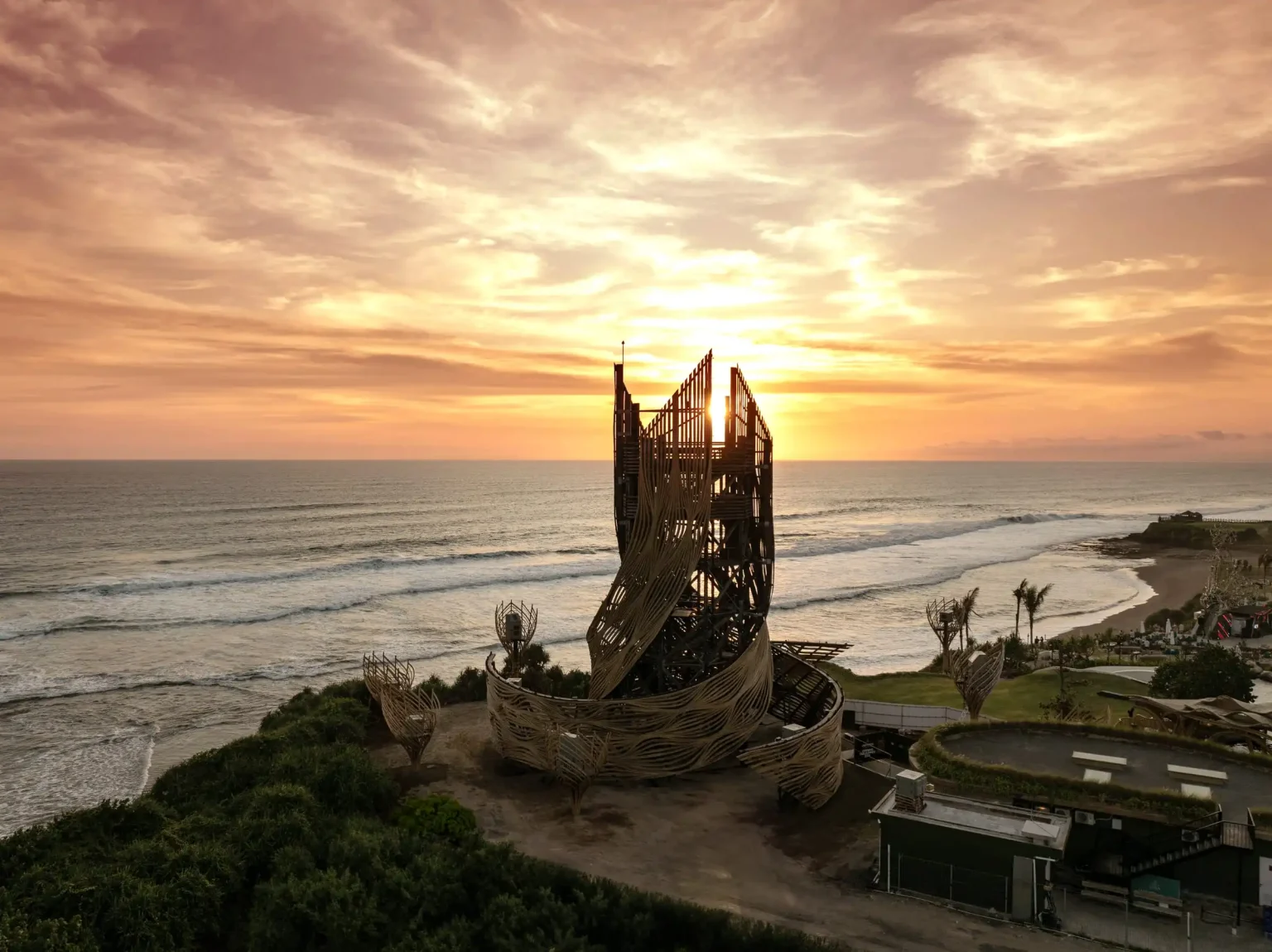
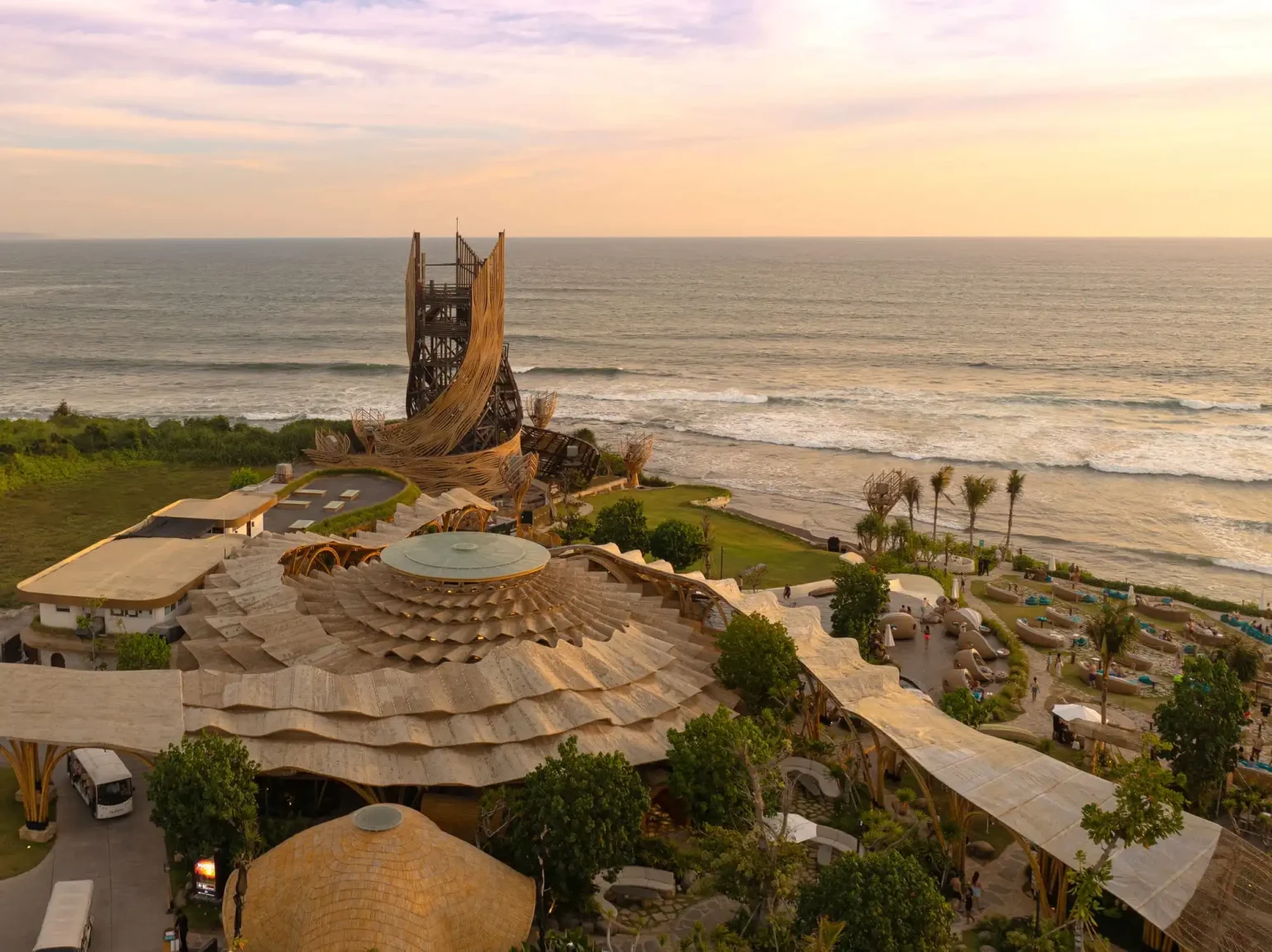
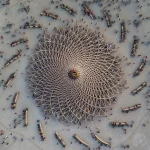
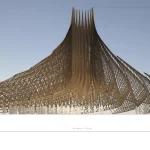
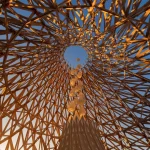
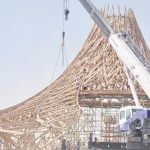
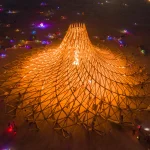
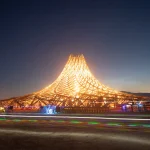
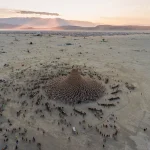
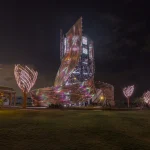
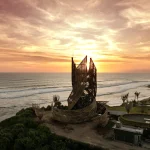
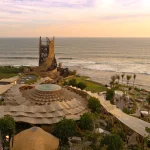
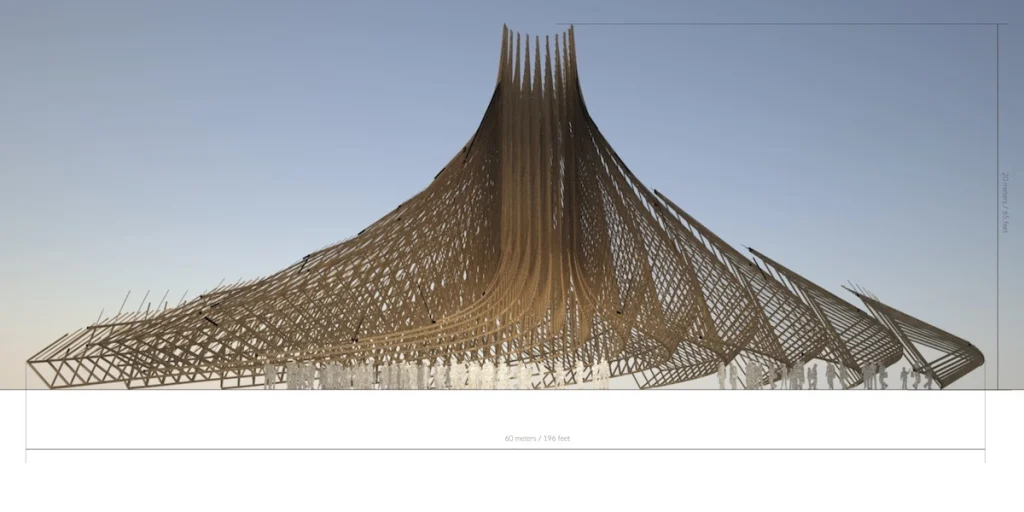
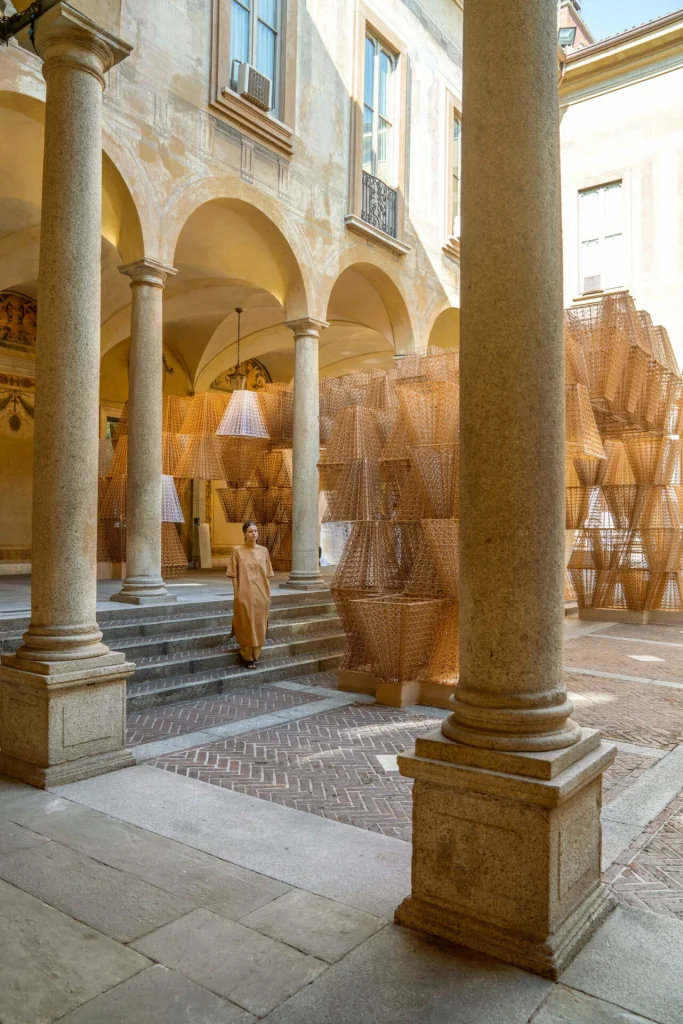
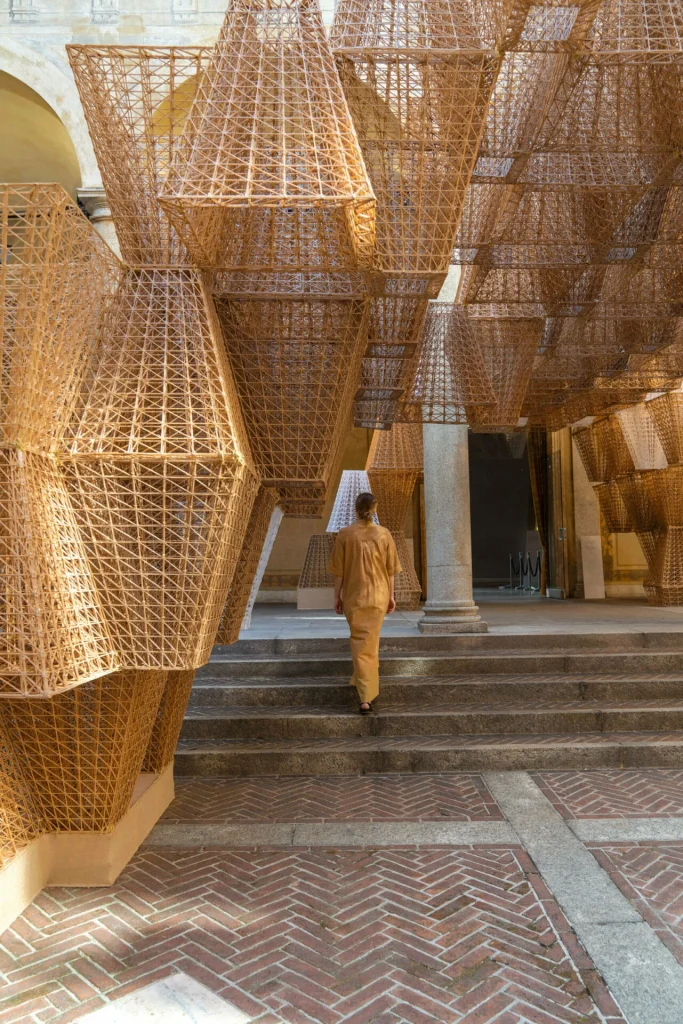
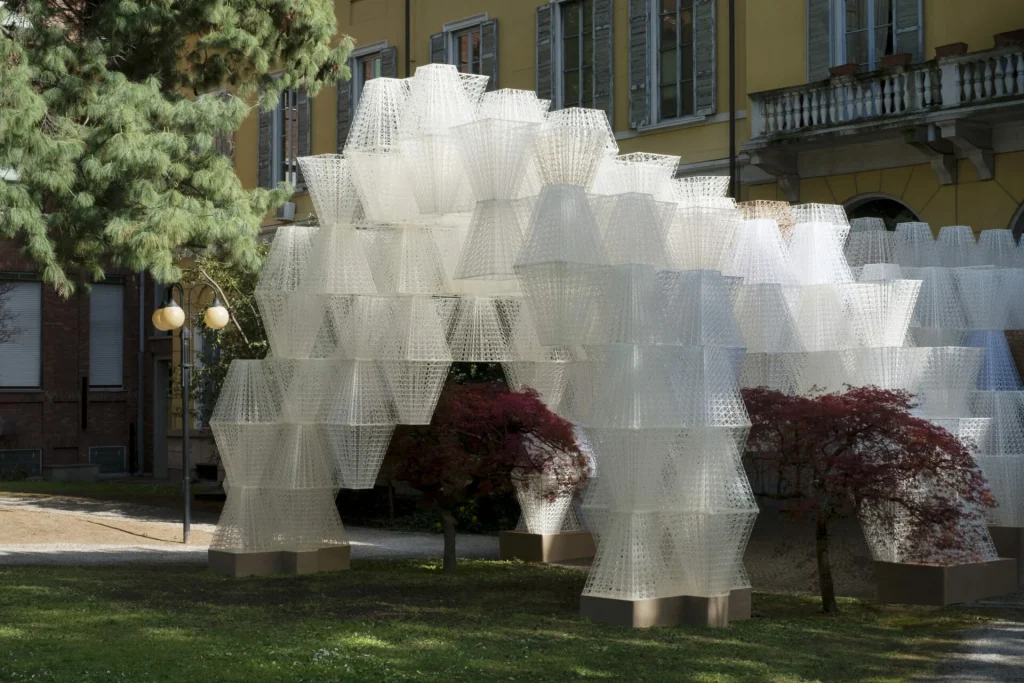
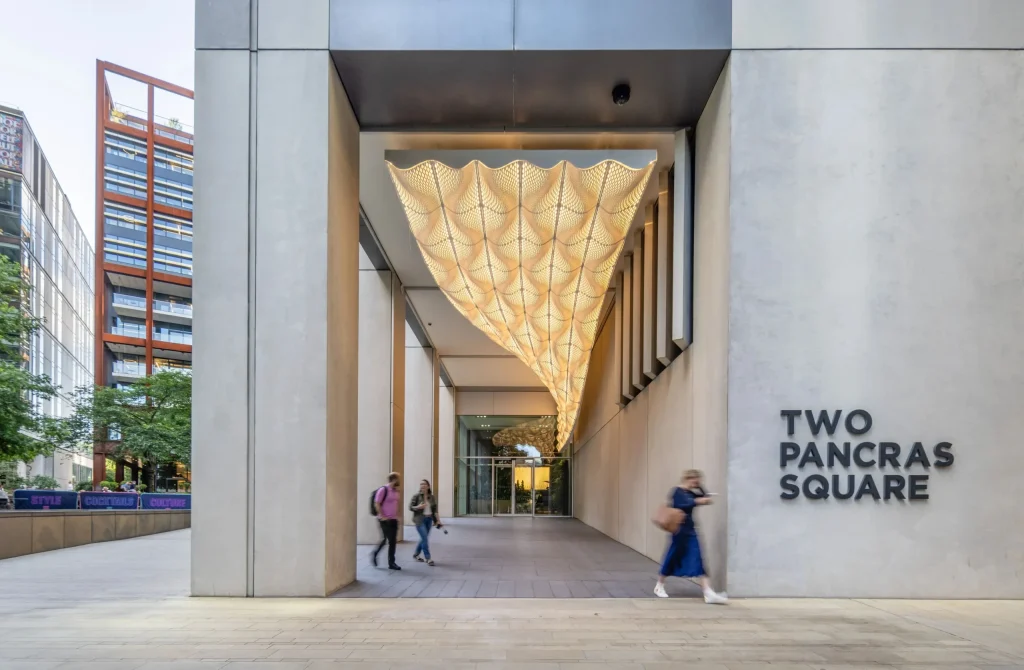
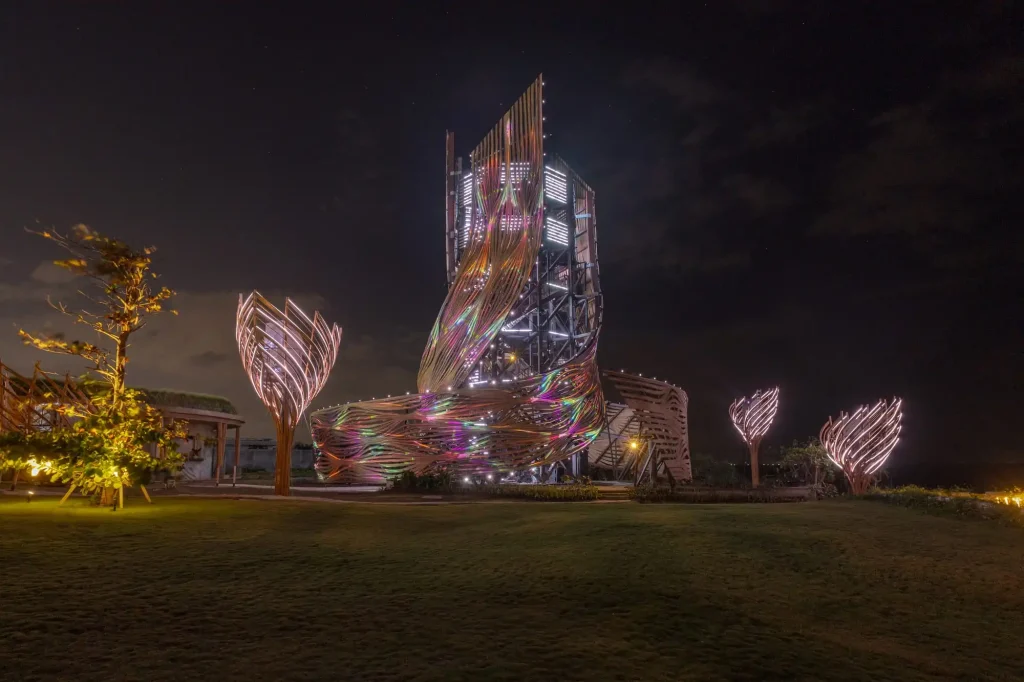
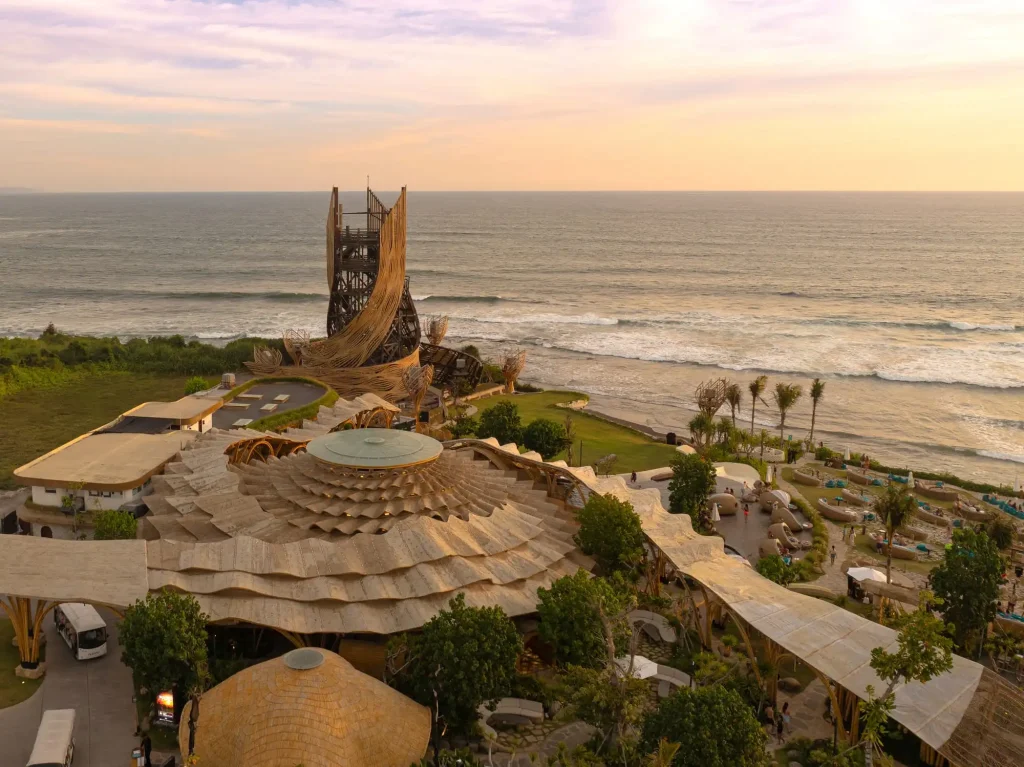
Based in London, Mamou-Mani is the founder of Mamou-Mani Architects, an experimental architecture practice working at the intersection of parametric design, digital manufacturing, and sustainable construction. He is also associated with Fab.Pub, a fabrication venture focused on making advanced manufacturing technologies more accessible. His portfolio includes projects such as the Conifera installation for COS, the Galaxia temple at Burning Man, and experimental structures that investigate the potential of computational geometry and material optimization.
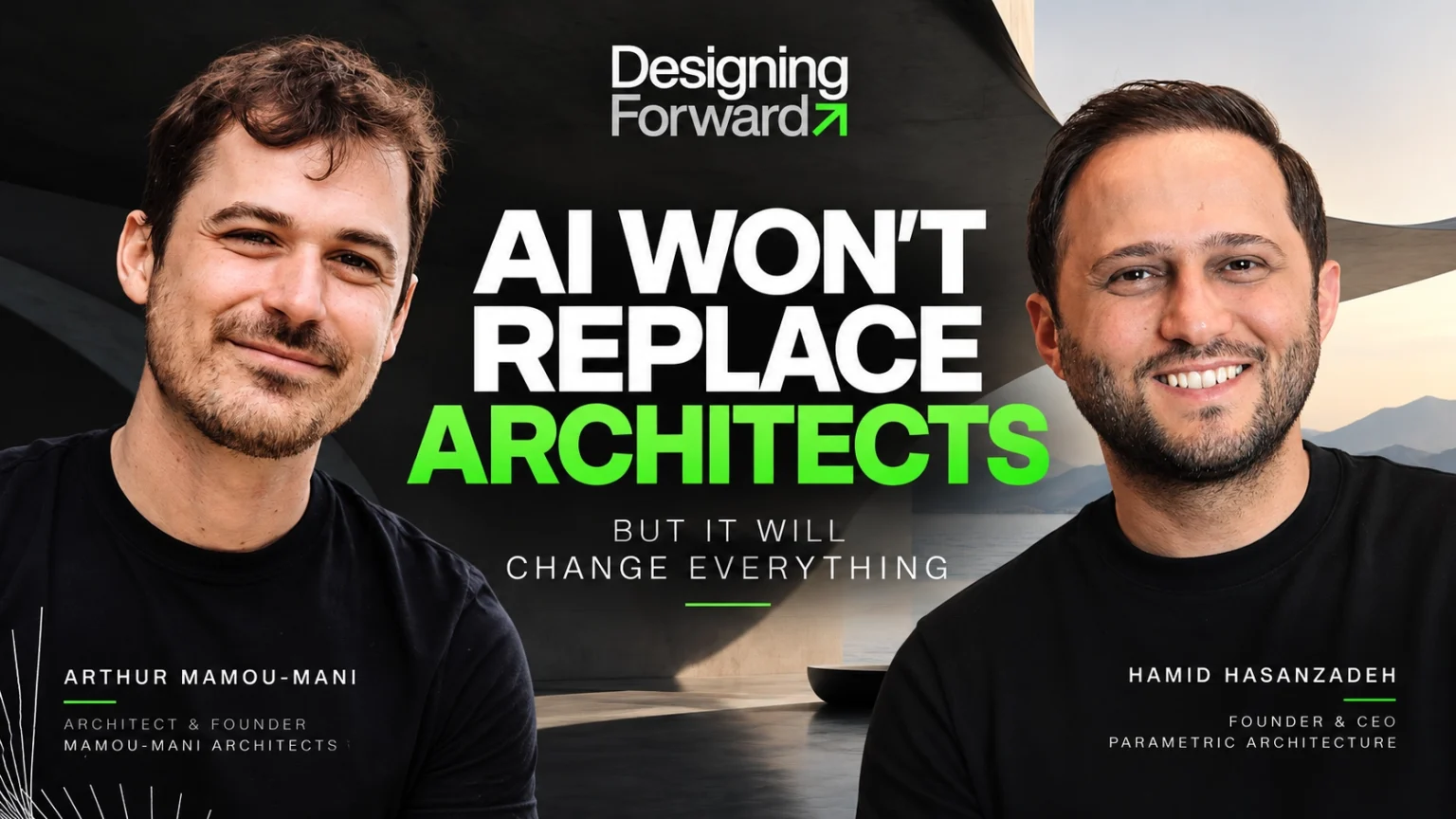
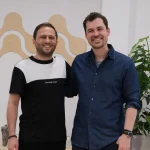
In the 76th episode of Designing Forward, Mamou-Mani joins Hamid Hasanzade, founder and CEO of Parametric Architecture and PAACADEMY, for an extensive conversation about the evolution of computational design, circular construction, artificial intelligence, and architectural entrepreneurship.
Through Parametric Architecture and its educational platform PAACADEMY, Hasanzade has worked to make emerging design technologies more accessible to an international community of architects and designers. Their conversation builds on a professional relationship spanning several years, including previous collaborations and discussions about the expanding possibilities of digital fabrication.
One of the central themes emerging from their exchange is that technological innovation becomes meaningful only when architects understand its purpose. Rather than treating parametric design, artificial intelligence, or 3D printing as isolated techniques, Mamou-Mani advocates an integrated approach in which geometry, materials, fabrication, and environmental performance inform one another throughout the design process.
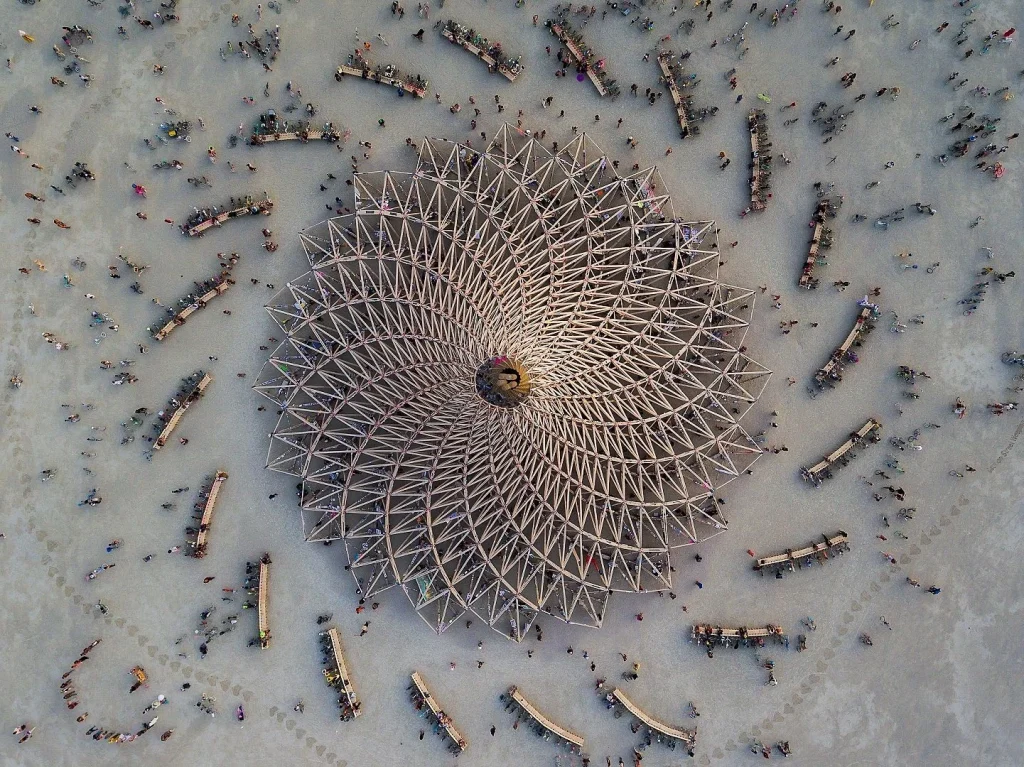
Extending this conversation into architectural education, Arthur Mamou-Mani will lead the Eco-Parametric Architecture workshop at PAACADEMY on November 21–22, 2026. The two-day online workshop will explore computational design, Grasshopper fundamentals, circular thinking, and robotic fabrication, helping participants connect digital modeling with material efficiency and real-world manufacturing processes.
Drawing on more than a decade of teaching experience, Mamou-Mani aims to demonstrate how architects can move beyond learning software commands toward understanding the principles that make computational design meaningful.
From Parametric Design to Circular Architecture
Reflecting on his architectural education at London’s Architectural Association during the mid-2000s, Mamou-Mani recalls a period when computational tools were beginning to fundamentally change architectural thinking. The emergence of GenerativeComponents, RhinoScript, and Grasshopper introduced designers to systems capable of generating interconnected geometries through mathematical relationships rather than conventional drawing techniques.
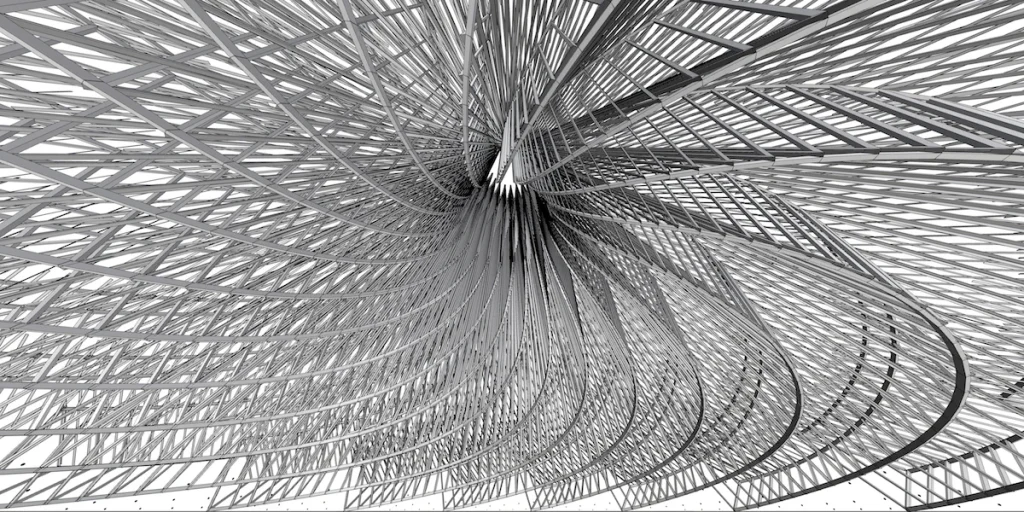
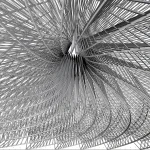
This shift was significant because architectural models could evolve through changing parameters, allowing designers to explore relationships between geometry, structure, and fabrication. For Mamou-Mani, these developments revealed connections between computational systems and natural processes, where complex forms emerge through interactions between multiple elements.
However, his interest in computational design gradually developed into a broader concern with the environmental consequences of construction. His involvement with Burning Man, where temporary installations must be assembled, dismantled, and removed, helped establish the principles that continue to influence his practice.
“Circularity considers where materials come from and where they end up and what happened to them along the way,” he explains.
Rather than evaluating sustainability exclusively through material selection, Mamou-Mani argues that architects must consider transportation, assembly, maintenance, disassembly, and future reuse from the earliest stages of design. Buildings should be understood as evolving systems whose components can be recovered, reconfigured, or repurposed instead of becoming waste.
Rethinking Materials Through Digital Fabrication
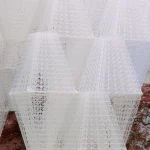
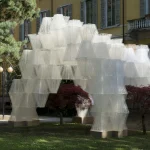
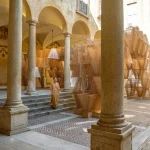
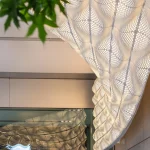
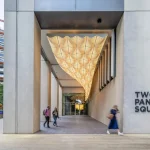
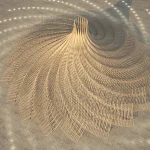
The conversation explores how these principles translate into architectural projects, particularly through the Conifera installation developed for COS. Comprising approximately 700 modular cones, the project demonstrated how computational geometry and additive manufacturing could create a complex architectural installation while allowing individual components to be dismantled and reused.
The experience also prompted Mamou-Mani to investigate the environmental characteristics of polylactic acid (PLA), a polymer commonly used in 3D printing. Although derived from renewable resources, PLA requires appropriate processing and disposal infrastructure to realize its potential environmental advantages.
This distinction became central to his thinking: sustainable materials alone cannot establish a circular economy without systems for collection, recycling, and reuse. His fabrication operations consequently expanded to incorporate shredding, granulation, and material compounding, enabling waste polymers to be processed into new manufacturing materials.
Yet Mamou-Mani rejects the assumption that circular architecture requires exclusively organic or biodegradable materials. Discussing a large-scale airship hangar project in Bordeaux, he describes how computational optimization helped develop a more materially efficient steel structure. Through iterative structural analysis and genetic algorithms, the team achieved a design that he says required approximately 2,600 fewer tonnes of steel than an initial cylindrical configuration.
The underlying lesson is that environmental responsibility depends on selecting appropriate materials and optimizing their use, rather than universally prescribing one construction technology.
Mobile Factories and the Future of 3D-Printed Construction
Another significant development discussed in the episode is Mamou-Mani’s exploration of mobile manufacturing infrastructure. Through Fab.Pub, his team has been developing container-based robotic fabrication systems that can travel between locations and manufacture architectural components closer to their final installation sites.
Instead of transporting finished architectural elements across considerable distances, these mobile factories could potentially manufacture components using locally available materials, including recycled polymers and construction waste.
Mamou-Mani describes a future in which international collaboration and distributed manufacturing operate together: architectural knowledge and computational models circulate globally, while physical production takes place locally.
The approach could reduce transportation requirements, support material recovery, and introduce new opportunities for decentralized construction. During the interview, he discusses demonstrations of mobile fabrication systems in London, Bucharest, and Manchester, alongside ambitions to expand the technology internationally.
For Mamou-Mani, the challenge extends beyond printing buildings. The objective is to develop manufacturing systems capable of supporting circular construction at scale, with modularity, maintenance, and eventual disassembly considered throughout the process.
Artificial Intelligence as an Extension of Parametric Design
Artificial intelligence occupies a substantial portion of the conversation, particularly its potential to transform architectural workflows beyond image generation.
Mamou-Mani approaches AI with considerable optimism, describing it as a technology capable of automating repetitive administrative processes, coordinating information across digital platforms, and supporting increasingly complex design decisions.
Within his own businesses, AI-assisted workflows help manage schedules, communications, and operational responsibilities, allowing him to dedicate more time to creative work. In architectural practice, he sees opportunities for AI to support material research, environmental analysis, regulatory requirements, structural considerations, and computational modeling.
Importantly, he considers AI an extension of the systematic thinking introduced by parametric design rather than an entirely separate architectural revolution.
The discussion also addresses concerns about AI-generated architecture, particularly the possibility that designers may rely on automated outputs without understanding their implications. Mamou-Mani acknowledges the importance of critical judgment and emphasizes that technological accessibility should never replace fundamental architectural knowledge.
“It’s a helper. It is not a replacer,” he states.
He argues that architects who understand geometry, mathematics, materials, and construction principles will be better positioned to evaluate AI-generated solutions. Emerging tools may lower technical barriers, but professional responsibility remains with the designer.
Why Architects Must Become Entrepreneurs
Beyond technology and sustainability, the conversation introduces an increasingly relevant subject: architectural entrepreneurship.
Managing both an architectural practice and a fabrication business has encouraged Mamou-Mani to reconsider traditional models of professional practice. He argues that architects should develop stronger financial literacy, understand business operations, and explore opportunities to create technologies and products that extend beyond individual commissions.
For him, entrepreneurship offers architects the ability to influence how their ideas are developed, distributed, and implemented. His businesses operate independently to maintain creative flexibility while allowing fabrication technologies to serve other designers and industries.
The discussion also highlights the importance of collaboration and accessible education. Recalling the early Grasshopper community, Mamou-Mani emphasizes how shared knowledge, open discussions, and collective experimentation helped computational design evolve into a widely adopted architectural methodology.
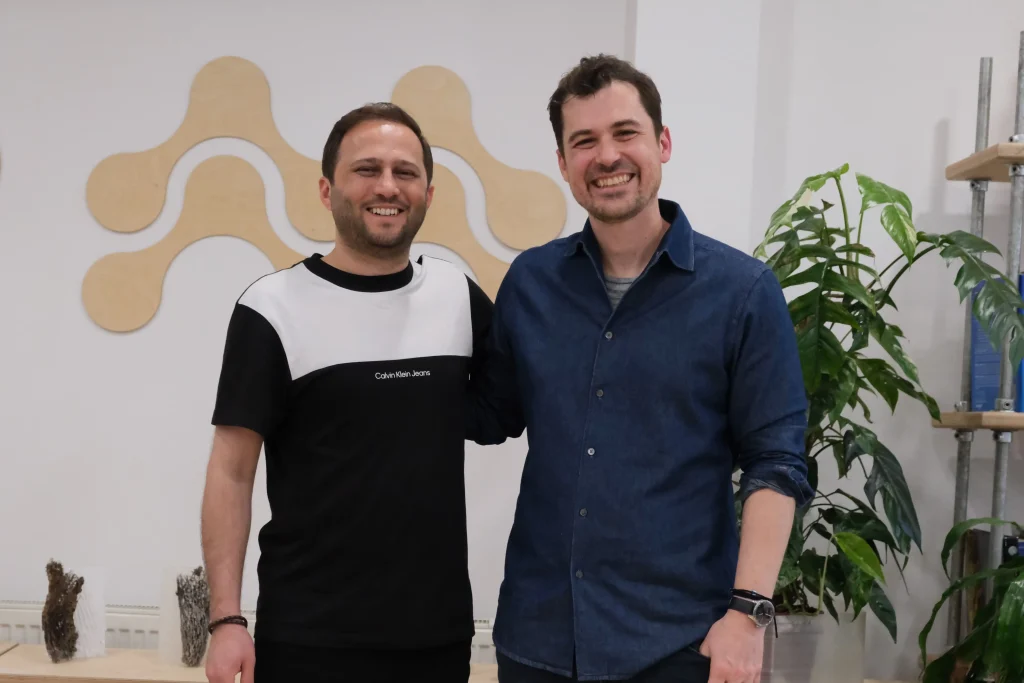
This philosophy closely aligns with Hasanzade’s vision for Parametric Architecture and PAACADEMY, where education and community engagement have become central to making advanced design technologies accessible beyond traditional academic institutions.
The Next Generation of Architecture
Looking ahead, Mamou-Mani believes architectural education must expand beyond software proficiency to encompass computer science, geometry, material behavior, fabrication, biology, and entrepreneurship. Understanding the fundamental principles behind technologies will become increasingly important as artificial intelligence simplifies their application.
His vision is ultimately less concerned with technological spectacle than with establishing meaningful relationships between computational intelligence, environmental responsibility, and human creativity.
For architects navigating an increasingly automated profession, the conversation offers a perspective in which technology does not diminish the architect’s role but challenges designers to become more critical, collaborative, and ambitious.
As Mamou-Mani suggests, the future of architecture will depend not simply on what technologies can generate, but on whether architects understand why they are using them and what impact their decisions will have on the built environment.
Prefer to listen? Tune in to Episode 76 of Designing Forward on Spotify and hear the full conversation with Ross Lovegrove.