




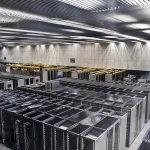
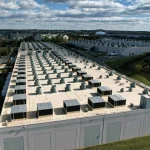

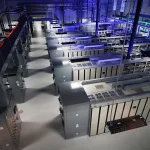
The rapid expansion of artificial intelligence is reshaping the global economy, transforming industries, accelerating research, and changing how people work, communicate, and interact with technology. Yet behind the seemingly weightless digital world lies an increasingly physical infrastructure of enormous buildings, electrical systems, cooling networks, server racks, and energy-intensive computing facilities. As the demand for AI continues to accelerate, data centers are becoming one of the most significant emerging challenges in the global transition to a low-carbon economy.
According to a report by the International Energy Agency (IEA), global data center carbon emissions could increase by approximately 70% by 2030, driven largely by the rapid expansion of artificial intelligence and the growing reliance on fossil fuels to supply electricity. The warning highlights a contradiction at the heart of technological progress: while digital technologies are often presented as tools for improving efficiency and reducing environmental impacts, the infrastructure required to support them may intensify energy consumption and carbon emissions on an unprecedented scale.
The IEA estimates that electricity consumption by data centers could double by 2030. Artificial intelligence is expected to account for approximately three-quarters of this increase, reflecting the enormous computational requirements of training and operating increasingly sophisticated AI systems. As AI applications become embedded in everyday services, business operations, scientific research, and communication platforms, the demand for computing capacity is expanding far beyond the limits of existing infrastructure.
This growth is not simply a technological development. It represents a fundamental transformation in the relationship between digital economies and physical resources. The seemingly invisible processes of generating information, training algorithms, and responding to digital requests require vast amounts of electricity, water, land, materials, and infrastructure.

The Physical Infrastructure Behind Artificial Intelligence
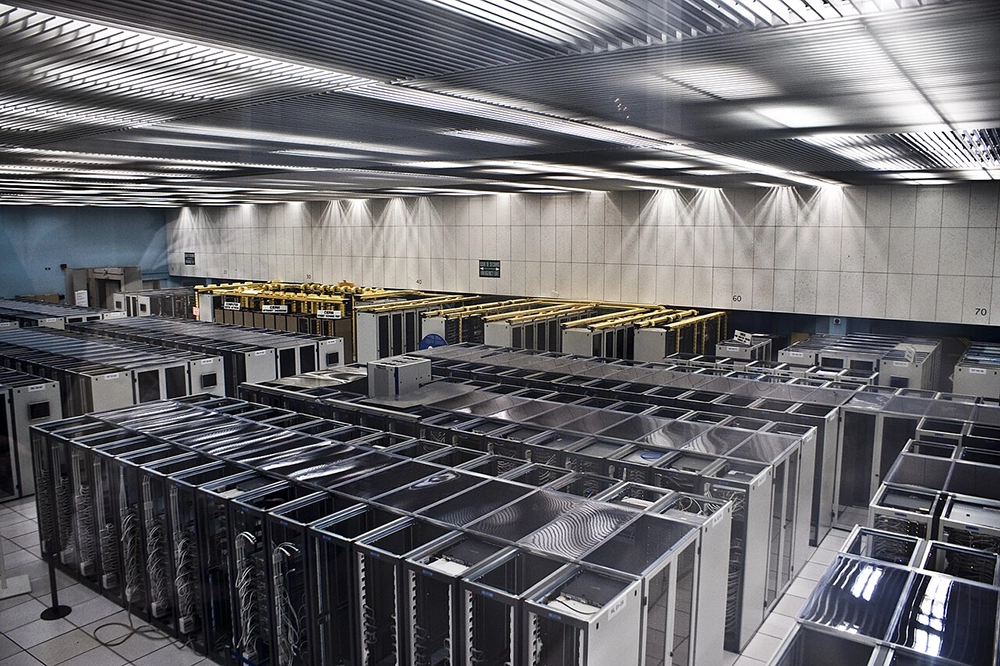
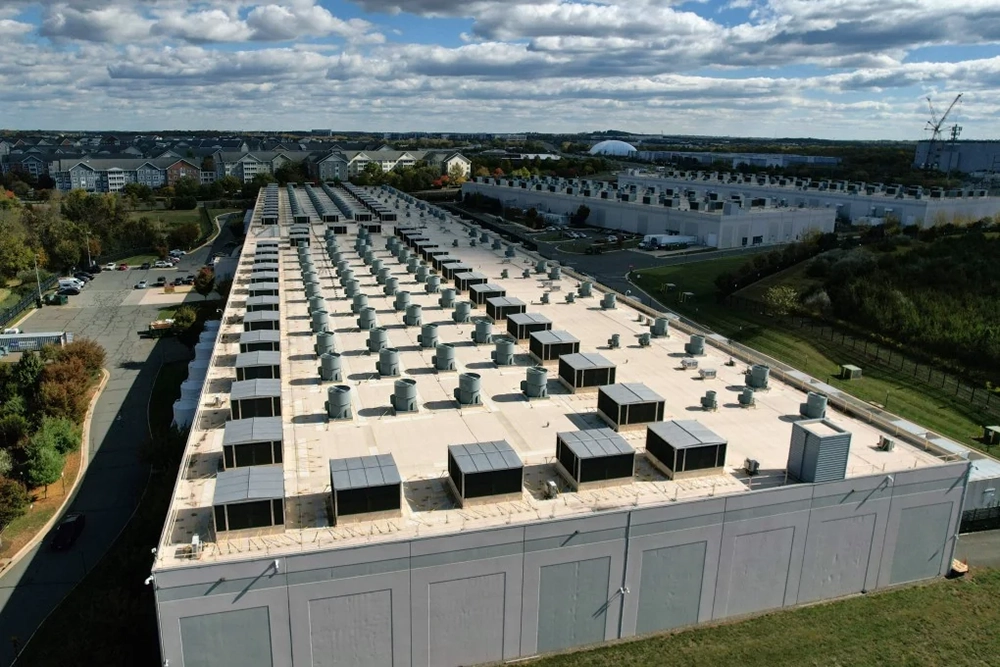
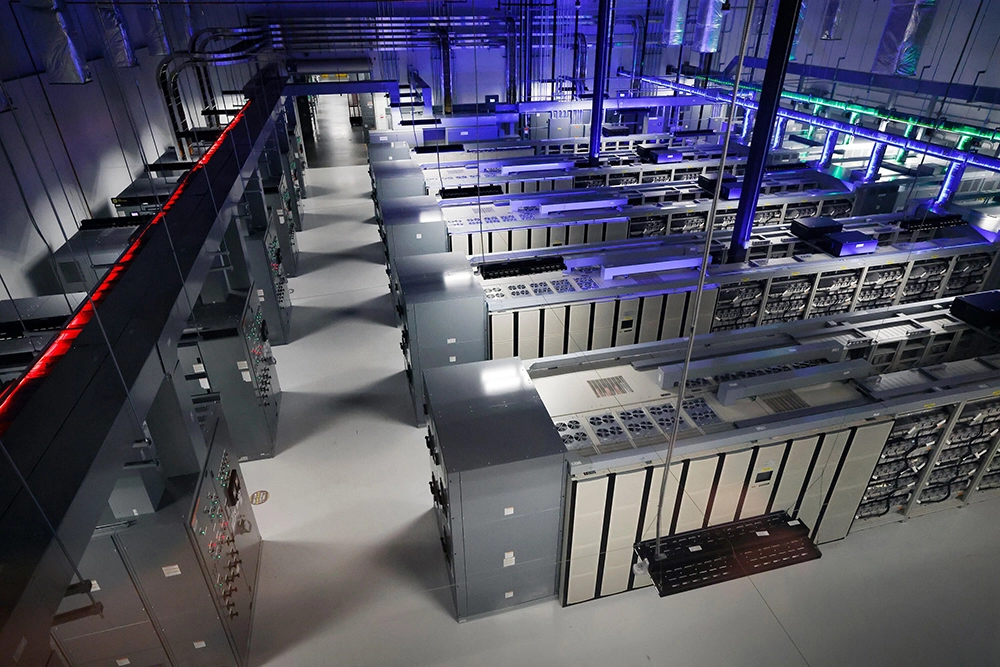
The expansion of AI is creating an unprecedented demand for specialized data centers. These facilities house thousands of servers, high-performance processors, storage systems, networking equipment, and cooling technologies designed to operate continuously. Unlike conventional buildings, their energy requirements are concentrated in computational equipment that must remain operational around the clock.
The scale of this expansion is particularly striking. According to the IEA, the capacity of data centers worldwide has increased dramatically, with new AI-focused facilities emerging at a speed that challenges existing energy systems. The agency estimates that approximately 120 gigawatts of additional data center capacity could be constructed by the end of the decade under its central scenario, with around three-quarters of this new capacity dedicated to AI operations.
The physical scale of these developments is changing the geography of technological infrastructure. Data centers are increasingly being constructed in locations where electricity is relatively inexpensive, power grids can accommodate great demands, and land is available for industrial-scale development. Their location, however, is not determined solely by economic considerations. Energy availability, cooling requirements, network connectivity, environmental regulations, and proximity to power generation are becoming decisive factors in determining where the next generation of digital infrastructure will be built.
The result is a growing dependence between technological development and energy systems. AI companies may compete through software innovation and computational performance, but their ability to expand increasingly depends on access to electricity, power generation capacity, transmission networks, and the physical resources required to maintain their facilities.
A Growing Dependence on Fossil Fuels
Despite the growing investment in renewable energy by technology companies, the IEA warns that fossil fuels may play an increasingly significant role in powering data centers, particularly in the United States and China.
In the United States, natural gas is expected to supply approximately 60% of the electricity required by data centers by 2030. The scale of planned gas-fired power generation is substantial, with projects associated with data center development reaching approximately 180 gigawatts in capacity. Such expansion reflects the difficulty of meeting rapidly increasing electricity demand through renewable energy and grid infrastructure alone.
Natural gas is often presented as a transitional energy source because it produces fewer carbon emissions than coal when burned. However, its continued expansion creates long-term environmental consequences, particularly when new power plants are constructed to support infrastructure that is expected to operate for decades. The investment in fossil-fuel generation can also create economic and political incentives to prolong dependence on carbon-intensive energy systems.
China presents a different energy landscape. According to the IEA, coal is expected to provide approximately half of the electricity required by AI data centers in China by 2030. Renewable energy will supply much of the remaining demand, accompanied by smaller contributions from nuclear power and gas.
These developments suggest that the environmental consequences of the AI revolution will vary considerably according to national energy policies, electricity markets, and infrastructure conditions. The same technology may produce significantly different carbon footprints depending on the energy source used to operate it.
In Europe, the outlook is comparatively less carbon-intensive. The IEA expects renewable energy to provide approximately 70% of electricity consumed by data centers in the European Union by 2030, with nuclear energy also contributing significantly. This contrast demonstrates that the environmental impact of AI is not determined exclusively by technological efficiency. It is equally shaped by the energy systems and political decisions surrounding its development.
The Contradiction of Digital Sustainability
The growth of AI infrastructure raises an important question about the meaning of technological sustainability. Digital technologies are frequently associated with dematerialization: the replacement of physical processes with digital alternatives, the reduction of paper consumption, improved resource management, and the optimization of transportation, manufacturing, and energy systems.
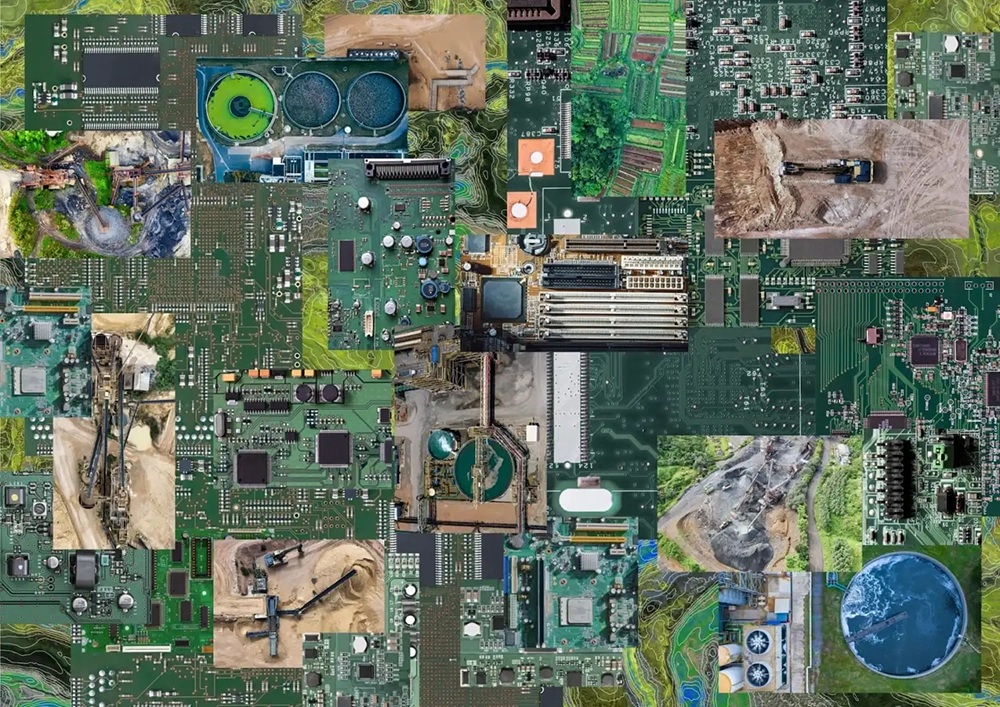
However, dematerialization does not necessarily mean the elimination of material consumption. Instead, it often shifts environmental impacts from visible activities to less visible infrastructure. Digital services depend on minerals, semiconductor manufacturing, industrial buildings, electricity generation, cooling systems, and extensive networks of cables and equipment.
The environmental cost of AI is therefore not confined to the moment when a user submits a request or an algorithm generates a response. It is embedded in the entire lifecycle of digital infrastructure, from the extraction of materials and manufacturing of equipment to the construction of data centers, their operation, and eventual replacement.
This distinction is particularly important as AI becomes integrated into increasingly ordinary activities. The computational demands of individual applications may appear insignificant, but their cumulative impact becomes substantial when multiplied across millions or billions of users and continuously operating systems.
The central challenge is not necessarily to reject AI or digital innovation, but to reconsider the assumptions under which technological growth is pursued. Greater computational capability does not automatically translate into greater social or environmental efficiency. The question of whether a particular application produces meaningful benefits relative to its energy consumption is becoming increasingly relevant.
Energy Infrastructure as the New Technological Bottleneck
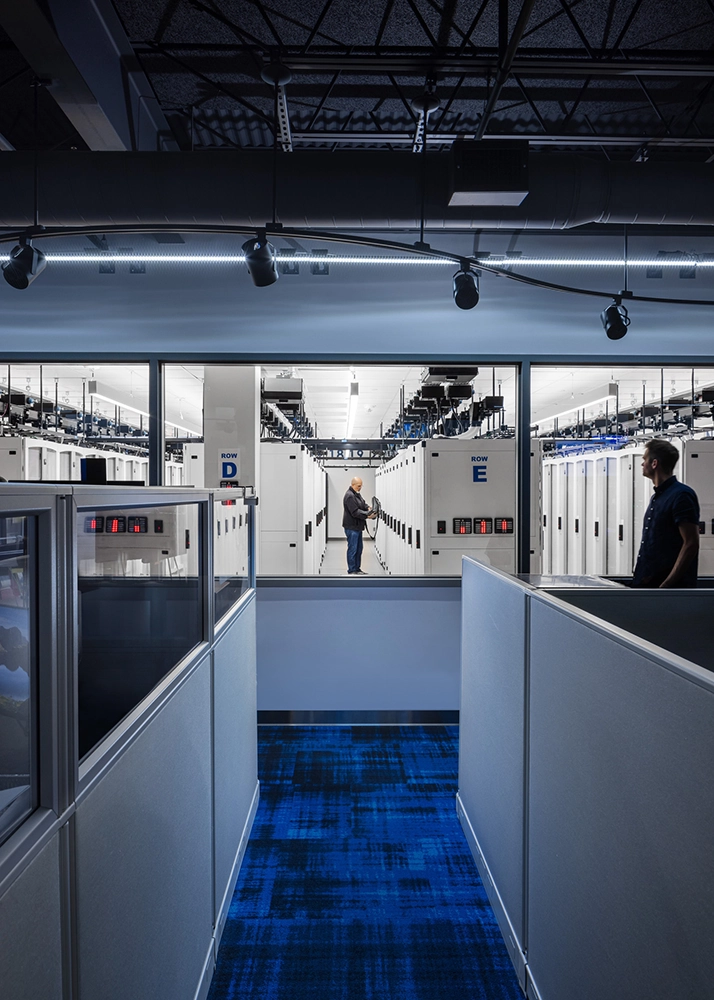
The rapid development of AI is placing pressure on electricity networks that were not necessarily designed to accommodate such concentrated and rapidly growing demand. Data centers require reliable electricity supplies, often at enormous scales, and interruptions can have significant economic consequences. This creates a demand for additional power generation, grid reinforcement, energy storage, and new transmission infrastructure.
The consequences extend beyond the boundaries of individual facilities. In regions experiencing rapid data center expansion, electricity demand may compete with residential consumption, industrial activity, and other infrastructure needs. The development of new power plants and transmission networks can affect local communities, land use, energy prices, and environmental conditions.
Energy availability is consequently becoming a strategic factor in the competition for AI leadership. Countries and companies seeking to expand their computational capabilities must increasingly consider not only access to advanced chips and software, but also the capacity of their energy systems to support them.
This situation introduces a new dimension to technological inequality. Regions with abundant electricity, reliable infrastructure, and access to investment may attract data center development, while others may struggle to participate in the expanding digital economy. At the same time, communities hosting these facilities may bear some of their environmental and infrastructural costs without necessarily receiving equivalent economic or social benefits.
The future of AI may therefore be shaped as much by electricity infrastructure as by innovation in algorithms.
Rethinking the Future of Digital Growth
The IEA’s warning arrives at a moment when governments, technology companies, and investors are increasingly treating artificial intelligence as a critical component of economic competitiveness. The pressure to build faster, expand computing capacity, and secure technological leadership is unlikely to diminish in the near future.
Yet the environmental implications of this race demand a more comprehensive approach. Renewable energy investment, more efficient computing systems, improved cooling technologies, the development of energy-aware AI models, and better planning of data center locations could help reduce the environmental burden of digital infrastructure.
Equally important is the need for transparency. Data center operators should disclose energy consumption, emissions, water use, and the sources of electricity powering their facilities. Without reliable information, the sustainability claims surrounding AI remain difficult to evaluate, and the environmental consequences of digital expansion risk becoming disconnected from public accountability.
The transition to a sustainable digital economy will require more than technological efficiency. It will require reconsidering how much computational capacity is necessary, what purposes it serves, how energy is generated, and who benefits from the infrastructure being constructed.
Artificial intelligence is often described as a revolution that will make the world smarter, faster, and more efficient. But its physical foundations reveal a more complicated reality. The digital future is not detached from the environmental limits of the planet. It is increasingly dependent on them.
The challenge of the coming decade will not simply be to build more powerful AI systems. It will be to determine whether the infrastructure supporting them can expand without undermining the environmental conditions that make technological progress possible.
The future of AI, therefore, is also a question of energy, architecture, infrastructure, and responsibility. The buildings housing the world’s digital intelligence may become some of the most consequential structures of the twenty-first century, not because of what they look like, but because of the resources they consume and the future they help shape.