

Today, we often encounter architecture through images before experiencing it in person. Social media has changed the way we see and understand buildings, turning architectural photography and digital platforms into powerful tools for shaping public perception. Buildings are increasingly presented through carefully composed images, short videos, and visual narratives designed to capture attention. This shift raises important questions about how architecture is conceived, communicated, and evaluated. As visual appeal becomes a defining factor in architectural recognition, how is social media influencing contemporary architecture, and what does this mean for the relationship between buildings and the people who experience them?
1. How Social Media and Instagram Culture Brought a “Visual-Centric Logic” Into Our Lives
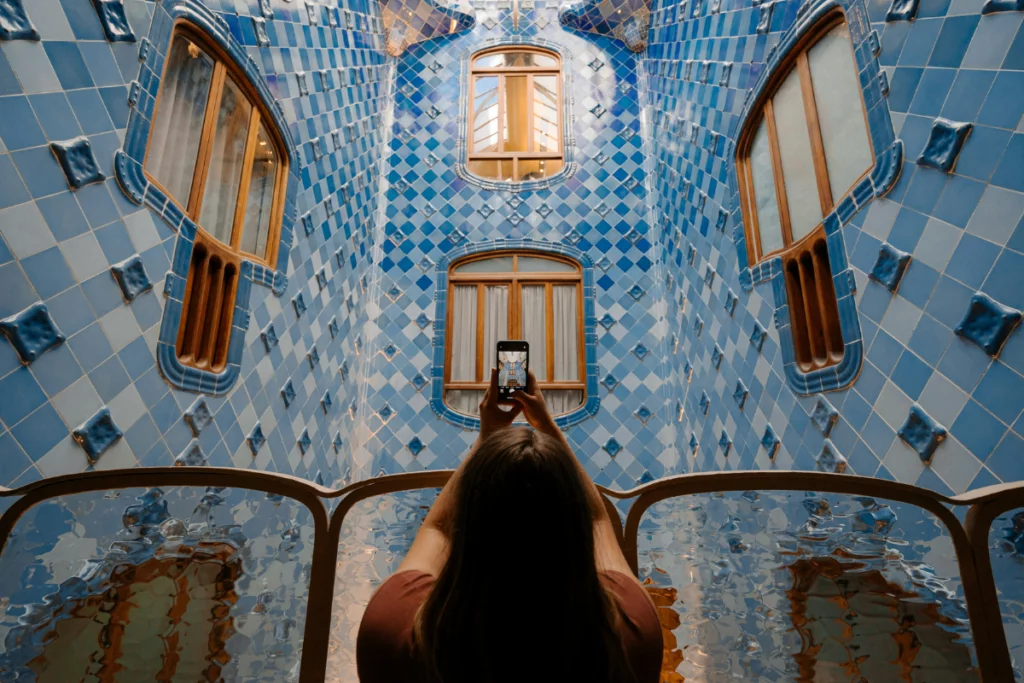
Social media has changed the way we see the world. Not necessarily in a positive or a negative way, but simply from a different perspective. And this perspective is built around visuality. This inevitably affects the way we perceive things that are experienced visually, such as architecture and design.
Architecture and design gain meaning through many different parameters — including functionality, concept, sustainability, ecological context, and many more. Yet in our digital age, the first visual impression has become increasingly important. Instagram has played a crucial role in this transformation, and it still does.
Since Instagram was founded in 2010, visual culture in the digital world has gained significant momentum. Over time, and particularly with the development of algorithms, it has evolved into a space where people discover, learn, and engage with almost any topic. Architecture is no exception.
Getting to know an architectural work has many similarities with getting to know a person. We communicate with buildings through our senses, just as we do when having a conversation with someone. We see them first, feel their texture through a handshake or a simple touch, notice their smell, and hear their voice, echo, or other sounds. These are not the only ways we experience a building, but they are part of what makes encountering a place a physical experience.
When people repeatedly encounter a building through images, they may develop a sense of familiarity with a place they have never physically visited, or even become motivated to visit it.
Through these new forms of interaction, the digital presence of architecture has become part of how architecture is represented and experienced.
2. How Instagram Reshaped Architectural Interaction and Appreciation

As mentioned previously, architecture’s meaning and value depend on many different parameters. The hierarchy among these parameters has been debated, challenged, and redefined throughout history. Aesthetics and photogenicity have always played a role alongside function. But in the 21st century, visual appeal has arguably gained more importance than before.
Image-making has become an inseparable part of contemporary architecture. Naturally and simultaneously, this has affected architects ’approach to design and how they communicate it with people. Images, renders, and photographs started to carry a different kind of weight. They became a way of connecting people with architecture. Following this, a new parameter came into our lives: Instagrammability.
Instagrammable design focuses on interaction in the digital environment. It can mean designing with metrics such as likes, shares, and comments in mind. In this way, people can become part of a visual story and engage with a project, whether they have physically experienced it or not. This can motivate people to learn more about the building.
Visual stories can also emerge when a building becomes part of a cultural event or hosts one, going beyond aesthetics. These factors create stories and open up space for multifaceted connections with a building. While this could lead to a situation where the value of architecture is determined by parameters like interaction, shares, likes, and beauty, it can also create new ways of accessing a building, both digitally and physically.
3. New Participants of Architecture
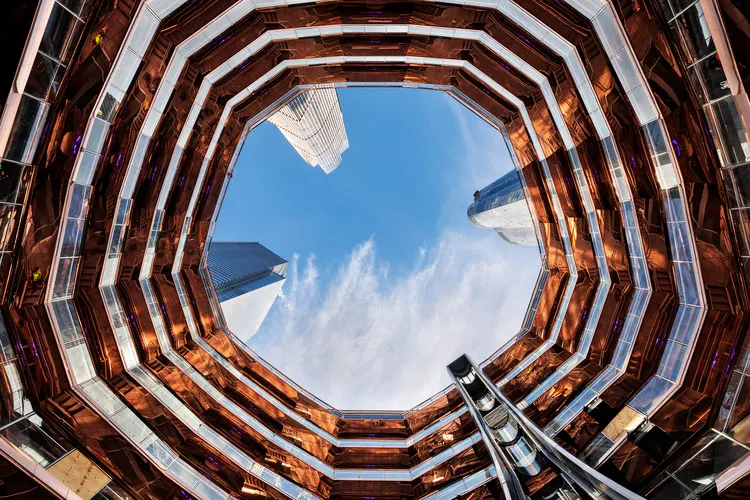
New ways of engaging with architecture have emerged through social media, mostly through Instagram, as mentioned previously. Naturally, this has changed the way people participate in architectural discourse. Previously, architecture was mainly debated through magazines, academia, and professional circles. But in the 21st century, we have many more participants, including users, influencers, content creators, tourists, and even algorithms.
Some of these groups, such as users and tourists, were of course already engaging with architecture before. However, their participation was much more limited in terms of visibility and reach. Today, almost anyone can share an opinion, experience, or interpretation of a building and potentially reach a large audience. Architecture is no longer discussed only within the architectural profession; it is surrounded by many new voices, whether professional or not.
This expansion of architectural discourse also affects what becomes visible and popular in architecture. Today, we increasingly see architecture through photogenic angles, cinematic lighting, striking facades, and carefully composed images. This may suggest that aesthetic appeal is becoming an increasingly important consideration at the design stage. But this is, of course, difficult to establish from images alone.
Image making is not new to architecture. Photographs, perspectives, magazines, and renders have long been part of the way architecture is represented. The difference with Instagram is that it takes architectural image making beyond professional circles and places it into a massive, continuous, and algorithm-driven flow of images.
“…buildings are conceived with the image they want to produce of themselves already in mind. They are thus as much built to be seen with the photographer’s eye as they are built to be used or inhabited, since the manipulations of scale and size entered into their construction at the drawing stage.” – Thomas Elsaesser
4. Does Instagram Influence Design Decisions?
Architects ’design approaches have also changed with these new parameters. Some architects have started to design with engagement in mind, some have ignored the presence of these parameters, and some have used them strategically. In a way, it depends on the architect’s vision. But whether a building is designed with algorithms in mind or not, many buildings find their audience through their Instagrammable features. Considering this, we need to examine how buildings find their users and audiences in the 21st century. To ground these emerging ideas in real examples, let’s look at a few case studies.
Le Palais Bulles
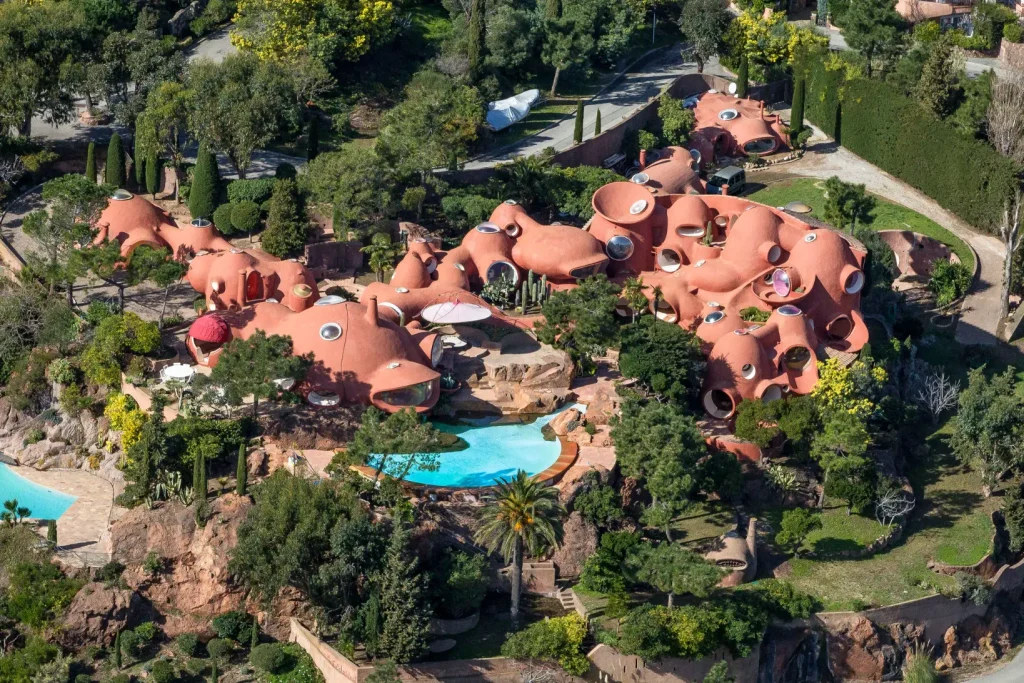
Antti Lovag’s Le Palais Bulles was built at a time when Instagram had not even crossed anyone’s mind. The building was one of the groundbreaking architectural works of its time. Photography was already important, but Lovag’s approach was not focused on this aspect. He was designing with another idea in mind: playing with forms and creating new approaches to architecture. But he was probably aware of how remarkable Le Palais Bulles was.
Over the years, the building has hosted events, fashion shows, films, and many other activities. In the 21st century, it still has a strong presence on social media and continues to attract audiences. People take videos, use it for major events, and tell stories through the building.
This case shows us that sometimes a building does not need to be designed for Instagram to become part of Instagram culture. Its visual features can allow it to remain relevant across different forms of media and continue to attract new audiences decades after its completion. In this sense, Instagram did not create the appeal of Le Palais Bulles; it provided a new space for that appeal to circulate.
The Broad
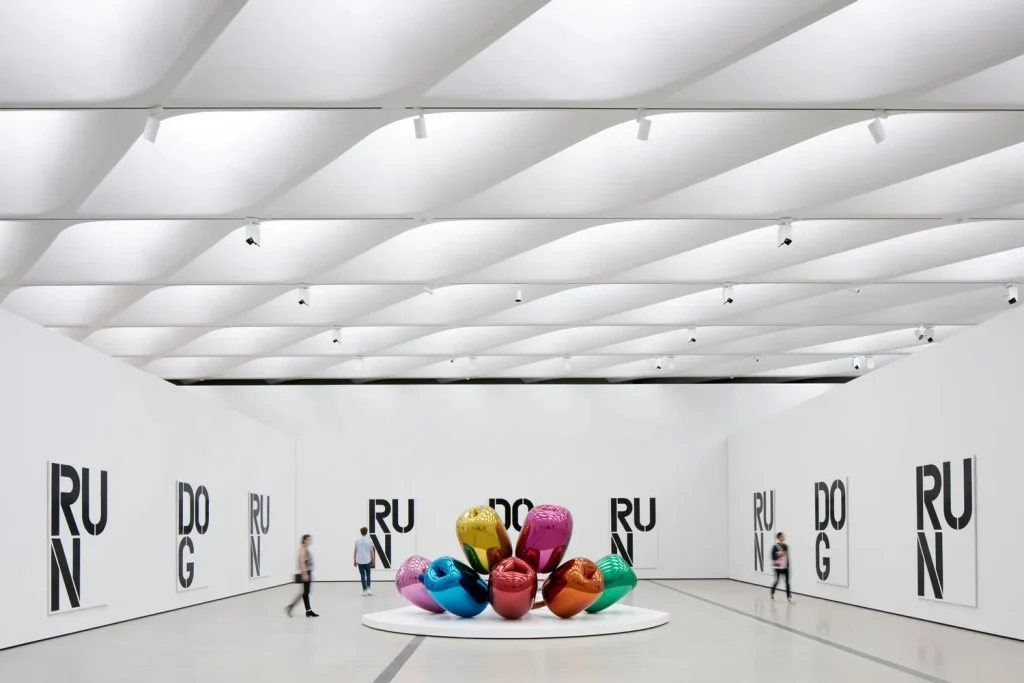
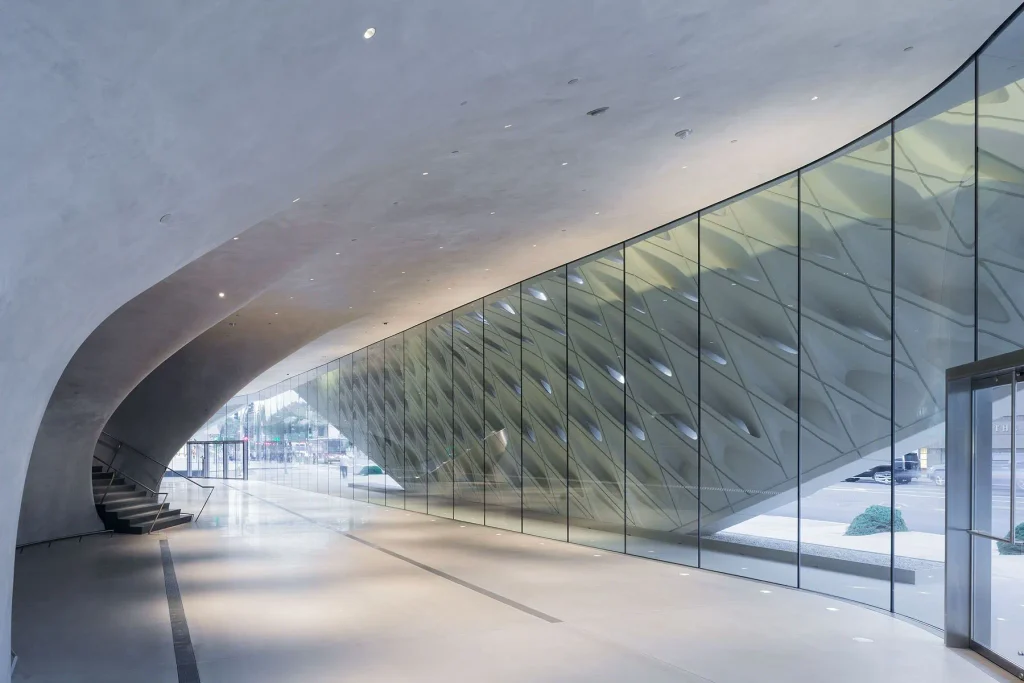
The contemporary art museum The Broad attracted massive attention immediately after its opening in 2015. People loved the building’s photographs at first, and these images motivated them to visit, experience, and post. The Broad’s white facade creates a strong first impression and offers Instagrammable shots from different angles. This effect continues inside the building through its lighting, textures, dynamic circulation, and appealing art collection. It gives visitors many opportunities to create a visual story.
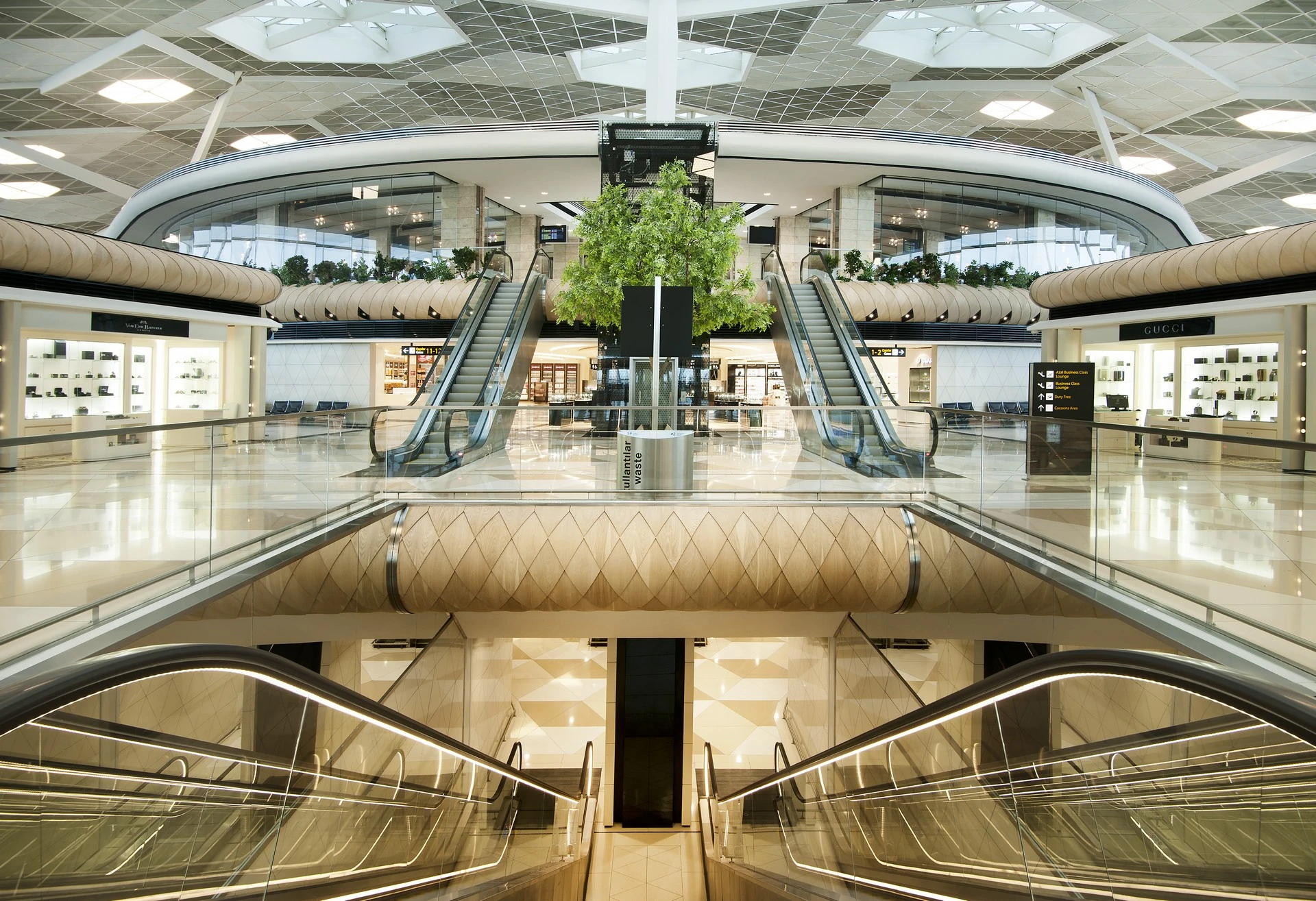
However, what makes The Broad interesting for this discussion is not only its popularity, but also how its architectural decisions create such a strong visual identity. The building is organized around two main programs, the Veil and the Vault. The geometric white facade creates a distinctive image from the outside, while the circulation through the building creates different perspectives and changing views for visitors. For example, the long escalator goes beyond being a circulation tool and creates a spatial experience as well as a recognizable image.
As a result, the museum became very popular on Instagram very quickly. It has welcomed more than 1.7 million visitors since opening and reported sales of 40,000 tickets linked to traffic coming from Instagram for the Yayoi Kusama exhibition in 2017.
This contemporary example shows us how a good design can strategically interact with the parameters of a new generation. That doesn’t mean that the architects designed it for social media, but it shows that good design can also use social media as a tool to find its audience.
Serpentine Pavilion 2026
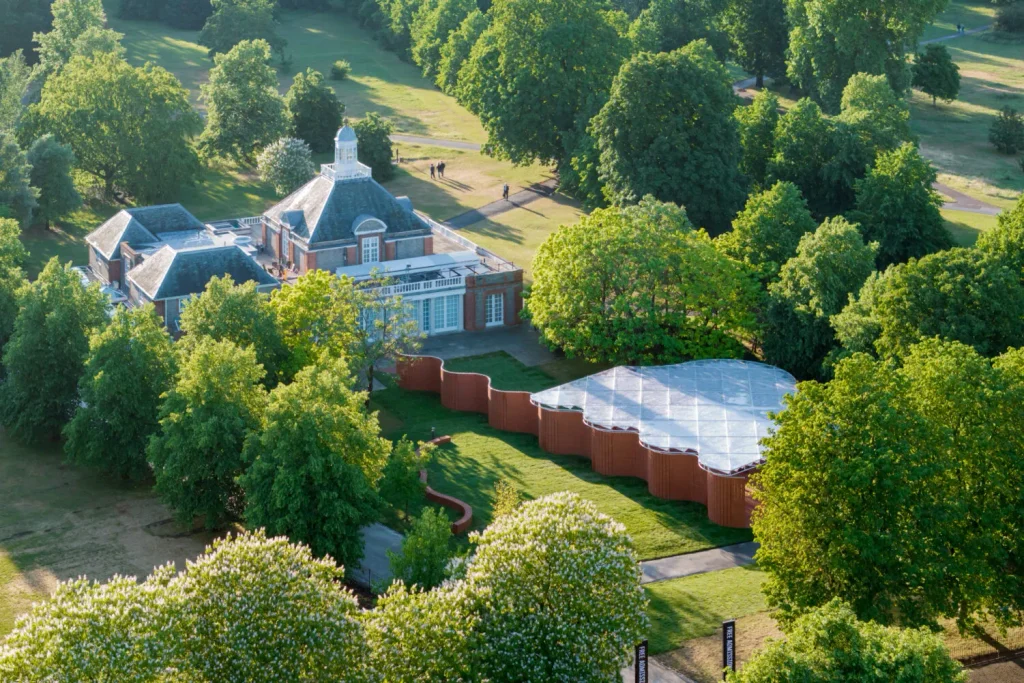
LANZA Atelier’s Serpentine Pavilion shows us a very different perspective. Serpentine Pavilion 2026 attracts people with its naive presence. It takes a more modest approach compared to many of its predecessors. Its design focuses on material, structure, light, and the experience of gathering rather than creating a strong visual icon.
Interestingly, a review of the pavilion in Building Design describes it as “not particularly Instagrammable.” In this context, however, this is presented almost as a compliment.
The pavilion does not seem to rely on spectacular forms, striking structural details, or highly photogenic surfaces to attract people. Instead, its strength comes from how it creates a space for people to gather, interact, and experience the architecture together.
This example creates an important contrast with the previous cases. A building does not necessarily need to be Instagrammable to attract attention or create a meaningful architectural experience. In fact, the absence of a strong algorithm-centric image can sometimes become a statement in itself.
5. A New Context for Architecture
Social media, particularly Instagram, has undoubtedly changed how we see and practice architecture. It has created new ways to experience buildings, new opportunities to have a voice, and a whole new area of architectural culture to discover. Considering the topics mentioned previously, it is clear that the relationship between architecture and Instagram is complex. It is not as simple as designing for beautiful photographs or creating attractive images. The connection is much more complicated than that.
The case studies showed us that Instagram can give an existing building a new audience, amplify a strong architectural identity, and increase its visibility and value at the same time. But perhaps most importantly, a building can still create value without prioritizing Instagrammability in contemporary architecture.
“ Buildings are too complex to be described by a single image or metaphor.” – Farshid Moussavi
The question may no longer be whether architecture should be designed for Instagram, but whether Instagram has quietly become one of the contexts architecture is designed within. As visual platforms continue to evolve, this influence may become less visible rather than less significant. Architects may not explicitly design “for Instagram,” but they will increasingly design within an environment where images, circulation, visibility, and digital audiences are already part of architectural culture. Perhaps, rather than seeing Instagram only as a pressure on architecture, we can also see it as a new tool for expanding creativity, reaching wider audiences, and pushing architectural boundaries.