

Kevin Weil, the former OpenAI executive who led the company’s AI-for-science work, has launched a new company with $215 million in funding. The startup, Warp Sciences, aims to accelerate a slow and expensive step in the creation of new medicines.
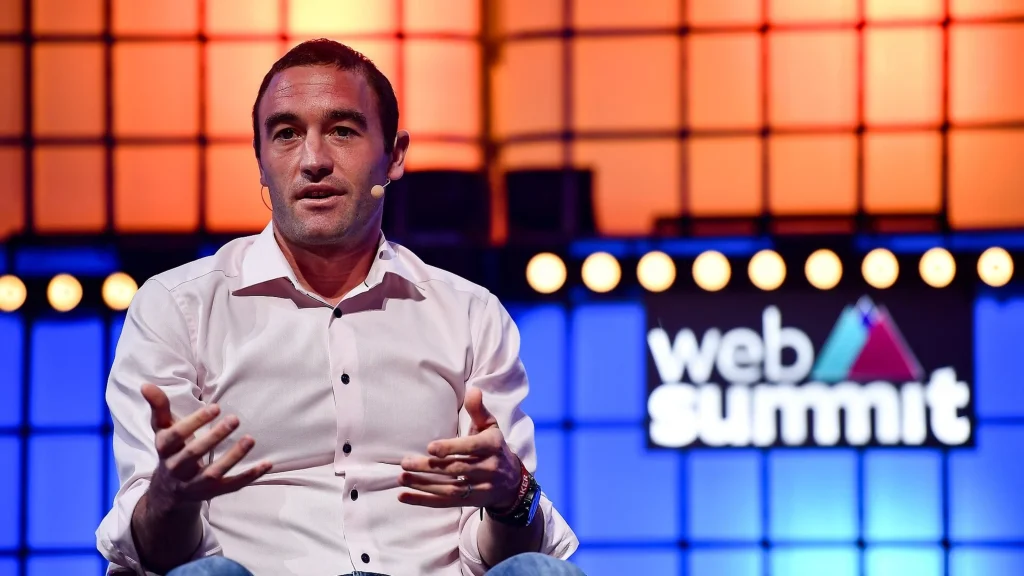
Weil left OpenAI earlier this year after the company folded its dedicated science unit into broader model and product teams. He has now re-emerged as chief executive of Warp Sciences, a company that plans to combine artificial intelligence with automated laboratory systems to produce and test large numbers of molecule variants more quickly than traditional methods allow.
Kevin Weil, From ChatGPT to the Lab Bench
At OpenAI, Weil first served as chief product officer, overseeing teams behind ChatGPT, Codex and the OpenAI API. He later headed the OpenAI for Science group, which developed models trained on chemistry, protein engineering and genomics. He described that work as an attempt to build “the next great scientific instrument.” When the science unit was absorbed into the core organization, Weil and others departed.
Warp Sciences represents a more focused commercial application of the same ambition. Instead of open-ended scientific exploration, the company targets a specific bottleneck in drug development: the process of generating and testing hundreds or thousands of chemical variants of a promising molecule to improve its effectiveness and reduce side effects. This stage has traditionally been time-consuming and costly.
Much of the work has been handled by specialised contract research organizations, many of them based in China. Geopolitical tensions and intellectual-property concerns have increased demand for alternatives closer to home.
A Fully Automated Approach
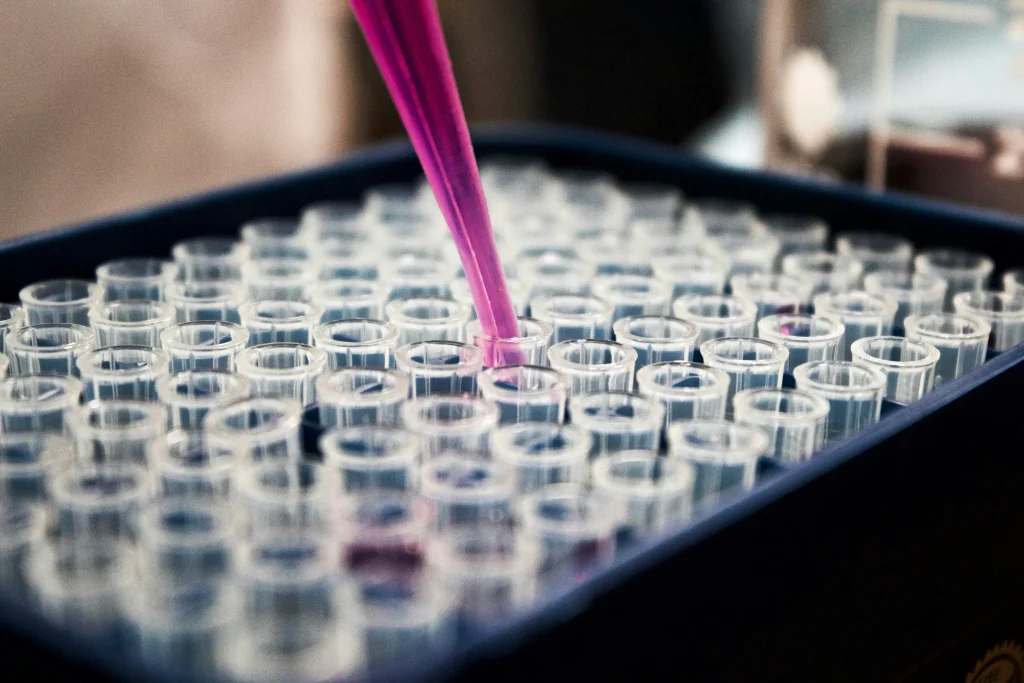
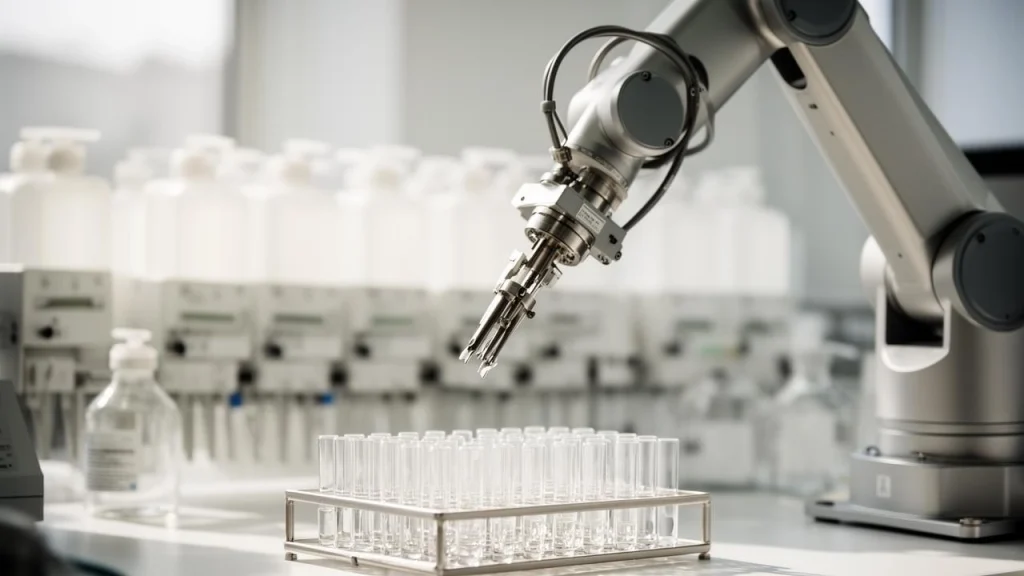
Warp intends to build a next-generation preclinical contract research organization in the United States. The laboratory will use robotics and experimental data to train AI models that can propose and evaluate new variants more rapidly. The goal is to bring frontier AI “out of the browser and into the lab,” as Weil has put it, while expanding scientific capacity inside the country.
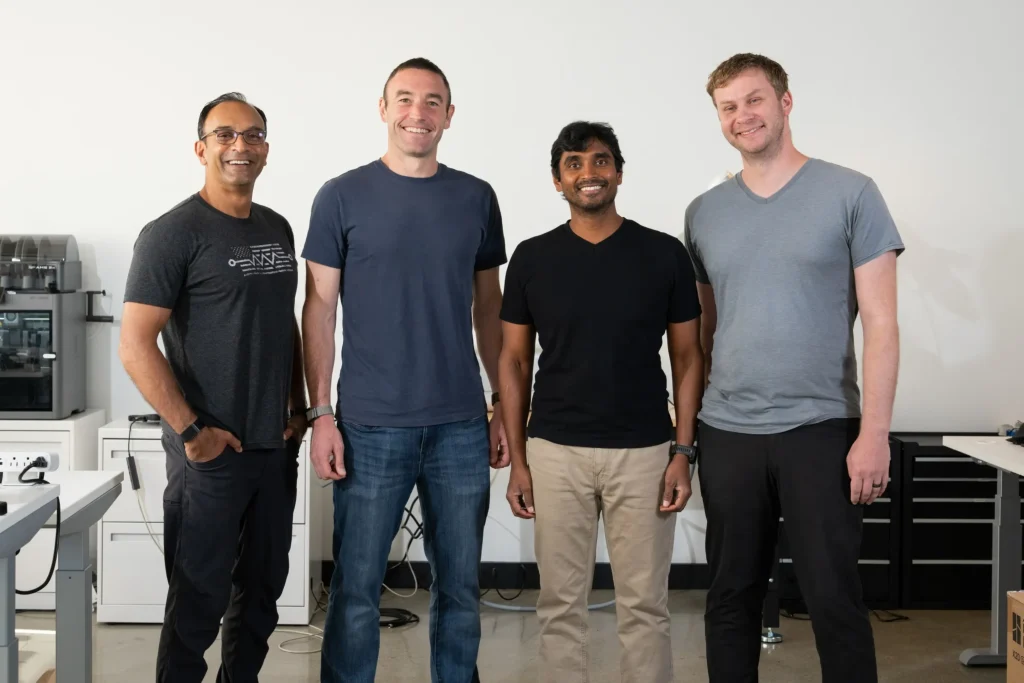
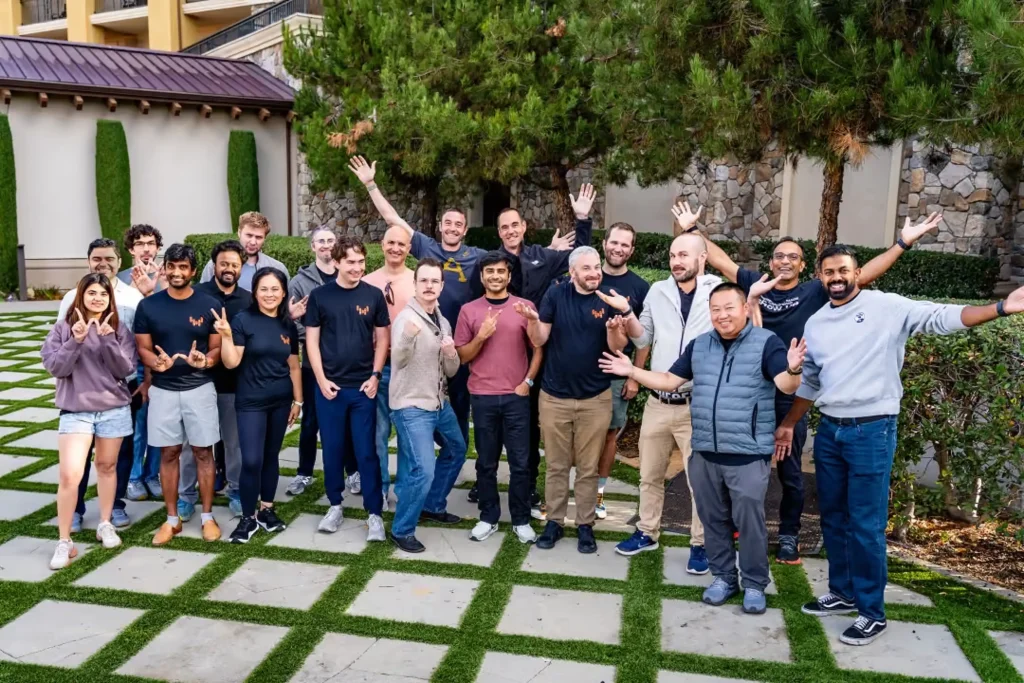
The funding round, led by Lightspeed Venture Partners, values the company at $865 million after the investment. Other participants include IVP, Premji Invest and Lux Capital. Angel investors include several of Weil’s former OpenAI colleagues as well as executives and founders from Coinbase, Palantir, LinkedIn, and other technology companies. Co-founders include Manohar Paluri, a former Meta AI leader, DJ Patil, the first chief data scientist of the United States, and Solomon Reisberg, previously of Terremoto Biosciences.
The Scale of the Ambition
Drug development remains one of the slowest and most expensive industrial processes. Moving a candidate from discovery to human trials can take years and hundreds of millions of dollars. Any reliable reduction in the time or cost of the intermediate stages has significant value. Warp’s thesis is that AI models trained on real experimental feedback, rather than purely on published literature, can close that gap.
Whether the approach succeeds will depend on the quality of the laboratory data, the reliability of the robotic systems, and the willingness of pharmaceutical companies to entrust critical work to a new domestic provider. The $215 million gives the company substantial runway to build the physical infrastructure and the models that will run on it.
A Broader Pattern
Weil’s move fits a larger pattern of experienced AI researchers leaving large model companies to apply the technology to narrower, high-value problems. Science and medicine have long been cited as domains where AI could have outsized impact, yet the translation from research models to reliable industrial tools has been slower than the progress in language and image generation. Warp Sciences is an attempt to close that translation gap with both capital and specialized expertise.
The company is still in its early days. It has not yet released public results or detailed technical papers. What it has is a clear problem statement, a team with deep experience in both AI and the life sciences, and enough funding to build the laboratory capacity it will need. In a field where time is measured in years and costs in hundreds of millions, that combination is rare.
From Models to Molecules
Kevin Weil spent years helping build some of the most widely used AI systems in the world. With Warp Sciences, he is trying to turn that experience toward a narrower and older challenge: making the path from promising molecule to tested candidate shorter and more reliable. The $215 million is the first measure of how seriously investors take the attempt. The real measure will come in the data the laboratory produces.