



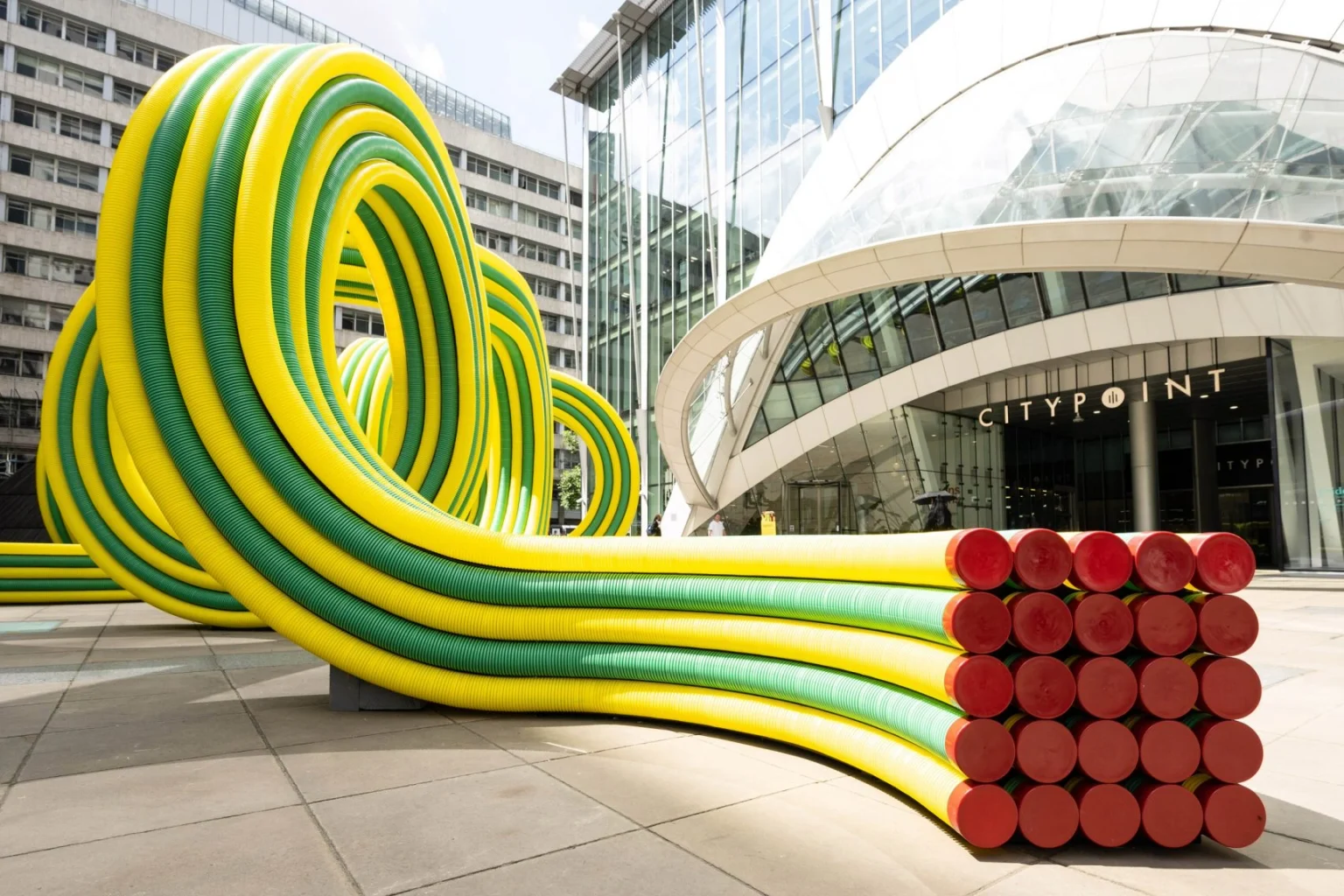

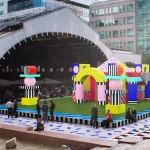
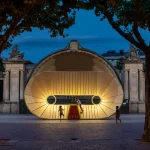
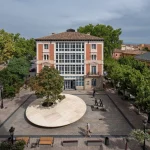
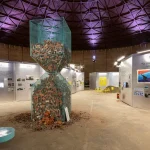
A building is drawn, modeled, approved, and constructed over years. Europe’s major art and design events work on a different timeline. They compress ideas about space, material, and structure into a matter of days or weeks, giving architects, urban planners, and material researchers a public stage to test spatial ideas before they reach permanent form.
For practitioners, these events are not just industry gatherings. They function as testing grounds for construction methods, material research, and public space theory. A pavilion built for Venice or Milan can test ideas about facade systems, structural lightness, or circular material use at a temporary scale, allowing designers to explore approaches that may later inform permanent projects. For cities, hosting these events means a temporary but intense transformation of public space, with historic districts, industrial buildings, and museum courtyards repurposed as venues. For the public, they offer rare direct access to experimental design work that would otherwise stay inside a studio or a research lab.
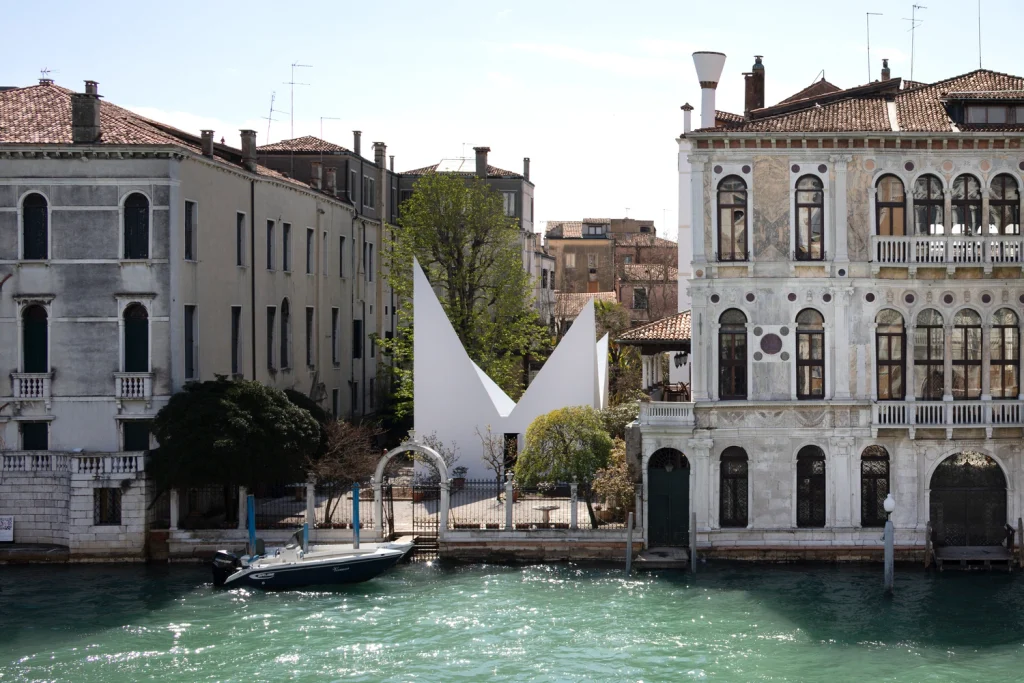
This list looks at fifteen events across Europe that carry weight in architecture and design circles, from the scale of a biennial exhibition to the density of a single design district during a city-wide takeover.
1. La Biennale di Venezia (Venice, Italy)
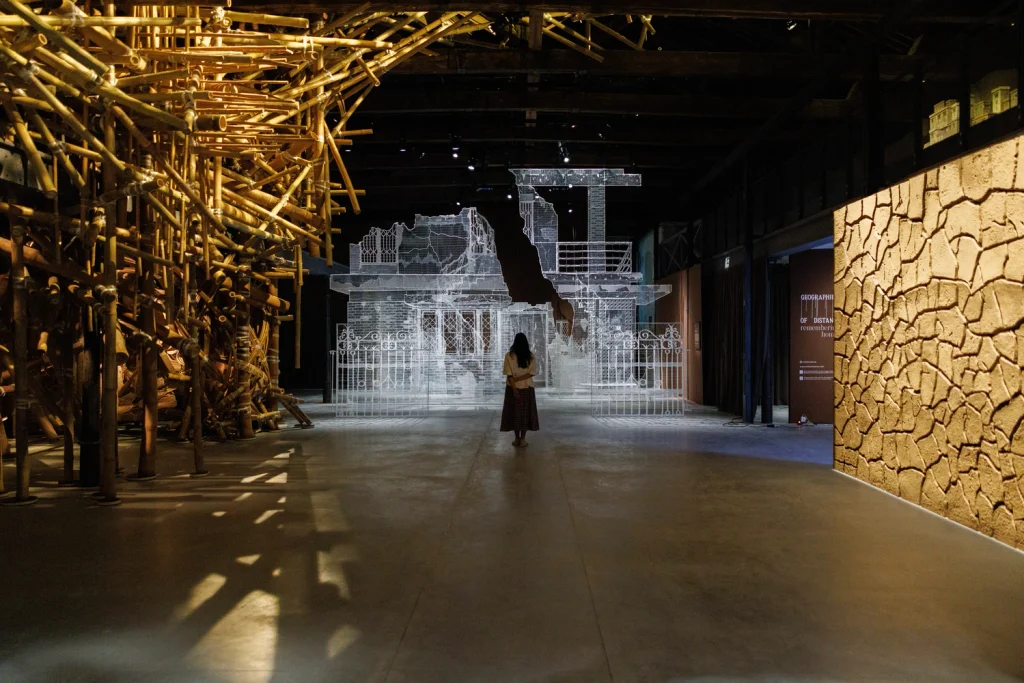
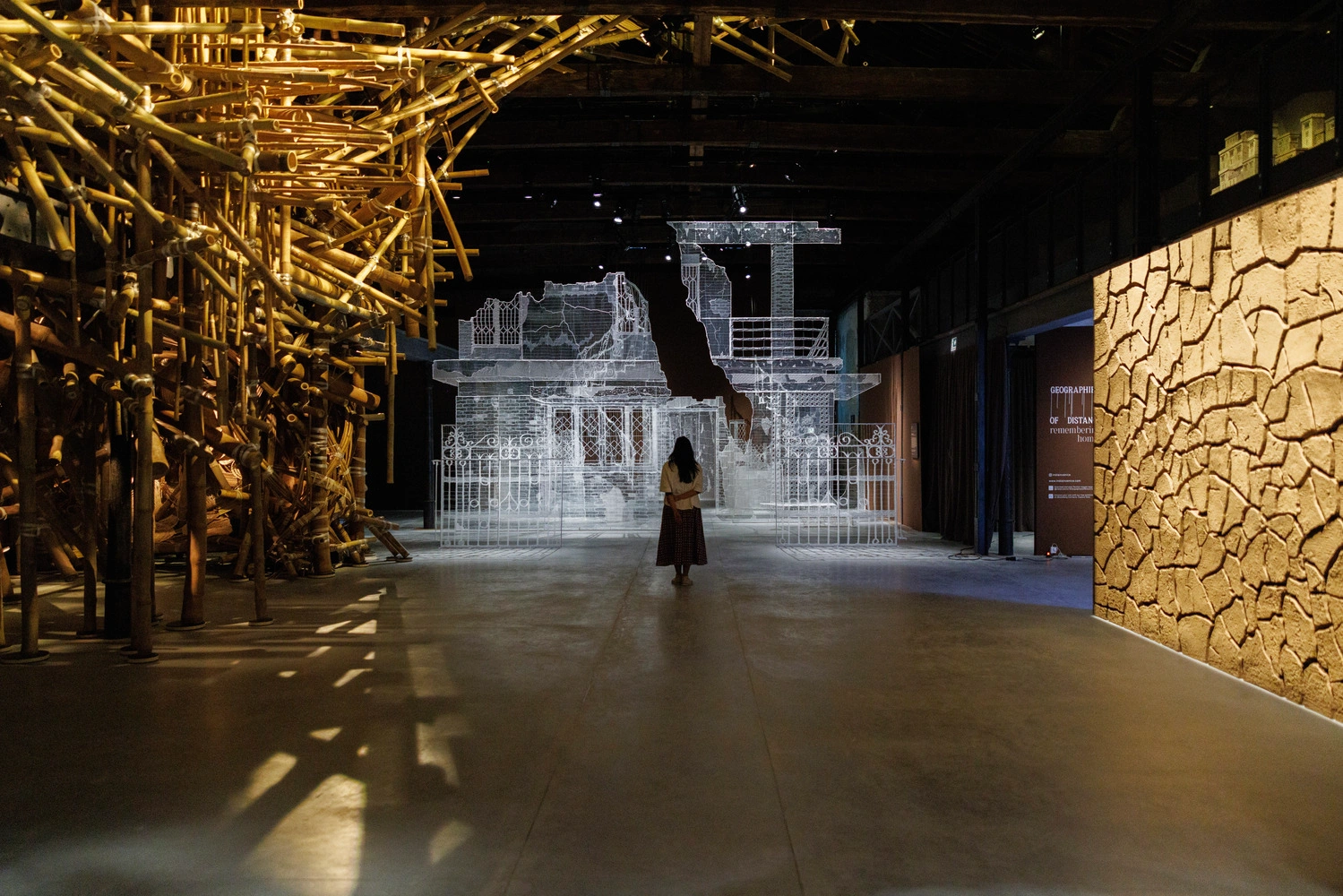
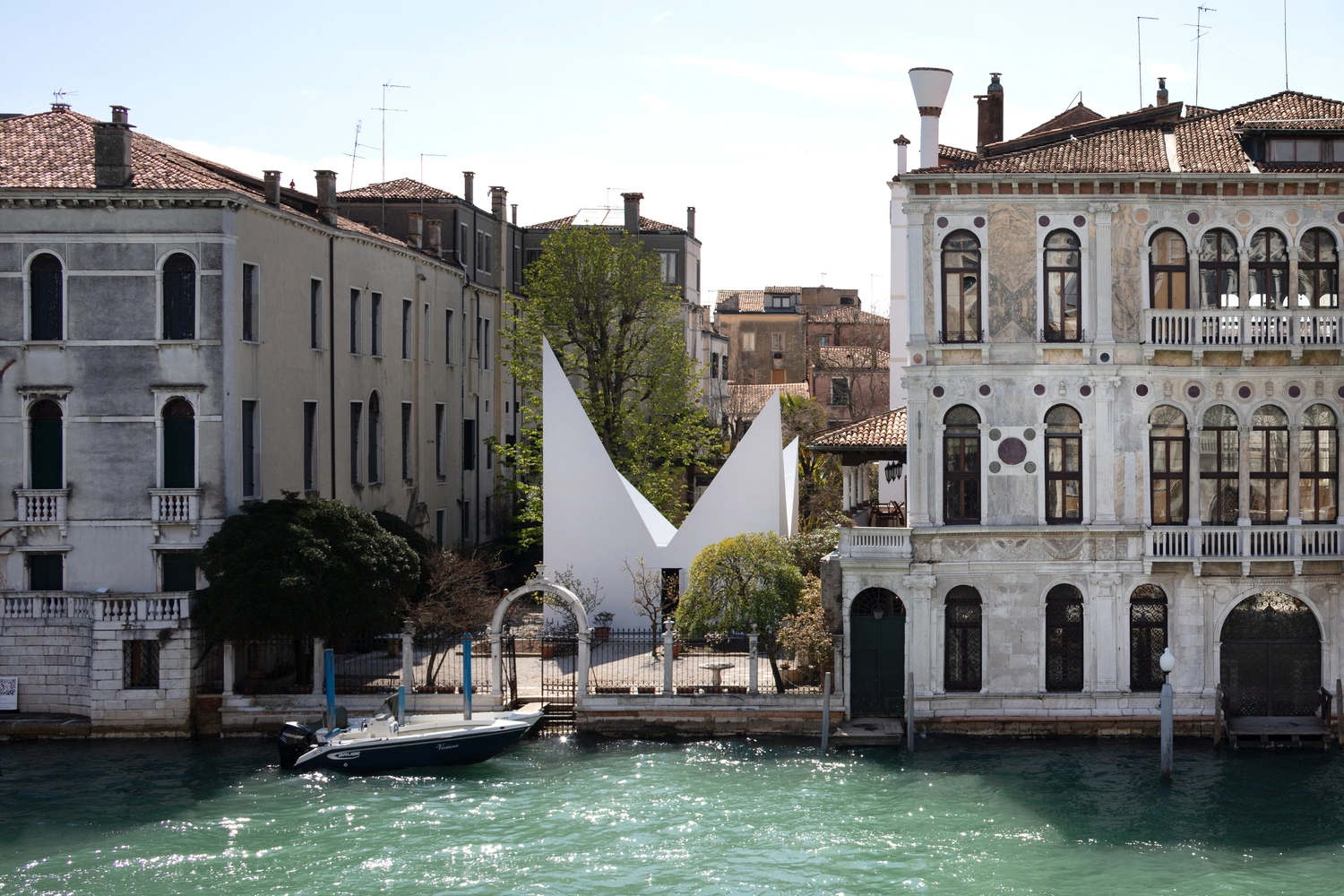
The Venice Biennale alternates between an Art edition and an Architecture edition, each held every two years. The overall institution dates back to 1895. The Architecture Biennale followed later, established in 1980, and is now one of the world’s most prominent international architecture exhibitions. National pavilions across the Giardini and Arsenale present curated responses to a central theme set by the appointed curator, making the exhibition a snapshot of contemporary architectural thinking.
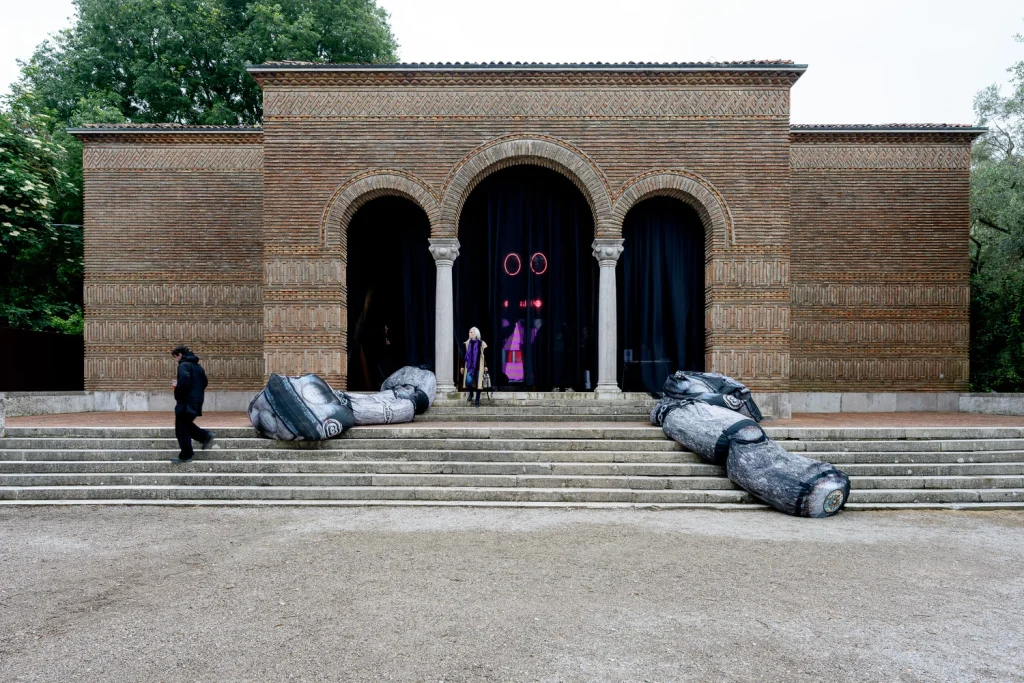
Awards are a central part of the event. At the 2025 edition, titled Intelligens: Natural, Artificial, Collective and curated by Carlo Ratti, the Golden Lion for Best Participation went to Diller Scofidio + Renfro for Canal Café, an installation that filtered water from Venice’s canals to make coffee for visitors, described by the jury as a demonstration of how the city can act as a laboratory for future ways of living on water. The Golden Lion for Best National Participation went to Bahrain for Heatwave, a pavilion built around a suspended cooling ceiling using passive cooling methods rooted in the region’s climate and building traditions.
The next Architecture Biennale runs May 8 to November 21, 2027, curated by Wang Shu and Lu Wenyu.
2. Milan Design Week / Salone del Mobile and Fuorisalone (Milan, Italy)
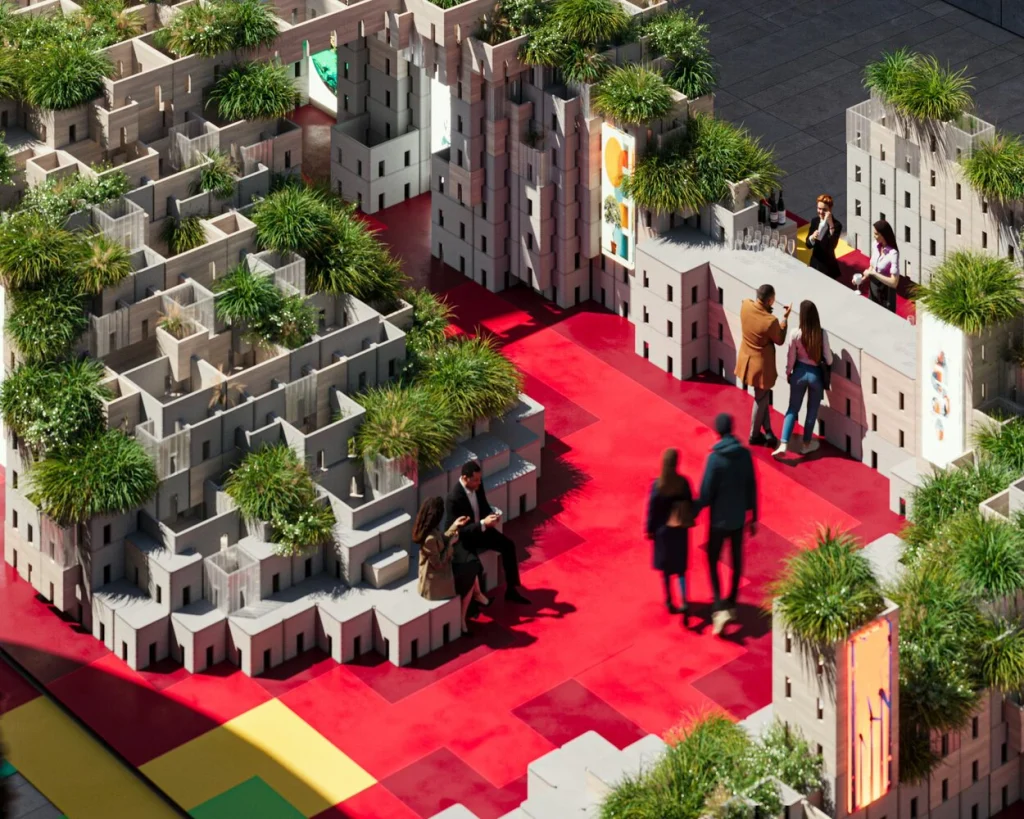
Salone del Mobile is the trade fair held at the Rho Fiera exhibition grounds, and Fuorisalone is the parallel program of installations spread across Milan’s design districts, including Brera, Tortona, and 5Vie. Together they form Milan Design Week, one of the world’s largest and most influential annual design gatherings, drawing hundreds of thousands of visitors and close to 20 pavilions of exhibitors at Rho Fiera alone.
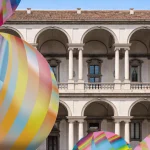
Furniture and product design lead the program, but architecture firms and set designers regularly use the week to stage installations that test spatial concepts and materials outside a traditional building context. For the 2025 edition, themed Thought for Humans, British set designer Es Devlin built a rotating platform inside the 17th-century courtyard of the Pinacoteca di Brera, holding more than 3,000 books arranged around angled mirrors that scattered sunlight through the space, letting visitors read the courtyard from a new angle with every rotation.
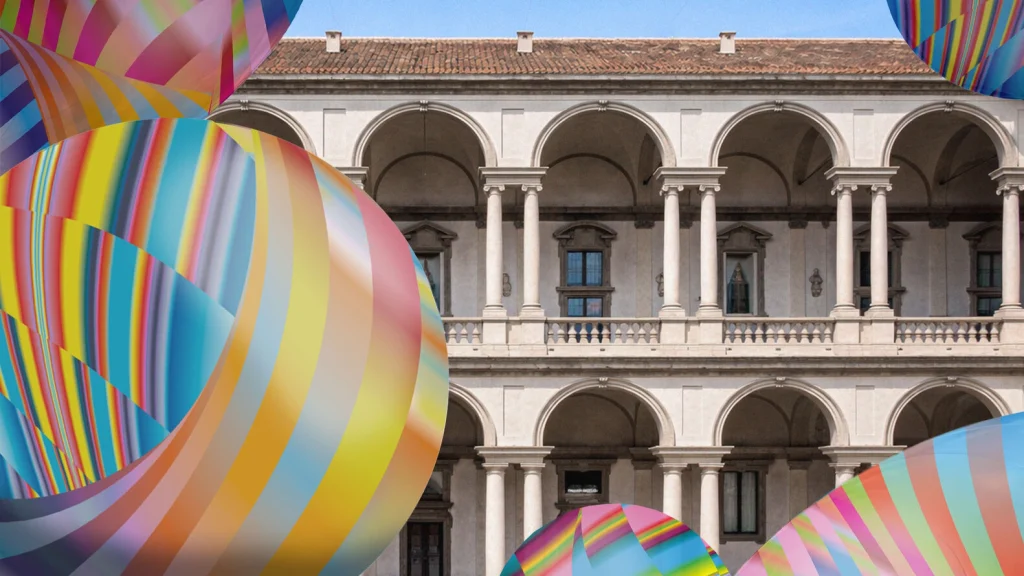
Luxury and fashion houses have also become fixtures of the week, often taking over former factories, banks, and palazzi for one-off installations. What began as a furniture trade fair more than 60 years ago now functions as a citywide test of how design, architecture, and storytelling can share the same physical space for one week each April.
3. Dutch Design Week (Eindhoven, Netherlands)
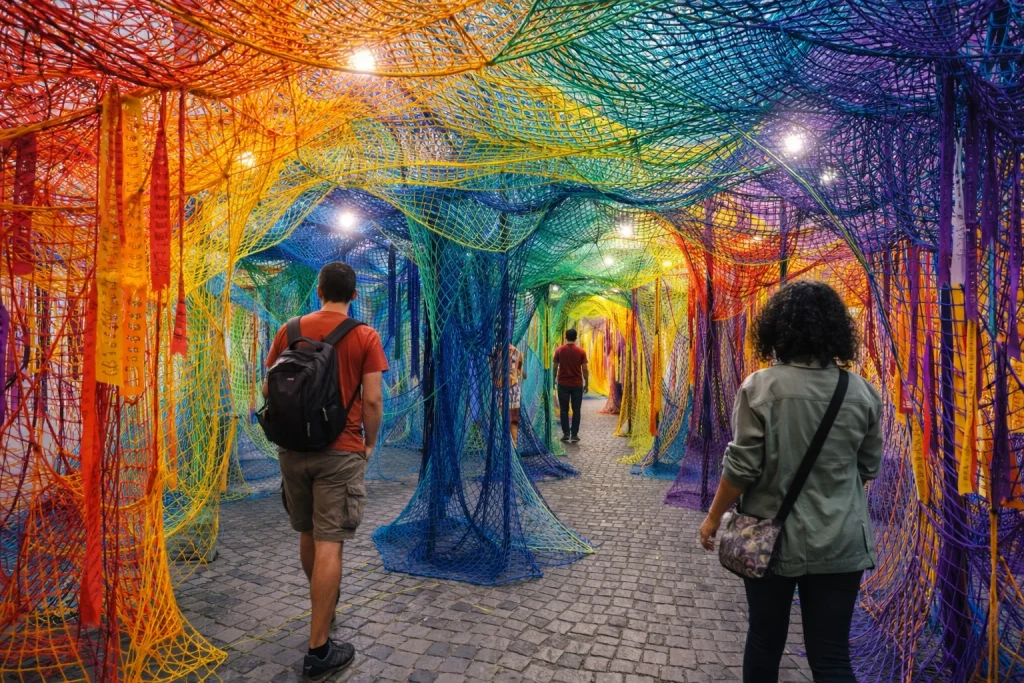
Dutch Design Week runs for nine days each October and is the largest design event in Northern Europe. Organized by the Dutch Design Foundation, it spreads across more than 100 locations in Eindhoven and draws hundreds of thousands of visitors, presenting work across product, spatial, and graphic design. The event prioritizes research and experimentation over finished commercial products, making it a useful place to see early-stage material work, including bio-based and circular construction prototypes.
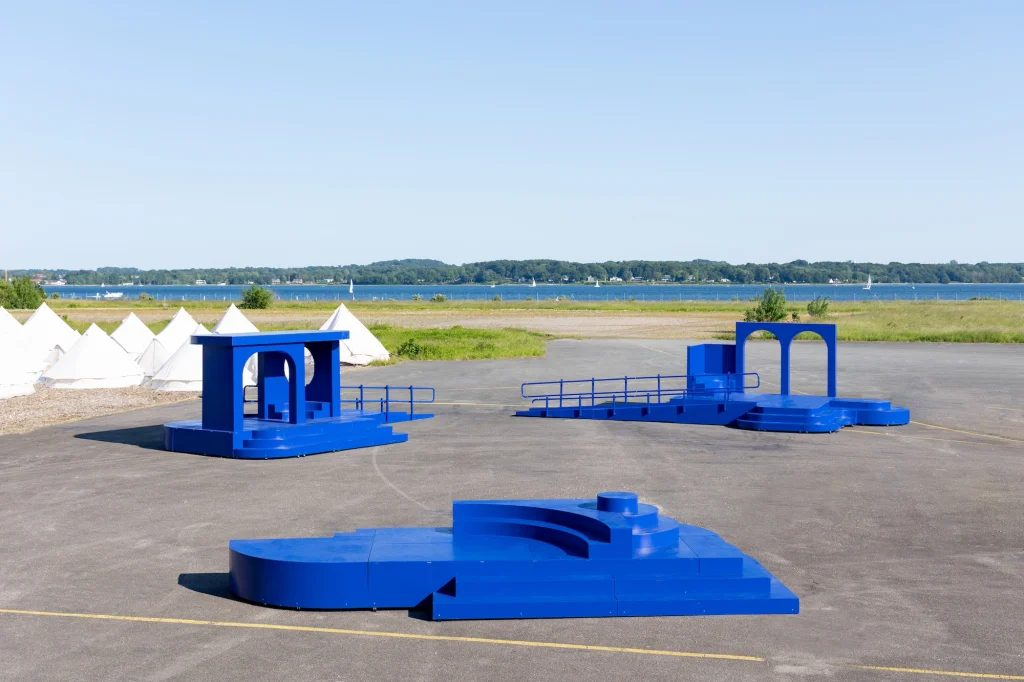
Eindhoven’s own design history has shaped the tone of the event. Dutch designer Daan Roosegaarde has used the city and its surrounding infrastructure as a testing ground for projects such as the Van Gogh Path, a bicycle path that glows at night using light-charging paint inspired by Starry Night, and Smart Highway, a prototype for roads that charge during the day and illuminate themselves after dark. Work like this reflects the wider ambition of the festival: treating public infrastructure as a design object.
The festival also hosts the Dutch Design Awards each year, presented across several categories from habitat and mobility to social impact and emerging talent. The ceremony has become one of the more closely watched moments on the Dutch design calendar.
4. documenta (Kassel, Germany)
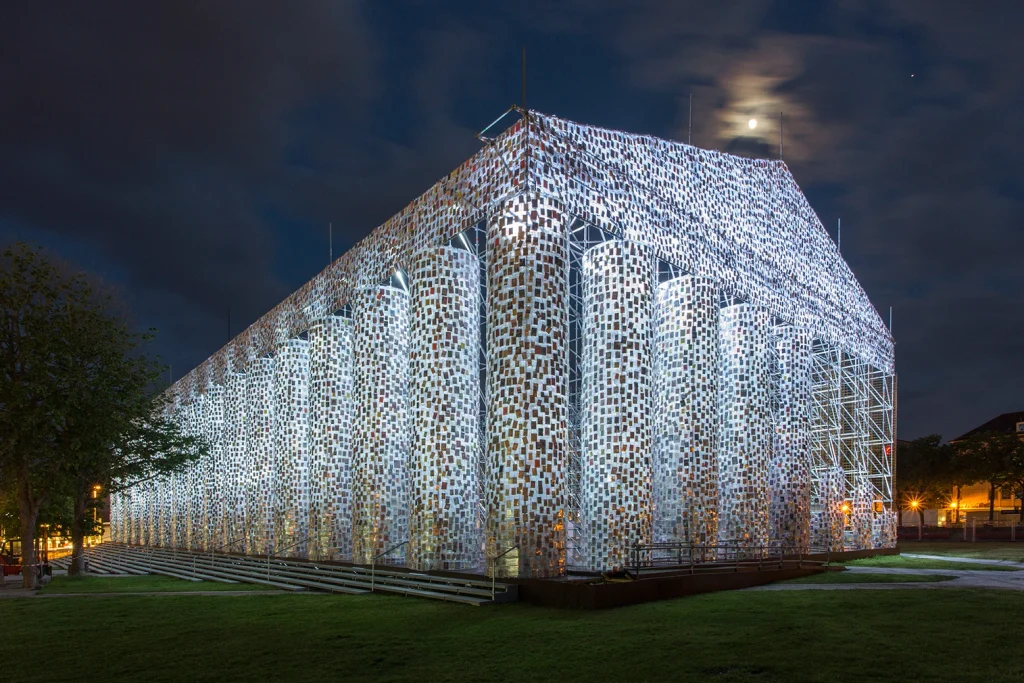
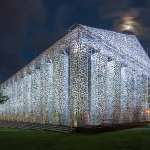
documenta is a contemporary art exhibition held every five years in Kassel, traditionally running for 100 days across museums, public spaces, and other locations throughout the city. While its focus is contemporary art, past editions have used large-scale spatial and structural installations that engage directly with public space and urban context, often placed inside repurposed industrial buildings, parks, and public squares.
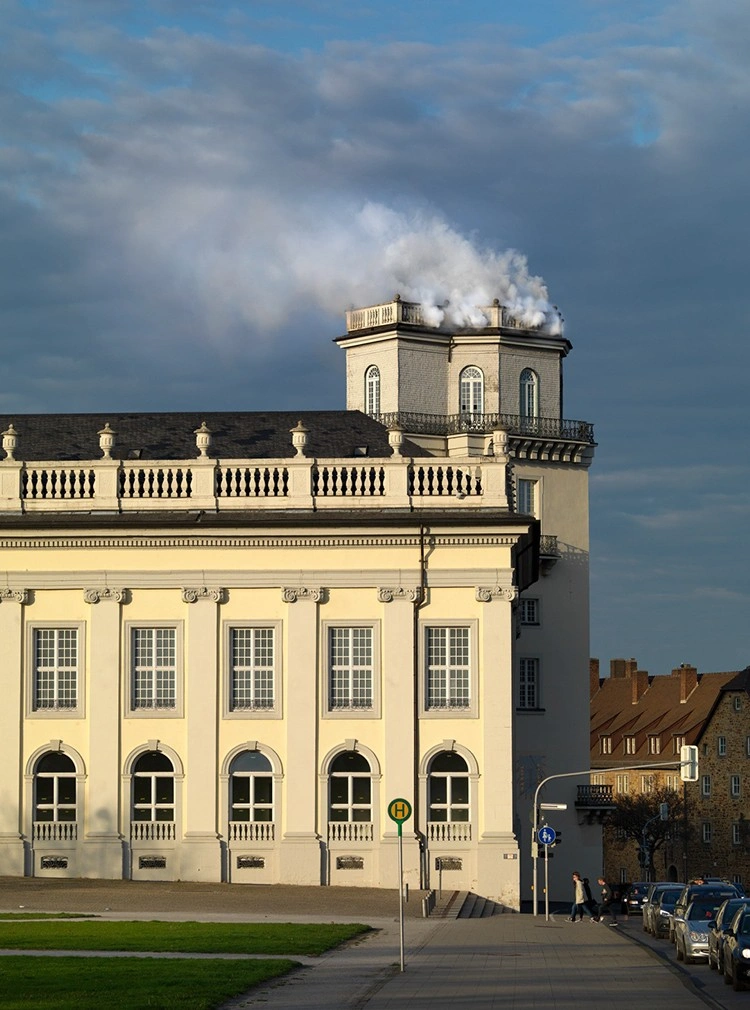
The most recent edition, documenta fifteen, held in 2022 and curated by the Indonesian artists’ collective ruangrupa, focused on collaboration and collective practice, spreading its programming across community-run spaces throughout the city. The edition also became the center of international controversy after antisemitic imagery was identified in one of the displayed works, which triggered debate that extended well beyond Kassel and prompted broader conversations about artistic freedom and curatorial responsibility. The episode remains one of the most discussed moments in the exhibition’s recent history.
The next edition, documenta 16, is scheduled to run from June 12 to September 19, 2027, under artistic director Naomi Beckwith, who leads an all-woman curatorial team including Carla Acevedo-Yates, Romi Crawford, Mayra A. Rodríguez Castro, and Xiaoyu Weng.
5. 3daysofdesign (Copenhagen, Denmark)
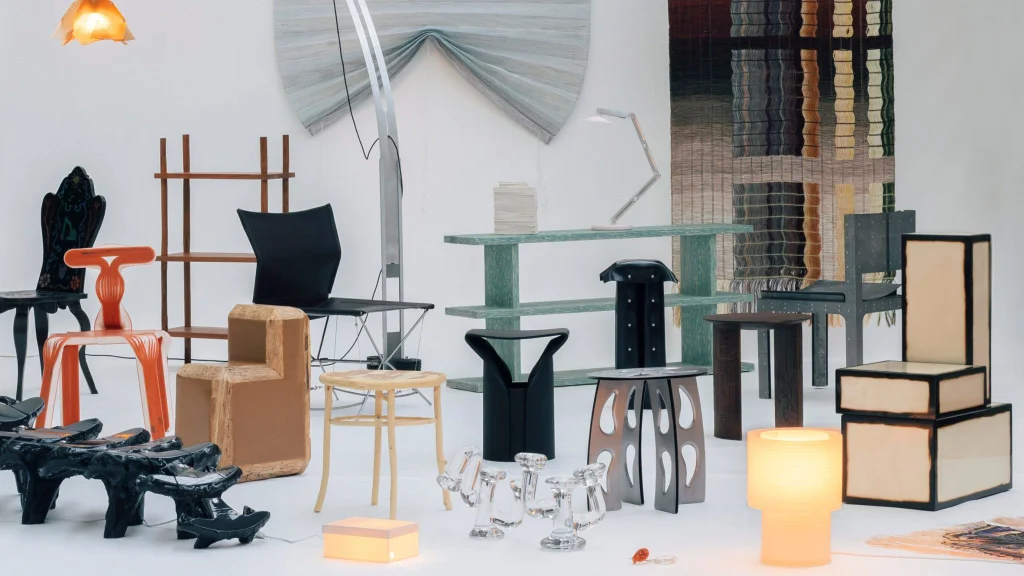
3daysofdesign is a Copenhagen-based design event held each June, built around showroom and gallery presentations. It was founded in 2013 by Signe Byrdal Terenziani with backing from four Danish companies: Montana, Erik Jørgensen, Anker & Co, and Kvadrat. The first edition took place in a converted harbor building. Since then, the festival has expanded across the city and become an important platform for Scandinavian and international design, with a strong focus on interior architecture, furniture, and lighting.
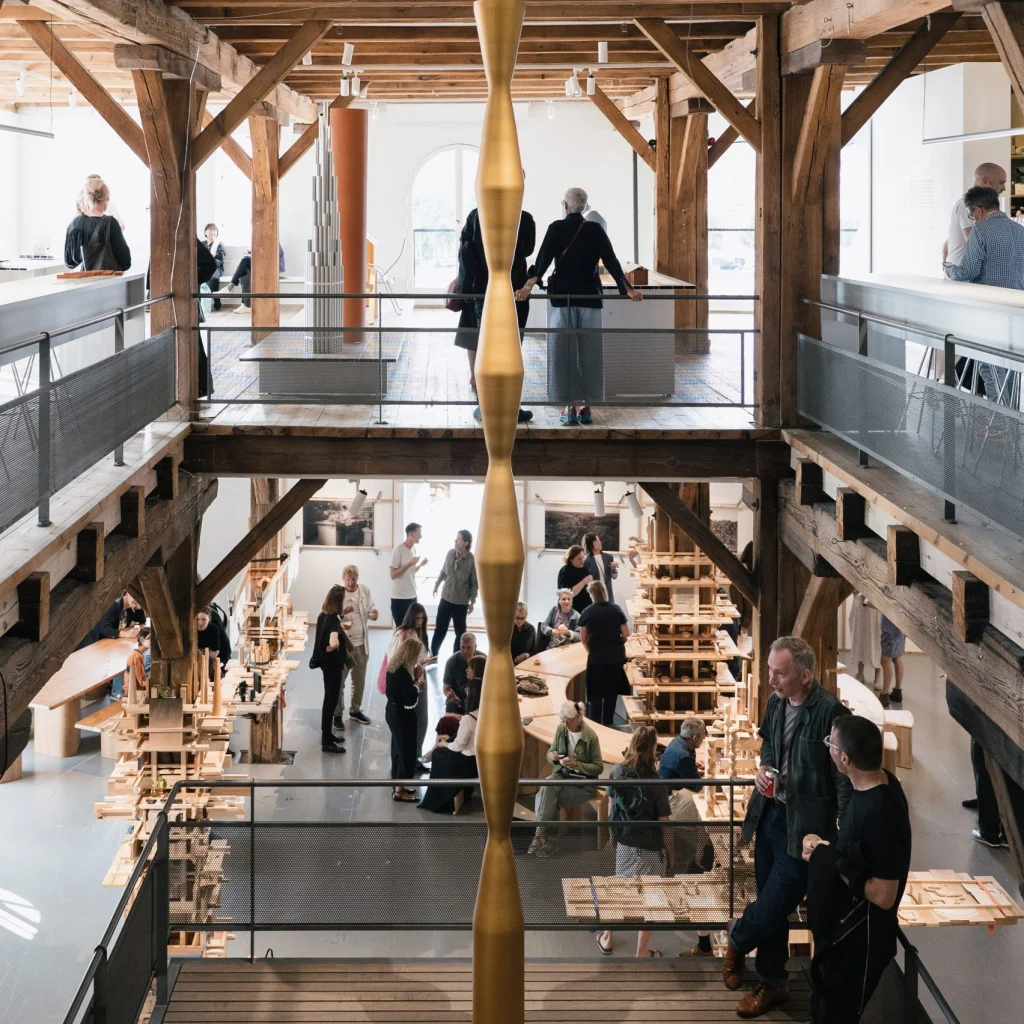
The event now spans eight themed design districts and draws tens of thousands of visitors, along with hundreds of participating brands, at a pace organizers and attendees describe as more relaxed than Milan’s. Recent editions have used the city’s own architecture as a stage, with brands installing work inside historic buildings such as the former headquarters of the East Asiatic Company and Charlottenborg Palace. One recurring theme has been material process: a 2026 installation titled Wood for the Trees turned an exhibition space into an abstract forest, prompting visitors to think about where materials come from and what happens to them after use.
6. London Design Festival (London, UK)
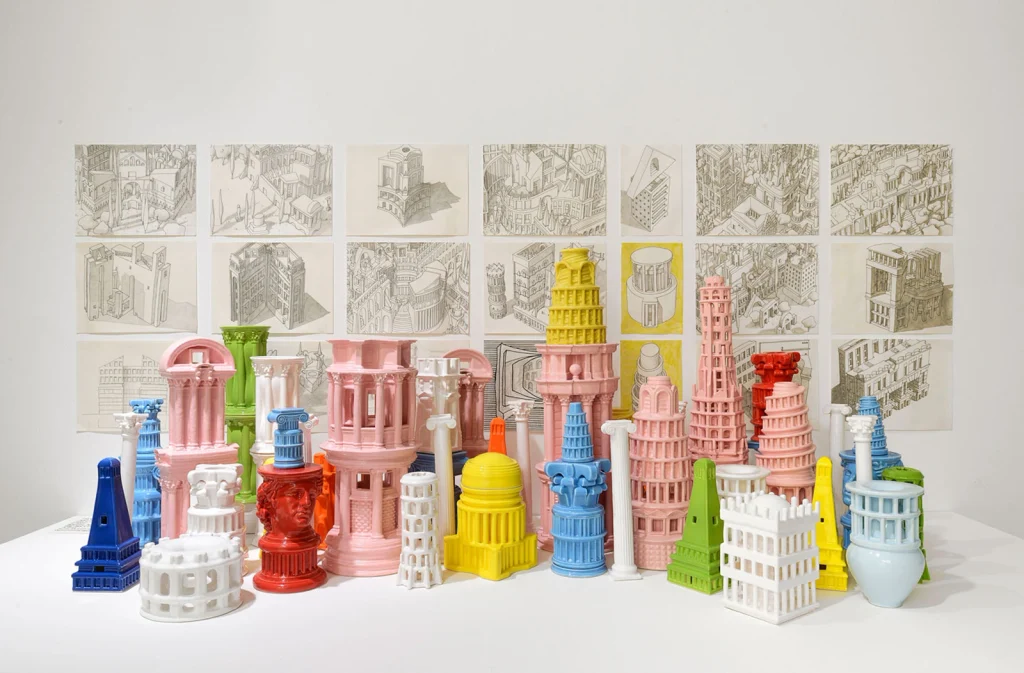
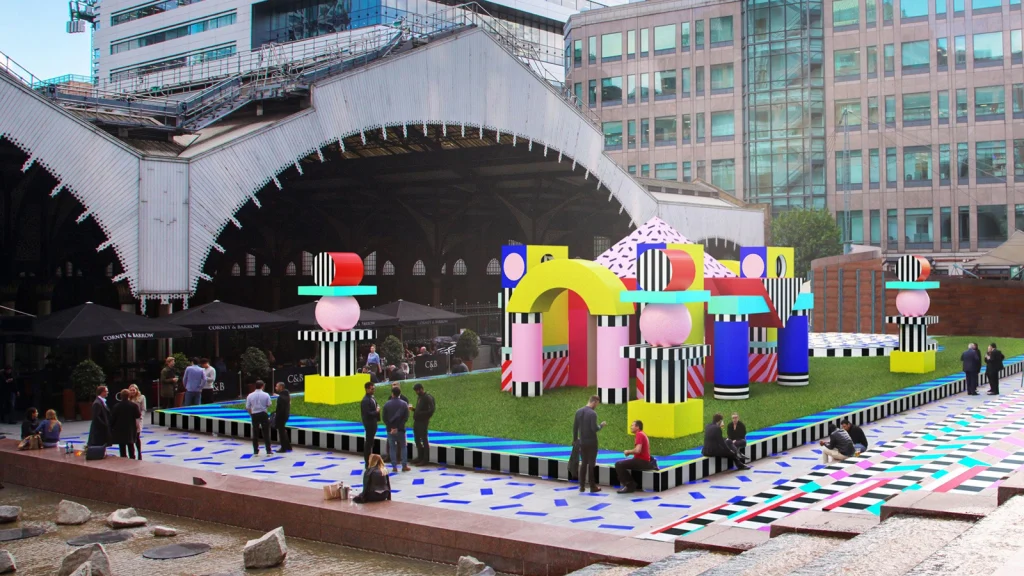
London Design Festival takes place each September and uses the city itself as its primary venue, with installations placed across roughly a dozen design districts, including museums, public squares, and historic buildings. Its Landmark Projects program, introduced in 2007, commissions major public installations in some of the city’s most recognizable sites, including Trafalgar Square, the V&A, Southbank Centre, St Paul’s Cathedral, and Tate Modern.
One of the program’s most widely referenced projects is MultiPly, built in 2018 by Waugh Thistleton Architects with engineering firm Arup and the American Hardwood Export Council. Installed in the V&A’s Sackler Courtyard, the maze-like, multi-story structure was built entirely from engineered hardwood panels, designed to demonstrate mass timber as a viable structural material for taller buildings at a moment when it was still unfamiliar to most of the public.
More recent editions have leaned into interactive public art with an architectural bent, such as Paul Cocksedge’s What Nelson Sees in Trafalgar Square, a sculpture of intersecting steel tubes that let visitors look out over London from the vantage point of Nelson’s Column. Projects like these give the festival’s programming direct relevance to a city where new construction is often constrained by planning and heritage rules.
7. Paris Design Week (Paris, France)
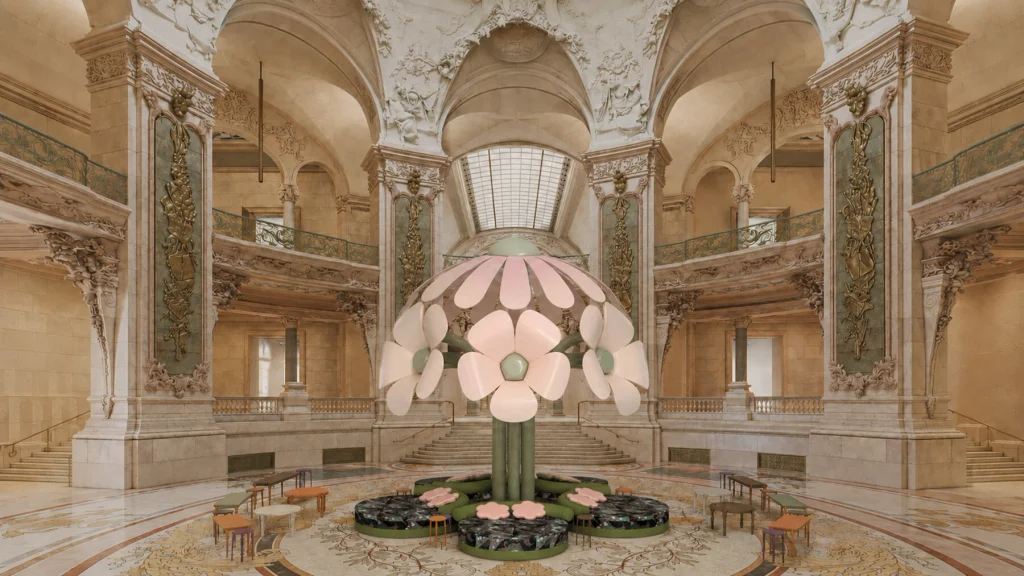
Held each September, Paris Design Week uses the city’s historic hôtels particuliers, showrooms, and galleries as exhibition space, giving the event a strong focus on interiors, objects, spatial presentation, and scenography. It was founded in 2011 by Franck Millot, who had earlier co-founded the trade fair Maison&Objet in 1994, and has since grown into a program recognized by some of the city’s largest cultural institutions.
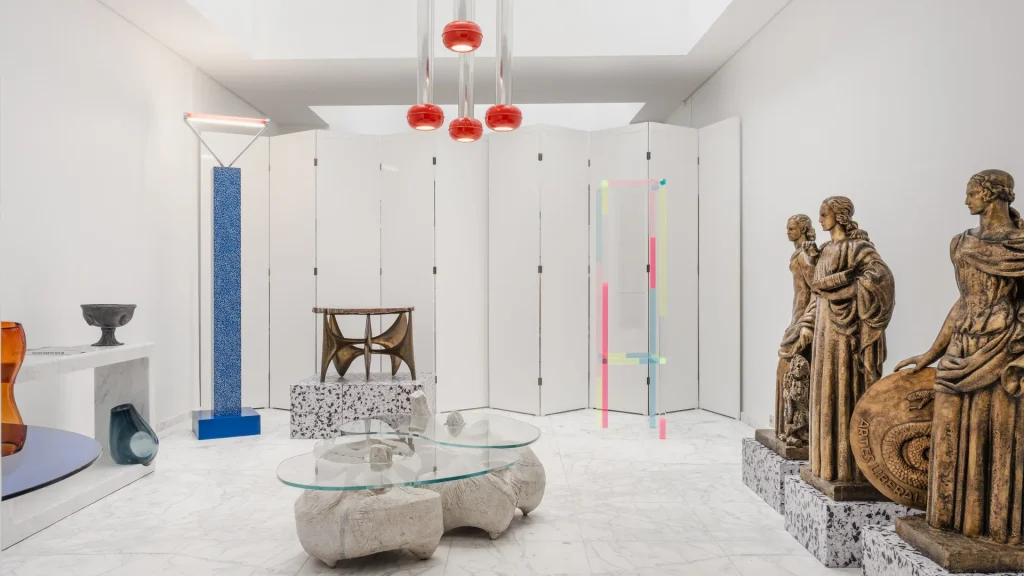
The setting itself is part of the program. Contemporary design work is staged inside centuries-old interiors, creating a direct dialogue between historic architecture and current design thinking. Ten museums and monuments now host installations during the festival, including the Hôtel de la Marine on Place de la Concorde and the 17th-century Hôtel de Sully. At the 2026 edition, Irish designer Joseph Walsh installed Arcanum Formae at Hôtel de Sully, centered on a ring-shaped sculpture in wood, bronze, and gold leaf standing nearly 16.5 feet tall in the courtyard, set against the building’s Orangerie and gardens.
The festival now brings together design houses, emerging designers, and design schools across neighborhoods including Le Marais, Saint-Germain-des-Prés, Opéra, and Bastille, with several hundred participants each year.
8. Stockholm Furniture Fair (Stockholm, Sweden)
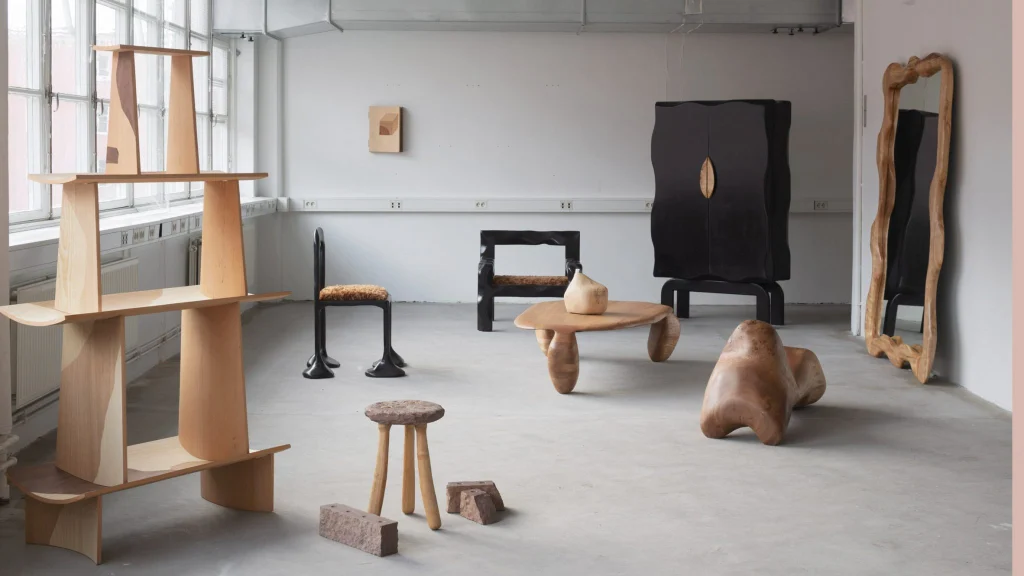
Stockholm Furniture Fair, held each February at Stockholmsmässan, is the primary trade platform for Nordic furniture and interior design. It has long served as an important venue for Nordic furniture and interior work, making it particularly relevant to architects and designers working on furniture selection, interior fit-out, and material specification.
The fair marked a significant milestone at its 2026 edition, its 75th anniversary, when Norwegian architecture practice Snøhetta was named Guest of Honour. The studio, known internationally for projects such as the Oslo Opera House and the Bibliotheca Alexandrina, used the platform to present its own approach to furniture and spatial design, a departure from the fair’s usual focus on manufacturers and product launches.
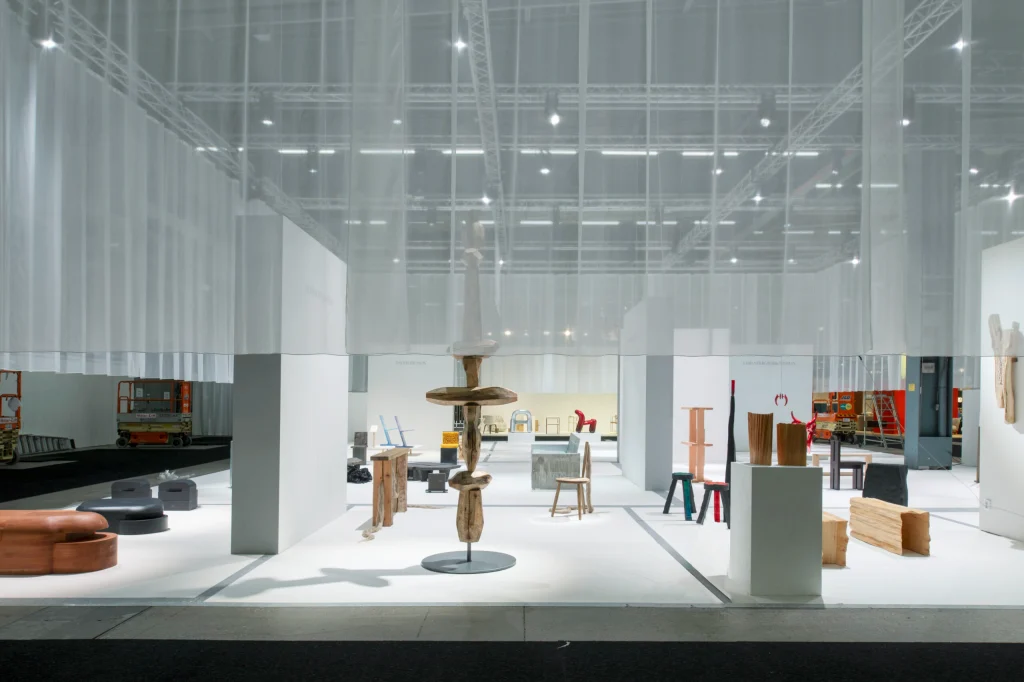
Each edition brings together established Scandinavian manufacturers alongside younger studios and design schools, with a program of talks, exhibitions, and a Greenhouse section dedicated to graduate and early-career designers. Because the fair runs early in the calendar year, it often sets an early tone for material and color trends that later surface at Milan and Copenhagen.
9. CHART Art Fair (Copenhagen, Denmark)
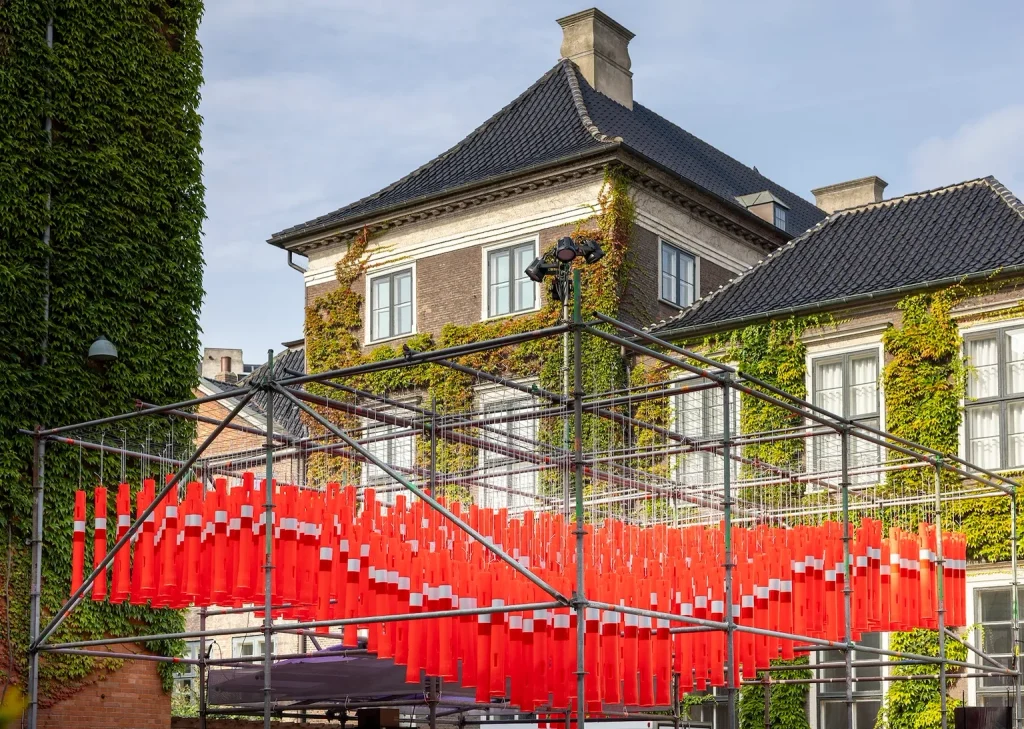
CHART Art Fair takes place each summer at Kunsthal Charlottenborg in Copenhagen and centers on Nordic contemporary art galleries. Alongside the art fair, it runs CHART Architecture, a recurring competition that has staged temporary pavilions in the museum’s courtyards, commissioned from young architects and designers across the Nordic region through a jury that has included figures such as Bjarke Ingels.
The architecture program has become known for using the pavilions as material research projects. Past entries have included Inhabiting Ecologies, a textile pavilion embedded with living mycelium spores that grew across the structure during the fair, and Biosack, a pavilion by Rex Skov Arkitekter topped with a seaweed roof exploring the material’s potential for carbon capture. Both pavilions doubled as functioning bars and gathering spaces for visitors.
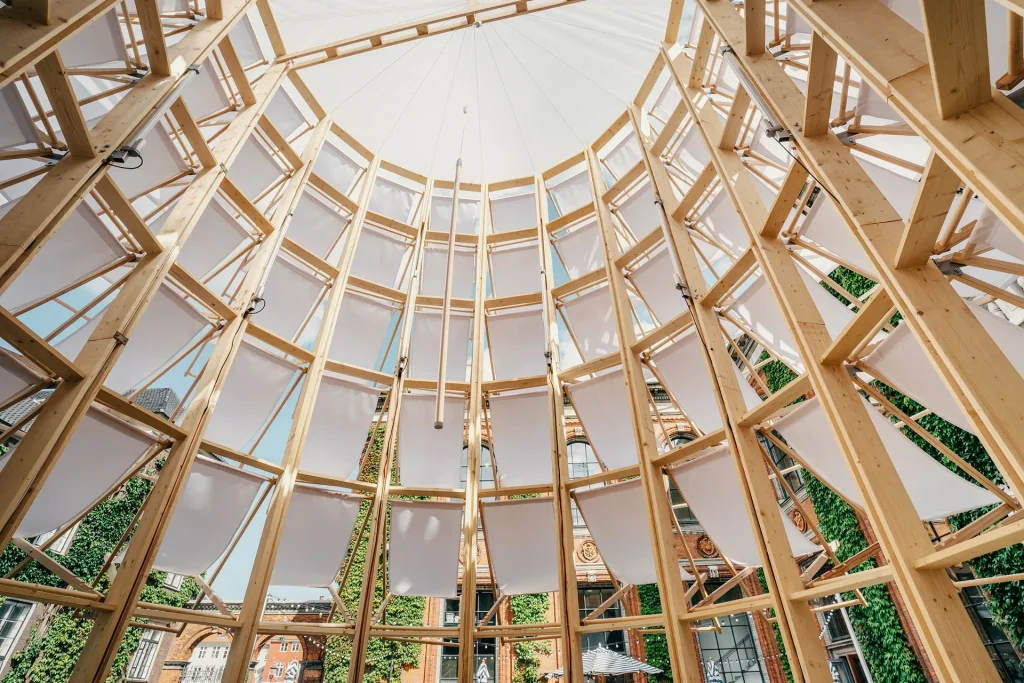
More recently, the format has shifted toward a single larger structure, exemplified by Breeze, a pop-up gallery built from standard timber components and a roof of recycled ship sails, referencing Denmark’s maritime history. The courtyards remain the fair’s most photographed and discussed space each year, often generating more attention than the gallery presentations inside.
10. Collectible (Brussels, Belgium)
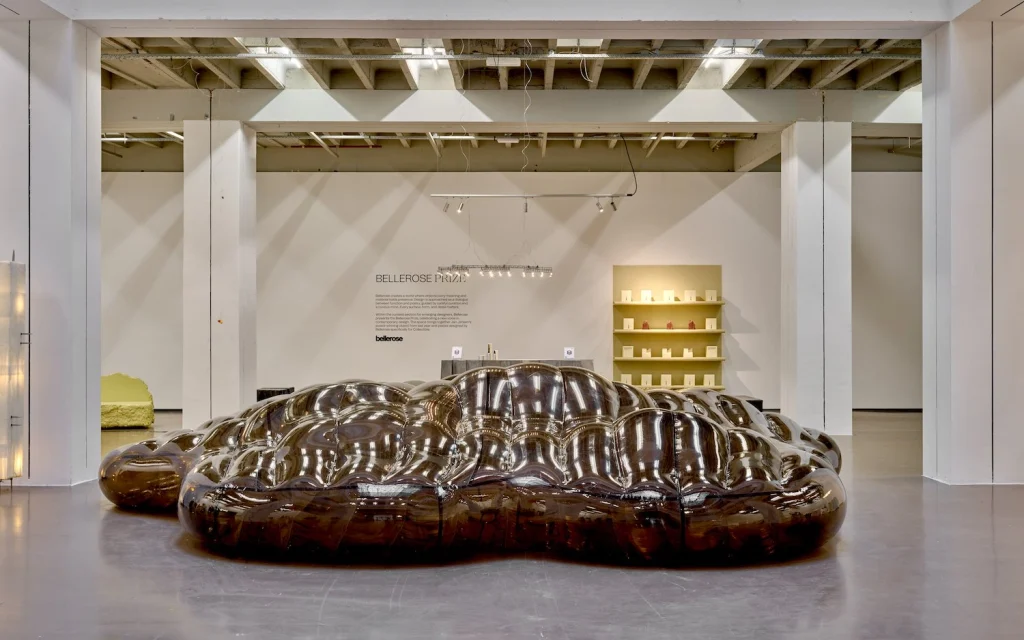
Collectible is a Brussels-based fair dedicated to collectible design, positioned at the intersection of functional art and limited-edition furniture. It was established in 2018 by art and design professionals Clélie Debehault and Liv Vaisberg and remains one of the only fairs in the world focused exclusively on 21st-century collectible design. It gives galleries, independent studios, and design collectives a platform to show work that sits outside standard furniture production, often produced as limited editions, unique pieces, or small-scale series with an emphasis on craft and material experimentation.
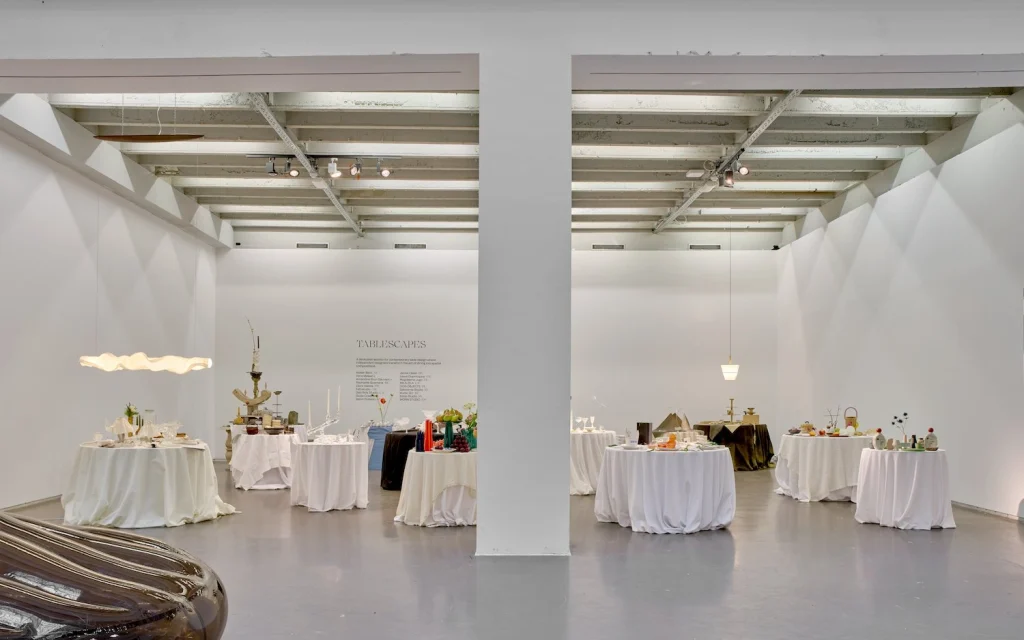
The fair is held annually in the modernist Vanderborght Building in central Brussels, a five-story structure with a balcony layout that visitors often compare to the Solomon R. Guggenheim Museum in New York. Its 2026 edition, the ninth in Brussels, introduced a new section called Tablescapes, exploring the table as a space for design and social encounter, alongside its established sections Main, Bespoke, New Garde, and Architect Designer.
Since 2024, Collectible has also staged an edition in New York, extending its reach beyond Europe. For architects and interior designers looking for collectible, limited-edition, or highly individual pieces, it offers an alternative to mass-produced furniture and fittings.
11. Concéntrico (Logroño, Spain)
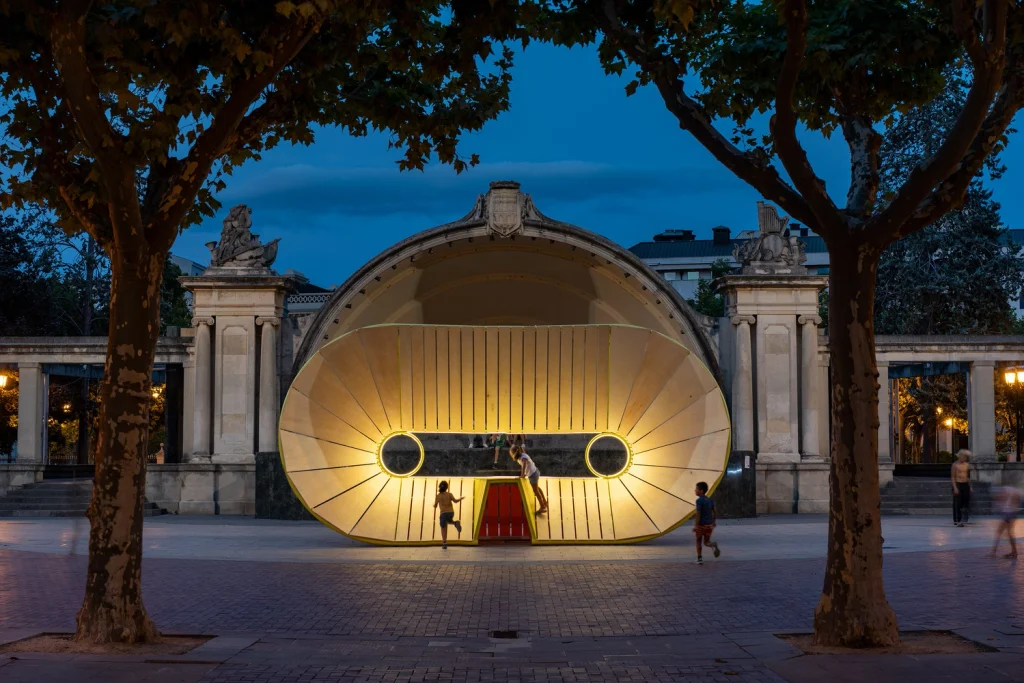
Concéntrico is an International Festival of Architecture and Design that has transformed Logroño into an urban laboratory since 2015. The annual festival works directly with the city’s streets, plazas, riverbanks, courtyards, and vacant spaces, commissioning architects, designers, artists, and researchers to create temporary interventions that change how those places are used and perceived. The 2026 edition, held from June 18 to 23, brought together international practices including Smiljan Radić, raumlabor, Matilde Cassani, Sahra Hersi, and Boltshauser Architekten with Garbizu Collar.
The festival’s 2026 program was organized around three themes: Identity and Fiction, Urban Ecologies, and Ephemeral Agents. Several projects treated temporary architecture as a way to test environmental and social ideas at full scale. Raumlabor’s experimental pavilions explored architecture’s relationship with climate, matter, and landscape, while Boltshauser Architekten and Garbizu Collar developed an earth-and-barrel structure that translated the climatic principles of La Rioja’s wine landscape into an urban intervention. Other projects explored microclimates, collective gathering, accessibility, and new forms of public use.
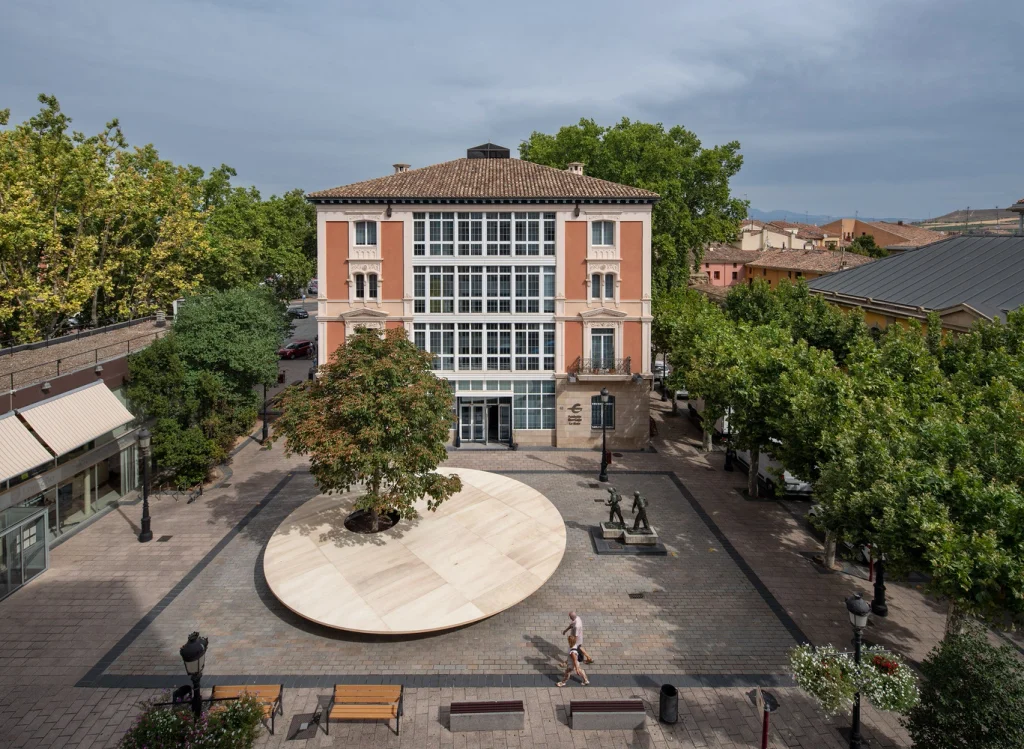
What distinguishes Concéntrico is the way its installations operate directly within the existing city. More than 180 urban interventions have been developed through the festival’s first eleven editions, creating an ongoing dialogue between contemporary architecture, local heritage, and public space.
12. International Architecture Biennale Rotterdam (Rotterdam, Netherlands)
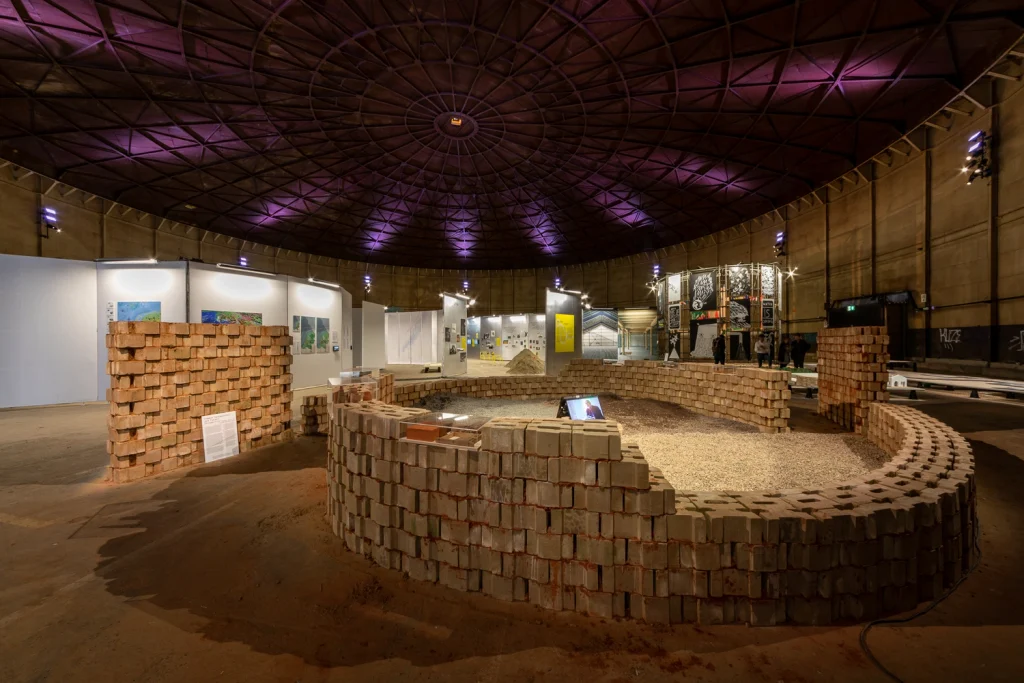
The International Architecture Biennale Rotterdam (IABR) is a biennial architecture event focused on the spatial challenges shaping contemporary cities. Every two years, it brings together architects, urban designers, landscape architects, researchers, policymakers, and the public through exhibitions, debates, lectures, workshops, and guided tours. Its 2026 edition, titled Systems of Support, runs from September 18 to November 29 at De Piekfabriek, a former Hunter Douglas factory site in Rotterdam.
The 2026 edition looks beyond individual buildings to the systems that support everyday life, including water, energy, materials, housing, and infrastructure. More than 50 projects are presented through designs, research projects, installations, films, and spatial presentations, examining how these systems shape the built environment and how they might be redesigned. The choice of venue reinforces the theme: the former industrial site is itself transforming into a place for living and working.
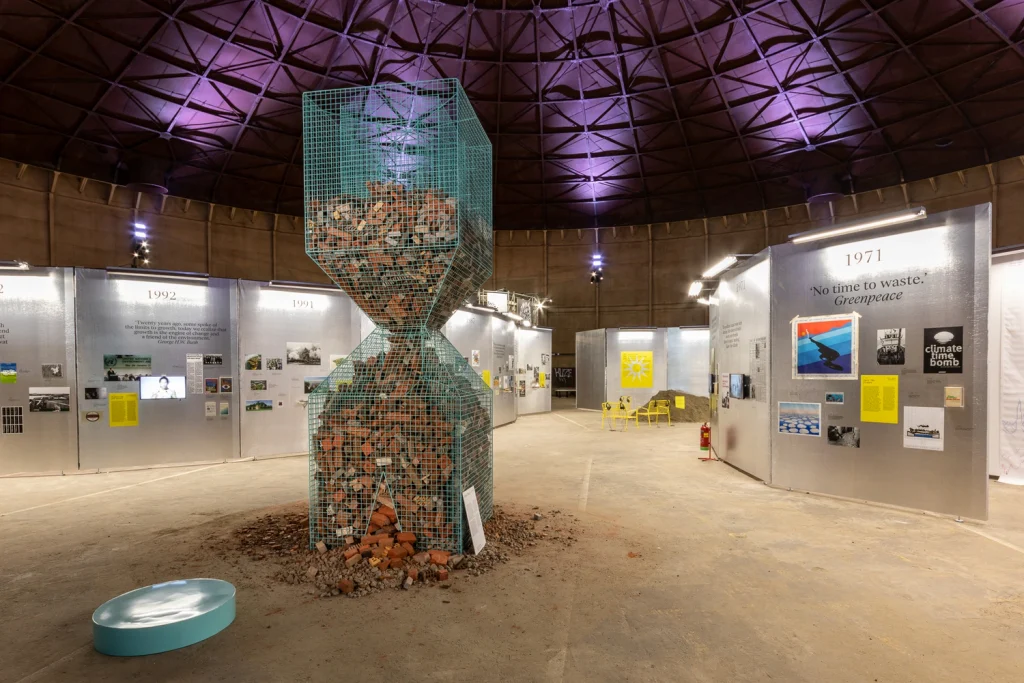
That emphasis makes IABR particularly relevant to architects working beyond the scale of individual buildings. The biennale examines the networks of resources, infrastructure, and policies that determine how cities function. Its format also allows research and built work to sit alongside each other, making the event a place where spatial ideas can be tested against larger questions of resilience, resources, and urban transformation.
13. Tallinn Architecture Biennale (Tallinn, Estonia)
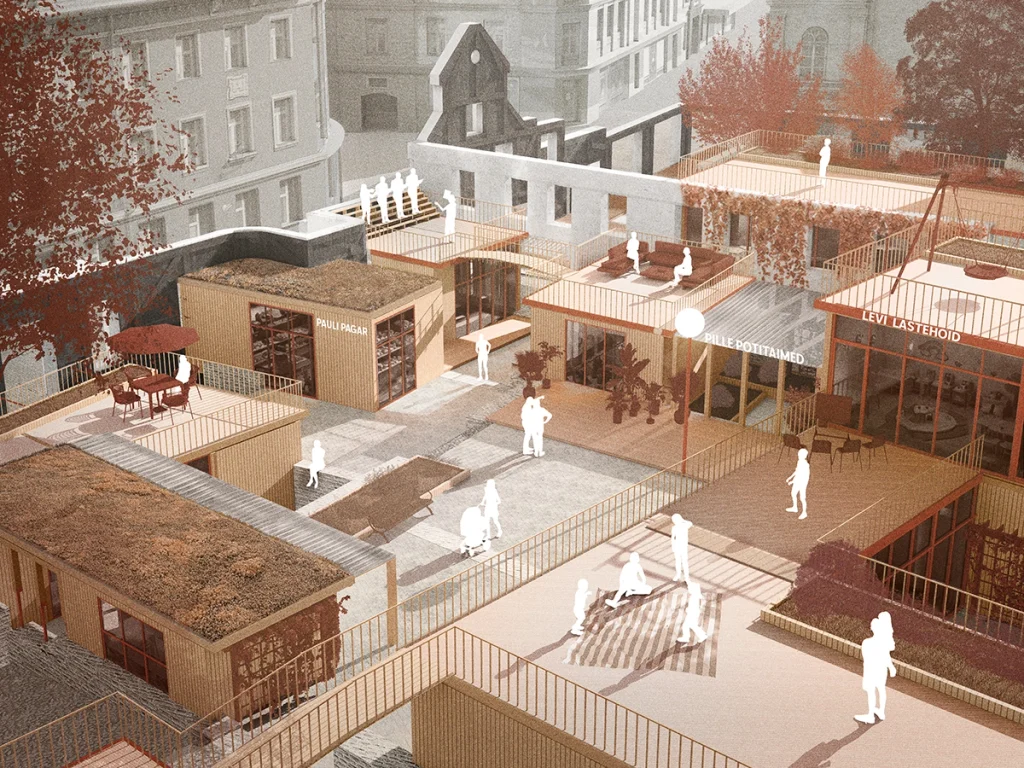
The Tallinn Architecture Biennale (TAB) is an international architecture and urban planning event organized by the Estonian Centre for Architecture. Its program combines a curatorial exhibition with a symposium, architectural competitions, installations, workshops, lectures, and a wider interdisciplinary program. The eighth edition, TAB 2026, runs from September 9 to November 30 under the title How Much?, examining the relationship between cost, constraints, value, affordability, and architectural production.
The installation program provides a direct connection to temporary architecture. For TAB 2026, the competition Budget Bougie asked architects to rethink luxury through the lens of limited resources and design a temporary outdoor pavilion in front of the Estonian Museum of Architecture. More than 100 submissions from over 30 countries were reviewed, with the winning proposal, Resonance by Aru Ma- Architects, using ordinary materials including rebar, rope, limestone, and plywood to create an enclosed spatial and acoustic experience.
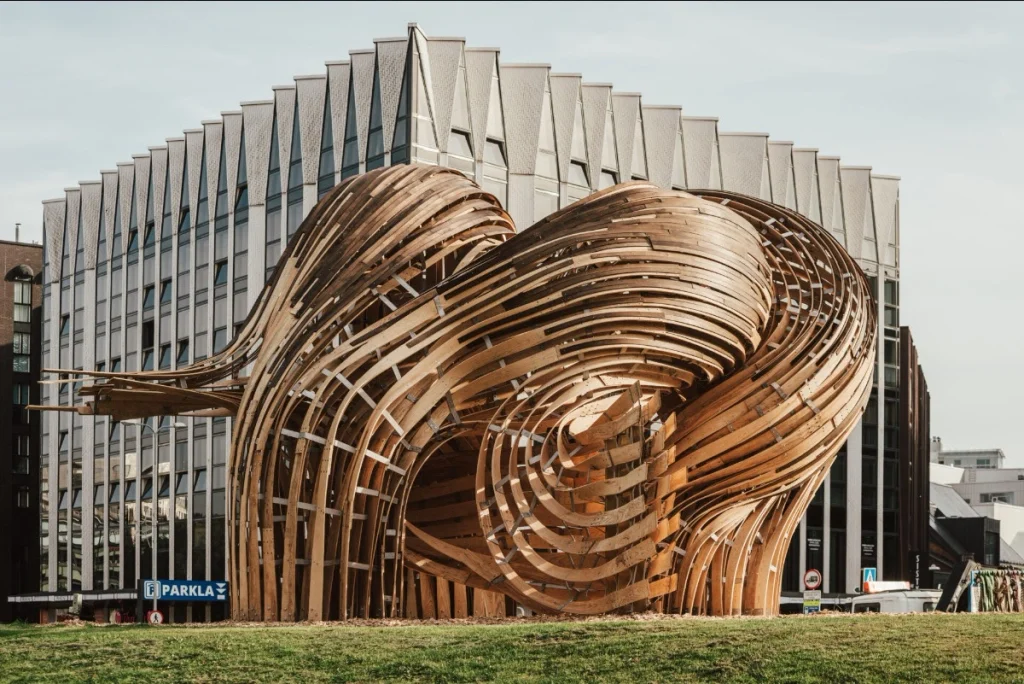
The pavilion sits within a broader program that questions how architectural quality is produced when money, materials, and space are limited. This makes TAB particularly relevant to current debates around resource efficiency and affordability, while its exhibitions and symposium extend those questions into urban planning and architectural practice.
14. Lisbon Architecture Triennale (Lisbon, Portugal)
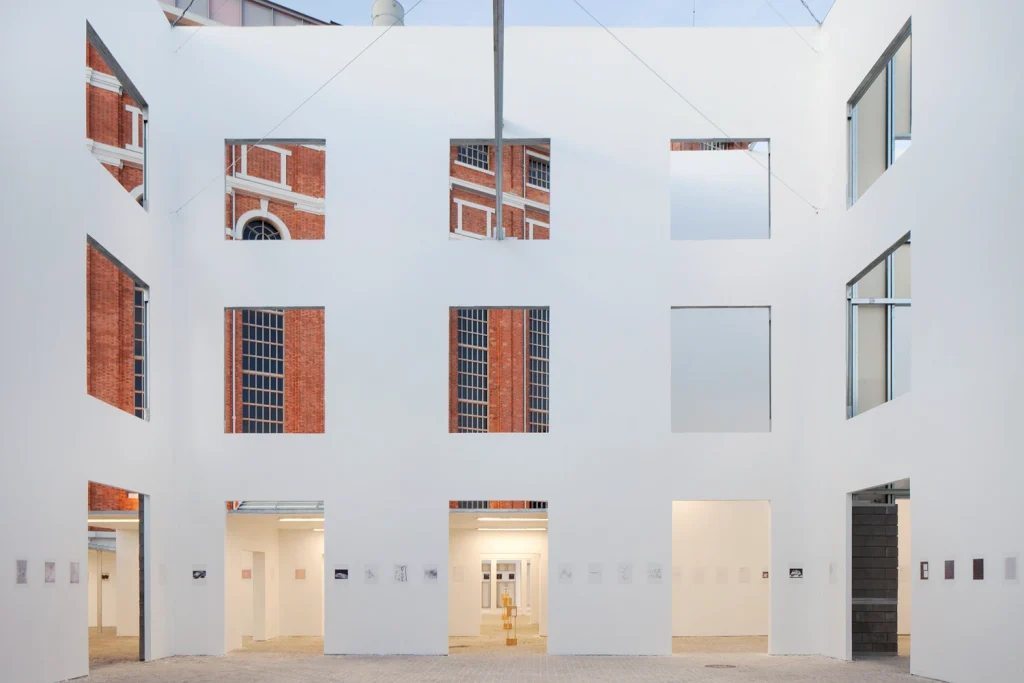
The Lisbon Architecture Triennale is a recurring international architecture event that uses exhibitions, research, talks, and independent projects to examine how architecture responds to wider social, environmental, and spatial transformations. Its seventh edition, How Heavy is a City?, ran from October 2 to December 8, 2025, with chief curators Ann-Sofi Rönnskog and John Palmesino of Territorial Agency. The program was distributed across venues including MAAT, MUDE, Garagem Sul at the Centro Cultural de Belém, and the Calouste Gulbenkian Foundation.
The 2025 edition approached the city as a system of material, energy, environmental, and social flows. Its three main research lines, Fluxes, Spectres, and Lighter, looked at different dimensions of this question. At MAAT, Fluxes transformed the museum’s former power-station interior into an immersive installation examining the material flows behind urbanization, while Lighter presented proposals for lower-carbon and socially just urban futures.
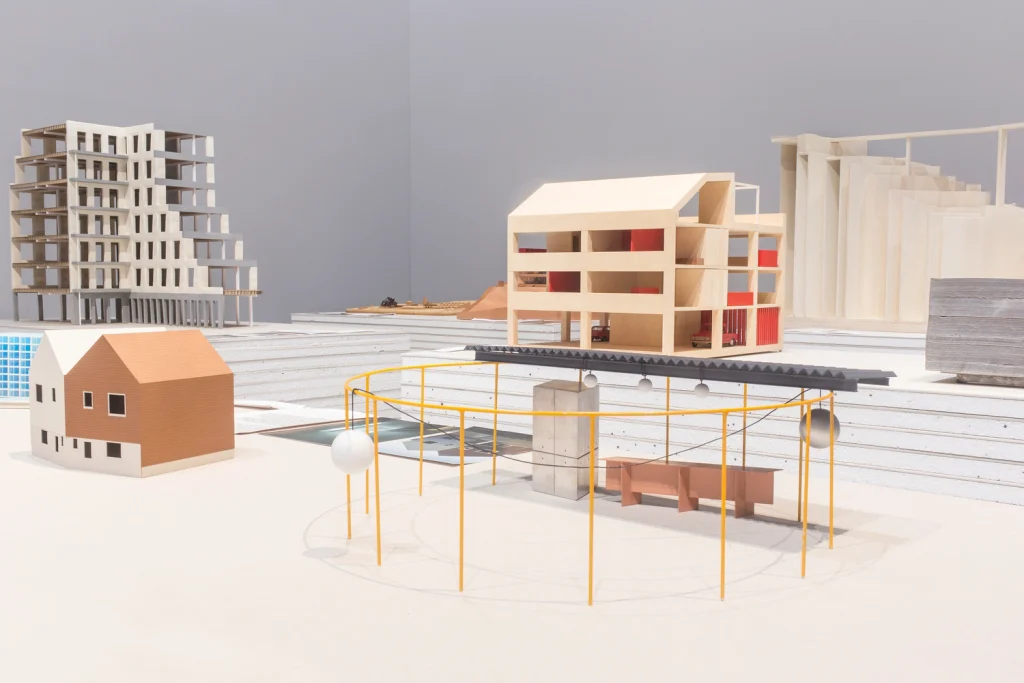
The Triennale’s strength lies in connecting architectural research with the physical spaces of Lisbon. Its exhibitions are not limited to conventional gallery displays, instead using industrial buildings, museums, cultural institutions, and other urban settings to investigate how cities are built, maintained, and transformed.
15. London Festival of Architecture (London, UK)
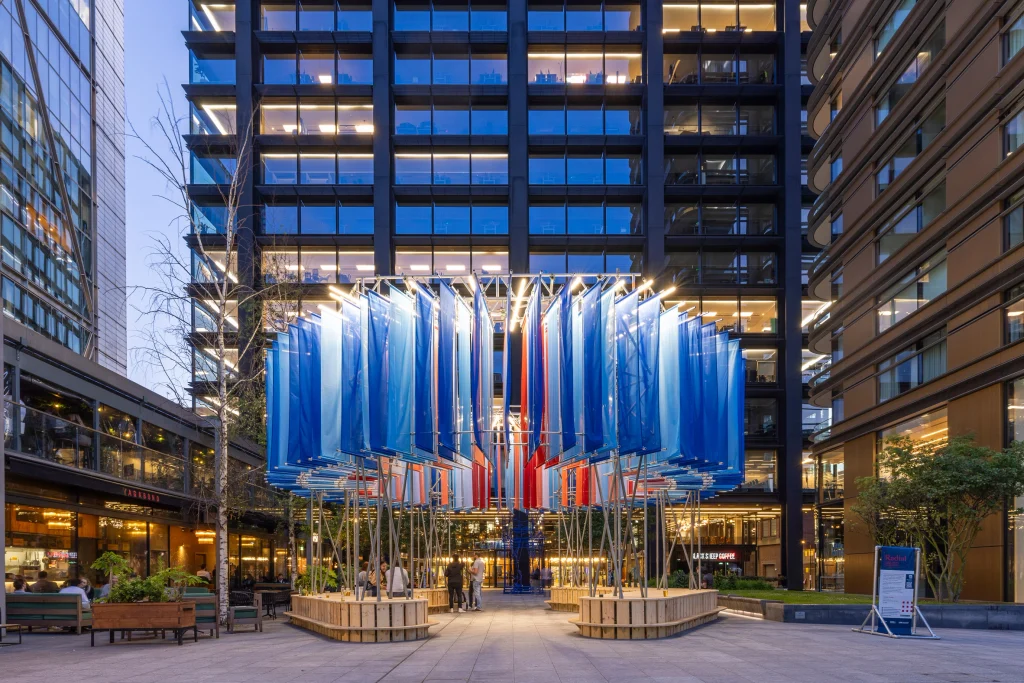
The London Festival of Architecture (LFA) is a month-long celebration of architecture and city-making that takes place across London every June. Established in 2004, it brings together architects, students, built-environment professionals, and the public through exhibitions, installations, tours, workshops, competitions, and discussions. The 2026 edition ran from June 1 to 30 under the theme Belonging, with projects distributed across London’s neighborhoods.
Temporary architecture is a recurring part of the program. The 2026 edition included the Pavilion of Transient Belonging/s, a temporary pavilion that used discarded objects and personal belongings as the basis for conversations and workshops around value, waste, and urban life. Other projects included a temporary pocket park on Goulston Street and the Seeds in the City winning pavilion, demonstrating how small-scale interventions can create new uses for overlooked or underused parts of the city. The festival’s citywide format makes London itself the exhibition space. LFA places installations, public-space experiments, tours, and competitions directly within neighborhoods.
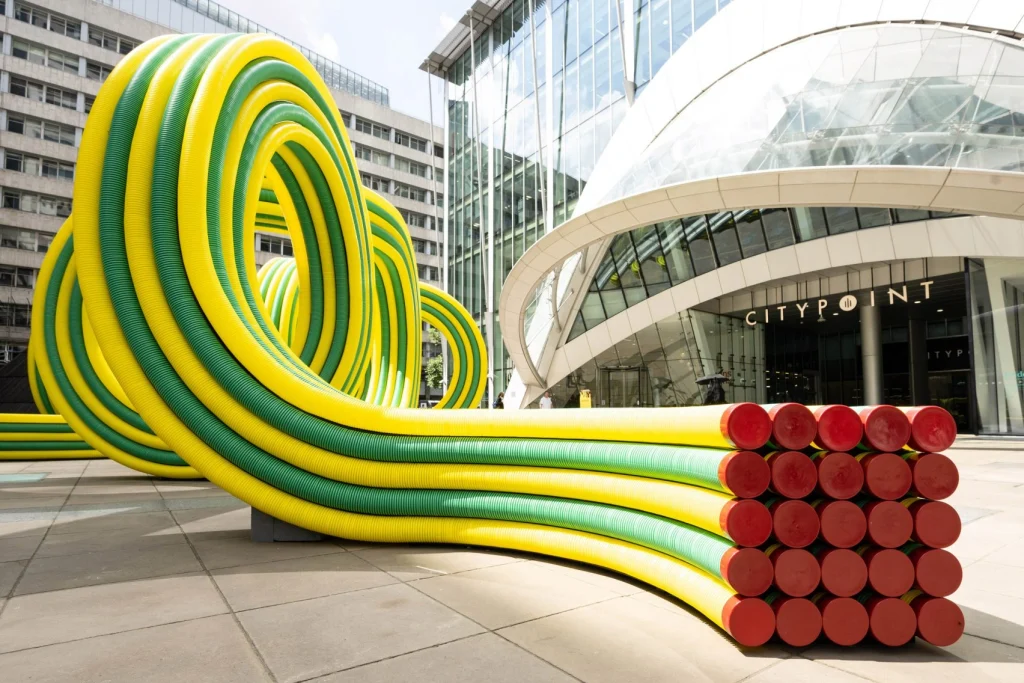
Taken together, these fifteen events map a working circuit that runs through most of the year, from Stockholm in February to Kassel in the summer months of a documenta year and Eindhoven in October. No single event covers the full range of what architecture and design need to address today: material science, public space policy, heritage adaptation, and commercial furniture design all require different formats and different audiences.