
Architecture has always been a discipline built on memory. Every architect inherits something: a language, a material tradition, a spatial idea, a structural invention, or a cultural reference. The history of architecture is, in many ways, a continuous conversation between generations.
The Renaissance copied classical orders, modernists reinterpreted industrial aesthetics, and contemporary architects constantly revisit ideas from the past. The human species, apparently unable to resist rebuilding yesterday’s ideas with newer materials, has turned imitation into both a creative tool and a dangerous shortcut.
However, the contemporary architecture has intensified a long-standing question: when does inspiration become copying? When does an architectural homage become an act of intellectual theft? In an era dominated by digital images, globalized design practices, and instant access to thousands of architectural references, the boundary between learning from others and reproducing others has become increasingly unclear.

Today, a building can be visually recognized before it is physically experienced. A museum with a twisted metallic skin resembles a famous landmark, a luxury residence repeats the language of a celebrated architect, and entire urban districts imitate successful global models.
Architecture has entered an age where images travel faster than ideas, and sometimes the image survives while the original meaning disappears. The debate between architectural copy and homage is therefore not merely about similarity. It concerns authorship, creativity, cultural identity, and the responsibility of architects in shaping the built environment.
The Tradition of Learning Through Imitation
Before criticizing architectural copying, it is important to acknowledge that imitation has always been part of architectural education. Architecture does not emerge from an empty space. The architect studies precedents, analyzes existing buildings, and transforms previous knowledge into new interpretations.
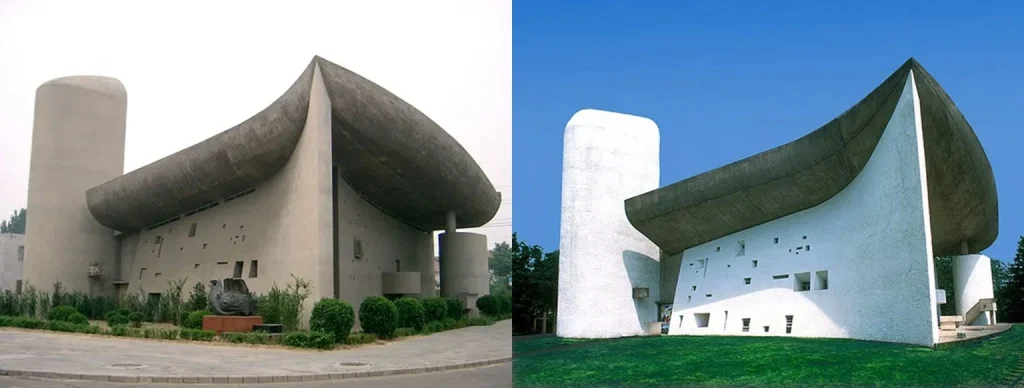
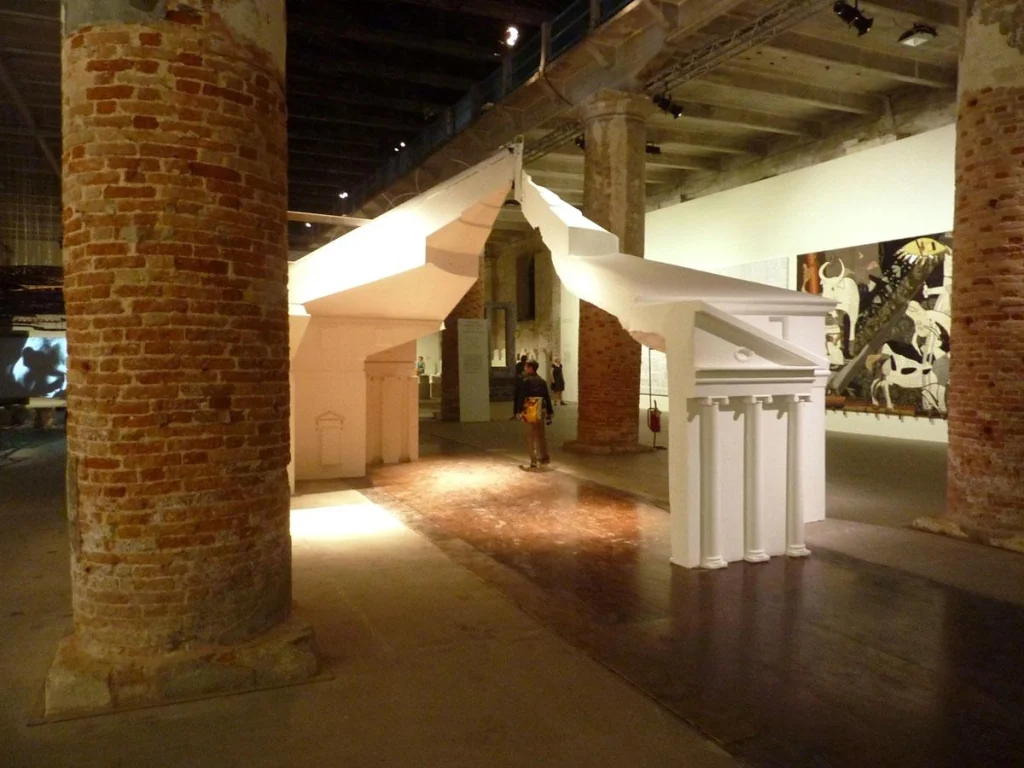
The great architects of history were not isolated geniuses creating from nothing. Andrea Palladio studied Roman architecture and transformed classical principles into a new architectural language. Le Corbusier was influenced by ancient architecture, industrial structures, and the ideas of earlier modernists.
Even the most revolutionary architectural movements were responses to previous traditions. In this sense, architecture has always operated through what could be called productive imitation. An architect observes an existing idea, understands its principles, and develops it further. The goal is not to reproduce the visible appearance but to extract the underlying logic.
A contemporary example can be found in the work of architects who reinterpret traditional materials and construction methods. A project using stone walls inspired by local historical buildings is not necessarily copying those buildings. If the architect transforms the material, spatial organization, and cultural meaning into a contemporary expression, the result becomes an architectural dialogue rather than a replica. The problem begins when the process stops at appearance.
The Rise of the Architectural Copy in the Age of Images
The current architectural environment is shaped heavily by digital culture. Platforms such as Instagram, Pinterest, and online architectural magazines have transformed buildings into visual commodities. A successful image can influence thousands of projects worldwide within days.
This visual economy has created a new pressure: buildings are expected to become instantly recognizable. Cities compete to produce iconic architecture, developers seek internationally recognizable forms, and architects are often encouraged to create designs that can function as symbols. The consequence is the rise of what might be called architectural cloning.
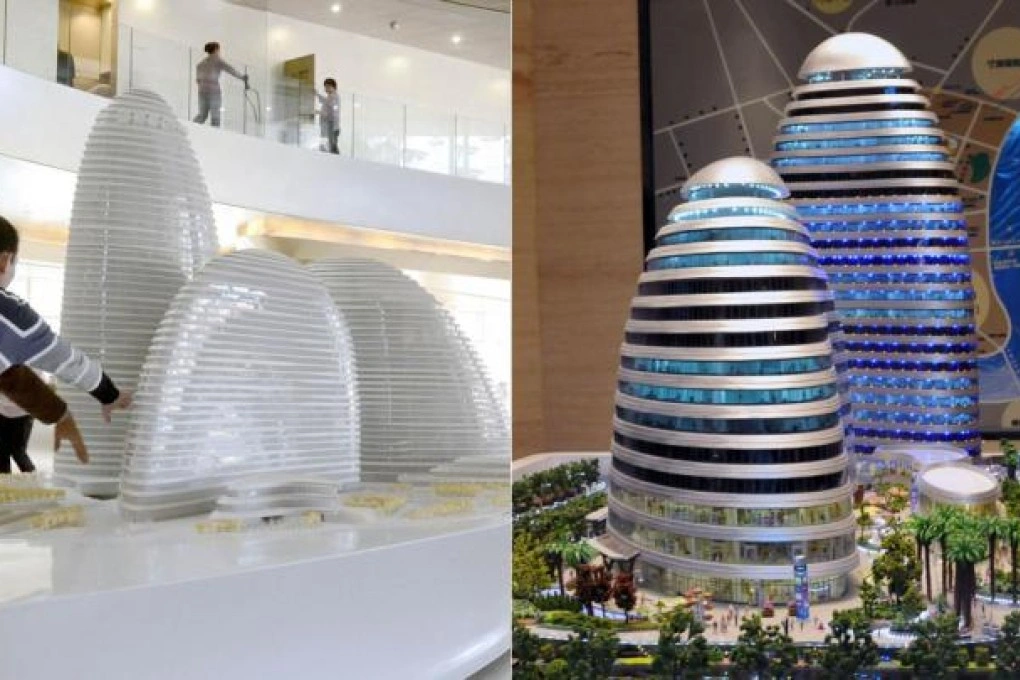
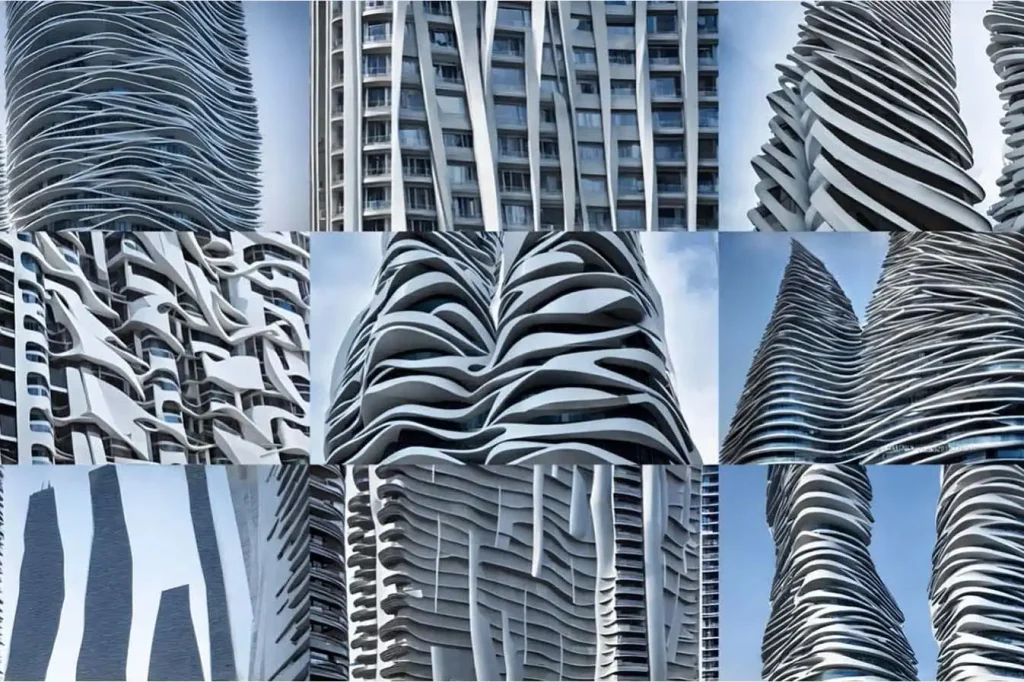
A curved glass tower inspired by one famous project becomes a model for dozens of similar towers. A museum with an unusual geometric form generates endless variations. A residential project designed for social media attention is repeated in different countries with different climates and cultures. The problem is not that architects share ideas. The problem is that many copies remove the original conditions that gave those ideas meaning.
Architecture is not only form. It is climate, culture, economy, technology, and social context. Copying the external appearance while ignoring these factors creates buildings that are visually familiar but intellectually empty. A building may imitate the shape of a masterpiece without understanding why that shape existed.
The Difference Between Copy and Homage
The distinction between copying and homage depends primarily on intention, transformation, and depth of understanding.
A copy reproduces recognizable elements without adding significant interpretation. It depends on similarity. The copied building often attempts to borrow the cultural value and reputation of another project. An homage, however, acknowledges its source while creating something independent. It does not hide its influence but transforms it. The difference is similar to the difference between repeating a sentence and writing a response to it. One preserves words; the other continues the conversation.
Consider the relationship between contemporary architects and modernist principles. Many architects today use open plans, exposed structures, and minimal aesthetics associated with modernism. Yet these principles can be transformed according to new environmental, social, and technological conditions. The result is not a copy of modernism but a contemporary interpretation. Homage requires criticism. The architect must ask: Why did this idea work? What can it teach us today? What needs to change? Copying requires only observation.
Iconic Architecture and the Business of Similarity
The competition for iconic buildings has made this issue more complicated. Since the beginning of the twenty-first century, many cities have invested in spectacular architecture as a strategy for global recognition.
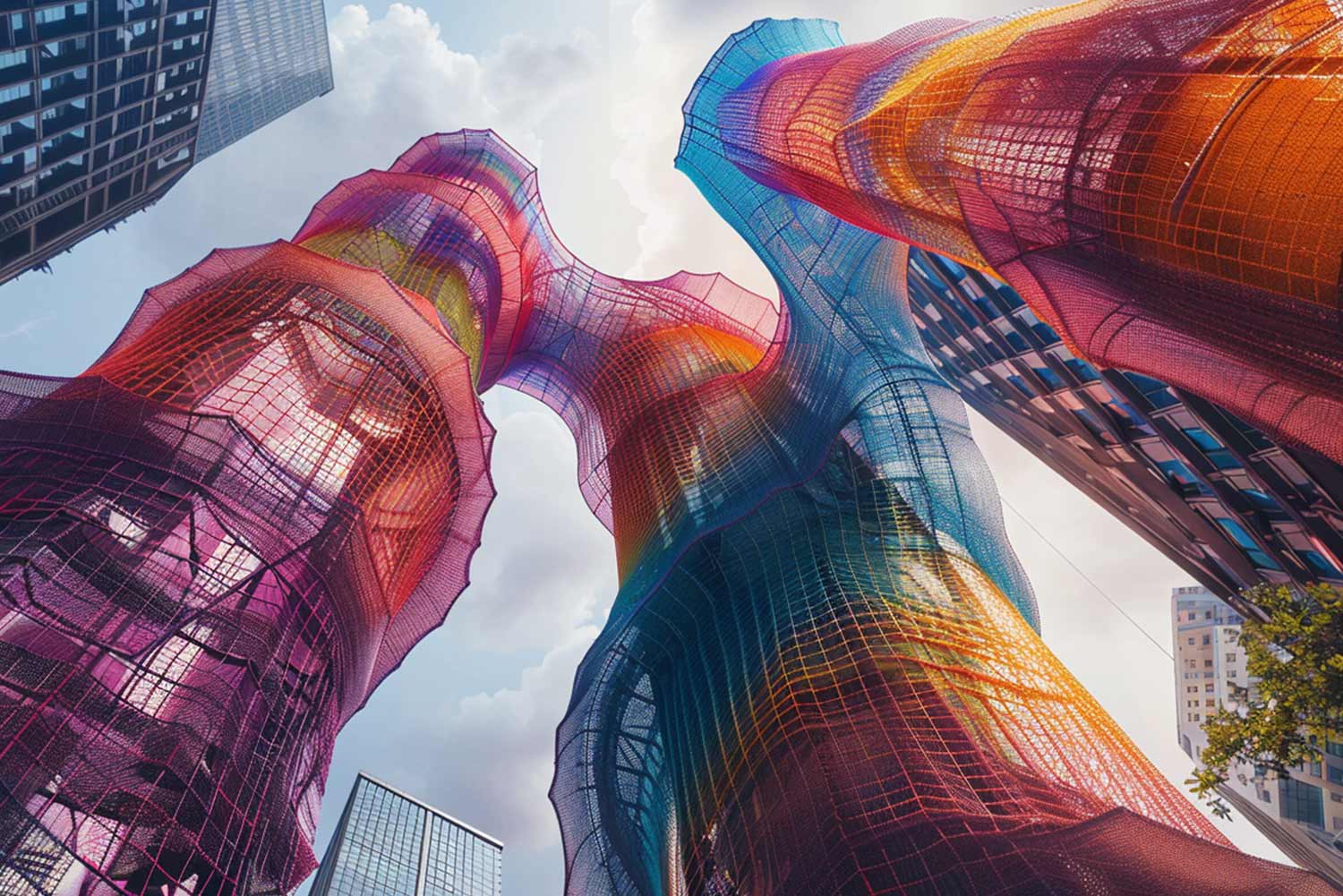
Projects such as the Guggenheim Museum Bilbao demonstrated the economic and cultural power of distinctive architecture. After Bilbao’s success, cities around the world attempted to reproduce the “Bilbao effect” by commissioning unusual museums, cultural centers, and landmark buildings. The result was a global race for uniqueness that paradoxically produced similarity.
Many cities now contain buildings designed to look different from everything else, yet they share the same visual language: complex geometries, dramatic curves, reflective surfaces, and digitally generated forms. The search for originality has created a new architectural uniformity. This contradiction reveals a deeper issue: originality cannot be reduced to unusual appearance.
A building does not become innovative simply because it has a strange shape. The most influential buildings often change the way people understand space, technology, or social relationships. Their value comes from ideas, not only images.
AI and the New Challenge of Architectural Originality
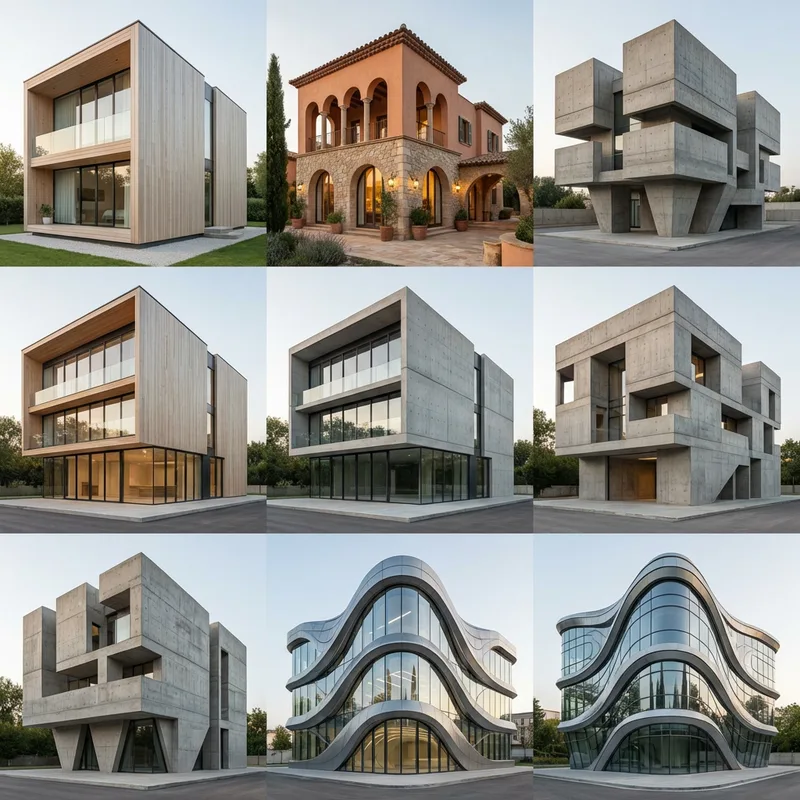
The emergence of artificial intelligence has introduced another dimension to the debate. AI image generators can now produce thousands of architectural concepts within minutes. These tools combine existing visual patterns from enormous databases, creating designs that often appear innovative while being constructed from previous examples. This raises a difficult question: if an artificial intelligence system generates a building inspired by millions of existing images, who owns the idea?
The architectural profession is entering a period where the difference between inspiration and replication may become even more complicated. AI does not copy in the traditional sense, but it learns from existing visual information. Humans do something similar, although usually at a slower speed and with more coffee involved, because apparently civilization decided caffeine should be part of the creative process.
The challenge for architects will not be avoiding influence. That is impossible. The challenge will be developing critical intelligence: the ability to transform references into meaningful new ideas. AI may generate forms, but architectural creativity still requires cultural interpretation, ethical judgment, and human understanding.
Cultural Identity: The Danger of Global Architectural Homogenization
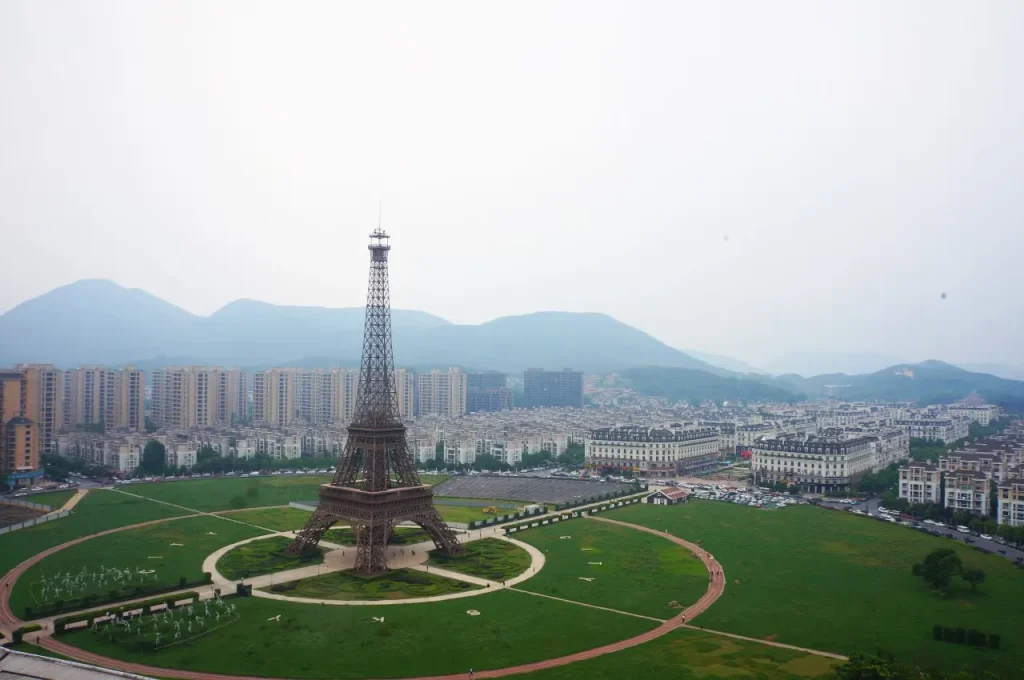
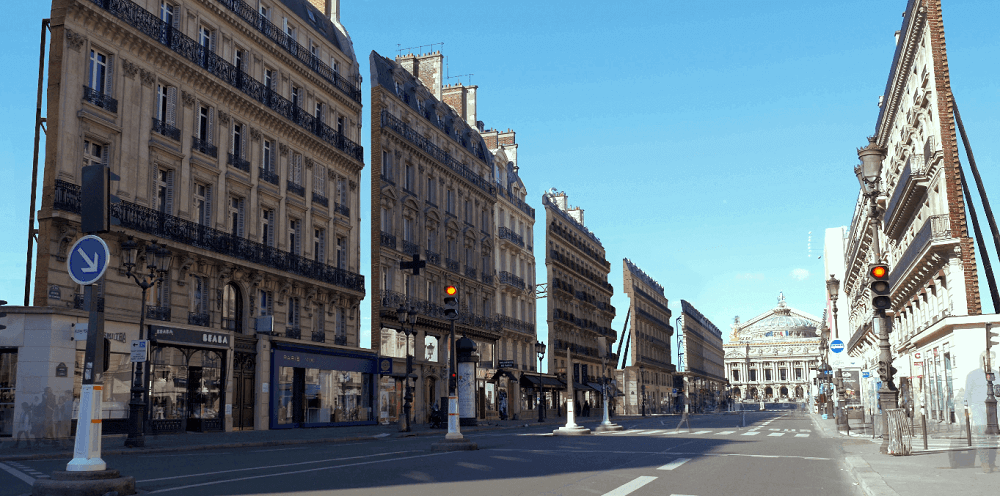
Another consequence of architectural copying is the weakening of local identity. As global architectural images circulate internationally, cities increasingly adopt similar styles. A shopping mall in one country begins to resemble a shopping mall in another. Luxury residential towers repeat the same materials and forms across continents. Airports, business districts, and commercial spaces often appear interchangeable. This global sameness creates a loss of architectural diversity.
Historically, architecture reflected geography and culture. Buildings responded to climate, available materials, social customs, and local traditions. Contemporary architecture does not need to reject globalization, but it must avoid becoming culturally anonymous.
The strongest contemporary projects often combine global knowledge with local interpretation. They borrow technologies and ideas from around the world while remaining connected to their specific place. Homage, in this sense, is not only about respecting another architect. It is about respecting context.
Architecture as a Conversation, Not a Reproduction
The debate between architectural copy and homage will continue because architecture has always existed between memory and invention. No architect creates completely alone, and no building is free from historical influence. The question is not whether architecture should copy the past. It inevitably engages with the past. The real question is whether architects transform what they inherit. A copy repeats. An homage interprets.
In contemporary architecture, where images move faster than ideas and global trends spread instantly, originality requires more than creating unfamiliar forms. It requires understanding history, questioning conventions, responding to context, and adding something meaningful to the ongoing architectural conversation.
The future of architecture will not belong to those who create the strangest shapes or reproduce the most successful images. It will belong to those who understand that creativity is not the absence of influence. Creativity is the ability to transform influence into something new. Because architecture, like humanity itself, is built from everything that came before. The trick is making sure the future is not merely wearing the clothes of the past.