





Some places are remembered because kingdoms rose there. Others because monuments changed skylines. Sarnath belongs to a rarer category of transformed human thought.
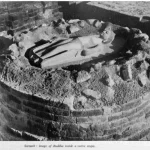
On the quiet plains northeast of Varanasi, where deer once roamed freely, lies Sarnath, now inscribed on the UNESCO World Heritage List for its Outstanding Universal Value. It was here, shortly after attaining enlightenment at Bodh Gaya nearly 2,500 years ago, that Siddhartha Gautama delivered his first sermon to five disciples—an event known as the Dhammacakkappavattana Sutta, or the First Turning of the Wheel of Dharma. This pivotal moment marked the birth of the Buddhist Sangha and the beginning of Buddhism as a living tradition that would eventually spread across Asia and beyond.
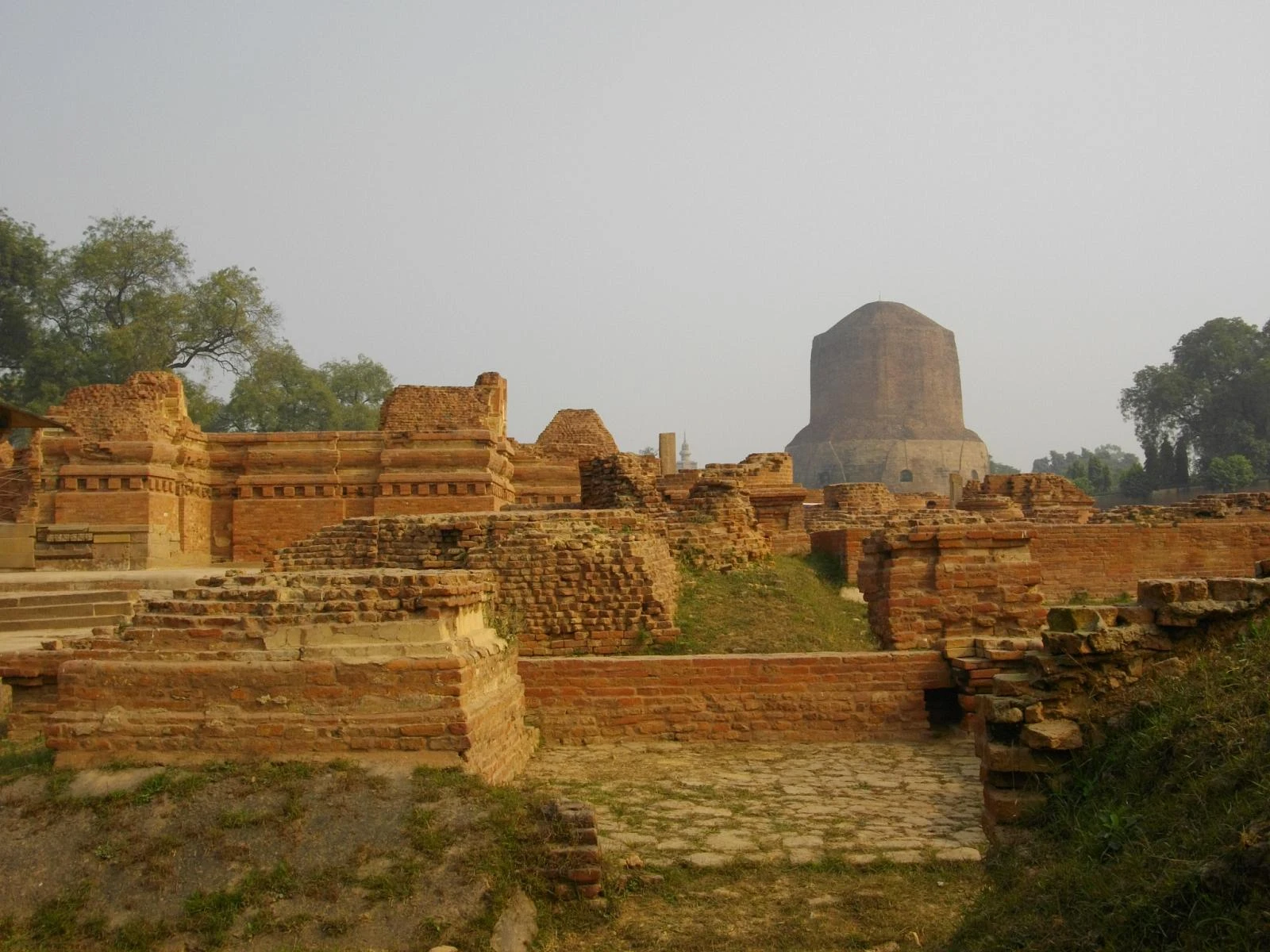
Now, this landscape of ancient stupas, monasteries, pillars, temples and archaeological remains has received the world’s highest heritage recognition. During the 48th Session of the UNESCO World Heritage Committee in Busan, Republic of Korea, the Ancient Buddhist Site of Sarnath was officially inscribed on the UNESCO World Heritage List, becoming India’s 45th World Heritage Site.
A Recognition Nearly Three Decades in the Making
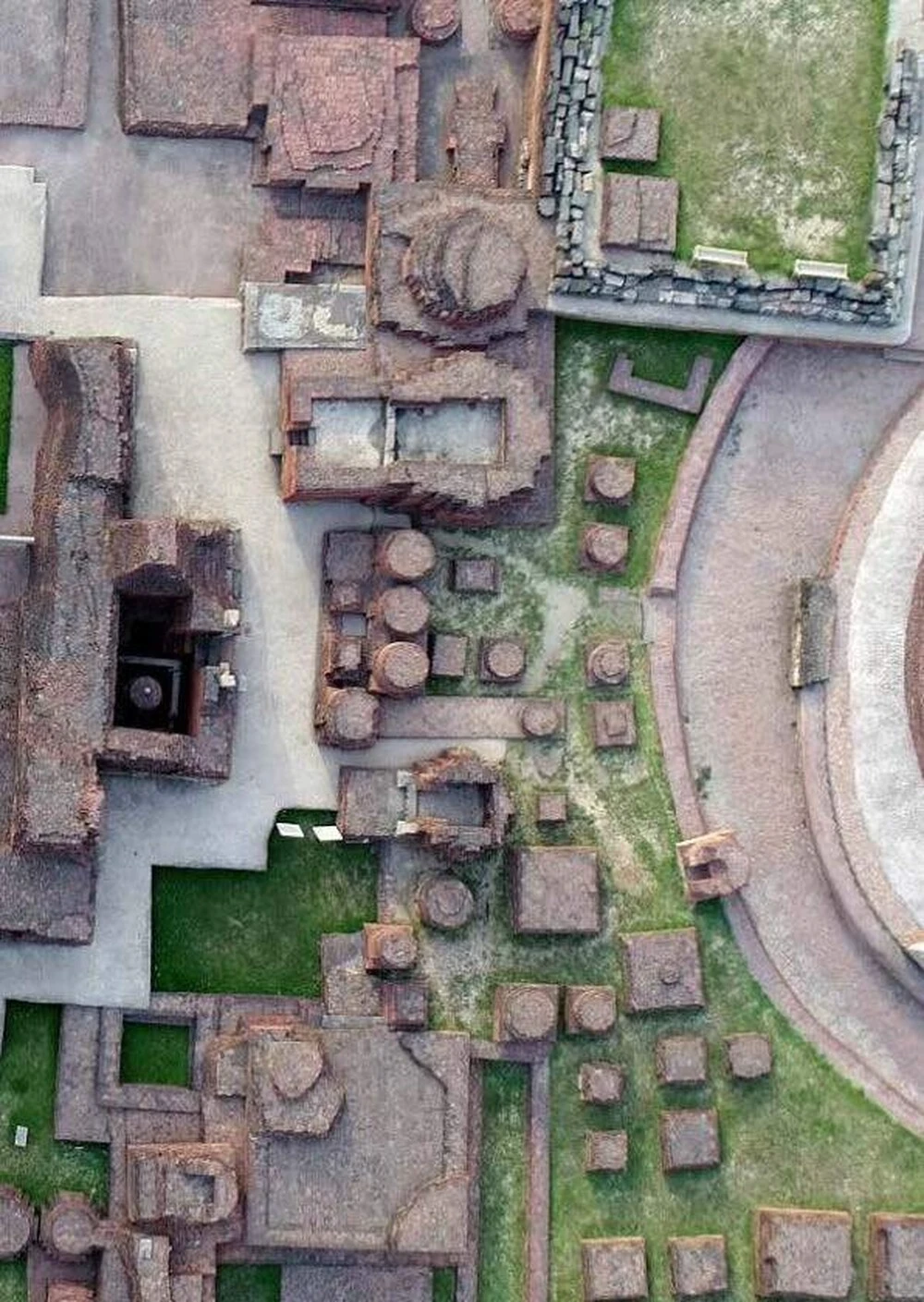
The inscription concludes a long journey for one of Buddhism’s most revered sites.
Sarnath first appeared on UNESCO’s Tentative List in 1998, beginning a conservation process that lasted almost 28 years. India’s nomination highlighted the site’s exceptional archaeological remains, architectural continuity and global spiritual significance, eventually earning UNESCO’s recognition of its Outstanding Universal Value.
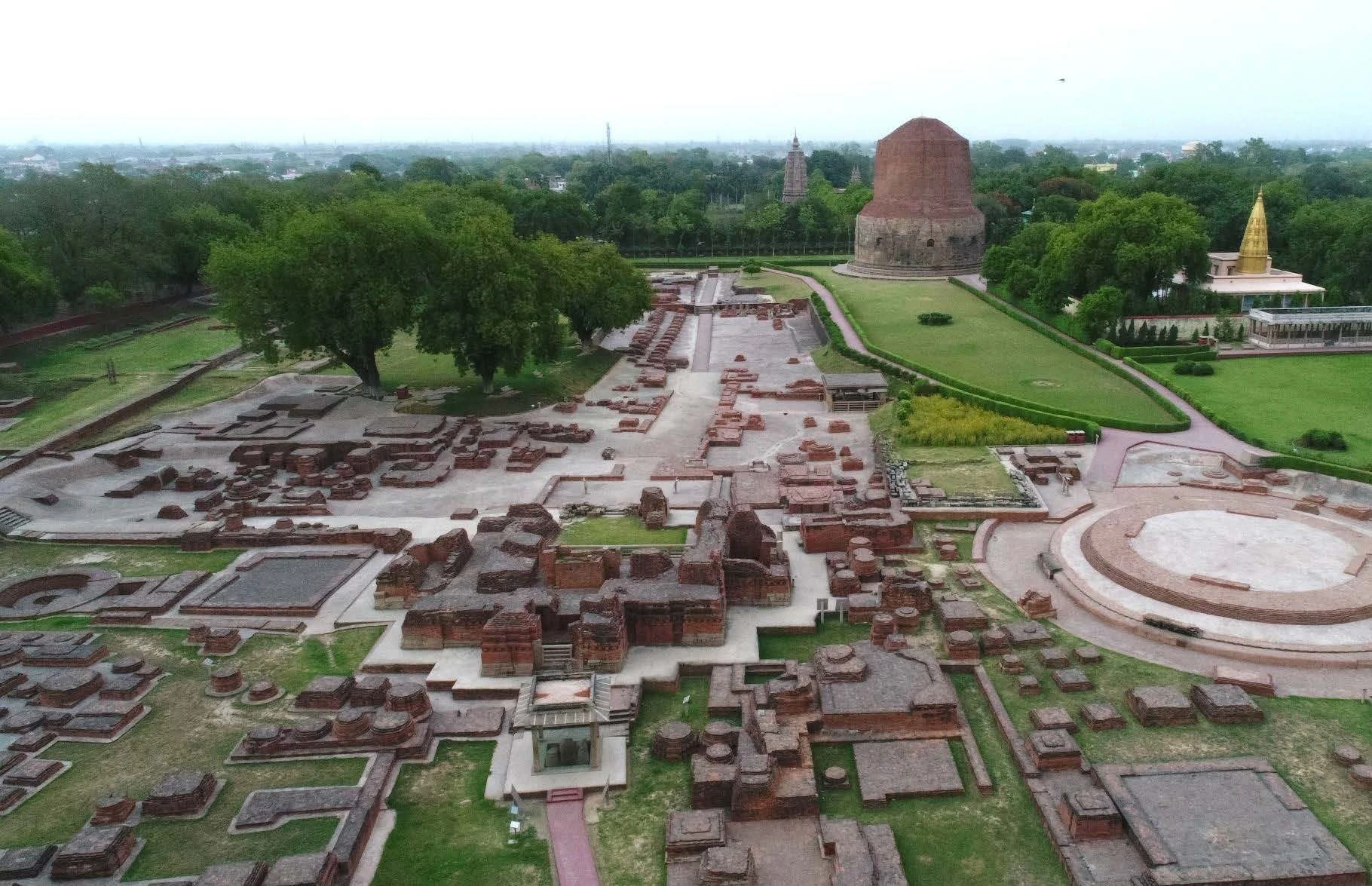
With this inscription:
- India now has 45 UNESCO World Heritage Sites
- Sarnath becomes Uttar Pradesh’s fourth UNESCO World Heritage Site
- India ranks among the countries with the largest number of World Heritage Sites globally.
More Than a Pilgrimage Site: An Architectural Chronicle of Buddhism
Sarnath is an evolving archaeological landscape shaped over nearly two millennia.
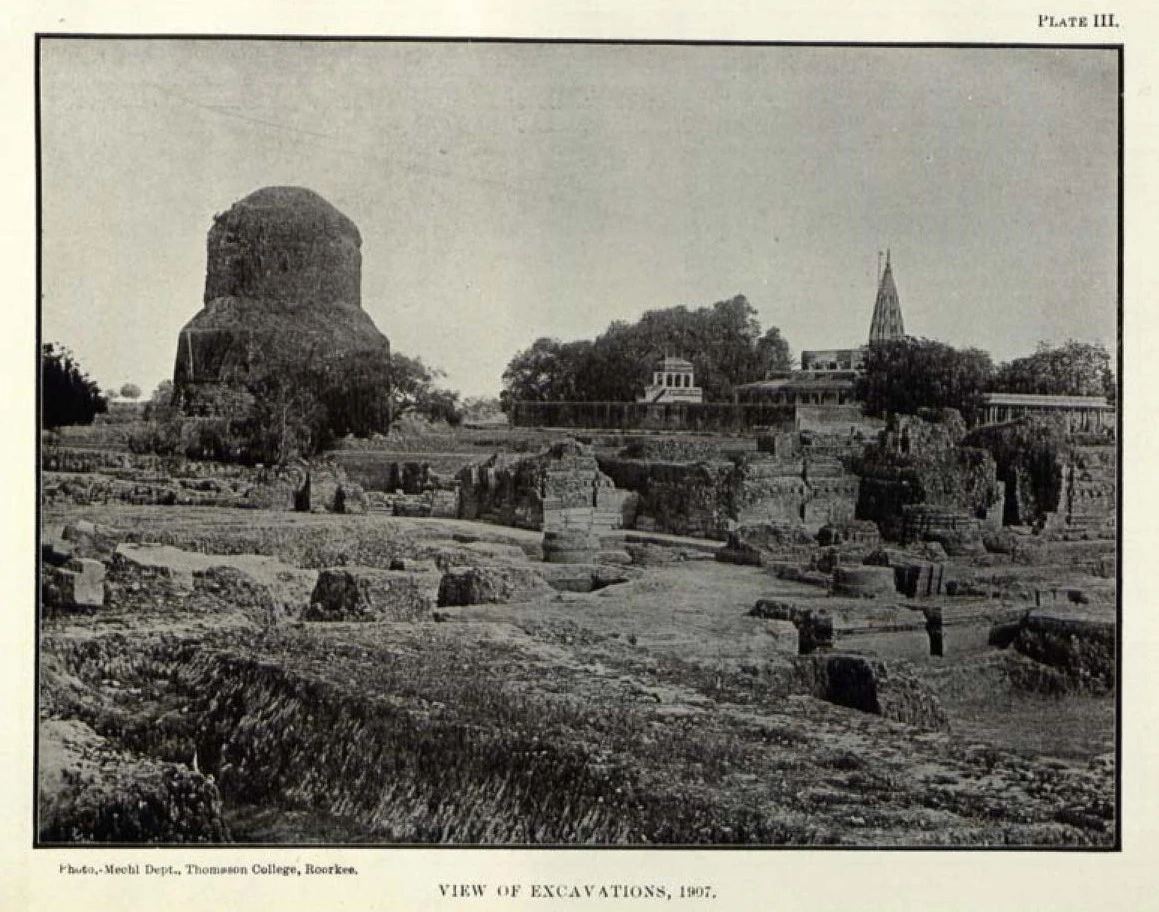
Its monuments reveal how Buddhist architecture developed from simple commemorative structures into monumental sacred complexes supported by successive dynasties, especially the Mauryas and Guptas.
Among its most significant architectural landmarks are the following:
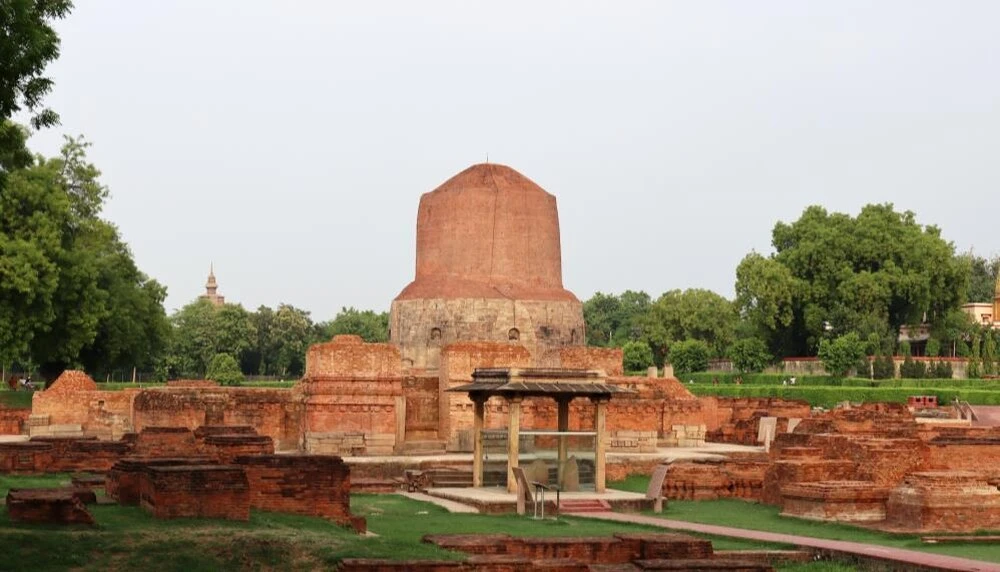
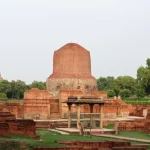
Dhamek Stupa
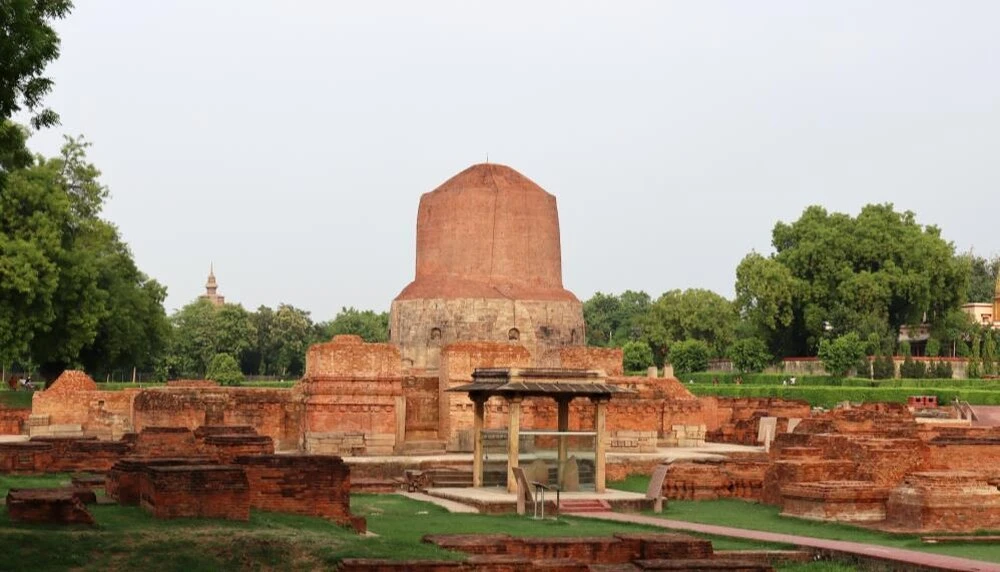
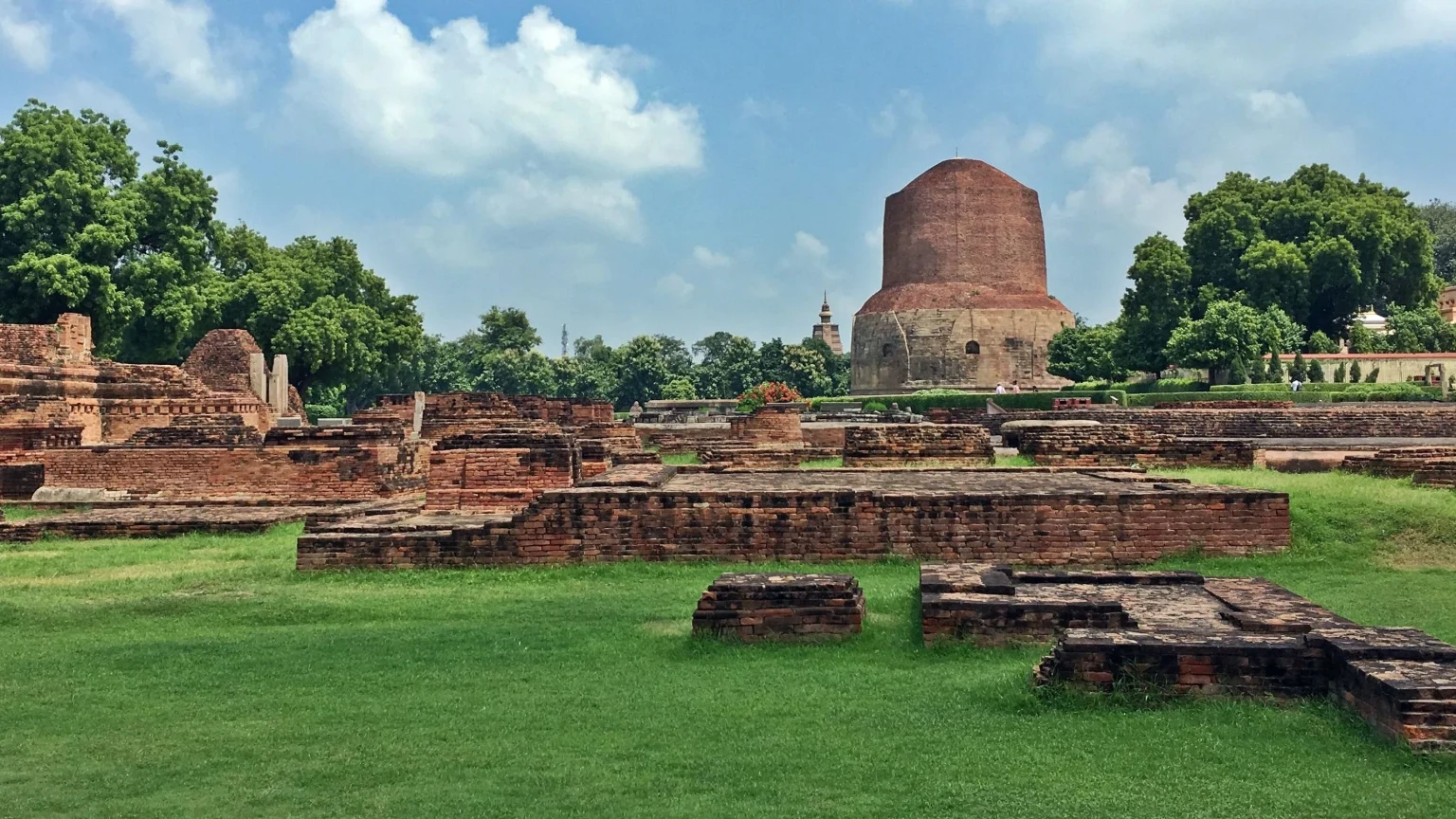
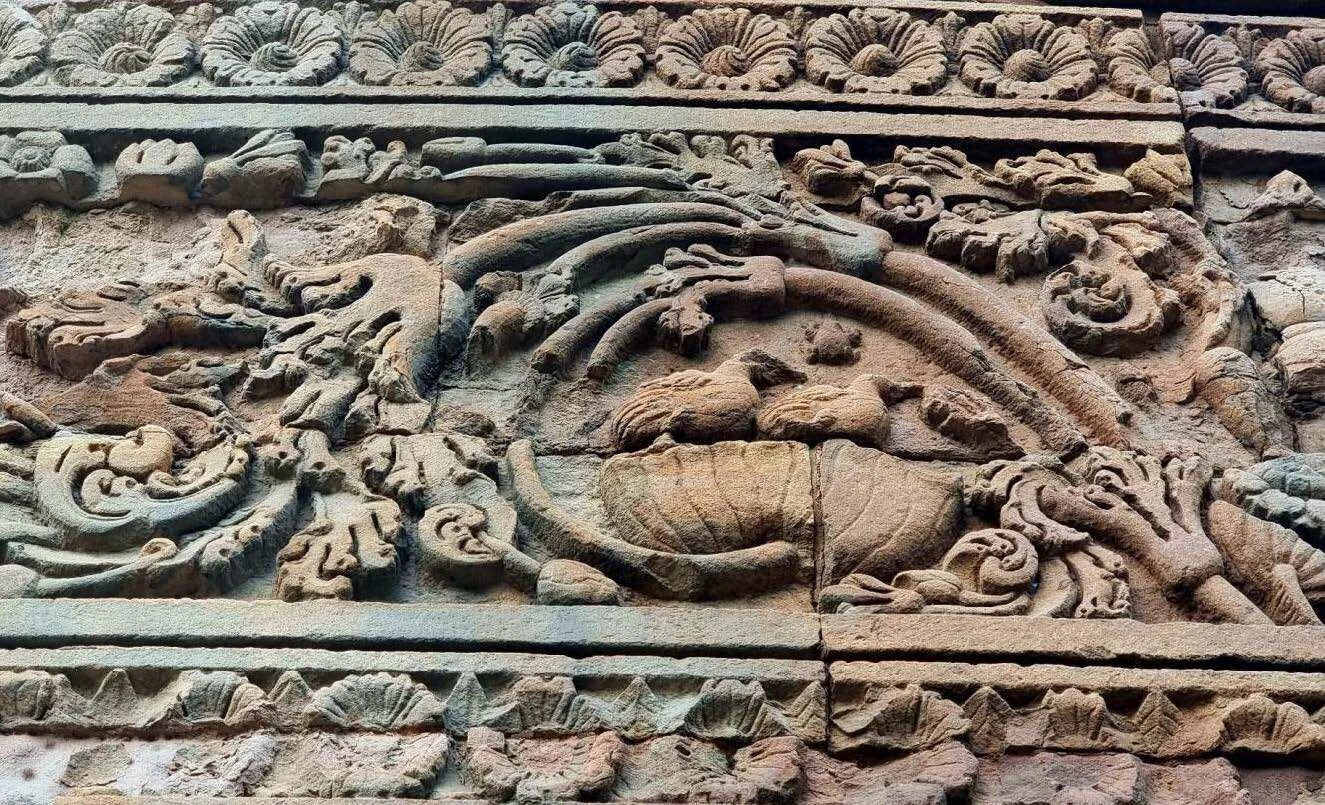
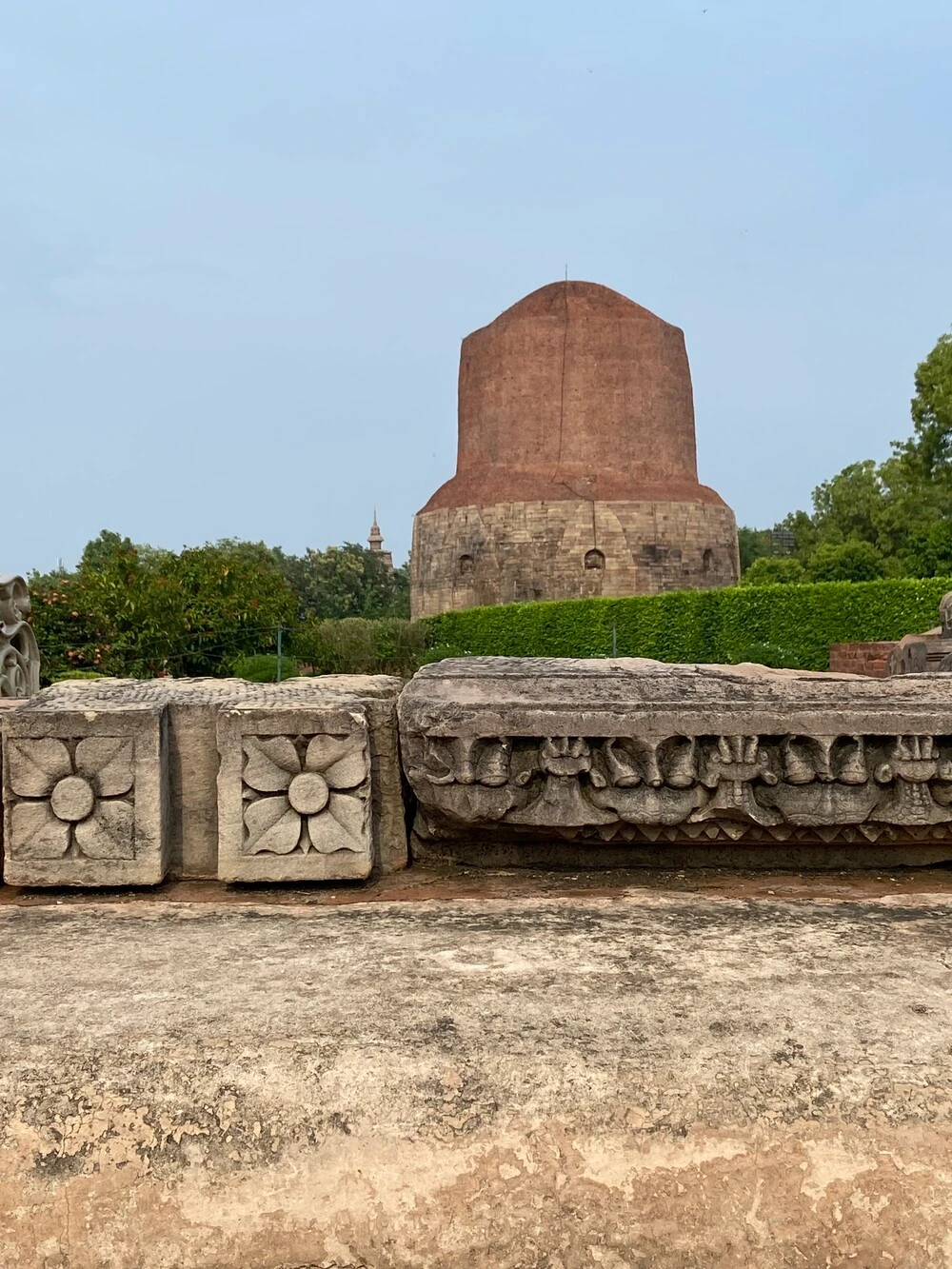
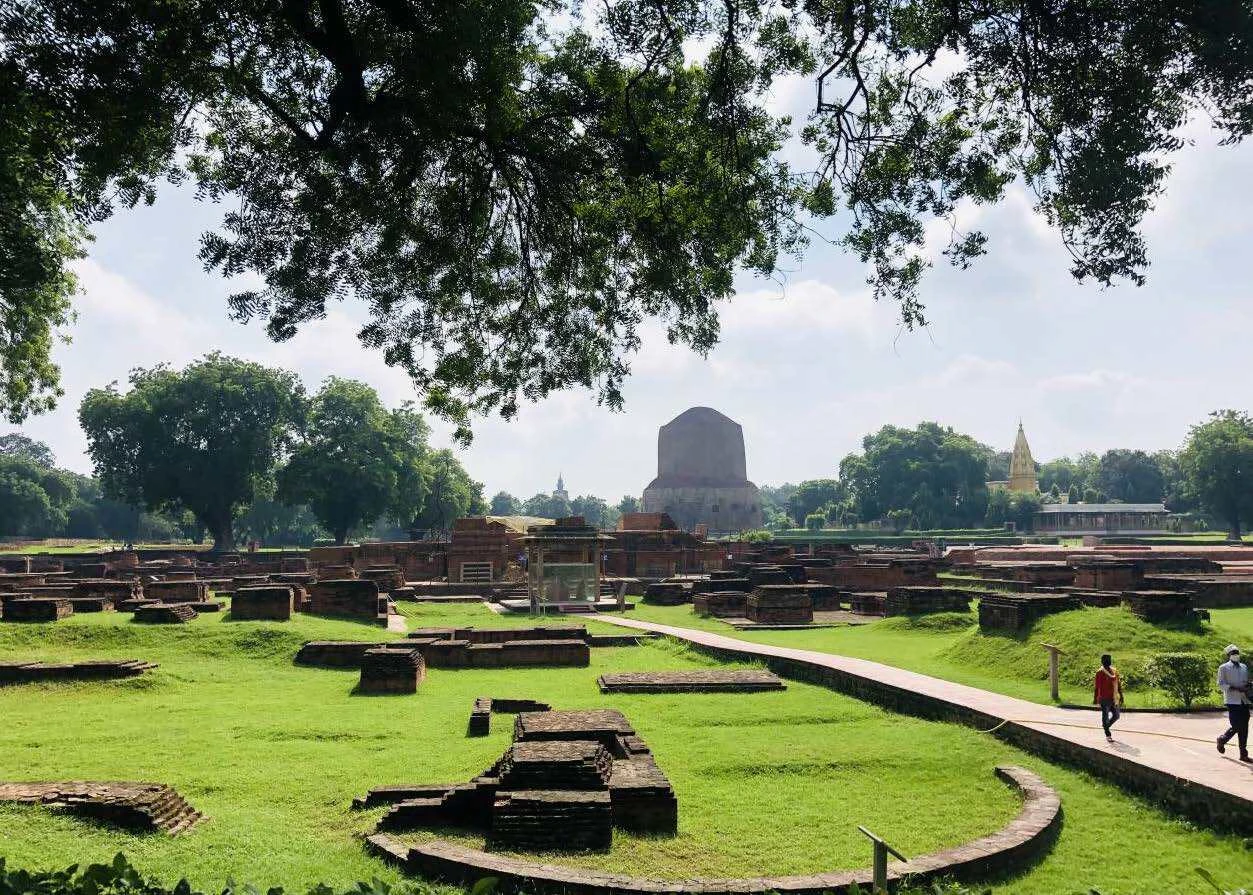
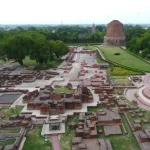
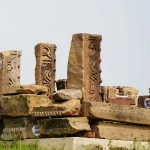
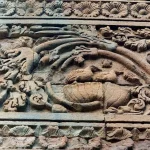
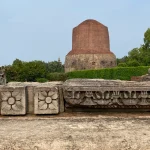
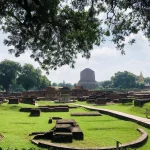
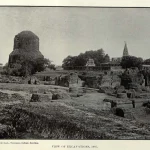
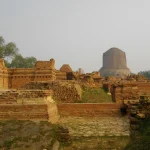
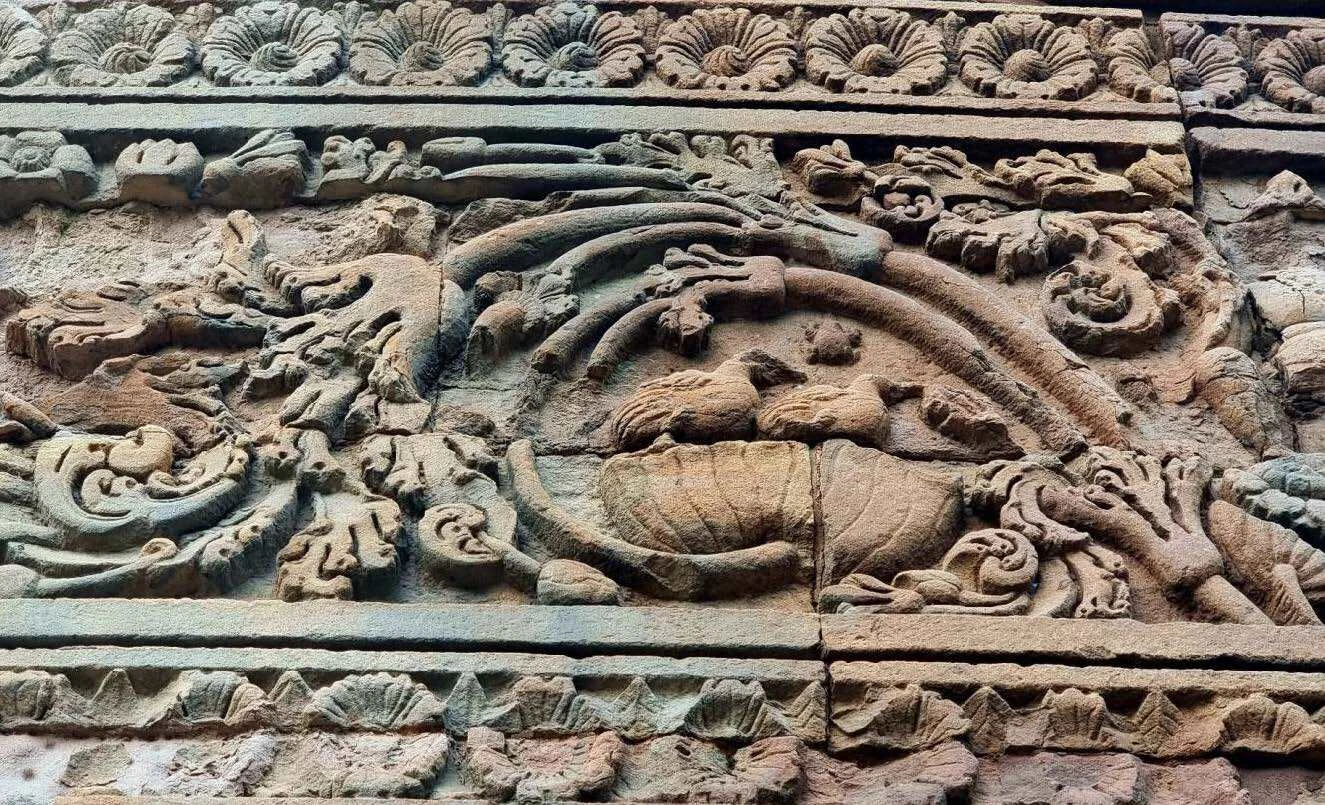
Standing approximately 43.6 meters high, the cylindrical Dhamek Stupa marks the traditional location where Buddha delivered his first sermon. Built and enlarged over centuries, its lower sections display finely carved floral patterns, geometric ornamentation, and Gupta-era stone craftsmanship that remain among India’s finest examples of Buddhist architectural decoration.
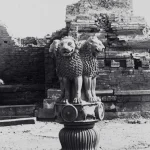
Ashoka Pillar
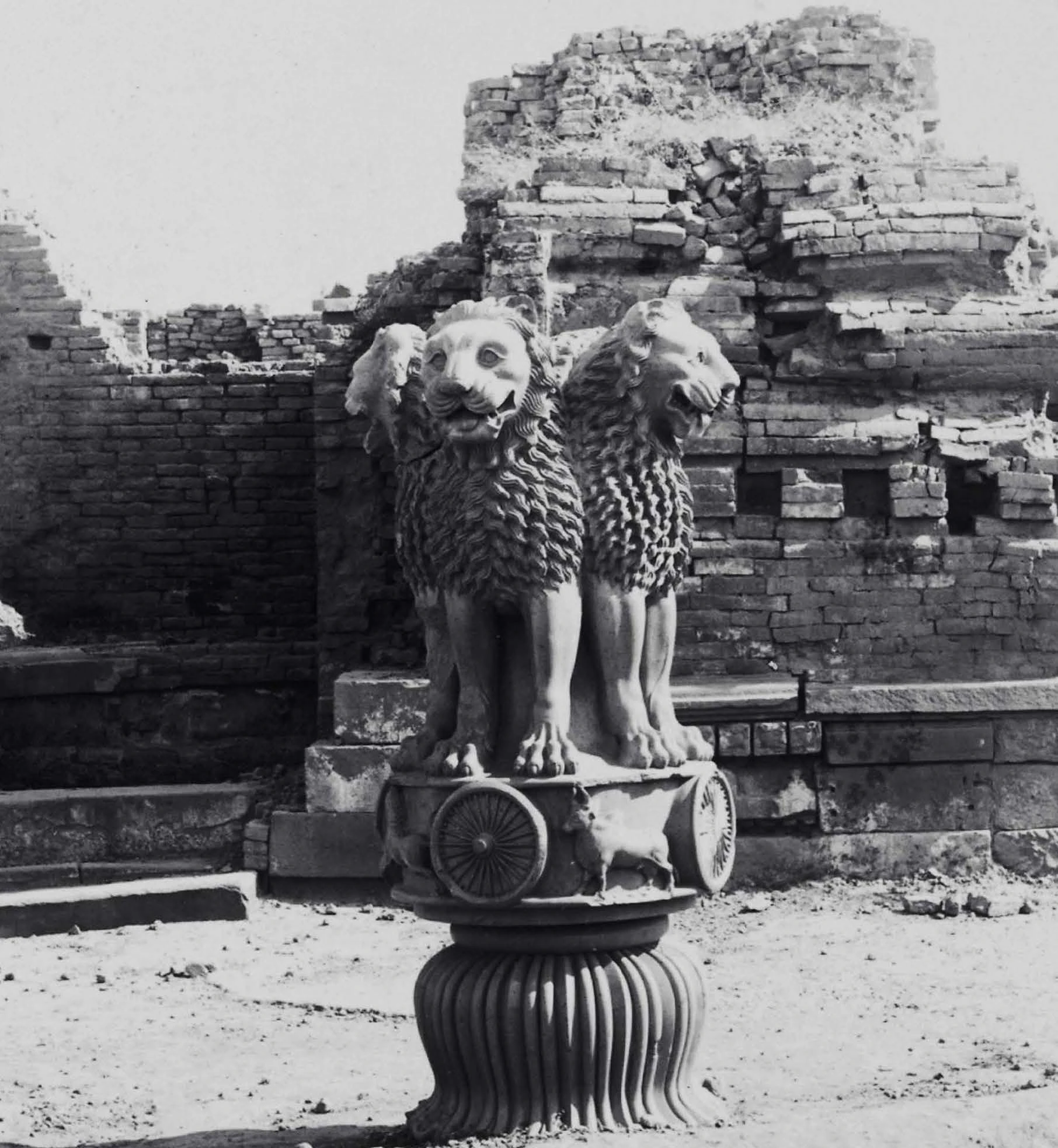
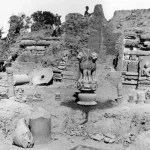
Emperor Ashoka visited Sarnath in the 3rd century BCE and commissioned a polished sandstone pillar to commemorate the sacred event. Its celebrated Lion Capital, now preserved in the Sarnath Archaeological Museum, later became the National Emblem of India. At the same time, the Ashoka Chakra inspired the wheel at the centre of India’s national flag.
Chaukhandi Stupa
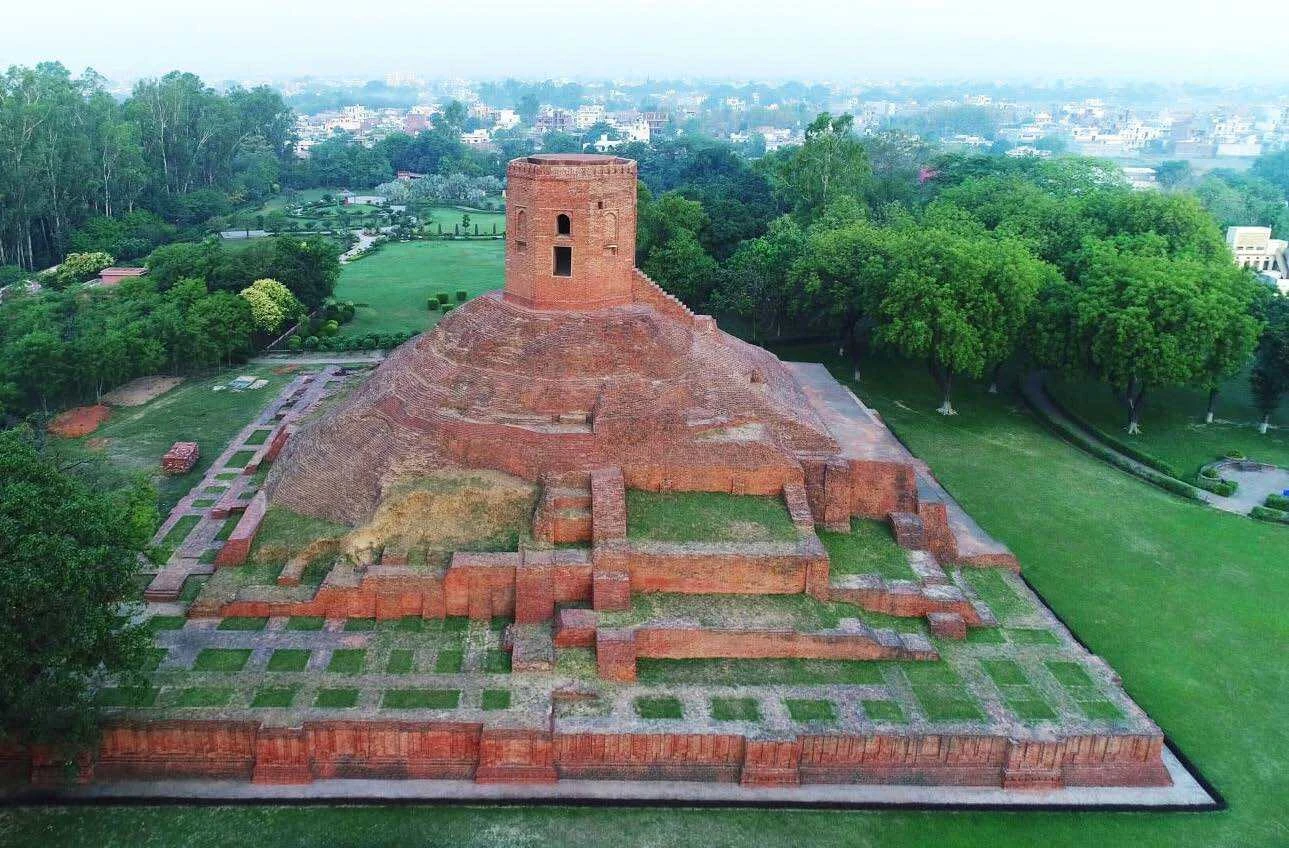
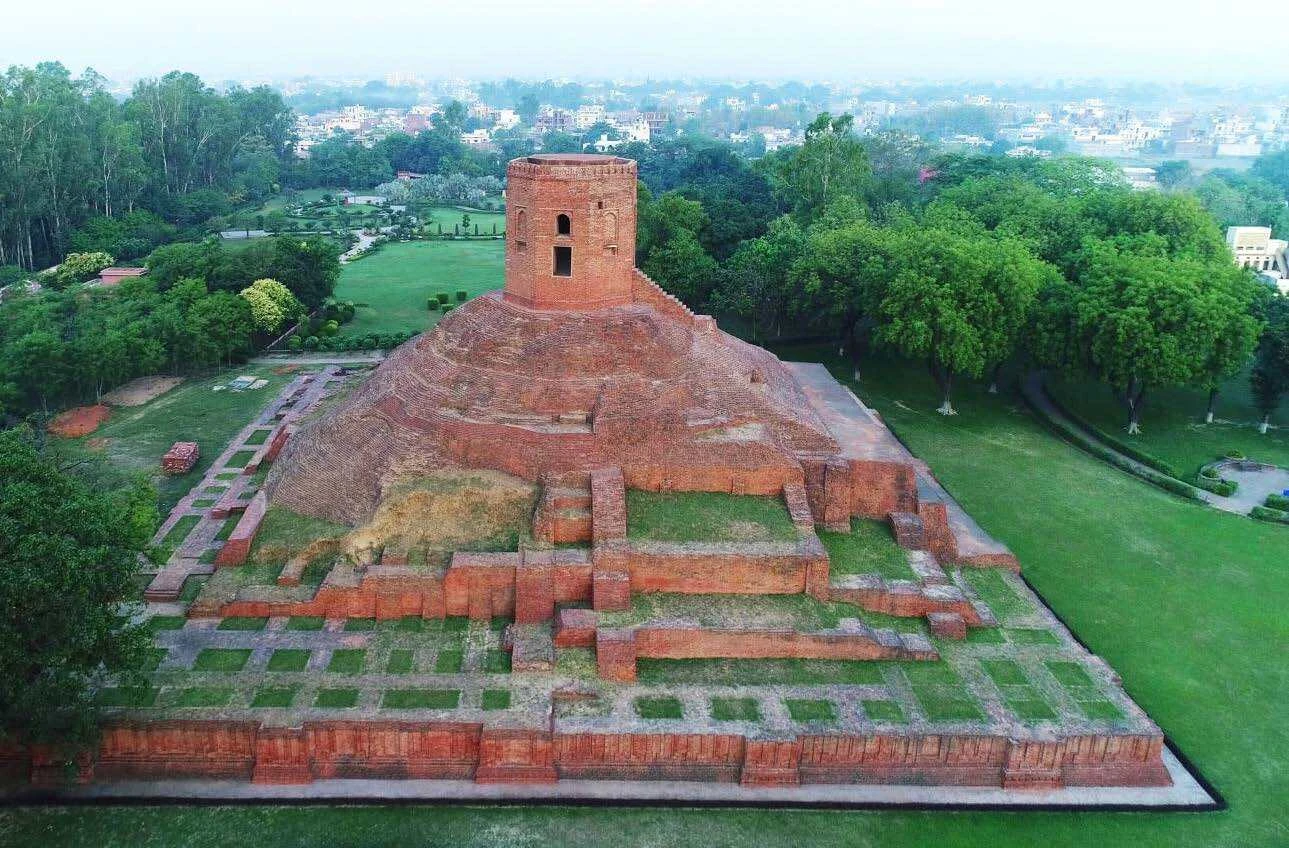
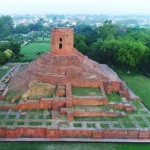
The Chaukhandi Stupa traditionally marks the place where Buddha first met the five ascetics before delivering his inaugural sermon. Its unusual octagonal Mughal-era tower, added centuries later, reflects how different historical periods continued to engage with Sarnath’s sacred geography.
Monasteries and Temple Ruins
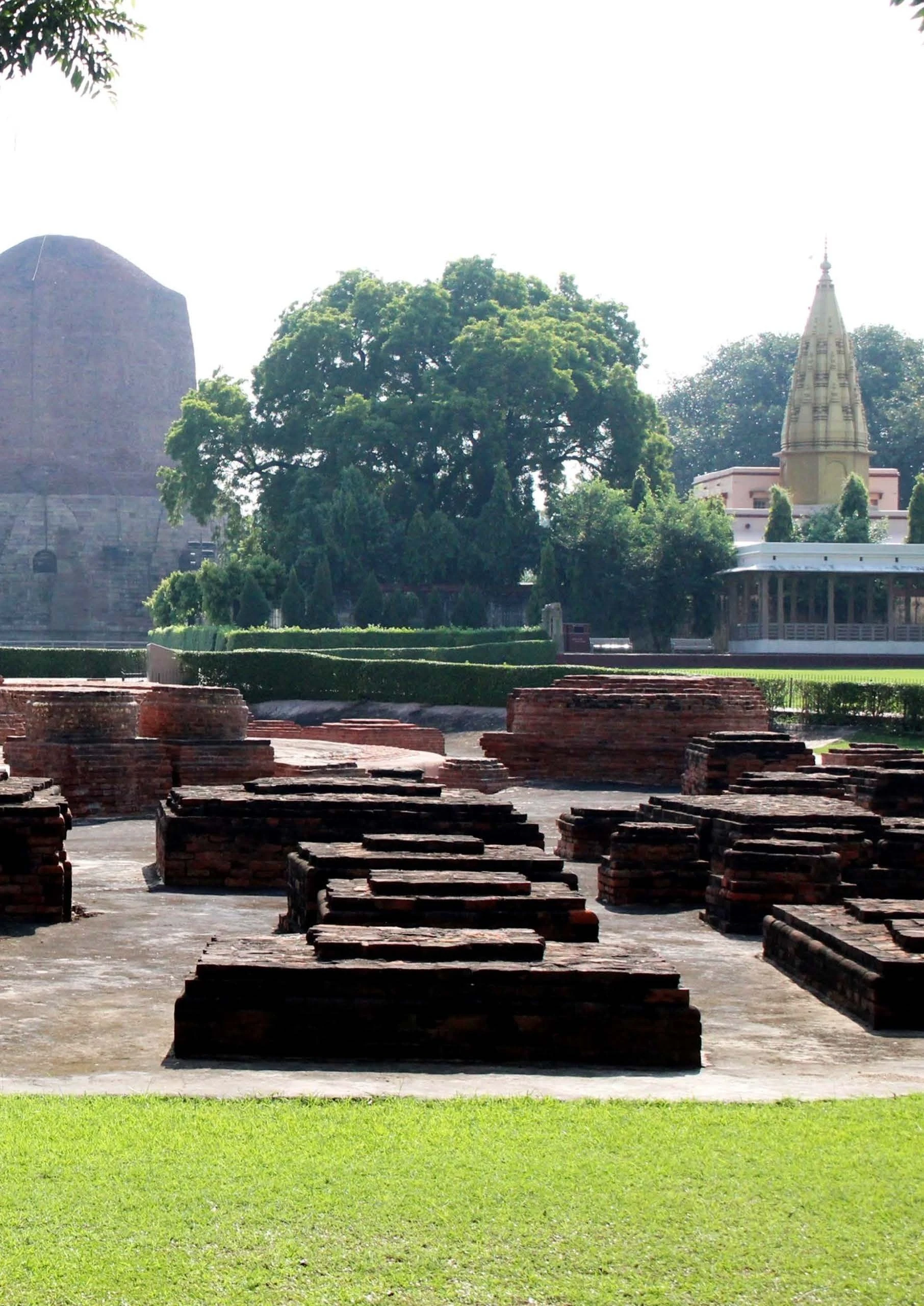
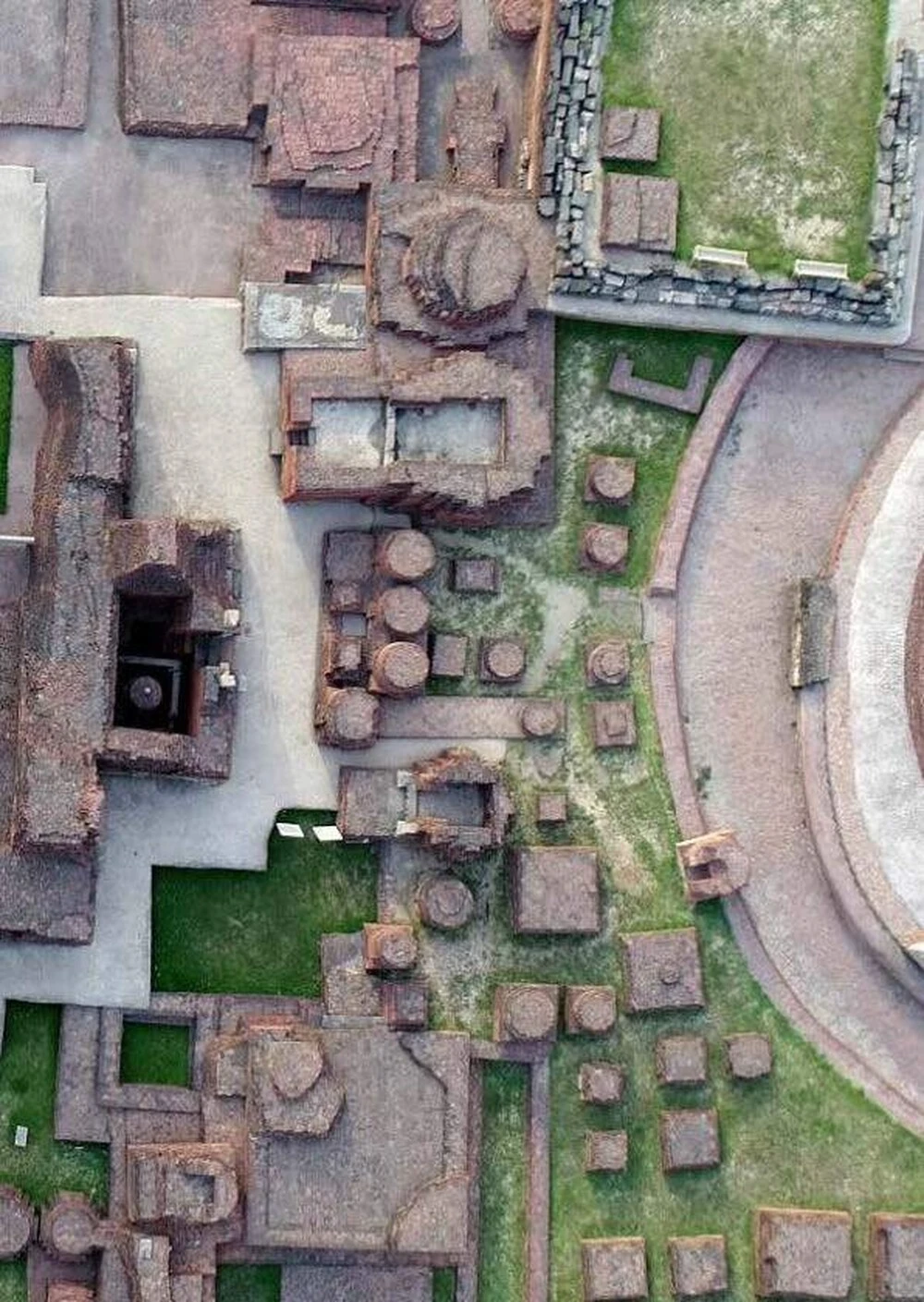
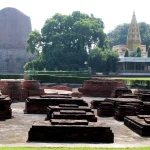
Excavated remains reveal an extensive network of monasteries (viharas), shrines, assembly halls, and educational spaces that once attracted monks, scholars, and pilgrims from across Asia. Together, they illustrate Sarnath’s role as a pilgrimage destination and as one of Buddhism’s earliest intellectual centers.
UNESCO’s Recognition of Outstanding Universal Value
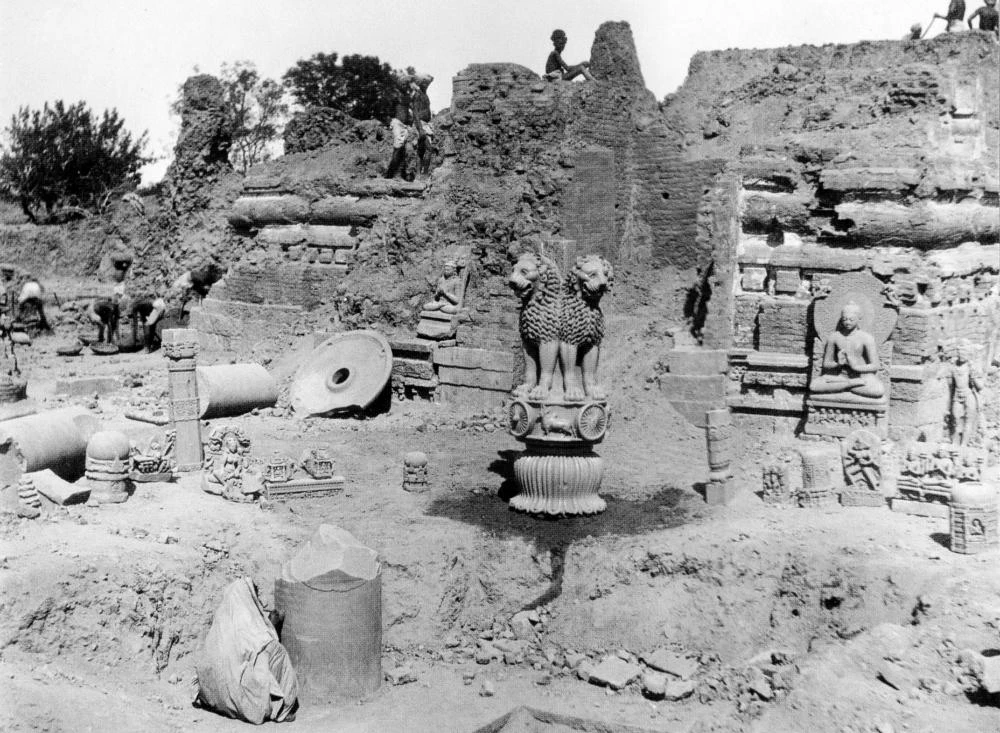
UNESCO recognized Sarnath as an exceptional cultural landscape directly associated with one of humanity’s most influential philosophical and religious traditions.
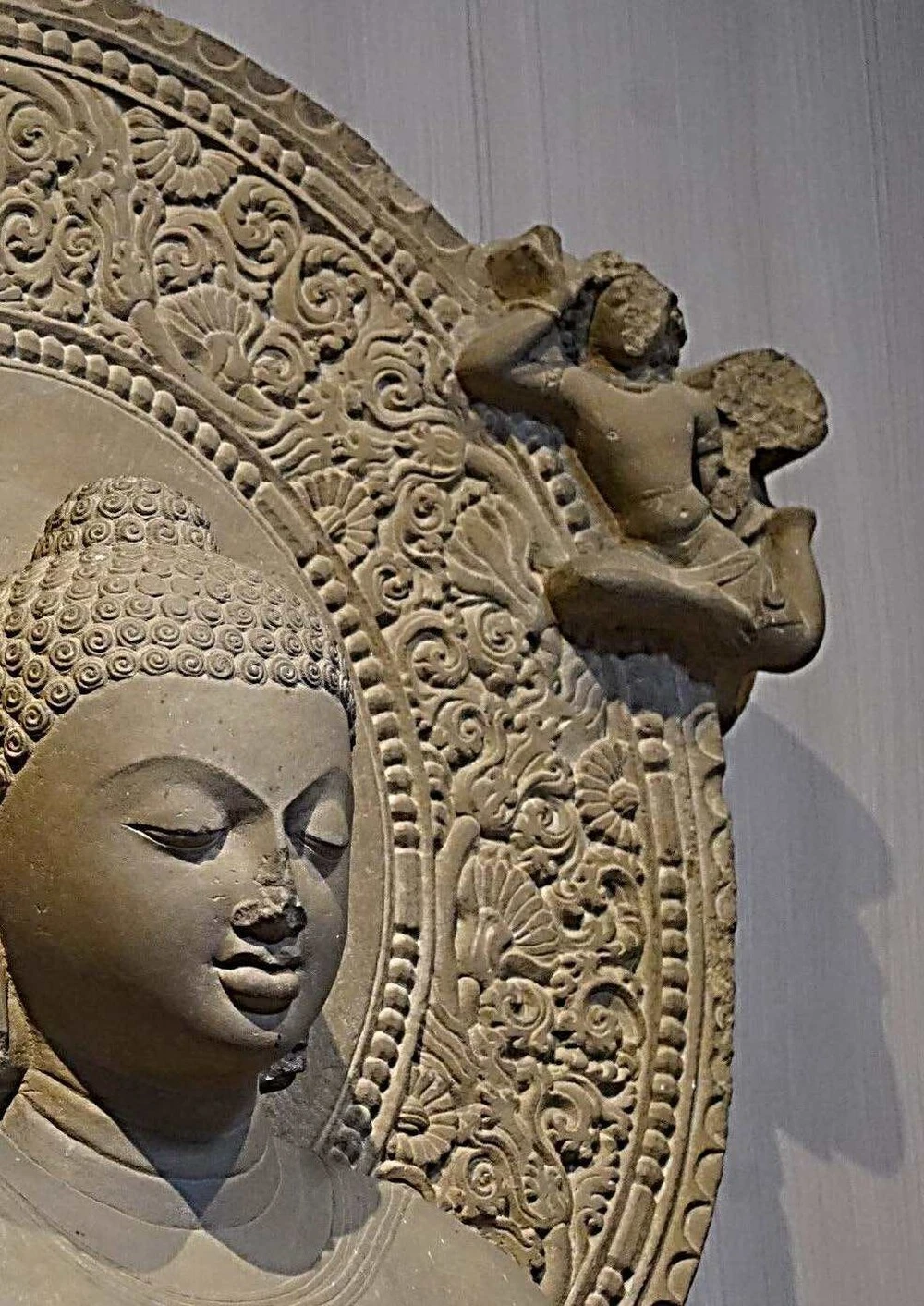
According to UNESCO, the site preserves authentic archaeological remains that collectively illustrate the origins, spread and architectural development of Buddhism. The surviving monuments, sculptures, inscriptions and urban layout provide an extraordinary testimony to a tradition that shaped the religious, artistic and cultural history of much of Asia.
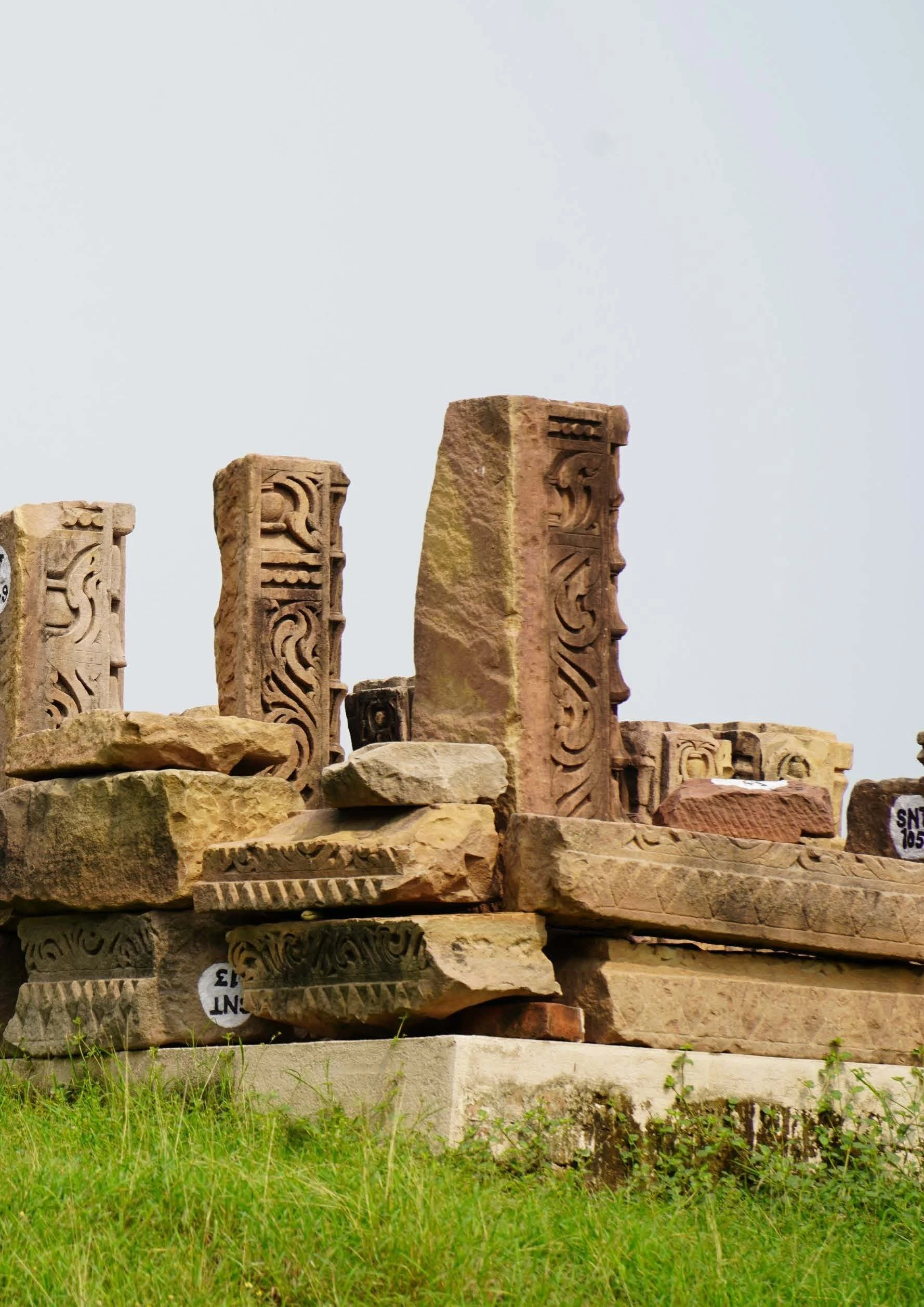
The inscription also acknowledges the site’s authenticity, integrity and long-term conservation under the Archaeological Survey of India.
Layers of History Beneath Every Stone
Sarnath’s story stretches far beyond Buddha’s lifetime.
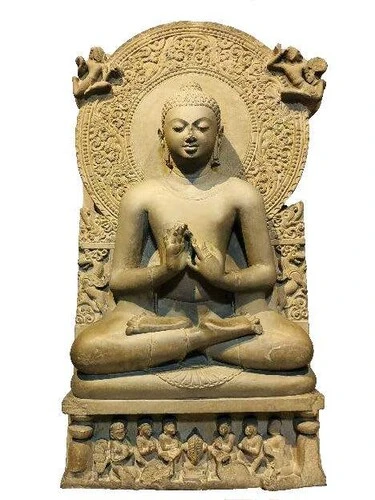
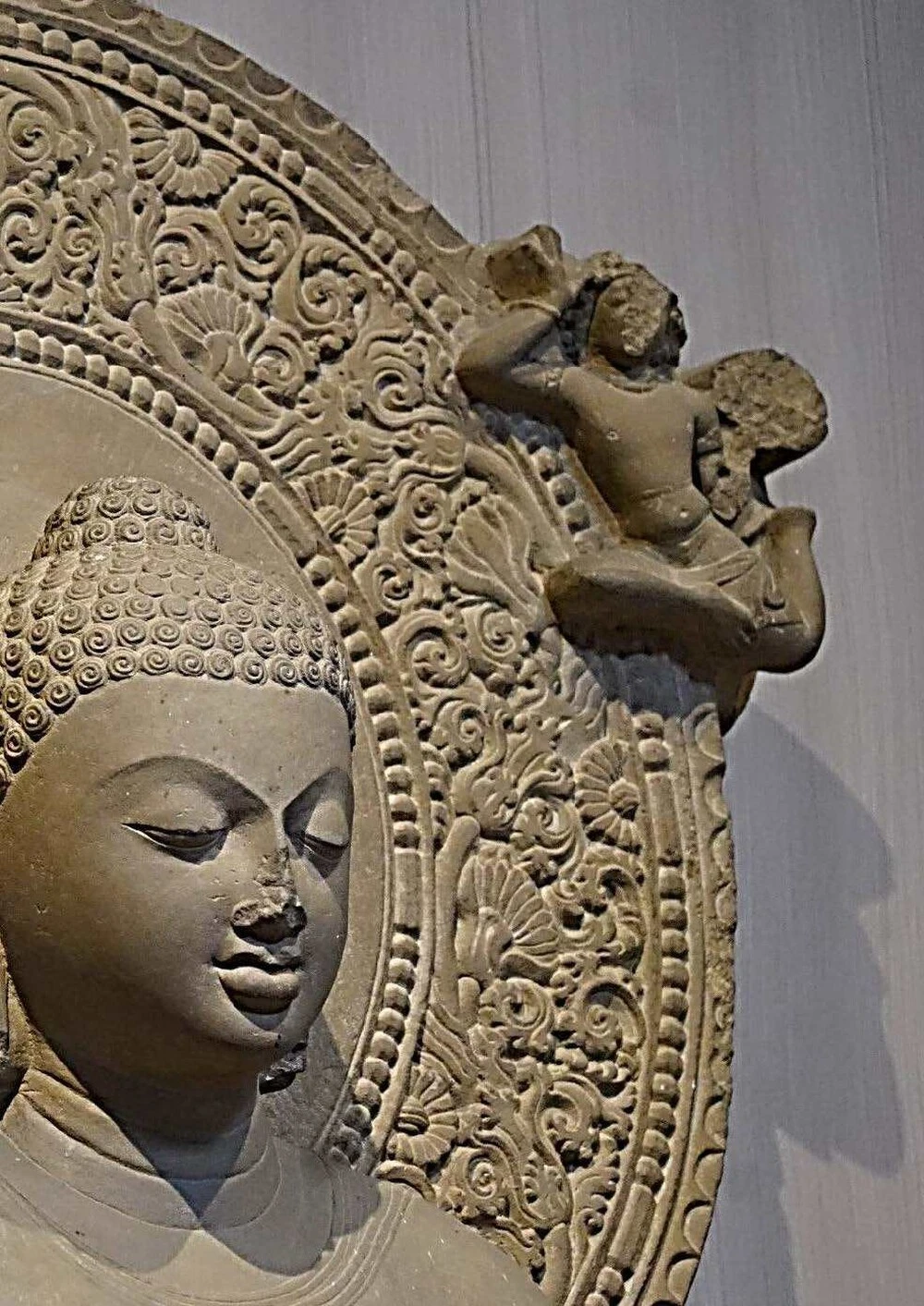
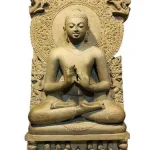
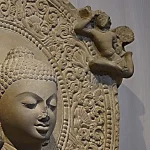
Following the First Sermon, the settlement evolved into one of the ancient world’s foremost Buddhist centers. Emperor Ashoka transformed it through monumental construction, while the Gupta period witnessed remarkable artistic achievements that established the distinctive “Sarnath School of Sculpture,” celebrated for its refined Buddha images and spiritual elegance.
Chinese pilgrims Faxian in the 5th century and Xuanzang in the 7th century documented magnificent monasteries, towering stupas, and thriving monastic communities that flourished here.
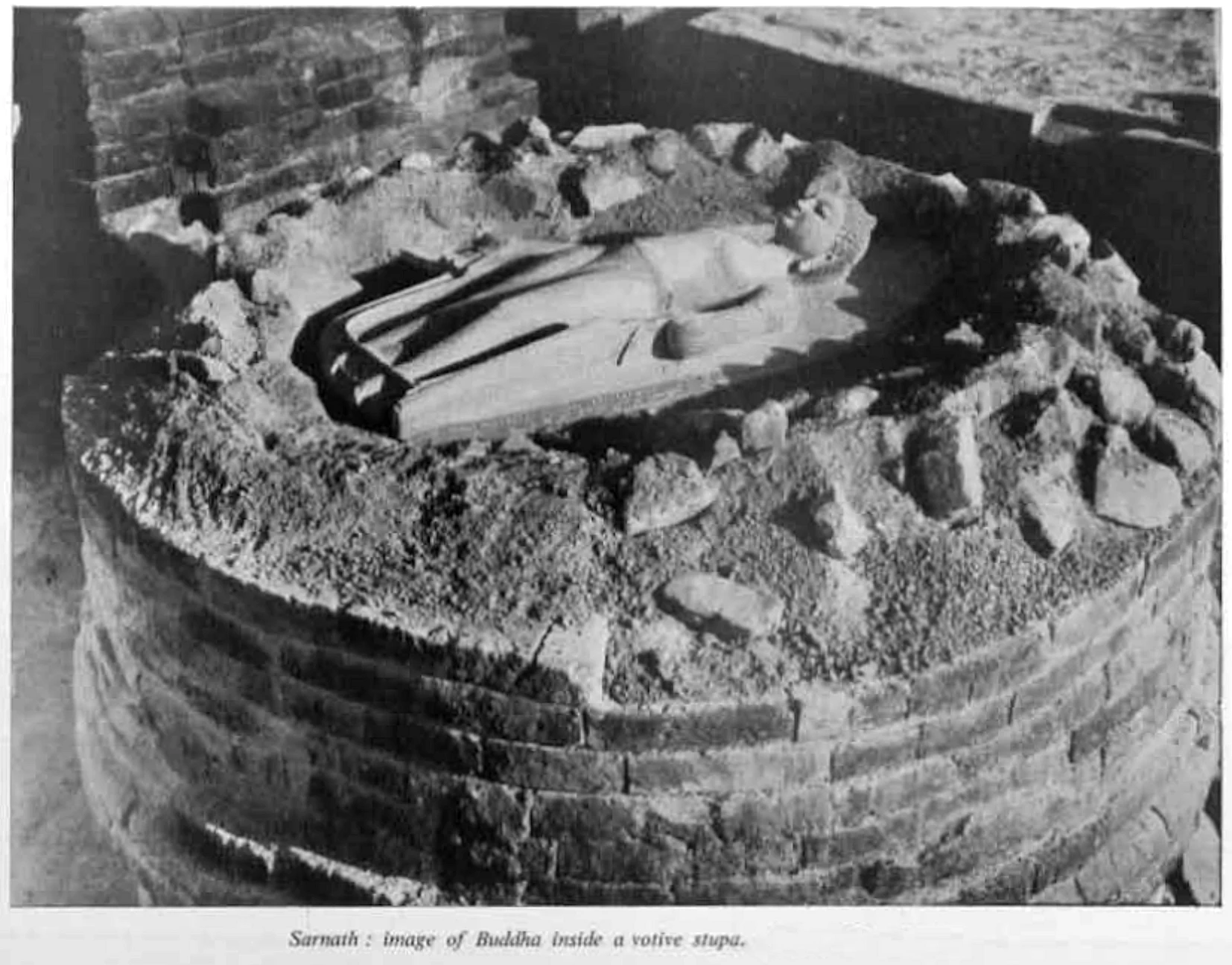
Although many structures were later damaged during medieval invasions and gradually buried, archaeological excavations beginning in the 19th century uncovered the remains that visitors experience today.
Why This UNESCO Inscription Matters
The recognition extends beyond symbolic prestige.
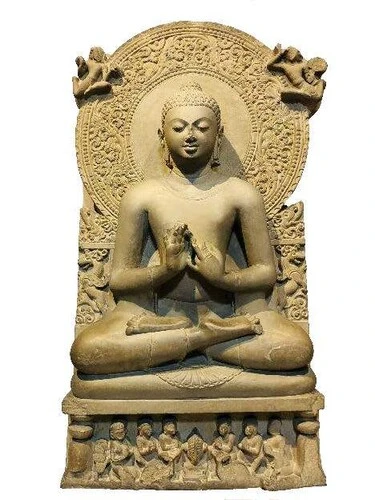
UNESCO status strengthens international conservation efforts, promotes sustainable heritage management, and increases global visibility for one of Buddhism’s holiest places. It is also expected to enhance cultural tourism along India’s Buddhist Circuit while encouraging continued archaeological research and preservation.
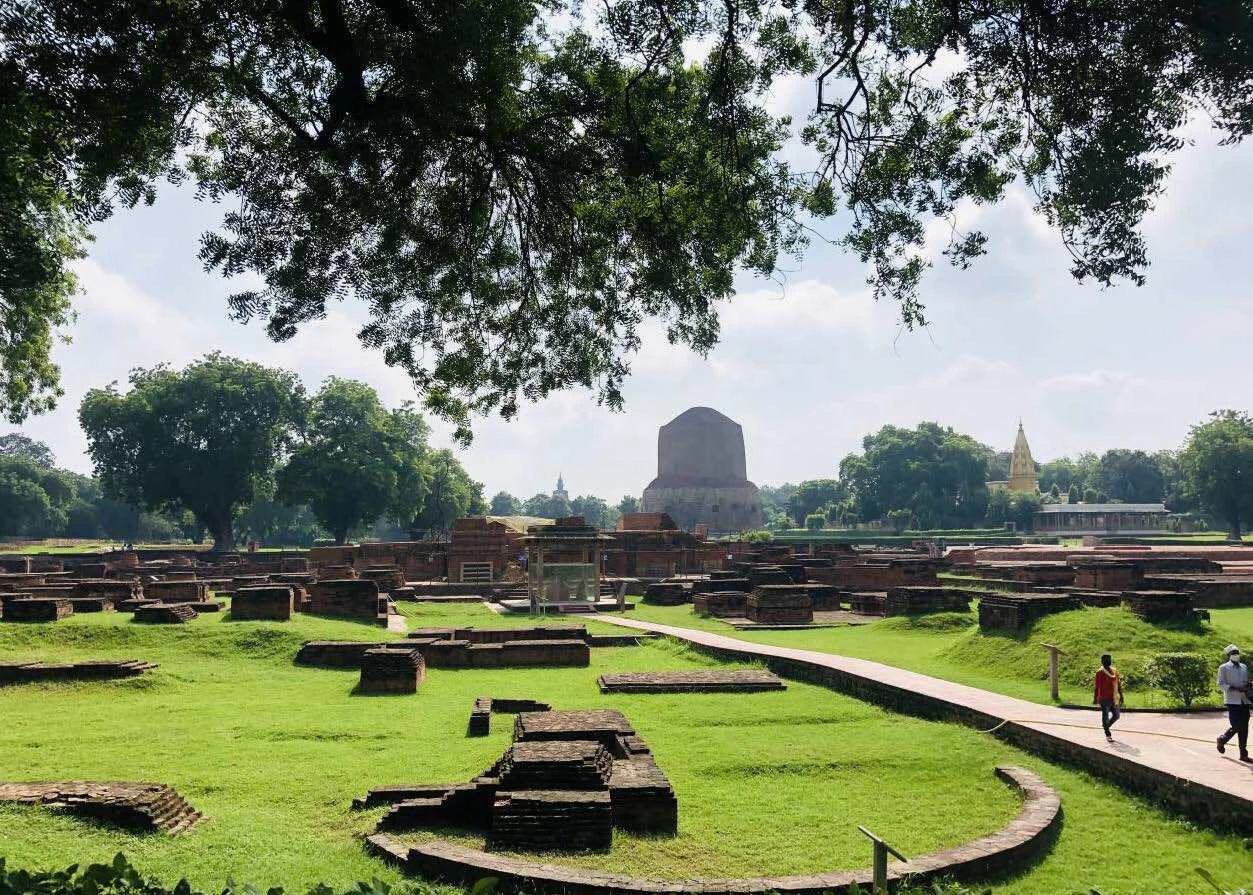
For architects, historians and conservation professionals, Sarnath offers an invaluable record of Buddhist spatial planning, early masonry construction, stupa evolution and sacred landscape design spanning more than two thousand years.
A Living Heritage That Continues to Inspire
Sarnath remains an active centre of pilgrimage, reflection and international cultural exchange. Monks, scholars and travellers from around the world continue to gather where Buddha first articulated the principles that would influence millions across centuries.
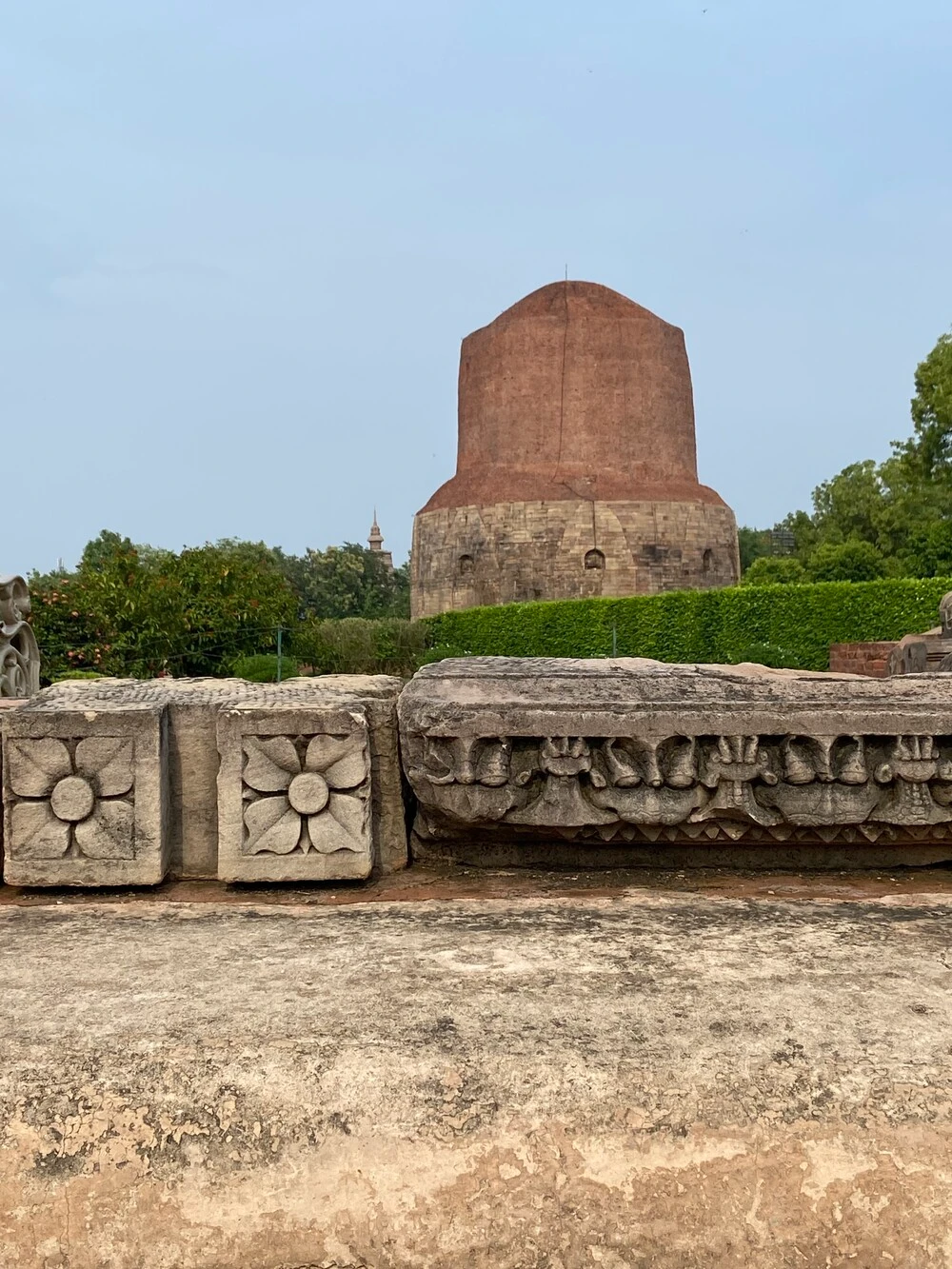
Its UNESCO inscription is the recognition of ancient ruins. It acknowledges a landscape where architecture, archaeology and philosophy converge, preserving the place where one of history’s most transformative ideas first entered the world