
The Sharjah Architecture Triennial (SAT) has officially announced the participants and opening dates for its highly anticipated third edition, bringing together architects, designers, artists, researchers, and collectives from across the Global South. Running from 14 November 2026 to 14 April 2027, the event will once again transform Sharjah into a platform for conversations around architecture, urbanism, civic life, and collective futures.
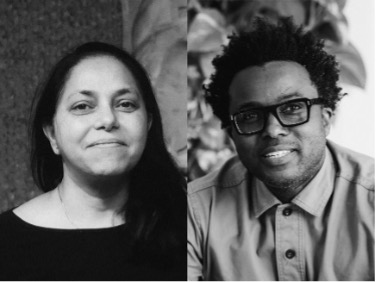
Curated by anthropologist, writer, and urban scholar Vyjayanthi Rao, with Tau Tavengwa serving as Associate Curator, the third edition is centered on the theme “Architecture Otherwise: Building Civic Infrastructure for Collective Futures.” The Sharjah Architecture Triennial explores architecture as a social, cultural, and political practice that shapes how communities live, interact, and imagine the future.
Sharjah Architecture Triennial 2026 Theme
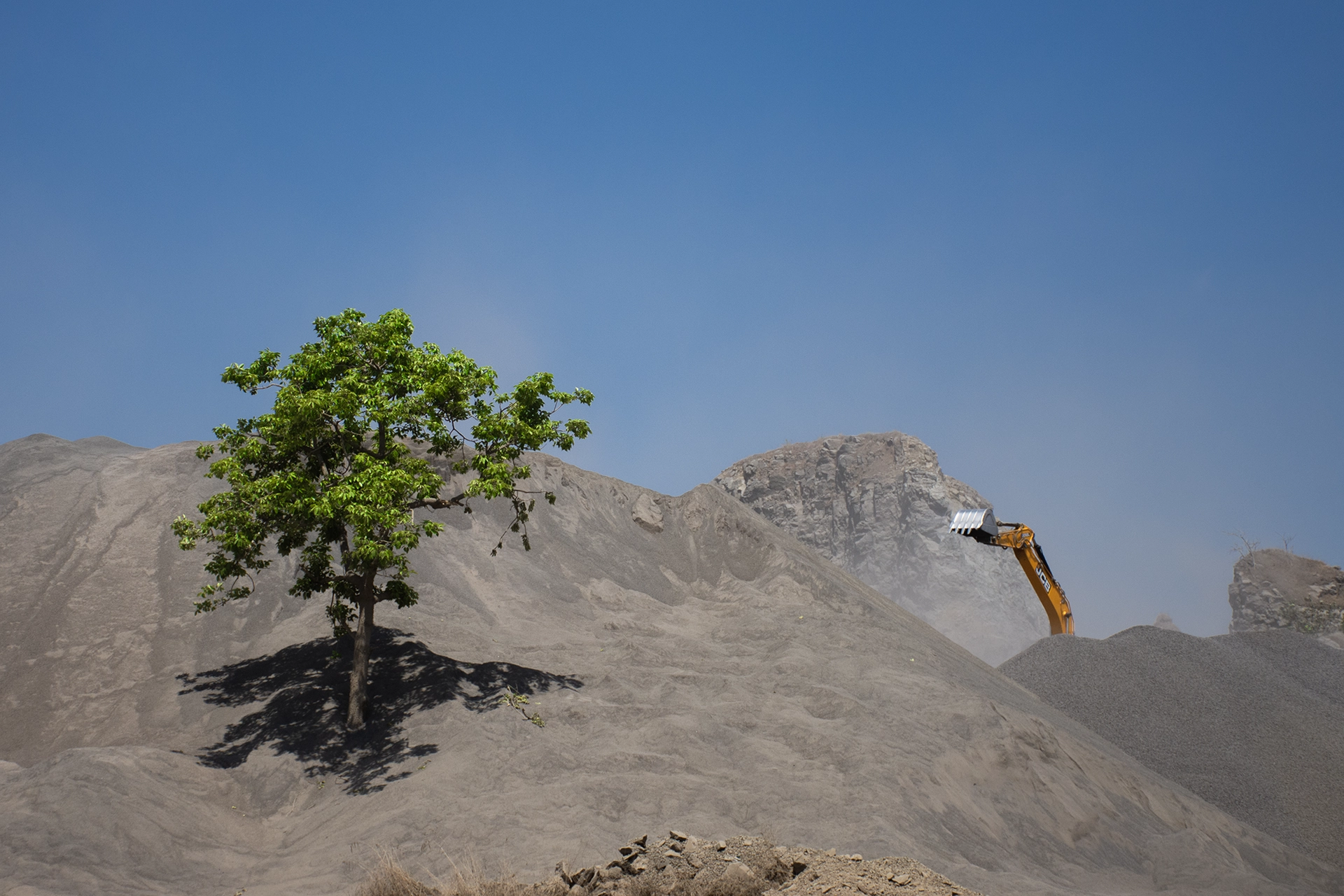
The theme, Architecture Otherwise: Building Civic Infrastructure for Collective Futures, proposes a broader understanding of infrastructure. Instead of limiting infrastructure to roads, bridges, or public facilities, the Sharjah Architecture Triennial examines the everyday systems that sustain civic life, including education, culture, housing, food, public gathering spaces, and community networks.
Through exhibitions, research projects, installations, and public programs, the event aims to investigate how architecture can respond to social inequalities, climate challenges, urban transformation, and rapidly changing cities. The curatorial approach encourages practitioners to rethink architecture as an ongoing process of collaboration, care, and public participation rather than simply the production of physical structures.
Dates and Venues
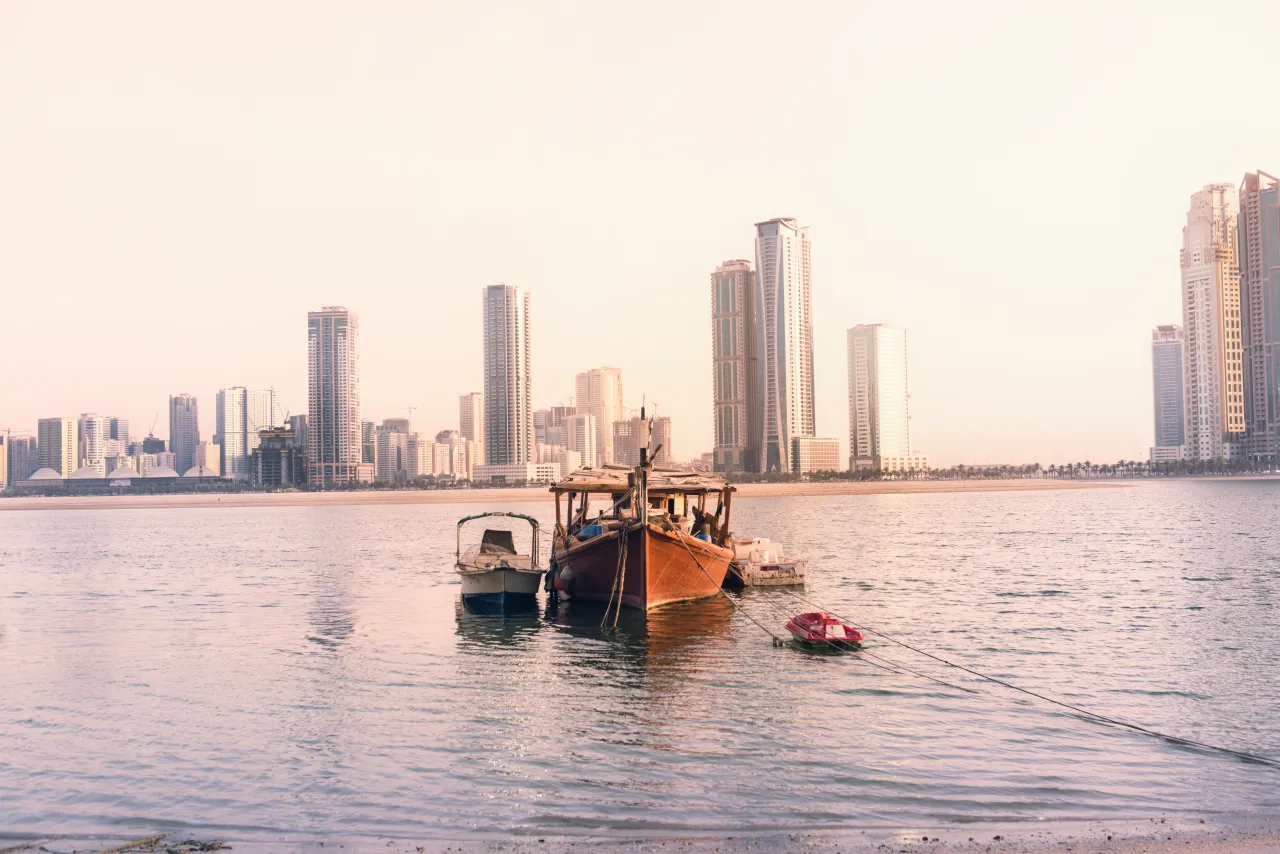
The third edition of the Sharjah Architecture Triennial will take place from 14 November 2026 to 14 April 2027 across multiple venues in Sharjah, United Arab Emirates.
As in previous editions, the exhibition program will activate a network of historic buildings, adaptive reuse sites, public spaces, and cultural institutions throughout the city. By embedding exhibitions within Sharjah’s existing urban fabric, the Triennial encourages visitors to experience architecture beyond gallery settings and to engage directly with the city’s social and historical context.
Participants Reflect Diverse Regional Perspectives
The Sharjah Architecture Triennial has announced an international roster of participants representing architecture, urban research, conservation, community practice, anthropology, and design. The selected practitioners highlight locally rooted approaches to spatial challenges across Asia, Africa, and the Middle East.
Among the announced participants are:
- People’s Architecture Office (China)
- Megawra – Built Environment Collective (Egypt)
- Riwaq – Centre for Architectural Conservation (Palestine)
- POCAA
- Azza Aboualam
- Mohamad Nahleh
- Ziad Jamaleddine
- Alongside numerous architects, researchers, artists, and interdisciplinary collectives working across the Global South.
The diversity of participants reflects the Triennial’s continued emphasis on collaborative practices, community engagement, heritage conservation, environmental resilience, and alternative models of urban development.
Curatorial Vision
Curator Vyjayanthi Rao approaches the Sharjah Architecture Triennial from the perspective of anthropology and urban studies, examining how architecture intersects with everyday life, governance, and public space.
Working alongside Associate Curator Tau Tavengwa, the curatorial team seeks to foreground practices that operate beyond conventional architectural production. Their vision positions architecture as a civic practice capable of fostering dialogue, resilience, and collective responsibility across different geographical and cultural contexts.
Building on Sharjah’s Architectural Platform
Since its inaugural edition, the Sharjah Architecture Triennial has established itself as the first major platform dedicated to architecture and urbanism across the Middle East, North Africa, East Africa, and South Asia. Unlike traditional architecture exhibitions focused on landmark buildings, the Triennial prioritizes research-driven projects, regional knowledge, and locally grounded architectural practices.
The institution continues to expand its year-round research initiatives, public programs, publications, and exhibitions, reinforcing Sharjah’s position as a leading centre for critical discussions on architecture, urbanism, and the built environment.
With the announcement of its participants and exhibition dates, the Sharjah Architecture Triennial signals another ambitious edition that places civic infrastructure, public life, and regional collaboration at the centre of architectural discourse. Bringing together voices from across the Global South, SAT03 aims to foster new conversations about how architecture can respond to today’s social, environmental, and urban challenges while imagining more inclusive collective futures.