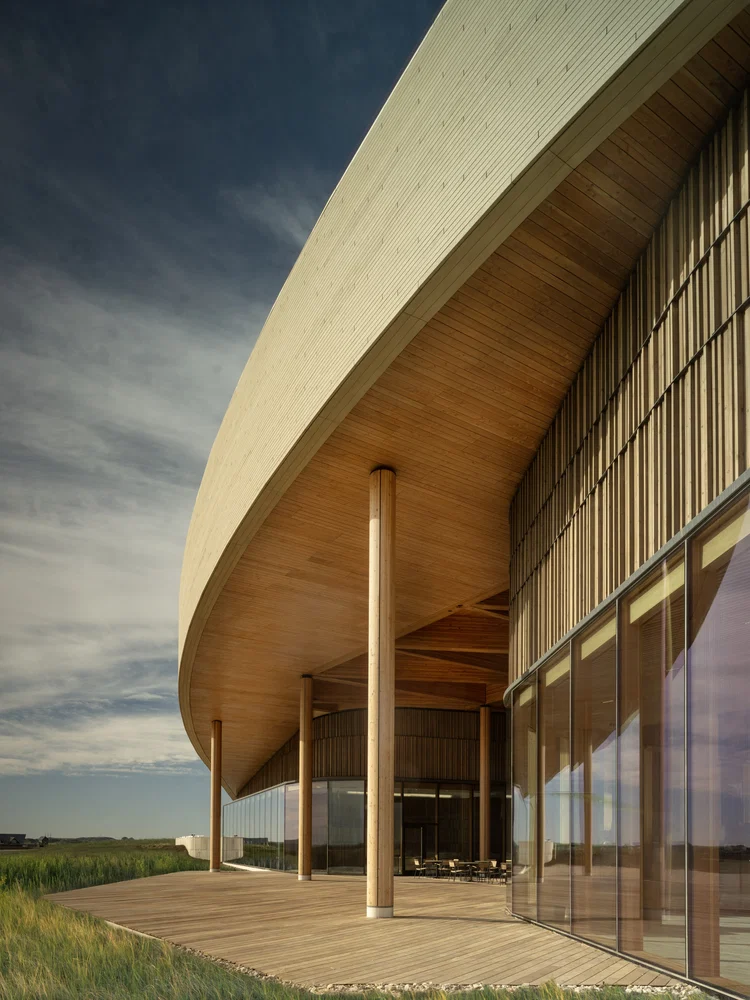
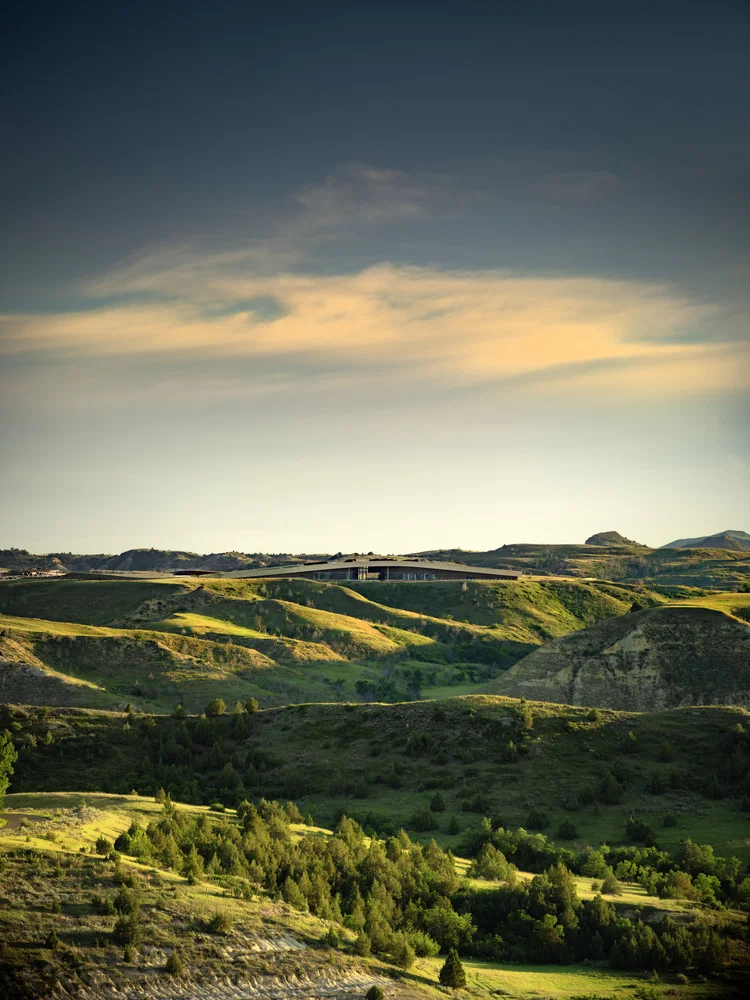
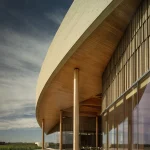
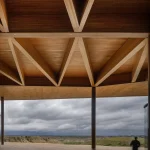
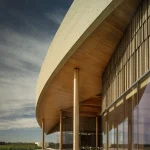
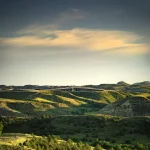
Set to open on July 4, 2026, the Theodore Roosevelt Presidential Library by Snøhetta celebrates America’s 250th anniversary. Located on a 93-acre site in Medora, North Dakota, beside Theodore Roosevelt National Park, the 96,000-square-foot cultural landmark is conceived as one of the most environmentally ambitious buildings in the Americas. Pursuing full Living Building Certification, the project merges architecture, landscape, and storytelling into a single immersive experience while welcoming more than 200,000 visitors each year.
Library Emerges from the Landscape
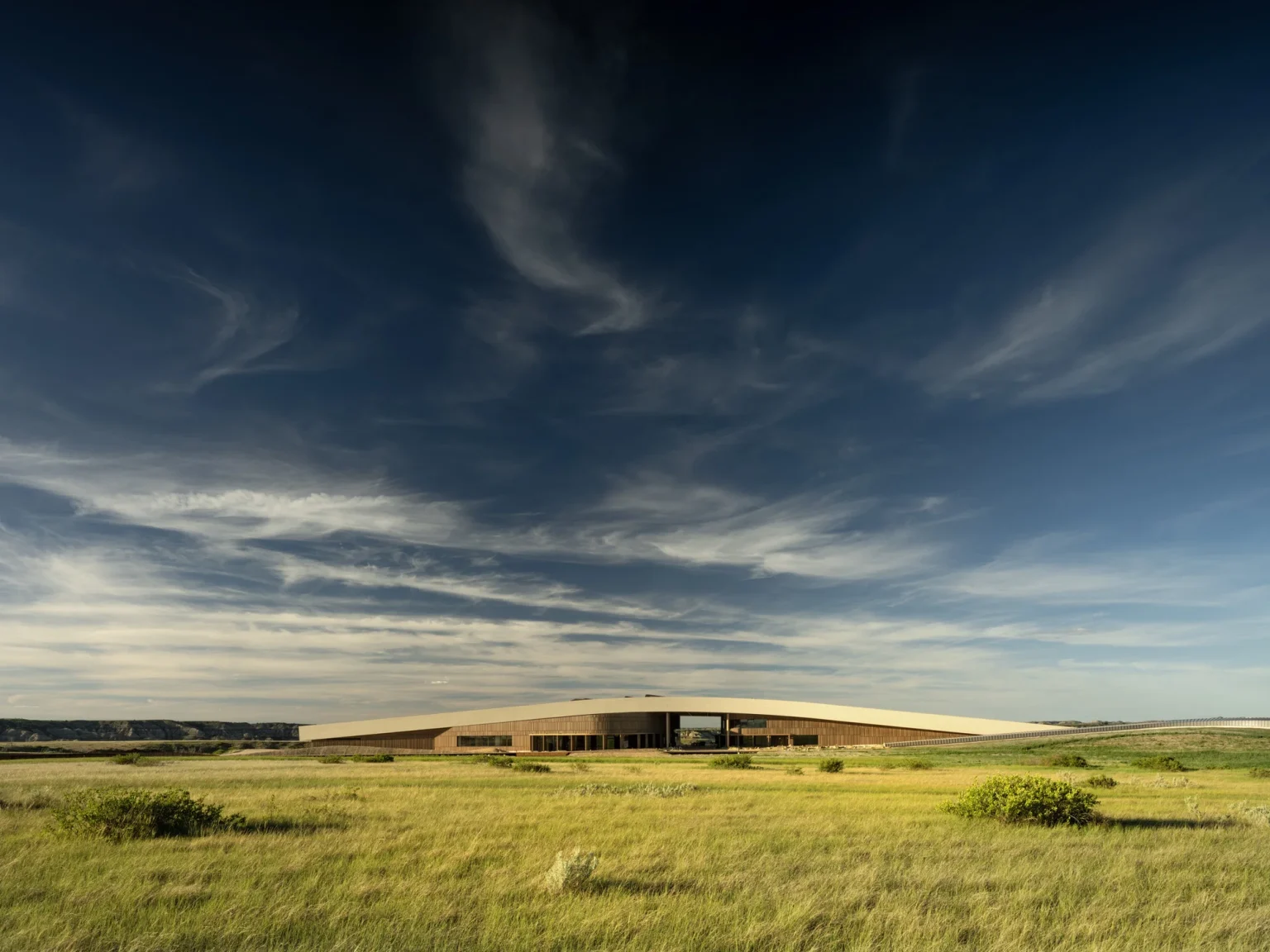
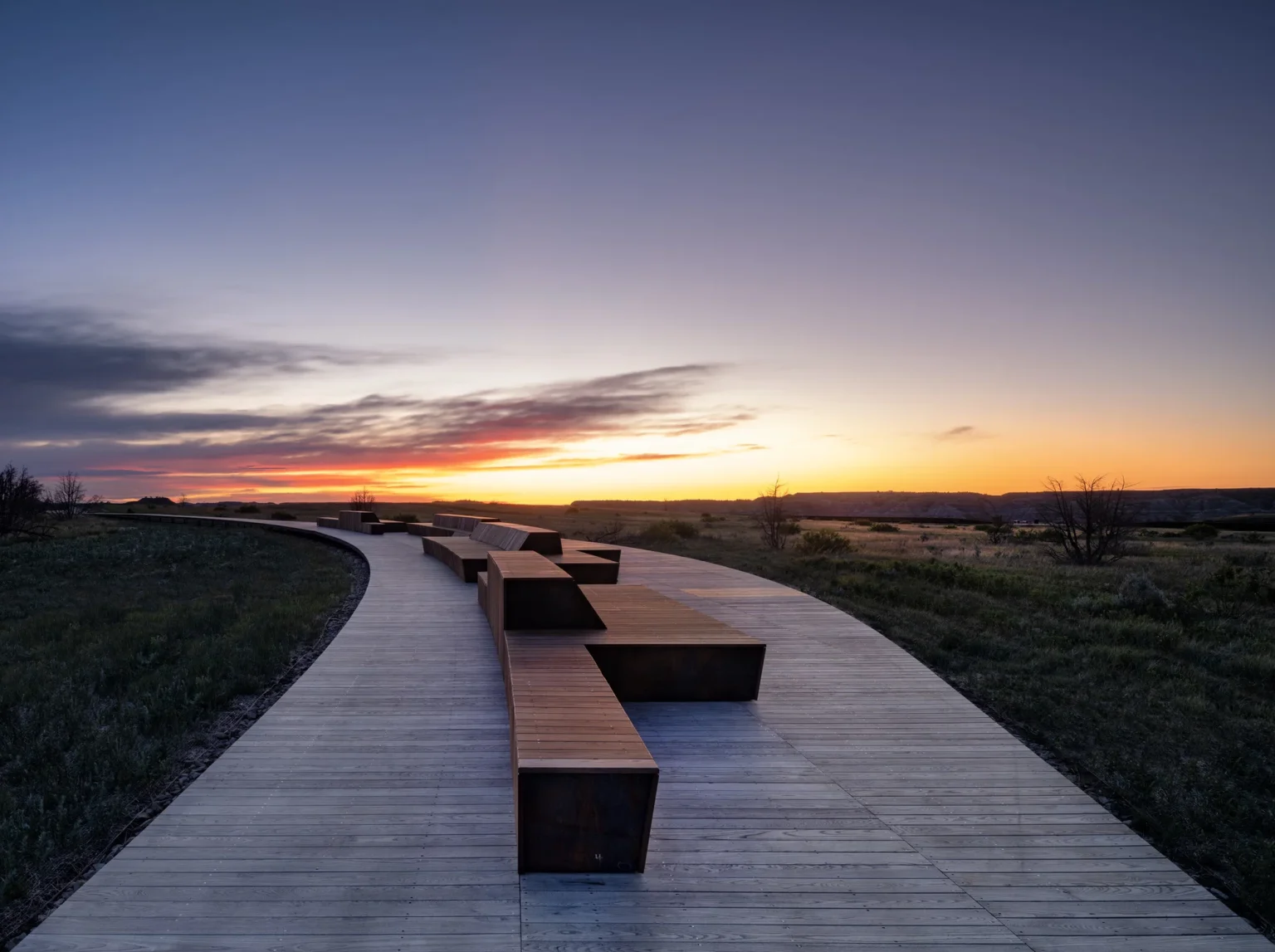
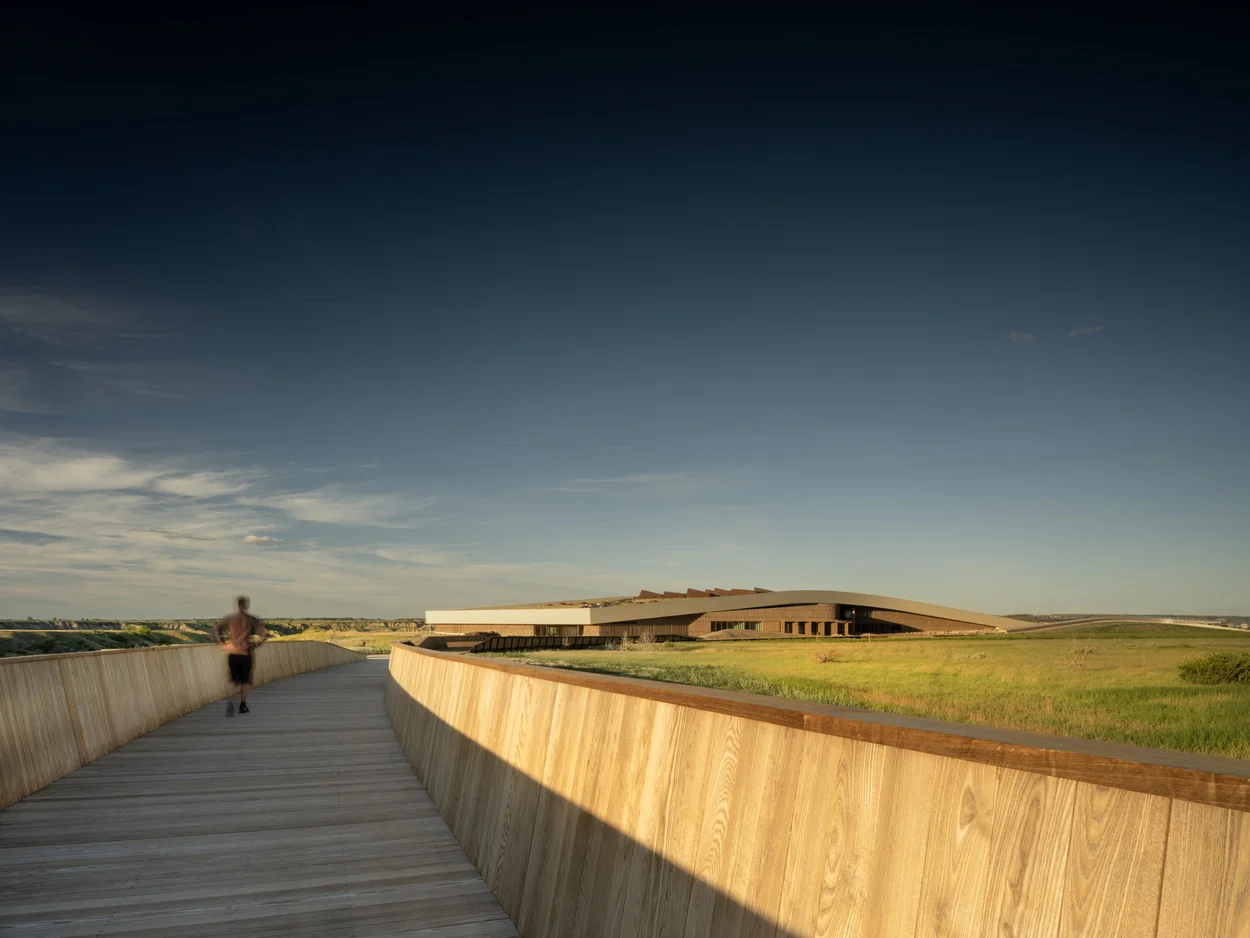
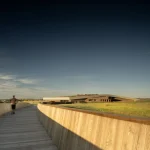
Guided by the concept “The Library is the Landscape,” Snøhetta shaped the library building as an extension of the surrounding Badlands. The structure rises from a natural butte and is topped with a 121,000-square-foot living prairie roof that seamlessly blends into the terrain. A nearly mile-long accessible boardwalk winds across the restored site, offering elevated viewpoints, immersive ground-level trails, outdoor classrooms, quiet gathering spaces, and a suspended overlook.
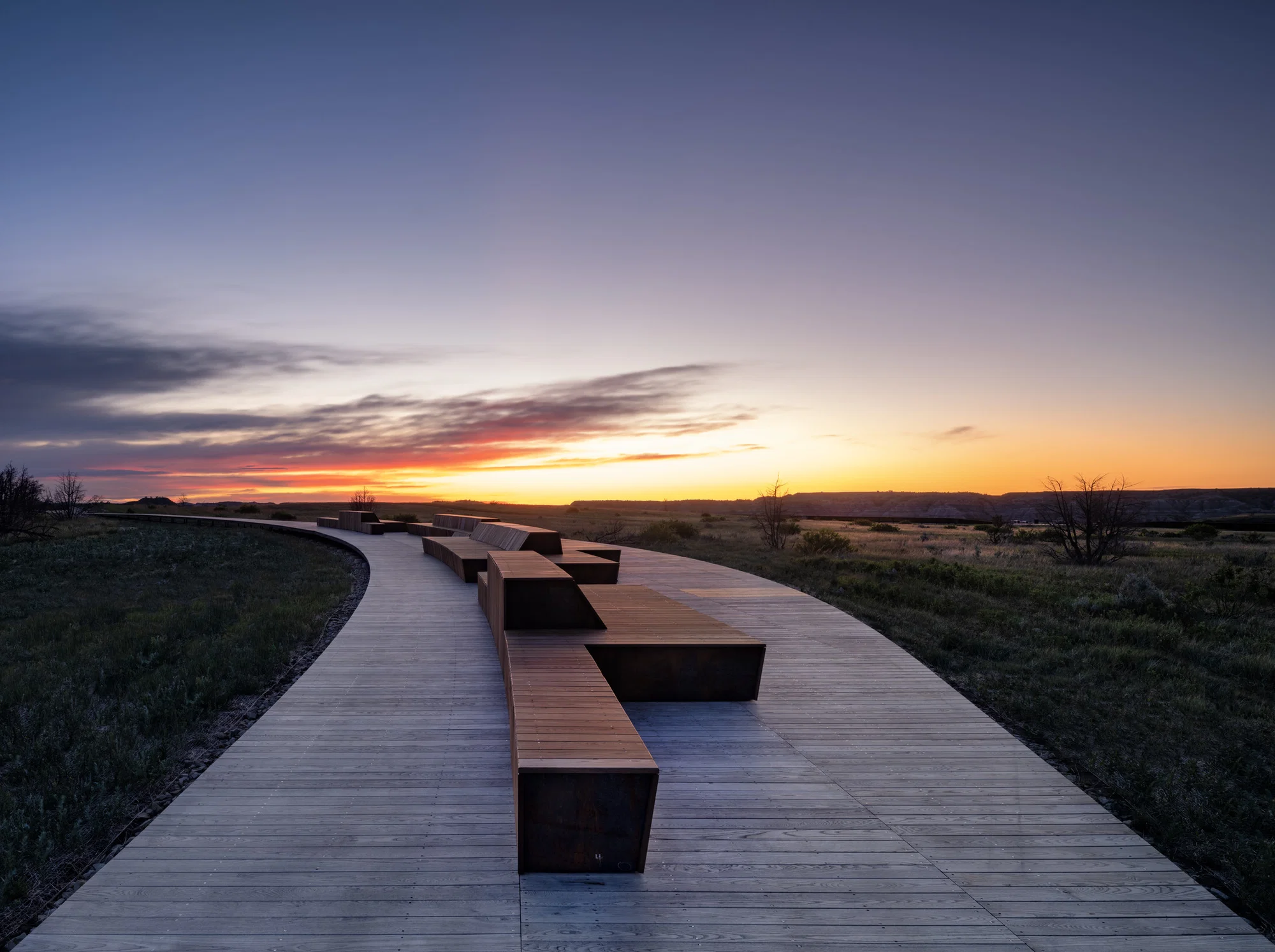
Visitors can reach the library by hiking, cycling, horseback, or car, making it the first presidential library designed with direct trail access.
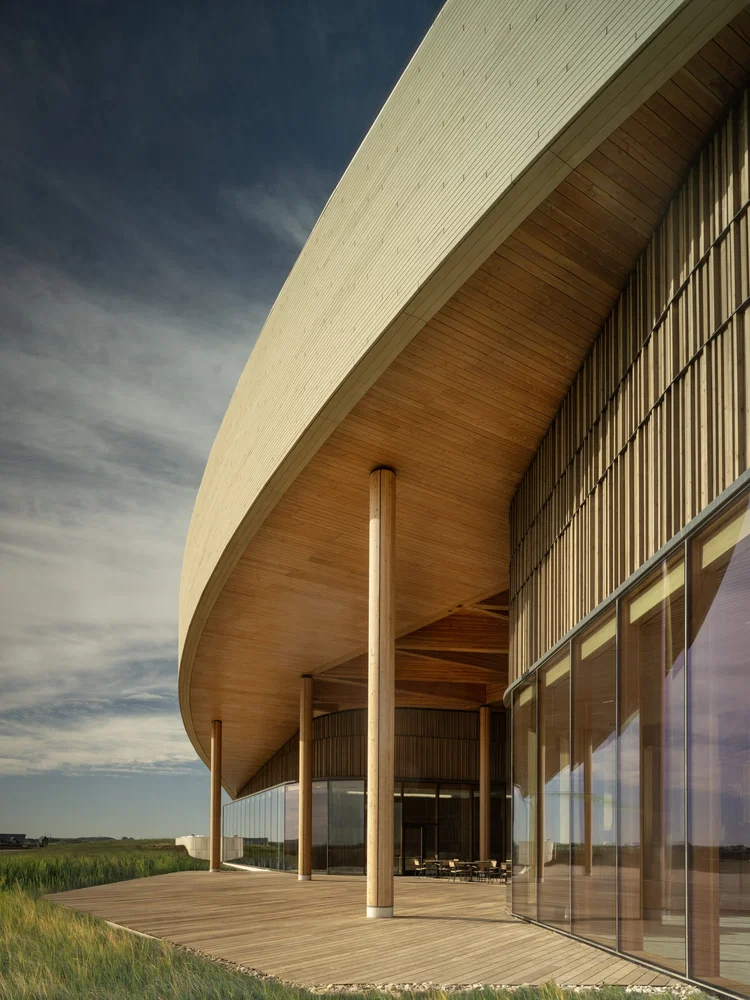
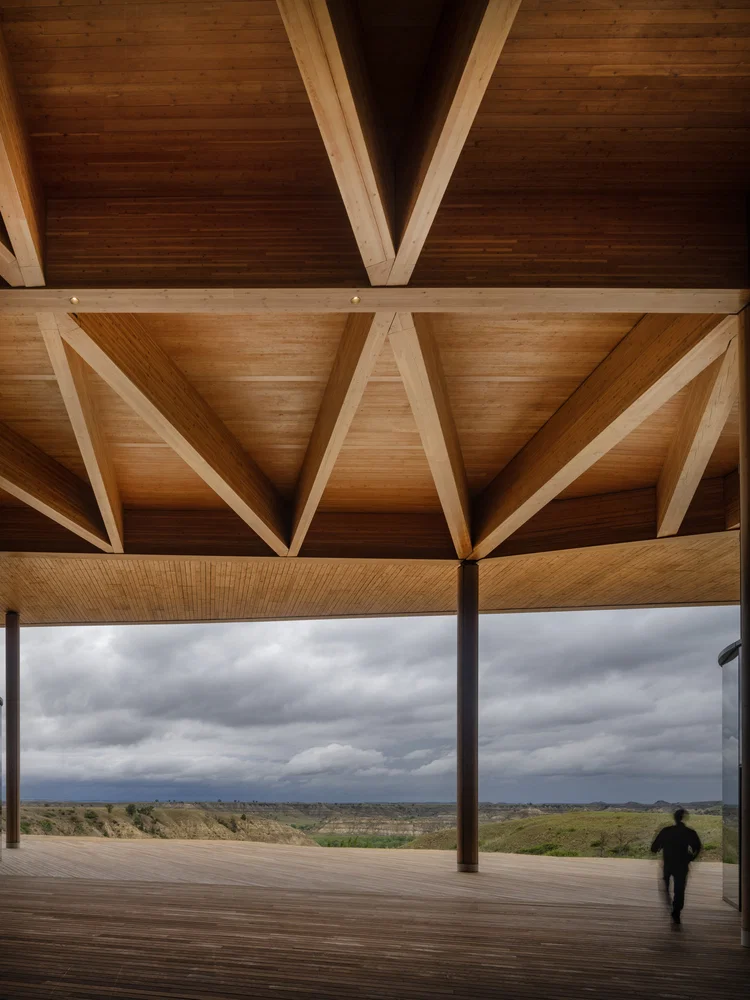
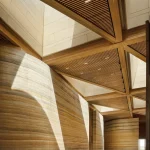
Inside, circulation has been carefully choreographed to create a journey through changing light and space. Expansive windows frame significant landscapes, including views toward Theodore Roosevelt’s historic Elkhorn Ranch, while skylights introduce natural daylight into the exhibition galleries.
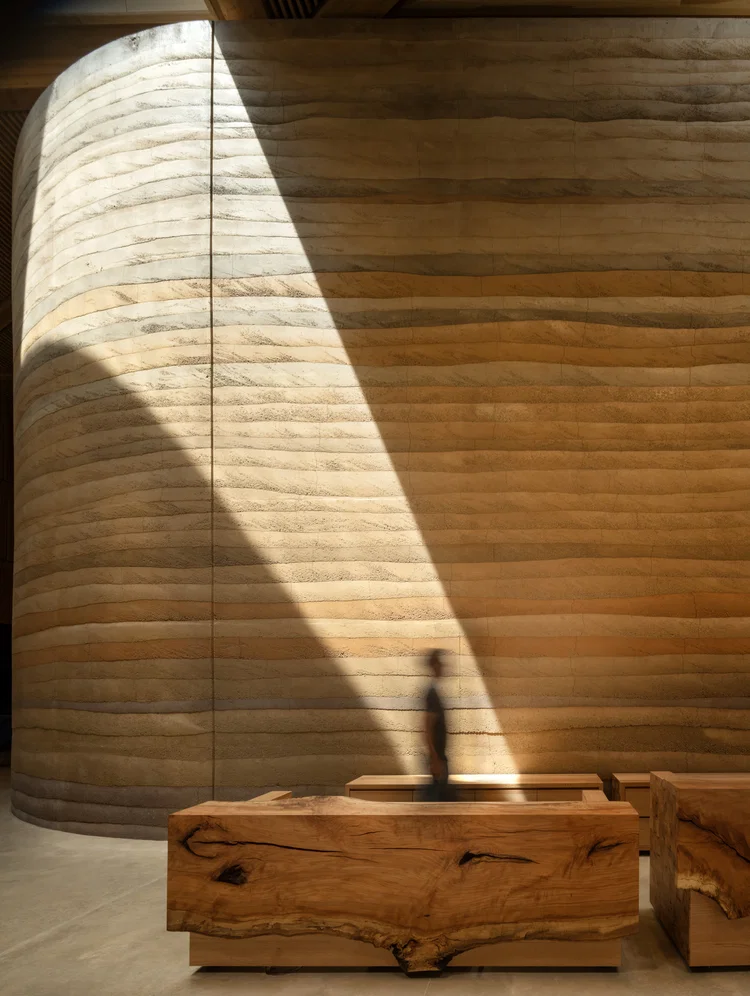
Alongside climate-controlled galleries, the library also includes an auditorium capable of hosting presidential debates and advanced facilities that support digital collections and evolving sustainable technologies.
Mass Timber, Rammed Earth, and Local Materials Shape the Building
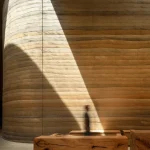
The project’s material palette reflects the character of North Dakota’s landscape. Mass timber, reclaimed regional wood, low-carbon concrete, and rammed-earth walls made from locally sourced soil create a building deeply connected to its surroundings. The layered textures of the earthen walls mirror the geology of the Badlands, while local craftspeople collaborated with national specialists to deliver complex construction systems within an ambitious schedule.
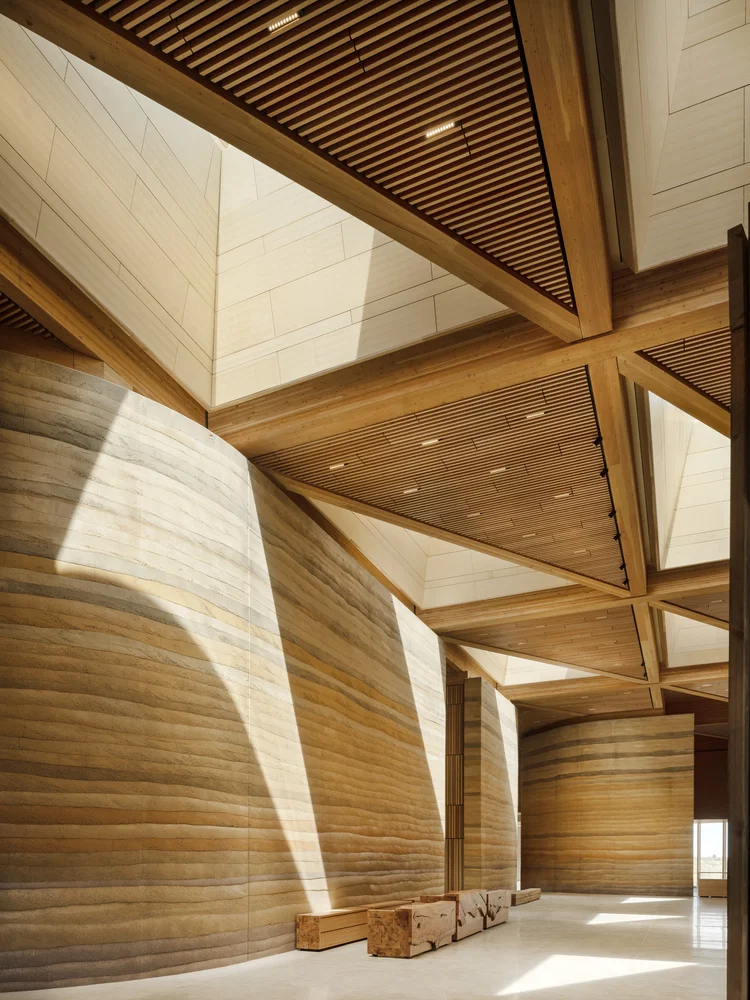
Every material was selected to reduce environmental impact. Harmful Red List chemicals have been eliminated, and many building components are designed for future disassembly, allowing materials to be reused while encouraging graceful aging over time.
A Cultural Building Designed for Regeneration
Conservation informs every aspect of the Theodore Roosevelt Presidential Library. The project targets full Living Building Challenge Certification alongside the highest levels of LEED and SITES certification, following a “Four Zeros” strategy focused on zero energy, zero water, zero emissions, and zero waste. Ecological restoration extends across the entire 93-acre site, making the landscape as important as the building itself.
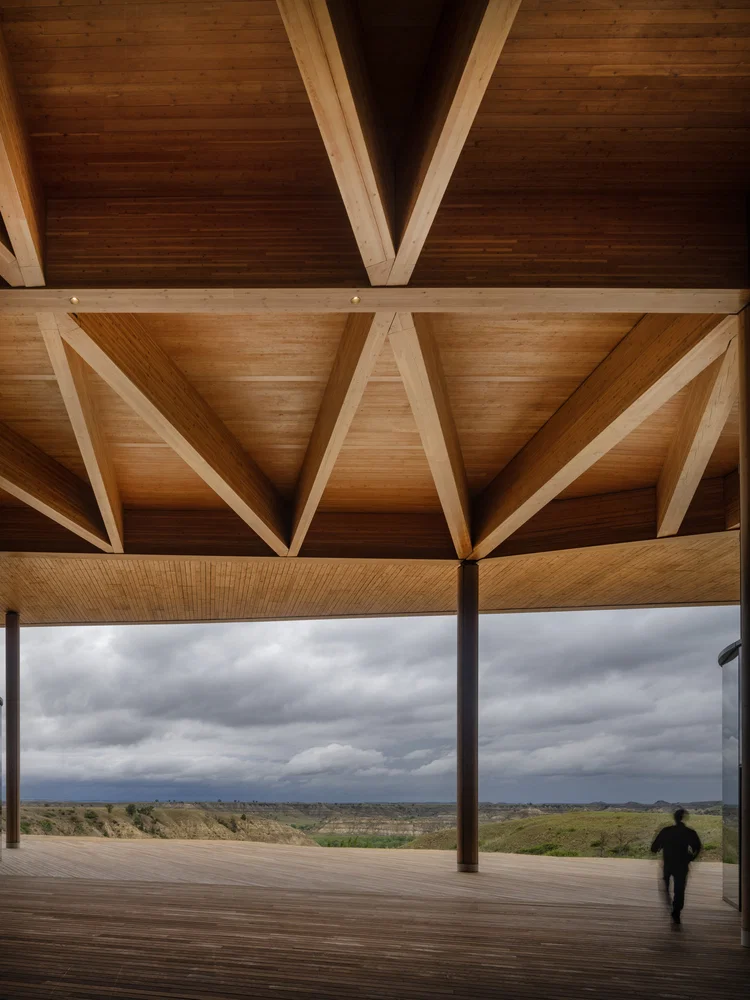
A major part of this restoration is the Native Plant Project, developed with environmental and academic partners, which has established more than 200 native plant species across the living roof and surrounding prairie. Ongoing land management practices, including controlled grazing, haying, and prescribed burns, are integrated into visitor programs, encouraging people to actively engage with the landscape.
Once certified, the Theodore Roosevelt Presidential Library by Snøhetta will become the world’s largest and most complex Living Certified cultural institution, as well as the only Living Certified presidential library.
Theodore Roosevelt Library Project Details
Project Lead Architect: Snøhetta
Lead Architects/Designers: Craig Dykers, Michelle Delk, Matthew McMahon, Aaron Dorf, Kurt Marsh, Dan Marty, Prince Langley
Architect of Record: JLG Architects (Johnson Laffen Galloway)
Landscape Architect of Record: Confluence
Contractor: JEDunn
Photo by: Nic LeHoux